Retail News CRM

Tag: Government

  • Paris Court Upholds Shein’s Marketplace Despite Pressure From French Government

    Paris Court Upholds Shein’s Marketplace Despite Pressure From French Government

    Shein, a Chinese online retailer popular for its fast-fashion offerings, emerged victorious after the Court of Appeal in Paris dismissed France’s plea for the suspension of the platform. The court’s decision came in the aftermath of a controversy where the sale of child-like sex dolls and illegal weapons on Shein’s marketplace was uncovered, leading to governmental legal intervention.

    Previously, the French authorities had demanded a complete prohibition of Shein’s operations. However, this was later reduced to the demand for a suspension of its marketplace operations. A lower court had already rejected the government’s request in December, but the decision was appealed. Shein, which boasts millions of customers worldwide due to its low-cost clothing, gadgets, and accessories, has been facing criticism in France since the damning findings were disclosed in November.

    Shein operates as a multifaceted platform, selling its own branded products while also providing a marketplace for third-party sellers to offer a wide variety of items, ranging from kitchen appliances to smartphones. In response to the investigation, the company temporarily halted its marketplace operations in France, resuming only after the December court ruling.

    The Court’s Decision

    The appeals court upheld the earlier verdict, dismissing the additional demands presented by the French State. Furthermore, the court reiterated that Shein is prohibited from listing such controversial products on its platform without implementing adequate age-verification measures.

    Reacting to the court ruling, the French government pledged to be “extremely vigilant” in ensuring that Shein adheres to the court-imposed conditions.

    Shein’s Response

    In response to the court’s ruling and the controversy, Shein has announced the rollout of age-verification measures. It has also ceased to permit third-party sellers to list sex dolls on its platform across all markets.

    The company released a statement following Thursday’s verdict, stating, “Over the last several months, we have continued to significantly reinforce our controls for both sellers and products on our marketplace, to ensure that our consumers in France can enjoy a safe and enjoyable online shopping experience.”

    The statement also mentioned that Shein has been in constant communication with French and European authorities and is actively engaging with the European Commission regarding the implementation of stricter age-verification measures.

    Future Challenges

    Despite the favorable court ruling, the fast-fashion giant is not out of the woods yet. Shein is currently under investigation by the European Union for potential violations related to illegal products and the potentially addictive design of the platform.

    Furthermore, Shein is likely to face continued scrutiny from the French government. The country’s minister for small and medium-sized businesses has indicated that online retailers like Shein will face a “year of resistance”, suggesting that the platform enjoys an unfair competitive advantage over European retailers.

    Questions & Answers

    What was the controversy that led to the French government’s request for a ban on Shein?
    The company was found to be selling child-like sex dolls and illegal weapons on its platform, which led to the call for a ban on Shein’s operations in France.

    What are the implications of the recent court ruling for Shein?
    The court dismissed the French government’s request for a suspension of Shein’s marketplace. However, it mandated strict age-verification measures for certain products.

    What measures has Shein taken following the controversy?
    Shein has stopped allowing third-party sellers to list sex dolls on its platform. It is also implementing age-verification measures and enhancing controls for sellers and products on its marketplace.
  • Iranian Conflict Sparks 7% Surge in Vietnam’s Gasoline Prices: Government Leans on Stabilization Fund

    Iranian Conflict Sparks 7% Surge in Vietnam’s Gasoline Prices: Government Leans on Stabilization Fund

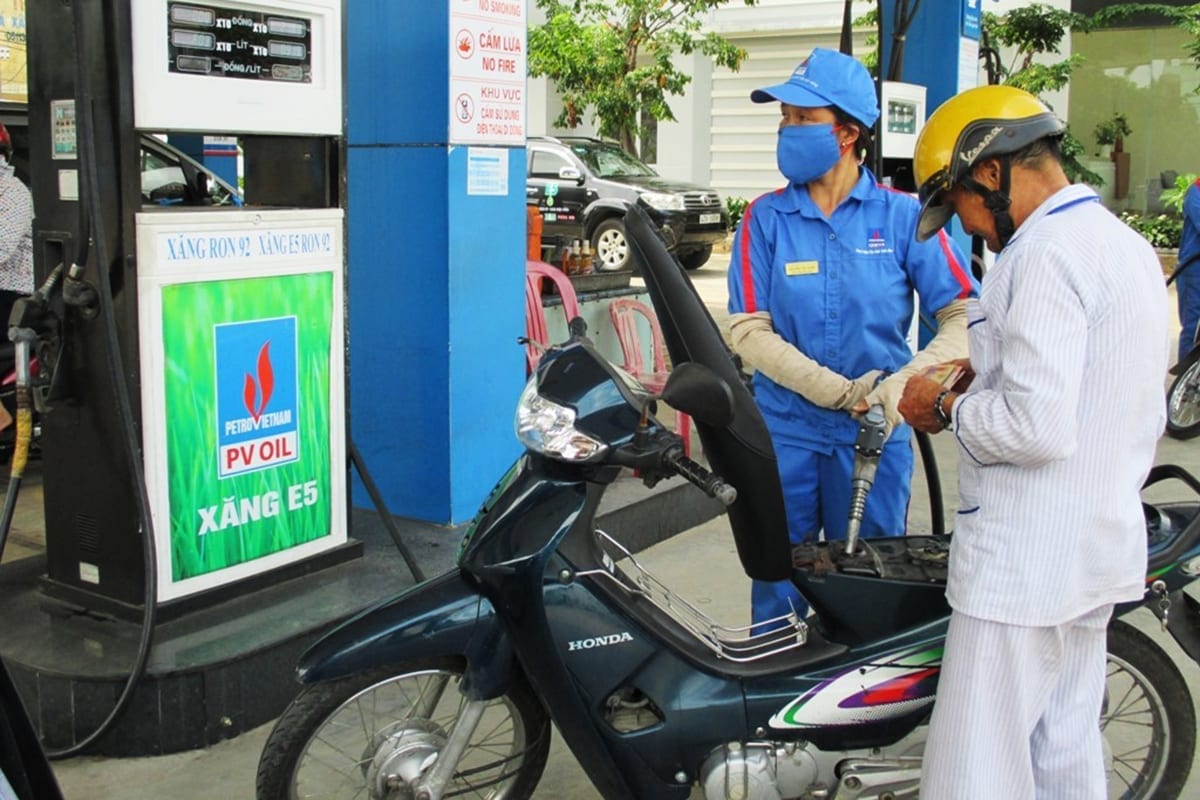
    The price of gasoline is on a continual rise, leading the government to depend on its stabilization fund to provide subsidies. On Tuesday, there was yet another increase, with the price of RON95 fuel skyrocketing by 7.69% to VND29,120 (US$1.11) per litre.

    Biofuel and Diesel Prices Also Rise

    Alongside gasoline, the prices of biofuel E5 RON92 and diesel also saw an increase. Biofuel E5 RON92 rose by 5.35% to VND26,570 per litre, while diesel prices saw a 1.59% increase, taking the price to VND30,710 per litre.

    For the first time in three years, both the Ministry of Industry and Trade and the Ministry of Finance have been forced to tap into the fuel stabilization fund. This has been done in an effort to subsidize RON95 by VND4,000 per litre and diesel by VND5,000 per litre.

    The price of RON95 is now approximately at the same level as it was in July 2022, a period when the global fuel supply chain was disrupted due to the Russia–Ukraine conflict. Diesel, on the other hand, is at its highest level since 2019.

    Global Market and Production Disruptions

    Ongoing military conflicts involving the United States, Israel, and Iran over the weekend have impacted the global market, according to ministry reports. All oil-exporting countries within the Gulf have cut down production as transport through the Strait of Hormuz is currently disrupted.

    It’s also notable that the trend of most countries stockpiling fuel has resulted in a sharp rise in global prices.

    The price of RON95 gasoline has seen a dramatic 27% increase to $147.5 per barrel, with diesel rising by 20%, kerosene by 4%, and mazut by 41%.

    Changes in Pricing and Supply

    Fuel prices in Vietnam were adjusted on Tuesday, deviating from the usual Thursday adjustment, to reflect global price changes of over 7%. Although global prices have begun to stabilize, domestic prices remain high due to a delay in the pricing cycle.

    Earlier on Tuesday, prices began to decline following a statement from U.S. President Donald Trump indicating that the conflict in the Middle East would soon come to an end.

    The prices of RON95 gasoline and diesel have dropped by around $20 per barrel in Singapore, falling to $127.2 and $160.4 respectively. These lower levels will be reflected in Vietnam after the next adjustment.

    To ensure short-term supply, Deputy Minister of Industry and Trade, Nguyen Sinh Nhat Tan announced that the government had procured four million barrels of oil from its partners. With this existing crude oil stockpile and further supplies expected shortly, he projects that the supply will suffice for 30–45 days, depending on demand and production plans at domestic refineries.

    Government Measures to Control Prices

    In addition to ensuring supply, the government is taking measures to control retail prices. They have slashed most favored nation import tariffs on gasoline and certain blending materials to zero. This move is intended to incentivize distributors to import fuel from countries that do not have free trade agreements with Vietnam.

    The Ministry of Finance has also requested that the government abolish the environmental protection tax on fuel starting March 12. Currently, this tax ranges from VND1,000-2,000 per litre, depending on the type of fuel.

    Questions & Answers

    What measures are the government taking to control the rising fuel prices?
    The government is using its stabilization fund to subsidize gasoline. They have also cut import tariffs on gasoline and certain blending materials to zero and are considering removing the environmental protection tax on fuel.

    What significant change has occurred in Vietnam’s fuel pricing system?
    Fuel prices were adjusted on Tuesday instead of the usual Thursday, due to the significant global price changes.

    How is the government ensuring short-term fuel supply?
    The government has procured four million barrels of oil from its partners, and more supplies are expected shortly. This is expected to meet domestic demand for the next 30–45 days.

  • Indonesia’s Wealthy on Tax Radar as Government Battles Soaring Budget Deficit

    Indonesia’s Wealthy on Tax Radar as Government Battles Soaring Budget Deficit

    The Indonesian government is increasing its tax scrutiny on its wealthy residents and large corporations in light of a significant national budget deficit. This action is part of a broader initiative to enhance tax collections amidst a challenging year for revenue in Southeast Asia’s most substantial economy. The current budget deficit is closing in on the 3% of GDP ceiling.

    Intensified Tax Scrutiny

    Large corporations, especially those under local magnate control, have been requested to provide additional tax payments in 2025. Some family-owned businesses have been asked to contribute over US$5 million.

    Circumstances grew more complicated when a subset of these firms resisted the new demands. Tax authorities then proposed a compromise, suggesting companies pay 30% of the requested amount. The calculation method for this figure, however, was not disclosed.

    Finance Ministry’s Director-General of Taxes, Bimo Wijayanto, verified the summoning of high-net-worth taxpayers. In a press briefing on December 18, he described the move as a standard procedure meant to make tax data more accurate. He also mentioned that this initiative offers taxpayers an opportunity to provide explanations, voluntarily rectify their tax returns, and ensure compliance.

    The exact number of individuals and businesses contacted for this matter remains unknown.

    The “Hunting in a Zoo” Phenomenon

    End-of-year drives to boost tax revenue are not uncommon in Indonesia. Critics and business leaders often refer to this as “hunting in a zoo.” This metaphor refers to the tendency to focus on a small group of large, formal taxpayers who are easier to track, rather than broadening compliance across the country’s expansive informal economy.

    According to data from the Finance Ministry, tax receipts are currently significantly below targets. Collections up to the end of November amounted to 79% of a decreased full-year aim, a drop from nearly 90% over the same period the previous year.

    Experts believe that weak collections, coupled with subdued economic conditions and softer commodity prices, have led to Indonesia’s budget deficit forecast hitting 2.78% of GDP. This estimate is the highest in two decades, excluding the years affected by the COVID-19 pandemic.

    Questions & Answers

    Why is the Indonesian government increasing tax scrutiny on wealthy individuals and corporations?
    The government is trying to address a significant national budget deficit by enhancing tax collections.

    What compromise has been proposed to companies resisting additional tax payments?
    The tax authorities have suggested that these companies pay 30% of the requested amount.

    How are end-of-year efforts to increase tax revenue perceived in Indonesia?
    These efforts are often referred to as “hunting in a zoo,” indicating a focus on a small pool of large, formal taxpayers rather than seeking to expand compliance across the country’s vast informal economy.

  • Indonesian Power Players Grab and GoTo Under Government Review for Potential Market-Shaking Merger

    Indonesian Power Players Grab and GoTo Under Government Review for Potential Market-Shaking Merger

    Possible discussions are currently underway in Indonesia regarding a potential merger or acquisition involving Grab, a ride-hailing and food delivery company, and its competitor GoTo, according to a statement made by the presidential spokesperson on Friday.

    The Indonesian government sees the ride-hailing sector as a strategic factor in generating jobs and boosting the economy. Gojek, a subsidiary of GoTo, alone employs more than 3.1 million online riders. Both Grab and GoTo have long been major players in the Indonesian market.

    If a merger or acquisition does take place, the resulting entity would command a staggering market share of over 91 per cent in Indonesia, based on information provided by data analytics firm Euromonitor International.

    An official announcement regarding the possible merger or acquisition will be made shortly, according to Prasetyo Hadi, an Indonesian government spokesperson.

    “Online riders are the heroes of our economy, propelling it forward,” Hadi declared.

    There has been no immediate comment from Grab or GoTo in response to request for statements.

    Previous reports suggested that Grab, which is listed on Nasdaq, was planning to negotiate a deal to acquire GoTo, a smaller rival, in the second quarter of this year and had engaged advisers to assist with the proposed acquisition. According to a source close to the matter, such a deal could value GoTo at approximately US$7 billion.

    As per its 2024 annual report, GoTo is 73.90 per cent owned by foreign investors, including SoftBank Group and Taobao China Holding, a subsidiary of China’s Alibaba Group. The remaining stakes are held by Indonesian investors.

    Questions & Answers

    What is the potential impact of Grab and GoTo’s merger or acquisition on the Indonesian market?
    If Grab and GoTo merge or if one acquires the other, the resulting entity would control over 91% of the Indonesian market, according to data from Euromonitor International.

    Who are the main investors in GoTo?
    Foreign investors, including SoftBank Group and Taobao China Holding, own 73.90% of GoTo. The remainder is owned by Indonesian investors.

    What was GoTo’s potential value earlier this year?
    Earlier this year, a source close to the matter mentioned that a potential deal could value GoTo at around US$7 billion.

  • Australia Mandates Acceptance Of Cash For Fuel, Groceries: Exemptions And Future Plans Explained

    Australia Mandates Acceptance Of Cash For Fuel, Groceries: Exemptions And Future Plans Explained

    The Australian Federal Government has made significant strides towards safeguarding the validity of cash as a payment mode for everyday necessities by issuing key provisional regulations mandating the acceptance of cash for fuel and groceries.

    Details of the Draft Regulations

    Outlined after a public consultation conducted in the early part of the year, these draft regulations dictate that the obligation to accept cash for fuel and groceries will be restricted to face-to-face transactions of less than $500.

    However, small businesses with a combined turnover of less than $10 million, along with those businesses that are part of a franchise arrangement netting under $10 million, are exempt from these regulations. Additionally, companies that face challenges in managing cash transactions are also exempt.

    Daniel Mulino, the Assistant Treasurer and Minister for Financial Services, agrees that while Australians are progressively opting for digital payment methods, the government recognizes that cash will still be a vital part of society. He appreciates this as a balanced, pragmatic, and judicious move to aid cash users while also taking businesses into account.

    A Three-Year Review Plan

    The Federal Government has announced that it will evaluate the mandate in three years to ensure the policy is effectively serving its purpose. This evaluation will also explore whether the mandate should extend to cover other businesses. It will consider the potential impact on companies presently affected by the mandate and any advancements concerning cash distribution and access.

    The Council of Financial Regulators and the Australian Competition and Consumer Commission, back in July, issued a consultation paper suggesting various propositions on the regulation of cash distribution. Mulino assured that the government would closely examine the CFR’s recommendations alongside industry feedback, and work diligently to ensure that Australians continue to have access to cash.

    Questions & Answers

    What are the new draft regulations issued by the Australian Federal Government?
    The new draft regulations mandate the acceptance of cash for fuel and groceries, specifically for in-person transactions that are less than $500.

    Who are exempted from these new regulations?
    Small businesses with an aggregate turnover of under $10 million, businesses that are part of a franchise arrangement netting under $10 million, and companies that find managing cash transactions difficult are exempted.

    What is the future plan for these regulations?
    The Federal Government will review the mandate after three years to evaluate its effectiveness. This review will also consider whether the mandate should extend to other businesses and the potential impact on the currently affected companies.

  • South Korean Convenience Stores See Sales Boom Following Government-issued Consumption Vouchers

    South Korean Convenience Stores See Sales Boom Following Government-issued Consumption Vouchers

    In the week following the introduction of government-issued consumption vouchers, South Korea’s convenience store chains reported a significant rise in sales. The four major chains – CU, GS25, 7-Eleven, and Emart24 – witnessed an increase of more than 10% in weekly sales from July 22 to 28 as compared to the same period in the previous month. Middle-aged consumers and families were primarily responsible for the surge in sales, using the vouchers to make large purchases, especially within the ₩20,000–₩30,000 range.

    Redemption Points at Convenience Stores

    Department stores and hypermarkets were not directly eligible for the voucher scheme due to their corporate-owned structure. On the other hand, convenience stores, which are mainly franchise-based, served as accessible redemption points. This led to a noticeable increment in basket sizes, with customers spending considerably more than the average pre-voucher spend of approximately ₩7000 per visit.

    Emart24 experienced a sales growth of over 10%, while GS25 observed a comparable rise in average transaction value. More customers were using shopping baskets and purchasing a broader range of products such as fresh food, daily necessities, and even rice and meat – items not usually associated with convenience stores.

    Beverages and Cigarettes Sales

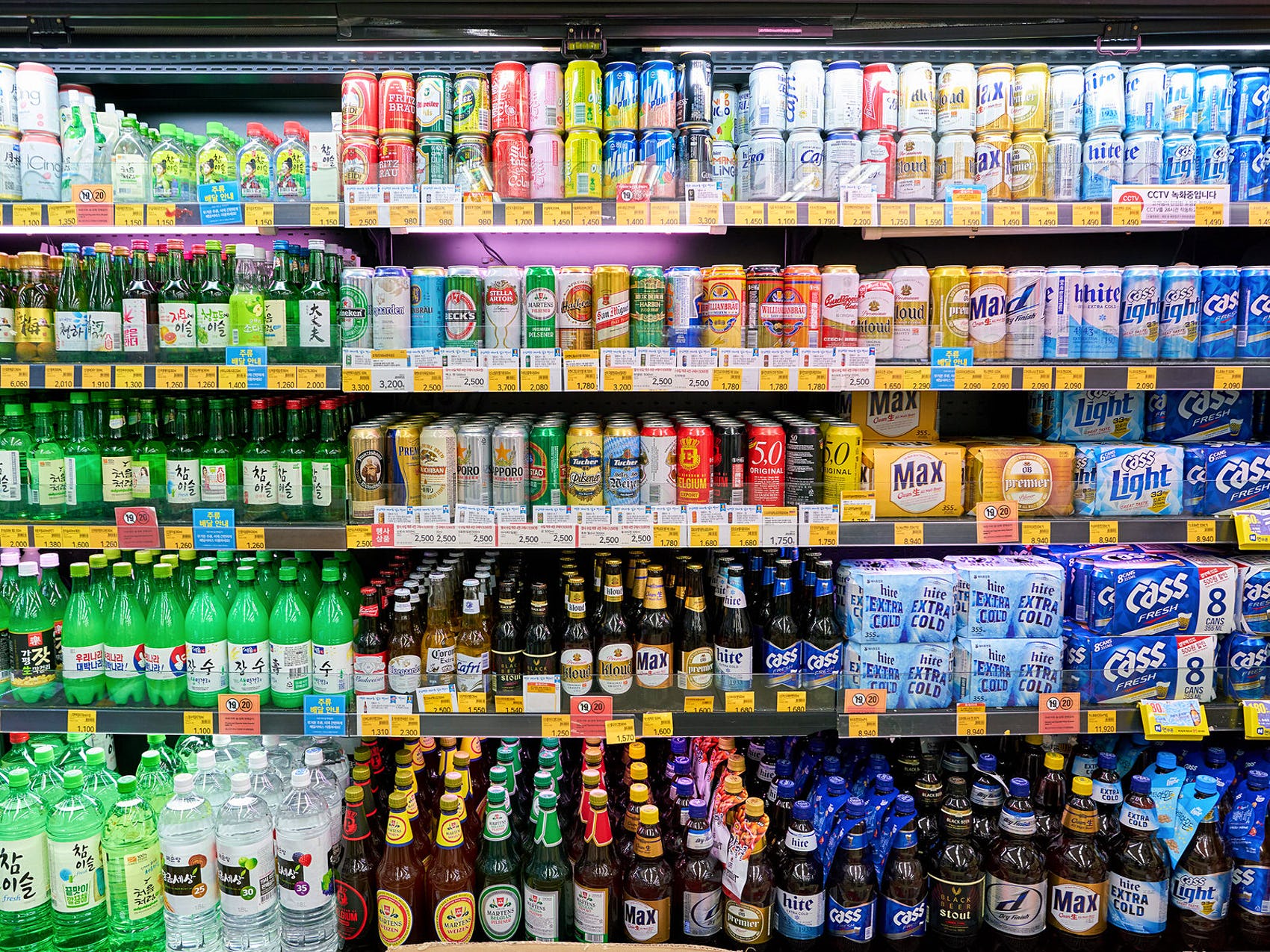
    Sales of alcoholic beverages, specifically beer and soju, saw a significant increase. Beer sales were up by 31.7% at GS25, 30.0% at 7-Eleven, 29.2% at CU, and 20.0% at Emart24. Soju sales increased by 16.2% at GS25 and 12.4% at CU. Overall, liquor sales were up by over 10%.

    Cigarettes, which were also eligible for voucher use, reported a rise in sales with more customers buying full cartons instead of single packs. However, due to potential concerns surrounding “stockpiling” and illegal resale for cash, the exact figures were withheld due to the sensitivity of the product.

    Increased Demand for Health Supplements and Meal Replacements

    Voucher-driven expenditure also led to a surge in demand for health supplements and meal replacements, categories that convenience stores have been emphasizing in their long-term growth strategies.

    According to retail analysts, this trend underlines a significant shift in consumer behaviour. With an increase in single and two-person households, more people have been turning to grocery shopping at convenience stores. The introduction of government vouchers has accelerated this shift, causing large retailers to worry about the potential loss of customers permanently.

    Questions & Answers

    Why did the government issue consumption vouchers?
    The government-issued vouchers were part of a stimulus strategy to boost consumer spending and support local businesses impacted by the COVID-19 pandemic.

    What impact did these vouchers have on convenience stores?
    The launch of these vouchers led to a significant increase in sales at convenience stores, with customers making larger than average purchases and buying a broader range of products.

    Are larger retailers affected by this change in consumer spending habits?
    Yes, larger retailers are concerned about losing customers permanently as the introduction of government vouchers has accelerated a shift towards shopping at local convenience stores.

  • New Tax Measures Trigger 300% Price Surge On Chinese E-commerce Platform In Pakistan

    New Tax Measures Trigger 300% Price Surge On Chinese E-commerce Platform In Pakistan

    Prices on the Chinese e-commerce platform, Temu, have dramatically surged in Pakistan, with increases reaching up to 300% in some cases. This substantial escalation has been reported by customers over the past week, marking a significant shift in the online shopping landscape.

    New Taxes Imposed

    These price spikes appear to be occurring in the wake of new tax measures instituted by the government. The administration last month implemented new taxes specifically targeting online sellers. These levies extend to platforms such as Temu and AliExpress, among others.

    While the companies haven’t issued an official statement providing the reasons behind the price alterations, a spokesperson for Temu pointed to external policy shifts and escalating operational costs across numerous sectors as the primary catalysts for the increases. The spokesperson stated, “We remain committed to providing access to quality products at affordable prices, while fully complying with local requirements.”

    Digital Presence Proceeds Tax Act

    The government disclosed last month that a 5% tax would be put on all goods sold in Pakistan by foreign digital platforms that lack a physical presence in the country. This initiative is part of the Digital Presence Proceeds Tax Act. The goal of this tax is ostensibly to create a more equitable commercial environment. It is said to target online platforms such as Facebook, Google, Spotify and Netflix, in addition to select local online sellers.

    Further, online retail platforms are now also responsible for paying the standard 18% sales tax applicable to local businesses in Pakistan. The government’s rationale for these tax hikes is to equalize conditions for Pakistani businesses that are already subject to both the 18% sales tax and an income tax of up to 35%.

    Concerns Over Impact

    While the government’s intent might be to create a fairer marketplace, experts have voiced concerns over the potential harm the digital tax could inflict on Pakistan’s burgeoning e-commerce market.

    Questions & Answers

    What are the new tax measures impacting e-commerce in Pakistan?
    Last month, the government introduced a 5% tax on all goods sold in Pakistan by foreign digital platforms. These platforms are also expected to pay the 18% sales tax applicable to local businesses.

    What is the rationale for these new taxes?
    The government’s intent with these tax hikes is to create a level playing field for local Pakistani businesses already paying an 18% sales tax and an income tax of up to 35%.

    What are the potential consequences of the new digital tax?
    While the intention is to foster a more equitable commercial environment, experts have raised concerns that the digital tax could harm Pakistan’s rapidly growing e-commerce market.

  • Philippine Government Unveils Exciting New Strategy to Boost Connectivity Across the Nation

    Philippine Government Unveils Exciting New Strategy to Boost Connectivity Across the Nation

    The Philippine government is shifting gears in its pursuit of comprehensive nationwide internet access, unveiling a strategic budget reallocation of PHP 6.5 billion (USD 115 million). This plan will bolster both the expansion of free WiFi sites and the distribution of complimentary SIM cards, bringing digital connectivity closer to those in need.

    Transforming the Free Public Internet Access Program

    In a move designed to reduce costs while enhancing internet services in public schools and remote communities, the Department of Information and Communications Technology (DICT) is revamping its Free Public Internet Access Program (FPIAP). Information Undersecretary Paul Mercado explained that the agency can effectively manage 50,000 free WiFi sites with just PHP 3.5 billion, allowing more of the budget to focus on connectivity in underserved areas.

    A Partnership with Starlink

    To expedite the rollout, the DICT is setting its sights on a long-term agreement with satellite provider Starlink to deliver internet services to 30,000 locations, with an expected annual cost of PHP 1.5 billion. To streamline funding, the agency is also pursuing multi-year contractual authority from the Department of Budget and Management (DBM).

    Boosting Connectivity

    An added PHP 2 billion (USD 35 million) will ensure connectivity in the remaining regions served by other providers. Mercado emphasized that this budget restructuring is critical to sustaining the FPIAP without needing ongoing requests for higher annual funding from the DBM.

    Empowering Communities with SIM Cards

    In tandem, the DICT is earmarking PHP 3 billion (USD 53 million) for its Bayanihan SIM initiative, which will distribute one million SIM cards to teachers and students in underserved communities. With a generous 25 GB of monthly data per beneficiary, the project will run until 2028, making internet access more reachable than ever.

    Setting Standards for Telecommunications

    Mercado highlighted an important aspect of the program: it aims to urge telecommunications companies to establish cellular towers in key locations. Providers who fall short will find themselves excluded from future SIM-related opportunities. Furthermore, telecom firms must adhere to minimum service standards or risk penalties, creating a competitive environment that benefits the end users.

    Expanding Internet Access

    As of now, the FPIAP has successfully provided internet connectivity to 18,849 sites across 9,769 locations, positively impacting over 11.2 million Filipinos. The administration is determined to expand this initiative to 50,000 sites by 2028, in alignment with the Philippine Development Plan’s goal of elevating internet penetration to 60%.

    Future Budgets and Funding Sources

    Looking ahead, the DICT’s FPIAP budget aims to reach PHP 7.5 billion (USD 132 million) by 2025, a significant increase from just PHP 2.5 billion (USD 44 million) in previous years. This program will largely be sustained by spectrum user fees paid by telecommunications companies, averaging PHP 5 billion (USD 88 million) annually. The DICT is diligently exploring cost-effective measures to ensure the program’s sustainability amidst fluctuating resources.

    Support from Telecommunications Operators

    The Philippine Chamber of Telecommunication Operators (PCTO) has expressed robust support for the DICT’s recalibration efforts. PCTO Vice President Roy Ibay remarked that the Private Sector Advisory Council (PSAC), directly reporting to President Marcos, has long championed this initiative.

    Crafting Future Connections

    PSAC is also advocating for a public-private partnership to build new cell towers, aiming to connect an estimated 25 million Filipinos across 7,063 geographically isolated and disadvantaged barangays. Who needs a magic wand when you have strategic collaborations?

    Questions & Answers

    What is the goal of the Philippine government’s budget reallocation?
    The goal is to enhance nationwide internet access by funding the expansion of free WiFi sites and distributing free SIM cards across underserved areas.

    How many free WiFi sites does the DICT aim to establish by 2028?
    The DICT aims to expand its internet connectivity platforms to 50,000 sites by 2028, significantly increasing internet penetration in the Philippines.

    What role do telecommunications companies play in this initiative?
    Telecommunications companies are required to meet certain service standards and expand their infrastructure, ensuring that underserved areas receive adequate connectivity as part of the initiative.

  • Thai Government Enlists Influencer to Boost Durian Sales in China Market

    Thai Government Enlists Influencer to Boost Durian Sales in China Market

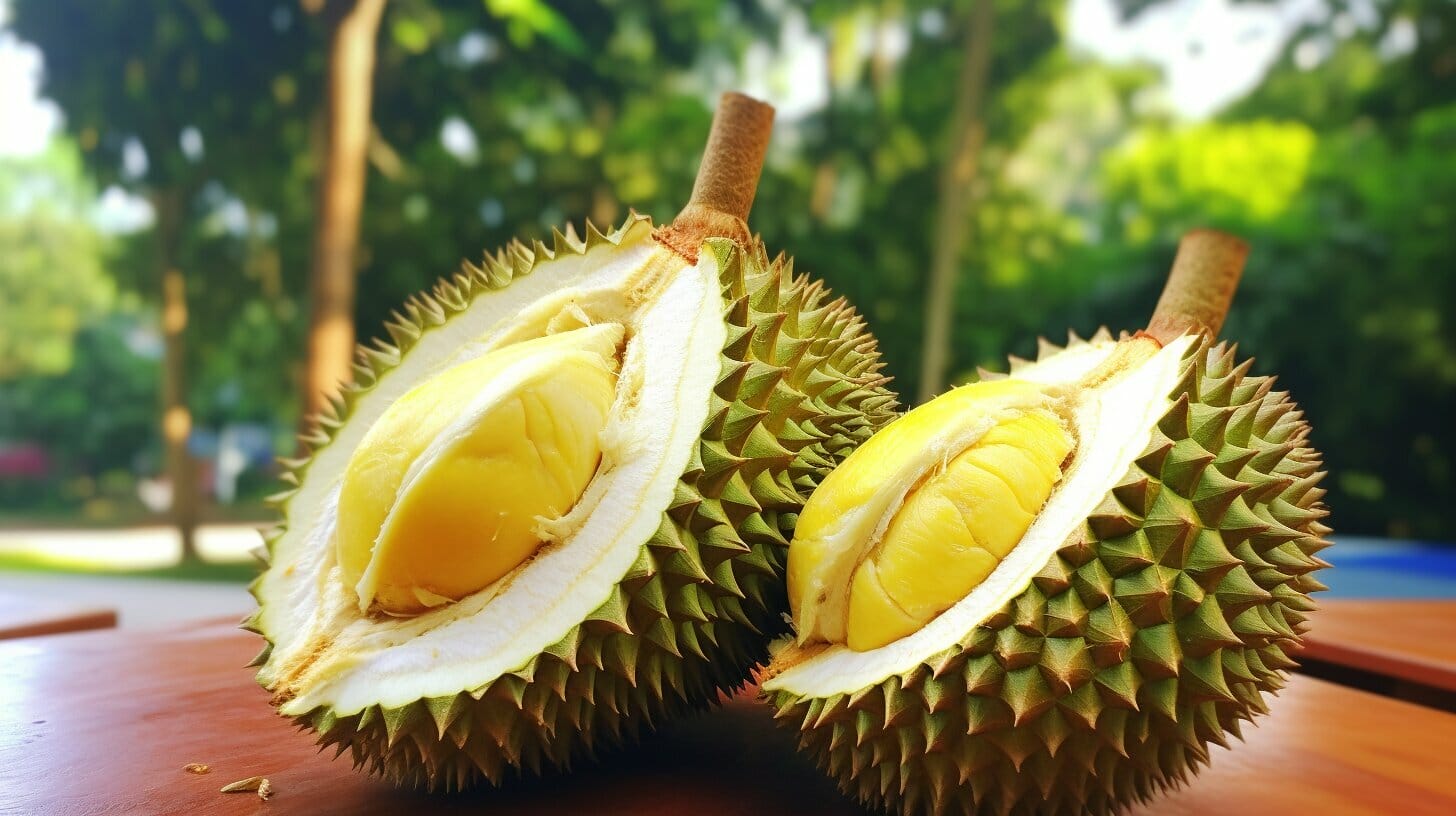
    Thailand’s Commerce Ministry is harnessing social media’s power to supercharge its durian and fruit exports, particularly targeting the lucrative Chinese market. By collaborating with renowned influencer Taiyuan Lao Ge, who boasts over 93 million followers on Kuaishou, the ministry hopes to shatter previous export records in both volume and value through an upcoming live-selling event.

    Scheduled for May 11 and 12, the broadcast aims to showcase not only the celebrated golden pillow durian but also an array of Thai fruits, including mangoes, longans, mangosteens, and various seasonal delights. Last year, Taiyuan achieved remarkable success, selling over a billion baht’s worth of Thai durian—approximately US$30.25 million—in just a single day.

    This initiative is a vital part of the ministry’s broader strategy to promote Thai agricultural products, especially during the booming harvest season that has brought forth exceptional quality produce. Commerce Minister Pichai Naripthaphan emphasized the significance of leveraging Chinese influencers for live online sales, a tactic poised to elevate Thai fruit’s global standing.

    To enhance the export process, the ministry is actively engaging with private sector partners and Chinese online platforms. Pichai revealed ongoing discussions with Wu Zhiwu, Minister Counsellor at the Chinese Embassy in Thailand, to refine and improve durian trade mechanisms. In his discussions, Pichai urged Chinese authorities to ease inspection protocols and expedite clearance processes at border crossings, particularly by augmenting inspection capabilities and personnel to ensure smooth operations during this peak production period.

    In a promising development, China’s customs have committed to operating around the clock to facilitate imports of Thai durians amidst the harvest season frenzy.

    With China accounting for a staggering 98% of Thailand’s durian exports last year—valued at around $4 billion—there’s a lot at stake in this flavorful campaign. Thai durians are not just fruits; they are becoming a sensation that’s ripe for the picking.

    Questions & Answers

    **What is the main goal of Thailand’s Commerce Ministry in launching the live-selling event?**
    The main goal is to enhance the volume and value of fruit exports, particularly targeting the Chinese market through an engaging online sales event led by influencer Taiyuan Lao Ge.

    Why is Taiyuan Lao Ge significant for this campaign?
    Taiyuan Lao Ge is noteworthy because he has a massive following of over 93 million on Kuaishou and previously achieved impressive sales for Thai durian in a single day, making him an influential figure in driving consumer interest.

    How does the Thai government plan to improve durian exports to China?
    The Thai government plans to streamline inspection protocols, improve border clearance processes, and engage Chinese customs for smoother operations during peak harvest times, all while promoting their products through influencer-driven campaigns.

  • Chinese Automakers See Thailand EV Boost From Government Incentives

    Chinese Automakers See Thailand EV Boost From Government Incentives

    Chinese automaker Great Wall Motor has signed an agreement with Thailand’s government to slash retail prices of its electric vehicles, an executive said on Tuesday, a move aimed at boosting domestic EV sales and production.

    The agreement, which involves a government subsidy and reduction in value-added tax, could save customers up to 160,000 baht ($4,779) per unit, Michael Chong, General Manager of Great Wall Motor Thailand told Reuters.

    That would apply to vehicles typically priced 1 million baht, representing a saving of about 13-15%.

    “This is very beneficial for our customer because this price is more affordable,” he said at the annual Bangkok International Motor Show.

    A similar agreement has also been signed with the rival automaker, SAIC-CP Motor, the Thai unit of SAIC Motor Corp, the finance ministry said on Monday.

    Those come as Thailand tries to incentivize EV use and preserve its status as a major regional automaker. The government is targeting the production of 725,000 EV units a year, or 30% of the output by 2030.

    Chong said other factors like rising energy prices were also driving EV demand.

    “Oil prices keep increasing, so people who buy ICE (internal combustible engine) will feel it’s more expensive,” Chong said, adding that EVs would help make air cleaner, something Thailand’s capital has struggled with.

    Great Wall Motor in 2020 took over the General Motors plant in Thailand, Asia’s fourth-largest auto assembly and export hub.

    Auto manufacturing accounts for about 10% of Thai gross domestic product and manufacturing jobs.

    This year the firm plans to sell 20,000 units in Thailand between its two brands, the BEV Ora Good Cat and Haval SUVs, Chong added. It plans to locally produce EVs in 2024.

    But the transition will take time, however, with less than 4,000 fully-electric vehicles registered in Thailand last year, and manufacturing investments still being made in conventional engines.

    These include U.S. automaker Ford, which invested $900 million to upgrade its Thai factories to build its Ranger pickup truck and Everest SUV.

    “ICE is going to be around for a while,” said Andrea Cavallaro, Ford Operations Director, International Market Group, adding EV technology and infrastructure has yet to be adopted across Southeast Asia.

  • Malaysia confirms utilizing SWN model for 5G implementation

    Malaysia confirms utilizing SWN model for 5G implementation

    The Malaysian government is sticking to its plan of deploying 5G through a single wholesale network (SWN). In a joint statement from the ministries of finance and communications and multimedia, up to 70% equity in the wholly state-owned 5G company, Digital Nasional Berhad (DNB), will be available to telcos.

    Malaysian finance minister Tengku Zafrul Aziz emphasized that the maintenance of the SWN model is the government’s firm stance on policy continuity. “The implementation of 5G will drive the country’s socio-economic transformation and this is estimated to contribute RM 659 billion to the value of GDP until 2030,” Aziz explained.

    The finalized decision has come in contrast to the concerns among wireless carriers that a single, shared 5G network could hamper digital competitiveness. Nonetheless, the government will retain a 30% equity stake in DNB while the majority of the stakes are intended for operators. It is worthy to note that this special-purpose vehicle company was established in early March 2021 to drive 5G infrastructure development in Malaysia.

    Accessing DNB’s 5G network is estimated to cost less than what major local telecom operators such as Celcom Axiata, Digi, Maxis, and U Mobile have incurred during 4G rollouts. In line with this, DNB has offered free 5G services to service providers until March 31 as part of its commercial trial. Aiming to achieve 80% coverage of populated areas by 2024, the trial is bound to be extended until June 30 to allow more operators to sign up.

    Access to high-quality 5G services would accelerate the recovery of the post-pandemic Malaysian economy. Moreover, “the SWN model will help bridge the urban-rural digital divide to enable all Malaysians to enjoy high-quality 5G services and be widely available to them through telecommunications companies,” said Malaysian communications and multimedia minister Annuar Musa.

    In retrospect, the Malaysian government refused the prior recommendation of having a dual wholesale network (DWN) model and selected Ericsson to develop the country’s 5G network infrastructure.

  • Thanks to Cook’s secret payment to China, Taiwan’s Foxconn lost some of its iPhone business

    Thanks to Cook’s secret payment to China, Taiwan’s Foxconn lost some of its iPhone business

    Earlier this month we told you that Apple and the Chinese government signed a secret deal valued at $275 billion. Apple reportedly made the payment to prevent the Communist Chinese government from taking regulatory actions against the company. And as we noted in our story about the payment, Apple is now receiving favored treatment in the country.

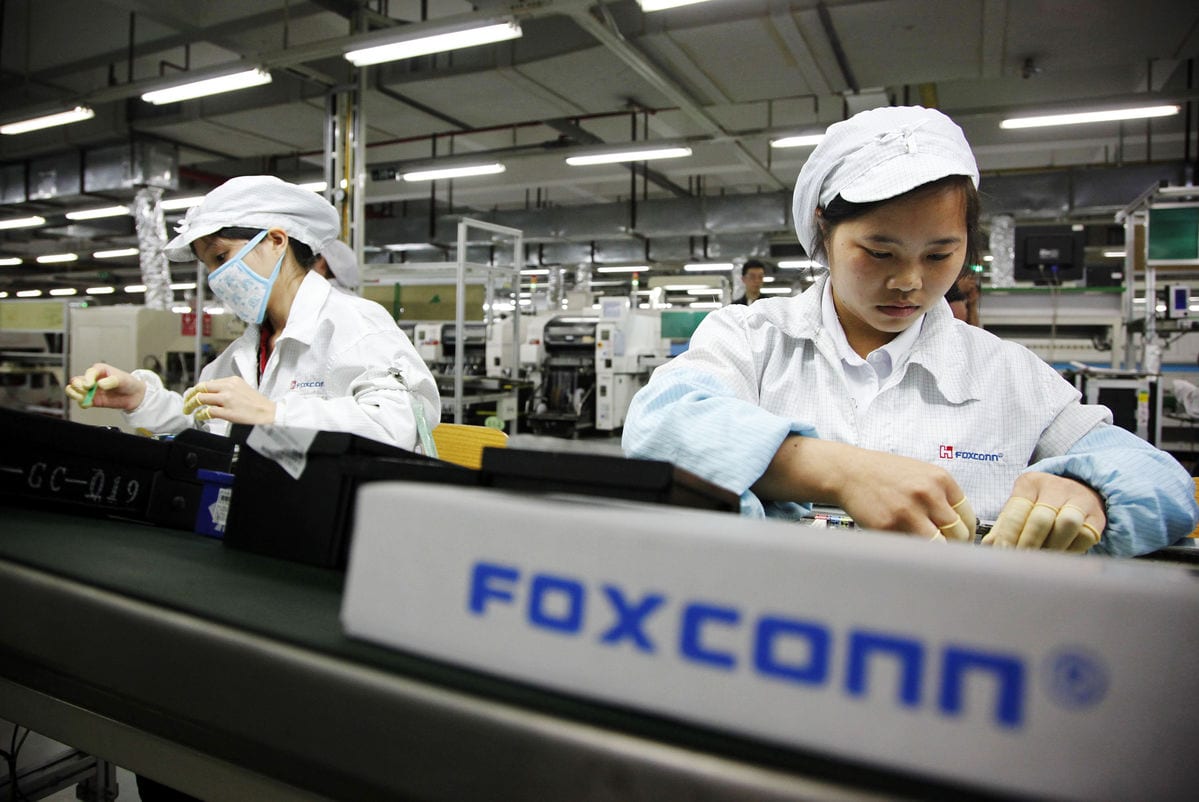
    According to The Information, since the deal was made, Apple has turned to more supply chain partners from China in order to keep up the end of the deal it made with the country. For example, a year after the $275 billion deal was made, Apple had China’s Luxshare assemble AirPods and it has pulled orders from long-time iPhone assembler Foxconn and gave them to Luxshare. The report notes that Apple’s deal with Luxshare raises the latter’s status placing it among Apple suppliers who assemble a finished product and also handle the packaging.

    With Luxshare’s star on the rise, Foxconn is understandably getting nervous about the possibility of losing Apple’s business. So, it has assembled a team to study the company which we told you about over two years ago.

    Over the last 10 years, Apple has been sending its engineers to work with Chinese companies to help them learn how to build its products. Apple is acutely aware that it needs to maintain a certain reputation in China, especially since the country is responsible for 20% of its business. It also is the largest market in the world for smartphones followed by India and the U.S.

    In a way, replacing Foxconn with Luxshare for iPhone production is a risky move by Apple since U.S.-Chinese trade relations remain volatile and you never know when the Commerce Department might decide to punish more companies in the country outside of Huawei. Currently, Luxshare manufactures some iPhone 13 models, AirPods, and the Apple Watch.

    If there is one country that Apple is heavily relying on, it is Taiwan. In addition to having Taiwan-based firms like Foxconn, Wistron, and Pegatron build its important devices, Apple is the largest customer of Taiwan Semiconductor Manufacturing Company (TSMC), the foundry that builds the chips used in Apple products. There is some concern that China might seek to “takeover” Taiwan.

    But does Apple have anything to worry about here? After all, $275 billion goes a long way and that payment seems to have provided Apple with special favors and could protect the company even in the unlikely event that China attempts to take control of Taiwan and the country’s tech manufacturers.

    When the deal with China was made, Apple CEO Cook signed a 1,250-word “memorandum of understanding” between Apple and a Chinese government agency called the National Development and Reform Commission. Apple received some exemptions from regulations in the country while it helped the Chinese develop “the most advanced manufacturing technologies.”

    Apple also agreed to use more components from Chinese suppliers, sign deals with software firms in the country, make direct investments in Chinese tech companies, work on research with universities based in China, train the country’s most talented tech workers, and more. And this is where Luxshare comes in. As far back as October 2020, Beijing felt that Luxshare was an up-and-coming company that could help China’s standing in the global tech industry and it wanted Apple to help prop up the firm.

    At the time that Reuters made its report in 2020, one of its sources said, “Luxshare is set to rise … it’s just a matter of how fast it could be. It makes sense for China to build up its own supply chain and Luxshare is in line with that state policy.”

  • Government may halve registration fees for locally produced automobiles

    Government may halve registration fees for locally produced automobiles

    The government has instructed the Ministry of Finance to assess the impact of a 50-percent cut in registration fees for locally produced automobiles.

    Thanh Cong Motor Vietnam Joint Stock Company had called on the government to cut the fee to support an industry affected by Covid-19.

    The ministry has been told to complete the task this month.

    In June, the Vietnam Automobile Manufacturers Association (VAMA) had proposed a similar 50-percent cut in registration fees, but the ministry had rejected it.

    Last year too the government had cut the fee by half, and it cost VND6 trillion ($260.9 million).

    In the first six months of this year VAMA members, who account for more than 95 percent of the market, saw sales fall 30 percent year-on-year to 102,720 vehicles.

    Car manufacturers fear the global effects of Covid would have a long-term impact on people’s incomes and auto demand.

    VAMA expects sales to decline by more than 15 percent this year. Last year, they had risen by 11.7 percent to 322,322 units.

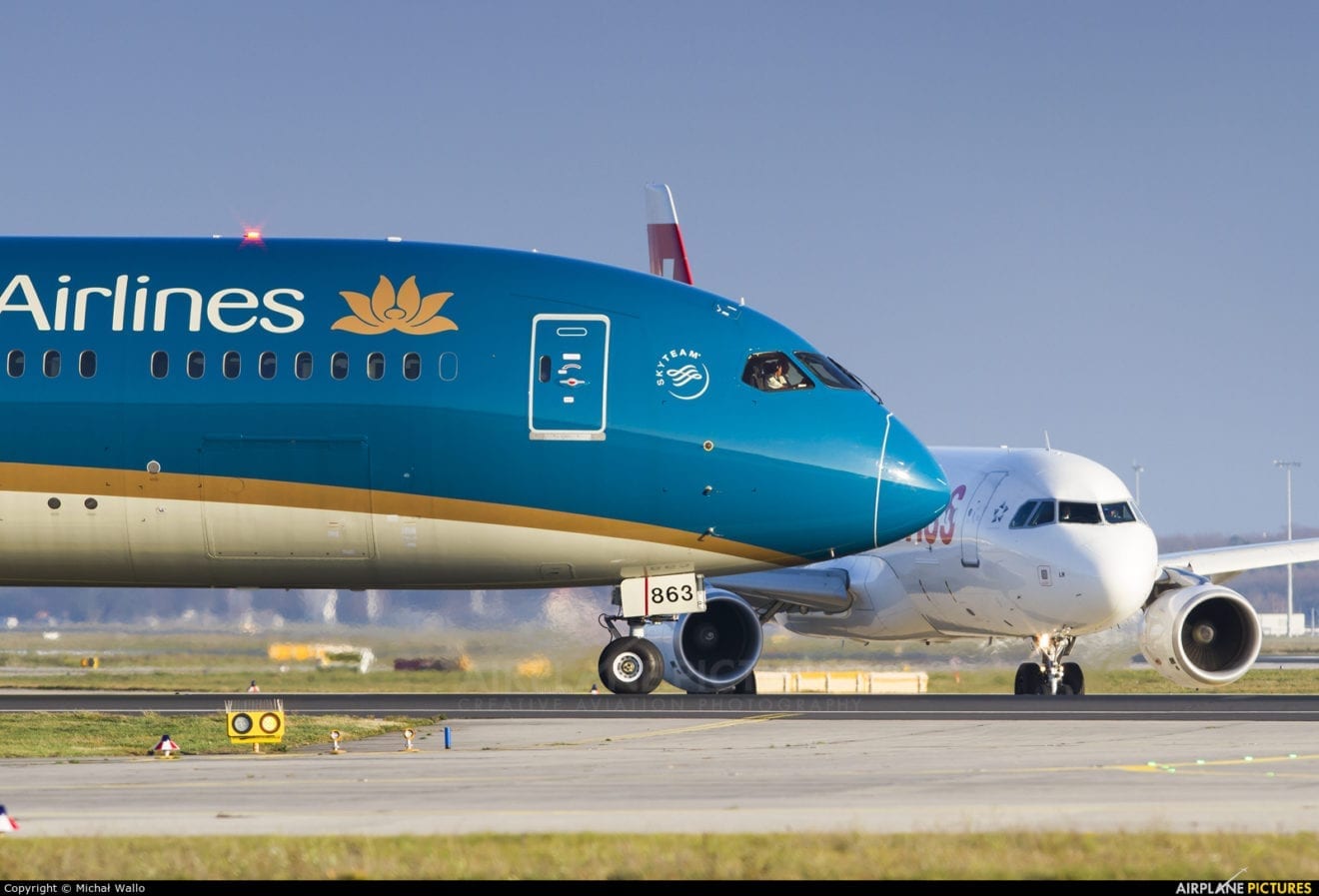
  • Government to invest $345 million to bail out Vietnam Airlines

    Government to invest $345 million to bail out Vietnam Airlines

    The State Capital Investment Corporation said it is in discussions with Vietnam Airlines to invest VND8 trillion ($345.49 million) in the carrier through a rights issue.

    It follows a government resolution to resolve the difficulties faced by the airline due to the impact of the Covid-19 pandemic, Nguyen Chi Thanh, general director of the sovereign fund, said at a press conference late last week.

    The resolution requires the State Bank of Vietnam to reimburse loans of up to VND4 trillion to credit institutions that have lent to Vietnam Airlines and allow the carrier to make rights issues to existing shareholders to supplement its capital.

    Thanh said: “Vietnam Airlines will issue shares worth VND8 trillion to existing shareholders, accounting for 25 percent of the carrier’s charter capital. SCIC, acting on behalf of the Government, plans to buy these shares.”

    The government-owned 86.16 percent in Vietnam Airlines on December 31, 2019.

    Thanh said the airline is making plans for a rights issue, and SCIC’s task is to determine a reasonable issue price close to the market price and is working with Vietnam Airlines on this.

    “In order to do that, Vietnam Airlines must be valued, and this requires at least a five-year business plan if we use the discounted cash flow method.”

    The SCIC would appoint a “globally reputed auditing company,” and the latter would identify the most appropriate valuation method possibly within a month, he said.

    Vietnam Airlines expects losses of VND12 trillion for 2020 compared to a VND3.37 trillion profit in 2019.

    It presently flies an average of 300 flights a day on more than 60 domestic routes. It has resumed flights to Japan, though not from that country, and plans to resume flights soon to mainland China, Taiwan, Laos, and Cambodia.

    In November, the National Assembly approved a bailout that could see the carrier get VND12 trillion and allows it to sell more shares to existing shareholders to boost cash reserves.

  • KITA opens office in Dubai to assist Korean start-ups

    KITA opens office in Dubai to assist Korean start-ups

    The Korea International Trade Association (KITA) said Tuesday it has set up an office in Dubai to help local start-ups advance into the Middle Eastern market. Under an agreement with Dubai Future Foundation, the Korea Office will be set up at Emirates Towers in one of the key cities of the United Arab Emirates (UAE). The office will provide working space for local start-ups and assist entrepreneurs in establishing their businesses in the burgeoning Middle Eastern market, KITA said.

    “It will be a great opportunity for local start-ups as Dubai institutions are pushing forward various projects under the support and attention of the prince of Dubai,” Kim Ki-hyeon, a KITA official, said.

    Dubai Future Foundation was set up with an aim to shape the future of the strategic sectors in cooperation with the government and private sectors.