Retail News CRM

Tag: green

  • VinFast Powers Green SMs Global Expansion with One Million Electric Cars by 2030

    VinFast Powers Green SMs Global Expansion with One Million Electric Cars by 2030

    VinFast, a prominent electric car manufacturer, has unveiled a bold strategy to supply one million electric vehicles (EVs) to Green SM, a rising ride-hailing service, by 2030. In addition to this, the deal stipulates the addition of four million electric motorcycles to Green SM’s fleet. The announcement was made in VinFast’s first quarter financial report.

    Strategic Collaboration for Global Impact

    The venture is viewed as a strategic collaboration between the two companies, with anticipated benefits for both parties. For VinFast, this partnership signifies a promising opportunity to broaden its international distribution network and augment its brand recognition. Concurrently, it bolsters Green SM’s ambitions to expand its global reach.

    Green SM has recently initiated taxi services in India, marking its fourth international market entry, following Laos, Indonesia, and the Philippines. Pham Nhat Vuong, recognised as Southeast Asia’s wealthiest individual, controls both companies. Green SM was launched in 2023 with a starting capital of $113.9 million, which has since grown exponentially to $1.94 billion.

    Initially, Green SM focused on taxi services and technology-based ride-hailing services, exclusively using VinFast vehicles. However, the company has expanded its offerings to include services such as food and parcel delivery, as well as car and motorcycle rentals.

    Positive Outlook for VinFast

    VinFast experienced substantial financial success in the first quarter, reporting a revenue increase of 42% to $1.04 billion. This surge was primarily attributable to a marked increase in electric vehicle sales both within Vietnam and in international markets, including Indonesia and the Philippines.

    Within the first quarter, VinFast sold 58,600 electric cars, reflecting a year-on-year increase of 61%. Moreover, the company sold 143,000 electric motorcycles and bicycles in the same period. Despite this success, VinFast reported a loss exceeding $1.26 billion, an increase from the previous figure of $798 million.

    In 2023, Vuong anticipated that the company would experience losses for several years. However, there is now a more optimistic outlook, as the company expects to break even next year following the decision to spin off its manufacturing operations to a separate company owned by a consortium of private investors.

    Questions & Answers

    What is VinFast’s strategy for its collaboration with Green SM?
    VinFast plans to supply one million electric vehicles and four million electric motorcycles to Green SM by 2030, expanding its international distribution network and enhancing brand recognition.

    What services does Green SM offer?
    Green SM provides taxi services and technology-based ride-hailing services. The company has also expanded to offer food and parcel delivery, as well as car and motorcycle rentals.

    What is the financial outlook for VinFast?
    Despite experiencing losses, the company anticipates breaking even next year. This follows a decision to spin off manufacturing operations to a separate company owned by private investors.

  • Vietnam Fuel Prices Plunge Amid Global Rate Fall: Transition to Green Energy in Focus

    Vietnam Fuel Prices Plunge Amid Global Rate Fall: Transition to Green Energy in Focus

    In response to decreasing global rates, Vietnam has adjusted its fuel prices downwards as of Thursday afternoon. RON95 gasoline, the country’s most commonly used fuel, decreased by 5.4%, taking it from its price last week to VND24,150 (US$0.54) per liter. Other fuels have also seen a reduction in their prices: Biofuel E5 RON92 has dropped 4.5% to VND23,250, while Diesel has witnessed a 3.9% decline to VND27,650.

    Global Fuel Market Influences

    The global fuel market has experienced substantial changes recently due to a variety of factors. These include the ongoing negotiations between the U.S. and Iran and the increased U.S. inflation, which is driven by significant fluctuations in energy prices. This information is based on reports from the Ministry of Industry and Trade and the Ministry of Finance. For instance, RON95 gasoline saw a decrease of 9.2%, bringing it to $127 per barrel, diesel dropped 5.5% to $146.70, and mazut decreased by 9.2%, making it US$655.20 per ton.

    New Fuel Sales and Implementation

    Starting June 1, E10 RON95 gasoline will be available for sale on a larger scale, replacing the mineral-based RON 95. E5 RON92 gasoline will remain available until the end of 2030. The Deputy Minister of Industry and Trade, Nguyen Sinh Nhat Tan, stated that the decision to sell mineral-based gasoline and biofuel simultaneously over the past few years was intended to assist the market in adjusting gradually and to support businesses in enhancing their distribution infrastructure.

    However, Tan also mentioned that based on international experience, maintaining a large variety of fuel types over an extended period could lead to higher logistics, storage, and distribution costs, difficulties for retailers, and a reduction in the effectiveness of transitioning to green energy. He reassured that the switch to E10 gasoline has been well assessed by regulators and does not impose restrictions or limit consumers’ choices. According to compatibility assessments, most cars and motorcycles in Vietnam can use E10 gasoline, as per manufacturers’ recommendations.

    Questions & Answers

    What are the new prices of various fuels in Vietnam?
    The price of RON95 gasoline has dropped 5.4% to VND24,150 per liter, Biofuel E5 RON92 has fallen 4.5% to VND23,250, while Diesel has declined 3.9% to VND27,650.

    What will replace mineral-based RON 95, and when will this happen?
    E10 RON95 gasoline will replace mineral-based RON 95 starting June 1. E5 RON92 gasoline will continue to be sold until the end of 2030.

    What potential problems could arise from maintaining a variety of fuel types for a long period?
    According to Deputy Minister of Industry and Trade Nguyen Sinh Nhat Tan, maintaining a variety of fuel types for an extended period could lead to issues such as increased logistics, storage, and distribution costs, difficulties for retailers, and reduced effectiveness in transitioning to green energy.

  • Unlocking New Markets: Vietnam Secures Green Light for Pomelo and Lemon Exports to China

    Unlocking New Markets: Vietnam Secures Green Light for Pomelo and Lemon Exports to China

    A recent agreement has paved the way for Vietnamese pomelos and lemons to be exported to China. This phytosanitary requirements protocol was formalized between Vietnam’s Ministry of Agriculture and Environment and the General Administration of Customs of China. The agreement unfolded during a state visit to China by To Lam, who is the Party General Secretary and State President of Vietnam.

    Phytosanitary Requirements and Protocols

    The newly agreed protocol stipulates that all areas cultivating and facilities packaging pomelos and lemons for export to China have to be registered with the Ministry of Agriculture. Furthermore, they must gain approval from both the Ministry and China’s customs. These facilities are mandated to enforce stringent pest control measures to ensure the quality of the produce.

    The cultivation areas are required to adhere to Good Agricultural Practices (GAP) and Integrated Pest Management (IPM) requirements. These requirements demand fruit to be bagged at least 60 days prior to harvest and the use of traps to combat fruit flies.

    The packaging facilities must maintain sanitary conditions and appropriate functional zoning. Fruits are required to be sorted, classified, and cleaned to remove any diseased or pest-infected fruits, as well as any plant debris and soil residues.

    The Impact of the Agreement

    The Ministry has cited this agreement as the result of structured technical negotiations between plant protection and quarantine agencies of both nations. These discussions have been ongoing since 2019.

    The agreement signifies an important shift towards transparent, standards-compliant official export channels and a more sophisticated bilateral cooperation framework, amidst growing Vietnam–China agricultural trade.

    China continues to be a crucial market with strong demand and potential for Vietnamese fruit exports. Building on the success of other exports, pomelos and lemons are expected to increase their market share, consolidate their position, and boost overall export growth.

    The ministry has expressed its commitment to working closely with localities, associations, businesses, and producers to effectively put the protocol into practice. This will include guidelines on regulations, standardizing cultivation areas and packaging facilities, and strengthening inspections to guarantee full compliance with Chinese requirements.

    Vietnam’s Agricultural Advantage

    Pomelos and lemons are among Vietnam’s most successful agricultural products. Vietnam currently cultivates pomelos on approximately 106,000 hectares, positioning itself as a major global producer of the fruit.

    Questions & Answers

    What does the new protocol between Vietnam and China involve?
    The protocol involves the export of Vietnamese pomelos and lemons to China. It stipulates that all cultivation areas and packaging facilities for these fruits must be registered with the Ministry of Agriculture and approved by both the Ministry and China’s customs.

    What requirements must the Vietnamese farms and packaging facilities meet under the new protocol?
    The farms must adhere to Good Agricultural Practices (GAP) and Integrated Pest Management (IPM) requirements, which includes bagging fruit 60 days before harvest and using traps for fruit flies. The packaging facilities must maintain cleanliness and appropriate functional zoning.

    How will this protocol impact the Vietnam-China agricultural trade?
    The protocol signifies a shift towards transparent, standards-compliant official export channels and provides a more sophisticated bilateral cooperation framework. It is expected to boost the market share of Vietnamese pomelos and lemons in China and strengthen the overall growth of fruit exports from Vietnam to China.

  • Green Milestone: FedEx Pioneers Solar Energy at Shanghai Hub, Amplifying Renewable Commitment in Asia Pacific

    Green Milestone: FedEx Pioneers Solar Energy at Shanghai Hub, Amplifying Renewable Commitment in Asia Pacific

    FedEx, a global leader in express transportation, is bolstering its commitment to sustainability across the Asia Pacific through the inauguration of a new solar installation at the FedEx Shanghai International Express and Cargo Hub. This marks a significant landmark in the company’s drive towards sustainable logistics infrastructure, cementing FedEx’s position as the first and, currently, the only logistics and freight company at the Shanghai Pudong International Airport cargo area to generate on-site solar energy.

    Harnessing Solar Power in Shanghai

    The new solar installation at the Shanghai Hub takes advantage of existing parking facilities, with over 4,000 square meters of solar panels installed. This system is anticipated to produce around 743,000 kilowatt-hours of electricity each year. When compared to coal-fired power generation of the same capacity, this renewable energy source is expected to prevent roughly 417 metric tons of carbon dioxide emissions annually. The system will also reduce about 2.1 tons of particulate matter and 4.21 tons of sulfur dioxide. The electricity generated will primarily support office operations at the hub, substantially increasing the proportion of clean energy used in the company’s day-to-day activities.

    Fostering Renewable Energy in the Asia Pacific

    The newly installed solar panels in Shanghai represent the latest addition to a growing catalogue of renewable energy initiatives supporting FedEx facilities across Asia Pacific. Since November 2022, the FedEx Incheon Gateway in South Korea has been harnessing power from 2,400 rooftop solar panels, supplying about 19% of the facility’s monthly energy requirements. The building also exclusively uses LED lighting, resulting in annual energy savings of more than 22,000 kW hours.

    Moreover, since January 2025, over 50 percent of the electricity consumed at the FedEx South Pacific Regional Hub in Singapore has been generated by on-site solar energy, which also powers the company’s local electric vehicle fleet.

    Advancing towards Low-Carbon Operations

    FedEx has produced over 31 GWh of solar energy at more than 30 locations worldwide to date. The company continues to promote energy conservation, emissions reduction, and low-carbon operations via a mix of emerging technologies, digital innovation, and community sustainability initiatives, including an expanded global electric vehicle fleet, innovative digital tools and the use of emerging technologies such as AI and IoT.

    FedEx also prioritizes sustainability-focused community programs through FedEx Cares, the company’s global community engagement program. Through collaborations with NGOs and local organizations across Asia Pacific, FedEx supports environmental restoration initiatives.

    Questions & Answers

    What is the estimated annual energy production of the new solar installation at the FedEx Shanghai Hub?
    The solar installation at the FedEx Shanghai Hub is projected to generate around 743,000 kilowatt-hours of electricity annually.

    What are some of the renewable energy initiatives across FedEx’s Asia Pacific facilities?
    Some initiatives include using electricity from 2,400 rooftop solar panels at the FedEx Incheon Gateway in South Korea, and supplying over 50% of the electricity at the FedEx South Pacific Regional Hub in Singapore via on-site solar energy.

    What are some of the sustainable initiatives that FedEx has implemented?
    FedEx has implemented a range of sustainable initiatives, including vehicle electrification, innovative digital tools for efficient shipping, deployment of emerging technologies like AI and IoT for operational efficiency, and engaging in sustainability-focused community programs.

  • IKEA Revolutionizes Green Logistics with Autonomous Electric Trucks in China

    IKEA Revolutionizes Green Logistics with Autonomous Electric Trucks in China

    Ikea China has recently introduced electric autonomous trucks into its Shanghai logistics network, following the successful completion of a preliminary 35,000-kilometer trial program. The trial program, initiated in April of 2024, has since evolved into daily utilization for customer deliveries, creating a connection between the Ikea Xuhui store and the Shanghai distribution center.

    Autonomous Trucks in Action

    The electric autonomous trucks are tasked with the transportation of goods along a 40-kilometer course. The pilot phase of this initiative spanned a ten-month period, throughout which the vehicles were responsible for the successful delivery of over a thousand shipments. Now, having transitioned to full-scale operations, the primary objectives are to enhance logistics efficiency and minimize carbon emissions within the supply chain.

    Impact of Autonomous Software

    The implementation of autonomous software has had a profound impact on the optimization of routing and timing, thereby reducing the strain on Shanghai’s congested road networks caused by retail logistics. The transition to a fully electric, autonomous fleet aligns directly with Ikea’s ongoing global objective to become a climate-positive entity by the year 2030. This is achieved by curtailing energy consumption and reducing tailpipe emissions.

    Logistics Network Integration

    Fredrik Axén, a representative from Ikea China, stated the successful trial affirms the feasibility of integrating autonomous technology into their pre-existing logistics network. He emphasized that this progress enables Ikea to enhance its delivery capacity while simultaneously aligning their transport operations with their broader objectives to lower emissions.

    Questions & Answers

    What was the purpose of integrating electric autonomous trucks into Ikea China’s logistics network?
    The primary aim was to increase logistics efficiency and decrease carbon emissions within the supply chain.

    What was the outcome of the 35,000-kilometer trial program?
    The pilot program was successful, leading to the daily use of these electric autonomous trucks for customer deliveries between the Ikea Xuhui store and the Shanghai distribution center.

    How does this integration align with Ikea’s global goals?
    The successful integration of autonomous technology into their logistics network supports Ikea’s global goal to become climate-positive by 2030, by reducing energy consumption and tailpipe emissions.

  • APAC SMEs Prioritize Sustainability: FedEx Study Reveals Green Business Imperative in Supply Chain

    APAC SMEs Prioritize Sustainability: FedEx Study Reveals Green Business Imperative in Supply Chain

    FedEx, a leading global express transportation company, has recently disclosed significant insights from its Asia Pacific (APAC) research. The study examines consumer and business perspectives on sustainability and international trade, spotlighting key areas of interest for businesses throughout the region.

    APAC Businesses Show High Environmental Awareness

    The study reveals that majority (80%) of the region’s small and medium-sized enterprises (SMEs) take into account environmental issues when carrying out trade activities with Europe. This showcases how sustainability is progressively playing a more significant role in logistics-based decisions. SMEs from Southeast Asian markets, including over 55% of those in Malaysia and Indonesia, are at the forefront of this trend, with a keen focus on sustainable supply chain alternatives. This demonstrates an escalating awareness and proactive approach towards environmental concerns among regional businesses and consumers.

    Consumer Influence on Business Sustainability

    According to the study, consumers are the primary force behind the demand for eco-friendly business practices. 84% of APAC consumers are encouraging businesses to establish environmentally conscious e-commerce alternatives. Environmental responsibility is increasingly becoming a key differentiator that is impacting purchasing choices.

    The study shows that 81% of APAC consumers show a preference for companies that visibly integrate sustainability into their operations, as opposed to competitors providing similar products without clear sustainable practices. While product authenticity and competitive pricing remain crucial for e-commerce consumers, nearly 40% are willing to pay higher prices for products with sustainable packaging. As environmental consciousness increases, businesses are responding accordingly, recognizing that sustainable practices are vital for maintaining competitiveness in the digital marketplace. This consumer-driven environmental focus could directly influence business profitability.

    Salil Chari, the regional president for Asia Pacific at FedEx, commented, “Sustainability is transitioning from being merely a compliance requirement to being a critical element for growth, resilience, and differentiation in global commerce. At FedEx, we are dedicated to supporting this transition by aiming to achieve carbon-neutral operations globally by 2040.”

    Innovative Steps Towards Sustainable Logistics

    FedEx is responding to the growing demand for sustainable logistics by investing in advanced technologies and infrastructure that not only reduce environmental impact but also enhance operational efficiency.

    An illustration of this innovative approach is FedEx’s AI-powered Stops Sequencing tool, which intelligently organizes delivery routes in real-time based on package volume and customer requirements. By minimizing unnecessary mileage, this tool has the potential to lower carbon emissions and improve operational efficiency.

    Moreover, FedEx offers customers the transparency needed to make informed decisions about sustainability. FedEx® Sustainability Insights, a cloud-based platform, provides improved transparency into environmental impact. Using up-to-the-minute FedEx network data, the platform estimates CO2e emissions for individual tracking numbers and entire FedEx shipping accounts.

    In addition to these efforts, FedEx has started using sustainable aviation fuel (SAF) at Chicago O’Hare and Miami International Airports. This is another step towards reducing aviation-related emissions within its global air network. In urban delivery, FedEx is going electric. Electric vehicles have been deployed across several APAC markets and account for over 20% of the company’s delivery fleet in China. In Taiwan, electric tricycles have been introduced to navigate dense urban environments more efficiently, resulting in lower emissions and improved delivery efficiency.

    As international trade evolves, FedEx maintains its commitment to providing faster, smarter, and more sustainable shipping solutions. These solutions will not only enable customers to succeed but also contribute to a more sustainable future.

    Questions & Answers

    What percentage of APAC SMEs consider environmental issues in their trade activities with Europe?
    Around 80% of APAC SMEs take environmental issues into account when trading with Europe.

    What proportion of APAC consumers are willing to pay premium prices for sustainable packaging?
    Nearly 40% of APAC consumers are ready to pay higher prices for sustainable packaging.

    What is FedEx’s goal for carbon-neutral operations?
    FedEx aims to achieve carbon-neutral operations globally by 2040.

  • Go Green and Earn Green: Hanoi Rewards Residents with Cash for Switching to Electric Motorbikes

    Go Green and Earn Green: Hanoi Rewards Residents with Cash for Switching to Electric Motorbikes

    Hanoi’s local government is currently deliberating a proposition to incentivize motorbike users to switch to electric models. According to the proposal, a subsidy of VND5 million (US$190) will be given to individuals opting to replace their gasoline motorbikes with electric ones.

    The Subsidy Plan

    The subsidy is designed to encourage the adoption of electric motorbikes by permanent residents and those who have resided in the city for at least two years. The plan dictates that when a resident purchases an electric motorbike with a price tag of VND10 million (US$379) or above, they will receive a subsidy of 20% of the motorbike’s cost, up to a maximum of VND5 million (US$190).

    For those who fall under the category of low-income or nearly low-income residents, the subsidy rises to VND20 million and VND15 million respectively. The proposal stipulates that each individual is entitled to a subsidy for one vehicle until January 1, 2031.

    This proposal offers a more generous subsidy than the previous recommendation issued by the Department of Construction in July, which proposed a maximum subsidy of VND3 million.

    Additional Incentives

    Apart from the subsidies on electric motorbike purchases, the proposal also includes several additional incentives to encourage the transition to electric vehicles. For instance, the city plans to cover 50% of registration and license plate fees for new electric motorbike owners. For those who purchase their vehicles on installment plans, a 30% subsidy on loan interest for the first 12 months is offered.

    The proposal also extends its benefits to transportation businesses such as buses and taxis, offering a full subsidy on all fees when they transition to electric vehicles.

    Infrastructure Plans

    In a bid to ensure adequate infrastructure for the anticipated increase in electric vehicles, the city also plans to require certain facilities to allocate a portion of their parking lots to charging stations. Apartment buildings, commercial buildings, hospitals, and other public facilities are expected to dedicate at least 15% of their parking space to charging stations for electric vehicles. Newly-built facilities will be required to allocate at least 30%.

    In a further step towards reducing emissions, Hanoi plans to prohibit gas-powered motorbikes from downtown streets starting July 2026 and to ban most fossil fuel vehicles by 2030. The city, currently home to around 6.9 million motorbikes, has identified gasoline-powered motorbikes as a significant contributor to the city’s pollution, accounting for around 60%.

    Questions & Answers

    What is the purpose of the subsidy?
    The subsidy aims to encourage the adoption of electric motorbikes by providing financial incentives to residents.

    What other incentives are included in the proposal?
    Other incentives include subsidies on registration and license plate fees, as well as on loan interest for those purchasing on installment plans. Subsidies are also offered to transportation businesses transitioning to electric vehicles.

    What steps are being taken to accommodate the anticipated shift to electric vehicles?
    The city plans to mandate certain facilities to dedicate a portion of their parking lots to charging stations for electric vehicles. In addition, it plans to ban gas-powered motorbikes and most fossil fuel vehicles by 2030.

  • “Longchamp Embraces Green Retail Revolution with Pop-Up Concept Store in Hong Kong”

    “Longchamp Embraces Green Retail Revolution with Pop-Up Concept Store in Hong Kong”

    In its ongoing pursuit of innovative retail formats and engaging visual narrations, Longchamp has launched a one-of-a-kind “Green Concept Store” on a temporary basis at Pacific Place, Hong Kong.

    A Green Retail Experience

    The pop-up store, which was launched on October 24, boasts an exclusively green interior – an aesthetic feature which extends to the walls, flooring, and fixtures. Darker tones have been incorporated into the design as a nod to the brand’s long-standing heritage.

    The concept store is an extension of Longchamp’s shift towards experiential retail, placing greater emphasis on the ambiance and design of the shopping environment than on traditional merchandising. Offering an immersive and extraordinary setting, the store is designed as an interlude, inviting visitors to experience the essence of the brand in a novel way.

    Star-Studded Opening

    To celebrate the launch, Longchamp hosted an event that saw attendance from notable personalities from the acting and fashion industries, including singer Jace Chan, actress Fish Liew, actor Martin Wong, and fashion figures Faye Tsui, Evelyn Choi, Zoe Yu, and Angie Ng.

    This temporary store in Hong Kong follows the August relaunch of the brand’s two refurbished stores in Singapore, situated at Ion Orchard and Marina Bay Sands.

    Questions & Answers

    What is the concept behind Longchamp’s Green Concept Store in Hong Kong?
    The Green Concept Store is an extension of Longchamp’s shift towards experiential retail. It’s a store designed with an immersive and unique setting, allowing visitors to experience the brand in a fresh, unconventional way.

    What does the interior of the Green Concept Store look like?
    The store is entirely enveloped in green, from walls and flooring to fixtures, with darker shades incorporated to reference the brand’s heritage.

    Where are Longchamp’s other recently renovated stores located?
    The recently renovated Longchamp stores are located in Singapore, at Ion Orchard and Marina Bay Sands.

  • Shinsegae And Alibaba Join Forces: A New Contender Challenges Coupang And Naver’s Dominance

    Shinsegae And Alibaba Join Forces: A New Contender Challenges Coupang And Naver’s Dominance

    The antitrust regulator of South Korea has provisionally approved a joint venture between Shinsegae Group’s Gmarket and Alibaba’s AliExpress Korea. This approval paves the way for a new contender to challenge the market, which has been historically dominated by Coupang and Naver.

    Partnership Dynamics

    This collaboration is organized as a balanced joint company under Grand Opus Holding. It merges Gmarket and AliExpress Korea into a unified business model, which can be described as “two families under one roof.” However, it ensures the operational independence of both entities.

    The Korea Fair Trade Commission (KFTC) imposed safeguards that mandate the strict separation of domestic consumer data. It also prohibits the sharing of overseas direct-purchase information between the platforms.

    The collaboration has been presented as both a defensive strategy and a growth plan. Gmarket’s CEO, Jung Hyung-kwon, has called the strategic alliance with AliExpress a necessary step to secure market leadership. He promises to complement Gmarket’s reliable platform with Alibaba’s extensive product range.

    Implications of the Joint Venture

    The joint venture grants 600,000 Gmarket and Auction sellers access to Alibaba’s worldwide e-commerce network, which spans over 200 countries. Concurrently, Chinese-made products from AliExpress are expected to establish a more robust presence in Korea, supported by Shinsegae’s logistics proficiency.

    Analysts speculate that this deal could potentially restore Gmarket’s financial health after a series of losses, while helping AliExpress shed its reputation for counterfeit and low-quality goods.

    The partnership comes as the online retail sector in Korea is experiencing a three-way competition. While Coupang continues to lead with 34.2 million monthly active users, the combined reach of AliExpress, Gmarket, and Auction now exceeds 18 million, surpassing Naver’s 4.3 million.

    Market Conditions and Future Projections

    This competitiveness takes place amid market volatility. Early market leaders such as Interpark and 11st have dwindled, while the growth during the pandemic solidified Coupang and Naver’s duopoly. Recently, Chinese companies like AliExpress and Temu have disrupted the market with extremely affordable goods, leading to the downfall of several smaller Korean platforms.

    With the alliance between Shinsegae and Alibaba now formed, analysts foresee an escalation in price competition, especially with an anticipated increase in Chinese-made consumer goods being sold through Gmarket. However, concerns persist about whether the increased scale will result in profitability, given the limited brand loyalty on both sides.

    Meanwhile, Coupang is focusing on expanding its nationwide rocket delivery, and Naver is enhancing its fresh food delivery through its new alliance with Kurly. Some industry insiders speculate that Shinsegae’s SSG.com may eventually integrate its fresh food operations into the partnership to close the competitive gap.

    The joint venture has also sparked some controversy, with critics warning of the risk of Korean consumer data exposure to China, despite regulatory safeguards.

    Regardless, for Shinsegae, this venture represents a daring gamble: challenging two entrenched giants by combining its retail expertise with Alibaba’s global scale. The lingering question is whether the alliance can offer both local trust and international reach, without igniting a destructive price war.

    Questions & Answers

    What is the structure of the joint venture between Gmarket and AliExpress Korea?
    The partnership is structured as a balanced joint company under Grand Opus Holding, merging Gmarket and AliExpress Korea into a unified but operationally independent business model.

    What benefits does the joint venture offer?
    The joint venture provides 600,000 Gmarket and Auction sellers access to Alibaba’s global e-commerce network, which spans over 200 countries. It also allows for a stronger presence of Chinese-made products in Korea.

    What are the potential risks and criticisms associated with the joint venture?
    Critics warn of the risk of Korean consumer data exposure to China, despite regulatory safeguards. Furthermore, analysts question whether the increased scale will result in profitability, given the limited brand loyalty on both sides.

  • Exploring Barriers to the Growth of Green Bonds in India’s Eco-Friendly Investment Landscape

    Exploring Barriers to the Growth of Green Bonds in India’s Eco-Friendly Investment Landscape

    The trajectory of India’s green bonds is expected to climb steadily as the nation pushes towards a low-carbon economy. However, a new analysis from the Institute of Energy Economics and Financial Analysis (IEEFA) unveils a constellation of challenges that could throw a wrench in this optimistic outlook.

    Obstacles Looming Over Green Financing

    In their latest briefing note, IEEFA identifies several hurdles that threaten to stifle the scalability of green bonds, which are vital for financing sustainable projects. Labanya Prakash Jena, a sustainable finance consultant at IEEFA and co-author of the analysis, emphasizes the need for robust monitoring and reporting mechanisms. Without these, greenwashing becomes more prevalent, potentially undermining the very purpose of green bonds.

    The landscape is further complicated by inconsistent definitions, verification processes, and reporting standards for green bonds in various jurisdictions. While frameworks like the Green Bond Principles from the International Capital Market Association and the Climate Bonds Standard aim to create consistency, Jena’s collaborator, Vandana Vuppuluri, noted that their interpretation can vary widely from one market to another.

    The Cost Conundrum

    Another significant barrier is the high cost associated with issuing green bonds. This financial burden has resulted in an uneven playing field, largely favoring well-resourced corporations and sovereign entities. “It’s crucial to recognize that the green bond market remains relatively small compared to the broader bond market,” Jena states. “This limitation restricts investment opportunities and casts a long shadow on transparency, as securing consistent post-issuance reports about environmental impacts can deter potential investors.”

    While green bonds are not a panacea for climate issues, Vuppuluri insists they hold essential value in financing a transition to a low-carbon future. “Success relies on how well market dynamics, regulatory frameworks, and stakeholder commitment coalesce around environmental objectives,” she asserts. And remember, as challenging as the road ahead may seem, a little creativity can often turn obstacles into stepping stones—just ask any aspiring entrepreneur navigating the bustling streets of Delhi!

    Questions & Answers

    What are the main challenges facing India’s green bond market?
    The key challenges include a lack of robust monitoring and reporting mechanisms, inconsistent definitions and regulations across jurisdictions, and the high cost of issuing green bonds, which limits participation to well-resourced entities.

    How do varying frameworks affect the green bond market?
    While frameworks like the Green Bond Principles and the Climate Bonds Standard exist to establish coherence, their interpretation can differ significantly across markets, leading to confusion and inconsistency in green bond issuance.

    What role do green bonds play in battling climate change?
    Although they are not a standalone solution, green bonds are critical for financing initiatives that support a transition to a low-carbon economy, with their success contingent on effective regulation and stakeholder commitment to environmental goals.

  • Grace over on Hong Kong bag fees  April 28, 2015

    Grace over on Hong Kong bag fees April 28, 2015

    Hong Kong’s Environmental Protection Department (EPD) has warned retailers that from May 1 – Friday – they’ll face fines if they don’t charge customers for plastic bags.

    A month after the new law took effect, EPD officials have been issuing verbal warnings to retailers caught failing to charge customers a plastic bag levy. On April 1, a controversial law took effect forcing retailers to charge for bags – but rather than pass on the fees, they are allowed to keep them. That’s because the law is designed to reduce plastic bag usage in the territory, not raise revenue.

    Retailers who don’t charge a fee face instant fines of $2000 or even prosecution for second offences.

    An EPD spokesman said the full implementation of PSB charging has been largely proceeding smoothly at the retail level since April 1. Most retail outlets comply with the legal requirements and charge at least 50 cents for each plastic bag provided to customers, unless such use is exempted from the PSB charge.

    “A small number of individual retail outlets have been found contravening the law by distributing PSBs free of charge, leading to verbal warnings and on-site explanations of the legal requirements given to the shop operators concerned by EPD enforcement officers,” a statement from the EPD said.

    *Since late March, the Environmental Protection Department has set up promotion booths in popular shopping centres and retail outlets to educate the general public on details of the PSB charging scheme.

    Between April 1 and 25, about 7000 retail outlets were inspected by EPD officers with 62 verbal warnings given to non-complying stores including market stalls, grocery stores, bakery shops, fashion shops and shops selling computers, aquariums or other items. The contraventions included providing free PSBs for non-foodstuff or airtight food or free PSBs for both exempted items and non-exempted items, or providing non-woven bags or other kinds of plastic bags without charging customers, as well as offering rebates to customers to offset the PSB charge.

    The spokesman said the arrangement of giving verbal warnings against contraventions enabled retailers and members of the public to better adapt to the new requirements so that PSB charging could be implemented smoothly.

    “Starting from May 1, this Friday, immediate enforcement action including a fixed penalty notice or prosecution action will be taken against non-compliance with no prior verbal warning given by the EPD’s officers.”

    Exemptions apply to PSBs used for food hygiene reasons, such as for containing a food item which is unpackaged or contained in non-airtight packaging or in frozen/chilled state.

    PSBs used for the pre-packaging of goods are also exempt, while bags provided with services fall outside the scope of regulation.

    The spokesman said the EPD will continue to publicise the new measures and promote the green habit of “BYOB” (bring your own bag) among shop owners and the general public through various channels and public education campaigns.

  • Starbucks pilots ‘Green Dot’ AI virtual assistant tool

    Starbucks pilots ‘Green Dot’ AI virtual assistant tool

    Starbucks has initiated a testing phase for a novel artificial intelligence (AI)-driven virtual assistant, Green Dot Assist, across 35 outlets in the United States and Canada. This innovative tool is designed to offer immediate, conversational answers to baristas’ queries, thereby eliminating the necessity to consult manuals or conduct online searches for information.

    Green Dot Assist is intended to facilitate easy access to key information, bolster baristas’ confidence and familiarity with products, and ensure smooth workflow. As an example, Starbucks cited how Green Dot Assist could swiftly refresh a barista’s memory about ingredients in a seasonal beverage.

    Starbucks has expressed that this tool aligns with its broader strategy to minimize friction in the workplace and give baristas more time to concentrate on preparing beverages and interacting with customers.

    The AI assistant, powered by Microsoft Azure’s OpenAI platform, is expected to automate technical alerts and staff scheduling adjustments in the near future.

    Following the completion of this trial phase, Starbucks intends to extend the usage of Green Dot Assist to more outlets.

    Questions & Answers

    What is the purpose of Starbucks’ Green Dot Assist?
    Green Dot Assist is an AI-powered virtual assistant designed to facilitate easy access to key information, bolster baristas’ confidence and familiarity with products, and ensure smooth workflow in Starbucks outlets.

    How does Green Dot Assist work?
    Green Dot Assist provides immediate, conversational responses to baristas’ queries, eliminating the need for staff to consult manuals or search for information online.

    What are the future plans for Green Dot Assist?
    Following the completion of its testing phase across select outlets in the US and Canada, Starbucks intends to extend the implementation of Green Dot Assist to more locations. The AI assistant is also expected to automate technical alerts and staff scheduling adjustments in the future.

  • Innovations in Green Cloud Computing and Sustainable Solutions

    Innovations in Green Cloud Computing and Sustainable Solutions

    Green cloud computing integrates advanced cloud technologies with sustainable practices to achieve energy efficiency and reduce environmental impact. A key strategy includes server virtualization, which significantly reduces the number of physical servers needed, thus, lowering energy consumption and utility bills. Additionally, the use of renewable energy sources, such as solar and wind power, helps to further diminish the carbon footprint associated with cloud services.

    One of the most significant benefits of green cloud computing is its role in promoting sustainable architecture. Data centers designed with minimal environmental impact in mind can operate more efficiently, using less power and generating less waste. This approach also supports remote work, which reduces the carbon emissions linked to commuting. Furthermore, green cloud computing encourages paperless operations, leading to decreased paper use and deforestation, and minimizing electronic waste by reducing the reliance on extensive hardware.

    Transitioning to green cloud computing involves several strategic steps. Organizations should start with a comprehensive assessment of their current IT infrastructure to evaluate their energy consumption and carbon footprint. Setting clear, measurable goals for reducing energy use and increasing the adoption of renewable energy is essential for successful implementation.

    For example, Globe Telecom partnered with Red Hat to modernize its IT infrastructure, leveraging open-source technologies to enhance scalability, agility, and efficiency. This move comes as the Asia-Pacific cloud infrastructure market is set to soar, projected to reach USD 593.7 billion by 2032.

    Selecting cloud service providers committed to sustainability is a crucial practice. Leveraging server virtualization and adopting energy-efficient computing practices can optimize resource usage. Enhancing data center efficiency and continuously monitoring performance are also vital to ensure that environmental goals are met. Engaging stakeholders and educating them about the importance of green cloud computing can drive effective implementation and foster a culture of sustainability.

    Notably, Alibaba Cloud has launched its “Green Data Center” initiative, using renewable energy sources and advanced cooling technology to reduce carbon emissions. Tencent is also focused on building green data centers with AI-driven energy efficiency, particularly through its Tianjin data center, which operates utilizing natural cooling and renewable energy.

    Green computing techniques are diverse and leverage energy-efficient hardware designs, renewable energy sources, and methods like data deduplication and network virtualization. These techniques are integral to enhancing sustainability and operational efficiency. For instance, energy-efficient hardware designs reduce power consumption and extend the lifecycle of equipment, while data deduplication minimizes data redundancy and storage needs.

    For example, Intel’s Sapphire Rapids processors focus on delivering high performance with lower power consumption, incorporating energy-saving features like dynamic power management. Additionally, AMD’s EPYC processors are designed to maximize performance per watt, making them ideal for cloud and enterprise environments, significantly lowering energy costs.

    Innovations in green cloud computing also focus on advanced cooling techniques, which are crucial for maintaining data center efficiency. Strategies such as hot-and-cold aisle containment and liquid cooling systems can significantly reduce the energy required for cooling data centers. Huawei’s FusionServer Pro series optimizes power usage through AI-driven energy management and smart cooling systems, reducing energy consumption in data centers.

    Major cloud providers are making substantial commitments to carbon neutrality. Google aims to achieve net-zero emissions across its entire operations and value chain by 2030, targeting a 50% reduction in its Scope 1, 2, and 3 emissions from a 2019 baseline. The company plans to operate its facilities on 24/7 carbon-free energy and invest in both nature-based and technology-based carbon removal solutions. Google’s approach to climate action involves a science-based strategy and ongoing transparency outlining its progress.

    AWS is also dedicated to sustainability and has, thus far, achieved 100% renewable electricity usage seven years ahead of its 2030 goal. The company focuses on maximizing energy efficiency through advanced data center design, cooling innovations, and power management technologies. AWS’s infrastructure is reported to be up to 4.1 times more efficient than traditional data centers, with their Graviton4 and Inferentia2 chips contributing to enhanced performance and energy efficiency.

    Microsoft has set a bold goal to become carbon negative by 2030 and remove all historical emissions by 2050. Their strategy includes reducing emissions, investing in new carbon removal technologies, and supporting global carbon reduction efforts. Microsoft plans to fund carbon removal technologies, help suppliers cut their carbon footprints, and enhance transparency through annual environmental reports. The company also advocates for supportive public policies and engages employees to drive innovation in carbon reduction.

    The future of green cloud computing promises further advancements, with emerging technologies like AI-driven energy management and edge computing. AI can optimize energy use by predicting and adjusting power consumption in real-time, while edge computing reduces the need for data transmission to central servers, thus, lowering energy consumption and latency.

    Green cloud computing represents a shift towards balancing technological innovation with environmental responsibility. Given that data centers are major consumers of global electricity and contributors to carbon emissions, adopting sustainable cloud solutions is essential. The integration of energy-efficient practices, renewable energy sources, and advanced cooling techniques can significantly reduce the environmental impact of cloud services.

    As organizations and individuals increasingly prioritize environmental responsibility, green cloud computing will be at the forefront of efforts

  • FedEx makes ‘historic’ cross-border delivery with electric vehicle

    FedEx makes ‘historic’ cross-border delivery with electric vehicle

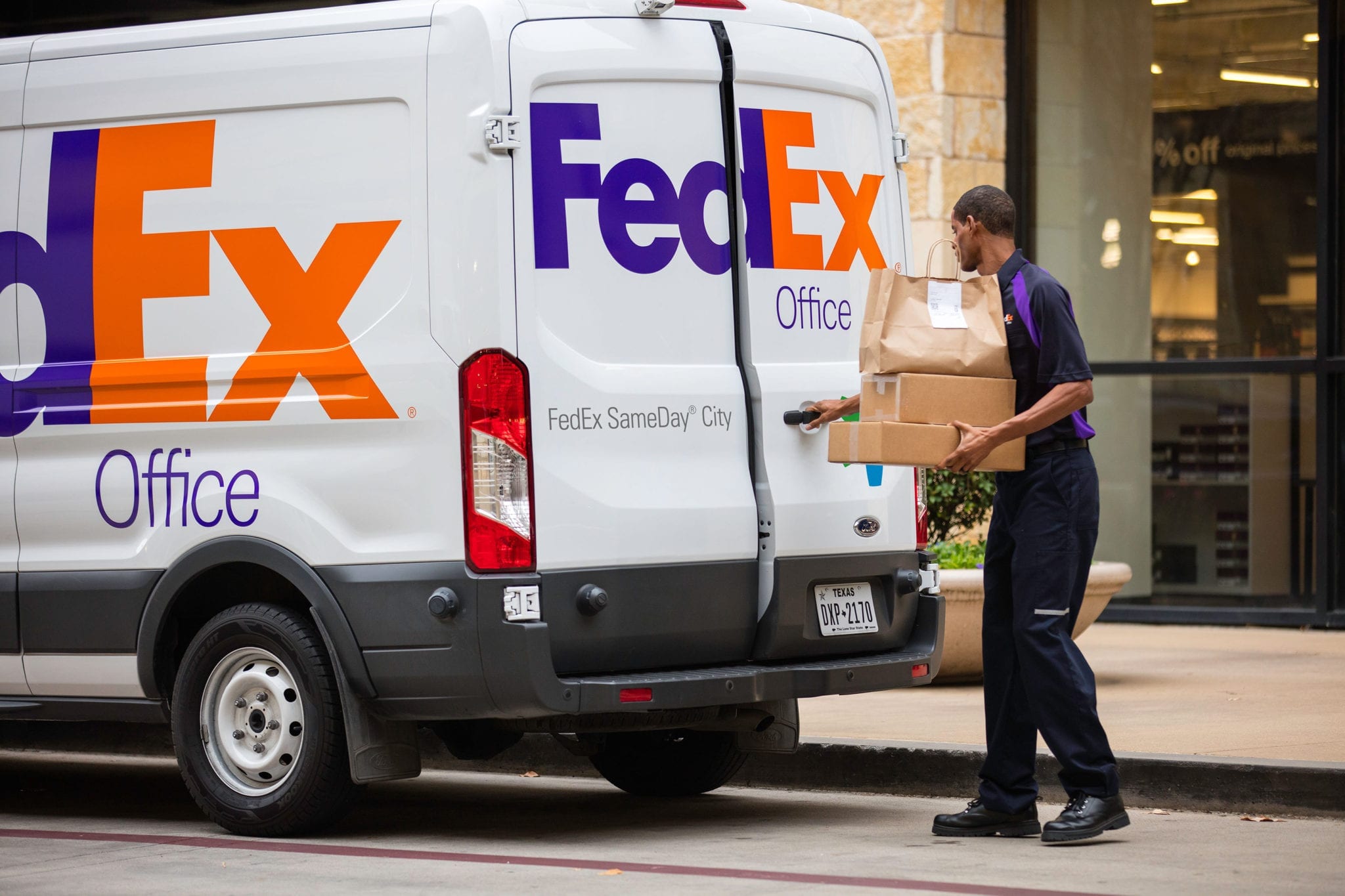
    FedEx Express has set a record for successfully executing the first cross-border package delivery from Malaysia to Singapore with an electric vehicle.

    The attempt was recognized by the Malaysian Book of Records for ‘First Zero Emission Cross-Border Delivery.’ On 27 February 2024, the milestone journey commenced at a FedEx station in Shah Alam and concluded at Changi Airport in Singapore, spanning a total distance of 406 kilometres,

    “When we set our goal of carbon neutral operations by 2040, we knew we were setting a bold target that set us apart in our industry and across other industry sectors. Transitioning successfully to a zero emissions operating model means we need to think strategically about all of our ground operations, not just last mile delivery,” said Kawal Preet, president of Asia Pacific, Middle East, and Africa region.

    FedEx discovered that the zero-emissions package delivery, which was completed with just a single charge in Johor, demonstrated an approximately 100 kilogram reduction in tailpipe CO2 emissions compared to diesel-powered vans.

    “This cross-border trial has been a successful proof of concept that will help advance our fleet electrification program. This will be pivotal in shaping the future of its operations, which will not only benefit the environment, but also improve the efficiency of its fleet, while providing excellent service to its customers.”

    FedEx is using the insights gained from this trial to assess operational effectiveness for future cross-border pick-up and delivery operations. In addition to vehicle electrification, the company has a tailored approach to efficient and responsible resource management of both its air and ground operations. Specific sustainability efforts include fuel savings initiatives, renewable energy investments, and sustainable packaging solutions implementation.

    The company also recently launched a cloud-based carbon emissions reporting tool, FedEx® Sustainability Insights, giving customers access to historical emissions information on their shipments within the FedEx network.

  • Starbucks launches Asia’s first Greener Store

    Starbucks launches Asia’s first Greener Store

    Starbucks has expanded its Green Store initiative into Asia with the first store opening in Shanghai, focusing on reducing waste and repurposing foods.

    Greener Store Shanghai is the Chinese mainland’s first Starbucks store to use recycled and lower-impact building materials such as wood reclaimed from the renovation of other Starbucks stores.

    The store features a bar made of modules which allows the store to adjust the layout by adding, removing or replacing them for different functions, such as ordering, beverage production and food display. At the ‘end of life’, modules that meet reuse standards can be refurbished and used again, hence reducing waste.

    Meanwhile, its signature green aprons are made from recycled Starbuck PET cups using advanced plastic-to-textile technologies. According to the company, each apron achieves approximately 1kg of carbon reduction in its lifecycle.

    Greener Store Shanghai will also host ‘Sustainable Coffee Classrooms’ with coffee masters selected from across the market, covering different sustainability practices adopted by Starbucks throughout the entire coffee supply chain.

    The store is the first in the country to recycle its coffee grounds for use as fertiliser. After composting, they can be used in suburban farms and shopping mall gardens. Customers can also take coffee grounds back home for free.

    In addition, Greener Store Shanghai marks the world’s first Starbucks store to host sustainability-themed exhibitions, where artists will be invited to give coffee grounds and other materials a new lease of life. Called the “Circular Lifestyle Lab,” the exhibition features sustainability-themed art installations made from recycled materials.

    The store provides coffee grounds straws and cutlery made of biodegradable materials while encouraging customers to bring their own reusable cups or tumblers. Half of the menu is plant-based food, including 15 new food items and two limited-time offer beverages. Oatmilk will be used as the default option for most beverages.

    First introduced in 2018 in collaboration with the World Wildlife Fund, Greener Store Framework has more than 2300 stores across the US and Canada. Starbucks aims to build and retrofit 10,000 Greener Stores globally by 2025.