Tag: green

  • Thai electric car rolls out

    Thai electric car rolls out

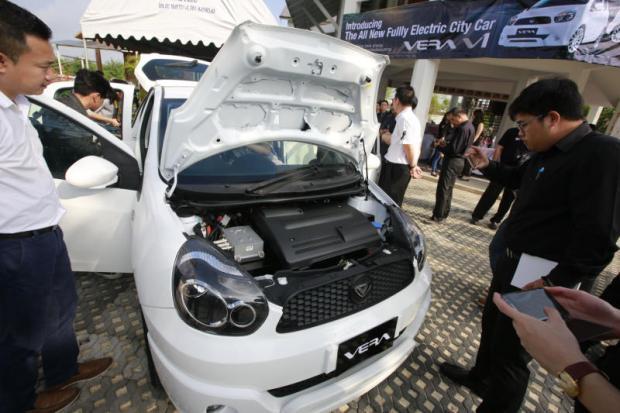
    Thailand’s first electric car brand has made its debut amid scepticism from an industry expert about its commercial viability. Vera Automotive, founded on Oct 7, 2015 by five Thai engineers from King Mongkut’s Institute of Technology Ladkrabang (KMITL), yesterday introduced the Vera V1 battery electric vehicle (BEV), powered with a battery capacity of 22 kilowatts per hour, which can be registered with the Land Transport Department as a passenger car.

    The maximum speed of the Vera V1 is up to 105 kilometres an hour. It can run up to 180km per charge, which takes six hours to complete.

    Co-founder Wanchai Meesiri said all Vera cars are designed by Thai engineers under the Thai brand, but the company has hired the Chinese carmaker Geely Automotive to produce the BEVs. The company imports the cars as completely built-up (CBU) vehicles to Thailand.

    Vera V1 is subject to all related taxes similar to other imported vehicles, including an 80% import duty, a 10% excise tax for all types of electric vehicles, a 10% interior tax and a 7% value-added tax.

    Yossapong Laoonual, chairman of the Electric Vehicle Association of Thailand (Evat), said it’s a good sign for the country to create its own electric vehicles, even if the vehicles are made by foreign firms.

    A retail price below 1 million baht is affordable for Thai customers, he said.

    But Asst Prof Yossapong warned that any startup that is selling electric vehicles has to plan its marketing strategy carefully, as the Thai car market has many dimensions for consumers to consider, including brand, service and trust.

    “Electric vehicles for Thailand remain very new, and they’re unlikely to become popular or proliferate in the short term,” he said. “If you are a new company or brand, the best solution is to sell electric vehicles as a fleet to other agencies, which are easier to provide after-sales services for.”

    Mr Wanchai said the primary purpose for establishing Vera Automotive is to make Thai BEVs for the local market.

    Managing director and co-founder Werachet Khan-ngern said Vera vehicles aim to capture only a niche market.

    He expects to sell about 100 units of Vera this year.

    “We hope in the foreseeable future the government will come up with clearer policies and supporting measures once the number of electric vehicles increases,” Mr Werachet said.

    He said the firm will provide after-sales services at its head office on Ladprakao Road.

  • Thailand’s green material Industry and the green building trend

    Thailand’s green material Industry and the green building trend

    In the midst of today’s environmental movement, green buildings (buildings designed to be environmentally friendly through more efficient use of resources) are popping up more and more in Thailand.

    Using data from green building credentialing bodies like the U.S. Green Business Council (USGBC), which developed the Leading in Energy & Environment Design (LEED), and the Thai Green Building Institute (TGBI), which developed Thailand’s Rating of Energy and Environment Sustainability (TREES), EIC found that the number of certified green buildings and buildings in the process of accreditation in Thailand has risen substantially, increasing from six buildings in 2007 to 243 buildings in 2015.

    With EIC’s estimate of 294 green buildings in 2016, the average annual growth rate for green buildings in Thailand is 54%. Thailand’s green building area increased from 40 thousand square meters in 2007 to 4.3 million square meters in 2015, and it is estimated that it will reach 5.0 million square meters by the end of 2016, pushing average growth to 71% per year (Figure 1).

    Green buildings in Thailand consist of office buildings (around 40%), retail stores and shops (around 30%), and other structures such as factories, residential buildings, hotels, and schools (around 30%) (Figure 2).

    Although the costs of building green are higher than construction costs for conventional buildings, it is the benefits they offer that are responsible for the expansion of green structures today.

    The average cost of building green in Thailand is 20,700 baht per square meter, which is about 5.2% higher than the average conventional building cost of 19,700 baht per square meter (Figure 3).

    This is because building green involves more restrictions in choosing materials and in designing building systems, as well as additional fees for obtaining LEED or TREES credentials. However, owners can gain both monetary and non-monetary advantages from green buildings. Monetary benefits include a decrease in building management expenses like electricity and water costs that can be reduced by 10% or around 90 baht per square meter per year, and up to about 21% or 180 baht per square meter per year by the fifth year after the completion of the project (Figure 4). These numbers are comparable to the decrease in energy costs of  well-known green building Energy Complex.

    The Energy Complex building contains 192 thousand square meters of utility space and has reduced building management costs per year by about 28 million baht, or about 146 baht per square meter per year.  Another monetary advantage for green building owners is increased rents. Rents for green buildings are around 30% higher than those of conventional buildings in the same area, or about 230 baht per square meter per month (Figure 4). Non-monetary benefits include significantly higher worker productivity in green buildings compared to conventional buildings, deduced from sick day records and illnesses caused by sick building syndrome.

  • Promotion, collaboration sought to boost tea exports

    Promotion, collaboration sought to boost tea exports

    The government should give more attention to Indonesia’s tea industry by intensifying promotional efforts and strengthening collaboration among ministries to reverse the trend of declining exports that started a few years ago, a public policy expert suggests.

    “The Trade Ministry, for example, can collaborate with Pak Arief Yahya [the tourism minister]. So while traveling overseas, they could promote Indonesian teas,” University of Indonesia’s public policy lecturer Riant Nugroho said on Monday.

    The declining tea exports, which was partly caused by there being limited land for tea plantations, could also be solved through better coordination with the Public Works and Public Housing (PUPR) Ministry, he added.

    “Talk to them and find out ways so they won’t use all the available area to build [the planned] Jakarta-Bandung high-speed railway, for example,” he said, referring to the megaproject designed to better connect Jakarta and the capital of West Java, Indonesia’s largest tea-producing region.

    Ranked as the seventh largest tea producer in the world, Indonesia’s tea exports dropped to 62,700 tons last year from 92,000 in 2009, with the value going down to US$128 million from $171 million in the same period.

    Only 6 percent of the 62,700 tons exported last year comprised value-added processed tea.

    “Tea production in the country still faces a lot of challenges, such as the limited area for plantations, outdated machinery and low tea prices at the farm level,” said the Trade Ministry’s director general for foreign trade, Dody Edward.

    Among the largest of Indonesia’s tea export destinations are Russia, Malaysia, Pakistan, Australia and Germany.

  • BMW eyes 100,000 electric car sales in 2017

    BMW eyes 100,000 electric car sales in 2017

    BMW wants to boost sales of electric cars by two-thirds next year to 100,000 vehicles as the luxury automaker is offering more battery-powered models, citing Chief Executive Officer Harald Krueger.

    Munich-based BMW expects to increase its deliveries of fully electric and hybrid vehicles to around 60,000 units this year, Krueger said. Sales of battery-powered BMW models have totaled about 100,000 cars since 2013, he noted.

    “Electric mobility will come, but demand is not going through the roof at the moment,” the newspaper quoted Krueger as saying.

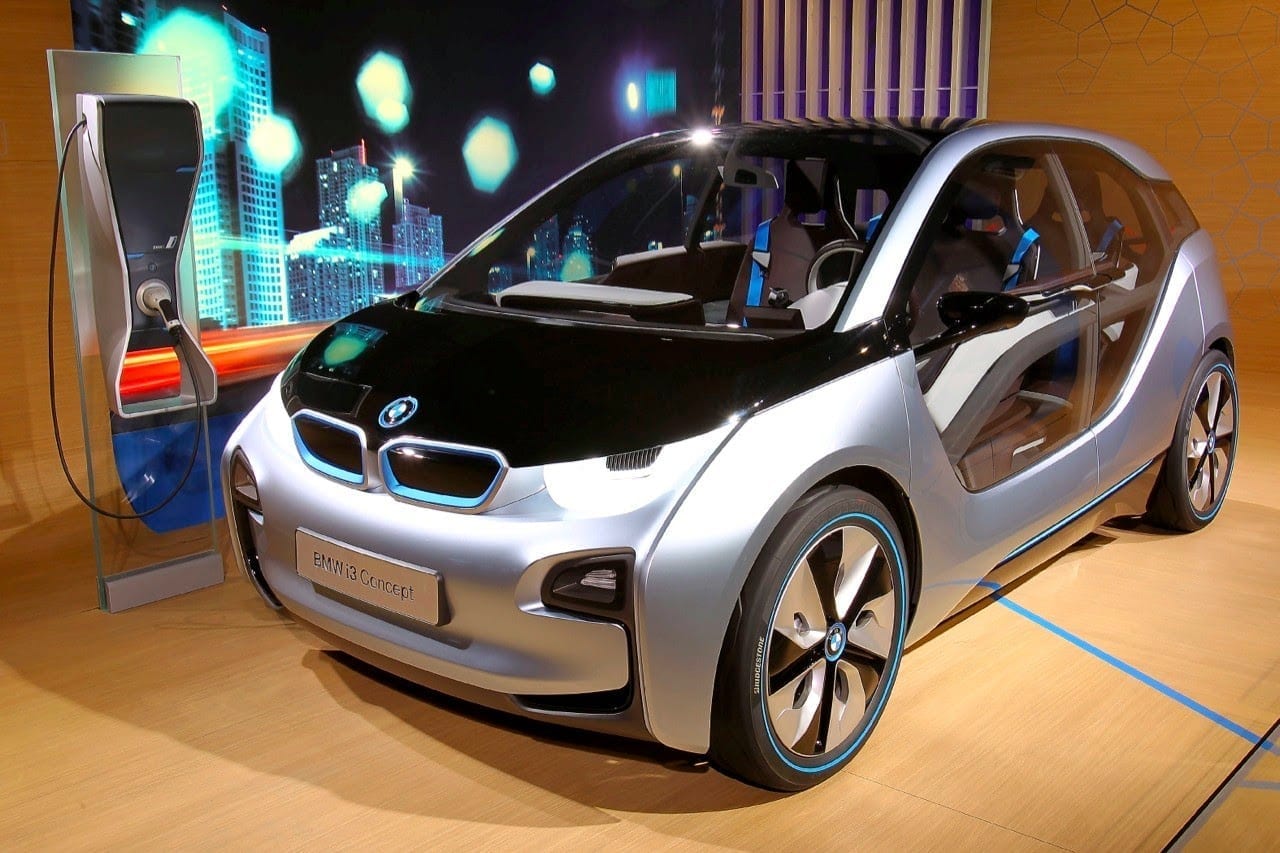
    To help improve sales, BMW is also increasing the battery range of its i3 city vehicle by 50 percent this year. The i3, BMW’s only fully battery-powered car, sold only 25,000 units last year.

    The company, which has dropped behind Daimler’s Mercedes-Benz in global luxury-car sales rankings, wants to expand the share of electric cars and hybrid models to between 15 percent and 25 percent of sales by 2025, the newspaper reported.

  • Guangzhou Auto raising up to $2.2 bln in green car, proprietary brand push

    Guangzhou Auto raising up to $2.2 bln in green car, proprietary brand push

    China’s sixth-largest car maker by sales, Guangzhou Automobile Group (GAC Group) , plans to sell up to 15 billion yuan ($2.2 billion) worth of shares to fund development of its green car business, proprietary brands and factories, the firm said late on Monday.

    Chinese automakers have invested billions in developing electric and petrol-electric hybrid vehicles at the direction of the government, which sees green cars as a way to leapfrog global competitors more experienced in traditional petrol engines while also cutting heavy pollution.

    Five investors involved in the private placement of GAC Group A-shares are mainly controlled by the government in the southern metropolis of Guangzhou, Thomson Reuters’ IFR reported on Tuesday.

    The automaker, like most domestic peers, is a state-owned enterprise.

    GAC Group said in an exchange filing that the proceeds would be used in 10 projects, with nearly a third of the funds to be spent on research and development of green energy cars and other technology.

    Other projects include factory expansion and improvement and developing a host of new models for its GAC Motor brand.

    The automaker’s Shanghai-listed shares jumped 9.6 percent after resuming trading on Tuesday, closing the session up 6 percent. Trading had been halted on Oct. 18 pending the announcement.

    The newly issued shares account for roughly 10 percent of the automaker’s outstanding stock.

    In addition to making cars under a wholly owned brand, GAC Group also makes vehicles through joint ventures with Toyota Motor Corp, Honda Motor Co Ltd and Fiat Chrysler Automobiles NV.

  • Logistic Operators Become More Green Globally

    Logistic Operators Become More Green Globally

    A combination of external and internal pressures are continuing to drive a ‘greening up’ of logistics operations in Asia and worldwide. Increasingly, though, companies are implementing such developments as part of an overall corporate business strategy rather than a standalone area of activity.

    Some of the key trends in that context were outlined by John Manners-Bell, chief executive of UK-based global logistics industry research and analysis company Transport Intelligence, who spoke on the subject of ethics and sustainability in the supply chain at a recent conference, The Future of Logistics, in London, and is now writing a book on that subject.

    One of the key points to emerge from the conference session which discussed those issues, Manners-Bell told Asia Cargo News earlier in September, was that ethical and environmental logistics practices were now increasingly part of wider corporate sustainability/social responsibility programmes being implemented by companies as an integrated element of their overall business development.

    Another key point to emerge from the conference, he continued, was that ethical behaviour and commitment to environmentally-sustainable practices need not be at the expense of profitability. “In fact, best practices in logistics and supply chain management bring together ethics, sustainability and bottom line performance in a holistic approach,” he argued.

    Expanding on that point, Manners-Bell suggested that going back a decade or so, most manufacturers, retailers and logistics providers still tended to view the development of greener supply chain and other operations as something “nice to have” or a potential additional competitive advantage but basically separate to the actual business of making money.

    “Now, companies increasingly see that they need to get all those elements right in order to prosper. For example, if you are a multinational consumer electronics manufacturer or retailer and one of your suppliers in China is found to be mistreating its workers or releasing large quantities of toxic chemicals into the environment, that could have a huge negative image on the global image of your brand,” he said.

    Commenting specifically on supply chain trends in that context, Manners-Bell confirmed that logistics providers were now focusing both on developments designed to improve the environmental performance of operations for customers and their own internal “green” credentials.

    “Logistics providers are being pushed by their customers to make their supply chains more environmentally friendly, but many are also large corporations in their own right and therefore have a responsibility of their own to operate in a sustainable way,” he said.

    One recent example of the first of those trends saw major Asian region and global logistics provider DHL announce in June that it had launched DHL Carbon Calculator, “a new online application which delivers live data-based emissions calculation for almost all shipment sizes and modes of transport for local, national and international deliveries.”

    Kathrin Brost, vice president, green strategy and customer intelligence at DHL Global Forwarding, which tested the Carbon Calculator together with customers, explained that the calculation was carried out online based on intelligent algorithms.

    “While many other computational tools provide only a rough estimate of the transport emissions and the route, the Carbon Calculator taps into real logistics data,” she said. “That data includes the route to the nearest airport or harbour, the main leg by air or sea and the ‘last mile’ in the destination country.”

    More recently, at the beginning of this month, French global logistics provider Geodis highlighted the ‘environmental’ credentials of a new rail transport operation it had just introduced between Wuhan in central China and the city of Lyon in France for Marseille-based designer jeans manufacturer Kaporal.

    Vincent Allal, head of Kaporal supply chain, claimed the new service enabled that company to reduce its transport time, costs and environmental footprint. “Rail transport is a real alternative to air travel that was previously not considered. The transit is relatively short, we have halved our bill on this transaction and we are very sensitive to the low environmental impact of this solution,” he added.

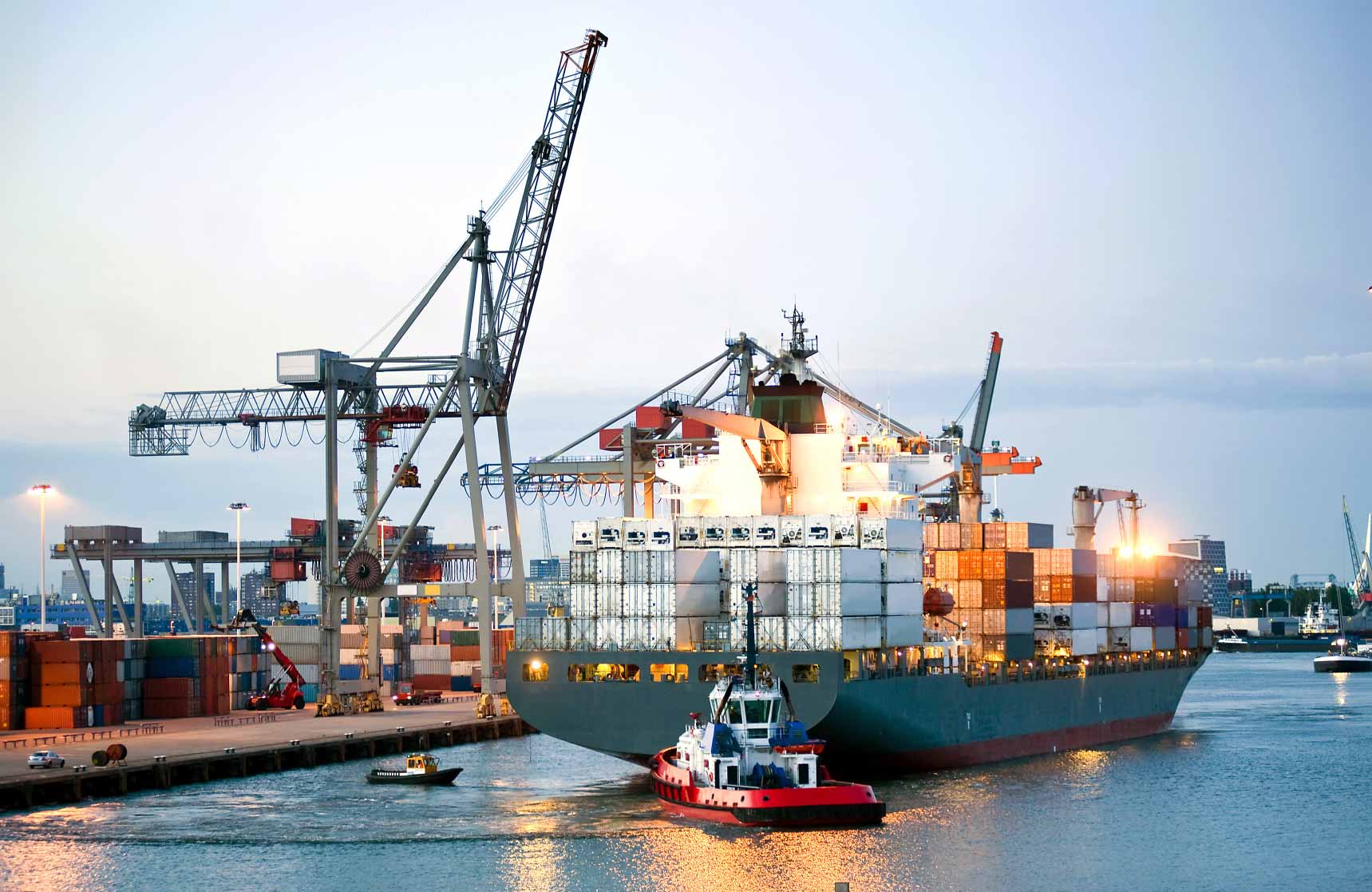
    One of the latest instances of a logistics provider “internal” green development saw Samskip, which operates one of Europe’s largest multimodal container logistics systems, report in August that subsidiary frigoCare had completed the installation of what it claimed was the largest solar panel system in the Dutch port of Rotterdam, a major European gateway for Asian deepsea container traffic, as part of its “sustainability strategy.”

    That initiative, undertaken in partnership with Dutch renewable energy company Zon Exploitatie Nederland (ZEN), comprised the installation of some 3,100 solar panels on the roof of frigoCare’s 14,000 pallet-capacity cold store in that port. The installation covers an area of 7,500 square metres and is said to be capable of generating 750,000kWh of electricity a year.

    “The new solar panel installation is owned by ZEN, while the roof’s surface is provided by frigoCare,” explained Samskip. “In turn, frigoCare benefits from access to a cheaper, and ‘greener’, energy supply. Under the agreement between frigoCare and ZEN, the solar panels will meet around 30% of this requirement. Any excess power will go back into the local electricity grid.”

    FrigoCare managing director Jan Bouman added: “When we upgraded our cold store, which is primarily used to store frozen fish, we wanted to make it as environmentally-friendly as possible. The partnership with ZEN has enabled us to reduce our annual carbon emissions by around 325 tonnes a year.”
  • Henrik Fisker launches new electric car company

    Henrik Fisker launches new electric car company

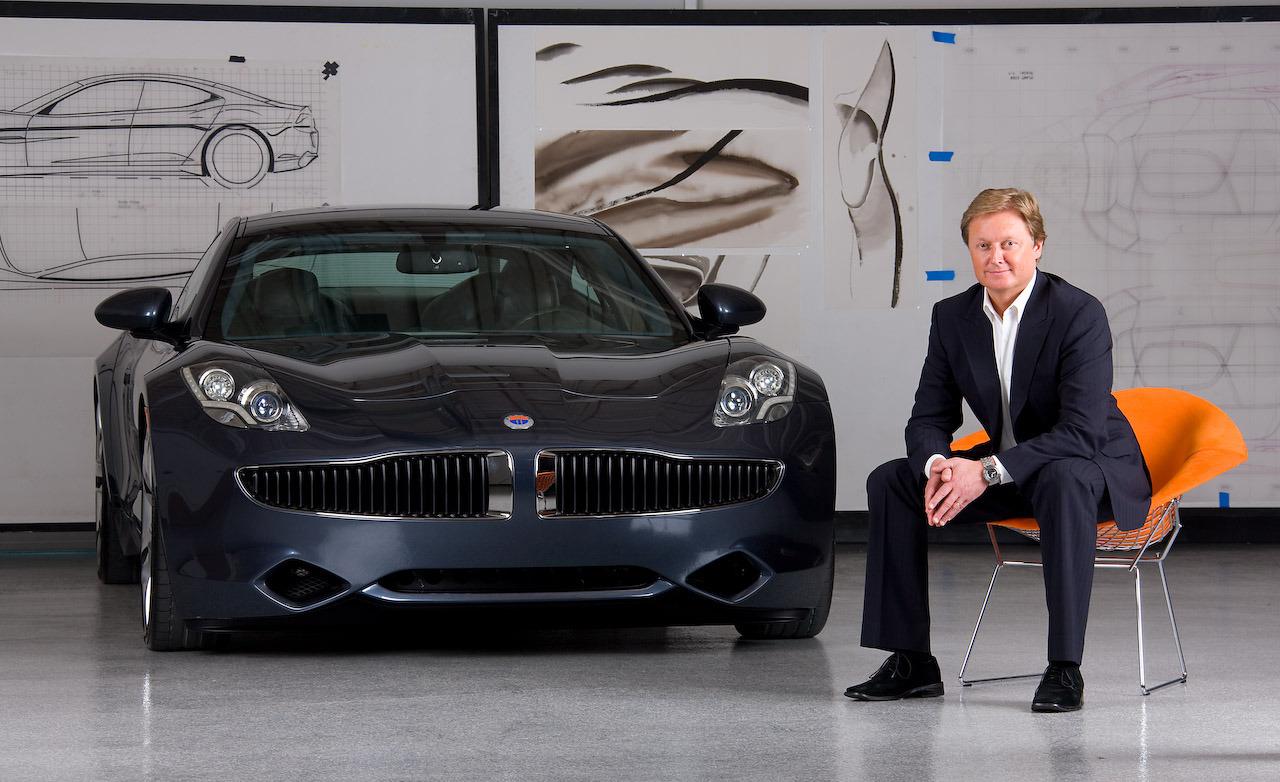
    Henrik Fisker, whose previous automotive venture collapsed in 2013 owing U.S. taxpayers $139 million, said on Tuesday he plans to launch a new electric car company next year to compete with Tesla.

    Fisker declined to say who is funding his new California-based venture, called Fisker Inc, and a new battery subsidiary, Fisker Nanotech.

    The Danish automotive designer’s previous venture, Fisker Automotive, once was a rival to Tesla Motors Inc (TSLA.O) in the nascent market for electric luxury cars. Founded in 2007, Fisker Automotive built fewer than 2,000 cars through 2012 while burning through $1.4 billion in private investments and taxpayer-funded loans from the U.S. Department of Energy. Fisker left the company in March 2013, before it filed for bankruptcy protection.

    In 2014, Fisker was purchased out of bankruptcy by Chinese auto parts maker Wanxiang Group Corp (000559.SZ), and renamed Karma Automotive. Wanxiang also acquired bankrupt U.S. battery maker A123. It relaunched the Fisker Karma gasoline-electric hybrid sports car in August as the Karma Revero.

    In an interview, Fisker said his new company plans a battery-powered model aimed at the Tesla Model S, which is priced at about $65,000. He did not specify when production would begin.

    A second smaller Fisker electric car will follow, Fisker said, and will target the upcoming Tesla Model 3, which is expected to start at about $35,000.

    Fisker said his new electric cars will be powered by a long-range battery that uses graphene to extend its range and life and reduce charging time. The company is targeting a 400-mile driving range between charges, Fisker said.

    Fisker said his new venture is not connected with Wanxiang.

  • Toyota, Daihatsu jointly debut new ‘green’ cars in Indonesia

    Toyota, Daihatsu jointly debut new ‘green’ cars in Indonesia

    Toyota Motor Corp. and Daihatsu Motor Co. jointly launched two different cars in Indonesia on Tuesday, a day after Toyota acquired all of Daihatsu’s shares.

    “It is a new relationship between Daihatsu and Toyota,” Daihatsu President Masanori Mitsui said during the launch in the industrial town of Karawang in West Java Province, where the cars are manufactured.

    Toyota launched the Calya, which means “perfect” in Sanskrit and will be sold at between $9,973 and $11,538, while Daihatsu launched the Sigra, which means “fast response” in the same language and will sell at between $8,153 and $11,461.

    The two companies earlier collaborated in producing the Avanza and Xenia in 2003, the Rush and Terios in 2006, and the Agya and Ayla in 2013.

    According to Mitsui, they have reached a huge achievement in production resulting from their cooperation.

    Toyota Managing Director Hiroyuki Fukui shared that view and said the collaboration will improve the companies’ performance amid tough global competition.

    The Calya and Sigra are multipurpose vehicles, which each can carry seven passengers. They are categorized into low-cost green car, a type of car highly encouraged by the Indonesian government.

    “Those kinds of cars in great demand, so we’re hoping for a positive response (from the market),” said Sudirman Maman Rusdi, president of PT Astra Daihatsu Motor, an Indonesian subsidiary of Toyota.

    According to him, his company has invested about 1.1 trillion rupiah (about $84.61 million) for the two cars’ production.