Retail News CRM

Tag: groceries

  • Foodstuffs to open self-checkout-only store

    Foodstuffs to open self-checkout-only store

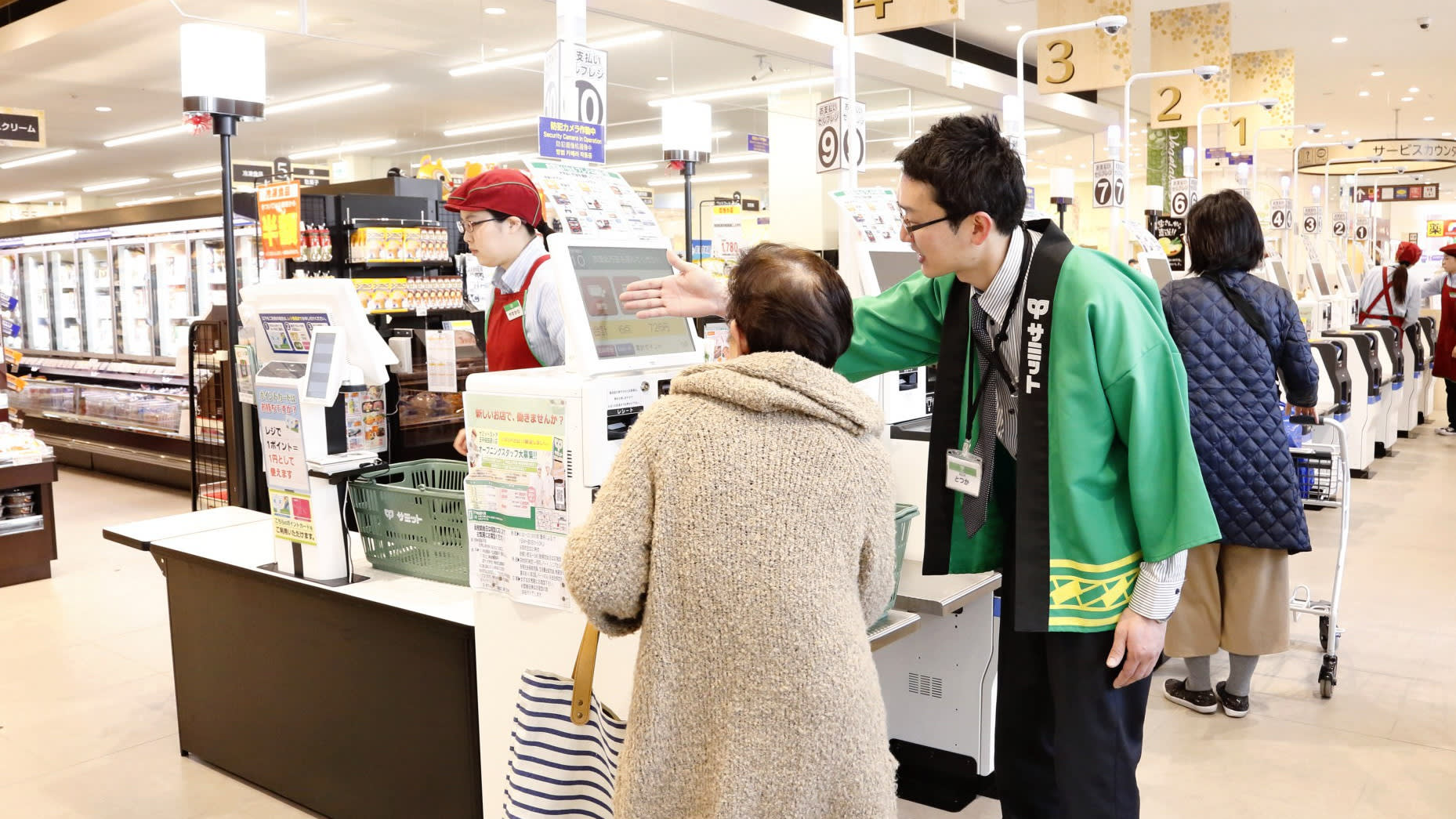
    Foodstuffs is opening a self-checkout-only grocery store called Pams Pantry – an extension of its Pams private label range.

    The store, which will open in Amberley, North Canterbury, in July will primarily stock Foodstuffs’ Pams, Pams Finest and Value private labels.

    According to Foodstuffs South Island general manager of retail Tim Donaldson, the store will offer ease, convenience and great value to customers.

    “There’s something else new. The store will be 100 per cent self-checkout, freeing up our team members to help customers get what they want, how they want it,” Donaldson said in a statement.

    “There will still be an opportunity to catch up on local gossip and news with our people, but these customers who love the ability to get in and out quickly with no fuss will enjoy the ease of self-checkout.”

    The concept store is serving as a trial, and if things go well, it will lead to a broader rollout into other parts of New Zealand.

    Donaldson said he has long had this project in mind, and is looking forward to seeing how customers respond to the self-service experience.

    “When the opportunity came up to revisit one of our Four Square stores, we wanted to do something very different for customers,” Donaldson said.

    “Aside from the fact we get to celebrate one of New Zealand’s most iconic grocery brands, Pams, we also have the chance to create a new, one-of-a-kind shopping experience for our customers in Amberley.”

  • FreshToHome raises US$11 million

    FreshToHome raises US$11 million

    Indian online fresh fish and meat retailer FreshToHome has raised US$11 million in funds led by Hong Kong-based CE Ventures.

    FreshToHome, which currently operates in Bengaluru, Delhi/NCR, Kerala, Chennai and Dubai, now intends to grow its business throughout all tier-I Indian cities. It will use the fresh capital to develop its supply chain by extending its proprietary sourcing technologies to farmers and fishermen nationwide.

    “We are disrupting the food-supply chain in India with our patent pending commodities exchange technology offering food that is free of added chemicals to end consumers and a fair price to the producers,” said FreshToHome founder and CEO Shan Kadavil. “Most of our capital has gone into re-inventing the food supply chain.

    We currently sell meat and fish sourced from more than 1500 fishermen and farmers on our platform, using our state-of-the-art technology backed with cold chain infrastructure, a fleet of dedicated refrigerated trucks, using the hub and spoke distribution model from four large processing factories to ensure traceability and food safety.”

    The business claims more than 400,000 customers within four cities, trading in fish sourced from 125 Indian coastlines. It reports a turnover of more than ₹12 crore ($1.72 million) GMV per month.

    “The meat-and-seafood segment in India is pegged to be a $30 billion market, but we have to keep in mind that it’s a highly fragmented industry,” said CE Ventures director Tushar Singhvi.

    “FreshToHome.com is not only trying to streamline the industry, but they’re also using technology to revolutionize the way the industry functions by disintermediating the supply chain, eliminating the middleman, and working directly with the fishermen and farmers in a marketplace model to make fresh and chemical free food accessible to the masses at large.”

  • Indian grocery chains merging to create nation wide network

    Indian grocery chains merging to create nation wide network

    Two regional Indian grocery retail chains are effectively merging, creating a national player.

    Spencer’s Retail, part of RP Sanjiv Goenka Group, says it will pay US$42.76 million to acquire upmarket grocery chain Nature’s Basket from Godrej Industries.

    The deal will give Spencer’s access to the western part of India through 36 stores of Nature’s Basket in Mumbai, Pune and Bengaluru, according to Shashwat Goenka, head of RPG. It will also strengthen the company’s omnichannel capability.

    Tanya Dubash, executive director and chief brand officer at Godrej Group, said the sale would unlock “the immense potential of the Nature’s Basket brand” allowing it to grow faster.

    “We have passed on the torch to owners who have prioritised retail in their portfolio strategy and have the relevant ecosystems to take the business to the next level,” she said.

    Nature’s Basket was launched in 2005.

    Goenka said the Nature’s Basket stores are located in prime residential locations, have a high sales throughput per square feet, and will add to the top line of Spencer‘s grocery portfolio.

    “Nature’s Basket has a strong portfolio of private-label brands which has huge traction with its consumers. We believe there is huge potential to expand this to Spencer’s stores. It also has a strong e-commerce presence, and we believe that fits in well with our omni-channel strategy.”

    He said both chains were positioned as experiential grocery retailers and there were many synergies in the acquisition.

  • Online grocery marketplace Dei Lifts Off in Singapore

    Online grocery marketplace Dei Lifts Off in Singapore

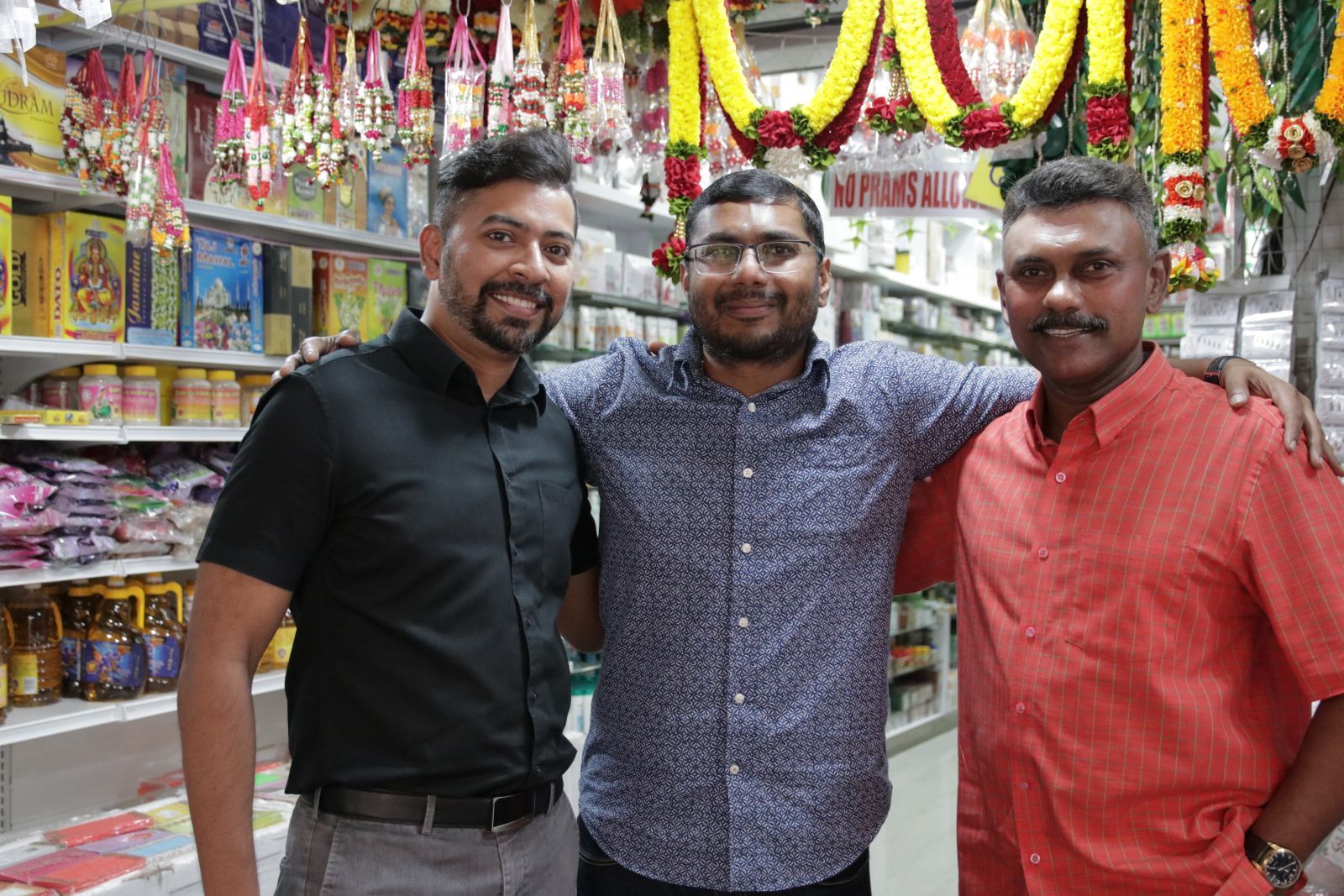
    Home-grown online grocery marketplace Dei has launched in Singapore.

    Standing for ‘Daily Everything’, Dei hosts more than 70 physical Singapore-based Indian retailers, and 15,000 products categorised into canned goods, clothing, locally sourced vegetables, fruit and meat.

    Consumers will enjoy same-day delivery along with post-sale services.

    “Dei was founded to promote digital transformation and introduce new technologies for Little India’s merchant community,” said Jay Varman, co-founder and CEO.

    “With Dei, Little India’s retailers and merchants can enjoy greater access to the greater Singapore community and increase their revenue by up to 30 per cent.”

    Appointed by the Little India Heritage Association (LISHA) and the Singapore India Chamber of Commerce and Industry (SICCI), Dei was soft-launched in 2016, and has gained year-on-year growth of 120 per cent, peaking at an average of 50 daily orders with an estimated $900,000 in total revenue.

    “Dei helps to bridge the gap between e-commerce and the traditional brick and mortar space, allowing for the consolidation of shipments into one,” said Rajakumar Chandra, chairman of LISHA,

    “We hope to collectively onboard all business owners and merchants of Little India to ensure that everyone benefits from the nationwide digitalisation push. Furthermore, we are in discussions with representatives from Chinatown and Kampong Glam to expand into their respective precincts, thus providing a truly seamless experience for all Singaporeans.”

    The platform is currently raising seed funding for future expansion. It plans to build hyperlocal, omnichannel-integrated marketplaces across Southeast Asia.

  • Coles starts selling food on eBay

    Coles starts selling food on eBay

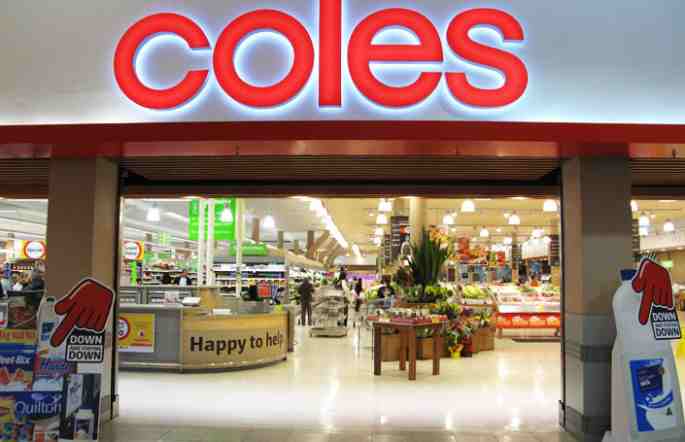
    Coles on Wednesday started selling a range of ‘everyday essentials’ on eBay, in a bid to reach some of the marketplace’s 11 million unique monthly visitors. The offering includes perishable and non-perishable items in Coles’ everyday essentials range across several categories, including select pre-packaged fresh food, pantry, personal care and household items. The items at launch are available to eBay shoppers in metro Sydney, Melbourne and Brisbane. Shoppers will initially have just one delivery option, though more will be added throughout the year, according to a statement from eBay and Coles. 

    Alister Jordan, chief executive of Coles Online, described the partnership as being all about convenience.

    “By partnering with eBay, we are providing our customers another convenient way to access our products and have them delivered straight to their door,” he said in a statement.

    The idea is that consumers who are already buying fashion, homewares and electronics on eBay can also complete their food shopping on the online marketplace, rather than having to make a second – virtual – trip to Coles’ e-commerce site.

    “It really comes down to convenience and being able to choose from a great range of groceries as well as those bigger ticket items you can’t get from a supermarket,” Julie Nestor, eBay’s CMO told.

    “Think about planning for a dinner party and being able to purchase everything from the table setting to the meal ingredients on the one site – it’s a more convenient, seamless way to shop online.”

    There is also the fact that more and more brands stocked on supermarket shelves are increasing their direct-to-consumer sales through their own websites or marketplaces like Amazon, which expanded into the pantry category last October, though it doesn’t yet offer fresh food in Australia. For eBay, the partnership seems to be about growing its eBay Plus membership program, which it launched in May 2018 in what many saw as a response to Amazon Prime. The program, which costs $49 a year, includes unlimited delivery and returns on new items bought on eBay, discounts on the Stan streaming service and opportunities to earn points through Coles’ flybuys loyalty program.

    Nestor confirmed that launching Coles’ food offering on eBay has been in the works for some time.

    “After we successfully launched our partnership with flybuys last year, this is a natural extension of our relationship with Coles,” she said.

    Nestor declined to say how many members are currently signed up to the eBay Plus program, but she described the uptake so far as “really positive” and said the company expects it to continue to grow with the launch of Coles on eBay. EBay Plus members get free delivery on orders that are $49 and over, and they earn double the number of flybuys points on all orders.

  • Japanese Summit supermarket open store in Vietnam

    Japanese Summit supermarket open store in Vietnam

    Japan’s Summit supermarket will open first outlet in Vietnam’s capital city Hanoi this month, with two more stores expected to open next year. The Vietnamese Summit stores will be operated by Fujimart Vietnam Retail, a joint venture between Summit parent Sumitomo and real estate conglomerate BRG Group.

    BRG Group says Sumitomo will select the president and send personnel from Japanese unit while BRG will control the company operations.

    Targeting middle class consumers in the city, the stores will following the Japanese model – using the Summit supermarket group’s point-of-sale system and loyalty program to analyse customer shopping habits and plan product ranges.

  • Walmart China tests same-day delivery from Dada

    Walmart China tests same-day delivery from Dada

    Walmart China has begun testing same-day grocery delivery in its Xiangmihu store. The new Walmart To Go service is available within a WeChat mini-program, following Walmart’s partnership with online social networking provider Tencent earlier this year. It is currently undergoing trial with future rollout pending feedback from customers who opt in to the service.

    Those ordering from the nearly 8000 SKUs available on the app can receive delivery in as little as one hour via a service provided by Dada.

    Another of Walmart’s new mini-programs being tested at the branch displays a digital map that shows in-store shoppers inventory location and stock status.

  • 7Fresh to open store in Shanghai

    7Fresh to open store in Shanghai

    E-commerce giant JD’s offline retail store 7Fresh is set to launch at Shangbin Plaza in Shanghai’s Hongkou District. The move is regarded as a step towards expansion nationwide beyond the firm’s home base in Beijing, as well as an attempt to follow recent trends to diversify from online-only business models. The high spending power of Shanghai residents was key in determining the store’s location.

    JD expects to be operating 1000 outlets with three to five years, using insights learnt from trading online to tailor product ranges popular locally. It will be taking on rival Alibaba’s Hema Market, which has already grown to more than 100 outlets.

    JD’s senior VP Wang Xiaosong said: “JD’s online fresh food business provides an advantage in terms of merchandise selection when we’re expanding into offline retail.”

    Shangbin Plaza is due to open early next year.

  • Unilever Vietnam owes over $25mln in back taxes: state audit

    Unilever Vietnam owes over $25mln in back taxes: state audit

    The state auditing agency says Unilever Vietnam should pay over $25 million in back taxes for the 2009- 2013 period. Speaking at a National Assembly session on the draft bill on Tax Administration, State Auditor General Ho Duc Phoc pointed to the Holland-backed personal care products maker Unilever Vietnam as an example of taxes overlooked by the authorities.

    Phoc submitted an audit report that says Unilever Vietnam had under-declared its tax dues. The company took the case to the Prime Minister and the National Assembly’s Budget and Finance Committee. After re-examination, the State Audit concluded that the company had under-declared its tax dues by VND584 billion ($25 million).

    The auditor general said the company had accepted this figure, but requested that it is not charged for late payment.

    “Whether the company is fined will be decided by the General Department of Taxation, not us,” Phoc said.

    However, tax department officials as well as Unilever Vietnam representatives said that the company had not accepted the above figure despite the parties having discussed the issue many times.

    “The determination of the amount of tax arrears arising from errors in calculating the preferential tax rate that applies to Unilever Vietnam for its expansion activities in 2009-2013 is not related to transfer pricing,” said a representative of the General Department of Taxation.

    Representatives of the HCMC Taxation Department also confirmed that the decision to collect this sum from Unilever Vietnam has been made, but has not been accepted by the company.

    Unilever Vietnam denies having under-declared any tax obligation. Tran Vu Hoai, the company’s vice president of Sustainable Development and Public Relations, said the outstanding tax issue in question is “due to the differences in the stipulations of the Investment Tax Law and the Corporate Income Tax Law for the period before 2014.”

    “Such differences in the stipulations of the relevant laws have led to different interpretations, causing difficulties for businesses and relevant agencies in the implementation of the laws,” Hoai said.

    The crux of this issue lies in the differences that existed in terms of investment incentives between “new projects” and “expanded investment projects” between 2009 and 2013.

    Then, “expanded investment projects” were only entitled to a three-year corporate income tax (CIT) exemption, and a 50 percent CIT reduction in the five following years. Meanwhile, “new projects” could enjoy a preferential CIT rate of 15 percent for 12 years, three-year tax exemption, and a 50 percent reduction over the next seven years.

    Tax men and companies are divided over the definition of “new project” and “expanded investment project” as they apply to tax incentives.

    Unilever Vietnam has petitioned the Government, the Ministry of Finance and State Audit to find a satisfactory solution in compliance with Vietnamese laws and international regulations.

    Unilever Vietnam is not the only company that’s faced this problem. Suntory Pepsico Vietnam Beverage, GE, Piaggio Vietnam and Yamaha Motors have reportedly fought similar battles.

    Hoai said the matter is being handled by the Ministry of Planning and Investment, in collaboration with the Ministry of Finance and other agencies.

    In September, Prime Minister Nguyen Xuan Phuc assigned the Ministry of Planning and Investment the task of coordinating and working with the Ministry of Finance to resolve such issues for enterprises, in the spirit of ensuring non-retroactivity of the law.

  • Amazon looks to UK grocery acquisition

    Amazon looks to UK grocery acquisition

    Amazon’s aim to conquer retail’s largest category, grocery, through the acquisition of bricks-and-mortar supermarkets has been further illuminated by its reported attempt to initiate takeover talks with the upmarket chain, Waitrose, in the UK.

    A recent report in The Sunday Times has suggested that one of Amazon’s most senior executives in Britain, vice president of special projects Ajay Kavan, had several “enormously informal” conversations with a director of the John Lewis Partnership, Waitrose’s parent company, about a possible deal last November. However, a request for a formal meeting was apparently shut down by the board.

    Citing an unnamed source, The Sunday Times reported that Amazon’s interest in the 350-store supermarket chain was known to the partnership’s executive team, including Waitrose’s boss Rob Collins, group finance director Patrick Lewis and head of John Lewis department stores Paula Nickolds, but chairman of the board Sir Charlie Mayfield denied the report.

    “These times are ripe for speculation, but there has been no approach to the partnership by Amazon regarding Waitrose, and nor would I expect there to be,” Mayfield told.

    Analysts have speculated that Amazon could buy a British grocery chain since it launched its online grocery delivery service, Amazon Fresh, in the market two years ago. Morrisons, Sainsbury’s and Waitrose reportedly were all considered potential targets.

    The recent £14 billion merger between Sainsbury’s and Asda has been cast as a move in part to ward off Amazon’s broader move into grocery, which many see as ramping up since the company’s US$13.7 billion acquisition of Whole Foods last summer.

    Since taking over Whole Foods’ 470 stores in the US, Canada and UK, Amazon has cut prices on staples and rolled out free two-hour delivery for online grocery orders in several cities across the US.

  • UnPackt Singapore offers package-free groceries

    UnPackt Singapore offers package-free groceries

    Singapore is about to have its first zero-waste grocery store, UnPackt. It will sell its goods without any packaging, encouraging customers to take along their own containers.

    In self-serve gravity bins to reduce food waste, dried food and cleaning supplies will go on sale first, with plans to introduce fresh fruit and vegetables when sales volumes pick up. Goods will be priced lower than regularly as they are free of packaging.

    The store will also run a recycling scheme offering donated containers for customers who visit the store without their own. Reusable containers can also be bought.

    Co-founded by former business executives Florence Tay and Jeff Lam, UnPackt is a social enterprise that aims to spread the zero-waste message and make packaging-free shopping more accessible in Singapore. The store will hire staff from two disadvantaged groups, seniors and single parents.

    Tay had the idea for the store while exploring how to cut back on plastic waste. She was particularly looking at how to buy food in small quantities to reduce food waste. A survey she ran this month gave her confidence that Singaporean shoppers will support a zero-waste store.

    On Jalan Kuras, in the commuter district of Ang Mo Kio, Unpackt will open early next month. An online version will be introduced later.

    Singaporeans consume at a rate that would need four Earths to support them, using an average of 13 plastic bags a day per person, reports Eco-Business. Last year the island produced more than 800 million kilograms of plastic waste, with only 6 per cent being recycled.

  • Online retail grocery in South East Asia : Alibaba or Amazon?

    Online retail grocery in South East Asia : Alibaba or Amazon?

    In South East Asia, online retail grocery is growing as an increasing number of  Singaporeans  prefer to do their shopping online.

    “It is getting better and better,” said Mr Vikram Rupani, president of RedMart, an online grocery company based in Singapore that is part of Alibaba‘s push into the region, “but it’s a continuous process that never ends.”

    Alibaba and American giant Amazon already dominate online retail in their home markets. Increasingly, they are competing against each other on neutral ground.

    Alibaba’s bigger bet is in South East Asia. It has spent more than US$2 billion (S$2.7 billion) to take control of Lazada, a five-year-old online shopping company based in Singapore and doing business in six countries. In 2016, Lazada bought RedMart, the online retail grocery.

    The promise is there, as the region’s young middle class grows and goes online. South East Asia’s e-commerce sales could total US$88 billion by 2025, projections from Google and Temasek Holdings, the Singaporean sovereign wealth fund, show. Volume was less than one-tenth that in 2015.

    Alibaba and Amazon are seeking consumers like Singaporean Janice Lee Fang, who decided she needed to buy a robot to amuse her six-year-old daughter home sick from school. Through Amazon’s Prime Now service, introduced in Singapore in July 2017, she bought a Sphero SPRK Plus – a clear plastic ball that can skitter across the floor with a tap of a smartphone – that arrived in less than a day.

    But South East Asia is no China. A diffuse area of 600 million people, the region is divided by politics, language and culture. Some places are modern, like Singapore. Others lack the roads and other infrastructure to get people what they need.

    The challenges have forced Lazada, Alibaba’s biggest South East Asian operation, to be creative.

    In Vietnam, local post offices take customer returns and give cash refunds. In Malaysia, customers can collect merchandise from lockers at 7-Eleven stores. And in the Philippines, Lazada uses petrol stations as places where merchants can drop off their goods for delivery personnel to pick up.

    Alibaba’s international arm has seen its latest quarterly sales more than double in a year, in part from Lazada’s contribution. Still, Lazada and its RedMart subsidiary remain a tiny, and unprofitable, part of Alibaba’s empire. Lazada’s chief executive Max Bittner said its Chinese parent has been willing to spend money to build its delivery capabilities and draw more customers.

    “E-commerce is an economy-of-scale game,” Mr Bittner said. “I can go after this opportunity with the amount of firepower I need.”

    Amazon so far counts Singapore as its only South-east Asian market, though industry experts expect it will expand into other countries.

    Until recently, direct Alibaba-Amazon rivalry has been rare. Amazon has a modest presence in China. Alibaba sells goods in the United States through its AliExpress platform but has backed away from further expansion efforts.

    South East Asia could offer a test of their vastly different business models on neutral turf.

    Amazon owns more of the inventory it sells. By contrast, most of Lazada’s sales are from outside vendors who use its platform as a digital middleman to reach customers. That approach, which keeps costs low, is similar to what Alibaba does in China. But in China, the company’s Taobao platform has been accused of offering counterfeit goods. Alibaba says it is working to fight fakes.
  • Online grocery shopping on the rise in Korea

    Online grocery shopping on the rise in Korea

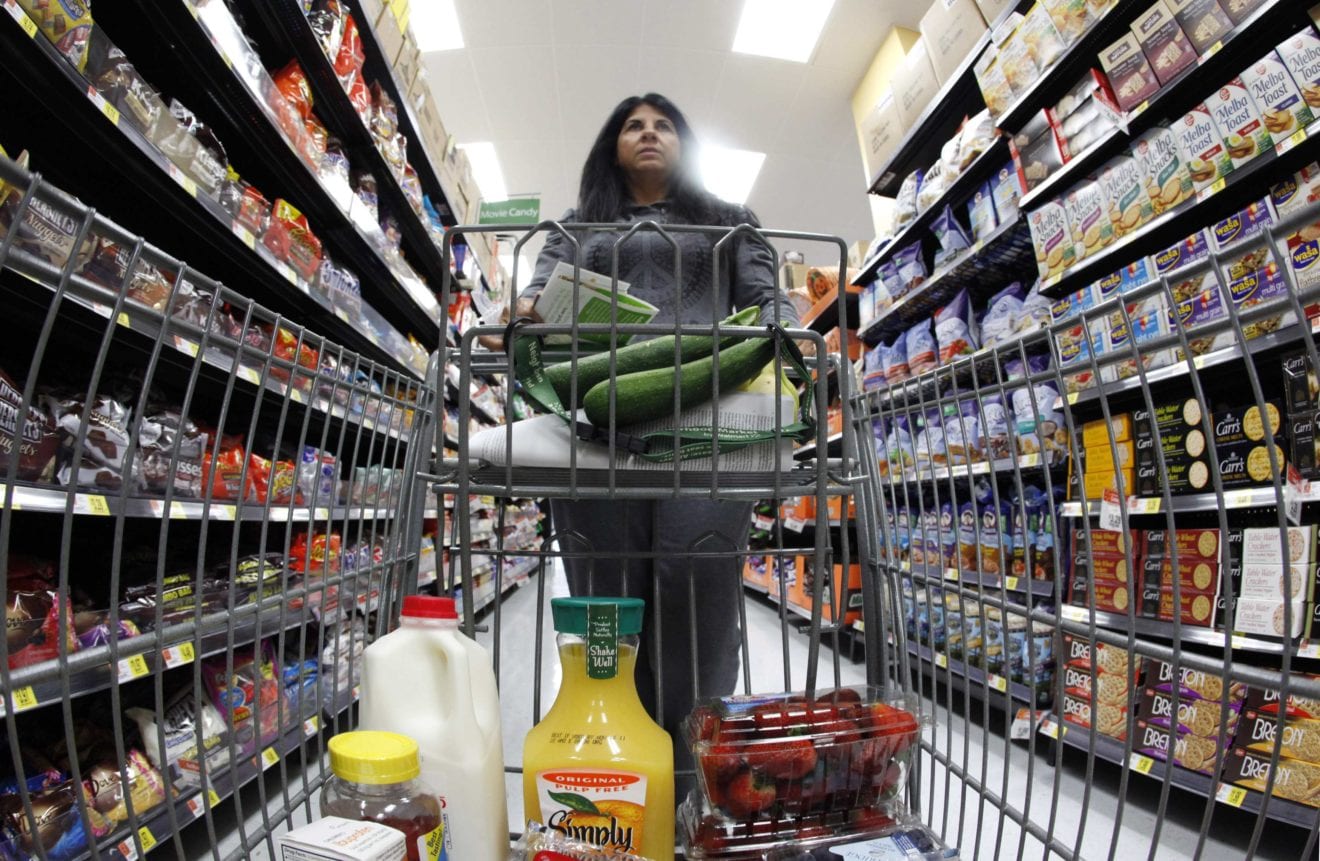
    Grocery shopping via online and mobile channels in Korea rose sharply in the first quarter from a year earlier, backed by robust demand for delivery services of fresh food amid a rise in the number of one-person households.

    The amount of transactions made for fresh produce through online shopping malls reached 2.18 trillion won (US$1.92 billion), up 35.6 percent from the first three months of 2016. Of the total, purchases made via mobile devices soared 56.7 percent on-year to 1.55 trillion won over the cited quarter.

    In March alone, grocery shopping accounted for 11.7 percent of all online purchases tallied, trailing behind travel and booking by just 3 percentage points. In terms of mobile purchases, food shopping took up the biggest portion at 14.5 percent. Analysts attributed the brisk growth to an aggressive expansion of online-based fresh food delivery services by key e-commerce companies and related start-ups.

    The diversification of fresh food supplies and shortened delivery periods due to heated market competition has led to the overall increase of the transactions and improvement of online shopping services for consumers. The growing number of single-person households is another factor that has fueled the demand for online grocery shopping.

    Along with many double-income families that have little time to shop at a supermarket, those who live and eat alone have shown a tendency to spend generously if they can have groceries delivered with a simple click. One-person households in Korea account for some 35 percent of the total population as of September 2016. The trend has prompted local retailers and e-commerce companies to scramble to launch fresh food delivery services.

    SK Planet, the operator of leading online shopping mall 11st, is running a wholly-owned subsidiary, Hello Nature, which offers compact package deliveries of groceries. Baemin Fresh is another player, run by mobile delivery app provider Woowa Brothers, which has been actively expanding its foothold in the mobile grocery shopping business. In a recent media release, it said the number of Baemin Fresh users has surpassed 240,000 since it launched its mobile app last February. Other e-commerce sites, including Ticket Monster and WeMakePrice, have also joined the bandwagon with their own delivery services of fresh food supplied by its partners based in provincial regions. Industry watchers said the popularity of online grocery shopping will likely continue for some time, given strong consumer demand and the country’s fast-growing mobile sector.

    South Korea’s online shopping transaction reached 18.2 trillion won in the first quarter, up 19.4 percent from a year ago, with the mobile shopping accounting for 58.6 percent of the total payments, according to government statistics.

  • More Pinoy men now shop for groceries, says survey

    More Pinoy men now shop for groceries, says survey

    Grocery stores are typically the turf of women in the Philippines, but the presence of men is increasingly being felt, according to the latest survey conducted by market research firm Nielsen.

    Men now make up as much as 40 percent of shoppers in supermarkets, or a 6-percentage point increase from last year, signaling a continuing shift in trends for the industry, Nielsen said.

    “The perception that buying groceries is only women’s work is now inaccurate,” Nielsen Philippines’ consumer insights head Carlo Santos said in a statement.

    “Women remain the key stakeholders in grocery shopping in many homes, but as more men play an active role, marketing strategies need to reflect a more balanced approach—from product innovations to marketing messages,” he said.

    The study is part of a syndicated annual report that Nielsen conducts across 54 markets globally. It provides a comprehensive overview of retail environment trends and an understanding of shopping behavior across the different trade channels.

    It also provides insights into where, when and how often people shop, and their emotional commitment and perceptions about key modern trade retailers.

    In examining the male shopper, the report said growth came from the more affluent Metro Manila residents.

    An estimated 53 percent of urban male shoppers are married and 29 percent reside in Metro Manila, with 68 percent being gainfully employed.

    Being relatively new household shoppers, men prefer to shop in retailer shops that are familiar to them, the study found. Hence, if they are not aware of the retailer or do not have an affinity for the retailer, they are not likely to shop in those stores.

    Women, on the other hand, are more likely to be persuaded by their perception of a retailer. For instance, they are more likely to go to stores that they think offer affordable prices and provide convenience.

    Convenience means ease in getting to the store, finding everything they need under one roof, and being able to quickly find the items.

    While 30 percent of male supermarket shoppers either go up and down the aisles or browse all parts of the store, similar to what females do, they do so at a quicker pace.

    Hurried pace

    Men spend only a little over an hour or 64 minutes in stores on average, about 15 minutes shorter than a year ago. Women tend to linger, averaging 74 minutes.

    “With males spending less time in-store and doing it at a hurried pace, manufacturers should think of ways to disrupt these shoppers to notice their brands in-store,” Santos said.

    “If male shoppers hurry through their shopping experience, they are not likely to spend more. Manufacturers will have to reach to male shoppers before they visit the store, which means media advertising.”

  • Mobile World crossing borders

    Mobile World crossing borders

    As well as electronics and mobile phones, its usual products, Vietnamese chain Mobile World is planning to distribute groceries in its first stores in Cambodia, Laos and Myanmar.

    CEO Tran Kinh Doanh says the stores will open early next year.

    Meanwhile, he has revealed two goals – to become one of the biggest eCommerce firms in Vietnam, and to bring in revenue of about VND34,000 billion (US$1.51 billion) this year. This would provide an after-tax profit of VND1400 billion – up VND400 billion on the past financial year.

    With 70 stores and a distribution network covering 42 provinces and cities, Mobile World last year earned VND25,000 billion, giving an after-tax profit of VND1000 billion. Both revenue and profit grew by 60 to 70 per cent. Online sales contributed less than 10 per cent of total revenue.

    Mobile World opened more than 200 cellphone stores last year, taking its total to 550, and this year it plans to expand its network to all 63 provinces and cities in Vietnam to become the second-largest electronic and mobile phone retail chain in the nation.

    It decision to join the food market with 13 stores was announced late last year. The corporation has 17,000 employees, expecting to grow this to about 26,000 people.