Retail News CRM

Tag: groceries

  • Dali Grocery Chain’s Financial Stability Under Siege Despite Revenue Growth: A Closer Look

    Dali Grocery Chain’s Financial Stability Under Siege Despite Revenue Growth: A Closer Look

    As the financial year closes, alarm bells are ringing for Dali Everyday Grocery Philippines, as the company’s financial stability comes under scrutiny. The grocery chain’s losses have widened this year, with liabilities creeping up to nearly match its assets.

    Dali’s local operator, Har Discount Philippines Inc (HDPI), has reported a net loss of US$34.56 million (PHP1.97 billion), marking an increase of 5% from $32.98 million in the previous year. Despite a significant revenue growth of 52.1% to reach $595.26 million, largely due to boosted sales, and a more than doubled gross income of $58.42 million, the company’s financial woes are far from over.

    Rising Expenses

    The grocery chain’s expenses, unfortunately, have seen a dramatic surge. The cost of sales alone shot up by 46.9% to a staggering $536.67 million, while operating expenses also saw a 60% rise to $84.39 million. Although the company’s total assets experienced a 70% boost to $368.77 million, liabilities have skyrocketed by 110.8% to a concerning $355.26 million.

    Dali’s equity also took a considerable hit, dropping 73% to $12.79 million after its deficit ballooned by 60% to $91.93 million.

    Concerns Over Financial Health

    Amid these numbers, independent auditor SyCip Gorres Velayo & Co. (SGV) has flagged the financial health of HDPI, indicating that the company’s ability to continue operations may be in significant jeopardy due to the material uncertainty surrounding its financial stability.

    The auditor pointed out the challenges the business might face in realizing its assets and discharging its liabilities in the course of normal business proceedings, spotlighting potential difficulties in meeting financial obligations.

    Company Response

    In the face of these financial concerns, HDPI remains optimistic, asserting its confidence in the company’s outlook. The company anticipates that profit margins will see improvement over the coming five years, courtesy of measures aimed at enhancing cost-efficiency.

    HDPI further reassured that their operations would generate sufficient cash flow to meet obligations as and when they become due.

    Questions & Answers

    **What are the causes of Dali Everyday Grocery Philippines’ financial troubles?**
    The chief causes of Dali’s financial troubles include a significant increase in sales costs and operating expenses, alongside a surge in liabilities.

    **What is the company’s plan to improve its financial situation?**
    Dali’s local operator, HDPI, plans to enhance cost-efficiency in an effort to improve profit margins over the next five years. The company also expects to generate enough cash flow from its operations to meet its due obligations.

    **What are the potential challenges Dali faces moving forward?**
    The company may face challenges in realizing its assets and discharging its liabilities under normal business circumstances, which could lead to difficulties in meeting its financial obligations.

  • Exploring Why Malaysians Lead Southeast Asia in Grocery Spending Trends

    Exploring Why Malaysians Lead Southeast Asia in Grocery Spending Trends

    Malaysians are savoring their culinary delights, with average annual food-at-home expenses hitting a notable US$1,940 per person in 2023, according to the U.S. Department of Agriculture (USDA). Following closely behind, Singaporeans spend about $1,831 per person, while other nations in the region like Thailand ($1,108), the Philippines ($1,070), and Cambodia ($898) show a stark contrast in expenditure levels, as reported by The Star. Notably, these figures haven’t been adjusted for inflation or varying costs of living across countries.

    Understanding High Grocery Bills

    Experts attribute Malaysia’s substantial household grocery spending to a mix of factors: rising input costs, a weakened Ringgit, low agricultural productivity, and a heavy reliance on food imports. Sunway University economics professor Yeah Kim Leng observed that despite Singapore boasting a far higher per capita income, its food-at-home spending has closely mirrored Malaysia’s, even dipping below it this year.

    KRI research associate Teoh Ai Ni shed light on the varying spending habits across the region. She pointed to data from the Household Expenditure Survey 2022, revealing that Malaysian households dedicate about 52% of their monthly food budget to meals at home, contrasting with Singapore’s 68% spent dining out. This appetite for home-cooked meals places a unique spin on Malaysia’s grocery landscape.

    Moreover, KRI fellow researcher Nik Syafiah Anis highlighted the vulnerability of Malaysia’s food sector due to its dependence on imports. She emphasized that this reliance, especially on imported animal feeds like corn and soymeal, adds to rising domestic food prices. Geopolitical tensions and unfavorable harvests on the global stage can further inflate feed costs, leading to pricier staples like chicken, eggs, fish, and meat.

    Teoh added that while Malaysians might spend more in dollar terms on groceries, the share of their income allocated to food is comparatively lower than in many regional counterparts. It appears that while we’re enjoying a tasty meal, the economy continues to stir up its own concoctions of challenges.

    And just when you think you’re spending too much on groceries, remember that you could be paying even more for your takeout!

    Questions & Answers

    What are the average food-at-home expenses for Malaysians in 2023?
    Malaysians spent an average of US$1,940 per person on food-at-home expenses in 2023.

    How do Malaysian food spending habits compare to those in Singapore?
    While Malaysia’s food-at-home expenditure is higher, Singaporeans allocate a greater portion of their food budgets to dining out, with 68% spent on meals away from home compared to Malaysia’s 52%.

    What factors contribute to the rising grocery costs in Malaysia?
    Factors include a reliance on food imports, rising input costs, a weakened Ringgit, and low farm productivity, all of which create pressure on domestic food prices.

  • 7-Eleven continues regional expansion with Dalyellup store opening

    7-Eleven continues regional expansion with Dalyellup store opening

    After opening four new stores in 2021, including its first regional store in Busselton, 7-Eleven will continue to invest in the state, with seven new stores on the horizon for 2022.

    Sine opening its first store in WA in 2014, the company has invested $47 million across the State, and according to Nick Maddox, 7-Eleven Area Lead – WA, will invest a further $6 million in new stores in 2022.

    “Approximately 45 additional West Australians have joined our team in 2021, and we hope to have about 100 new roles available as our network continues to grow in 2022.”

    Maddox said the company was incredibly excited to have opened their first regional store in Busselton and plan to grow its regional network by adding a new store in Treendale early next year.

    7-Eleven is continuing to look for the right locations to bring its offer to new communities in metropolitan and regional Western Australia.

    Maddox said they are interested in sites in both established suburbs and growth corridors positioned within reach of customers along busy commuter routes, immersed within residential precincts along connecting roads, local shopping, and community centres.

    “Our preferred sites provide convenient access for passing traffic and suitable room for vehicle movement and easy customer parking. We’re continuing to work with landlords and developers in Western Australia to secure locations to serve our local communities.”

    The pace of 7-Eleven’s growth means there’s potential for people who want a career in retail and to accelerate their progression, stated Maddox.

    “For people looking to make a career path in a new industry, our career development and network growth provide support and opportunity.

    “We’re looking for talented people with the right capabilities who might be interested in leadership. We invest in giving our people the skills they need to take advantage of the opportunities our growth provides.”

  • Grocery chain Bach Hoa Xanh revenues drop on store closures

    Grocery chain Bach Hoa Xanh revenues drop on store closures

    Grocery chain Bach Hoa Xanh suffered an 8 percent fall in sales year-on-year in the second quarter to VND6.76 trillion (US$289.47 million) following its closure of hundreds of outlets.

    The subsidiary of electronics retailer Mobile World closed 251 unprofitable outlets in May and June as it restructured and also changed the layout of the remaining stores.

    It has so far renovated nearly 1,500 outlets and it plans to close down more this quarter, keeping only 1,700-1,800 stores open.

    Nguyen Duc Tai, its chairman, has said there will be no expansion this year to focus on improving efficiency and customer service.

    The company is preparing for nationwide expansion in 2023 from its current predominant presence in the south.

    Bach Hoa Xanh reported revenues of VND12.8 trillion for the first half, accounting for 18 percent of Mobile World’s revenue.

    Mobile World’s revenues rose 13 percent to VND70.8 trillion, while profits were up 1 percent at VND2.68 trillion.

  • E-commerce platforms cater to large groceries demand in Vietnam

    E-commerce platforms cater to large groceries demand in Vietnam

    Leading e-commerce platforms in Vietnam saw bigger demand for groceries, including fresh foodstuffs and beverages, in the second quarter of this year, a market research firm says.

    Google searches for keywords relating to online grocery stores in the second quarter of this year surged 223 percent against the first quarter, Malaysia-based market research firm iPrice Group said. Searches for fresh foodstuff, drinks, pre-packaged items, and fruits and vegetables rose 99 percent, 51 percent, 30 percent and 11 percent, respectively.

    According to a second-quarter e-commerce report by, online grocery has been the only goods segment with continuous growth since the pandemic broke out.

    When HCMC started applying social distancing rules in early July, demand for buying groceries online increased sharply. E-commerce platform Lazada Vietnam sold 120,000 fresh milk cartons in the first three hours of July 7, and 10,000 poultry eggs in the first 12 hours of the day.

    According to iPrice researchers, the surge in searches for online grocery stores and supermarkets is linked to the social distancing regulations imposed by municipal and provincial authorities. Retail sales of essential goods will also go online rapidly, they said.

    The higher demand for groceries prompted e-commerce platform Tiki to open fresh groceries stalls (September 2) that would deliver the products within three hours in Hanoi.

    To lure more customers, online shopping platforms have held shoppertainment (shopping in combination with entertainment) activities since early July. Lazada and Shopee have launched online mini-game contests and music shows, and conducted more livestream sales in combination with recreational activities.

    Lazada’s livestream channel reported that its daily views in the second quarter of this year rose 2.5 times over the same period last year. Shopee said the number of Shopee Live users in the first half of this year surged over 200 percent on-year.

    Online payment and shopping platform MoMo attracted eight million players in one month after organizing a game contest with prizes totaling VND10 billion (nearly $435,000). “We will continue to organize similar programs,” said co-founder and vice chairman Nguyen Ba Diep.

    According to rankings complied by iPrice Group and Israel-based digital intelligence provider SimilarWeb, Lazada Vietnam saw its website visits in the second quarter of this year increase 14 percent against the first quarter to 20.4 million, ranking second after Shopee. Shopee ranked the first for the 12 quarters, with 73 million web visits in the second quarter, up 9.2 million visits against the previous one.

    Among e-commerce platforms in Vietnam, Lazada and Shopee have been the most active in terms of shoppertainment events in recent months. They are expected to host more such programs on September 9, the super shopping day.

    The visits to top 50 shopping websites in Vietnam in the first half of this year totaled over 1.3 billion, the highest number so far. Specifically, web visits in the second quarter rose 10 percent over the first.

  • Online groceries shopping booms as HCMC practices social distancing

    Online groceries shopping booms as HCMC practices social distancing

    Many HCMC residents have turned to online shopping for essential goods following a two-week social distancing order across the city, and e-commerce platforms are reporting a boom.

    Data from e-commerce platform Tiki shows sales grow by 30 percent last weekend, just before social distancing was implemented in Ho Chi Minh City on Monday, with a rise in the number of searches for fast-moving consumer goods, fresh food, mom and baby products.

    E-commerce platform Lazada’s sales of fast-moving consumer goods in the past few days were three times higher than during social distancing period in April last year. Sales of fresh food and frozen products have increased tenfold.

    Tran Tuan Anh, CEO of e-commerce platform Shopee, confirmed that there has been high demand for essential goods, especially fast-moving consumer goods, healthcare products and house appliances.

    A Tiki representative who did not want to be named said that they have been working with suppliers to increase the supply of essential goods, fresh food as well as tech products that serve work and entertainment at home by up to 50 percent, while supply of hand sanitizers will increase 25 times.

    Shopee said it has been selling essential goods at reasonable prices and providing free shipping for customers. It is also implementing free advertising programs for its sellers.

    Lazada has affirmed it will continue expanding goods supply, besides implementing discount programs, no-contact delivery and boosting cashless payments.

    Latest data from Malaysia-based market research firm iPrice shows consumers have grown accustomed to buying essential goods online, with the groceries segment the only one to see a 13 percent year-on-year increase in the number of web visits in Q1.

    Meanwhile, web visits related to non-essential goods like mobile phones and electronics appliances dropped 9 percent and 6 percent, respectively.

    Covid-19 has served as a catalyst for e-commerce, boosting online shopping demand for essential goods, iPrice stated.

  • Youfoodz begins selling groceries online

    Youfoodz begins selling groceries online

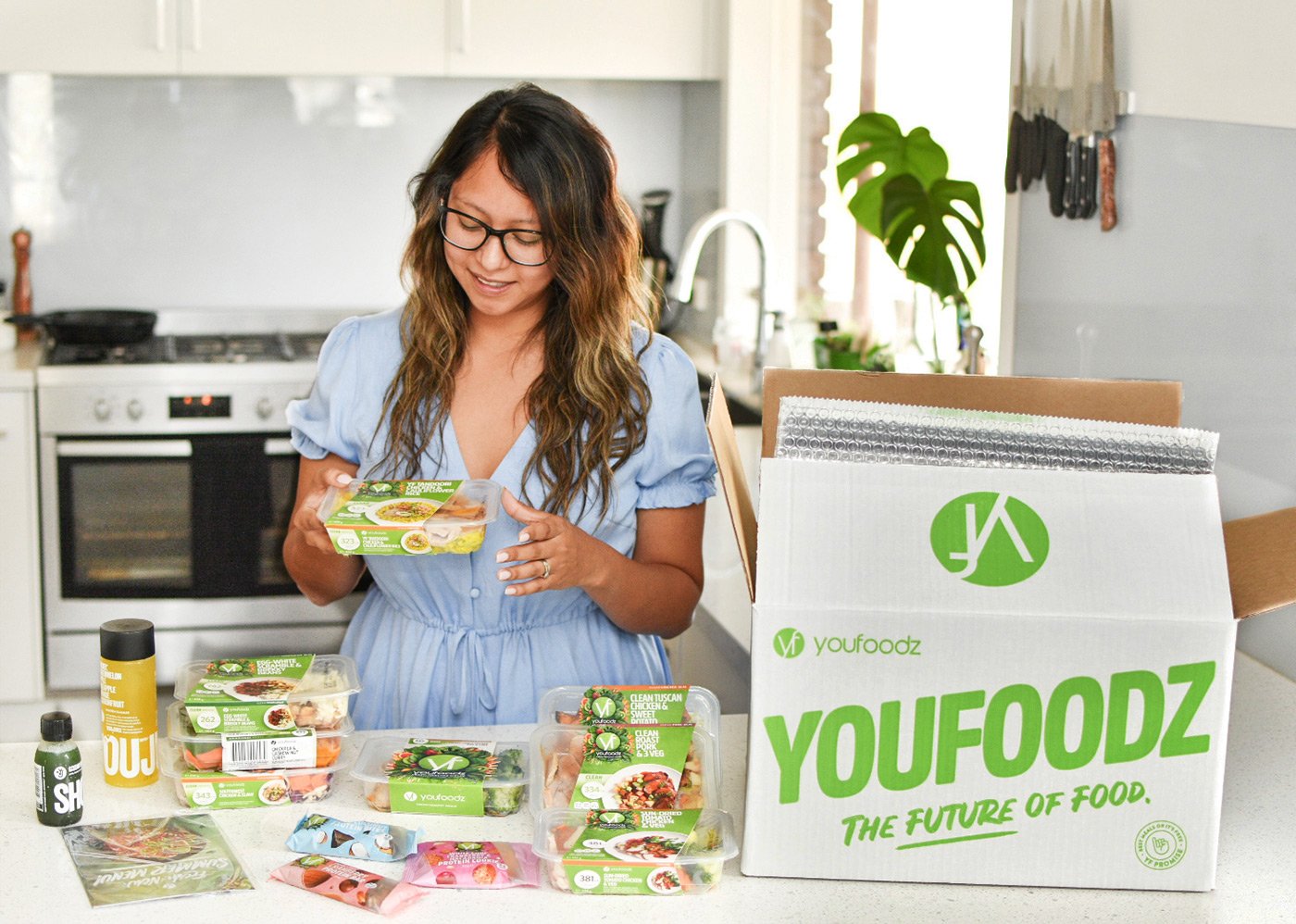
    Ready meals business Youfoodz has begun selling groceries essentials for home delivery, alongside Seasonal Fruit & Veg Boxes, amid high demand for online groceries during COVID-19.

    Youfoodz’s Grocery Essentials, includes a selection of grocery items, from proteins such as chicken breast, mince, Porterhouse steak, and Tasmanian salmon, all of which are under $12, to eggs, milk, and vegetables.

    The convenience meals business said the range is “premium yet affordable” and will allow customers “to purchase all their fresh food from one place”.

    “In this time of unprecedented uncertainty and disruption many Aussies are doing it tough and as a business Youfoodz have a duty of care to play a small part in supporting the local community, customers, partners, and suppliers to ensure they come out the other end ok – if not better,” the convenience meals business said in a statement.

    “That’s why Youfoodz have boosted production capability, are continuing to develop and introduce new products, as well as taking an active role in supporting great initiatives.”

    The decision to pivot into online groceries is likely in response to changing shopping behavior prompted by COVID-19.

    Last week at Coles Q3 results, CEO Steven Cain noted that consumers are doing more home cooking and baking during the lockdown, and convenience meals are taking a hit.

    Cain said that Coles, which is a stockist of Youfoodz ready meals, has seen people shopping fewer times per week, and buying more when they shop.

    “With fewer trips, you get fewer impulse items being purchased,” Cain said.

    “Home cooking is a more economic way to feed the family than buying convenience meals or impulse items.”

    Cain noted that consumers are eating more fresh food, with veg sales at the highest penetration they have ever been.

    Youfoodz is also taking advantage of increased demand for fresh produce, with a selection of Fruit & Veg boxes available, ranging in price from $44.95 to $69.95.

    Chief executive Lance Giles said the concept for Fruit & Veg Boxes came about when a local supplier felt the hit when restaurants and cafes slowed trading due to Coronavirus.

    “I received a call from Michael, one of our key suppliers, and the director of V One. He explained how his business had been significantly affected by COVID-19 and that he was days away from having to lay off the majority of his workforce,” Giles said.

    “After helping each other grow our businesses for many years, I felt there must be a way to help. That’s how fruit and veg boxes was created.”

    Youfoodz grocery items and fresh produce are sold online alongside the ready meals range, as individual items are as part of The Ultimate Grocery Box, but are packed separately for delivery. Discounts are offered if ready meals are bought alongside the grocery box.

  • Foodpanda launches 15-minute grocery-delivery service

    Foodpanda launches 15-minute grocery-delivery service

    Singapore food-delivery service Foodpanda has officially rolled-out its instant grocery delivery service, Pandamart, in Hong Kong after a trial commencing last November.

    Partnering with 1000 retailers and selling more than 14,000 items, Foodpanda has expanded its service from restaurant take-outs to the delivery of groceries and daily necessities such as beauty and baby-care products. Local partners include Li & Fung’s convenience chain Circle K, snack store Okashi Land, Heroes Beer and kitchenware store I Love Kitchen. So far, snacks and alcohol are the most popular categories, comprising two-thirds of all orders. During its promotional launch, delivery is complimentary with a certain minimum spend.

    During testing, Pandamart was been able to deliver within 25 minutes of orders and the service aims to maintain an average delivery time of 15 minutes. During Chinese New Year, which coincided with the coronavirus lockdown, takeaway orders on Foodpanda tripled and the number of new visitors to the platform doubled week on week.

    Jeremy Wong, head of Pandamart Hong Kong, said the company hopes to expand its partnerships to 3000 retailers including supermarkets and to increase product selection to 550,000 items by the end of the year. In an interview with Unwire.HK, Wong said launching Pandamart was not for profit margin, but as “a new business direction and utilizing our existing fleet of drivers to meet more of customer’s demands”.

    Currently, Foodpanda has 4000 drivers and aims to double its fleet size and increase the number of partner restaurants room 7000 currently to 12,000 this year.

    Foodpanda has also announced that for the next month it will help partner restaurants by offering free-delivery discounts in the city to encourage more customers to buy via the app, and compensate for some of the lost walk-ins to restaurants.

    “Over 76 percent of people in Hong Kong are forecast to have used online delivery within 2020. We would like all of them to try Foodpanda for either groceries or food delivery,” said Arun Makhija, CEO of Foodpanda Hong Kong.

    At the same time, Foodpanda has joined Deliveroo in offering a relief fund of HK$25 million, allowing partners to delay commission payments for up to three months to ease their cash flow. Local small-scale restaurants will be given first priority with assistive support from Foodpanda.

  • Coronavirus may fundamentally change retail across South East Asia

    Coronavirus may fundamentally change retail across South East Asia

    The coronavirus is driving many Asian consumers to shop online – and it could mark the early stages of a long-term fundamental shift in the region’s retail industry.

    As the virus continues to spread, especially in Mainland China, physical retailers are being forced to shutter stores – either by local-government decree or due to a lack of available staff or customers to make trading viable.

    But as the crisis nears entering its second month, consumers still need supplies and many are going online.

    Hong Kong online portal HKTV Mall, has revealed the average number of daily orders on its site last month was 22,400 – up 64.7 percent on January last year and nearly 20 percent on December.

    HKTV Mall’s average daily gross merchandise volume last month was $10.9 million, up 49.3 percent on the same time a year ago, when it was $7.3 million.

    February figures are expected to be higher still with the growth momentum extending into this month and the fact the virus really only began to impact retailers during the second half of January.

    ‘Long-lasting effects’

    Pascal Martin and Veronica Wang, partners at OC&C believe the coronavirus outbreak may have long-lasting effects on the retail industry, especially on the mainland.

    “By forcing many consumers to try grocery shopping online for the first time and to experience the convenience of it, is accelerating the adoption of this channel – providing a structural boost to the growth outlook of new retail grocers like Alibaba supermarket, Hema and JD’s 7Fresh – and at the same time accelerating the relative decline of traditional players,” the pair said in an email to Inside Retail Asia.

    “And once grocery-shopping shifts to online, the entire retail sector may move online at an even faster pace than before, because grocery is the category that requires the most frequent shopping transactions and therefore fundamentally shapes consumer behavior.”

    Their predictions are supported by S&P Global Ratings in a research note issued this week which likened the current shift online to the similar Sars outbreak back in 2003 which was widely credited with kick-starting China’s e-commerce market. S&P said coronavirus would “further the long-term structural shift” to an online economy, according to an AFP report.

    The move to online is not only affecting purchases of essential supplies. Gift Flowers HK, an online florist, has reported Valentine’s Day orders are up by 20 percent this year.

    “Hong Kong has always been slow in shopping online and the events in the past eight months has really shifted people away from brick and mortar stores to online,” said founder Justin Chung.

    Since June, conventional florists have suffered declining sales due to the social unrest, a situation made far worse by the arrival of coronavirus.

    Logistics challenge

    The challenge for online players is delivering products at a time when many people are effectively self quarantining at home to avoid catching the virus. Logistics has become a major headache along with the sourcing of some goods given border restrictions between Mainland China and other territories.

    As of yesterday, HKTV Mall raised the delivery threshold for orders until the end of the month from HK$350 for VIP members and $500 for general members to $800. A delivery fee of $80 (previously $40) will be charged if the total bill fails to fulfill the free-delivery threshold.

    “In addition to this, we are working with our merchant partners to have their stores become our order pick-up points,” said Jessie Cheng, a spokesperson for HKTV mall.

    “As for issues getting products into stock from across the border, we do encounter this issue and the operations of some factories and warehouses are suspended at the moment.”

    There is a broader challenge evident for regional trade, with an increasing number of reports of export orders being canceled due to cross-border logistical challenges and falling sales in restaurants and physical retail stores. New Zealanders were told this week they may expect lower beef and lamb prices in supermarkets as export orders were canceled or cut back. And in the north of Vietnam, there are reports of fresh produce shipments unable to be shipped across the border into China, resulting in appeals for local consumers to buy products to support struggling local growers.

    Restaurant impact

    The impact of coronavirus is clearly being felt across Asia, not just in Greater China. In Singapore yesterday, the Restaurant Association of Singapore said it had written to 24 major retail landlords in the city-state seeking temporary rent reductions for food-and-beverage outlets.

    Some restaurateurs are fearing a reduction in sales of as much as 80 percent during the next three months due to a downturn in inbound tourism (especially from Mainland China) and a teen by locals to reduce going out.

    “Looking at the situation right now, we are hoping at least 50-per-cent rental rebate for the first three months,” RAS president Vincent Tan was quoted by Channel News Asia.

    Tan, MD of foodservice company Select Group, says with rent and wages comprising more than half a typical Singapore restaurant operator’s costs, relief is urgently needed, especially when margins were as tight as 1.7 percent before the virus broke out.

    “If your sales drop by 50 per cent and your margin is about 1.7 percent, you just imagine how difficult we are at this moment,” he said.

    In Thailand, inbound tourism arrivals are expected to decline by between 50 and 60 percent during the next three months as outbound tour groups are banned from leaving Mainland China and most international airlines have canceled or curtailed services to almost all mainland airports.

    HKTV Mall to boost resources

    Meanwhile, HKTV Mall is introducing changes behind the scenes to smooth the ordering and delivery process after customers experienced long loading times and difficulties in checking-out during peak times last month.

    The company will launch a separate “purchase by invitation” platform to direct the heavy user traffic flow on popular products, such as personal health items, away from the main HKTV Mall platform. Customers will need to pre-register for each popular product offered at this new platform and based on the available stock level, a unique code will be allocated on a random basis for inputting to HKTV Mall for purchase.

    The group is working on adding staff and work shifts, strengthening the partnership with existing merchants and recruiting new ones.

    It will also partner with retail chain stores to expand its order pick-up network so as to increase the geographic convenience and available pick-up time slots for customers. At the moment, the Group has already added seven pick-up points from Foodwise, one of its existing merchant partners.

    HKTV Mall will also expand its delivery fleet capacity by increasing outsourced logistics resources, including third-party logistics companies and individuals, to increase the door-to-door fulfillment capacity and thus reduce delivery lead times.


  • How Reliance’s JioMart platform will reshape India’s online grocery market

    How Reliance’s JioMart platform will reshape India’s online grocery market

    Reliance Industries has entered India’s online grocery retailing market via a new e-commerce platform JioMart, which started pilot trials last month in Mumbai.

    Through JioMart, it is planning to offer more than 50,000 products and connect 30 million offline retailers with more than 200 million households across the nation.

    The value chain created by JioMart connects local offline retailers on a large scale with its merchant point-of-sale solution, where it provides user-friendly digital platforms for inventory management, customer care services and other services required by the retailers. JioMart plans to bring in electronics and clothing and footwear under its scope in the near future.

    The food-and-grocery (F&G)sector is tipped to be the next business battle for online retailers in India. Retailers, both domestic and international, have been proactive in their approach towards the rapidly growing online F&G sector in a bid to capture a large customer base.

    GlobalData estimates that the online F&G market in India grew at a compound annual growth rate (CAGR) of 71.2 percent between 2013 and 2018 and is set to grow at a CAGR of 45.5 percent during 2018-2023 as the urban working population is rising in Indian cities and retailers are venturing into non-metro cities. This growth is also supported by the rapidly growing mobile internet and smartphone penetration.

    RIL’s JioMart eyes the massive potential in online F&G retailing, which is estimated to reach US$9.12 billion in 2023. Reliance is known for its disruptive ideas and business approach, and the same can be said for its latest venture, JioMart.

    With its retail wing in cash and carry outlets through Reliance Fresh and Reliance Supermart, and a massive customer base with India’s largest telecom network in the form of Jio, capturing the market is not going to be tough for JioMart.

    As a domestic company, Reliance gets the advantage that Amazon and Walmart-owned Flipkart miss due to the new e-commerce regulations to safeguard the interests of domestic offline retailers in the country.”

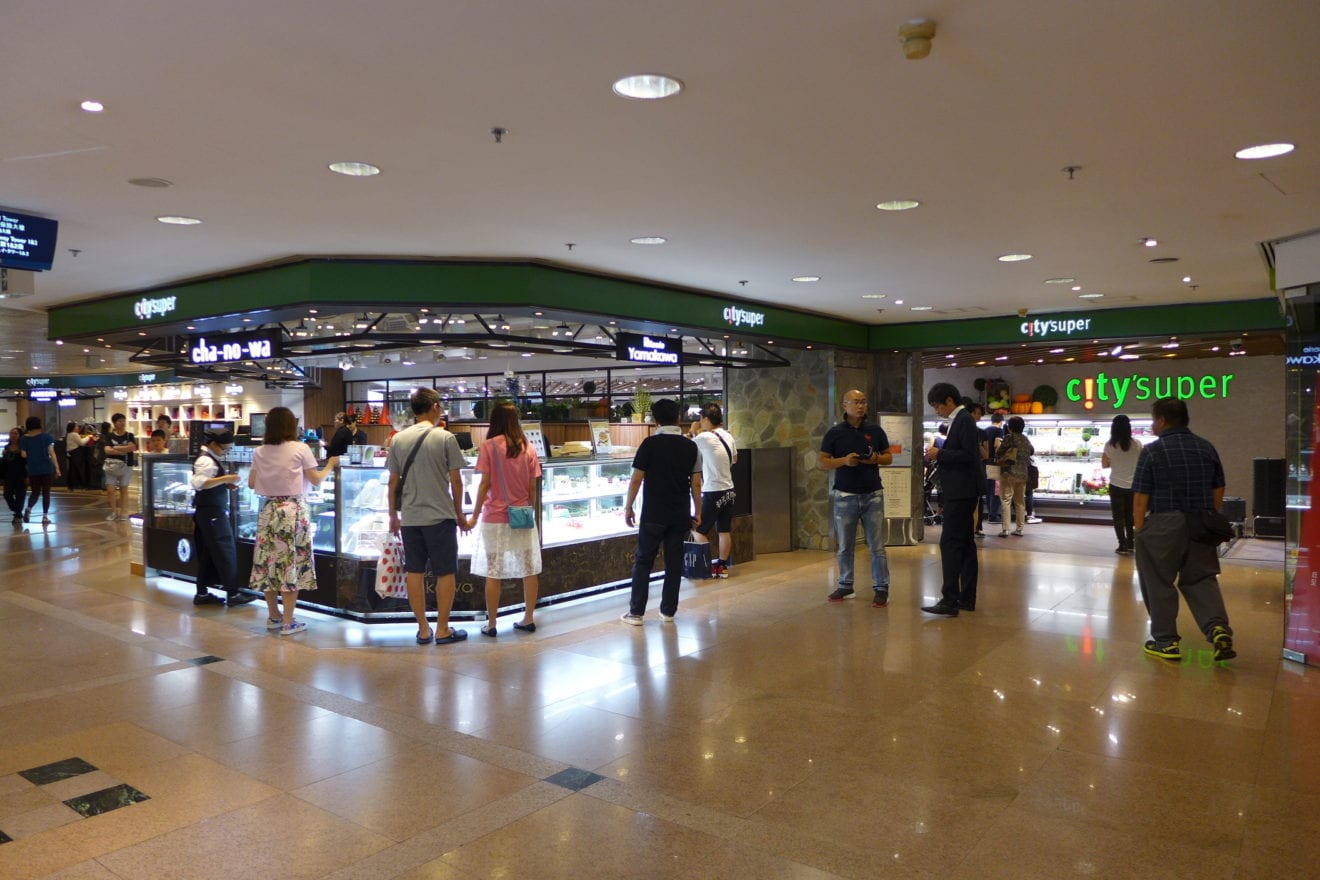
  • Hong Kong’s CitySuper evaluating sale options

    Hong Kong’s CitySuper evaluating sale options

    Hong Kong-based firm The Fenix Group may sell its majority shareholding in high-end supermarket operator Hong Kong’s CitySuper Group.

    According to Bloomberg, if potential buyers show interest in the stake, it may be worth between US$300 and $400 million.

    Any potential purchaser at this time will inherit a business in the midst of Hong Kong’s first depression in a decade, and with significant financial stimulus policies expected of the current administration. That said, the supermarket sector has been relatively unscathed by the decline in retail sales since protests began back in June.

    Fenix provided the original funding for the group and may yet decide to retain ownership of the business.

    Hong Kong’s CitySuper Group operates in Hong Kong, Shanghai and Taiwan across three brands, the most well-known its own name.

  • Foodpanda Singapore expands into grocery delivery

    Foodpanda Singapore expands into grocery delivery

    Food delivery service Foodpanda is to expand into other services, including groceries, household essentials and flowers.

    The company will offer delivery service for items from more than 1000 retail partners in Singapore, including Caltex Star Mart, Eu Yan Sang, Hao Mart and Mothercare, with the guarantee of 25-minute delivery time.

    “Over the past year, from the feedback we’ve received from our customers, it was clear that they wanted to enjoy even more convenience in their everyday lives,” said Luc Andreani, MD of Foodpanda Singapore. “This new expansion is a natural extension of our goal to deliver services that bring even more convenience and experiences to Singaporeans’ everyday lives.”

    In the last three month, Foodpanda has recruited 100 engineers to manage the new platform and aims to hire up to 300 by the end of the year.

    Foodpanda has a network of more than 8000 delivery riders and more than 7000 restaurant partners in the city.

  • Shinsegae testing a cashierless grocery retail store concept

    Shinsegae testing a cashierless grocery retail store concept

    South Korean retail giant Shinsegae is developing a cashier-less grocery-store modeled on the Amazon Go concept.

    The brand’s first automated store – to be branded Emart24 – will open at the company’s data centre in Gimpo in Gyeonggi Province as a pilot while the model is refined before being launched in a more high-profile location.

    Just like at an Amazon Go, shoppers will be able to select products from shelves and walk out the door, the cost of the goods deducted from their pre-registered payment choice. Entry to the store will be granted by a QR code appearing on the customer’s smartphone and items will be automatically added to a virtual cart as they shop. About 30 cameras inside the store will monitor what items customers take from shelves – and those they put back.

    The project is being developed by Shinsegae’s IT department which will oversee the operations, while stock will be managed by Emart24.

    “The store will be a ground-breaking testbed where we apply and test various advanced technologies,” Kim Jang-wook, CEO of Shinsegae I&C said. “We plan to operate a store where customers can experience retail technology and enjoy real shopping.”

    Technology used in the store will include artificial intelligence (AI), computer vision and cloud point-of-sale systems.

    After a trial run with employees which is currently underway, the store will be opened to the public on September 30.

  • Robinsons Retail favours pets over fashion

    Robinsons Retail favours pets over fashion

    Robinsons Retail is looking to shrink its fashion business as competition with cheaper chains gets tougher.

    “We are shrinking fashion, for it has become very difficult,” said the firm’s CEO Gokongwei-Pe. “There are other brands that came in who are more progressive and cheaper. We are already reducing the number of stores and we have to think if we move out altogether.”

    The firm is reporting stronger returns from pet, health and beauty products where there is growing demand.

    “Pets have become very big,” added Gokongwei-Pe. “Dogs now are very spoiled. Just look at Instagram and Facebook, it’s all about dogs. You should put money where the money is, which is food, drugstores, hardware, and growing businesses like pets and beauty.”

    The firm is also making moves into high-end groceries as well as growing its beauty and pet care franchises overseas. It is reportedly seeking 15 per cent annual revenue growth in these sectors within five years.

    Robinsons Retail is also investing PHP3–5 billion (US$58.59–97.65 million) on expanding its store network by 100–150 outlets per year from its current 1911 stores during the same period.

  • Grocery e-commerce startup Kurly raises Millions

    Grocery e-commerce startup Kurly raises Millions

    Korean grocery delivery service Kurly has closed an upsized Series D round that hit US$113 million.

    The round was announced last April at $88 million, but has since attracted an additional $25 million funding from China’s Hillhouse Capital.

    Kurly delivers all orders placed by 11 pm before 7 am the following morning, prioritising convenience over cost savings and focusing closely on self-branded produce and groceries. This distinguishes its service from competing retail giant Coupang’s moves in the sector, which uses a marketplace platform to connect retailers and consumers.

    “The latest round of investment is a major endorsement of the progress we’ve made differentiating ourselves in the market through our cold-chain fulfillment infrastructure and unique offering of premium, curated products,” said company founder Sophie Kim. “Our focus is on further strengthening our relationships with our suppliers, developing our fulfillment infrastructure and continually improving our customer experience.”

    Kurly’s revenue tripled year-on-year to hit $131 million last year, although the firm did not release its profit-and-loss figures.

    Hillhouse Capital has offices in Hong Kong, Beijing, Singapore and New York. It focuses on investments in Asia.