Tag: growth

  • Indonesias Ultra-Rich Population Soars, Poised for Fastest Global Growth

    Indonesias Ultra-Rich Population Soars, Poised for Fastest Global Growth

    In Southeast Asia, Indonesia holds the second position in terms of inhabitants who possess a net worth of US$30 million or more, according to a recent report. Projections anticipate that this figure will nearly double within the next five years. Presently, the country boasts 3,833 ultra-high net worth individuals, marking a 37% increase since 2021.

    Global Wealth Growth

    By the year 2031, the number of ultra-high net worth individuals in Indonesia is forecasted to spike by 82%, reaching 6,966. This growth signifies the fastest expansion rate globally. Indonesia is one of the rapidly maturing economies expected to take the lead in the global ultra-high net worth population’s growth over the subsequent five years.

    Singapore currently holds the top spot in Southeast Asia for its population of ultra-high net worth individuals, tallying at 7,171. Thailand follows in third place with 2,853, trailed by the Philippines (1,910), Malaysia (1,566) and Vietnam (1,233).

    The wider Asia-Pacific area accounts for almost 31% of the world’s ultra-high net worth population. This percentage is second only to North America, which holds 37%.

    The U.S. and China: Global Leaders

    On a worldwide scale, the U.S. and China hold the lead in terms of ultra-high net worth populations, with more than 251,300 and 121,600 individuals respectively. Moreover, the U.S. also takes the reins regarding wealth creation, constituting approximately 41% of the newly minted ultra-wealthy over the past five years.

    Questions & Answers

    Which country in Southeast Asia has the highest number of ultra-high net worth individuals?
    Singapore currently holds the highest number in Southeast Asia, with a total of 7,171 individuals.

    What is the predicted growth in the number of ultra-high net worth individuals in Indonesia by 2031?
    By 2031, the number of ultra-high net worth individuals in Indonesia is expected to surge by 82%, reaching 6,966.

    Which countries lead globally in terms of the ultra-high net worth population?
    Globally, the U.S. and China lead with more than 251,300 and 121,600 individuals, respectively.

  • Grab Defies Fuel Crisis with Double-Digit Growth: Record Earnings and Soaring Demand in Q1

    Grab Defies Fuel Crisis with Double-Digit Growth: Record Earnings and Soaring Demand in Q1

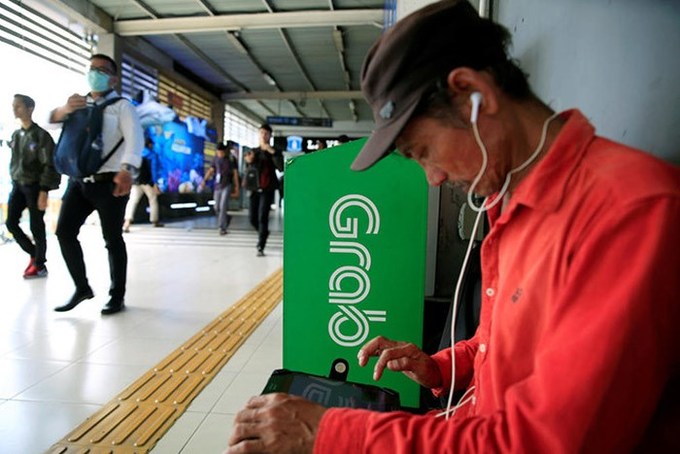
    Singapore-based Grab Holdings kicked off the new financial year on a high note, reporting double-digit growth in its first-quarter revenue and earnings, reflecting the company’s robust resilience in the face of market fluctuations.

    Impressive First-Quarter Results

    Grab’s revenue for the first quarter, ending March 31, climbed by 24%, amounting to US$955 million. This represents a 19% increase when considered on a constant currency basis.

    The gross value of the company’s on-demand merchandise, a key indicator of transactions from Grab’s mobility and delivery branches, also witnessed a significant jump. It surged by 24% according to reported figures and 21% on a constant currency basis.

    The firm recorded a striking 46% increase in its Adjusted EBITDA, reaching a record-setting figure of $154 million. Profits also displayed an upward trend, going from $10 million in the previous year to $120 million.

    Grab’s Group CEO and Co-founder, Anthony Tan, attributed these strong outcomes to the resilience of the company’s platform, particularly in the face of Southeast Asia’s unpredictable macroeconomic climate, which is currently grappling with a fuel crisis.

    Supporting Driver-Partners Amid Rising Fuel Prices

    Grab acknowledged an increase in its on-demand incentives during the quarter. This move was taken to bolster the earnings of driver-partners as fuel costs across the region spiral upwards. It also aimed to cater to the increased demand during the festive season.

    Segment-Wise Performance

    Looking at the performance of different sectors, the delivery revenue witnessed a 23% surge, totaling $510 million. The mobility revenue increased by 19%, amounting to $337 million. The financial services sector also saw a boost in revenue, with a 43% rise that led to $107 million.

    Outlook for the Full Year

    For the upcoming year, Grab maintains its revenue forecast, predicting a figure between $4.04 billion and $4.10 billion, indicating a 20-22% rise. The Adjusted EBITDA is also expected to grow by 40-44%.

    As the company moves forward, it reaffirms its commitment to ensuring durable, profitable growth while standing in solidarity with its communities. According to Tan, the company plans to leverage AI to deliver hyper-personalized experiences for users while creating more sustainable earning opportunities for ecosystem partners.

    Expansion Beyond Southeast Asia

    Earlier this year, Grab made its debut outside Southeast Asia by acquiring Delivery Hero’s Foodpanda business in Taiwan for $600 million.

    Questions & Answers

    What was Grab’s first-quarter revenue?
    Grab’s revenue for the first quarter was US$955 million, representing a 24% increase.

    What steps has Grab taken to support its driver-partners amid the fuel crisis?
    Grab has increased its on-demand incentives to bolster the earnings of driver-partners affected by rising fuel costs.

    What are Grab’s revenue predictions for the upcoming year?
    Grab estimates its revenue to be between $4.04 billion and $4.10 billion, indicating a 20-22% rise.

  • DoorDash Bids Farewell to Singapore and Japan Markets: A Strategic Re-focus on Sustainable Growth

    DoorDash Bids Farewell to Singapore and Japan Markets: A Strategic Re-focus on Sustainable Growth

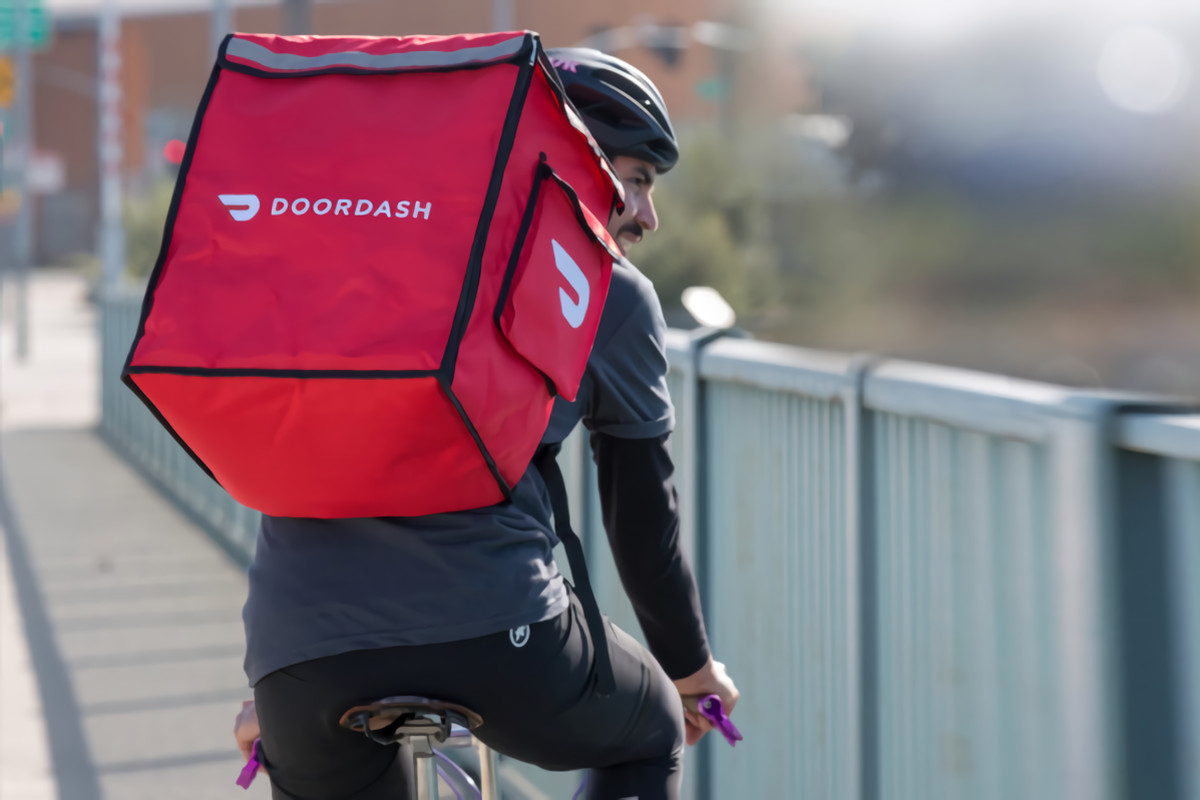
    DoorDash, the leading food delivery platform, has announced the discontinuation of its operations in Singapore and Japan to concentrate on markets with higher priorities.

    Singapore Shutdown

    In Singapore, DoorDash will be closing down its Deliveroo service on March 4, thus drawing a curtain over its 11-year long tenure in the city-state. The firm has indicated that services will remain operational until the shutdown, advising customers to exhaust any residual credits and gift cards before the cessation of operations.

    Exiting Other Markets

    In a related development, the company has also confirmed the planned closure of Deliveroo and Wolt services in Qatar, Uzbekistan, and Japan. This decision was reached following an extensive evaluation of market conditions spanning several months. According to DoorDash, the exit strategy is hinged on factors specific to each of these countries and is aligned with the company’s strategic thrust to focus on markets that offer the greatest potential for sustainable growth and long-term dominance.

    Despite describing the decision as a challenging one, the firm has committed to closely collaborating with relevant local stakeholders to effect a seamless transition in the immediate future.

    DoorDash’s Contributions and Gratitude

    Miki Kuusi, the Head of DoorDash International, CEO of Deliveroo and co-founder of Wolt, expressed gratitude to all who have been a part of their journey. He remarked, “Over the last 11 years, we have been proud to shape food delivery in Singapore, granting consumers access to an extensive range of restaurant and grocery partners. To all our employees, customers, partners, and riders who have accompanied and supported us on this journey – thank you.”

    It’s worth noting that in the previous year, Deliveroo also withdrew from the Hong Kong market on April 7, after operating there for nine years. This followed an agreement to sell some of its assets to Foodpanda.

    Questions & Answers

    Why is DoorDash discontinuing its operations in Singapore and Japan?
    DoorDash is discontinuing operations in Singapore and Japan to focus on markets with higher priorities.

    What will happen to the remaining credits and gift cards of customers in Singapore?
    Customers are advised to exhaust any remaining credits and gift cards before DoorDash ceases operation on March 4.

    Can we expect further market exits from DoorDash?
    While not explicitly stated, the company’s strategic focus on markets where it sees a clear path to sustainable scale and long-term leadership might lead to further market exits.

  • Grab Sees Stellar Rebound with First Full-Year Profit, Propelled by Record Q4 Earnings

    Grab Sees Stellar Rebound with First Full-Year Profit, Propelled by Record Q4 Earnings

    Grab Holdings, a Singapore-based technology firm specializing in transportation, food, and e-commerce solutions, has reported a prosperous full-year profit. This marks a significant recovery from the financial deficit experienced in the previous year.

    Strong Financial Performance in 2025

    In the fiscal year of 2025, Grab Holdings generated revenues to the tune of US$3.3 billion and secured profits amounting to $200 million. This powerful comeback effectively eclipsed the previous year’s losses, which stood at $158 million.

    In particular, the fourth quarter of 2025 proved to be a strong period for the company, with earnings totaling $906 million. This figure represents a 19% year-on-year increase.

    Group CEO and co-founder, Anthony Tan, expressed pride in the company’s performance. “We concluded 2025 on a high note, posting our first full year of net profit and surpassing 50 million monthly transacting users,” he said.

    Looking ahead, Tan affirmed plans to maintain this positive trajectory. “Our strategy for the coming years revolves around expanding our market reach through increased affordability and reliability. We also intend to leverage product-led innovations to enhance ecosystem engagement and boost user lifetime values.”

    Growth Across Various Segments

    The company’s robust financial performance was driven by growth across several business segments. Revenues from deliveries increased by 18% year-on-year, while mobility revenues witnessed a 15% growth.

    Peter Oey, CFO of Grab, voiced optimism about the company’s long-term financial prospects, citing the strong foundation built thus far. “We forecast generating $1.5 billion in Adjusted EBITDA with an Adjusted Free Cash Flow conversion of 80% by 2028. This positions us well to accelerate our platform ambitions while maximizing shareholder value,” he stated.

    $500 Million Share Buyback Program

    Reaffirming its commitment to shareholders, Grab Holdings has unveiled a $500 million share buyback program.

    Questions & Answers

    What was Grab Holdings’ financial performance in 2025?
    Grab Holdings reported revenues of US$3.3 billion and a profit of $200 million in 2025.

    What strategies does Grab Holdings plan to implement moving forward?
    Grab intends to expand its market reach through increased affordability and reliability and plans to leverage product-led innovations to enhance ecosystem engagement and boost user lifetime values.

    What does Grab Holdings’ share buyback program entail?
    Grab Holdings has announced a $500 million share buyback program as part of its commitment to providing shareholder value.

  • Singapore Struggles With Slow Growth in Booming Southeast Asian Food Delivery Market

    Singapore Struggles With Slow Growth in Booming Southeast Asian Food Delivery Market

    A recent study reveals that Singapore experienced the second-lowest growth in its food delivery market in the previous year amongst significant Southeast Asian nations. The gross merchandise value (GMV) for food delivery in Singapore escalated by 13% in 2025, reaching US$2.9 billion. This rate of growth trailed behind the mean growth rate of 18% observed across six Southeast Asian markets.

    Regional Growth Variances

    Singapore’s expansion only superseded that of the Philippines, which marked a 12% increase – reportedly, this sluggish growth was due to recurring interruptions triggered by tropical cyclones.

    In contrast, Thailand’s food delivery market noted the highest growth, with the GMV surging by 22%. The report suggests that this expansion was facilitated by various factors such as affordable initiatives launched by platforms, intensifying competition, and the government’s “half-half” subsidy scheme which underwrites a portion of consumers’ food expenditures.

    Other countries like Indonesia, Malaysia, and Vietnam also witnessed substantial growth, each marking a rise of roughly 18% to 19%. Indonesia, being the region’s most densely populated market, registered the most significant absolute increase, contributing approximately $1 billion.

    Factors Influencing Singapore’s Slower Growth

    Addressing Singapore’s slower growth, Momentum Works CEO Li Jianggan highlighted that consumer behavior and market conditions significantly differ between countries. He referenced variations in city architectures, spending capacities, and the supply dynamics of delivery personnel and eateries.

    He pointed out that food delivery can be quite costly in Singapore, particularly considering the availability of numerous affordable offline alternatives. Nonetheless, Singapore’s double-digit growth signifies a steady demand. However, keeping up this rate could put increasing strain on platforms to enhance their efficiency, especially as customers explore other options like dining out or self-collection.

    Furthermore, Li noted that Singapore has a unique structural challenge – a limited pool of delivery riders – compared to larger and more densely populated neighboring countries. Adopting technology can help address this, but the key to raising the bar would be platforms’ relentless focus on establishing density and operational efficiency.

    Market Leaders

    At the platform level, Grab fortified its position as the predominant food delivery player in Southeast Asia, raising its regional market share from 53.8% in 2024 to around 55% in 2025. In absolute terms, Grab generated approximately $12.5 billion in food delivery value across the region last year.

    ShopeeFood overtook Foodpanda to become the region’s second-largest platform, with estimated transactions totaling $3.3 billion. Meanwhile, Foodpanda’s value dipped to roughly $2.6 billion. Gojek and Thailand-based Lineman reported comparable values of about $2 billion each, indicating Lineman’s impressive performance in its local market.

    The report underscored that compared to other emerging markets, Southeast Asia had a high order volume. The study estimated that collectively, platforms in the region handled between 8.5 million and 9.5 million food delivery orders per day on average in 2025. This volume is nearly twice that of India’s estimated daily orders of 4-5 million, despite India having approximately double the population of Southeast Asia.

    The study concluded that the penetration of food delivery is less determined by population size, and more by urban density, eating-out substitution, and platform-led affordability mechanics.

    Questions & Answers

    What was the growth rate of Singapore’s food delivery market in 2025?
    The food delivery market in Singapore grew at a rate of 13% in 2025.

    Which was the fastest-growing market in Southeast Asia’s food delivery industry?
    Thailand was the fastest-growing market in Southeast Asia’s food delivery industry, with a 22% increase in gross merchandise value.

    Which platform consolidated its lead as Southeast Asia’s dominant food delivery player?
    Grab consolidated its lead as Southeast Asia’s dominant food delivery player, increasing its regional market share to about 55% in 2025.

  • Surplus Food App ‘Too Good To Go’ Soars in Popularity Following Aotearoa Launch

    Surplus Food App ‘Too Good To Go’ Soars in Popularity Following Aotearoa Launch

    Too Good To Go, the surplus food marketplace, is already making strides after launching in Aotearoa, New Zealand, in November of the previous year. The company, which has its headquarters in Denmark, offers a unique platform that enables consumers to purchase excess food from local cafes, bakeries, and retailers through its discounted ‘Surprise Bags’.

    Growth and Expansion in Aotearoa

    Since its inception, Too Good To Go’s partner network in Aotearoa has grown, now encompassing 115 local businesses and boasting over 25,000 registered users in Auckland alone.

    Joost Rietveld, Too Good To Go New Zealand’s country director, shared the company’s excitement about the reception in Auckland. He attributed this success to New Zealanders’ deep cultural connection to both food and sustainability.

    Rietveld also shed light on the company’s business model, which is geared towards providing customers with affordable food options while also enabling hospitality and retail partners to profit from their surplus stock. This approach reduces food wastage, creating what Rietveld describes as a ‘win-win-win’ business model.

    Collaboration with Food Businesses and Chains

    The Too Good To Go application is now collaborating with a variety of independent food businesses and national chains. These include Daily Bread, Crave Cafe, Beau Deli, Rollers Bakery, Bakers Delight, Muffin Break, and Roll’d.

    Rietveld expressed that the early influence of the platform is already incalculable. The company’s rapid traction indicates a real need in the market, which benefits consumers, local hospitality businesses, and the environment.

    Moreover, more than 60 businesses have already partnered with the platform. Discussions are ongoing to welcome more partners in Auckland and other regions as the company plans its nationwide expansion within the year.

    Questions & Answers

    What is Too Good To Go’s business model?
    Too Good To Go’s business model is designed to provide customers with access to discounted food while enabling hospitality and retail partners to generate revenue from their surplus stock. This approach minimises food wastage, creating a win-win-win situation for customers, businesses, and the environment.

    Who are some of Too Good To Go’s partners in New Zealand?
    Too Good To Go is currently working with a mix of independent food businesses and national chains in New Zealand, including Daily Bread, Crave Cafe, Beau Deli, Rollers Bakery, Bakers Delight, Muffin Break, and Roll’d.

    What are the future plans for Too Good To Go in New Zealand?
    Following its successful launch in Auckland, Too Good To Go plans to expand its partner network nationwide within the year. Discussions are underway to bring in additional partners in Auckland and other regions across the country.

  • Taiwan’s Fixed Communication Market Set for Steady Growth Amid Rising Fiber Broadband Demand

    Taiwan’s Fixed Communication Market Set for Steady Growth Amid Rising Fiber Broadband Demand

    The revenue for Taiwan’s fixed communication services market is predicted to increase from USD 3.3 billion in 2025 to USD 3.4 billion in 2030, showing a slow compound annual growth rate (CAGR) of 0.4%. This sluggish expansion is primarily due to a continuous decrease in fixed voice access lines and average revenue per user (ARPU) levels.

    Shifting Communication Preferences

    Taiwan’s Fixed Communication Forecast for the third quarter of 2025, provided by GlobalData, predicts that total voice subscriptions in the country will decrease at a CAGR of 0.8% from 2025 to 2030. This decrease is attributed to users increasingly opting for mobile and application-based communication services over traditional voice lines.

    Declining ARPU in Fixed Voice Services

    The overall ARPU for fixed voice services is also expected to decline during this period. The ARPU for residential fixed voice is forecasted to drop from USD 2.68 in 2025 to USD 2.38 in 2030. While the number of fixed broadband accounts is expected to grow at a CAGR of 2.6% during the forecast period, the ARPU for fixed broadband is expected to decrease. The ARPU for residential fixed broadband is forecasted to decline from USD 25.67 in 2025 to USD 24.69 in 2030, and for the business segment, it is expected to drop from USD 33.64 to USD 30.38.

    Continued Dominance of Fiber Broadband

    According to Pradeepthi Kantipudi, a Telecom Analyst at GlobalData, fiber is set to remain the dominant broadband technology when it comes to subscription share throughout the forecast period. By the end of 2030, fiber-based subscriptions are expected to constitute 63% of total fixed broadband accounts in Taiwan. This projected growth is driven by the increasing demand for high-speed broadband connectivity. Additionally, initiatives by the government and telecom operators to expand and upgrade the country’s fiber broadband infrastructure are also contributing factors.

    Chunghwa Telecom is projected to lead the fixed broadband services market in terms of subscription share in 2025 and maintain this lead through 2030. This prediction is based on the company’s strong position in the fiber-to-the-home (FTTH) segment and its continued efforts to upgrade the gigabit broadband network nationwide.

    Questions & Answers

    What is the projected growth rate for Taiwan’s fixed communication services market?
    The revenue for Taiwan’s fixed communication services market is predicted to increase at a CAGR of just 0.4% from 2025 to 2030.

    What factors are contributing to the slow growth of Taiwan’s fixed communication services market?
    The slow growth is primarily due to a continuous decrease in fixed voice access lines and average revenue per user (ARPU) levels, with users increasingly opting for mobile and application-based communication services.

    Who is expected to lead the fixed broadband services market in Taiwan by 2030?
    Chunghwa Telecom is projected to lead the fixed broadband services market in Taiwan through 2030, thanks to its strong position in the fiber-to-the-home (FTTH) segment and its focus on upgrading the gigabit broadband network nationwide.

  • China’s Economy Under Pressure: Factory Output And Retail Sales Hit Yearly Lows

    China’s Economy Under Pressure: Factory Output And Retail Sales Hit Yearly Lows

    October witnessed the slowest growth in China’s factory output and retail sales in more than a year, applying added pressure on policymakers to overhaul the nation’s $19 trillion export-driven economy. Increasing supply and demand strains are poised to further hinder growth.

    For many years, those accountable for maintaining the momentum of the world’s second-largest economy had the choice of stimulating its massive industrial complex to enhance exports if domestic consumer spending dwindled. Alternatively, they could delve into public funds to finance GDP-boosting infrastructure projects.

    However, the tariff war initiated by former US President Donald Trump underscores the manufacturing behemoth’s dependency on the world’s most extensive consumer market. There are limits to how much growth the Chinese economy can derive from constructing more industrial parks, power substations, and dams.

    The Current State of Affairs

    The indicators released last Friday provide little optimism for a rapid recovery. As each month’s data worsens, the call for reform becomes more critical.

    According to data from the National Bureau of Statistics (NBS), industrial output experienced a yearly growth of 4.9% in October. This marks the weakest annual growth since August 2024, compared to a 6.5% increase in September, falling short of the anticipated 5.5% surge.

    Meanwhile, retail sales, a measure of consumption, saw a 2.9% expansion last month, which is also their slowest pace since last August. This decelerated from a 3.0% growth in September, albeit exceeding the projected gain of 2.8%.

    Fred Neumann, Chief Asia Economist at HSBC, remarked, “China’s economy is facing pressures from all sides.” He believes that the robust support from exports in the recent quarters will be challenging to maintain into the next year, even if US import tariffs are now lower than earlier feared.

    Policy Implications and Economic Outlook

    Policymakers are aware of the need for change to rectify historical supply-demand imbalances, spur household consumption, and confront the enormous local government debt that complicates provinces’ self-sufficiency.

    However, they also understand that structural reform will be challenging and politically risky, particularly at a time when the trade war has heightened economic pressure.

    Last week, separate data revealed that China’s exports unexpectedly collapsed in October. This is as manufacturers grapple to secure profits in other markets after months of front-loading intended to outpace Trump’s tariff threats.

    Contrary to expectations, China’s car sales also broke an eight-month growth streak. This is concerning, given that the fourth quarter is typically the strongest for auto sales, and the slump occurred despite an extra day due to a national holiday in October compared to 2024.

    Questions & Answers

    What are the main challenges faced by the Chinese economy?
    The Chinese economy is currently grappling with a slower growth pace in factory output and retail sales, increased supply and demand strains, manufacturers’ struggle to stay profitable because of the tariff war, and an unexpected decline in car sales.

    What measures are needed to boost China’s economy?
    Policymakers must address historical supply-demand imbalances, promote household consumption, and tackle the enormous local government debt. Structural reform, while challenging and politically risky, is crucial to enhance the nation’s economic outlook.

    How has the trade war affected China’s economy?
    The trade war has underscored China’s dependency on the global consumer market and increased economic pressure, leading to an unexpected collapse in exports in October. Manufacturers have been struggling to secure profits in other markets as they try to outpace tariff threats.

  • Vietnam’s Auto Market Zooms Ahead: 24% Sales Growth in October Fueled by Promotions & EV Surge

    Vietnam’s Auto Market Zooms Ahead: 24% Sales Growth in October Fueled by Promotions & EV Surge

    In a significant rebound from an initially sluggish year, the Vietnam Automobile Manufacturers Association (VAMA) reported a 24% surge in car sales in October, with a total of 37,910 vehicles sold. This increase reflects a revival in consumer demand coupled with an abundant supply, and is also attributed to the appeal of promotional programs during the year-end shopping season. The association, which comprises more than a dozen major auto companies, provided this information in its latest report.

    October Sales in Detail

    Breaking down the October sales, passenger cars dominated, with 27,246 units sold marking a 33% rise from September. Commercial vehicles also saw a boost, accounting for 10,162 units, a 6.6% increase. However, special-purpose vehicles experienced a slump in sales, dropping 15% to 502 units. Locally assembled vehicles saw a 19% increase in sales to 17,129, while imports, or completely built-up (CBU) units, witnessed a 28% surge with 20,781 units sold.

    SUVs, sedans, and MPVs were the top selling segments, aligning with the urban mobility needs of consumers.

    Factors Driving the Surge

    Industry experts pin the October sales boom on a confluence of factors. Aggressive promotional campaigns, improved supply chains, more flexible consumer credit, lower interest rates, and rising urban demand all played a role. The launch of multiple new models from Japanese, Korean, Chinese, and European brands also fueled the increase in sales.

    In the year to date, VAMA members have sold a total of 289,331 units, a 9.5% hike year-on-year. Sales of domestically assembled vehicles increased by 2%, while imports saw a significant 18% jump, indicating a growing consumer preference for imported vehicles with diverse designs and advanced technology.

    VinFast’s Record Performance

    However, it’s worth noting that these figures from VAMA may not fully represent the market, as the association does not include several major players such as VinFast and Hyundai, the two leading carmakers by market share in Vietnam, along with other brands like Audi, BYD, and Jaguar Land Rover.

    VinFast, a local automaker, reported a record delivery of 20,380 electric vehicles in October, bringing its total for the first ten months of 2025 to 124,264 units, the highest ever for a Vietnamese automaker. This milestone solidifies VinFast’s leadership in the electric vehicle segment and underscores its significant contribution to the local automotive industry.

    Looking Forward

    Vietnam’s auto market is poised for a promising year-end, with the influx of new models, growing demand for imported cars, and VinFast’s record performance shaping a dynamic, competitive, and technology-driven industry landscape.

    Questions & Answers

    What were the factors driving the surge in October auto sales in Vietnam?
    Promotional campaigns, improved supply chains, flexible consumer credit, lower interest rates, and rising urban demand, along with the launch of new models, primarily contributed to the surge.

    Which was the top-selling vehicle type in October?
    Passenger cars dominated the sales in October, registering a 33% rise from September.

    What does VinFast’s record delivery of electric vehicles indicate?
    VinFast’s record delivery underlines its leadership in the electric vehicle segment and marks a significant contribution to the Vietnamese automotive industry.

  • A2 Milk Amplifies China Connection: Targets Growth in English-Label Infant Formula Sales

    A2 Milk Amplifies China Connection: Targets Growth in English-Label Infant Formula Sales

    A2 Milk, a renowned dairy company, has expanded its enduring alliance with China State Farm Agribusiness Holding Shanghai Co (CSFA), with the inclusion of English-label (EL) infant formula within the cross-border e-commerce realm.

    Introducing A2 Genesis Product

    The initial focus of the rollout will be on the A2 Genesis product, a premium item in their line-up. Subsequently, other EL formulas, like A2 Platinum, will also be introduced to the market.

    New Agreement Enhances Distribution and Confidence

    In the newly ratified agreement, CSFA will now function as the sole import agent and principal distributor for EL products. This strategic move will allow A2 Milk to improve logistics, strengthen its retail footprint, and utilize the reputation of the state-owned enterprise to reinforce consumer confidence.

    Targeting the HMO Segment

    A2 Genesis was launched in the latter half of this year. This new product targets the rapidly expanding human-milk-oligosaccharide (HMO) sector, with a specific focus on gut health and immunity.

    David Bortolussi, CEO of A2 Milk, described this development as a pivotal component in the company’s China strategy. Meanwhile, Zhang Lei, Chairman of CSFA, portrayed this arrangement as a benchmark of successful collaboration in the dairy nutrition field.

    Expanded Agreement and Recent Acquisition

    The augmented agreement was officially established at the China International Import Expo in Shanghai, after a year of diligent preparation.

    Additionally, in September, A2 Milk successfully concluded its purchase of Yashili New Zealand’s Pokeno nutritional manufacturing facility for $282 million from China’s Mengniu Dairy Group.

    Questions & Answers

    What is the primary focus of A2 Milk’s initial rollout with CSFA?
    The primary focus of the initial rollout will be the premium A2 Genesis product, which targets the rapidly growing HMO sector, with an emphasis on gut health and immunity.

    What is the role of CSFA under the new agreement with A2 Milk?
    Under the new agreement, CSFA will function as the exclusive import agent and principal distributor for EL products, which will help A2 Milk streamline logistics, expand its retail presence, and build consumer confidence.

    What significant acquisition did A2 Milk make recently?
    In September, A2 Milk completed the acquisition of Yashili New Zealand’s Pokeno nutritional manufacturing facility for $282 million from China’s Mengniu Dairy Group.

  • Shaping the Future: DHL’s Strategic Leap into Digitalization, Sustainability & Infrastructure Growth in Asia Pacific

    Shaping the Future: DHL’s Strategic Leap into Digitalization, Sustainability & Infrastructure Growth in Asia Pacific

    DHL Express has confidently set its sights on growth amidst a rapidly changing global trade environment. The company is guided by its recently launched Strategy 2030, marking a full year of an ambitious plan. CEO for Asia Pacific, Ken Lee, explains that the strategy focuses on harnessing key strengths such as a robust and resilient network, deep industry know-how, and a dedicated workforce. Simultaneously, it emphasizes proactive investments in infrastructure, digital transformation, and sustainability in order to capture opportunities in high-growth sectors.

    Strategic Highlights

    Strategy 2030 outlines five primary areas of growth: capitalizing on geographic advantages, targeting life sciences and healthcare, focusing on new energy, bolstering e-commerce, and enhancing digital sales. Additionally, it introduces a new “fourth bottom line” aimed at making DHL the preferred choice for green logistics, reflecting the company’s commitment to leading in low-carbon logistics.

    DHL’s investments in infrastructure, including expanding air hubs in Hong Kong, Singapore, and Kuala Lumpur as well as modernizing the Air Hong Kong fleet, aim to increase resilience, enhance capacity, and offer seamless connectivity across its global network. These tangible improvements are reinforced by innovations in digital technology, robotics, automation, and strategic partnerships to increase Sustainable Aviation Fuel (SAF) usage and develop carbon-neutral facilities. These efforts have led to DHL being recognized as the first-ever Sustainability Advocate of the Year at the 2024 Payload Asia Awards.

    Resilience amidst Global Trade Dynamics

    Global trade continues to be influenced by changing supply chain patterns, geopolitical tensions, and economic uncertainty. However, DHL maintains a robust position as a logistics leader and trade enabler, underpinned by three core strengths: a complete portfolio spanning air, road, and ocean transportation; a presence in over 220 countries and territories; and a seasoned, committed workforce.

    Lee acknowledges the uncertainty of the current trade environment but stresses DHL’s ability to navigate it, citing their agility and flexibility in adapting to shifting customer demands and trade regulations. This resilience bolsters DHL’s capacity to make bold, forward-looking infrastructure investments across the region.

    Expanding Hubs and Modernizing Fleet

    DHL’s role as a trade facilitator involves assisting customers in expanding internationally. This necessitates a network of hubs and gateways at critical airports, backed by service centers and state-of-the-art ground facilities. In recent years, DHL has consistently invested ahead of demand to accommodate rising shipment volumes.

    Significant developments include the second expansion of the Central Asia Hub in Hong Kong in 2023 to meet growing shipment demand within and outside Asia. DHL also opened an expanded gateway in Kuala Lumpur and upgraded its South Asia Hub in Singapore. These improvements cater to expected growth from e-commerce and the region’s increasing importance as a global trading partner.

    Additionally, DHL has modernized its fleet, upgrading the Air Hong Kong-operated fleet with 14 new A330 freighters and retiring the older A300-600 aircraft. Lee notes that companies are increasingly requiring their suppliers to diversify sourcing options to minimize operational risks, and this is where DHL’s expertise comes into play.

    Operational Excellence and Customer Flexibility

    DHL’s success is not solely defined by its physical infrastructure. The company is also deeply integrating advanced digital technologies into its operations to streamline workflows, enhance service quality, and create a safer, more efficient working environment.

    In warehouses, AI-based tools and robotics platforms are reducing travel distances for staff and speeding up robot integration. Automated guided vehicles transport shipments and cargo pallets safely, improving productivity while relieving employees from strenuous tasks.

    The introduction of On-Demand Delivery (ODD) offers customers the flexibility to reschedule contactless deliveries at their convenience. This not only optimizes operational and cost efficiencies but also enhances the overall customer experience.

    Green Logistics and Decarbonization

    DHL Express’ commitment to sustainability is evident in its recognition as the first-ever Sustainability Advocate of the Year at the 2024 Payload Asia Awards. With a clear target of achieving net-zero greenhouse gas emissions by 2050, DHL is advancing initiatives such as fleet electrification, carbon-neutral building design, and scaling of SAF adoption.

    However, the scaling of SAF does pose its challenges. Lee acknowledges that supply has not yet reached economies of scale, which is why DHL is investing in SAF and other areas that can significantly reduce GHG emissions. DHL is also aiming to electrify two-thirds of its pickup and delivery fleet by 2030, although progress in some markets is limited due to the lack of mature charging infrastructure.

    Future Growth and Employee Contribution

    Looking ahead, DHL is focusing on 20 markets worldwide that exhibit strong geographic and economic advantages, two-thirds of which are in Asia. These markets are expected to benefit from increasing domestic and foreign investment, reshoring, and nearshoring strategies.

    Life sciences and healthcare logistics remain a top priority, with DHL expanding its Health Logistics division and strengthening its pharmaceutical capabilities. Growth in e-commerce, particularly in emerging markets, also shows no signs of slowing down. “With more SMEs turning to e-commerce to engage more customer segments, we continue to put resources into capturing these opportunities,” Lee says.

    Lee emphasizes that DHL’s ability to execute these ambitious plans relies on its people. Hence, the company offers training programs to ensure staff alignment with DHL’s culture and equips them with tools for continuous improvement. Emphasizing the importance of employee contribution, Lee encourages team members to contribute ideas and solutions, thereby fostering a sense of ownership over initiatives.

    Shaping the Future of Logistics

    Beyond its network, DHL engages with partners, regulators, and governments to strengthen the logistics ecosystem. Lee underscores the importance of public forums, workshops, and seminars to identify sector challenges and encourage collaboration. Despite global uncertainties, Lee remains optimistic, attributing DHL’s competitive edge to the strength of its group and its presence in many markets worldwide.

    Questions & Answers

    What is DHL’s Strategy 2030?
    Strategy 2030 focuses on harnessing key strengths such as a robust and resilient network, deep industry know-how, and a dedicated workforce. It emphasizes proactive investments in infrastructure, digital transformation, and sustainability in high-growth sectors.

    How is DHL addressing the challenge of sustainability in its operations?
    DHL is advancing initiatives such as fleet electrification, carbon-neutral building design, and scaling of Sustainable Aviation Fuel (SAF) adoption. The company aims to achieve net-zero greenhouse gas emissions by 2050.

    What role do DHL’s employees play in the company’s strategic plans?
    CEO Ken Lee emphasizes that DHL’s ability to execute ambitious plans relies on its people. The company offers training programs to ensure staff alignment with DHL’s culture and equips them with tools for continuous improvement. Employees are encouraged to contribute ideas and solutions, fostering a sense of ownership over initiatives.
  • Kuehne+nagel Boosts India’s Logistics Sector With Five New Fulfilment Centres, Creating 1,500 Jobs

    Kuehne+nagel Boosts India’s Logistics Sector With Five New Fulfilment Centres, Creating 1,500 Jobs

    Kuehne+Nagel, the international logistics firm, is expanding its operations in India with the establishment of five new fulfilment centres. The locations for these centres include Gurgaon, Kolkata, Nagpur, Mumbai, and Rajpura. This expansion will provide 100,000 square meters of additional capacity, raising the company’s total fulfillment centre footprint in the country to nearly 500,000 square meters. The new centres will create over 1,500 jobs nationwide, supporting local economic growth.

    India’s Economic Potential

    India is expected to rise to the position of the world’s third-largest economy by 2030, underpinned by robust growth in industries such as high-tech, automotive, consumer goods, and healthcare. As these sectors continue to expand, there’s an increasing demand for a scalable, efficient logistics infrastructure.

    Automation and Boosting Order Handling Capacity

    The new fulfilment centres will employ advanced automation technologies like telescopic conveyors and high-performance sorting systems. These will facilitate an increase in peak order handling capacity by 75%.

    City Selection and Industry Growth

    The locations of the new centres cover the spectrum of Indian cities. This includes tier-1 cities like Mumbai and Kolkata, tier-2 hubs Gurgaon and Nagpur, and the tier-3 city, Rajpura. The diverse location selection aligns with India’s industrial growth across multiple cities. Gurgaon and Nagpur are emerging as growth centres for various industries, while Rajpura is experiencing a surge in manufacturing and distribution.

    Strategic Investment

    Damian Raczynski, Senior Vice President of Contract Logistics at Kuehne+Nagel Asia Pacific, expressed his optimistic views regarding the company’s expansion. He shared that India is a crucial growth market for Kuehne+Nagel and that they invest where their customers are. He further emphasized that this expansion enhances their ability to serve high-demand sectors, like consumer and healthcare. The goal is to deliver a service that’s characterized by speed, reliability, and flexibility.

    Questions & Answers

    What is the purpose of Kuehne+Nagel’s expansion in India?
    The expansion aims to meet the growing demand for efficient logistics infrastructure in India’s expanding industries such as high-tech, automotive, consumer goods, and healthcare.

    What additional features will the new fulfilment centres have?
    The new centres will incorporate advanced automation technologies such as telescopic conveyors and high-performance sorting systems, which will boost peak order handling capacity by 75%.

    How will this expansion benefit the local economy?
    The expansion will generate over 1,500 new jobs nationwide, contributing positively to the growth of local economies.

  • Uniqlo’s Bold Expansion In U.s. Amid Rising Tariffs: A Strategy For Success?

    Uniqlo’s Bold Expansion In U.s. Amid Rising Tariffs: A Strategy For Success?

    In the face of ever-changing tariffs and an increase in living costs that have impacted consumer spending, many brands are struggling to maintain a physical retail presence, let alone expand it. However, one international retailer is boldly rising to this challenge: Uniqlo.

    Uniqlo’s Expansion Plans

    This week, the Japanese retail and lifestyle behemoth Uniqlo announced plans to expand its retail footprint in the United States by 2026. The expansion entails the opening of flagship stores in Chicago and San Francisco, and four new locations in New York City.

    Uniqlo plans to inaugurate a total of 11 new stores across the United States in the forthcoming spring/summer season, increasing the total number of its American stores to 89. This is a significant milestone for the clothing titan.

    Uniqlo’s management had previously announced their intention to add between 20 and 30 new locations every year in North America, aiming for a goal of 200 stores by 2027.

    Christine Russo, Principal of Retail Creative and Consulting Agency (RCCA), noted that although Uniqlo is slightly off its projected schedule with its current 76 stores, geopolitical instability and tariffs are likely the cause.

    Russo explained that the timing of Uniqlo’s expansion aligns with the rise of “recession-core”, a consumer behavior trend that emerges during economic downturns. This trend is characterized by a preference for minimalism, with consumers opting for practical, versatile, and durable clothing over more flamboyant items that have a shorter shelf life.

    Uniqlo’s Appeal to Consumers

    Uniqlo has garnered consumer attention with its commitment to steadfast quality, a stark contrast to other fast-fashion brands. The company offers durable basics and a limited number of designs per season, and their dedication to technological innovation is evident in their patented Heatech and Airism fabrics.

    Neil Saunders, Managing Director of Global Data, also believes that Uniqlo’s appeal lies in its commitment to creating sturdy, yet stylish basic wardrobe items. He stated that Uniqlo’s reputation for quality distinguishes it from other fast-fashion competitors, a characteristic that appeals to shoppers who prefer to buy durable items that last.

    Moreover, Uniqlo has made significant efforts to create engaging store environments in its U.S. locations that encourage consumers to browse and make purchases. For instance, several U.S. stores now offer services that were once exclusive to its Asian locations, including custom embroidery and clothing repair services.

    The Brand’s Future Growth

    Despite its success in the U.S. market, Uniqlo has yet to fully penetrate this retail region. Saunders believes that Uniqlo’s expansion plans will allow the brand to establish a presence in larger cities where they can open flagship stores, thus increasing brand visibility and potentially boosting sales volume in the U.S.

    Uniqlo’s unique differentiation points, according to style publications such as Esquire and GQ, include a carefully curated selection of items ranging from innovative products designed to combat extreme temperature variations to the perfect everyday white t-shirt. The brand’s methodical approach to growth and consistency in quality underscore its enduring appeal.

    Questions & Answers

    What is Uniqlo’s expansion plan in the U.S.?
    Uniqlo plans to open 11 new stores across the U.S. in the forthcoming spring/summer season, bringing the total number of its American stores to 89.

    What makes Uniqlo stand out from other fast-fashion brands?
    Uniqlo distinguishes itself with its commitment to quality, offering durable, basic clothing items and a limited number of designs each season. The company’s focus on technological innovation is also prominent, as reflected in their patented Heatech and Airism fabrics.

    How is Uniqlo planning to increase its brand visibility and sales in the U.S.?
    Uniqlo aims to increase its brand visibility and sales by expanding into larger cities where it can establish flagship stores. It also continues to offer engaging store environments and services that encourage consumers to browse and make purchases.

  • Global Financial Institutions Highlight Vietnam as a Rising Star in Economic Growth

    Global Financial Institutions Highlight Vietnam as a Rising Star in Economic Growth

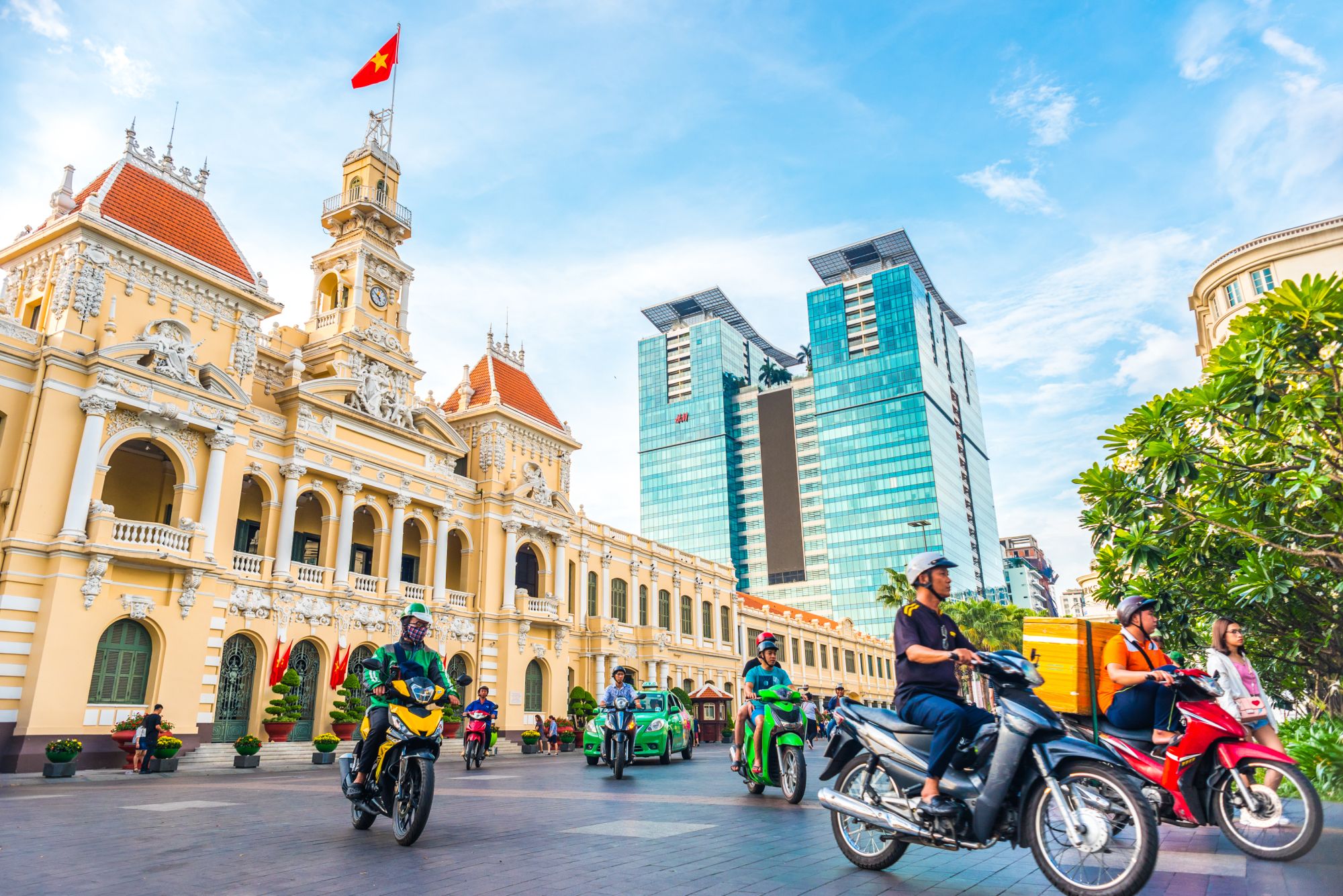
    September’s economic reports from major global institutions paint a glowing picture of Vietnam’s continued growth. While forecasts for 2025 to 2026 vary, reflecting a mix of optimism and caution regarding global risks, the overall sentiment is decidedly positive.

    A Bright Future Ahead

    The Asian Development Bank (ADB) has raised its 2025 growth forecast for Vietnam to 6.7%. This optimistic revision reflects a robust recovery in the industrial and construction sectors. Singapore’s United Overseas Bank (UOB) is even more bullish, predicting a 7.5% growth rate and suggesting that with ongoing reforms, Vietnam could sustain an average long-term growth rate of 7%.

    Conservative Outlooks Amid Global Tensions

    In contrast, the World Bank (WB) and the International Monetary Fund (IMF) maintain a more conservative stance, forecasting growth rates of 6.6% and 6.5% for 2025, respectively. The IMF further warns that growth could slip to 5.6% in 2026 due to the impact of new U.S. tariff policies.

    Starting August 7, 2025, the U.S. will impose 20% tariffs on goods directly imported from Vietnam and 40% on goods identified as “transshipped.” This nuanced distinction is creating waves of uncertainty in key export sectors, leading to concerns among industry stakeholders.

    If broadly interpreted, WB estimates suggest between 1.6% and 10.6% of Vietnamese exports to the U.S. could be affected. This potential disruption is already being felt, as exports dipped by 2% in August, notably harming the textiles, wood, and machinery sectors.

    Domestic Resilience Amid Global Challenges

    Vietnam’s robust economic landscape continues to showcase strong internal drivers. In the first half of 2025, exports soared by 14.2%, while Foreign Direct Investment (FDI) disbursements reached an impressive US$15.4 billion—the highest in five years. This influx, especially from Japan, South Korea, and Europe, not only fuels capital growth but also enhances domestic production value chains.

    Private consumption, which constitutes over 65% of GDP, remains a solid pillar, buoyed by modest inflation around 3.3%. The service sectors—spanning retail to tourism—are witnessing a vigorous recovery, with an influx of nearly 14 million international visitors in the first eight months of 2025, representing a remarkable 30% increase year-on-year.

    Though agriculture contributes less to GDP, it remains essential for social stability and food security. Reports, including those from the UK Investor Magazine, laud Vietnam’s agricultural successes as markers of its economic adaptability and resilience.

    Fiscal Confidence Fuels Infrastructure Growth

    Vietnam’s fiscal position receives accolades as the public debt remains comfortably below 34% of GDP, well beneath the 60% ceiling. This advantageous status allows the government significant leeway for fiscal stimulus, with an ambitious plan for $48 billion in infrastructure investments across over 250 projects set to accelerate disbursement and deliver widespread economic benefits.

    Monetary policy is expected to take a more accommodating turn later this year; some banks are even predicting interest rate cuts to bolster business growth. The IMF has suggested adopting a wider, more flexible exchange rate band to tackle external pressures while preserving overall stability.

    Aiming for Sustainable Growth

    International observers underscore that if Vietnam continues its trajectory of institutional reform and business environment enhancement, a long-term growth target of 7% is well within reach. Fostering domestic business competitiveness, reducing dependence on FDI, and increasing investment in education—particularly in STEM and R&D—are essential steps in this journey.

    With a commendable 7.5% GDP growth in the first half of 2025 and bolstered by international confidence, the government’s growth target of 8.3% to 8.5% for 2025 is viewed as ambitious yet attainable. Shantanu Chakraborty, ADB’s Country Director for Vietnam, emphasizes that effective fiscal and monetary coordination, along with addressing structural challenges such as climate change and energy transition, are pivotal in constructing a balanced and sustainable growth model.

    In summary, Vietnam’s unwavering resolve and strategic policy management position it to solidify its standing as one of Asia’s fastest-growing and most stable economies, ready to carve out its place on the global stage.

    Questions & Answers

    What are the current growth forecasts for Vietnam’s economy?
    The Asian Development Bank predicts a 6.7% growth for 2025, while Singapore’s UOB is even more optimistic at 7.5%. The World Bank and IMF have more conservative projections at 6.6% and 6.5%, respectively.

    What impact will the new U.S. tariffs have on Vietnamese exports?
    New tariffs, effective August 7, 2025, could affect between 1.6% to 10.6% of Vietnam’s exports to the U.S. if broad interpretations are applied, with sectors such as textiles, wood, and machinery already feeling the pinch.

    How is Vietnam managing its fiscal and monetary policy to ensure growth?
    Vietnam has a public debt below 34% of GDP, allowing for significant fiscal stimulus. Accommodative monetary policies and potential interest rate cuts are expected later this year to support business growth.

  • Gojek Co-founder And Ex-education Minister, Nadiem Makarim, Detained In $121 Million Corruption Probe

    Gojek Co-founder And Ex-education Minister, Nadiem Makarim, Detained In $121 Million Corruption Probe

    Former Indonesian Education Minister and co-founder of the ride-hailing company Gojek, Nadiem Makarim, has been detained and named a suspect in a corruption case. The case involves allegations of malfeasance concerning laptop procurement. Makarim will be held for 20 days while the investigation progresses.

    Makarim’s Role in the Alleged Corruption

    Makarim served as the Education Minister from 2019 to 2024 and is accused of misconduct in the procurement of Google’s Chromebook laptops for his ministry and students. According to Nurcahyo Jungkung Madyo, the lead investigator, Makarim is believed to have misused his ministerial authority for personal enrichment or the benefit of a company, in violation of Indonesia’s anti-corruption laws. The damages from this case are estimated to have cost the state around 1.98 trillion rupiah (US$121.85 million).

    Before his detention, local media reported that Makarim stated, “I did not do anything. God will protect me, the truth will come out,” as he was leaving the prosecutor’s office for the detention house. No comment has been received from his legal representative.

    Procurement Specifications and Meetings with Google

    Prosecutors claim that Makarim had issued a directive in 2021, specifying procurement conditions that only the Chromebook laptop could meet. Furthermore, it is alleged that Makarim had six meetings with representatives from Google Indonesia prior to the selection of the Chromebook. Google Indonesia, however, declined to comment on the case involving Makarim, emphasizing that it operates with resellers and partners to provide its technology, and government agencies transact with them, not directly with Google.

    Gojek and the Investigation

    In July, the attorney general’s office conducted a search at the offices of Indonesian tech firm GoTo Gojek Tokopedia as part of the investigation. GoTo’s director of public affairs and communications, Ade Mulya, clarified that Makarim’s duties as education minister, including the procurement of Chromebooks for the ministry, were never related to GoTo’s operations. Makarim had withdrawn from Gojek in 2019 when he was appointed minister. In 2021, Gojek merged with the e-commerce startup Tokopedia to form GoTo Gojek Tokopedia, becoming Indonesia’s largest tech company.

    Questions & Answers

    Who is Nadiem Makarim?
    Nadiem Makarim is the co-founder of ride-hailing company Gojek and former Indonesian Education Minister.

    What are the allegations against Makarim?
    Makarim is accused of corrupt practices in the procurement of Google’s Chromebook laptops for his ministry and students. He is alleged to have misused his ministerial authority for personal or company enrichment.

    What is the potential cost of the alleged corruption?
    The estimated damages from the case are around 1.98 trillion rupiah (US$121.85 million).