Tag: GS25

  • Net profit slumps 92 per cent for GS Retail, raise questions

    Net profit slumps 92 per cent for GS Retail, raise questions

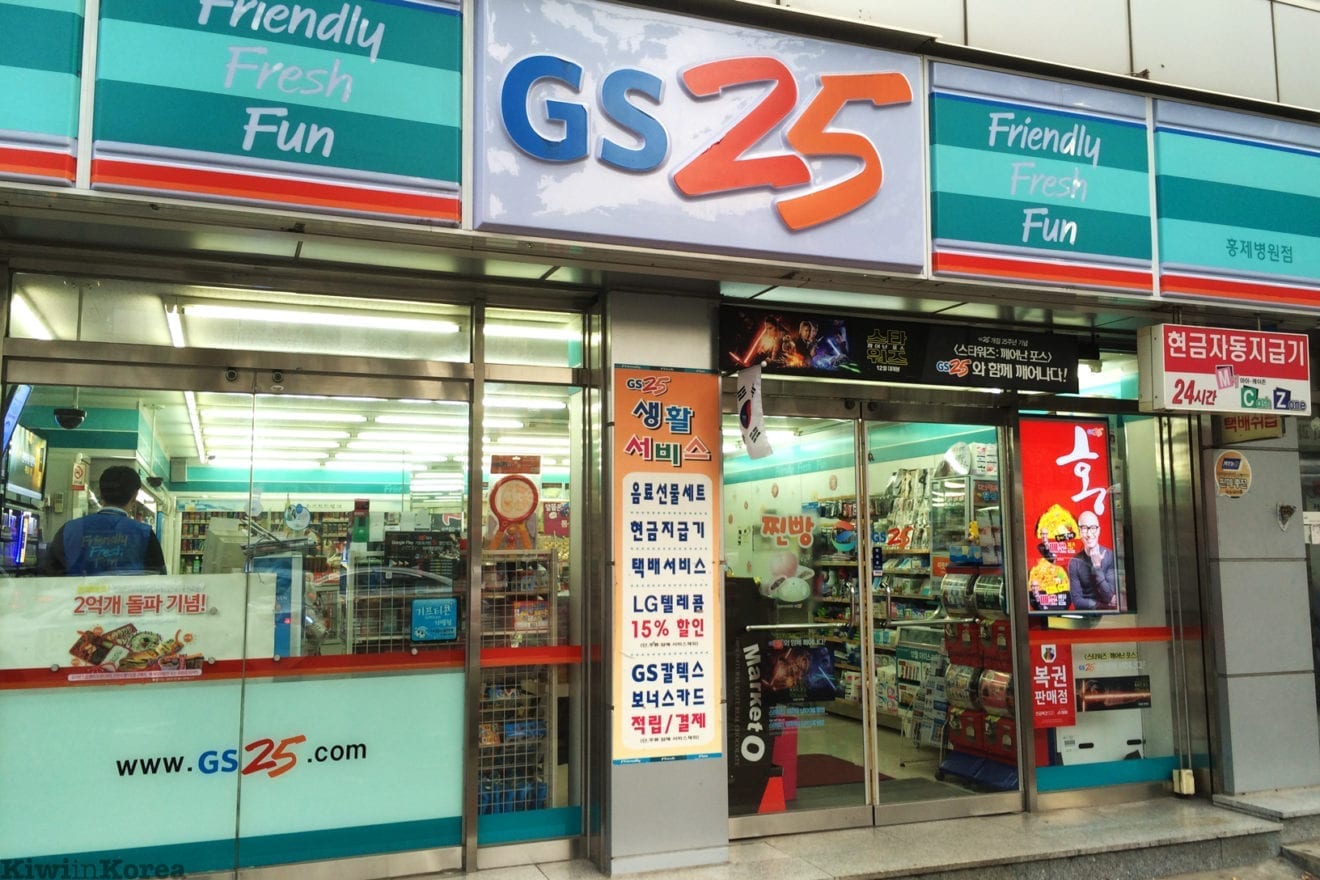
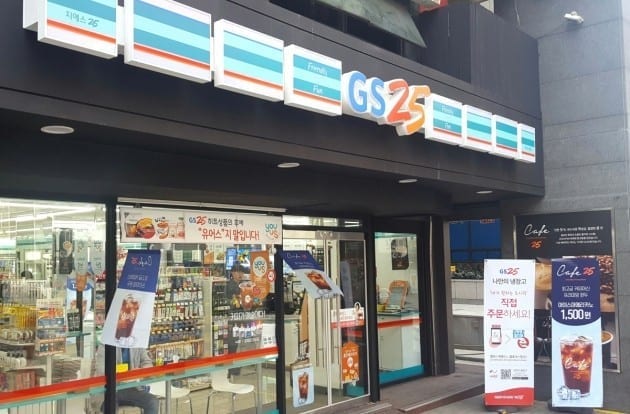
    GS Retail, which runs South Korea’s GS25 convenience store chain, is facing questions over its profitability after it posted contracted numbers in its earnings last year.

    According to its regulatory filing, GS Retail logged KW30.9 billion (US$28.4 million) in operating profit last year, down 19.3 per cent from 2016. Its net profit also skidded to KW10.7 billion, a  dive of 92.4 per cent.

    It has had slumps in its core business of convenience stores, which account for 70 per cent of its earnings.

    GS Retail last year posted KW1.57 trillion in sales from its convenience stores, up 6 per cent from 2016. The number of GS25 stores also increased from 12,199 to 12,429 last year.

    Despite this growth, the operating profit at its convenient stores declined by 6 per cent to KW37.1 billion during the same period. Per-store sales also shrank by 9 per cent.

    Saturated market

    Analysts say GS25’s weakening profitability is related to the saturation of the domestic convenience store industry.

    There are about 40,000 convenience stores in Korea. Between them, the main players – GS25, CU run by BGF Retail and 7-Eleven run by Lotte affiliate Korea Seven – have more than 30,000 outlets. This means there is one convenience store to every 1250 Koreans.

    Meanwhile, at the start of the year the government hiked the minimum wage rate by 16.4 per cent to KW7530, which is expected to add extra burden on franchise owners.

    Also, GS Retail has seen poor performance for its health and beauty products store chain. It has been the sole operator of Hong Kong-based Watsons in Korea since February last year.

    GS is hoping its earnings deadlock will be broken by its hotel and leasing subsidiary Parnas Hotel. This runs the Grand Intercontinental Seoul Parnas, the Intercontinental Seoul Coex and other hotels and malls in Seoul. It is also in charge of leasing Parnas Tower in Gangnam.

    Parnas Hotel logged KW75.4 billion in sales last year, up 15 per cent. Its operating profit also improved to KW17.1 billion, up 141 per cent as the leasing rate at Parnas Tower rose to 98 per cent.

    As part of its efforts to diversify revenue sources, GS Retail signed a memorandum of understanding with internet company Kakao last month for the development of a chatbot for the retailer.

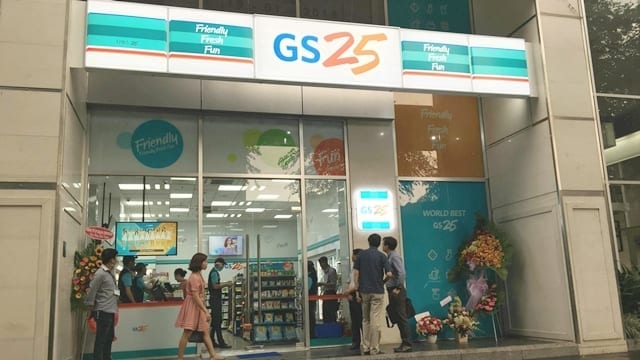
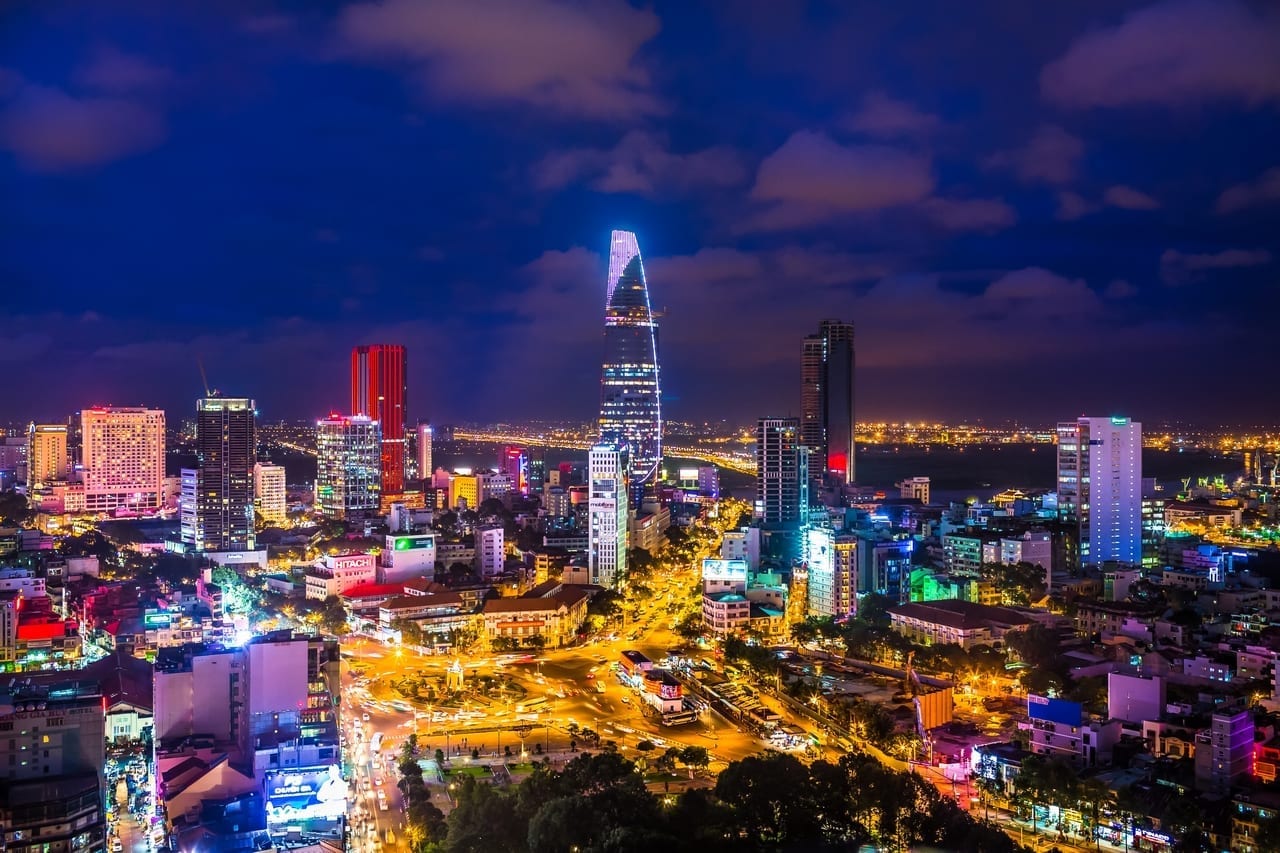
    The company has also opened its first convenience stores outside Korea – in Vietnam’s commercial capital, Ho Chi Minh City, last month.
  • Vietnam to celebrate its new retail sales highest record US$129 billion

    Vietnam to celebrate its new retail sales highest record US$129 billion

    Spurred by a rising middle class and influx of international retailers, Vietnam retail sales hit a record US$129.6 billion last year.

    This was growth of 10.9 per cent over 2016, according to the Vietnam General Statistics Office (GSO).

    Vietnam’s largest real estate company, Vingroup, starting expanding its Vinmart Plus convenience store chain in 2016 and has already topped 1000 stores – it opened 100 last month alone. It is predicted the store network could reach 3000 this year.

    Meanwhile, Vietnam last year saw the arrival of a slew of foreign retail brands, headed by Japan’s Seven & I Holdings opening its first Vietnamese 7-Eleven convenience store in Ho Chi Minh City in June.

    Swedish fast-fashion brand H&M followed in September with a store in the same city, while Zara, the chain of Spanish rival Inditex, opened its second Vietnam location in Hanoi in November (its first store, covering two levels, launched at Vincom Centre Dong Khoi in Ho Chi Minh City in September 2016).

    Thailand’s Central Group has made several acquisitions in Vietnam, including the Big C supermarket chain and electronics retailer Nguyen Kim Trading. It also launched its first stationery and office supplies store in Vietnam last year.

    South Korea’s GS Retail partnered with Vietnam’s Son Kim Group 12 months ago to open the first of their convenience stores in Ho Chi Minh City this month. They plan to open 2000 locations within 10 years.

    Double-digit growth

    Since joining the World Trade Organisation in 2007 and opening up to foreign goods and businesses, Vietnam has seen continued double-digit growth, led by a 31.5 per cent spike in 2008. With the Association of Southeast Asian Nations Economic Community taking full effect this month, Vietnam has eliminated nearly all tariffs on goods from within the region.

    Meanwhile, supermarkets and convenience stores are selling meat and vegetables at prices that are 20 to 30 per cent higher than at traditional markets, and the number of specialty shops selling organic vegetables is growing.

    Spending on cars, home electronics and other consumer durables is also brisk, with 70 per cent of Vietnam’s GDP coming from personal consumption.

    The GSO says auto sales grew by 14 per cent in value, gemstone and precious metals by 13.2 per cent, food and foodstuffs by 11.1 per cent, cultural and educational products by 10.2 per cent, apparel by 9.6 per cent, and home products by 8.5 per cent.

    Vietnam still has room for growth as modern retail channels like supermarkets and shopping centres account for only a quarter of total retail sales, and most of these businesses are in big cities, reports VIetnamNet. By 2020, the proportion of modern retail channels is forecast to rise to 45 per cent.

  • RoK’s GS25 to open convenience stores in Vietnam

    RoK’s GS25 to open convenience stores in Vietnam

    GS25 Vietnam says it will open its first store in Ho Chi Minh City in mid-January, after a two-month delay.

    Three more stores will open soon afterwards.

    Last July, GS25’s parent company GS Retail signed a JV agreement with Vietnam’s Son Kim group to open 2500 GS25 Vietnam stores during the next 10 years.

    Vietnam will be GS Retail’s first foreign market.

    After its Vietnam launch, GS Retail plans to seek opportunities in other markets.

    Vietnam’s convenience store industry is currently experiencing annual growth of 70 per cent, fuelled by a youthful population.

    Last June, 7-Eleven opened its first Vietnam store, and now operates 11 in Ho Chi Minh City, with plans for 100 within 10 years.

  • Korean convenience store chain GS25 to enter Vietnam

    Korean convenience store chain GS25 to enter Vietnam

    South Korea’s GS25 convenience store chain is about to make its Vietnam debut after forming a joint venture with Son Kim Group.

    Vietnam will be GS25’s parent GS Retail’s first foreign market, with the first store scheduled to open before the year ends.

    “We received requests from many countries, including China and other Southeast Asian countries, to export our brand,” a GS Retail spokesman said.

    “After months of research, we concluded that Vietnam had the largest potential for growth.”

    GS Retail, holds 30 per cent of the JV, will sign a master franchise agreement with the JV later to receive royalties on trademark rights and operation.

    GS Retail and Son Kim worked together on Vietnam’s VGS home shopping in the past.

    Vietnam’s large population and rising consumer spending have encouraged a number of international convenience stores to come.

    In June, 7-Eleven stepped into the market and now has four locations in Ho Chi Minh City.

  • Boom time for Korean convenience store sector

    Boom time for Korean convenience store sector

    The Korean convenience store sector is experiencing rapid growth as heavyweights battle for market share.

    The number of convenience stores in South Korea surpassed 33,000 as of the end of October this year, marking a rapid growth since the opening of the first store 27 years ago, according to industry data.

    That’s a significant increase from the 28,994 counted at the end of last year.

    CU had the most with 10,634, followed by GS25 with 10,486 and 7-Eleven with 8486. Japan-affiliated brand Mini Stop had 2326, and With Me, a chain operated by Shinsegae Group, had 1615. There are some 100 others that are not part of franchises, according to the Korea Association of Convenience Store Industry.

    South Korea’s first convenience store opened in southern Seoul in May 1989.

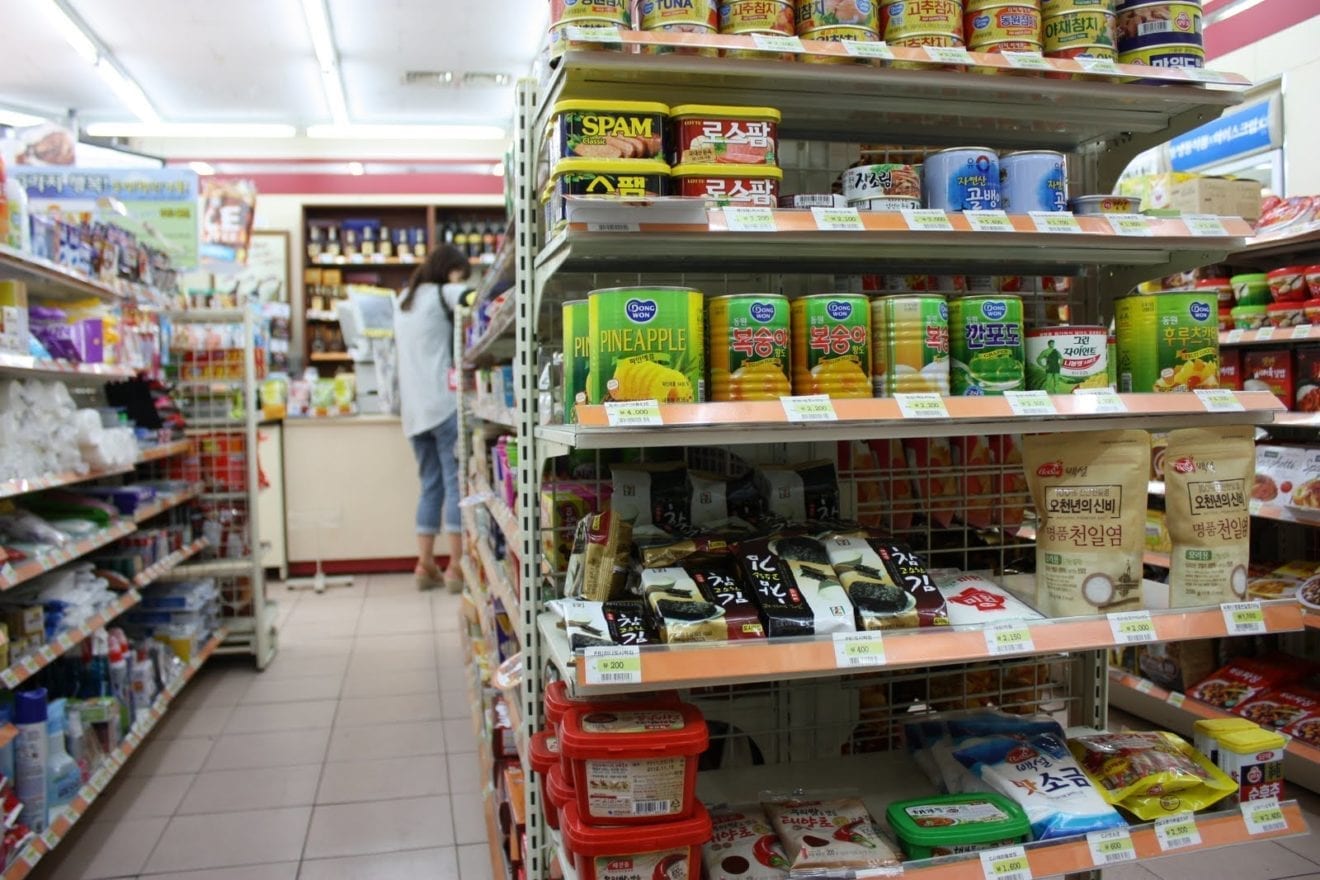
    The rising number of single-person households and aging society are funneling consumers to convenience stores that are near their homes and sell small portions, industry watchers say. Convenience stores have been quick to adapt to such a customer base, expanding from conventional shelf goods, such as snacks and beverages, to lunch boxes and other kinds of meals for singles who don’t want to cook, as well as services, including delivery and financial transactions.

    The sector grew 11.4 per cent last year, visibly comparable with 1.2 per cent growth in 2013 and 4.7 per cent in 2014. Sales increased from 12.8 trillion won (US$10.96 billion) in 2013 to 13.8 trillion won in 2014 and to 17.2 trillion won last year.

    Industry watchers expect sales this year to exceed 20 trillion won, with room for more growth until 2030, considering that South Korea’s per-store sales is only about one-fourth of that in Japan. Japan currently has about 55,600 convenience stores.

  • eBay Korea Partners With GS25 to Offer Online-Offline Services

    eBay Korea Partners With GS25 to Offer Online-Offline Services

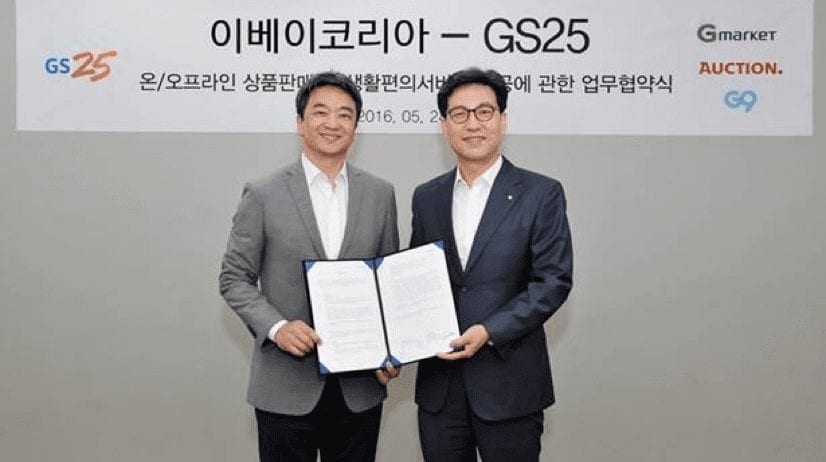
    eBay Korea has joined forces with nationwide convenience store chain GS25 to offer consumers a combined online-offline sales service.

    The partnership will see the launch of the “Smile Box” service, in which deliveries are made to an unmanned box for single-person households and female customers. The service is available 24 hours a day, and customers will be able to receive their deliveries ordered online from Gmarket, Auction and G9 at their nearest GS25 store.

    The service will begin in August with a trial installation of Smile Boxes across 50 GS25 stores in Seoul, with the plan to gradually expand it nationwide. The boxes will be installed in areas with a high number of deliveries (determined through analysis of Gmarket and Auction delivery information) that have a large concentration of single-person households.

    This “customer-centric endeavour is the future for online and mobile shopping,” said an eBay Korea representative. “We hope to build an enhanced, more convenient shopping environment for our customers.”