Retail News CRM

Tag: Guardian

  • Dairy Farm struggles in SE Asia

    Dairy Farm struggles in SE Asia

    Dairy Farm International Holdings says softer sales growth and steep cost increases led to weakened margins in the third quarter.

    In an interim management statement, which does not include financial data, the Hong Kong-based pan-Asian retailer says the group faced more difficult economic conditions, and focused on building market share and investing for the long-term health of its businesses.

    Tighter margins and unfavourable exchange rate movements continued to affect the group’s US dollar reported results and led to lower underlying earnings for the period.

    “The group expects similar trading conditions to prevail for the remainder of the year.”

    Dairy Farm says profitability of its Singapore food business – where it owns the 7-Eleven franchise and Cold Storage supermarket chain – fell, principally due to weak performances from newly opened supermarkets and the impact on 7-Eleven of government restrictions on alcohol sales.

    In Malaysia, the introduction of GST and softer consumer confidence dampened spending at itsGiantstores.

    “In Indonesia, despite good sales momentum in July and August, higher labour costs and price investments to attract customers have reduced margins,” the company said.

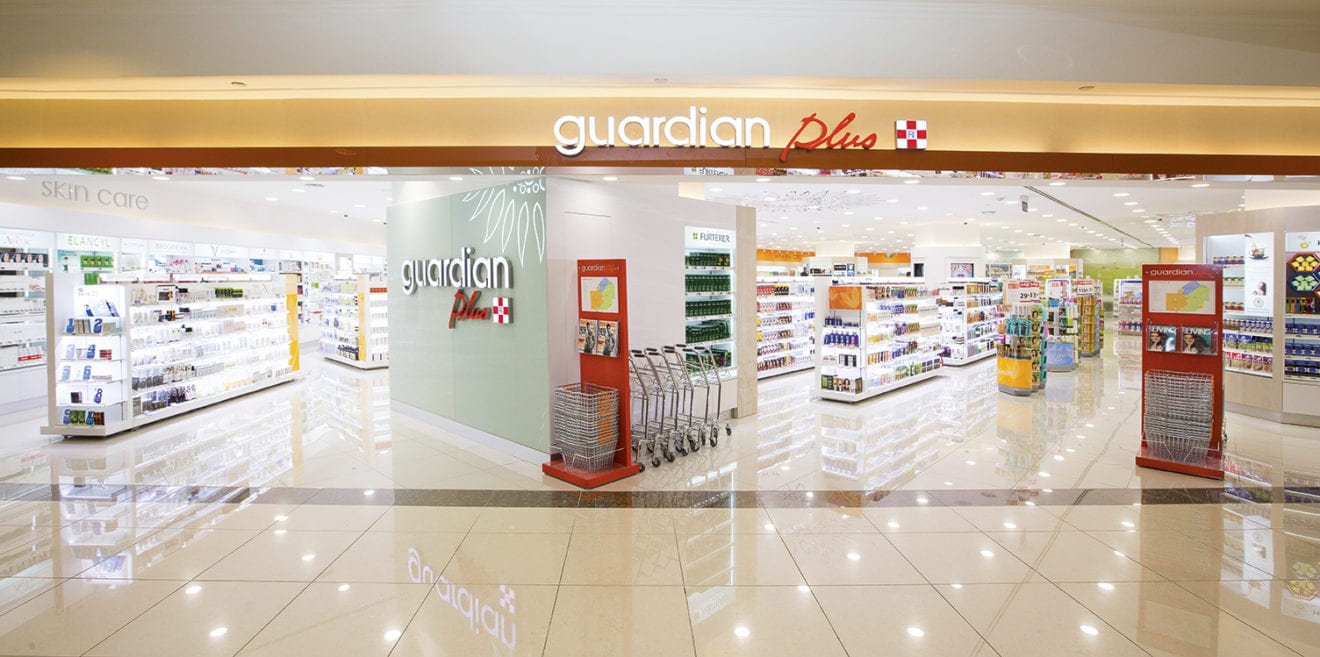
    The Health and Beauty Division – led by the Guardian and Mannings brands – continued to perform well in Hong Kong, despite the slowdown in Mainland Chinese tourist arrivals, and has seen improvements in profitability in Singapore. The overall results were, however, held back by poorer performances in Malaysia and Indonesia.

    Both the Home Furnishings and Restaurants Divisions have increased sales and profits. Ikea performed well in both Hong Kong and Taiwan, and the new Ikea store in Indonesia continues to trade ahead of expectations.

    Restaurant group Maxim’s, which operates Starbucks amongst other brands,  maintained its consistent performance.

    The group is to invest a further US$210 million in Yonghui Superstores in early 2016 so as to maintain its 19.99 per cent stake following a placement by Yonghui of a 10 per cent shareholding to internet retailer, JD.com. The investment by JD.com will provide Yonghui with additional opportunities for expansion into eCommerce.

    “With respect to recent investments, there have been positive contributions from [supermarket chain] San Miu in Macau and from Yonghui in China, despite the challenging trading environment. Meanwhile, progress continues on the integration and repositioning of the Rose Pharmacy business in the Philippines,” the company said.

    “Notwithstanding the challenging conditions, Dairy Farm was able to maintain its cashflow from operating activities through better working capital management.

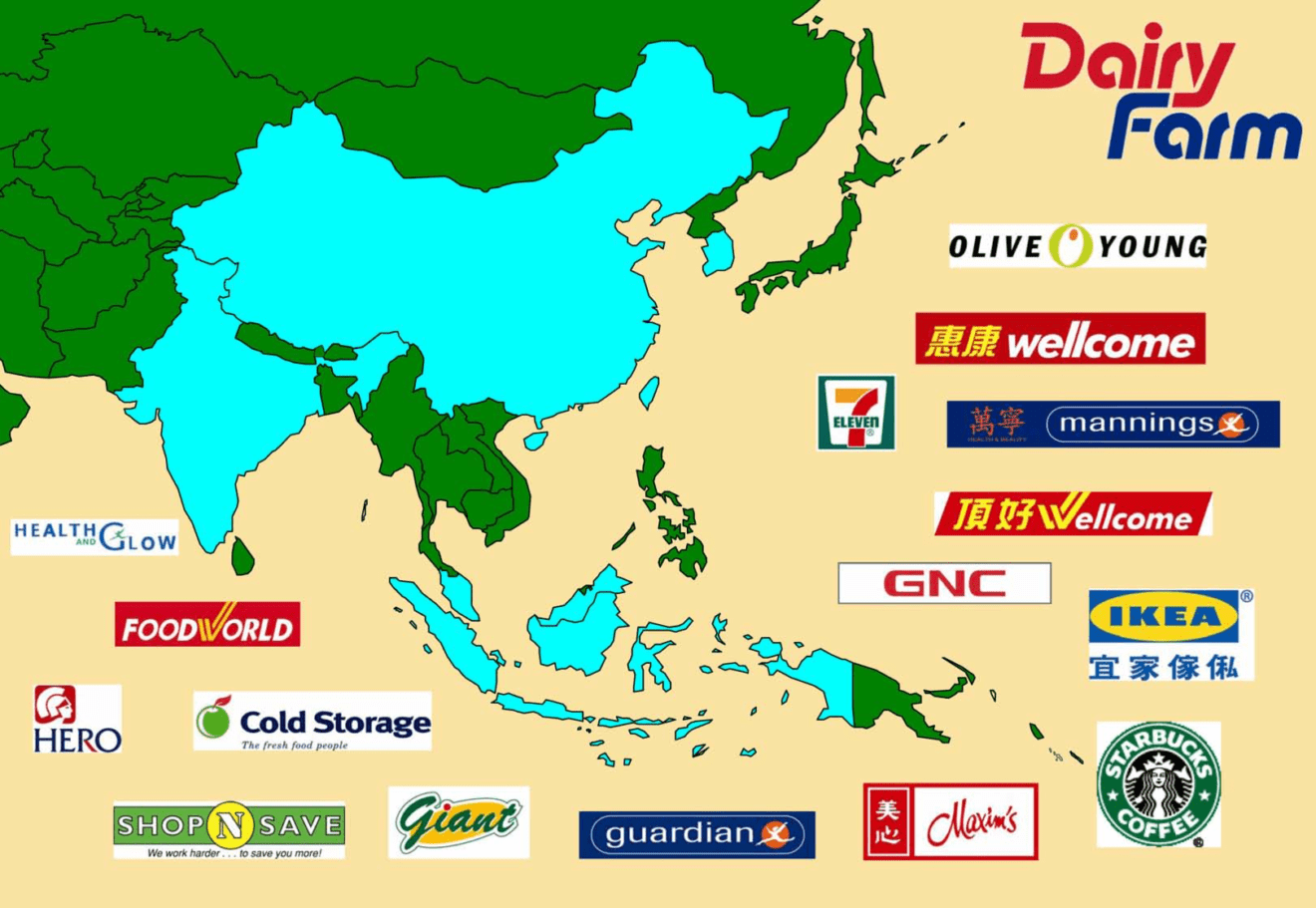
    Dairy Farm operates over 6400 outlets – including supermarkets, hypermarkets, convenience stores, health and beauty stores, home furnishings stores, cafes and restaurants – employing over 170,000 people, and had total annual sales in 2014 exceeding US$13 billion.
  • Dairy Farm closes more Indonesia stores

    Dairy Farm closes more Indonesia stores

    Dairy Farm International says it has now closed 74 stores in Indonesia – and more will follow before the year ends.

    Dairy Farm is the majority owner of the PT Hero retail network which includes supermarkets, Guardian pharmacies and Starmart convenience stores, which at the beginning of this year numbered 715.

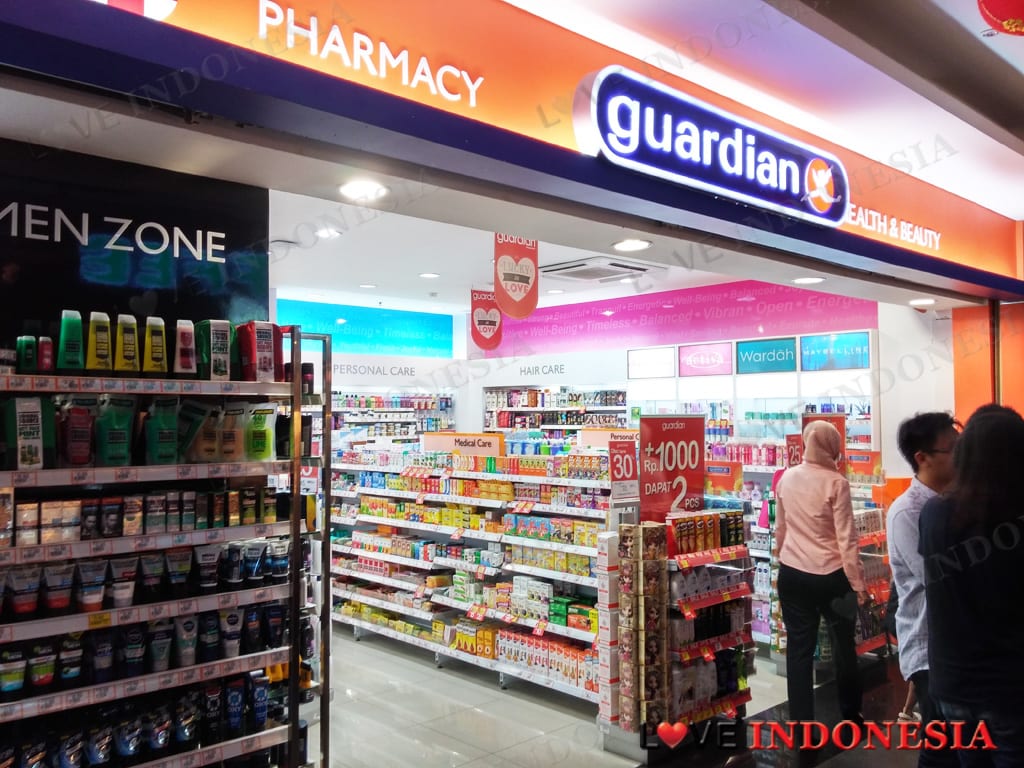
    In July the company said it had shuttered 39 of its 75 stores bearing the Starmart brand. Last week it issued new figures showing 74 stores have now closed, including 22 Guardian pharmacies.

    “We are closing stores every year and every semester. We believe that we need that to change our portfolio,” said finance director, Xafier Thiry, adding that while more would close in the latter part of this year, the pace of the cull would slow.

    Dairy Farm’s network has been hit hard by the Indonesian government’s ban on convenience stores selling alcohol which took effect in April. A general economic slowdown has not helped sales of other goods. In July Dairy Farm said it was reviewing the future of the Starmart business.

    The other stores closed so far this year were 10 Ekspres and Hero stores and three Ekstra stores.

  • Dairy Farm buys more Yonghui shares

    Dairy Farm buys more Yonghui shares

    Dairy Farm International has agreed to acquire a further 143 million shares in a placement by Yonghui Superstores for about US$210 million.

    The investment by DFCL is being made in conjunction with JD.com acquiring a 10 per cent interest for consideration of about US$700 million and protects Dairy Farm’s existing 19.99 per cent stake.

    Zhang Xuansong, Yonghui’s chairman, is acquiring a two per cent interest in the enlarged share capital in the placement for US$140 million, and his brother, Zhang Xuanning, the deputy chairman of Yonghui, will between them hold a reduced 29.15 per cent interest.

    Dairy Farm Group CEO Graham Allan, said his company was pleased to support Yonghui and its leadership team with the transaction.

    “The co-operation with JD.com will accelerate Yonghui’s participation in the rapidly expanding

    eCommerce space in China and offer significant opportunities for Yonghui. The related capital raising will strengthen Yonghui further as it implements its store development plans, builds a leading food supply chain in China and invests in an integrated online-to-offline business model.”

    The placement to JD.com requires the approval of Yonghui’s shareholders and certain regulatory approvals in the PRC which will take up to six months to complete.

    Shanghai-listed Yonghui operates hypermarkets and supermarkets from its Fuzhou, Fujian province, headquarters and operates 351 retail outlets across 17 provinces in China.

  • Dairy Farm reports modest growth

    Dairy Farm reports modest growth

    Dairy Farm says it achieved “modest” like-for-like sales growth in most of its major markets in the first half of this year.

    However, underlying profit fell 14 per cent to US$193 million, largely due to margin pressures in the food businesses and a disappointing half for its Guardian health & beauty group in Malaysia.

    With the early completion of the acquisitions of the San Miu supermarket business in Macau and the Yonghui stake (20 per cent) in China, both in April, sales for the period rose 27 per cent to US$8 billion. But like for like sales rose a more modest three per cent to $6.5 billion, or by seven per cent on a constant exchange rate basis.

    Dairy Farm International says that despite solid sales growth, cost pressures and food price deflation on certain commodities combined to squeeze margins in the first six months for the group’s Food businesses.

    “In Hong Kong, there were higher rental and labour costs. In Singapore profits were significantly lower due to competitive pressures, higher rents and a weaker Singapore dollar. Sales were buoyant in Malaysia, but there was continued margin investment to attract customers,” said chairman Ben Keswick in his half yearly report.

    “There was good like for like sales growth in Indonesia, but profitability declined materially due to higher labour costs following a further increase in the minimum wage, a rise in shrinkage costs associated with greater fresh sales and more rigorous stock management, and store rationalisation.

    “In the Philippines, the upscale and community supermarkets enjoyed sales growth, but the hypermarkets struggled.”

    Dairy Farm’s convenience store businesses in Hong Kong and Macau performed satisfactorily. Sales in Singapore, however, were weaker due to a reduction in the number of stores and the impact of recently introduced regulations restricting late night sale of alcohol.

    The Health & Beauty division produced higher sales. Hong Kong and Macau performed well despite some impact from a decline in tourist arrivals. In mainland China, there was further growth in the store base and an improvement in results. In Malaysia, profitability was lower following the introduction of GST on 1st April. In Indonesia, the results were impacted by wage and rent increases, while sales growth remained good. In the Philippines progress was made on the integration of Rose Pharmacy.

    In Home Furnishings, the IKEA stores in both Hong Kong and Taiwan traded well, and the new IKEA store in Indonesia continues to perform in line with expectations.

    In the Restaurant division, Maxim’s maintained its consistent performance with increased sales and profits in Hong Kong and mainland China. The group is growing its presence in Mainland China and continuing to expand its Starbucks network in Vietnam.

    At the end of June, Dairy Farm operated over 6400 outlets across all formats, including the newly added San Miu and Yonghui stores, and employed in excess of 170,000 colleagues.

  • Hero to open more stores  to boost revenues

    Hero to open more stores to boost revenues

    Retail company PT Hero Supermarket (Hero) will spend up to Rp 640 billion (US$48 million) this year for business expansion with retail plans to open stores in several cities across the country.

    The move will be made to restore the company’s disappointing financial performance earlier this year.

    Hero, which operates hypermarkets, supermarkets, convenience stores, drug stores and furniture stores, plans to open four Giant Ekstra hypermarkets and six mid-sized Giant Ekspres supermarkets in several regions, including Bangka and Lombok. Arief Istanto, a director with Hero, said each Giant Ekstra would cost between Rp 100 billion and Rp 150 billion while the Giant Ekspres would cost about Rp 20 billion. It means the company will allocate between Rp 440 billion and Rp 640 billion in capital expenditure to build the stores this year.

    Arif said the company aimed to improve its financial performance and hoped to book profits like it did in previous years. The company will use its internal funds for the expansion.

    “We would like to expand our network so that it can attract more customers. Thus, our top line will also increase,” he said after an extraordinary shareholders’ meeting on Tuesday. At the meeting, they agreed not to disburse the Rp 43.75 billion in dividends to shareholders and instead spend it on the company’s business expansion plan.

    Hero Supermarket previously suffered Rp 33.19 billion in net losses during the first quarter of this year amid a 14 percent increase in net revenues of Rp 3.57 trillion, making it the worst performer in the country’s retail industry.

    Last year, the company saw its net profit dive to Rp 43.75 billion from Rp 671.13 billion in 2013. A 13.94 percent increase in revenues, which stood at Rp 13.56 trillion at that time, could not ease the ballooning operating expenses, which hit Rp 3.31 trillion.

    “Our 2014 financial results were disappointing with weak sales growth and a significant increase in operating costs across all businesses as well as higher overhead and store pre-opening costs,” Stephane Deutsch, Hero’s president director, said in a statement.

    In 2014, the company launched a flagship furniture store under Swedish brand IKEA in Alam Sutera, Tangerang, Banten, some 25 kilometers west of Jakarta’s city center.

    Arief confirmed Hero has planned to build five more IKEA stores in the future as the company was upbeat about the prospects of the franchise furniture store.

    “At the moment, we are looking for land for the second store. It is supposed to be done this year,” Arief said, adding that the second store would be located in Greater Jakarta.

    According to him, IKEA has contributed around Rp 200 billion to Hero’s revenues in the first quarter of this year,

    Hero says it hopes to book 30 to 40 percent growth in revenues during the fasting month of Ramadhan this year. The company currently operates 33 Hero supermarket stores, 341 Guardian healthcare stores, 98 Starmart convenience stores, 53 Giant Ekstra stores, 121 Giant Ekspres stores, two Jason supermarket stores and one IKEA store.

  • Dairy Farm Indonesia reviews struggling Starmart

    Dairy Farm Indonesia reviews struggling Starmart

    Dairy Farm Indonesia is reviewing the future of its Starmart convenience store chain after closing nearly a third of its stores in the latest half year.

    The chain has been hit hard by the Indonesian government’s moves to limit the sale of alcohol, banning liquor sales in c-stores in April.

    Since then, Hong Kong headquartered Dairy Farm Indonesia subsidiary PT Hero Supermarket group has closed 39 stores leaving just 95.

    “A detailed strategic review of this business is currently being undertaken,” the company said in its earnings statement released Tuesday.

    The company said the closures would improve the profitability of the banner, but its prospects do not appear bright.

    PT Hero operates 641 stores in all, including 53 Giant Ekstra hypermarkets, 155 Hero Supermarkets and Giant Ekspres stores, 337 Guardian health and beauty stores and one Ikea.

    Overall, the group experienced a 15 per cent increase in revenue in the first half year, with gross profit up nine per cent, but it still posted a net loss of Rp 32 billion (HK$18.4 million).

    Food and health & beauty sales, showed strong like for like growth in the half year, despite a soft trading environment, and Ikea showed “very promising” early trading figures, the company said.

    “Despite the sales momentum, profitability was negatively impacted by outpacing costs resulting from minimum wage increases, stocktake improvements and store rationalisations. Strong actions on energy saving and productivity are being taken to mitigate the impact of increasing costs. In Food, investment in price has led to a reduction in the gross profit margin.”Besides the Starmart closures, PT Hero shuttered another 24 stores across its brands.

    Stephane Deutsch, president director, said in food, the company was concentrating on increasing fresh produce sales.

    “This has helped to increase like for like sales, especially in Giant where progress is being made on growing its market share. Action is also being taken to improve the efficiency of the supply chain.”

    The hypermarket operation, Giant Ekstra, and the supermarket operation, Giant Ekspres, are both taking steps to improve the customer shopping experience in selected stores prior to rolling out the initiative more broadly across the country, he said.

    “The upscale format, Hero Supermarket, is continuing to enhance its offer across the fresh, imported and exclusive ranges to provide a more distinctive choice for customers.”

    In Health and Beauty, Guardian’s store expansion program is “progressing well” alongside the introduction of refreshed branding and increasing private label development, leading to further improvements in like for like sales.

    “The strategic partnership with the local pharmacy operator Apotik Melawai, which combines their local pharmacy strengths with the broader health and beauty offering of Guardian, is showing encouraging results.”

  • Five trends in Vietnam retailing

    Five trends in Vietnam retailing

    Vietnam’s retail market is set to grow by 8.4 per cent annually until 2020, making it one of the fastest-growing markets in south-east Asia.

    Against a backdrop of increased disposable income, rapid urbanisation and an appetite for change among younger shoppers, we take a look at five trends defining the marketplace for pan-Asian retailers right now.

    Confident investment

    January 2015 marked the first time non-domestic retailers could take full ownership of commercial property in Vietnam, following commitments made to the World Trade Organisation. Now, new trade agreements with Japan, Korea and the countries that make up the Association of South-East Asian Nations (ASEAN) look set to support further growth for international retailers in Vietnam:

    Tailoring the best of international retail

    Domestic retailers may have the advantage when it comes to local shopper knowledge but
    international retailers are drawing on their own strengths to help them compete.

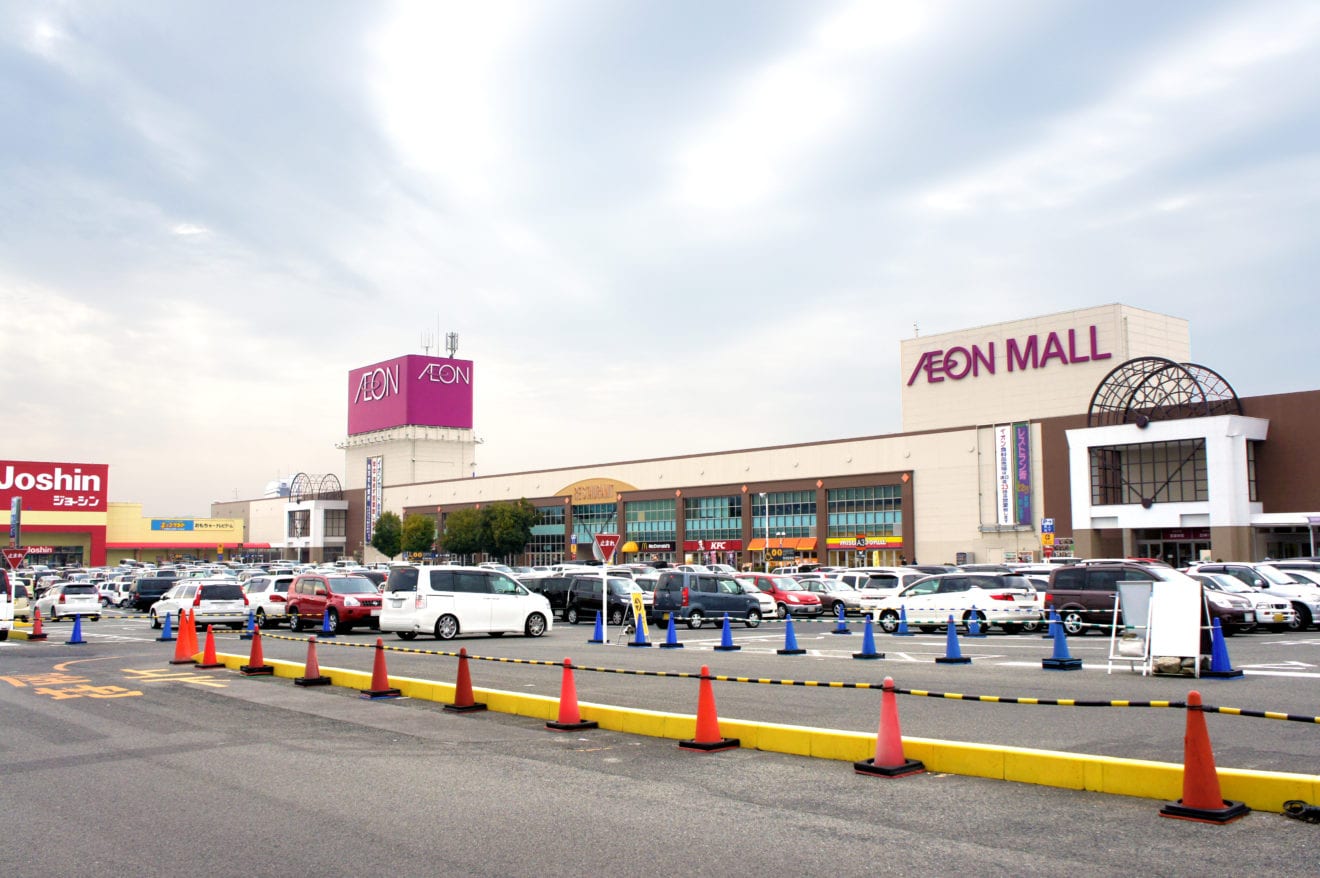
    Dairy Farm, FamilyMart and Aeon have brought their expertise in loyalty schemes, private label and innovative marketing to their stores in the region.

    Other points of difference include appealing to busy office workers with a fast food to go counter (seen at Family Mart and B Mart) and bringing an international flavour to the in-store hot food offer (Aeon Mall).

    Alternative store concepts

    Many retailers have established themselves in Vietnam with a hypermarket presence in one of the major retail hotspots like Hanoi or Ho Chi Minh City.

    Lotte and hypermarket chain Aeon are appealing to families and experimental shoppers with department store formats that act as wider shopping and entertainment destinations. Aeon is also making its mark with a loyalty scheme that includes tailored offers for mums – such as birthday treats or discounts on baby care.

    In the convenience channel, Guardian is the first combined-format health, beauty and drugstore in Vietnam. The store is making waves with its clean layout, colourful signage, bold promotional activity and sales assistants offering a superior level of service.

    Product innovation for a changing market

    A new concept in Vietnam, private label is appealing to young, experimental shoppers thanks to its lower prices and alternative products.

    Aeon has introduced its TopValu private label range, which taps into the popularity of Japanese culture by offering authentic Japanese ingredients and home cooking kits. The retailer is now working with local suppliers to explore domestic production.

    An increasingly affluent middle class is also supporting demand for exclusive and imported novelties. Dairy Farm is well-known for attracting these shoppers with its packaged food, household, health and beauty ranges.

    Expanding to national coverage

    A priority for most retailers is to create a nationwide presence. Lotte has built a network of ten hypermarkets spanning six big cities across Vietnam, making them the first pan-Asian retailer to achieve such a spread of coverage. Meanwhile, Ministop (Aeon), Guardian (Dairy Farm) and Shop&Go are pushing their convenience format in retail hotspots.

    Major retailers are seeing good growth from their franchise models, making partnerships, mergers and acquisitions hot topics.

    Aeon has partnered with local retailers Citimart in the south of the country and Fivimart in the north. The domestic chains are helping Aeon speed up its expansion plans by using their existing store networks. In return, their own customers are benefitting from the retail giant’s private label ranges and investment in infrastructure.