Retail News CRM

Tag: Gucci

  • Vietnam Authorities Crackdown on Counterfeit Luxury Goods: Over 1,800 Fake Gucci, Hermes Items Seized

    Vietnam Authorities Crackdown on Counterfeit Luxury Goods: Over 1,800 Fake Gucci, Hermes Items Seized

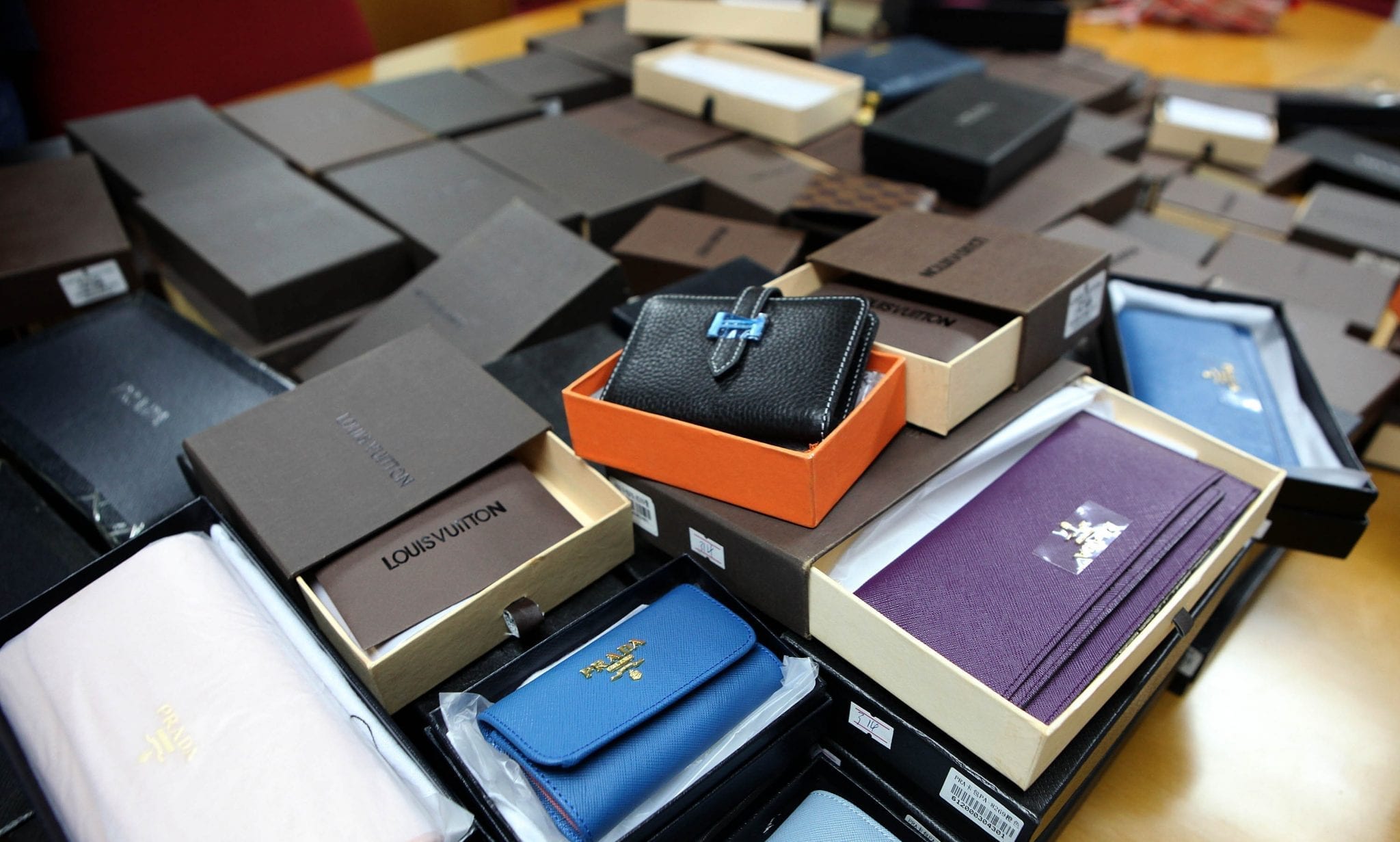
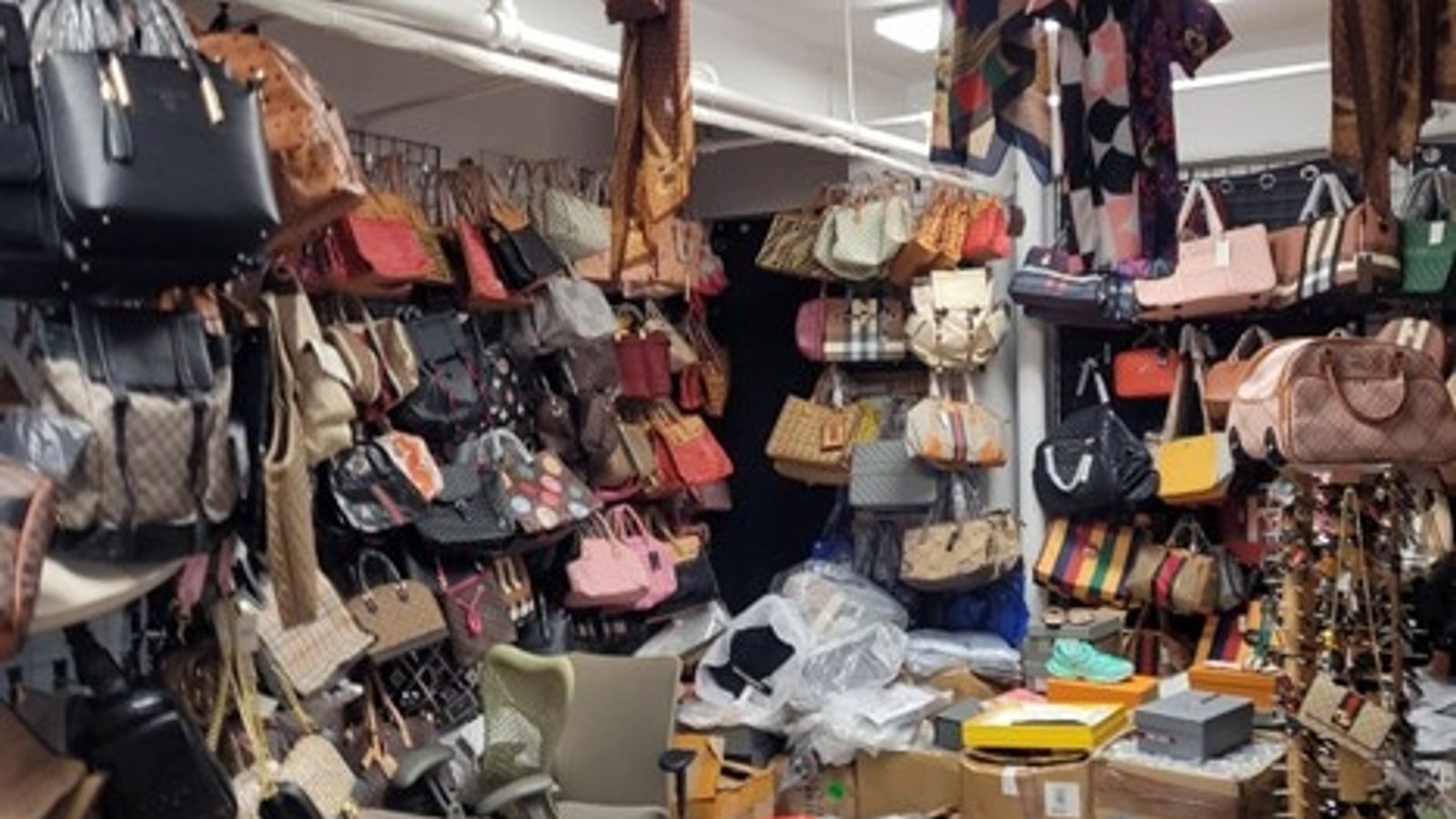
    A significant crackdown operation in Vietnam resulted in the seizure of over 1,800 counterfeit luxury items, including fake Gucci glasses and Hermes watches. The operation targeted a store specializing in the sale of counterfeit branded merchandise.

    Vendor Fined for Counterfeit Goods

    The Market Surveillance Department in Quang Ngai Province revealed that a 35-year-old vendor in Tinh Khe Commune faced a hefty fine of VND102.5 million (US$4,200) for showcasing and selling 1,000 counterfeit Gucci glasses and 800 counterfeit Hermes watches. All seized items were confiscated and are slated for destruction.

    The authorities stated that the trademarks in question enjoy legal protection in Vietnam. The imposed penalties form part of a wider initiative to clamp down on the circulation of counterfeit, imitation, and substandard goods in local markets.

    Effects of Counterfeit Goods on the Market

    Market surveillance officials stressed that selling counterfeit branded items not only breaches intellectual property laws but also poses the risk of misguiding consumers and damaging the reputation and operations of genuine businesses.

    Additional Enforcement Operations

    In a separate enforcement initiative, a market surveillance team, in conjunction with the police, discovered a substantial amount of goods that lacked the necessary documentation. In one instance, a distributor was found in possession of 675 water filter cartridges branded as “A Qua” and “OCB” without any invoices or evidence of legal origin.

    Another business, engaged in the trading of electric bicycles and electric motorbikes, was flagged for violating labeling regulations, including the omission of compulsory details like manufacturing dates. The total value of the improperly labeled goods amounted to an estimated VND34.5 million.

    Strict Penalties for Commercial Fraud

    Market surveillance officers and local police appealed to businesses to sell only merchandise with verifiable origins and comprehensive documentation. They warned that commercial fraud for profit would be subjected to stringent penalties, and enforcement actions would only escalate.

    Questions & Answers

    What were the counterfeit items discovered in the operation?
    The operation uncovered over 1,800 counterfeit items, including 1,000 fake Gucci glasses and 800 counterfeit Hermes watches.

    What is the impact of selling counterfeit goods on the market?
    Selling counterfeit branded goods not only infringes on intellectual property laws but also risks misleading consumers and undermining the operations of legitimate businesses.

    What measures are being suggested to businesses to avoid legal issues?
    Market surveillance officers and local police encourage businesses to sell only goods with clear origins and complete documentation. Businesses are also urged to comply with labeling regulations.

  • Ho Chi Minh City Ceo Arrested: Accused Of $570,200 Counterfeit Perfume Operation

    Ho Chi Minh City Ceo Arrested: Accused Of $570,200 Counterfeit Perfume Operation

    In a recent turn of events, a CEO and his spouse based in Ho Chi Minh City (HCMC) have been apprehended by the police on the grounds of allegedly manufacturing and marketing tens of thousands of fraudulent perfume bottles. These counterfeit products bore the labels of well-known luxury brands such as Chanel, Gucci, and Dior, among others. The illicit profits gathered from this illegal enterprise are estimated to be around VND15 billion (US$570,200).

    The Masterminds and Their Accomplices

    The individuals caught in this scandal are Nguyen Ngoc Tho, the CEO of Nguyen Huong, and his wife, Truong Thi Mai Hien. Along with them, nine other people were also taken into custody by the HCMC police on charges related to the production and sale of fraudulent goods.

    The couple has been identified by the authorities as the key instigators behind this significant counterfeit perfume production ring.

    The Raid and Confiscation

    During a recent operation at the company’s production site within the city, the law enforcement officers seized 20,000 imitation perfume bottles carrying the tags of elite luxury brands. The authorities also confiscated various perfume-making equipment and tools used in the fraudulent operations.

    The Counterfeit Scheme

    The authorities have accused the couple of initiating this scheme since the beginning of last year. Apparently, Tho observed a surge in perfume demand and started researching and creating formulas for counterfeit perfumes online.

    Together with his wife, Tho procured machinery, raw materials, and perfume bottles. They rented a production facility and mainly hired family members to blend, fill, label, and package the fake perfumes.

    They promoted these spurious products on social media platforms and distributed them in vast quantities across numerous provinces.

    Questions & Answers

    What are the legal implications of the case?
    Given the scope of the fraudulent operation and the brand value of the companies affected, significant legal implications can be anticipated. This includes potential jail time, hefty fines, and possible lawsuits from the affected brands.

    What was the primary market for these counterfeit products?
    The couple leveraged the internet and social media platforms to market these counterfeit products, targeting customers in several provinces.

    Who were involved in the production process of these counterfeit perfumes?
    The CEO and his wife led the operation, hiring mainly family members in their production facility to create the counterfeit perfumes.

  • Fake Louis Vuitton, Gucci shoes seized in $1.3M Hong Kong counterfeit bust

    Fake Louis Vuitton, Gucci shoes seized in $1.3M Hong Kong counterfeit bust

    In a recent operation, Hong Kong officials intercepted an estimated HK$10 million worth of suspected counterfeit clothing and footwear, featuring labels from major brands such as Louis Vuitton, Gucci, and Nike. The operation, held between October 6 and 17, resulted in the confiscation of approximately 18,000 items and the arrest of two individuals, according to an announcement from the Hong Kong Customs and Excise Department.

    Details of the Seized Goods

    The confiscated merchandise included items bearing the branding of Nike, Adidas, Louis Vuitton, and Gucci. Officials believe these products were headed for foreign markets, specifically in Europe and America, to capitalize on the demand generated by large-scale global events.

    “Large events, such as sports shoe exhibitions, often see collectors and enthusiasts trading items on-site, which escalates the demand for high-quality counterfeit sports shoes,” explained Inspector Yeung Tit-fung from the department.

    Investigation and Legal Consequences

    The investigation into these cases is currently ongoing. The arrested individuals have been released on bail, pending further investigation. The Hong Kong legislation stipulates that importing or exporting products carrying a counterfeit trademark could lead to a maximum of five years imprisonment and fines reaching up to HK$500,000.

    The Customs Department revealed plans to intensify inspections and execute intelligence-driven operations to combat counterfeiting and trademark infringement activities.

    Previous Operations

    The department had previously conducted a week-long operation in late September, which focused on the city’s major shopping districts ahead of the Golden Week holiday. This operation resulted in the seizure of around 2,000 suspected counterfeit handbags, leather goods, and fashion accessories, with an estimated market value of HK$1.3 million.

    Questions & Answers

    What brands were predominantly featured among the seized goods?
    The seized items predominantly featured branding from major labels such as Louis Vuitton, Gucci, Nike, and Adidas.

    What are the legal consequences for importing or exporting counterfeit products in Hong Kong?
    In Hong Kong, the import or export of goods bearing a counterfeit trademark can result in up to five years of imprisonment and fines of up to HK$500,000.

    What measures are the Hong Kong Customs Department taking to combat counterfeiting?
    The Hong Kong Customs Department plans to enhance inspections and implement intelligence-led operations to prevent counterfeit and trademark infringement activities.

  • Francesca Bellettini confirmed to lead Gucci

    Francesca Bellettini confirmed to lead Gucci

    The esteemed luxury conglomerate Kering has announced the appointment of Francesca Bellettini as the new president and CEO of one of its prime brands, Gucci. She steps into the role, succeeding Stefano Cantino who served for a brief tenure of nine months.

    Bellettini will be reporting directly to Luca de Meo, the CEO of Kering. In addition, Jean-Marc Fuplaix, the Group’s COO, will continue his role, providing additional support to de Meo in the strategic development and management of the group.

    A New Direction

    At this critical juncture, de Meo has expressed his intent to create a more streamlined and transparent organization, enabling the industry’s top talent to propel Kering’s brands forward. He emphasized that Gucci, being the group’s flagship brand, warrants the keenest focus. He is confident that Bellettini, who is among the most seasoned and revered professionals in the luxury industry, will provide the effective leadership and impeccable execution required to reinstate the brand to its prestigious position.

    Bellettini has a long-standing association with Kering, having held various leadership positions since she joined the company in 2003. Her commendable career progression includes being named the president and CEO of Saint Laurent in 2013 and later earning the designation of deputy CEO in charge of brand development at Kering in 2023.

    A New Role, A New Vision

    Bellettini expressed her gratitude for the opportunity to directly oversee Gucci, one of the world’s most recognized luxury brands. She looks forward to working under the guidance of Luca de Meo, whose innovative and fresh approach motivates the team to transcend conventional boundaries.

    Questions & Answers

    Who is the new president and CEO of Gucci?
    Francesca Bellettini has been appointed as the new president and CEO of Gucci.

    Who will Francesca Bellettini report to in her new role?
    Francesca Bellettini will report to Luca de Meo, the CEO of the Kering group.

    What is Luca de Meo’s vision for Kering with this new appointment?
    Luca de Meo intends to streamline the organisation, ensuring the best talent drives the group’s brands forward. He believes Francesca Bellettini’s leadership will be instrumental in restoring Gucci to its rightful place in the luxury industry.

  • Client data exposed in Gucci, Balenciaga and McQueen cyberattack

    Client data exposed in Gucci, Balenciaga and McQueen cyberattack

    Luxury brands Gucci, Balenciaga, and Alexander McQueen have fallen victim to a cyber attack, leading to the potential theft of millions of customer’s private details. The assault targeted Kering, the French corporation that owns these prestigious labels.

    Kering recognized and confirmed the breach but did not publicly name the brands impacted. In a statement made in June, they reported that “an unauthorized third party momentarily gained access to our systems and accessed limited customer data from some of our Houses”.

    This incident is not an isolated event but seems to be part of a broader trend impacting luxury brands and retailers throughout the year. Other brands that suffered similar breaches include Cartier, owned by Richemont, and labels under LVMH. In July, a data leak affecting approximately 419,000 customers at LVMH’s Louis Vuitton was being investigated by Hong Kong’s privacy watchdog.

    The stolen customer data reportedly includes names, email addresses, phone numbers, addresses, and the total amounts spent at the brands’ stores. Notably, Kering has reassured that no financial information, such as credit card or bank account numbers, was stolen during the attack.

    The hackers, referring to themselves as “Shiny Hunters,” allege to have data associated with 7.4 million unique email addresses.

    In response to the breach, Kering stated that its brands promptly reported the incident to the relevant authorities and notified customers in accordance with local regulations. However, Kering did not provide a response when questioned about the countries impacted by the cyber attack.

    Questions & Answers

    What brands were affected by the cyber attack?
    The affected brands include luxury labels Gucci, Balenciaga, and Alexander McQueen, all owned by French parent company Kering.

    What kind of customer information was stolen during the breach?
    Reportedly, the stolen client data includes names, email addresses, phone numbers, addresses and the total amounts spent at the brands’ stores. However, no financial information like credit card or bank account numbers were compromised.

    How did Kering respond to the cyber attack?
    Kering reported that its brands immediately disclosed the breach to relevant authorities and notified customers as per local regulations. However, they did not comment on the specific countries affected by the attack.

  • Seoul’s Fashion District Transforms As Gucci And Louis Vuitton Ignite Luxury Dining Rivalry

    Seoul’s Fashion District Transforms As Gucci And Louis Vuitton Ignite Luxury Dining Rivalry

    In a fashionable district of Seoul, two premier luxury brands are shifting their rivalry from the fashion world to the restaurant industry.

    Gucci is set to open its redesigned and relocated restaurant, Gucci Osteria da Massimo Bottura Seoul, within its flagship store in Cheongdam. The restaurant, which will replace the brand’s former establishment in Itaewon that was launched in 2022, is located on the fifth floor. According to Gucci, the new space is conceptualized with exquisite interiors and a carefully selected menu to engage diners with the brand’s identity.

    This development comes hot on the heels of Louis Vuitton’s recent opening of Le Café Louis Vuitton in its Maison Seoul boutique, also situated in Cheongdam. The café, which is an extension of the brand’s burgeoning “culinary community” spanning across Paris, New York, Tokyo, Milan, and Bangkok, has been garnering attention for serving dishes branded with Vuitton’s trademark monogram – even featuring the iconic pattern on dumplings.

    The two new dining establishments are located just blocks away from each other on Apgujeong-ro, transforming the neighborhood into a hot spot for luxury dining. Other high-end fashion houses, such as Hermès with its Café Madang in Sinsa and Dior with Café Dior in Seongsu and Cheongdam, have already ventured into the food and beverage sector.

    Industry experts view this trend as more than just a simple venture into the hospitality realm. By providing immersive experiences at relatively affordable price points, luxury brands aim to foster customer loyalty and extend their cultural influence beyond their high-end products. As some experts put it, “Dining allows consumers to taste…”

    Questions & Answers

    Why are luxury brands like Gucci and Louis Vuitton opening restaurants?
    Luxury brands are exploring the hospitality sector as a means to expand their cultural influence and foster stronger customer loyalty.

    What is unique about the new Gucci and Louis Vuitton dining establishments in Seoul?
    These dining establishments are strategically located in a fashionable district in Seoul and provide immersive brand experiences for diners. Louis Vuitton’s café, for instance, serves dishes branded with its trademark monogram.

    Are other luxury brands also venturing into the food and beverage industry?
    Yes, other luxury brands such as Hermès and Dior have also established their own dining establishments in Seoul.

  • Kering Reports 16% Revenue Drop Amid Gucci’s Struggling Sales In First Half Of 2021

    Kering Reports 16% Revenue Drop Amid Gucci’s Struggling Sales In First Half Of 2021

    Kering, the renowned French luxury merchandise corporation, has disclosed a significant sales drop for the initial half of the year. The company’s performance continues to be impacted negatively owing to a consistent decline in sales from Gucci.

    Semi-Annual Performance Analysis

    During the six months ending on 30th June, the conglomerate experienced a 16% fall in revenue, descending to EUR 7.6 billion (equivalent to US$ 8.7 billion). This figure incorporates a 14% decrease in the first quarter and an 18% fall in the second.

    The primary contributor to this downward trend is Gucci, with a substantial 26% reduction in sales. Other luxury houses also saw drops in their performance, including Yves Saint Laurent with an 11% decrease, and other associated houses posting a 15% decline.

    However, it was not all gloomy for Kering. Bottega Veneta reported a 1% increase in sales, while the Kering Eyewear and Corporate segment, inclusive of Kering Beaute, witnessed a growth of 2%.

    Geographical Sales Trends

    Despite the overall downturn, Kering reported a minor upward trend in sales for Asia-Pacific and North America during the second quarter. In contrast, Western Europe and Japan saw an acceleration in their sales decline, largely attributed to a significant drop in tourism.

    Chairman and CEO Francois-Henri Pinault, while acknowledging the challenging market conditions, emphasized the company’s commitment to streamlining distribution and controlling costs. He pointed out the decisive steps taken to fortify the company’s financial structure.

    Financial Indicators

    In terms of net income attributed to the company, the figures stood at EUR 474 million, a significant decrease from the EUR 878 million reported in the same period the previous year.

    Despite the lower than expected numbers, Pinault expressed optimism for the company’s future. He believes that the strategic efforts undertaken by the company over the past two years have laid a robust foundation for the next phase of Kering’s growth and development.

    Questions & Answers

    What was Kering’s reported revenue for the first half of the year?
    Kering reported a revenue of EUR 7.6 billion (US$ 8.7 billion) for the first half of the year, representing a 16% decrease compared to the corresponding period last year.

    Which brands under Kering experienced a decline in sales?
    Gucci was the primary underperformer with a sales drop of 26%. Yves Saint Laurent and other associated brands also experienced declines in sales, with decreases of 11% and 15% respectively.

    What were the key contributing factors to the sales decline?
    The sales decline was primarily attributed to reduced tourism, impacting sales in Western Europe and Japan. Additionally, specific brands like Gucci significantly underperformed.

  • Gucci America goes into battle with Forever 21

    Gucci America goes into battle with Forever 21

    Gucci America has filed a lawsuit against US fast-fashion retailer Forever 21 for allegedly copying its trademark “blue-red-blue” and “green-red-green” stripe webbing.

    Included in the filing in a Californian district court is a motion to dismiss a Forever 21 complaint against a threat of trademark litigation from the Italian luxury brand, and counterclaims of trademark infringement and dilution as well as unfair competition.

    “Gucci America brings these counterclaims because Forever 21 has challenged its most valuable and widely known marks,” says the document, “and further because Forever 21’s legal assault, like its business model, is built on undermining the very notion of trademark protection, which is of critical importance to Gucci America’s brand.”

    The lawsuit follows cease-and-desist letters Gucci sent the retailer over of its use of the stripe webbing on several items. The pieces include silver and floral bomber jackets, a jumper featuring a butterfly, a jumper with a green tiger motif, and a choker – all lookalike designs with striped webbing. The items are not currently listed on the Forever 21 website.

    Forever 21 filed its case in June, seeking protection against a threat of trademark litigation. Its complaint said Gucci should not be allowed to claim that it alone has a monopoly on all blue-red-blue and green-red-green striped clothing and accessories.

    Responding to the latest action, Forever 21 says it brought its lawsuit because it believes its position has merit.

    To prove trademark infringement, Gucci must demonstrate a high degree of possibility that a consumer seeing the Forever 21 items could be deceived into believing they may be Gucci products or part of a collaboration with Forever 21.

    Forever 21 is already being pounded by lawsuits this year from other international brands.

    German sportswear brand Puma, also owned by Gucci parent Kering, this year filed a lawsuit claiming Forever 21 had copied three shoe designs from its Fenty Puma by Rihanna collection.  Swimwear brand Mara Hoffman is also suing Forever 21 for infringing copyright of its leaf print, and another German sportswear company, Adidas, claims Forever 21 has used its three-stripe trademark on footwear and clothing.

  • Massive Haul of Counterfeit Rolex and Gucci Items Seized at Saigon Square Mall

    Massive Haul of Counterfeit Rolex and Gucci Items Seized at Saigon Square Mall

    Market authorities uncovered a trove of counterfeit luxury goods at Saigon Square, a bustling mall in Ho Chi Minh City, during a surprise raid on May 29, 2025. Inspectors targeted a diverse range of items, including clothing, bags, watches, glasses, and suitcases, as they sought to protect both consumers and brand integrity.

    Swift Observations and Quick Reactions

    As six inspection teams moved in on this vibrant marketplace, many kiosk owners attempted to close their stalls in a hurried bid to escape the watchful eyes of the authorities. To complicate matters further, mall management broadcasted the details of the raid over the public address system, hampering the inspectors’ efforts to conduct a thorough investigation. Undeterred, the teams discovered a wide array of products featuring luxury brand names at prices that seemed too good to be true compared to official retail outlets.

    Seizing Counterfeit Goods

    With an earnest commitment to safeguarding consumers and upholding the reputation of registered brands in Vietnam, the inspectors confiscated all goods believed to be counterfeit. This operation underscores the continuous battle against imitation products in a market that has been described as both a “shopping paradise” and a hotspot for potential fraud.

    Saigon Square, established in 2000, has become a vibrant blend of local and tourist culture, offering an extensive variety of merchandise. However, the recent discoveries serve as a reminder that luxury doesn’t always come with a legitimate price tag—and shopping with caution is more important than ever.

    In an unexpected twist, consumers might find themselves questioning whether that “Rolex” is truly ticking an authentic beat after all!

    Questions & Answers

    What luxury brands were affected by the recent raid at Saigon Square?
    Authorities confiscated apparent knockoffs of Rolex, Gucci, Chanel, and other high-end brands during the inspection.

    Why were kiosk owners closing their shops during the raid?
    Many kiosk owners shut down their stalls upon seeing the inspectors approach, likely to avoid having their goods examined.

    What is Saigon Square known for?
    Established in 2000, Saigon Square is a popular shopping destination for both locals and tourists, known for its diverse merchandise and vibrant atmosphere.

  • Gucci launches flagship store on JD platform

    Gucci launches flagship store on JD platform

    Gucci and JD.com are delighted to announce a digital partnership and the highly anticipated launch of the official Gucci digital flagship store on the e-commerce leader’s platform. This marks the first time the Italian luxury brand will bring its unique fashion authority and 102-year-old legacy of Italian craftsmanship to the JD.com community.

    Users searching for “Gucci” within the JD.com app will be invited to explore the House’s official flagship store and shop for their favorite items. This will also include a full range experience of Gucci brand services, all within a seamless and secure digital ecosystem. An exceptional customer experience is at the heart of this new collaboration, where customers can browse the store’s extensive range of timeless icons and new-season ready-to-wear, handbags, travel, shoes, jewelry, watches, and accessories for men and women. They will also have special access to Gucci’s online client advisor service before ordering their desired products.

    The opening of the new digital flagship store marks a milestone in the partnership between Gucci and JD.com and underscores their commitment to digital innovation. In response to the evolving digital ecosystem, JD.com continuously delivers cutting-edge digital solutions to fulfill diverse needs. This includes the development of diversified models tailored for the luxury industry, leveraging its state-of-the-art supply chain capabilities and open ecosystem. With the launch of its new online environment on JD.com, Gucci will elevate shopping experiences that are tailored to the tastes of JD.com’s customer base and further explore the unique digital landscape of China using both brands’ respective technological strengths to set a new standard in online luxury shopping, expand their market reach, and pioneer original approaches to digital marketing.

    In celebration of the upcoming Chinese Valentine’s Day on August 22, Gucci’s official flagship store on JD.com will offer a selection of gifts that showcase the House’s exquisite craftsmanship and romantic aesthetic. Featuring floral motifs symbolizing the blossoming of love and emotions, the collection will also present a purse designed exclusively for JD.com customers to celebrate this special occasion. To enhance the moment, customers will also be abl

  • Alessandro Michele is stepping down as Gucci’s creative director

    Alessandro Michele is stepping down as Gucci’s creative director

    The company announced Wednesday that Alessandro Michele is stepping down as Gucci’s creative director. Michele, who has been with Gucci for 20 years, assumed the role in 2015. Before becoming creative director, he was in the company’s shoe and accessories department.

    “There are times when paths part ways because of the different perspectives each one of us may have,” Michele said in a statement released by Kering, the luxury goods brand that owns Gucci. “Today an extraordinary journey ends for me, lasting more than twenty years, within a company to which I have tirelessly dedicated all my love and creative passion.”

    Michele brought a genderfluid and maximalist aesthetic to the brand, which was a departure from Tom Ford’s sleek and provocative rebranding which saved the company in the 1990s.

    Kering wrote that Michele “has played a fundamental part in making the brand what it is today through his groundbreaking creativity, while staying true to the renowned codes of the House.”

    Dakota Johnson, Harry Styles and Lana Del Ray all led Gucci campaigns, which saw accelerated sales when Michele was in charge. Gucci’s revenue rose from just under €4 billion ($4.1 billion) in 2015 to €9.7 billion ($10 billion) in 2021. However, its success took a hit due to the pandemic, and now Gucci is looking to revamp.

    Michele described the people behind Gucci as his adopted family and thanked them in his statement. He left them with a wish: to continue to cultivate their dreams, “the subtle and intangible matter that makes life worth living.”

    “May you continue to nourish yourselves with poetic and inclusive imagery, remaining faithful to your values,” he said. “May you always live by your passions, propelled by the wind of freedom.”

    A new creative director has not yet been announced.

  • Gucci opens Namiki flagship design

    Gucci opens Namiki flagship design

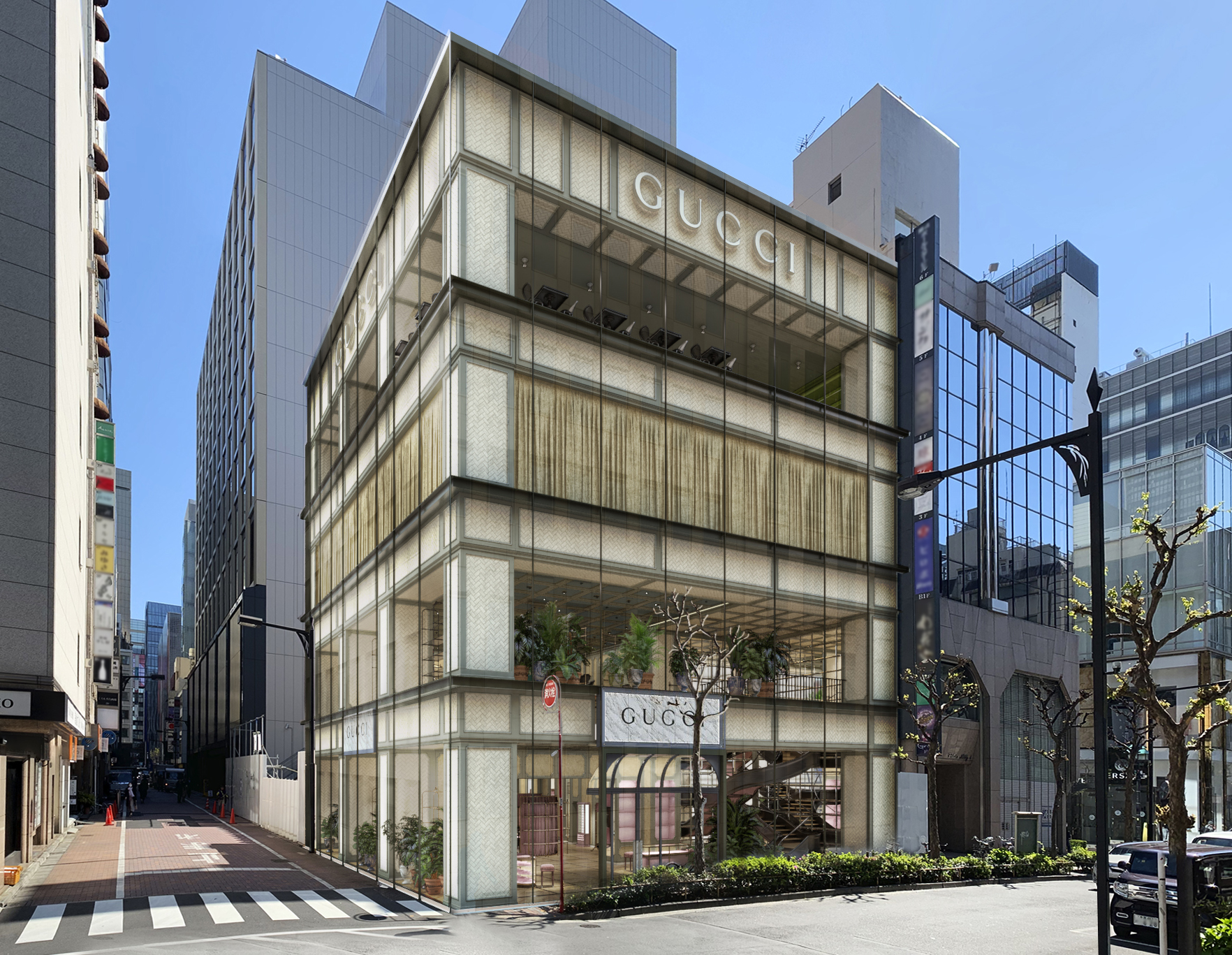
    The first store selling Gucci products in Japan, operated by Sun Motoyama, opened in Ginza in 1964 and the brand’s first boutique was unveiled in Tokyo in 1972. It was Gucci’s first store to open in Asia. Japan remains a stronghold, according to Gucci president and chief executive officer Marco Bizzarri. “We have never stopped believing in the Japanese market and continue to invest in it,” he observed. The most recent signal of this commitment is the opening of the Gucci Namiki unit in Ginza, the brand’s second flagship in Tokyo’s upscale district.

    The store also points to the “fundamental importance” of brick-and-mortar, said Bizzarri, despite the growing relevance of online transactions, which clearly accelerated during the pandemic and the lockdowns. “The narrative to connect with the customers, the moment in which you meet the brand, the one-to-one relations will continue to be very important, increasingly combined with the brand’s different distribution channels, and it’s all happening very quickly. The goal is to offer the best possible experience.”

    The concept conceived by creative director Alessandro Michele for the Namiki store is new and will not be replicated elsewhere, explained Bizzarri. The opening of the store, which covers three floors in a building on Namiki-dori Street — the same where Gucci started its business in Japan in 1964 — will unfold in three parts.

    The first two floors will be unveiled on April 29. Over a total space of more than 7,776 square feet, they will carry a full range of men’s and women’s ready-to-wear, handbags, luggage, accessories, shoes, jewelry, silks, belts, watches, eyewear, fragrances, and the Gucci Décor collection. The brand will also offer exclusive pieces, such as handbags in precious leathers and distinctive jewelry.

    Walls on the first and second levels use materials inspired by Japanese traditional bamboo work and are exclusively developed for #GucciNamiki.

    The third floor, scheduled to open in the fall, will house the Gucci Apartment, which, by appointment, will allow privacy and be dedicated to made-to-order, personalization and other special services. It will also showcase the Gucci Décor collection.

    Photos from François Pinault’s private collection will be on display. “This is the first Apartment in a Gucci store,” observed Bizzarri.

    Additionally, later in the year, a Gucci Osteria da Massimo Bottura will open on the fourth level of the building, curated by the three-Michelin-star chef Massimo Bottura, a childhood friend of Bizzarri’s.

    One way to differentiate the stores is through food, said Bizzarri, paying close attention to the territory and giving a local flavor to each. The restaurant will be the third in the world following the first at the Gucci Garden in Florence in 2018, followed by one in Los Angeles on the rooftop of the Beverly Hills flagship.

    Further linking with the country, artwork by Japanese artist and longtime friend of the house Yuko Higuchi will embellish the Osteria’s façade on Namiki-dori Street. Celebrating the opening, illustrations by Higuchi will also adorn limited-edition items, available in the store. Gucci has been collaborating with the Tokyo-based artist on several projects, including a special spring 2018 and fall 2020 kids capsule collection. One of her works also decorates one of the Galleria walls of the Gucci Garden in Florence.

    The store may attract some additional interest in light of the Tokyo Summer Olympics, expected to kick off on July 23, but Bizzarri said this was purely a coincidence and never meant to coincide with the event. “Gucci has been working on the store for a long time, and it was conceived for local customers,” he said.

    Japan accounts for 7 percent of Gucci’s revenues, which in 2020 amounted to 7.44 billion euros. There are a total of 67 Gucci stores in Japan.

    Kering chief financial officer Jean-Marc Duplaix, presenting the group’s annual results last month, said “Japan improved in the fourth quarter on a somewhat easier comp base, containing its decline to 10 percent, supported by nice growth with local customers,” in the wake of the pandemic and the lack of tourist flows.

    Courting local clientele and Asia are clearly a focus in 2021, as Bizzarri revealed Gucci will also open “a very important store in Seoul” by the end of the year. A fourth Osteria — and “last,” said Bizzarri — will also find a home in that venue. In that case, Gucci will work with a Korean artist for the facade.

    Gucci has recently launched several dedicated initiatives in Japan. Last June, debuting its first circular collection Gucci Off the Grid, an entire range of products were created in a special blue color exclusively for the Japanese market in a selection of genderless bags, wallets, sneakers, rtw and hats. Japanese musician Miyavi, another friend of the house, was featured in the ad campaign.

    In July 2020, for the opening of the Gucci Miyashita Park store, graphic designer Tadanori Yokoo and illustrator Shohei Otomo were invited to develop new artworks dedicated to the brand, inspired by Gucci key visual codes, displayed at the store and at the Shibuya station.

    Last October, Gucci released the second issue of the Chime Zine, including a special section focused on Japan, with essays, interviews and artwork related to feminism, gender and self-expression in Japanese society. Contributors include Yuki Chizui, a sushi chef and owner of a sushi restaurant with an all-female staff; Yume Morimoto, a queer feminist writer and founder of a bilingual zine, and members of WAIFU, a resistance nightlife party founded on the principles of intersectional feminism and inclusion. The cover of the Japan spotlight featured women of Bluestocking, Japan’s first feminist literary journal credited with helping to launch the feminist movement in Japan.

    Bizzarri said the Gucci 9 live video call experience, offered by the Gucci Live service that debuted last May in the Europe, Middle East and Africa region, which helped discover the collection remotely, is being expanded to Japan.

    Gucci, which marks its centenary this year, has been receiving additional attention from the Ridley Scott “House of Gucci” film that is currently being filmed in Italy. The film offers a dramatized version of the real-life events in the late 1980s and early ’90s that led to the murder of Maurizio Gucci — the grandson of Guccio Gucci, the founder of the Italian fashion house. In the film, Lady Gaga plays the role of Patrizia Reggiani, who commissioned the murder of her ex-husband Maurizio Gucci, played by Adam Driver.

    Asked to comment on the film, Bizzarri underscored that the Gucci family is no longer involved in the brand today, and that the movie will not extend to the post-Investcorp developments and thus not be related to the current owner, Kering, owned by the Pinault family. He added that the company is allowing “total creative freedom” to the production.
  • Gucci, Facebook file joint lawsuit against alleged counterfeiter

    Gucci, Facebook file joint lawsuit against alleged counterfeiter

    Gucci and Facebook have filed a joint lawsuit in California against an individual who allegedly used the U.S. group’s social media platforms to sell fake Gucci products, the two companies said on Tuesday.

    The initiative, a first of its kind for both Gucci and Facebook, is the latest example of an Internet giant joining forces with a luxury label to fight the proliferation of counterfeit goods being sold via social media.

    Amazon has filed similar lawsuits over the past year with Valentino and Ferragamo.

    In a statement, Gucci – the profit engine of French group Kering – and Facebook alleged the unidentified defendant used multiple Facebook and Instagram accounts to promote her international online counterfeit business.

    Online sales of luxury handbags, shoes, and garments have boomed over the past year as the coronavirus pandemic forced retailers to temporarily close their stores.

    Groups like Facebook are keen to make a bigger push into the luxury market and “social commerce”, but to do so they need to show that their platforms are not a conduit for counterfeiting and are safe for brands, some of which are reluctant to sell their products through third-party players.

    “More than one million pieces of content were removed from Facebook and Instagram in the first half of 2020, based on thousands of reports of counterfeit content from brand owners, including Gucci,” the statement said.

    It added that in 2020 alone the actions of Gucci’s in-house intellectual property team had resulted in four million online counterfeit product listings being taken down, the seizure of 4.1 million counterfeit products, and 45,000 websites, including social media accounts, being disabled.

  • Kering invests in resale platform Vestiaire Collective

    Kering invests in resale platform Vestiaire Collective

    French luxury group Kering has taken a 5 percent stake in Vestiaire Collective, a leading platform for second-hand clothes and handbags, betting that the booming resale market will help it woo younger and more environmentally conscious shoppers.

    The purchase is part of a 178 million euro (US$215 million) financing round announced on Monday which valued Vestiaire Collective at more than US$1 billion, the companies said.

    U.S. investment firm Tiger Global Management also invested in the platform, while existing shareholders including Vogue publisher Conde Nast and French private equity firm Eurazeo put more money in.

    The pre-owned fashion market has enjoyed rapid growth over the last three years, with a further acceleration during the coronavirus pandemic, thanks to younger shoppers’ heightened focus on sustainability and also homebound consumers looking for good deals on second-hand clothes.

    “There is a real shift happening that is going to shape the future of the fashion industry, and as a leader, in the sector, we want to shape that trend,” Kering’s digital chief Gregory Boutte told reporters.

    The proportion of secondhand pieces in closets is predicted to grow from 21% in 2021 to 27% in 2023, with the value of the sector estimated to be worth over $60 billion by 2025, the companies said in a statement. Paris-based Vestiaire Collective said its transaction volume doubled in 2020.

    Luxury groups have traditionally been wary of secondhand sellers, which weaken their control over the distribution and pricing of their brands and, according to critics, can help spread counterfeit goods. But that is changing, and Kering’s star brand Gucci last year announced a partnership with U.S.-based resale platform The RealReal.

  • Gucci revives classics to regain edge in crimping luxury market

    Gucci revives classics to regain edge in crimping luxury market

    Gucci is revisiting 1960s handbags and other classics in its latest collection, mixing them with up-to-the-minute sneakers and logoed skateboards, as it seeks to reach a wider audience and reverse a fall in sales after years of stellar growth.

    With traditional fashion shows cancelled because of the coronavirus pandemic, designer Alessandro Michele teamed up with US director Gus Van Sant to shoot a seven-part miniseries to show off his largely season-less, gender-neutral creations.

    Gucci is showing the videos as a virtual fashion film festival, with a new instalment released daily over the course of this week.

    The films, which have a dream-like, retro quality with vintage cars and juke-boxes, follow a woman, played by Italian actress Silvia Calderoni, as she goes about her daily routine in Rome.

    They feature cameo appearances by celebrities close to the fashion house such as singers Billie Eilish and Harry Styles – all wearing Gucci creations, including re-editions of Michele’s designs from his first 2015 collection.

    The former One Direction singer has also created a buzz in the fashion world by appearing on the cover of a December edition of Vogue, clad in a Gucci ball gown.

    Watershed moment

    Behind the scenes, luxury industry watchers say this is a watershed moment for Gucci, the business that drives the bulk of revenue and profits at parent Kering, but which has been losing steam over the past year.

    After a nearly fourfold increase in earnings since Michele took the creative helm, Gucci’s revenues have slowed down, lagging rivals like LVMH’s Louis Vuitton and Hermes. Gucci was the only fashion brand in Kering’s stable to suffer a sales decline in the third quarter.

    Much of the brand’s success up until recently relied on well-heeled, young Chinese shoppers travelling to Europe’s fashion capitals and snapping up Michele’s quirky, flamboyant designs.

    But with international tourism almost frozen due to the pandemic, Gucci can no longer rely on foreign visitors coming to Europe’s shopping streets to boost sales.

    Consultancy Bain, which produces closely-followed forecasts for the luxury industry, said on Wednesday the share of high-end goods purchases by local clients is expected to rise to 80-85 per cent of the total this year from 60 per cent in 2019. Local buyers are still set to account for 65-70 per cent of luxury shopping in 2025.

    Gucci is rejigging its marketing and product line-up to refocus the label and boost its appeal among local and older shoppers in Europe and the United States. The fashion house has, for example, produced “re-edited” versions of its classic handbags such as the 1800-euro Jackie 1961.

    People born from 1981 onwards — Millennials and Generation Z buyers — now make up almost 60 per cent of luxury purchases, Bain said, but brands cannot afford to neglect the remaining 40 per cent.

    That is why on top of tweaking their ranges to include less trend-driven items, most luxury labels are directing their customer service to establish close contact with clients who are not able to go to the stores themselves.

    Gucci is still doing well on many fronts, including an operating margin of 30 per cent in the first half of 2020, down from a record high of 40.6 per cent a year earlier but still far exceeding that of many competitors.

    But analysts say there are some signs of fatigue. Luca Solca of Bernstein said Gucci’s social media traction, while still high, is diminishing. It also seems to have more trouble selling excess inventory at full price.

    “There is no red flag at Gucci, but we see an opportunity to act now in order to avoid bigger issues down the road,” said Solca in a note.