Retail News CRM

Tag: halal

  • Vietnam told to boost halal food exports

    Vietnam told to boost halal food exports

    Countries with large Muslim populations have called on Vietnam to produce and export halal products amid increasing demand for them.

    “The halal food industry is a billion-dollar opportunity for which we can cooperate and develop,” Agustaviano Sofjan, Indonesia’s consul general in Ho Chi Minh City, said at a forum titled “Cooperation and Development of Halal industry in ASEAN” held in the city on Monday.

    With the largest Muslim population in the world, Indonesia has a halal market of US$180 billion, and it is expected to skyrocket to $281 billion by 2025.

    Malaysia also has big demand for halal products.

    Rosmizah Binti Mat Jusoh, commercial consul at the Malaysian consulate general in the city, said Vietnam is still new to the halal industry and needs to create an ecosystem for it, and Malaysia could help it through the certification process step by step.

    Singapore also has big demand for halal items though Muslims only make up 14% of its population.

    Jason Yeo, vice president of the Singapore Chamber of Commerce in Vietnam, said his country receives millions of tourists every year from the Middle East and Central Asia. “This makes halal certification extremely important for companies operating in Singapore and our partners across the region and the world.”

    The Singapore halal market is expected to grow by 8-10% in the next few years, he said.

    At the forum, Cao Thi Phi Van, deputy director of the Ho Chi Minh City Investment and Trade Promotion Center, said countries such as Indonesia, Malaysia and Saudi Arabia have expressed a desire to collaborate with Vietnam in investing and developing the halal industry.

    The global halal economy is worth US$7 trillion and expected to reach $10 trillion before 2028.
    The Southeast Asian market alone is worth $230 billion, but Vietnam’s exports of halal products remain minuscule.

    Vietnam is among the world’s top 20 exporters, but is nowhere in the list of halal food suppliers.

    According to statistics from the General Department of Vietnam Customs, the country’s total trade with Muslim countries in the ASEAN region stood at $26.37 billion in the first nine months of this year.

    Van said Vietnam has the potential to do well in the regional and global halal markets because of its agricultural and fishery strengths, close proximity to major halal markets and many free trade agreements.

    But it only exports around 20 products to halal markets, and 40% of its cities and provinces do not produce halal-certified items for export.

    Ly Kim Chi, chairwoman of the Food and Foodstuff Association of Ho Chi Minh City, said on average 50 businesses get their products, mainly seafood, beverages and confectionery, halal-certified every year.

    Tee Ramlan, director of the Vietnam Halal Center, said there are around 70 economies to which Vietnam can export halal products. “Thailand and Taiwan already export many halal products, so why doesn’t Vietnam?”

    He said the first step is to develop highly skilled human resources for the halal industry.

    Van proposed increasing links between HCMC and its neighboring provinces to raise awareness of halal products and form a closed supply chain for them extending to exports.

    Recently the Ministries of Science and Technology and Industry and Trade developed four national standards for halal.

    In February, the Government had unveiled a scheme for strengthening international cooperation to develop Vietnam’s halal industry for until 2030.
  • FamilyMart Malaysia to open 300 halal-certified stores

    FamilyMart Malaysia to open 300 halal-certified stores

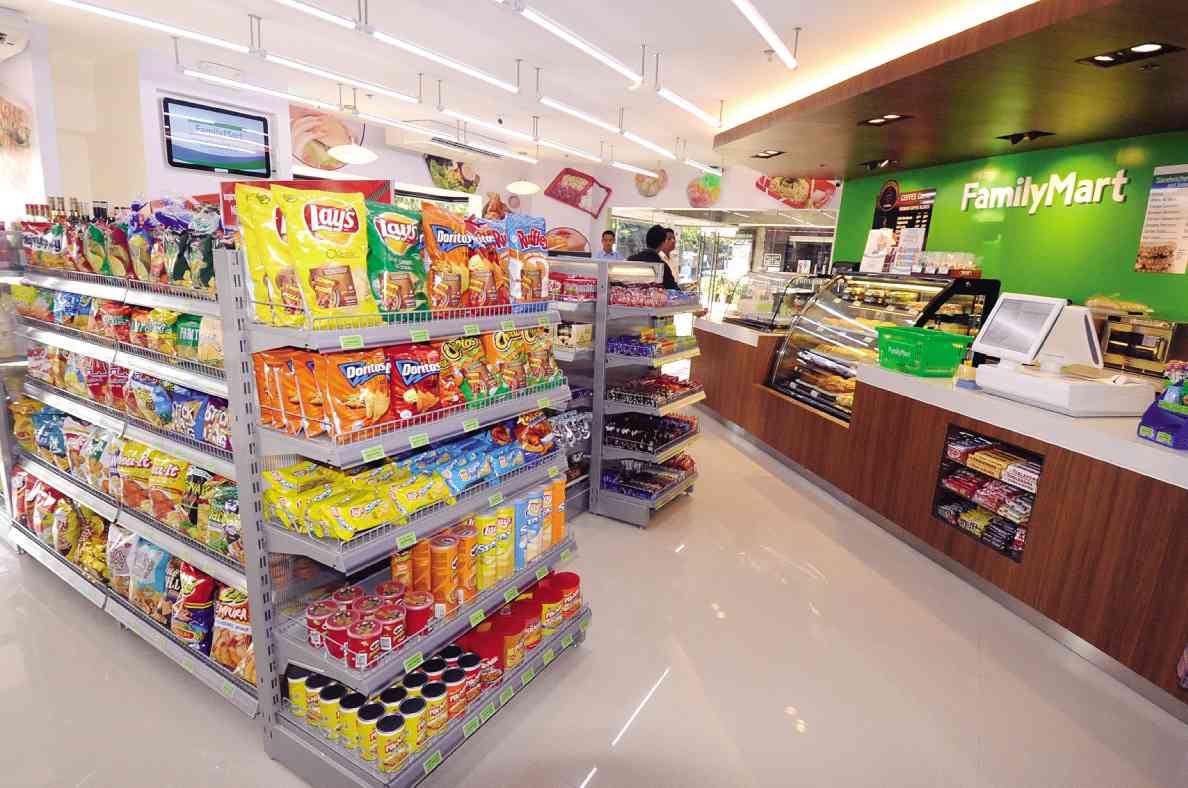
    In a statement shared today (May 10) by FamilyMart Malaysia, the convenience store chain announced that its FamiCafé in Menara U, Shah Alam, has obtained halal certification from Jabatan Kemajuan Islam Malaysia (JAKIM).

    This makes it the first convenience store café in Malaysia to receive this certification. Based on a check on the Halal Malaysia Official Portal, other convenience store cafés such as 7 Café and emart24, are not halal-certified by JAKIM.

    According to the statement, the halal certification aligns with FamilyMart Malaysia’s ongoing effort to ensure that its customers have total peace of mind while shopping and dining at its premises.

    It also added that other FamilyMart Malaysia stores will undergo halal audits in stages as guided by JAKIM, and that the process has already begun at two other stores.

    Subsequently, as a result of the certification, it stated that all new FamiCafés will automatically adopt the layout guided by JAKIM while existing ones will be converted to incorporate the changes required.

    The company aims to have the FamiCafés in 300 stores halal-certified by 2025 with the halal-certified concept serving café beverages and ready-to-eat food prepared in-store.

    There are currently 16 FamiCafés in Malaysia, with an overall target of 50 planned by the end of 2023.

    “We are very excited to be the first convenience store café in Malaysia to be halal-certified as part of our continuous improvement to enhance customer experience and provide value to them.”

    “Our journey to obtain halal certification in our stores is the next step in providing greater assurance and confidence for customers to shop and dine with us,” it shared.

    FamilyMart Malaysia’s central kitchen, operated by QL Kitchen, has been certified halal by JAKIM since 2019. As of April 30, 2023, 172 FamilyMart branded food products have been registered halal on JAKIM’s official halal portal.

    Meanwhile, in alignment with the announcement, FamilyMart Malaysia has also shared that it has stopped the sale of alcohol from all stores to provide an added assurance for all Muslim customers.

    In addition to the halal certification, FamilyMart stated that the team is expanding to the east coast of Peninsular Malaysia and that the company is currently securing identified locations to meet the demands of its fans in the region.

    It plans to open 20 stores by the end of 2023 and expansion is already underway in various parts of Kuantan, Pahang.

  • Kenny Rogers Roasters will reopen in Singapore

    Kenny Rogers Roasters will reopen in Singapore

    American rotisserie restaurant Kenny Rogers Roasters will reopen in Singapore with new look and Halal-certified menu.

    The chain’s last branch in the city – at Great World City – will reopen sometime this year, the announcement coming just a week after its shock closure.

    Lao Huo Tang Group of Companies will be taking over the master franchise of rights from Roasters Asia Pacific (Cayman). The company says the brand will re-emerge in new facilities, at new locations, with a new fast-casual dining concept, and a halal-certified, ultra-modern, improvised menu.

    The company says it is also committed to keep prices down.

    Kenny Rogers Roasters is best known for its baked-chicken dishes and corn muffins. The brand’s first Singapore outlet opened in 1994, followed by more in Suntec City, Holland Village, Tampines, and elsewhere.

    However, during the last couple of years, several outlets were shut down, leaving only the Great World City branch.

    The brand has a strong presence in neighbouring Malaysia.

  • CIMB partners SimplySiti on halal beauty biz

    CIMB partners SimplySiti on halal beauty biz

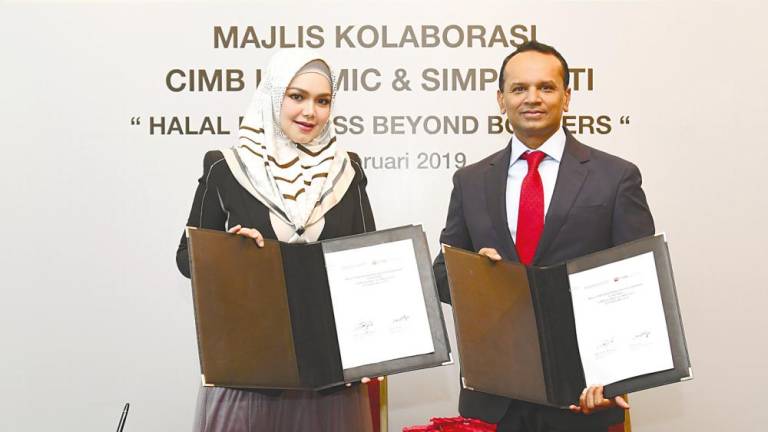
    CIMB Islamic Bank Bhd and local beauty brand SimplySiti have announced a collaboration that will see CIMB Islamic enabling SimplySiti to expand its halal beauty care business beyond Malaysian borders. The homegrown brand will also leverage the end-to-end support of the CIMB-Asean Halal Corridor and CIMB’s strong regional network, to meet the demand for quality halal beauty, cosmetics and skincare products across the region.

    CIMB Group Islamic banking CEO Rafe Haneef said for any homegrown business and SME, opportunities for growth are aplenty but the challenge is always on how to scale up.

    “This is where CIMB Islamic’s expertise, the CIMB-Asean Halal Corridor and CIMB’s regional network provide a strong value proposition to our customers. Through this collaboration, we are excited to facilitate SimplySiti’s move into its next growth phase by reaping the vast halal business opportunities within Asean,” he said.

    The CIMB-Asean Halal Corridor is an enhanced trade network linking halal businesses with trade infrastructure and ecosystems across Asean to take advantage of increasing demand for halal products in the region and beyond.

  • Subway Singapore applying for halal certificate

    Subway Singapore applying for halal certificate

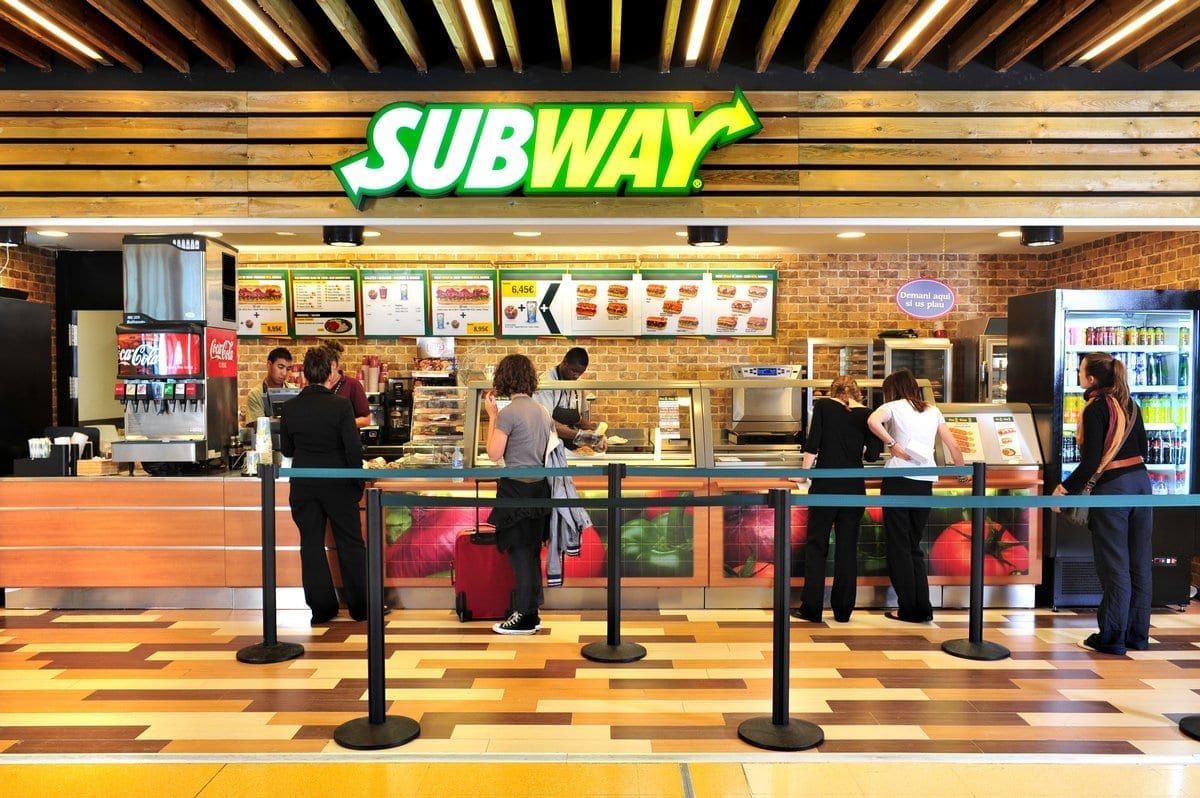
    Popular fastfood chain Subway is in the midst of applying for a halal certificate for its outlets across Singapore, the restaurant said on Wednesday (March 21).

    Subway Singapore said in a Facebook post that it has “initiated a halal certification process” and that all its restaurants will service only non-pork protein from Wednesday onwards.

    Earlier this year, on Jan 31, the Islamic Religious Council of Singapore confirmed in a tweet that the fastfood chain had “shown interest” in applying for halal certification.

    “We’ve had a few rounds of discussion with them to help them prepare themselves,” one tweet said.

    However, it added that it had yet to receive formal applications for the certification.

    In response, Subway Singapore released a statement listing 60 outlets that have stopped selling pork.

     Among the ingredients replaced were regular bacon, with chicken bacon.
  • Indonesia floats idea of Oz wine requiring halal certification

    Indonesia floats idea of Oz wine requiring halal certification

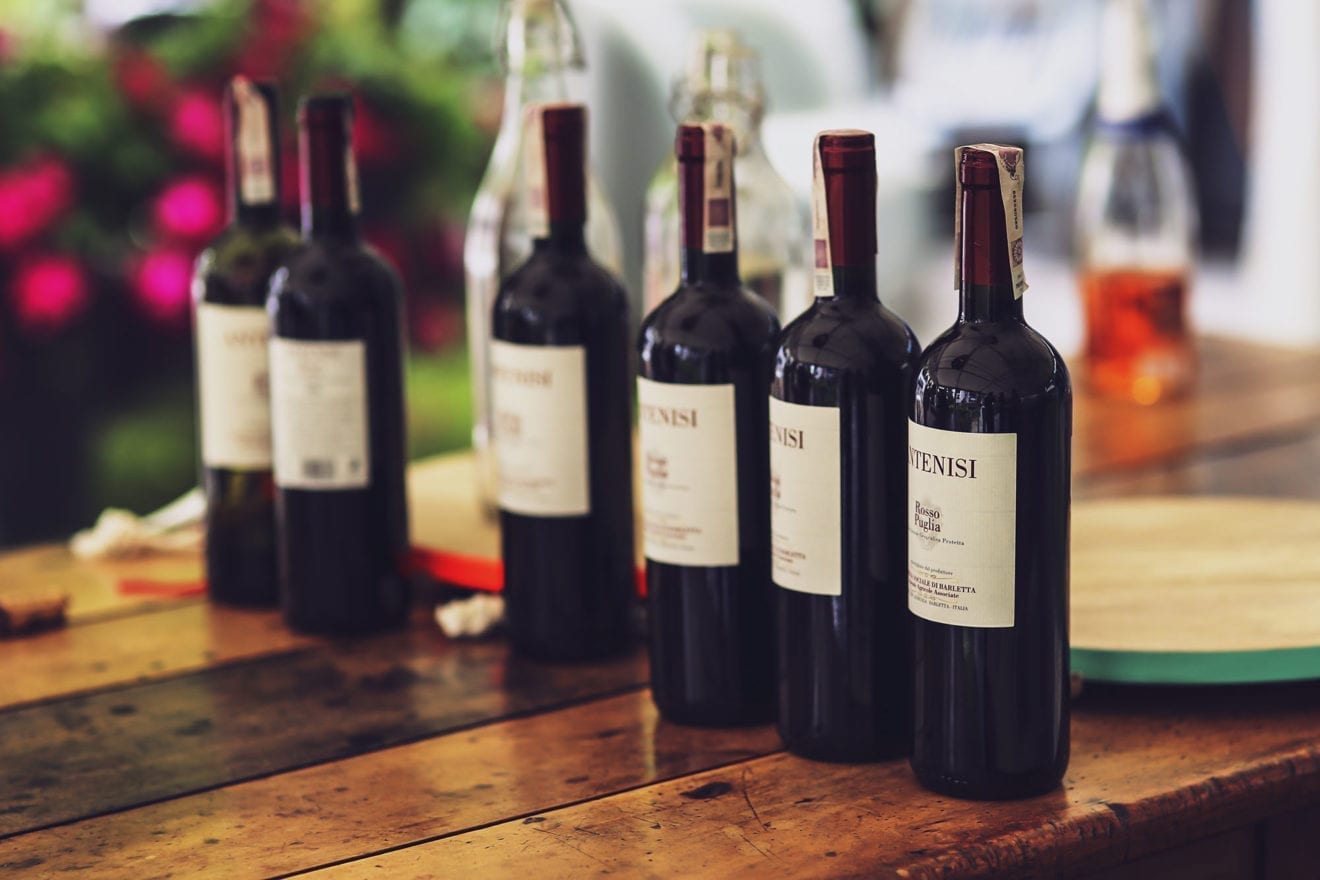
    Trade Minister Enggartiasto “Enggar” Lukita has floated the idea of requiring Australian wine sold in Indonesia to pass halal certification and use plain packaging in retaliation for the neighboring country “undermining” the selling of Indonesian tobacco and paper.

    Enggar said he recently that he had voiced his resentment to Australian Minister for Trade, Tourism and Investment Steven Ciobo after Australia mandated in 2012 that cigarettes sold in the country must use plain packaging and levied anti-dumping duties on imported A4 paper from Indonesia in April.

    “We facilitate imports of Australian beef. But I am devastated by the barriers slapped on our tobacco and A4 paper,” said Enggar at a gathering late on Thursday.

    “I told Steve that I would consider requiring Australian wine sold in Indonesia to also have plain packaging and pass halal certification, but I deliver it in a light way though, and it was just an expression of my resentment,” he said.

    Indonesia and other tobacco-producing countries, such as Cuba, the Dominican Republic and Honduras, filed a complaint with the World Trade Organization (WTO) against Australia for what they consider illegal trade barriers by mandating plain packaging.

  • Malaysia puts high hopes on one halal certification with Indonesia

    Malaysia puts high hopes on one halal certification with Indonesia

    Malaysia is putting high hopes on the planned unified halal certification with Indonesia, the country with the world’s largest Muslim population, in a bid to strengthen halal trade relations between the two countries.

    At present, Indonesia only directly accepts Malaysian halal certificates for industrial goods, such as palm oil.

    However, Malaysian end-user products must undergo various tests to obtain another halal certificate from the Indonesian Ulema Council (MUI) and halal logo from the Food and Drug Monitoring Agency (BPOM) before being marketed in Indonesia.

    To address the issue, Malaysian and Indonesian authorities are reviewing their halal certifications to avoid inefficient imports and exports in the long run.

    “We have been collaborating very closely because we want to sell more products to Indonesia and, of course, we also welcome Indonesian products in Malaysia,” Malaysian International Trade and Industry Minister Mustapa Mohamed told reporters on the sidelines of the 2017 Malaysia International Halal Showcase (Mihas) in Kuala Lumpur on Wednesday.

    “Some challenges have not been resolved. Indonesian authorities recognize our halal certification, but there are some additional tests that our people have to go through.”

    The MUI’s Food and Drug Analysis Agency (LPPOM) deputy director, Muti Arintawati , said her side had planned to simplify halal certification for Malaysian end-user products imported into Indonesia.

    “We may not need to conduct an audit at the production location. Instead, we can just audit the documents of those products. Nonetheless, this plan has yet to be officially agreed to,” Muti told The Jakarta Post over the phone on Friday.

    In August last year, Malaysian Prime Minister Najib Razak said he was committed to boosting trade between the two neighboring countries to US$30 billion in the near future.

    Total trade between Malaysia and Indonesia has seen a declining trend to $14.31 billion in 2016 from $24 billion in 2013 amid the global economic crisis, as shown by data from Indonesia’s Trade Ministry.

    “Indonesia is huge, of course. It’s a very big market. […] The issue here is that there are some technical issues in regard to the acceptance of halal,” Abu Bakar Koyakutty, senior director of the market access and international partnership division at the Malaysia External Trade Development Corporation (Matrade), told The Jakarta Post on Tuesday.

    “There are different standards on halal. If we can resolve the issue, we see there’s a huge potential.”

    According to a 2016 study published by Salaam Gateway, a business intelligence platform that is a joint effort between the Dubai Islamic Economy Development Center and intelligence and research agency Thomson Reuters, one of problems facing halal regulatory standards globally is that there is no unified standard.

    For instance, it states there is a significant variance between the standards of the Department of Standards Malaysia (DSM) applied in Malaysia and the standards of the Emirates Authority for Standardization and Metrology (ESMA) applied in the United Arab Emirates.

    “The cost of gaining multiple certifications to satisfy the needs of different markets adds complexity and could prohibit entry, resulting in unmet demand for halal food among Muslim consumers,” said the report.

    The report also notes the slow and limited uptake of halal accreditation programs, the process in which a third neutral party validates the certification.

    Compounding that problem, halal accreditation bodies have yet to sign specific mutual recognition agreements for halal certification and there is no forum or framework to ensure peer review.

    Halal accreditors operate independently of each other at present and, often times, there is limited clarity on the jurisdiction of the accreditors.

    Meanwhile, the State of Global Islamic Economy Report 2016/2017 — by Thomson Reuters and research and advisory firm DinarStandard puts the size of Islamic economy at an estimated $3 trillion by 2021, rising from $1.9 trillion in 2015.

    In 2015, Muslims’ spending on food and beverages stood at $1.1 trillion and there was $415 billion estimated revenues from halal-certified food and beverage products.

  • Halal certification for DB Schenker’s Kuala Lumpur Logistics Centre

    Halal certification for DB Schenker’s Kuala Lumpur Logistics Centre

    Schenker Logistics (Malaysia) announced that the Kuala Lumpur Logistics Centre 9 (KLC9) warehouse located in Shah Alam is officially accredited for their halal logistics operations under the international halal standard for logistics IHIAS 0100:2010. The accreditation covers both storage and transportation.

    The certificate was presented by IHI Alliance executive director Hj Rafek Saleh to Schenker Malaysia Logistics director Claus Kuhnert in Shah Alam.

    According to Kuhnert, this recognition is timely as halal supply chain management is an emerging requirement for FMCG brands. It is a new milestone for DB Schenker to be the first accredited multinational third party logistics service provider to receive this international halal logistics recognition.

    “Schenker Malaysia understands the importance of a halal value chain, and an unbroken halal supply chain for big brand owners serving Muslim markets in Southeast Asia. We feel that this need is not well served by the logistics industry and we at Schenker Malaysia see this as an opportunity to become one of the first fully certified international logistics service provider in Asia. We are gearing towards full compliance to serve the halal industry as the innovative integrated logistics service provider of choice,” he added.

    DB Schenker expects the halal logistics solutions offered by the company will allow their clients to achieve a total halal supply chains for food, cosmetics and pharmaceutical companies, and strengthening its position in the FMCG business.

    The accreditation will also enable DB Schenker to actively participate as the MNC logistics player in strengthening Malaysia’s position as a global halal hub.

  • Brazil Challenges Indonesia`s Halal Certification Policy

    Brazil Challenges Indonesia`s Halal Certification Policy

    Brazil has filed a complaint against Indonesia to the World Trade Organization (WTO), challenging Indonesia’s halal certification requirements for imported meat.

    The trade dispute has been registered in Indonesia-Measures Concerning the Importation of Chicken Meat and Chicken Products No. DS:484. The second substantive meeting was held on October 11-12 at the headquarters of the WTO in Geneva, Switzerland.

    Ahmad Firdaus Sukmono, head of Trade Advocacy Bureau, the Trade Ministry, said that the policy is implemented as part of the government’s consumer protection efforts. “The dispute is focused on Indonesia’s rights to ensure compliance with food safety and halal requirements,” he said on Friday.

    Brazil has also lodged claims against Indonesia for its import restrictions, namely the positive list, usage requirements, transportation modes in import and suspension of sanitation requirement approval. Brazil claims that such policies have hampered Brazil’s export to Indonesia.

    Being the world’s largest chicken exporter, Brazil sees that the access to Indonesian market has been shut down in the past seven years. Because Indonesia only allows exported halal whole chickens which are slaughtered individually in henhouses. “We suspect that Brazil has yet to implement it,” Firdaus said.

    Firdaus said Indonesia has responded to Brazil’s claims. “Indonesia has been very transparent in import regulations and requirements.”

    Malaysia had also filed complaints about the difficulty in obtaining halal certification in Indonesia even though Malaysia has got its products halal certified by Jabatan Kemajuan Islam Malaysia, according to Malaysia’s International Trade and Industry Minister Dato’ Sri Mustapa Mohamed. However, Indonesia requires imported products to be halal certified by the Indonesian Ulema Council.

  • Halal zone to appear in Pulogadung Industrial Area

    Halal zone to appear in Pulogadung Industrial Area

    Halal Zone will soon arrive in Pulogadung Industrial Area, East Jakarta, serving as a showcase for Indonesias halal industrial products, officials said.

    “Halal Zone will have facilities that support halal management and halal product distribution,” Financial and Supporting Director of PT Jakarta Industrial Estate Pulogadung (JIEP) Sitta Izza Rosdaniah stated here on Friday.

    The zone will feature Moslem Fashion Hub, MICE (Meetings, Incentives, Conferences, and Events), Halal Warehouse, Halal Laboratory, Shariah Finance Centre, National Creative Industry and Training Centre, Halal Lifestyle Showcases, National Logistics Centre, Halal Culinary Centre, and Organic Urban Farming.

    “We want establish a halal laboratory in the industrial area,” Sitta noted, adding that the facilitys management will prioritize small and medium enterprises to help them develop their businesses.

    According to her, these enterprises need support to meet halal standards for their products.

    “This is the meaning of a halal zone, where people can get assistance and the opportunity to consult with experts,” Sitta remarked.

    JIEP also provides special facilities for all business sectors in the industrial area.

    On August 2016, in Jakarta, JIEP signed a Memorandum of Agreement (MoA) with the Indonesian Port Corporation (IPC) on the Study of Development and Operation Cooperation in the Pulogadung Industrial Area.

    The agreement was for the preparation of a study of an Integrated Logistics Area for an International Halal Hub in the JIEP area.

    The MoA is aimed at establishing a partnership and synergy between JIEP and Pelindo to develop the International Halal Hub and Halal Port.

  • Aceh wins three prizes in halal tourism category

    Aceh wins three prizes in halal tourism category

    Aceh Province has won three prizes in the National Halal Tourism Competition (KPHN) 2016, an official said.

    The three awards were in the categories of Muslim Friendly Airport–given to Sultan Iskandar Muda International Airport in Banda Aceh, as well as best Muslim friendly cultural destination, and best tourist attraction for Baiturrahman Grand Mosque, said Reza Fahlevi, head of the Aceh cultural and tourism office, on Thursday.

    He expressed his gratitude to the people of Aceh for helping develop halal tourism in the province, and to the Central Government for supporting Aceh in its participating in the World Halal Travel Awards 2016 in Abu Dhabi, the United Arab Emirates.

    “Alhamdulillah (Thank God), Aceh won prizes for three categories in competition with 117 nominees in 15 categories,” he remarked.

    The results of the competition were announced in Jakarta on Wednesday.

    The Aceh provincial administration seeks to improve its tourism industry to meet its 3As – Amenity, Accessibility, and Attraction– in order to transform the province into a world-class tourism destination.

  • South Korea to explore halal food market in Indonesia

    South Korea to explore halal food market in Indonesia

    The South Korean Ministry of Agriculture, Food and Rural Affairs, through the Korea Agro-Fisheries and Food Trade Corporation, will explore the possibility of entering the halal food market in Indonesia.

    Lee Kyu Baek from the Korea Agro-Fisheries and Food Trade Corporation made the statement in Jakarta, Tuesday, during a press conference about the upcoming Korean Festival, scheduled to begin on Sep 30.

    As a part of the month-long festival, the Trade Corporation will hold a Korean food fair themed Safe and Healthy Lifestyle with Premium K-Food from 6 to 9 October.

    “This effort is being made to increase the demand for Korean foods, as well as heightening its recognition in Indonesia,” he said.

    Lee further explained that the halal food industry in Korea is still small, which is why the Korean government has launched a Moslem friendly policy to ensure the convenience of Moslem tourists who come to visit.

    It has been reported that some 740,000 Moslem tourists have visited South Korea, as of last year, and the Indonesia K-Food Fair 2016 event is seeking to further promote both Korean cuisine and tourism to the Indonesian public.

    The cuisine-based fair will be divided into two segments, one being an export conference, scheduled to be held at the Ritz-Carlton Hotel on Oct 6 and 7.

    “We will be holding a seminar in which representatives from Korea will explain halal policies, as well as the steps to obtain halal certification in detail,” he said.

    The business-to-business conference will see 20 Korean exhibitors and 40 Indonesian buyers participating, he remarked.

    In addition, a consumer experience event (B2C) will be held in Kota Kasablanka from October 8 to 9, where visitors can taste traditional Korean foods being promoted in separate halal, easy products and healthy food zones.

  • Indonesia joins Malaysian halal e-commerce

    Indonesia joins Malaysian halal e-commerce

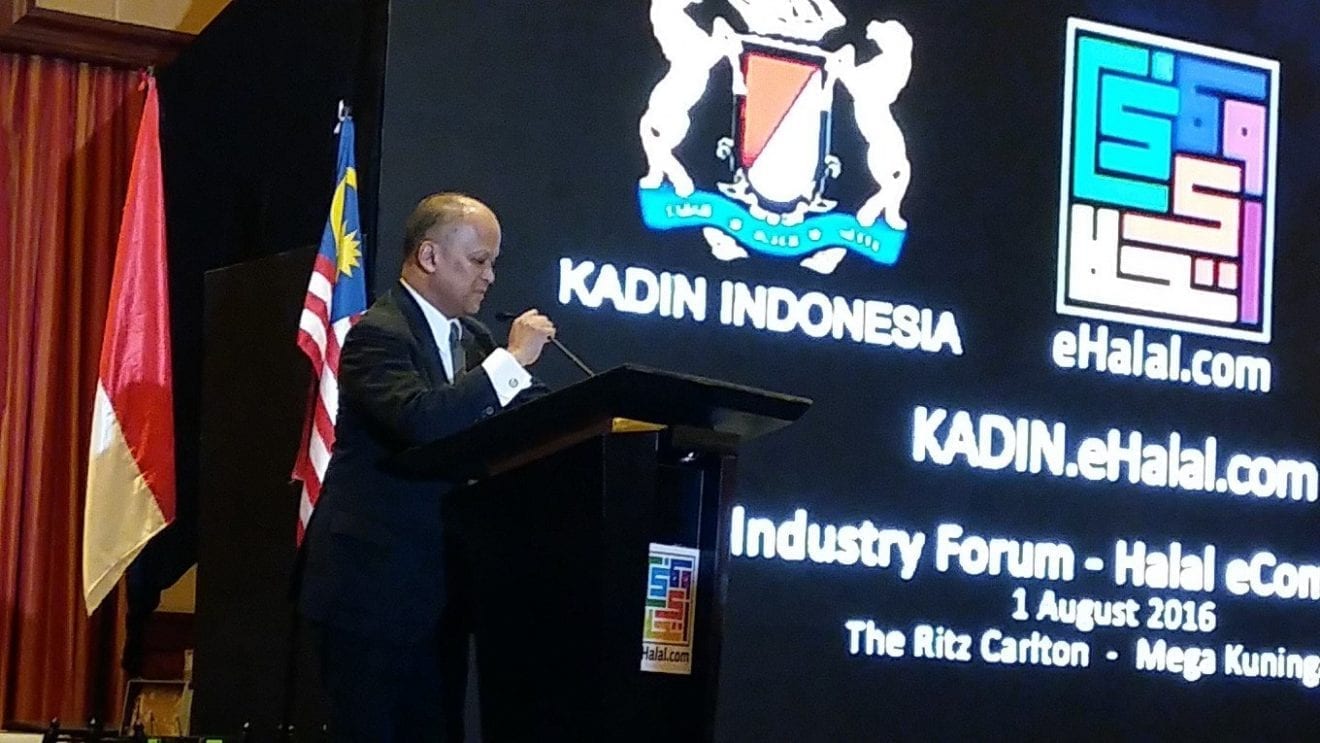
    The Indonesian Chamber of Commerce and Industry (Kadin) has joined Malaysia’s halal e-commerce website to tap into a larger international consumer base for local products, while at the same time giving local consumers easier access to imported halal products.

    The halal business sees a large market of 1.8 billion Muslims worldwide with a variety of products ranging from food, cosmetics, to pharmaceuticals. Markets for the halal business include the ASEAN region — led by countries such as Indonesia, Malaysia and Thailand, which have a large Muslim population — as well as the Middle East and North Africa.

    Now that Indonesian businesses have joined Malaysia’s e-Halal, a commerce directory portal of halal products not only from Malaysia but other countries such as China and India, Kadin chairman Roslan P. Roeslani said the country should not only be a market for halal products but also a producer and supplier.

    E-commerce platforms are becoming increasingly popular to showcase Indonesia’s potential, from big players to smaller enterprises, he added.

    Current trends show that the halal business and market will continue to grow. In 2014, the global halal market value reached US$2.3 trillion.

    “As long as there are Muslims in this world, the halal market will continue to thrive. We must see the business opportunity in this, while still upholding Islamic values,” Rosan said during an event to introduce e-Halal in Jakarta on Monday, adding that Indonesian products can be accessed through the official portal, kadin.ehalal.com.

    Malaysia’s halal industry is more developed and advanced than Indonesia’s, but the latter could still
    work to catch up and learn from Malaysia’s experiences. Indonesia’s potential is not only in food and beverage, Roslan explained, but also cosmetics, such as the popular Wardah, and fashion.

    E-Halal director Michael Teh said although most of its suppliers were Malaysian, it hoped to add Indonesian suppliers to its list from the cooperation with Kadin. E-Halal was launched in Malaysia in May and now has hundreds of products, from prawn crackers and baby food to fresh vegetables and bath salts.

    Michael said suppliers may join e-Halal for free, so long as their products are certified halal from the local issuing authority. From Indonesia, for example, products must receive halal certification from the Indonesian Ulema Council (MUI).

    “All our suppliers must be certified, and we will verify the certifications they upload. Our concept is to enable and safeguard halal suppliers to reach the world of e-commerce,” he said during the same occasion.

    Malaysian International Trade and Industry Ministry’s Halal Industry Development Corporation (HDC) CEO Dato Seri Jamil Bidin said Malaysia and Indonesia must cooperate in developing the halal industry, which holds large economic potential.

    “Amid the increasingly borderless global trade, it is important to seize opportunities and develop with sophisticated technology like e-halal,” Jamil said.

  • Indonesian halal products sold out at Moscow Halal Expo

    Indonesian halal products sold out at Moscow Halal Expo

    Indonesian foods, including instant noodles, peanuts, and chips, as well as traditional beverages such as red ginger drink, sold out at the Moscow Halal Expo held at the Sokolniki Exhibition and Convention Centre, Moscow, June 2 to 5, 2016.

    The expo was officially opened by representatives of the Russian Federations Mufti Council, as organizers of the expo, the Indonesian embassy in Moscow told here on Tuesday.

    Indonesian Ambassador to Russia and Belarus Wahid Supriyadi was also present during the opening ceremony.

    Other products offered at Indonesias stand included batik dresses, batik scarfs, hijabs, accessories, and leather bags.

    Indonesia also sold “tempe” (soybean cake), fried noodles, spring rolls, “rempeyek (peanut brittle), and fried dried potatoes.

    “Russia, having a Muslim population of 25 million, is a potential market for Indonesias halal products,” Ambassador Wahid noted.

    Indonesia, whose products meet international halal standard, has participated in the annual Moscow Halal Food Expo since 2010.

    The expo included representatives from 50 companies and 10 countries, including Malaysia, Japan, the United Arab Emirates, Uzbekistan, Khazakistan, Tunisia and Greece.

    In May, the Indonesian Embassy in Washington D.C. promoted the countrys foods and beverages at the “Passport DC 2016” event, which sought to promote Indonesian products in the U.S. capital, Washington DC.

    “At least 5,400 people visited the Indonesian booth. They had a very positive response, especially for our coffee products and snacks,” Trade Attache of the Indonesian embassy in Washington D.C., Reza Pahlevi, said in a press release in May.

    The strategy used for promoting Indonesian products at the expo included giving away free samples, Reza said.

    In addition, the embassy promoted fashion, accessories, batik cloth, handicrafts and home decorations from Indonesia.

    Reza further said he is seeking major super markets in the United States that could help sell Indonesian foods and beverages.

  • Halal tourism in West Sumatra

    Halal tourism in West Sumatra

    The Indonesia Ministry of Tourism will develop Halal tourism in West Sumatra, a province that has a potential for such a concept just as West Nusa Tenggara province, known for similar tourism.

    “West Sumatra has a potential for Halal tourism development as culturally, it is known as a religious province,” the Deputy Assistant of Business and Government Market Segment Development, the Ministry of Tourism, Tazbir, said here on Saturday (April 2).

    He explained that Halal tourism is a universal concept which includes serving healthy food, providing clean accommodation and hospitability. Therefore, all the people find it suitable.

    “We want West Sumatra achieve a similar status as West Nusa Tenggara which has been awarded the Worlds Best Halal Tourism Destination award,” he said, adding that demand for Halal products is from the world community.

    Tazbir remarked that during his visit to a religious area, the hotel where he stayed did not inform him about the direction of Qibla in the bedroom, while hotels in Singapore provide such a facility.

    “Therefore, we need Halal standards for hotels, restaurants and tourist attractions,” Tazbir said.

    He added that the Ministry will continue to push for a campaign projecting Halal tourisms great potential in Indonesia, especially in West Sumatra.

    Nowadays, the concept of Halal tourism is being developed in Aceh, West Sumatra, West Nusa Tenggara, South Kalimantan and Gorontalo, he said.

    Meanwhile, Head of Tourism Office of West Sumatra, Burhasman Bur, assessed that there were no significant obstacles to implementing Halal tourism in the province.

    The tour players just have to follow the administrative procedures. For example, eateries will have to serve Halal meat certified by the authorities.

    He said a regulation needs to be put in place supporting the implementation of the Halal tourism concept and improving services for the guests.