Retail News CRM

Tag: halal

  • South Korea’s Cosmax beauty products granted halal certification

    South Korea’s Cosmax beauty products granted halal certification

    South Korea’s original development manufacturing (ODM) cosmetics company Cosmax Inc. said its Indonesian subsidiary PT Cosmax Indonesia was granted halal certification, a move that is expected to help pave the way for the company to make forays into the global halal beauty product market.

    The company said on Tuesday that PT Cosmax Indonesia received the halal certification from Majelis Ulama Indonesia (MUI) to sell its cosmetics. MUI is one of the top three halal certification authorities in the world along with Jabatan Kemajuan Islam Malaysia (JAKIM) and Majlis Ugama Islam Singapura (MUIS), and it is acknowledged across about 40 different countries.

    The Korean beauty products maker PT Cosmax Indonesia succeeded in meeting the strict guides of halal certification by producing cosmetics in hygienic conditions and containing zero harmful ingredients, and it became the first halal certified ODM cosmetics company among all Korean ODM beauty brands. The company expects to secure Islamic female consumers who have difficulties using general beauty products as its stable customer base.

    “PT Cosmax Indonesia, with its international halal certification, will do its best as an export base for the company making inroads into global halal market to meet consumer demands on halal products in the world including South East Asia and Middle East,” said Lee Kun-il, head of PT Cosmax Indonesia.

    Halal, an Arabic word meaning “lawful or permissible” in Islam, refers to products that Muslims are allowed to eat and use, and it is applied to various sectors ranging from food, medications and household goods to cosmetics. The halal cosmetics market is estimated at 100 trillion won ($84.2 billion), and it is expected to grow even bigger as more consumers are looking for products conforming to Islamic laws regardless of cost, said an unnamed official at Cosmax.
     

  • Japanese noodle firm ready for halal certification

    Japanese noodle firm ready for halal certification

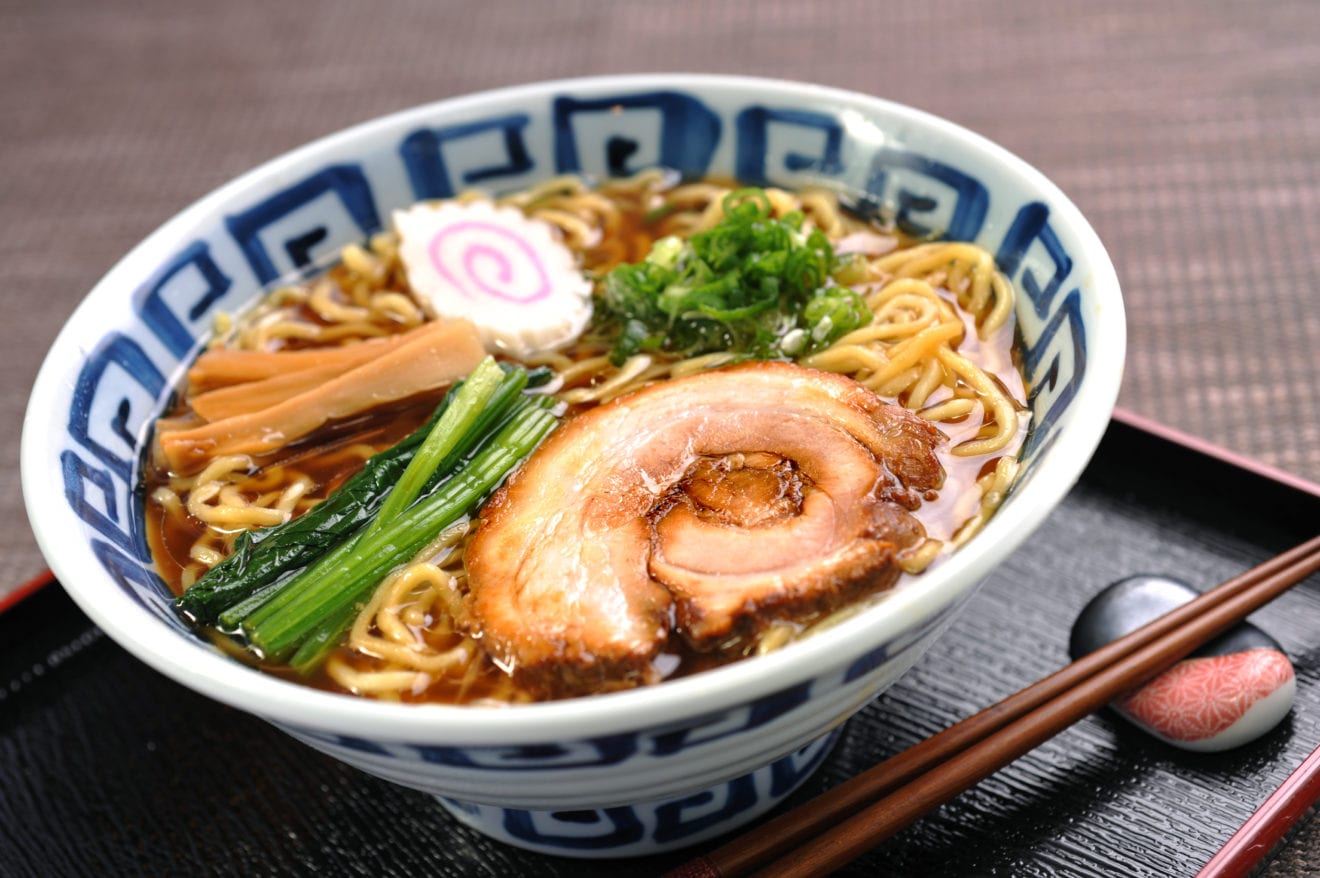
    A Japanese noodle firm in Hyogo Prefecture has expressed readiness to meet administrative requirements such as halal certification for its food products to be sold to Indonesian consumers.

    The Japanese company notified the representative office in Tokyo of the Indonesian Capital Investment Coordinating Board (BKPM) on its readiness to meet the halal certification for its noodle products.

    “I have received reports that several Japanese food companies are contemplating to enter Indonesia after observing the spurt in the number of Japanese restaurants and grocery stores in the country. This means that they already have market segments to sell their products in Indonesia,” Franky Sibarani, the BKPM head, noted in a press statement here on Wednesday.

    He affirmed that the Hyogo Prefecture was included in the areas covered by the Indonesian Consulate General in Osaka. It often conducted promotional activities in cooperation with the Tokyo office of the BKPM.

    Franky lauded the interest shown by the Japanese noodle firm to invest in Indonesia. He remarked that it was an interesting development as, so far, Japanese companies making investment in Indonesia were mostly doing business in the automotive and component industries.

    “This indicates that the interest of Japanese companies to invest in Indonesia is increasingly varying,” the BKPM chief pointed out.

    According to data at the representative office of the Japan External Trade Organization (Jetro), there were 1,199 students enrolled in Japanese schools in Jakarta in 2014. The institution also recorded that at the national level, there were 16 thousand Japanese expatriates living in Indonesia of which 10 thousand were in Jakarta.

    “Data on Japanese expatriates in Jakarta is the main factor that has led to new investment interest in Indonesia,” he claimed.

    Saribua Siahaan, the BKPM representative for investment promotion (IIPC) in Tokyo, stated that companies from Japan were so far mostly doing business in the electronics, automotive, and components sectors in addition to garment products.

    “Other fields of business that have attracted Japanese investors include semiconductor production and electrical appliances. The IIPC is ready to help the Japanese investor who came from Hyogo Prefecture,” Saribua remarked.

    In line with the implementation of the ASEAN Economic Community (AEC), the Japanese investors have begun showing interest to invest in the food sector in Indonesia.

    “The Japanese investors view this as an opportunity since over 40 percent of the ASEAN population resides in Indonesia,” noted Saribua.

    Based on the BKPM data, the realization of Japanese investment in Indonesia in 2015 increased by six percent compared to that in 2014.

    The Japanese investment realization in 2015 stood at US$2.87 billion, with 2,030 projects absorbing 115,400 workers.

    The manufacturing sector, particularly the automotive, electronics, machinery, chemical, and pharmacy sectors, constituted the main contributors to the Japanese investment in Indonesia.

    Japanese investment commitment in 2015 reached US$8.1 billion, up 95 percent from that in the previous year. Japan came third on the list of foreign countries having investment commitment in Indonesia.

    The countries topping the list of foreign investment above Japan were China, with US$22.2 billion, up 42 percent compared to the same period in the previous year, and Singapore, with investment increasing by 69 percent to US$16.3 billion.

    Following Japan was South Korea, which recorded an increased investment of 86 percent that reached US$4.8 billion.

  • Marrybrown expands to Singapore

    Marrybrown expands to Singapore

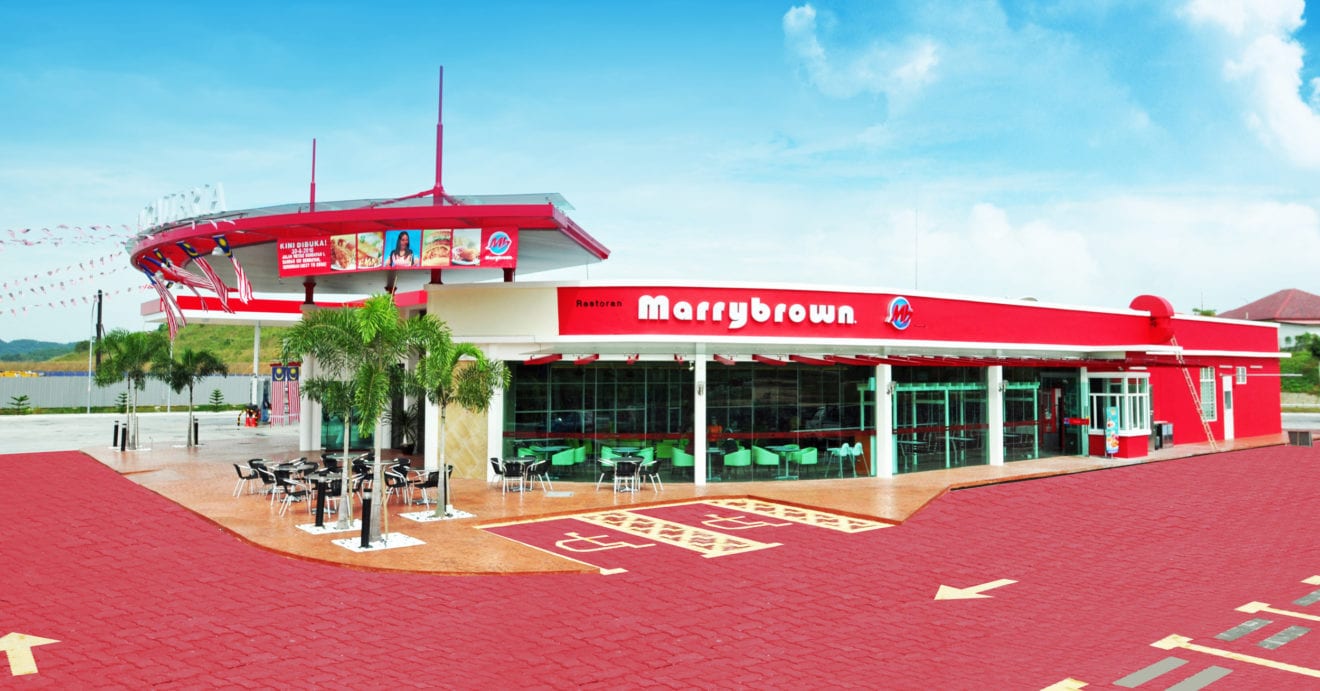
    Malaysia’s Marrybrown has opened its first restaurant in Singapore.

    Marrybrown Singapore has made its debut at the iFly in Sentosa and is the first of a network of 20 stores planned for the city lover the next five years.

    Founded in 1981 and the first Malaysian fast food chain to franchise its business system, the company now boasts 350 outlets. It began serving fried chicken, burgers, finger food, desserts and drinks – all halal – and has now expanded its offer to include local food such as seafood and rice based meals, noodles and the famous Malay dish nasi lemak (sold as Nasi Marrybrown).

    Marrybrown has more than 130 restaurants in Malaysia with the balance overseas, including in China and India. It is expected to open its first outlet in Yangon, Myanmar soon.

    Marrybrown CEO Dato Joshua Liew said many Singaporeans love delicious food, especially Malaysian food.

    “We are proud to open in Singapore and we attribute this success to our unique food culture that tempts the tastebuds of many consumers.”