Retail News CRM

Tag: hamburger

  • McDonald’s Malaysia Invests $250M in Expansion: 100 New Franchises and Tech Upgrades Projected

    McDonald’s Malaysia Invests $250M in Expansion: 100 New Franchises and Tech Upgrades Projected

    McDonald’s Malaysia has announced its ambitious plans to invest RM1 billion (US$255 million) in the expansion and modernization of its operations over the coming years. This investment will encompass the opening of new stores, refurbishment of established outlets, and substantial technology enhancements.

    Investment Breakdown

    The company’s Managing Director and local operating partner, Datuk Azmir Jaafar, has provided a detailed breakdown of this substantial investment. Around RM600 million will be allocated to the establishment of new McDonald’s locations. A further RM200 million will be devoted to the refurbishment and modernization of existing stores. Finally, an equivalent amount of RM200 million will be spent on technological upgrades and digitalization efforts.

    New Beginnings

    Jaafar unveiled these future plans during a press conference held to mark the reopening of McDonald’s Titiwangsa Drive-Thru, located at Jalan Pahang. This location holds historical significance as the first McDonald’s drive-thru restaurant in Malaysia.

    Strategic Expansion

    Further outlining the operational strategy, Jaafar stated that the company aims to fortify its presence in Sabah and Sarawak, as well as across Peninsular Malaysia. Special emphasis will be placed on areas with high demand and those driven by the tourism industry.

    McDonald’s, as a quick-service restaurant operator, currently operates a network of over 370 restaurants nationwide. This includes 25 franchise outlets run by 11 franchisees.

    Goals for Growth

    Looking ahead, McDonald’s Malaysia aims to increase its number of franchise locations to between 70 and 100 in the next five to ten years. This expansion is forecasted to yield over 10,000 new employment opportunities, adhering to the company’s commitment of 100% local hiring.

    Jaafar also shed light on the franchise model, stating that franchising demands a significant investment in the range of RM5 million to RM7 million per restaurant. However, he also highlighted a promising return on investment as the payback period usually spans between three to five years.

    Questions & Answers

    What is McDonald’s Malaysia’s investment plan?
    Their plan involves an investment of RM1 billion (US$255 million) in opening new stores, refurbishing existing ones, and upgrading technology.

    Where does McDonald’s Malaysia plan to expand?
    The company intends to strengthen its presence in high-demand areas and tourism-driven locations across Sabah, Sarawak, and Peninsular Malaysia.

    What is the company’s franchising model?
    McDonald’s Malaysia’s franchising model requires a significant investment of about RM5 million to RM7 million per restaurant, with a typical payback period of three to five years.

  • McDonald’s Malaysia Unveils $254M Expansion: 100 New Restaurants, Digital Boost, and 10,000 Jobs on the Horizon

    McDonald’s Malaysia Unveils $254M Expansion: 100 New Restaurants, Digital Boost, and 10,000 Jobs on the Horizon

    McDonald’s Malaysia has announced an aggressive expansion plan that involves an investment of RM1 billion (approximately $254 million) over the next five years. The investment will be used to open 100 new outlets, revamp existing restaurants, and enhance the company’s digital capabilities.

    Allocation of Funds and Expansion Strategy

    Datuk Azmir Jaafar, Managing Director and Local Operating Partner, shared that a majority of the investment, around 60%, will be used for the launch of new restaurants. 20% of the funds will be directed towards the modernization of over 150 existing branches of McDonald’s in Malaysia. The remaining 20% will be invested in technology and digitalization initiatives.

    The expansion plan was revealed during a press conference following the reopening of the first McDonald’s drive-thru outlet in the country, located at Jalan Pahang, Titiwangsa. Jaafar expressed the company’s intention to broaden its reach in Sabah, Sarawak, and throughout Peninsular Malaysia, with a specific focus on areas with high demand and those popular among tourists.

    Jaafar explained, “There is considerable growth potential in Sabah and Sarawak, as these regions have many towns that are yet to house a McDonald’s outlet. We also aim to expand in the Klang Valley and in other high-growth locations within Peninsular Malaysia.”

    Building a Strong Franchise Network

    Additionally, McDonald’s Malaysia intends to enhance its franchise network. Currently, 11 franchisees nationwide operate 25 outlets. The goal is to establish between 70 and 100 restaurants within the next five to ten years.

    Jaafar underscored the promising return on investment in franchising. “A substantial investment of about MYR5 million to MYR7 million is needed per restaurant. The payback period is typically three to five years, indicating a healthy return,” he stated.

    Job Creation and Operational Efficiency

    This ambitious expansion is expected to generate over 10,000 new job opportunities for locals, in line with McDonald’s Malaysia’s hiring policy of employing only local workers.

    Despite a challenging business environment, the quick-service restaurant chain has already witnessed a 26% year-on-year growth in 2025, operating more than 370 outlets across the country.

    Jaafar stressed the importance of operational efficiency to maintain competitive menu prices. “In 2025, our menu price increase was about half of Malaysia’s inflation rate. This was due to continuous improvements in supply chain efficiency and restaurant operations,” he elaborated.

    After being a part of the Malaysian landscape for 43 years, McDonald’s Malaysia continues to contribute towards nation-building. The company aims to do so by creating jobs, providing skills training, supporting local suppliers, and getting involved in community activities.

    Questions & Answers

    What is the investment plan of McDonald’s Malaysia?
    McDonald’s Malaysia plans to invest RM1 billion over the next five years to open 100 new restaurants, upgrade existing outlets, and enhance its digital capabilities.

    How does McDonald’s Malaysia plan to allocate the investment funds?
    60% of the funds will be used to open new restaurants, 20% will be allocated towards the modernization of existing branches, and the remaining 20% will be invested in technology and digitalization initiatives.

    What is McDonald’s Malaysia’s franchising plan?
    McDonald’s Malaysia aims to expand its franchise network from the current 25 outlets run by 11 franchisees nationwide to between 70 and 100 restaurants over the next five to ten years.

  • End of an Era: Iconic McDonald’s Outlet at Tampines Mall Singapore Closes After 30 Years

    End of an Era: Iconic McDonald’s Outlet at Tampines Mall Singapore Closes After 30 Years

    One of McDonald’s long-standing outlets in Tampines Mall, Singapore, is set to close its doors on March 9. The fast-food restaurant has been a staple of the mall for over three decades, making its impending closure a significant moment for both the company and the many customers it has served over the years.

    The Closure Announcement

    The fast-food giant’s intended closure was announced via a store notice, which was then shared on social media on Tuesday. The notice revealed that the restaurant’s final day of operation would be March 8. While no specific reason was provided for the closure, the message expressed gratitude to the customers for their continued support through the years.

    The notice also assured patrons that while this particular outlet may be closing, the restaurant would be thrilled to serve them at their nearest branches. The Tampines Central and Tampines Hub were suggested as alternative locations for customers to visit.

    A Staple at Tampines Mall

    The McDonald’s outlet has been an integral part of Tampines Mall since its inception in November 1995. As one of the mall’s original tenants, its closure marks the end of an era. The mall, which celebrated its 30th anniversary in 2025, has seen many businesses come and go, but McDonald’s has remained a constant presence.

    The closure announcement has elicited feelings of nostalgia and sadness among patrons, many of whom consider the outlet to be an iconic part of the mall. Its strategic location near the entrance of the shopping complex means that for many, a trip to the mall was synonymous with passing by the McDonald’s store.

    Changes in Singapore’s Food Scene

    McDonald’s announcement follows a series of closures in Singapore’s food and beverage sector. In 2025 alone, 2,431 outlets were shut down in the first 10 months. The closures spanned a range of eateries, from Michelin-starred restaurants to long-standing heritage dining venues.

    In addition to the food scene, the retail sector has also seen significant changes. Isetan, a Japanese department store that had been operating in the mall for several decades, closed its outlet four months prior to McDonald’s announcement. The store cited evolving market conditions as the reason behind its departure.

    Questions & Answers

    Why is the McDonald’s outlet in Tampines Mall closing?
    While no specific reason was given for the closure, it comes amid a wave of business closures across Singapore’s food and drink sector.

    When was the last day of operation for the McDonald’s outlet in Tampines Mall?
    The outlet’s final day of operation was slated for March 8.

    Are there other McDonald’s outlets nearby where customers can go?
    Yes, the notice mentioned that customers could visit the McDonald’s branches at Tampines Central and Tampines Hub.

  • Yamamoto Hamburg: Japanese Hamburger Chain Set To Debut In Hong Kong This Month

    Yamamoto Hamburg: Japanese Hamburger Chain Set To Debut In Hong Kong This Month

    Yamamoto Hamburg, a Japanese company renowned for its handmade hamburger patties, is set to establish a new outlet in Hong Kong next month. The location of this new establishment will be PopCorn in Tseung Kwan O, marking Yamamoto Hamburg’s first venture in the Hong Kong market.

    Brand’s Second International Expansion

    This move constitutes the brand’s second foray outside its homeland Japan, with the first expansion taking place in Taiwan. The Hong Kong venture also complements Yamamoto Hamburg’s sister brand, Hikiniku to Come, which made its Hong Kong debut in 2024.

    The Hong Kong flagship location, which spans 1700 square feet, will accommodate over 60 guests. The decor is centered around the brand’s friendly, communal ethos, with natural wood finishes, gentle lighting, and relaxed seating arrangements to facilitate casual, family-friendly dining.

    A Culinary Legacy Spanning Two Decades

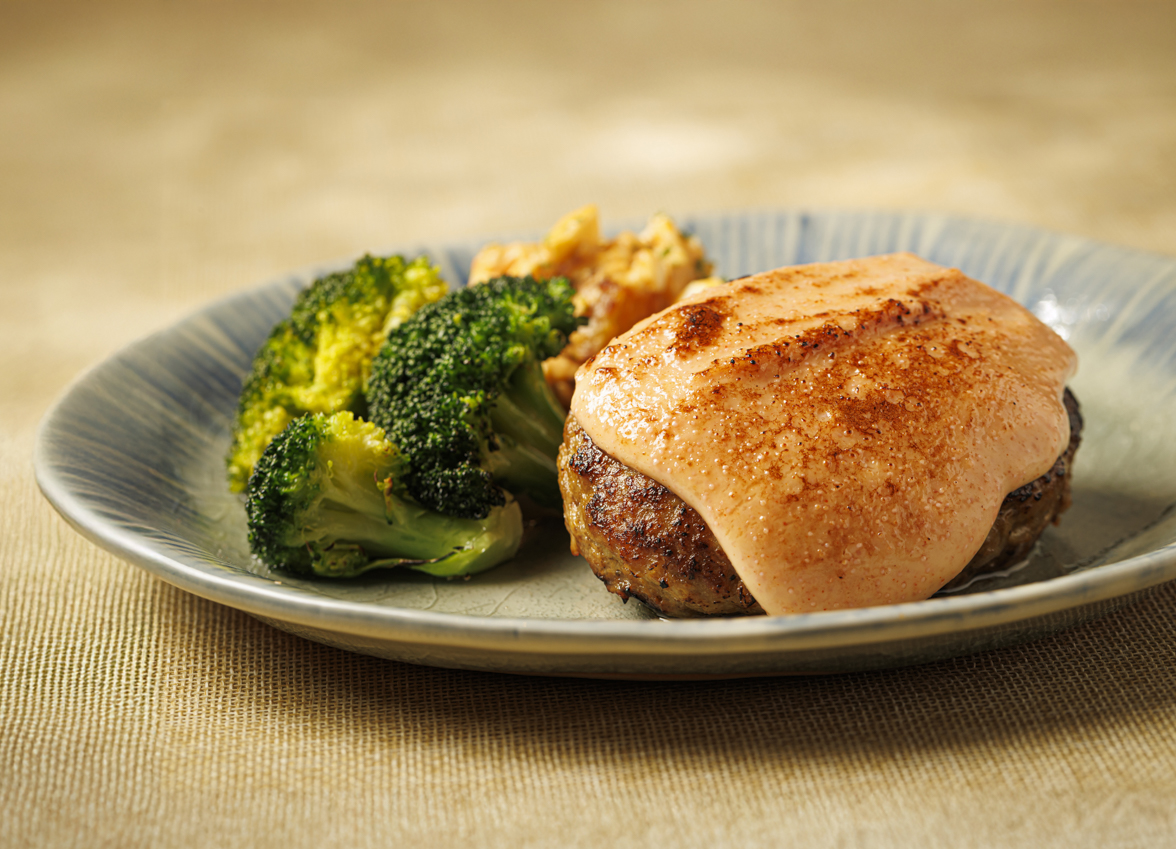
    Yamamoto Hamburg was established in 2005 by Shohei Yamamoto. The brand primarily deals in handmade hamburger patties, crafted from Australian Black Angus beef and Spanish pork, establishing it as a relaxed, family-focused dining option.

    Yamamoto expressed his delight at the expansion, stating, “Since our inception in Tokyo twenty years ago, my aim has been to spread the pleasure of Japanese handmade hamburg – prepared with safe, reliable ingredients imbued with the warmth of home cooking – to the world. I am therefore thrilled to bring my first hamburger brand, Yamamoto Hamburg, to Hong Kong.”

    Yamamoto Hamburg aims to provide an authentic daily feast revolving around family and the comforting essence of Japanese dining, as Yamamoto recalled the meals his mother used to prepare.

    Questions & Answers

    When was Yamamoto Hamburg established?
    Yamamoto Hamburg was founded in 2005 by Shohei Yamamoto.

    What does Yamamoto Hamburg specialize in?
    Yamamoto Hamburg specializes in handmade hamburger patties using Australian Black Angus beef and Spanish pork.

    Where is the brand’s new outlet to be located in Hong Kong?
    The new outlet of Yamamoto Hamburg is slated to open in PopCorn, Tseung Kwan O.

  • Yum China Breaks into Burger Business with V Burger: A Fresh Spin on Fast Food Amidst Rising Market Competition

    Yum China Breaks into Burger Business with V Burger: A Fresh Spin on Fast Food Amidst Rising Market Competition

    Yum China, recognized as the chief operator of Pizza Hut on the Chinese mainland, has recently launched two independent V Burger locations in Futian and Longhua districts in Shenzhen. This move establishes the brand’s inaugural foray into the dedicated burger restaurant sector within the nation.

    The V Burger approach leans towards a Western-style concept and mainly caters to individual eaters and small groups of diners. The newly implemented menu features a variety of around ten different freshly made chicken and beef burgers. Prices for these items range from 23 to 42 yuan (equivalent to US$3.29 to US$6.01), resulting in an average expenditure of 32.5 yuan per diner.

    This new venture aligns with Yum China’s wider strategy of multi-brand expansion. This strategy has been evidenced by recent introductions of brands like KCoffee, Kpro, and the KFC Fried Chicken Brothers concept.

    Industry insiders have revealed that the company’s entry into the burger market has been in the planning stages for a considerable duration. Since December 2023, Pizza Hut has initiated a testing phase for a “pizza burger” series in selected cities. This series has comprised of four different types of burgers which were priced between 20 and 30 yuan each.

    The introduction of V Burger is timely as both international and domestic fast-food chains are currently vying intensely for a greater share of the Chinese consumer market. A report by Daxue Consulting suggests that China’s fast-food market was worth RMB1.28 trillion in 2023 and forecasts further growth, powered by increased demand from smaller, lower-tier cities.

    Competition within the sector is becoming increasingly fierce. As an indication of this, Burger King divested its controlling stake in China in November, opting to establish a joint venture instead. The company also announced its strategy to double its outlet numbers within half a decade, with the goal of having more than 4000 outlets by 2035.

    Questions & Answers

    What is Yum China’s latest venture in the Chinese market?
    Yum China has recently opened two standalone V Burger outlets in Shenzhen’s Futian and Longhua districts. This is the brand’s first dedicated foray into the burger restaurant sector within the country.

    Who is the target market for V Burger?
    The V Burger concept primarily caters to solo diners and small groups, offering a variety of freshly prepared chicken and beef burgers.

    What is the significance of the V Burger launch?
    The rollout of V Burger comes at a time when international and domestic fast-food chains are fiercely competing for Chinese consumers. It is a part of Yum China’s broader multi-brand expansion strategy which includes brands like KCoffee, Kpro, and the KFC Fried Chicken Brothers concept.

  • Street Burger Invasion: Gordon Ramsay’s Iconic UK Brand Launches First Thai Outlet

    Street Burger Invasion: Gordon Ramsay’s Iconic UK Brand Launches First Thai Outlet

    Gordon Ramsay, the renowned chef, has introduced his popular street burger concept in Thailand, with the first outlet opening at Nextopia in Siam Paragon. This venture is in collaboration with Tanachira Group.

    Ramsay’s Casual Street-Dining Concept

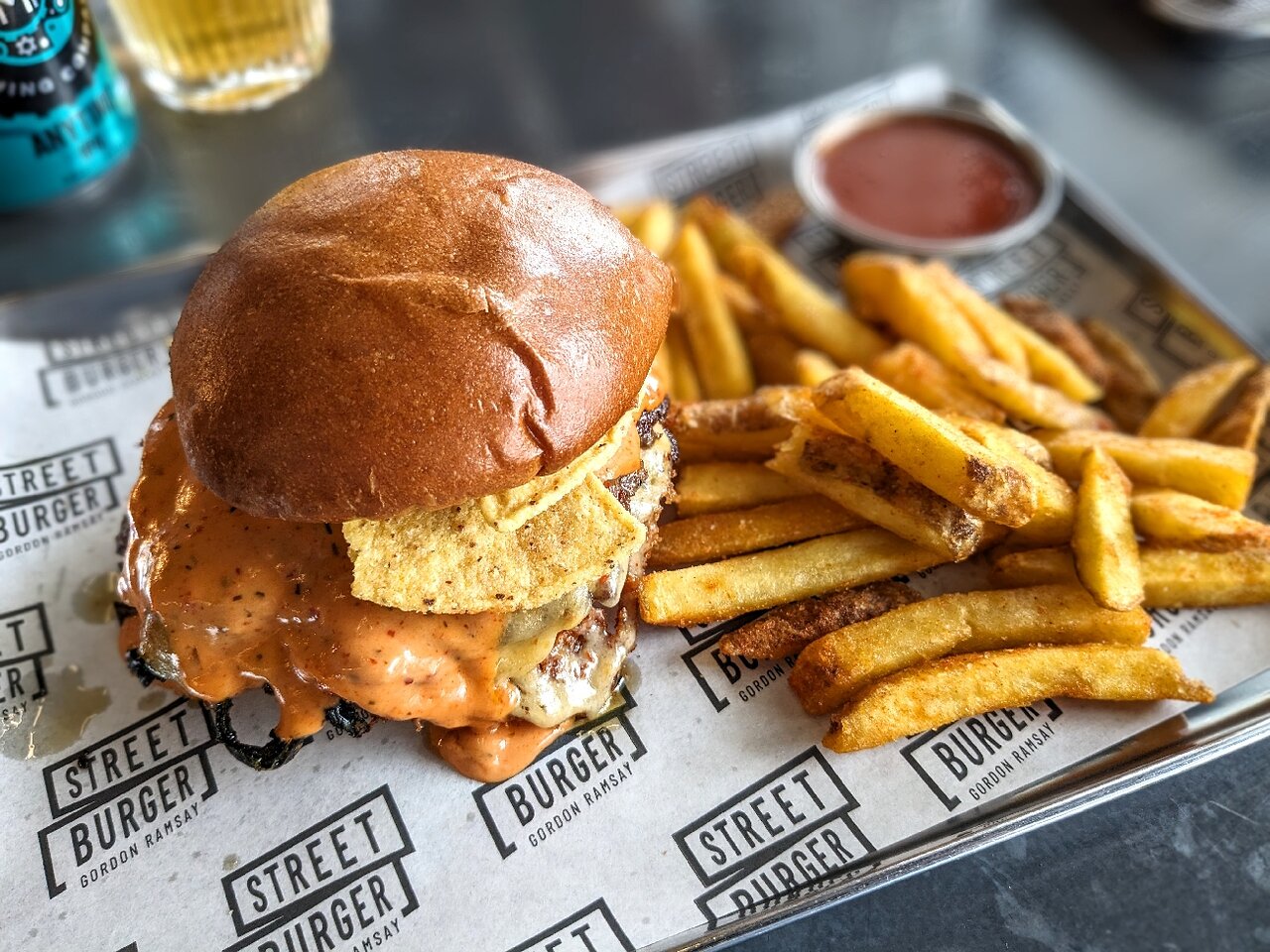
    The newly opened eatery adheres to the brand’s casual street-dining concept that was originally cultivated in the UK. The menu is designed around Ramsay’s signature burgers, priced reasonably to attract a broad range of customers and offer them an authentic international dining experience.

    Minimalist Aesthetic and Eco-Friendly Practices

    The eatery’s interior adopts a minimalist design, adorned with neutral-toned furniture and complemented by London-inspired graffiti. The venue also hosts a Pac-Man arcade game, adding a touch of nostalgia. In line with environmental concerns, biodegradable and eco-friendly packaging materials are used across the outlet.

    Culinary Highlights

    Among the menu specials are the Original Gordon Ramsay Burger, which includes premium beef and smoked cheese, and the Gordon Fried Chicken Burger, served with kimchi-marinated fried chicken and a hash brown. Exclusive to Thailand, patrons can also enjoy the Chicken Satay Burger.

    Earlier in the year, Ramsay’s other restaurant franchise, Bread Street Kitchen, launched its flagship location at IconSiam in Thailand, marking the second outlet in the country.

    Questions & Answers

    What is the concept of Gordon Ramsay’s new restaurant in Thailand?
    The concept is based on casual street-dining developed in the UK, with a focus on signature burgers at affordable prices.

    What design aesthetics are present in the new restaurant?
    The restaurant features a minimalist design with neutral-toned furnishings and London-inspired graffiti. It also houses a retro Pac-Man arcade game.

    What are the signature dishes of the new outlet?
    The Original Gordon Ramsay Burger and the Gordon Fried Chicken Burger are the main highlights. Additionally, a Chicken Satay Burger has been introduced, exclusively for Thailand.

  • Popeyes Singapore Halts Fish Burger Sales Amid Mold Scare: An Investigation Underway

    Popeyes Singapore Halts Fish Burger Sales Amid Mold Scare: An Investigation Underway

    Popeyes Singapore recently halted the sale of its limited-edition Poppy Fish Burger throughout all its branches following an incident where a customer found mold on her burger bun at the Orchard Xchange outlet. This occurrence has led to a comprehensive investigation.

    The fast-food chain’s decision to suspend the sale of the burger is a precautionary measure while the inquiry is ongoing. In a statement, they expressed sincere apologies for the incident and emphasized their commitment to food safety, stating that it is their topmost concern and they take such matters very seriously.

    Popeyes also revealed that the Singapore Food Agency (SFA) had already inspected the Orchard Xchange outlet and found their food-safety controls to be satisfactory. Currently, Popeyes is collaborating with the SFA, its suppliers, and its operations team to identify the root cause of the mold incident and avert any similar issues in the future.

    The customer, identified as Teng, shared that she had consumed most of the Poppy Fish Burger before noticing the mold on the bun. She explained that she did not see it sooner because she had been focused on her computer while eating. Upon discovering the mold, Teng discarded the remaining burger and lodged complaints with both Popeyes and the SFA.

    The SFA confirmed its inspection of the Orchard Xchange outlet and stated it had sternly cautioned the management to improve their procedures. The agency assured that it would continue to monitor the outlet for compliance.

    Popeyes, on its part, pledged to scrutinize its internal processes to understand the cause of the mold incident. It has already performed a thorough inspection of all food items, required suppliers to confirm the integrity of the shelf-life of their products and reinforced food-safety checks across all its locations. Furthermore, recommendations from the SFA have been received, which the fast-food chain promised to implement immediately.

    Questions & Answers

    What action was taken by Popeyes Singapore following the discovery of mold on a burger bun?
    Popeyes Singapore suspended the sale of its limited-edition Poppy Fish Burger at all its locations as a precautionary measure and initiated a thorough investigation into the incident.

    How is Popeyes Singapore addressing the issue to prevent a repeat occurrence?
    Popeyes Singapore is reviewing its internal processes, performing comprehensive inspections of all food items, asking suppliers to verify their product shelf-life, and reinforcing food-safety checks at all outlets. The chain is also implementing recommendations from the Singapore Food Agency.

    What role has the Singapore Food Agency (SFA) played in this incident?
    The SFA inspected the implicated Popeyes outlet, found its food-safety controls satisfactory, issued a stern warning to the management to improve their procedures, and committed to ongoing monitoring for compliance. The agency also provided recommendations to Popeyes Singapore which the chain has pledged to implement immediately.

  • Burger King China’s Explosive Expansion: $350M Investment Fuels Rise to 4000 Outlets by 2035

    Burger King China’s Explosive Expansion: $350M Investment Fuels Rise to 4000 Outlets by 2035

    Restaurant Brands International (RBI) has recently confirmed a $350 million investment deal toward their Burger King China operation via a newly formed partnership with Chinese alternative asset manager, CPE. With a well-established reputation for scaling consumer brands within the Chinese markets, CPE’s primary investment will facilitate expansion, marketing, menu innovation, and operations for Burger King’s restaurants across China.

    Joint Venture Objectives

    This joint venture is targeting to more than triple the current Burger King presence in China, from approximately 1250 restaurants to a projected 4000 by the year 2035. Joshua Kobza, CEO of RBI, highlighted the significance of this partnership, recognizing China as “one of the most exciting long-term opportunities for Burger King globally.” The recent investments and newly formed joint venture underscore their confidence in the Chinese market.

    Additionally, Kobza emphasized the potential benefits of this partnership, noting how combining the iconic Burger King brand and RBI’s global scaling abilities with CPE’s local market knowledge and operational expertise can unlock the business’s full potential in China.

    Ownership and Development Agreement

    The completion of this transaction, which is anticipated for the first quarter of next year, will result in CPE owning approximately 83% of Burger King China, leaving RBI with an ownership stake of approximately 17%.

    Further to the partnership, a wholly-owned affiliate of Burger King China will sign a 20-year master development agreement. This will grant the affiliate exclusive rights to develop the Burger King brand within the Chinese market.

    Strategic Alignment and Previous Investments

    This joint venture aligns with RBI’s broader strategy of pairing with experienced local operators and investors to drive profitable growth. This approach, while maintaining a primarily franchised business model globally, is aiming for a net restaurant growth of 5% or more by the end of the 2024-2028 outlook period.

    This recent partnership follows an earlier transaction in February, where RBI purchased stakes in Burger King China from its local franchisee for an estimated $158 million.

    Questions & Answers

    What is the purpose of the joint venture between RBI and CPE?
    The joint venture aims at expanding Burger King’s presence in China from about 1250 to over 4000 restaurants by 2035.

    What will be the ownership split of Burger King China after the transaction?
    Once the transaction is completed, CPE will own approximately 83% of Burger King China, while RBI will hold an estimated 17%.

    What are the terms of the development agreement?
    A wholly-owned affiliate of Burger King China will sign a 20-year master development agreement, which grants the affiliate exclusive rights to develop the Burger King brand in China.

  • Burger King Gears Up for Expansion in China with $350M Investment, Targeting 4,000 Outlets by 2035

    Burger King Gears Up for Expansion in China with $350M Investment, Targeting 4,000 Outlets by 2035

    Restaurant Brands International (RBI) recently secured a $350 million investment for its Burger King China division, as part of a new joint venture with China-based alternative asset manager, CPE. This significant investment will support Burger King’s restaurant expansion, marketing initiatives, menu innovation, and operational processes within China.

    Unleashing Business Potential in China

    The main objective of this joint venture is to extend Burger King’s presence in China from its current standing of 1,250 restaurants to a staggering figure of more than 4,000 by 2035. Joshua Kobza, the CEO of RBI, expressed his excitement about the opportunity, stating that China remains one of the most exhilarating long-term prospects for Burger King on a global scale. He further added that the new joint venture and recent investments highlight their confidence in the Chinese market.

    Kobza also mentioned that this partnership with CPE would help unlock the full potential of the business. This is achievable by amalgamating Burger King’s globally recognized brand and large scale with CPE’s local market insights and operational expertise.

    Transaction Details and Future Growth Plan

    Upon the completion of this transaction, which is anticipated to occur in the first quarter of the upcoming year, CPE will hold an estimated 83% of Burger King China, while RBI will retain about 17%. An essential part of this deal entails that a wholly owned affiliate of Burger King China will sign a 20-year master development agreement. This agreement will provide the affiliate exclusive rights to develop the Burger King brand within the Chinese market.

    This strategic move aligns perfectly with RBI’s approach of teaming up with seasoned local operators and investors. Their shared goal is to drive profitable growth while maintaining a predominantly franchised business model globally. In line with this, the company aims to hit a target of 5% or more net restaurant growth by the end of its 2024–2028 outlook period.

    RBI’s transaction follows another recent investment, where it acquired stakes in Burger King China from its local franchisee for approximately $158 million in February.

    Questions & Answers

    What is the main objective of the joint venture between RBI and CPE?
    The goal is to extend Burger King’s presence in China from its current standing of 1,250 restaurants to more than 4,000 by 2035.

    Who will hold the majority stake in Burger King China after the transaction is completed?
    CPE will own approximately 83% of Burger King China, with RBI holding the remaining approximately 17%.

    What is the net restaurant growth target that RBI aims to achieve by the end of its 2024–2028 outlook period?
    RBI targets a 5% or more net restaurant growth by the end of this period.

  • TGI Fridays Ignites Indian Market with Massive Expansion: 51 New Locations on the Horizon

    TGI Fridays Ignites Indian Market with Massive Expansion: 51 New Locations on the Horizon

    Sugarloaf TGIF Management, the parent company of TGI Fridays, has entered into a master franchise agreement with USR Hospitality, an Indian corporation. The intention is to open 51 TGI Fridays restaurants throughout India.

    Key Personnel

    John Neitzel, former president and COO of TGI Fridays, has come on board with USR Hospitality to assist in the brand’s expansion within the Indian market. His leadership and comprehensive knowledge of the TGI Fridays brand, coupled with his record of achievement, were cited by USR Hospitality as key reasons for his appointment.

    “We’re privileged to serve as the master franchisee in India and are excited about collaborating with John to extend the TGI Fridays brand throughout the nation,” commented Prasoon Mukherjee, the Chairman of USR Hospitality.

    He went on to further explain the company’s strategic advantages, stating, “John is an accomplished leader with a profound understanding of the TGI Fridays brand and a solid track record of success. Coupled with our in-depth expertise in the hospitality industry, comprehension of the consumer preferences in our markets, and real estate development acumen, USR is uniquely positioned to spur unprecedented growth for the brand.”

    Expansion Plans

    USR Hospitality’s development plans for TGI Fridays include both high-street and mall locations. Furthermore, the company has acquired exclusive rights to establish restaurants in airports across the country. This strategy aims to bring the TGI Fridays dining experience to millions of travelers throughout India.

    Questions & Answers

    What is the nature of the agreement between Sugarloaf TGIF Management and USR Hospitality?

    The two companies have entered into a master franchise agreement that will see the development of 51 TGI Fridays restaurants across India.

    Who is John Neitzel and what is his role in this project?

    John Neitzel is the former president and COO of TGI Fridays. He has joined USR Hospitality to assist in the expansion of the brand in India.

    What are the locations targeted by USR Hospitality for the development of TGI Fridays?

    USR Hospitality plans to develop TGI Fridays restaurants in high-street and mall locations across India. They have also secured exclusive rights to open restaurants in airports nationwide.

  • Youtube Sensation Mrbeast Burger Makes Singapore Debut In Partnership With Dignity Kitchen

    MrBeast Burger, a unique restaurant brand that operates solely through delivery services and was born out of a YouTube sensation, has made its debut in Singapore.

    The Debut

    The restaurant’s inaugural virtual spot in Singapore is launched in collaboration with Dignity Kitchen, a well-regarded food court renowned for its commitment to supporting and employing individuals with disabilities. The menu on offer includes their well-loved signature crinkle-cut fries along with various types of smashed burgers, all of which are available for island-wide delivery through platforms like Foodpanda, Grab, and the MrBeast Burger’s own website.

    Speaking about the partnership, Koh Seng Choon, founder and executive director of Dignity Kitchen, expressed pride in being the first to introduce MrBeast Burger in Singapore. Seng Choon also praised the brand’s unique blending of entertainment and social responsibility.

    The Partnership

    The restaurant’s successful entry into the Singaporean market was facilitated by its collaboration with Xolutions, a business that specializes in fostering connections within the food industry by aiding market entry and franchise development.

    Nichol Ng, CEO of Xolutions, spoke highly of the brand, stating that it represents more than just a burger joint. Ng described it as a smart, scalable opportunity for local kitchens to expand their operations while simultaneously delivering delicious, highly-desirable food to a younger demographic of food enthusiasts.

    The Origin

    MrBeast Burger was first introduced in 2020 by renowned American YouTuber Jimmy Donaldson, also known by his online alias MrBeast. His initiative, in conjunction with Virtual Dining Concepts (VDC), has successfully expanded to over 300 locations throughout the United States.

    In light of its successful launch, the brand has plans to establish more virtual restaurants in Singapore, with the aim of achieving this goal by the fourth quarter of this year.

    Questions & Answers

    What is MrBeast Burger?
    MrBeast Burger is a delivery-only restaurant brand that was created by popular YouTuber Jimmy Donaldson, also known as MrBeast.

    Where is MrBeast Burger’s first location in Singapore?
    The first virtual location for MrBeast Burger in Singapore is launched in association with Dignity Kitchen, a food court known for employing and supporting individuals with disabilities.

    What are MrBeast Burger’s future plans in Singapore?
    Following its successful launch, MrBeast Burger plans to continue its expansion in Singapore by opening more virtual restaurants across the country by the end of this year.

  • Smashburger Promotes Jim Sullivan To Ceo, Aims To Accelerate Franchise-driven Expansion

    Smashburger Promotes Jim Sullivan To Ceo, Aims To Accelerate Franchise-driven Expansion

    Fast-casual dining chain Smashburger has elevated Jim Sullivan to the position of CEO as part of its strategy to bolster its market standing and speed up its franchise-driven expansion.

    A Wealth of Experience

    The newly appointed CEO brings with him over two and a half decades of executive expertise in the restaurant development and franchising sector. Prior to his tenure at Smashburger, Sullivan held the position of Chief Development Officer at QDoba and executed senior roles at establishments such as CKE Restaurant Holdings, Friendly’s Ice Cream, Modern Restaurant Concepts, and American Hospitality Concepts.

    Starting his journey with Smashburger as president in February, Sullivan will now helm the brand’s strategy and operations. His focus will be on rebranding, introducing non-traditional formats, and enhancing the customer experience within the restaurant.

    Richard CW Shin, CEO of Jollibee Group International and global chief finance and risk officer of Jollibee Group, the parent company of Smashburger, commented on Sullivan’s appointment. He stated that Sullivan brings dynamic leadership and a well-defined vision, along with a profound understanding of Smashburger’s market position. Shin added that Sullivan has already set the groundwork for a leaner brand that offers superior food, an improved customer experience, and revitalised momentum throughout the system.

    Previous Achievements and Future Plans

    Sullivan’s promotion follows several initiatives he spearheaded, including the launch of the company’s biggest-ever marketing campaign, ‘Summer of Smash.’ He also introduced a new value tier and menu items like the Bacon Brisket Smash, and oversaw the recent opening of a new location at Detroit Metro Airport, marking a return to unit growth.

    Speaking on his new role, Sullivan expressed his vision for the brand. “Leveraging the strategic backing of JFC, we are focusing on scaling and operational flexibility to stimulate focused, capital-efficient growth,” he said. He added that Smashburger is a brand centered on craveable taste customized for the modern consumer. He affirmed his commitment to developing it for prolonged performance for their customers, teams, and franchisees.

    Questions & Answers

    Who is the new CEO of Smashburger?
    Jim Sullivan has been appointed as the new CEO of Smashburger.

    What are some of the initiatives led by Jim Sullivan at Smashburger?
    Some initiatives led by Jim Sullivan include the largest-ever marketing campaign ‘Summer of Smash,’ the introduction of a new value tier and menu items like the Bacon Brisket Smash, and the opening of a new unit at Detroit Metro Airport.

    What is Jim Sullivan’s vision for Smashburger?
    Sullivan’s vision for Smashburger is to leverage scale and operational flexibility, backed by strategic support from JFC, to drive a focused, capital-efficient growth. The brand will be built on craveable taste tailored for today’s consumer, aiming for long-term performance for its customers, teams, and franchisees.

  • Jollibee Foods targets 10,000 global restaurants this year

    Jollibee Foods targets 10,000 global restaurants this year

    The Philippines-headquartered restaurant group Jollibee Foods plans to have 10,000 eateries globally this year, with a focus on North America.

    The company, known for its fried chicken Jollibee chain, eyes to invest PHP18-21 billion (US$312-364 million) to open up to 800 new stores this year.

    Last year it had 9,766 outlets.

    “We’re not in all 50 states [in the U.S.]. We’re in only maybe 15 states,” Richard Shin, the company’s chief financial and risk officer, told reporters on Tuesday, as reported by Nikkei Asia.

    Jollibee launched its first U.S. location in California in 1998, and expanded its presence in the country and Canada to 103 by the end of last year. It also has 266 stores under other brands in North America.

    The company plans to use the franchising model to launch more regional stores.

    In 2024, Jollibee’s net profit rose 17.7% to PHP10.3 billion, driven by double-digit revenue growth from new stores and acquisitions. The company forecasts 8% to 12% growth in system-wide sales for 2025 – covering both company-owned and franchised locations – and targets up to 8% growth in its store network.

    Jollibee has also pursued an aggressive acquisition strategy, recently purchasing South Korea’s Compose Coffee, fully acquiring Hong Kong’s Tim Ho Wan, and adding Taiwan’s Moon Moon to its portfolio.

    It also holds stakes in China’s Yonghe King and U.S. brands Smashburger and The Coffee Bean & Tea Leaf.

  • Jollibee posts double-digit growth, boosted by coffee and tea brands

    Jollibee posts double-digit growth, boosted by coffee and tea brands

    Jollibee Foods Corporation (JFC) posted strong double-digit growth in 2024, with its coffee and tea brands playing a key role in driving revenue and profits.

    The company’s revenue rose 10.6 percent year-on-year (YoY) to US$4.7 billion, while EBITDA (earnings before interest, taxes, depreciation, and amortisation) increased 17 percent to $295 million.

    JFC’s system-wide sales (SWS) climbed 13 percent YoY to $6.8 billion, supported by a 14 percent increase in the Jollibee brand.

    The Philippine market saw an 11.4 percent rise in SWS, with same-store sales growth (SSSG) of 7.9 percent. Internationally, Jollibee recorded 22 percent growth, led by Vietnam (16.8 percent), EMEA excluding Vietnam (11.6 percent), North America (8.1 percent), and China (13.2 percent).

    “The sustained growth of our business reflects the global strength of the Jollibee brand,” said Jollibee Group CEO Ernesto Tanmantiong

    “We also made significant progress in our coffee and tea segment, particularly with the acquisition of Compose Coffee, which expanded our store network to more than 5000 locations, 78 percent of which are franchised.”

    Meanwhile, JFC’s international SWS grew 17.6 percent, primarily driven by its coffee and tea brands.

    The Coffee Bean & Tea Leaf (CBTL) saw a 16 percent increase in sales, Highlands Coffee grew by 13 percent, and Compose Coffee—acquired in August last year—contributed 7.9 percent to international growth. Meanwhile, EMEA-based Philippine brands grew by 27 percent.

    Despite overall strong results, CFO Richard Shin said the company faced challenges in its China business, which declined 8.3 percent due to economic headwinds affecting consumer spending.

    “While same-store sales growth turned positive in the fourth quarter, we still need to strengthen daily sales and profitability in this segment,” he said.

    “Our focus remains on long-term growth and creating value for shareholders.”

    Looking ahead, JFC aims to accelerate its coffee and tea expansion, with plans to open 700 to 800 new stores this year.

  • Impossible Foods launches burger blind-tasting test challenge

    Impossible Foods launches burger blind-tasting test challenge

    Impossible Foods has launched “Bloody Delicious,” a blind-tasting test to see if local foodies can tell the burger is made with plant-based Impossible alt-beef.

    According to the brand, the challenge comes after it sees Australians are rapidly turning away from red meat, with “meat reducer” appearing as the country’s most popular diet last year and a quarter reducing consumption.

    “I’ve spent years cooking with red meat and would consider myself an expert when it comes to a good burger,” said chef and TV personality, TikTok Food Creator of the Year nominee Iain ‘Huey’ Hewitson.

    “I never would have thought that a plant-based burger would make its way onto my plate, but this Impossible Burger was bloody delicious!”

    Impossible Foods also said that 27 per cent of Aussies are sceptical of the taste of plant-based meat, with 19 per cent convinced that it “wouldn’t taste like animal meat”.

    The brand is also going to team up with Mary’s at Circular Quay to give away more than 200 free Impossible Burgers on April 3.