Tag: hamburger

  • Indian burger chain Good Flippin’ Burgers raises $4 million

    Indian burger chain Good Flippin’ Burgers raises $4 million

    Good Flippin’ Burgers has successfully raised $4 million in its latest Series A funding round, which Tanglin Venture Partners led.

    Viren DSilva, co-founder of Good Flippin’ Burgers said, “This investment is a significant milestone for us and will empower us to expand our operations, fortify our supply chain, and bring our delicious burgers to an even wider customer base. We are grateful for the overwhelming love and support we have received from our loyal patrons and will continue to delight them with our product portfolio,” he added.

    “Viren, Sid Marchant and Sijo Matthew are exceptional founders with extreme customer obsession and process orientation. They have built a strong brand in Good Flippin’ Burgers with extraordinary customer love. We are really impressed with their focus on supply chain capabilities which has enabled them to maintain the highest level of quality as well as consistency across their store footprint,” added Sankalp Gupta, partner at Tanglin Venture Partners.

    Good Flippin’ Burgers raised $1 million in April 2022.

    With the latest capital infusion, the start-up plans to fuel its geographical expansion, reinforce its supply chain and refine its dining and quick service restaurant (QSR) models. It also hopes to scale up its growth, which it claimed had increased by 3X last year.

  • South Korean burger chain Mom’s Touch to expand into Mongolia

    South Korean burger chain Mom’s Touch to expand into Mongolia

    South Korean chicken burger chain Mom’s Touch&Co. said Tuesday it inked a master franchise agreement with Mongolia’s Foodville Farm LLC, in its first steps to enter the central Asian country.

    Foodville Farm is an independent company established by the local franchise operator Monbakery LLC to expand the Mom’s Touch brand in Mongolia. The company operates the South Korean coffee franchise Caffe Bene and bakery chain Tous les Jours in the Asian country.

    The South Korean chicken burger franchise said it has decided to enter Mongolia due to the country’s rapid economic growth, a relatively young population and a growing interest among Mongolians in Korean food, and products from K-pop and the broader Korean Wave.

    Experts said the Korean Wave generated by K-pop and TV dramas could turn fans in foreign countries into active consumers of South Korean products.

    Mom’s Touch’s first Mongolian restaurant is set to open in the first half of this year. The company plans to add more than five stores by the end of the year, it said.

  • South Korea’s first Five Guys store to open at the end of June in Gangnam

    South Korea’s first Five Guys store to open at the end of June in Gangnam

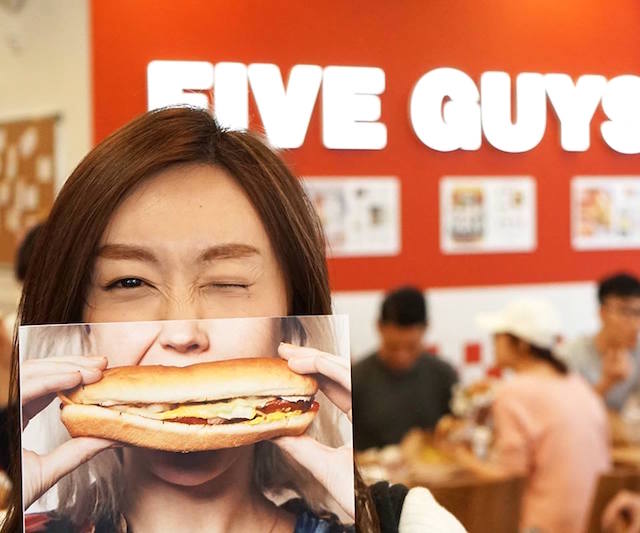
    South Korea’s first Five Guys burger restaurant is set to open in Gangnam, southern Seoul, by late June, its operator said Monday.

    The store, set to open in the bustling commercial district near Gangnam Station, will have up to 150 seats, according to Galleria Department Store owned by Hanwha Solutions.

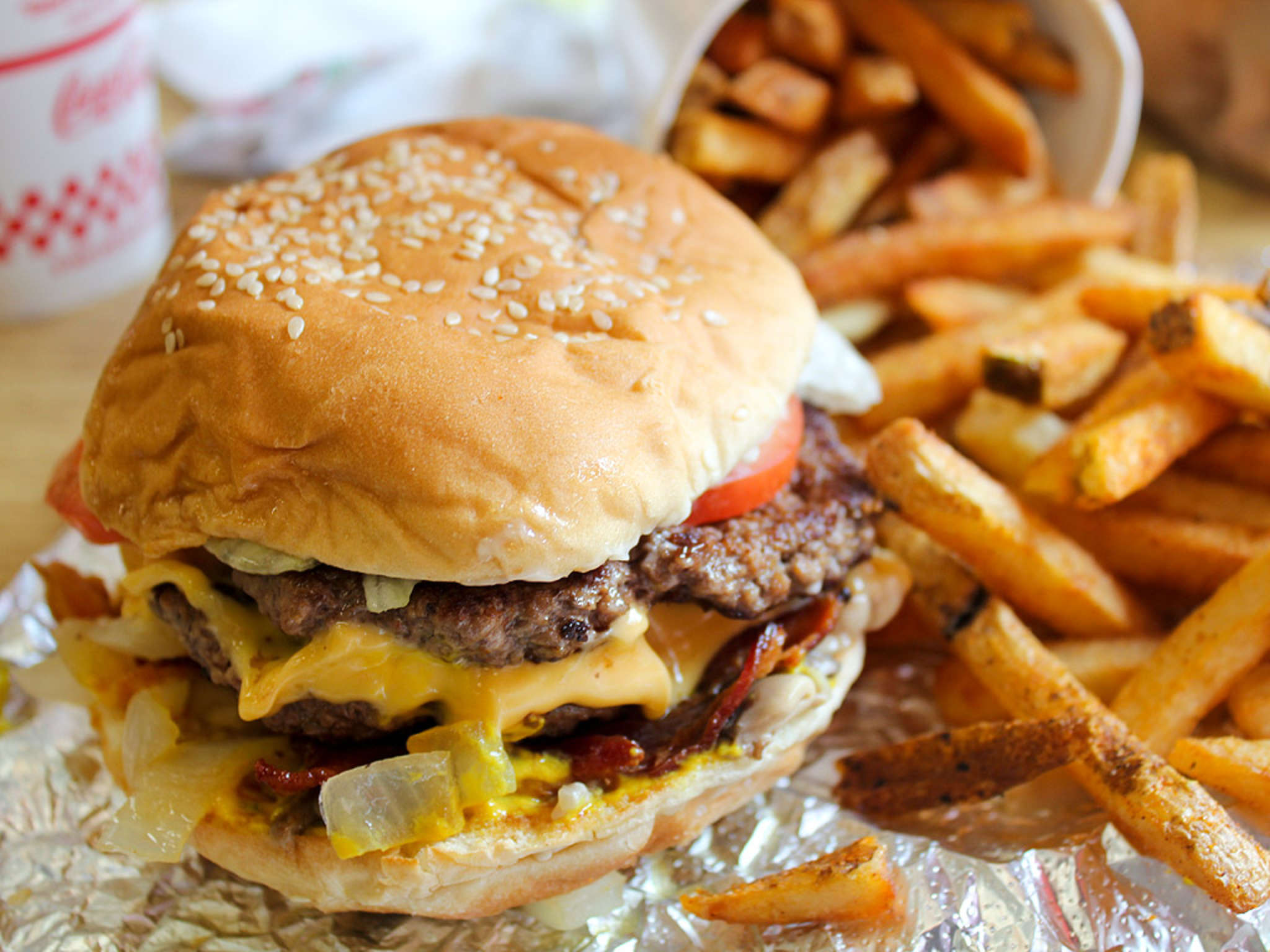
    Established in 1986 as a Virginia-based family business, Five Guys is famous for large quantities, free peanuts and flexible options that give customers more than 250,000 possible ways to order.

    The operator said it plans to additionally open more than 15 Five Guys stores in South Korea in the next five years.

  • McDonald’s unveils delivery service in Australia

    McDonald’s unveils delivery service in Australia

    McDonald’s Australia has confirmed that it is rolling out its own home delivery service to customers across Australia.

    Starting today, Macca’s fans in participating New South Wales restaurants can have their favorite foods sent directly to their homes when they order via the MyMacca’s app.

    The McDelivery service will be made available in more McDonald’s restaurants across the country in the coming weeks.

    “McDelivery via the MyMacca’s app is now available in participating restaurants across New South Wales, with plans to roll it out across participating restaurants nationwide over the coming weeks,” a McDonald’s spokesperson said.

    “McDelivery allows customers to place delivery orders using the MyMacca’s app, while also earning and redeeming MyMacca’s Rewards points.

    “This is part of our ongoing commitment to providing greater value, convenience and rewards for our customers.

    “McDonald’s continues to be available across other delivery services in Australia, including Uber Eats, Menulog and DoorDash.

    “Customers can check their MyMacca’s app to see if McDelivery is available at a restaurant near them.”

    More information on the nationwide McDelivery rollout will be available in the coming weeks.

  • US burger chain Five Guys to enter South Korea

    US burger chain Five Guys to enter South Korea

    FGE Worldwide Senior Vice President William Peecher (L) shakes palms with Hanwha Galleria Director Kim Dong-seon after signing an settlement at a lodge in Seoul on Wednesday. Picture courtesy of Hanwha Galleria

    SEOUL, Oct. 7 (UPI) — The U.S. quick meals chain 5 Guys Burgers and Fries plans to open its first retailer in Seoul early subsequent yr in a partnership with Hanwha Galleria, in line with Hanwha.

    The settlement was signed Wednesday with the Virginia-based burger franchise, with the dates and site of the primary retailer but to be decided.

    Hanwha Galleria, a luxurious retailer and an affiliate of Hanwha Group, plans to open greater than 15 5 Guys areas within the subsequent 5 years.

    The unique 5 Guys restaurant debuted in Virginia in 1986. The Murrell household, with 5 brothers, has headed the enterprise, which focuses on hamburgers, sizzling canines and French fries.

    In early 2000s, the corporate began franchising, together with international enlargement. At the moment greater than 1,700 5 Guys shops function throughout the globe with one other 1,500 beneath improvement.

    South Korea would be the fifth Asian nation to host the fast-growing model, following Hong Kong, Singapore, China and Malaysia.

    This would be the first deal headed by Hanwha Galleria Director Kim Dong-seon, the third son of Hanwha Chairman Kim Seung-youn.

    The junior Kim was prosecuted in 2017 for assaulting legal professionals at a cocktail party and stepped down from his Hanwha publish. He had been implicated in comparable circumstances twice earlier than.

    In 2019, nonetheless, he returned to administration and starting in February, he started spearheading the brand new enterprise technique group for Hanwha Galleria.

    With the 5 Guys entry, the competitors within the burger trade is anticipated to get much more heated with McDonald’s, Burger King and Shake Shack working in Korea.

    Particularly Shake Shack, launched in Korea in 2016 by meals large SPC Group, has efficiently focused the high-end, area of interest burger market. At the moment, there are 23 Shake Shacks across the nation.

    In the meantime, Korea’s main hen franchise firm BHC is on the point of open American fast-food chain Tremendous Duper Burgers in Korea, starting with a location in Seoul later this yr.

  • Wendy’s burgers are coming to Australia

    Wendy’s burgers are coming to Australia

    The US Wendy’s burgers brand is heading to Australia and is on the hunt for a master franchisee.

    The iconic brand is reportedly the world’s third largest quick service restaurant burger chain, with about 7000 outlets worldwide.

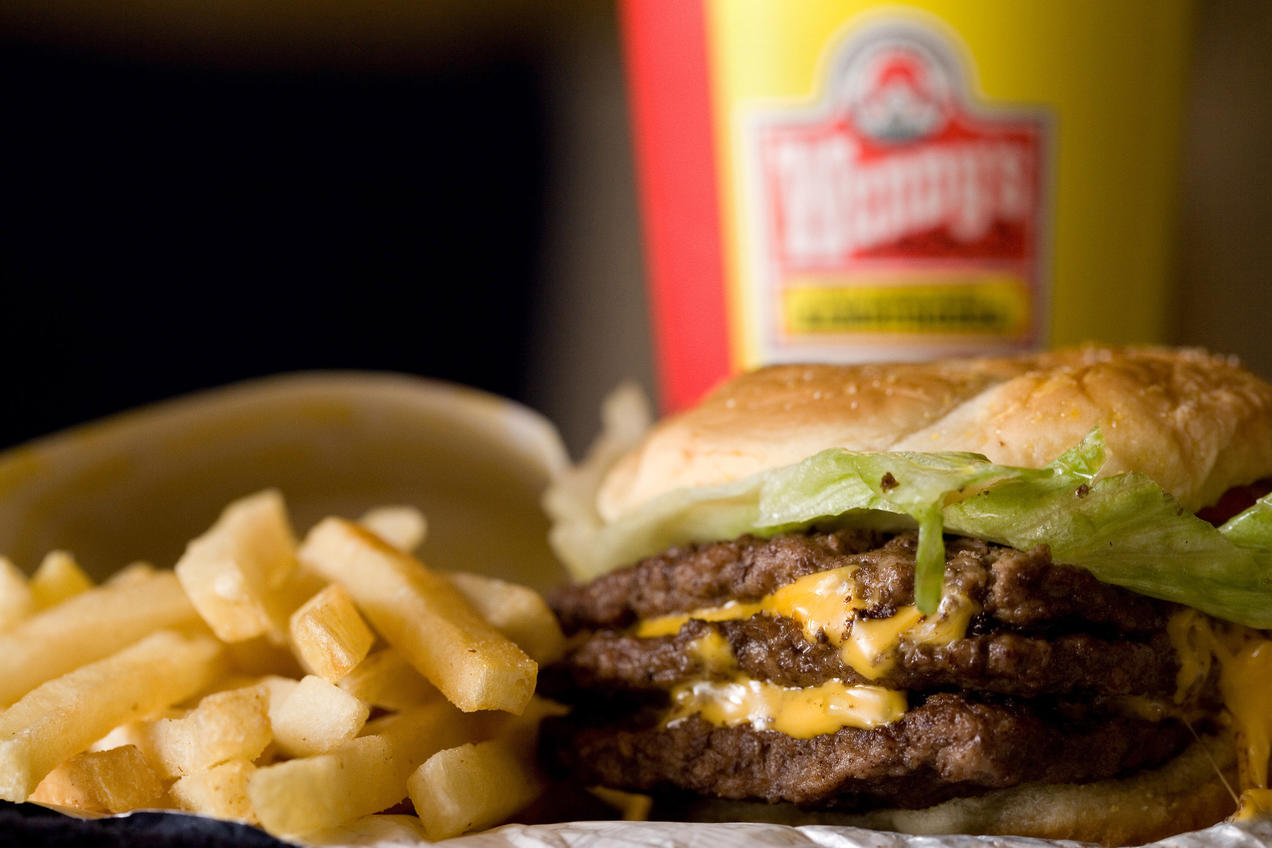
    Founder Dave Thomas opened the first Wendy’s restaurant in 1969. His mission was to serve well-priced, good quality food in a comfortable environment. The unique square burger has since become a mainstay of the Wendy’s menu.

    Now the chain is readying to hit the market Down Under, with consultancy firm DC Strategy tasked with recruiting master franchisees. You’ll also receive messages on behalf of our partners. You can opt-out at any time.

    The appointed master franchisee will need to have franchise and operations experience and a proven track record for growing brands in Australia.

    There is no set agenda for the first store location, nor a pre-determined number of outlets. These will be determined by the master franchisee, DC Strategy confirmed.

    Wendy’s burgers will be vying for customers within a highly competitive market. There are the familiar giants of burger business in Australia — McDonald’s and Hungry Jacks.

    US chains testing the waters in Australia include Five Guys, operated by franchisee Seagrass Hospitality. And Hollywood star Mark Wahlberg’s famed burger chain Wahlburgers unveiled its first Australian store in Circular Quay, Sydney late last year.

    American brand Carl’s Jr. has already made its mark along the east coast. Globally this brand has over 4000 restaurants; 35 outlets operate in Australia with a goal of 160 by 2032.

    And then there are local brands such as Pattysmiths Burgers offering a premium alternative to the traditional fast food options. There are now 29 outlets in the chain, under the umbrella of multi-brand franchisor, Concept Eight. Restaurants operate throughout Victoria, Queensland, Western Australia and the ACT.

  • Popeyes appoints partner for China rollout

    Popeyes appoints partner for China rollout

    Popeyes Louisiana Kitchen is making a move on KFC’s turf. The Miami-based chicken chain on Wednesday announced an agreement with Cartesian Capital Group to develop restaurants in China in the coming years. In the process, it will take Popeyes into a country dominated by its longtime rival, KFC.

    Popeyes could move quickly if Cartesian’s recent track record is any indication. The firm started developing Tim Hortons locations in 2019. The Canadian coffee and doughnut brand already has 450 locations in the country. Tim Hortons, like Popeyes, is owned by the Toronto-based Restaurant Brands International.

    “We are excited to build on our long-standing and successful relationship with RBI, spanning over a decade and most recently including our rapid development of more than 450 Tim Hortons cafes across China,” Cartesian Managing Partner Peter Yu said in a statement.

    China is a gold mine for U.S. brands eager for international expansion. It is the world’s second-largest economy and is growing rapidly. Numerous restaurant chains are pushing aggressive expansion. KFC, McDonald’s and Starbucks, among many others, are aggressively adding units and companies like Papa John’s and Domino’s are pushing growth there.

    But the country has had its challenges of late, driven by its “Zero COVID” strategy in which large cities are shut down for weeks or months at a time, sending sales plummeting. Same-store sales at Yum China, for instance, decreased 16% in the second quarter.

    As for Popeyes, it also goes into a market dominated by KFC. The chain, which helped open China decades ago, is as popular there as McDonald’s is in the U.S. It operates 8,500 locations in the country and is on pace to add another 800 this year alone.

    Still, it’s an important market for Popeyes as it works to build its international business. RBI’s business plan is predicated in part on aggressive international development, much as it did with Burger King starting in 2010.

    Popeyes operates only about 3,800 global locations, with about 1,000 of them outside the U.S. But that international unit count is up about 50% over the past five years. And since last year, Popeyes has announced deals to enter South Korea, France, Romania, the U.K. and India, with expansion plans for Mexico and Saudi Arabia.

  • Wendy’s New Zealand business up for sale after 34 years

    Wendy’s New Zealand business up for sale after 34 years

    Wendy’s NZ, the current master franchisee, owner and operator of all Wendy’s hamburger restaurants throughout New Zealand, is on the market for the first time in 34 years.

    The brand was brought here in 1988 when Danny and Dianne Lendich opened the first store in Te Atatu after a deal between the international franchisor and the original master licensee fell through. The Lendich family went on to develop 22 restaurants – 12 in Auckland, two in the South Island and eight throughout the North Island – all of which are company-owned and included in the sale. There are no sub-franchisees.

    With Danny and Dianne Lendich now in their 70s, their daughter and CEO of Wendy’s NZ Danielle Lendich, says business has never been better, but now is the right time for change.

    Internationally, the American burger brand has over 7,000 restaurants and is planning to accelerate global growth, opening over 90 new restaurants in the first quarter of 2022. The company says it is looking for a qualified franchisee who can help grow and scale the business throughout New Zealand. While sub-franchising is not specifically mentioned, it is a strategy Wendy’s uses in other countries.

    Traditionally, New Zealand has been an attractive market for international brands, with Carl’s Jr. and Wendy’s having both achieved world-record sales levels for opening weeks here. However, opportunities for franchisees have been limited, with both companies operating via national master licensees who have not sub-franchised. This has left the owner/operator burger market open to McDonald’s (which has over 170 restaurants here) and locally-developed gourmet burger franchises such as BurgerFuel and Burger Wisconsin.

    Record sales

    Danielle Lendich says that Wendy’s NZ is performing extremely well and is ready for growth.

    ‘Operations are strong across the country and we’re experiencing record sales. Even during the worst of Covid, there has been huge demand. Obviously there have been challenges, but it’s a testament to the team that we’ve been able to get though the disruption and emerge even stronger.’

    A family-owned business with deeply-rooted values and relationships, Wendy’s NZ has many staff and suppliers who have been with the company for decades, and suppliers of beef, sauces and fresh produce going back to year one,’ Danielle says.

    ‘We hope the new franchisee will operate with the same cores values and look after not just the business, but the wider Wendy’s family. The future is very bright at Wendy’s.’

    The sale of Wendy’s NZ / WendCo (NZ) Limited is being handled by Spencers Chartered Accountants & Advisers in New Zealand and internationally by partner Azure.

  • McDonald’s eyes selling its South Korea unit

    McDonald’s eyes selling its South Korea unit

    McDonald’s Korea, the local unit wholly owned by the US fast-food giant, is seeking a new owner — joining the latest burger chain sales rush here.

    The company confirmed Friday that its US headquarters is selling its entire stake in the Korean unit as well as its business license after its first failed attempt six years ago.

    According to news reports, Mirae Asset Securities, the deal’s lead manager, plans to send letters as early as next month to invite potential bidders.

    With the addition of McDonald’s Korea, the largest fast-food chain by revenue here, four out of six major burger franchises — including Burger King, KFC and Mom’s Touch — are looking for new owners.

    Hong Kong-based Affinity Equity Partners is selling Burger King Korea, along with the burger chain’s Japanese unit. Meanwhile, Korean chemicals conglomerate KG Group is seeking an exit after its five-year ownership of KFC Korea. Mom’s Touch, a home-grown chicken burger chain owned by private equity firm Korea F&B Holding, recently delisted from the nation’s second bourse Kosdaq in a move to search for a new owner.

    Unlike the four, the remaining Lotteria and No Brand Burger are subsidiaries under retail giants Lotte and Shinsegae, respectively.

    The valuation of McDonald’s Korea is yet to be estimated, but market forecasts put it much higher than 2016’s 300 billion-500 billion won ($234 million-$469 million). Crosstown rival Burger King is currently valued at around 1 trillion won.

    US private equity giant Carlyle Group is cited as one of the potential buyers of McDonald’s Korea. In 2016, when the company was put up for sale, Carlyle created a consortium with Maeil Dairies — the nation’s leading dairy company — but later backed out from the deal. After its failed attempt to take over the Korean unit, it acquired the Chinese and Hong Kong branches in 2017.

    Along with the deal price, the US headquarters’ push to maintain its control over the Korean unit even after an exit could become a key factor in the acquisition talks. In 2016, the US head office insisted that it resume quality control of burger products and receive royalty payments from McDonald’s Korea, which evidently became another deal breaker.

    According to data from the Financial Supervisory Service, the Korean unit has paid 54.3 billion won in 2021 and 50.1 billion won in 2020 in commission payments for the US headquarters.

    Industry watchers say growing demand for premium burgers has led to heated competition in the market and an influx of newcomers. The food unit of Daewoo Development recently launched Good Stuff Eatery, a handcrafted burger chain frequented by former US President Barack Obama. BHC Group and Hanwha Solutions are poised to open Korean branches of Super Duper Burgers and Five Guys this year.

    As of 2021, McDonald’s Korea operates 404 stores nationwide. It posted 867 billion won in sales, up 9.7 percent from a year earlier, while logging 34.9 billion won in net losses.
  • The enormous cost of McDonald’s Russian exit

    The enormous cost of McDonald’s Russian exit

    McDonald’s became the symbol of glasnost in action 30 years ago when it opened its first restaurant in Moscow. But after temporarily shutting down more than 800 restaurants following the invasion of Ukraine, McDonald’s has decided to leave Russia altogether.

    The burger chain will sell its Russia business, saying the “humanitarian crisis caused by the war in Ukraine, and the precipitating unpredictable operating environment, have led McDonald’s to conclude that continued ownership of the business in Russia is no longer tenable, nor is it consistent with McDonald’s values.”
    In March, shortly after the war began, McDonald’s followed other Western companies and temporarily shut down its restaurants in Russia.
    Once the sale is finalized, the Russian restaurants will be “de-Arched,” meaning the locations will no longer be allowed to use the McDonald’s name, logo or menu. McDonald’s said its employees will still be paid until the transaction closes and that “employees have future employment with any potential buyer.”
    CEO Chris Kempczinski said he’s proud of the more than 60,000 workers employed in Russia and said the decision was “extremely difficult.”
    “However, we have a commitment to our global community and must remain steadfast in our values. And our commitment to our values means that we can no longer keep the Arches shining there,” he said.
    The decision brings to a remarkable end McDonald’s three-decade relationship with Russia. McDonald’s opened the doors of its first restaurant in Moscow on January 31, 1990. More than 30,000 were served and the Pushkin Square location had to stay open hours later than planned because of the crowds.
    Its arrival in Moscow was about more than just Big Macs and fries, noted Darra Goldstein, a Russia expert at Williams College. It was the most prominent example of Soviet Union President Mikhail Gorbechev’s attempt to open up his crumbling country to the outside world.
    “There was a really visible crack in the Iron Curtain,” she previously said. “It was very symbolic about the changes that were taking place.” About two years later, the Soviet Union would collapse.
    McDonald’s exit “represents a new isolationism in Russia, which must now look inward for investment and consumer brand development,” said Neil Saunders, managing director of GlobalData said in a note Monday. He added that other Western brands take “principled stance on the concepts of freedom and democracy” and revisit their businesses in Russia.
    McDonald’s will take a significant write-off from exiting Russia — between $1.2 billion to $1.4 billion. Shares were barely changed in early trading.
    “The fact that McDonald’s owns most of its restaurants in Russia means there is an asset rich business to sell,” said Saunders. “However, given the circumstances of the sale, the financial challenges faced by potential Russian buyers, and the fact that McDonald’s will not license its brand name or identity, it is unlikely the sale price will be anywhere near the pre-invasion book value of the business.”
    In its most recent earnings report, McDonald’s said closing its restaurants in Russia had cost it $127 million last quarter. Nearly $27 million came from staff costs, payments for leases and supplies. The other $100 million was from food and other items it will have to dump.
    McDonald’s had 847 restaurants in Russia at the close of last year, according to an investor document. Together with another 108 in Ukraine, they accounted for 9% of the company’s revenue in 2021.
  • Maxim’s to launch Shake Shack in Thailand

    Maxim’s to launch Shake Shack in Thailand

    US burger chain Shake Shack is ramping up its Southeast Asia expansion with its upcoming Thai debut in partnership with Hong Kong-based licensee, Maxim’s Caterers.

    Thailand’s first Shake Shack location, which will also be a flagship store, is expected to open in Bangkok next year, followed by 15 more stores across the country by 2032. Maxim’s, also the licencing partner of Shake Shack in Greater China, currently operates 24 Shacks across the region.

    “Shake Shack was born in New York, and Bangkok is another fantastic city with vibrant energy, friendly people and rich culinary traditions,” said Michael Kark, chief global licensing officer at Shake Shack.

    The Shake Shack Thailand menu will feature the chain’s signature items, such as ShackBurger, Chicken Shack and Chicken Bites. The burger chain said it will also work alongside local producers, purveyors and artists to support the Thai community.

    Meanwhile, Maxim’s will open its seventh Shake Shack outlet in Hong Kong on May 9, at the Citygate Outlets in Tung Chung.

    Maxim’s operated F&B businesses for more than 60 years, including licences for brands including Starbucks, Genki Sushi and Ippudo Ramen, The Cheesecake Factory and Shake Shack. The company operates more than 1800 outlets in Hong Kong, Macau, Mainland China, Vietnam, Cambodia, Thailand, Singapore and Malaysia.

  • First KFC ‘Green Pioneer Stores’ open in China

    First KFC ‘Green Pioneer Stores’ open in China

    Yum China has just launched KFC’s first Green Pioneer Stores in Beijing and Hangzhou, as it works toward building a network of net-zero restaurants in the future.

    The move is part of the company’s climate strategy and a roadmap to achieving net-zero by 2050, following its pledge to Business Ambition for 1.5°C Commitment Letter to the Science-Based Target initiative (SBTi) last year.

    “We are committed to driving meaningful change and pioneering in the restaurant industry towards net-zero emissions. Building Green Pioneer Stores is an important part of our journey,” said Joey Wat, CEO of Yum China.

    Following the company’s 4R principles (reduce, reuse, recycle, replace), KFC has already incorporated several environmentally friendly practices in its stores across the country, such as:

    • Solar panels in its Hangzhou store generate an estimated 10,000 kWh of energy each year, which helps reduce carbon emissions from electricity consumption.
    • An Internet of Things-based (IoT) intelligent restaurant energy management system which helps improve the energy efficiency of Green Pioneer stores by around 10 per cent annually.
    • Each Green Pioneer Store is equipped with a Tubular Daylighting System that uses natural lighting, reducing electricity consumption.
    • Using eco-friendly materials such as ceramic floor tiles made from recycled energy, low-carbon bamboo and alt-leather made from recycled KFC coffee grounds.

    The company said the Green Pioneer Stores will also allow customers to experience and learn about eco-friendly restaurants by integrating “green interior design”.

    At its Beijing store, a Family Bucket is made entirely of recycled packaging. While in Hangzhou, a wall section was intentionally left unfinished with an opening to show customers the restaurant’s eco-friendly construction process.

    While the restaurant chain has already integrated environmentally friendly initiatives, the company aims to further improve its emissions reduction by 15 per cent each year.

    “We will continue to explore the utilization of innovative technologies in restaurant construction and operations to promote sustainable development and contribute to the low carbon economy,” Wat added.

  • Carl’s Jr to exit Thailand

    Carl’s Jr to exit Thailand

    Carl’s Jr. plans to close all six locations in Thailand by the end of the month.

    R&R Restaurant Group, which holds the rights to operate the burger chain, announced it could no longer bear the costs of operating the fast-food chain.

    “We tried to get through it during the second half of 2021. But we were forced to import our ingredients solely from the U.S. due to the restrictions imposed by CKE Restaurants Holdings,” it said of its parent company.

    The burger chain opened its first branch in Thailand in 2012 at Central Festival Pattaya Beach.

    Update: After this story was published, the group announced its last day of operation will be March. 24.

  • Jollibee to enter Scotland

    Jollibee to enter Scotland

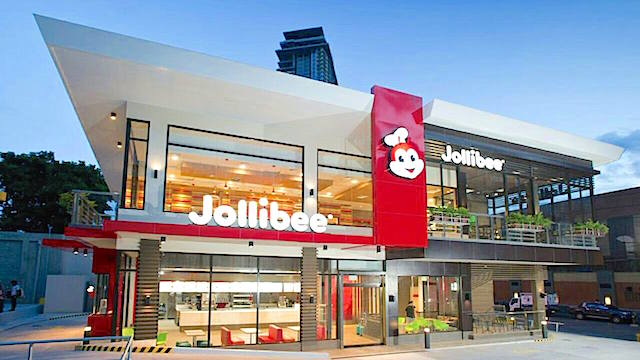
    International fast-food chain Jollibee has announced that it will open its first Scottish restaurant in Edinburgh and its second store in Glasgow.

    The company will open its Edinburgh store next Thursday in Princes Street with the second store opening a month later in Glasgow.

    The restaurant will serve halal meat to cater to all communities in both cities. In the last 18 months, overall UK sales rose by 417%.

    Jollibee was originally founded in 1978 and has more than 1,500 stores across 17 countries, including the USA, Canada, Spain, Italy, Philippines, Singapore, Vietnam, UAE, and the UK in England and Wales.

    The first Jollibee in the UK opened in London in 2018 and has since added another eight locations to the map including Cardiff, Newcastle, Liverpool, Leeds, and Leicester Square in London’s West End.

    Ernesto Tanmantiong, chief executive at Jollibee Group, said: “This is an important moment for us as we introduce Jollibee to Scotland with not one, but two restaurants launching within a month, showing our commitment to expand in Europe.

    “We are looking forward to serving our Scottish customer’s delicious food in a joyful restaurant experience. We know there are many in Scotland who have waited a long time for Jollibee to arrive and we’re excited to see the local communities experience Jollibee for the first time.”

  • McDonald’s faces massive court claim over ‘shameful’ worker treatment

    McDonald’s faces massive court claim over ‘shameful’ worker treatment

    Trade union SDA has lodged a multimillion claim in the Federal Court against McDonald’s Australia seeking compensation for about 900 current and former employees the union alleges have been denied paid rest breaks and misled about their rights.

    The action covers more than 110 restaurants across Australia directly owned and operated by the fast-food company and follows eight previous Federal Court claims lodged by the SDA against McDonald’s franchise operators.

    The claim, lodged in South Australia, is currently on behalf of 338 current and former McDonald’s staff employed across 92 restaurants, but the union is actively talking to others and has opened a website to recruit people who have worked for the company during the past six years, to join the action.

    SDA national secretary, Gerard Dwyer describes the case as the biggest of its kind in Australian history, and “a groundbreaking moment for some of the most vulnerable workers across the country”.

    “The fact that one of the largest employers of young Australians (on junior rates of pay) has been deliberately and systematically denying teenagers their breaks is astonishing. It takes a lot of courage to openly stand up and speak out against their employer and the SDA is proud to stand with them in ensuring these workers get what they’re owed.”

    He said the action has the potential to impact thousands of workers Australia-wide and lead to millions of dollars of compensation payments if successful.

    The union wants affected workers to be paid compensation for working through their breaks and for the company to be penalised by the court for breaching the Fair Work Act.

    It alleges that along with concealing employees’ meal break entitlements, many store managers told workers they could have a free soft drink in lieu of a paid rest break and that they didn’t receive the breaks as they could go to the toilet or have a drink whenever they needed to. The SDA says the law provides for a 10-minute break for any staff member who works a shift of four hours or more.

    “McDonald’s have been feeding crew members a cock and bull story about their break entitlements for too long,” said SDA South Australian branch secretary, Josh Peak.

    “Fast food restaurants are busy, hot and the work is exhausting – it’s shameful to think young workers have been denied their rightful breaks and told they don’t exist. Paid rest and drink breaks aren’t optional, they’re a right for all fast-food workers,” he said.

    “It shouldn’t have to take nine Federal Court claims for McDonald’s to clean up their act.”