Tag: hangzhou

  • Renault and Geely Invest More in Brazil for New Electric Vehicle

    Renault and Geely Invest More in Brazil for New Electric Vehicle

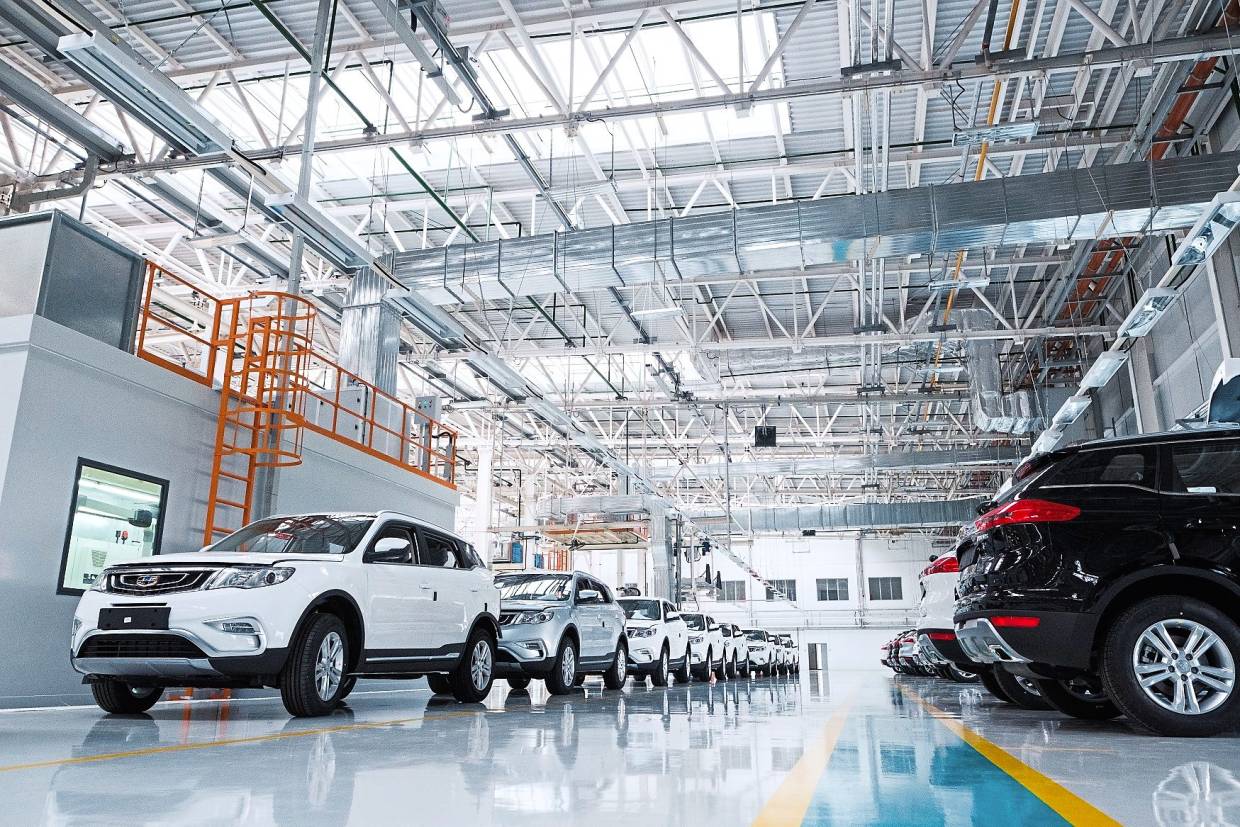
    Renault and China’s Geely have increased their investment in Brazil this week to produce a new electric vehicle. The cash broadens their shared manufacturing footprint in Latin America.

    Fresh funds will upgrade local assembly lines. The push targets regional demand for affordable electric passenger models.

    Expanding the Sino-French Production Alliance

    This decision deepens an industrial alliance between the French automaker and the Hangzhou-based automotive group. The two partners already pool engineering, hybrid architectures, and powertrain tech across multiple global markets to cut development costs.

    Local assembly in Brazil lets Geely and Renault reduce exposure to import tariffs on finished Chinese electric vehicles. The hub also creates a launchpad for vehicle distribution across South American trade corridors.

    Competitive Pressures in Latin America

    Chinese electric vehicle makers are accelerating overseas factory commitments. They want to bypass regional trade barriers and counter slowing domestic growth. Rivals including BYD and Great Wall Motor have already bought manufacturing assets in Brazil to anchor regional supply chains.

    Asian component suppliers must now establish secondary delivery routes and local sub-assembly units within South America. The spending shifts component sourcing risk onto local networks. Still, it locks in vehicle platforms designed in China and Europe.

    Platform Strategy and Next Steps

    Geely and Renault have steadily integrated their powertrain and vehicle architecture operations over recent quarters, creating dedicated joint venture platforms for hybrid and pure electric models. The Brazilian project serves as an operational extension of that platform-sharing agreement.

    Factory tooling schedules and regional rollout timelines will determine when the first units leave the Brazilian assembly floor for regional dealerships.


  • Only 10 of 60 Top Independent Stores Make a Brand Argument

    Only 10 of 60 Top Independent Stores Make a Brand Argument

    A global review of 60 premier independent retail stores by Nick Gray in September 2026 found that only 10 build spaces enforcing a genuine brand argument.

    Standard retail metrics like sales per square metre and the ICSC occupancy cost benchmark of 8 to 15 per cent fail to capture whether physical rooms build customer loyalty or merely collect pre-decided transactions.

    The Limits of Square Metre Metrics

    Drawing on observations at Westfield Sydney between 2018 and 2022, retail property evaluations routinely confuse aesthetic execution with brand positioning. Apparel retailers commonly allocate more than 12 per cent of sales to occupancy costs, yet landlord scorecards measure space strictly by immediate financial yields rather than behavioural shift. Dwell time metrics count customer minutes without distinguishing between deliberate browsing and checkout friction, while year-one fitout uplifts inevitably register temporary newness rather than sustained productivity.

    High-conviction physical retail demands structural constraints that traditional finance departments often query. Andreas Murkudis in Berlin operates a former printing hall with museum-scale product spacing that permanently increases monthly floor holding costs per item. In Los Angeles, Maxfield operates without display windows and relies on unapproachable floor staff to filter casual traffic, while Dover Street Market executes a scheduled annual teardown where independent designers control internal pod architecture.

    Thresholds and Fixture Control

    Physical store performance splits across three operational choices: entry thresholds, fixture manufacture, and change cadence. Entry points represent low-cost positioning tools that select qualified buyers before entry. Los Angeles retailer Departamento routes shoppers through an active coffee shop entrance, while Darklands in Berlin operates unmarked doors strictly by appointment.

    Procuring standard fixtures from shared commercial shopfitters reduces a brand to generic category storage. Retail spaces function as commercial arguments only when bespoke display units cannot transfer into a competing tenancy. At the same time, scheduled annual teardowns keep retail floors on the same release cycle as seasonal buying, avoiding the delayed, reactive renovations common among regional department stores and mall tenants.

    Operational Gaps in Regional Malls

    For shopping centre operators across Asia-Pacific, the gap between landlord guidelines and store identity remains wide. Luxury activations and pop-up tenancies in prime centres frequently exhaust negotiations on ceiling heights, sightlines, and perimeter finishes rather than customer engagement. The result is uniform warm minimalism and portable design choices that fit generic landlord criteria but fail to distinguish rival brands.

    This disconnect originates early in commercial planning cycles. Corporate brand briefs routinely mandate broad concepts like modern luxury and effortless presentation, offering no actionable instructions for doorway thresholds, custom furniture, or thirty-second staff routines. Design partners consequently deliver attractive decorations because the initial brief provided no structural rules to engineer into the room.

    Between 2018 and 2022 at Westfield Sydney, Brand Space activations showed how strict fitout rules repeatedly prioritised aesthetic compliance over functional brand differentiation. Commercial landlords in prime Asian retail districts face the same recurring pattern across short-term luxury leases.

    Property directors tracking upcoming retail lease renewals will see whether tenant fitout budgets shift capital from decorative cosmetic upgrades into purpose-built spatial architecture.

  • China Finds High Nitrite Levels in Malaysian Edible Birds Nests

    China Finds High Nitrite Levels in Malaysian Edible Birds Nests

    Chinese regulators discovered nitrite levels averaging 4,400 milligrams per kilogram in edible bird’s nests imported from Malaysia, sixty times higher than the national safety limit.

    The Zhejiang Provincial Administration for Industry and Commerce tested blood-red cubilose across 491 dealers before issuing the health alert. Under national rules, nitrite content cannot exceed 70 milligrams per kilogram. Investigators found that dealers applied chemical dyes to standard nests to sell them as rare blood-red varieties, generating elevated concentrations of nitrite, a compound linked to cancer risks.

    Tainted stock pulled from shelves

    Beijing Tongrentang Co. Pulled all edible bird’s nests from its retail counters in mainland China and overseas locations. The traditional Chinese medicine merchant enacted the withdrawal two days after Zhejiang officials issued their findings.

    Bird’s nests rank among the most expensive luxury food items in Asia, commanding prices up to 10,000 US dollars per kilogram in markets across China, Hong Kong and the United States. Premium wellness retailers face immediate margin disruption when quality failures occur in products sold specifically for health maintenance.

    Export supply lines under pressure

    Malaysia operates as the world’s largest supplier of edible bird’s nests and ships 95 per cent of its output directly to China. The test results in Zhejiang expose supply chain weaknesses in cross-border trade for unrefined animal secretions, putting pressure on upstream processors to prove product purity before goods clear Chinese customs.

    China’s State Food and Drug Administration has not issued a nationwide directive on imported cubilose, leaving retail buyers waiting for central border inspectors to set updated testing protocols.

  • Alibaba Opens Brazil Data Centres to Target South American AI Demand

    Alibaba Opens Brazil Data Centres to Target South American AI Demand

    Alibaba Group launched new data centres in Brazil to provide artificial intelligence computing capacity across South America. The facility marks the Chinese tech conglomerate’s latest infrastructure push outside its domestic base.

    The investment brings Alibaba’s cloud division into direct competition with Western infrastructure providers across Latin America. Local enterprises and developers gain direct access to the group’s AI model deployment tools and cloud compute services without routing data through North American server hubs.

    Expanding Cloud Infrastructure Outside Asia

    Alibaba has focused its overseas cloud strategy on emerging markets where digital infrastructure demand outpaces local supply. While the group built its initial international presence across Southeast Asia and the Middle East, South America represents a fresh expansion corridor for its enterprise AI suite.

    Building local data centres cuts latency for enterprise clients in Brazil and neighbouring economies. It also satisfies regional data residency requirements, a critical hurdle for financial institutions, retailers, and public sector clients adopting generative AI software.

    Competition for Global AI Workloads

    For retailers and consumer platforms operating across Latin America, the facility adds capacity for real-time customer analytics, logistics routing, and automated recommendation engines. Chinese cross-border e-commerce platforms active in the region also rely on low-latency cloud infrastructure to process transactions and handle merchant inventory.

    The expansion tests whether Chinese cloud architectures can win market share in South America against entrenched US infrastructure operators. The next milestone will be client onboarding across regional enterprise accounts as the new server zones go live.

  • Alibaba Net Profit Plunges 75 per Cent on Heavy AI Infrastructure Spending

    Alibaba Net Profit Plunges 75 per Cent on Heavy AI Infrastructure Spending

    Alibaba Group reported a 75 per cent plunge in quarterly net profit to June as capital expenditure on artificial intelligence surged. Group revenue rose 9 per cent to 268.95 billion yuan, matching market forecasts while cloud computing gains offset slowing domestic commerce.

    Capital spending climbed 75 per cent year on year to 67.68 billion yuan in the three months to June 30. The Hangzhou-based group has already deployed half of its 380 billion yuan AI investment budget scheduled through 2029, buying server processors and expanding data centres to handle surging enterprise demand.

    Surging Compute Costs and In-House Silicon

    Chief executive Eddie Wu said the company expects to break even on its AI-related capital expenditure within three years at current gross margins. Revenue from AI cloud and compute services jumped 45 per cent to 48.44 billion yuan during the quarter, with annual recurring revenue from AI model-as-a-service exceeding 16 billion yuan.

    To rein in hardware expenses, Alibaba is replacing commercially procured processors with silicon built by its in-house chip division, T-head. The proprietary semiconductors are now running across clustered server racks for both model training and inference workloads, which management expects will widen operating margins as deployment expands.

    The margin squeeze mirrors the heavy infrastructure spending across Asia’s technology sector, where hyperscalers and platform operators are absorbing massive upfront costs before enterprise software monetization matures. Alibaba is defending its cloud dominance against domestic rivals Tencent and Baidu, while simultaneously backing frontier model developers such as Moonshot to anchor future compute traffic to its ecosystem.

    Reorganisation and Core Retail Headwinds

    Adjusted earnings per American Depositary Share fell to 8.52 yuan, trailing the 10.53 yuan consensus tracked by LSEG. Softer consumer demand in mainland China continues to weigh on the core marketplace division, prompting chief financial officer Toby Xu to highlight macroeconomic friction across domestic online shopping.

    Wu now leads the dedicated Alibaba Token Hub following an internal restructuring that split operations into four divisions: e-commerce, AI cloud and compute, model applications, and other businesses. Affiliate Ant Group recorded a 1 per cent rise in quarterly profit as it tests AI shopping assistants and digital health tools.

    Management is targeting overall profitability for the group’s quick-commerce unit by fiscal 2029, while tracking a three-year payback window on its current infrastructure outlays.

  • Geely Recalls 93,000 Vehicles in China over Defective LiDAR Chips

    Geely Recalls 93,000 Vehicles in China over Defective LiDAR Chips

    Geely Auto is recalling 92,915 vehicles in China across its Galaxy and Lynk & Co lines after discovering faulty LiDAR power chips that can disable driver-assistance systems.

    Filings submitted to China’s State Administration for Market Regulation take effect on August 24, requiring free hardware replacements across five vehicle models.

    A manufacturing process variation at a component supplier damaged the power integrated circuits inside the sensors. The fault compromises key automated driving safeguards.

    On 18,878 Geely Galaxy M9 plug-in hybrid SUVs built between July and October 2025, the glitch forces assisted driving features to shut down or fail to activate. Across 74,037 Lynk & Co 900, 10 EM-P, 07 and 08 models assembled throughout 2025, the defect leaves systems unable to detect and warn drivers about road obstacles.

    Faulty sensors and supplier defects

    Service teams will use cloud diagnostics to flag at-risk vehicles remotely before inviting drivers into workshops for replacement parts. Drivers had already reported dashboard alerts warning of front sensor failures and capped cruise speeds in mid-August.

    Pressure is mounting on Lynk & Co, which now operates under the Zeekr Group umbrella. Deliveries plunged 40 per cent year on year in July to 16,382 units, the fourth straight month of double-digit contraction. Across the first seven months of 2026, the brand delivered 160,597 cars, tracking at under 40 per cent of its 400,000-unit annual target.

    Wider scrutiny on driver assistance

    Regulators logged the sensor campaign during a single-day cascade of filings covering more than seven million vehicles across China. Geely also recalled 92,658 Zeekr 007 and Zeekr X units over emergency mechanical door releases on the same date, alongside notices from Tesla, Xiaomi, Leapmotor and Xpeng.

    Dealership workshops begin replacing the damaged sensors on August 24, with Lynk & Co still needing 239,403 deliveries over five months to meet its yearly plan.

  • China’s Proya Cosmetics Enters US Market with Ulta Partnership

    China’s Proya Cosmetics Enters US Market with Ulta Partnership

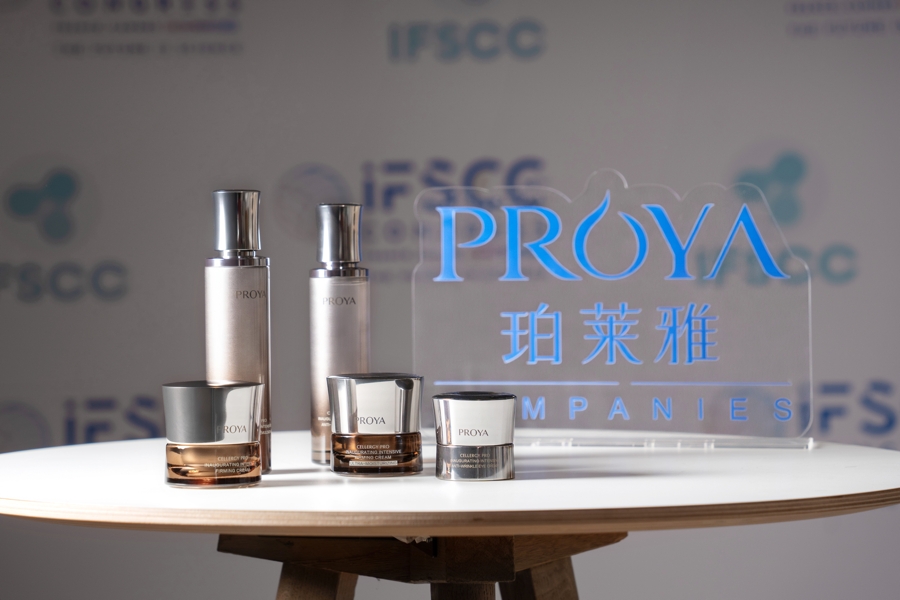
    China’s largest cosmetics firm, Proya Cosmetics, is preparing to enter the United States market through a partnership with Ulta Beauty. The collaboration will see two of Proya’s product lines distributed across 400 Ulta retail locations and its online platform, marking a significant step in the company’s international expansion strategy.

    This initiative comes as Proya faces intense competition within its domestic Chinese market, prompting the company to seek growth opportunities abroad. While Chinese beauty brands rarely achieve mass distribution in Western markets, this partnership with Ulta represents a notable effort to penetrate a major retail channel.

    Strategic International Expansion

    The move into the US follows Proya’s successful test of a similar business model in Southeast Asia. In April, the Hangzhou-based company signed an agreement with Guardian, Malaysia’s leading beauty and personal care chain. This deal has made Proya’s flagship products gradually available in more than 200 Guardian brick-and-mortar stores across Malaysia, demonstrating a phased approach to international market entry.

    Proya’s focus on international and multi-brand expansion is evident in its recent acquisitions, including a 51% majority stake in the popular brand Flower Knows for approximately €45 million. Despite these strategic moves, Proya Cosmetics reported operating revenue of 10,597 million yuan (about $1.5 billion) in fiscal year 2025, a slight year-over-year decline of 1.68%. This dip highlights the pressures within China’s beauty sector and the need for new growth avenues.

    Implications for Asian Beauty Brands

    The partnership between Proya and Ulta is unusual. Historically, Chinese beauty brands like Florasis and Flower Knows have found success in Western e-commerce channels but have struggled to secure significant market share against established players such as L’Oréal or Estée Lauder in physical retail. Proya’s direct entry into mass distribution via Ulta could set a new precedent for how Asian beauty brands approach Western markets.

    For Asian retailers and investors, this development signals the increasing maturity and ambition of Chinese consumer brands. It also underscores a broader trend where companies from the Asia-Pacific region are actively pursuing global expansion to diversify revenue streams and build brand recognition beyond their home territories. Such collaborations demonstrate a growing receptiveness in Western retail to products and brands originating from Asia, potentially paving the way for more partnerships of this nature.

  • Commonwealth Bank of Australia Sells Stake in Bank of Hangzhou: A Strategic Shift Unveiled

    Commonwealth Bank of Australia Sells Stake in Bank of Hangzhou: A Strategic Shift Unveiled

    The world of retail is buzzing with excitement as companies navigate the competitive landscape, continually seeking innovative strategies to engage consumers. Businesses are not only looking for traditional advertising avenues; they are harnessing the power of digital platforms and live events to foster connections and showcase their brand narratives.

    The Power of Advertising

    In this dynamic climate, retailers are discovering creative ways to communicate with their target audiences. From vibrant print campaigns to impactful digital marketing strategies, the opportunities are vast. Partnering with expert teams can amplify these efforts, ensuring that the subtleties of brand messaging resonate authentically.

    Engaging Through Events

    Additionally, the retail space is becoming a hub for events—both in-person and online—where brands can engage with consumers in unique ways. Organizing such gatherings enables companies to bring together thought leaders and industry trailblazers. These interactions not only foster collaboration but also pave the way for potential partnerships. It’s a win-win situation, where brands can shine and forge vital connections.

    Celebrating Success

    What’s more, awards programs are emerging as a beacon for recognizing excellence in the retail sector. Companies have the opportunity to not only participate but also sponsor these accolades, reinforcing their commitment to innovation and quality in the industry. It’s the perfect moment to not just be in the spotlight but to dazzle it!

    All of these strategic endeavors are designed to help businesses navigate the consumer landscape more effectively, enhancing their overall market presence. In a world where retail competition is fierce, wouldn’t it be fabulous to outshine the rest?

    Questions & Answers

    What advertising options are available for retailers?
    Retailers can utilize a mix of print and digital advertising, leveraging partnerships with experienced teams to create vibrant campaigns.

    How can live events benefit a retail brand?
    Live events foster connections with consumers and enable brands to engage with industry leaders, creating collaboration opportunities that can enhance business growth.

    What is the significance of awards programs in retail?
    Awards programs provide a platform for brands to showcase their achievements, solidifying their reputation for excellence and innovation within the industry.

  • Acne Studios open Hangzhou boutique

    Acne Studios open Hangzhou boutique

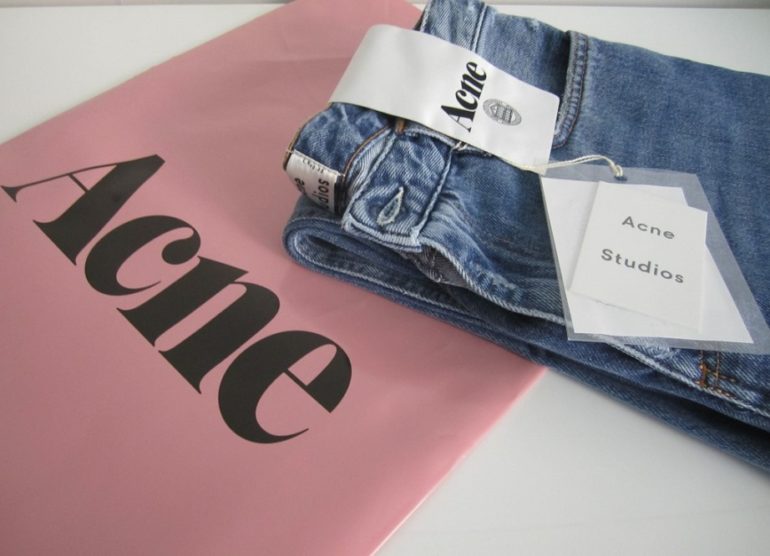
    Swedish luxury-fashion house Acne Studios has opened a new store in Hangzhou following its Nanjing launch.

    The new outlet is setting up a shop in Hangzhou Tower, situated in fast-developing Gongshu as part of a high-end mixed-use complex. With its all-glass facade, the corner store takes its place among other luxury brands poised to do business at the mall and features the architectural design work of Stockholm’s Christian Hallerod.

    The interior is punctuated by grand shelving columns that reach to the ceiling of a store otherwise marked by minimalist elements exemplified by steel shelves and clothing racks. The outlet features fine lighting fixtures by Benoit Lalloz and product display tables by UK designer Max Lamb.

    Acne Studio’s complete product range is available in-store, including its menswear and womenswear collections as well as bags, shoes and accessories.

  • Sunglass Hut Opens New Store In Hangzhou

    Sunglass Hut Opens New Store In Hangzhou

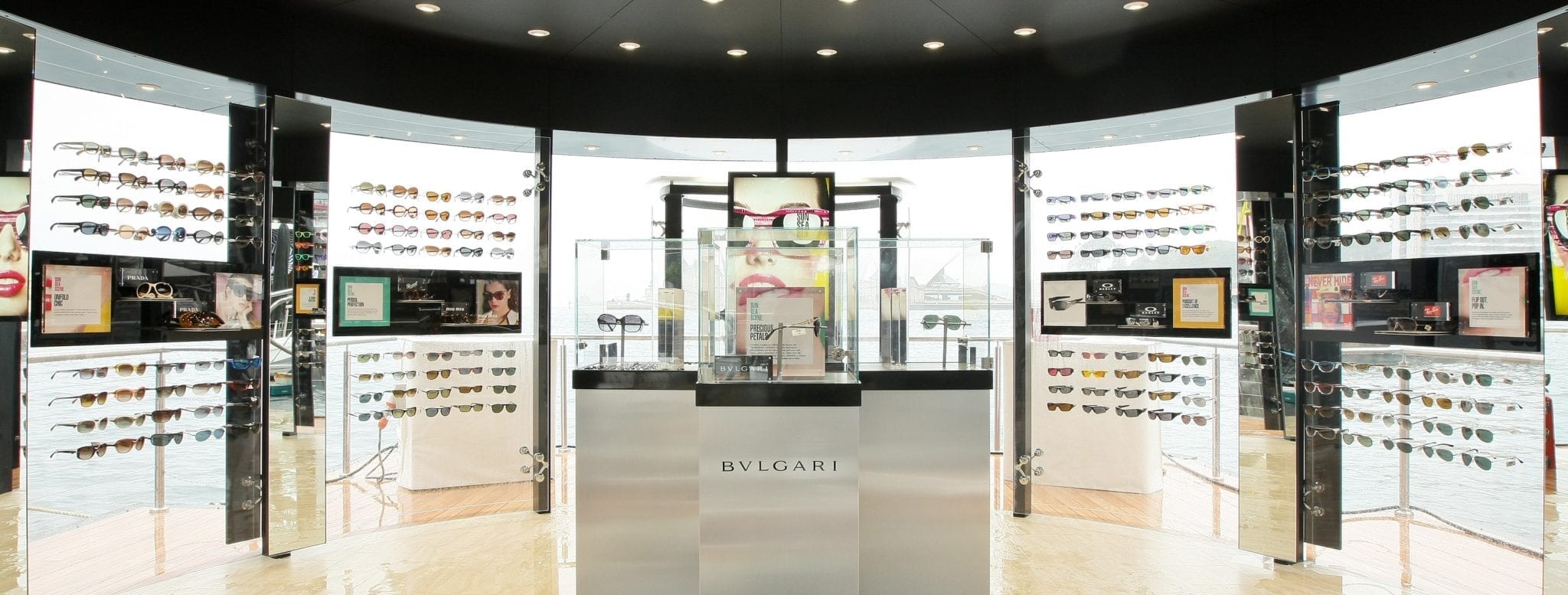
    International sunglasses retailer Sunglass Hut opened a new store in Hangzhou’s Intime Wulin store, which is the brand’s third store in the city following the ones in Hangzhou Kerry Centre and Hangzhou Bailian Outlets.

    Sunglass Hut has reached cooperation with many first-tier brands, including Ray-Ban, Prada, Dolce & Gabbana, Burberry, Tiffany & Co., and Coach.

    It started as a small independent store in Miami in 1971 and it developed 100 chain stores in Miami by 1986, reaching annual sales of USD24 million. By 1991, Sunglass Hut’s annual sales exceeded USD100 million and by 1996, the company seized 30% share of the American sunglasses market.

    By the end of 2016, Sunglass Hut already opened 3,269 retail stores in 28 countries and regions around the world, including 3,104 retail stores in North America, Asia Pacific, Europe, South Africa, and Latin America; and 165 authorized retail stores in Middle East and India.

    For the Greater China region, Sunglass Hut had nearly 40 retail stores, including 13 in Hong Kong, seven in Shanghai, and three in Beijing.

  • Hangzhou to harness Alibaba Cloud’s AI, analytics tools

    Hangzhou to harness Alibaba Cloud’s AI, analytics tools

    Alibaba Cloud announced at its recent Computing Conference that it will provide its AI, deep learning and data analytics capabilities for two new cutting-edge developments in China.

    Initiated by the Hangzhou government, the “Hangzhou City Brain” is set to address the city’s urban living challenges. As the hub to consolidate data and provide real-time analysis, the “Hangzhou City Brain” will rely on Alibaba Cloud’s AI program ET and big data analytics capabilities to perform real-time traffic prediction with its video and image recognition technologies.

    The project will support transportation departments’ efforts to ease traffic congestion and provide users with real-time traffic recommendations and travel routes.

    “By establishing the Hangzhou City Brain, Hangzhou is taking the lead in harnessing artificial intelligence and deep learning technologies to promote greater sustainability and improve the quality of urban living for Chinese citizens. Alibaba Cloud is proud to support and be part of this important development, “said Dr Jian Wang, chairman of Alibaba Group’s technology steering committee.

    With automated traffic system capabilities, intelligent adjustments of traffic lights will be performed on the spot; when a vehicle changes direction, the green light will automatically be extended. The pilot of world’s most advanced smart traffic management system in the Hangzhou’s Xiaoshan District, which started in September this year, has since seen an increase in traffic speed by 11%.

    The project is being led by the Hangzhou government in coordination with 13 firms including Alibaba Cloud. As part of the project, a research and development team of scientists from various companies has been formed.

    Forming the backbone of the “Hangzhou City Brain” data processing and analysis capabilities is Apsara, Alibaba Cloud’s large scale computing operating system, which is able to cluster millions of servers into a super computer and to support a multitude of cloud-based services by analyzing terabytes of data points. This computational engine is one of the largest of its kind in the world and uses propriety algorithms.

    Paving the way for astronomical data storage and analytics

    Aiming to leverage its technologies for astronomical data collection and analysis, Alibaba Cloud also announced at the Computing Conference its research collaboration with the National Astronomical Observatory of China (NAOC) on deep space exploration.

    The plans are to set up a data and research centre for astronomy, as well as a virtual solar observatory which will be supported by Apsara’s massive scalability and advanced capabilities to process astronomical data.

  • China’s fake Apple Stores alive and well, look to profit on iPhone 6s launch

    China’s fake Apple Stores alive and well, look to profit on iPhone 6s launch

     Thanks to lax copyright enforcement policies, growing demand for all things Apple and a lack of official retail channels, China’s fake Apple Stores are experiencing a resurgence on the back of iPhone 6s preorders.

    In electronics manufacturing mecca Shenzhen, a major cog in Foxconn’s iPhone and iPad production machine, a multitude of counterfeit Apple stores are popping up to take advantage of Friday’s iPhone 6s release, reports Reuters. According to publication estimates, more than 30 storefronts bear Apple’s iconic logo, with some unauthorized outlets kitting out personnel with Apple Store-style blue t-shirts and lanyard name tags.

    As they have in the past, these counterfeit stores are taking advantage of China’s seemingly insatiable iPhone demand. Just hours after iPhone 6s preorders went live last week, Apple’s allotment for the Chinese market sold out, pushing buyers loathe to wait an extra two to three weeks toward unauthorized stores that buy stock from official resellers and flip them for a hefty profit.

    With iPhone viewed as a status symbol in China, many consumers are willing to pay more than double retail prices to get their hands on one the day it comes out. For some buyers the high costs are apparently worth the added cachet that comes with nabbing a copy on day one. Consumers in other markets are also keen to get their hands on Apple’s latest smartphone, but Chinese customers are especially zealous.

    The benefits are more concrete for resellers, who risk minimal retail overhead and an upfront investment by smuggling iPhones in from Hong Kong, the U.S. and other far-flung markets. If successful, however, they stand to haul in huge returns.

    Apple has for years dealt with counterfeit stores, an issue that gained media attention in 2011. While Chinese officials ultimately ordered a handful of operators to shut down, the unauthorized resale industry was never completely wiped out. Now with iPhone 6s, resellers are back in business.

    Part of the problem stems from an inadequate official retail presence in the region. Apple only had 22 stores serving all of China as of June. By comparison, there are 53 Apple Stores in California alone. The disparity is stands in contrast to China’s market potential, which is widely viewed as vital to Apple’s growth and sales sustainability. The company has plans to expand its retail footprint to 40 stores by 2016, however, the most recent being a second Hangzhou location in April.

  • Unilever to stem China losses with sweeping Alibaba partnership

    Unilever to stem China losses with sweeping Alibaba partnership

    Unilever has formed an exclusive strategic partnership with Alibaba Group on a range of ecommerce initiatives to boost the consumer-goods maker’s sales in China.

    The partnership, announced today, is seen as a significant expansion of cooperation between the two companies. Unilever first opened a virtual store on Alibaba’s Tmall.com online shopping website in 2011 and added a Tmall Global flagship store in 2014. The agreement also appears to be a response to retailers reducing their stocks of the FMCG giant’s products in response to a slowing economy in 2014.

    Unilever’s North Asia president, Marijn Van Tiggelen, said in a press statement that Unilever chose Alibaba over other internet firms in China, as it is the “leading internet company” with “not only an online store, but also a solution platform for online payment, e-finance, and ecommerce logistics”.

    Daniel Zhang, chief executive officer of Alibaba Group, stressed that the Unilever collaboration will go beyond product sales. The companies “will jointly innovate in big data analytics application, cross-border ecommerce, consumer protection and supply-chain management,” said Zhang in a statement.

    More specifically, the duo said they would work together to:

    • Expand Unilever’s distribution channels with an emphasis on giving rural consumers in the country’s less-developed regions more convenient access to Unilever products through Alibaba’s 1,000 county-level and 100,000 village-level Taobao Rural Service Centers and Alibaba’s logistics affiliate, Cainiao.
    • Develop cross-border ecommerce cooperation on Tmall Global that allows Unilever merchandising through government-backed free trade zones and bonded warehouses in China.
    • Optimise Unilever’s digital advertising strategy through Alimama (Alibaba’s marketing technology platform) and reach more consumers through online-offline retail integration.
    • Combat counterfeiting of Unilever’s brands by stepping up the company’s participation in Alibaba’s Blue Stars program, in which each product is tagged with a unique QR code that allows the consumer to verify its authenticity and origin.

    To mark the beginning of the new partnership, Tmall will host a promotion from 22 through 24 July featuring flash sales with 50 per cent discounts on popular Unilever products.

    Alibaba’s vision to build the “future infrastructure of commerce” meets Unilever’s development needs in China, added Van Tiggelen.

    Ecommerce accounted for 10.7 per cent of total retail sales in China in 2014, according to China’s National Bureau of Statistics, with ecommerce set to grow faster than the overall retail market.

    However, despite Unilever’s online storefront presence on Tmall, as well as on Alibaba rival JD.com, it still felt the pain of the slowdown in China last year when sales for two consecutive quarters were down by 20 per cent. This led to bricks-and-mortar retailers and distributors destocking Unilever products. James Allison, Unilever’s head of corporate strategy, described product visibility at the time as “not that great”. Unilever will issue its second-quarter and half-year results Thursday.

  • Hangzhou Joy City marks No 8 for HK developer

    Hangzhou Joy City marks No 8 for HK developer

    Hong Kong’s Joy City Property will open an eighth Joy City mixed use development in Hangzhou.

    The company says the urban complex and commercial property project will become a lifestyle hot spot for the Hangzhou residents.

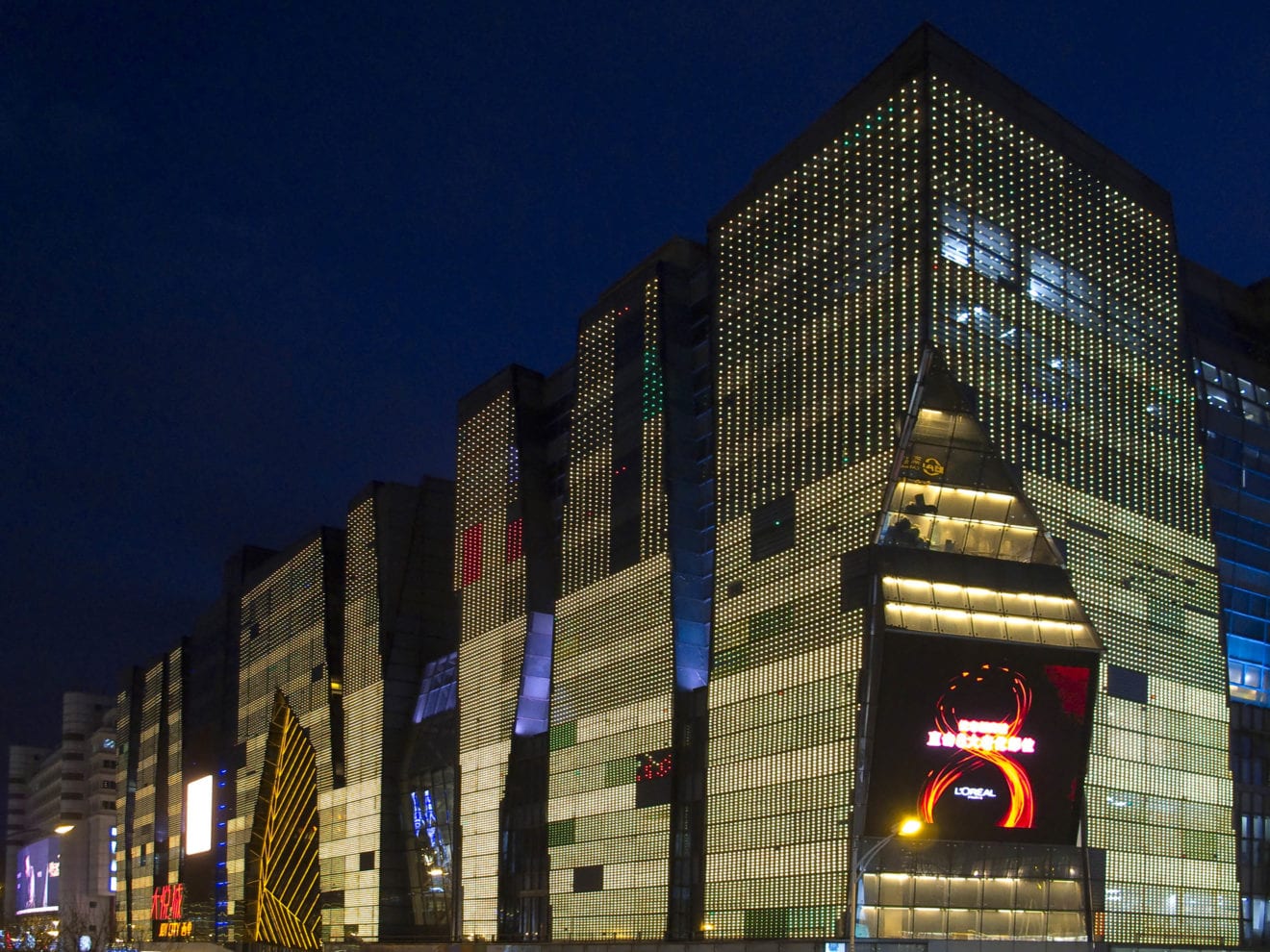
    Alas it has not released any images of the planned development (the image above is of an exciting Joy City project).

    Brands which have already proven successful in other Joy Cities will have an option to open in the new Hangzhou project.

    Hangzhou Joy City will replicate the Joy City brand’s unique architectural style, featuring sky walkways and an open atrium to project a “youthful, fashionable, trendy and quality” image of the brand. It will target the city’s middle-class customers aged between 18 and 35.

    The project will also adopt characteristics peculiar to Hangzhou’s culture while positioning itself as a mecca for the local trendy shoppers, introducing new brands into Hangzhou, the Yangtze River Delta and even Mainland China.

    Hangzhou Joy City comprises an urban complex and commercial properties with a combined gross floor area of 500,000 sqm. At the southern side of the project, a port will be built at the bank of the Grand Canal, which links Beijing with Hangzhou and is a UNESCO World Heritage Site. Consumers will be able to start a boat trip at the port to reach Wulinmen port and Xixi National Wetland Park directly, allowing them to enjoy shopping at Hangzhou Joy City and a boat tour of the park.

    In addition, Hangzhou Joy City will be the first Joy City to launch an outdoor commercial district where all types of shops will be opened for business round the clock.

    Representatives of retailers I.T., Zara, Uniqlo, China Film, Waipojia and Starbucks attended the inauguration ceremony for Hangzhou Joy City.

    Zhou Zheng, VP of COFCO and chairman of Joy City Property said Hangzhou has always been strategically important to Joy City.

    “We hope that Hangzhou Joy City will not only become the lifestyle destination of the city but will also drive consumption and improve the shopping experience in the Hangzhou Bay area. Hangzhou Joy City aspires to be a dazzling pearl in the southern Yangtze River Delta and will work with Shanghai Joy City to reshape the commercial real estate sector in the region.”

  • KFC China accepts Alipay

    KFC China accepts Alipay

    More than 700 KFC China stores have started to accept customer payments via Alipay’s smartphone-based payment technology.

    The stores, in Shanghai and Zhejiang Province are the first of some 5000 outlets across Mainland China which will adopt the payment option in coming months.

    The the partnership with Alibaba, KFC China customers can pay for their meals in local KFC restaurants by using the Alipay Wallet app on their smartphones. The cashless payment solution is expected to enhance operational efficiency of the fast food chain.

    The tie-up with KFC is the first major move of the newly established Koubei, a 50-50 joint venture between Alibaba Group and its affiliate Ant Financial that focuses on increasing the availability of local services through O2O (online-to-offline) eCommerce.

    Koubei plans to integrate Alibaba’s existing food ordering and delivery service Taodiandian and Ant Financial’s merchant services.

    KFC China, which launched in 1987, has been upgrading its restaurants for mobile commerce. Wi-Fi is now available in 2200 KFC China outlets and the company has launched a mobile application for food ordering in Shanghai and Hangzhou.

    According to iResearch, Alipay, a subsidiary of Ant Financial, accounted for 82 per cent of China’s third-party mobile payment sector in 2014. In May, 25 Walmart supermarkets and hypermarkets in Shenzhen began accepting Alipay’s mobile payments.