Retail News CRM

Tag: healthy

  • Ferrero Group Dives into Healthy Snacks, Acquires Brazilian Protein Brand Bold Snacks

    Ferrero Group Dives into Healthy Snacks, Acquires Brazilian Protein Brand Bold Snacks

    The Ferrero Group, an Italian confectionery company, has recently expanded its business by purchasing Bold Snacks, a Brazilian enterprise that specializes in protein snacks. This acquisition is part of Ferrero’s plan to diversify and expand its range of health-conscious products.

    Bold Snacks: A Rising Star in the Health Food Sector

    Bold Snacks was established in 2018 and has quickly gained popularity with its high-protein bars. More recently, the company has broadened its product range to include whey powders. The addition of Bold Snacks to the Ferrero Group’s portfolio is expected to provide new growth opportunities in key markets.

    Daniel Martinez Carretero, CFO of Ferrero Group, expressed his enthusiasm about the acquisition, stating, “Bold Snacks is a unique brand that has been gaining significant traction in Brazil. This deal bolsters our position in the health food category and allows us to continue diversifying our offerings across pivotal markets.”

    Acquisition Details & Future Prospects

    As part of the agreement, Ferrero Group will take ownership of Bold Snacks’ office and manufacturing facility, located in Divinópolis, Minas Gerais. Approximately 300 employees currently working for Bold Snacks will become part of Ferrero Brazil. The completion of the transaction is expected in the coming months, subject to the usual closing conditions.

    This acquisition comes shortly after Ferrero Rocher, another brand under the Ferrero Group, debuted its new Easter product line.

    Questions & Answers

    What is Bold Snacks renowned for?
    Bold Snacks is popular for its protein bars and has recently introduced whey powders to its product range.

    How will the acquisition of Bold Snacks benefit Ferrero Group?
    The acquisition will strengthen Ferrero’s presence in the health food category and support the ongoing diversification of its product portfolio across key markets.

    What will happen to Bold Snacks’ staff following the acquisition?
    Approximately 300 Bold Snacks employees will transition to Ferrero Brazil.

  • Mekong Delta Mango Prices Soar by 33% as Tet Celebrations Approach Amid Low Supply

    Mekong Delta Mango Prices Soar by 33% as Tet Celebrations Approach Amid Low Supply

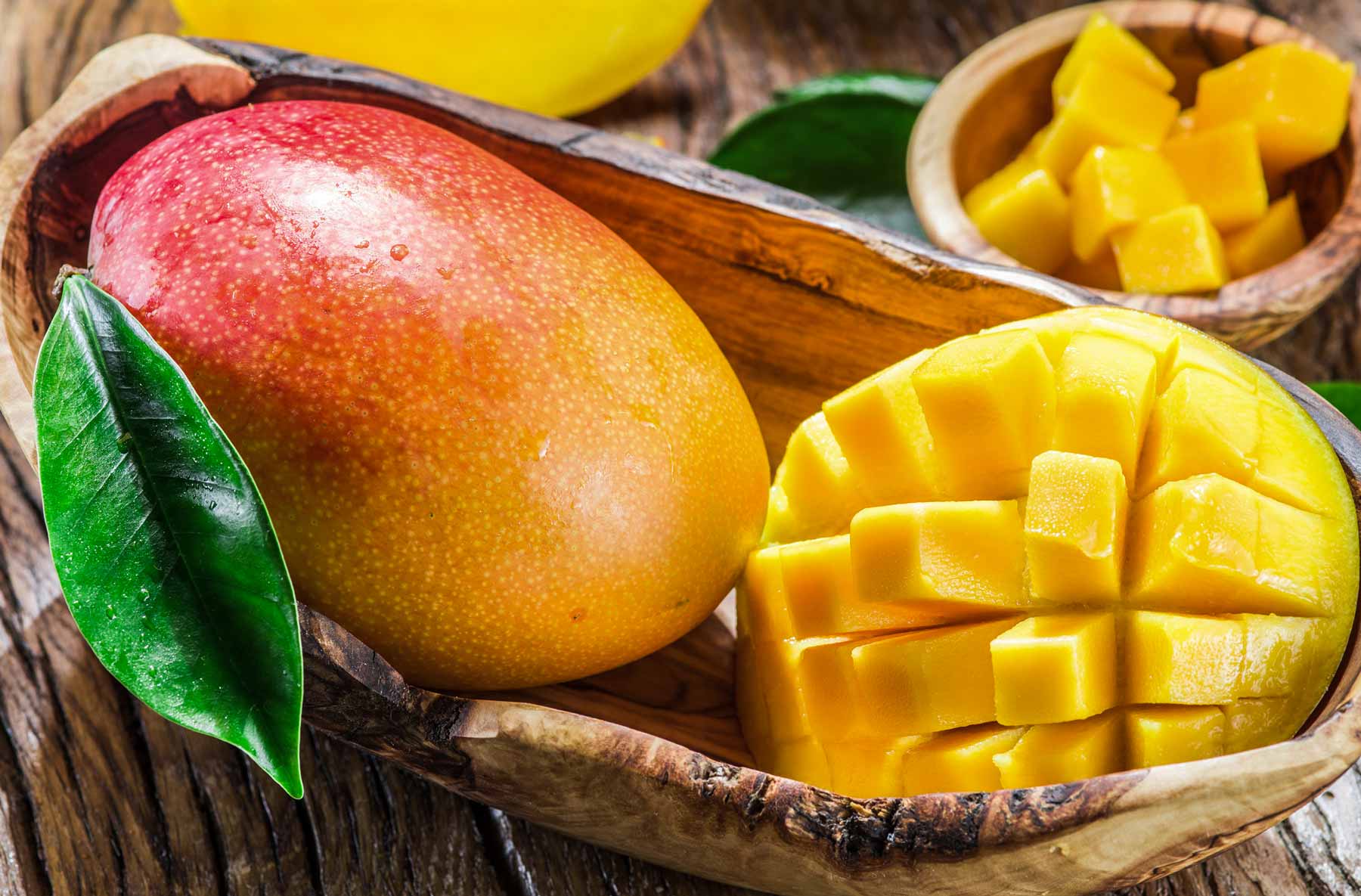
    The Mekong Delta’s renowned Hoa Loc mangoes are currently being sold at a retail price of VND200,000 (US$7.70) per kilogram, reflecting a surge of 33% compared to the previous year, primarily due to a supply shortage.

    Market Dynamics

    Several retail stores in Ho Chi Minh City (HCMC) have reported difficulties in procuring sufficient quantities of this fruit, which is a traditional component of the Tet (Lunar New Year) fruit tray. As the New Year approaches, larger and more attractive fruits are being sold out rapidly, despite their steep prices.

    Nguyen Thi Loan, a fruit store owner located in the An Hoi Dong Ward of the city, revealed that her daily sales have dropped to approximately 150 kilograms compared to last year’s 200 kilograms during the same period. The availability of other mango varieties has also decreased, subsequently pushing their prices upwards.

    Weather Impact and Export Priorities

    Unfavorable weather conditions have hampered timely fruit-bearing in many large orchards, contributing to the supply-demand imbalance. Nguyen Thi Hong, a mango grower with over a hectare of land in the Mekong Delta province of Dong Thap, claimed that Hoa Loc yields have declined by 20-30% compared to the previous year.

    This reduction in output has inflated both farm-gate and wholesale prices. For instance, at the Thu Duc agricultural wholesale market in HCMC, mango prices have skyrocketed by over 60% since the last Tet, reaching VND130,000 per kilogram.

    A manager at the market also indicated that certain businesses are prioritizing their export orders, thereby intensifying the local supply crunch.

    Questions & Answers

    Why have the retail prices of Hoa Loc mangoes increased significantly?
    The prices have escalated due to a supply shortage, which has resulted from unfavorable weather conditions and lower yields.

    What other factors are contributing to the rise in the prices of these mangoes?
    In addition to the supply-demand imbalance, some businesses are prioritizing their export orders over local supply, leading to a further increase in prices.

    How has this affected the traditional Tet fruit tray?
    The scarcity of Hoa Loc mangoes and their high prices have led to a reduction in sales, impacting the traditional Tet fruit tray which typically includes these mangoes.

  • Tet Holiday Sees Durian Prices Skyrocket Amid Mekong Delta Supply Crisis

    Tet Holiday Sees Durian Prices Skyrocket Amid Mekong Delta Supply Crisis

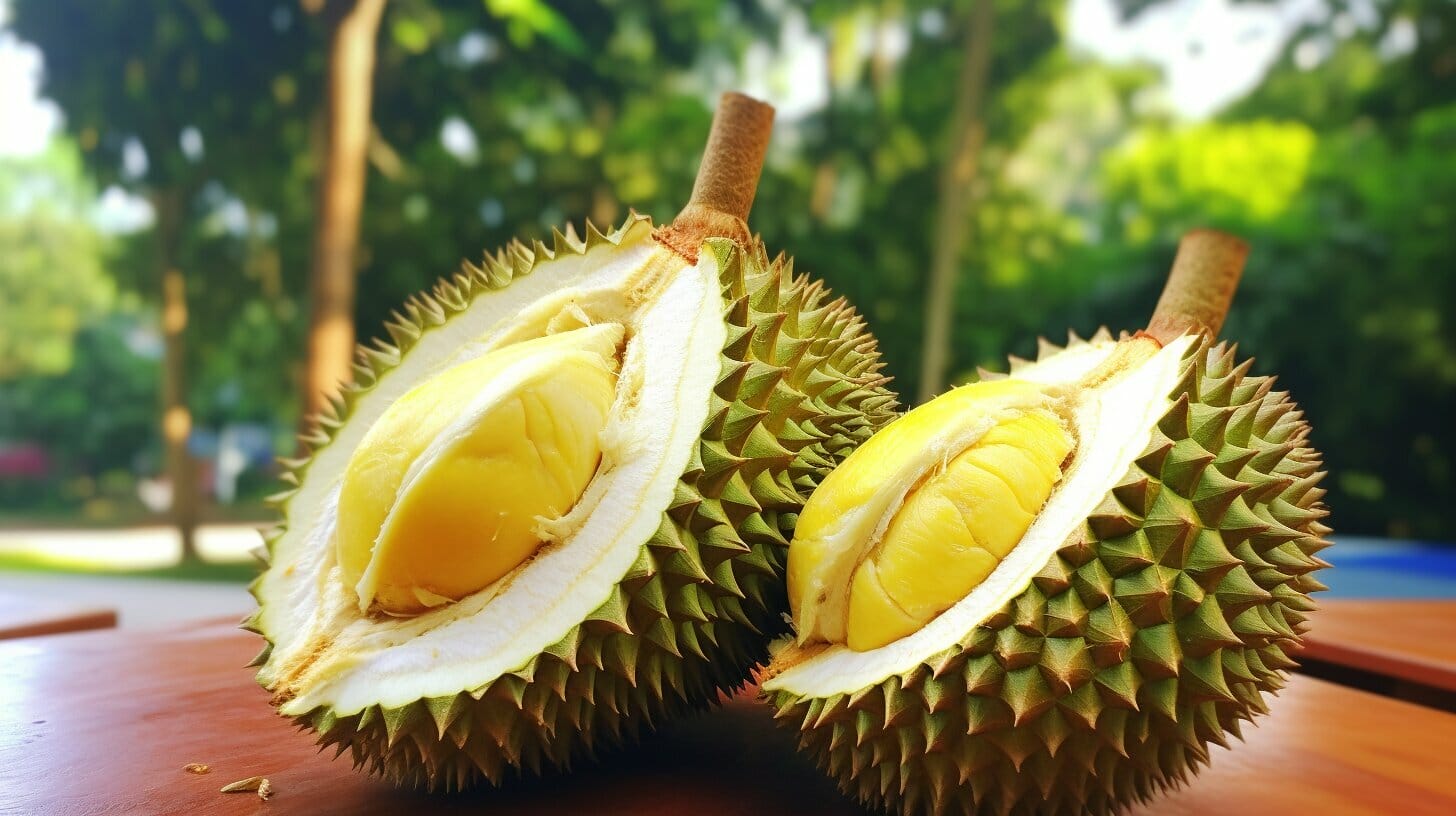
    As the Lunar New Year, or Tet, approaches, the cost of durians has seen a significant spike due to the dwindling supply in the Mekong Delta region. Traders are currently buying the highest quality, or grade A, Monthong durians for a rate of VND140,000 (US$5.4) per kilogram, marking the highest price point in two years.

    Price Increases Across Durian Varieties

    The Grade A Ri6 durian is also witnessing a price surge, selling at VND80,000, which is an increase of 30 to 50 percent from prices recorded in November, marking the end of the main harvest period.

    Nguyen Thanh, a trader based in the Dong Thap Province of the Mekong Delta region, has reported challenges in obtaining a sizable quantity of durians, despite repeated offers of higher prices.

    Lower Harvests Impacting Supply

    The country’s primary durian supply comes from the off-season crop harvested in the Mekong Delta from November to March. However, farmers have reported lower harvests this year, which is impacting supply.

    A farmer by the name of Cuong, who owns a durian orchard in Can Tho City, decided to forego the harvest this year after experiencing a drastic dip in prices during last year’s Tet preparation. He is instead nurturing his trees for the main harvest season in April.

    Dien, a farmer from Dong Thap Province, expressed that many growers have opted out of the off-season crop this year due to unpredictable weather patterns, which have increased costs while simultaneously reducing yields. Despite a 30% decrease in output compared to last year, Dien managed to sell around 200 kilograms of fruit at VND130,000 per kilogram.

    Floods and Export Demands Affect Durian Supply

    According to the Vietnam Fruit and Vegetable Association, several delta orchards were severely affected by floods a few months ago and are still in recovery. High export demand is also contributing to the strain on supply.

    Last year, durian exports were valued at $3.86 billion, marking a 20% increase from the previous year, as per customs data.

    Questions & Answers

    Why have durian prices increased?
    Durian prices have increased due to a reduced supply caused by lower harvests, the damaging effects of recent floods, and high export demand.

    How are farmers responding to the increase in durian prices?
    Some farmers, despite the high prices, have decided to skip the off-season harvest this year due to reduced yields and increased costs caused by unpredictable weather.

    What factors affected the durian supply?
    The durian supply was negatively affected by disruptive weather patterns, floods that damaged several orchards, and high export demand, which strained the already limited supply.

  • Byron Bay Cookies Unveils New Protein-Plus Range: Healthier Indulgence on its 35th Anniversary

    Byron Bay Cookies Unveils New Protein-Plus Range: Healthier Indulgence on its 35th Anniversary

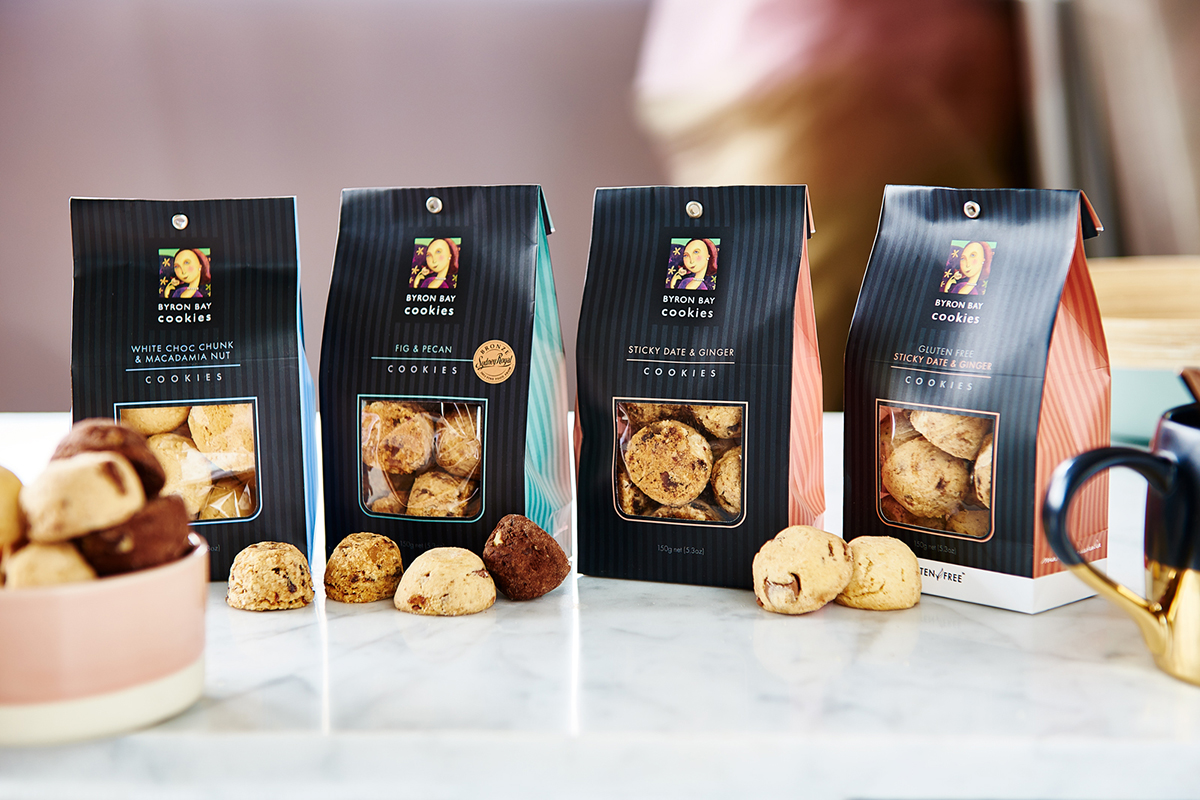
    Byron Bay Cookies is celebrating its 35th anniversary with the introduction of the Protein Plus Cookie range. These are 60g cookies, each individually packed, with protein content ranging from 16g to 18g and fibre content from 5g to 6g.

    Healthier Cookie Option

    The company claims that their new range of protein-rich cookies contains about 45% less sugar and 60% fewer carbohydrates compared to their original cookie lineup. This makes the new range a healthier choice for consumers who are conscious about their sugar and carbohydrate intake.

    Three Delicious Flavours

    The Protein Plus Cookie range comes in three delectable flavours: White Choc Macadamia, Milk Choc Chunk, and Triple Choc. These delicious options give customers variety and make it easier for them to incorporate these healthier cookies into their diet.

    Availability and Pricing

    The new range is set to be available on the company’s website from this month onward, with a recommended retail price of $6 per cookie.

    Bill Quayle, the owner and director of Byron Bay Cookies, believes that protein is not just a fleeting trend, but a lifestyle choice. He said, “We know our customers have been looking for something that delivers extra nutritional benefits, while still delivering on the taste and indulgence that we’re known for.”

    Questions & Answers

    What is the protein and fibre content of the new Protein Plus Cookie range from Byron Bay Cookies?
    Each 60g cookie from the new range contains between 16g to 18g of protein and 5g to 6g of fibre.

    What flavours does the Protein Plus Cookie range come in?
    The range comes in three flavours: White Choc Macadamia, Milk Choc Chunk, and Triple Choc.

    Where can customers purchase the new Protein Plus Cookie range and how much does it cost?
    The cookies are available on the company’s website from this month, with a recommended retail price of $6 per cookie.

  • Wanderlust Unveils Biohack: A New Wellness Range Promising Enhanced Mental And Physical Performance

    Wanderlust Unveils Biohack: A New Wellness Range Promising Enhanced Mental And Physical Performance

    Australian health and wellness brand, Wanderlust, has unveiled a new product range, BioHack by Wanderlust. This supplement collection aims to enhance both mental and physical performance, promoting vitality, focus, resilience, and energy.

    The product line, which will be accessible online and in Chemist Warehouse locations, consists of a diverse selection of 23 formulations. Each is specifically designed with the goal of supporting various aspects of human wellness, ranging from vitality and focus to resilience and energy.

    One notable product in this collection is the NAD+ Boost. This unique supplement features the NAD+ precursor ingredient, known for its beneficial role in energy metabolism and cellular vitality.

    Wanderlust Chairman, Radek Sali, expressed the company’s philosophy and goal behind the new product line. “We believe that age is a privilege and our mission is to assist individuals in embracing their current stage of life,” he said. “This way, they can optimise their journey moving forward. BioHack by Wanderlust is not a fringe experiment in biohacking. Instead, it represents intelligent, science-supported decisions that empower individuals to take control of their evolution.”

    Questions & Answers

    What is the goal of Wanderlust’s new product line, BioHack?
    BioHack by Wanderlust is designed to enhance mental and physical performance. The products aim to promote vitality, focus, resilience, and energy.

    Where can consumers access the BioHack by Wanderlust collection?
    The BioHack by Wanderlust collection is available online and at Chemist Warehouse locations.

    What is the function of the NAD+ precursor ingredient in the NAD+ Boost supplement?
    The NAD+ precursor ingredient helps to boost energy metabolism and cellular vitality.

  • Vietnamese passion fruits enter Australian market

    Vietnamese passion fruits enter Australian market

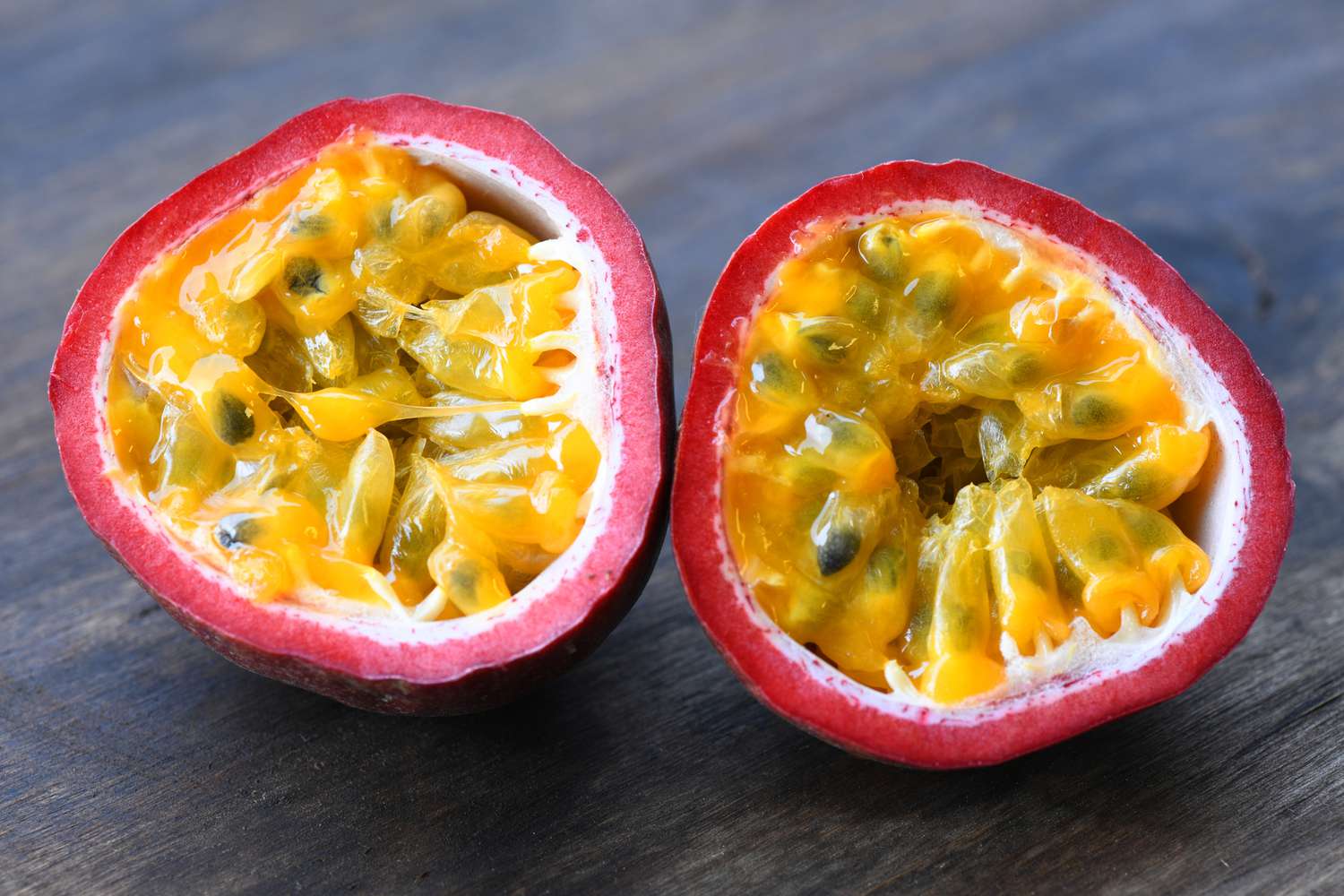
    Passion fruits have become the fifth kind of Vietnamese fruits to be officially exported to Australia, following mango, longan, lychee, and dragon fruit.

    On Monday, the Plant Protection Department under the Ministry of Agriculture and Rural Development in collaboration with the Australian Embassy in Vietnam held a ceremony to announce the export of Vietnamese passion fruits to Australia and the import of Australian plums into Vietnam.

    Huynh Tan Dat, Director of the Plant Protection Department, underlined that Vietnam has great potential and advantages in tropical fruits.

    Currently, Vietnamese fruits are available in over 60 countries and territories. Specifically, passion fruits have been exported to 20 countries in various forms such as fresh, frozen, and juice.

    The area of passion fruit in Vietnam is currently over 12,000 hectares and is expanding, mostly in the northern mountainous region. Many provinces in the Central Highlands are also expanding the cultivation area of this fruit.

    In recent years, Vietnam has concentrated on improving passion fruit quality by promoting chain production and ensuring traceability for the product, focusing on two varieties of yellow passion fruit and purple passion fruit.

  • Vietnam beats Thailand at durian exports to China

    Vietnam beats Thailand at durian exports to China

    Vietnam has surpassed Thailand as the top durian exporter to China, shipping 32,750 tons in the first two months of 2024.

    This accounted for 57% of China’s imports, up from 32% last year, according to Vietnam Customs.

    Vietnam’s export of the fruit to China rose by 2.4 times year-on-year.

    Thailand saw its exports plunge by half to 19,000 tons.

    At US$4,916 per container, Vietnam’s export price was almost 20% lower than Thailand’s.

    Dang Phuc Nguyen, general secretary of the Vietnam Fruits & Vegetables Association, said Vietnam’s weather allows durian to be grown all year round.

    It shares a border with China, which offers it an advantage in transportation.

    Farmers have been hiking durian prices in recent months thanks to high demand from China.

    In March the prices of the highest quality Monthong variety in the Mekong Delta were up 15% from a year earlier to VND218,000-230,000 ($8.7-9.2) per kilogram.

    Vietnam’s durian exports are expected to top $3.5 billion this year, up 66% from last year.

  • King orange prices hit new low as demand slumps

    King orange prices hit new low as demand slumps

    King orange prices have sunk to VND2,000-4,000 (US$0.08-0.16) per kilogram at the farm gate, half it’s previous lowest reached in June, but still, not many merchants are buying the fruit.

    Oanh, who owns an orchard in southern Dong Nai Province, says she recently harvested three tonnes of oranges but could not sell them.

    Since they had already ripened, she had to lower her price to VND2,000-3,000 a kilogram to try and sell them before they rotted, resulting in a marginal loss.

    Similarly, Thanh’s orange orchard in southern Vinh Long Province, too, made a small loss.

    “My family will not have enough money for the next crop,” he sighs.

    At traditional markets and on online stores in HCMC, king orange prices are at an all-time low. Merchants are selling it at VND8,000 or even cheaper, at VND7,000, when bought in bulk.

    But the low prices have not helped improve demand.

    Loan, who runs a fruit store on Pham Van Chieu Street, HCMC, says sales are 30% down.

    Many merchants say the orange also has to compete with better alternatives like the Vinh variety, whose harvest is 10-15% more than last year, and other cheap fruits imported from China.

    “In the last three days I have only sold a few dozen kilograms of king oranges. So I have stopped buying them and switched to tangerine and Vinh orange, both of which are more in demand,” Loan says.

    Nguyen Huong, a merchant in HCMC who usually buys king oranges in Vinh Long, says: “Last year I sold 3-5 tonnes a day, but only 1-1.5 tonnes this year.”

    In HCMC’s Tam Binh District, type 1, the highest quality, is sold at VND4,000, type 2 at VND3,000 and bulk price at VND2,000, according to a report by the Vinh Long Department of Agriculture and Rural Development.

    It explains that demand for the fruit has decreased sharply while stocks have been piling up due to excessive supply.

    According to agriculture departments in the Mekong Delta, stocks have reached millions of tonnes, including one million tonnes in Vinh Long alone.

    Bitterly about last season’s losses, farmers have been growing king oranges perfunctorily, leading to distorted products that drag down prices even further.

    Agriculture departments in the Mekong Delta are working to promote the fruit in HCMC’s industrial zones, Binh Duong and the north, encouraging food processing businesses to use it as an ingredient in making new products.

    Since May, the Ministry of Agriculture and Rural Development’s crop production department has been discussing quality standards with Chinese regulators to export citrus fruits to their country.

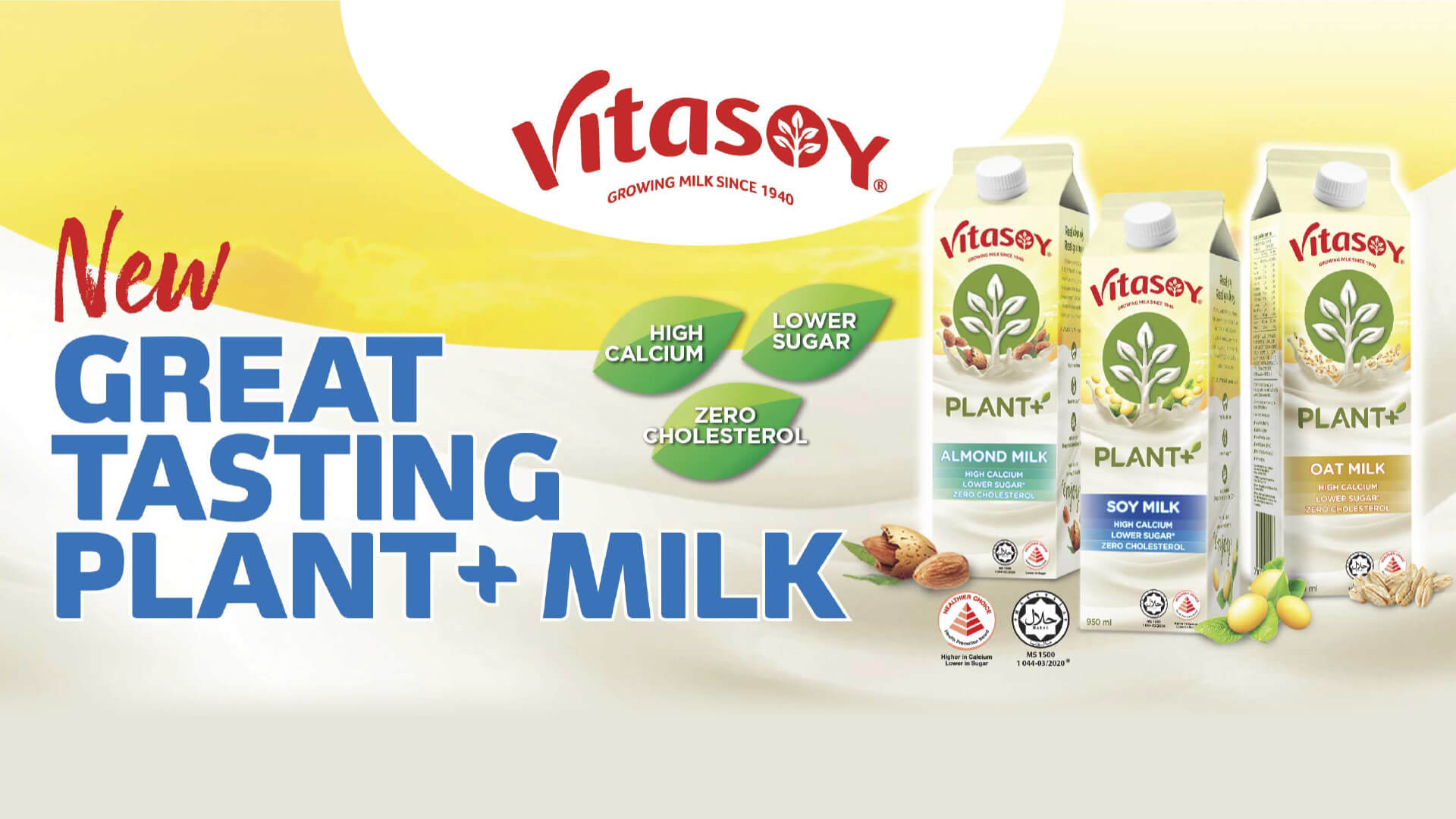
  • Vitasoy launches plant-based oat yogurt range

    Vitasoy launches plant-based oat yogurt range

    Beverage brand Vitasoy has unveiled a new plant-based yogurt range made with homegrown oats.

    The range is made at Vitasoy’s Albury-Wodonga facility and is available in three flavours Blueberry, Vanilla and Summer Fruits – which include a blend of mango, guava, passionfruit and pineapple.

    The oat yogurts are nutritionally fortified with high-quality plant-based calcium, vitamin B12, vitamin D, protein and calcium and come with a 4 Health Star Rating.

    Nick Bartram, marketing and strategy GM of Vitasoy Australia, said the business has responded to demand from customers to introduce an additional plant-based yogurt range to the market.

    “Following the incredible consumer response to the launch of our Greek Style Soy Yogurt portfolio last year, we saw an opportunity to diversify the range using an Oat milk base.

    “We were determined to deliver our signature smooth and creamy texture, along with a strong nutritional profile by adding protein and calcium, when developing this range.”

    Belinda Dib, accredited practising dietitian at Vitasoy Australia, said the products combine the soluble fibre present in oats with live cultures found in fermented products and will support gut health.

    Vitasoy Oat Yogurts are now available in select Coles supermarkets nationally and retail for $3 each.

  • Cleanery, eco-cleaning start-up set for Australian launch

    Cleanery, eco-cleaning start-up set for Australian launch

    Cleanery, the innovative Kiwi eco-cleaning and personal care products company, has closed an oversubscribed Seed Round of $2.34 million.

    Kiwi eco-cleaning start-up attracts big name backers for Australasian growth

    Cleanery, the innovative Kiwi eco-cleaning and personal care products company, has closed an oversubscribed Seed Round of $2.34 million.

    The raise attracted significant interest from the New Zealand business community, including Peter Cullinane, Nicola O’Rourke, and Michael Stiassny (via their company Founders Advisory), Shane Bradley (formerly GrabOne), and Lance Wiggs, via the newly minted Climate Venture Capital Fund.

    The Climate Venture Capital Fund is the largest investor in this Seed Round. Also investing is Icehouse Ventures, Angel HQ, and friends and family who have supported the company from day one.

    “This is an exciting time for us,” says Cleanery co-founder Mark Sorensen. “The size of the investment is larger than we initially anticipated and the quality of the people backing us is incredible. To have the likes of Peter Cullinane who made such a success with Lewis Road Creamery, or the Climate VC Fund, which sees our emissions reduction potential, gives us real confidence.

    “The money raised will be used to deliver an exciting New Zealand and Australian marketing plan, a USA e-commerce pilot, and resourcing the business for rapid growth,” says Sorensen.

    After a successful launch supported by Farro in October 2021, the products are already loved by many New Zealanders, with a growing direct-to-consumer offer.

    Woolworth’s launch

    The successful Seed Round coincides with Cleanery’s launch into Australia with a national rollout in Woolworths supermarkets, starting this week.

    “We have great capacity in our Auckland factory – and so it’s all about growing market share. The products work exceptionally well, and we’ve been selling online and in select outlets since last year, so we know there’s demand. It’s now about getting scale, which Woolworths and other supermarkets will bring in spades.”

    Just add water!

    Cleanery’s patented technology is revolutionising the cleaning and personal care categories by removing the water and the plastic bottle and simply using a sachet.

    “There’s no point shipping water when we’ve all got perfectly good water in our taps at home. And we all know the problem caused by packaging waste – so let’s reuse what you’ve already got under the sink,” says co-founder Ellie Brade.

    Cleanery products come in a recyclable sachet that can be mixed with water in a bottle the company supplies – or one of your own.

    “We’ll even give you a sticker to put over the old label,” she says.

    Cleanery estimates its products reduce plastic by 99%. And by not shipping water Cleanery can fit the equivalent of over 200,000 bottles in one shipping container – up to 20 times more than traditional products and at a fraction of the weight.

    Cullinane likes the disruption

    The proposition was immediately attractive to Peter Cullinane, whose former company Lewis Road Creamery shook up the dairy aisle. “The cleaning and personal care products industry is very large and very much ready for a disruption,” he says. “Cleanery is such a simple proposition: it’s the cleaner we want, not the bottle. And it works. It really does.”

    Tests demonstrate how Cleanery’s products clean more effectively than other mainstream cleaning products – eco or otherwise – while still having a safe, natural, plant and mineral based formulation.

    “So you have a cleaner that works better than any other, has such an elegant packaging solution, costs less, and has impeccable environmental credentials. What’s not to like?” says Cullinane.

    Emissions saved

    Dr Jez Weston, a partner in the Climate VC Fund says Cleanery meets its strict criteria for emissions reductions.

    “Our mission is to fund high growth companies that deliver significant emissions reductions. Cleanery means you’re not making more single use plastic bottles and spray heads and it means you’re not hauling that weight of water around the world. Every household uses cleaning products, so the emissions savings are going to be substantial.”

    This is the second investment by Climate VC Fund. Rohan MacMahon, partner of the fund, says Cleanery’s environmental credibility is matched by a strong management team. “We have huge confidence in the technical and commercial talent that Mark has attracted.”

    Born on a beach

    The investment in Cleanery is sweet reward for Sorensen, whose journey to solving plastic pollution started aged 14.

    “When we launched the company, my mother dug out an old essay I’d written in Social Studies about the urgent need to address the problems with packaging. I’d forgotten I’d even written it. I got an A+ by the way.”

    The essay was forgotten but the sentiment remained and during a three-day tramp in New Zealand’s Far North in 2017, Sorensen was surprised to find plastic on the coastline. “Here I was on remote beaches in the most remote country on Earth and I was still finding plastic. I was really motivated to do something.”

    Having worked with many of New Zealand’s most exciting science and technology companies as an advisor, he was well placed to know how to start and who to call on. But the technical challenge proved immense. “it’s one thing to slap together something that looks and smells like a cleaner – to create something that actually does the job, and can truly replace mainstream products, is another thing altogether.”

    Through a series of collaborations and explorations, the initial chemistry was developed and the real work – scaling up a factory capable of producing these novel formulations – began.

    “The timing is right. Consumers want to address the problem. China has stopped taking our so-called ‘recycling’ and the government and industry realise they need to do something.

    “And Covid helped highlight the need for scalable, local, manufacturing. The decisions we made during early Covid lockdowns, when supply chains started looking dicey, are paying off as we are now in control of our destiny with our own plant based here in Auckland and can produce product at any volume.”

  • Nike E-commerce sales soar during coronavirus crisis

    Nike E-commerce sales soar during coronavirus crisis

    Nike online sales soared 36 percent in the February quarter, compensating in part for a slump in sales across Mainland China which was in lockdown for much of January and February due to the coronavirus outbreak.

    The strength of online sales gave the retail giant a buffer from stalling brick-and-mortar sales, but it is not just in China that the effect is obvious.

    In an earnings call, Nike EVP and CFO Andy Campion said online sales in every global market grew in excess of 30 percent for both its core brand and sister brand Converse in the three months to February 28. That fuelled growth in both quarterly sales and earnings greater than the company expected.

    “From a digital capability perspective, the investments we’ve made to-date are now proving to be the foundation for our resilience amid challenges and they will be strengths as we emerge,” said Campion.

    “We are still in the early innings of Nike’s digital transformation, but the capabilities we’ve already been building for the future are proving to be the strongest pillars within our business today.

    “These are times in which strong brands get stronger and we’re confident that Nike will come back stronger than ever.”

    Campion told analysts that following its China experience, the company is now seeing similar trends play out in other markets where government lockdowns are resulting in shopping malls and stores being closed to help stem the spread of the virus. Now, consumers are shopping online instead.

    Nike is responding to the digital uptake by using tools that dynamically model demand, planning, allocation and pricing and using its app and membership program to reach out to consumers and encourage them to be active at home, while in lockdown. Those mediums are also offering products and services specifically targeted to various groups of consumers or individuals.

  • Chinese fruit-vending machines driven by AI

    Chinese fruit-vending machines driven by AI

    AI-run fruit-vending machines are offering Chinese consumers a new way of buying fruit and vegetables.

    The machines, developed two years ago by Beijing Kuo’an Science and Technology, are providing an alternative channel for residents of China’s tier-one and tier-two cities, who traditionally rely on relatively distant large-scale supermarkets and community stores for fruit purchases.

    “Every unit of AI fruit vending machines has 24 smaller sections with different types of fruit or vegetables,” said Beijing Kuo’an Science and Technology chairman Guan Luanjun. “Every section has a built-in set of scales. When customers select their fruit, they can use WeChat or AliPay to scan the QR-code on the Chinese fruit-vending machines to open the relevant section. The section automatically slides out to present the customer with its content. The customer can select and take their fruit or vegetables, and then the section automatically calculates the weight that was removed. The customer can then pay for their fruit or vegetables with WeChat or Alipay.”

    The vending machines feature cameras on both sides, allowing them to monitor customers who operate them, minimising abuse of the service. In addition, WeChat and Alipay provide payment methods that both vendor and customer trust.

    “The main advantage of Convenient E-Fresh machines over traditional, large-scale supermarkets and community stores is the low cost,” said Guan, who adds that the model allows vendors to source fruit at low cost from wholesale markets. “In addition, our automated vending machines only occupy a small area, which means that we save on rent and labour cost in comparison with large-scale supermarkets and community stores that occupy large terrains and employ large numbers of people.”

    The firm currently operates 50 AI Chinese fruit-vending machines in Suzhou, and intends to expand operations across the entire Yangzi River Delta area within two years.

    “We hope to improve consumer knowledge and consumer recognition of the Convenient E-Fresh brand,” adds Guan. “And we plan to scale our operations within two years with AI vending machine units in 500–1000 districts. Furthermore, we are in negotiations with a number of domestic and overseas suppliers to make sure consumers have a broad choice of beautiful and delicious fruits for low prices. We sincerely hope that our efforts help to improve the entire supply chain.”

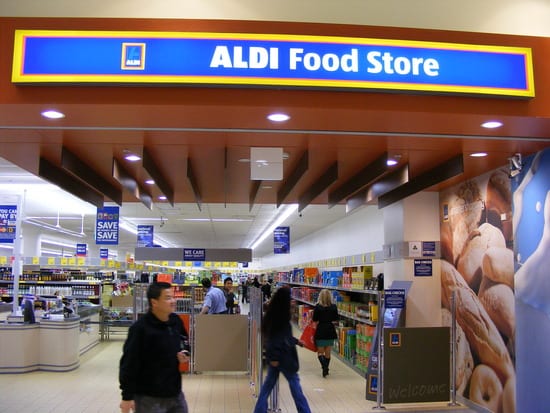
  • Aldi food truck delivering Healthy Food to Football Clubs

    Aldi food truck delivering Healthy Food to Football Clubs

    Discount grocer Aldi is bringing its new food truck to MiniRoos football clubs across Australia to offer kids healthy food options.

    The Mighty Mini Chefs Food Truck has an accompanying app with interactive games for kids to create healthy lunch box based on their daily activities.

    From June 1, Aldi’s food truck will begin visiting 14 football clubs, from Yeppoon in Queensland to Wodonga in Victoria.

    “For the clubs that the truck visits, ALDI MiniRoos participants will be able to play on an app to learn about food and how it impacts their day-to-day lives,” the retailer said in a blog post on Friday.

    “For any kids that don’t get a chance to experience the Mighty Mini Chefs Food Truck, we have the MiniRoos Mighty Menu on hand to inspire parents and children to cook nutritious meals. Created in partnership with the Caltex Socceroos’ chef and nutritionist, Vinicus Capovilla, the seven day menu is full of easy, affordable and healthy meals. The MiniRoos Mighty Menu has been a mighty success, with families all over the country discovering that eating well doesn’t have to be hard work and that healthy foods taste great.”

    The supermarket giant’s three-year partnership with Australia’s largest football program for kids, the MiniRoos, has helped the retailer reach a broader section of the community. The discount grocer partnered with Football Federation Australia on creating fun ALDI MiniRoos sessions that will help kids develop new skills and meet new friends.

    The retailer recently added Sam Kerr, Westfield Matilda’s and Perth Glory player, as an Aldi MiniRoos ambassador.

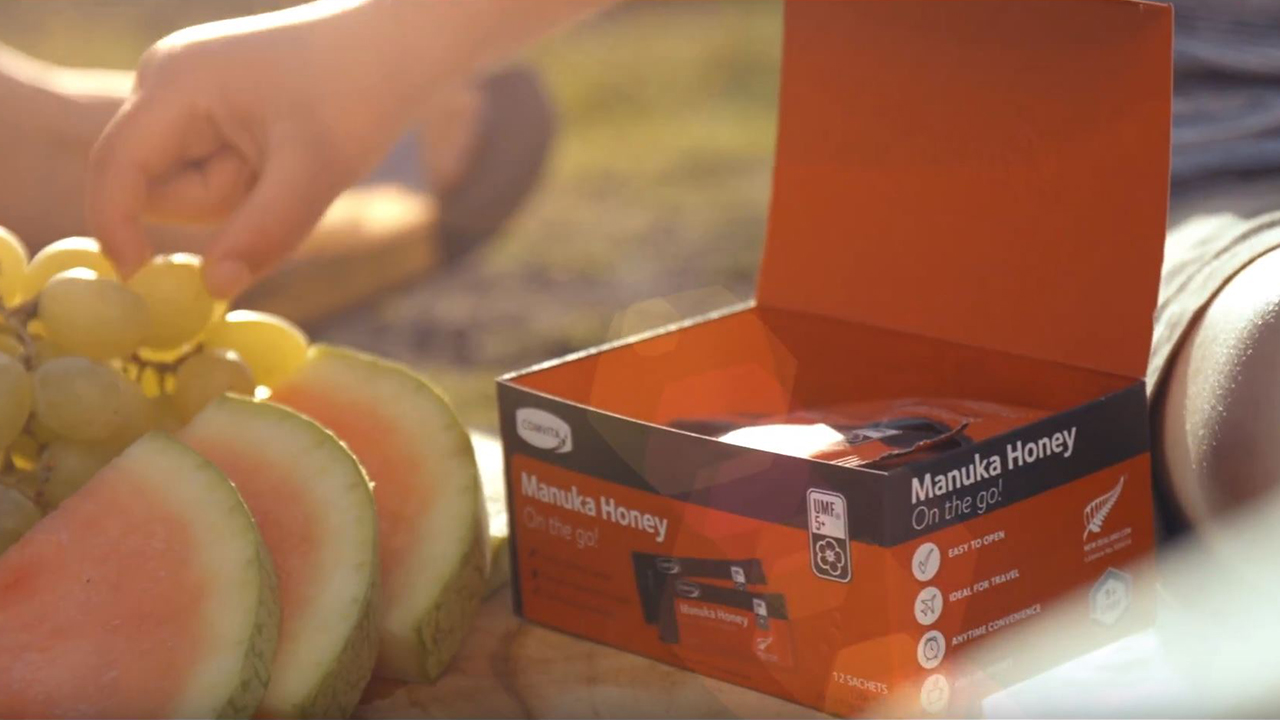
  • Comvita Honey wholly acquires China joint venture

    Comvita Honey wholly acquires China joint venture

    New Zealand honey business Comvita has entered into a conditional agreement to acquire the remaining 49 per cent of its China joint venture, Comvita Food Ltd and Comvita China Limited.

    The acquisition will be funded through the issuing of 4.05 million new shares, as well as a payment of $3.19 million.

    “This completes the ‘final piece of the jigsaw’ with respect to our China Strategy, which we have been working on for a number of years,” Comvita chief executive Scott Coulter said.

    “Our goal has been to gain full control of our brand across all key channels into China. This acquisition significantly strengthens our direct to China business, the key building block in our China strategic plan.”

    According to Coulter, China remains Comvita’s strongest consumer base, with its success in the region underpinned by its efforts to get closer to the Chinese consumer.

    This was initially done through a distribution relationship for 12 years, before the business entered a 51 to 49 per cent joint venture in 2017. This acquisition is the culmination of that effort.

    “China is moving into a direct trade and a formalised cross border e-commerce model, to ensure both consumer protection and fairness in taxation between online and offline ‘players’ are in place,” Coulter continued.

    “This acquisition will provide Comvita with much more flexibility to optimise sales and channel profitability in this fast evolving environment.”

    For the remainder of the year, the brand issued three goals for the China market: to achieve price harmonisation between its channels and markets, to supply key cross border e-commerce platforms directly, and to build its e-commerce and marketing capability in the region.

    Comvita chair Neil Craig noted that while the recent period had been tough on shareholders due to the execution of the brand’s strategy in China impacting its short term earnings, the brand now expects revenue from its consolidated China business to be greater than $200 million in sales annually.

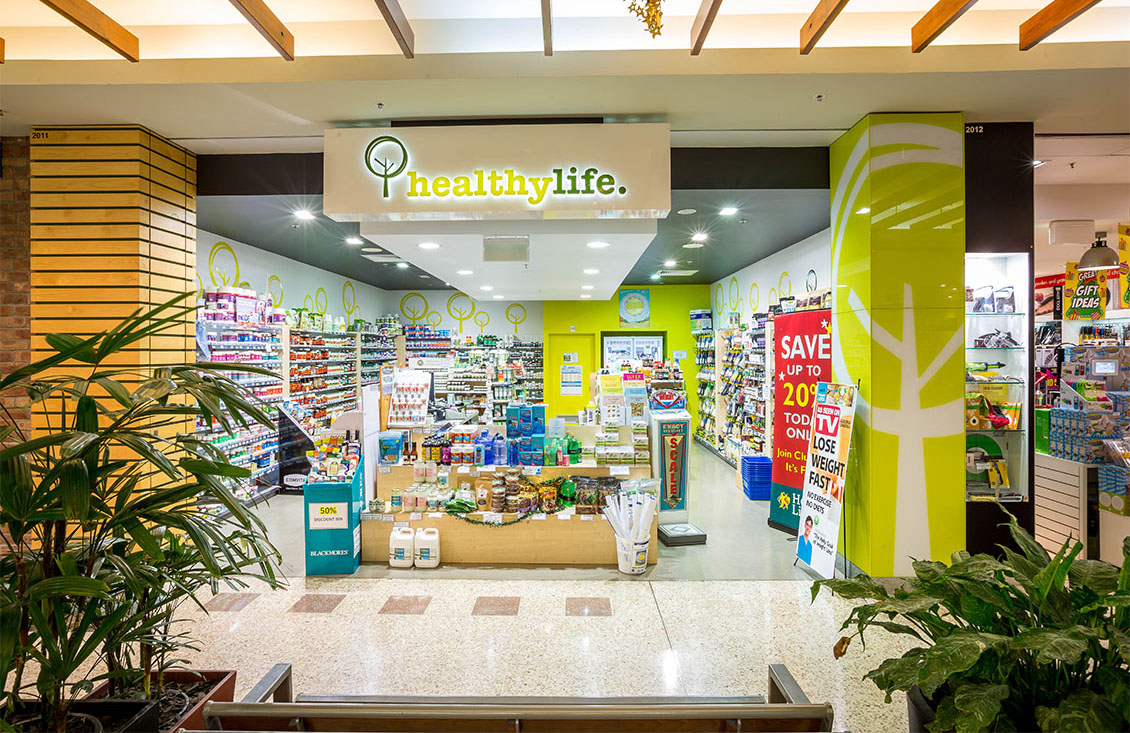
  • Healthy Life to join Go Vita network Immediately

    Healthy Life to join Go Vita network Immediately

    Australian retailer Healthy Life will join the nation’s largest health food store group, Go Vita, in the hope of strengthening the retail health channel.

    GoVita has more than 135 independently-owned and operated health stores in its network. Going forward, Healthy Life’s 50-plus store network will be co-branded as GoVita & Healthy Life, and both brands will retain their current identity.

    “In the face of an increasingly competitive and challenging retail environment, we believe this move will strengthen the retail health channel for the future,” said Healthy Life general manager, Craig Johnston in a statement on Tuesday.

    Healthy Life Group also plans to boost growth by investing further in its private label range for export.

    “By joining forces with Go Vita and shoring up the retail health channel we can both benefit from the significant growth that has seen the complementary medicine sector grow by 70 per cent in the last five years alone to an estimated $4.9 billion and the organic food market, which has grown by 88 per cent to an estimated $2.4 billion in Australia,” Healthy Life chairman Rolf Krecklenberg said.

    Go Vita CEO Terry Hughes said the move is great for both parties and will give Australians easier access to premium health and wellness products and services.

    “They Healthy Life have joined as members of Go Vita, enabling Go Vita to have a larger footprint to better serve the health & wellness sector across Australia with an increased store base just short of 180 stores nationally,” Terry Hughes CEO Go Vita told.

    “Health food stores play a vital role in the growth of Australia’s health and wellness industry. They are the incubators and launch pads for new, innovative products onto the Australian market and are a critical part of our retail landscape; ensuring consumers have diversity of choice about what they buy, and where they shop.”

    Commenting on whether there would be store closures in areas where Healthy Life/Go Vita store locations overlap Hughes said, “this will be reviewed on a case by case situation”.

    “If the Healthy Life store is within 1 km of the existing Go Vita store we will look to relocate the Healthy Life store.”