Tag: Hema

  • Alibaba to thank New Retail for Its record sales

    Alibaba to thank New Retail for Its record sales

    Continuing momentum in Alibaba Group’s New Retail business helped drive a 56 per cent year-on-year growth in sales for the quarter to December 31.

    The performance of the New Retail category – which combines its online (non-marketplace) and fast-growing offline retail businesses, including investments in Sun Art Retail and other established businesses – was a core highlight of the quarter, according to CEO Daniel Zhang.

    “Alibaba had another great quarter driven by the continued strength of the Chinese consumer and the wide and innovative range of services we provide for merchants and consumers,” he said.

    “We are excited by the continued momentum in New Retail, which came to life during another record-breaking 11.11 Global Shopping Festival. We expanded the scale and footprint of our New Retail initiatives with the vision of delivering true convergence of the online and offline consumer experience through mobile and enterprise technology.”

    Maggie Wu, CFO, said the group’s core business generated significant free cash flow of US$7.1 billion during the quarter, “enabling us to invest in New Retail, cloud computing, digital entertainment and globalisation”.

    Revenue from core online commerce (marketplace) activities rose 57 per cent to US$11.257 billion and from cloud computing by 104 per cent to $553 million. Digital media and entertainment sales rose 33 per cent to $832 million.

    The number of annual active consumers on Alibaba Group’s China retail marketplaces reached 515 million, an increase of 27 million from the year to September 30.

    Net income was $3.586 billion with operating margin was 31 per cent and adjusted EBITA margin for the core e-commerce business 53 per cent.

    Group highlights

    Alibaba summarised group highlights in its earnings statement, including:

    Taobao: Artificial Intelligence (AI) drove user engagement, with the Taobao app’s intelligent personal recommendations and innovative content formats continuing to drive strong growth in user engagement, conversion and annual active consumers. “We continue to invest in machine learning technologies which we apply to use cases that match consumer intent and product selection to deliver the best consumer experience.”

    Tmall: Tmall recorded 43 per cent year-on-year growth in physical goods GMV during the quarter, reflecting robust growth across all major categories including apparel and accessories, consumer electronics (mobile phones) and FMCG. “Tmall continues to be the platform of choice for the world’s top brands, with Givenchy, Giorgio Armani Beauty and Volvo establishing Tmall flagship stores and Longines, Hennessy, Dom Perignon and Baccarat joining our Luxury Pavilion in this quarter.”

    11.11: Last year’s annual November 11 Global Shopping Festival exceeded the previous year’s records, with GMV settled through Alipay on Alibaba’s marketplaces up 39 per cent year-on-year to $25.9 billion. “The continuous success of this record-breaking event is enabled by our resilient and scalable technology, as well as payments and logistics infrastructure that is capable of operating at massive scale.”

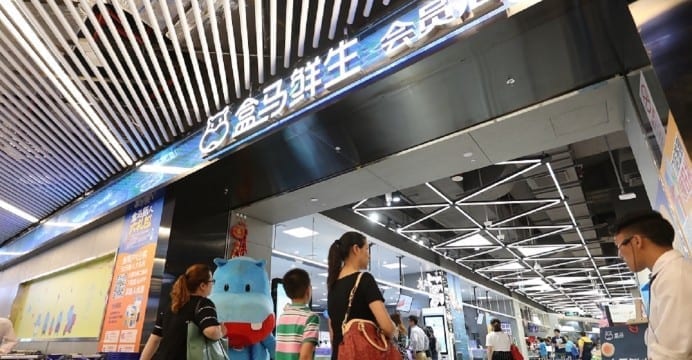
    New Retail: Rapid expansion through partnerships and innovative technologies included the opening of five new Hema fresh grocery stores in Shanghai, Beijing, Ningbo and Suzhou, taking the network to 25 at year end. “Hema exemplifies the convergence of online and offline retail by leveraging our in-store proprietary technology, digitised supply chain system, consumer insights and mobile ecosystem to provide a seamless experience for consumers.”

    In November, Alibaba formed a strategic alliance with Sun Art Group, the leading hypermarket and supermarket chain by revenue in China with over 440 stores nationwide. “Through this partnership, we aim to equip traditional retailers with our proprietary technology and know-how in online offline convergence to implement their digital transformation. In addition, the partnership with Sun Art will also enable us to accelerate the expansion of our New Retail offerings with national scale.

    International:  Alibaba’s cross-border and international retail businesses continue to show strong growth. Revenue from international commerce retail business reached $727 million in the, representing 93 per cent year-on-year growth, driven by its Southeast Asian platform Lazada and its global retail marketplace AliExpress. “While the markets for Southeast Asia and cross-border commerce remain very competitive, they are in the early innings of the game. We are optimistic about the long-term secular growth prospects of our international markets and will therefore continue to make significant investments for market share growth and focusing on the best customer experience.”

    Cainiao Network: Alibaba’s logistics division, Cainiao Network, processed 812 million orders during the 11.11 event. Cainiao Network operates an electronic shipping label system that standardises shipping data into structured formats, which enables efficient pick-and-pack operations for merchants and sorting and routing operations for delivery partners. “The advantages of this system have resulted in broad adoption by merchants and logistics service providers, both on and off our platforms, putting us in position to serve the growing consumption economy in China and roll out our New Retail strategy.”

    Cloud Computing:  Cloud computing revenue grew 104 per cent year-over-year to $553 million, driven by both robust growth in paying customers and revenue mix toward higher value-add product.  “In the December quarter, Alibaba Cloud launched 396 new products and features and continued to introduce proprietary AI technologies to tackle real-world challenges, such as traffic planning and optimising efficiency in manufacturing and airport operations. Alibaba Cloud continues to expand its customer base across a variety of industries.”

    Alibaba Cloud customers include Watsons China, carmaker Geely, and Beijing Capital International Airport.

    Digital Media and Entertainment: During the quarter, Youku video’s daily average subscribers more than doubled year-on-year, driven by several original drama series and shows that became popular hits with users.

    AI and innovation: Alibaba says its AI-powered voice assistant, Tmall Genie, surpassed 1 million unit sales since its official launch in July and the end of the year. “Tmall Genie is supported by a growing collection of sales and services and is an effective vehicle for offering a comprehensive set of every-day living applications within the Alibaba ecosystem,” the company said.

    In January, Alibaba’s Institute of Data Science Technologies (iDST), its AI research arm, developed a deep-learning neural network for natural language processing that scored higher than humans on a Stanford reading-comprehension test, the first time a machine has outperformed humans on such a test. “This development underscores Alibaba’s commitment to technology research which we believe builds the foundation for our growth in the long run.”

    Ant Financial: Alibaba Group agreed to take a 33 per cent equity stake in Ant Financial that will strengthen its strategic relationship pursuant to the series of agreements reached with Ant Financial in 2014. “We believe deepening our relationship through an equity stake in Ant Financial will bring key strategic benefits to us, including advancing our New Retail strategy with mobile payments, increasing user acquisition and retention through collaboration with the Alipay digital wallet (Alipay Wallet), and enhancing the execution of our international expansion.”

    The number of Alipay Wallet’s daily active users more than doubled during the quarter on a year-on-year basis.
  • Alibaba’s Hema supermarket chain to open more stores

    Alibaba’s Hema supermarket chain to open more stores

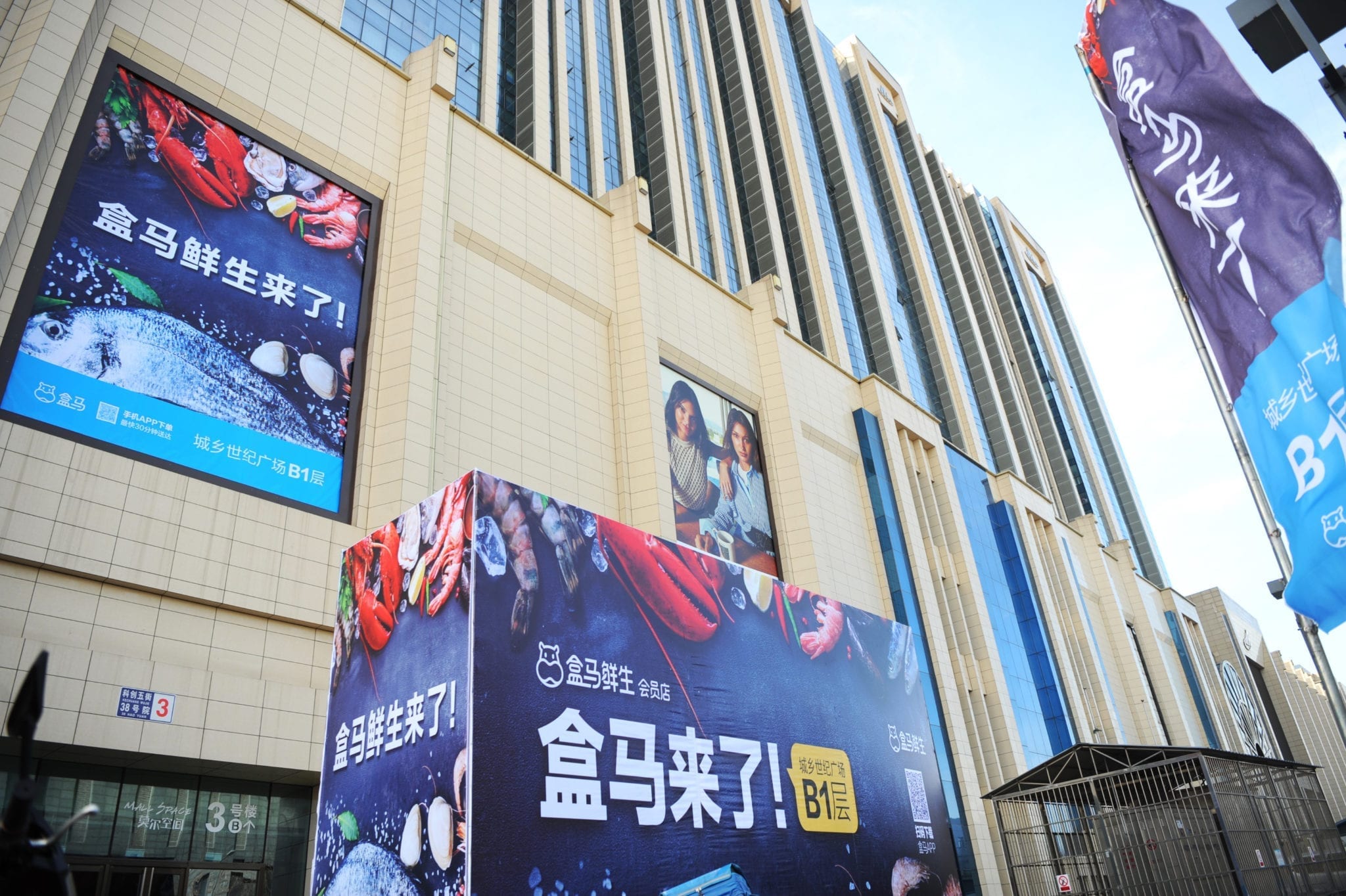
    Alibaba’s Hema supermarket says it will open three stores in the Chinese city of Xian by the end of this year.

    The offline supermarket’s expansion into the northwestern Chinese city follows an announcement that it will add 30 locations in Beijing by year-end, rapidly expanding its store count in the capital to 35 from the current five.

    The Beijing and Xian expansion, together, more than doubles Hema’s presence – currently 26 stores in seven Chinese cities, including 14 in Shanghai, five in Beijing, two in Ningpo, two in Hangzhou, and one each in Shenzhen, Suzhou and the Southwest city of Guiyang.

    Launched in March 2015, the ‘new retail’-driven supermarket is the purest manifestation of Alibaba’s ambitions to marry online with offline, offering consumers a “more-efficient and flexible” shopping experience.

    It starts with a mobile app that allows for researching of products while consumers browse the store. All payments are handled through Alipay, the mobile-payments platform owned by Alibaba’s related company Ant Financial. To improve consumers’ experience, the data collected from transactions is used to personalise recommendations, while geographic data helps to plan the most efficient delivery routes. Residents living within a 3km radius of a Hema store can have their groceries delivered to their doors as quickly as 30 minutes after ordering.

    Government partnership

    Expanding Alibaba’s Hema supermarket in Xian is part of a series of pacts Alibaba Group signed with the city government on Tuesday, including a memorandum of understanding for Alibaba’s new Silk Road headquarters, which the company will build in the city in the next few years. The two parties signed a total of 11 strategic partnership agreements spanning cloud computing, smart logistics, New Retail and financial services.

    Tianhua Zhong, vice president of Alibaba Group, said the partnership with the city government has been progressing smoothly since talks began last summer, adding that the next stage of collaboration will focus on five areas: e-commerce and new retail, City Brain projects, accessible financial services, smart logistics and culture and entertainment.al

    In addition to being the historic gateway to the Silk Road, “Xian is an important part of the ‘Belt and Road’ initiative, and building our Silk Road headquarters [in the city] will help to expand Alibaba’s reach in the midwest, in addition to economic zones along the [modern-day] Silk Road,” added Zhong.

    The Belt and Road Initiative, announced by Chinese President Xi Jinping in 2013, is an ambitious, US$90-billion infrastructure project to connect Asia, the Middle East, Europe, and Africa through global trade.

    Earlier this year, Xian became the first city in China to have its entire subway system accept mobile payments via Alipay – passengers can pass through subway gates simply by scanning a QR code. Upcoming collaboration projects with Ant Financial, Alibaba’s related company and operator of Alipay, include allowing cabs throughout the city to receive payments using the digital wallet, as well as providing accessible credit and financing options to the thousands of small and midsized businesses based in Xian.

    “With this agreement, Cainiao will work with Xian City to build a smart logistics hub for the northwestern region, which would serve the needs of the Belt and Road Initiative. Delivery speed in the midwest has a chance of becoming on par with eastern regions,” said Zhong.

    Alibaba’s logistics arm, Cainiao Network, is expected to invest RMB1 billion in the logistics hub, which would house the unit’s cutting-edge technologies such as automated production lines, AGV robots and robotic arms. Constructions are slated to begin this year and to be put into use before the 11.11 Global Shopping Festival comes around in 2019.

  • Alibaba plans massive expansion for Hema supermarkets

    Alibaba plans massive expansion for Hema supermarkets

    Alibaba Group plans to open 2000 branches of its Hema supermarket, which aims to merge online and offline shopping, in China over next three to five years.

    It opened its first Hema last year and will end with year with 22 stores. Its latest outlets are in Beijing, Guiyang, Hangzhou, Shanghai and Shenzhen, and this month it opened its second store in Ningbo to be followed by one in Suzhou next week.

    Hema stores are part of Alibaba’s “new retail” strategy that enables customers to shop, order groceries for home delivery and eat in-store. Purchases can be made through the Hema mobile app, which is linked to Alipay.

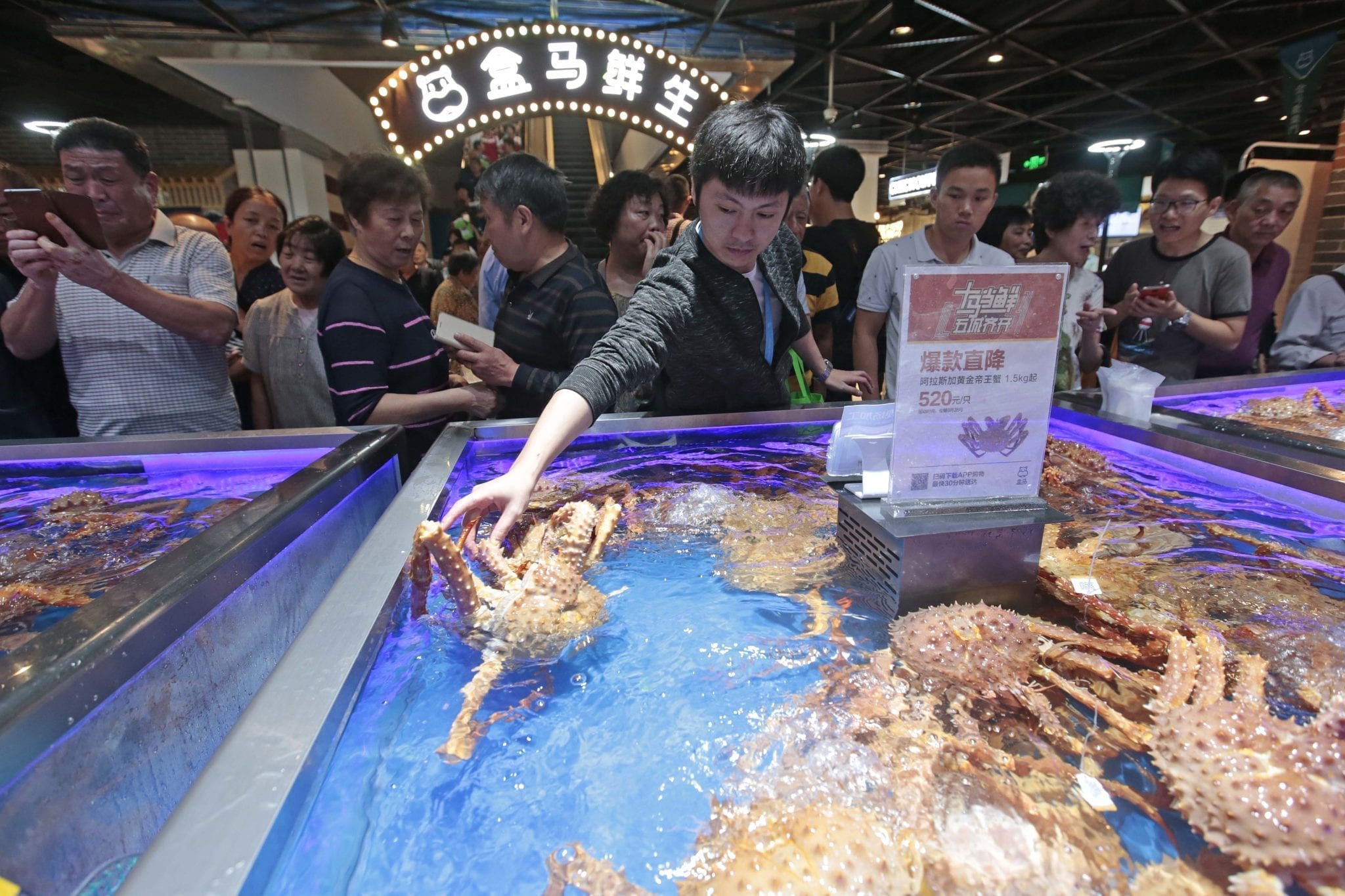
    The stores focus on a wide assortment of food, and the brand places an emphasis on fresh – and live – seafood. Moreover, the business model combines supermarket, restaurant and e-commerce, complete with mobile app. This means customers can buy items in the supermarket for the restaurant staff to cook for them.

    At the moment, about half of sales at Hema stores take place online. The company claims that customers within a 3km radius of a store can have their shopping delivered within 30 minutes.

    Alibaba CEO Daniel Zhang says Hema draws on data and smart logistics technology to seamlessly integrate online/offline systems.

    “Hema’s goal is to broaden the new retail model by working with retail partners like Sanjiang Shopping Club and Xingli Department Store,” says Hema CEO Hou Yi. “As our model becomes more established, it can be shared with other traditional retailers to help them transform in the digital age.”

  • Alibaba, Auchan, Sun Art partnership goal in China market

    Alibaba, Auchan, Sun Art partnership goal in China market

    A new Alibaba, Auchan, Sun Art partnership will further strengthen Alibaba’s efforts to integrate online and offline, say analysts.

    China’s Alibaba Group Holding, France’s Auchan Retail and Taiwan’s Ruentex Group have formed a strategic alliance to bring together their online and offline expertise to explore opportunities in China’s food-retail sector.

    As part of the deal, Alibaba is investing HK$22.4 billion (US$2.8 billion) to obtain an aggregate direct and indirect stake of 36.16 per cent in Chinese food retailer Sun Art Retail Group by acquiring shares from Ruentex.

    Auchan Retail is also increasing its stake in Sun Art, with the transaction giving it, Alibaba and Ruentex about 36.18, 36.16 and 4.67 per cent economic interest respectively in the multi-format offline food retailer.

    Sun Art had a total gross floor area of about 12 million sqm in China at June 30. It has 446 hypermarkets as large as 17,000sqm across China under the Auchan and RT-Mart banners. It also has superstores and unmanned stores under the Auchan Minute brand.

    Alibaba says the alliance reflects its “new retail” concept, while Auchan Retail says it aligns with its “Auchan changes lives” vision.

    Alibaba Group CEO Daniel Zhang says the move aims to redefine traditional retail through digital transformation. “Physical stores serve an indispensable role in the consumer journey, and should be enhanced through data-driven technology and personalised services in the digital economy.”

    ‘Positive impact’

    “Bringing together the leaders of instore retail and of online retail will allow us to offer hundreds of millions of Chinese consumers a fully integrated, world-class shopping experience,” says CEO Wilhelm Hubner of Auchan Retail, which has a presence in 17 countries with 3715 points of sale.

    “Consumer demands have changed tremendously with the rapid growth of the mobile internet, and Sun Art is also trying to move from offline to online,” says Ruentex Group vice-chairman Peter Huang.

    “I think this deal will have a positive impact for all involved,” says OC&C Strategy Consultants associate partner Veronica Wang.

    “It will further strengthen Alibaba’s efforts to integrate online and offline,” says Wang. “Alibaba has been quite aggressive in investing offline in the past two to three years with its continuous investments in the likes of retailer Suning and mall company Intime, as well as its own launch of Hema supermarkets.”

    She says the alliance could help Sun Art build digital capabilities, with the company trying to tap into e-commerce and build an O2O business since 2014, but with limited success. “Feiniu.com was the first attempt, which is still losing money after three years, and Sun Art launched cashier-free self-service convenience stores this year which are still in the stage of trial and error.”

    OC&C associate partner Steven Kwok says the move is no surprise “especially when retailers in general are finding that grocery retailing, unlike other categories thus far, has encountered greater barriers to the shift online”.

    He says Sun Art’s reach across China not only gives Alibaba an enhanced distribution network, but also serves as a testing ground for digital initiatives.

  • Hema supermarket offers new retail experience

    Hema supermarket offers new retail experience

    Hema supermarket is what you get when you imagine a seamless blend of the online and offline shopping experience, Alibaba Group CEO Daniel Zhang said Monday.

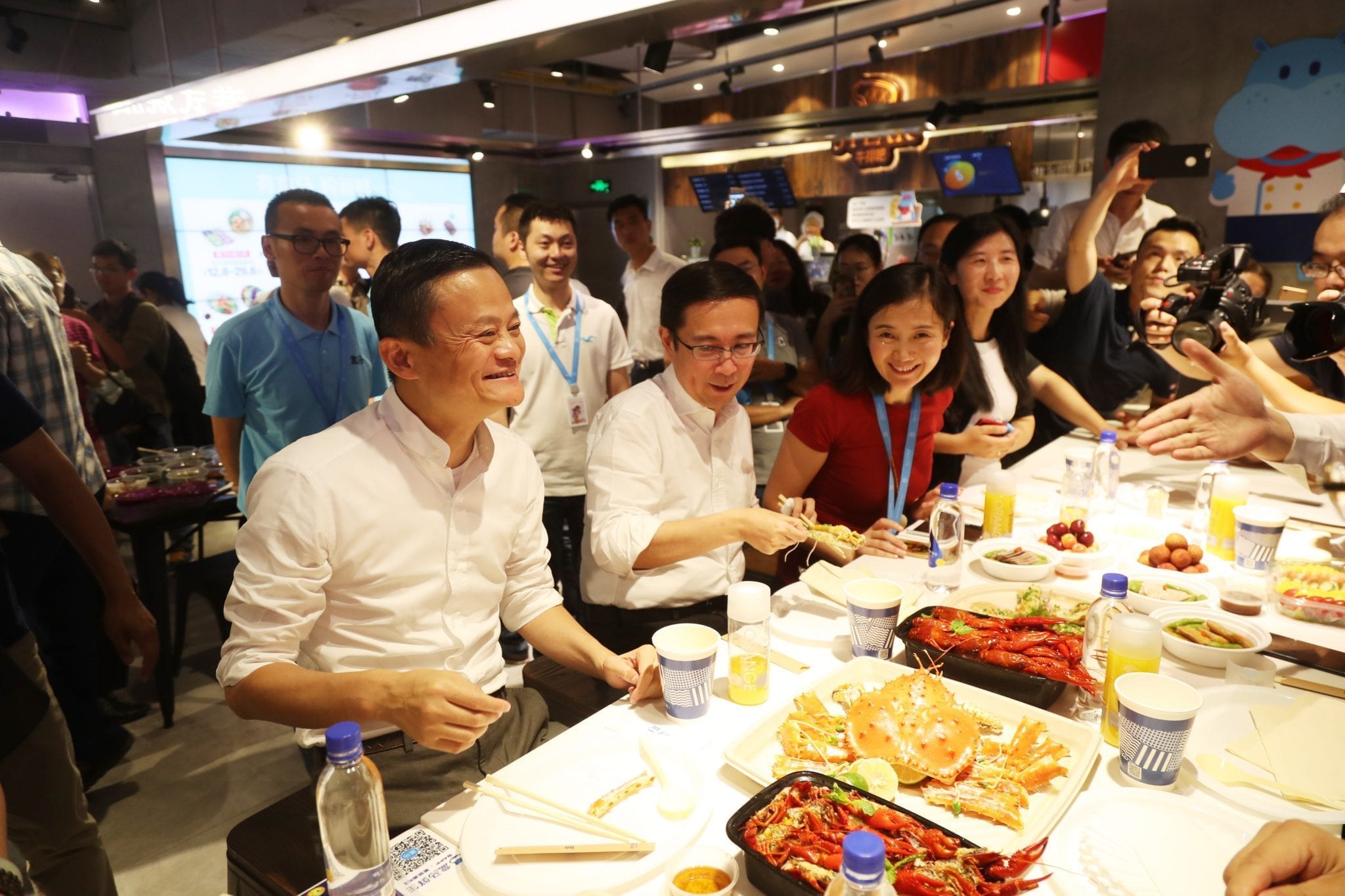
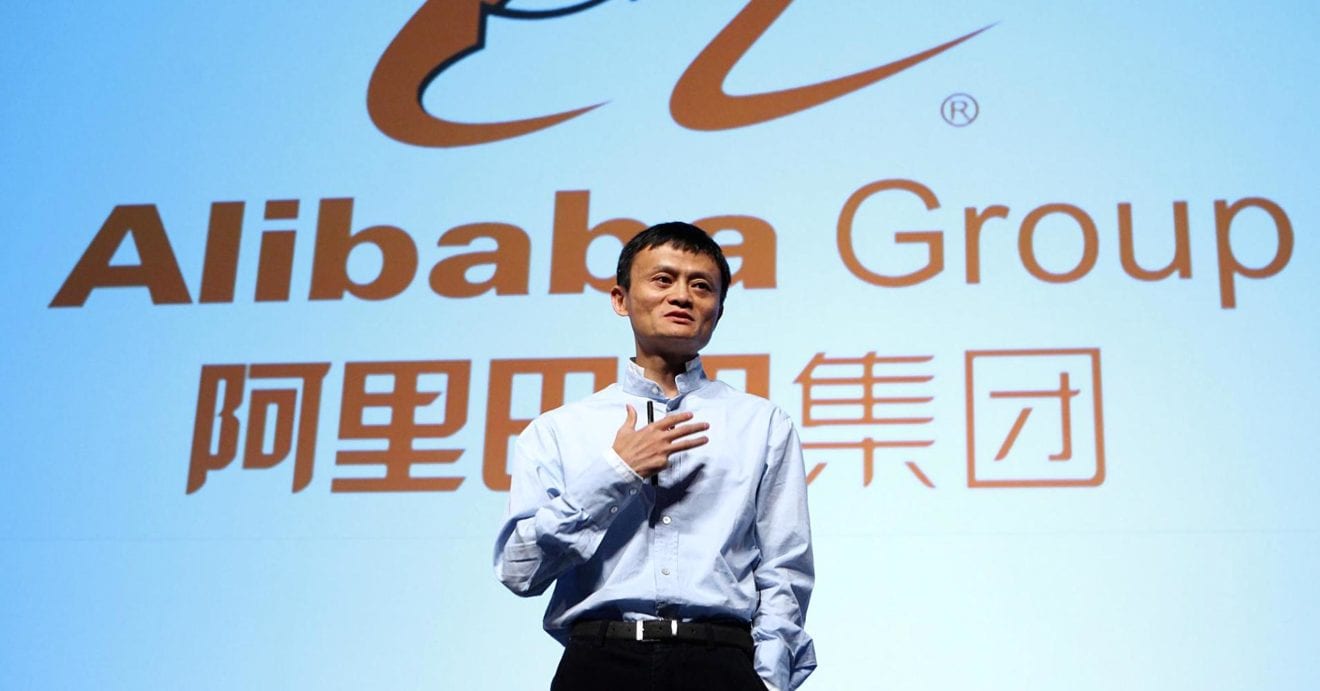
    Zhang toured one of the 10 neighborhood stores in Shanghai with Executive Chairman Jack Ma last week and held up the fresh-food focused Hema as an example of the “New Retail” model, which Alibaba has successfully incubated for the past two years. “New Retail” uses technology and data to merge online and offline shopping, offering consumers a more-efficient and more-flexible shopping experience.

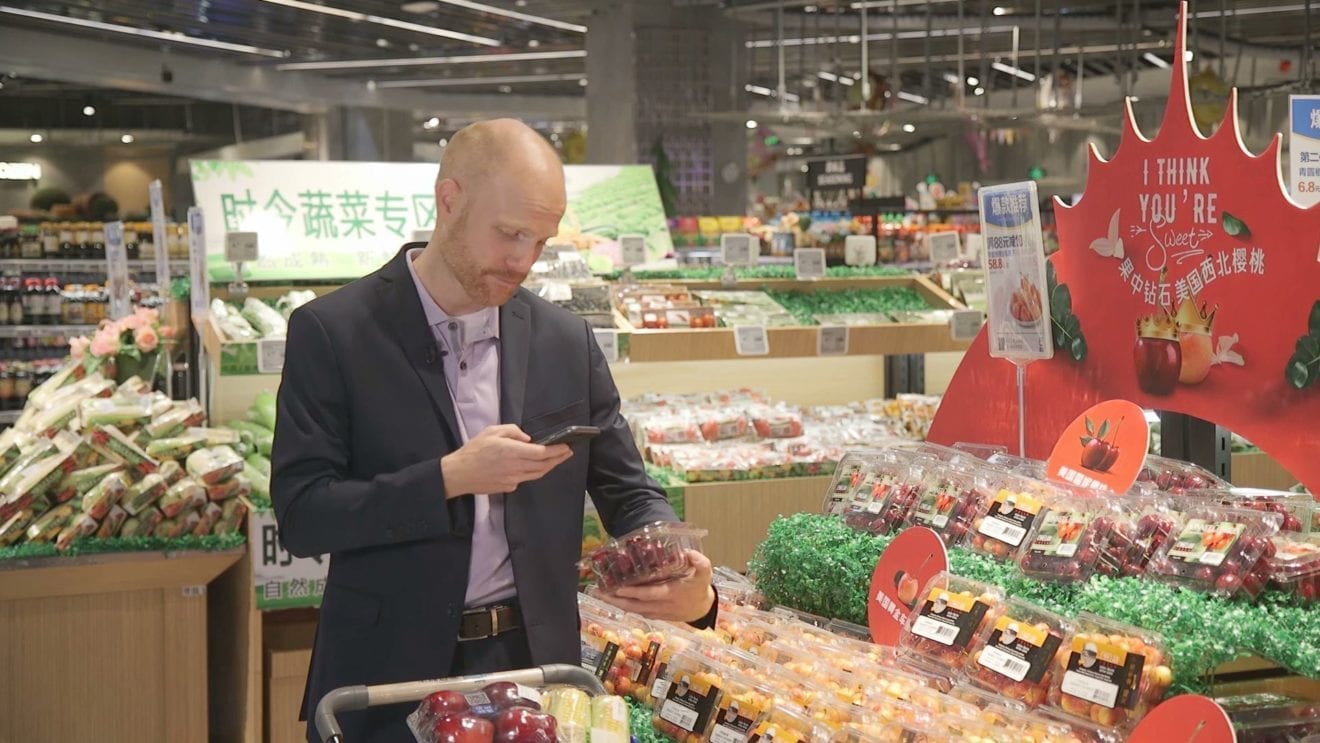
    The Hema experience starts with a download of the mobile app. That links right up to a customer’s Taobao or Alipay account. Customers who don’t have accounts yet can easily sign up. And then the shopping begins, wherever the customer is.

    “Hema leverages data and smart logistics technology to seamlessly integrate online-offline systems, built to provide the unparalleled service of fresh food deliveries in 30 minutes,”  Zhang said.

    Since 2015, Alibaba has opened 13 Hema markets. Apart from the 10 in Shanghai, there are two in Beijing and one in Ningbo. Each aims to serve a customer base within a three-kilometer radius to ensure fast, high-level service. Hema stores are fully mobile-powered and allow customers to use Alipay. The stores’ sales per unit area are three-to-five times those of other supermarkets. They’ve also cracked a key problem of how to scale local deliveries, with each store able to fulfill thousands of orders a day.

    The hyper-local business allows customers to shop from the comfort of their homes, using a mobile app. They can order fresh food to cook it at home or have it prepared by the Hema chefs and delivered within 30 minutes. Customers who prefer the in-instore experience, can visit the supermarket to hand-select their fresh food, such as seafood, and can choose to have it cooked for carry-out, delivered to their nearby home or office, or they can eat it on the spot the store’s dining area.

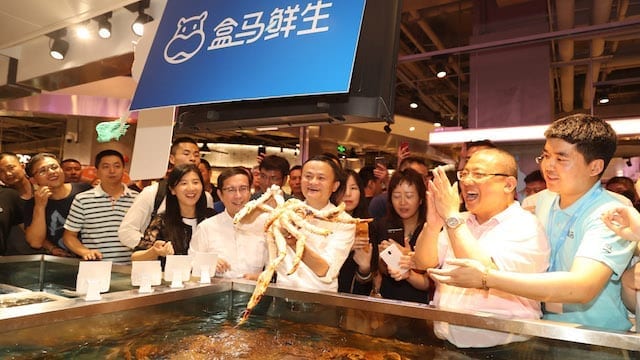
    Hema’s game-changer, as far as Chinese consumers are concerned, is the fresh seafood section. Shoppers can pick out their own lobster or other shellfish, but it right away and have it cooked up and ready for them to eat in the restaurant area when they complete the rest of their shopping.

    The stores, themselves, look like normal neighborhood supermarkets, with a selection of packaged foods, produce, beverages and other goods. Every item has a scannable bar code, which yields price and product information, including origin and any backstory on the item, if there is one. Customers scan the code and complete their electronic purchase through Alipay at a checkout register before leaving the store.

    User experience is enhanced through big data. Because customers shop through the Hema mobile app, every purchase is logged, and preferences are saved. On the customer side, analytics offer up a personalized product page, and on the delivery side, machine algorithms plan delivery routes. The bar codes not only let customers trace product origin and track delivery, but are also a means for Hema to employ a smart supply-chain management system.

    Hema’s innovative fulfillment model is what allows it to deliver orders within a half-hour. The store doubles as warehouse, and order-fulfillment specialists can be seen moving up and down the aisles with a scanner, reusable shopping bag and a special bar code for each order. They scan and pack up goods, putting the bags on a conveyor belt that carries orders to a delivery center adjacent to the store. Hema aims to be a zero-waste company, recycling containers used for delivery.

    Zhang noted that Alibaba doesn’t intend to operate a large grocery chain. As with Alibaba’s investments in the Intime department store chain, the aim is to create showcases that demonstrate the benefits of “New Retail” to customers and other businesses that want to digitally transform themselves. E-commerce currently accounts for around 15% of total retail in China. Alibaba has said its goal is not to make incremental progress on that 15%, but to digitally transform the 85%.

    “We believe the future of New Retail will be a harmonious integration of online and offline, and Hema is a prime example of this evolution that’s taking place,” Zhang said. “Hema is a showcase of the new business opportunities that emerges from online-offline integration.”

    While it’s still early days for Hema, the first two years of store operations have yielded some promising results. Customers each make 4.5 purchases a month on average and 50 times a year.  Among users who open the Hema app, the conversion rate for making a purchase is as high as 35%. On average, online orders account for more than 50% of total orders. For mature stores like the one in Shanghai Jinqiao, online orders are as high as 70% of total orders.

    Hema is a membership-based shop, with customers registered the first time they pay for an order through the mobile app.

  • O2O Start-up HEMA Fresh Opening 2 Stores in January

    O2O Start-up HEMA Fresh Opening 2 Stores in January

    On January 13, HEMA Fresh, a start-up O2O fresh produce retailer, launched its seventh store in Shanghai, one week after its sixth store was opened for business in the city. Emerged in early 2016 and quickly captured a lot of attention in China’s retail trade, HEMA is apparently speeding up its expansion.

    It has indicated the intention to open another 5-10 new stores in Shanghai in 2017 and to penetrate all first-tier cities such as Beijing, Guangzhou, and Shenzhen etc. It would then gradually roll out to second- and third-tier cities. HEMA’s innovative business model is being closely watched by people in the industry.

    HEMA’s newest store occupies a total floor space of 4,500 square meters. Besides reflecting HEMA’s special character and visual identity, the whole store’s layout was designed for the purpose of delivering unique shopping experience to patrons who would be ordering their goods online.

    On the weekends, shoppers can bring their families to browse around the spacious isles and check out the wide varieties of high quality fresh fruits, vegetables, meat, and seafood.

    At designated sections, they can also enjoy cooked food prepared with the fresh produce sold in the store. During the week, however, shoppers can purchase HEMA’s fresh produce via their mobile APP whenever they have 10 minutes to spare.

    The purchased items would be picked from the store front and consolidated and packed at the depot at the back. Deliveries to homes within a 5-kilometer circumference would be completed within 29 minutes.

    Online purchase has now accounted for 50% of HEMA’s total sales.

    Another key feature of HEMA Fresh is that its shoppers are all subscribers of Alipay which is the only mode of payment accepted for any purchase at HEMA’s stores or via mobile APP. It is the first O2O retailer of its kind.

    It is said that 80-90% of all HEMA’s patrons are among those aged between 25-40, with higher education levels, higher income, and who enjoy high quality of life. Repeat purchase rate among this group of upmarket shoppers is around 50%, indicating that HEMA enjoys good customer loyalty.

    HEMA’s innovation is not confined to its sales approach. Most of the 3,000 types of products it carries are food products. According to HEMA’s management, sales of imported fruits account for more than 60% of HEMA’s total fresh fruit sales. Many of the fresh fruits are shipped to China directly from the growing regions in consumer packing, significantly enhancing the protection of product quality.

    As for vegetables, HEMA offers different choices including organic vegetables, vegetables that are also supplied fo Hong Kong (generally with higher quality), and those produced in Shanghai’s rural areas. HEMA is planning to introduce imported vegetables in future, to give its patrons even wider varieties to choose from.