Retail News CRM

Tag: Ho Chi Minh City

  • Chuk Chuk speeds up expansion plans with Central Retail

    Chuk Chuk speeds up expansion plans with Central Retail

    Kido Group-owned gelato and tea chain, Chuk Chuk, has joined hands with Central Retail to roll out between 300 and 400 stores in Go! malls and Tops Market supermarkets in Vietnam, as well as eyeing international expansion.

    Chuk Chuk said it will open 10 stores across Central Retail’s shopping malls ahead of February. Under the partnership, the chain plans to expand its presence into Thailand and other Southeast Asian countries in the coming years.

    The brand currently operates 10 brick-and-mortar stores across Ho Chi Minh City, with 40 stores scheduled to launch this month. Kido Group is to increase its store number to 1000 in the country by 2025 while expanding into international markets, including Thailand, China, and South Korea.

    The partnership with Central Retail follows Chuk Chuk’s recent agreement with Son Kim Retail, under which its products will be sold across all GS25 locations in the country by the end of next year.

    Founded last June, amid the Delta lockdown, Chuk Chuk marks Kido Group’s foray into the retail industry, directly competing with major local F&B players such as Starbucks, Trung Nguyen Legend and Phuc Long. The brand name was inspired by Thailand’s famous vehicle Tuk Tuk.
  • Vietnam among WeWork’s top markets in Southeast Asia

    Vietnam among WeWork’s top markets in Southeast Asia

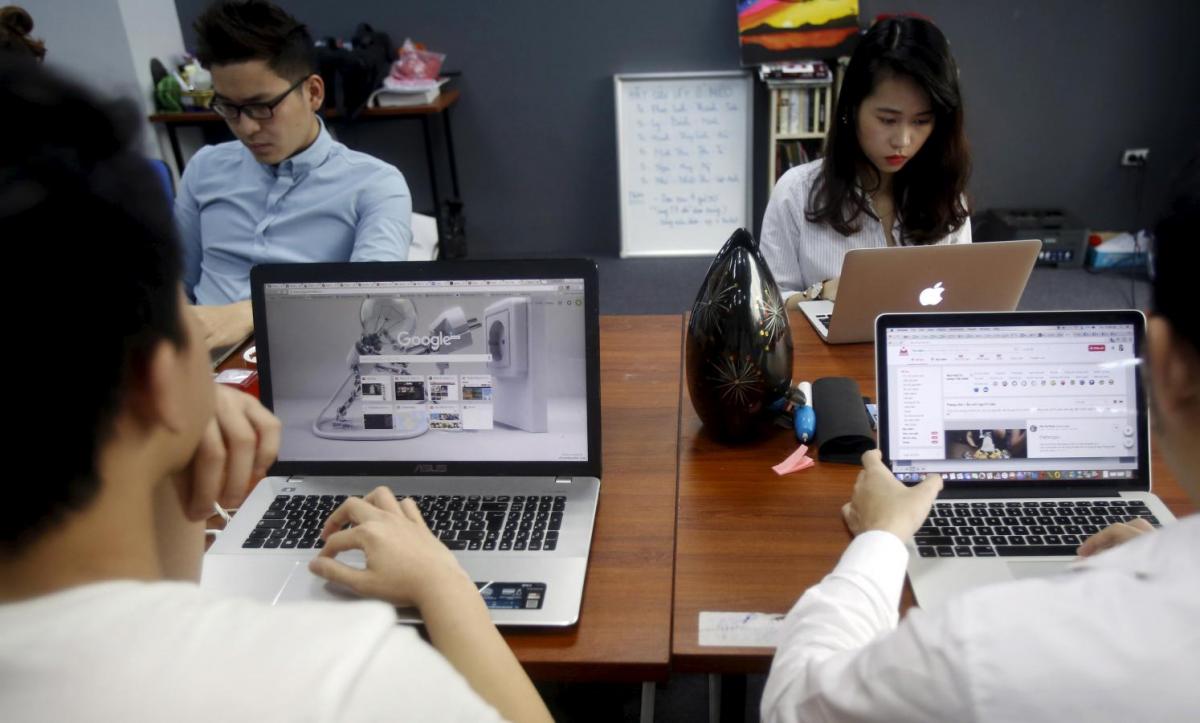
    Vietnam is among the top countries in Southeast Asia for coworking space provider WeWork, growing by 8 percent since early last year.

    Most of its customers in the country are in technology, pharmaceuticals, and manufacturing, while financial organizations are among the new ones, Elizabeth Laws Fuller, WeWork’s head of growth in Southeast Asia said.

    It entered Vietnam in 2018 and now has two locations in Ho Chi Minh City out of its 30 in Southeast Asia.

    Vietnam is seeing rising demand for coworking space.

    A recent survey by WeWork and market research firm International Data Corporation found that 80 percent of companies plan to use coworking space in the next three years.

    Another reason for the improving figures in Vietnam is its success in containing the Covid-19 pandemic and sustaining economic growth, Fuller said.

    Many global corporations have been investing or expanding in Vietnam in recent years, and they have a demand for flexible workspace, she said.

    The pandemic has changed companies’ perception of coworking space, and in the long term customers would not be only small and medium-sized players but also large companies, she added.

  • Hai An bookstore opens its doors in Ho Chi Minh City

    Hai An bookstore opens its doors in Ho Chi Minh City

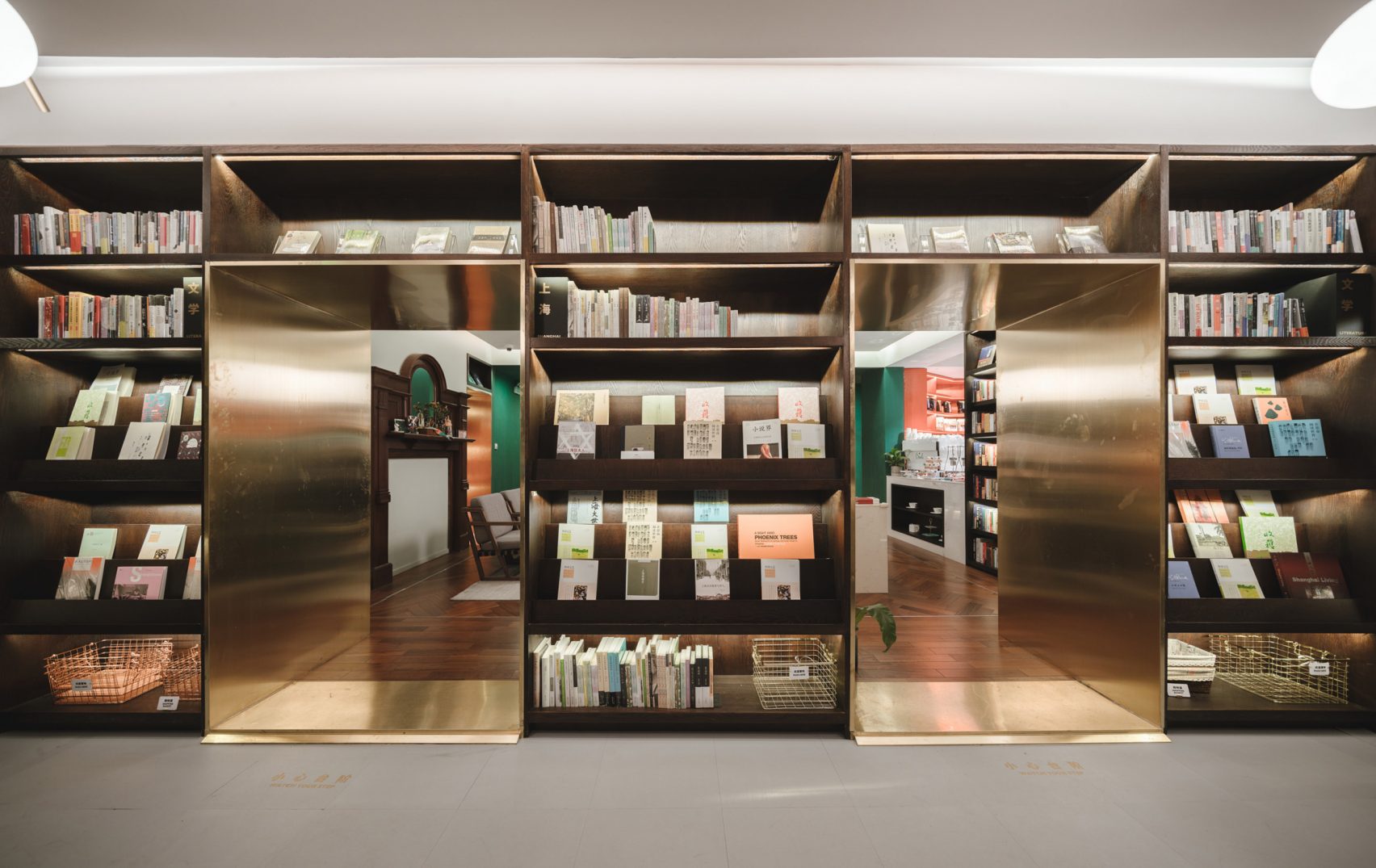
    In downtown Ho Chi Minh City, Vietnam’s largest bookstore yet, Hai An, has opened its doors. Spanning five stories, the store features a contemporary design with an ocean-inspired concept including an art installation in an atrium.

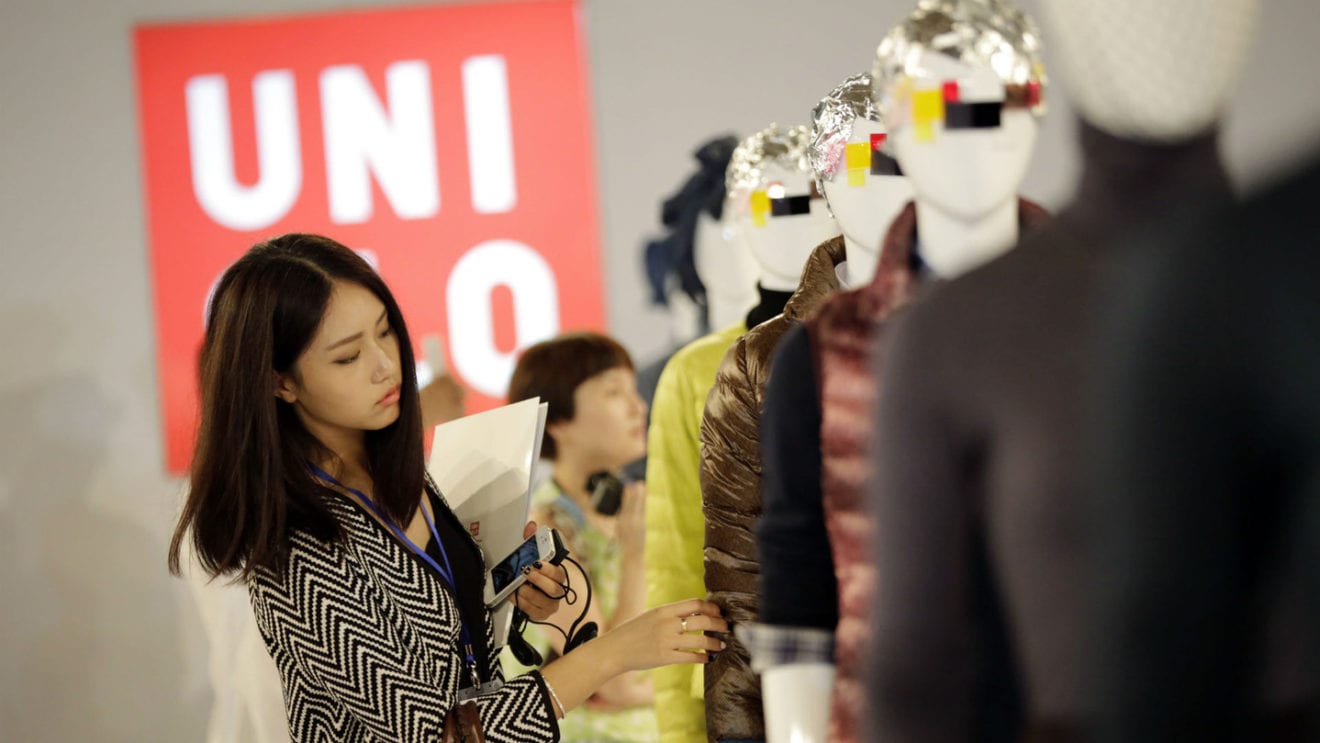
  • Uniqlo Vietnam opens new store in Ho Chi Minh City

    Uniqlo Vietnam opens new store in Ho Chi Minh City

    Uniqlo Vietnam is to open Ho Chi Minh’s second store this year despite the coronavirus outbreak.

    Located at SC Vivo City shopping mall in District 7, the city’s second Uniqlo Vietnam store will occupy more than 2000sqm of area, featuring its LifeWear products for males, females and kids.

    The opening date has yet to be disclosed, but the store is expected to open this spring/summer with the interior fit out well underway.

    “We are aware of the huge demand from Vietnamese customers for Uniqlo products,” said Osamu Ikezoe, Co-CEO of Uniqlo Vietnam. “We are excited to open the SC Vivo City store to introduce our fashion philosophy LifeWear to our customers.”

    Osamu said Uniqlo Vietnam plans three more stores this year. According to a prior company statement, the brand aims to operate at least three stores in Hanoi and eventually reach up to 20 nationwide.

    Earlier this month, Uniqlo Vietnam made its Hanoi debut, attracting more than 2000 people on its opening day.

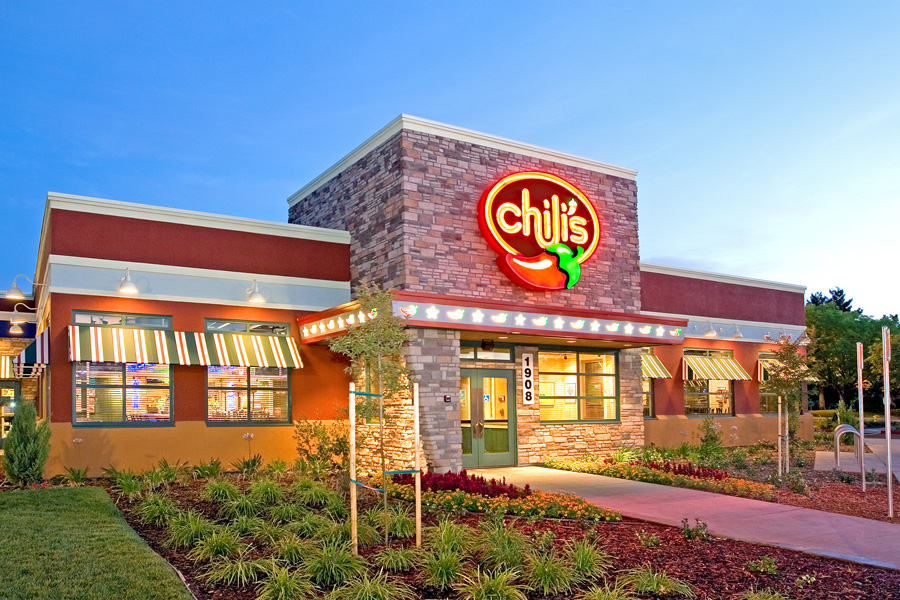
  • Chili’s Grill & Bar Vietnam launches in Ho Chi Minh City

    Chili’s Grill & Bar Vietnam launches in Ho Chi Minh City

    US chain Chili’s Grill & Bar has opened its first restaurant in Vietnam in partnership with local food-franchise operator Golden Gate Restaurant Group.

    Located at SC VivoCity mall in Ho Chi Minh City’s District 7, the new restaurant is the 1700th Chili’s outlet worldwide. The restaurant offers the same dishes as other Chili’s outlets internationally, following the original restaurant-bar concept inspired by Mexican & Texas cuisines.

    According to a spokesperson, the restaurant will target “middle-income customers”.

    Chili’s Grill & Bar Vietnam representative, David Weston, considers the country a key market in Asia as many international chains has chosen the country to make their regional debut.

    Founded in 2005, Golden Gate Restaurant Group now operates more than 20 restaurant chains across the country, including Cowboy Jack’s, Hutong, Manwah and Osaka Ohsho.

    Founded in Dallas, texas, in 1975, Chili’s is now owned by US-listed Brinker International restaurant group, and operates in 33 countries worldwide.

  • Vietjet launches new service to Indonesia with Ho Chi Minh City-Bali route

    Vietjet launches new service to Indonesia with Ho Chi Minh City-Bali route

    New-age airline Vietjet is giving people more reason to travel with the announcement and addition of its newest international route connecting the biggest city of Vietnam, Ho Chi Minh City with Bali (Indonesia). The first and only airline to operate this service, the Ho Chi Minh City – Bali route will serve as a crucial link between the two cultural centers, meeting the increasing travel demands of locals and tourists as well as boost regional trade and integration.

    The Ho Chi Minh City – Bali route will operate five return flights per week on Mondays, Wednesdays, Thursdays, Fridays and Sundays starting 29 May 2019. The flight duration is approximately four hours per leg. The flight will depart from Ho Chi Minh City at 08:05 and arrive in Bali at 13:05. The return flight takes off from Bali at 14:05 and lands in Ho Chi Minh City at 17:05 (All in local time).

    Vietjet Vice President Nguyen Thanh Son said: “Vietjet has the advantage of an ever-expanding flight network and professional aviation services; therefore, I believe not only does this new route create ease and increased opportunities for both locals and tourists to travel conveniently by safe, modern air transportation, it will also contribute to promoting tourism and economic integration in the region, all while introducing the beauty of Vietnam to the world.”

    Ticket sales for the new route are now open and available on all channels. Those hungry for promotional deals should be sure to check out Vietjet’s daily golden hour promotion which runs from 1.00pm to 3.00pm (Malaysian time) on the airline’s website.

    Vietjet operates its domestic and international routes with a dynamic and friendly flight crew, serving its passengers with fresh and hot meals, while its aircraft is equipped with comfortable leather seats with a technical reliability rate of 99.64% — the highest rate in the Asia Pacific region. As a fully-fledged member of International Air Transport Association (IATA), Vietjet has obtained the IATA Operational Safety Audit (IOSA) certificate and has been awarded a 7-star ranking, the world’s highest rate for safety, by AirlineRatings.

  • Hanoi, HCMC among 20 most expensive cities in Southeast Asia

    Hanoi, HCMC among 20 most expensive cities in Southeast Asia

    A new index puts Hanoi 13th and HCMC 15th on the list of 20 most expensive Southeast Asian cities. The new Cost of Living Index for the region has been compiled by Numbeo.com, the world’s largest database of user contributed data about cities and countries worldwide. According to Numbeo, a person spends on average $447.25 a month in Hanoi exclusive of rent. For a four-person family, this figure would be $1,601. Hanoi’s cost of living ranks 316th among 440 cities in the world.

    Meanwhile, in HCMC, the average monthly expense for a single person excluding rent is $434.94, and $1,562 for a family of four. HCMC ranks 320th out of 440 cities in the world, and is 61.50 percent less expensive than New York.

    This year, Singapore, Southeast Asia’s biggest business hub, remains the most expensive city in the region. The city-state is immediately followed by Bangkok of Thailand. Yangon in Myanmar is in third place, a surprise as the city did not even make the top 30 in mid-2018.

    Many Southeast Asian capitals are featured in the list, with Phnom Penh of Cambodia ranked fifth, Jakarta of Indonesia, 11th, and Manila of the Philippines, 14th.

    Numbeo says that its survey has taken into account several factors including house rents, cost of eating out, and purchasing power needed to live a comfortable life to come with a cost of living index for 20 major cities in Southeast Asia.

  • Vietnam scraps plan to merge stock exchanges

    Vietnam scraps plan to merge stock exchanges

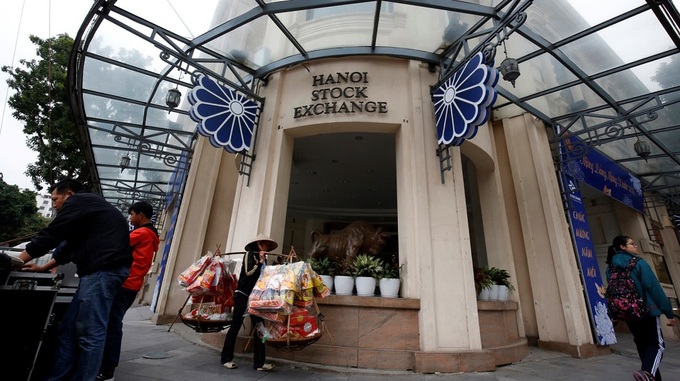
    The nation’s two bourses in Ho Chi Minh City and Hanoi will continue to operate independently under a new state-owned company. Ho Chi Minh City Stock Exchange (HoSE) and Hanoi Stock Exchange (HNX) will operate independently under the Vietnam Stock Exchange, which will be set up by the Ministry of Finance by 2020. The new company, to be headquartered in Hanoi, will have a charter capital VND3 trillion ($129 million), on the basis of combining the charter capital of both exchanges.

    The Vietnam Stock Exchange will issue regulations on stock listings and trading, monitor the stock market and supervise the two bourses. This new plan indicates that Vietnam has given up on an earlier plan to merge the two exchanges, owing to disagreement over where the combined one would be located.

    HoSE accounts for 93 percent of the two main exchanges’ total market capitalization of about $131 billion as of December. It is the main market, where blue chips such as Vietnam’s biggest private conglomerate Vingroup, dairy company Vinamilk and budget carrier Vietjet Air are listed.

    HNX, on the other hand, is home to smaller and mid-sized enterprises, bonds and derivatives.

  • Vietnam’s largest airport set for $496 million expansion

    Vietnam’s largest airport set for $496 million expansion

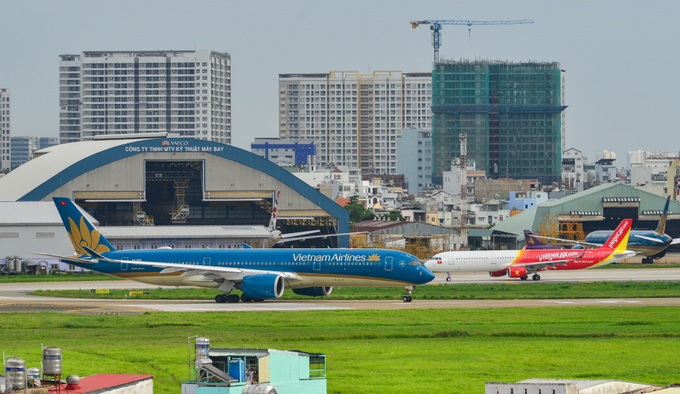
    The Tan Son Nhat Airport could get a third terminal and other facilities at the cost of over $496 million. The Airports Corporation of Vietnam (ACV), which manages and operates civil airports in the country, has submitted to the Ministry of Transport a pre-feasibility report on the construction of a third terminal (T3) at HCMC-based Tan Son Nhat International Airport to reduce overload.

    T3 will be designed to have a capacity of 20 million passengers per year, with total floor area of about 100,000 square meters. ACV proposes to construct in tandem an additional airport apron, a two-lane overhead path, a 5-lane viaduct in front of the terminal and a multi-storey car park. The total cost is estimated at over VND11.43 trillion ($496.18 million).

    The completion of feasibility reports and selection of construction blueprints is set to be finished in February 2020.

    Once T3’s design has been approved, contractors will be chosen via a tendering process so that construction starts in the third quarter of 2020 and can be completed in the second quarter of 2022.

    Because the construction area is located on the Defense Ministry’s land, ACV has suggested allowing a temporary handover of the site in Q1 next year for construction along with completion of necessary legal procedures.

    There are also plans to expand existing terminals T1 and T2 of the Tan Son Nhat airport, raising their combined capacity to 30 million passengers per year.

    The airport currently handles 36 million passengers per year, which is way above its designed capacity of 25 million.

    The Transport Ministry has hired French consulting firm ADPi to work on the plan alongside local firms. The plan proposed by ADPi was approved by the Prime Minister last March and it formed the basis for the new, detailed version.

    ACV has also proposed to the Ministry of Transport that it be assigned as investor for the construction of essential components for the proposed Long Thanh International Airport, including passenger terminal, flying zone (runway, taxiway, apron), and refueling systems.

    ACV chairman Lai Xuan Thanh said that the company is willing to spend between $1-1.5 billion for constructing the first phase of the proposed airport, which is estimated to cost $5.4 billion.

    The Long Thanh Airport, to be built in three phases over three decades, was recently listed by CNN Travel as one of the world’s 16 most exciting airport projects.

    The first phase is scheduled for completion in 2025 when it will be able to handle 25 million passengers annually. The next two phases will be built in 2030-2035 and from 2040-2050.

    The new airport would have an annual capacity of 100 million passengers and five million tons of cargo when completed.

    ACV has announced that in its 2019 plan, the company will spend more than VND10 trillion ($432.71 million) on upgrading and expanding several airports, including Cat Bi in northern Hai Phong City, Vinh in central Nghe An Province, Phu Cat in central Binh Dinh Province, and Noi Bai in Hanoi.

    Most of these upgrades are expected to be completed by the third quarter of 2019.

  • Vietnam aims to reduce property speculation in HCMC

    Vietnam aims to reduce property speculation in HCMC

    The People’s Committee of HCM City has proposed to impose a tax on apartments and houses which are sold within one year after purchasing, aiming to reduce speculation and ensure stability in the estate market.

    The People’s Committee has submitted the proposal in its property market development project for the 2016-20 period with an orientation to 2025 and a vision to 2030 to the National Assembly and the Government.

    The project was approved by the city by the end of last year. It provided evaluations on advantages and shortcomings of the market as well as development orientation.

    The city’s property market still lacks transparency, causing speculation, it cited. Individual investors buy houses and land not for the purpose of accommodation or rental but with the intention of quickly reselling them for profit. However, the home buyers did not pay for asset taxes and additional income. Sometimes, the investors held a majority of transactions in the market, making land and house prices increase and reducing supply for people seeking to buy homes to live in.

    HCM City therefore proposed that the Government should review regulations relating to taxes on estate transactions to encourage people to truthfully declare the value and additional income from the transactions. This could help the market develop transparently and healthily.

    In addition, the project also suggested building an annual tax collection mechanism for land and estates increasing in value, which would create new funds for the Government to improve infrastructure.

    It also proposed other solutions such as imposing a high tax rate on a buyer’s second home.

    The city asked the Government to issue the urban and construction bonds, mobilising capital from banks and credit institutions as well as a mechanism to attract investment into infrastructure.

    In the short-term, the Government could allow a pilot implementation of some new financial tools such as housing saving funds or a real estate investment trust (REITS) to diversify capital resources in the estate market.

    The city proposed that the Government replace the calculation of land use payments with a fixed tax rate of 10-15 per cent.

    Read more at https://vietnamnews.vn/economy/424089/hcmc-aims-to-reduce-property-speculation.html#eGfjysbqGIY62cdx.99

  • UniFriend Vietnam plans to expand in Ho Chi Minh City

    UniFriend Vietnam plans to expand in Ho Chi Minh City

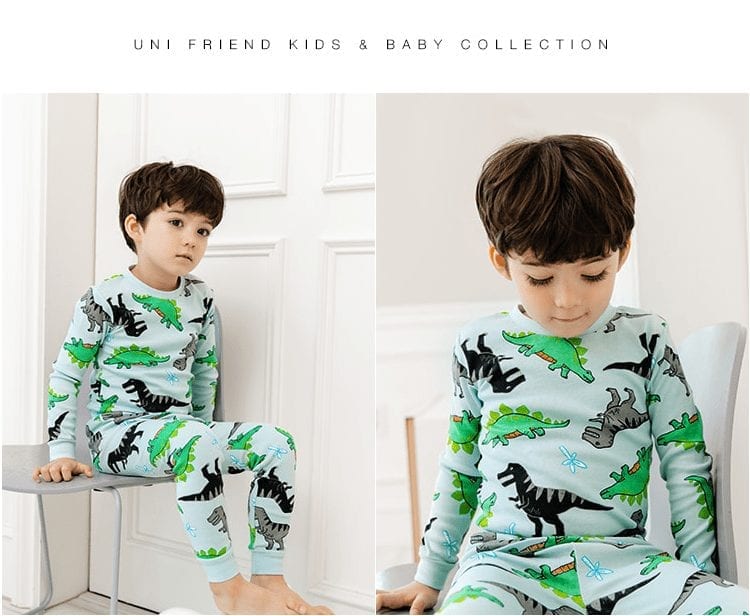
    Korean childrenswear brand UniFriend Vietnam is planning expansion into Ho Chi Minh City via franchising.

    After opening three stores in Hanoi towards the end of last year, the brand is seeking franchisees and agents to sell its products in Ho Chi Minh City and other cities.

    Targeting children under 12 years old, UniFriend opens stores on main streets and department stores.

    All stock is manufactured in Indonesia or Vietnam.

    Founded in 2002, UniFriend now has more than 100 stores in Korea and other markets, including China, Malaysia, Singapore and Thailand.

  • Saigon calls for carpooling service ban to be revoked as city grinds to a halt

    Saigon calls for carpooling service ban to be revoked as city grinds to a halt

    Carpooling services are convenient because they cost less and reduce congestion, but the transport ministry says they put passengers at risk.

    Ho Chi Minh City’s government has asked the Ministry of Transport to overturn a ban on low-cost carpooling services that was issued in June.

    The ministry previously said it would not allow either Grab or Uber to offer their ridesharing services GrabShare and UberPOOL in Vietnam because sharing a car with a stranger puts passengers at risk

    The decision came a month after the two ride-hailing firms rolled out their services in the city.

    If Uber and Grab disobey the rule, they will be fined VND4-6 million ($175-260) per ride, the ministry said.

    But the ministry’s words seem to have been an empty threat because GrabTaxi is still offering the service, and has also asked for the ban to be lifted, local media reported.

    The ministry asked for the city’s opinion in July. In response the city said it said it is difficult to tell if a Grab or Uber driver is offering a ridesharing service, so it’s nearly impossible to stop them.

    It also said carpooling services are convenient for passengers because they cost less, and more importantly, reduce traffic congestion in the city.

    The city has asked the ministry to allow a carpooling service to be piloted for one year so that it can build regulations to manage it.

    As suggested by the city, only cars with less than nine seats will be allowed to operate the service, and each car can only accept two contracts at once. They must also have specific logos to distinguish them from those that do not offer the service.

    HCMC is looking at ways to limit the number of private vehicles entering the city center to ease congestion.

    Official data show that the city’s transport department had licensed 23,820 cars with under nine seats as of June 30 this year.

    By mid May, the city had more than 8 million private vehicles, an increase of 5.8 percent against the same period last year, including 646,400 private automobiles and 7.4 million motorbikes.

    The current number of autos in the city has nearly tripled the limit set for 2020 and is double the ceiling set for 2025.

    At a meeting with local residents in August, Mayor Nguyen Thanh Phong said the city would revisit a plan to change school and office hours in an attempt to stagger the amount of traffic hitting the city’s streets during rush hours.

    Research conducted by Associate Professor Pham Xuan Mai from the Ho Chi Minh City University of Technology released in March last year found that traffic congestion costs the southern metropolis more than VND18.3 trillion ($820 million) every year.

  • Ho Chi Minh City may tax online sales next month

    Ho Chi Minh City may tax online sales next month

    The city is making serious steps to collect sales taxes from small and home-based online business owners. Ho Chi Minh City’s tax department has said it will work with related departments to impose sales taxes on businesses running on Facebook and other online shopping sites.

    The department would submit the taxing plan to the city’s government for approval early next month, an unnamed official from the department told.

    The department said it would coordinate with information and trade departments, internet providers, banks and post offices to collect the tax.

    Last month, the trade department proposed the city work with Facebook on measures to collect tax from businesses running on the site.

    The General Department of Taxation later agreed with the proposal, saying it is working on measures to tax the businesses operating on Facebook, YouTube and Vietnamese messaging app Zalo.

    Tightening tax collection from online businesses is part of a plan to enhance state budget revenue collection.

    The city’s intent on taxing online sales has stirred up different opinions.

    Many said the tax collection is not an easy job for the authorities as many online retailers use anonymous accounts for transactions, not to mention that most purchase or sales transaction are cash-based.

    Vietnam’s e-commerce market, which has one of the world’s fastest growth rates, jumped 37 percent to around US$4 billion in 2015, data from the Ministry of Industry and Trade show.

    The growth rate is about 2.5 times faster than that in Japan, according to Tran Duc Tam, an industry expert.

    The government has projected revenue by Vietnam’s online retail to hit $10 billion by 2020, accounting for 5 percent of the country’s retail market.

    Retail sales in the first quarter of 2017 rose an estimated 9.2 percent from a year ago to $40.5 billion, the government said Wednesday, after an annual rise of 10.2 percent last year to $118 billion.

    Up to 60 percent Vietnam’s population is online.

  • Mujosh eyewear to open in Vietnam

    Mujosh eyewear to open in Vietnam

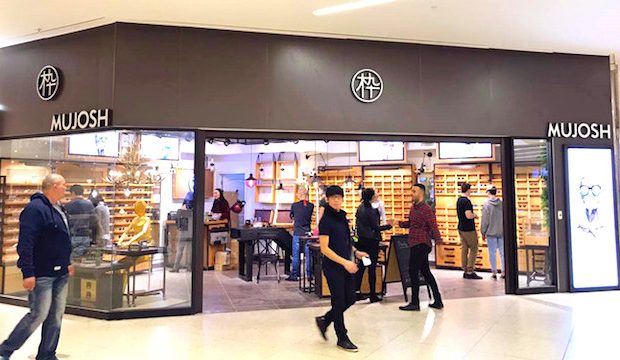
    Hong Kong-headquartered Mujosh eyewear is about to open its first store in Vietnam.

    The edgy brand, which made its international debut in Malaysia just last year, will open a store inside Saigon Center in Ho Chi Minh City. The mall houses the Takashimaya department store along with the first Japanese-headquartered Owndays shop in Vietnam.

    The store is undergoing fitout with a billboard promising an opening in “mid-March”.

    Established in 2010, Mujosh describes itself as “an innovative fashion eyewear brand” which combines unique elements and styles into frame designs.

    “Appreciating creative ideas, valuing the value of handicraft, cherishing the original touch of materials, Mujosh is deeply loved by fashion icons and wearers.”

    The brand also has stores in Singapore (on Haji Lane), Thailand and Australia. It plans to open 1000 stores globally within five years.

    Owned by Photosynthesis Group Co, Mujosh is the company’s first brand to go international since it started its international business expansion at the beginning of 2015.

    Edmonton marks Canadian debut

    Meanwhile, Mujosh opened its first store in Canada, a flagship in West Edmonton Mall, the largest shopping centre in North America. The mall hosts about 32 million visitors per year; between 90,000 and 200,000 daily.

    Among early customers was one who said she had become familiar with the brand while travelling in Shanghai and Singapore.

  • US Mart opens second HCMC store

    US Mart opens second HCMC store

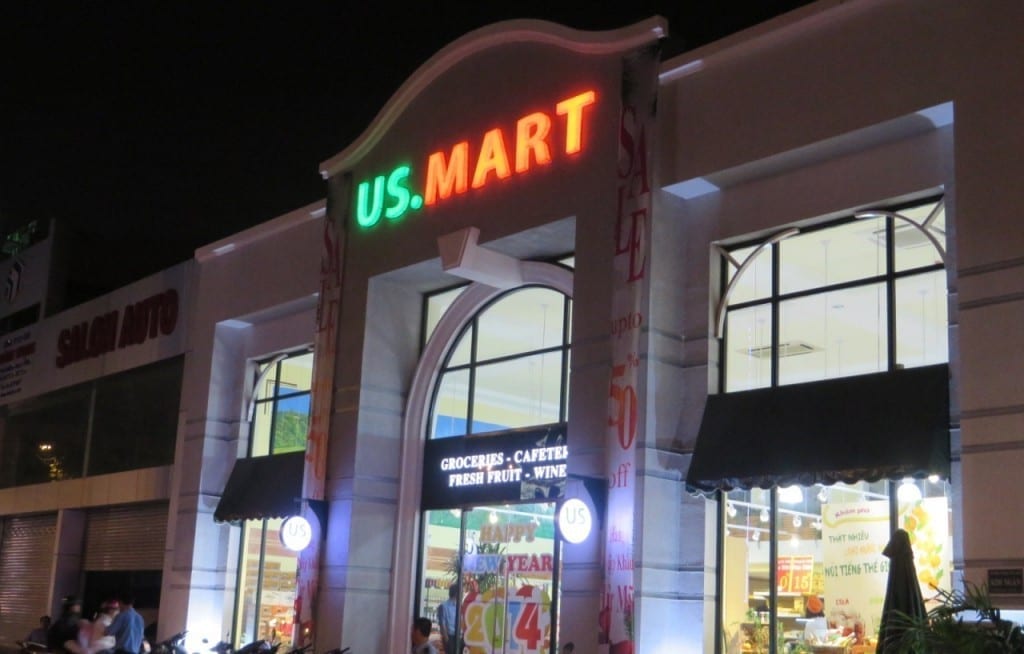
    Quality imported grocery retail pioneer US Mart has opened its second store in HCMC – and is ready, preparing for its third.

    After three successful years in the city, US Mart has opened a second store in District 7.

    The new store is located at 169 Nguyen Huu Canh St, in what is a residential enclave popular with Asian expats and and high-income locals. The company hopes this positioning strategy will bring growth to the chain, reflecting its success in downtown Saigon, District 1.

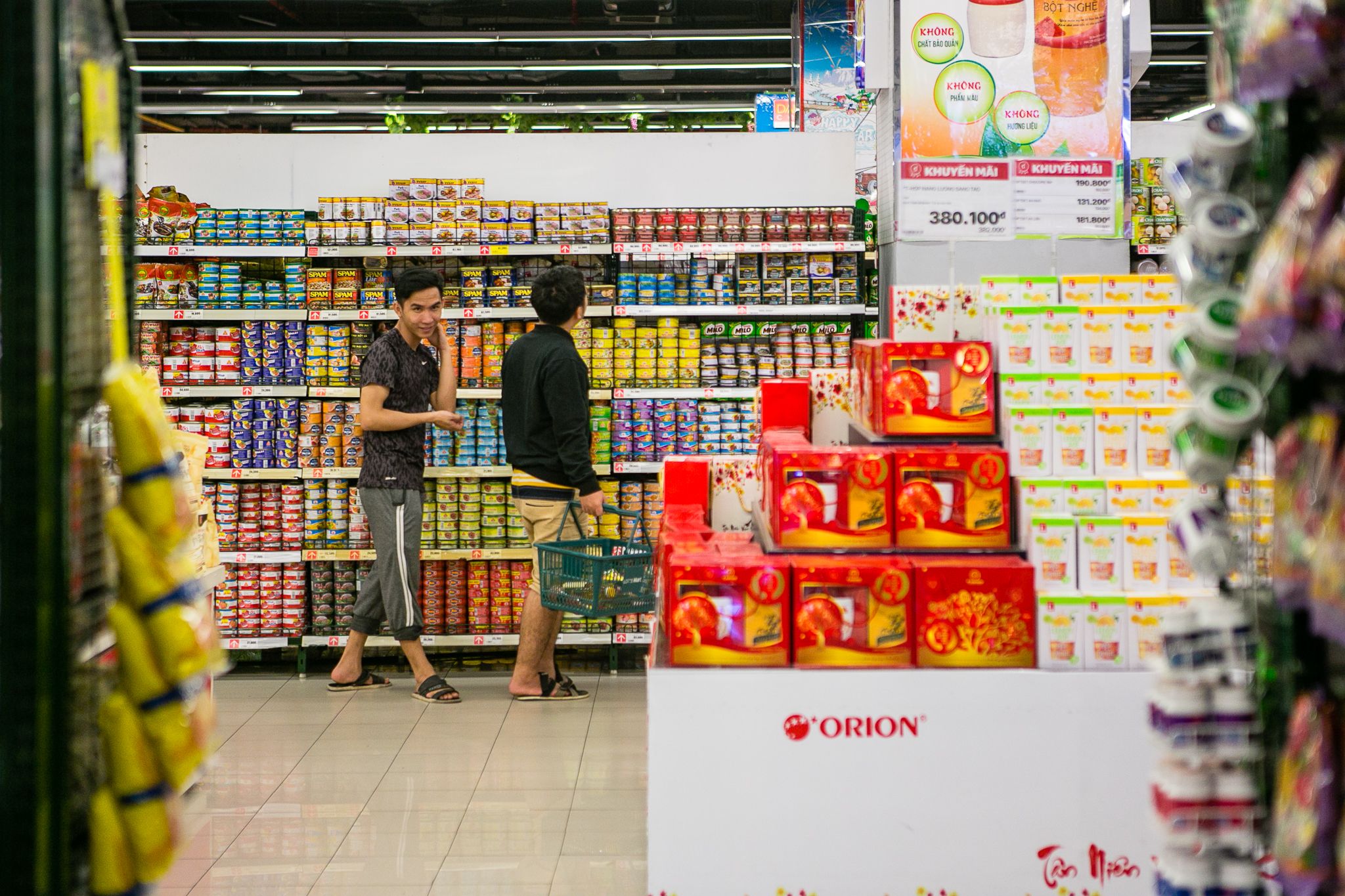
    Kim Ngan, US Mart director of communications, said the store is selling around 10,000 items, 70-80 per cent of which are imported directly from the US, including food and beverage products. The other 20-30 per cent are Vietnamese high-quality products, including specialties from Southern provinces.

    All US products are imported as a part of the Taste of America program, a joint effort with the US Department of Agriculture. According to Gerald H Smith, senior attache for Agricultural Affairs at the US consulate, Vietnam is the 11th largest market for US food and agricultural products. Statistics showed the trade in food and agricultural products reached US$5.9 billion last year.

    US Mart was founded in 2013 by businessman Nguyen Manh Tien, who recognised local customers’ need of imported goods after returning from studying in the US. Despite the high competition in Vietnam retail market, US Mart has successfully built its customer base thanks to high quality goods, food sanity, frequent promotions, and a five-day goods return policy.

    After D7 store, US Mart will open its third store in Tan Binh district this Sunday.