Tag: Ho Chi Minh City

  • Vanguard to Invest $2.5 Billion in Vietnam Equities After FTSE Upgrade

    Vanguard to Invest $2.5 Billion in Vietnam Equities After FTSE Upgrade

    Vanguard will invest US$2.5 billion in Vietnamese equities over the next 12 months. The allocation follows the country’s promotion to emerging market status under FTSE Russell standards.

    Capital will flow across 27 constituent stocks added to the index series. That total exceeds domestic brokerage forecasts, which pegged inflows between US$1 billion and US$2 billion.

    FTSE Russell enacted the reclassification on Sept. 21. The change opens the Southeast Asian market to passive institutional portfolios tracking global equity benchmarks. Vanguard funds tracking the FTSE Global Equity Index Series will execute initial net purchases of roughly US$240.5 million across the newly eligible tickers, according to data from domestic brokerage SSI Research.

    Allocation across large-cap and mid-cap constituents

    Twenty-seven designated Vietnamese companies sit across three capitalization tiers. State-run lender Vietcombank, property and industrial conglomerate Vingroup, and residential developer Vinhomes anchor the large-cap basket.

    Lenders BIDV and VPBank join industrial producer Hoa Phat Group in the mid-cap bracket. Another 21 companies fill the small-cap segment. These spread exposure across industrial, consumer, and financial counters listed on the Ho Chi Minh Stock Exchange.

    Duncan Burns, head of investments and global equity for Asia-Pacific at Vanguard, confirmed the deployment schedule at an industry briefing. “Many investors may have never visited Vietnam, but through us, they can participate in the sustainable growth of this market,” Burns said.

    Capital reallocation across Southeast Asian bourses

    Foreign institutional liquidity will now enter an exchange historically dominated by retail accounts. Passive exchange-traded funds rebalance automatically. They force systematic capital allocation regardless of short-term macroeconomic swings or retail sentiment.

    Consumer-facing conglomerates and retail property developers gain direct balance sheet stability from these institutional holdings. Companies with available foreign ownership room can issue primary equity more cleanly when international indexers hold baseline blocks. That lowers the cost of capital for retail expansion and logistics buildouts.

    Market liquidity and foreign ownership limits pose clear risks. Several commercial banks and retail enterprises in Ho Chi Minh City trade at or near statutory foreign ownership caps. Secondary buying pressure can create pricing premiums or redirect funds toward names with larger available float.

    Regulatory steps preceding the index upgrade

    Technical reforms targeting settlement friction and foreign broker access enabled the upgrade. Vietnam’s State Securities Commission removed mandatory pre-funding rules for foreign institutional investors earlier this year. That reform cleared the main operational hurdle delaying inclusion since 2018.

    Vietnamese finance minister Ngo Van Tuan said regulators will introduce new trading products and enforce tighter disclosure rules across listed entities to align domestic clearing mechanisms with global standards.

    Attention now turns to the quarterly FTSE rebalancing review in December. That review will decide whether more consumer and industrial listings qualify for the index.

  • US Recycler R3 Lithium to Enter Vietnam Battery Industry

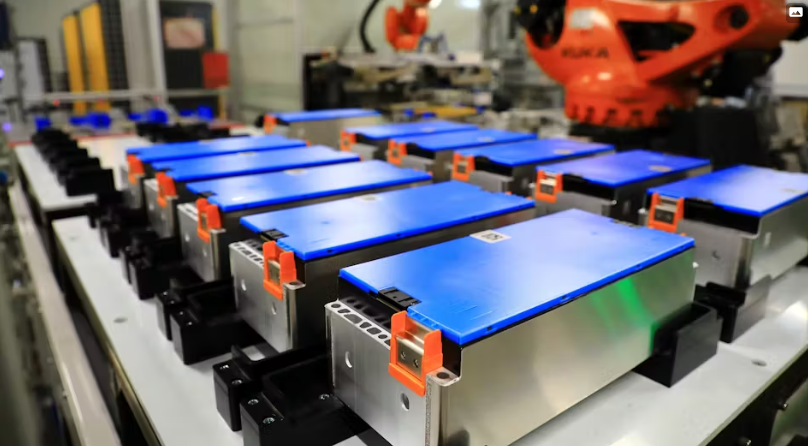
    US Recycler R3 Lithium to Enter Vietnam Battery Industry

    American lithium recycling specialist R3 Lithium plans to enter Vietnam to process electric vehicle batteries, opening discussions with domestic automotive manufacturers and electronics assemblers.

    The Vietnamese government confirmed the talks this week as demand for recovered battery-grade metals climbs across Southeast Asian manufacturing hubs.

    Talks with domestic manufacturers

    R3 Lithium targets Vietnam to secure feedstock from spent electric vehicle packs and consumer electronics waste. The US-based processor aims to extract battery materials locally rather than shipping untreated black mass abroad.

    Government officials in Hanoi confirmed the discussions cover partnerships with both vehicle makers and consumer hardware producers operating factories across the country.

    Building regional supply security

    Securing domestic recycling capacity gives vehicle manufacturers an immediate channel to recover critical minerals without depending entirely on raw mineral imports. Battery producers across Southeast Asia face stricter local content rules and mounting scrap volume from early EV production runs.

    Setting up closed-loop recovery inside Vietnam shortens transit times for active materials. It also keeps valuable cathode raw materials inside the domestic supply chain.

    Shifting automotive supply chains

    Vietnam has accelerated the conversion of domestic transport fleets to battery power, creating a captive volume of end-of-life cells. Global electronics contract manufacturers in northern industrial corridors also produce substantial scrap volumes during cell assembly and pack integration.

    Processing that material domestically allows electronics and vehicle brands to meet cross-border scrap compliance rules while sourcing secondary raw materials directly on site.

    Next regulatory approvals

    Industrial licensing and site approvals represent the immediate hurdle before R3 Lithium can break ground on local recovery infrastructure. Environmental permits for hydrometallurgical processing will determine the operational schedule.

    Final partnership agreements between R3 Lithium and its prospective automotive manufacturing partners in Vietnam will set the initial processing capacity target.

  • Black Sea Wheat Shipments Drop 50 Percent as Port Strikes Hit Asian Millers

    Black Sea Wheat Shipments Drop 50 Percent as Port Strikes Hit Asian Millers

    Wheat shipments into Southeast Asian mills dropped sharply this quarter after renewed Black Sea port strikes cut Russian and Ukrainian grain exports by roughly half. Global wheat prices climbed to three-year highs, forcing food processors across the region to replace millions of tonnes of contracted grain.

    Together, Russia and Ukraine account for more than a quarter of the global wheat trade, two-thirds of sunflower oil exports, and 10 per cent of corn shipments. Since July, strikes on maritime terminals, storage silos, and transport vessels across the Black Sea basin have halted bulk cargo loadings and stranded grain intended for Asian and Middle Eastern buyers.

    In Vietnam, Ho Chi Minh City-based flour miller Golden Wheat lost four contracted shipments of Black Sea wheat, representing approximately 20 per cent of its total annual raw grain requirement. Chief executive Tue Vuong secured replacement supplies from Bulgaria for two of the four canceled cargoes, leaving the processing business to source the remaining volume across spot markets at higher prices.

    Millers scramble for replacement cargoes

    Processors across Southeast Asia rely heavily on Black Sea grain to feed commercial flour mills, industrial bakeries, and aquaculture feed production lines. When Black Sea export corridors shut down, buyers face immediate freight penalties to divert purchasing to Australia, North America, or secondary European suppliers. The swiftness of the summer port disruptions caught Asian purchasing desks with lean safety stocks after months of stable pricing.

    Disruptions to regional diesel infrastructure inside Russia have compounded the shipping logjam by pushing fuel prices to record levels. Because diesel represents a primary operating cost for farming machinery, harvesting, and port hauling, transport expenses are flowing directly into export offers. Asian procurement managers now face both elevated commodity benchmarks and expanded freight premiums on spot contracts.

    Higher feedstock costs hit livestock and bakery margins

    Food manufacturers across Asia cannot absorb sustained ingredient increases without altering wholesale pricing. For livestock integrators and aquaculture feed producers in Vietnam, Thailand, and Indonesia, wheat and corn form core dietary inputs. A prolonged disruption in Black Sea bulk shipping will compress processing margins or force consumer-facing price revisions across packaged bakery goods, instant noodles, and animal protein.

    Supermarket operators and packaged food brands are monitoring these wholesale increases closely. While large multi-category food manufacturers carry forward hedging books that cover three to six months of production, mid-sized millers and regional livestock feeders buy on shorter cycles. These smaller processors bear immediate cash flow strain when spot replacement cargoes must be settled under tightened trade terms.

    Port strikes follow collapsed transit corridors

    The current shipping breakdown escalated in July when military attacks targeted Black Sea harbor terminals and loading infrastructure. Previous export arrangements brokered by Turkey in 2022 had allowed Ukrainian crops to transit safely through designated maritime corridors, but those agreements have expired without renewal. At the same time, neighboring European states maintained import bans on Ukrainian overland grain, leaving rail and river routes insufficient to handle standard export volumes.

    Researcher SovEcon estimates that combined Russian and Ukrainian wheat shipments for the July to September harvest period will finish at approximately 50 per cent of their prior-year levels. Major global buyers have already felt the pinch: Egypt, the world’s largest individual wheat importer, received no grain from Black Sea ports for nearly a month following the summer port strikes.

    Contract repricing heads into fourth quarter

    Asian food manufacturers are now reviewing import books for the fourth quarter of 2026. Spot cargo purchases from alternative origins like Bulgaria, Romania, and Western Australia will determine mill gate prices across Southeast Asia as existing warehouse inventories run down through October.

  • UK Plans $2.5 Billion Financing for Ho Chi Minh City Metro Extension

    UK Plans $2.5 Billion Financing for Ho Chi Minh City Metro Extension

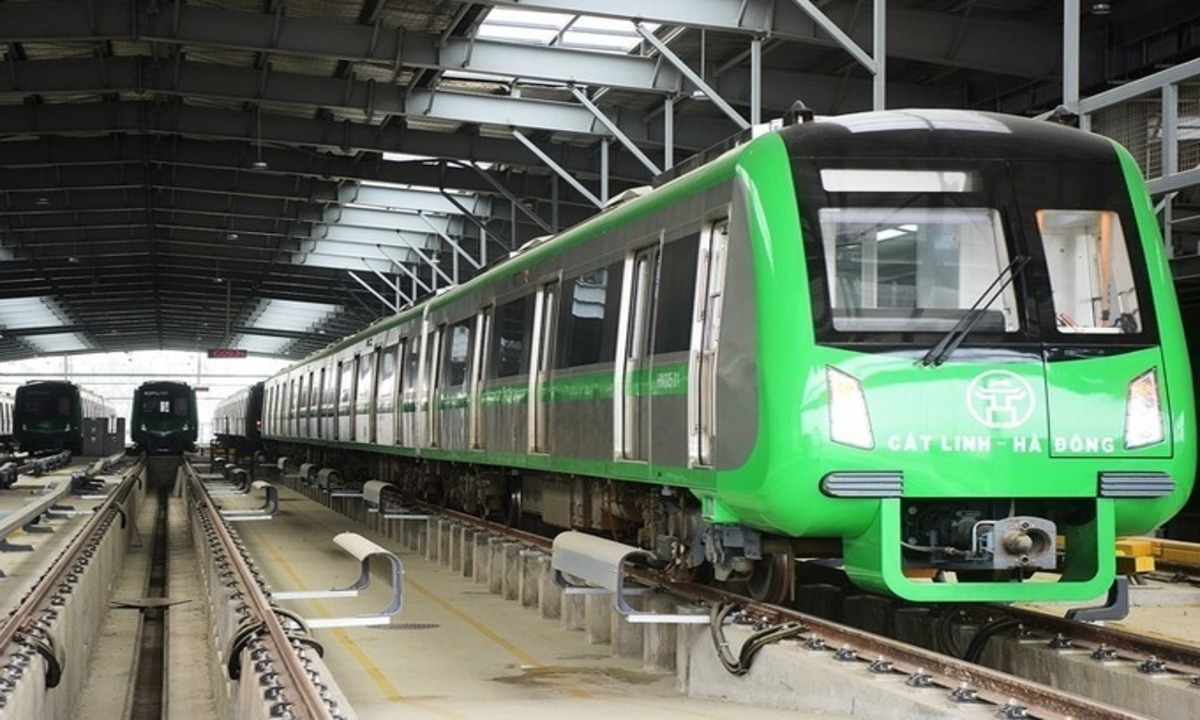
    UK Export Finance, Britain’s export credit agency, is preparing up to $2.5 billion in financing to help Ho Chi Minh City extend its metro line to Long Thanh International Airport, according to reports in September 2026.

    The planned facility from UK Export Finance represents one of the largest single Western financial packages proposed for Vietnam’s urban rail network, targeting the transit corridor between the country’s main commercial centre and its upcoming aviation hub.

    Financing the Airport Corridor

    UK Export Finance structured the proposed package to back engineering, rolling stock and systems procurement as municipal planners push to connect the city center with Long Thanh. The greenfield airport in neighboring Dong Nai province needs mass transit links before opening commercial terminals to relieve congested Tan Son Nhat International Airport.

    Vietnam relies heavily on bilateral export credit agencies and official development assistance to build out urban rail. Ho Chi Minh City’s initial metro infrastructure experienced extended delays and budget adjustments, prompting authorities to look for structured export credit packages that tie financing directly to equipment delivery and construction milestones.

    Shifting Transit Real Estate Dynamics

    Securing rail access between central Ho Chi Minh City and Long Thanh changes commercial land economics across the southern economic corridor. Retail developers, logistics operators and hospitality groups have acquired land parcels around planned transit nodes, anticipating commuter volume shifts once the airport becomes operational.

    For international contractors and rail operators, the British financing framework opens direct procurement channels in a market historically dominated by Japanese, South Korean and European consortiums. The risk centers on local site clearance and rights-of-way handovers across provincial borders, which previously slowed rail integration projects across the metropolitan area.

    Broader National Transport Timelines

    The financing proposal emerges alongside an accelerated national infrastructure schedule. Vietnam set a target date of December 2027 to start construction on its multi-billion dollar north-south high-speed rail line, while provincial authorities fast-track supplementary feeder roads and freight connectors across southern industrial zones.

    Final credit terms and municipal approvals will determine when procurement tenders open for the Long Thanh airport rail route.

  • Vietnam’s Tevo Secures $10 Million from Singapore’s PvX

    Vietnam’s Tevo Secures $10 Million from Singapore’s PvX

    Vietnamese tech platform Tevo secured $10 million this week from Singapore investment firm PvX to fund customer acquisition and accelerate platform expansion.

    The capital injection gives the company fresh liquidity to expand its user base across Vietnam while upgrading its underlying product infrastructure.

    Capital Allocation and Expansion Targets

    Tevo directed the proceeds straight toward customer acquisition campaigns, technical hiring, and regional partner integrations. The company plans to scale its operations beyond initial metropolitan hubs, focusing on higher transaction volumes and deeper user engagement across consumer touchpoints.

    For Singapore-based PvX, the transaction broadens its portfolio footprint in Vietnam, where digital consumption continues to outpace broader regional averages. The investment structure reflects an ongoing appetite among Southeast Asian venture capital firms for digital operators that demonstrate direct paths to unit profitability rather than unchecked market share land-grabs.

    Shifting Dynamics in Vietnam Tech Financing

    Regional capital deployment into Vietnamese digital businesses has shifted over the past two years toward firms with proven customer retention. Early-stage consumer platforms across Southeast Asia previously relied on aggressive discount subsidies, but investors now demand tighter payback periods on acquisition spending.

    The primary operational risk for Tevo sits in user retention once direct marketing spend moderates. Digital consumer acquisition costs across Ho Chi Minh City and Hanoi rose over the last eighteen months as domestic operators competed for the same demographic of smartphone users.

    Cross-Border Deal Momentum

    Cross-border funding from Singapore into Vietnamese consumer and technology startups maintained momentum following several mezzanine and early-stage rounds closed earlier this year. Regional funds continue to route investments through Singapore holding entities to back Vietnamese operating assets in retail, logistics, and consumer services.

    Market observers will watch Tevo’s net subscriber growth figures and its next operational disclosures in early 2027 to see how effectively the $10 million round translates into retained user volume.

  • Central Retail to Add 37 Food Stores Across Vietnam by 2028

    Central Retail to Add 37 Food Stores Across Vietnam by 2028

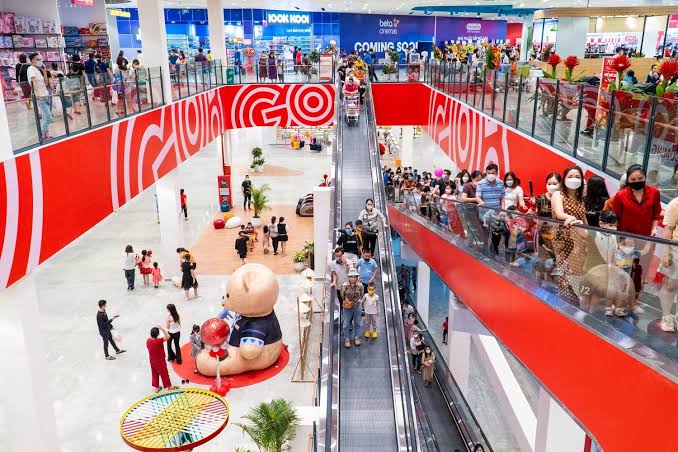
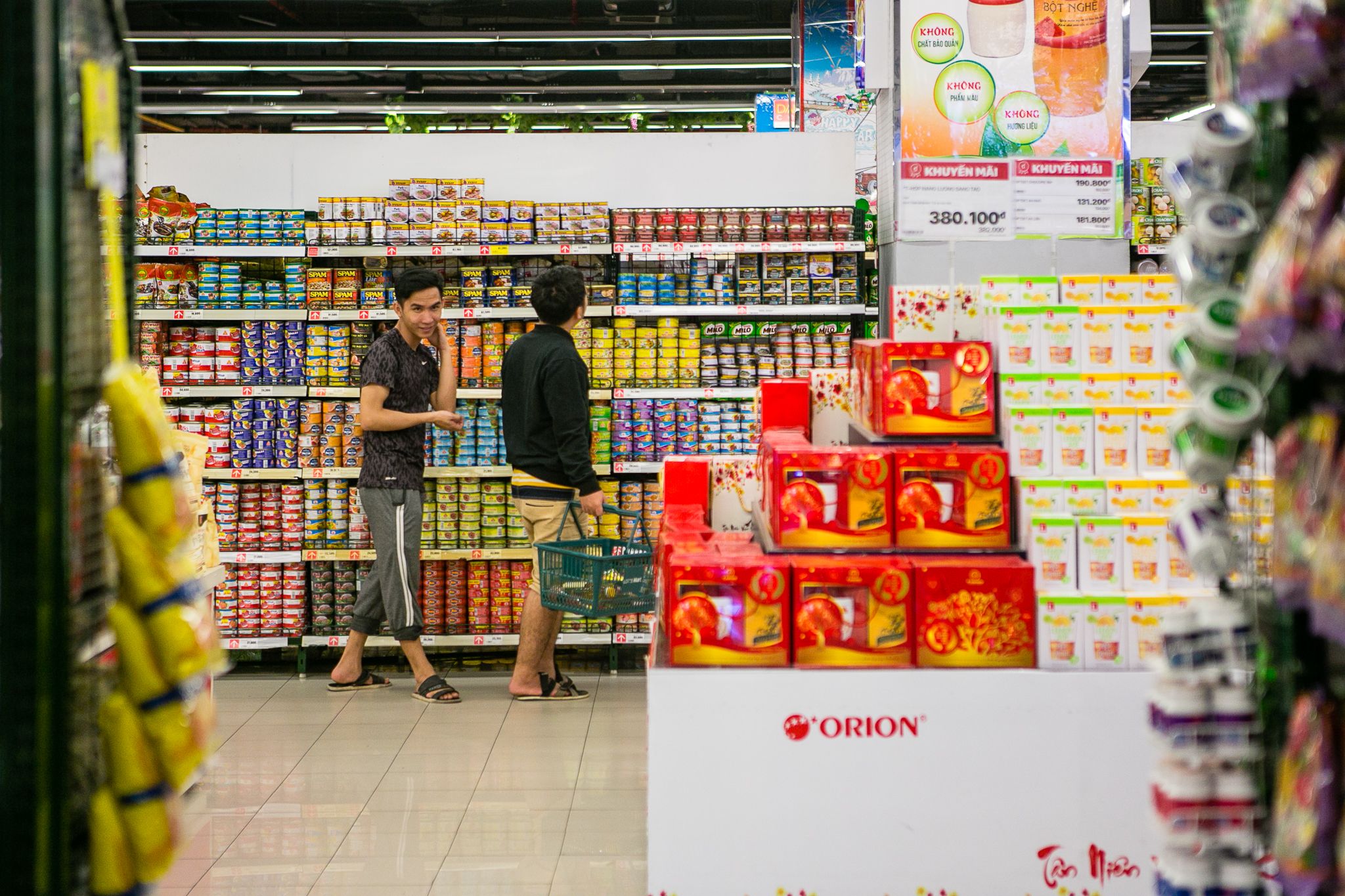
    Central Retail will open up to 37 food stores in Vietnam by 2028. The plan adds large-format hypermarkets and neighborhood supermarkets across primary and secondary cities.

    Targets include 10 to 12 Go! Hypermarkets and 23 to 25 Mini Go! Stores over the next two years. The group already operates more than 300 locations covering 1.3 million square metres of floor space.

    Splitting formats between city hubs and provinces

    Capital will split between large retail hubs and smaller grocery boxes. Central Retail Food Group is restructuring flagship Go! Hypermarkets around fresh produce, in-store bakeries and prepared dining counters. Smaller Mini Go! Branches will push into provincial markets. There, modern retail still competes against traditional wet markets.

    Food accounts for the bulk of local revenue. Beyond Go!, the portfolio includes Tops Market, Mini Go! And Lan Chi Mart. Sourcing leans heavily local. More than 90 per cent of inventory comes from roughly 2,000 Vietnamese suppliers.

    “Our strength lies in having a diverse range of store formats, from hypermarkets to supermarkets, allowing us to expand in ways that best suit the potential of each location and consumer segment across both major and secondary cities,” said Stephane Coum, CEO of Central Retail Food Group.

    Pressure on domestic grocers and floor space

    Rival operators like WinCommerce and Saigon Co.op face higher stakes in secondary provinces. Domestic chains spent the past three years closing unprofitable small stores and trimming distribution margins. Central Retail is taking the opposite route, committing fresh capital to physical stores as consumer spending climbs.

    Productivity outside Hanoi and Ho Chi Minh City remains the main operational hurdle. Secondary cities provide cheaper leases and less modern competition, but basket sizes are smaller and shoppers watch prices closely. The company bets fresh food counters and ready-to-eat meals will pull shoppers from wet markets faster than packaged goods.

    Building out the network

    Central Retail entered Vietnam nearly 15 years ago and has invested THB49 billion (US$1.5 billion) to date. It converted the Big C assets acquired in 2016 into the Go! Brand. Older hypermarket layouts were dropped for food-led centers that mix dining tenants with specialty retail.

    Loyalty data will feed directly into the physical roll-out. The 1 Vietnam loyalty programme reached 7.4 million members in its first year. The chain will use that database to drive shoppers into the 37 new locations as construction finishes through 2028.

  • Starbucks Opens Vietnam’s First Signing Store in Ho Chi Minh City

    Starbucks Opens Vietnam’s First Signing Store in Ho Chi Minh City

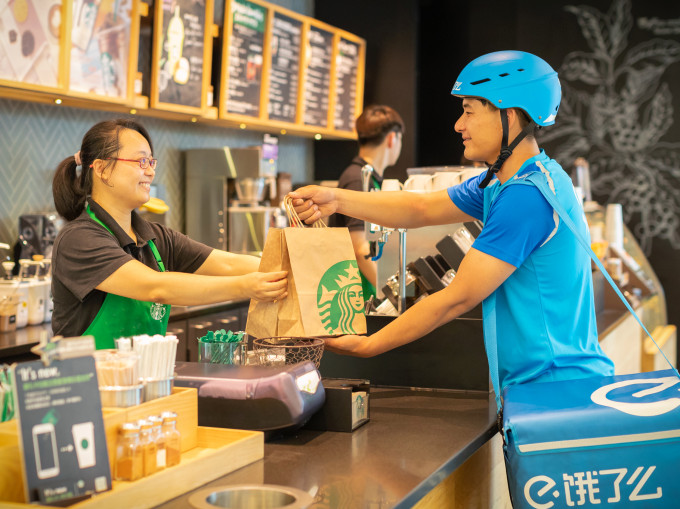
    Starbucks opened its first Signing Store in Vietnam on Ho Chi Minh City’s Cao Thang Street on Wednesday, expanding a regional format that already runs 26 outlets across four other Asian markets.

    Deaf staff work alongside hearing employees across counter service and daily operations, using visual menus, gestures and written order systems rather than spoken prompts.

    Operations on Cao Thang Street

    The unit sits set back from the main roadway on Cao Thang Street with a garden-style layout planned to lower ambient street noise for staff and guests. It serves the chain’s standard beverage and food menu while changing the service counter workflow to accommodate point-and-sign ordering.

    Chi Nguyen, director of external affairs at Starbucks Vietnam, stated to local media that the location functions as an inclusive space where staff and visitors interact directly through visual methods.

    Format Expansion Across Asia

    Specialised format stores of this type allow multinational food and beverage operators to test altered counter workflows without changing back-of-house supply chains. Starbucks established its first signing outlet in Kuala Lumpur in 2016 before expanding the concept to China, Japan and South Korea, where dedicated customer communication tools were integrated into standard point-of-sale setups.

    For commercial landlords, quiet and garden-style layouts of this type offer ways to activate secondary street frontage and deeper, non-standard retail floorplates that struggle to accommodate high-turnover drive-throughs or standard counter lines. The operational friction sits in staff onboarding and maintaining service speed during peak morning trade, where non-verbal communication systems must process complex drink customisations without causing counter bottlenecks.

    Market Positioning in Vietnam

    Starbucks opened its initial location in Ho Chi Minh City in 2013 and has spent more than a decade building a store network across major commercial hubs including Hanoi, Da Nang and Binh Duong. The brand competes against established domestic chains such as Highlands Coffee and Phuc Long, which operate larger branch networks at lower price points across Vietnam’s urban centres.

    The Cao Thang unit brings the company’s regional signing store count to 27 locations across Asia, with operators watching whether the model will be adapted for additional high-density retail districts in Hanoi.

  • Oh!Some Scales Back in Vietnam 16 Months After Opening Flagship

    Oh!Some Scales Back in Vietnam 16 Months After Opening Flagship

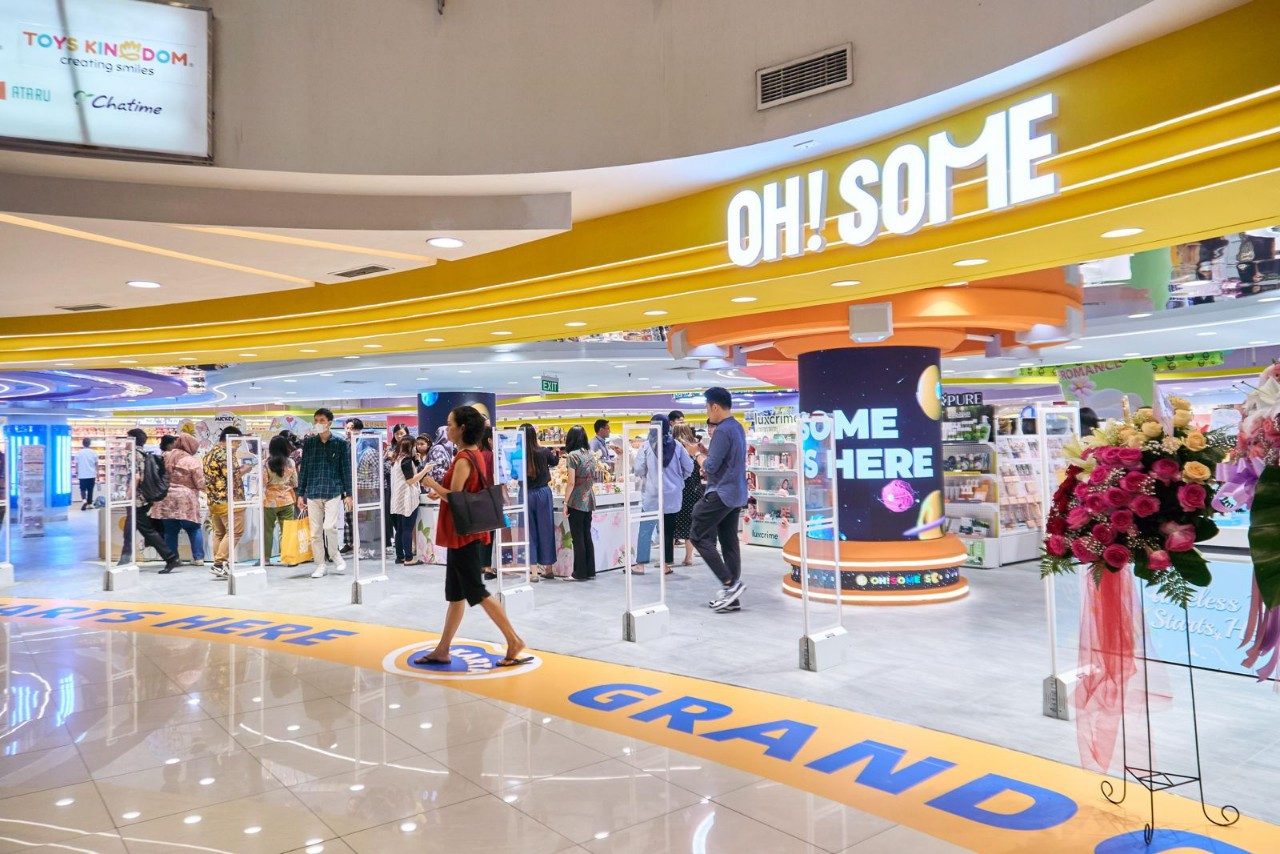
    Chinese lifestyle chain Oh!Some is closing stores across Vietnam. The closures come 16 months after it opened a 2,000-square-metre flagship in central Ho Chi Minh City.

    The retailer entered Vietnam in April 2025 and expanded quickly. Mounting losses soon forced a reassessment. High mall rents, logistics expenses and rising wages squeezed margins across its Vietnamese outlets, according to people familiar with the operations.

    Retreat across regional hubs

    Vietnam is not the only market where the chain has pulled back. Oh!Some has already shut all stores in Singapore, where parent firm Blue Origin Group is based. Its only branch in Hong Kong also closed recently.

    Oh!Some sells beauty products, homeware, accessories, toys and daily essentials. The group had targeted Southeast Asia for rapid expansion. It drafted launch roadmaps for Thailand and Cambodia, and named Indonesia as its main regional engine.

    High overheads pinch lifestyle chains

    Budget lifestyle chains across Southeast Asia face stiff competition from rivals like Miniso and local value merchants. Massive central footprints make the problem worse. Oh!Some took a multi-level site at Vincom Center Dong Khoi, leaving the low-margin business exposed when basket sizes failed to cover prime leasing costs.

    Blue Origin Group has not stated whether it will exit Vietnam entirely or keep a smaller store footprint in secondary shopping centres.

  • Vietnam Gold Prices Edge up as Domestic Premium Holds at VND6.8 Million

    Vietnam Gold Prices Edge up as Domestic Premium Holds at VND6.8 Million

    Domestic gold prices in Vietnam climbed on Friday morning, led by Saigon Jewelry Company lifting bullion bars 0.13 percent to VND148.6 million ($5,697.31) per tael.

    Plain gold rings gained 0.14 percent to VND148.1 million per tael. A standard Vietnamese tael equals 37.5 grams, or approximately 1.2 ounces.

    Domestic Spread and Annual Movement

    Despite the morning uptick, Saigon Jewelry Company bars remain down 0.07 percent from the start of the week. Since the beginning of the year, domestic gold prices have dropped 2.75 percent across Vietnamese trading desks.

    Retail buyers in Vietnam continue to pay a hefty premium for physical inventory. Local bars traded at roughly VND6.8 million per tael above prevailing international spot benchmarks on Friday.

    The price gap reflects sustained domestic preference for physical store-of-value assets, keeping retail jewelry and bullion counters priced well above import parity even during quieter trading weeks.

    International Pressures and Rate Outlook

    Overseas bullion traded flat on Friday after a volatile run earlier in the week. Spot gold held steady at $4,468.27 per ounce after gaining 2 percent during Thursday trading, while US gold futures for December delivery dropped 0.6 percent to $4,514.60.

    Global market participants have focused their attention on upcoming US employment figures for indications on interest rate policy. Ross Maxwell, global strategy operations lead at VT Markets, noted that central bank accumulation continues to underpin physical demand and limit broader downside across the sector.

    Market participants and domestic retail bullion traders now watch upcoming inflation data releases scheduled for next week to set the near-term direction for spot pricing.

  • Robusta Coffee Climate Resilience Is a Flawed Myth, Study Warns

    Robusta Coffee Climate Resilience Is a Flawed Myth, Study Warns

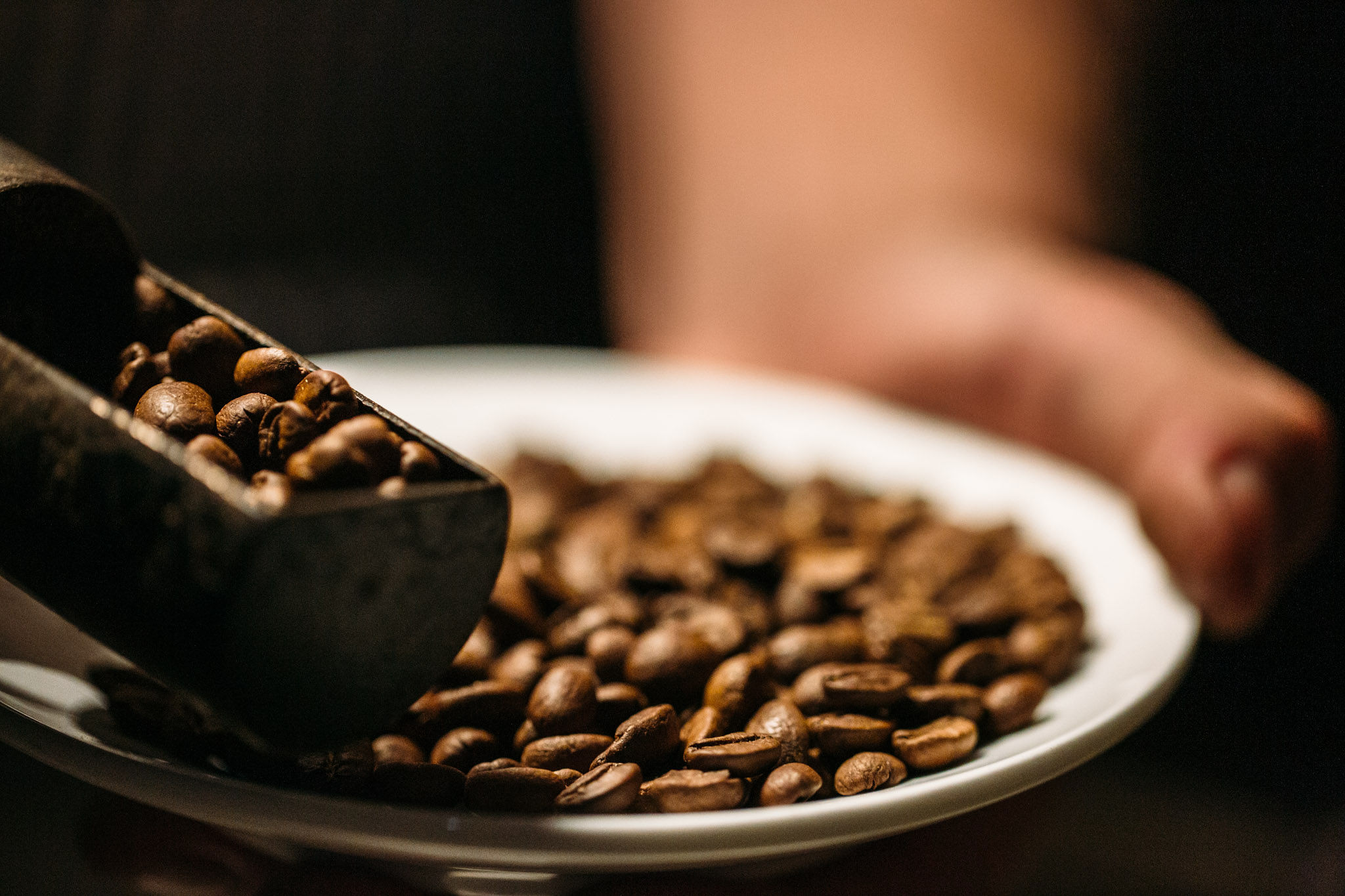
    A new research study has challenged the widely held assumption that robusta coffee will withstand global warming better than arabica varieties. The crop suffers from severe drought intolerance, undermining its reputation as a climate-resilient alternative for global beverage supply chains.

    Tens of millions of bags of robusta reach international markets every year, with the bulk originating from farms in Vietnam and Brazil. Beverage brands and roasters have increasingly relied on the bean as rising temperatures squeeze traditional arabica harvests across Latin America and Africa.

    Flawed Assumptions on Crop Tolerance

    Researchers found that prior assessments overlooked how sensitive robusta plants are to water shortages during key growing cycles. The lead author described claims of broad climate resilience as an internet myth built on incomplete data.

    “Robusta is more heat-tolerant than arabica, but it’s drought-intolerant,” the study noted. While the variety can endure higher ambient temperatures, dry spells drastically cut yields, leaving commercial growers exposed to sudden harvest declines.

    Pressure on Asian Beverage Supply Chains

    For Southeast Asian agricultural hubs and instant-coffee processors, the findings point to growing volatility in raw bean procurement. Vietnam supplies the vast majority of global robusta exports, meaning prolonged dry weather in the Central Highlands directly disrupts margins for consumer packaged goods groups and cafe operators across Asia.

    Food and beverage manufacturers now face higher hedging costs and the need for heavier capital investment in farm irrigation systems to secure future robusta volumes.

  • Vietnam Fintech MFast Raises US$6 Million to Fund Philippines Expansion

    Vietnam Fintech MFast Raises US$6 Million to Fund Philippines Expansion

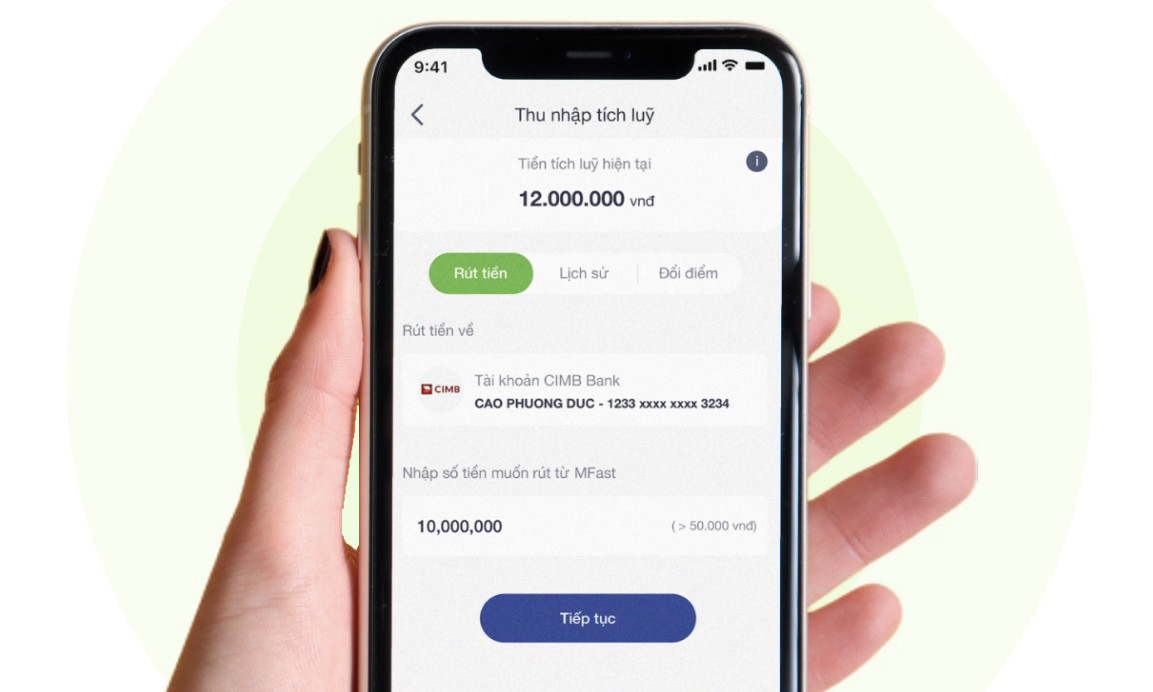
    Vietnamese financial services distribution platform MFast has raised US$6 million in Series A funding to expand its agent network and launch operations in the Philippines.

    Venture capital firm Wavemaker Partners led the round, with new participation from Tokyo-based Headline Asia and Thailand-based Finnoventure Fund I, managed by Krungsri Finnovate. Existing backers Do Ventures, Jafco Asia and Ascend Vietnam Ventures also joined the equity injection.

    Distribution beyond major metros

    MFast operates as a unit of Vietnam-based startup DigiPay, founded in 2017 by twin brothers Phan Thanh Long and Phan Thanh Vinh. The platform functions as an agent-driven marketplace selling insurance policies, consumer loans and banking products to retail customers.

    The business model relies on individual sales agents rather than physical storefronts. Traditional lenders and commercial brands routinely avoid opening physical branches in lower-tier cities such as Hue due to high real estate and operational costs. MFast uses mobile software to turn local individuals into commissioned sellers, bridging that retail gap.

    By August 2023, the network had grown to 160,000 active agents operating across all 63 cities and provinces in Vietnam. The company said it has connected more than one million consumers to financial products, while the number of income-earning agents rose 62 per cent year-on-year in the first half of 2023.

    Regional banking ties

    Consumer finance distribution in Southeast Asia has increasingly pivoted toward hybrid agency networks. Pure digital lending apps frequently face elevated default rates and high user-acquisition costs outside major capitals, making on-the-ground agent validation a practical distribution channel for commercial banks targeting lower-tier consumer markets.

    The startup has established distribution partnerships with international and regional lenders, including Singapore’s UOB, Thailand’s Kasikornbank, and SHB Finance, the Vietnamese consumer finance unit controlled by Thailand’s Bank of Ayudhya.

    MFast will use the capital to design bespoke credit products for segmented customer groups before launching its agency distribution model in the Philippines in 2024.

  • Vietnam Gold Prices Hit Seven-Week High as SJC Bars Reach VND150.6 Million

    Vietnam Gold Prices Hit Seven-Week High as SJC Bars Reach VND150.6 Million

    Gold prices across Vietnam climbed Tuesday morning to their highest level since July 6. The rebound began nearly a week ago. Saigon Jewelry Company lifted its gold bar price by 0.40 per cent to VND150.6 million ($5,757.21) per tael.

    A tael equals 37.5 grams or roughly 1.2 ounces. Plain gold rings climbed faster than bars. Ring prices rose 1.31 per cent to VND155 million per tael across retail counters. Even with the week-long rally, domestic bullion prices remain down 1.4 per cent since the start of the year.

    Retail Premiums Widen on Ring Demand

    The faster rise in ring prices pushed standard jewellery to an unusual premium over SJC-branded bars. Buyers across Ho Chi Minh City and Hanoi continue to purchase physical gold rings as a store of value. Retail counters stay active whenever global benchmarks climb.

    Bullion serves Vietnamese households as an everyday savings tool and an alternative asset. When prices swing, jewellery chains see immediate shifts in store footfall as shoppers rotate cash into metal.

    Global Benchmarks Clear Technical Resistance

    Kitco data showed international spot gold added 0.04 per cent to $4,653.70 per ounce on Tuesday. That followed a combined jump of 2.91 per cent over the previous two trading sessions.

    Overseas bullion cleared several technical resistance levels last week. The metal gained ground even as the US dollar firmed modestly. Safe-haven buying held steady, driven by shifting expectations for American fiscal and monetary policy.

    Traders in Hanoi and Ho Chi Minh City are watching whether international spot gold holds above the $4,650 threshold. That level will determine if local prices can erase the remaining 1.4 per cent deficit from early-year marks.

  • Every Half Coffee Roasters Secures $8 Million in Series A Funding

    Every Half Coffee Roasters Secures $8 Million in Series A Funding

    Vietnamese specialty coffee chain Every Half Coffee Roasters has secured $8 million in a Series A funding round to expand its retail footprint and supply operations.

    The capital injection provides the Ho Chi Minh City-based roaster with fresh resources to scale its cafe network and upgrade processing facilities across domestic markets.

    Expanding Roastery and Store Footprint

    Founded to champion Vietnamese specialty beans alongside international varieties, Every Half operates a growing roster of cafe locations alongside its roasting business. The new financing enables the company to accelerate new outlet openings in key urban centers, while bolstering direct sourcing partnerships with domestic coffee farmers.

    Operating in an increasingly sophisticated domestic cafe market, the brand focuses on single-origin offerings, specialized brewing methods, and modern retail store formats designed for urban consumers.

    Shifting Dynamics in Vietnam’s Coffee Market

    Vietnam remains the world’s second-largest coffee producer, yet its retail landscape has long been dominated by traditional robusta street stalls and large domestic chains like Highlands Coffee and Phuc Long. Over the past five years, consumer preferences in major cities have shifted toward premium arabica, specialty roasters, and traceable sourcing.

    Independent chains across Southeast Asia are tapping institutional capital to challenge both legacy domestic operators and global giants such as Starbucks. For RetailNews Asia readers tracking regional food and beverage investments, the round confirms sustained venture interest in premium cafe concepts that control both roasting and retail touchpoints.

    Every Half now turns to executing its multi-city rollout schedule as competitors race for prime commercial real estate in Hanoi and Ho Chi Minh City.

  • Chuk Chuk speeds up expansion plans with Central Retail

    Chuk Chuk speeds up expansion plans with Central Retail

    Kido Group-owned gelato and tea chain, Chuk Chuk, has joined hands with Central Retail to roll out between 300 and 400 stores in Go! malls and Tops Market supermarkets in Vietnam, as well as eyeing international expansion.

    Chuk Chuk said it will open 10 stores across Central Retail’s shopping malls ahead of February. Under the partnership, the chain plans to expand its presence into Thailand and other Southeast Asian countries in the coming years.

    The brand currently operates 10 brick-and-mortar stores across Ho Chi Minh City, with 40 stores scheduled to launch this month. Kido Group is to increase its store number to 1000 in the country by 2025 while expanding into international markets, including Thailand, China, and South Korea.

    The partnership with Central Retail follows Chuk Chuk’s recent agreement with Son Kim Retail, under which its products will be sold across all GS25 locations in the country by the end of next year.

    Founded last June, amid the Delta lockdown, Chuk Chuk marks Kido Group’s foray into the retail industry, directly competing with major local F&B players such as Starbucks, Trung Nguyen Legend and Phuc Long. The brand name was inspired by Thailand’s famous vehicle Tuk Tuk.

  • Vietnam among WeWork’s top markets in Southeast Asia

    Vietnam among WeWork’s top markets in Southeast Asia

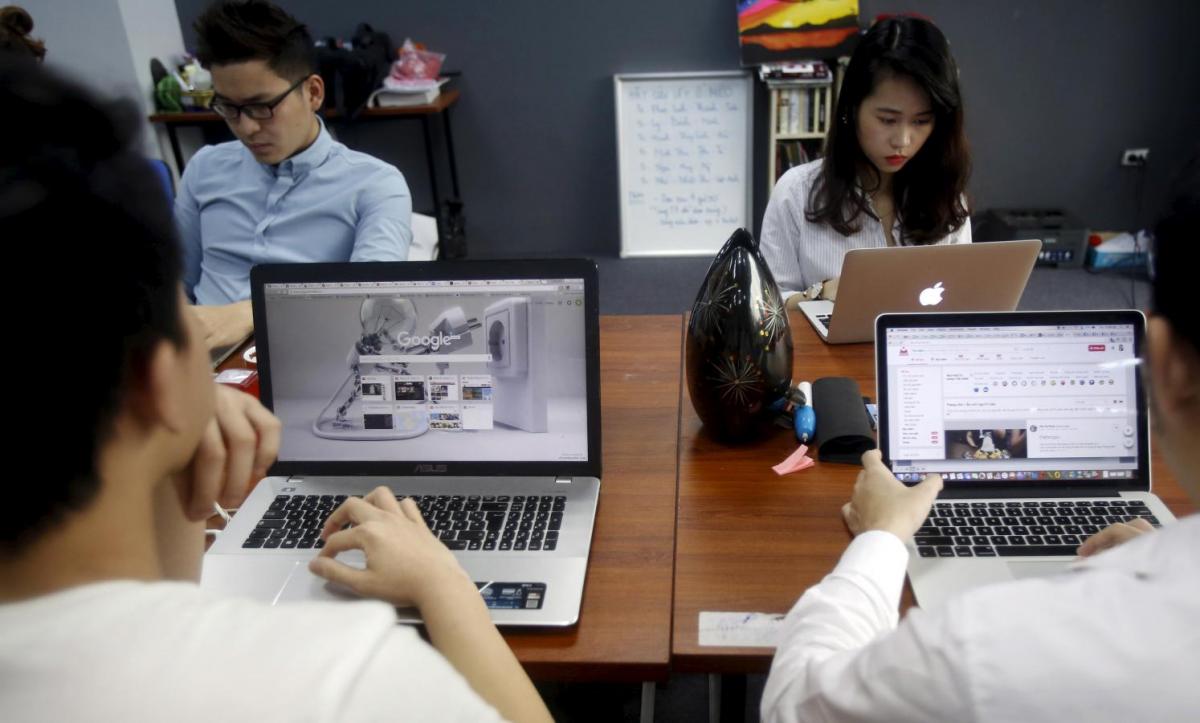
    Vietnam is among the top countries in Southeast Asia for coworking space provider WeWork, growing by 8 percent since early last year.

    Most of its customers in the country are in technology, pharmaceuticals, and manufacturing, while financial organizations are among the new ones, Elizabeth Laws Fuller, WeWork’s head of growth in Southeast Asia said.

    It entered Vietnam in 2018 and now has two locations in Ho Chi Minh City out of its 30 in Southeast Asia.

    Vietnam is seeing rising demand for coworking space.

    A recent survey by WeWork and market research firm International Data Corporation found that 80 percent of companies plan to use coworking space in the next three years.

    Another reason for the improving figures in Vietnam is its success in containing the Covid-19 pandemic and sustaining economic growth, Fuller said.

    Many global corporations have been investing or expanding in Vietnam in recent years, and they have a demand for flexible workspace, she said.

    The pandemic has changed companies’ perception of coworking space, and in the long term customers would not be only small and medium-sized players but also large companies, she added.