Tag: Holiday

  • 200m Chinese to travel by 2020 as HK/Macau slow

    200m Chinese to travel by 2020 as HK/Macau slow

    Credit Lyonnais Securities Asia (CLSA) is maintaining its long-standing forecast of 200m Chinese overseas trips by 2020. However, it warns that mainland Chinese travel to Hong Kong and Macau is likely to average only 3% growth in future, while Chinese trips to other locations will grow much more strongly by an estimated 16%.

    CLSA’s latest report says Hong Kong simply has too few new attractions, increased competition, capacity constraints, a strengthening HK$, tension against mainlanders and it also faces a reduction in import tariffs in China.

    This unpalatable cocktail resulted in inbound Chinese tourist numbers to Hong Kong declining by -2% between January and November 2015, compared to the much healthier 16% to 26% annual growth rates experienced in better years between 2010-2014.

    Hong Kong airport large

    CLSA’s highly-anticipated report – ‘2016 Chinese Tourists: Expanding Cultural Horizons’– is the independent brokerage and investment group’s third annual appraisal of the key growth drivers to Chinese outbound travel, as well as the destinations, sectors and stocks set to benefit the most.

    As part of its central Chinese tourist theme it remains bullish on its long-standing forecast of 200m Chinese overseas trips by 2020, despite its prediction that Chinese outbound tourist growth will slow to 9% over the next five years from 17% over the past five.

    Of this 9%, the authors say that travel to Hong Kong and Macau will average 3% growth, whereas trips to other locations will grow on average by 16%. Improved affordability, easing travel restrictions and the increasing desire to travel remain the key drivers underpinning Chinese outbound tourism growth, says CLSA.

    Within its proprietary survey of more than 400 outbound Chinese travellers it found that experiencing foreign cultures, enjoying nice environments, relaxing, and broadening horizons are increasingly more important goals for Chinese tourists compared to shopping. This also supports CLSA’s general structural negative on the future for Hong Kong’s tourism and retail sectors.

    001 aa Chinese Tourism Research Australia

    “…IF MONEY WAS NO OBJECT, THE MOST HIGHLY DESIRED DESTINATIONS FOR CHINESE TOURISTS ARE ACTUALLY THE USA, FRANCE, MALDIVES AND AUSTRALIA – IN THAT ORDER.”–CLSA REPORT.

    Chinese travellers looking for ‘unique cultural experiences’ are most likely to head to South Korea, Japan, Thailand, or the USA in the next three years, says CLSA. South Korea is attractive for its relatively cheap luxury goods and cosmetics, whereas Thailand offers beaches and other cultural destinations.

    CLSA also reveals that if money was no object, the most highly desired destinations for Chinese tourists are actually the USA, France, Maldives and Australia – in that order.

    The report adds that ‘the key risks to growth of outbound Chinese travel figures’ are safety, lower income growth and a weaker Yuan. Within its survey, CLSA said that 75% of survey participants confirmed that safety was the clear number one factor influencing their choice of destination in 2015 – up from 63% in 2014 and 41% in 2013.

    By contrast, mainland Chinese respondents said that lower income growth in China this year could also impact upon their travel plans. Some 60% admitted that they would reduce their outbound trips and 68% adding that they will cut back their travel-related shopping if family income drops.

    Chinese shoppers. Source Global Blue

    “…A WEAKER YUAN WILL ALSO AFFECT TRAVEL PLANS, WITH 43% INDICATING THEY MAY REDUCE THE NUMBER OF TRIPS THEY TAKE IF THE YUAN DEPRECIATES BY 10% IN THE NEXT YEAR. MEANWHILE, 35% SAID THEY WOULD CUT SHOPPING SPENDING…” CLSA REPORT.

    The research also confirmed that a weaker Yuan will also affect travel plans, with 43% indicating they may reduce the number of trips they take if the Yuan depreciates by 10% in the next year. While 35% said they would cut shopping spending. Only 14% said there would be no impact to their travel plans.

    More positively, the report adds that China is the number one contributor to global outbound travel with a worldwide share of 10% and CLSA predicts that this share will reach 14% by 2020. In the current report, it also expects this tidal wave of Chinese tourists to drive major structural growth in the airline, gaming, luggage, retail and internet industries over the next few decades.

    Melbourne Chinese NY activation

    THE OUTLOOK FOR TOP FOUR CHINESE/ASIAN DESTINATIONS:

    AUSTRALIA: In Australia, mainland Chinese visitor numbers are soaring, with this nationality of tourists now accounting for the second-largest source of inbound arrivals to Australia. There were more than one million Chinese tourists visiting Australia between Jan-Nov 2015, surpassing the one million mark for the first time – an increase of 21.6% over the same 12-month period in 2014.

    This has been aided by the removal of constraints to airline-seat capacity growth and the easing of visa requirements (‘albeit on a regional basis that they still appear relatively strict’, says CLSA).

    Chinese tourists spent A$7.7bn ($5.4bn) in Australia over the 12 months to September 2015, more than double the A$3.5bn ($2.4bn) level two years ago, according to Tourism Australia’s estimation. China is Australia’s biggest spending inbound nationality, with expenditure more than double that of the UK – the next most important country.

    Interestingly, the CLSA survey found that Australia ranks as a ‘top-four destination’ for Chinese tourists ‘if money was no object’.

    JAPAN: Chinese visitors to Japan doubled in 2015. Inbound arrivals soared from 2.4m in 2014 to 5m and CLSA is predicting this number will more than double again by 2020 to 11.4m Chinese became the biggest contributor of all foreign tourists in Japan last year, aided by the fact that three out of five of the world’s most popular theme parks are located in Japan.

    Average spending per tourist in 2015 was JPY187,165 ($1,583) but Chinese were the biggest spenders, with an average of more than JPY280,000 ($2,368).

    King Power International Group's downtown Bangkok Srivaree Complex ©

    SOUTH KOREA: According to the research, South Korea is still regarded by Chinese as both a shopping and cultural heaven and CLSA now expects Chinese inbound traffic growth to rise by 28% year-on-year in 2016 due to natural organic growth following the eradication of the Mers virus.

    South Korea is one of the top three destinations for Chinese tourists for the next three years according to CLSA since it meets one of Chinese tourists’ major interests – shopping. CLSA also adds that its appeal to Chinese tourists is considerable, since it is safe, with moderate travel costs and rich in culture and sightseeing.

    THAILAND: One in four tourists visiting Thailand is Chinese, as inbound tourist numbers continue to grow, with visitors from China having grown at an annualised rate of 47.7% over the past five years, outpacing the non-Chinese tourist annualised growth of 7.6%.

    Bangkok continues to be the most popular destination, followed by Phuket, Chonburi, Chiang Mai and Krabi. Thailand is also one of the top three destinations for future outbound trips, according to CLSA’s survey.

  • Komodo Island named Indonesia`s main marine tourist destination

    Komodo Island named Indonesia`s main marine tourist destination

    The Ministry of Tourism has mapped Komodo Island as one of the 12 major marine tourist destinations in Indonesia.

    The other destinations included in the list are Wakatobi in Southeast Sulawesi, Derawan in East Kalimantan, Raja Ampat in Papua, Nias in North Sumatra, Mentawai in West Sumatra, Ujung Kulon in West Java, Anak Krakatau in Sunda Strait, Tomini in Central Sulawesi, and Bali and Lombok in West Nusa Tenggara.

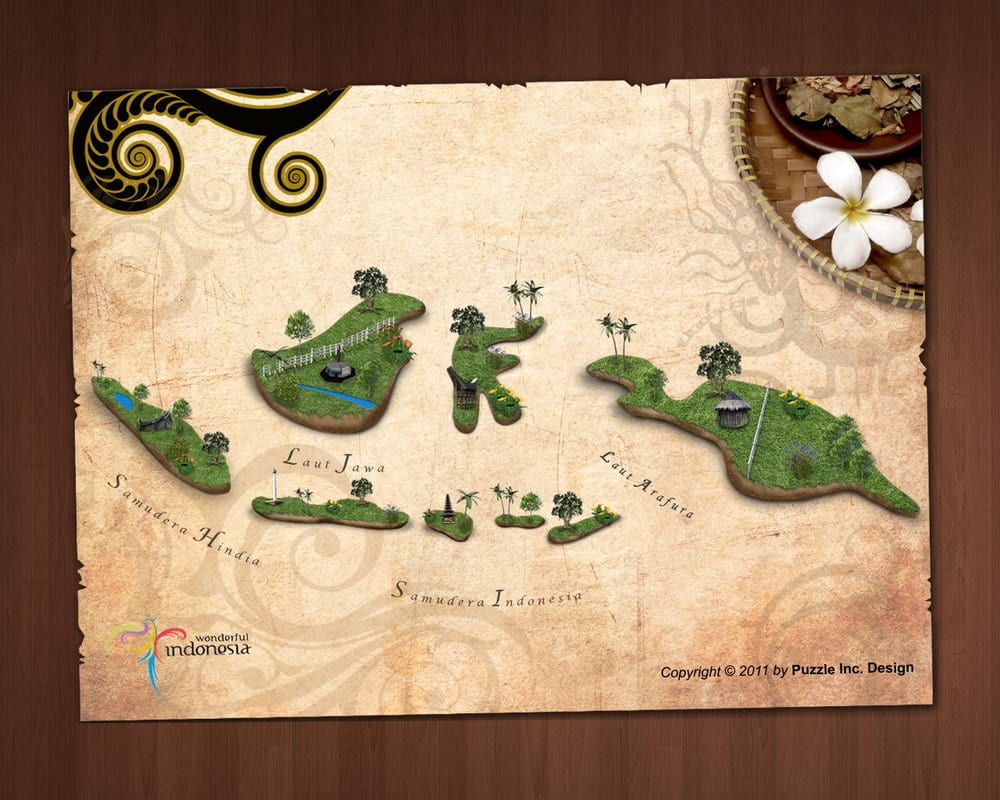
    “The twelve islands are included in the blueprint of the marine tourism development plan for natural resources and creative economy in promoting the brand Wonderful Indonesia,” Welly Rame Rohimone, acting head of the provincial tourism and creative economy office, stated here on Tuesday.

    Komodo Island, the natural habitat of the Komodo dragon (Varanus kommodoensis), has been selected as one of the new seven Wonders of Nature. The tourist area is ideal for diving and cruise tourism.

    “East Nusa Tenggara will be developed as Indonesias tourism gateway besides Bali, West Nusa Tenggara, and ten other islands,” Rohimone noted.

    The Komodo dragon in Komodo National Park can be found on the islands of Rica, Padar, and Komodo.

    “Sail Indonesia, being held since 2009, has also been organized in East Nusa Tenggara in 2013 under the name of Sail Komodo,” he emphasized.

    Komodo Island, with a land area of 390 square kilometers, has a population of over two thousand.

    The island has a beach with sand that appears pink as it contains a mixture of white sand and red sand, formed from pieces of Foraminifera.

  • Stronger HK dollar a turn-off for tourists

    Stronger HK dollar a turn-off for tourists

    The sharp decline in the yuan and volatile stock markets have exacerbated retail and tourism woes in Hong Kong as a weak currency means it is no longer attractive for mainland visitors to shop and dine in the city.

    Experts fear the falling yuan will further discourage mainland tourists. A total of 38.6 million visited the city in the first 11 months of 2015, accounting for about 77 per cent of all arrivals to Hong Kong.

    “Mainland tourists will turn to places with weaker local currencies,” says Charlie Chen, head of Asian consumer research at French bank and financial services company BNP Paribas.

    Although the yuan is falling against the US dollar, Chen says it is not necessarily depreciated when converted to other major currencies, like the South Korean won and Japanese yen. But the Hong Kong dollar is pegged to the US dollar, which means higher prices when converted to yuan.

    “The luxury sectors will be hit the most if the yuan continues to depreciate,” Chen notes. He says people tend to buy expensive goods in places with weaker currencies than their own, as they can save more money in absolute terms.

    Jewellery, watches, clocks and valuable gifts are already ranked the worst performer among all retail outlets in Hong Kong, with sales down 20.6 per cent in November on a yearly basis.

    However, one of the city’s biggest jewellers, Chow Sang Sang, says it has not felt much of the heat from the fluctuation of the yuan since August, though it has constantly adjusted the exchange rate of the two currencies if customers want to pay in yuan instead of Hong Kong dollar in a bit to protect its profit margins.

    “Mainland consumers still have a reason to buy gold in Hong Kong,” says Lau Hak-bun, the company’s director of Greater China, adding that the same item still costs at least 20 per cent more on mainland China despite the recent devaluation. But if the yuan falls a further 10 per cent from last year’s level, he “needs to look at the strategy again”.

    Ricky Tse, chairman of the Hong Kong Inbound Tour Operators’ Association, also seems to be at ease. He says the impact of the yuan’s devaluation has already been “hedged” by the falling hotel rates and retail prices in the city in the past year.

    Tse says that he has observed a drop of “at least 20 per cent” in hotel rates compared with a year ago.

    “Cheaper hotel rates and more discounts to retail prices will attract more tourists to the city,” he says.

    Despite the recent contraction of tourists from mainland China in – with arrivals of tour groups dipping by about 20 per cent last year – Tse notes that more hotel rooms have been booked by overseas tourists.

    “Foreigners are very practical,” he says, adding that the number of tourists from Southeast Asia has remained stable despite the local currencies falling against the Hong Kong dollar.

  • Indonesia’s Tourism Growth Exceeds Target

    Indonesia’s Tourism Growth Exceeds Target

    Tourism Minister Arief Yahya said that the tourism sector had contributed 4.23 percent to Indonesia’s gross domestic product (GDP). The number exceeds the four percent target set by the government. As for labor absorption, the sector managed to absorb 12.16 million laborers from the intial target of 11.3 million.

    “Overall, policies in the tourism development in 2015 were on track and we could achieve our targets,” said Arief Yahya on Wednesday, December 30, 2015.

    Arief estimated that Indonesia’s tourism growth by the end of 2015 could reach 5.81 percent, which is higher compared to other ASEAN countries, such as Malaysia, which experienced negative growth of 9.43 percent from January to June 2015.

    Singapore and Vietnam also suffered negative growth from January to October 2015 with 0.09 percent and 1.27 percent, respectively. Thailand, on the other hand, experienced 22.34 percent growth from January to November 2015.

    “From our major tourist destinations compared with those in neighboring countries, we can see that Indonesia has a large tourism potential, but it hasn’t been fully harnessed,” said Arief.

  • Indonesia promotes “Wonderful Indonesia” in Mumbai, India

    Indonesia promotes “Wonderful Indonesia” in Mumbai, India

    Indonesia will be promoting “Wonderful Indonesia,” its country branding, in Mumbai, India, from December 2-4, 2015 in order to market tour packages featuring attractive cultural performances and festivals.

    Assistant Deputy for Asia Pacific Market Development, Ministry of Tourism, Taufik Nur Hidayat, said here on Wednesday that India is a potential market as most Indian tourists are high-class travelers.

    Indian tourists generally prefer hotels with five star facilities, so a specific strategy has to be put in place to attract more tourists to Indonesia.

    “We must prepare what they need, such as adventure tour packages as well as comfortable and safe environment, Indian food, and a pleasant night atmosphere,” he said.

    The Ministry of Tourism, according to Taufik, is targeting Indian tourists, hoping that around 250 thousand people will visit the country in 2015, especially Bali, Jakarta and Batam (Riau Islands).

    The tourism ministry also facilitates various Indonesian tourism players to participate in the South Asia Travel & Tourism Expo (Satte), last of which was held in New Delhi recently.

    Taufik explained that the promotion of Wonderful Indonesia in Mumbai is part of the cultural diplomacy to strengthen emotional ties between the two countries, emphasizing that Indonesia has a close relationship with India in terms of history and culture.

    In the ninth century, some Hindu kingdoms flourished in Java. Many Hindu relics are preserved by the people and the Indonesian government.

    The spread of Islam in Indonesia also involves traders from Gujarat, India, who developed trade in various port cities in Indonesia.

    In modern times, Indonesia, along with India, initiated the Asian-African Conference (AAC) in 1955 which resulted in Dasa Sila Bandung (the ten principles of Bandung).

    The number of Indian tourists visiting Indonesia in 2016 is expected to increase by 10 percent to 300,000 visitors.

    The Wonderful Indonesia promotion campaign in Mumbai is a combination of the two programs, namely selling tour packages and cultural festivals such as dance performances, culinary exhibitions and sasando music performances (featuring a Timorese traditional musical instrument).

  • Celebrities grace ‘Visit Philippines Again’ 2016 London launch

    Celebrities grace ‘Visit Philippines Again’ 2016 London launch

    Even as the outrage over the tanim-bala (bullet-planting) scam has dominated Philippine social media, the trending tweets in the United Kingdom last Tuesday evening was #VisitPhilippinesAgain2016.

    About 200 UK-based travel media, bloggers, TV celebrities, “influencers,” travel trade partners and investors trooped to Searcy’s, a private club at the top of the iconic The Gherkin, for the launch of the global campaign for VPA2016 of the Department of Tourism and its marketing arm, the Tourism Promotions Board (TPB).

    Filipino-American rap artist apl.de.ap of The Black Eyed Peas sang a catchy new tune titled “It’s More Fun in the Philippines” especially composed for the campaign. In the song, he narrates “places to go, the things to see” when a tourist visits the Philippines. “You can walk along the beach, the sun shining on your feet, wine and dine, our food is unique, go dancing in the moonlight…” he rapped, as a music video played on the screen behind apl. de.ap showing the images  he was narrating.

    In a brief message, Tourism Secretary Ramon R. Jimenez Jr. expressed his appreciation for the guests at the event, and extolled everyone to “just visit the Philippines.”

    In a separate interview, he said, “Visit Philippines Again 2016 is going to be the most massive retail-focused effort the Philippines has ever made. We’re negotiating with tour operators and travel agents for incentives to give returning visitors to the Philippines.”

    He added, “We’re putting together packages and rewards, so that when a tourist returns to the Philippines for a second or fifth time, he will get discounts in several establishments.”

    Other musical performers at the event included Jessica Reynoso, a finalist in the first season of The Voice of the Philippines. Calling her “the next big star from the Philippines,” apl. de.ap served as her mentor during the widely watched first edition of the musical competition. They also sang a few numbers together.

    Another much-applauded performer was Princess Ybañez, a violinist in the mold of Vanessa Mae, who modernized classical violin pieces to reach a wider and younger audience.

    The VPA2016 global launch was part of the DOT’s activities during the World Travel Market  (WTM) 2015, held from November 2 to 5 at the ExCel in London. About 5,000 exhibitors participate in this leading travel event to showcase their destinations, products  and services. According to its web site, “the organizations use WTM as a platform to reach 50,000 travel professionals” who were expected to flock to the show.

    Exhibitors were organized in two massive halls by geographical region: Africa, Asia, Europe, the Middle East, the UK and Ireland, as well as “Global Village.” The Philippines has been attending the annual event since 1980, when the WTM was first conceived.

    In a related development, TPB COO Domingo Ramon Enerio III told the BusinessMirror that the Philippines will be hosting the Travel Bloggers Exchange (Tbex) from October 13 to 16 next year at the PICC in Pasay City. “We’re expecting 700 delegates. We believe that social media is an effective tool to send out more good news and stories about travelling in the Philippines.”

    After the main event, he said the bloggers will travel to different appealing destinations around the country, such as Boracay, Cebu, Palawan, to name a few. “We’re still finalizing the dates for the post-event trips, but definitely this will be all over the Philippines,” he added.

  • Indonesia Wants More Tourists from Malaysia, Singapore

    Indonesia Wants More Tourists from Malaysia, Singapore

    For 2019, Indonesia wants to have 3.7 million Singaporeans to visit. From Malaysia, the government is targeting to 3.2 million travelers.

    Wonderful Indonesia on Thursday, October 29, quoted Tourism Ministry’s deputy of International tourism marketing that the ministry will hold a number of promotional campaigns in Singapore and Malaysia in November 2015.

    The events include the ‘Wonderful Indonesia’ campaign at the Singapore West Gate Shopping Mall from November 1-8, the Sales Mission MICE (November 18), the Halal Fair International 2015 (December 3-6), The Special Destination Sales Mission in Malaysia (November 24), Consumer Selling campaign in Melaka (November 27-29 November), and many more.

    Right now, Indonesia is on promoting its tourism in Singapore through the Indonesia Food Festival 2015 held from October 20 to November 14 November. At least 30 Indonesian dishes are being promoted to the international community, particularly to Singaporeans.

  • Airlines welcome visa free facility, offering discount

    Airlines welcome visa free facility, offering discount

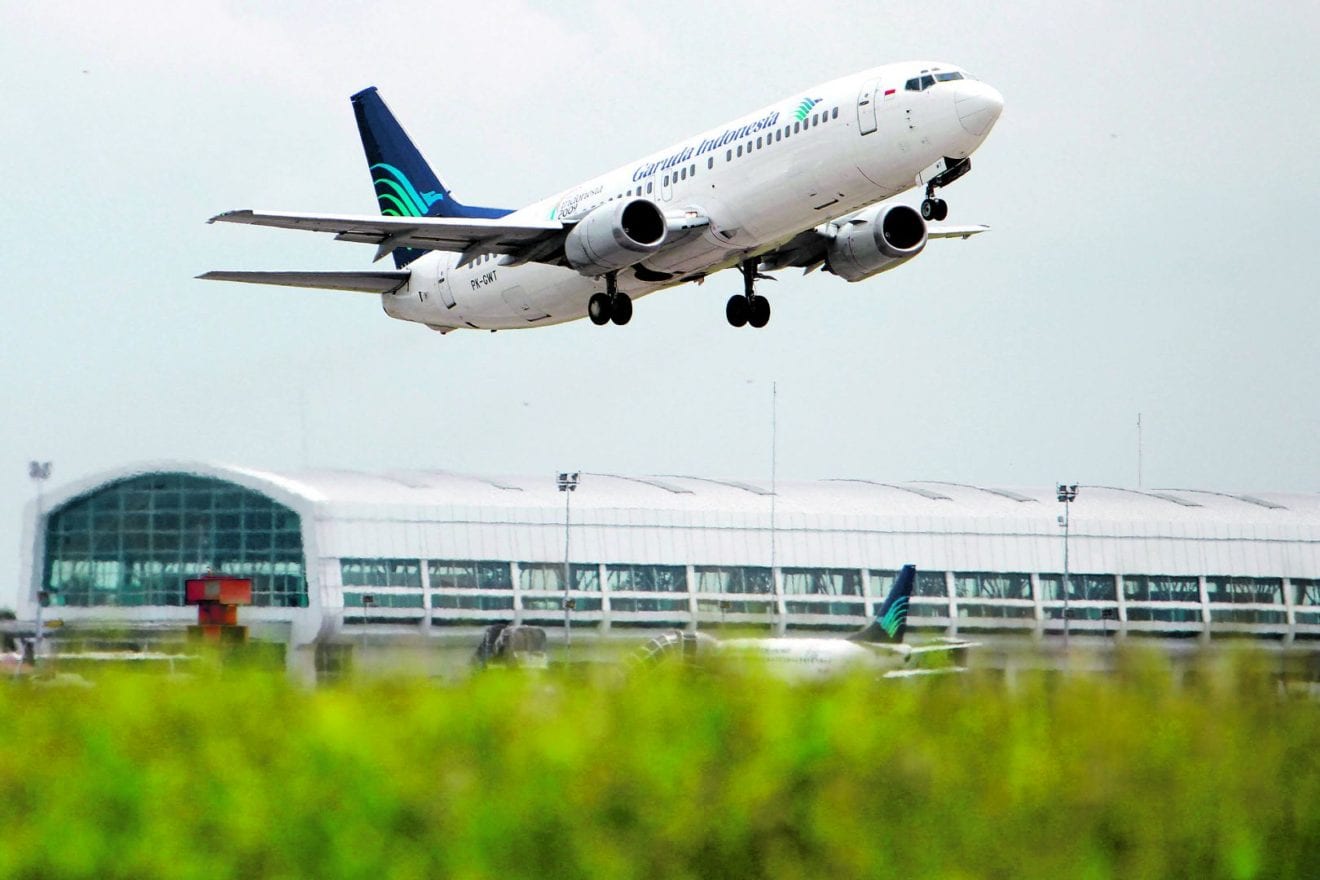
    Airlines began to race offering discount in welcoming the government policy which offers visa free facility for short term visitors to Indonesia from 75 countries.

    The facility is expected to draw more visitors to the country amid the global economic malaise.

    Indonesian airlines saw the policy as benefiting air transport business that they are ready to offer significant discount for ticket price.

    Commercial Director of AirAsia Indonesia Andy Ardian Febryanto said the budget airline offered a 30 percent discount for international flights.

    Discounts are given for direct flights such as from Surabaya- Kuala Lumpur, Surabaya-Johor Bahru, Surabaya-Penang and Surabaya-Bangkok, or “Fly-Thru” flights or with transit in Kuala Lumpur or Bali, such as Surabaya-Taipei, Surabaya-Beijing, Surabaya-Seoul, Surabaya-Tokyo and Surabaya-Sydney, Andy said here on Thursday.

    “Surabaya always has a special position as the main destination and market. Although we are aware amid the worrying condition of the economy interest in traveling has dropped sharply by 70 percent , but we are optimistic that the visa free policy would recover the interest in traveling abroad,” he said.

    He said there are 22 travel agents offering discount for international flights effective as from November 1 until April 2016.

    Therefore, foreign travelers including tourists , business visitors and others could take advantage of the visa free travel to Indonesia, he added.

    Currently the airline could only offer discount for international routes as there is regulation restricting freedom to offer discount for domestic flights, he said.

    Under the new policy, visa free facility is offered for short term visitors to Indonesia from South Africa, Algeria, the United States, Angola, Argentina, Austria, Azerbaijan, Bahrain, the Netherlands, Belarus, Belgium, Bulgaria, Czech Republic, Denmark, Dominica, Estonia, Fiji, Finland, Ghana, Hungary, India, Britain, Ireland, Island, Italy, Japan, Germany , Canada, Kazakhstan, Kyrgyzstan Croatia, South Korea, Kuwait,Latvia, Lebanon, Liechtenstein, Lithuania, Luxembourg, the Maldives, Malta, Mexico, Egypt, Monaco, Norway, Oman, Panama, Papua New Guinea, France, Poland, Portugal, Qatar, China, Romania, Russia, San Marino, Saudi Arabia, New Zealand, Seychelles, Cyprus, Slovakia, Slovenia, Spain , Suriname, Sweden, Switzerland, Taiwan, Tanzania, Timor Leste, Tunisia, Turkey, United Arab Emirates, Vatican, Venezuela, Jordan, and Greece.

  • Best Western Unveils First Hotel in Surabaya, Indonesia

    Best Western Unveils First Hotel in Surabaya, Indonesia

    Best Western International has unveiled its first hotel in Indonesia’s second largest city, Surabaya.

    The new BEST WESTERN Papilio Hotel is a modern midscale hotel conveniently located just 20 minutes’ drive from Juanda International Airport and close to popular attractions including Suroboyo Carnival Night Market and the MAS Mosque.

    Set in an eye-catching glass and steel building, the hotel offers a choice of spacious guest rooms, all of which come equipped with amenities designed to help guests unwind and stay productive. These include comfortable beds, ergonomic work desks, 32-inch LED TVs and complimentary Wi-Fi.

    Guests can take a cooling dip in the outdoor swimming pool, indulge in a sumptuous massage at the spa, or work up a sweat in the fitness center, while kids can make splash in the children’s pool.

    BEST WESTERN Papilio Hotel also serves up excellent local and international cuisine at the Mariposa Restaurant, and whatever the time of day, guests can relax and enjoy a drink in the lobby lounge and bar.

    And meeting planners will be able to choose from a variety of flexible function spaces, all equipped with the latest audio-visual equipment and served by a dedicated events team.

    “As Indonesia’s second largest city, Surabaya was the logical next step for Best Western International’s Indonesian expansion,” said Ron Pohl, Best Western International’s Senior Vice President of Brand Management.

    “BEST WESTERN Papilio Hotel will be an excellent addition to our rapidly growing portfolio in Indonesia, bringing modern midscale comfort to the rising number of domestic and international travelers Surabaya is now attracting,” he added.

    Olivier Berrivin, Best Western International’s Managing Director of International Operations – Asia, commented; “With its ideal location close to Surabaya’s main business district and attractions, yet away from the worst of the city’s traffic, BEST WESTERN Papilio Hotel truly offers the best of both worlds.

    “In addition to this, the hotel’s vast array of amenities exceeds its midscale status, offering guests an elevated experience at a reasonable price point. I am confident this exceptional hotel will become a firm favorite among travelers to Surabaya,” Mr. Berrivin concluded.

    The launch of BEST WESTERN Papilio Hotel increases Best Western International’s Indonesian portfolio to 15 hotels, spread across eight popular destinations.

    Best Western Unveils First Hotel in Surabaya, Indonesia

    Best Western Unveils First Hotel in Surabaya, Indonesia
    Best Western Unveils First Hotel in Surabaya, IndonesiaBest Western Unveils First Hotel in Surabaya, Indonesia

    Best Western Unveils First Hotel in Surabaya, Indonesia
  • AirAsia launches 8th route to India

    AirAsia launches 8th route to India

    AirAsia has expanded its route network from its main base at Kuala Lumpur (KUL) with the addition of a new service to Goa (GOI) in India. The thrice-weekly service (Tuesdays, Thursdays and Saturdays) on the 3,360-kilometre route launched on 27 August and will be flown by the carrier’s A320s. The route is not served by any other carrier.

    Goa becomes AirAsia’s eighth route to India as it already serves Bengaluru, Chennai, Hyderabad, Kochi, Kolkata, Tiruchirappalli and Visakhapatnam. In total AirAsia now serves 68 destinations non-stop from the Malaysian capital.

    For Goa Airport this is the sixth international destination served after Doha (with Qatar Airways), Dubai (Air India), Kuwait City (Air India), Muscat (Oman Air) and Sharjah (Air Arabia).