Tag: Holiday

  • Crackdown on Underground Hospitality: Thailand Targets Illegal Hotels on Phuket Island

    Crackdown on Underground Hospitality: Thailand Targets Illegal Hotels on Phuket Island

    The Thai government is stepping up its measures against unauthorized accommodations, following the discovery of three illegal hotels on Phuket, the nation’s largest island. During a recent operation, Deputy Interior Minister Polapee Suwunchwee led a task force targeting three hotels consisting of approximately 200, 240, and 45 rooms. The investigation revealed that none of the properties held valid construction permits or operating licenses.

    Two of these establishments had initially received approval as residential buildings or condominiums but had been unlawfully converted into hotels. In addition, officials conducted online booking simulations, which showed that the hotels were mostly selling rooms to European and other international tourists, with very few Thai patrons.

    Illegal Ownership and Consequences

    The investigation further exposed suspected nominee ownership arrangements, involving companies with a shareholding structure that is 49% foreign and 51% Thai. In some instances, the properties were legally owned by Thai citizens but rented out to Chinese investors, who allegedly ran the hotels without the necessary licenses.

    This operation is part of a larger scheme covering over ten locations across Phuket. Local authorities, under the instruction of Phuket Governor Sophon Suwannarat, have been directed to immediately close businesses that fail to provide the necessary documentation.

    Director-General of the Department of Provincial Administration, Narucha Kosasivilize, highlighted the triple-edged harm of illegal lodging operations. They disadvantage legal, tax-paying businesses, pose safety hazards due to non-compliance with government safety standards, and damage Thailand’s reputation, thereby undermining long-term confidence in its tourism industry. Efforts are being made in conjunction with the Royal Thai Police, Ministry of Commerce, Department of Special Investigation, and other agencies to broaden probes into foreign business networks nationwide.

    In a separate development, Deputy Government Spokeswoman Lalida Pervsivatan announced that Thailand will implement a new intelligence-based screening system on August 1 to enhance the detection of nominee businesses. This system will scrutinize company registration records, shareholder structures, and financial statements to pinpoint high-risk firms with Thai shareholders in suspicious circumstances. Lalida emphasized, however, that these measures are not designed to deter rightful foreign investment but to distinguish legal investors from those employing nominee structures to operate illicitly.

    Questions & Answers

    What is the focus of the crackdown in Thailand?
    The Thai government is focusing on the detection and closure of illegal hotels without the necessary operating licenses.

    What consequences do these illegal operations bring?
    Illegal hotels disadvantage legal businesses, pose safety threats due to non-compliance with government safety regulations, and tarnish Thailand’s reputation, undermining confidence in its tourism sector.

    What is the future plan of the Thai government to curb these illegal operations?
    Thailand plans to introduce a new intelligence-based screening system to improve the detection of businesses that are high-risk or suspicious, focusing on those with Thai shareholders.

  • Thailand’s Lunar New Year Spending to Skyrocket by 5% in 2026: Forecast Reveals Most Vibrant Celebrations in Six Years

    Thailand’s Lunar New Year Spending to Skyrocket by 5% in 2026: Forecast Reveals Most Vibrant Celebrations in Six Years

    The year 2026 is forecasted to observe a surge in market circulation during the Lunar New Year holiday in Thailand, with an estimated value of THB54.2 billion (US$1.75 billion). This anticipated figure would be the highest in six years, indicating an increase of 5% year on year.

    Consumer Spending Predictions

    According to a consumer spending survey conducted by the Centre for Economic and Business Forecasting at the University of the Thai Chamber of Commerce (UTCC), 25% of the respondents anticipate a more animated celebration this year, while others expect festivities similar to the previous year. Interestingly, 43% of the respondents have plans to pay tribute to Chinese gods and offer items of sacrifice to their ancestors.

    Among the participants, a third mentioned plans to increase their spending during the festival, mainly attributing this to escalated prices. However, 35% of the respondents anticipate the prices of products to remain unchanged.

    Perceptions of Market Prices

    Approximately 70% of the respondents believe that the prices of sacrificial offerings, such as meat and fruits, would be higher than last year. A prudent approach was noticed among one-third of the respondents who intended to buy only necessary items, whereas one-fifth planned to reduce their spending compared to the previous year.

    Travel Trends

    A noteworthy portion of the respondents, over 90%, expressed intentions to travel domestically. This indicates that a rise in local travel is expected during the Lunar New Year holiday.

    Economic Outlook

    Thanavath Phonvichai, President of the UTCC, stated that a large number of consumers are optimistic about an economic recovery after the election. This optimism stems from consumers being able to foresee who will spearhead the government’s economic team.

    Interestingly, it was found that more than half of the respondents view the current economy as worse or significantly worse than during the same period of the previous year. They anticipate economic recovery to start in the third or fourth quarter of this year.

    The respondents suggested that the new government should concentrate on enhancing infrastructure, fostering new industries for economic growth, fortifying the grassroots economy, upgrading regional infrastructure to boost tourism, attracting foreign investment, and supporting exporters. These suggestions mirror the concerns of the Thai people towards economic conditions and the necessity for a clear long-term strategy for sustainable economic growth.

    Future Government Initiatives

    The incoming government is expected to take office by May, with significant stimulus schemes projected to be initiated by the third quarter. Phonvichai urged the government to promptly eliminate corruption and crackdown on scams, as these issues significantly affect confidence in the tourism sector.

    Questions & Answers

    What is the estimated value of market circulation during the 2026 Lunar New Year holiday in Thailand?
    An estimated value of market circulation during the Lunar New Year holiday in Thailand in 2026 is THB54.2 billion (US$1.75 billion).

    What is the general outlook of the Thai people towards the economy?
    More than half of the respondents view the current economy as worse or significantly worse than during the same period of the previous year. They anticipate economic recovery to start in the third or fourth quarter of this year.

    What are the key suggestions provided by respondents for the new government?
    Respondents suggested that the new government should focus on improving infrastructure, developing new industries for economic growth, fortifying the grassroots economy, upgrading regional infrastructure to support tourism, attracting foreign investment, and supporting exporters.

  • Tet Holiday Sees Durian Prices Skyrocket Amid Mekong Delta Supply Crisis

    Tet Holiday Sees Durian Prices Skyrocket Amid Mekong Delta Supply Crisis

    As the Lunar New Year, or Tet, approaches, the cost of durians has seen a significant spike due to the dwindling supply in the Mekong Delta region. Traders are currently buying the highest quality, or grade A, Monthong durians for a rate of VND140,000 (US$5.4) per kilogram, marking the highest price point in two years.

    Price Increases Across Durian Varieties

    The Grade A Ri6 durian is also witnessing a price surge, selling at VND80,000, which is an increase of 30 to 50 percent from prices recorded in November, marking the end of the main harvest period.

    Nguyen Thanh, a trader based in the Dong Thap Province of the Mekong Delta region, has reported challenges in obtaining a sizable quantity of durians, despite repeated offers of higher prices.

    Lower Harvests Impacting Supply

    The country’s primary durian supply comes from the off-season crop harvested in the Mekong Delta from November to March. However, farmers have reported lower harvests this year, which is impacting supply.

    A farmer by the name of Cuong, who owns a durian orchard in Can Tho City, decided to forego the harvest this year after experiencing a drastic dip in prices during last year’s Tet preparation. He is instead nurturing his trees for the main harvest season in April.

    Dien, a farmer from Dong Thap Province, expressed that many growers have opted out of the off-season crop this year due to unpredictable weather patterns, which have increased costs while simultaneously reducing yields. Despite a 30% decrease in output compared to last year, Dien managed to sell around 200 kilograms of fruit at VND130,000 per kilogram.

    Floods and Export Demands Affect Durian Supply

    According to the Vietnam Fruit and Vegetable Association, several delta orchards were severely affected by floods a few months ago and are still in recovery. High export demand is also contributing to the strain on supply.

    Last year, durian exports were valued at $3.86 billion, marking a 20% increase from the previous year, as per customs data.

    Questions & Answers

    Why have durian prices increased?
    Durian prices have increased due to a reduced supply caused by lower harvests, the damaging effects of recent floods, and high export demand.

    How are farmers responding to the increase in durian prices?
    Some farmers, despite the high prices, have decided to skip the off-season harvest this year due to reduced yields and increased costs caused by unpredictable weather.

    What factors affected the durian supply?
    The durian supply was negatively affected by disruptive weather patterns, floods that damaged several orchards, and high export demand, which strained the already limited supply.

  • Vietjet Announces One-day-only 30% Discount On Deluxe Fares For 2026 Travel

    Vietjet Announces One-day-only 30% Discount On Deluxe Fares For 2026 Travel

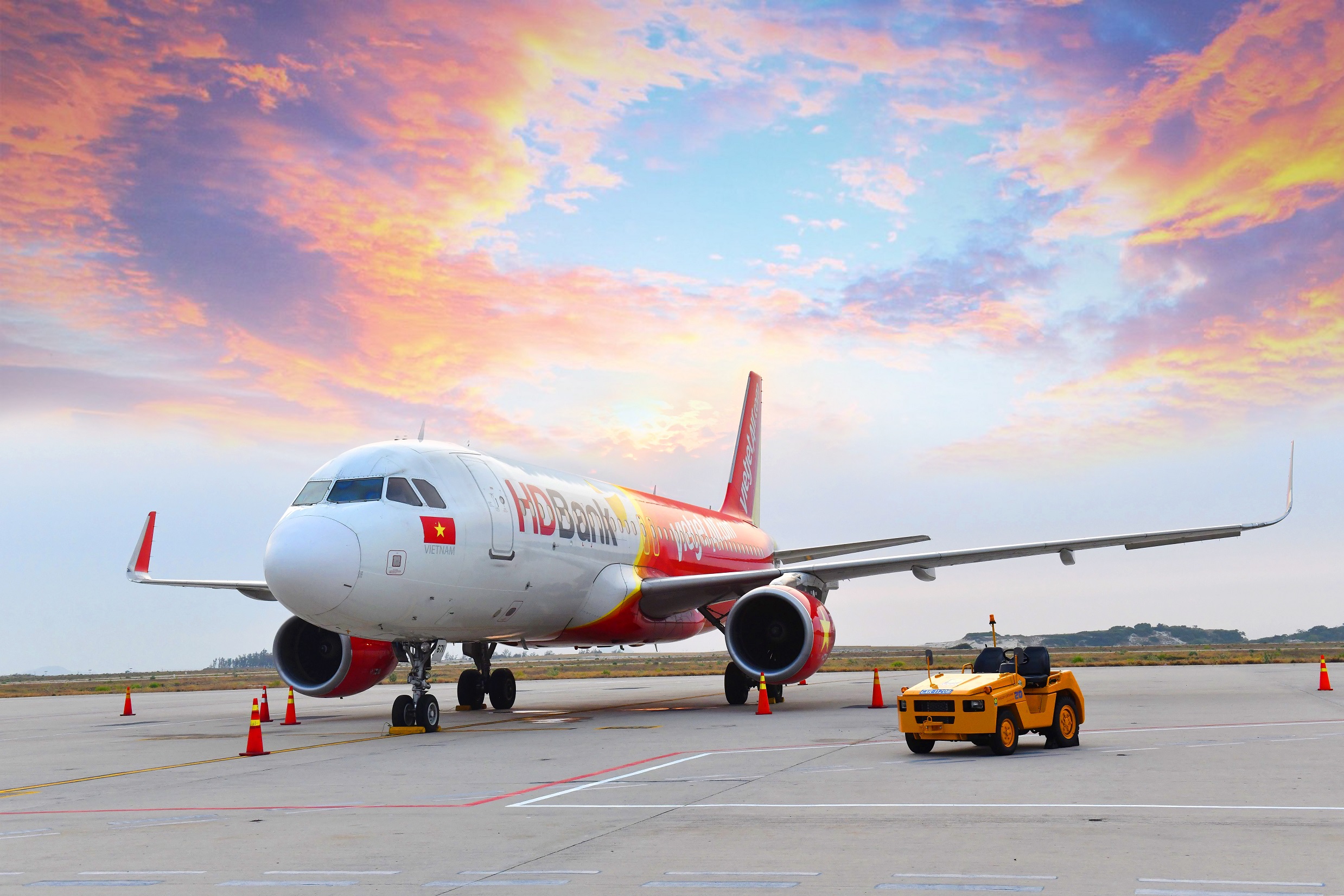
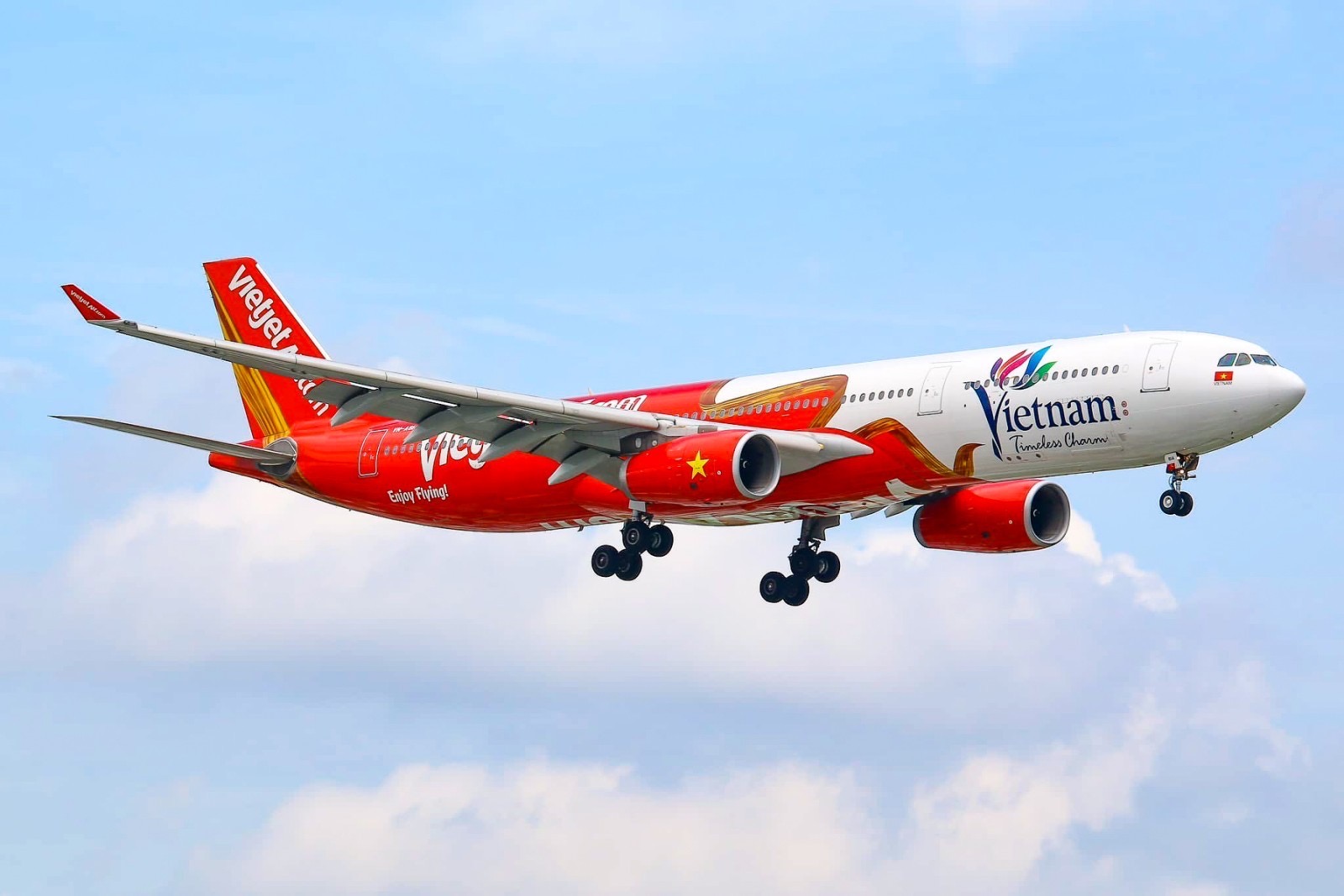
    Vietjet is welcoming the New Year with a one-day-only 30% discount on Deluxe fares across all domestic and international routes on 15 January 2026, giving travellers in Singapore the perfect opportunity to plan their 2026 Vietnam adventures—whether it’s a beach escape to Phu Quoc or Da Nang, or a city break in Hanoi, Ho Chi Minh City, and more at affordable prices.

    From 01:00 on 15 January to 00:00 on 16 January (GMT+8), travellers booking Deluxe tickets via www.vietjetair.com or the “Vietjet Air” mobile app can enjoy 30% off base fares (excluding taxes and fees) by entering the promo code DELUXE2026. The offer applies to flights operated from 1 February to 31 December 2026 (Travel periods may vary by route and blackout dates apply), giving travellers plenty of time to plan ahead for holidays, long weekends, and year-end trips.

    Designed for added comfort and flexibility, Vietjet’s Deluxe fare includes 20kg of checked baggage, free seat selection, free itinerary changes, and other value-added benefits (terms and conditions apply).

    Vietnam continues to be a favourite year-round destination for global travellers, offering a vibrant mix of culture, cuisine and landscapes. From Hanoi’s vibrant streets and ancient cultural heritage to Ho Chi Minh City’s electric energy, to the misty mountain splendours of Ha Giang, Sa Pa, and the pristine beaches of Da Nang, Phu Quoc, and Nha Trang, the country weaves an irresistible tapestry of world-class cuisine, rich traditions, stunning nature, and genuine hospitality.

    Onboard, passengers can enjoy fresh, hot Vietnamese favourites such as Pho, Banh Mi, and Vietnamese iced milk coffee, alongside a selection of international options, served by Vietjet’s professional and attentive cabin crew on a new, modern fleet.

  • AirAsia strengthens Asean connectivity with new Phuket-Penang Route

    AirAsia strengthens Asean connectivity with new Phuket-Penang Route

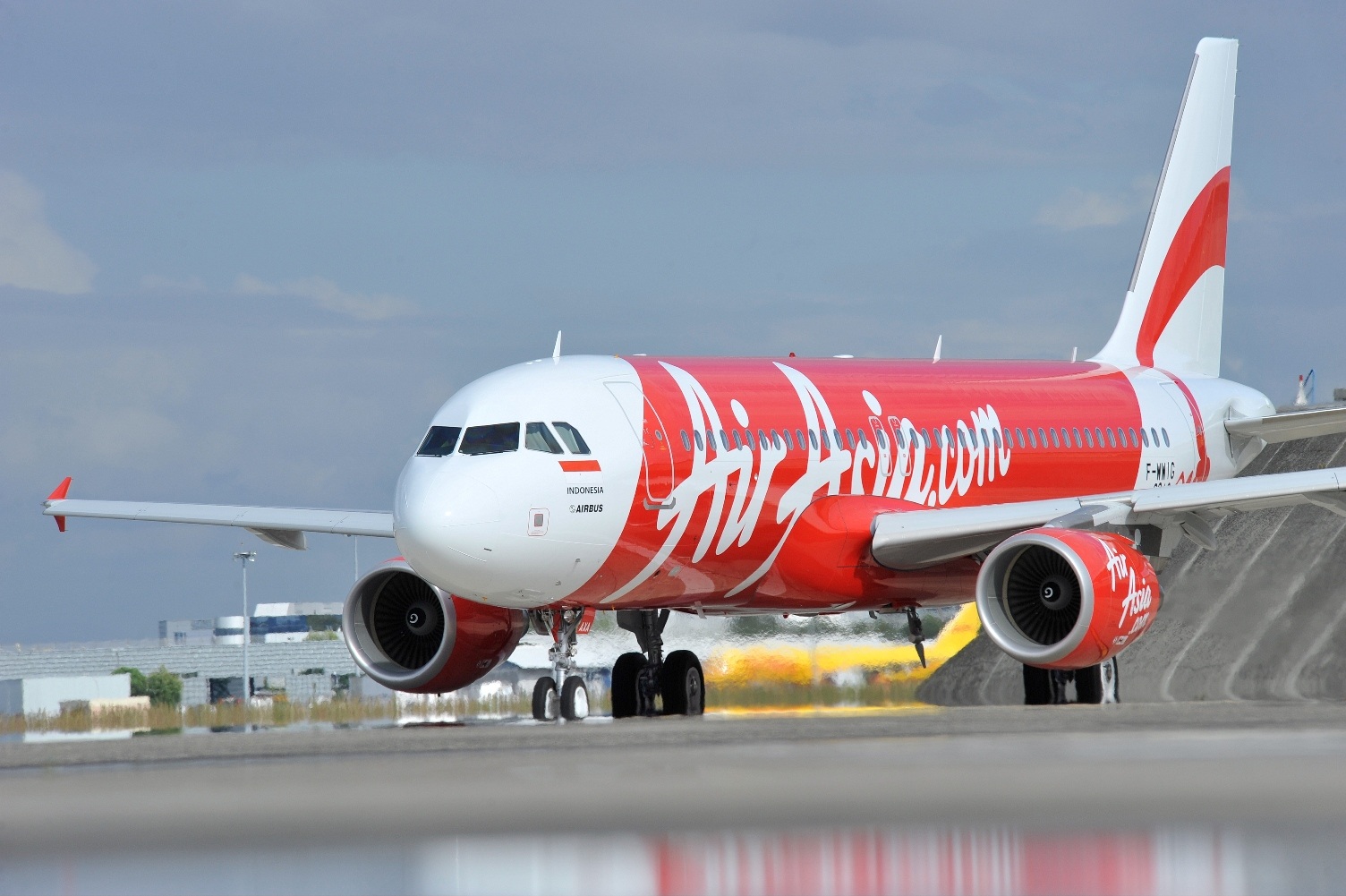
    AirAsia Malaysia (flight code AK) today announced the strengthening of its Asean network with the launch of a new route connecting Phuket to Penang.

    Penang stands out as one of Malaysia’s leading medical-tourism hubs and a key tourism gateway in Southeast Asia, offering world-class hospitals alongside a rich heritage and vibrant food culture. Phuket, meanwhile, is globally recognised for its beaches, wellness centres and dynamic lifestyle appeal. A direct Penang–Phuket service connects these complementary strengths to create a compelling leisure and medical travel corridor, giving guests greater convenience, flexibility and choice while supporting year-round demand and two-way economic activity.

    Penang’s medical-tourism sector continues to show strong momentum, recording over 200,000 foreign patients and nearly RM500 million in revenue as of August 2025, with international arrivals growing steadily since 2023 led by Indonesia, China and Thailand. This growth also mirrors broader regional travel patterns, including Malaysia’s position as Thailand’s top source of foreign tourist arrivals with more than four million Malaysians visiting the kingdom as of November this year – further reinforcing the potential and relevance of enhanced connectivity between the two destinations.

    With four weekly flights between Malaysia and Thailand, the airline continues to expand its second route to Thailand from Penang hub, further enhancing seamless travel and providing more options through its network, which connects to over 130 destinations across Asean and beyond.

    Dato’ Captain Fareh Mazputra, CEO of AirAsia Malaysia, said: “As we approach Visit Malaysia 2026, we remain committed to supporting the nation’s tourism ambitions by strengthening inbound connectivity to key local destinations. Thailand consistently ranks among Penang’s top five sources of foreign tourists and in 2025 alone we have flown nearly 200,000 guests between Penang and Bangkok. With the launch of the new Penang–Phuket route, both inbound and outbound tourist traffic will increase and AirAsia is further enhancing its role in driving tourism growth from this important market.”

    As one of AirAsia’s five major hubs in Malaysia, Penang offers direct connections to 12 domestic and international cities including Singapore, Jakarta, Ho Chi Minh City, Medan and Shenzhen. With the new Penang–Phuket route, we are offering Thai travellers from Phuket and travellers across Asean more convenient, affordable, and seamless travel options. This expansion strengthens Penang’s role as a key regional hub and supports the state’s efforts to boost tourism and economic activity, while highlighting its famous beaches, hawker cuisine, cultural heritage, medical facilities and vibrant nightlife.

    As part of the launch celebrations, AirAsia is offering special promotional fares from Penang to Phuket starting from just THB 1,690 all in one-way*. Flights from Phuket to Penang are also available from THB 1,690 all in one-way*. The promotion is available for booking starting today until 21 December 2025, for travel between 13 March and 24 October 2026, exclusively on the AirAsia MOVE app and the website.

  • Vietnamese Migrant Workers Struggle with Homecoming: An Inside Look at the Tough Transition

    Vietnamese Migrant Workers Struggle with Homecoming: An Inside Look at the Tough Transition

    Three years ago, Thanh Truc, a 33-year-old Vietnamese woman, returned home from Japan with a savings of VND200 million (approximately US$7,600). Now, she finds herself preparing to leave her homeland once more.

    From Beautician to Factory Worker

    Prior to leaving Vietnam in 2016, Truc was employed as an assistant beautician and earned a monthly wage of roughly VND5 million. As her parents’ health deteriorated, she found herself under increasing financial strain. In an attempt to alleviate this burden, Truc took out a bank loan and applied to Japan’s Technical Intern Training Program.

    She was accepted into the program and assigned to a component manufacturing factory in Aichi, Japan. There, Truc capitalized on overtime hours and a robust yen, earning between 150,000 and 160,000 yen (US$954–1,017) per month. After accounting for her living expenses, she was able to send a significant portion of her income back home, ending her financial woes within six months.

    Upon the conclusion of her contract in late 2019, she returned to Vietnam with a sizeable savings, intending to renovate her home and open her own beauty salon.

    Re-entry Struggles

    But reality had other plans for Truc. Finding employment proved immensely challenging and her cosmetology skills had become antiquated during her time in Japan. Standards, tools, and techniques within the industry had advanced considerably, and the cost of updating her skills through refresher courses was prohibitive.

    Employers showed a preference for younger workers, further compounding her difficulties. With her savings depleting rapidly, Truc relocated to Ho Chi Minh City, securing a job at a Japanese-owned packaging factory under the assumption that her language skills would prove advantageous. Unfortunately, even with overtime, she was only able to earn a monthly salary of about VND11 million – a fraction of what she used to earn in Japan.

    By the end of 2023, unable to establish a sustainable lifestyle in Vietnam, Truc resigned from her job and once again applied for a visa to Japan.

    The Challenges Faced by Returnees

    Truc’s experience is far from an anomaly. Data reveals that a mere 26.7% of Vietnamese citizens find steady employment upon their return home, even when they return with savings ranging from VND300–500 million.

    Returnees often face three major challenges. The first is the gap in income and skills. The typical blue-collar worker in Vietnam earns VND8–10 million per month, which is roughly one third of what they could earn in Japan. Moreover, their overseas factory experience often doesn’t prepare them for the white-collar or skilled occupations they aspire to.

    The second challenge is the psychological pressure. There is a societal expectation that returnees should be financially successful, having “made it” abroad, especially in rural regions where employment opportunities are scarce.

    The final challenge faced by returnees is the danger of unsuccessful entrepreneurship. Many invest their savings into small businesses or ventures without possessing the necessary knowledge, resulting in failure.

    A Cautionary Tale

    A case in point is 30-year-old Phan Van Thanh and his wife. After spending six years in Japan, they returned to Vietnam in mid-2023 with VND400 million, intending to be self-employed. They invested VND100 million in wedding decoration equipment, but found no profit in the venture.

    To offset losses, Thanh bought a car and started driving it for ride-hailing apps. Despite the fact their savings were running out, the couple considered going back to Japan. It took a year for their venture to stabilize, but as Thanh mentioned, “Still, compared to my life abroad, things are much tougher.”

    Experts advise migrant workers to plan their careers long-term, ideally five to ten years ahead, and to acquire skills and certifications that will be valuable in Vietnam before they return. The role of employers and labour agencies in providing transparent information and reintegration support is also crucial.

    Without proper preparation, many returnees find themselves starting over again, losing both time and accrued capital. Consequently, it is estimated that 60–70% of Vietnamese workers eventually choose to return to Japan.

    Questions & Answers

    What challenges do returning migrant workers face?
    Returning migrant workers often face an income and skills gap, psychological pressure, and the risk of failed entrepreneurship.

    What advice is given to migrant workers planning to return home?
    Migrant workers are advised to plan their careers long-term, ideally five to ten years ahead, and to acquire skills and certifications that are valuable in their home country before they return.

    What percentage of Vietnamese workers return to Japan?
    It is estimated that 60–70% of Vietnamese workers eventually return to Japan.

  • Against The Clock: Inside Vietjet’s 32-Hour Race to Secure its A320 Fleet

    Against The Clock: Inside Vietjet’s 32-Hour Race to Secure its A320 Fleet

    A late-night Airbus alert triggered an emergency EASA directive, giving airlines just 32 hours to update critical flight-control software or face aircraft grounding.

    When Airbus issued an urgent technical alert at 11:00 p.m. on 28 November, Vietjet was thrust into one of the most time-critical operational challenges affecting its Airbus A320-series fleet.

    The alert was followed by a mandatory Emergency Airworthiness Directive (EAD) from the European Union Aviation Safety Agency (EASA), requiring ELAC (Elevator and Aileron Computer) flight-control software on all Airbus A319, A320, and A321 aircraft worldwide to be updated or replaced by 6:59 a.m. on 30 November.

    The directive addressed a specific technical risk. Under certain conditions, the software could be affected by solar radiation interference, potentially triggering uncommanded nose-down inputs. Nearly 6,000 aircraft globally were impacted. In Vietnam alone, 81 aircraft required urgent action, 69 of which were operated by Vietjet.

    The resulting 32-hour window marked an unprecedented operational challenge for Vietnam’s aviation sector, according to a report by Tuoi Tre News.

    Immediate activation of emergency operations

    Within hours of receiving Airbus’ alert, Vietjet activated its Emergency Response Committee, mobilising engineering, flight operations, scheduling, and technology teams across its network.

    Using its AMOS (Aircraft Maintenance and Engineering Operating System) maintenance management system, which integrates fleet data and predictive analysis, Vietjet conducted a real-time assessment of aircraft configurations, locations, and operational constraints. At the same time, contingency plans were developed to maintain network stability, including aircraft redeployment and schedule optimisation to minimise passenger disruption.

    Logistics added further complexity. Airbus estimated that each software update would typically take two to three hours per aircraft, while specialised equipment was limited and aircraft were operating across multiple domestic and international stations.

    A breakthrough on the hangar floor

    The operation reached a turning point in Da Nang, where Vietjet engineer Nguyen Van Trung, drawing on more than 15 years of operational experience, completed a full ELAC software update in just 45 minutes without bypassing any mandatory safety steps.

    Aircraft software updates are multi-layered procedures. Each aircraft has a unique configuration that must be verified, standardised, tested, and cross-checked. One engineer performs the update, while another independently monitors parameters and documentation.

    “Nothing can be skipped,” Trung was quoted as saying. “But experience allows you to know exactly where time can be optimised, and where it absolutely cannot.”

    The first aircraft to complete the update, VN-A644, became the reference point for the revised procedure. The optimised workflow was subsequently standardised and shared with engineering teams at Noi Bai, Tan Son Nhat, and international stations, accelerating progress across the fleet.

    Technology, teamwork, and contingency planning

    Alongside software updates, Vietjet prepared hardware contingency solutions, including pre-positioning ELAC units from grounded aircraft for immediate replacement if required.

    The airline also received support from Vietjet Thailand and other carriers, including Vietnam Airlines and Bamboo Airways, which provided additional equipment to help scale the operation.

    Digitalised technical documentation on iPads, standardised software libraries, and real-time fleet visibility enabled teams to compress administrative timelines while maintaining full compliance with Airbus and EASA safety requirements.

    Aircraft were scheduled for updates between flights at the airline’s main technical bases, allowing the airline to meet the regulatory deadline while maintaining operational continuity.

    Completed ahead of deadline

    By 3:00 a.m. on 30 November, all 69 affected Vietjet aircraft had completed the required software updates, nearly four hours ahead of the EASA deadline. No aircraft was grounded as a result of the issue, and flight operations continued throughout the operation.

    For Vietjet’s leadership, engineering, and operations team, the final hours of November were focused on execution under regulatory time pressure.

    As Vietjet’s Standing Vice President To Viet Thang noted, the 32-hour effort stands as a defining moment — one that transformed a standard three-hour procedure into a 45-minute benchmark under extreme pressure, while upholding uncompromising safety standards.

    A test of operational resilience

    According to Uong Viet Dung, Director General of the Civil Aviation Authority of Vietnam (CAAV), Vietnamese airlines responded proactively following Airbus’ alert.

    Despite the unusually large number of affected aircraft, Vietjet had prepared adequately in terms of technical capability, personnel, equipment, and digital systems, enabling the airline to meet the emergency airworthiness requirements within the mandated timeframe.

    The operation highlighted the airline’s ability to rapidly assess resources, deploy optimised technical solutions, and balance flight operations with mandatory maintenance requirements, in line with international safety standards and regulatory standards.

    Rather than a singular technical fix, the 32-hour response reflected coordinated planning, technical discipline, and cross-border collaboration. In an industry governed by strict safety margins and fixed deadlines, the episode underscored Vietjet’s operational readiness when responding to time-critical regulatory demands.

  • Vietjet Launches 3-Day Flash Sale With Up to 100% Off Fares for Your Next 2026 Travel to Vietnam

    Vietjet Launches 3-Day Flash Sale With Up to 100% Off Fares for Your Next 2026 Travel to Vietnam

    Vietjet has announced a 3-day flash sale offering Singaporean travellers the chance to book flights with discounts of up to 100% on base fares, as demand for Vietnam and regional travel continues to grow heading into 2026.

    From 01:00 on 17 December to 00:00 on 20 December 2025 (GMT+8), passengers booking Eco fares on www.vietjetair.com or the Vietjet Air mobile app can apply promo code BIGTHANKS to enjoy discounts of up to 100% on base fares (excluding taxes and fees). This promotion applies across all Vietjet’s routes, including routes connecting Singapore with key destinations in Vietnam, for travel between 5 January and 31 December 2026 (*), with fares from Singapore to Hanoi, Ho Chi Minh City, Da Nang, and Phu Quoc available from SGD 86/one-way (inclusive of taxes and fees), subject to availability.

    Additionally, Eco passengers travelling on international routes will receive 20kg of complimentary checked baggage (**) and a free SkyFi eSIM with 500MB of high-speed data for use in Vietnam, valid for 31 days from arrival (**). These additional benefits apply to bookings made up to 31 December 2025, subject to terms and conditions.

    Vietnam remains one of the most popular short-haul destinations for Singapore travellers, driven by its proximity, diverse leisure offerings, and growing appeal for blended leisure and business trips. Vietjet’s year-end promotion is positioned to support early planners looking to secure value for travel throughout 2026.

    Vietjet operates a modern fleet and offers a full onboard experience, including hot meals and Vietnamese favourites such as Pho, Banh mi, and iced milk coffee. Passengers can also earn and redeem rewards through the SkyJoy loyalty program, which provides access to offers from more than 250 brands across travel, dining, shopping, and lifestyle categories.

    With limited seats available during the promotion period, travellers are encouraged to book early to secure preferred travel dates and routes.

  • Vietjet Enters Peak Travel Season with Record-Breaking Fleet Expansion of 22 Aircraft in One Month

    Vietjet Enters Peak Travel Season with Record-Breaking Fleet Expansion of 22 Aircraft in One Month

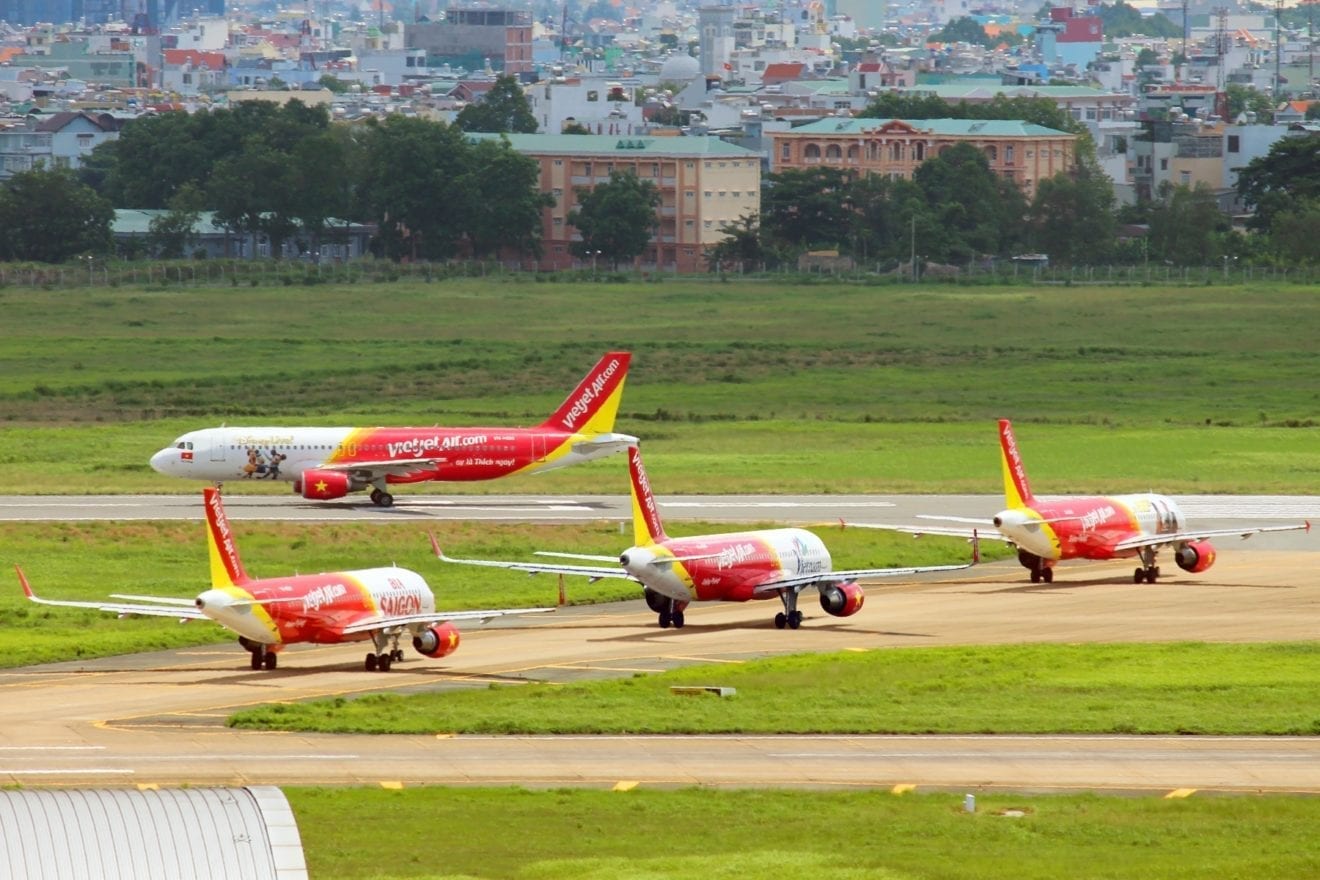
    Vietjet is stepping into the regional travel season with its strongest operational readiness to date, marked by the arrival of a new A321neo ACF, registered VN-A580, and the airline’s unprecedented milestone of taking delivery of 22 aircraft within a single month.

    As Asia gears up for one of its busiest travel periods, including the upcoming Lunar New Year 2026, Vietjet’s record-breaking fleet reinforcement signals a decisive move to ensure capacity, reliability, and network growth for travellers across the region, including four direct routes linking Singapore with Hanoi, Ho Chi Minh City, Da Nang and Phu Quoc.

    The one-month build-up – equivalent to the full fleet of a standalone carrier – represents the largest delivery milestone in the airline’s history and underscores its commitment to meeting heightened travel demand with improved aircraft availability and operational efficiency.

    The newly delivered and upcoming aircraft include:

    • 9 Boeing 737s for Vietjet Thailand;
    • 7 new-generation Airbus aircraft for Vietjet Group in Vietnam;
    • 4 wet-lease aircraft to support peak-season operations;
    • 2 COMAC aircraft currently operating on the Con Dao routes.

    At a time when many global carriers face aircraft shortages and prolonged delivery delays, Vietjet’s ability to secure and activate one of the fastest fleet build-ups in the industry reflects solid financial footing, and the confidence of international partners. With these new aircraft entering service, the airline is set to enhance schedule stability, expand frequencies on popular routes, and reinforce its international network ahead of the travel surge.

  • Holiday Sales Set to Soar as FedEx Survey Reveals Business Confidence Bolstered by E-commerce Shopping Festivals

    Holiday Sales Set to Soar as FedEx Survey Reveals Business Confidence Bolstered by E-commerce Shopping Festivals

    Federal Express Corporation (FedEx), a global leader in express transportation, has shared valuable data from a survey conducted to understand attitudes and trends related to the year-end festive shopping period among businesses and consumers in the Asia Pacific and European regions.

    Survey Insights

    The survey, conducted in September 2025, collated responses from 850 small and medium-sized enterprises (SMEs) and 850 consumers from 13 Asia Pacific markets, as well as more than 1,200 SMEs from nine European markets. The study aimed to identify business expectations for the holiday shopping season and highlight consumer preferences and concerns.

    The results indicated a strong sense of optimism, with over 70% of Asia Pacific businesses and more than 80% of European businesses anticipating improved holiday sales compared to the previous year. Asia Pacific businesses are preparing for a significant cross-border demand from Europe during the year-end shopping season.

    This rise in e-commerce across borders and the influence of major online shopping festivals are driving demand. This year, 88% of Asia Pacific consumers are planning to do at least a quarter of their holiday shopping online, with 53% intending to ramp up their online activity. Shopping festivals such as Double 11, Black Friday, and Cyber Monday are particularly influential, with 83% of Asian shoppers incorporating these events into their holiday purchasing plans. SMEs are modifying their strategies accordingly, with 91% of Asia Pacific businesses and 83% of European businesses considering these e-commerce shopping festivals vital for capturing seasonal demand.

    Consumer Preferences

    While there is strong demand among Asia Pacific shoppers for European goods, more product choices, competitive delivery speed, and costs remain paramount. Almost nine in ten Asia Pacific shoppers identify efficient shipping as crucial when buying holiday gifts online.

    However, delays in delivery (55%) and high shipping costs (45%) are the main issues faced in previous seasons, highlighting the need for e-tailers to enhance logistics performance and customer experience. These concerns directly influence purchasing decisions, with more than half of Asia Pacific consumers suggesting that lower shipping costs (53%) and faster delivery times (50%) would make them more likely to buy from European vendors.

    Business Response

    Businesses in both regions are elevating their efforts to meet growing customer expectations. Close to one-third of businesses in the Asia Pacific (29%) and Europe (33%) are improving their fulfillment and delivery operations to better accommodate cross-border demand. Over one-third of enterprises in the Asia Pacific (34%) and Europe (32%) are bolstering their customer service capabilities. Interestingly, 85% of businesses in both these regions are confident about meeting delivery deadlines during this year’s holiday season.

    Integrated E-commerce and Digital Logistics Solutions

    Salil Chari, Senior Vice President of Marketing and Customer Experience at FedEx Asia Pacific, said, “In Asia Pacific, the festive gifting season extends beyond Christmas and into the Lunar New Year, forming one of the world’s most dynamic periods for cross-border commerce. E-tailers are poised to maximize sales with the surge in e-commerce across Asia Pacific and Europe. We assist businesses in delivering superior customer experiences and optimizing logistics, particularly during the business holiday season, through our extensive network and smart, digital solutions.”

    FedEx’s comprehensive e-commerce solutions aid e-tailers in streamlining order fulfillment. The company has integrated its Ship Manager platform with prominent e-commerce marketplaces such as Shopify and BigCommerce, allowing Asia Pacific e-tailers to manage shipments and paperwork directly from their online orders. These user-friendly, seamless services are essential for e-commerce merchants, especially during the bustling holiday season when order volumes spike.

    To meet increasing expectations for speed and reliability, FedEx offers services such as FedEx® International Connect Plus (FICP), which enables merchants to ship within the Asia Pacific and to the U.S. and Europe. This affordable international solution typically delivers most shipments within one to three business days, closely aligning with consumer demand for speedy delivery.

    Questions & Answers

    What is the primary expectation of Asia Pacific consumers when shopping online for the holiday season?
    Efficient shipping is the top expectation of almost nine in ten Asia Pacific consumers when they shop online for the holiday season.

    What percentage of Asia Pacific consumers plan to do their holiday shopping online?
    According to the survey, 88% of Asia Pacific consumers plan to conduct at least a quarter of their holiday shopping online.

    What actions are businesses in the Asia Pacific and Europe taking to meet growing customer expectations?
    Approximately one-third of businesses in both regions are enhancing their fulfillment and delivery operations to accommodate increased cross-border demand, while over one-third are strengthening their customer service capabilities.

  • AirAsia X Eyes Expansion: Unveils Plans for New Long-Haul Routes to Europe

    AirAsia X Eyes Expansion: Unveils Plans for New Long-Haul Routes to Europe

    AirAsia X, a budget airline based in Malaysia, recently commenced operations on its Istanbul route and has intentions to further extend its long-haul services to Europe in the coming year, according to CEO Benyamin Ismail. This move signifies the airline’s return to the European market, following a period of corporate restructuring in response to operational challenges caused by the Covid-19 pandemic.

    Currently, AirAsia X provides four flights weekly, connecting Istanbul and Kuala Lumpur. This service offers over 150,000 seats per year; however, the company has plans to increase this capacity by offering daily flights between the two cities.

    Expanding its airline’s reach beyond Asia, AirAsia X aims to bridge Asian and European cities through its Istanbul hub. The company also has plans to introduce additional long-haul routes to Europe.

    CEO, Benyamin Ismail, indicated that the company aims to add “at least one or two cities in one year”. However, he did not disclose the exact European destinations that the company is exploring.

    Questions & Answers

    What are AirAsia X’s plans for expansion in Europe?
    AirAsia X intends to extend its long-haul services to Europe in the coming year, providing a bridge between Asian and European cities through its Istanbul hub.

    How often does AirAsia X currently operate flights between Istanbul and Kuala Lumpur?
    Presently, AirAsia X operates four flights weekly between Istanbul and Kuala Lumpur.

    What is the company’s strategy to increase its flight capacity?
    AirAsia X plans to increase flight capacity by offering daily flights between Istanbul and Kuala Lumpur, as opposed to the current four flights per week.

  • Vietjet Named Among Southeast Asia’s Most Valuable Airlines, Tops Vietnam’s Aviation Industry

    Vietjet Named Among Southeast Asia’s Most Valuable Airlines, Tops Vietnam’s Aviation Industry

    Vietjet has been recognised by Brand Finance, the world’s leading brand valuation consultancy, as one of Southeast Asia’s most valuable airline brands, and the most valuable airline brand in Vietnam for 2025. This prestigious recognition underscores Vietjet’s growing presence as a leading carrier connecting Singaporean travellers with Vietnam and major destinations across Asean and beyond.
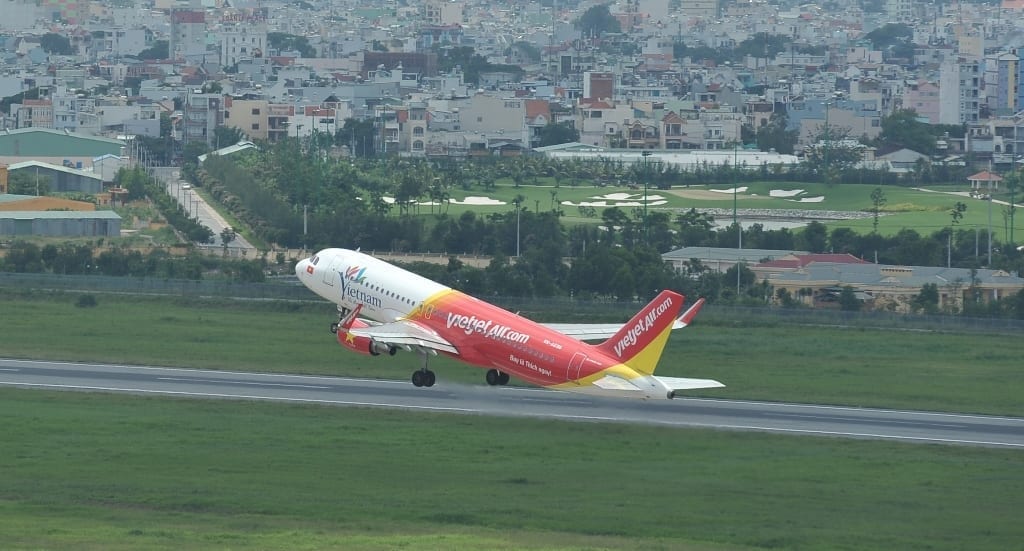
    As one of ASEAN’s six most valuable airline brands this year, Vietjet has steadily built its footprint in the region, offering more flight options, greater convenience, and affordable fares to travellers seeking new experiences. Since its first flight linking Singapore and Vietnam over a decade ago, and now operating four direct services to Ho Chi Minh City, Hanoi, Da Nang, and Phu Quoc, the airline further expands its proactive approach to meeting market demand and fostering tourism and trade growth between the two countries and beyond.
    With additional flights to Da Nang and Phu Quoc set to launch by the end of the year, Vietjet is poised to serve around half a million passengers annually on the Singapore–Vietnam flight network.

    In the first nine months of 2025, the airline reported revenue of VND52.329 trillion (approx. SGD2.59 billion), gross profit of VND6.724 trillion (approx. SGD332.8 million), and pre-tax profit of VND1.987 trillion (approx. SGD98.52 million), up 28% year-on-year. The company’s value has continued to rise steadily. As of 7 November 2025, the airline’s market capitalisation reached nearly VND105.3 trillion (approx. SGD5.22 billion). Operating 130 aircraft on more than 170 routes, Vietjet has served over 250 million passengers across the Asia-Pacific region to date.

    Building on its strong financial performance, the airline is evolving into a global aviation group with hundreds of new aircraft orders, an expanding intercontinental network, and ongoing sustainability initiatives that reinforce its commitment to a greener, future-ready aviation model.
    “Our consistent brand value growth reflects the trust of customers, investors, and international partners in Vietjet,” said Ms. Ho Ngoc Yen Phuong, Vietjet’s Vice President, Chief Financial Officer, and Member of the Board of Directors. “We will continue to deliver diverse, convenient, and affordable travel experiences to our passengers while further enhancing Vietnam’s value and position in the global aviation landscape.”
    Earlier this year, Vietjet was named the Grand Winner in the Tourism Category at the ASEAN Business Awards 2025, and also received multiple prestigious international honours from Skytrax, AirlineRatings, and the World Travel Awards.

    Brand Finance, the world’s leading brand valuation and financial consultancy, founded in 1996 and headquartered in London, United Kingdom, operates in over 25 countries worldwide.

  • Singapore to Implement Up to $32 Sustainable Fuel Levy on Flights from 2026: What Travelers Need to Know

    Singapore to Implement Up to $32 Sustainable Fuel Levy on Flights from 2026: What Travelers Need to Know

    Air travellers departing from Singapore will be subject to a sustainable aviation fuel levy starting October 2026. The levy, whose rates will vary between S$1 to S$41.60 (US$0.77 to US$31.92), applies to tickets sold from April 1, 2026, onwards for flights departing on or after October 1, 2026, as stated by the Civil Aviation Authority of Singapore.

    Detailed Breakdown of the Levy

    The exact levy amount is contingent on the travel class and destination. The destinations are divided into four geographical bands, with the levies increasing progressively.

    Passengers travelling to destinations in Band 1, which encompasses Southeast Asia, will incur an additional charge of S$1 for economy or premium economy tickets and S$4 for business or first class tickets.

    For Band 2, which includes Northeast Asia, South Asia, Australia, and Papua New Guinea, travellers will face an added fee of S$2.80 for economy class and S$11.20 for business class.

    Travellers to destinations in Band 3 – Africa, Central and West Asia, Europe, the Middle East, Pacific Islands, and New Zealand – will incur additional levies of S$6.40 and S$25.60 respectively.

    Lastly, passengers flying to the Americas, falling under Band 4, will be charged an extra S$10.40 for economy class and S$41.60 for business class.

    Exceptions and Special Cases

    Passengers merely transiting through Singapore will not be subjected to the above levies. For multi-stop flights, the fee will be determined by the next destination after departing Singapore.

    Moreover, the levy will also extend to cargo, with rates ranging from S$0.01 to S$0.15 per kilogram. This calculation will follow the same geographical bands as those used for passenger flights.

    The levy will also be applicable to general aviation, which includes private, non-commercial flights, and business aviation, such as private jets and chartered flights.

    Origins and Impact of the Levy

    The levy was first introduced in 2024 as a component of the Singapore Sustainable Air Hub Blueprint, which aimed to achieve net-zero aviation emissions by 2050.

    Han Kok Juan, the director-general of the aviation authority, emphasized the commitment of Singapore, as a global air hub and an International Civil Aviation Organisation council member, to its environmental responsibilities. He reiterated that the country would take necessary steps to contribute to the cause while maintaining the competitiveness of the Singapore air hub.

    Unlike green fuel mandates or incentive programs prevalent in other countries, this levy operates on a “fixed cost envelope.” This means that regardless of fluctuations in sustainable aviation fuel prices in 2026, the levy will remain unchanged.

    Questions & Answers

    When will the aviation fuel levy take effect?
    The aviation fuel levy will take effect from October 2026.

    Will passengers transiting through Singapore be charged with the levy?
    No, passengers only transiting through Singapore will not be charged the levy.

    What is the goal of the Singapore Sustainable Air Hub Blueprint?
    The Singapore Sustainable Air Hub Blueprint aims to achieve net-zero aviation emissions by 2050.

  • Vietjet Partners with Airways Aviation to Train EASA-Certified Pilots

    Vietjet Partners with Airways Aviation to Train EASA-Certified Pilots

    Vietjet and global aviation education leader Airways Aviation have announced a strategic partnership to train the next generation of aviation professionals. The partnership will enhance its readiness for further global network expansion and meet rising travel demand. The airline has actively expanded its international services, including the frequency increase for Singapore – Da Nang and Singapore – Phu Quoc routes.

    The signing ceremony took place in Finland, witnessed by Vietnam’s General Secretary To Lam during his official visit to Finland.

    Under this partnership, Airways Aviation will collaborate with Vietjet Aviation Academy (VJAA) to deliver international-standard pilot training programs in Europe. These programs will adhere to regulations set by the International Civil Aviation Organization (ICAO), the European Union Aviation Safety Agency (EASA), and the Civil Aviation Authority of Vietnam (CAAV).

    The collaboration will include specialised MPL (Multi-crew Pilot Licence) and CPL (Commercial Pilot Licence) courses designed to cultivate high-calibre pilots for Vietjet’s expanding international network, including routes across Asia-Pacific, Europe, and beyond.

    Vietjet currently employs over 9,000 staff from more than 60 nationalities and operates one of Asia’s youngest fleets. The airline continues to expand its network across key regional hubs such as Singapore, with four direct routes to Vietnam, enhancing connectivity, and creating opportunities for aviation professionals across Asia.

    As an IATA-accredited training partner in Vietnam, VJAA has trained thousands of aviation professionals, including pilots, flight attendants, engineers, and dispatchers, empowering the dream of conquering the skies and driving the industry’s growth.

    Airways Aviation, with over 45 years of experience, operates a network of aviation academies across Europe, the Middle East, Asia, and Australia, offering students access to internationally recognised flight training pathways.

  • Diptyque Unveils Immersive Pop-up Store In Hong Kong: Holiday Edition

    Diptyque Unveils Immersive Pop-up Store In Hong Kong: Holiday Edition

    Diptyque, the esteemed French luxury fragrance brand, has unveiled a pop-up store in Hong Kong’s Hollywood Road, promising an immersive and festive experience for customers through its Holiday 2025 collection, ‘A Night of Wax and Gold’.

    The Store Aesthetics

    Spread across two levels and covering 150 square meters, the pop-up store’s exterior is an eye-catching green facade, beautifully engraved with golden excerpts from the collection’s narrative. Adding a whimsical touch to the store’s facade is Archibald, a mischievous cat character rendered by illustrator Vincent Puente.

    Inside, the ambiance takes a nostalgic turn, drawing inspiration from vintage bookshops. The green painted walls are adorned with gold pine cones and shimmering trees, creating a festive atmosphere. Furthering the theme, a central installation, in the form of a pine tree constructed from oversized books, becomes a unique display for the brand’s Sapin (Pine Tree) Candle, the standout piece in their holiday collection.

    The Creative Workshop

    The upper level of the pop-up serves as an interactive creative workshop. Centering around a large wooden table, visitors are encouraged to partake in a variety of engaging holiday activities. From crafting seasonal wreaths and mastering gift-wrapping and decoration techniques to personalizing candles with hand-applied gold accents, the space offers a stimulating and festive experience for all visitors.

    The Magic Book Experience

    Enhancing the unique shopping experience, the pop-up also introduces a ‘magic book’ feature. Visitors are given the opportunity to choose a bookmark, which, when sprayed with perfume, reveals hidden illustrations and even surprise gifts for the customers to take home.

    Questions & Answers

    What is the theme of Diptyque’s Holiday 2025 collection?
    Diptyque’s Holiday 2025 collection is themed ‘A Night of Wax and Gold’.

    What are some of the activities that visitors can participate in at Diptyque’s pop-up store?
    Visitors can partake in a variety of festive activities including crafting seasonal wreaths, learning gift-wrapping and decoration techniques, and personalizing candles with hand-applied gold accents.

    What is the ‘magic book’ experience at Diptyque’s pop-up store?
    The ‘magic book’ experience allows visitors to select a bookmark which, when sprayed with perfume, reveals hidden illustrations and surprise gifts for them to take home.