Retail News CRM

Tag: Holiday

  • AirAsia Launches New Ad Campaign “AirAsia: Always Making Every Moment Matter” Reinforcing On-Time Commitment

    AirAsia Launches New Ad Campaign “AirAsia: Always Making Every Moment Matter” Reinforcing On-Time Commitment

    Thai AirAsia has recently launched a fresh advertising initiative titled “AirAsia: Always Making Every Moment Matter”. This strategic move aligns perfectly with the arrival of the peak holiday period. The campaign emphasizes the airline’s unwavering dedication not only to timely departures and arrivals, but also to optimizing every single moment of their patrons’ travels. This optimization is achieved through well-planned flight timings, multiple schedules, and a broad network of routes, which all collectively contribute to an uninterrupted and enjoyable journey.

    AirAsia’s Commitment

    Tansita Akrarittipirom, the Director of Commercial at Thai AirAsia, discussed the surge in travel demand domestically and overseas as the year draws to a close. Akrarittipirom explained that the new ad campaign serves as a reminder of their brand’s solid assurance: the company doesn’t merely strive for timeliness, rather, they aim to make every instant of the journey remarkable.

    Akrarittipirom stated, “From the moment of planning to departure, due to the country’s extensive domestic route network and numerous international routes, to arrival, we aim to provide our guests with options that best suit their needs. We aspire to provide a service on board that leaves a lasting positive impression, highlighting our dedication to making every moment truly outstanding as a way of expressing gratitude to our guests for their faith in us.”

    The Campaign’s Message

    The campaign revolves around the narrative of a passenger who travels home on an AirAsia flight and ends up in a fervent disagreement with her boyfriend upon her return. He abruptly instructs her to “go wherever you want.” The passenger takes this as a cue to embark on a new journey of self-discovery, prompted by her flight’s perfectly timed arrival. With AirAsia accompanying her, she rediscovers her independence and creates unforgettable moments throughout her journey.

    Questions & Answers

    What is the key message of Thai AirAsia’s new advertising campaign?
    The main message of the campaign is AirAsia’s commitment to making every moment of the journey remarkable for its passengers, not just ensuring punctuality.

    What does AirAsia aim to provide to its guests according to Tansita Akrarittipirom?
    According to Akrarittipirom, AirAsia aims to provide options that best suit their guests’ needs, from planning through to arrival. Moreover, they aim to deliver a service that leaves a lasting positive impression.

    What is the story featured in the campaign?
    The campaign features the story of a passenger who ends up in a disagreement with her boyfriend upon returning home on an AirAsia flight. This conflict leads her to embark on a new journey of self-discovery, facilitated by AirAsia’s seamless travel experience.

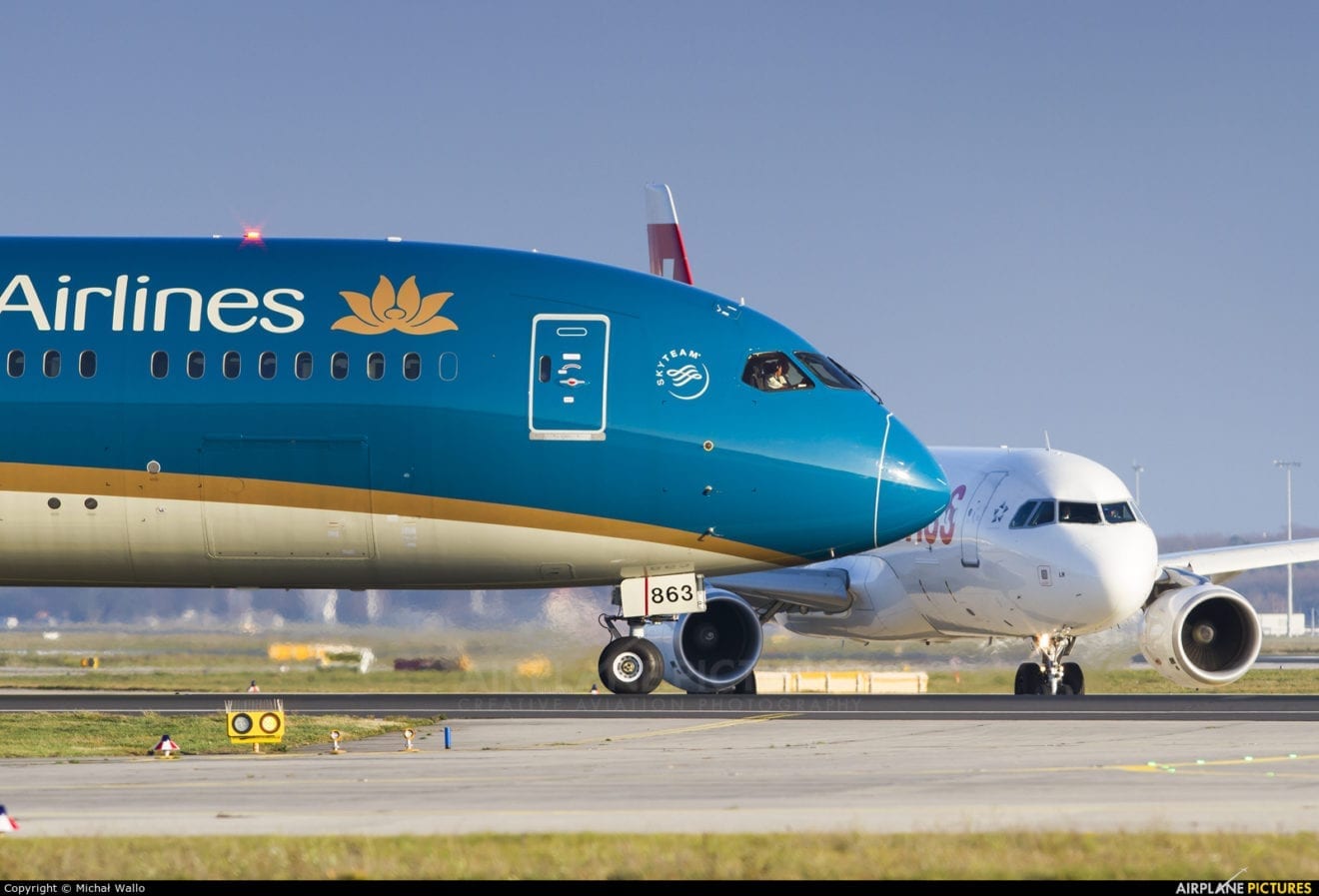
  • Japan Airlines Enhances Liver Function Checks and Suspends High-Risk Pilots Amid Drinking Incidents

    Japan Airlines Enhances Liver Function Checks and Suspends High-Risk Pilots Amid Drinking Incidents

    Following a string of concerning incidents involving pilots and alcohol consumption, Japan Airlines is revamping its safety protocols by introducing stricter measures aimed at safeguarding passengers and restoring public confidence in air travel.

    This week, the airline announced new regulations in response to a reprimand from the Transport Ministry, which mandated improvements in their safety procedures. Among the most significant changes is the suspension of pilots whose liver functions fall below acceptable levels, part of an initiative to prevent future violations.

    As a direct consequence of this review, six pilots have been suspended, as reported by Kyodo News. These measures come in the aftermath of several high-profile incidents where pilots were found drinking before flights, blatantly defying an internal ban instituted last December. Recent events have raised alarms, most notably a case where a pilot consumed alcohol prior to a flight from Hawaii, leading to delays impacting three flights for up to 18 hours, according to the Japan Times.

    This particular incident highlighted a troubling pattern; the pilot, already in hot water, had previously disregarded the no-drinking policy and even tampered with the settings of a sobriety testing device. Japan Airlines responded swiftly, dismissing the offending pilot and implementing pay cuts for the airline’s president and several executives.

    Despite the December ban designed to curb such behaviors, communication lapses within the company have allowed these issues to persist, according to Nikkei Asia. Pilots at Japan Airlines typically earn around 20.05 million yen (approximately US$135,000) annually, standing in stark contrast to the significantly lower salaries of ground staff and cabin crew, which average 6.43 million yen and 5.92 million yen, respectively.

    Interestingly, some pilots argue that moderate drinking provides a necessary release after grueling long-haul flights compounded by the stress of busy schedules as travel demand surges. Japan Airlines, acknowledging its past failures in enforcing the drinking ban, has committed to collaborating with labor representatives to explore more effective safety measures moving forward.

    Questions & Answers

    What prompted Japan Airlines to implement stricter safety measures?
    The airline was mandated to enhance its safety protocols following a reprimand from the Transport Ministry in light of several drinking incidents involving pilots.

    How many pilots have been suspended due to these incidents?
    Six pilots have already faced suspensions as a direct result of the airline’s new safety regulations.

    What are some of the challenges Japan Airlines faces regarding pilot behavior?
    Despite having a drinking ban in place, some pilots have disregarded it, with communication gaps within the company contributing to ongoing issues related to alcohol consumption before flights.

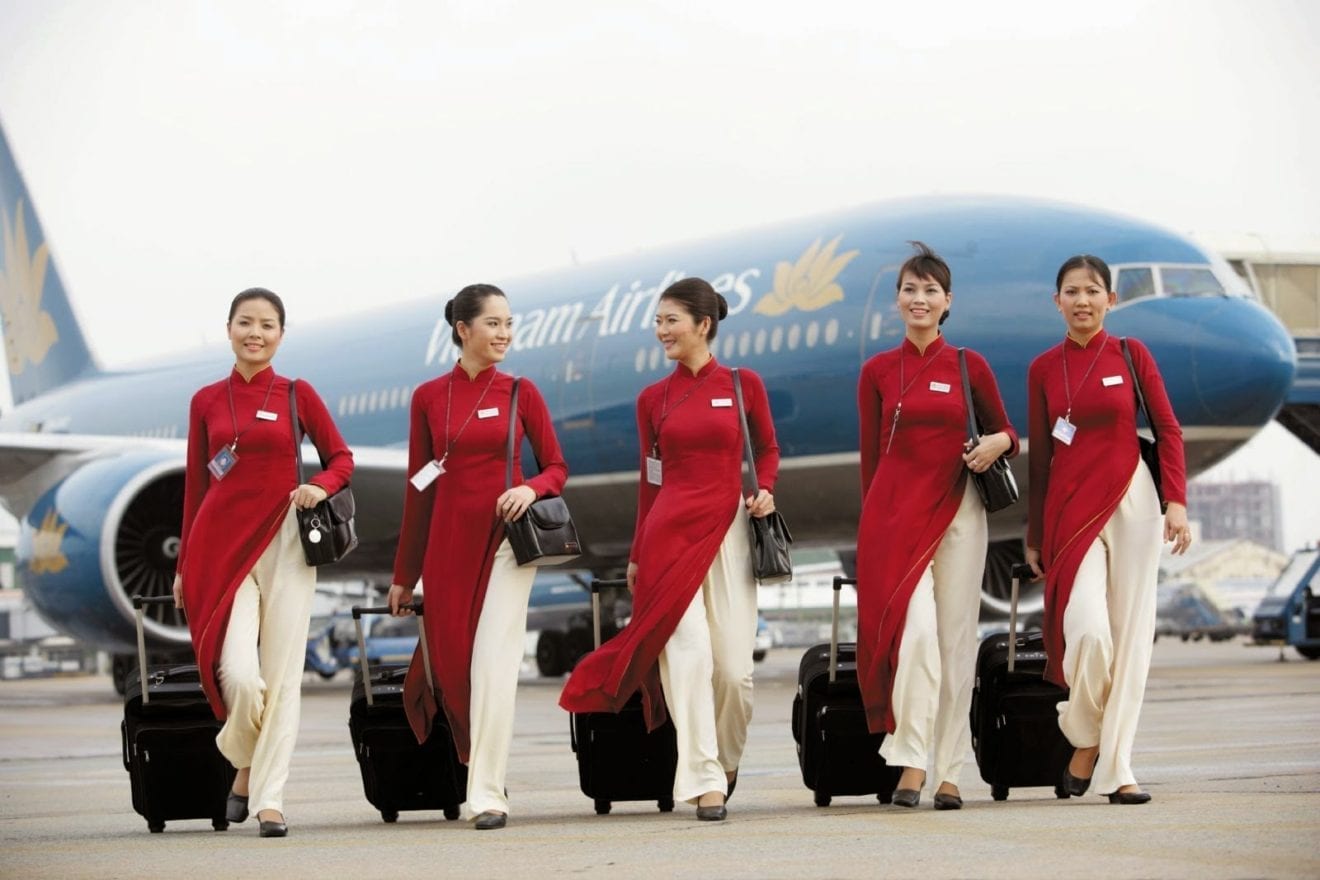
  • Vietnam Airlines Set to Sell Stake in Jet Fuel Subsidiary Skypec, Reshaping Industry Landscape

    Vietnam Airlines Set to Sell Stake in Jet Fuel Subsidiary Skypec, Reshaping Industry Landscape

    Vietnam Airlines plans to sell up to 49% of its fully-owned subsidiary, Skypec, a key player in jet fuel distribution.

    The airline is embarking on a public auction of its shares, anticipated to occur between now and 2027, as outlined in a recent statement. This move is part of a strategic initiative first announced two years ago, aimed at restructuring the company to recover from previous financial losses.

    Strategic Moves Amidst Recovery

    Skypec stands out as one of Vietnam Airlines’ most successful subsidiaries, alongside its aircraft engineering counterpart Vaeco. Together with Petrolimex Aviation, Skypec dominates the aviation fuel market in Vietnam, supporting all domestic carriers and nearly a hundred international airlines operating in the country.

    Impressive Operational Footprint

    With a robust storage capacity of 200,000 cubic meters, Skypec services 18 airports across Vietnam, extending its operations to four international airports in South Korea. Last year, the company sold approximately 1.6 million tons of jet fuel, generating revenues of VND35.27 trillion (US$1.33 billion) with an after-tax profit exceeding VND268 billion.

    Turning Financial Fortunes Around

    Vietnam Airlines recently marked a significant turnaround, reversing its negative net worth following a government capital infusion of VND7.77 trillion. The government now holds a 47.09% stake in the airline, reflecting a collaborative effort to stabilize the national carrier. As a result, the airline reported a 10% year-on-year increase in revenues, totalling VND58.68 trillion in the first half of the year, with profits before tax soaring by 19.3% to VND6.68 trillion. Who knew a little fuel could fuel such big changes?

    Questions & Answers

    What is the main focus of Vietnam Airlines’ recent announcement?
    Vietnam Airlines intends to sell up to 49% of its stakes in its jet fuel subsidiary, Skypec, through a public auction between now and 2027 as part of its restructuring plan.

    How does Skypec contribute to domestic aviation?
    Skypec is a significant player in Vietnam’s aviation fuel supply, operating at 18 airports in Vietnam and servicing nearly 100 international airlines, making it crucial to the country’s air travel infrastructure.

    What financial improvements has Vietnam Airlines experienced recently?
    Thanks to a government capital injection, Vietnam Airlines has reversed its negative net worth and reported increased revenues and profits in the first half of the year, reflecting a positive turnaround in its financial health.

  • Vietnam Airlines to Expand Fleet with 30 New Planes in $10B Investment Plan by 2032

    Vietnam Airlines to Expand Fleet with 30 New Planes in $10B Investment Plan by 2032

    Vietnam Airlines has launched an aggressive plan to expand its fleet, aiming to acquire or lease 30 wide-body aircraft—either Airbus A350-900 or Boeing B787-9—by the years 2028 to 2032.

    As part of this strategy, the airline recently issued a preliminary request for information from suppliers, inviting them to provide specifications regarding aircraft types, numbers, delivery schedules, and potential contract values by October 8. With a price tag expected to exceed US$10 billion for all 30 planes—not counting possible bulk discounts—this ambitious expansion underscores Vietnam Airlines’ commitment to growing its operational capabilities.

    Currently, the airline boasts a fleet of 31 wide-body aircraft, including 14 A350-900s and 17 Boeing 787s. Additionally, it operates 65 narrow-body Airbus A321s and A320s alongside six ATR-72s. However, CEO Dang Ngoc Hoa has highlighted a pressing need for at least 52 wide-body and 112 narrow-body planes by 2035 to accommodate growing demand and expand its route network.

    In April, the airline received government approval to add 50 narrow-body aircraft, a move projected to cost about VND92.8 trillion (approximately US$3.5 billion). However, Hoa noted that this addition barely scratches the surface of what is necessary for continued growth. “If manufacturers can’t deliver before 2030, we may have to consider leasing more aircraft for 2027 and 2028,” he remarked, painting a picture of urgency in the face of evolving market dynamics.

    Vietnam Airlines currently operates around 400 flights daily to 21 domestic and 29 international destinations. This year, it has successfully revived or launched 15 international routes in key markets, significantly including Italy, Russia, China, the UAE, Japan, South Korea, and India.

    Like many in the industry, however, the airline has faced challenges stemming from an aircraft shortage, exacerbated by complications with Pratt & Whitney engines on its Airbus A321s. As of mid-2025, about 15 of these A321s remain grounded, with four Airbus A350s also undergoing repairs. As the world begins to emerge from the shadow of the pandemic, one might say the sky has never been clearer for an ambitious airline aiming to soar higher.

    Questions & Answers

    What types of aircraft is Vietnam Airlines looking to acquire?
    Vietnam Airlines is considering either the Airbus A350-900 or the Boeing B787-9 for its planned acquisition of 30 wide-body aircraft.

    What is the estimated cost of expanding the fleet?
    The total cost for acquiring all 30 aircraft is expected to exceed US$10 billion, not including any potential bulk discounts.

    How many flights does Vietnam Airlines operate daily?
    The airline operates approximately 400 flights each day, connecting 21 domestic and 29 international destinations.

  • Japan’s Hotel Sector Sees Impressive H1 2025 Growth with Occupancy Rate Soaring to 84.2%

    Japan’s Hotel Sector Sees Impressive H1 2025 Growth with Occupancy Rate Soaring to 84.2%

    Japan’s hotel industry is steadily regaining its footing, approaching pre-pandemic heights, with occupancy rates escalating to 84.2%—a rise of 1.0 percentage point over the past six months, as reported by Savills. This promising trend edges closer to the enviable occupancy levels enjoyed before the pandemic transformed the hospitality landscape.

    Despite a persistent labor shortage that has hindered some hotels in regional and resort areas from maximizing occupancy, establishments are adopting innovative measures to enhance employee conditions and compensation. The Savills report emphasizes that these adaptations are crucial for achieving optimal performance.

    Further bolstering the labor force, the Japanese government has intensified efforts to attract foreign workers. As of October 2024, the number of foreign laborers reached 2.3 million—the highest figure since 2007—with an increase of 250,000 compared to the previous year. In addition, hotels are leveraging cutting-edge technology to minimize reliance on human staff, creating a balance between efficiency and service quality.

    Looking ahead, hotel performance in Japan is set for steady growth in 2025. Inbound tourist arrivals during the first half of 2025 outpaced those from the same period last year, signaling a potential surge that could see numbers exceed 40 million. The anticipated Expo 2025 is expected to significantly boost tourism in Osaka, with visitor numbers reaching 10 million by July 2025, well on track to meet the ambitious goal of attracting 28 million guests by the event’s conclusion in October.

    This influx isn’t limited to Osaka City; Expo 2025 encourages visitors to venture into the wider Kansai region, creating wider economic ripples across various locales. Additionally, the opening of Junglia Okinawa—a large nature adventure theme park in July 2025—is poised to draw both local and international tourists, further stimulating demand for accommodation and related services in the area. Who said business growth couldn’t be fun?

    Questions & Answers

    How is Japan’s hotel occupancy rate performing post-pandemic?
    Japan’s hotel occupancy rate has improved to 84.2%, making a notable recovery as it approaches pre-pandemic levels. This rise reflects a 1.0 percentage point increase over the past six months.

    What measures are being taken to address the labor shortage in hotels?
    Hotels are enhancing employee compensation and working conditions while also embracing technology to streamline operations, which helps mitigate the impact of the labor shortage.

    What role does Expo 2025 play in Japan’s tourism sector?
    Expo 2025 is set to be a major draw for tourists, with projections of attracting 28 million visitors by the event’s end in October 2025, and encouraging exploration of the surrounding Kansai region, thus benefiting the local economy.

  • Disney’s Inaugural Asia Cruise from Singapore Postponed by Three Months: What to Know!

    Disney’s Inaugural Asia Cruise from Singapore Postponed by Three Months: What to Know!

    In a significant adjustment for eager travelers, Disney has relocated the inaugural sailing of its new cruise ship, the Disney Adventure, from December 15 to March 10 of next year. The shift comes in light of unexpected delays in the shipbuilding process, a decision Disney Signature Experiences President Joe Schott addressed during inquiries from Mothership. “To ensure the experience we deliver reflects our commitment to excellence, we’ve made the decision to adjust our timeline,” he stated, acknowledging the potential disappointment for guests.

    For those affected by the change, Disney is actively providing flexible rebooking options to maintain consumer trust. Guests originally booked for the December voyage will automatically be transferred to the new March sailing, and in a move that mirrors the magic of Disney, they will also receive a 50% refund for the inconvenience, as reported by The Straits Times.

    A Dedicated Home Port in Singapore

    The majestic Disney Adventure, which recently began sea trials to test its systems, will be stationed in Singapore for a minimum of five years. Those unable to join the March 10 voyage can opt for a full refund or rebook any future sailing at half price, available for cruises departing on or before March 31, 2027.

    A Floating Theme Park Awaits

    Originally marketed as a floating theme park for travelers from Southeast Asia and India, the Disney Adventure promises seven themed zones, including the standout feature—a 250-meter Iron Man rollercoaster on the upper deck. This thrilling ride is branded as the longest rollercoaster at sea and the first of its kind on a Disney cruise, guaranteeing a memorable adventure for all guests.

    Impact on Bookings and Capacity

    While the exact number of affected guests remains undisclosed, industry analysts from Bloomberg report that around 25 sailings will experience this rescheduling. With a capacity for up to 6,700 passengers, the Disney Adventure generated considerable buzz when tickets for its maiden voyage sold out on the first day of general sales last December. Pricing for three- and four-night cruises in 2026 starts at $1,060 and $1,412 per person, respectively, according to the cruise’s booking website.

    Delays in maiden voyages are not an uncommon occurrence within the cruise industry. The launch of Disney’s Florida-based ship, Disney Wish, faced similar challenges in 2022, while competitors like Princess Cruises and Royal Caribbean International have also postponed inaugural sailings due to ship completion issues. Notably, the Disney Adventure stands apart from the rest of Disney’s lineup, having been acquired partially built from Genting Hong Kong in 2022.

    Strategic Growth Plans

    Looking ahead, Disney has laid out an ambitious strategy, announcing plans to double its investment in the cruise and parks business to $60 billion by 2033. Alongside this financial commitment, Disney aims to expand its fleet from the current six ships to a total of 13 by 2031, fueling excitement for the future of its cruise offerings.

    Questions & Answers

    How has Disney addressed the change in the Disney Adventure’s maiden voyage schedule?
    Disney has automatically transferred guests to the new March 10 sailing and is offering a 50% refund to those impacted by the delay.

    What unique features will the Disney Adventure offer its guests?
    The ship will showcase seven themed zones, including the first-ever Iron Man rollercoaster at sea, the longest rollercoaster on a Disney cruise, making it a standout in the experience it offers.

    What are Disney’s future plans for its cruise business?
    Disney aims to double its investment in cruise and parks to $60 billion by 2033 and to expand its fleet from six to 13 ships by 2031, indicating significant growth in its cruise operations.

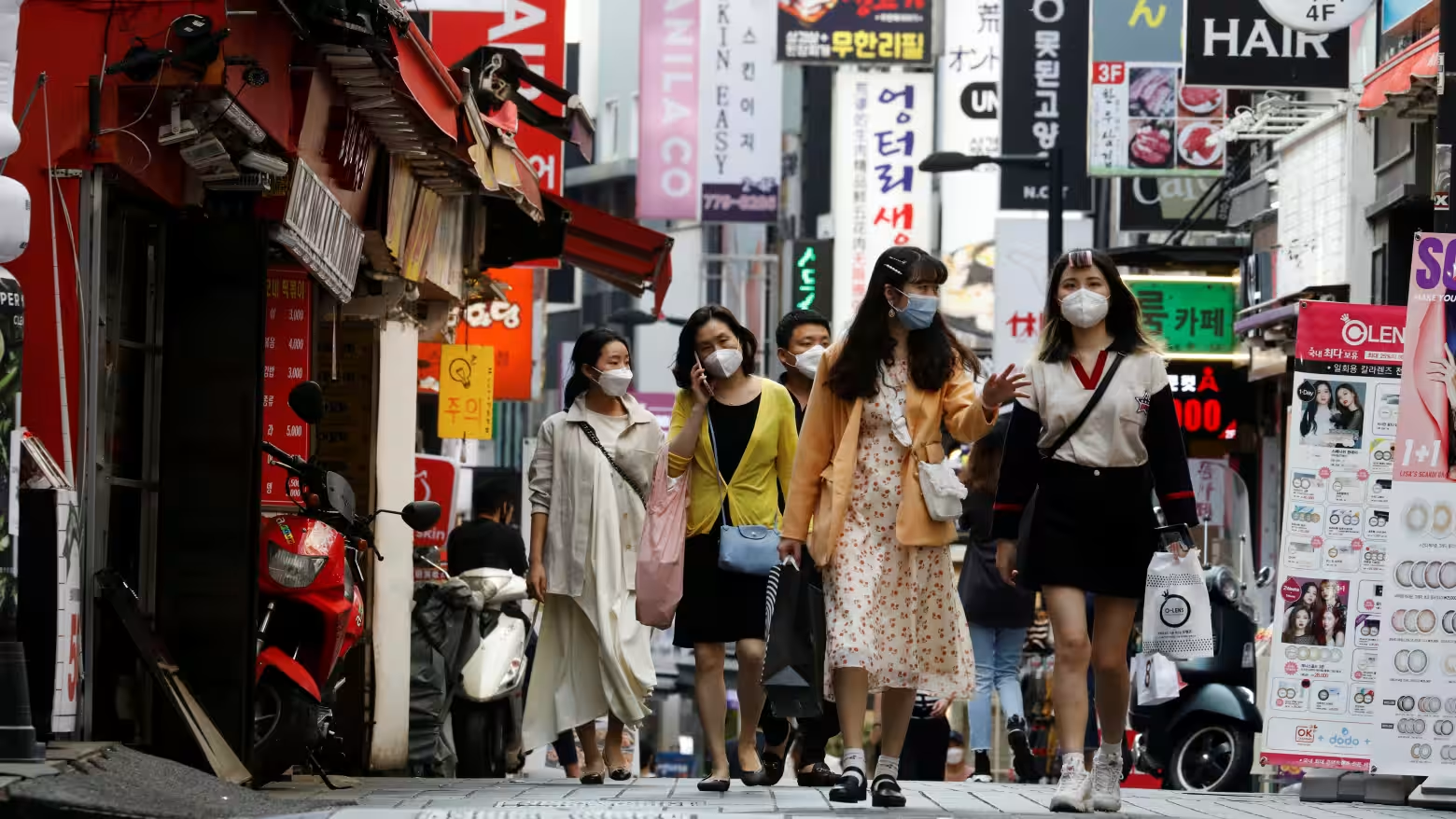
  • South Korean Retailers Innovate To Welcome Returning Chinese Tour Groups Amid Changing Consumer Trends

    South Korean Retailers Innovate To Welcome Returning Chinese Tour Groups Amid Changing Consumer Trends

    As South Korea prepares for the much-anticipated return of Chinese tour groups from September 29, retailers are taking proactive measures to welcome them. To cater to these visitors, who will be allowed visa-free entry, a wave of new promotions is on the horizon, and retailers are expanding their product ranges. Instead of focusing solely on luxury cosmetics, retailers are branching out to incorporate fashion, lifestyle, and even convenience store exclusive items.

    Change in Chinese Tourists’ Preferences

    In the mid-2010s, Chinese travelers, often referred to as “Youke,” were known for their bulk purchases of high-end skincare products. However, recent industry data indicates a significant shift in their preferences. Currently, eyewear brands such as Gentle Monster, K-fashion labels, health foods, and lifestyle goods are gaining popularity among these travelers.

    Retailers’ Innovative Strategies

    In response to these changing demands, Lotte Department Store has launched curated boutiques as part of the “Kinetic Ground” platform. These boutiques will feature trendy domestic brands. In addition, the department store’s duty-free branch has plans to inaugurate a new “K-Beauty Hall” in Myeongdong, accompanied by an expansion of local specialty food offerings.

    Shinsegae Department Store is orchestrating a “Global Shopping Festa” around the Chuseok holiday, with a focus on categories popular with foreign shoppers. Convenience chains are also making preparations. GS25 is advertising Greek yogurt, highballs, and K-pop albums as emerging favorites. They have even released a “K-Convenience Store Guidebook,” presenting product rankings and celebrity snack choices. Additionally, 7-Eleven is promoting souvenir items that represent Korean symbols like the national flag and old currency.

    Duty-Free Shops Gear Up

    Duty-free shops, known to benefit most from group tourism, are also gearing up. Lotte Duty Free is bolstering relationships with agents in second- and third-tier Chinese cities such as Chongqing and Qingdao, while Shilla is setting its sights on corporate travel groups. Shinsegae Duty Free is honing in on smaller groups that tend to spend more. Retailers are further enhancing the shopping experience by introducing experiential attractions like revamped “Star Avenues” and Artificial Intelligence (AI)-aided translation services to facilitate shopping for international visitors.

    Challenges Ahead

    Despite these proactive measures, retailers face several challenges. One critical issue is the shift in travel patterns towards individual tourism, making it uncertain whether duty-free operators will regain their past dominance. Another concern is the increase in hotel costs since the pandemic, which could potentially impact package competitiveness.

    A duty-free executive expressed optimism, stating that visa-free entry for Chinese group tourists might signal a turning point for Korea’s tourism recovery. However, the real litmus test lies in whether spending bounces back. The industry is eagerly waiting for the APEC summit in late October, hosted by Seoul, as it could provide more clarity on the situation. The event is also likely to attract China’s President Xi Jinping.

    Questions & Answers

    What changes are South Korean retailers making to accommodate the return of Chinese tour groups?
    Retailers in South Korea are launching new promotions and expanding their product offerings. They are diversifying their product lineups to include not just luxury cosmetics, but also fashion items, lifestyle goods, and exclusive convenience store products.

    How are duty-free shops preparing for the return of Chinese tour groups?
    Duty-free shops are looking to strengthen ties with agents in Chinese cities, targeting corporate travel groups, and focusing on smaller, high-spending groups. They also aim to improve the shopping experience by introducing experiential attractions and AI-powered translation services.

    What challenges do retailers face with the return of Chinese tour groups?
    Retailers are facing challenges such as the shift in travel patterns towards individual tourism, which raises questions about the future dominance of duty-free operators. Additionally, rising hotel costs since the pandemic could impact package competitiveness.

  • Manila’s Hotel Scene Set to Expand with 3,000 New Rooms Coming in Late 2025

    Manila’s Hotel Scene Set to Expand with 3,000 New Rooms Coming in Late 2025

    The hospitality landscape in Metro Manila is brimming with potential as the market anticipates the addition of approximately 3,000 new hotel rooms by the end of 2025. According to a recent report from JLL, hotel occupancy rates are currently strong, yet this incoming wave of accommodations may briefly impact occupancy levels.

    Sturdy Foundations in Metro Manila’s Hotel Sector

    Despite the expected influx of new inventory, Metro Manila’s hotel market shows remarkable resilience, with RevPAR reflecting a positive year-over-year trend. This statistic is a clear signal of robust demand and an upsurge in traveler confidence, suggesting that visitors are keen on experiencing the vibrant hospitality options the area offers.

    In the second quarter of 2025, hotel occupancy hit 78.3%, marking an impressive year-over-year increase of 143.4 basis points. The luxury and upscale segments are leading the charge, demonstrating their enduring allure. What’s more, average room rates have edged up just slightly, from PHP 7,916 in Q2 2024 to PHP 7,917 in Q2 2025—a testament to the market’s stability amid expansion.

    Preparing for Growth Amid New Challenges

    As the holiday season draws near, optimism fills the air in the Philippine tourism sector. The VAT refund program is gaining traction, and combined with strategic tourism marketing efforts, authorities are aiming to reach an annual target of 7.7 million visitors. Even with the new hotel openings, which may disrupt occupancy rates in the short term, the solid fundamentals of tourism and increasing international interest are expected to bolster demand for hotel stays.

    With Manila positioning itself as a compelling destination, it seems the real excitement lies not just in the influx of these new hotel rooms—but also in how they will redefine the competitive landscape for hospitality in the region. After all, having options is never a bad thing, right?

    Questions & Answers

    What is the expected impact of the new hotel inventory on occupancy rates?
    While the addition of approximately 3,000 new hotel rooms could create temporary pressure on occupancy rates, the stable demand driven by tourism fundamentals and market interest is expected to alleviate this shortly.

    How is the hotel market currently performing in Metro Manila?
    The hotel market is performing well, with an occupancy rate of 78.3% in Q2 2025, reflecting a significant year-over-year growth and positive trends in RevPAR, indicating strong demand and visitor confidence.

    What initiatives are anticipated to support tourism growth in Metro Manila?
    Key initiatives include the VAT refund program and targeted tourism marketing efforts, which aim to boost visitor arrivals and help meet the annual target of 7.7 million tourists.

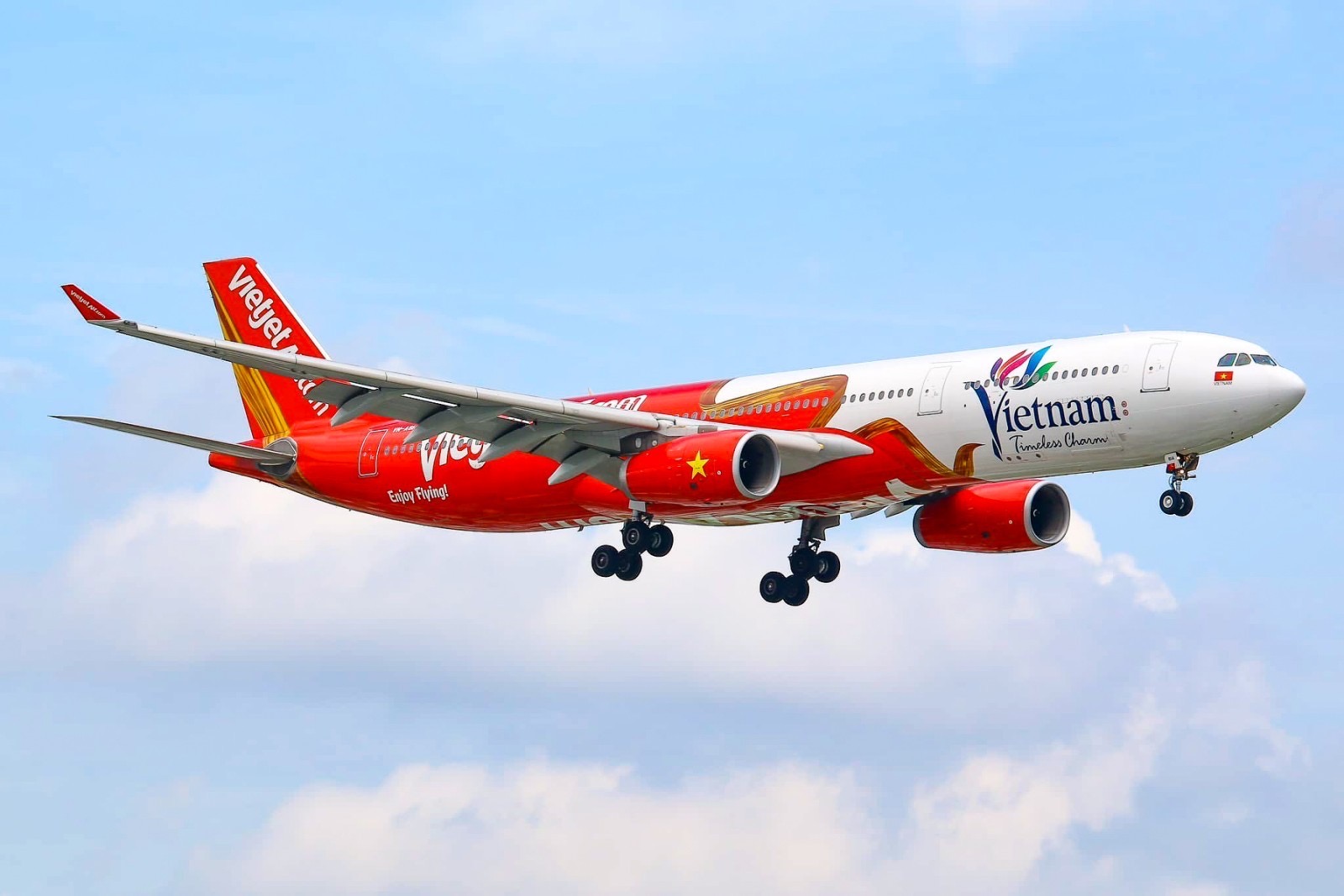
  • Vietjet Reports Strong H1 2025 Performance and Launches New Ho Chi Minh City–Manila Route

    Vietjet Reports Strong H1 2025 Performance and Launches New Ho Chi Minh City–Manila Route

    Vietjet Aviation Joint Stock Company has released its audited financial report for the first half of 2025, reporting strong growth and reinforcing its position as a rising global carrier. Vietjet now operates four direct services linking Singapore with Hanoi, Ho Chi Minh City, Phu Quoc and Da Nang and is boosting its services to Da Nang and Phu Quoc with 49 round-trip flights weekly between Singapore and Vietnam by the end of this year.

    The airline’s performance reflects Vietnam’s emergence as a key aviation hub in Asia and worldwide, while expanding its international network with a new direct route to Manila, Philippines.

    Robust Financial Growth

    In the first six months of 2025, Vietjet achieved air transport revenue of VND35.601 trillion (approx. SGD1.73 billion), with a pre-tax profit of nearly VND1.6 trillion (approx. SGD77.80 million), marking a 37% Year-on-Year (YoY) increase. Consolidated revenue was VND35.837 trillion (approx. SGD1.74 billion), with a pre-tax profit surpassing VND1.651 trillion (approx. SGD80.26 million), reflecting a staggering 65% YoY growth.

    During this period, Vietjet operated 79,000 flights, transporting 14.4 million passengers and contributing over VND4.528 trillion (approx. SGD219.83 million) in taxes and fees. The company’s financial indicators remain strong, with excellent liquidity and consolidated assets exceeding VND112 trillion (approx. SGD5.44 billion).

    Fleet Expansion and Strategic Investments

    Vietjet continued its fleet expansion, ordering 20 A330neo aircraft with Airbus, raising its total order for A330neo to 40, making it the airline with the largest A330neo order in the world.

    At the 2025 Paris Air Show, Vietjet secured a historic order for 100 A321neo aircraft, along with 50 purchase options—the largest deal in the industry—positioning Vietjet among the top 10 airlines globally in terms of aircraft orders.

    Additionally, Vietjet and Rolls-Royce have signed an agreement for 40 Trent 7000 engines to power 20 wide-body Airbus A330neo aircraft, bringing the total number of Trent 7000 engines ordered by the airline to 80.

    Vietjet has broken ground on its Aircraft Maintenance Technical Center at the under-construction Long Thanh International Airport, featuring Hangars 3 and 4 capable of servicing 10 aircraft simultaneously. Additionally, self-service ground operations have been rolled out at major airports to optimise operations and enhance the passenger experience.

    International Expansion: Ho Chi Minh City–Manila Route

    Vietjet will launch a new direct service linking Ho Chi Minh City with Manila, beginning 22 November 2025, with five weekly round-trip flights. This route marks the airline’s first direct connection between Vietnam and the Philippines. Together with flight increases between Vietnam and Singapore, this connectivity will support seamless travel, trade, and cultural exchange in Southeast Asia.

    Travellers can now book their seats at attractive introductory fares.    

    Recognised Excellence and Strategic Vision

    Vietjet has been recognised by AirlineRatings as the “World’s Best Ultra Low-Cost Carrier” and ranked among the Top 5 revenue-generating enterprises by Forbes Vietnam for 2024. The airline continues to expand its footprint, having launched new routes to Singapore, China, India, and Japan in 1H2025, with more international services planned.

    With a modern, fuel-efficient fleet, professional cabin crew, and innovative service offerings, Vietjet remains committed to delivering exceptional value and comfort while driving sustainable growth and global expansion.     


  • Vietjet Expands Singapore–Vietnam Services with More Daily Flights and All-Inclusive Fares from Just SGD86

    Vietjet Expands Singapore–Vietnam Services with More Daily Flights and All-Inclusive Fares from Just SGD86

    Vietjet is expanding its Vietnam services from Singapore with increased flight frequencies to both Phu Quoc and Da Nang, offering Singapore-based travellers more convenient options to explore Vietnam’s top destinations. 

    Starting 23 December 2025, the Singapore–Phu Quoc service will increase to seven round trips per week, while the Singapore–Da Nang service will rise to two daily return flights from 21 November 2025. This expansion brings the airline’s total number of weekly flights connecting Singapore and Vietnam’s Hanoi, Ho Chi Minh City, Da Nang and Phu Quoc to 49 round trips, offering greater flexibility and convenience for both leisure and business travellers during the busy year-end and new year holiday season.

    To celebrate, Vietjet is rolling out a special promotion for Singapore-based travellers from 28 August to 24:00 on 30 August 2025 (GMT+8). Tickets on all Singapore–Vietnam routes are available from just SGD86/one-way at www.vietjetair.com or the Vietjet Air mobile app, for travel between 1 October 2025 and 27 May 2026 (except peak periods).  

    Travellers from Singapore can now enjoy easier access to two of Vietnam’s most popular tourism destinations, including Phu Quoc, which was named by CNA as one of Southeast Asia’s must-visit destinations in 2025. Key attractions include its idyllic beaches Bai Sao, Bai Truong, and Bai Khem, as well as the island’s national park, vibrant fishing villages, and world-class resorts.

    Meanwhile, Da Nang – Vietnam’s most livable city – offers long sandy beaches, vibrant nightlife, and easy access to UNESCO World Heritage sites such as Hoi An Ancient Town, My Son Sanctuary, and the Imperial City of Hue. With attractions ranging from the iconic Golden Bridge at Ba Na Hills to its thriving culinary scene, Da Nang is an ideal destination for both leisure and business travellers.

    Vietjet remains committed to providing safe, affordable, and enjoyable flights, with modern aircraft, friendly service from professional crews, fresh hot meals, and a vibrant onboard atmosphere that includes cultural and artistic performances on special occasions celebrating Vietnam’s heritage. The airline also offers exclusive rewards from the Vietjet SkyJoy loyalty program.

    Flight Schedules

    (All times are in local time, 24-hour format) 

    Singapore (SIN) – Phu Quoc (PQC) route 

    Sector  Flight 

    number

    Departure – Arrival times  Frequency
    Singapore – Phu Quoc  VJ984  13:05 – 13:45  Current: 4 round trips per week

    (7 round trips per week from 23 December 2025)

    Phu Quoc – Singapore  VJ983  15:45 – 18:30 


    Singapore (SIN) – Da Nang (DAD) route 

    Sector  Flight 

    number

    Departure – Arrival times  Frequency
    Singapore – Da Nang VJ970

    VJ890

    11:15 – 13:10 

    19:55 – 21:45

    Current: 1 daily  round trips 

    (2 daily round trips from 21 November 2025)

    Da Nang – Singapore  VJ973 

    VJ889

    13:10 – 16:55 

    15:00 – 18:55


  • Tokyo Welcomes Three Sophisticated Luxury Hotels Set to Launch in Late 2025

    Tokyo Welcomes Three Sophisticated Luxury Hotels Set to Launch in Late 2025

    Tokyo’s hospitality landscape is in for a makeover, with an exciting lineup of luxury hotels poised to make their debut. A recent report by JLL reveals that while there were no new international hotel openings in the Japanese capital during the second quarter of 2025, the second half promises to be bustling with activity as major brands prepare to enter the market.

    A Luxury Surge on the Horizon

    Notable names like Fairmont, JW Marriott, 1 Hotel, and Caption by Hyatt are gearing up for launches, indicating strong confidence among international brands to tap into Tokyo’s upscale travel market. This comes on the heels of a recovery in the city’s hotel sector, which has shown remarkable growth across all segments. The surge in inbound visitors has led to a steady rise in average daily rates (ADR), while hotel occupancy continues to rebound steadily.

    Positive Trends and Room for Growth

    According to the JLL report, Tokyo’s luxury and upper upscale segments witnessed notable improvements compared to the previous year. Year-to-date figures through June show that both ADR and occupancy have increased year-on-year, contributing to a substantial rise in revenue per available room (RevPAR). However, the city’s occupancy rates still trail behind levels seen in the vibrant Q2 of 2019.

    Staying Vigilant Amid Global Uncertainty

    Looking ahead, the buoyant trends observed in the first half of 2025 may face some turbulence due to rising geopolitical risks and global instability. JLL cautions that these factors could significantly influence hotel performance in the latter half of the year. While exchange rate fluctuations haven’t yet affected hotel metrics, a continuous decline in department store revenues, which fell year-on-year for five consecutive months starting February, suggests a shift in consumer spending habits among international visitors to Japan. It appears that tourists may be opting for memorable dining experiences and local attractions over traditional shopping sprees.

    In an industry where maintaining a balance between luxury and experiential offerings is crucial, Tokyo is set to redefine its hospitality narrative in the coming months—making it an exciting moment for both investors and travelers.

    Questions & Answers

    What luxury hotel brands are planning to open in Tokyo by late 2025?
    Fairmont, JW Marriott, 1 Hotel, and Caption by Hyatt are among the international brands set to debut in Tokyo during the second half of the year.

    How has Tokyo’s hotel sector performed in 2025 so far?
    The sector has seen continued growth across all segments, with improvements in average daily rates and occupancy rates compared to the previous year, though overall occupancy is still below pre-pandemic levels.

    What challenges could impact Tokyo’s hotel performance in the latter half of 2025?
    Rising geopolitical risks and global instability could create uncertainty, potentially affecting hotel performance as both exchange rates and consumer spending change.

  • Vietnam’s Sky Wars Heat Up as New Airline Takes Flight

    Vietnam’s Sky Wars Heat Up as New Airline Takes Flight

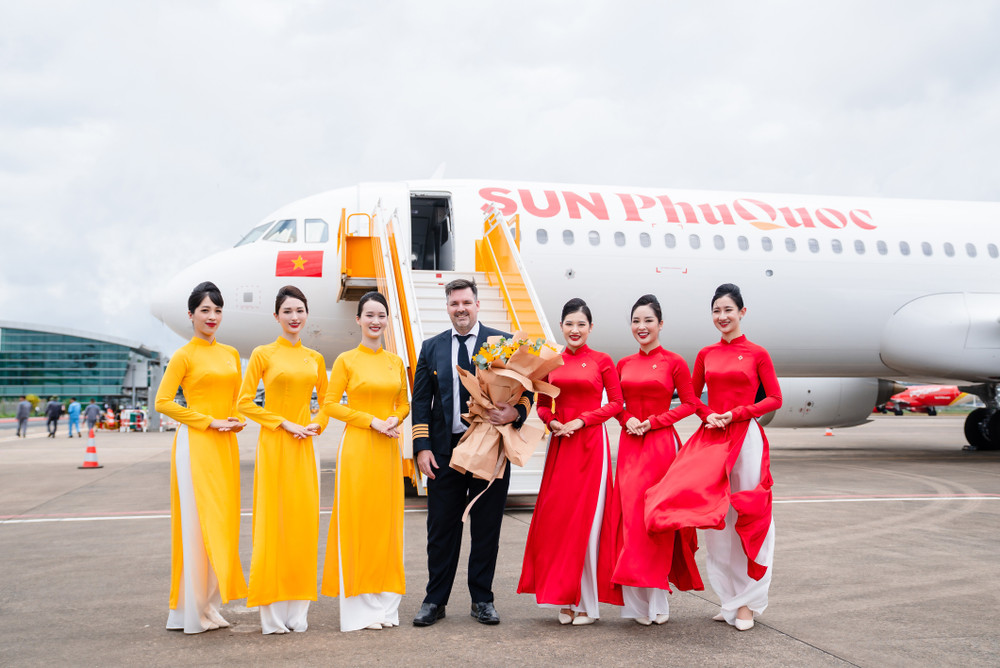
    The first Airbus A321 for Sun PhuQuoc Airways has officially landed in Vietnam, marking a significant leap forward for the airline just weeks after receiving its operating license. The initiative from the Sun Group, a major player in tourism, aims to launch ticket sales by October and commence flights in December, adhering to an ambitious timeline that reflects its commitment to growth.

    Setting the Bar High in Vietnamese Aviation

    With aspirations as lofty as the planes it operates, Sun PhuQuoc Airways plans to have eight A321 aircraft at its disposal by the end of the year. The airline is ramping up its recruitment efforts, securing pilots and cabin crew while lining up a credit facility with Vietcombank for the purchase of up to ten aircraft. Sun Group’s vision for the airline goes beyond mere transportation; it seeks to offer premium tourism experiences, with future destinations planned for China, Japan, and South Korea.

    Vietravel Airlines Springs Back to Life

    Adding to the excitement in Vietnam’s aviation landscape is the resurgence of Vietravel Airlines. After grappling with aircraft shortages and financial hurdles, the company has received a shot in the arm from T&T Group’s backing. Since late June, it has welcomed two new aircraft into its fleet and is on track to acquire more, aiming for a total of at least ten by year-end. This move aligns with a strategic pivot towards ownership rather than leasing. On top of this, Vietravel Airlines is also setting its sights on launching a dedicated cargo fleet as it ramps up its domestic services, contributing to a rejuvenated tourism and aviation market in the post-Covid era.

    The Roaring Comeback of Tourism

    Vietnam’s tourism scene is on fire, with international arrivals surpassing 12.2 million in just the first seven months of 2025—a remarkable 23% increase year-on-year and a staggering 25% above pre-pandemic levels in 2019. This growth is bolstered by the government’s recent decision to waive visas for visitors from 12 European countries, an invite that has opened the gates of opportunity.

    Major upgrades in aviation infrastructure, including the construction of the Long Thanh International Airport and the expansion of Phu Quoc International Airport, only add to the momentum. These developments are creating a fertile environment for new carriers while benefiting established ones.

    Established Airlines are Thriving, Too

    The resurgence isn’t just limited to newcomers. Vietnam Airlines reported record profits exceeding VND6.68 trillion (US$254 million) for the first half of 2025, more than doubling its annual figures from the last three years prior to the pandemic. Budget airline Vietjet also soared, achieving a 65% profit increase to VND1.6 trillion—the highest since the pandemic began. Meanwhile, Bamboo Airways, which began operating in 2019, has wrestled with post-restructuring challenges but has made notable strides to curb losses, although it now finds itself on a leaner footing with fewer aircraft and reduced routes.

    In a surprising twist of fate, rapidly evolving competition in the domestic market is forcing Bamboo Airways to rethink its strategies as new entrants like Sun PhuQuoc Airways and Vietravel Airlines loom over its previous market share.

    Challenges and Future Outlook

    Despite these promising developments, challenges persist. Nguyen Trung Khanh, director general of the Vietnam National Tourism Administration, highlighted the pressing issue of rising airfares, which have surged by 45% on many routes during peak travel seasons. The Bamboo Airways management is acutely aware of the risks posed by resurgent competitors and is calling for measures to enhance service quality and flight safety, all while focusing on financial health and investor attraction.

    Amidst the competitive landscape, Vietnam Airlines remains optimistic. Chairman Dang Ngoc Hoa acknowledged the inevitability of competition in an increasingly integrated market, viewing the influx of new airlines as an opportunity to innovate and solidify its status as the national carrier. Plans for investments in technology, personnel, and international partnerships are on the horizon to better meet the evolving expectations of travelers.

    Questions & Answers

    What is the main goal of Sun PhuQuoc Airways?
    The airline, operated by Sun Group, aims to launch ticket sales by October 2025 and begin flights in December, focusing on premium tourism experiences and expanding to markets in China, Japan, and South Korea.

    How is Vietravel Airlines attempting to recover from its challenges?
    Vietravel Airlines is bouncing back with support from T&T Group, targeting a fleet of at least ten aircraft by year-end and diversifying its offerings to include a dedicated cargo service.

    What are the current challenges facing the Vietnamese tourism and aviation sectors?
    Despite the impressive recovery in tourist arrivals, high airfares, especially during peak seasons, continue to pose a challenge, drawing attention from industry leaders who are advocating for strategies to enhance competitiveness.

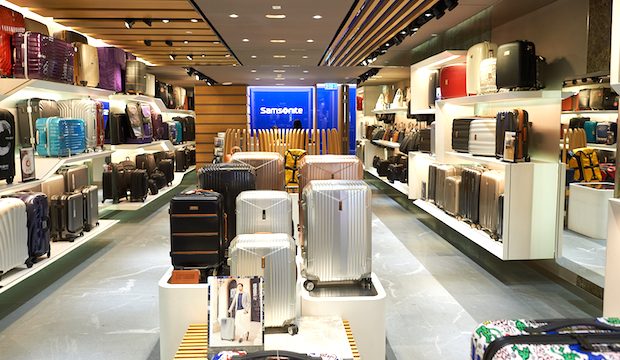
  • Samsonite’s First-half Revenue Declines Amid Reduced Travel Demand In Key Markets

    Samsonite’s First-half Revenue Declines Amid Reduced Travel Demand In Key Markets

    In the first half of the fiscal year 2025, the globally renowned luggage behemoth, Samsonite Group, saw a decrease in net sales and profits. This decline was attributed to a reduced demand for travel within their most significant markets.

    Financial Details

    The firm announced an adjusted net income of US$123.4 million, reflecting a drop of 29.1 per cent from the corresponding period the previous year. Net sales for the period ending 30th June saw a decrease of 6 per cent year-over-year, amounting to US$1.66 billion on a constant currency basis. The decrease was most prominent in the Asian and North American markets.

    The CEO of Samsonite Group, Kyle Gendreau, commented on the situation. He expressed the belief that while consumers continue to value travel and experiences, there was a noticeable drop in travel demand in the first half of 2025. Gendreau attributed this to factors such as macroeconomic uncertainties, changing trade policies, and weakening consumer sentiment. He also forecasted that these trends would likely persist in the second half of the year, negatively impacting the short-term demand. Despite this, he maintained confidence in the long-term demand for travel aiding the business.

    Performance by Region and Brand

    The company’s flagship brand, Samsonite, saw a sales drop of 4.7 per cent. Even though there was robust growth in Europe (+0.6 per cent) and Latin America (+0.2 per cent), there was a visible weakness in Asia (-8.8 per cent) and North America (-5.7 per cent).

    In contrast, the Group’s premium brand, Tumi, demonstrated resilience with a minor sales decrease of 2.5 per cent overall. This was propelled by strong double-digit growth in Latin America (+18.6 per cent) and Europe (+6.2 per cent). However, it also witnessed sales decline in North America (-4.7 per cent) and Asia (-2.5 per cent).

    The value-oriented American Tourister brand encountered a sharper sales decline of 12.7 per cent, especially in North America and Asia. This happened despite a moderate increase in Europe.

    Non-Travel Category and Market Expansion

    Even with the downward trend, the company noted a steady performance in non-travel categories such as backpacks and accessories, which experienced a modest growth of 0.1 per cent. These sectors made up 36.2 per cent of total sales, led by a significant 14.7 per cent increase in Gregory.

    In a bid for market expansion, Samsonite opened 21 new company-operated retail stores in the first half of the year, and continued to invest in product innovation.

    In conclusion, Samsonite Group continues to concentrate on brand elevation and geographical growth, while also considering a potential US listing, dependent on market conditions.

    Questions & Answers

    What are the main factors contributing to Samsonite Group’s sales decline?
    The primary factors are macroeconomic uncertainties, shifting trade policies, and weakening consumer sentiment.

    How has their premium brand, Tumi, performed in comparison to the flagship Samsonite brand?
    Tumi has shown resilience with a smaller overall sales decline, driven by strong growth in Latin America and Europe.

    How have non-travel categories performed?
    Non-travel categories such as backpacks and accessories have shown steady performance, with a slight growth of 0.1 per cent, accounting for 36.2 per cent of total sales.

  • Vietjet Launches 8/8 Super Sale: Up to 80% Off Flights Plus Exclusive Hotel Discount

    Vietjet Launches 8/8 Super Sale: Up to 80% Off Flights Plus Exclusive Hotel Discount

     Vietjet is turning up the heat this August with its limited-time 8/8 Super Sale, offering travellers up to 80% off Eco fares across its entire international and domestic network. Singapore-based adventurers can now snap up incredible flight deals to Hanoi, Da Nang, Ho Chi Minh City and Phu Quoc.

    For just 23 hours, from 01:00 to 24:00 (GMT+8) on 8 August 2025, guests can enter promo code “VJ80” when booking Eco tickets or the Vietjet Air mobile app to enjoy the 80% discount (excluding taxes and fees). The promotion is valid for travel between 15 September 2025 and 27 May 2026 (terms and conditions apply).

    As a special bonus, the first 500 passengers booking international flights to Hanoi (HAN) or Van Don (VDO) during the promotion period will receive a 20% discount on a one-night stay (terms and conditions apply) at the luxurious Royal Ha Long Hotel. This offer is valid for flight bookings made between 8–15 August 2025, exclusively via Vietjet’s website or app.

    From tropical beach retreats to vibrant city adventures and cultural discoveries, Vietjet offers travellers convenient access to Vietnam’s most captivating destinations — all at exceptional value.

    Onboard, passengers can indulge in Vietjet’s signature experience featuring a modern, warm and professional cabin crew, and a mouthwatering menu of Vietnamese and international favourites including Pho, Banh Mi, iced milk coffee, and more. 

    Seats are limited –  act fast! Fly smart, save big, and discover a whole new world with Vietjet.

    A whole new world, a whole new me – Let’s Vietjet!

  • Thailand’s Tourism Decline Casts Shadow on Struggling Stock Market

    Thailand’s Tourism Decline Casts Shadow on Struggling Stock Market

    Thailand’s tourism sector, a critical pillar of its economy, is facing significant turbulence, largely due to a steep decline in foreign visitor numbers. This downturn is sending ripples through tourism-related stocks, impacting everyone from airlines to hoteliers and retailers. As a result, the Thai equity market is struggling to keep pace with its regional counterparts.

    Recent weeks have seen a modest rise in share prices, buoyed by the initiation of a new government travel subsidy scheme. However, analysts are quick to temper any enthusiasm with caution. They point to two major factors constraining growth: the waning influx of Chinese tourists, who previously played a pivotal role in the industry, and a noticeable dip in consumer spending among locals. Additionally, the simmering border conflict between Thailand and Cambodia is casting a shadow of uncertainty over the sector, heightening concerns about both travel safety and economic stability.

    Optimism may be a tough sell these days, but many in the industry are finding creative ways to draw in visitors. After all, in tourism, as they say, sometimes it takes a little bit of magic to make customers forget their worries.

    Questions & Answers

    What factors are contributing to the decline in Thailand’s tourism sector?
    The decline is primarily driven by a drop in the number of foreign visitors, particularly from China, along with decreased spending among Thai consumers and regional tensions, such as the conflict with Cambodia.

    How has the Thai government responded to these challenges?
    The Thai government has launched a travel subsidy program aimed at boosting tourism and encouraging domestic travel, which has led to a slight increase in share prices recently.

    What is the outlook for tourism-related stocks in Thailand?
    While there has been a recent uptick in share prices due to government initiatives, analysts remain cautious, highlighting ongoing challenges that could affect future performance.