Retail News CRM

Tag: Holiday

  • Emirates Unveils Exclusive Luxury Lounge Experience for Discerning Travelers

    Emirates Unveils Exclusive Luxury Lounge Experience for Discerning Travelers

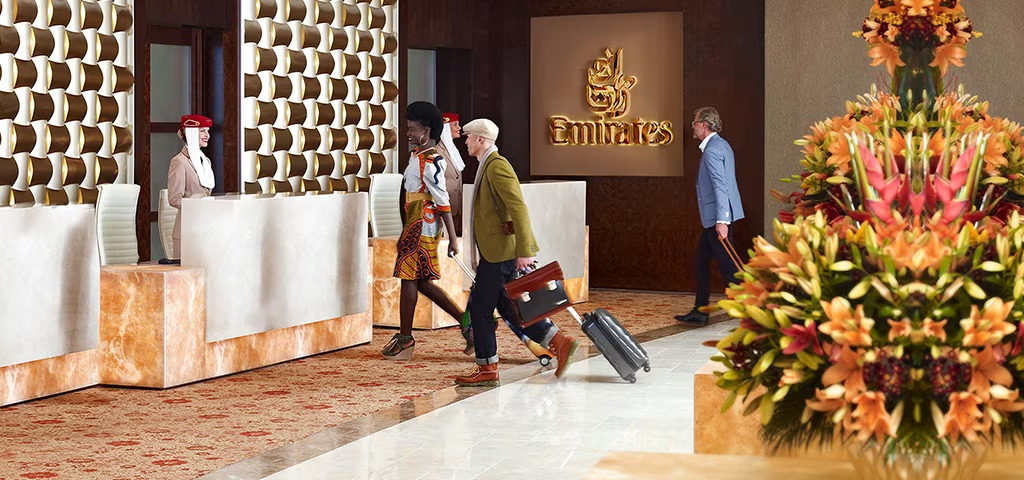
    Dubai’s state-owned Emirates Airline has rolled out a new gem for its affluent travelers with the launch of the Emirates First Lounge in Terminal 3 at Dubai International Airport (DXB). Since mid-July, this luxurious haven has been welcoming well-heeled passengers, showcasing Emirates’ determination to maintain its edge amid rising competition in the Gulf region.

    The whispers of First Class’ demise during the pandemic seem to have been greatly exaggerated. Contrary to predictions, this lucrative segment is experiencing a resurgence—especially in the prosperous Gulf area, where Emirates stands at the forefront of this revival. The Emirates First Lounge promises its top-tier fliers, as well as Platinum members of its Skywards frequent flyer program, an exceptional airport experience that begins well before takeoff.

    A Luxurious Departure Experience

    With an upgraded check-in area featuring elegant private seating and an exclusive check-in process, the Emirates First Lounge sets a new standard for luxury travel. This is complemented by the airline’s 43 exclusive lounges worldwide, designed for those traveling on premium tickets. Rolex clocks adorn the walls, ensuring that affluent passengers can keep time—though, given that DXB operates as a “silent airport,” they may find themselves enjoying the lull rather than rushing for their gates.

    Charting a Unique Course

    While other airlines may be trending away from First Class, Emirates is carving its own path. Aviation analysts at Cirium report a dramatic reduction in global First-Class seats, dropping to 12.6 million in 2024—a staggering 40% decrease from 21.05 million in 2019. Despite this, overall airline capacity across all classes has risen slightly from 5.7 billion to 5.9 billion seats.

    “Our customers can now enjoy a comfortable ride to the airport with our chauffeur service, check in quickly in the exclusive Emirates First area, relax in a premium lounge before their flight, and then experience our award-winning in-flight service,” shared Adel Al Redha, Deputy President & Chief Operating Officer of Emirates. He also announced a new daily flight to Zurich starting February 1, 2026, employing the Airbus A380 superjumbo to replace the Boeing 777 currently in use.

    Facing New Competition

    Marking a timely investment in luxury, Emirates is now bracing for competition from the upstart Riyadh Air, set to launch in 2025 as Saudi Arabia’s new state airline. Equipped with petrodollars and a mission to cater to an upscale clientele, Riyadh Air has already placed substantial orders for Boeing 787 Dreamliners, transforming the air travel landscape. Its CEO, Tony Douglas, formerly of Etihad Airways, is clearly signaling that Riyadh aims to compete aggressively in the premium sector.

    Alongside these developments, the Maldivian airline BeOnd has also taken flight in 2023, enhancing travel connections between Zurich and the Gulf through charming stopovers, ensuring that competition in the Middle Eastern skies remains vibrant and relentless. A game of high stakes is unfolding, and it’s clear that the first-class cabin remains a coveted and competitive space.

    Questions & Answers

    What is the significance of the Emirates First Lounge at Dubai International Airport?
    The Emirates First Lounge enhances the travel experience for premium customers, offering exclusive check-in, luxurious amenities, and a tranquil atmosphere, reflecting Emirates’ commitment to maintaining its excellence amid growing competition.

    How does the current landscape of First Class travel compare to pre-pandemic levels?
    The global number of First-Class seats has significantly decreased by 40% since 2019, yet Emirates is bucking this trend, bolstering its services and further investing in luxury travel as others scale back.

    What competition is Emirates facing in the luxury travel market?
    Emirates is now competing with the newly announced Riyadh Air, which plans to launch in 2025 and aims to attract high-end travelers with upscale offerings, as well as the Maldivian airline BeOnd, which facilitates luxury connections in the region.
  • Shangri-La Asia Welcomes New CEO: Daughter of Malaysia’s Wealthiest Tycoon Takes the Helm

    Shangri-La Asia Welcomes New CEO: Daughter of Malaysia’s Wealthiest Tycoon Takes the Helm

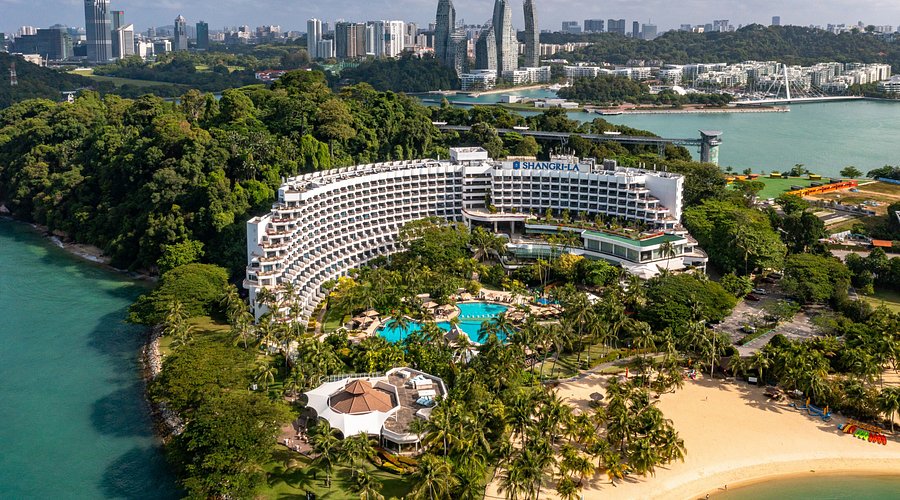
    Shangri-La Asia, a leading player in the Asian hospitality sector, has named Kuok Hui Kwong as its new chief executive officer, effective August 1. Kuok is the daughter of Robert Kuok, who stands as Malaysia’s wealthiest individual.

    Solid Leadership Experience

    At 47 years old, Kuok has been a pivotal figure within Shangri-La, having served as executive director since June 2016 and as chairperson since January 2017, as noted by Business Times. Holding a distinguished background, she boasts a degree in East Asian Studies from Harvard University and was previously managing director and CEO at SCMP Group, the publisher behind the South China Morning Post.

    Generous Compensation Package

    Her new role comes with considerable compensation: a monthly base salary of $73,377, along with potential discretionary bonuses and pension benefits, according to The Straits Times. Yet, it’s not just about the dollars; Kuok’s impressive business acumen has propelled her to 40th place on Fortune’s 2024 list of Asia’s most powerful women — a fitting title for someone stepping into the CEO role of one of Asia’s largest hotel chains.

    A Thriving Hotel Empire

    Shangri-La Asia’s recent 2024 annual report highlights the company’s robust portfolio, comprising 81 of the more than 100 hotels it operates across four prominent brands: Shangri-La, Kerry, Hotel Jen, and Traders. These properties hold a combined net asset value of $10.83 billion, reflecting not just a legacy of luxury, but also a definitive foothold in the competitive hotel landscape.

    Questions & Answers

    What experience does Kuok Hui Kwong bring to her new role as CEO?
    Kuok has been involved with Shangri-La Asia for several years as both an executive director and chairperson, and she previously held the position of managing director and CEO of SCMP Group, showcasing her extensive leadership experience.

    How is Kuok’s salary structured in her new position?
    Kuok’s compensation includes a monthly base salary of $73,377, complemented by discretionary bonuses and pension benefits, positioning her as one of the well-compensated leaders in the hospitality sector.

    What does Shangri-La Asia’s hotel portfolio look like?
    The company operates over 100 hotels under its four main brands, with a significant portion owned by the group, amounting to a robust net asset value of $10.83 billion, solidifying its strong market presence.

  • Lojel Opens Innovative Concept Store At K11 Musea; Unveils Exclusive Journey Patch Collection

    Lojel Opens Innovative Concept Store At K11 Musea; Unveils Exclusive Journey Patch Collection

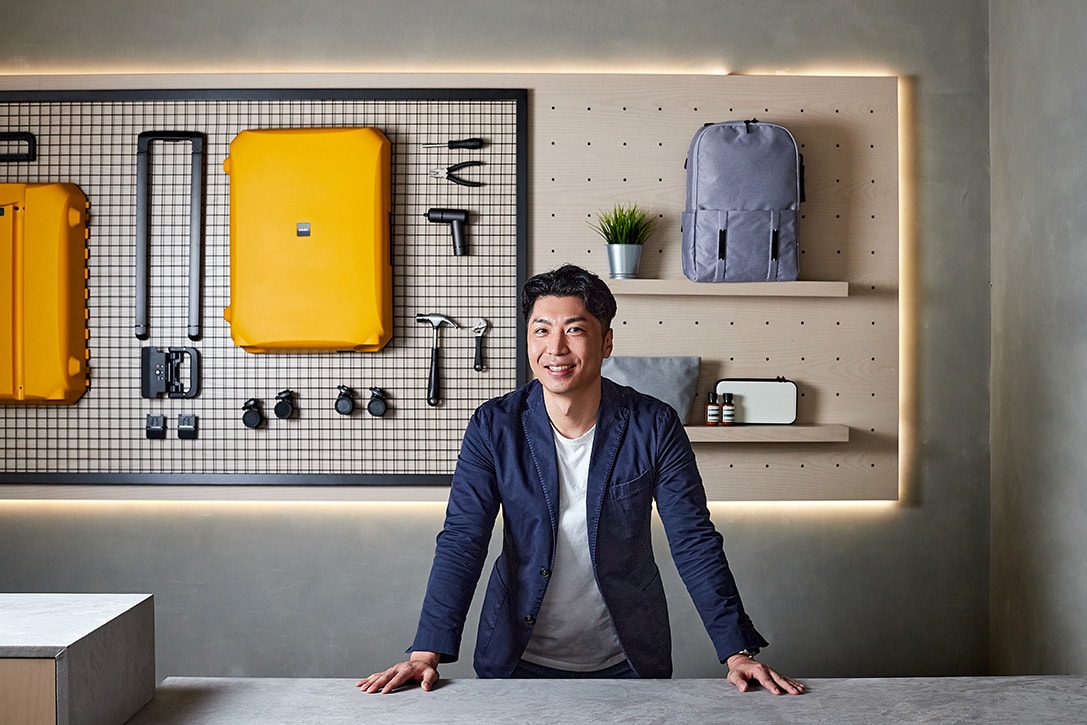
    Lojel, a Japanese luggage manufacturer, has recently opened the doors to its latest concept store at K11 Musea. This new venture marks the seventh store that Lojel operates in Hong Kong.

    Embracing Local Artistry

    The K11 Musea outlet is unique due to its partnership with acclaimed local artist Zoie Lam. Her artwork graces the central pillar of the store, vividly depicting the Tsim Sha Tsui district of Hong Kong. This display is a testament to the store’s architectural feature, the canvas, which serves as a visual interpretation of Lojel’s “art meets retail” narrative.

    Opening A New Chapter

    According to Tee Teng Li, General Manager of Lojel, the K11 Musea store represents a new beginning for the brand. “This store marks a new chapter for Lojel – a place where movement, creativity, and community come together,” he said. Li further explained that the concept store is a prototype for future outlets, intending to enhance the customer connection and provide a genuinely immersive experience.

    Journey Patch Collection

    The grand opening of the store came with the unveiling of the exclusive Journey Patch collection. This collection is the result of a collaboration with Danish artist Julie Solvstrom and is entirely made from post-consumer recycled polyester yarn. Lojel also joined forces with UNHCR, the UN refugee agency, and Made51 to initiate a handcrafted bracelet campaign.

    Lojel initially made its mark in Hong Kong last year, with the launch of its first flagship store.

    Questions & Answers

    What is unique about the new Lojel store at K11 Musea?
    The store is unique because it embraces local artistry. It houses artwork by local artist Zoie Lam, who has depicted the Tsim Sha Tsui district of Hong Kong on the store’s central pillar.

    What does the K11 Musea store represent for Lojel?
    According to Tee Teng Li, Lojel’s General Manager, the store signifies a new chapter for the brand. It represents a place where movement, creativity, and community converge.

    What was unveiled at the grand opening of the store?
    Lojel unveiled the exclusive Journey Patch collection at the grand opening. The collection, created in collaboration with Danish artist Julie Solvstrom, is entirely made from post-consumer recycled polyester yarn.

  • Makara Capital Sets Ambitious Goal to Mobilize $7B for Strategic Investments in Vietnam

    Makara Capital Sets Ambitious Goal to Mobilize $7B for Strategic Investments in Vietnam

    In a significant meeting held in Hanoi on Wednesday, Ali Ijaz Ahmad, chairman and CEO of Makara Capital Partners, expressed strong interest in expanding the firm’s footprint in Vietnam. Joined by other company executives, Ahmad highlighted the group’s substantial presence in Singapore in areas such as fund and asset management, financial structuring, and advisory services.

    Vietnam: A Promising Investment Landscape

    Demonstrating due diligence, the leaders outlined their comprehensive analysis of the Vietnamese market, underscoring their confidence in the country’s strategic development trajectory and long-term growth ambitions. Their enthusiasm mirrors Vietnam’s reputation as a burgeoning hub for investment in Southeast Asia.

    Strategic Projects in the Pipeline

    Makara Capital Partners is currently championing an investment initiative to establish a biopharmaceutical industrial park in the northern province of Hung Yen. Moreover, the company is engaging with Vietnamese authorities to explore collaborations in energy, infrastructure, and banking restructuring, as well as contributing to the development of a global financial center in the country.

    Such ambitious ventures could potentially mobilize between US$5 and $7 billion in investments, showcasing the firm’s commitment to driving economic growth in Vietnam.

    A Call to Action

    Prime Minister Pham Minh Chinh encouraged Makara Capital Partners to expedite its investment decisions and scale up operations within Vietnam’s priority sectors. He emphasized the philosophy of “working together, benefiting together, winning together, and sharing joy and happiness.”

    Reiterating the Vietnamese government’s commitment to facilitating successful investments, Chinh assured that the country will protect the legitimate rights and interests of investors, grounded in principles such as regulatory transparency, market alignment, and international standards.

    Aligning Interests for Sustainable Development

    Chinh warmly welcomed Makara Capital’s ambitions in biopharmaceuticals and finance, aligning them with Vietnam’s goals for rapid, green, and sustainable development. He provided insights into the nation’s socio-economic strategies and highlighted ongoing efforts in institutional reform, infrastructure expansion, and human resource enhancement.

    Vietnam is embarking on a transformative journey, restructuring its administrative framework and implementing key resolutions aimed at fostering swift and sustainable growth. The nation has set its sights on achieving a GDP growth of at least 8% this year, with aspirations for double-digit growth in the years to follow, all while aiming to transform into a high-income developed country by 2045. A tall order? Perhaps. But in Vietnam, the potential often exceeds the challenge.

    Questions & Answers

    What investment projects is Makara Capital Partners pursuing in Vietnam?
    Makara Capital is focused on developing a biopharmaceutical industrial park in Hung Yen, while also exploring opportunities in energy, infrastructure, and banking restructuring.

    What is the expected investment range from Makara Capital in Vietnam?
    The initiatives being discussed could mobilize between US$5 and $7 billion in total investments.

    What are Vietnam’s economic growth targets for the coming years?
    Vietnam aims for a GDP growth of at least 8% this year, with a vision for double-digit expansion in subsequent years, striving to become a high-income developed nation by 2045.

  • Vietravel Airlines Takes Flight: First Aircraft Acquisition Fuels Growth Following Tycoon Do Quang Hien’s Investment

    Vietravel Airlines Takes Flight: First Aircraft Acquisition Fuels Growth Following Tycoon Do Quang Hien’s Investment

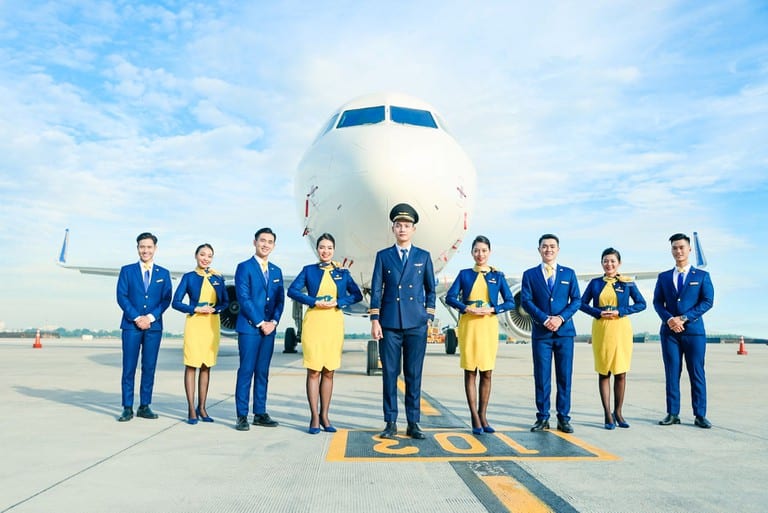
    In a significant leap forward, Vietravel Airlines welcomed its first Airbus A321, registered as VN-A129, at Noi Bai International Airport on Saturday afternoon. This delivery marks a pivotal moment for the fledgling carrier, which is poised to add two more Airbus A320 aircraft to its fleet next month.

    Originally operated by U.S.-based Spirit Airlines, the newly acquired A321 received its airworthiness certificate on July 10, 2015. Its arrival comes six months after T&T Group, a consortium of businesses, became Vietravel Airlines’ strategic shareholders, further signaling a robust commitment to the airline’s development.

    A Commitment to Growth

    Ho Minh Tan, deputy director-general of the Civil Aviation Authority of Vietnam, highlighted that this investment is a testament to the conglomerate’s commitment to fortifying the airline’s operational capabilities. With the addition of this aircraft, Vietravel Airlines can regain control over its operations, which faced setbacks when its fleet dwindled to just one plane.

    New Horizons Ahead

    The airline is setting its sights on expanding its flight offerings, enhancing connectivity between Hanoi and Ho Chi Minh City with additional routes to popular domestic destinations such as Da Nang, Phu Quoc, and Quy Nhon. They are also eyeing international locations to broaden their operational scope.

    A Declaration of Strength

    Do Vinh Quang, chairman of Vietravel Airlines and part of a notable family legacy in the industry, stressed that the new plane symbolizes not just progress in fleet modernity but also a declaration of the company’s financial robustness and capability. To bolster its strategic ambitions, the airline is in negotiations with major aircraft manufacturers and international airlines, paving the way for comprehensive partnerships in the aviation sector.

    Capital to Fuel Ambitions

    Established in 2020 with a starting capital of VND700 billion (approximately US$26.8 million), Vietravel Airlines took to the skies for the first time in January 2021, marking its place as the sixth airline in Vietnam and the third privately owned carrier. Recently, shareholders approved a plan to escalate the charter capital to VND2.6 trillion in the first half of 2026, aided by financial backing from SHB Bank. This capital infusion is expected to enhance both fleet and operational capabilities, ultimately securing financial stability.

    Looking ahead, Vietravel Airlines is keen to leverage resources from T&T Group and another major stakeholder, Vietravel Corporation, to expand into the air cargo sector. They are also collaborating with T&T Group to develop subsidiary services such as ground handling, warehousing, and technical support—essential components to constructing a well-rounded aviation ecosystem.

    A Vision for the Future

    The airline aspires to become a comprehensive hub that integrates transportation, tourism, and innovative digital experiences. Aiming to emerge as one of the leading airlines in the region by 2035, Vietravel Airlines is not just about flights; it’s about elevating the entire travel experience.

    Questions & Answers

    How significant is the acquisition of the A321 for Vietravel Airlines?
    Acquiring the A321 represents a crucial step for Vietravel Airlines, enhancing its operational capacity and signaling stronger financial health, especially after challenges led to a reduced fleet size.

    What are the airline’s expansion plans following this acquisition?
    Vietravel Airlines plans to increase its domestic flight routes between major cities and explore international destinations while also expanding into the air cargo sector to diversify operations.

    What financial strategies are in place to support Vietravel Airlines’ growth?
    The airline plans to raise its charter capital to VND2.6 trillion with support from SHB Bank, facilitating fleet expansion and ensuring liquidity. They are also set to leverage partnerships for resource and service development.

  • Manila Set to Unveil 2,680 New Hotel Rooms by 2025: Exciting Growth in Hospitality Awaits!

    Manila Set to Unveil 2,680 New Hotel Rooms by 2025: Exciting Growth in Hospitality Awaits!

    According to a recent report by Colliers, the Philippine hospitality sector is on the upswing, bolstered by significant infrastructure improvements and an influx of international visitors. In 2024, the country welcomed nearly 5.95 million tourists, a figure ensuring it’s still catching up to pre-pandemic expectations. Despite not hitting the ambitious tourist arrival targets, spending reached a record-breaking PHP 760 billion, making the Philippines a leader in Southeast Asia regarding per-visitor expenditures.

    Emerging Opportunities for Developers

    With an optimistic outlook for the future, Colliers advises developers to keep an eye on emerging destinations, particularly with the newly approved 99-year land lease law making strides through the legislative process. This development is poised to attract foreign brands and facilitate the creation of integrated leisure hubs, providing a fertile ground for investment.

    Foreign Brands Join Forces with Local Developers

    In a striking trend, foreign hotel brands are aggressively expanding by forming partnerships with local developers in both established and up-and-coming markets. Major players such as Dusit, Wyndham, Accor, Marriott, and The Ascott Group are leading the charge. The ongoing integration of land lease extensions and Real Estate Investment Trusts (REITs) is anticipated to further drive investment, especially in tourism-centric townships and convention facilities.

    Rising Occupancy Rates Amid Construction Delays

    Metro Manila has seen its hotel occupancy rates rise to 64% in the latter half of 2024, with Average Daily Rates (ADRs) climbing by 2.7% year-on-year. As we moved into the first quarter of 2025, demand for Meetings, Incentives, Conferences, and Exhibitions (MICE) facilities remained robust, particularly in the Makati Central Business District, Fort Bonifacio, and the Bay Area. Four- and five-star hotels particularly benefitted from this increased demand, reflecting the resurgence in business travel. Though room supply struggled due to construction delays, the market anticipates the addition of 2,680 new rooms in 2025, primarily located in Makati and the Bay Area. Interestingly, outside the capital, occupancy rates soared to between 70% and 80% in areas like Clark and Cebu.

    A Bright Outlook for the Future

    Colliers anticipates consistent occupancy levels and a modest ADR increase of 3% in 2025, driven by rising foreign arrivals and thriving MICE activity. Developers are encouraged to collaborate closely with airport infrastructure projects to pinpoint future growth corridors and capitalize on the evolving travel landscape.

    Questions & Answers

    How has tourist spending changed in the Philippines recently?
    In 2024, tourist spending in the Philippines hit a record PHP 760 billion, making the country a leader in Southeast Asia for per-visitor expenditure.

    What major trends are influencing hotel development in the Philippines?
    Foreign hotel brands are actively partnering with local developers in both established and emerging markets, with new land lease laws set to stimulate investment in integrated leisure hubs.

    What are the expected occupancy rates for Philippine hotels in 2025?
    Colliers is forecasting stable occupancy levels and a 3% increase in Average Daily Rates in 2025, fueled by increasing international arrivals and strong MICE demand.

  • Singapore Airlines CEO Goh Choon Phong’s Pay Falls to $5.5M Even Amid Strong Profit Surge

    Singapore Airlines CEO Goh Choon Phong’s Pay Falls to $5.5M Even Amid Strong Profit Surge

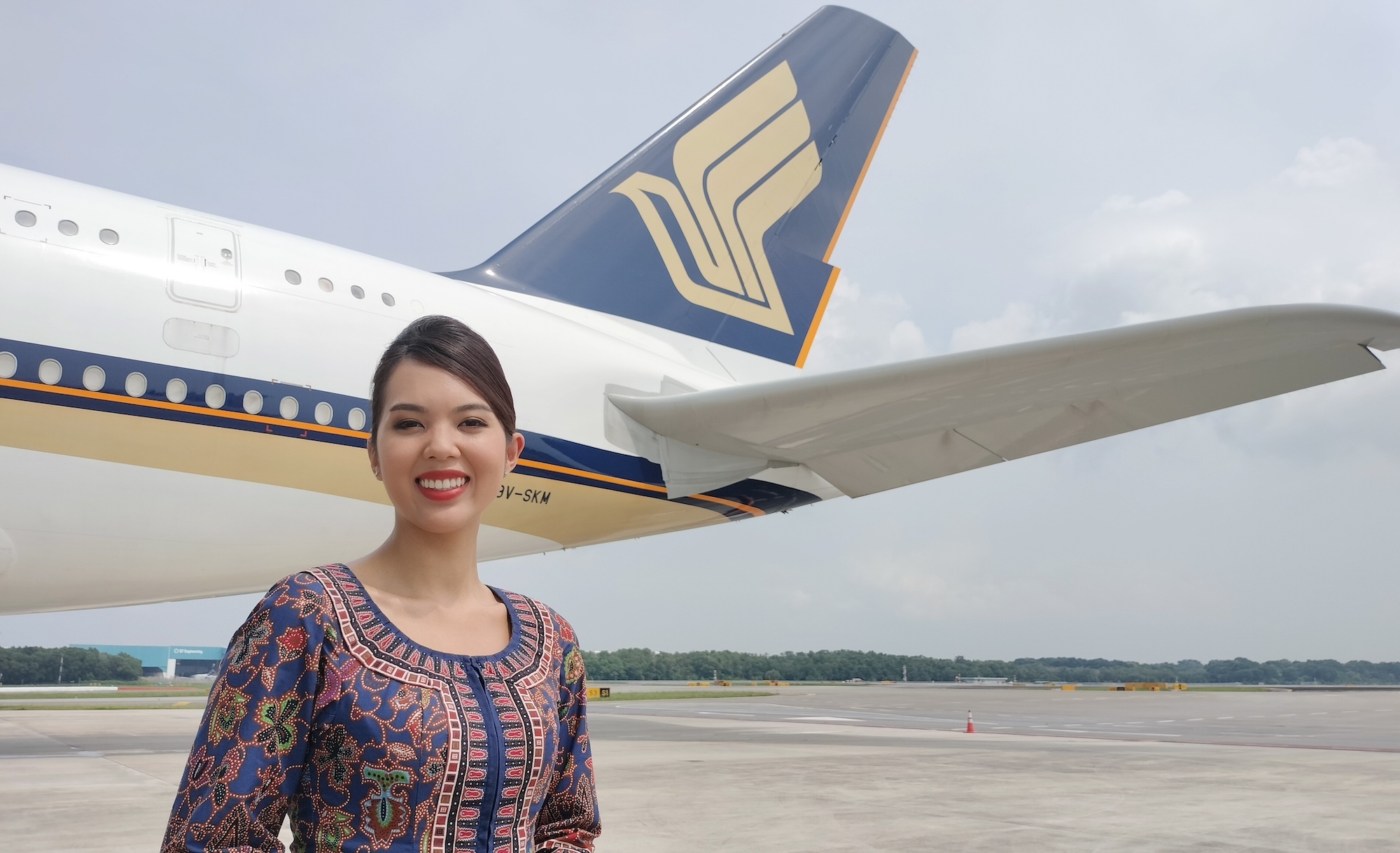
    Singapore Airlines has revealed that it paid CEO Goh Choon Phong SGD7 million (US$5.5 million) for the financial year ending March 31, marking a 13.5% decrease from the prior year, despite notable growth in both profit and passenger numbers.

    CEO’s Compensation Package Highlights Increases Amid Overall Pay Drop

    Goh’s latest compensation package comprises a SGD1.5 million salary and SGD3.1 million in bonuses, both of which saw an upward trend, as reported by The Business Times. However, the value of shares awarded to him took a significant hit, plummeting by 46% to SGD2.3 million.

    Sky High Performance Amid External Challenges

    Despite grappling with geopolitical tensions, supply chain disruptions, and inflationary pressures, Singapore Airlines has managed to soar above the challenges. Chairman Peter Seah expressed optimism in a letter to shareholders, celebrating the airline’s robust performance. The company posted a 3.9% rise in net profit to SGD2.8 billion while also welcoming a record 39.4 million passengers aboard its flights.

    Generosity in Profit-Sharing for Employees

    In a gesture of appreciation, Singapore Airlines has maintained a substantial profit-sharing bonus for its employees, offering eligible staff a share equivalent to 7.45 months’ salary. This is slightly less than the record-breaking 7.94 months’ profit-sharing bonus from the previous year, which was the highest in the airline’s history. It’s clear that while Goh might be tightening his belt, the company continues to reward its dedicated workforce generously — which, let’s be honest, is a refreshing change in these turbulent times.

    Questions & Answers

    What major factors contributed to Singapore Airlines’ resilience over the last year?
    Geopolitical tensions, supply chain issues, and inflation posed significant challenges, yet Singapore Airlines achieved a 3.9% increase in net profit and carried a record number of passengers.

    How does Goh Choon Phong’s current compensation compare to previous years?
    Goh’s total compensation is down 13.5% from the previous year, primarily due to a steep drop in the value of awarded shares, despite increases in his salary and bonuses.

    What profit-sharing bonus did Singapore Airlines offer its employees this year?
    The airline provided eligible staff with a profit-sharing bonus equivalent to 7.45 months of salary, just shy of the all-time high of 7.94 months from the previous year.

  • Vietravel Airlines Set to Double Charter Capital to $99 Million, Fueling Growth and Expansion Plans

    Vietravel Airlines Set to Double Charter Capital to $99 Million, Fueling Growth and Expansion Plans

    Vietravel Airlines is embarking on an ambitious journey to double its charter capital to VND2.6 trillion (approximately US$99 million) in the first half of next year, buoyed by what they describe as “financial support” from SHB Bank.

    Shareholders Back Bold Financial Move

    In a decisive move, shareholders greenlit the capital increase during last week’s annual general meeting, aimed at bolstering the airline’s financial foundation for an expanded fleet and network. However, details remain under wraps regarding whether SHB will assume the role of lender or investor.

    A Vision for Growth

    Chairman Do Vinh Quang expressed confidence in the airline’s growth trajectory, stating that the partnership with SHB will play a pivotal role in reaching their ambitious targets. He noted that the bank’s robust financial capabilities and experience would enhance Vietravel Airlines’ efforts to grow its fleet, invest in cutting-edge technology, and elevate service quality.

    Building an Integrated Aviation Ecosystem

    Vietravel Airlines envisions creating a synchronized aviation ecosystem that marries transportation, tourism, and digital innovation, all underpinned by the support of its parent company, T&T Group, and the associated Vietravel Group. The airline, which launched operations in January 2021, emerged as Vietnam’s sixth carrier and third privately-owned airline with an initial capital of VND700 billion. T&T Group, a diversified conglomerate active in finance, real estate, and construction, currently holds a commanding 75% stake in the airline.

    With grand aspirations and a solid backing, the sky is truly the limit for Vietravel Airlines—who knows, they might even start a trend where airplanes serve gourmet meals from the region they’re flying over!

    Questions & Answers

    What is Vietravel Airlines’ new charter capital amount?
    The airline plans to double its charter capital to VND2.6 trillion (approximately US$99 million) in the first half of next year.

    When did Vietravel Airlines commence operations?
    The airline began flying in January 2021, establishing itself as Vietnam’s sixth carrier.

    What is the main goal of the capital increase?
    The aim is to strengthen financial capacity to expand the airline’s fleet and network while enhancing service quality through partnerships.

  • Marine tourism sector expected to contribute US$4 billion

    Marine tourism sector expected to contribute US$4 billion

    The marine tourism sector is expected to contribute US$4 billion in 2019, or a four-fold increase from the present contribution, according to Tourism Minister Arief Yahya.

    “We hope that the foreign exchange earnings from marine tourism will increase in 2019 from $1 billion this time,” Yahya remarked, during the signing ceremony of cooperation between the Ministry of Maritime Affairs and Fisheries and the Ministry of Tourism in the field of marine tourism here, on Tuesday.

    The minister admitted that the contribution of marine tourism to the foreign exchange at present was still lower than that of the tourism sector as a whole.

    He said that the marine tourism currently contributes to only about 10 percent of the overall foreign exchange of national tourism that reaches $10 billion per year. Thus, the contribution of marine tourism is only about $1 billion.

    The minister compared this to Malaysia, where marine tourism contributes to about 40 per cent of the total foreign tourists.

    Malaysia itself is expected to rake in tourism foreign exchange of about $25 billion per year.

    Yahya argued that the factors that lead to minimal contribution of marine tourism in Indonesia, among others, were regulatory factors, human resources, and the approach on being more concerned about security than services.

  • Vietnamese Airlines Avoid Israeli and Iranian Airspace, Ensuring Safe Skies for Travelers

    Vietnamese Airlines Avoid Israeli and Iranian Airspace, Ensuring Safe Skies for Travelers

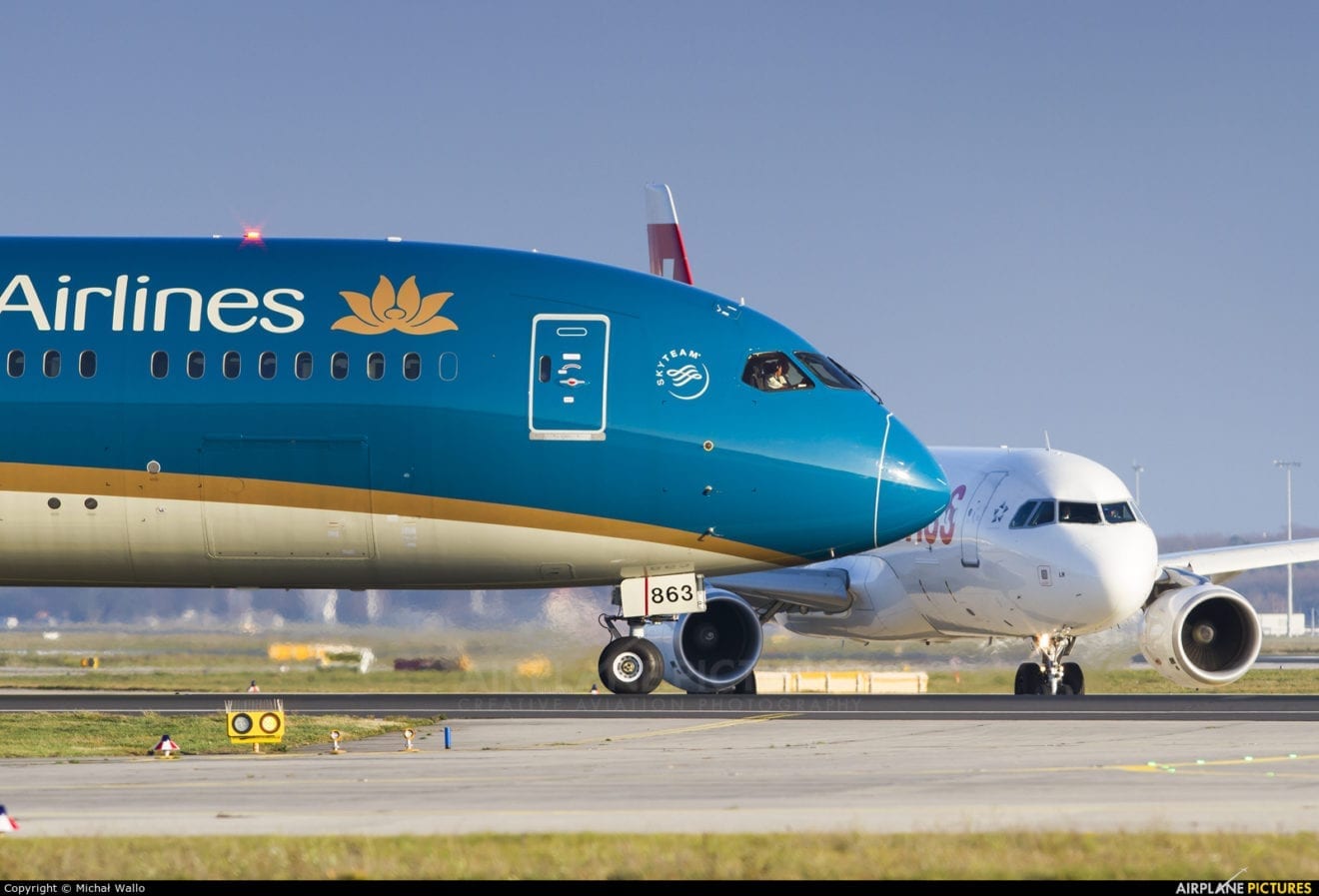
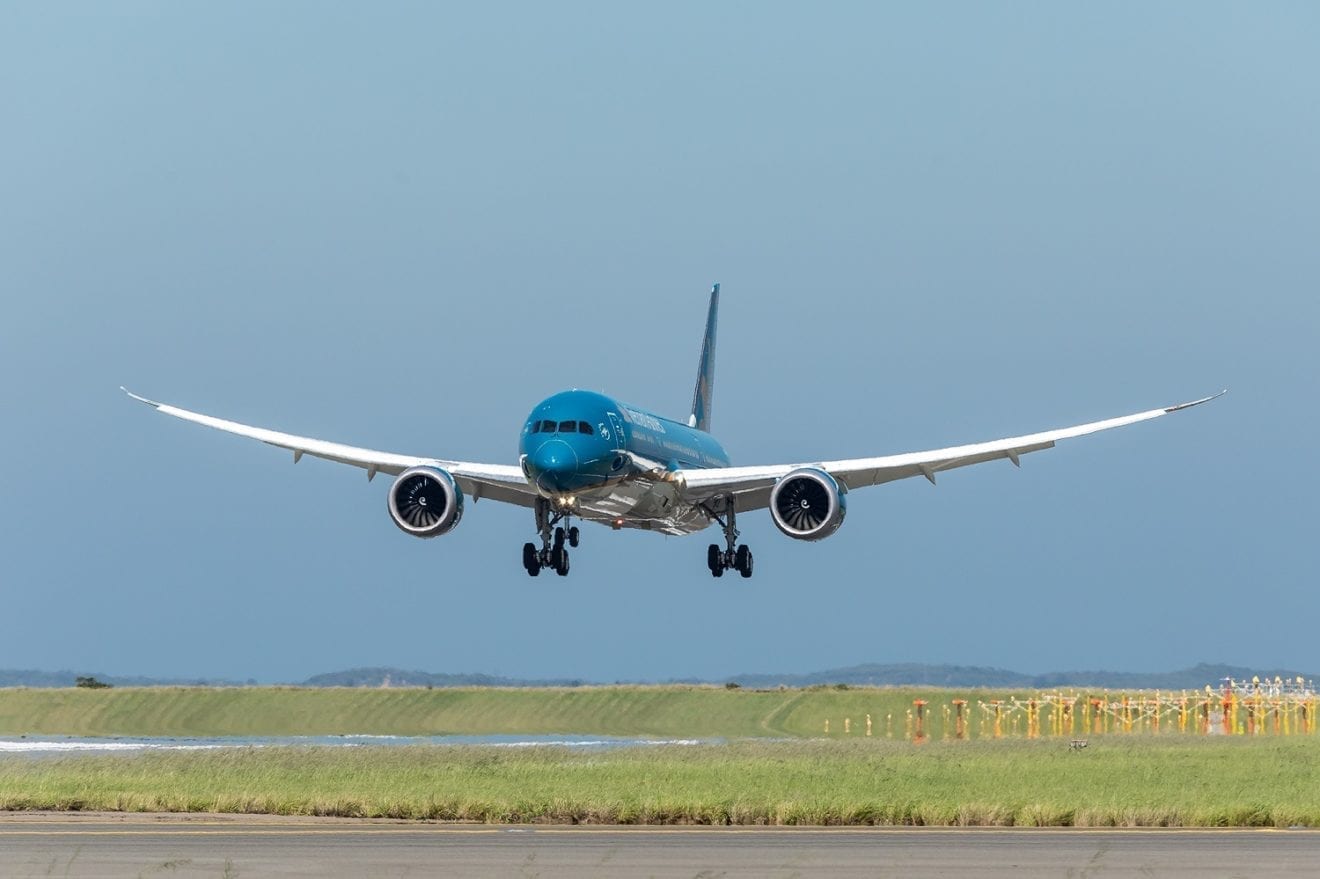
    National flag carrier Vietnam Airlines has taken decisive action to ensure the safety of its passengers and crew amidst escalating tensions between Israel and Iran. The airline has adjusted its routes to avoid potential conflict zones, a move that reflects the growing impact of these geopolitical strife on the global aviation landscape.

    Safe Skies for Travelers

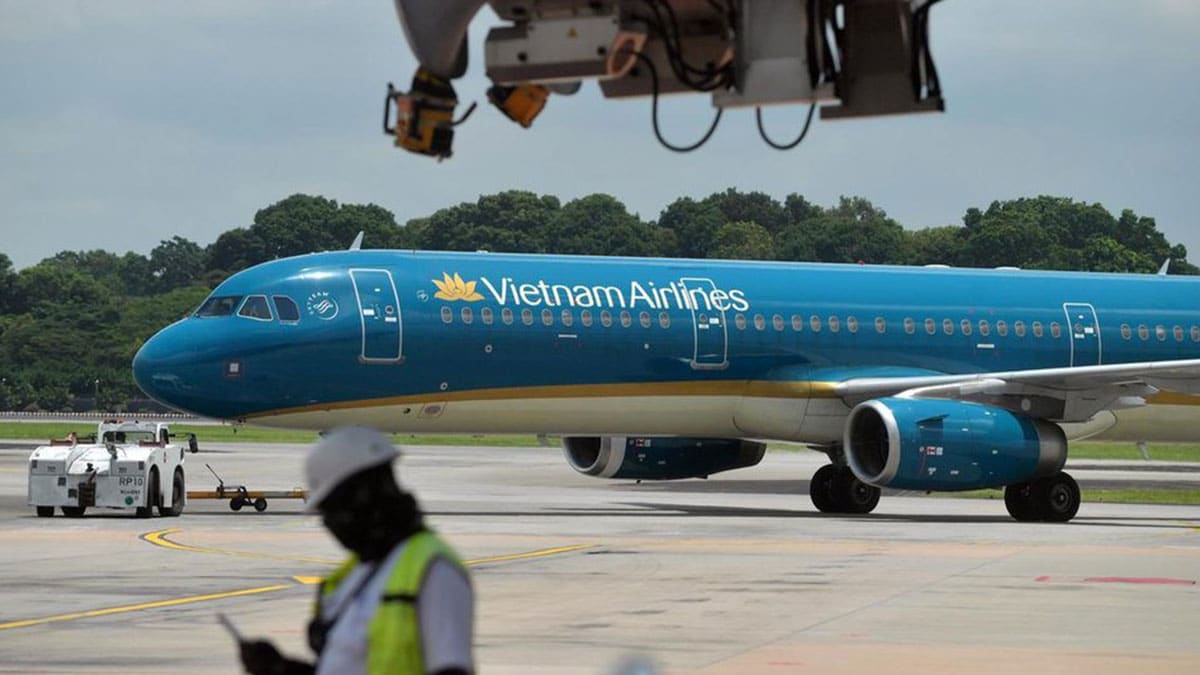
    Currently, Vietnam Airlines continues to operate its flights to Europe without interruption, a reassurance shared by a representative in a statement to the Vietnam News Agency on Friday. Other Vietnamese airlines, including Vietjet Air, Bamboo Airways, and Vietravel Airlines, have also chosen to steer clear of Israeli and Iranian airspace, underscoring a collective commitment to passenger safety.

    The ripples of political tensions have not gone unnoticed in the aviation sector, as recent Israeli airstrikes on Iranian targets have prompted numerous flight cancellations and diversions worldwide. Flight tracking service Flightradar24 highlighted a significant re-routing trend among airlines seeking to sidestep the airspace over Israel, Iran, Iraq, and Jordan, demonstrating how rapid shifts in global events can lead to immediate logistical challenges for carriers.

    In a decisive move, Iraqi state media announced the closure of its airspace and halted all airport operations early on June 13. The eastern region of Iraq, which borders Iran, is a critical aviation corridor connecting Europe, the Gulf, and Asia—making the closure particularly impactful. Within hours, Jordan also locked down its airspace as tensions escalated in the region.

    Navigating these tumultuous skies is no easy task, but the quick responses from airlines illustrate an adaptive industry keen on keeping travelers safe. It’s a reminder that sometimes, the clouds of uncertainty can only be tackled with swift and careful planning.

    Questions & Answers

    What measures has Vietnam Airlines taken in response to regional tensions?
    Vietnam Airlines has rerouted its flights to avoid conflict zones, ensuring the safety of passengers and crew members.

    Are other Vietnamese airlines affected by these issues?
    Yes, Vietjet Air, Bamboo Airways, and Vietravel Airlines have also opted not to operate flights through Israeli or Iranian airspace.

    What recent events led to these changes in air travel?
    The changes followed Israeli airstrikes on targets in Iran, which triggered widespread flight cancellations and diversions as airlines sought to protect their passengers.

  • Sun PhuQuoc Airways Set to Soar with New Air Transport License Approval!

    Sun PhuQuoc Airways Set to Soar with New Air Transport License Approval!

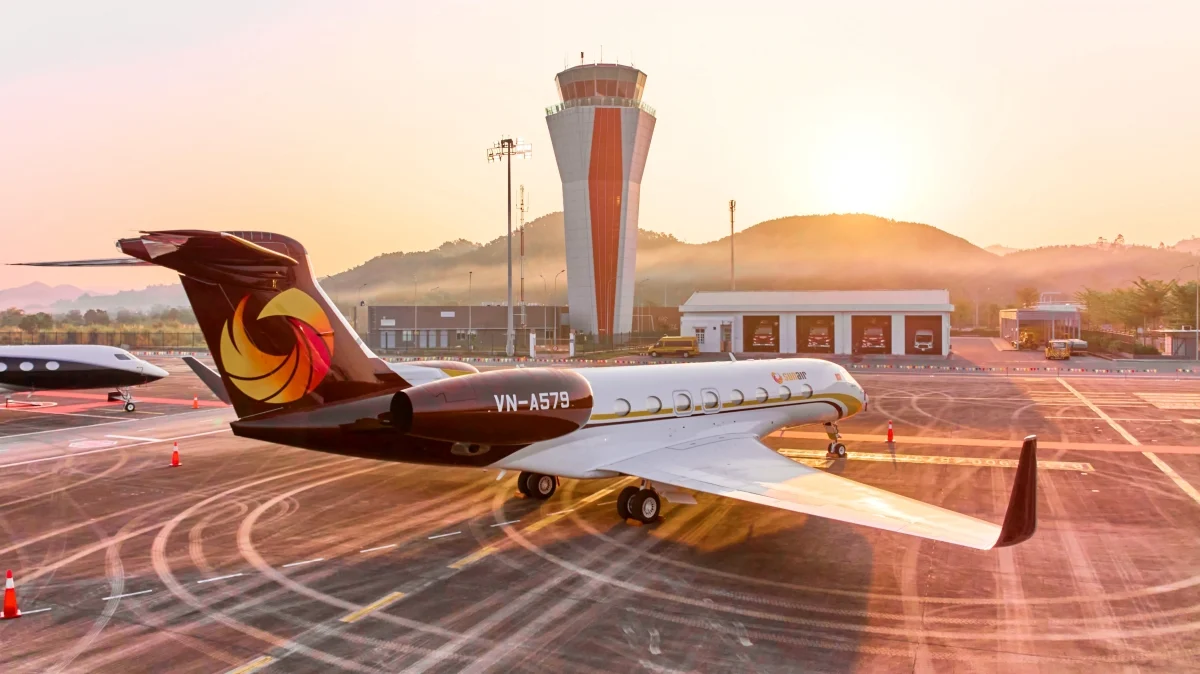
    Deputy Prime Minister Tran Hong Ha has given the green light for the Ministry of Construction to grant an air transport business license to Sun PhuQuoc Airways Co. Ltd., a significant step forward announced on June 11. This move signals a boost for aviation in Vietnam and adds a new player to the growing airline market.

    The Deputy PM reinforced the importance of safety and efficiency, directing the ministry to ensure that all licensing processes adhere to the required standards. This careful oversight aims to uphold the standards of civil aviation operations as the industry undergoes exciting expansions.

    Earlier this year, Prime Minister Pham Minh Chinh had already signaled his in-principle approval for Sun PhuQuoc Airways, a venture of the well-known Sun Group. As per a decision signed on May 20, the ambitious project involves an investment of VND2.5 trillion (approximately USD 98.81 million) with plans to establish a modern fleet of 31 aircraft by 2030.

    Designed to cater primarily to commercial passenger transport, Sun PhuQuoc Airways is also set to provide charter flights for tourists visiting vibrant destinations across Vietnam and beyond. The airline’s vision is to be a direct link to the picturesque Phu Quoc Island, enhancing accessibility and convenience for both domestic and international travelers. And who wouldn’t want a fresh breeze from paradise, right?

    With this new venture on the horizon, the aviation landscape in Vietnam is heating up, highlighting the country’s growing importance as a tourism and business hub.

    Questions & Answers

    **What is Sun PhuQuoc Airways focused on?**
    Sun PhuQuoc Airways primarily aims to provide commercial passenger transport while also offering charter flight services to popular tourism and business destinations.

    How many aircraft does Sun PhuQuoc Airways plan to have by 2030?
    The airline is planning to establish a fleet of 31 aircraft by the year 2030.

    What is the significance of this new airline for travelers?
    The introduction of Sun PhuQuoc Airways is expected to make travel to Phu Quoc Island more accessible, catering to both Vietnamese citizens and international tourists.

  • Summer Train Travel Soars in Popularity, Weekend Tickets Selling Out Fast

    Summer Train Travel Soars in Popularity, Weekend Tickets Selling Out Fast

    Trains between Hanoi and popular central and southern tourist destinations are in demand, with sleeper berths sold out on weekends, thanks to improved pricing policies and services.

    When Thu Minh from Hanoi attempted to purchase train tickets for her family’s weekend getaway to Da Nang City, she was met with a surprising twist—many trains were completely booked. Out of the nine trains scheduled for the trip, the SE17 train had just two sleeper berths remaining, while SE11 had three available.

    Routes to Nghe An and Quang Binh Province demonstrated similar trends, with sleeper berths becoming increasingly scarce. “I didn’t expect train tickets in June to be this hard to get,” Minh lamented, adding, “My family might have to postpone our trip to next month.”

    The Vietnam Railways Corporation’s ticketing website highlights the limited availability of sleeper berths on weekends throughout June, specifically on routes connecting Hanoi with central and southern provinces. A representative from the Railway Transport Joint Stock Company revealed that over 620,000 tickets have been sold this summer, with a projected passenger increase of 8-10% compared to the previous year by the end of the vacation period.

    Analysts attribute this surge in popularity to several factors: competitive ticket prices for families, free travel for children under six, and an array of conveniences available for those traveling with young kids. Groups can also enjoy discounts of 3-15%.

    Furthermore, the quality of services and amenities has improved significantly in recent years. Many train routes offer breathtaking views, making train journeys to central Vietnam especially sought after. Notably, even premium trains running between Hanoi and Da Nang frequently sell out, with sleeper berth fares reaching VND1.3 million (around US$50) each.

    To accommodate the summer rush, the railroad service is expanding. New trains have been introduced along the Hanoi–Hai Phong City route, and the already popular line between Ninh Thuan Province and Da Lat has added three more trains, bringing the total to six. Daily departures are now also available between Hanoi and Beijing, enhancing connectivity with the Chinese capital.

    Questions & Answers

    What is causing the high demand for train tickets this summer? Many factors contribute to this surge, including competitive pricing for families, free travel for children under six, and improved service quality.

    How much can passengers expect to pay for a sleeper berth on popular routes? Sleeper berths can reach fares of VND1.3 million (approximately US$50) on high-quality trains, yet they still sell out quickly.

    What new routes have been added to accommodate travelers? The railroad service has expanded this summer with additional trains on the Hanoi–Hai Phong route and new options connecting Ninh Thuan Province to Da Lat, plus daily services to Beijing.

    So, if you’re planning a train trip, make sure to book early—unless you fancy practicing your charm at the ticket counter!

  • Trip.com Sets Sights on Expanding Its Horizons in Vibrant Vietnam Travel Market

    Trip.com Sets Sights on Expanding Its Horizons in Vibrant Vietnam Travel Market

    In a bold push toward expansion, Trip.com Group has set its sights on Vietnam, Indonesia, and the Philippines, said Boon Sian Chai, managing director and vice president of international markets, during a recent event. This ambitious growth phase emphasizes enhancing services and ramping up their workforce in Vietnam.

    New Offices in Vietnam

    “We’ve opened an office in Hanoi in the past year and are looking into establishing another one in Da Nang, if feasible,” Chai revealed. Trip.com has been steadily enhancing its offerings in Vietnam, which include hotel bookings, flight tickets, and tours, since before the pandemic.

    Impressive Market Position

    With a market cap surpassing US$43 billion, Trip.com ranks third after Booking Holdings and Airbnb. The company’s presence in Vietnam has notably intensified in 2024 through strategic investments and partnerships, including a recent $10 million stake in M Village, a hotel chain founded by former Coffee House CEO Nguyen Hai Ninh. “This is currently the most efficient hotel chain on our platform,” Chai noted.

    Strategic Partnerships and Growth Opportunities

    In addition to its investment in M Village, the company forged alliances with Vietjet and established a strategic partnership with Vinpearl. During a meeting with Vietnamese Prime Minister Pham Minh Chinh at the World Economic Forum in Davos, Switzerland, Trip.com CEO Jane Sun expressed a keen interest in exploring more investment opportunities within Vietnam’s thriving tourism landscape.

    The Booming Tourism Sector

    The motivation behind this focus lies in the flourishing tourism sector. In the first four months of 2025, Vietnam welcomed 7.67 million foreign visitors, marking a 23.8% increase compared to the same period last year, according to the General Statistics Office. Notably, China topped the list of source markets with 1.95 million visitors, accounting for 25.4% of total arrivals.

    “Demand for travel to Vietnam has surged by nearly triple digits in our observation,” Chai asserted, adding that key markets contributing to this growth include South Korea, Russia, Taiwan, and China. Customers have expressed high satisfaction with the services available in Vietnam.

    Future Projections

    As per Google, Temasek, and Bain & Company, Vietnam’s online travel market is experiencing double-digit growth, expected to rise from US$4 billion in 2023 to US$5 billion in 2024. Indian market researcher Mordor Intelligence highlights Vietnam’s position among the top five in the Asia-Pacific travel market, with potential to reach an estimated US$10 billion by the end of the decade. Yet, Chai cautioned that Vietnam poses unique challenges, particularly concerning language and payment systems.

    “Nonetheless, we are committed to investing in this market to foster growth, attract international tourists to Vietnam, bolster domestic tourism, and facilitate outbound travel,” he concluded. With a footprint in 39 markets, Trip.com reported revenues of CNY53.29 billion (US$7.5 billion) in 2024, showcasing a robust 19.7% increase from the previous year.

    As travelers dig through Vietnam’s rich culture and stunning landscapes, Trip.com is poised to make quite an impression—will they start offering guided tours by elephants next?

    Questions & Answers

    What is Trip.com Group’s growth strategy in Vietnam?
    Trip.com aims to expand its services and workforce in Vietnam, including the establishment of new offices in major cities.

    How significant is Trip.com’s market position?
    With a market cap of over US$43 billion, Trip.com is the third-largest player in the online travel market, following Booking Holdings and Airbnb.

    What challenges does Trip.com face in Vietnam?
    The company faces unique challenges, particularly related to language barriers and payment methods, but remains committed to investing in the Vietnamese market.

  • Vietnam Airlines Gains Approval for 50 New Narrow-Body Aircraft Purchases

    Vietnam Airlines Gains Approval for 50 New Narrow-Body Aircraft Purchases

    Vietnam Airlines Secures Approval for Acquisition of 50 Narrow-Body Aircraft

    Government Greenlights Fleet Expansion Plan

    Vietnam Airlines has received in-principle approval from the government to purchase 50 narrow-body aircraft, marking a significant step in its fleet modernization strategy. Notably, this deal will not require a state guarantee, allowing the airline to streamline its acquisition process.

    Addressing Growing Travel Demand

    The government’s approval, conveyed through an official dispatch from Deputy Prime Minister Ho Duc Phoc, aims to meet surging consumer demand for air travel and to replace aging aircraft in the current fleet. Vietnam Airlines plans to acquire 50 new Airbus A320 NEO and Boeing 737 MAX jets, along with 10 spare engines, for an estimated total of approximately $3.7 billion—an investment that is 1.6 times the airline’s current asset value based on its 2024 financial data.

    Modernizing the Fleet

    This acquisition is part of Vietnam Airlines’ broader strategy to phase out older A321 CEO planes. The new aircraft will enhance the efficiency and reliability of the fleet, aligning with increasing passenger expectations and operational standards. Earlier in September 2023, the airline also announced a deal for an additional 50 Boeing 737 MAX aircraft, with deliveries expected between 2027 and 2030.

    Strategic Financial Partnerships

    To support this growth initiative, Vietnam Airlines signed a memorandum of understanding with Citibank earlier this month for $560 million in funding focused on strategic projects, including the aircraft purchase. Furthermore, the airline has partnered with Vietcombank to secure additional financial resources for the acquisition.

    Future-Proofing Operations

    Looking ahead, Vietnam Airlines forecasts the need for a fleet of 52 wide-body and 112 narrow-body aircraft by 2035. Currently, the airline operates approximately 100 aircraft, including over 30 wide-body jets, showcasing its commitment to expanding its capacity to meet the demands of the growing travel market.

    In its 2024 financial report, Vietnam Airlines reported impressive figures, including over VND 113.7 trillion (approximately $4.37 billion) in revenue, transporting 22.7 million passengers and 314,700 tons of cargo, with an average aircraft utilization of 11 hours per day—reflecting a 25% increase from the previous year.

    Conclusion

    Vietnam Airlines’ strategic acquisition of narrow-body aircraft is poised to enhance its operational capabilities and address the evolving travel landscape in Vietnam. As the airline expands its presence and modernizes its fleet, the implications for the retail sector may be significant, driving increased consumer activity and enhancing travel options for millions. This move signifies not only a response to market demands but also a commitment to sustained growth in the competitive aviation industry.

  • Vietnam to welcome nearly 800,000 international visitors for reunification holiday

    Vietnam to welcome nearly 800,000 international visitors for reunification holiday

    Vietnam is preparing for a surge in air traffic during its five-day reunification holiday, with 792,000 international visitors expected, according to the Civil Aviation Authority of Vietnam.

    From April 30 to May 4, Vietnamese airports are forecast to handle around 5,000 international flights, averaging 830 flights a day, a 20% increase compared to the same period last year. The busiest international hubs will be Tan Son Nhat in Ho Chi Minh City, followed by Noi Bai in Hanoi, Da Nang, Cam Ranh and Phu Quoc.

    Domestically, the southern metropolis of HCMC remains the country’s top traffic hub. Tan Son Nhat Airport alone will account for 70% of all domestic flights, with more than 5,000 flights scheduled over the holiday period. The popular Hanoi–Ho Chi Minh City route is also booming, with over 1,200 flights planned, up 16% from 2024.

    Vietnamese airlines will operate over 7,500 domestic flights, offering around 1.5 million seats, representing a 21% jump from the same period last year. Tan Son Nhat Airport is ramping up operations to handle the influx, increasing flight frequency to 46 flights per hour between 6 a.m. and 11 p.m., compared to the usual 40–42.

    Airlines like Vietnam Airlines and Vietjet Air are also expanding their schedules, boosting night flights by approximately 20% to meet heightened demand. Although Tan Son Nhat’s new domestical terminal T3 has been completed ahead of schedule, most domestic operations for Vietnam Airlines and Vietjet will continue at the existing T1 terminal for now.

    Hanoi’s Noi Bai Airport is preparing for around 370 domestic flights on its peak day, serving roughly 68,000 passengers. The airport has also introduced biometric identification technology via mobile app VNeID to streamline domestic flight procedures.