Tag: Holiday

  • Air New Zealand’s ‘Mission Next Gen Aircraft’ calls for airports

    Air New Zealand’s ‘Mission Next Gen Aircraft’ calls for airports

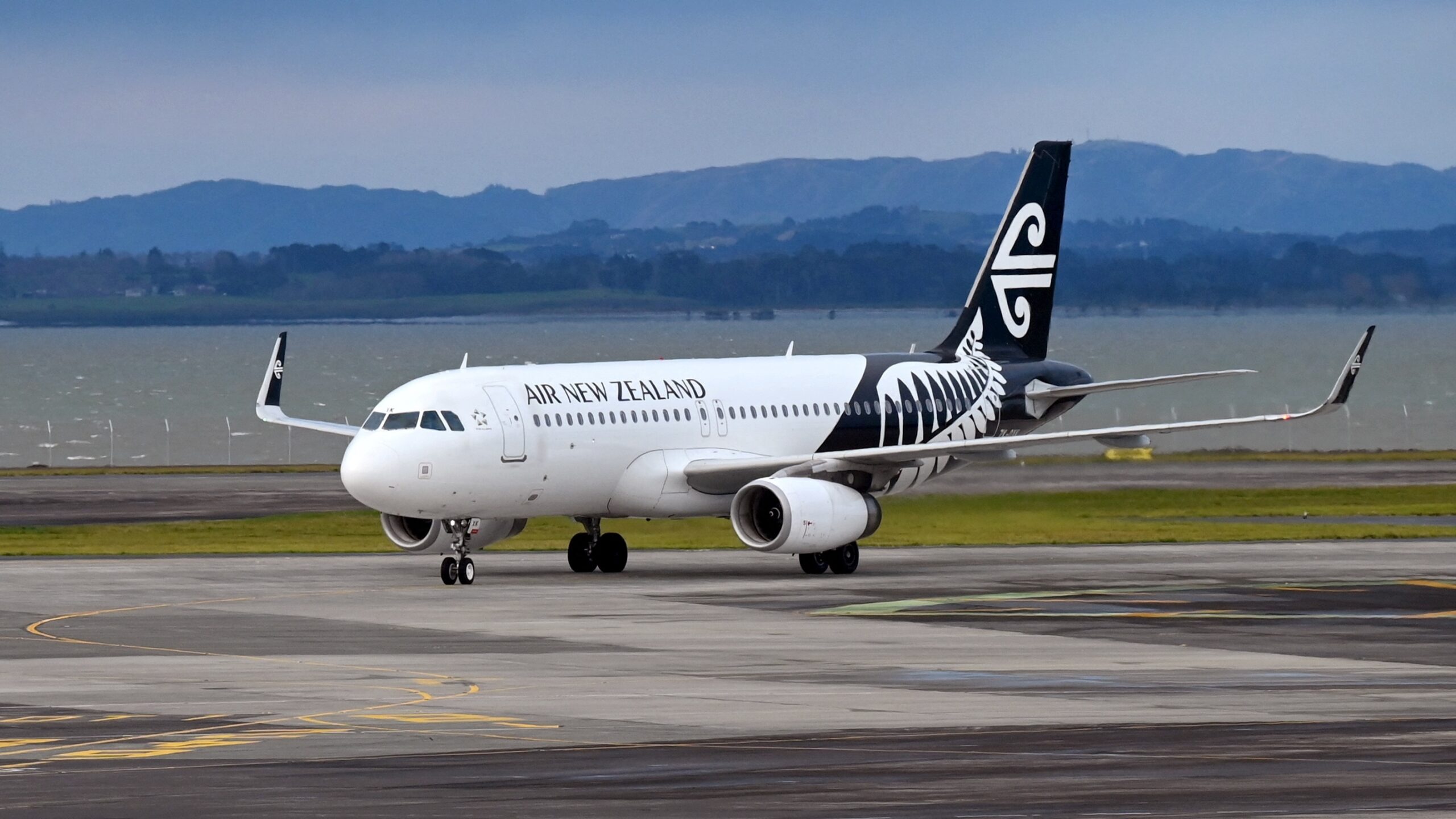
    Air New Zealand is looking for two airports to further support its efforts towards decarbonization and has opened an expression of interest as part of selecting a route to fly its commercial demonstrator aircraft from 2026. 

    The move is part of the airline’s ‘Mission Next Gen Aircraft’ launched in December last year, where the carrier announced partnerships with Eviation, Beta, VoltAero and Cranfield Aerospace with plans to launch the first-zero emissions demonstrator flight by 2026. 

    Air New Zealand is working towards its ambition of flying next-generation aircraft on its domestic network from 2030. The airline will work with its partners to develop the technology and associated infrastructure required to make this a reality. The commercial demonstrator aircraft will be either electric, hybrid or hydrogen fuel celled, initially operating as a cargo-only service. The airline said it will announce the type of demonstrator aircraft it will use from 2026 by early next year. 

    “Decarbonising aviation is not easy, and we’ve got a lot of work ahead of us, but we’re committed to reducing our emissions as quickly as we can, and this process is another step in the right direction,” said Kiri Hannifin, Air New Zealand’s chief sustainability officer. 

    “While we’re looking forward to bringing two frontrunner airports on board, it’s also important to note that all airports in New Zealand play an important role as we work towards bringing next-generation aircraft into our network here in Aotearoa at scale.  

    “The selected airports will be leaders in supporting the implementation of this new technology and will be the conduit of information between airports across the motu as we drive the change required in advance of our larger fleet replacement needs from 2030.” 
  • AirAsia Doubles Passengers In 2Q And Powers Capital A Growth

    AirAsia Doubles Passengers In 2Q And Powers Capital A Growth

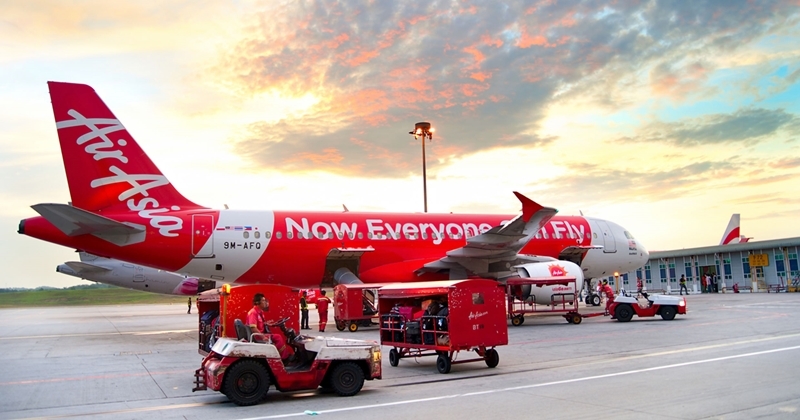
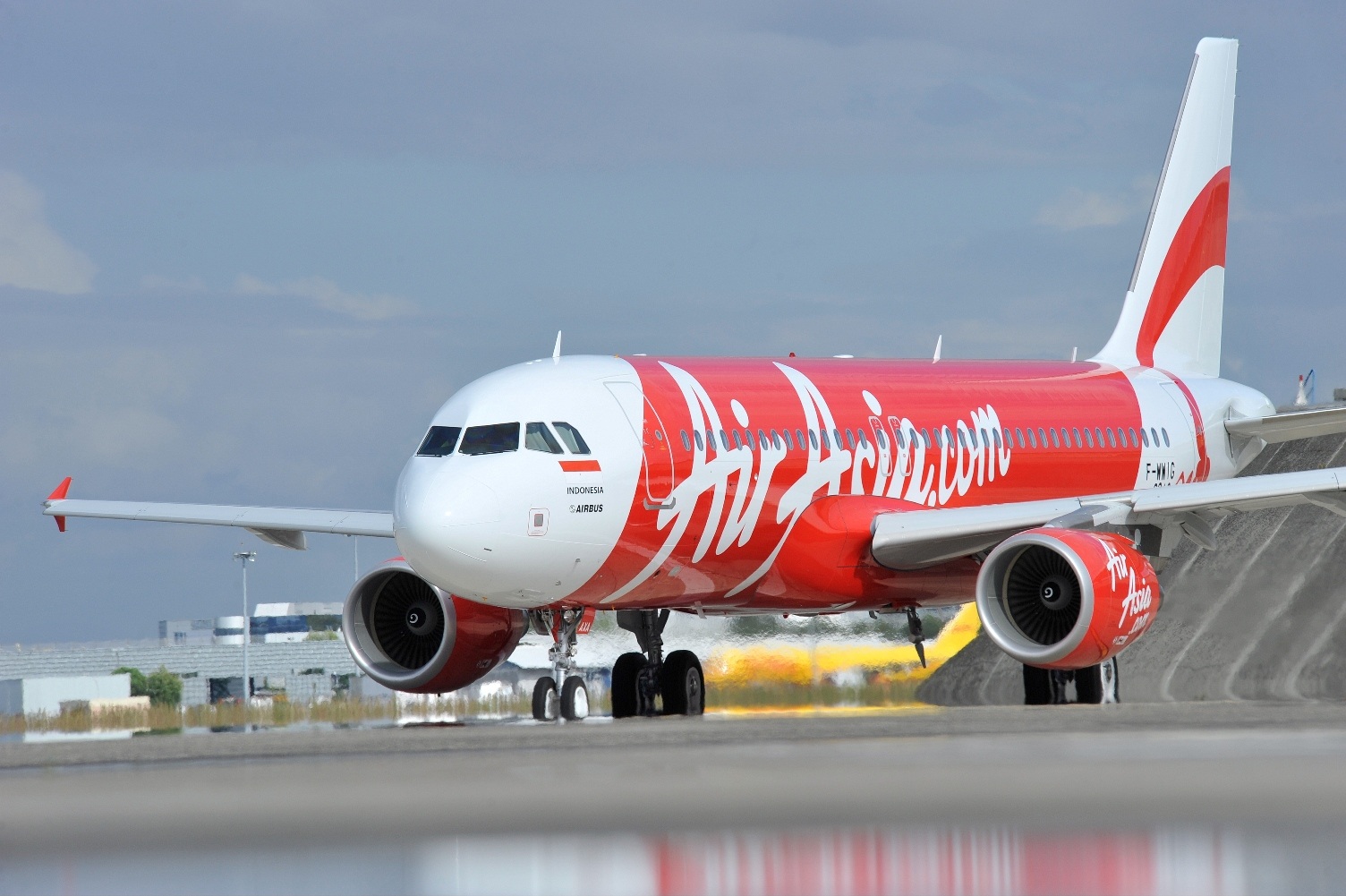
    Today Malaysia’s Capital A Berhad (Capital A) announced its operating statistics for the second quarter of its financial year 2023. The announcement details the performance of Capital A’s aviation, digital, logistics and aviation services segments from April 1st to June 30th, 2023 (2Q2023).

    With the operating segments so closely interconnected, a strong performance in Aviation drives equally strong performances throughout the Capital A group. That was certainly the case in 2Q when the four consolidated airlines virtually doubled the passengers carried in the same quarter last year.

    AirAsia Malaysia, AirAsia Thailand, AirAsia Indonesia and AirAsia Philippines carried 14.2 million passengers in 2Q, compared to 7.2 million in 2Q 2022. Across the aviation group, 16.2 million seats were available, and this capacity management resulted in a load factor of 88%, up from 82% last year.

    The consolidated AirAsia airlines operated 146 of their 166 activated aircraft and have now recovered to 73% of capacity and 74% of passengers carried compared to the pre-pandemic first half of 2019. The group operated 88,900 flight stages with an average length of 1,165 kilometers (724 miles) and, at the end of the quarter, was operating 146 aircraft from its total fleet of 210 aircraft.

    In terms of individual airlines and their share of group passenger traffic, AirAsia Malaysia (MAA) led the way with 6.45 million at a load factor of 87%, followed by AirAsia Thailand (TAA) with 4.64 million at 89%, AirAsia Philippines (PAA) with 1.63 million at 91% and AirAsia Indonesia (IAA) with 1.52 million at 84%.

    MAA used 66 aircraft to fly 40,385 stages, TAA used 44 to fly 28,475, PAA used 15 to fly 9,921, and IAA used 21 to fly 10,119. IAA had the longest average stage length of 1,433 kilometers (890 miles), followed by MAA, TAA and PAA with 908 kilometers (564 miles).

    Summarising the quarter, Capital A said the domestic performance was incredibly strong and the international market remained buoyant with favorable load factors. It added that more aircraft have now been allocated to international routes in response to the strong resurgence in demand.

    Capital A has three businesses in its Aviation services segment: Asia Digital Engineering (ADE), Santan and Ground Team Red (GTR), which each supply services to the operating airlines and external customers. ADE is the maintenance, repair and overhaul provider in the region.

    In 2Q, it completed 22 base maintenance checks, up from 12 in the same period last year, which was made possible by adding two additional maintenance lines in Senai, Malaysia. Its line maintenance activities grew by 179% year-on-year, with 98% performed on narrowbody aircraft and just 2% on widebodies.

    Santan is the group’s inflight service provider, selling 4.8 million units in 2Q, up 189% YoY. Among those, 98% were perishable and non-perishable food and beverage items, with the balance from sales of duty-free and merchandise products. Capital A said the surge in demand was directly attributable to the increase in flight frequencies and the higher number of passengers carried by the group’s airlines.

    GTR is the group’s affiliated ground handling services company, and in 2Q, it managed 37,000 flights, of which 94% were AirAsia branded, and handled 5.7 million passengers. GTR also managed 16,787 tonnes of cargo, up 39% YoY due to the increased belly hold capacity as more flights operated on domestic and international routes.

  • AirAsia Philippines drops mask rule

    AirAsia Philippines drops mask rule

    AirAsia Philippines has ended wearing face masks on all domestic flights following the government’s decision to lift the state of public health emergency under Presidential Proclamation 297, filed by the Department of Transportation.

    Meanwhile, wearing face masks for flights to international destinations remain subject to the existing health protocols in the destination country. AirAsia destinations Malaysia, Thailand, Japan, South Korea, and Taiwan lifted the face mask requirement as early as Q1 2023.

    AirAsia Philippines country head for communications and public affairs and spokesperson Steve Dailisan said deep cleaning and aircraft sanitation will continue after each flight.

    “We want our guests to feel secure when they fly with AirAsia. Although it is no longer a policy, guests and crew may wear face masks whenever necessary. However, we also want to reiterate that our aircraft are equipped with High-Efficiency Particulate Air (HEPA) filters which filter and block 99.97% of airborne particles, including known bacteria and viruses”.

    Guests can book a PHP257 one-way base fare for domestic and international flights and a PHP2,293 fare for other international destinations flying thru Kuala Lumpur, to Sydney, Perth, and Melbourne, for travel until 30 September 2023.

  • HCMC hotel business gloomy as foreign tourists keep away

    HCMC hotel business gloomy as foreign tourists keep away

    Hotels in Ho Chi Minh City are suffering from low occupancy rates due to a sharp drop in international visitor arrivals and domestic tourists’ preference for traveling to beaches.

    In May, amid a wave of hotel closures and conversions into office buildings, the Norfolk Hotel in District 1 with over 100 rooms stopped operating.

    In mid-June many hotels in tourist areas such as Bui Vien Street, Bui Thi Xuan Street and Le Thanh Ton – Ly Tu Trong in District 1 temporarily closed due to lack of customers.

    The latest accommodation market report by real estate consultancy Savills Vietnam said hotel occupancy rates in the second quarter were down 8 percentage points quarter-on-quarter.

    All segments suffered as foreign visitor arrivals to the city fell by 13% quarter-on-quarter. The rate of overnight guests in the city was only 19%, the lowest in the country.

    Hotels are currently relying on business guests since the city is a transit point between various provinces and cities.

    Troy Griffiths, deputy general director of Savills, said recovery in international tourism has been slower in Vietnam than other countries in the region.

    He pointed out that the number of visitors from China, the second biggest market, was 78% down in the first half from 2019, the year before Covid.

    Trang Minh Ha, chairman of investment firm North Stars Asia, said the third quarter, when it is the rainy season, is the low tourist season in HCMC, and so occupancy and room rates would continue to be low.

    The number of hotels that close permanently or temporarily could rise sharply, he said.

    The economic difficulties post-pandemic, boring and monotonous tourism products and Vietnam’s difficult visa policies have kept tourists away, he said.

    The city needs to strengthen programs on attracting visitors to compete with countries such as Thailand, Singapore and Indonesia, he said.

    “HCMC’s hotel industry is waiting for an optimistic signal from the economy for recovery. However, the market may have to wait until the end of 2024 for a solid positive signal.”

  • Thai AirAsia back flying to Colombo

    Thai AirAsia back flying to Colombo

    AirAsia Thailand (FD) celebrated its inaugural flight, Sunday, flying from Bangkok (Don Mueang) to Colombo, the capital city of Sri Lanka.

    Operating the direct flight four times a week (Monday, Wednesday, Friday and Sunday) the low-cost airline uses an A320 on the route with 180 seats.

    FD140 de departs Bangkok Don Mueng Airport (DMK) and 1945 and arrives in Colombo at 2200. FD141 departs Colombo at 2300 and arrives in DMK at 04005 on the following morning.

    Booking website Kayak quotes a one-way Bangkok (DMK)-Colombo (CMB) on AirAsia at USD107. Roundtrip fares between the two cities average USD470 based on prices quoted by Thai Airways International and SriLankan flying between Bangkok (BKK) and Colombo (CMB) is more than double AirAsia’s roundtrip fares (DMK-CMB).

    Sri Lanka is a major destination for Buddhist faithful from across the globe as it is home to numerous well-known religious locations, many registered as World Heritage Sites, the best known of which is the Temple of the Sacred Tooth Relic in the city of Kandy.

    Other attractions include the forest-enveloped Sigiriya, often called the Machu Picchu of Asia due to its remote location. For other leisure seekers, Sri Lanka offers pristine nature experiences along the train route from Kandy to Ella, considered one of the most scenic train rides worldwide as it carves through valleys and tea fields. Tourists are usually drawn to the Ceylon tea plantation to learn about the process and enjoy a cuppa. Dimah is the most famous tea brand and offers tours with a tasting session at the plantation’s estate in the hill country of Nuwara Eliya.

    Marking the resumption of the route post-pandemic, AirAsia offers a promotional fare from Bangkok (Don Mueang) to Colombo, Sri Lanka, pegged a THB2,990 one-way (USD85). Bookings are open until 16 July 2023 for travel from 9 July to 28 October 2023 via the AirAsia Superapp.

  • Bamboo Airways CEO resigns after two months

    Bamboo Airways CEO resigns after two months

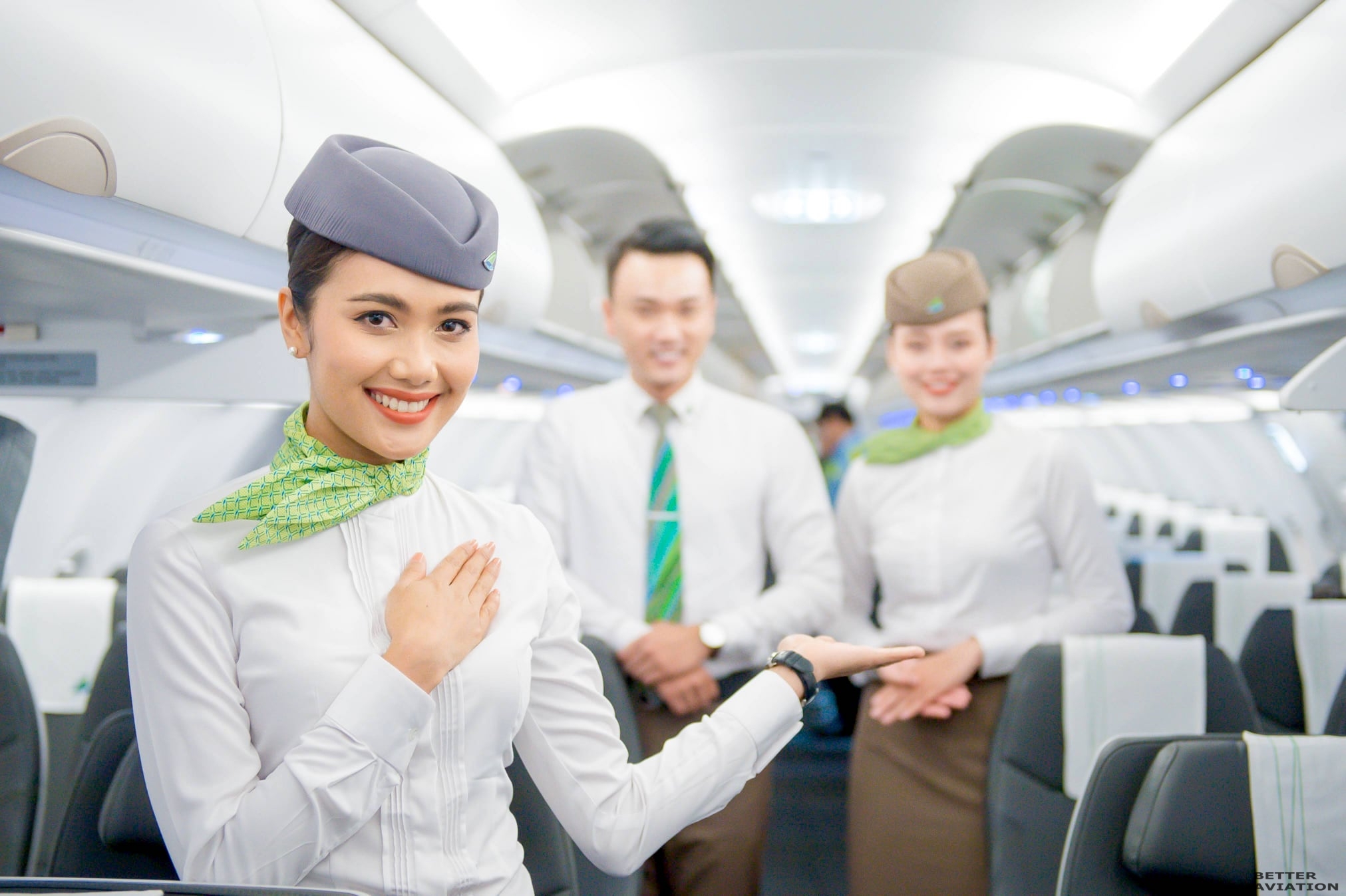
    CEO of Bamboo Airways Nguyen Minh Hai has resigned less than two months after assuming the position.

    Following his resignation announced by the carrier on Tuesday, deputy chairman Nguyen Ngoc Trong will be the airline’s acting CEO.

    Hai was named Bamboo Airways’ CEO in late May, replacing Nguyen Manh Quan.

    Hai, 51, has a bachelor’s degree in tourism business management from Vietnam National Economics University and 25 years’ experience in the airline industry. He was deputy general director of Vietnam Airlines between April 2015 and January 2019.

    In a meeting last month, Hai informed the carrier’s shareholders the company would be restructuring under a new investor, the Him Lam Corporation. He said making Bamboo Airways profitable to satisfy investor demands was a top priority.

    And then also last month, Bamboo Airways accepted the resignation of four members: chairman Oshima Hideki, standing deputy chairman Nguyen Ngoc Trong, and two deputy chairmen Doan Huu Doan and Phan Dinh Tue.

    The new chairman of Bamboo Airways is Le Thai Sam, who now holds over 50% of the airlines’ shares. The company has said the changes in personnel are part of its restructuring.

  • Bamboo Airways plans to soar under new management

    Bamboo Airways plans to soar under new management

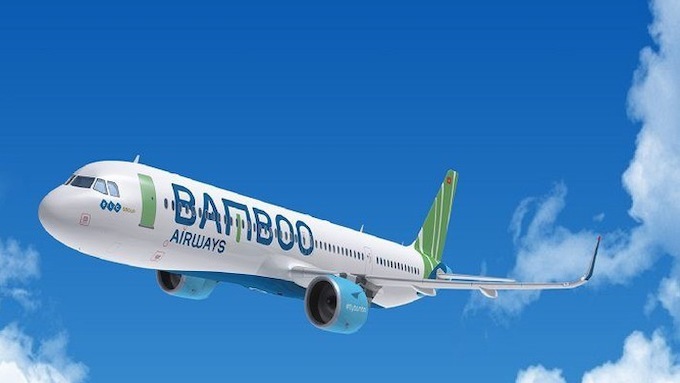
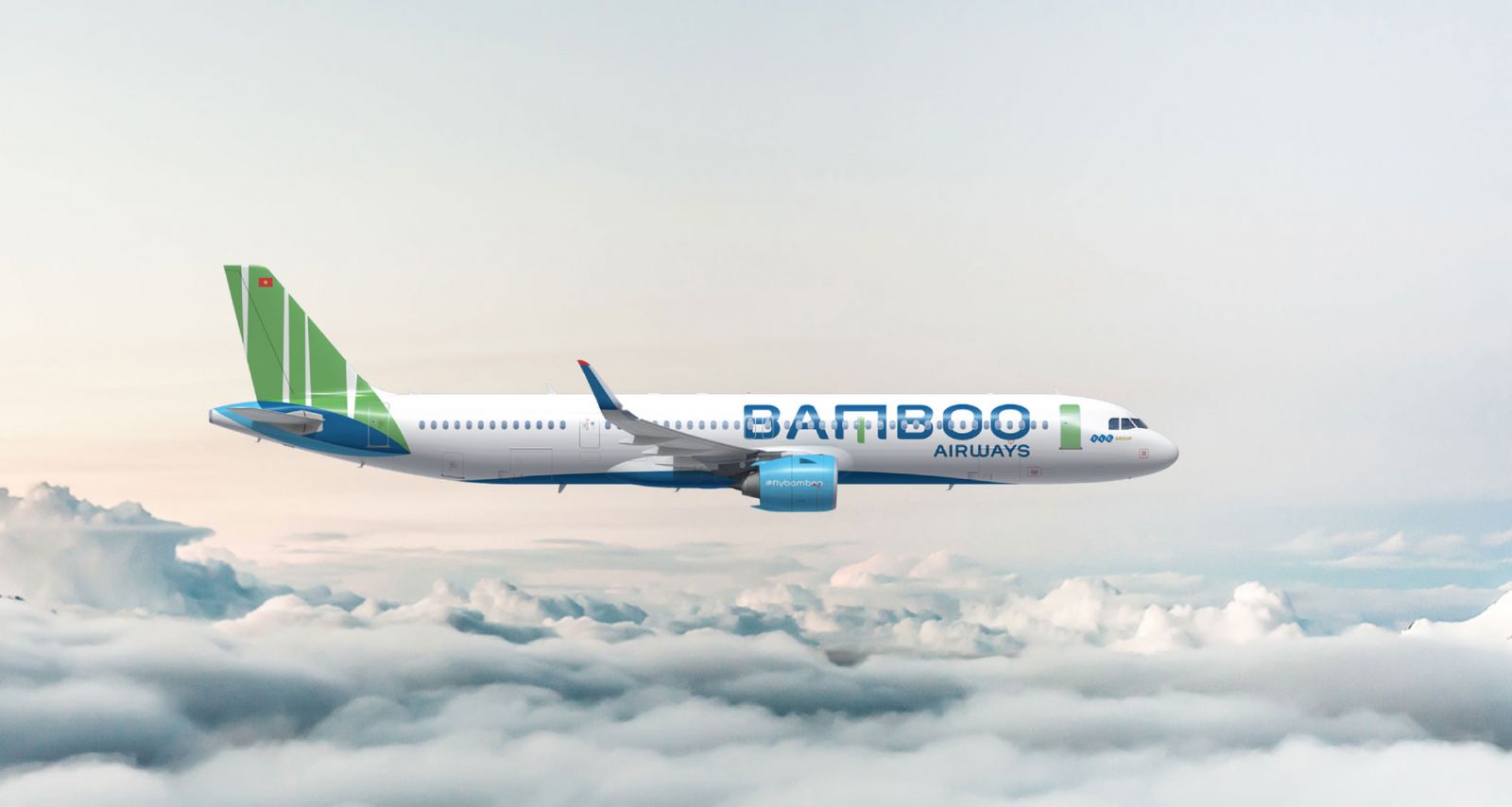
    Property developer Him Lam, the new owner of Bamboo Airways, plans to build an aviation ecosystem centered around the latter while expanding its presence in Asia.

    Bamboo Airways began flying in 2019 and became the first private carrier to operate wide-body aircraft.

    It quickly expanded its fleet to nearly 30 by the end of 2021 when it held a 20% share of the domestic market and also flew on some international routes.

    But the arrest of its key leaders, including chairman Trinh Van Quyet, for alleged stock market manipulation came as a death blow.

    Him Lam, a south-based developer of condos and a hotel management service provider, took over Bamboo this year.

    A new leadership has been appointed this week to hopefully begin a new chapter.

    “The last five years have been a journey of establishing a brand for the airline,” deputy chairman Nguyen Ngoc Trong said at the company’s annual general meeting on June 21.

    “In the next five years Bamboo Airways will focus on developing efficiency and professionalism.”

    CEO Nguyen Minh Hai said the company seeks to achieve breakeven by next year to turn profitable by 2025.

    Expanding its services to increase revenues is therefore one of its main focuses.

    Revenues soared by 3.3 times last year to over VND11.7 trillion, but the airline still could not break even.

    Hai said a larger fleet is imperative for doing this. The current fleet of 30 aircraft needs to be expanded by eight to 10 a year until 2026, and each aircraft needs to operate more than the current 10 hours a day, he explained.

    Reducing costs is another key task.

  • Former Japan Airlines leader to chair Bamboo Airways

    Former Japan Airlines leader to chair Bamboo Airways

    Oshima Hideki, the former chairman of Japan Airlines, has been appointed chairman of Vietnam’s Bamboo Airways for the 2023-2028 period.

    He is among seven new directors of the airline, according to decisions made at the company’s general meeting on Wednesday.

    Hideki has nearly 40 years of experience in the aviation industry.

    He was previously Deputy General Director of Japan Airlines, Deputy General Director of the Tokyo Narita Airport, and a Project Manager at Haneda Airport.

    Bamboo Airways’ new deputy chairmen are Nguyen Ngoc Trong, Doan Huu Doan and Phan Dinh Tue. The other members of the board of directors are Le Ba Nguyen, Le Thai Sam and Tran Hoa Binh.

    A new board of supervisors, comprised of three members, has also been appointed.

    Bamboo Airways plans to operate 30-36 aircraft by the end of this year, aiming for an occupancy rate of 81.5% and an on-time flight ratio of 90%.

    The carrier is targeting a revenue increase of 15-20% from last year’s VND11.73 trillion ($498.94 million). It also wants to expand its network in Europe, Northeast Asia, Southeast Asia and Australia.

    Bamboo Airways is building an aviation ecosystem for itself by establishing subsidiaries for transportation, ground services, aviation technology and food services.

  • Bamboo Airways’ accumulated loss bigger than Vietnam Airlines, Vietjet

    Bamboo Airways’ accumulated loss bigger than Vietnam Airlines, Vietjet

    Bamboo Airways posted an accumulated loss of VND3.2 trillion ($136 million) last year, higher than that of Vietnam Airlines and Vietjet.

    Although the company saw revenue tripling to VND11.73 trillion, costs still exceeded that figure due to difficulties in the Northeast Asia market and the Russia-Ukraine conflicts, which drove up fuel expenses, according to the company’s financial disclosure.

    Other airlines also posted accumulated loses last year. Vietnam Airlines lost VND2.64 trillion, an improvement from VND10 trillion recorded in 2021, thanks to revenues recovering to 70% of pre-pandemic levels.

    Vietjet posted an accumulated loss of VND1.99 trillion last year. Bamboo Airways leaders, however, are optimistic about the future of the company.

    Chairman Nguyen Ngoc Trong said that the airline nearly reached its breakeven point in the first quarter as its fleet of 30 aircraft operated at full capacity.

    Bamboo Airways is set to post profit in 2025, he added. The airline targets a growth rate of 15-20% this year. It is considering plans to expand its fleet and routes and increase occupancy.

    New routes are being considered to Europe, Northeast Asia, Southeast Asia and Australia.

    The airline is seeking the government’s permission to increase its fleet size to more than 30.

    Bamboo Airways is set to select a new board of directors for the 2023-2028 period on June 21.

    The five directors of Bamboo Airways have asked to resign, and the airline will select a new board of seven directors at the upcoming general meeting.

  • Vietnam Airlines shares face restrictions for delay in filing financial statements

    Vietnam Airlines shares face restrictions for delay in filing financial statements

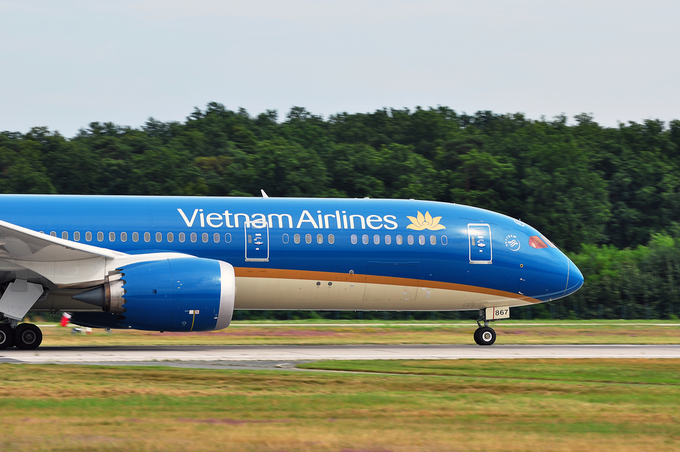
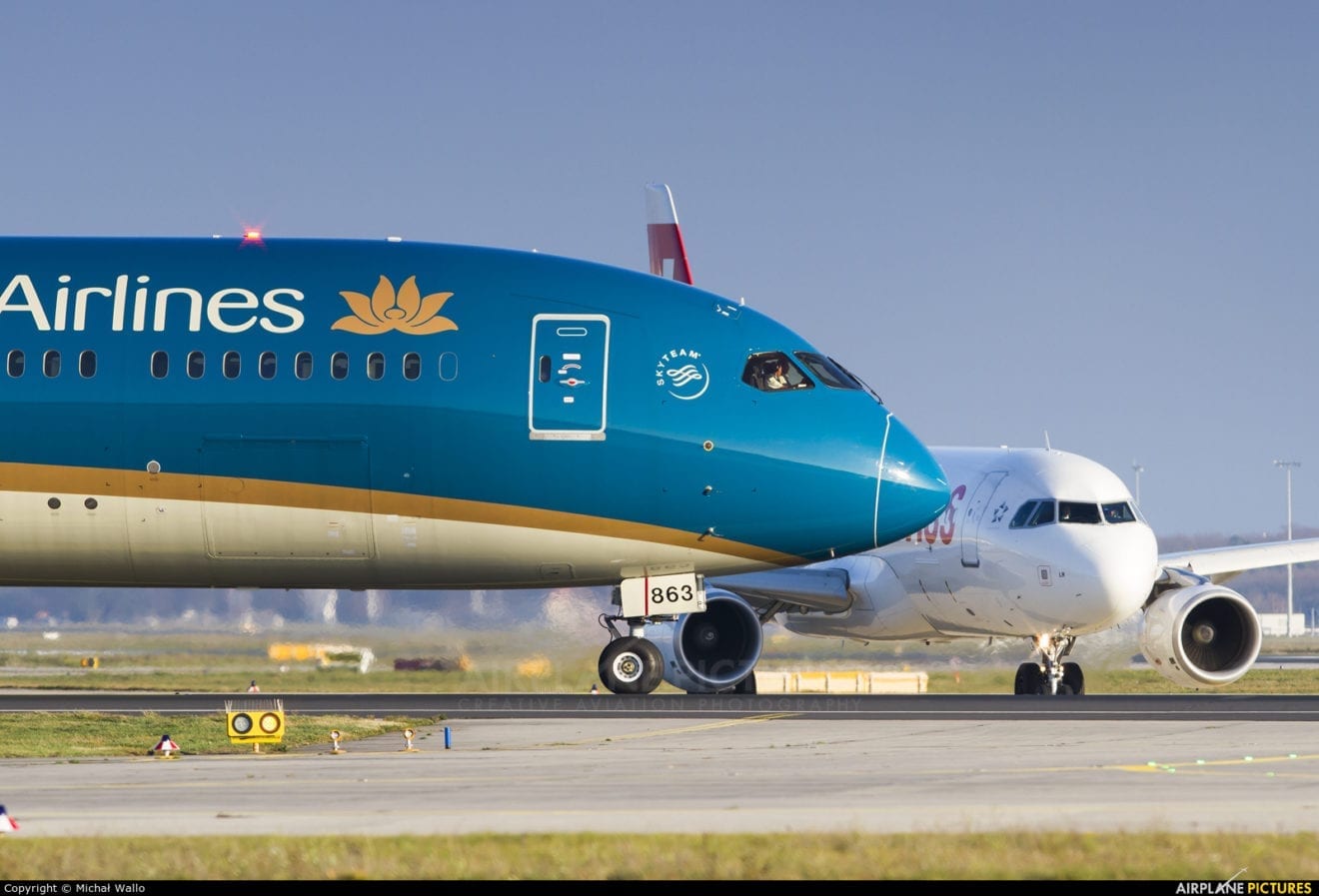
    Vietnam Airlines’ HVN shares will see trading restrictions from May 12 for failure to file its results in time.

    The carrier has been more than 30 days late in submitting its audited consolidated financial statements for 2022, the Ho Chi Minh Stock Exchange (HoSE) said in a statement.

    At the end of March Vietnam Airlines had sought permission from HoSE to delay the submission, but its request was turned down.

    Now its shares will not be traded for at least two days a week.

    The airline said earlier this month that due to its ongoing restructuring, it needs more time to complete its financial statements.

    If the company fails to submit them 45 days after the deadline, its shares will be restricted.

    HoSE had warned in February that HVN could be delisted if it posted losses for 2022.

  • Vietnamese airlines recovering in 2023

    Vietnam Airlines and Vietjet Air reported profits again in the first quarter of this year, while Bamboo Airways neared the break-even point, thanks to the Tet travel peak.

    Analysts said increased international flights due to Vietnam’s Lunar New Year holiday festival (Tet) in late January were the cause of the uptick in the previously-ailing air industry.

    According to newly released financial statements, Vietnam Airlines posted a consolidated pre-tax profit of VND19.3 billion (US$817,800) in the first quarter of this year, compared with a loss of VND2.6 trillion in the first quarter of last year.

    The gains halted the streak of 12 loss-making consecutive quarters since Covid-19 emerged.

    The national flag carrier’s revenues doubled to VND23.64 trillion, the highest since the beginning of 2020 and close to the pre-pandemic levels of 2019.

    A manager at Vietnam Airlines said the better business performance mainly stemmed from the company’s effective tapping of Tet holiday travel, and the recovery of international flights, especially to and from China.

    In markets such as the U.S., Europe and Australia, the airline gained high seat occupancy rates.

    After incurring losses in 2022, Vietjet Air made a pre-tax profit of VND243 billion in the first quarter of this year. That figure came out of a consolidated revenue of VND12.9 trillion, its highest revenue in the last 12 quarters.

    Vietjet Air’s revenue from the international market increased, accounting for 45% of its total revenue from passenger transport.

    Among domestic airlines, Vietjet Air has pioneered opening new routes to India, Kazakhstan and Australia since the second half of last year.

    Vietjet operated 31,300 flights, transporting nearly 5.4 million passengers in the first quarter, up 57% and 75% respectively.

    Meanwhile, the number of passengers transported by Vietnam Airlines surged by 63% to 5.1 million.

    Domestic carriers’ improved performance was also partly due to lower fuel prices and exchange rate differences.

    In the last quarter of last year, both Vietnam Airlines and Vietjet operated below cost as the fuel price of Jet A1 and interest rates were high. The price of jet fuel last year sometimes exceeded $160 per barrel and averaged $130.

    According to Vietnam Airlines, the average price of Jet A1 fuel in the first three months of the year downed to US$110.69 per barrel.

    Bamboo Airways has not announced business results in the first quarter of this year. At an extraordinary shareholder meeting in early April, Bamboo Airways chairman Nguyen Ngoc Trong said the airline was close to breaking even in the first quarter, with its fleet of 30 aircraft operating at full capacity.

    He said Bamboo Airways “will get off the ground in 2024 and be profitable from 2025.” Bamboo Airways is expected to obtain 6-8 new aircraft in the coming months to expand its international flight network.

    Bamboo Airways is working with partners in China to open new routes from now to the end of the third quarter. Meanwhile, it will increase the frequency of many routes to Southeast Asia and Northeast Asia in the second half of the year.

    Vietjet Air will get more new wide-body and narrow-body aircraft, increasing the total to 87 by the end of this year, and launch new routes to India, Japan, and South Korea.

    Vietravel Airlines plans to receive 3 more aircraft to double its fleet.

  • AirAsia X expands China network

    AirAsia X expands China network

    AirAsia X (AAX) continues to expand its China network with two weekly flights to Beijing restarting last week after almost a three-year pause.

    The flight from Kuala Lumpur lands at Beijing Daxing International Airport at 0105, while the return flight from Beijing arrives in Kuala Lumpur International Airport (Terminal 2) at 0830.

    AirAsia X Malaysia CEO Benyamin Ismail said: “Our service resumption to Beijing reflects our commitment to boosting our network in China, which has historically been one of our biggest and most popular markets and providing our guests with more options to travel affordably to and from Beijing from Kuala Lumpur.”

    Flights will ramp up from twice weekly on Thursday and Saturday to four weekly flights starting 1 June 2023 to meet growing forecast demand, further boosting travel and tourism in the region.

    “More expansion in China is on the horizon for AAX as we plan to relaunch more routes and introduce more unique, less travelled destinations in China in the near future,” he concluded.

    Flight Schedule between Kuala Lumpur (KUL) and Beijing-Daxing (PKX):

  • AirAsia X continues to recover quarter by quarter

    AirAsia X continues to recover quarter by quarter

    Malaysian long-haul low-cost AirAsia X is returning to recovery, reporting improvements in revenues, profits, and costs after some very difficult years during the Covid crisis. The carrier expects to benefit this year from the relaunch of its most profitable routes and gradually grow the fleet again, it said on February 22. AirAsia X continues to recover quarter by quarter.

    After changing the accounting period for its financial year 2022 from July instead of January, FY22 includes six quarters between July 2021 and December 2022. This makes comparisons with previous years meaningless. The net profit for FY22 was RM 33 million, with revenues of RM 878.2 million, as it carried 417.195 passengers at a 78 percent load factor. Almost all of that was generated in the second half of 2022 when lockdowns and travel restrictions in most of its key markets in Asia were lifted. The airline already reported a profit for its September quarter.

    As far as a fifth or sixth quarter says anything, they at least confirm that the airline is further recovering. Revenues grew from RM 100.1 million in Q5 (July-September) to RM 339.3 million in Q6 (October-December), with a net profit from RM 25.1 million to RM 153.5 million. For reference, in Q4 (October-December) FY19, AirAsia X produced an RM-95.8 million net loss, revenues of RM 1.196 billion, and carried 1.6 million passengers.

    Passengers carried grew significantly quarter on quarter, from 79.557 to 337.638. That positively affected revenues per available seat kilometer (RASK), which improved from RM 17.62 to RM 19.96. In contrast, costs per available seat kilometer (CASK) excluding fuel went down from RM 6.95 to RM 1.42. AirAsia X resumed services to Australia (Perth, Melbourne, Sydney), New Zealand (Auckland), Japan (Tokyo Haneda and Sapporo), Taiwan (Taipei), Saudi Arabia (Jeddah), and Indonesia (Bali) in the final quarter of 2022, growing the network to fourteen destinations.

    AirAsia X has high hopes for the reopening of China, although bookings are currently below expectations. It recently resumed services to South Korea (Busan) and will launch flights to Turkey later this year. Istanbul was already announced as a new destination in June last year.

    The airline currently operates a fleet of seven Airbus A330-300s with seven more to join shortly but has an appetite for three more. “As we rise up to meet the ever-thriving demand for flights, we are diligent in ensuring that aircraft within the Company’s fleet will be operational within the stipulated timeline, with all safety requirements met. As we speak, we are also in varying degrees of engagement with third-party aircraft lessors for the induction of additional aircraft within its fleet. By the year 2024, we expect to have a total of seventeen A330

  • AirAsia Looks to China to Drive Budget Airline’s Recovery

    AirAsia Looks to China to Drive Budget Airline’s Recovery

    AirAsia parent company Capital A expects China’s reopening to international travelers in January to drive the recovery of its airlines this year.

    AirAsia’s four airlines — Malaysia-based AirAsia, Indonesia AirAsia, Philippines AirAsia, and affiliate Thai AirAsia — plan to rapidly ramp up capacity to China from less than 1 percent of 2019 levels in December, according to Diio by Cirium schedules, to 90 percent by August, Capital A said in a fourth-quarter earnings presentation on Wednesday. And, barring any unexpected events or waning travel demand, they will fly 11 percent more capacity to China in November than they did four years earlier. The rapid return to China will support the group’s recovery to roughly 85 percent of 2019 capacity levels this year.

    The group said its China capacity plans demonstrate its “confidence and commitment” to the market. Capital A CEO Tony Fernandes added that China’s reopening would “further boost” the company’s recovery.

    China ended its no-Covid policy, and dropped most border restrictions in January. Since then, airlines from around the world have moved to resume flights that were suspended during the pandemic. All Nippon Airways, Cathay Pacific Airways, KLM, Singapore Airlines, and Swiss Air, to name a few, are all resuming flights in the next few months. And Singapore Airlines even called out China as partially driving the strong travel demand in the market.

    The easing of China’s restrictions is especially important for AirAsia. The country was the largest source of international visitors to Thailand, and in the top three for international visitors to Malaysia and the Philippines in 2019, each country’s data show. That makes China a critical market for the budget airline’s success. Flights to and from China made up nearly 17 percent of the four AirAsia airlines’ combined capacity in 2019, Diio data show.

    As part of AirAsia’s recovery to China, it plans at least five new routes to the country this year. This includes service to Shenzhen on Indonesia AirAsia, and a new Kuala Lumpur-Guangzhou nonstop on AirAsia.

    Even without China, Capital A posted strong results in the fourth quarter as the Asian travel recovery accelerated. Group revenues increased 77 percent from 2019 to 2.4 billion Malaysian ringgit ($537 million); airline revenues were down 34 percent from three years earlier to 2.1 billion Malaysian ringgit. The group posted an operating loss of 198 Malaysian ringgit. Airline unit revenues, measured in revenue per available seat kilometer, were up 134 percent compared to 2019, while unit costs excluding fuel were up 106 percent. Capacity across the group’s four airlines recovered to 57 percent of 2019 levels in the December quarter.

    Capital A’s much vaunted AirAsia Super App for travel continued to make gains in the fourth quarter. Revenues increased 41 percent year-over-year to 138 million Malaysian ringgit, and the segment was earnings before interest, taxes, depreciation, and amortization (EBITDA) positive at 100,000 Malaysian ringgit. However, despite the public push, the Super App results reinforce the fact that airlines, not travel technology, remain Capital A’s core business — airline revenues were more than 15-times higher than Super App revenues.

    The group’s plan to merge its Indonesia, Malaysia, Philippines, and Thailand units into a single holding company, AirAsia Aviation Group, is forecast for completion by March.

    AirAsia’s airlines operated 126 of 205 total Airbus A320 and A330 aircraft at the end of December. The group aims to fly 150 aircraft by the end of March, and fully reactivate its fleet by the end of September. AirAsia has 362 A320neo family aircraft on order, and expects its first five A321neos in 2024.

    AirAsia’s long-haul brand, AirAsia X, is a separate company and not included in Capital A’s results.

  • Airlines propose scrapping airfare caps

    Airlines propose scrapping airfare caps

    Airlines and some experts have proposed hiking and eventually removing domestic airfare caps to support businesses in difficult times.

    Last year, no domestic airlines were profitable because of higher fuel costs, foreign exchange rates, and interest rates, while airfare caps have been kept unchanged for eight years. On Friday, participants at a conference on supporting the aviation industry said that the caps should be removed.

    Trinh Ngoc Thanh, executive vice president of Vietnam Airlines, said domestic airfare caps were last adjusted in 2015.

    The current maximum fare is VND2.2 million ($96) for routes under 850 kilometers and VND3.75 million for those above 1,280 kilometers.

    Airfare caps are placed only on domestic routes, not on international ones. As a result, the highest airfare of domestic flights is sometimes 40% lower than that of the HCMC – Singapore route, Thanh said.

    Thanh and Nguyen Manh Quan, CEO of Bamboo Airways, proposed that the Ministry of Transport hike the airfare caps and then eventually scrap them to ensure the aviation industry’s sustainable development.

    Quan also proposed the State still apply airfare caps on routes operated by only one airline, but let the market self-regulate routes tapped by at least two carriers.

    Hoai Nam, a Vietnam Tourism Advisory Board member, said: “Removing the airfare caps will help domestic airlines improve revenues and profits during peak periods.”

    He said that at present, no other countries in the world apply airfare caps, and none of the five domestic airlines has a monopoly position, so the caps should be removed as soon as possible.

    However, if the caps are scraped, airlines must not negotiate with one another about airfares, seriously violating the Competition Law and affecting the interests of passengers, Nam added.

    Tran Tho Dat, a member of the prime minister’s Economic Advisory Group, suggested the management agency should come up with a formula for regulating airfares like that for retail prices of gasoline and oil products.

    “If there are no caps, we should create a formula, an open airfare range, to ensure fair competition and people’s interests,” he said.

    In 2021, the Civil Aviation Administration of Vietnam proposed removing airfare caps on routes operated by three airlines or more to increase competition by service quality to serve passengers who are willing to pay higher than the ceiling price.