Tag: Holiday

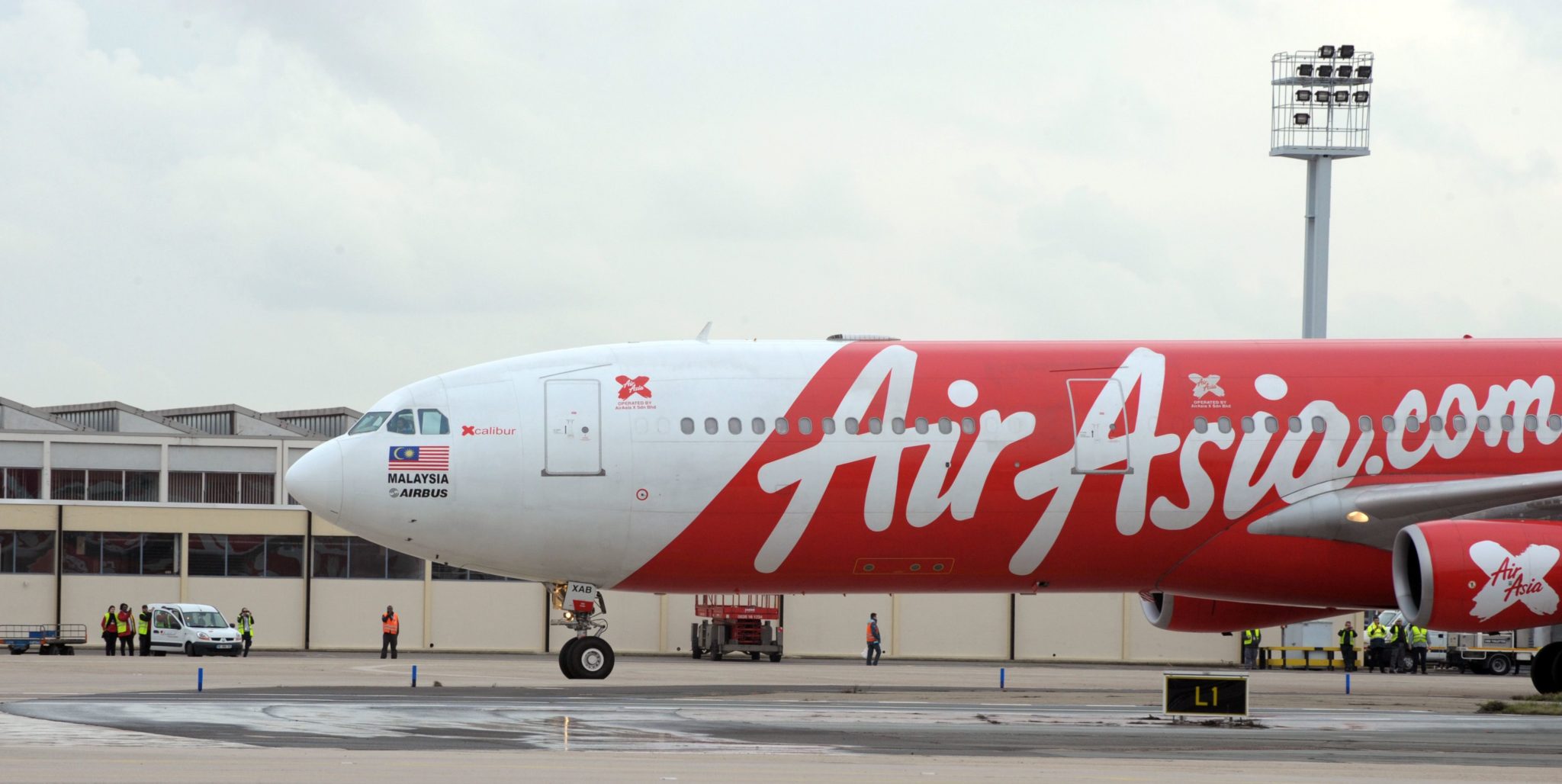
  • AirAsia boosts domestic and international flights

    AirAsia boosts domestic and international flights

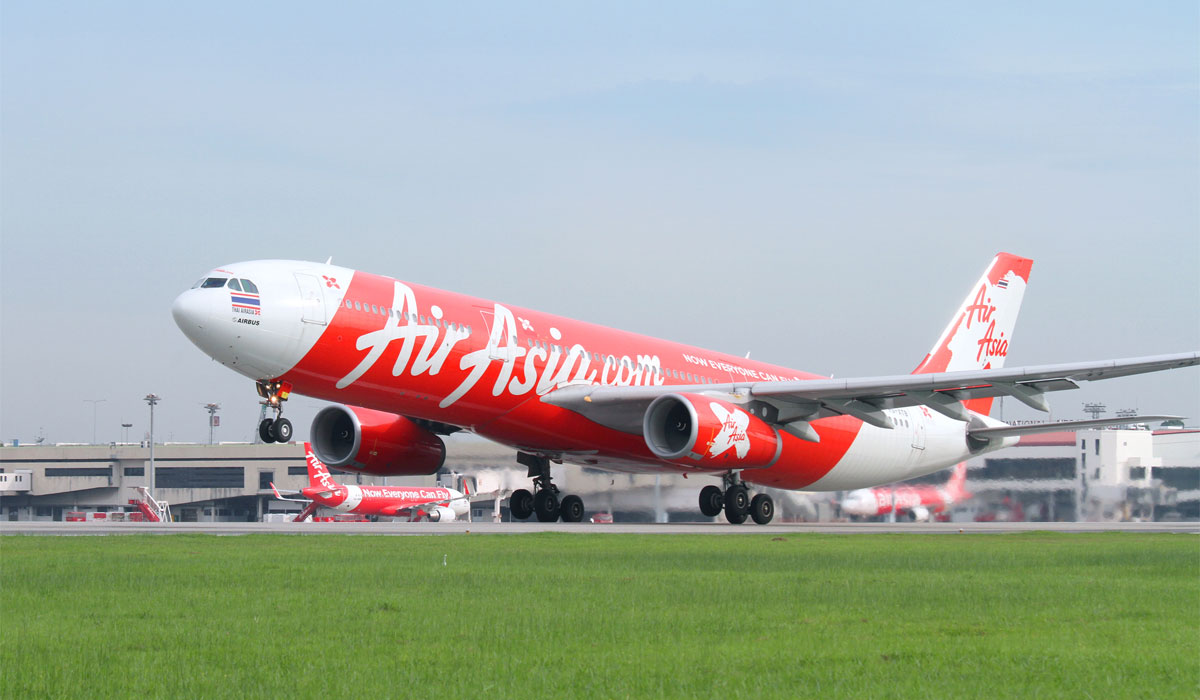
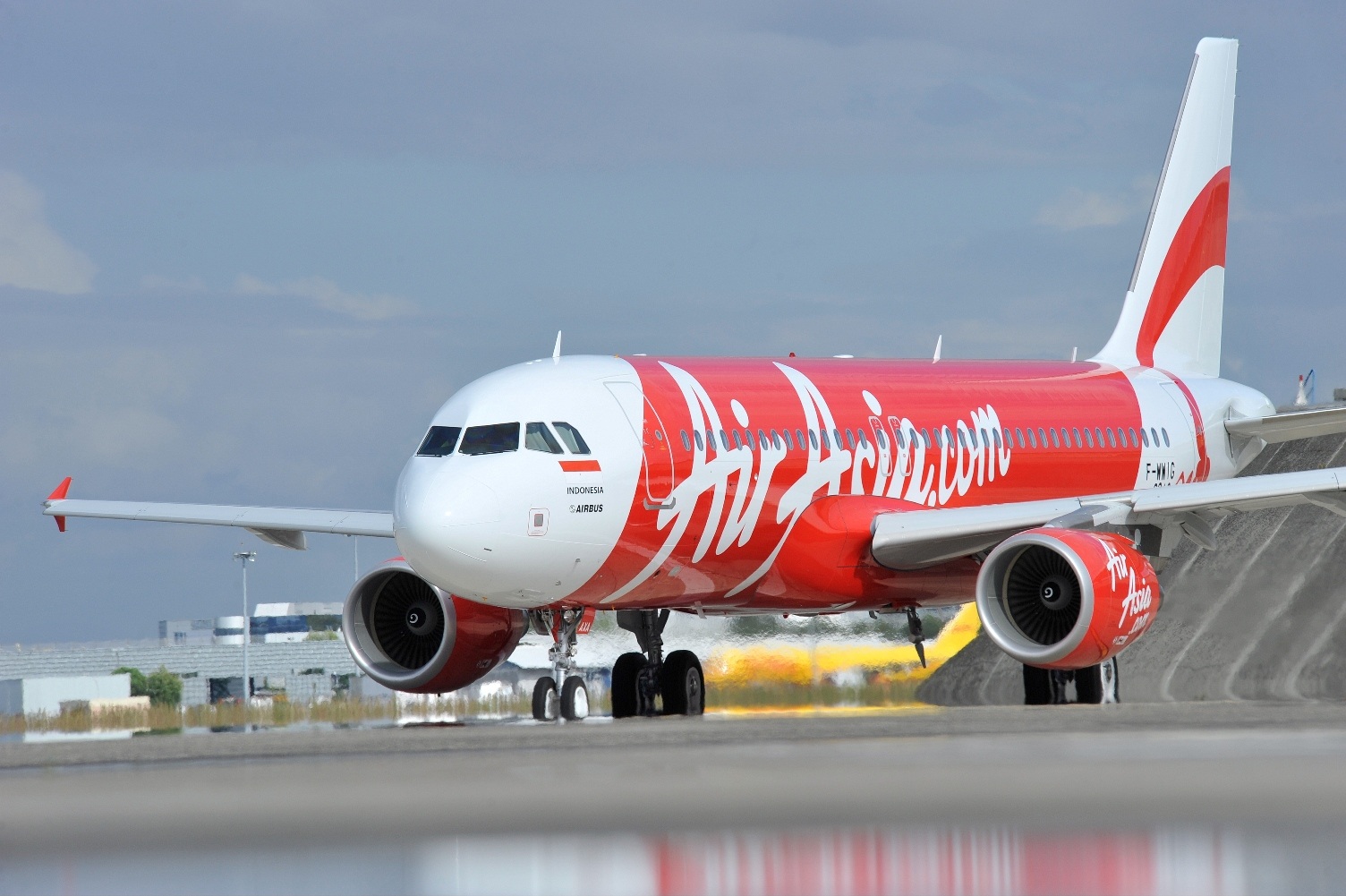
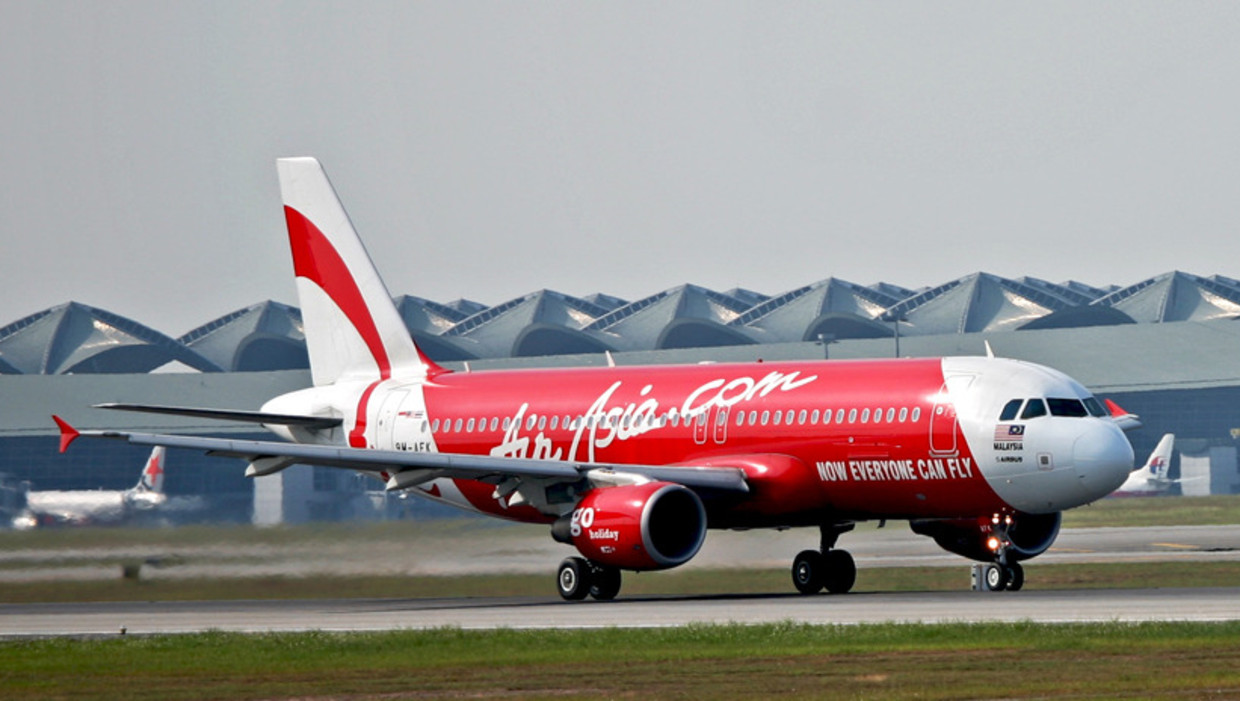
    AirAsia gears up for the nation’s reopening by adding more international routes to cater for significant pent-up demand ahead of Malaysia reopening borders to international travel 1 April.

    With the continued easing of travel restrictions, the airline group increased domestic flight capacity in Malaysia by 156% since October 2021, when it kickstarted the Langkawi travel bubble scheme.

    It has also increased international flights by 50% since the Malaysian government’s 8 March announcement confirming the reopening of borders on 1 April.

    Currently, the airline has 75 aircraft operating flights across the group serving Thailand, the Philippines, Indonesia, Cambodia, Singapore and Vietnam.

    AirAsia Aviation Group CEO Bo Lingam said:  We’re thrilled to be resuming more flights in all of our core markets in Malaysia, Thailand, the Philippines and Indonesia and to be adding additional services to some of AirAsia’s most popular international destinations, including Bali, Manila, Bangkok, Ho Chi Minh City, Phuket and more, starting in April. Domestic flying also continues to soar across the group. We have recently  launched four new domestic routes in Malaysia from Kuching to Langkawi, Penang to Sibu, Johor Bahru to Bintulu and Kota Kinabalu to Kuala Terengganu this year.

    “While our domestic services across the group have grown by 156% in recent months due to significant consumer demand, and by 50% for international, we expect to return to 100% or more of pre-Covid domestic and international flying by the end of this year.”

    To spur travel demand and bookings to destinations such as  Singapore, Vietnam, the Philippines, India, Thailand, Indonesia, the Maldives, Brunei, Cambodia, Sri Lanka, Laos, Bangladesh, the airline group is pegging fares as low as MYRM89 one-way, while domestic routes are on sale from just MYR39 one-way.

    Travelers can book cheap fares through the ‘Flights’ option in the AirAsia Super App from now until 27 March 2022 for travel between 1 April and 25 March 2023.

  • AirAsia Group loses appeal in airport case

    AirAsia Group loses appeal in airport case

    The Court of Appeal of Malaysia has dismissed attempts from AirAsia (AK, Kuala Lumpur Int’l) and AirAsia X (D7, Kuala Lumpur Int’l) to set aside a High Court ruling in favour summarily – without a full trial – of Malaysia Airports Holdings over outstanding passenger service charge (PSC) payments, Malaysia’s Daily Express and The Edge Markets reported.

    A three-member bench unanimously confirmed on March 3 that the High Court was correct in granting the state-run airport operator a summary judgement for a total of MYR41.55 million ringgit (USD9.95 million) against the two low-cost carriers, comprising the outstanding charges, late payment fees, and costs.

    The airlines had lodged three appeals each in an effort to strike out the rulings, and so the appeals court ordered them to pay additional costs of MYR10,000 (USD2,400) per appeal, totalling MYR60,000 (USD14,400).

    Malaysia Airports’ claim against AirAsia and its long-haul affiliate is for alleged unpaid passenger service facilities charges at the rate the Malaysian Aviation Commission (Mavcom) regulator set in 2016 and amended in 2017 and 2018.

    According to the plaintiff, the defendants had signed a contract on these fees and other conditions for the use of Kuala Lumpur Int’l Airport, rules that were also revised in 2017. The two carriers deny having accepted the terms of the contracts, however, claiming they had raised objections to the plaintiff but had been ignored.

    The Capital A (formerly AirAsia Group) airlines have argued that the rate for the charges in the current regulations is a ceiling rate, not a fixed rate, and that the amount payable was to have been negotiated between the parties.

    “We are of the opinion, and we agree with the findings of the learned High Court judge, that AirAsia’s actual dispute is not one between two aviation service providers but between AirAsia and [Mavcom] itself, because it is the commission that had prescribed the applicable PSC rate, and [Malaysia Airports] collects the same. Specifically, AirAsia’s actual dispute is against the decision of the commission to equalise the PSC rates” between Kuala Lumpur Int’l terminals one and two, the appeals court ruling said. “Accordingly, AirAsia should have addressed its PSC dispute by judicial review against the commission’s statutory decision to increase the rate.”

    AirAsia X has also been the target of a Malaysia Airports Holdings lawsuit initiated in October 2020 to demand payment of MYR78.16 million (USD18.7 million) in alleged lapsed charges related to the long-haul low-cost carrier’s debt restructuring scheme. Malaysia Airports is a secured creditor of AirAsia X, it has argued, so it should have been excluded from the carrier’s debt reshuffle. Nevertheless, the airline obtained court approval in December 2021 to restructure the debt.

  • Vietnam stock market makes bright start after Tet holidays

    Vietnam stock market makes bright start after Tet holidays

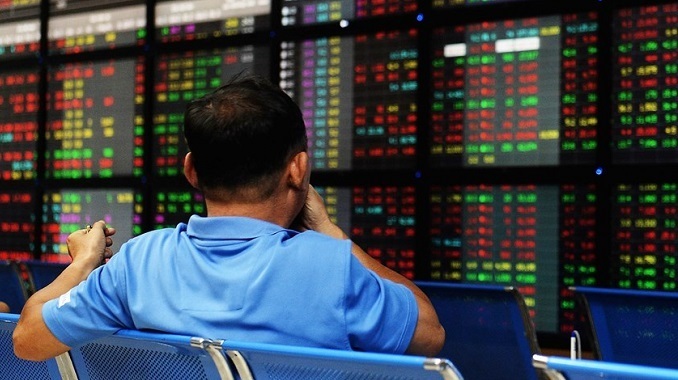
    The VN-Index began the new lunar year with a 1.5-percent jump Monday morning, led by aviation and energy stocks. It gained 22 points to 1,503 points at 11.20 as the market reopened after the nine-day Tet break, reaching a near four-week high. It represents a 4.1-percent recovery from the bottom of 1,439 points reached on January 18 as investors booked profit before the holidays.

    Most brokerages expect the index to rise this week since no negative news came out during the holidays. Analysts at ASEAN Securities and BIDV Securities said the VN-Index is set to stay in the 1,500 levels this week. It closed in the green on an opening day on five of the last six years since 2016, only dipping in 2020 when Covid-19 first hit Vietnam.

    The VN30 basket, comprising the 30 largest capped stocks, saw 24 of them gain Monday, led by VJC of budget airline Vietjet, which rose by 6.6 percent as investors expect a recovery by the aviation industry after the government announced plans to revive international tourism by March-end.

    Vietnam Airlines (HVN) gained 7 percent to the ceiling and its highest in over three months.

    Airports Corporation of Vietnam (ACV) rose by 7.4 percent with volumes reaching 321 percent of the average of the last 10 sessions.

    Energy stocks also rose, with PLX of fuel distributor Petrolimex climbing by 6 percent and GAS of state-owned Petrovietnam Gas gaining 6.2 percent. POW of electricity producer Petrovietnam Power Corporation was up 6.5 percent. Companies expected to benefit from rising consumer demand, such as VRE of real estate retail firm Vincom Retail and MSN of conglomerate Masan Group were the other gainers.

    The HNX-Index on the Hanoi Stock Exchange, home to mid-and small-cap companies, was up 1.2 percent, and the UPCoM-Index on the Unlisted Public Companies Market had gained 1 percent at the time of publishing.

  • AirAsia clarifies high fares

    AirAsia clarifies high fares

    AirAsia has denied that its airfares between the Peninsula and Sarawak are high as well as its unavailability for the Christmas and state election period.

    The low-cost airline operator said it has engaged continuously with the Ministry of Transport Sarawak (MoTS) and submitted applications to permanently increase its scheduled flight frequencies from Peninsular Malaysia and Sabah into Sarawak on several occasions since early this year, including the latest request submitted last week which included the operation of extra flights for the upcoming holiday season, Christmas and Chinese New Year.

    The airline said it received confirmation from MoTS and the Sarawak State Disaster Management Committee (SDMC) today for an additional 42 weekly flights from Peninsular Malaysia and Sabah into the state for a limited period from Dec 4 to Jan 5, 2022.

    This has brought the fares down from around RM1,000 one way to below RM200 for a Kuala Lumpur to Kuching flight and these were very quickly snapped up, it said.

    “AirAsia wishes to clarify its position with regards to the views and concerns expressed on social media that the airline is charging high fares for flights between Peninsular Malaysia and Sarawak for the upcoming Christmas and holiday season that coincides with the state election scheduled for Dec 18”, it said in a statement.

    Chief Executive Officer of AirAsia Malaysia Riad Asmat said as a low-cost carrier, the airline is in a volume business to pass on the lowest fares to its guests.

    “AirAsia’s operation is all about economies of scale where we need to achieve a high passenger volume so that costs can be spread among a sizable number of passengers, allowing us to offer travelers low fares and giving them great value for money.

    “Historically, our average fare for flights between Sarawak and Peninsular Malaysia has been around RM160 per one-way passenger. This takes into account the highest fares and the lowest, including when we offer zero fare promotional sales,” he said.

    Riad said AirAsia’s pricing model is similar to other airlines around the world and is based on supply and demand.

    “In abiding with the limited flight frequencies imposed by the SDMC resulting in a reduced supply of flight seats, AirAsia’s demand-based dynamic pricing mechanism has inevitably derived prices seen as unfavorable to buyers at this time. It must be remembered that this is also the same mechanism that we used to offer guests promotional fares from as low as RM99 one way earlier in October,” he said.

    He added that as a general rule, fares will be higher, closer to the travel date, and during peak holiday periods when their flights are already near full.

    “Buyers have already taken up to 90 percent of our capacity on most flights. The limitation on the number of flights available in the market is a key factor that has pushed the prices higher across all airlines”.

    Riad said for the record, AirAsia used to fly over 300 weekly flights into Sarawak pre-Covid, connecting Kuching, Sibu, Miri, and Bintulu to Kuala Lumpur, Penang, Johor Baru, Kota Kinabalu, and various other destinations in Malaysia.

    “Just for Kuala Lumpur – Kuching alone, we used to fly between 12 and 15 flights daily on this hugely popular route before Covid, but with the latest approval today, AirAsia will be flying 5 daily flights between Kuala Lumpur and Kuching which is a 67 percent reduction in our capacity due to the restrictions by SDMC.

    “We comprehend that demand is there but at the moment we are unable to meet it until more flight approvals are given,” he said.

    Riad also expressed AirAsia’s sincere appreciation to SDMC and MoTS for the additional flight approval for the Christmas holiday season.

    “However, we would like to appeal to MOTS and SDMC to also approve our request for extra Chinese New Year flights, and to remove frequency restrictions on all the approved flights entirely to enable us to better manage cost efficiency and lower the fares for passengers.”

    AirAsia, Riad said has always pledged its full commitment and support towards the full reopening and resumption of travel and tourism activities in Sarawak.

    They were also looking forward to keep working closely with all relevant regulators, the federal and state governments, civil aviation and health authorities, and tourism bodies to ensure the highest conformity to standard operating procedures for every flight.
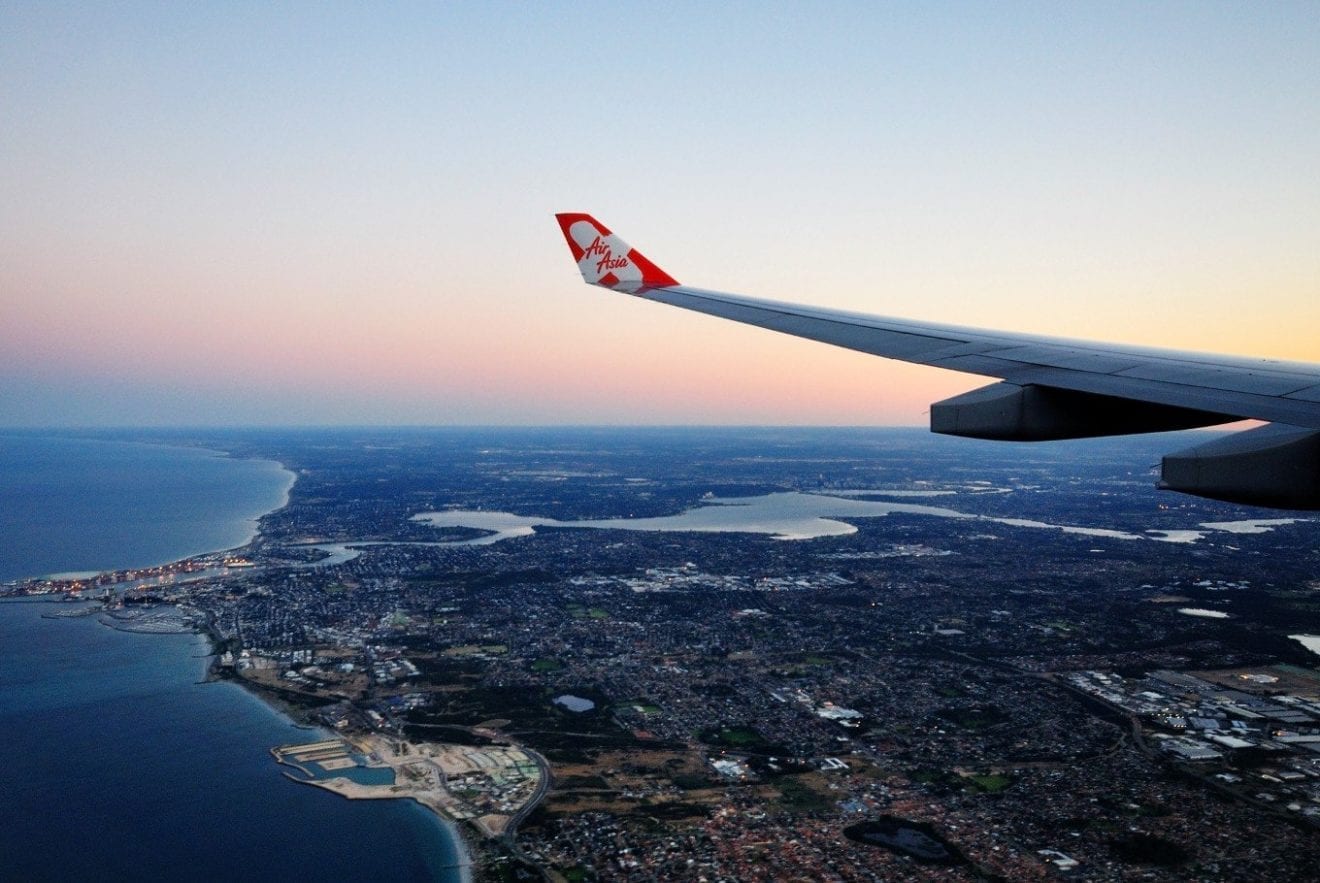
  • AirAsia rebuilds capacity in core Malaysian domestic market

    AirAsia rebuilds capacity in core Malaysian domestic market

    For AirAsia there has been a welcome recovery in Malaysian domestic demand in the last part of 2021 as internal travel restrictions ease in the group’s most important market.

    Third-quarter operating statistics made a fairly grim reading for AirAsia. The effects of the COVID-19 delta variant caused the governments in the group’s major Southeast Asian markets to impose limitations on domestic travel. This was particularly true in Malaysia and Thailand, where the AirAsia units based in those countries had to suspend most of their remaining operations.

    In Malaysia, the number of new daily cases peaked at more than 600 in late Aug-2021, according to the Our World in Data website. However, the daily case count had fallen again to 173 by 24-Nov-2021.

    At the same time, Malaysia’s vaccination rate continues to climb, with 76.3% of the population fully vaccinated as of 25-Nov-2021. The fully vaccinated rate for eligible adults is above 90%.

    These two factors combined – daily case numbers and vaccination rate – prompted the government to lift many of its interstate travel restrictions in the fourth quarter.

    For AirAsia, this means its Malaysian domestic operation can ramp up, which is important, given that the airline’s international operations remain largely halted.

  • AirAsia X narrows operating losses in quarter to 30 September

    AirAsia X narrows operating losses in quarter to 30 September

    Long-haul, low-cost carrier AirAsia X has reported an operating loss of MYR82.5 million ($19.6 million) for the first quarter of its 2022 financial year. The carrier generated revenue of MYR99.3 million for the three months ended 30 September, and a net loss of MYR149 million, it says.

    The carrier did not provide corresponding figures for the same period in 2021, given that it changed its financial year. Still, its performance improved across key metrics.

    In the three months to 30 September 2020, it generated an operating loss of MYR498 million, revenues of MYR60 million, and a net loss of MYR308 million. The airline adds that it remains largely grounded, apart from a “limited number of cargo and charter flights.”

    AirAsia X also provided some details about Thai AirAsia X (TAAX) and Indonesia AirAsia Extra, in which it holds 49% stakes, during the three months to 30 September.

    TAAX suffered a net loss of MYR353 million, while Indonesia AirAsia Extra generated a net profit of MYR12.3 million.

    The group adds that there is “meaningful uncertainty about the reopening of international borders,” which affects its prospects. Earlier this month, AirAsia X received crucial approval from creditors for debt restructuring, following a series of court-convened meetings on 12 November.

    This paved the way for restructuring and recapitalization, which it hopes to wrap up in early 2022.

    The carrier has labeled the restructuring a “wide and deep reset,” that covers all creditors.

    “With the completion of this exercise, AirAsia X will be one of the very few airlines worldwide that has no gearing and a restructured cost base that is significantly below that of its competitors in the region and will be

  • Holiday air tickets in low demand as Covid stirs fear

    Holiday air tickets in low demand as Covid stirs fear

    Air tickets for the upcoming Tet holiday are in low demand as people are reluctant to make travel plans due to the long quarantine time and a rising number of Covid-19 cases.

    In previous years, Loan’s family had usually finished booking six Tet (Vietnam’s Lunar New Year) air tickets for the Ho Chi Minh City – Da Nang route at a total price tag of over VND40 million by the end of August.

    But this year, she has yet to make a decision.

    “My two children are not vaccinated so we are reluctant to travel. We plan to stay in HCMC this year and visit our parents later when the pandemic situation is stable.”

    Hanh and her husband in Thu Duc City initially planned to bring their children to her hometown in the central highlands province of Kon Tum, but the 14-day quarantine policy for those yet to be vaccinated discourages her.

    “There are only a few days of holiday, we don’t want to spend all of them in quarantine.”

    Ticket agents are reporting an unusual drop in demand compared to previous years in a time when sales often boom as people make travel plans for Tet, which falls in early February next year.

    Hong, the owner of a ticket office in Phu Nhuan District, said by this time last year she had sold hundreds of tickets for the biggest holiday of the year, but this year she had sold none.

    “I have texted frequent customers but none have made any travel plans.”

    Airlines have also not released specific Tet travel plans as per usual.

    Only Bamboo Airways and Vietjet Air have begun selling Tet tickets but with volume totaling 20 percent in the same period last year with prices around 15-20 percent lower.

    A media representative of Vietnam Airlines said it is difficult to plan for Tet ticket sales.

    The Civil Aviation Authority of Vietnam (CAAV) currently only allows airlines to sell Tet tickets for two routes a day or less.

    Some insiders say the rising number of Covid-19 cases and the migration of workers from HCMC and Hanoi to their hometowns would lower air travel demand this year.

    Vietnam recorded 10,250 new covid-19 cases Tuesday, the highest in nearly eight weeks.

    As Tet ticket sales often account for a third of an airline’s revenue for the year, plunging demand is set to cause even more financial challenges to carriers, which have struggled to survive the pandemic

    Vietnam Airlines posted a loss of VND8.58 trillion in the first six months, increasing its accumulative loss to VND17.77 trillion ($781.23 million).

    Vietjet Air posted a first-half post-tax profit of VND121.8 billion, most of it coming from financial services.

    The two airlines have not released earning figures for the third quarter, but most flights were suspended in the third quarter due to the fourth Covid-19 wave.

    Bui Doan Ne, deputy chairman of Vietnam Aviation Business Association, said it is difficult to make forecasts about the recovery of airlines this year as the Covid-19 situation remains unpredictable.

  • Holiday train tickets in low demand

    Holiday train tickets in low demand

    Train ticket demand for the upcoming Lunar New Year Holiday is plunging due to fear of Covid-19 contagion as thousands of new cases nationwide are confirmed each day.

    Saigon Railway Station in HCMC opened its ticket sales for Tet 2022, the biggest annual holiday which falls in early February, but its nine counters were seen with few inquirers.

    Viet Truong, 37, showed up at 7 a.m., anticipating a large number of customers as what happened in previous years.

    “I got the tickets in only 20 minutes, while in previous years I had to wait the whole morning.”

    Tet tickets are being sold for five routes: four North-South routes and one HCMC-Da Nang route, while in previous years there were 20 routes.

    After two hours of opening sales, over 1,500 tickets were sold, which is the lowest in recent years.

    Hundreds of seats were still available as of lunchtime, even though tickets are being sold at a 10-15 percent discount in the first 10 days.

    Vietnam recorded over 8,200 new Covid-19 cases on average in each of the last seven days, with over 1,200 in HCMC alone.

  • Airfares lowest in five years

    Airfares lowest in five years

    Domestic airfares are at their lowest levels in five years as demand remains low. Hoa of the central Quang Nam Province said: “I had to pay only VND370,000 ($16.37) for a flight from Chu Lai (in the central provinces of Quang Nam) to HCMC, a rate I have not seen in the last five years.”

    Hoa in Hanoi said a return ticket between the capital and Phu Quoc Island is now around VND1.1 million while even several years ago the cheapest fare was only VND1.5 million.

    Thu, who runs a travel agency in Hanoi, said a one-way ticket for a flight between Hanoi or HCMC to some central provinces now costs VND314,000-450,000, the lowest in five years.

    “But the number of passengers is still very small, except on key routes like HCMC-Hanoi, HCMC-Da Nang and Hanoi-Da Nang.”

    Surveys by VnExpress found that fares from HCMC to the Central Highlands town of Da Lat and the central town of Nha Trang are VND358,000, and to some other destinations are VND483,000.

    Vietjet Air sells a one-way ticket for a flight between HCMC and Hanoi at VND544,000, and Vietnam Airlines and Bamboo Airways at VND1.1-1.8 million, down 15-20 percent from a year ago.

    Carriers said they have yet to attract many customers because people are still worried about the Covid-19 threat and the stringent air travel requirements.

    A Vietnam Airlines spokesperson said: “We have resumed flights on 38 domestic routes and six international one. The number of passengers is still low, but flights between HCMC and Da Nang, and between HCMC and Hanoi are 80 percent full”.

    Vietjet said it would resume flying on 48 domestic routes by Nov. 30. It currently offers free rapid Covid tests for passengers departing from HCMC and Hanoi.

    Recently the Civil Aviation Authority of Vietnam proposed the resumption of international flights to 15 countries and territories in four phases between now and July.

    Vietnam closed its doors to foreign tourists and canceled all international flights in March last year to contain Covid, since then allowing entry only for Vietnamese repatriates and foreign experts and highly-skilled workers.

  • Carriers in dire straits and need support

    Carriers in dire straits and need support

    Vietnamese carriers are confronting major financial challenges as revenues plunge and debt soars. They need urgent government intervention to improve their cash flow, a report says.

    Since Covid-19 entered the country early last year, airlines revenues have plunged by 80-90 percent, according to a recent report by the Vietnam Aviation Business Association (VABA).

    National flag carrier Vietnam Airlines posted a loss of nearly VND5 trillion ($219 million) in the first quarter, the highest quarterly loss ever, and the Ministry of Planning and Investment has said that the company is on the verge of bankruptcy.

    Budget airline Vietjet is short of VND10 trillion to cover its expenses, and startup airline Bamboo Airways shares the predicament.

    The VABA report proposes that the government extends its support on airlines’ loans to include those registered since June 10 last year.

    The current support, including a delay in payment and a reduction in interest, only applies to loans recorded before that date.

    The report also proposes that the support lasts for three to six months after the government announces that the Covid-19 pandemic has ended or the country turns to “a new normal.” The carriers need time to recover after the pandemic has been contained, the report says.

    In the first seven months of this year, Vietnamese carriers served 13.7 million passengers, down 32 percent year-on-year, according to the General Statistics Office.

  • Philippines AirAsia to resume international flights by 1Q22

    Philippines AirAsia to resume international flights by 1Q22

    Philippines AirAsia intends to restart international flights by the first quarter of 2022 after resuming domestic services in the fourth quarter of 2021, says chief executive officer Ricky Isla.

    He told The Philippine Star newspaper that the airline’s priority is to rebuild its domestic network from Manila Ninoy Aquino Int’l, manage capacity, and control costs. “What is important is (that) we have to maintain our cost of operations. That’s the reason why we’re concentrating right now mostly on our Metro Manila hub.”

    The airline will look to restart flights from its hub at Clark in mid-to late 4Q21. “We will most likely reopen with our Clark trips towards the peak season of November and December,” he told The Philippine Star. “The best time is when there is already what you call a good herd immunity in Manila and Central Luzon like Clark. Then we will be confident that we will be extending also our Clark hub as our point of destination,” he said.

    The AirAsia Group unit has been conducting only essential flights recently in light of the government’s directive to place the capital Manila, officially called the National Capital Region (NCR), under quarantine with heightened restrictions from July 30, 2021, to August 5, 2021, and enhanced quarantine from August 6 to 20, 2021. This has meant that only people authorized to be outside their residences were allowed to travel into and out of the NCR, including Cavite, Bulacan, Laguna, and Rizal. Inbound travel to Iloilo City, Iloilo Province, and Cagayan de Oro City was also suspended from August 1 to 7, 2021, to manage the spread of the Delta variant of COVID-19.

    From August 21, 2021, the airline is scheduled to resume domestic services from Manila to 12 domestic cities, namely Bacolod, Cagayan de Oro Laguindingan, Caticlan, Cebu, Davao, General Santos, Iloilo, Kalibo, Puerto Princesa, Panglao, Tacloban, and Zamboanga, the ch-aviation schedules module shows.

    From October 1, it is scheduled to resume services to seven domestic points from Clark, including Cagayan de Oro Laguindingan, Caticlan, Cebu, Davao, Iloilo, Puerto Princesa, and Tacloban, according to ch-aviation data.

    Isla said the company also sought to strengthen its cargo business. “Cargo also has to expand its customer experience. Before, it was just airport to airport, now you have airport to your point-of-destination, and airport up-to-the-household,” he said.

    Before the latest lockdown, AirAsia had carried 171,543 passengers between April and June 2021, an increase from 168,527 passengers carried in the first quarter of 2021. Year on year, this represented a 489% jump from the 29,111 passengers carried in the second quarter of 2020. The carrier has operated more than 600 chartered repatriation flights since last year.

    Philippines AirAsia reported that 92% of its flight operations team, including pilots and cabin crew, plus 86% of its ground staff, have been vaccinated against COVID-19.

  • Singapore Relaxes Border Restrictions for Travellers

    Singapore Relaxes Border Restrictions for Travellers

    The city-state will reopen its borders to fully vaccinated travelers from certain countries and is removing stay-home requirements for short-term visitors from several countries.

    Fully vaccinated travelers from Germany and Brunei will be able to come to Singapore without serving a stay-home notice, under a new Vaccinated Travel Lane arrangement announced on Thursday.

    At the same time, all travelers from Hong Kong and Macau, Mainland China, New Zealand and Taiwan, regardless of vaccination status, can enter without serving a stay-home notice, the Civil Aviation Authority of Singapore (CAAS) said.

    Vaccinated Travel Lane visitors will have to meet a set of criteria that includes taking designated flights that serve only vaccinated travelers, not transiting elsewhere, and undergoing PCR tests while in Singapore. Those who arrive on flights not under the Vaccinated Travel Lane will be subject to prevailing quarantine measures upon arrival, CAAS said.

    In response to the relaxed border measures, Singapore Airlines will operate five weekly Vaccinated Travel Lane flights from Frankfurt and Munich beginning September 7.

    Lufthansa, will also increase its flights to Singapore to three weekly, up from one currently – two of these will be for the designated Vaccinated Travel Lane.

    Separately, the Ministry of Transport announced that Singapore and Hong Kong have agreed not to pursue further discussions on the air travel bubble, owing to differences between the two cities in their strategy for managing the Covid-19 pandemic.

    «Both parties agreed that it would not be possible to launch or sustain the air travel bubble in its present form,» the announcement said.

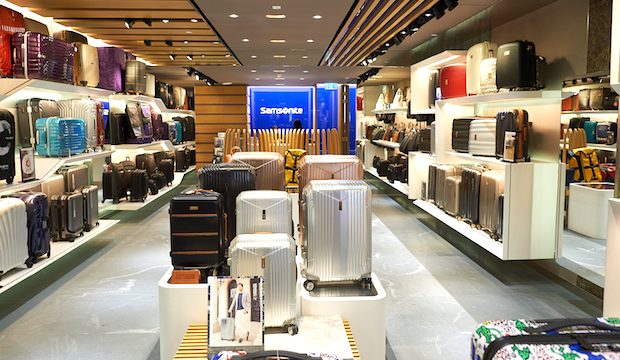
  • Samsonite pivots more backpack

    Samsonite pivots more backpack

    Samsonite International SA said it’s speeding up its shift toward the emerging non-travel segment as the coronavirus pandemic devastates the global luggage business.

    With expectations that travel won’t return to normal levels for more than a year, the world’s top luggage maker is relying on backpacks, business cases and women’s bags to cushion the blow. The segment now makes up close to half of the company’s sales, up from 40% a year ago.

    “What has Covid done? It has accelerated our portion of ‘Beyond Travel,’” Paul Melkebeke, the company’s newly appointed president for APAC & Middle East, said in an interview Monday. “These were old trends that were already underlying, but with Covid it just has gone a lot faster.”

    Samsonite, based in Mansfield, Massachusetts, is facing its worst year since listing on the Hong Kong exchange in 2011, as the pandemic has hit retailers and the airline industry particularly hard. The owner of brands ranging from Tumi to American Tourister saw revenue drop 58% for the first nine months of the year. Its shares have tumbled 28% in 2020.

    Samsonite has taken aggressive steps to streamline the organization. It has closed more than 10% of its company-owned stores this year through September, according to its quarterly statement.

    “We have been obliged to say goodbye to some of our people,” Melkebeke said. “But everything was there to focus on our management and make sure that we are strong enough to bring it to the other side.”

    While he remains “bullish” on the future of travel, Melkebeke said he’s “100% certain” the industry can’t return to normal levels by the end of next year. That will likely need to wait for the widespread deployment of vaccines to bring Covid-19 under control.

    In the quarter ended September, Samsonite’s core travel brands were down 67% compared with the previous year, while its non-travel brands such as Gregory, Speck, and eBags fell a more moderate 27%.

    With the social distancing restrictions in place, people are turning to more outdoor activities, benefiting Samsonite’s backpacking brands such as Gregory and High Sierra, Melkebeke said. Samsonite is also developing antiviral technologies for its products to address consumers’ concerns about the virus.

    “Don’t forget when you travel with the plane, there’s a moment when you give your luggage away, you collect it on the other side, and you have no idea what has happened with that,” said Melkebeke. “The hygiene factor might be something that will be there forever.”

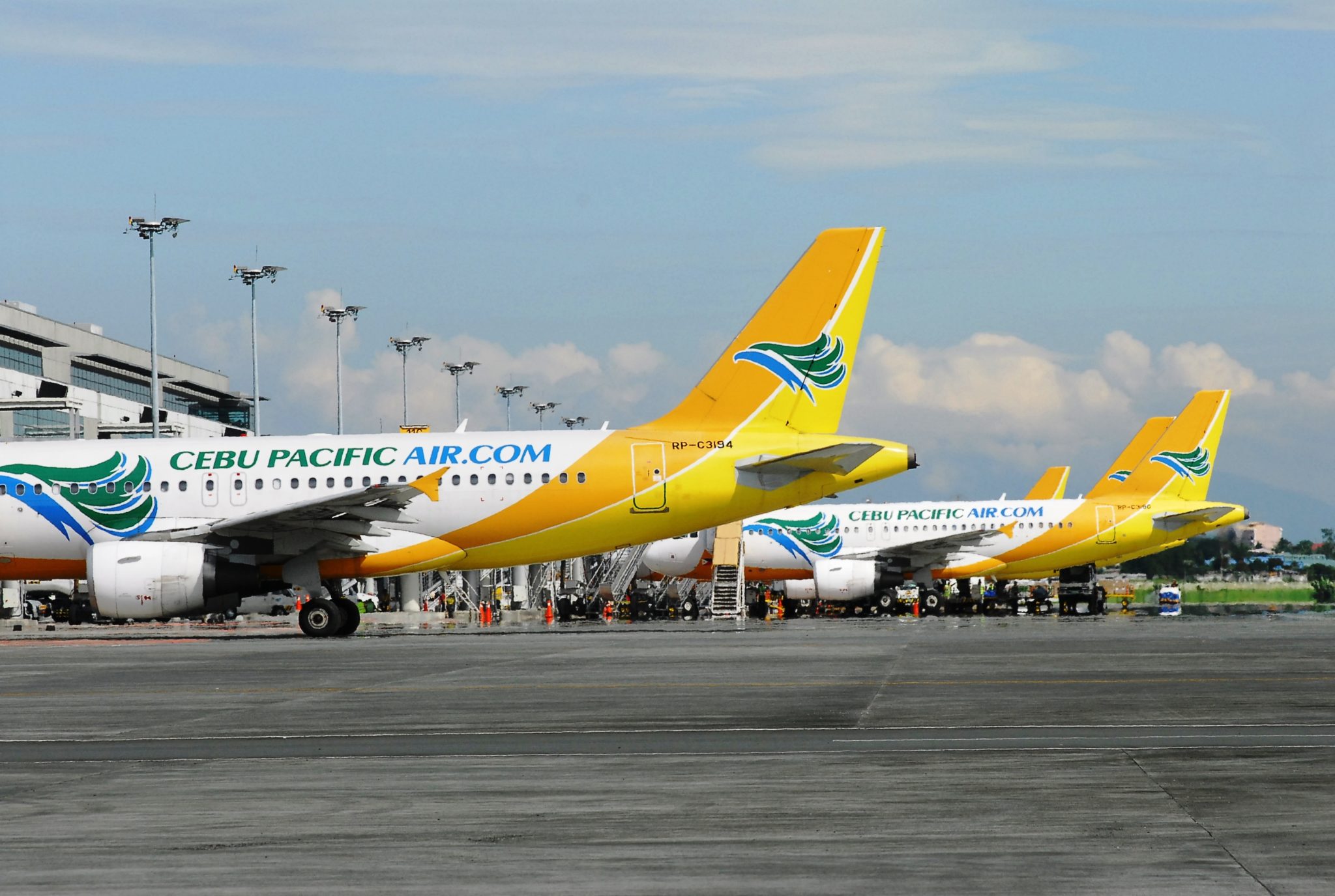
  • Cebu Pacific flight cancellations from August 6 to 20

    Cebu Pacific flight cancellations from August 6 to 20

    Budget carrier Cebu Pacific on Saturday released the schedule of its flight cancellations from August 6 to 20, amid the enhanced community quarantine (ECQ) in Metro Manila.

    Flight cancellations have been made after the government allowed only essential travel during the two-week strict lockdown period in the National Capital Region.

    Cebu Pacific earlier released the schedule of its canceled flights from July 31 to August 5, during the general community quarantine “with heightened restrictions” in NCR.

    The following Cebu Pacific and Cebgo flights are cancelled:

    “Affected passengers have been informed via contact details provided in the booking. They may select their preferred option through the Manage Booking portal on the Cebu Pacific website until 30 days from date of departure,” Cebu Pacific said.

    Likewise, the airline said affected passengers may opt to do the following:

    • Rebook for travel within 60 days no additional cost, following CEB’s permanent removal of change fees. Fare difference waived.
    • Store the amount in a virtual CEB wallet valid for two years and use this to either book a new flight or pay for add-ons (e.g. baggage allowance, seat selection, etc.)
    • Refund: the process may take up to two months from the date of request.

    “CEB will continue to operate other domestic and international flights as scheduled,” it said.

    “This is a developing situation. Some flight changes may take place in the coming days,” it said.

    “Before going to the airport, passengers are advised to check?the travel requirements, safety protocols,?and frequently asked questions (FAQs)?on the CEB website,” it added.

  • AirAsia group says Q2 was improved

    AirAsia group says Q2 was improved

    AirAsia Group said its operating statistics for the second quarter of the 2021 financial year were improved during the quarter. All four key operating entities of AirAsia posted year-on-year (YoY) improvements during the quarter, on the back of a low base in the corresponding quarter last year as the group’s fleet were hibernated for the most part of 2Q2020 following the hit of the COVID-19 pandemic since late 1Q2020.

    As for quarter-on-quarter (QoQ) performance, AirAsia Philippines saw a 2 percent increase in number of passengers carried and 4 percentage points (ppts) increase in load factor to reach 78 percent, while AirAsia Indonesia’s load factor increased by 11 ppts QoQ. AirAsia said it remains committed to strengthening its domestic foothold while awaiting positive developments on international air travel. Expectation of high vaccination rates in ASEAN countries by the end of this year is lending confidence on upcoming recovery, enhanced by the group’s short-haul model in addition to leaner and more stabilised operations.

    AirAsia Malaysia’s operations remained constrained QoQ due to a lockdown and interstate travel restrictions imposed from January 2021. AirAsia Malaysia carried 64 percent higher number of passengers YoY on 54 percent higher capacity, subsequently resulting in a 4 ppts increase to a healthy load factor of 64 percent. The ongoing subdued operations are expected to persist until Malaysia reaches herd immunity by the fourth quarter of this year. The government has recently set a new target of vaccinating all adults by October 2021.

    AirAsia Indonesia posted substantial YoY growth against the same quarter last year. Though the number of passengers carried showed a mild 1 percent dip QoQ, load factor grew by 11 ppts to 67 percent in 2Q2021 due to more stringent capacity management. AirAsia Indonesia was operating approximately 70 percent of pre-pandemic domestic capacity in May 2021 and demonstrated strong signs of recovery before it had to enter hibernation mode in early July in support of the containment efforts by the government as infection cases increased.

    AirAsia Philippines’ strong rebound seen in 1Q2021 further increased in 2Q2021, posting a 2 percent higher number of passengers carried QoQ and 4 ppts higher load factor to record a solid 78 percent. Monthly breakdown showed that load factor was as high as 83 percent in June 2021, boosted by active capacity management. This was despite running a limited number of charter and passenger flights due to community quarantine restrictions and despite flying only from its Manila hub.

    AirAsia Thailand more than doubled the number of passengers carried YoY and reported a 9 ppts increase in load factor to 61 percent in 2Q2021, boosted by higher demand during the Songkran festival in April 2021 and on the back of low base effect in the same quarter last year. On a QoQ basis, despite having successfully resumed all domestic routes by the end of 1Q2021, AirAsia Thailand’s recovery was short-lived due to the new COVID-19 wave that began in mid-April 2021. AirAsia Thailand posted a 26 percent QoQ decline in passengers carried, most significantly in June. Nevertheless, load factor was held firm at 78 percent in June, attributed to active capacity management.