Tag: Holiday

  • Vietnam Airlines to sell 11 aircraft

    Vietnam Airlines to sell 11 aircraft

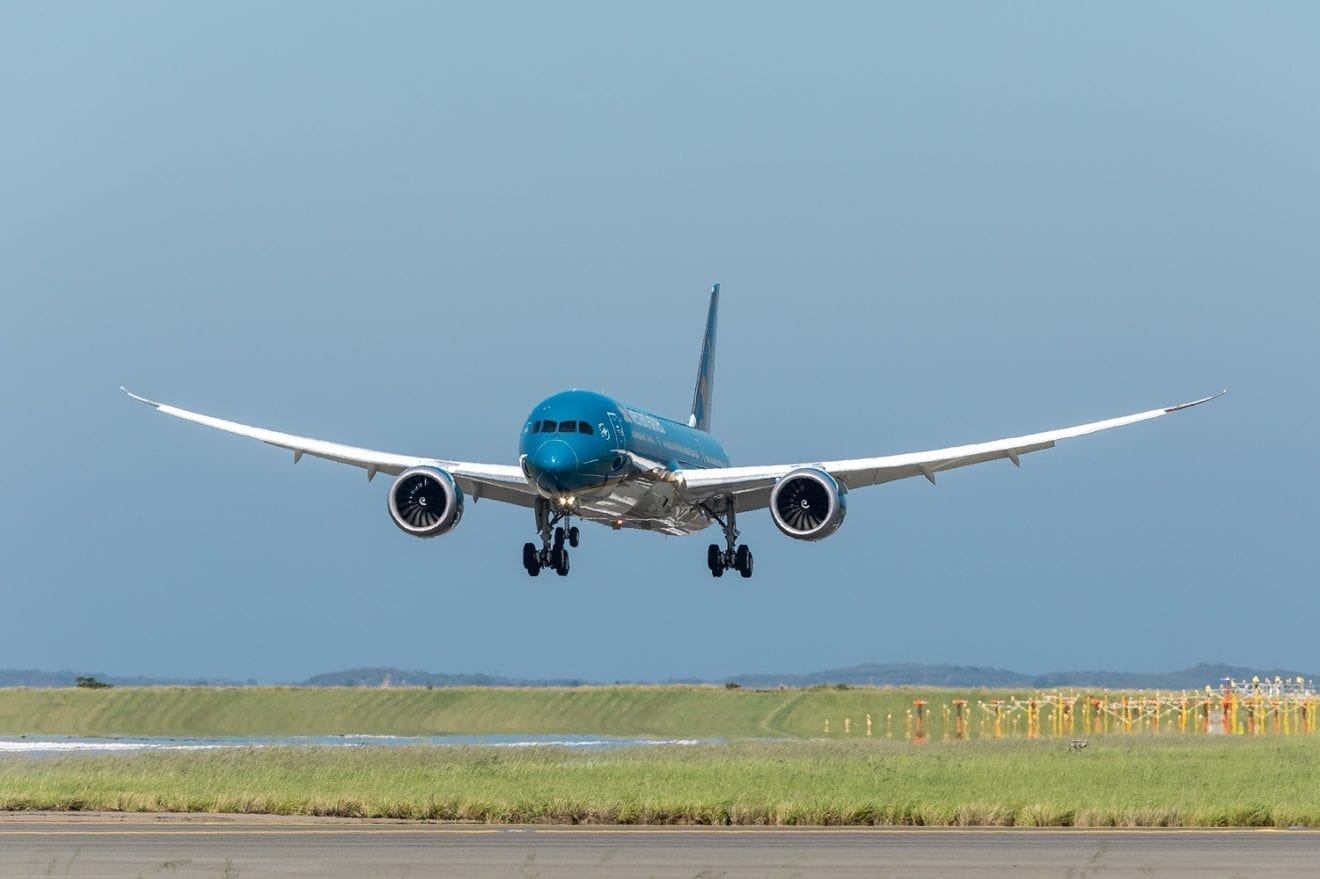
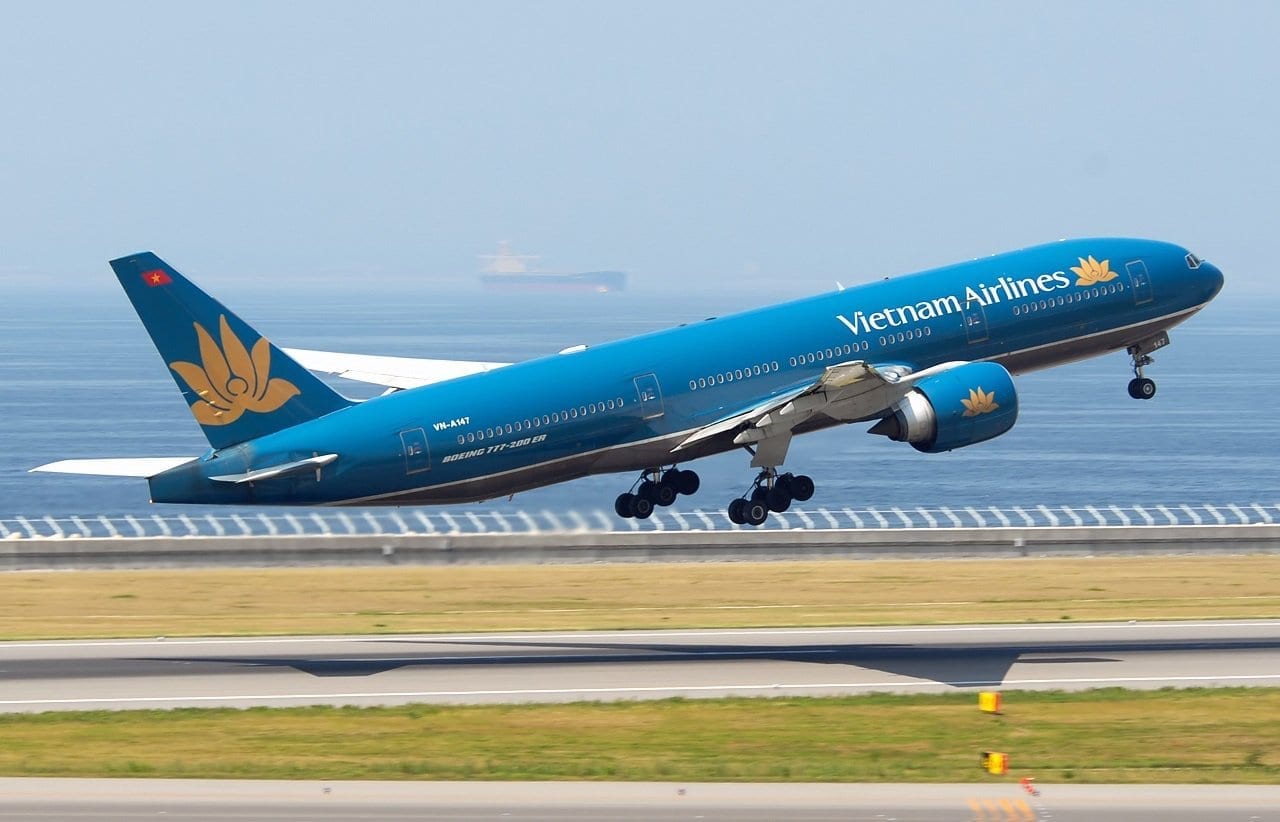
    National flag carrier Vietnam Airlines has said it will auction 11 Airbus A321 CEO aircraft manufactured in 2004, 2007 and 2008.

    The sale, which is set to take place this year, is part of its program to replace old-generation aircrafts that have been used for over 12 years. It also aims to increase its cash flow at a time of trouble for the pandemic-hit aviation sector.

    The carrier had sold nine aircraft last year and five in 2019. It had a fleet of 107 aircraft at the end of last year, including 51 Airbus A321 CEO aircraft.

    The carrier posted its largest quarterly loss ever in Q1 at VND4.97 trillion ($216 million), pushing its accumulated loss to VND14.22 trillion, marginally surpassing its charter capital.

    If its performance continues in the same vein, the airline’s HVN ticker on the Ho Chi Minh Stock Exchange (HoSE) might be delisted. It has already received a warning from the bourse on April 15.

  • Vietravel posts $3 mln loss in Q1

    Vietravel posts $3 mln loss in Q1

    Tourism company Vietravel has already posted a loss of VND72.8 billion ($3.15 million) this year, or 81 percent of the loss it suffered in the whole of last year.

    Revenues fell nearly 65 percent to VND277 billion as the Covid-19 outbreaks in the first quarter hit travel.

    Its accumulated losses as of the end of March were over VND102 billion, or higher than its equity.

    The company targets an increase of 411 percent in revenue to VND6.24 trillion this year and a pre-tax profit of VND10 billion.

    In the first quarter it spent nearly VND59 billion on its new carrier, Vietravel Airlines, which began operations at the end of last year.

  • Thailand’s Nok Air extends time to file restructuring plan

    Thailand’s Nok Air extends time to file restructuring plan

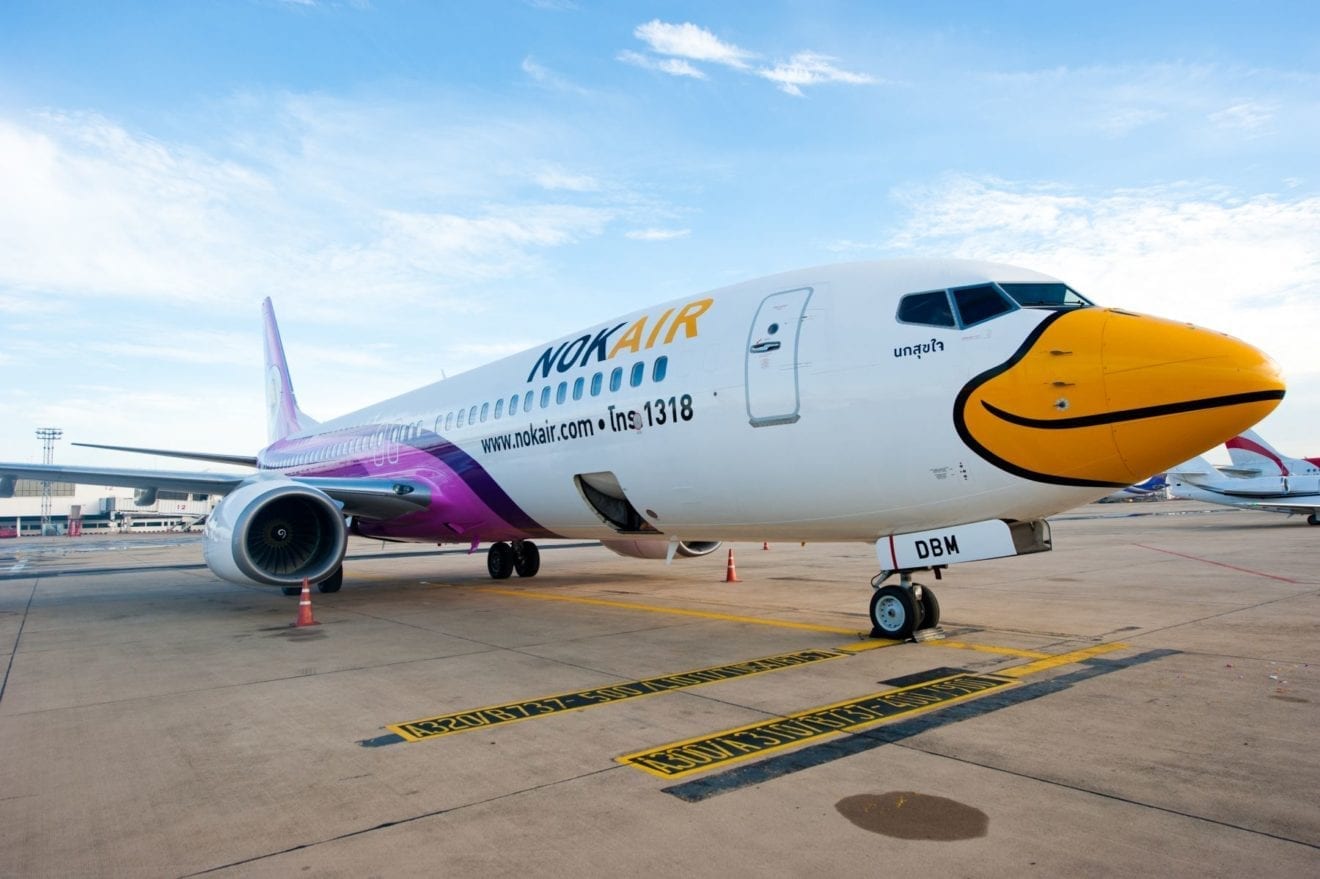
    Nok Air has said in a stock market filing that it has been granted an additional month to file its final restructuring plan, with the new deadline falling on May 15, 2021.

    “This extension is needed to collect additional information required in order to prepare a complete and comprehensive rehabilitation plan to ensure that it will be appropriate for the airline business during the COVID-19 pandemic situation and will receive the approval at the creditors’ meeting,” the low-cost carrier said.

    The airline filed for restructuring in July 2020 and was officially admitted to the procedure on December 15, 2020. According to Thai law, it was initially granted three months to submit a final rehabilitation plan to the Central Bankruptcy Court. It already extended the deadline once, through April 15, 2021. The second extension is also the final one permitted.

    Nok Air underlined that in addition to complex and ongoing negotiations, the previous deadline would have fallen during the celebration of the Thai New Year (Songkran).

  • AirAsia announces free rescheduling on all flight bookings till May 15

    AirAsia announces free rescheduling on all flight bookings till May 15

    AirAsia India has announced free rescheduling on all flights for bookings till May 15, 2021.

    In a statement, the airline said that guests can now make unlimited changes for all bookings and changes made till May 15, irrespective of the travel dates, without incurring any flight change fees.

    “To ensure that its customers continue to have the greatest flexibility if their travel plans change with increased uncertainty and travel restrictions, the airline has extended this offer on its new website www.airasia.co.in as well as other major booking channels,” it said.

    The airline said that it left no stone unturned in adopting a multi-layered approach to offering safe and seamless travel for guests from booking to check-in and arrival.

    All aircraft undergo deep cleaning and sanitation, while cabin disinfection takes place before each flight, it said.

  • Trip.com to raise US$1.09bn in Hong Kong listing

    Trip.com to raise US$1.09bn in Hong Kong listing

    Syndicated lending in Asia Pacific plunged to the slowest quarter in eight years as the coronavirus pandemic took its toll with several countries imposing lockdowns and grinding a range of business activities to a halt.

    Loan volumes in Asia Pacific (ex-Japan) dropped 39% to US$68.92bn in the first quarter from US$113.79bn a year ago, while deal flow shrunk to 221 from 377 loans completed in the same period, according to Refinitiv LPC data.

    The volumes for the first three months of 2020 represent the lowest quarterly tally since the first quarter of 2012 when lending in Asia Pacific slumped to US$62.21bn from 231 deals in the aftermath of the 2011 eurozone crisis.

    “Overall, the market has been off to a really slow start and outlook for Q2 is uncertain and changing by the day,” said Bryan Liew, regional head, loan syndications, ASEAN at Standard Chartered Bank in Singapore. “I think we will see more caution and maybe asset repricing.”

    The market volatility from Covid-19 has forced borrowers to shelve fundraising, acquisition, and capital expenditure plans, and seek covenant amendments or waivers from lenders. Every market across the region posted declines with Singapore being the worst hit, nose-diving over 84% year-on-year to US$1.09bn in the first quarter of 2020.

    Two financial sponsors terminated their proposed acquisition of New Zealand-listed dental service provider Abano Healthcare Group, dealing a blow to a NZ$190m (US$107m) five-year loan for the buyout that had been in syndication since November.

    Earlier this month Australian retail property group Vicinity Centres suspended a A$300m (US$176m) seven-year loan until further notice. Lenders to Singapore-listed Eagle Hospitality Trust issued a notice of default and mandatory prepayment on a US$341m loan signed last May. MGM China Holdings asked lenders in February to waive the leverage covenants on a HK$9.75bn (US$126m) loan for the next 12 months after Macau’s government closed all casinos for 15 days that month.

    Although G3 currency bond issuance from Asia Pacific (ex-Japan) has ground to a halt since March 11, the volumes for the first quarter posted only a 5.81% year-on-year decline to US$96.32bn. Bankers expect some bond issuers to turn to loans, which historically have been more resilient during times of crisis.

    “The coronavirus-induced market volatility will create a heightened focus for all corporates on what their funding strategy is going to be for the next 12 months,” said Gavin Chappell, head of syndications Australia at ANZ in Sydney. “I think we will see some transactions that couldn’t have been done in other markets come into the bank market.”

    In a report released on Monday, rating agency S&P warned of a risk of recession across Asia Pacific, likening the current situation to that during the 1997-98 Asian financial crisis. It noted that corporate and institutional borrowers in the region, unlike their US peers, continue to borrow a huge amount from banks rather than from other sources.

    Credits from the hardest-hit industries of aviation, tourism and hospitality, among others, are grappling with challenges, while cash-strapped companies with impending debt maturities in other sectors are also facing the heat.

    “We often see a polarisation effect during times of market disruption – strong credits in stable sectors continue to receive support from their relationship banks, while weaker credits or those in volatile sectors may struggle to raise financing or see their terms become less competitive,” said Andrew Ashman, head of loan syndicate Asia Pacific at Barclays in Singapore.

    The outcome pf syndication for Chinese travel agency Trip.com Group’s US$1.2bn loan will provide a gauge of sentiment. Singapore Airlines, Australia’s Qantas Airways, Air New Zealand and Hong Kong’s Cathay Pacific Airways took steps to lock liquidity with support from their governments and other lenders.

    StanChart said it will commit US$1bn in financing for manufacturers and distributors in the pharmaceutical industry and healthcare providers, as well as non-medical companies that have volunteered to add manufacturing capabilities for goods such as ventilators, face masks, protective equipment, sanitisers and other consumables.

    NOT ALL GLOOM AND DOOM

    Leaders of the Group of 20 major economies pledged on March 26 to inject over US$5trn into the global economy to keep Covid-19 from tipping the world into a recession. Whether this and other stimulus measures are enough to help borrowers survive through the crisis remains to be seen.

    “As perception of credit risk goes up, so too should credit spreads,” said Ashish Sharma, head of loan syndications Asia Pacific at HSBC in Hong Kong. “But as interest rates have come down, and given quantitative easing by a number of central banks, some of the stronger borrowers may see their overall interest cost come down with the significant decline in benchmark rates, even if their credit spreads go up.”

    It is not all gloom and doom, however, with event-driven financings providing the silver lining. Thai billionaire Dhanin Chearavanont’s Charoen Pokphand Group is raising a bridge loan of about US$7.5bn for its proposed acquisition of Tesco’s Asian business, the largest from the South-East Asian country. Freeport Indonesia is preparing launch of a US$2.8bn five-year loan for copper smelter in East Java into general syndication as early as April.

    Vodafone Hutchison Australia and TPG Telecom are forging ahead with a larger A$5.25bn loan for their proposed merger, returning to the loan market after cancelling a A$4.75bn facility that backed the exercise last year.

    “When the situation hopefully settles, the level of activity should come back up,” said HSBC’s Sharma. “Even though things may not be back to exactly as they were in January, there should be opportunities in the loan market, particularly in M&A financing and other financings to help rebuilding in various economies.”

    StanChart’s Liew is also optimistic of the region’s prospects and expects a pick-up of activities from the third quarter.

    “Fundamentally, the outlook in Asia remains intact with three of the largest economies – China, India and ASEAN – all in growth mode and several at the start of industrialisation,” he said.

  • Tourism recovery can take off alongside flights resumption

    Tourism recovery can take off alongside flights resumption

    Tourism companies see a proposed plan to gradually resume international flights as a necessary first step for their sector to recover from the pandemic-inflicted slump. Nguyen Minh Man, head of marketing at the HCMC-based TST Tourist Co., said that a slow and careful reopening of Vietnam’s borders can form a strong foundation to resume tourism activities.

    “This is a golden time for the tourism industry to prepare their human resources and products to recover and achieve a breakthrough next year,” he added.

    Nguyen Cong Hoan, deputy director of Hanoi Redtours, said that although the flight resumption won’t be able to “save” Vietnamese tourism this year, it will be a necessary first step for recovery.

    International flights will first help resume trade and business activities, which will boost demand for niche tourism segments such as golf and luxury tourism, and after that, other popular segments will start to recover, he said.

    “If vaccinated passengers can enter the country in September, that would be an ideal time to travel to Vietnam’s warm beaches or visit terraced fields during the harvest.”

    The Civil Aviation Authority of Vietnam (CAAV) is considering the resumption of international flights starting July, with Japan, South Korea and Taiwan the first destinations, each side operating four flights a week.

    All passengers will be quarantined upon arrival as per the Health Ministry protocol. It is expected that around 6,000 to 7,000 passengers would enter the country each week from the three Asian destinations.

    The CAAV has proposed that starting September, vaccinated foreign passengers into the country are allowed into the country without requiring centralized quarantine.

    Vietnamese carriers are eagerly awaiting the government’s green light to take to the skies again.

    Budget airline Vietjet resumes regular flights to Thailand, Japan, South Korea, and Taiwan this month, serving Vietnamese citizens wishing to study and work abroad, as well as stranded foreigners wanting to return home.

    On return trips, the carrier will only carry Vietnamese citizens being repatriated or foreign experts with permission to enter the country as per government regulations.

    Meanwhile, national flag carrier Vietnam Airlines has said it will reopen international commercial flights connecting Hanoi and HCMC with several Asian destinations including South Korea, Japan, and Australia this month.

    However, tourism companies are not too optimistic about a quick recovery. Hoan of Hanoi Redtours said that for this year and the next, domestic travel will be the main revenue source for his company, and prospects for international travel will only look up in 2023 as the earliest.

    “We are seeing rising numbers of individual and company trips bookings domestically, and this will be our main focus for the time being. Until the Covid-19 situation is well under control globally, we should not pin our hopes on international travel.”

    Vietnam closed its national borders and canceled all international flights in March 2020. Since then, only Vietnamese repatriates, foreign experts, and highly-skilled workers are being allowed in under strict conditions.

    The number of foreign visitors to Vietnam in the first quarter fell 98.7 percent year-on-year to 48,000 with travel restrictions in place to mitigate the impacts of Covid-19.

  • AirAsia Rounds Out Punishing Year With Record Loss

    AirAsia Rounds Out Punishing Year With Record Loss

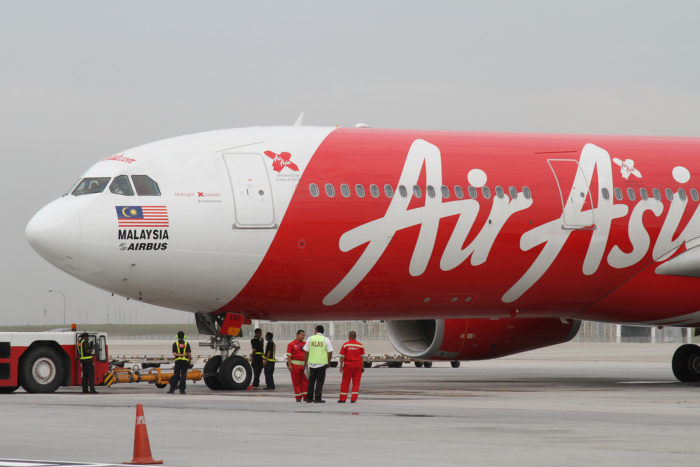
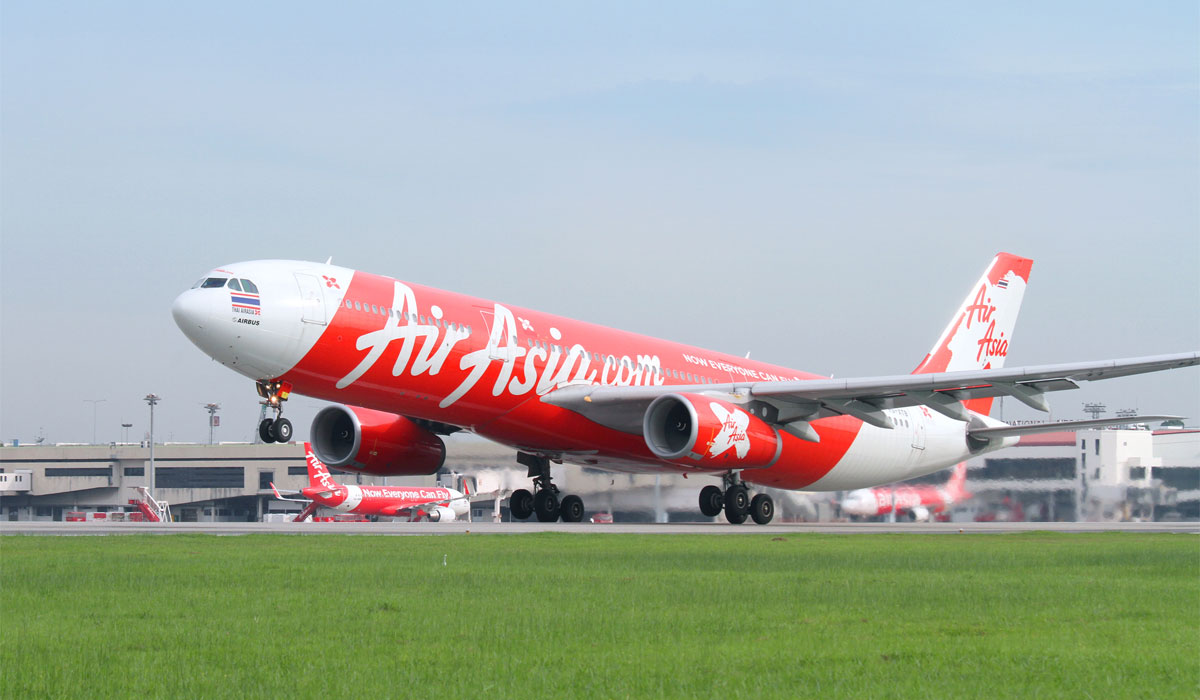
    AirAsia was under pressure even before Covid-19 plunged aviation into crisis. Auditor Ernst & Young had questioned the ability of the airline and long-haul unit AirAsia X Bhd. to continue as going concerns, based on their 2019 financial reports. At the time, the carrier — a major buyer of Airbus SE’s A320 aircraft — was struggling with excess capacity in Southeast Asia as airlines rapidly added planes and competition intensified. More recently, AirAsia’s Japanese unit collapsed and it sold its stake in AirAsia India Ltd.

    The company has sought to raise up to 2.5 billion ringgit through debt and equity. In February, Hong Kong financier Stanley Choi increased his stake to almost 9% for about $27 million. Choi told Bloomberg News he was confident that AirAsia could recover from the challenges facing the industry.

    The airline said Monday it is close to finalizing commitments from banks for loans and is in talks with “a number of parties” for investments, including joint ventures.

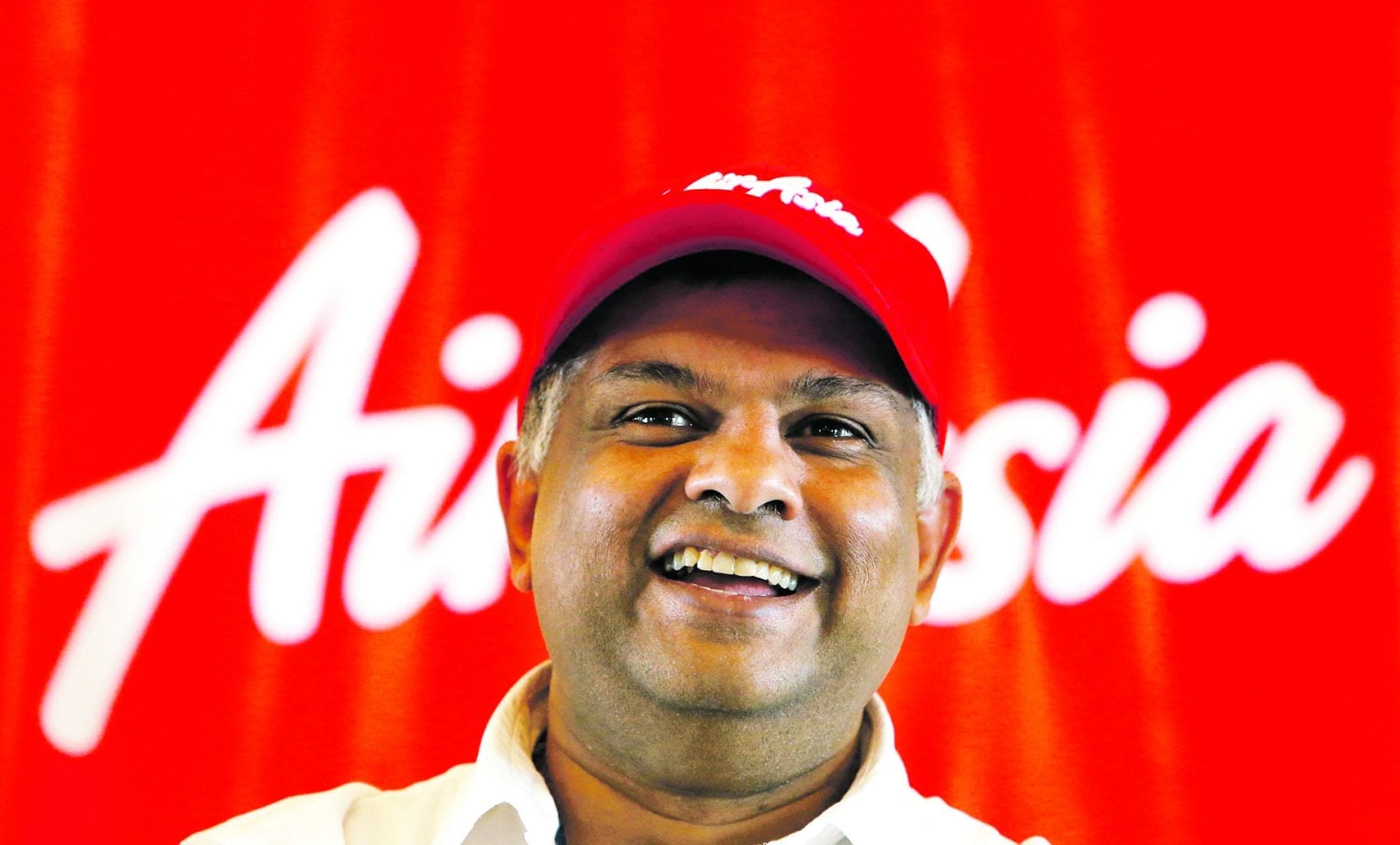
    AirAsia has branched out into other businesses, with a strong emphasis on digital operations. Chief Executive Officer Tony Fernandes said this month the company’s so-called super app would have a turnover of $250 million this year. The app can be used for things such as shopping, booking flights and ordering food.

    Logistics arm Teleport will soon start delivering vaccines in Malaysia and the region, AirAsia said. It plans to convert two A320 aircraft into cargo planes.

  • AirAsia expects to resume flying to most routes by the end of 2021

    AirAsia expects to resume flying to most routes by the end of 2021

    The outlook for the global aviation industry is improving as more countries begin rolling out mass immunization programs against Covid-19, AirAsia boss Tony Fernandes said Tuesday.

    As one of Asia’s top budget airlines, AirAsia expects to resume flying to “a large part” of its routes by the end of 2021 but passenger capacity is not expected to return to pre-coronavirus pandemic levels until 2023, according to Fernandes.

    “It’s been the toughest challenge,” he said,” as part of the network’s coverage of the Davos Agenda. “But I think the outlook’s getting better.”

    “The most important thing is there’s a huge amount of demand out there and we just have to wait for borders to open and I think we’re one of the first kind of businesses that will recover, from an airline perspective, because we’re very strong in domestic and regional,” he said

    The coronavirus pandemic has crippled the global travel and tourism sector. It’s sent many airlines into survival mode as they undertake mass layoffs, cancel orders, retire some of their existing fleet,s and cut down routes.

    In December, the International Air Transport Association (IATA) said airlines will suffer a net loss of $118.5 billion for 2020 and an expected net loss of $38.7 billion in 2021.

    AirAsia is also struggling. In November, the company reported a fifth straight quarterly loss between July and September and is in the process of raising funds through loans and investors. Fernandes said the company is looking at raising up to 2.5 billion Malaysian ringgit ($618 million) for the whole group. That includes AirAsia’s digital business and the logistics unit — both of which are performing well, according to Fernandes.

    “We’re a little bit behind schedule than we wanted to be but the amount’s exactly where we want to be. We are very confident that this capital that we’ll raise will take us well into 2023,” he said, adding that the company will emerge with a better cost structure, a strong digital business, and good demand for the airline.

    The AirAsia stock is down almost 22% so far this year.

    Fernandes also said AirAsia is in talks with Airbus and that the airline’s long-term order book remains. “We’re going to have to defer some of it to a later date,” he said, adding, “We don’t want to change that for short-term decisions.”

    AirAsia is one of Airbus’ largest customers since the airline made a switch from Boeing years ago. Reuters reported that since then, AirAsia has ordered a total of more than 660 Airbus jets including planes yet to be delivered.

    The CEO explained the competitive landscape for airlines has changed due to the pandemic. Some carriers have either reduced capacity or left the market altogether. Cost-cutting measures from AirAsia are expected to improve the company’s margins, he said.

    Budget airlines that fly shorter routes and sell on-demand services are expected to recover quicker than carriers that fly to intercontinental destinations and rely on first and business-class travel, according to Fernandes.

    He said business travel will take a longer time to recover as more people would opt to conduct business meetings virtually. “Time is a great healer. Eventually, business travel will come back but there’ll be an element that will say ‘well I can do it from Zoom,’” Fernandes added.

  • How to Choose a Holiday Camp

    How to Choose a Holiday Camp

    When schools are on a break, holiday camps offer the perfect opportunity for kids to gain independence, try new things, make friends, build confidence and, most of all, have fun while learning. But with many different camps on offer, how do you know which one will be the best fit for your child?

    Is your child ready for camp?

    Many camps accept children from age 3 up to 14, but for younger children their level of independence can be key in deciding if they’re ready for camp. 

    What should you look for in a camp?

    Good camps offer a balance of enrichment, games, and recreational activities with regular breaks for snacks and meals. They should employ experienced teachers, offer transportation options, and cater for different dietary requirements (eg vegetarian, halal). 

    What type of camp will your child enjoy most?

    Kids should see holiday camps as a benefit, not a chore, so see if you can find a camp that will cater for their special interests, such as Space or Harry Potter. Some companies also offer themed camps for e.g. Chinese New Year and Halloween.


    How much do camps cost?

    Prices for camps range from 80 SGD to 126 SGD  per day. Check whether camps include snacks and meals in their prices.

    Should you force your child to join a camp?

    Kids are often uncertain about new experiences but after one or two days at camp this anxiety normally disappears, and children are too busy having fun to worry about anything else.


    How do camps deal with misbehaving children?

    Established camps should have guidelines for acceptable conduct. Experienced teachers should be able to minimize any disruptive behaviour and allow one-on-one discussions to help children understand the impacts of their actions.

    How do I prepare my child for camp?

    Talking to them in advance about what the camp will entail – interesting topics, games, recreational activities, making new friends – can help settle pre-camp nerves. On a practical note, most camps will expect children to bring a bag packed with a reusable water bottle.


  • Vietravel Airlines to start flying next Monday

    Vietravel Airlines to start flying next Monday

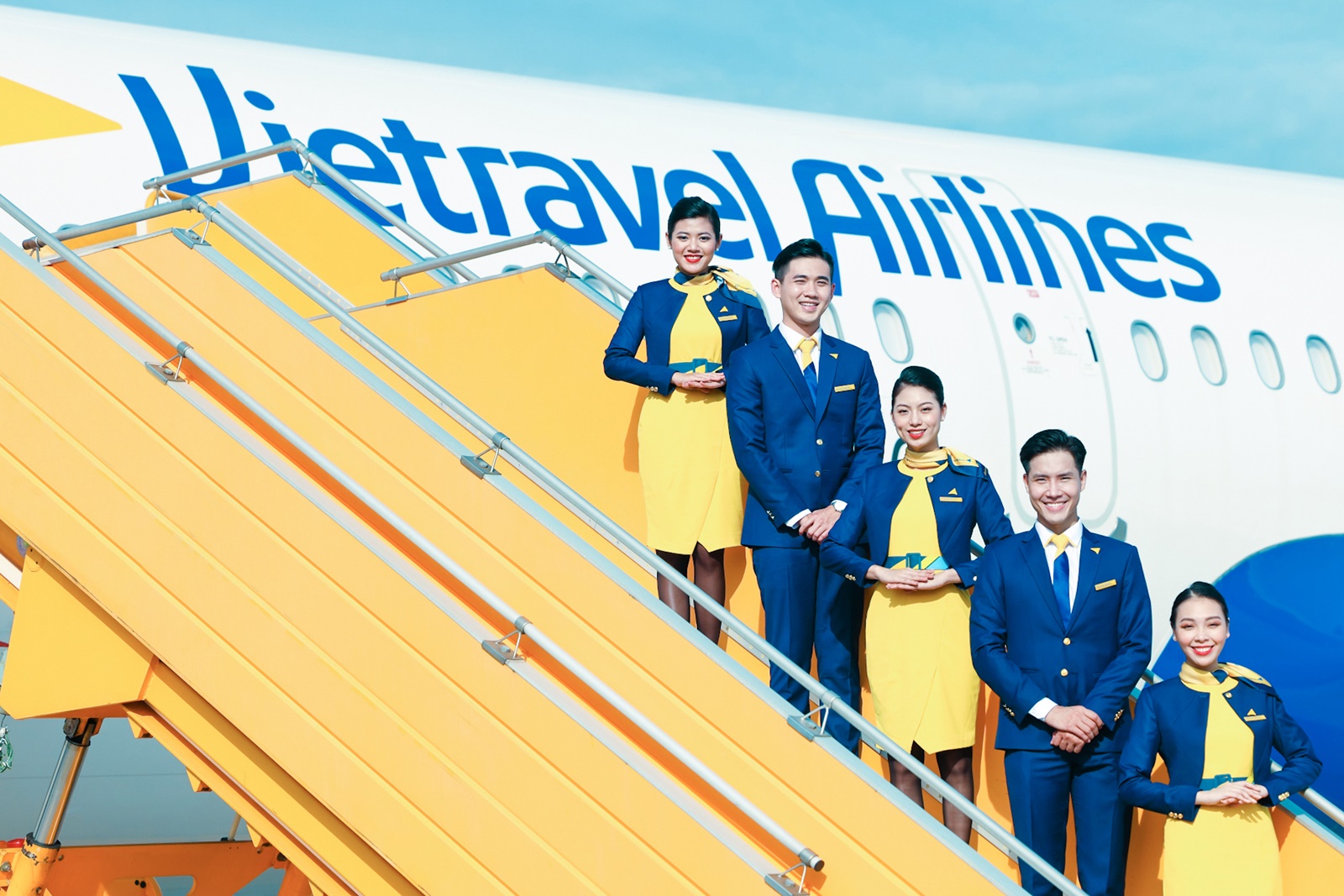
    Vietravel Airlines is scheduled to make its maiden flight on January 25, and began ticket sales on Tuesday, its CEO, Vu Duc Bien, said.

    Vietnam’s newest carrier will operate one or two flights a day each from HCMC and Hanoi to major tourist destinations like Nha Trang, Phu Quoc, Da Nang, and Hue.

    It has a fleet of two Airbus A321CEO aircraft and a third is expected to arrive on January 21 to meet the increased travel demand during the Lunar New Year Tet in mid-February.

    The carrier hopes to break even in its second year of operations.

    Vietravel Airlines has hired some 200 pilots and flight attendants and is looking to expand its fleet to 30 to prepare for international operations, flying to Southeast Asia, especially Thailand, the Middle East, and Northeast Asia, markets that Vietravel, the travel company that owns it, serves.

    It is the sixth carrier in what is a fiercely competitive aviation market after Vietnam Airlines, Vietjet, Jetstar Pacific, Vietnam Air Services Company, and Bamboo Airways.

  • AirAsia founder Tony Fernandes claims governments ’ Covid-19 coordination ‘horrific’

    AirAsia founder Tony Fernandes claims governments ’ Covid-19 coordination ‘horrific’

    “The coordination on Covid-19 is horrific,” AirAsia Group Bhd founder and group chief executive officer Tan Sri Tony Fernandes laments and claims in a direct swipe at world governments’ on how the global pandemic has been managed and its impact on the travel and aviation industries.

    BBC has today quoted Fernandes as saying that in his history of running an aviation business, he has never seen something so poorly coordinated.

    “It’s like nothing I’ve ever heard,” he said. “The United Nations, with the travel industry, should have come up with some standard protocols” earlier in the pandemic, but politics had got in the way, according to him.

    “Governments are petrified of their people, and they’re taking a very, very, very conservative view. They all want to be in control.

    “I just think that everyone’s… scared and just reacting in a very jingoistic and nationalistic way. I think countries are going to say, unless you’re vaccinated they’re not going to let you in without quarantine,” Fernandes said.

    The BBC report, which also quoted International Air Transport Association (IATA) director-general Alexandre de Juniac, said the world’s airlines need another US$70 billion (about RM283.5 billion) to US$80 billion of government support to get through the crisis caused by the coronavirus pandemic.

    de Juniac was quoted as saying the figures were “on top of the US$170 billion already granted”.

    It was reported that June 2021 is when he expects the first significant easing of travel restrictions, as the impact of vaccines begins to be felt.

    “Government travel restrictions and a huge fall in passenger confidence meant global demand for flights fell about 60% last year, according to IATA figures.

    “That means 2020 saw about 1.8 billion passengers fly, instead of the 4.5 billion in 2019. In an industry where profit margins were already thin it means airlines are estimated to have already lost US$118 billion, with worse set to come,” BBC reported.

  • Vietnam Airlines seeks shareholder loans

    Vietnam Airlines seeks shareholder loans

    Vietnam Airlines Group has called an extraordinary shareholders’ meeting next week to source low-interest loans to accelerate Covid-19 recovery.

    At the meeting, to be held on Dec. 29, the flag carrier will seek loans from its shareholders that comprise the government with an over 86 percent stake, Japanese aviation company ANA Holdings with 8.7 percent, and other organizations and individuals.

    The National Assembly in November approved a plan for the central bank to refinance Vietnam Airlines and rollover loans. The airline had earlier asked for a relief package of VND12 trillion.

    The group will also seek shareholder approval to issue more shares to existing stakeholders and so increase its capital.

    Vietnam Airlines Group, consisting of the carrier and subsidiaries Pacific Airlines and Vietnam Air Services Company (VASCO), posted a loss of VND10.75 trillion ($464 million) for January-September as the Covid-19 pandemic slashed its number of flights.

    It has forecast the figure would rise to VND15.2 trillion for the whole year.

    All Vietnamese airlines have fallen victim to Covid-19 this year with the number of flights plunging 36 percent year-on-year to 19.

  • AirAsia X plans stock issue to raise funds while cutting share capital

    AirAsia X plans stock issue to raise funds while cutting share capital

    Long-haul budget carrier AirAsia X is planning to broaden the extent of a planned capital reduction, and raise additional funding through a new share issue. AirAsia X aims to raise RM300 million from current shareholders plus another RM200 million from new investors – a total of RM500 million ($123 million).

    It describes the new share issue as a “critical component” of a restructuring program for the airline.

    “There are several scenarios envisaged within our business plan and the funds to be raised are adequate for each of these scenarios,” says the carrier.

    As part of the financial restructuring, the carrier is to broaden a planned capital reduction, reducing the issued share capital by 99.9% – rather than the previously-proposed 90%. This will involve cutting the share capital to RM1.53 million.

    “Credit arising from the proposed share capital reduction will be used to offset part of the accumulated losses,” says the carrier.

    AirAsia X is also intending to consolidate its stock with a conversion of every 10 shares into a single share.

    Shareholders’ funds after the capital reduction will remain negative, it says, but the consolidation will “provide a platform to seek fresh funding” from current shareholders.

    The company admits it has faced objections from “several” lessors who are among creditors from which AirAsia X needs to obtain approval for its debt restructuring plans.

    AirAsia X points out that this restructuring is necessary for the recapitalization. “A comprehensive reset of the airline is required to provide a platform to rebuild, and a vehicle attractive enough for investors to invest in,” it adds.

    It says it will “continue to engage” with its creditors in an effort to “allay their concerns”, stressing that the alternative is the liquidation of the carrier.

    AirAsia X argues that a “reset” with fresh equity and repositioning of the airline as a regional, medium-haul low-cost carrier will provide the “best economic returns” to creditors.

  • Airasia joins forces with Turkish Airlines to prepare for return of international travel

    Airasia joins forces with Turkish Airlines to prepare for return of international travel

    In anticipation of a potential revival in international travel, airasia.com has partnered with Turkish Airlines to allow it to enhance its strong pan-Asia flight network.

    The collaboration will enable airasia.com to tap into Turkish Airlines’ comprehensive destination map, which is the world’s largest in terms of the countries and international points flown by a global carrier, the low-cost carrier said in a statement today.

    AirAsia Group chief executive officer Tan Sri Tony Fernandes said airasia.com welcomes the opportunity to promote Turkey as a major gateway to Europe, to prepare the airline once borders gradually reopen next year.

    “Today airasia.com with its comprehensive portfolio of travel and lifestyle products is well-poised to promote the best that Turkey and the wider European market have to offer.

    “We will continue to collaborate creatively with other industry players to stimulate travel demand and complete our product offering as the one-stop platform for all our customer’s travel and lifestyle needs,” he said.

    While using its virtual interlining technology, airasia.com will now be able to combine Turkish Airlines’ extensive flight inventory with AirAsia flights and offer itineraries with attractive discounted fares from normal fares.

    AirAsia said the partnership is expected to generate a substantial synergy between the two parties through the cross-promotion of destinations, with the mission of being proactively prepared to tap into forthcoming return of travel.

    Travellers can also enjoy the convenience and great value of an end-to-end product offers across airasia.com ecosystem, from flights to hotels and activities, it added.

  • Hong Kong faces tourism bust

    Hong Kong faces tourism bust

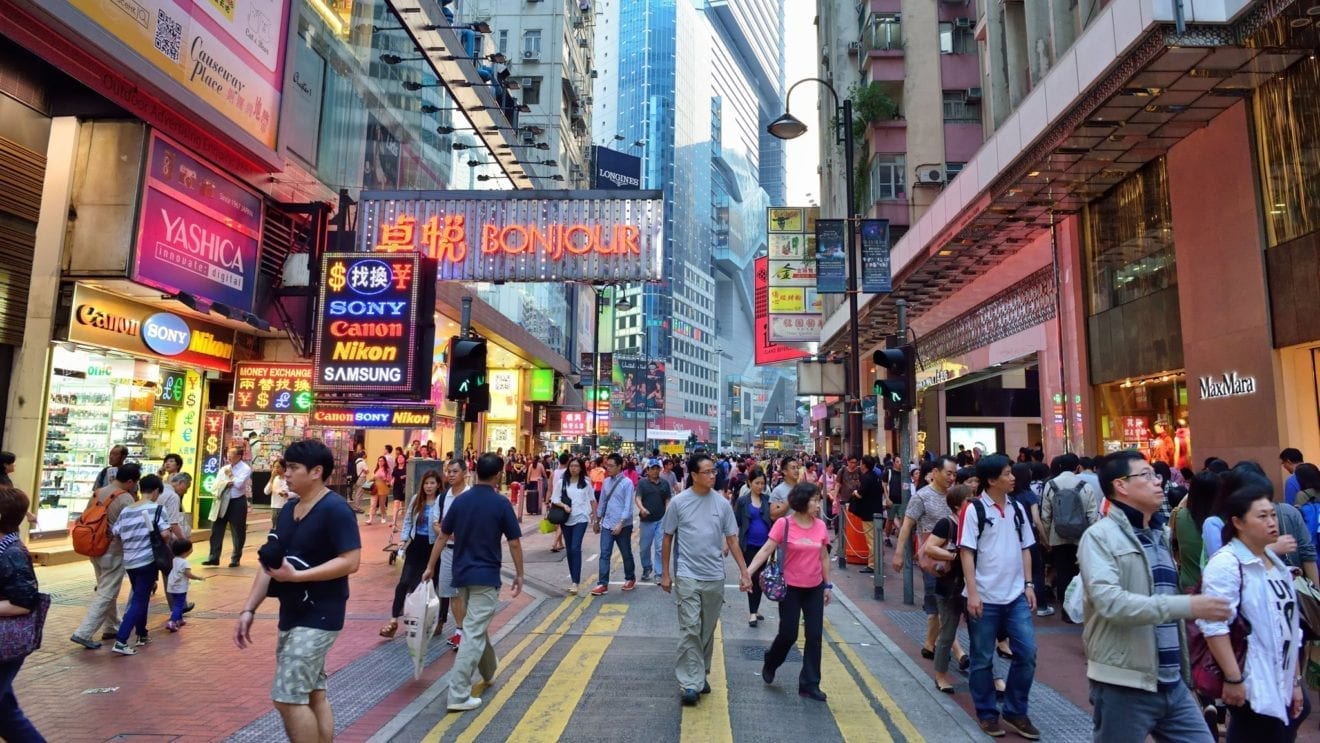
    Hundreds of parked tour buses are gathering dust at a northern Hong Kong container port, having been off the road for 10 months since authorities banned non-resident arrivals into the city due to the new coronavirus.

    The area has turned into a “bus cemetery,” said Freddy Yip, president of Hong Kong’s Travel Agent Owners Association. He said the former British colony – which was the world’s leading tourist city destination last year – faces a similar fate at the end of November, when the government ends a wide-ranging wage subsidy program that has helped about 2 million employees in all types of industries.

    The program was introduced in June and renewed in September, but the Hong Kong government has ruled out an extension beyond the end of November citing the high cost, leaving many tourism-dependent businesses on the brink of collapse, unable to find other revenue sources and unable to pay wages.

    “If they cannot see any light ahead of them, they will just stop and cut their losses,” said 70-year-old Yip, who has worked in the trade for nearly 50 years.

    A spokesperson for the Hong Kong government said it would “keep a close watch on the latest situation and respond in a timely manner,” but gave no further details.

    About 56 million people visited Hong Kong last year. The city was ranked number one for arrivals globally last year by research company Euromonitor International. Visitors, most of them from mainland China, are drawn to its vibrant mix of cultures, dramatic harbour views and world-class shopping.

    The Chinese-ruled, semi-autonomous global finance hub makes about 5 per cent of its gross domestic product, or about US$18 billion, directly from tourism, not counting money spent in local shops and restaurants. Hong Kong’s tourism sector directly employs about 260,000 people, according to the government.

    Mainland Chinese visitors typically spend more per day than the average resident on baby formula, cosmetics and luxury goods, driven by a perception that Hong Kong has better quality standards than at home. That source of spending was cut off in early February, when Hong Kong sealed its borders to mainland China, with exemptions only for a small number of business travellers.

    Bubble trouble

    Visitor arrivals have been down 96 per cent to 99 per cent year-on-year every month since February, according to government figures. A travel bubble with Singapore – allowing a limited number of people to move between the cities after being tested for the virus – is due to begin this week, but is not likely to halt that decline, industry executives said.

    The arrangement lets travellers forgo quarantine, but is initially limited to one daily flight of only 200 passengers each way. That is a drop in the ocean for Hong Kong, which set its own record in January last year with 6.8 million visitors, including 5.5 million from Mainland China.

    Tour guide Mimi Cheung, 46, said she was pessimistic about the travel bubble, due to the limited number of people, strict regulations and high costs – around HK$2000 ($260) for mandatory virus tests, plus around HK$6000 ($774) to buy a tour in either city.

    “The government should open the mainland border under safe conditions. It will bring some hope,” said Cheung, who has found temporary work as a night security guard to provide for her parents and two children.

    Hong Kong leader Carrie Lam has said reopening the border with the mainland remains a priority, but Chinese officials have shown no indication they are willing to do so until virus cases fall to zero in Hong Kong.

    The city’s government has been trying to spur local tourism by offering free tours for small groups, but operators say it has been little help.

    Dozens of travel agencies have told staff to take unpaid leave from December, saying they can no longer afford to pay salaries or rent, according to employees interviewed by Reuters, travel associations and local media reports.

    Violent anti-government street protests in the second half of last year discouraged some tourists, leaving many operators without cash buffers to weather this year’s crisis.

    The city’s meetings and conventions business is also likely to see a 90 per cent revenue drop this year, equivalent to about HK$50 billion ($6.45 billion), said Stuart Bailey, chairman of the Hong Kong Exhibition & Convention Industry Association.

    The sector, which employs around 80,000 people, has had to cancel most of this year’s events, he said.

    “People are not optimistic we will be back to 2019 levels for at least 18 months to two years.”