Tag: Hong Kong

  • Hong Kong Retail Sales Drop around Chinese New Year

    Hong Kong Retail Sales Drop around Chinese New Year

    Following 21 consecutive months of retail sales growth, Hong Kong retail sales declined in February, according to the latest Mastercard SpendingPulse™ Hong Kong Report. Mastercard SpendingPulse, which measures consumer spending across all payment types, including cash, found that retail sales contracted by 3.2 percent in February compared to last year.

    The drop, compared to last year’s extraordinary growth, is attributed to various factors, such as diminishing consumer confidence and warmer-than-usual winter. In addition, the Chinese New Year celebrations landed in early February this year, causing the majority of New Year purchases to be made in January. The drop in February retail sales was seen across the board, with clothing, grocery, health & beauty, jewelry, and furniture all experiencing a year-on-year decrease.

    However, the low unemployment rate (2.8 percent), the lowest level since February 1998, may help to improve the retail sales performance. Some growth was seen towards the month’s latter half, due to lower comparative statistics from last year’s New Year period.

    “After an impressive 21-month growth trend, we have seen a decline in retail sales in Hong Kong, particularly around Chinese New Year, due to various reasons ranging from the unusually warm winter to consumer confidence,” said Sasha Krstic, executive vice president, Services – Asia Pacific, Mastercard.

    Analyzing local retail performance and spending, the macroeconomic report uses aggregated and anonymous transaction data, along with all other payment forms including cash, to offer insights into consumer spending trends, providing an early overview of market indices to help retailers, investors, card issuers, banks and government agencies in their decision-making processes.

    The Mastercard SpendingPulse™ report is available to subscribers the third week of every month and shares quality insights on consumer spending. The monthly report also includes an overall retail sales and price index, so that subscribers can understand whether spending growth is truly being driven by increased shopping or by inflation or increased promotions.

    SpendingPulse™ is currently available to subscribers in Australia, Brazil, Canada, Hong Kong, Japan, the United Kingdom, and the United States, and is delivered ahead of retail spending figures provided by other sources. It is one of the most quoted reports on macroeconomic trends in the US and is often used as a source of reference by major international news outlets.

  • Hong Kong dessert shop Hui Lau Shan Launched in Philippines

    Hong Kong dessert shop Hui Lau Shan Launched in Philippines

    Hong Kong dessert shop Hui Lau Shan has opened in the Philippines.

    It is the first time for the franchise to open in the very region from which its special variety of mango is sourced. Its soft launch on March 17 at SM Megamall in Mandaluyong city was well-attended by local fans of the brand’s mango-based food products.

    Hui Lau Shan Megamall PH store

    Hui Lau Shan originated as a Chinese herbal tea vendor in the 1960s before blending carabao mangoes in with its other ingredients in the 90s to create a unique dessert.

    The fresh fruit drinks were well-received and the brand now has more than 260 locations globally.

    The firm’s local partner is Fat Daddy’s Group, well-known for its Smokehouse restaurants.

    “The sweet taste of our own fruit has helped propel the brand’s growth in and outside Asia,” said Fat Daddy’s president Freshnaida Versoza. “It’s about time that we bring it here to the Philippines. It’s also our way of supporting the country’s agribusiness since Hui Lau Shan is estimated to consume one ton of premium carabao mangoes per week for 10 to 15 stores.”

    More Hui Lau Shan branches are planned for other malls in the territory, including SM North Edsa, SM Fairview and SM Mall of Asia.

  • HKBN, TVB extend partnership to enterprise segment

    HKBN, TVB extend partnership to enterprise segment

    Hong Kong fixed line operator HKBN and broadcaster TVB have expanded their strategic partnership to the enterprise market, offering business customers coupons offering discounts on each other’s services bundled with a contract.

    Under the collaboration, business customers of both companies will be eligible for discounts worth up to 50% of their total service contract for digital marketing and telecommunications services respectively.

    For example, enterprises subscribing to dedicated HKBN solutions with a contract sum of HK$100,000 ($12,739) will receive a coupon worth up to HK$50,000 for settling advertising fees on the myTV SUPER and Big Big Channel marketing channels.

    Likewise, subscribers to the marketing and advertising plans will be granted a coupon worth up to 50% of the value towards newly subscribed HKBN enterprise solution services.

    The myTV SUPER OTT platform is the largest in Hong Kong with over 7.3 million registered users. TVB’s ad booking manager allows businesses to advertise on the channel for a fee as low as HK$1,000.

    Big Big Channel meanwhile provides on-stop video marketing solutions, ranging from video planning and production to delivering contents to the Big Big Channel app.

  • Third Decathlon Hong Kong store will be its largest in HK

    Third Decathlon Hong Kong store will be its largest in HK

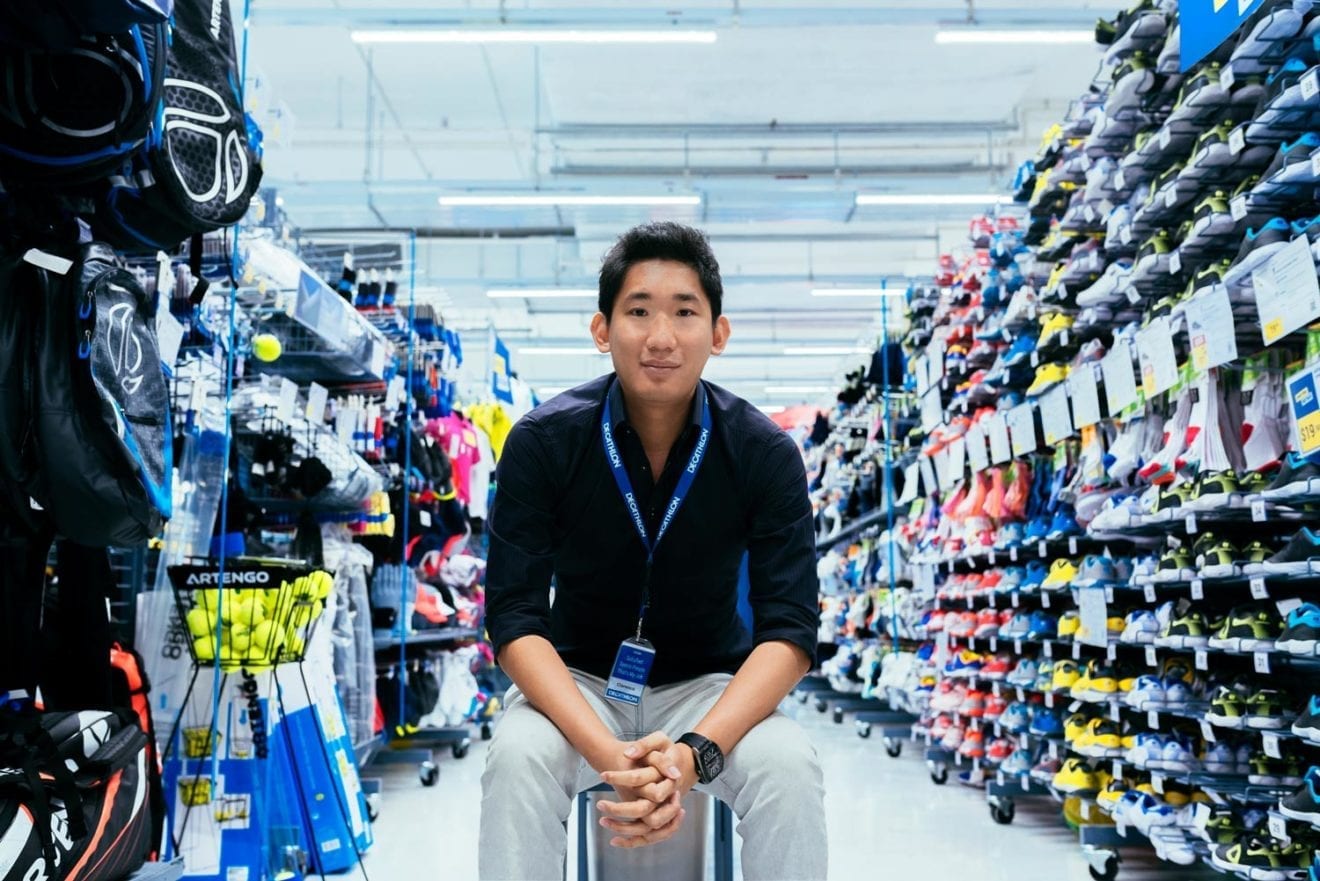
    The third Decathlon Hong Kong store set to open in June will be the French sports retailer’s largest in the territory yet.

    Scheduled to open on June 15, the 72,000sqft store will be located at Sheung Tak Plaza in Tseung Kwan O.

    What sets apart the new store is that half the space is outside, a 36,000sqft combination of practice spaces where customers can try out sports products and footwear for themselves. Decathlon says the practice area will cover 70 sporting disciplines, including badminton, tennis, basketball, hiking, football, running, yoga and even a ski-testing area.

    “At Decathlon, we want to make sure sport is accessible to the many through high-quality products at competitive prices, with the outdoor terrace providing a place for sports users to play and really test our products before they buy,” said Decathlon Hong Kong chief Marc Zielinski.

    “We are all aware of the importance of exercise for better mental and physical health but at the same time, we understand sports engagement can be a heavy financial burden to some,” he said.

    The new store will feature multiple 50” LED screens promoting Decathlon’s range of more than 13,000 products.

    Customer engagement among sports people will be encouraged with advice and training for various codes, including in-store classes.

    Decathlon Hong Kong launched in August 2017 with a store in Causeway Bay, adjacent to Ikea, and another in Mong Kok. The company has more than 1500 stores worldwide and plans to make its debut in the US in the coming months.

  • Deliveroo Presents Hong Kong’s First Rider Restaurants Award

    Deliveroo Presents Hong Kong’s First Rider Restaurants Award

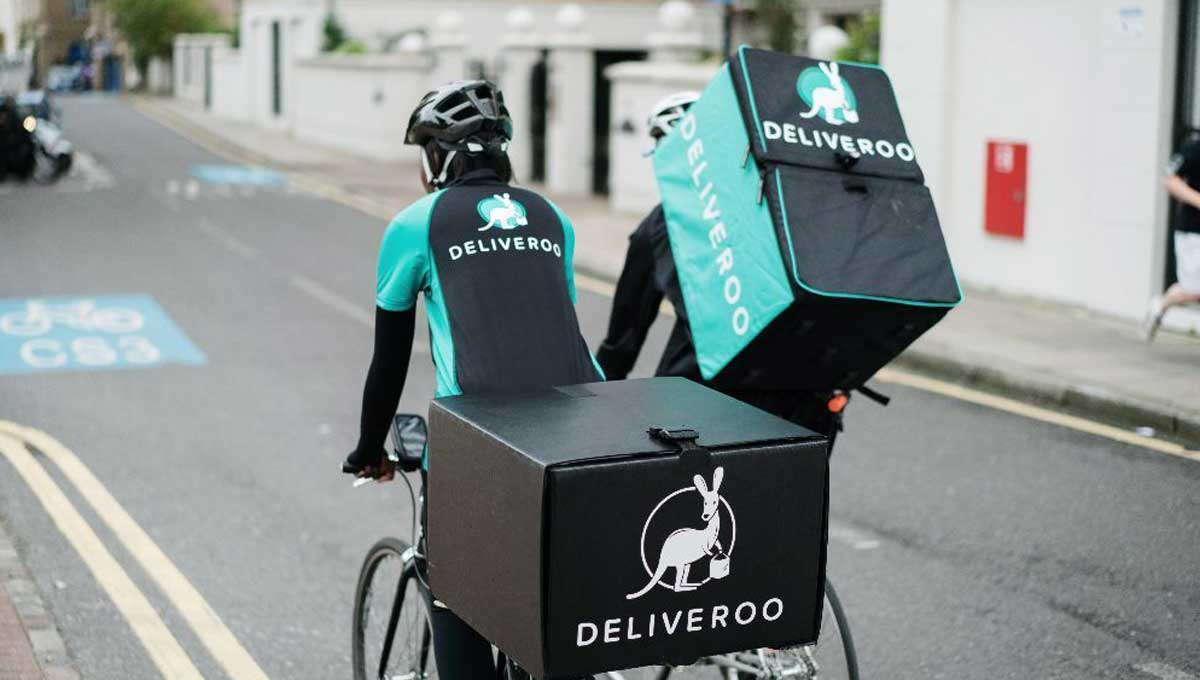
     Celebrating the collaboration between riders and restaurants, the backbone of Hong Kong’s food delivery industry, Deliveroo has launched the new Rider Restaurants Award. This is a first-of-its-kind initiative, promoting the spirit of hospitality and asking riders in every Hong Kong district to vote for their favourite restaurants to work with.

    The unique teamwork between riders and restaurants is fundamental to Deliveroo’s mission to bring a huge variety of delicious food direct to people’s doors. In the first ever Rider Restaurants Award, riders in Hong Kong have voted for their favourite restaurants based on criteria such as the courtesy and friendly attitude of staff, order preparation time, and being offered extra hospitality touches such as a glass of water or access to a phone charger.

    Brian Lo, General Manager of Deliveroo Hong Kong, said, “The Rider Restaurants Award are yet another fantastic way for Deliveroo to support the thriving growth of food delivery in Hong Kong. We’re thrilled to shine the spotlight on the symbiotic relationship between Deliveroo riders and restaurants, recognizing their joint efforts to bring fresh, tasty meals to people in Hong Kong, fast. With Deliveroo, restaurants get more customers, riders get well-paid and flexible work, and everyone can enjoy more access to great dining options.”

    A total of 975 votes were received, representing nearly half of the Deliveroo fleet. Key findings include:

    • Amongst winning restaurants, the average prep time from when an order is received to when it’s ready for delivery is 7.6 minutes
    • 20 out of the 23 winning restaurants offer an order prep time under 10 minutes
    • Cheung Hing Kee Shanghai Pan-fried Buns (Central), Marugame Seimen (Kowloon Bay) and Pak Don (Yau Tong) boast the fastest order prep times, at 4.6, 4.9 and 5.3 minutes, respectively
    • In terms of how long riders must wait once they arrive to a restaurant, on average, 83.8% of riders enjoy 5-minute-or-less waits across all winning restaurants
    • McDonald’s (Wan Chai) wins on snappy service, with more than 96% of riders saying their wait time is under 5 minutes
    • All winning restaurants offer a wait time of under 5 minutes to at least 60% of riders

    Drawing top scores from Deliveroo riders, the winning restaurants in Deliveroo’s first Rider Restaurants Awards received their trophies from Deliveroo this week. They are:

    Hong Kong Central:

    • La Rotisserie
    • McDonald’s
    • Eric Kayser

    Hong Kong Island East

    • The Night Market
    • Ki’s Roasted Goose Restaurant
    • McDonald’s

    Hong Kong Island South

    • Viet’s Choice
    • GCX
    • Tam’s Shop
    • Meen & Rice
    • Shanghai Lao Lao

    Hong Kong Island West

    • Cheung Hing Kee Shanghai Pan-fried Buns
    • BEP Vietnamese Kitchen

    Kowloon Central

    • Dumpling Pro
    • King of Sheng Jian

    Kowloon East

    • Marugame Seimen
    • PakDon Yau Tong
    • Viet’s Choice

    New Territories East

    • California Pizza Kitchen
    • KTS

    New Territories West

    • Crystal Jade Jiang Nan
    • FOODBOX

    Furthering the company’s commitment to support Hong Kong’s burgeoning food delivery industry and bring added value to partners and customers wherever possible, Deliveroo collected a number of learnings during the awards process. These have been collated into a list of insights on which restaurant hospitality practices make the biggest difference to riders. These practices can deliver a higher quality of service and a better experience for riders, restaurants and customers alike. Key points from the winning restaurants include:

    • Treating riders and walkers with the same level of warm, welcoming service as customers
    • Encouraging hospitality training for staff, e.g. courses conducted by the Hong Kong Quality Assurance Agency
    • Double checking orders for delivery to ensure they have been correctly prepared
    • Being ready to give prepared meals to riders as soon as they arrive

    Brian Lo added, “Leading the Riders’ Restaurants Awards has been an amazing opportunity to learn more about how restaurants in Hong Kong can deliver the best hospitality experience, whether interacting with guests in person or working with delivery riders to reach hungry customers at home. In Hong Kong’s highly competitive F&B market, cultivating the right service philosophy can help restaurants stand out from the crowd and win lasting loyalty from guests – whether they’re eating in or ordering takeaway from Deliveroo.”

  • PopSquare pops up at Mong Kok

    PopSquare pops up at Mong Kok

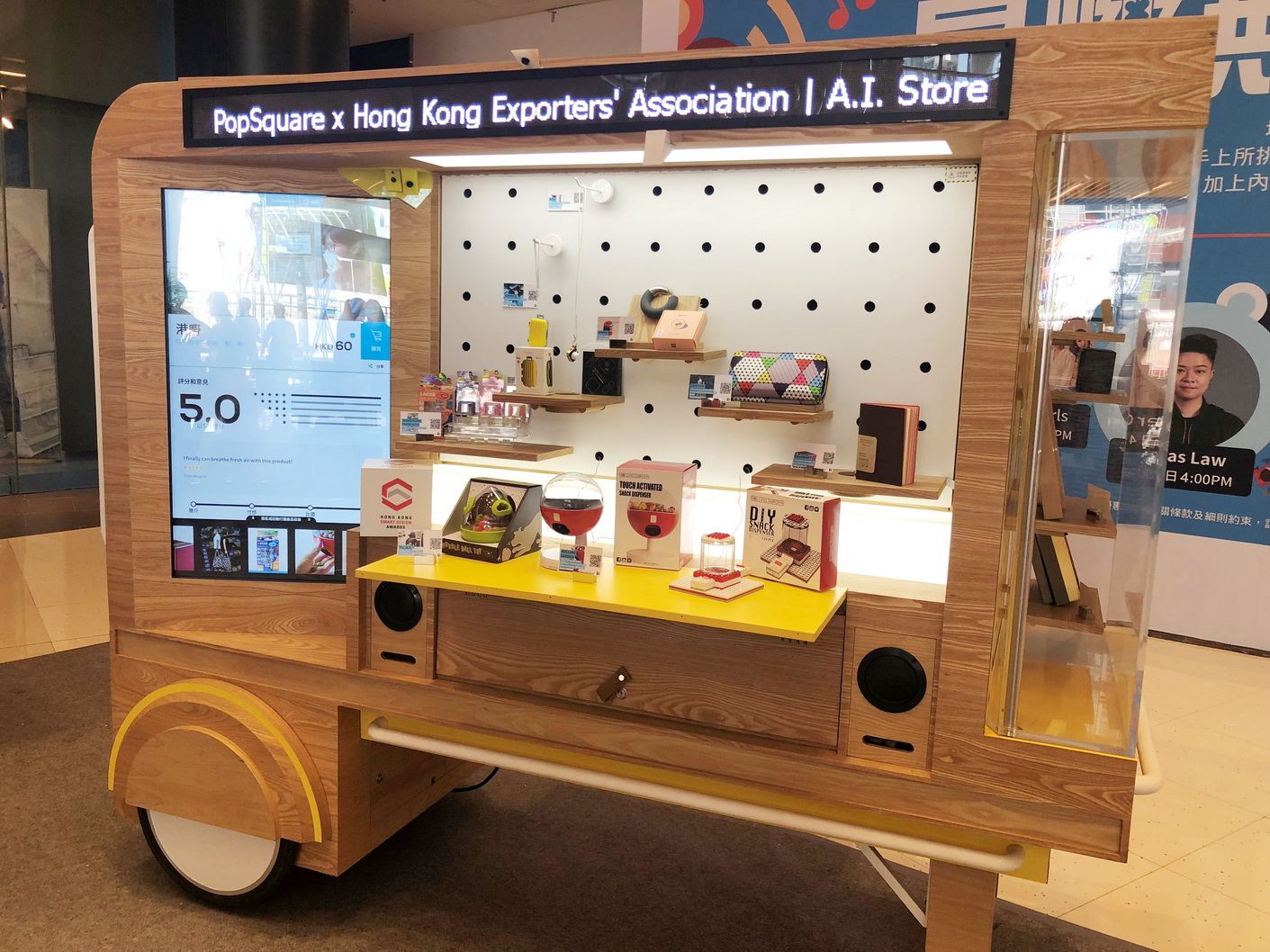
    AI pop-up store platform PopSquare is now installed at TOP Mall in Mong Kok.

    The kiosk, which stocks a variety of fashionable and designer international products targeted at young adults and couples, uses big data and AI technology to collect customer responses to products on sale.

    The Mong Kok PopSquare kiosk features a new interactive game – “Grab Grab Fun” – via the kiosk’s touch screen. The game serves to draw customer attention and increase engagement while building a customer database for future marketing and product pre-launch testing initiatives.

    PopSquare rotates at different locations from time to time to extend its reach to potential consumers.

  • HSBC launches PayMe for Business in Hong Kong

    HSBC launches PayMe for Business in Hong Kong

    HSBC has officially launched PayMe for Business, enabling customers to make purchases at 45 participating brands at launch.

    The new PayMe for Business app is now available for download at Hong Kong Apple App Store and Google Play. By using the latest version of the PayMe app, customers can make a payment by activating the scanner with a simple swipe to the left, and then scan the dynamic PayCode provided by the merchant.

    The PayMe for Business app requires no set-up cost. It also has no limits on payment collections amount and enables merchants to instantly transfer money to their HSBC Business Banking account and have access to their money in real time. It also offers features to help them gain insights into their business performance, as well as easily export transaction histories into compatible business accounting software.

    Currently, HSBC is waiving merchant transaction fees until 30 June 2019 as a promotion and early bird offer.

    “Recent beta testing has given us invaluable merchant and consumer insights, allowing us to refine the user experience before today’s launch.  We’re thrilled to have launched the app knowing that it was co-designed with our customers, and we look forward to continue building out new features to support all their business needs and help them grow,” said Greg Chapman, head of PayMe, HSBC.

    PayMe will also introduce PayMe Perks soon which features special offers such as discounts and limited edition F&B items exclusive to PayMe customers at participating merchants.  It’s expected that more details will be revealed in the coming weeks.

  • The tech advancements transforming the Hong Kong retail environment

    The tech advancements transforming the Hong Kong retail environment

    Ever-changing market dynamics and audience preferences are pushing retailers into a digital-driven world to respond promptly to consumer needs. Though e-payment machines are an increasingly common in-store sight, there are other retail tech trends that will have a longer lasting impact and help businesses stay one step ahead.

    Despite the rise of eCommerce, physical stores are not going anywhere. Customers will always want the option of visiting a physical store to try on jeans and dresses rather than buying three different sizes online. Sue Temple, vice president of global consumer insights at Nielsen, sees the trend of shoppers doing smaller, but more shopping trips in general, including online and physical stores. Connecting online and physical store experiences remains a major focus this year.

    Shops without shopkeepers

    When Amazon launched its Amazon Go to the public last year, the cashier-free store concept was seen as a revolutionary model for the future of retail, enticing the rest of the industry worldwide to play catch up. This year we are likely to witness more movements on smart, automated and cashier-less checkout schemes. Unmanned stores will eventually become ubiquitous in retail.

    Hong Kong shoppers had a taste of this kind of smart retail experience during the Chinese New Year. Tencent’s WeChat Pay HK and JOOX collaborated with Sun Hung Kai Properties to open an unmanned shop at the apm mall in January. The 1,000 square foot unmanned shop featured five themed zones offering trendy gaming, Chinese New Year merchandise, limited edition souvenirs, a self-service karaoke station and an AI mechanical arm interactive experience zone.

    The highlight of the unmanned store was a digitised consumer journey with more than 1,000 assorted goods in the store embedded with RFID chips. Customers could pick out items they wanted to purchase and then scan the QR code. The RFID system would automatically detect their chosen goods at the store exit, at which point, customers could use the Wechat Pay HK system to settle their transactions and leave.

    Tencent’s International Business Group (Tencent IBG) tells Marketing: “The unmanned store has been well-received by shoppers. It is a real-life demonstration for consumers to experience smart retail through a seamless and secure mobile payment solution. We aim to enhance the overall consumer journey, and empower consumers through greater flexibility and convenience as they go about their daily lives.”

    In the unmanned store, Tencent’s technologies not only enhanced the consumer experience, but also reduced operation costs for the retailer. It also provided analysable data to allow businesses and marketers to better understand consumer traffic, preferences and behaviour.

    Tencent IBG has noticed a number of challenges that traditional retailers are currently face: rising offline operating costs, declining revenue as shoppers move online, and increased consumer demand. At the same time, there are visible opportunities for retailers to drive business efficiency by disrupting old channels, gaining a better understanding of consumers, and exploring new technological possibilities such as facial recognition and voice recognition.

    Unmanned stores are all about removing friction and increasing productivity. While the minimisation of time in store has proven particularly effective for some retail categories (such as convenience and groceries) they are not suitable for other categories. Luxury, for instance, relies on the experience and time spent in-store, along with a high-touch service, as part of its value proposition.

    Reality bytes

    Great customer experiences will come from blending technology with a personal touch. Retailers are continuing to strive towards more personalised experiences with the use of AR and VR tech in their marketing campaigns and consumer journeys.

    Recently, L’Oréal Group brand Lancôme partnered with Alibaba Cloud to introduce an AR game to Hong Kong customers. The launch of a seasonal mobile app coincided with the opening of a Lancôme pop-up store in Harbour City. The partnership leveraged Alibaba Cloud’s data, image search and AR technologies with Lancôme’s beauty product lines to create a holistic online-to-offline experience.

    Customers could activate and play the AR game on their smartphones from anywhere in the city. Moving their cameras around, they were able to find and capture AR images of Lancôme’s signature beauty products.

    “The retail store is no longer simply a place for making a purchase, it is also an entertainment destination.”

    Larry Luk, CMO at L’Oréal Group, says, “As a beauty-tech company, L’Oréal combines beauty-tech with integrated marketing plans to drive the ‘retailtainment’ trend. This adds an entertainment element into the traditional retail approach, providing consumers with better interactive experiences.”

    Alibaba aims to demonstrate that cloud technology can also be used in offline retail shops, by not only offering innovative ways of engaging consumers, but also showing how Lancôme will better understand customers’ needs by using data analytic tools.

    “Lancôme began the Year of the Pig by breaking its daily sales record and achieving double-digit growth in Hong Kong by leveraging AR, Alibaba Cloud’s image search technology and cloud services,” Luk says. “Employing Lancôme as the pilot brand, the Chinese New Year campaign succeeded in creating unique and fun experiences and establishing personalised relationships with consumers.”

    The ultimate goal of all these types of innovative and interactive campaigns is to stimulate customers’ interest in the products and drive business growth. Nevertheless, in 2019, retailers may go a step further from AR and VR to the  world of IR (immersive reality).

    The potential of IR could be immense. While AR overlays digital content onto an existing physical space and VR transports users into a synthesised 3D world through sight and sound input, IR is a dramatic advancement. It provides an immersion of all five senses (sight, sound, touch, smell and taste) and far more interactivity. Which could, of course, result in far more data.

    Consumer soothsayers

    While marketers believe collecting big data is enough to understand current consumer behaviour for planning campaigns or business strategies, building accurate predictions of future consumer behaviour may be the game changer.

    “A lot of big data looks backwards. It is what happened five minutes ago, an hour ago or last week. Now we are trying to predict what happens next,” Nielsen’s Temple explains.

    Shopper behaviour is changing rapidly; a tool that enables retailers to keep up with the speed of change, or even stay ahead of it, will be the key to winning. Temple says: “If we can get quicker at research, we can model more things, more quickly, and we can look forwards not backwards, then the retailers have a real chance to win, to differentiate themselves from competitors, to deliver something the shopper wants.”

    After rolling out in 12 markets in 2018, in February 2019, Nielsen’s Smartstore launched in Hong Kong. Smartstore is a digital solution that captures shopper insights in a 3D virtual immersive environment. Respondents will be tested in multiple live scenarios in a variety of custom store formats to gather predictive information. Their shopper experience will provide tracked head, eye and feet movements, alongside 3D heat maps for analysis. The turnaround for results can be as fast as one week.

    This solution combines store planning, merchandising and marketing research. Retailers can measure, evaluate and optimise a range of retail concepts on sales and profit, based on how target shoppers react at the moment of truth. The solution allows retailers to measure the effectiveness of point of sale merchandise based on what shoppers “see, think and do”.

    Technological advancements help businesses to create better marketing strategies with a better understanding of consumer behaviour, and ultimately, achieve greater business uplift with higher conversion. However, Temple thinks Hong Kong is lagging behind adopting retail tech.

    “Digital is not an option anymore, it is not about being a digital marketeer, it is about being a marketeer that embraces all of that, the traditional and the digital, and getting the right mix for your brand, your category and your store.”

  • Hong Kong to have its first Superyacht Management Services Center

    Hong Kong to have its first Superyacht Management Services Center

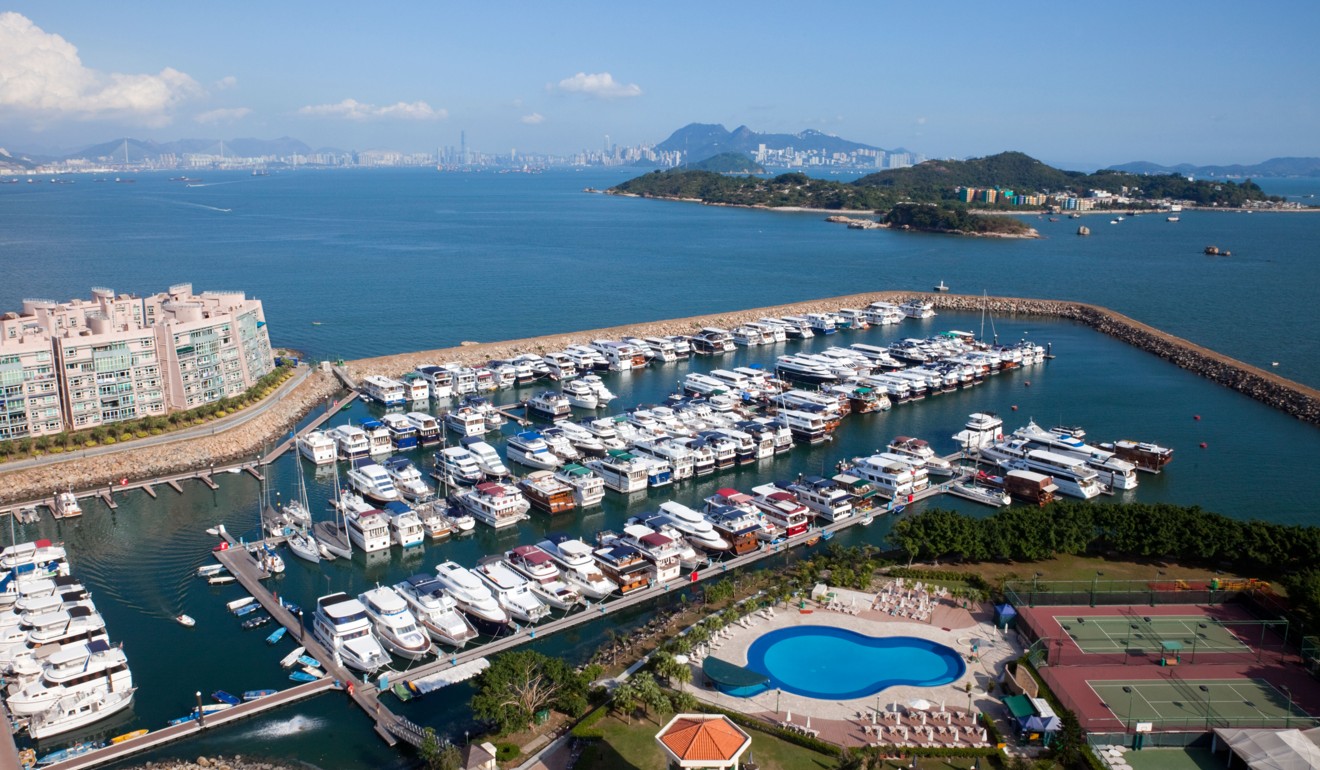
    Hong Kong Cruise and Yacht Industry Association (HKCYIA) has reached a partnership agreement with the China Merchants Industry Holdings Co. Ltd for the establishment of the Hong Kong’s first Superyacht Management Services Center in Tsing Yi. Located at the Yiu Lian and Euroasia Dockyards, the centre will provide world-class supporting services for superyachts of over 45 meters, including yacht refit, repair and maintenance services.

    Speaking at the signing ceremony witnessed by lawyers of Stephenson Harwood, Kara Yeung, HKCYIA Executive Director said “the establishment of a yacht management services center specifically designed for superyachts has marked a major milestone in the development of the yacht industry in Hong Kong. As more yachts are becoming bigger in recent years, the demand for quality superyacht management services is on the rise. However, existing facilities in Hong Kong are lagging behind leaving some very big space for development in this field.”

    “Currently the majority of the maritime business in Hong Kong is taken up by commercial and cargo ships, with the repair and maintenance systems being mainly designed for these kind of ships. However, yacht management and maintenance is another service segment which the current system cannot cater to meet their specific needs,” She said.

    Yeung remarked that the move is in line with China’s plan to develop the maritime economy. According to the Outline of the 13th Five-Year Plan for the National Economic and Social Development of China, the maritime economy grew by 7.5 per cent annually on average in the past five years reaching 7.8 trillion yuan in 2017. Beijing expects the maritime industry to be worth 10 trillion yuan by 2020 and account for around 15 percent of her GDP by 2035, showing the bright future of the maritime business.

    As Hong Kong is expected to be a “super connector” in the implementation of the Belt and Road Initiative and the strategy to build a 21st century maritime Silk Road, the enhancing of multilateral maritime co-operations and fostering of world-class marine industrial clusters in the Greater Bay Area will be of special significance for Hong Kong.

    Yeung said the HKCYIA Superyacht Management Services Center is set up in response to this national strategy as it will provide a transit point for superyachts to obtain supplies and fuel when they travel to destinations in Asia. Not only will more superyachts come to Hong Kong to help promote tourism, but also more foreign investors are expected to come and develop the related businesses.

    According to Yeung, the HKCYIA Superyacht Management Services Center will collaborate with international yacht brands and top yacht management companies in providing world-class supporting services, including repair and maintenance, audit and survey, bunkering services, crew administration, logistics support, etc. Exclusive onshore tours with tailor-made itinerary can also be provided for ship owners and their crew.

    HKCYIA will also join hands with the Maritime Services Training Institute (MSTI) and RINA Services S.p.A. to develop a superyacht management course, providing hands-on training to young people who have an interest in pursuing their careers in the yacht industry.

    Yeung said this programme will be the first of its kind and the collaboration with RINA will provide training that meets international standards. “Nurturing the next generation is important for the long-term development of the high-end maritime economy. The Superyacht Management Services Center will provide the perfect environment for youngsters to learn the necessary skills from industry practitioners, as well as getting the opportunities to develop their careers.

    Since last year, HKCYIA has been working closely with the relevant associations and organizations, with the plan of fostering the development of the yacht industry in China. A Memorandum of understanding was signed between the association and Asia Pacific Superyacht Association (APSA); Taiwan Yachts Industry Association (TYIA); Shenzhen Boating Industry Association (BIA); Zhuhai Ocean Association; Yacht Industry Development Association of Fujian; Hainan Cruise and Yacht Association and Sanya Yachting Association (SYA) to provide the foundations for future co-operations.

    HKCYIA will also participate in the Singapore Yacht Show 2019 in April and the Versilia Yachting Rendez-vous in Viareggio in May in meetings with industry experts to seek further co-operations. Yeung has been invited as a guest speaker of the Asia Pacific Superyacht Conference 2019 to share her insights on the development of yacht industry in Hong Kong.

  • Hong Kong’s Ofca assigns first 5G spectrum

    Hong Kong’s Ofca assigns first 5G spectrum

    Hong Kong operators HKT, SmarTone and China Mobile Hong Kong have all been granted spectrum in the 26-GHz and 28-GHz frequency bands for 5G use.

    The three operators, which had each applied to be assigned spectrum across the two bands, have each been offered 400 MHz of spectrum on a provisional basis by telecommunications regulator Ofca.

    The applicants were all found to have fulfilled the required licensing criteria to be granted assignment of the non-shared spectrum.

    The administrative assignment of the 26-GHz and 28-GHz spectrum will be followed up with the auction of 380MHz of spectrum in the 3.3-GHz, 3.5-GHz and 4.9-GHz bands in the middle of the year.

    Hong Kong’s second largest operator by market share 3 Hong Kong declined to apply to be assigned 26-GHz and 28-GHz spectrum, opting instead to rely on its existing airwaves and the spectrum it expects to be able to acquire in the upcoming 5G auction.

    In addition, 3 Hong Kong cited factors including Ofca’s requirement that operators establish thousands of radio units compatible with the spectrum within five years of the assignment, as well as the shortage of announced devices that support the two frequency bands.

  • Emperor Watch & Jewellery sales slowing down in Hong Kong, Macau

    Emperor Watch & Jewellery sales slowing down in Hong Kong, Macau

    Emperor Watch & Jewellery sales rose strongly in Hong Kong and Macau last year, due to a rebound in tourism in the first half and the opening of new stores.

    Hong Kong remained the group’s core market, with sales there up 19.6 per cent. In Macau, sales rose 224 per cent, according to the company’s latest results.

    Adjusted net profit of $269 million represented a 68.1 per cent improvement over the preceding year.

    Emperor Watch & Jewellery sales in Singapore and Mainland China were broadly stable year on year.

    The company ended the year with 95 stores, a net gain of 15. Six of the new stores were jewellery shops opened in Hong Kong, all in shopping malls with heavy foot traffic, such as Telford Plaza I in Kowloon Bay, APM in Kwun Tong and Mostown in Ma On Shan.

    In Malaysia, the company opened its first store, a 2000sqft site in Pavilion Kuala Lumpur.

    Sales of watches grew 13.1 per cent to HK$3.664 billion, accounting for 77.6 per cent of group sales. Jewellery sales rose by 25.5 per cent to $1.058 billion, thanks to an expanded store network and greater marketing activity.

    In its results, Emperor Watch & Jewellery described last year as one “of contrasts”.

    “The first half of the year was marked by encouraging growth for the luxury consumption market in general. However, this growth was not sustained and the second half was punctuated by a fall-off in market sentiment in the shadow of a prolonged Sino-US trade dispute.”

    It said the macro-economic headwinds such as the trade dispute, a cooling Chinese economy and swings in currencies present “formidable business challenges in the near term”.

    “Over the past decades, the group has witnessed many ups and downs, and has emerged stronger after each cycle. As such, the group will continue to execute responsive and flexible strategies while fine-tuning its priorities to stay competitive. The group will also strive to optimise its cost structures across each level of business and remain vigilant regarding uncertainties on the horizon.”

  • Silent roamers in decline as “roam like at home” goes global

    Silent roamers in decline as “roam like at home” goes global

    A Juniper Research study revealed that operator revenues from international mobile roaming are expected to recover slightly, following a decline in 2017 after the introduction of RLAH (Roam Like at Home) in Europe and other markets.

    But overall roaming revenues are expected to stay flat over the next 4 years, representing around 6% of total operator billed revenues and $51 billion in value.

    RLAH enables mobile users to use their monthly voice, data and messaging allowance while roaming without incurring additional charges.

    RLAH going global

    The new research, Mobile Roaming: Regulations, Opportunities & Emerging Sectors 2019-2023, found that, driven by the introduction of RLAH packages in EU and other regions such as North America and Asia-Pacific, the roaming market witnessed a significant rise in data usage and traffic.

    In 2017, Juniper estimates that data traffic grew by 200% globally and by 260% in West Europe.

    Research author Nitin Bhas added: “While the overall proportion of silent roamers continues to fall in many markets, driven by RLAH and cheaper bundles, the market also witnessed operators extending RLAH to more countries over the past 12-18 months. Additionally, a number of neighboring countries are announcing roam-free intra-regional agreements, similar to the EU.”

    Juniper estimated that the proportion of silent roamers not using any data roaming services in 2018 accounted for 51% of total data roamers globally, down from 72% in 2013.

  • Save More and Enjoy Delicious Food with OpenRice and Mastercard

    Save More and Enjoy Delicious Food with OpenRice and Mastercard

    Hungry? Dreading that lunch queue? Busy Hong Kong foodies never have to worry about waiting in line for food ever again! Pre-order and collect takeaways straight away with special discounts from OpenRice app using Mastercard!

    From now until June 30, 2019, Mastercard cardholders who register for the OpenRice takeaway service cansave up to HK$50 through discounts while having the best food options in Hong Kong at the palm of their hands1!

    • Upon registration using an eligible Mastercard, a HK$20 instant discount can be enjoyed by OpenRice members in their first transaction in the preorder takeaway service when paying with Mastercard.
    • The successful registrants can enjoy HK$15 discounts in both their second and third transactions, with orders above HK$40 under their OpenRice accounts, when selecting their registered Mastercard as payment method.

    Hurry! Fill yourself up with your favorite food and beverages from all over Hong Kong via Mastercard!

  • Eslite Taipei bookstore closing down

    Eslite Taipei bookstore closing down

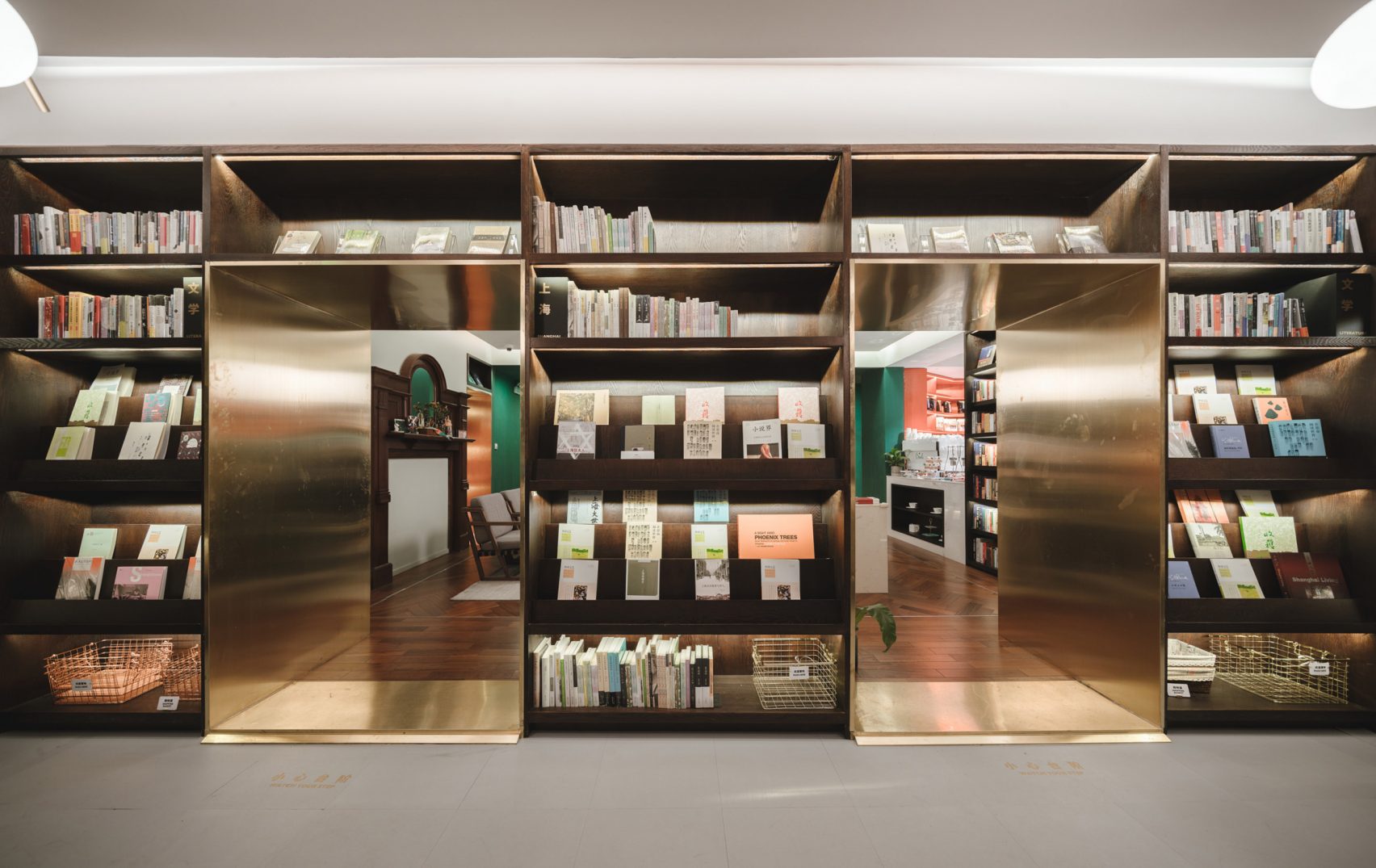
    Eslite Taipei, the world’s first 24-hour bookstore, is scheduled to shut down next year.

    The popular Taiwanese bookstore chain will discontinue its flagship location in Dunnan, upon the expiry of its lease next year after 19 years of trading.

    The firm’s chairwoman Mercy Wu has admitted that no plans for the store are in the works following closure. She had previously stated that another Eslite location could have its hours extended to offer a 24-hour service to replace the Dunnan store.

    However, the firm’s previous experiments in round-the-clock bookstore service – including a trial in Hysan Place, Hong Kong – have proved not to be viable due to low customer turnout.

    Wu has been quoted as expressing hopes that Eslite stores will maintain their independence and “remain the first and last stop of book lovers in the next 10 years”.

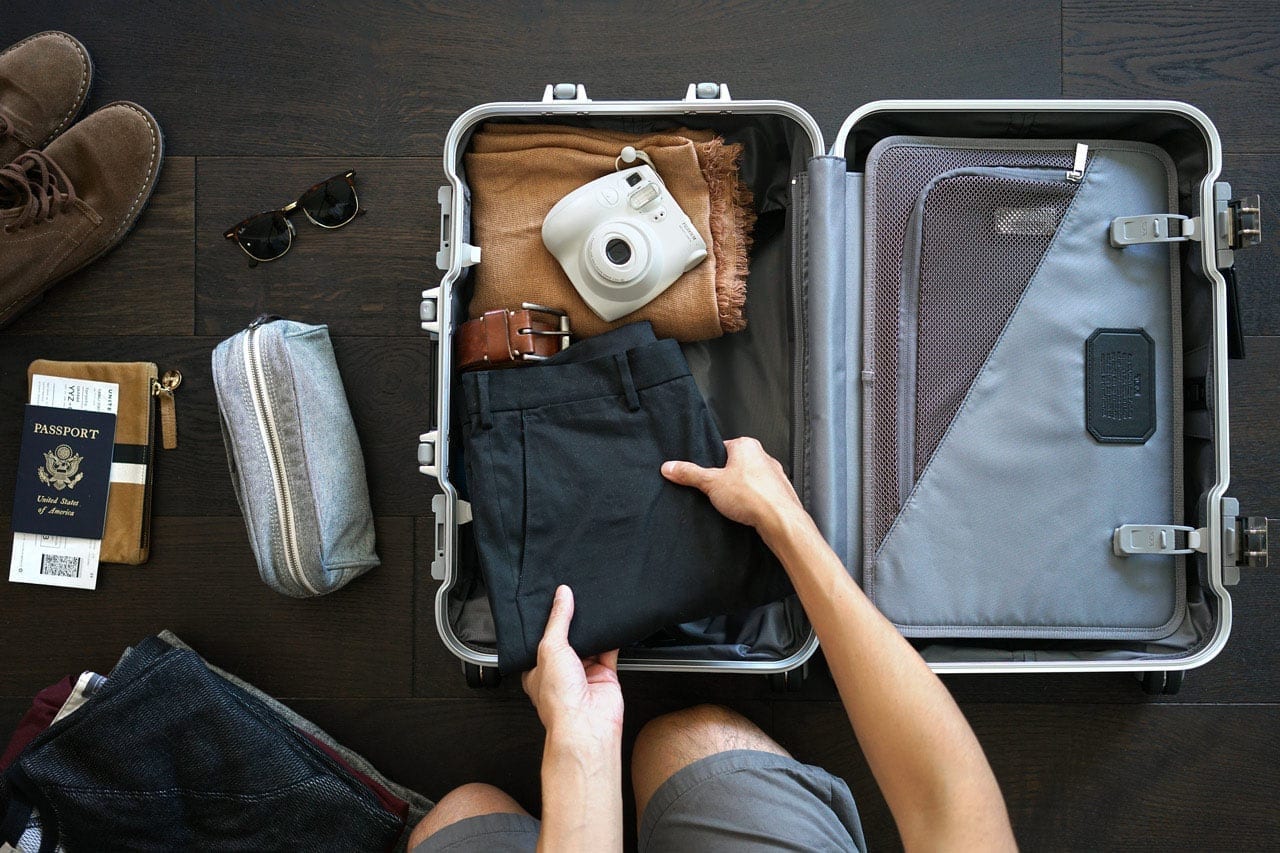
  • Tumi powers solid Samsonite sales growth, focus in Asia

    Tumi powers solid Samsonite sales growth, focus in Asia

    Hong Kong-listed luggage giant Samsonite International has achieved its seventh consecutive year of sales growth following its listing in 2011.

    Net Samsonite sales were up 8.4 per cent on a constant-currency basis to US$3.797 billion in the year to December 31. Profit attributable to shareholders rose by 23.9 per cent before extraordinary items saw that figure reversed into a 29.2 per cent decline to $236.7 million.

    Net sales in Asia increased by 10.2 per cent year on year to $1.324 billion, driven by the Tumi, American Tourister, Samsonite and Kamiliant brands. Tumi’s sales increased by 29.5 per cent, due in part to the full-year contribution from having taken direct control of Tumi distribution in certain Asian markets during 2017, as well as increased brand penetration in key Asian markets.

    A boost in marketing saw American Tourister’s net sales increase by 8.9 per cent in Asia, while Samsonite sales rose by a more modest 2.1 per cent. The group’s entry-level brand Kamiliant achieved a 44.1 per cent increase in sales in Asia as it continued to take market share from other entry-level brands across the region.

    Overall, Asia recorded second-half net sales growth of 6.5 per cent and full-year growth of 10.2 per cent.

    CEO Kyle Gendreau said sales in Japan rose by 14.1 per cent and in India by 28.5 per cent, in the second half, but these gains were partially offset by slower growth in China, which recorded just 3.2 per cent growth as consumer sentiment weakened amid concerns about trade relations with the US; and in South Korea where net sales decreased by 1.5 per cent in the second half.

    “Our growth was underpinned by positive performances from our core brands,” said Gendreau. “Tumi continued to perform ahead of expectations, making great strides in enhancing its international presence, with strong growth in Asia and Europe.”