Tag: hong

  • Shein files for Hong Kong IPO to pressure London’s listing regulators

    Shein files for Hong Kong IPO to pressure London’s listing regulators

    Fast-fashion retailer, Shein, founded in China, has reportedly submitted an application for an initial public offering (IPO) in Hong Kong. This move has been interpreted as a strategic effort to expedite their listing process and to put pressure on the UK’s regulatory bodies to greenlight their proposed debut on the London Stock Exchange.

    Striving for Regulatory Approval

    Shein allegedly filed a preliminary prospectus privately with the Hong Kong exchange last week. It was also reported that they sought approval from the China Securities Regulatory Commission (CSRC). However, these reports have not been independently confirmed.

    The company’s attempts to list in Hong Kong are seen as a strategy to coax the UK regulator into relaxing its risk disclosure regulations. This is crucial for Shein as it keeps the possibility of what could be London’s most significant IPO in years, alive.

    Previous Attempts for Listing

    In June, it was reported that Shein had plans to file a draft prospectus confidentially for its Hong Kong listing. This followed reports from May suggesting that the retailer was moving towards a Hong Kong listing after failing to secure approval from Chinese regulators for a proposed London IPO.

    According to reports, the UK’s Financial Conduct Authority might still be Shein’s preferred exchange if it is willing to accept a CSRC-approved prospectus. However, the possibility of this happening appears to be slim due to a significant discrepancy in the requirements of the respective regulators.

    Questions & Answers

    Why is Shein filing an IPO in Hong Kong?
    Shein has filed for an IPO in Hong Kong as part of a strategic move to expedite their listing process and to pressure the UK’s regulatory bodies into approving its planned debut on the London Stock Exchange.

    What is the significance of the UK’s Financial Conduct Authority in Shein’s IPO?
    The UK’s Financial Conduct Authority could still be Shein’s preferred exchange if it accepts a CSRC-approved prospectus. However, it has been reported that the likelihood of this happening is low due to differing regulatory requirements.

    What were Shein’s previous attempts for listing?
    Previously, Shein had planned to file a draft prospectus confidentially for its Hong Kong listing. This was after its proposed London IPO failed to secure approval from Chinese regulators.
  • Uma Nota and Bedu to shut down in Hong Kong this summer

    Uma Nota and Bedu to shut down in Hong Kong this summer

    Navigating Hong Kong’s culinary industry presents a challenging venture, as escalating rental rates, consumers seeking cheaper alternatives in Mainland China, and stiff rivalry between establishments create a tough business environment. These factors are placing a strain on the operations of numerous local eateries, compelling them to make difficult calls. Regrettably, after eight years of service in Central, Uma Nota and Bedu, entities of Meraki Hospitality, are set to close their operations on June 21. Brother and sister duo Alex and Laura Offe, who established Meraki Hospitality in 2018, have left a significant imprint on the local gastronomic scene with their unique restaurant offerings.

    The Closure Decision

    The hospitality group attributed the decision to shut both restaurants to the escalating costs and evolving Hong Kong market conditions. The founders also consider this pause an opportunity for reflection, rejuvenation, and the conception of novel ideas.

    The closure of the restaurants represents a poignant moment for the founders, who cherish the relationships and memories built over time. Alex expressed his gratitude to their community and looked forward to welcoming everyone back with fresh concepts in the future.

    Legacy of the Restaurants

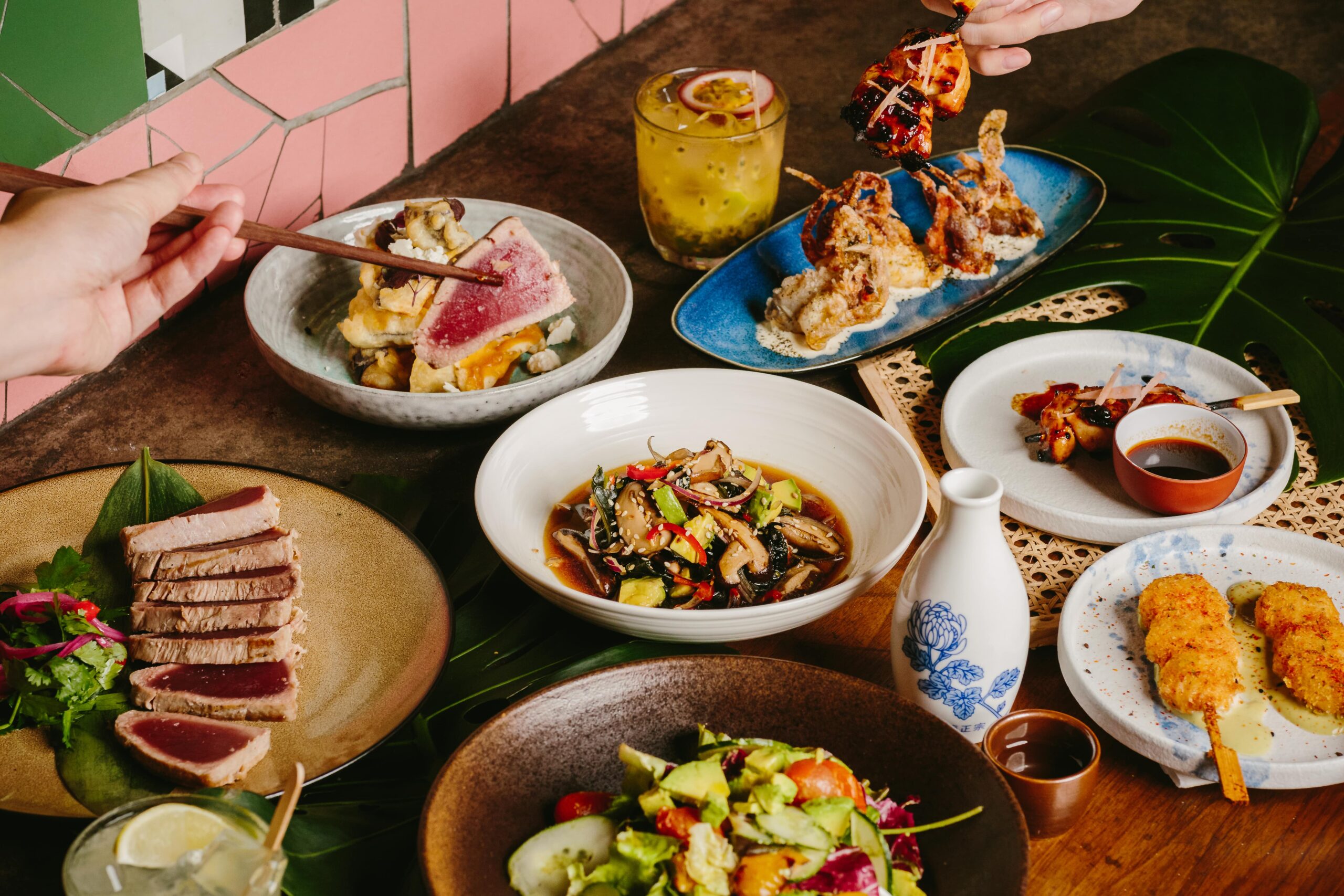
    Uma Nota, the first Brazilian-Japanese restaurant in Hong Kong, commenced operations in 2017, providing a unique twist on Brazilian botecos, a popular social spot serving drinks and appetizers. Taking advantage of its success, Meraki Hospitality expanded the Uma Nota brand into cities like Paris in 2018 and Manila in 2024. The second restaurant, Bedu, opened its doors in 2018 on Gough Street. It served modern interpretations of traditional Middle Eastern dishes, quickly becoming a key establishment in the community.

    Meraki Hospitality’s Future Plans

    Even with the closure of their current establishments, the Offe siblings have plans for the future. They are set to introduce Sabai, a luxurious Thai restaurant, in Manila. While details about their future ventures in Hong Kong are yet to be disclosed, they are optimistic about making a comeback in the city’s dining scene.

    Questions & Answers

    Why are Uma Nota and Bedu closing?
    The closure of Uma Nota and Bedu is primarily due to the rising operational costs and changing market dynamics in Hong Kong.

    What are the future plans of Meraki Hospitality?
    Meraki Hospitality is gearing up to launch a high-end Thai restaurant, Sabai, in Manila. Although details about their future plans in Hong Kong are not yet available, they are hopeful about making a return.

    What was unique about the restaurants Uma Nota and Bedu?
    Uma Nota was the first Brazilian-Japanese restaurant in Hong Kong, providing a unique twist on Brazilian botecos. Bedu, on the other hand, was known for its modern take on classic Middle Eastern dishes.

  • Bacha Coffee Launches First Flagship Store in Hong Kong, Promising a Unique Coffee Experience

    Bacha Coffee Launches First Flagship Store in Hong Kong, Promising a Unique Coffee Experience

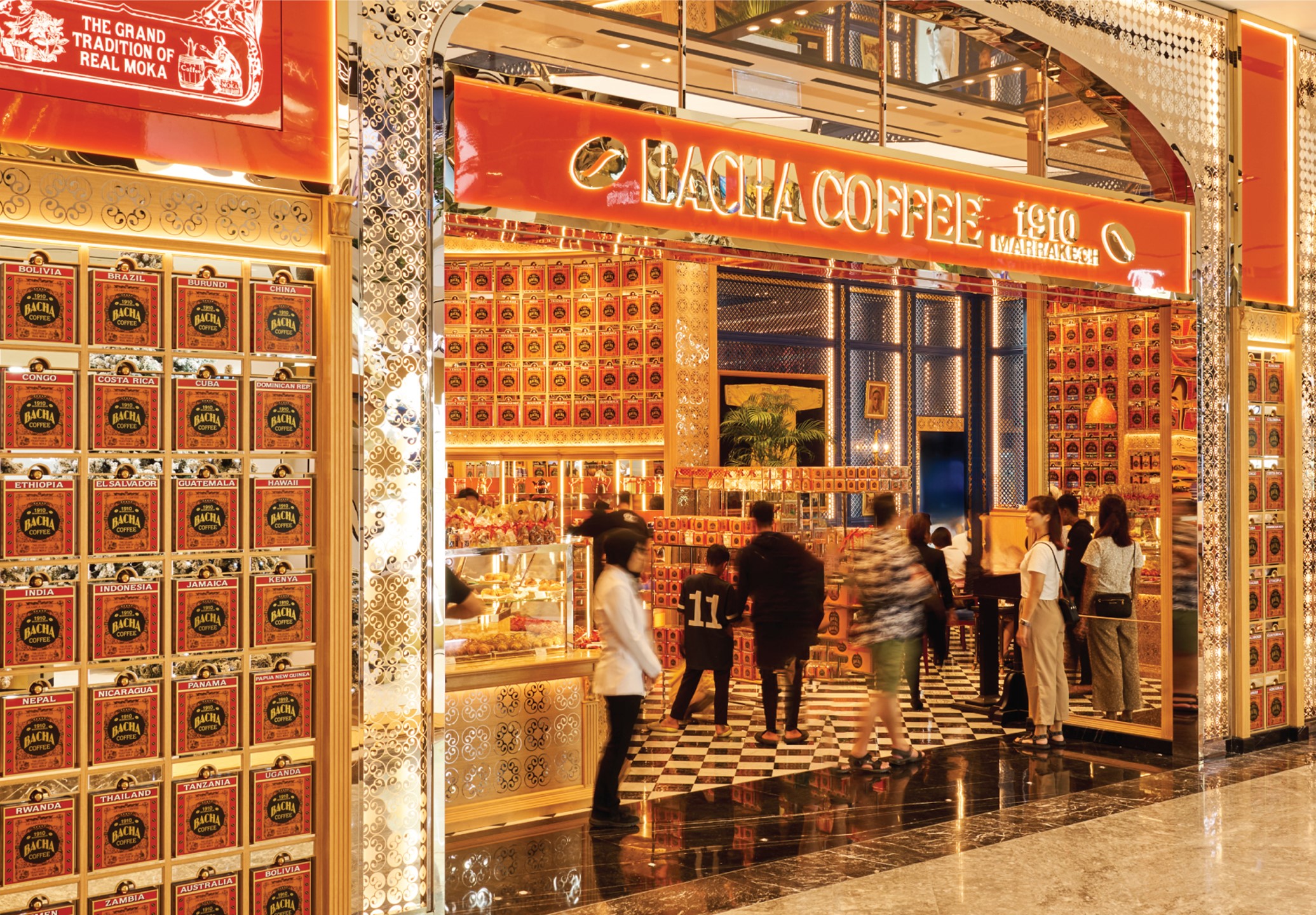
    Bacha Coffee has unveiled its first full-concept flagship store in the bustling Harbour City of Hong Kong, a pivotal move in the brand’s ambitious global expansion plan. Spanning an impressive 2,500 square feet, this vibrant new location features a Coffee Boutique, a 50-seat Coffee Room, and a takeaway counter that collectively showcase an astounding selection of over 200 varieties of 100% Arabica coffee sourced from 35 countries.

    This outlet is not just about coffee; it’s Bacha Coffee’s first complete dining experience in the city. The Coffee Room entices visitors with an all-day menu brimming with delectable pastries and artisan viennoiseries, all thoughtfully paired with their aromatic coffee offerings. The design pays homage to the brand’s origins in Marrakech, creating an enchanting atmosphere that transports patrons to its Moroccan roots.

    Here, traditional brewing techniques reign supreme, with skilled “coffee masters” meticulously preparing each cup in elegant golden gooseneck pots, a sight that is both captivating and delicious.

    The Hong Kong launch underscores Bacha Coffee’s commitment to global growth, following a successful revival in Marrakech that has seen the brand expand to 32 stores across 12 cities such as Paris, Dubai, Doha, Seoul, Singapore, and Taipei. The recent inauguration of its flagship store on the iconic Champs-Élysées in April further exemplifies its relentless pursuit of worldwide recognition.

    And who knows, maybe one day we’ll be sipping Bacha Coffee in outer space—after all, why should astronauts miss out on a good brew?

    Questions & Answers

    What is Bacha Coffee’s latest store concept in Hong Kong?
    The new full-concept flagship store includes a Coffee Boutique, a Coffee Room with all-day menu options, and a takeaway counter, set within a lavish 2,500-square-foot space.

    How many coffee varieties does the flagship store offer?
    The flagship store offers an impressive selection of over 200 varieties of 100% Arabica coffee from 35 different countries.

    What inspired the design of the Coffee Room at the new store?
    The Coffee Room’s design is inspired by Bacha Coffee’s original home in Marrakech, aiming to provide a unique and captivating atmosphere for customers.

  • Hong Kong’s First Virtual Bank Launches

    Hong Kong’s First Virtual Bank Launches

    Hong Kong’s banking history enters a new chapter with the launch of its first virtual lender, ZA Bank.

    ZA Bank, co-owned by ZhongAn Online P&C Insurance and Sinolink Group, launched yesterday to become the first virtual bank to kickstart services in Hong Kong. According to its chief executive Rockson Hsu, the name «ZA» represents a reversal of alphabetical order which is a reminder to «think out of the box and view things from a different perspective».

    It’s good to be bold, contrarian and creative, Hsu added in a statement.

    ‘Z’ and ‘A’ also means ‘end-to-end’, it symbolizes our mission to redefine customer journey through technology, from the front-end (mobile app/branch), mid-office (customer service/operation department) to the back-end (operating system), from product development to service process.

    ZA Bank said it would offer interest rates of 1.4 percent for one-month Hong Kong dollar deposits and up to 2 percent for three, six and 12-month deposits.

    Whilst this lags behind traditional lenders in Hong Kong which offer up to 2.2 percent on 12-month deposits, ZA Bank’s minimum size of $1 falls very much well below traditional minimum deposit sizes of HK$10,000. ZA also provides time deposits for U.S. dollars and yuan.

    ZA Bank will initially only roll-out services such as remote account opening, multi-currency savings account, time deposits, local transfers and e-statement services only to a select handful of 2,000 users which include friends and relatives of its staff.

    The launch falls under the HKMA’s sandbox mechanism and once the pilot is deemed successful, services will be made accessible by the general public.

    We are delighted to note that the first virtual bank has started its trial run today in the HKMA’s Fintech Supervisory Sandbox, thanks to the diligent efforts of various parties, said Arthur Yuen, Hong Kong Monetary Authority’s deputy chief executive, in a separate statement.

    We believe that as virtual banks gain a better understanding of their customers’ preferences and habits over time, they will leverage financial technologies to offer more personalized products and services, and new user experience to customers.

    Seven other virtual banks in Hong Kong are expected to launch in the first half of next year.

  • Hong Kong mobile apps firms face serious talent shortage

    Hong Kong mobile apps firms face serious talent shortage

    Facing talent shortage and increased operational costs, nearly half of mobile apps development firms in Hong Kong need to turn down their business deals or outsource services to overseas, according to a recent survey conducted by the Wireless Technology Industry Association (WTIA).

    The WTIA’s Hong Kong Mobile Apps Industry Survey, conducted by Hong Kong Productivity Council (HKPC), interviewed 124 app development companies firms between May 8 and June 5 this year.

    According to the survey, 33% of the companies said they are facing a serious shortage of manpower with technical talents such as programmers, coders and engineers being the most difficult to fill.

    “There is a major talent shortage not just on the technical side, but also in sales,” said Wendy Alison Yung, executive director at WTIA.

    Another key challenge is an increase in operational costs, with a majority (86%) of the companies saying facing increasing pressure from high staff costs while 55% from office rental.

    To address the issues of talent shortage and increased operational costs, 42% of the companies said they have to use outsourced services, with domestic companies being the most popular choice (69%), followed by firms in mainland China (25%) and other countries or regions (21%).

    Despite these challenges, the survey found that the mobile app industry in Hong Kong is getting mature with a better business prospect.

    For one, the number of respondents with an annual revenue of HK$500,000 ($64,000) grew by 28%. At the same time, the number of companies in deficit reduced by 14%. These figures suggest a better business environment and prospects for a growing in the smartphone app industry, Yung said.

    Meanwhile, the number of companies operating for six or more years has drastically increased from 22% last year to 50% this year, while startups have also become considerably more well-established with an increase in founders aged 25 and above (23%) and in founders with five or more years of work experience (13%).

    Business applications (57%) tops the most popular app products this year followed by e-commerce applications (26%). Over four-fifths (82%) of the respondents allocated resources to R&D and product development in the previous year, with the average amount at over HK$2.1 million.

    Following the global success of the popular augmented reality (AR) game “Pokemon Go” and the introduction of NFC e-payment services in Hong Kong, the survey showed that AR and NFC are the most popular technologies being adopted in mobile apps in the city.

    According to the survey, 22% of mobile apps created feature AR in 2017, up from 9% the previous year, while adoption of NFC has increased to 21% this year from 10% in 2016.

  • Hong Kong’s fresh retail chicken shops may make a comeback

    Hong Kong’s fresh retail chicken shops may make a comeback

    Chicken rules the roost when it comes to Cantonese cuisine, and the fresher the better. But past government efforts to discourage retail sales of live chickens had almost put the once ubiquitous chicken shop on the endangered list.

    In the not so distant past, people in Hong Kong would visit their neighborhood chicken shop — easily identified by the cages of squawking chickens out front — where they had the butcher ‘process’ their chosen bird on the spot.

    “Live poultry is much tastier than frozen meat, especially when steamed,” says a local woman in her 60s, presumably reflecting the sentiments of the territory’s residents, who like their chicken steamed, boiled or as a base for soups.

    But having so many live chickens around increases the possibility of an avian flu epidemic, which can be devastating to both birds and people. Since the late 1990s, with each outbreak of the bird-born disease that resulted in human deaths, government officials have ordered the wholesale slaughter of chicken stocks.

    Because of this, the government had stepped up measures over the years to restrict the live poultry business, including encouraging poultry farms and chicken retailers to relinquish their live poultry licenses. At the same time, safety measures, such as vaccinations and inspections, were implemented to halt the spread of the disease at production and distribution centers.

    As a result, there have been no recent outbreaks of bird flu in the territories, prompting the Hong Kong Food and Health Bureau earlier this month to change its stance and let the live poultry trade flourish again.

    Meanwhile, the number of chicken retailers — once numbering more than 800 shops — has fallen to about 130 as of the end of 2016, putting a premium on live poultry, which has been trading at the high range of 200 Hong Kong dollars ($25.72) per chicken. This price surge has forced Hong Kong shoppers to turn to cheaper frozen birds available in supermarkets.

    But with the government’s new recommendations, there may soon come a time when Hong Kong’s chicken lovers can buy their birds fresh without putting a dent in their wallets.