Tag: hospitality

  • Crackdown on Underground Hospitality: Thailand Targets Illegal Hotels on Phuket Island

    Crackdown on Underground Hospitality: Thailand Targets Illegal Hotels on Phuket Island

    The Thai government is stepping up its measures against unauthorized accommodations, following the discovery of three illegal hotels on Phuket, the nation’s largest island. During a recent operation, Deputy Interior Minister Polapee Suwunchwee led a task force targeting three hotels consisting of approximately 200, 240, and 45 rooms. The investigation revealed that none of the properties held valid construction permits or operating licenses.

    Two of these establishments had initially received approval as residential buildings or condominiums but had been unlawfully converted into hotels. In addition, officials conducted online booking simulations, which showed that the hotels were mostly selling rooms to European and other international tourists, with very few Thai patrons.

    Illegal Ownership and Consequences

    The investigation further exposed suspected nominee ownership arrangements, involving companies with a shareholding structure that is 49% foreign and 51% Thai. In some instances, the properties were legally owned by Thai citizens but rented out to Chinese investors, who allegedly ran the hotels without the necessary licenses.

    This operation is part of a larger scheme covering over ten locations across Phuket. Local authorities, under the instruction of Phuket Governor Sophon Suwannarat, have been directed to immediately close businesses that fail to provide the necessary documentation.

    Director-General of the Department of Provincial Administration, Narucha Kosasivilize, highlighted the triple-edged harm of illegal lodging operations. They disadvantage legal, tax-paying businesses, pose safety hazards due to non-compliance with government safety standards, and damage Thailand’s reputation, thereby undermining long-term confidence in its tourism industry. Efforts are being made in conjunction with the Royal Thai Police, Ministry of Commerce, Department of Special Investigation, and other agencies to broaden probes into foreign business networks nationwide.

    In a separate development, Deputy Government Spokeswoman Lalida Pervsivatan announced that Thailand will implement a new intelligence-based screening system on August 1 to enhance the detection of nominee businesses. This system will scrutinize company registration records, shareholder structures, and financial statements to pinpoint high-risk firms with Thai shareholders in suspicious circumstances. Lalida emphasized, however, that these measures are not designed to deter rightful foreign investment but to distinguish legal investors from those employing nominee structures to operate illicitly.

    Questions & Answers

    What is the focus of the crackdown in Thailand?
    The Thai government is focusing on the detection and closure of illegal hotels without the necessary operating licenses.

    What consequences do these illegal operations bring?
    Illegal hotels disadvantage legal businesses, pose safety threats due to non-compliance with government safety regulations, and tarnish Thailand’s reputation, undermining confidence in its tourism sector.

    What is the future plan of the Thai government to curb these illegal operations?
    Thailand plans to introduce a new intelligence-based screening system to improve the detection of businesses that are high-risk or suspicious, focusing on those with Thai shareholders.

  • Vinpearl CEO Dang Thanh Thuy Steps Down: A Turn of Tide in Vietnam’s Hospitality Giant

    Vinpearl CEO Dang Thanh Thuy Steps Down: A Turn of Tide in Vietnam’s Hospitality Giant

    Dang Thanh Thuy has stepped down from her position as chief executive officer of Vinpearl, Vingroup’s resort division. Despite her resignation, Thuy continues to hold a seat on the organization’s board. Vinpearl has not yet announced a successor or the reasons behind Thuy’s departure.

    Background of Dang Thanh Thuy

    Thuy, 56, holds a Bachelor’s degree in literature. She joined the ranks of Vinpearl in 2004 and has held significant positions in the company over the years. She served as the chairman of Vinpearl from January 2023 to March 2024, and from 2012 to 2016, she was the deputy CEO of Vingroup.

    Vinpearl’s Status in the Hospitality Industry

    Vinpearl stands as one of the foremost hospitality brands in Vietnam, boasting an impressive portfolio of 48 hotels, resorts, theme parks, and golf courses spread across 18 provinces and cities.

    Financial Performance

    In the third quarter of 2025, Vinpearl reported revenues of VND3.09 trillion (US$117.5 million), marking a 40.7% decrease year-on-year. The company’s post-tax profits stood at VND169 billion, falling 66.6%. Furthermore, its profits for the first nine months of the year saw a drastic decline, plummeting by 86%.

    Vinpearl is primarily owned by Vingroup, with an ownership stake of 85%. The conglomerate’s chairman is renowned billionaire, Pham Nhat Vuong.

    Questions & Answers

    Who was the previous CEO of Vinpearl?
    Dang Thanh Thuy was the former CEO of Vinpearl.

    What significant positions did Dang Thanh Thuy hold in Vinpearl and Vingroup?
    Dang Thanh Thuy served as the chairman of Vinpearl from January 2023 to March 2024 and was the deputy CEO of Vingroup from 2012 to 2016.

    What was the financial performance of Vinpearl in the third quarter of 2025?
    In the third quarter of 2025, Vinpearl reported revenues of VND3.09 trillion (US$117.5 million), a 40.7% decrease year-on-year. The company’s post-tax profits stood at VND169 billion, a decrease of 66.6%.

  • Western Australia’s New Liquor Law Reforms: A Toast to Hospitality Growth and Enhanced Tourism Experience

    Western Australia’s New Liquor Law Reforms: A Toast to Hospitality Growth and Enhanced Tourism Experience

    The recently approved revisions to liquor laws in Western Australia are set to streamline processes, reduce bureaucratic hindrances, and inject vitality into the region’s liquor, tourism, and hospitality sectors.

    Enhancements to Alcohol Service and Trading Hours

    The legislation overhaul permits licensed establishments such as hotels, taverns, small bars, and alcohol manufacturers to offer alcoholic beverages with or without an accompanying meal on notable public holidays such as Good Friday and Christmas Day. Furthermore, the trading hours on these holidays, as well as on Anzac Day, will see an extension of up to four hours, permitting operation from 10 am to midnight.

    Introduction of Digital ID Checks

    In alignment with modern technological trends, the Liquor Control Act 1988 will also integrate digital ID checks into its enforcement mechanism. However, the law stipulates that digital evidence such as photographs or screenshots of IDs will not be deemed acceptable.

    Reducing Paperwork and Boosting Growth

    As part of the drive to slash red tape, the new laws will eliminate the need to renew extended trading permits, thus reducing paperwork and related costs for business operators. Small bars stand to benefit from these changes, as the legislation raises their patron capacity limit from 120 to 150.

    Expanding Product Range and Strengthening Penalties

    The reforms also broaden the scope for spirit producers, enabling them to produce a wider array of products, including ready-to-consume beverages like hard seltzers. To address potential alcohol-related issues, the Banned Drinkers Register (BDR) will become a permanent measure in Kimberley, Pilbara, Goldfields, Carnarvon, and Gascoyne Junction. The law will also amplify penalties for unauthorized alcohol sales and distribution.

    According to Racing and Gaming Minister Paul Papalia, these reforms echo the government’s dedication to facilitating business operations in Western Australia. He underscored the legislation’s dual benefit for businesses and customers, stating, “We’re backing growth in tourism, hospitality and the night-time economy with a modern liquor licensing system that works for both businesses and patrons.”

    Questions & Answers

    What are the key changes in Western Australia’s new liquor law reforms?
    The primary changes include extended trading hours on public holidays, introduction of digital ID checks, eradication of extended trading permit renewals, increase in customer capacity at small bars, and expansion of the product range for spirit producers.

    How will the reforms affect small bars?
    The reforms will ease administrative burdens for small bars by dispensing with the need for extended trading permit renewals. They will also allow for an increase in customer capacity from 120 to 150.

    What measures will be taken to address potential alcohol-related issues?
    The reforms will make the Banned Drinkers Register (BDR) a permanent feature in certain areas, and also strengthen penalties for illegal alcohol sales and distribution.

  • Coach Dives into Hospitality with Flagship Restaurant Launch at Jewel Changi Airport: A Mix of Fashion, Food, and New York Heritage

    Coach Dives into Hospitality with Flagship Restaurant Launch at Jewel Changi Airport: A Mix of Fashion, Food, and New York Heritage

    Coach, the American fashion brand, has unveiled The Coach Restaurant Singapore at Jewel Changi Airport as part of its continued expansion into the hospitality industry and overarching lifestyle approach.

    The Restaurant Blueprint

    The restaurant’s design is heavily influenced by Coach’s New York roots, boasting an impressive view of the Jewel’s Rain Vortex. Its layout is spacious, accommodating a 56-seat dining room, a 10-seat bar, and a 10-seat chef’s counter that is centered around an open woodfire kitchen.

    The interior design is a creative harmony of bronze mirrors, terrazzo flooring, tropical wood louvres, and leather accents, the latter being utilized in menu covers and staff aprons. As the centerpiece, a full-sized yellow taxi cab is suspended above the dining area, a nod to the brand’s origin.

    Location and Comment from Coach

    Marcus Sanders, VP of global food and beverage at Coach, highlighted Singapore’s vibrant food culture and international community as the driving factors behind the decision to place the hospitality concepts there.

    He said, “In this venue, we are providing an opportunity for guests to come together, celebrate, and experience the Coach brand in a manner that is both timeless and innovative.”

    The Wider Strategy

    This latest venture enhances Coach’s existing food and beverage initiatives and aligns with its Coach Coffee Shop and the recently revamped retail store at Jewel. These three spaces are designed to fortify the brand’s most comprehensive integrated lifestyle concept in Asia.

    Questions & Answers

    What is the design inspiration for The Coach Restaurant Singapore?

    The design takes its cues from Coach’s New York heritage and includes elements such as bronze mirrors, terrazzo flooring, tropical wood louvres, and leather accents.

    What are the features of the restaurant?

    The restaurant includes a 56-seat dining room, a 10-seat bar, and a 10-seat chef’s counter built around an open woodfire kitchen. A full-sized yellow taxi cab is suspended above the dining area as a focal point.

    What is the purpose of the new restaurant in Coach’s broader strategy?

    The new restaurant is part of Coach’s continued expansion into the hospitality industry. It complements Coach’s existing food and beverage ventures, including the Coach Coffee Shop and the refurbished retail store at Jewel, strengthening the brand’s integrated lifestyle concept in Asia.

  • Tekka Place Soft opens End of Year

    Tekka Place Soft opens End of Year

    Hospitality-and-retail integrated development Tekka Place has marked its topping out, and is scheduled for a soft opening by the end of this year.

    Located at 2 Serangoon Road, the complex has a main tower and a seven-storey annex with rooftop deck. Tekka Place will cater to the needs of nearby residents, office workers and commuters of both the North East and Downtown MRT lines, as well as house the new Citadines Rochor serviced residences, attracting new international visitors.

    Tekka Place’s construction started in mid-2017, managed by Lum Chang-LaSalle joint venture.
    Nearly 50 per cent of the 70,000sqft lettable retail space in the integrated development has been leased or is in advanced negotiations.

    “Even though we have been approached by reputable local and international retail and F&B brands, we are selective in curating Tekka Place’s retail mix to both reflect and build on the unique cultural identity of the Little India heritage precinct, and to complement the shopkeeper businesses in the area,” said Kelvin Lum, director at Lum Chang Holdings and spokesperson for the joint venture.

    XinTekka, a new food hall concept by Andrew Tan will occupy 10,000sqft of the mall, offering a spread of local culinary favourites with a twist. XinTekka is set to be Singapore’s newest dining destination.

    “We very much look forward to the forthcoming completion of Tekka Place, which will add to the revitalisation of the precinct as well as the dynamism of Little India,” said Rajakumar Chandra, chairman of the Little India Shopkeepers and Heritage Association.

  • Berjaya Land to build Four Seasons Resort in Okinawa for US$1b GDV

    Berjaya Land to build Four Seasons Resort in Okinawa for US$1b GDV

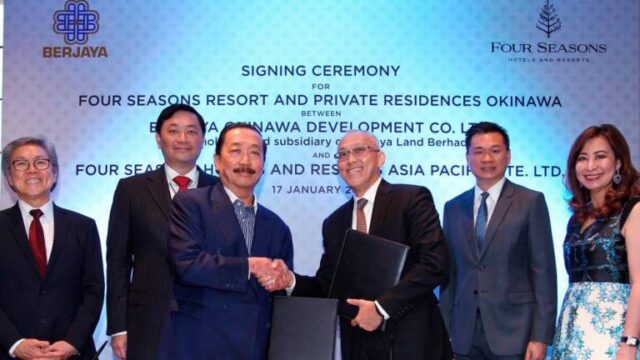
    Berjaya Land Bhd’s (BLand) subsidiary Berjaya Okinawa Development Co Ltd will develop the Four Seasons Resort and Private Residences Okinawa in Japan, which has an estimated gross development value of US$1 billion (RM4.1 billion), in partnership with hospitality company Four Seasons Hotels and Resorts. BLand’s parent Berjaya Corp Bhd founder and executive chairman and BLand major shareholder Tan Sri Vincent Tan said the project has a development cost of US$400 million (RM1.64 billion).

    Four Seasons Resort and Private Residences Okinawa will have 120 hotel rooms, 120 residences and 40 villas. The project is expected to take four years to complete.

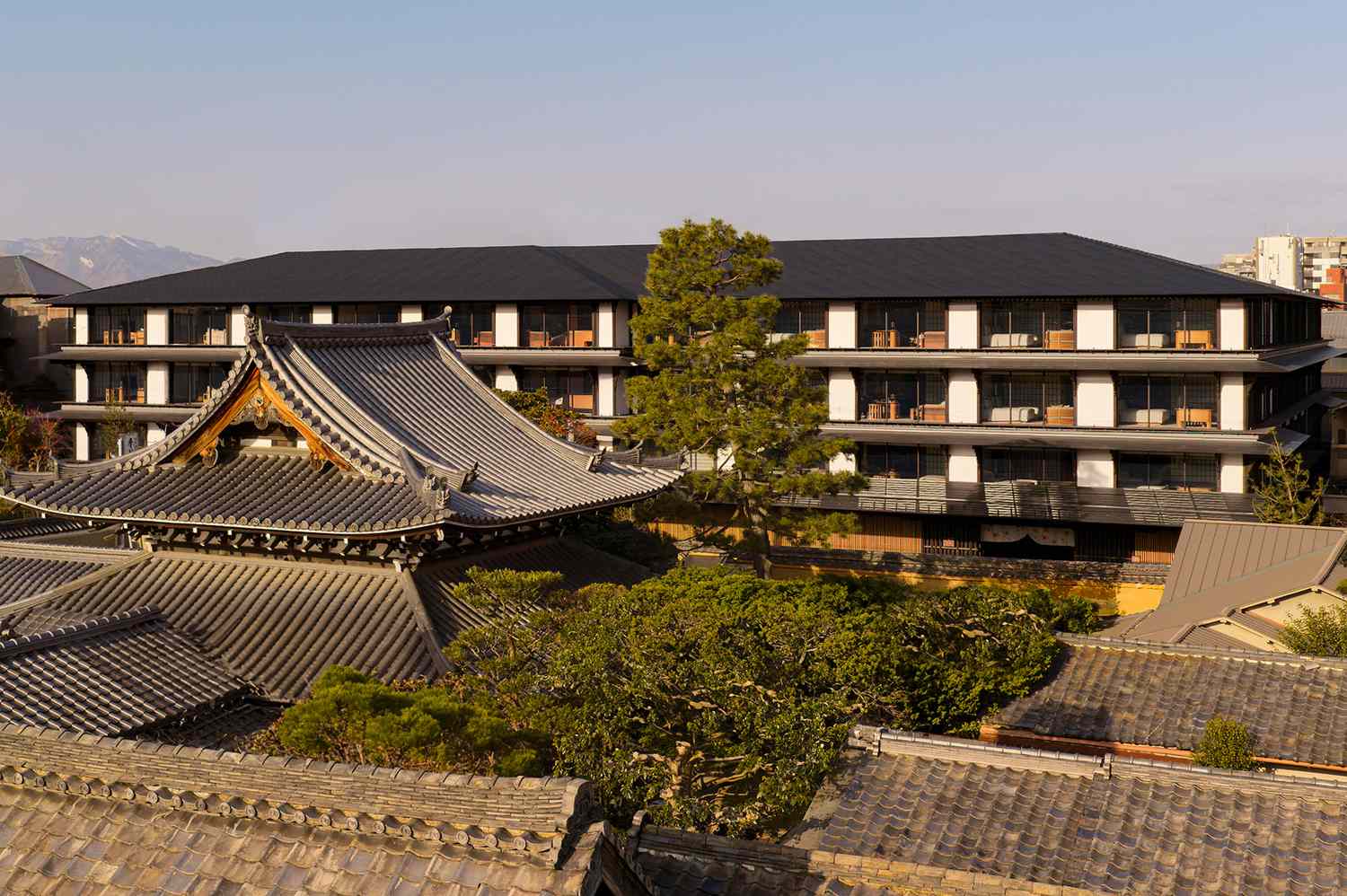
    Tan said Four Seasons Resort and Private Residences Okinawa is another iconic project in Japan for the Berjaya group, emulating the success of Four Seasons Hotel and Hotel Residences Kyoto, which was launched in December 2016.

    “We think it will be the most valuable and expensive hotel in Okinawa. It will have the highest rate, just like Four Seasons Kyoto where the average rate is US$1,500 per night, but Okinawa will be slightly less. It will be good for BLand and BCorp,” he said at the hotel management agreement signing ceremony.

    He added that four-star hotels in Okinawa average at US$700-US$800 per night while the better ones are priced at US$1,000, viewing that Four Seasons Resort and Private Residences Okinawa will do well there.

    “I’m confident that Okinawa will be an outstanding successful project for Berjaya,” said Tan.

    The project will comprise 30 acres out of the 100 acres of beachfront land owned by BLand along the western coast of the island of Okinawa.

    “We have another 70 acres. We can build many more hotels on that land and Okinawa is a good market. We can do shopping mall, residences, three- or four-star hotels,” added Tan.

    This is BLand’s second partnership with Four Seasons but Tan said both parties are also in talks on future projects in Japan and other cities.

    Four Seasons operates 111 hotels and resorts, 41 residential projects in major city centres and resort destinations in 47 countries, and with over 50 projects under planning or development.

    “We have plans to grow our footprint in Japan such as Osaka, Hakone, leisure destination in Hokkaido, including Niseko. It’s a country that we continue to focus on, not only growth but also operating existing assets there,” said Four Seasons Hotels and Resorts senior vice-president for development Asia Pacific Christopher Wong.

    When asked if Four Seasons Resort and Private Residences Okinawa will also be put for sale, like the Four Seasons Kyoto, Tan said it is possible, adding that every thing is up for sale with the right price.

    On the divestment of the Four Seasons Hotel in Kyoto, Tan said it is talking to several parties for a better price and is expected to be finalised in the next three months.

    On the plan to carve out the hotel assets from BLand and to list the hotel business in Singapore, Tan said it is not finalised yet, but it could include Malaysian hotel assets.

    “We will list those that we’re not selling. We have a few hotels that we’re not selling like Berjaya Times Square Hotel and Ansa Kuala Lumpur. Those that we want to hold for long term, mostly are the Malaysian hotels,” he added.

  • LVMH acquires Belmond hotel group

    LVMH acquires Belmond hotel group

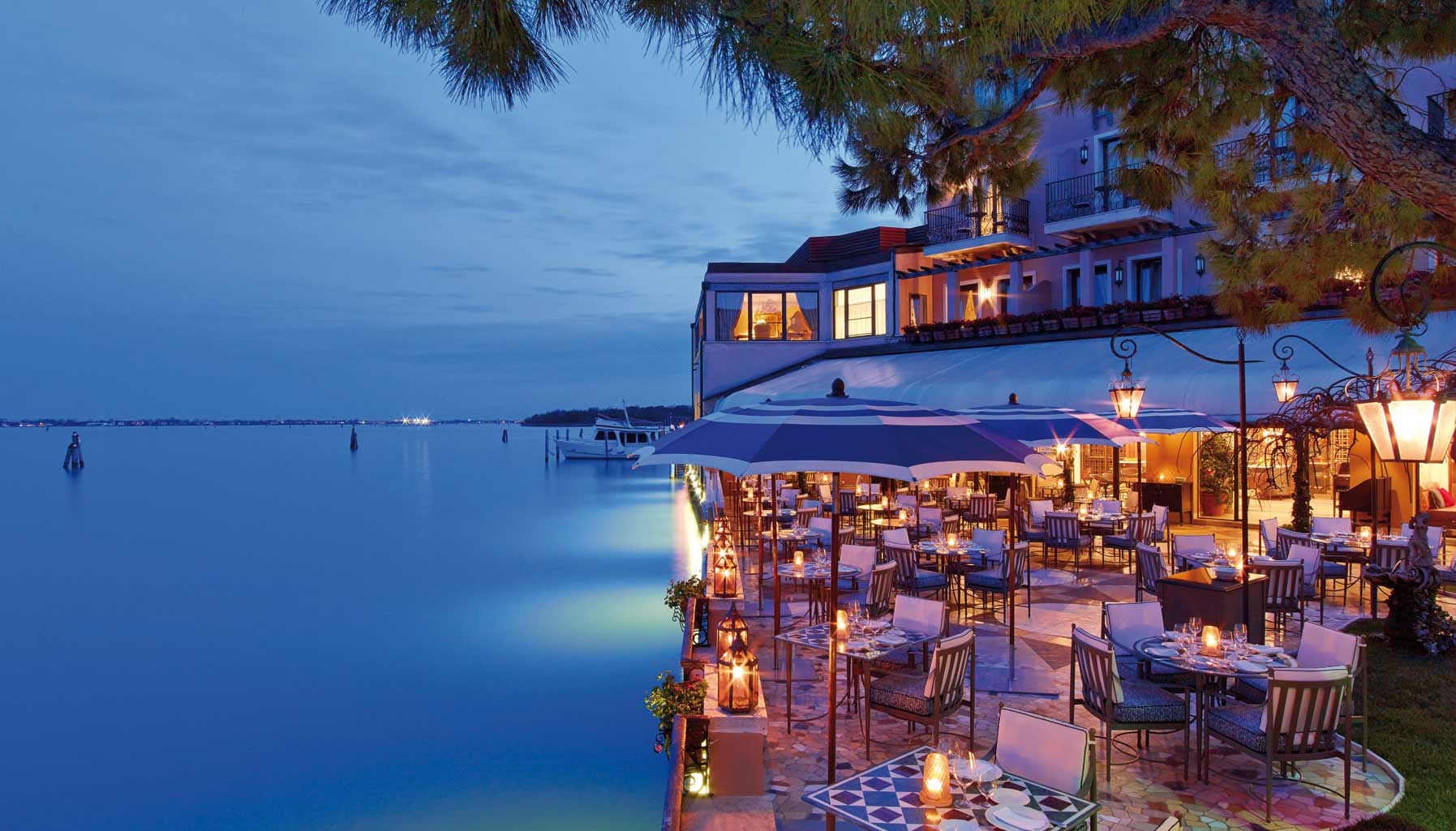
    The London-based owner of the Hotel Cipriani in Venice and the Orient Express train service is being acquired by LVMH for $3.2bn including debt, marking a return to dealmaking by the world’s largest luxury group by revenues. The acquisition of Belmond boosts the hotel portfolio of LVMH, which already has Cheval Blanc hotels in Courchevel, the Maldives, Saint-Barthélemy and Paris as well as owning Bulgari Hotel and Resorts.

    Belmond operates in 24 countries and its hotels include the Copacabana Palace in Rio de Janeiro and Hotel Splendido in Portofino. It also owns train services such as the Venice Simplon-Orient-Express and Belmond Royal Scotsman, and cruises including Belmond Afloat in France and Belmond Road to Mandalay.

    LVMH, which owns brands such as Christian Dior and Louis Vuitton, saw off interest from several other potential bidders for the deal, including private equity groups.

    Belmond, which used to be known as Orient-Express Hotels, had said in August it had hired Goldman Sachs and JPMorgan Chase for a strategic review.

    The acquisition of Belmond comes as companies seek to tap into a rising trend of so-called “experiential” luxury, with consumers buying fewer products and more experiences in areas such as high-end food and wine, luxury hotels and travel.

    “Our agreement today with the Belmond Group is entirely consistent with our continued investment in the field of experiential luxury,” Bernard Arnault said.

    He added that the deal will “bring us ever closer to our highly discerning customers”. “Bernard Arnault was one of the first to think hard about how best to attract and retain an increasingly volatile luxury customer,” said Thomas Chauvet, analyst at Citi. “Over the past decade, LVMH has expanded its reach beyond its traditionally boundaries with continued expansion of travel retail, the rollout of high-end hotels and spas,” he said.

    “While these activities have a limited impact on LVMH’s overall profit, these have been among the group’s fastest growing businesses over the past few years.” The global luxury hotel market was worth at $83.1bn in 2017 and is expected to grow at a compound annual growth rate of 4.3 per cent to reach $115.8bn by 2025, according to Grand View Research, a consulting firm.

    Paris-based LVMH said on Friday that it was buying Belmond for $25 per share in cash — a premium of more than $7 per share to the stock’s closing price on Thursday. That represents a value of $2.6bn for the overall equity of group.

    Including debt, Belmond is being valued at $3.2bn.

    In the year to September, Belmond made adjusted earnings before interest, tax, depreciation and amortisation of $140m on revenues of $572m.

    Its average price per room night ranges from $1,206 in Europe to $448 in Asia.

    The last substantial deal by LVMH chairman and chief executive Bernard Arnault was more than 18 months ago, when his family company Groupe Arnault paid €12.1bn for the minority stake that it did not already own in Christian Dior.

    At the time Mr Arnault said that LVMH was shunning external acquisitions because they were either unavailable or too expensive. “We’re not actively looking at external acquisitions, we’re focusing on internal growth,” said Mr Arnault in April 2017. “Given the current market, fewer and fewer assets are looking attractive to us. And the best assets are not for sale.”

    In 2016, LVMH also bought high-tech German suitcase maker Rimowa, which is headed by Mr Arnault’s son, Alexandre Arnault.

    The Belmond transaction is expected to complete in the first half of 2019.

  • Second Hotel Chocolat opens door

    Second Hotel Chocolat opens door

    Hotel Chocolat has opened its second store in Asia Pacific. The British-based luxury chocolate retailer has opened an outlet in Tokyo to follow up its first store in the region, in Hong Kong. The new store is in the giant Aeon Lake Town shopping mall on the outskirts of Tokyo. More are planned for Japan, where there is established demand for luxury confectionery.

    “The reaction to Hotel Chocolat in Japan on our first day of trading last week was hugely encouraging,” said co-founder and CEO of Hotel Chocolat, Angus Thirlwell.

    “Customer engagement, media attention, and sales performance were all well ahead of expectations.
    “Our portfolio of products landed with aplomb. Hot Chocolat drinks, our 8g sculpted chocolate batons, and our Selector range were all in high demand. We look forward to unfolding the brand further here.”

  • Korea’s FTC orders Booking.com, Agoda to change rules

    Korea’s FTC orders Booking.com, Agoda to change rules

    Hotel booking sites Agoda and Booking.com have been ordered to revise their no-refund policies or potentially face legal action. Korea’s Fair Trade Commission (FTC) announced on Wednesday that it has ordered the two global travel platforms to revise the terms and conditions which allow them to unfairly deny refunds for products and services.

    Customers are currently unable to get refunds on some hotel bookings or additional services, like hotel meals, reserved through Agoda and Booking.com even if reservations were made well in advance. Agoda and Booking.com have the same parent company, Booking Holdings, which also operates travel platforms Kayak and Priceline.

    “Though we recommended that Agoda and Booking.com revise their no-refund clauses last November, the companies failed to take heed without any particular reason,” read an FTC report. “We decided last month to issue an order forcing them to make the necessary revisions.”

    The FTC is not asking them to ban all no-refund products, but to at least accept refund requests made long before reservation dates.

    “The companies will still be able to deny refunds on highly discounted products or bookings made just before the reservation date,” said a spokesman. “But it is unreasonable for them to deny refunds for reservations made months ahead.”

    “The probability that a booking platform will be able to resell a product after a consumer cancels a reservation long before reservation date is very high,” he added. “The platform operators will face few losses if they resell the products.”

    The Act on the Regulation of Terms and Conditions gives the FTC the right to take “measures necessary to correct the terms and conditions” of a business that incurs losses to “several customers because the business person fails to comply with the recommendation” to revise “unfair terms and conditions.”

    According to the Act, the FTC also has the right to report the case to prosecutors if companies fail to respond accordingly within 60 days.

    The two companies have yet to give an official response. Agoda’s Peter Allen, who serves as the head of the company’s external relations department Agoda Outside, was in Seoul on Wednesday to give a talk at a leadership forum organized by the company.

    Agoda and Booking.com are not the only booking platforms that have been flagged for having policies that potentially harm customers.

    From 2016 through October 2017, the FTC reviewed the terms and conditions of major hotel booking sites operating in Korea and found that seven, including Agoda and Booking.com, had unfair refund policies.

    Unlike Agoda and Booking.com, Interpark, Hana Tour, HotelPass, Hotels.com and Expedia have since revised their terms and conditions.

    The number of consumer complaints against international travel platforms grew in Korea last year.

    According to the Korea Consumer Agency, consumers filed a total of 5,721 complaints in the first half of 2017 against international travel and accommodation platforms, or 46.4 percent more compared to the same period in the previous year.

  • Tourism sector likely ended 2017 on strong note

    Tourism sector likely ended 2017 on strong note

    Ask hotel owners and others in the tourist industry about last year and the prospects for 2018 and they will likely give you a thumbs-up; ask retailers and you might get a big frown.

    The two sectors are intertwined to a great extent, yet their fortunes have veered widely over the past 12 months. While visitor numbers have kept surging and are tipped to go even higher this year, the cash registers at local shops remain muted, with sales flat and recording only marginal increases.

    The rise in tourist visits has been striking, with 2017 ending on a strong note, bolstered by growing arrivals from China. Preliminary estimates from the Singapore Tourism Board (STB) show that 13.05 million visitors came here in the first three quarters of last year, up 5 per cent on the same period in 2016.

    Arrivals from China shot up nearly 10 per cent to 2.49 million, as the STB’s efforts to better engage Chinese visitors and reach out to more second-tier cities appear to be paying off.

    Arrivals from Indonesia, which has traditionally been Singapore’s top source market, were lower than China’s at 2.17 million but still up 2 per cent on the same period in 2016.

    The STB had forecast arrivals of 16.4 million to 16.7 million for last year as a whole, while tourism spend was expected to come in at between $25.1 billion and $25.8 billion. However, if arrivals had continued at this pace in the last quarter of 2017, Singapore could have surpassed the threshold of 17 million visitors.

    Ms Selena Ling, OCBC Bank’s head of treasury research and strategy, said: “Visitor arrivals growth should remain healthy into 2018, as the easing headline GDP growth (in China) is unlikely to fully curb the Chinese appetite for overseas travel.”


    Mr Vishnu Varathan, head of economics and strategy at Mizuho Bank, said that Chinese government restrictions on travel to South Korea could also mean spillover benefits for Singapore.

    However, both economists highlighted that global competition for the tourist dollar is heating up, which could present a challenge for Singapore.

    STB data shows that total room revenue for the first nine months of last year fell 2 per cent year-on-year to $2.39 billion while revenue per available room (RevPAR) was flat at $201. The increased supply of rooms meant the industry-wide average room rate dipped around 1 per cent to $233 while the average occupancy rate edged up 1 percentage point to 86 per cent.

    Economy hotels had the biggest growth in RevPAR, clocking a more than 5 per cent increase to about $85. Economy and luxury hotels were the only segments to register increases – albeit marginally – in average room rates.

    CBRE Hotels (Asia-Pacific) projects occupancy for last year as a whole would have reached around 85 per cent, up almost one percentage point from 2016.

    “This has been driven by a strong growth in visitor numbers, which will exceed 17 million,” said CBRE Hotels executive director Robert McIntosh. “However, these visitors are spending less time here so the growth in arrivals has resulted in a lower rate of growth in room nights sold. The result is that room rates have declined marginally and therefore the revenue per room has been flat.”

    The supply of new hotel rooms is expected to taper off in 2018, which should provide some relief.

    “Occupancy is likely to fall slightly and room rates are forecast to stabilise,” said Mr McIntosh. “The declines of the last few years appear to have stopped, provided the economy and the visitor numbers can keep growing.”

    Corporate demand will also likely pick up next year, he added, although companies are increasingly placing employees on short-term projects, which means a reduction in the length of stay.

    The picture is slightly less rosy for the retail industry, which is dealing with headwinds such as high operating costs and competition from online shopping. Sales in the third quarter rose 0.9 per cent year-on-year, a decline from the 1.4 per cent in the second quarter.

    Ms Ling said: “This suggests that there may not be significant cheer for the peak year-end season on the domestic consumption front, especially since many Singaporeans usually travel during the school holidays, in addition to medium-term structural changes like e-commerce.”

    Mr Varathan noted that the improving Singapore economy has yet to filter down to the headline retail figures, at least not compellingly.

    Nonetheless, the pick-up in economic growth and “exuberant” stock market conditions could have boosted retail sales for certain segments, he added.

    For instance, sales of luxury goods such as watches and jewellery have risen more than 5 per cent for the January to October period in both real and nominal terms.

    Mr Varathan warned that “rising energy prices and food costs could start to dent discretionary income, especially if rising interest costs begin to be felt by households with financing commitments” in 2018.

    One potential bright spot for retailers could be tourism spend, which could help to dispel some of the gloom. In the first half of last year, tourist shopping receipts jumped by a solid 20 per cent, while total tourist receipts rose at a lower 10 per cent. The Chinese emerged as the biggest spenders.

  • Fujita Kanko Opens Bangkok and Jakarta Offices

    Fujita Kanko Opens Bangkok and Jakarta Offices

    Leading Japanese hospitality company Fujita Kanko Inc. will open two new overseas offices in Bangkok, Thailand and Jakarta, Indonesia in June. The openings are intended to accelerate the globalization of its business, one of the key goals the company has set for the next five years, aiming at 25 percent growth in overseas guests by 2019.

    “Adding Bangkok and Jakarta bases is a critical step in our business plan,” said Akira Segawa, Fujita Kanko’s President and CEO. “Southeast Asia is a strategically important market – an increasingly strong inbound market for Japan, and also a very popular destination for Japanese travelers.” Mr. Segawa stressed the importance for the company of maximizing business opportunities in Southeast Asia. “We’ve built a broad range of hospitality expertise, and offer some of Japan’s most upscale, exquisite properties. We’re eager to welcome more international travelers, and to build local businesses, including opening hotels, in other Asian markets.”

    The 60-year-old company opened its first overseas office in Shanghai in 2010 and added offices in Seoul and Taipei in 2012. A Singapore office was added in 2013 to strengthen marketing and sales and pursue business development opportunities in Southeast Asia. The Singapore office will be consolidated with the Jakarta office at the end of May, which will also oversee the Malaysian market.

    Fujita Kanko will use its overseas offices to promote its 70+ properties in Japan and build international recognition for its businesses among travelers and other stakeholders. Last year, the company announced it will open a hotel in Seoul, Korea in 2018, its first overseas property since 2002.

    Fujita Kanko Jakarta Office:
    Mid Plaza 1 Lt. 17 Unit 1718
    Jl. Jend Sudirman Kav 10-11, Jakarta Pusat 10220, Indonesia
    Phone: +62-21-2783-2323

    About Fujita Kanko

    Fujita Kanko Inc., established in 1955, is a publicly-traded tourism industry corporation headquartered in Tokyo. In addition to its core hospitality business, the company operates wedding and banquet facilities, high-end resorts, leisure facilities and related services. It has 70 properties/facilities, including its five-star flagship, Hotel Chinzanso Tokyo, and 30 mid-priced hotels throughout Japan in the Hotel Gracery and Washington Hotels groups.