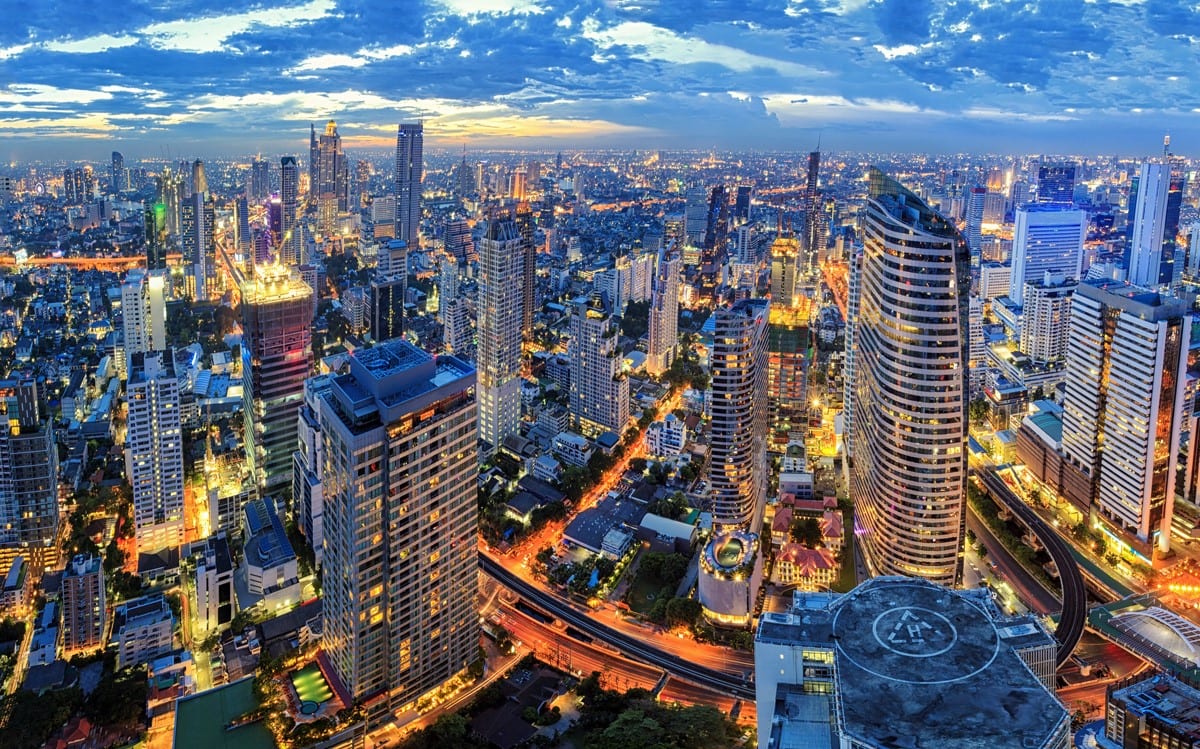
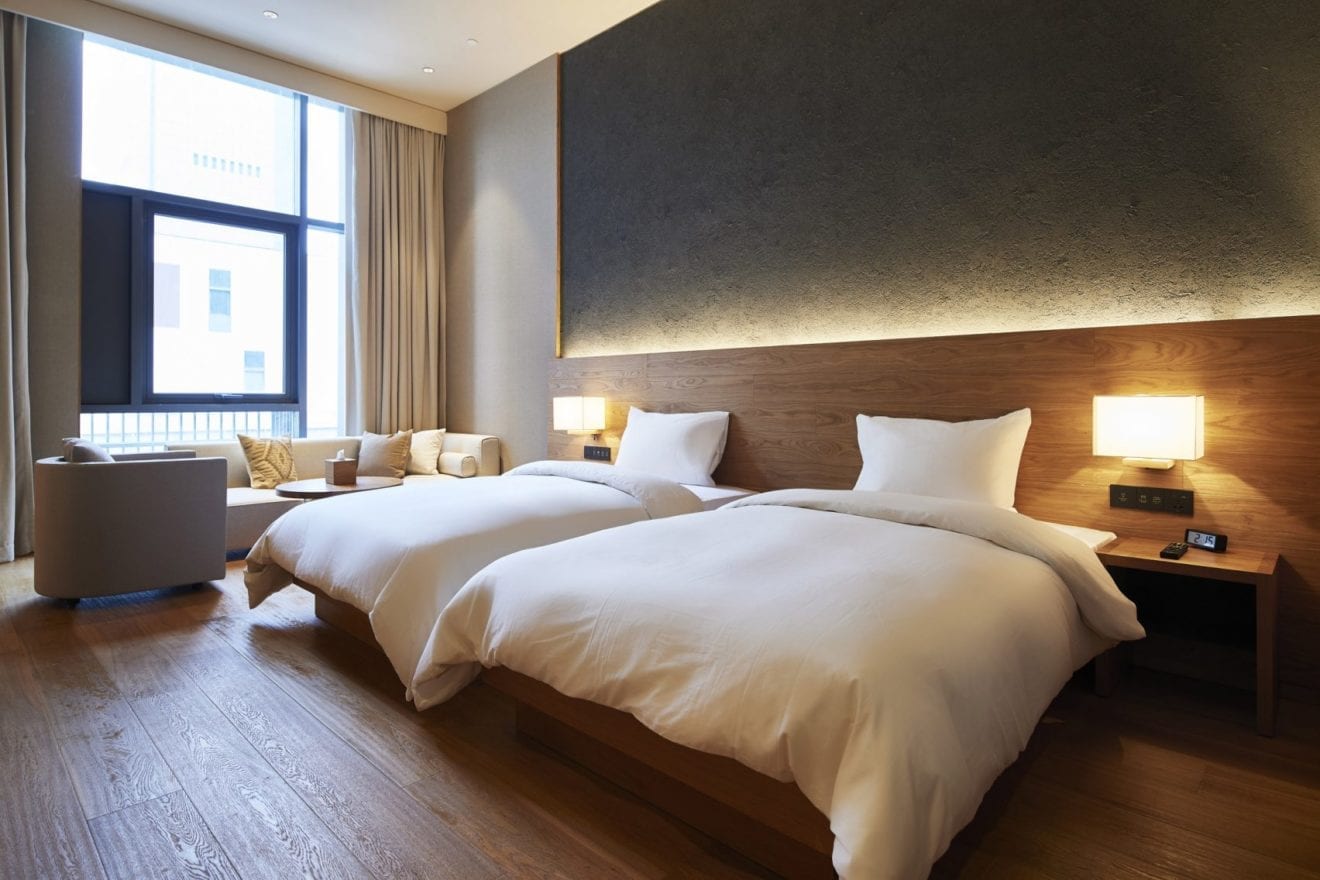
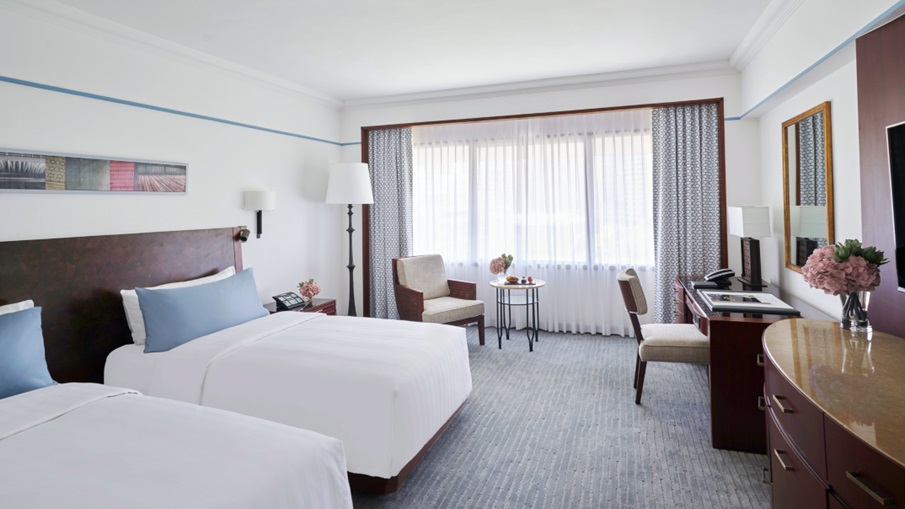
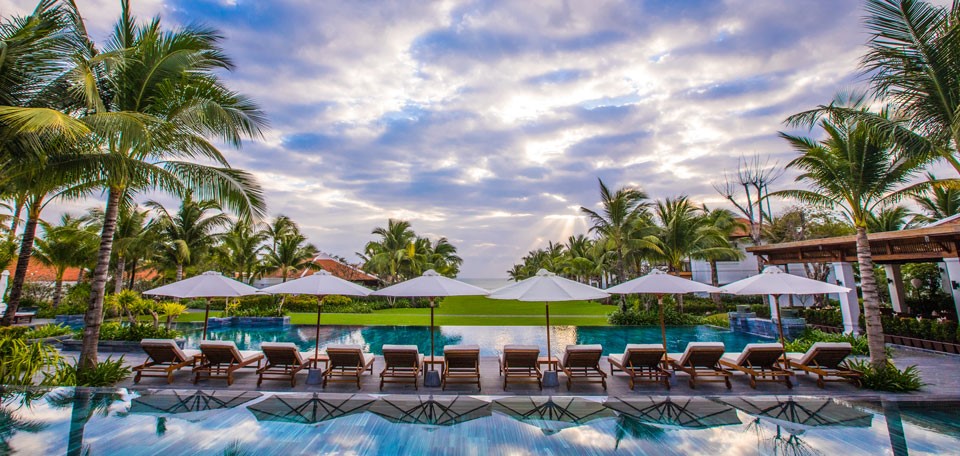
The high-end hotel landscape in China is undergoing a vibrant transformation, with a flurry of new establishments rising from the urban skyline to serene natural retreats. This dynamic boom is creating fresh opportunities for travelers, especially those from Singapore.
Hilton’s Ambitious Expansion
Take Hilton, for example. The hospitality giant has expanded its footprint to over 840 hotels across China and Mongolia, officially recognized as the “fastest-growing international hospitality company” in the region by Wendy Huang, senior vice-president and commercial director for Greater China and Mongolia. Between now and 2024, Hilton plans to open more than 100 new hotels each year. Currently, it boasts 17 luxury properties and aims to double that number within the next decade.
Marriott’s Growing Portfolio
In a similar vein, Marriott International has over 600 properties scattered across approximately 140 locations in China. The company operates 70 luxury hotels and has 40 more under development, further enriching the high-end lodging options for international travelers.
Revival of Interest Among Singapore Travelers
The flourishing luxury hotel scene is reviving interest in Chinese destinations among Singapore travelers, as reported by The Straits Times. Flight searches from Singapore to Lijiang in Yunnan province skyrocketed by 410% year-on-year in the first half of 2024, according to Skyscanner’s 2025 Travel Trends report.
Paralleling this trend, Hilton’s 2025 Trends Report highlights China as a top choice among Singapore-based travelers during the holiday season from late December to early January. Notably, searches for Shanghai and Guangzhou surged by 81% and 87%, respectively, with 23% of Gen Alpha and Gen Z travelers expressing significant interest in visiting China.
Significant Arrival Increases
This renewed curiosity is translating into increased arrivals. Last year, approximately 535,000 travelers from Singapore visited China, more than doubling from 260,000 in 2023, according to Oxford Economics. While still shy of pre-pandemic levels of over a million visitors annually, this surge indicates a robust recovery in travel demand, as reported by the South China Morning Post.
Yunnan: A Hot Destination for Singaporeans
Nitesh Pandey, chief operating officer for Asia Pacific at hotel management company The Lux Collective, noted that the number of Singapore tour groups to China spiked fivefold between June 2023 and June 2024, particularly highlighting Yunnan-Guizhou-Sichuan as a favored route. “Yunnan is quickly becoming one of the most desired destinations for Singaporeans, celebrated for its scenic beauty and the rich cultural tapestry of 25 of China’s 56 minor ethnic groups,” Pandey remarked to TTG Asia.
Affordable Luxury
The affordability of these luxury hotels is a major draw for Singaporeans, bolstered by a strong exchange rate and fierce competition among China’s vast hotel offerings. The Singapore dollar has appreciated against the yuan from 4.61 in December 2021 to 5.55 this past Thursday, making lavish accommodations much more accessible. For instance, a night at Hilton Shanghai City Center in September is priced at around S$211 (US$162), significantly less than Hilton Osaka’s rate of S$408.
“When comparing four- to five-star hotel prices in China with other destinations, you’re often getting much more value for your money,” stated Edmund Ong, senior regional director for Southeast Asia at the online travel agency Trip.com. Many Singaporeans returning from trips to China echo this sentiment about the country’s affordable luxury.
Take cybersecurity professionals Lionel Wee, 34, and Joanna Lee, 27; they enjoyed four nights at the InterContinental Haikou Seaview for just S$421 in April. “For an upscale hotel, this is a steal, even if it’s considered on the pricier side for China,” remarked Lee. The duo had also stayed at Glenview ITC Plaza Chongqing last October, spending S$700 for six nights. “I now want to visit China at least once a year; it’s becoming my go-to like Bangkok or Bali—relaxed and easy,” shared Wee.
Jordy Cheah, who has visited China seven times in the last year, cited affordability as a major allure, alongside the country’s captivating nature, convenience, and vibrant local culture. “It’s close to mountains and lakes, has great weather, delicious fresh produce, and a slower pace of life—all while enjoying plentiful lodging options that are generally cheaper than in Singapore,” mentioned Cheah, a 28-year-old tech sales representative.
Questions & Answers
What makes China an attractive destination for Singaporean travelers?
China offers a rich blend of scenic beauty, cultural diversity, and affordable luxury accommodations, making it a compelling choice for travelers from Singapore.
How much has travel interest from Singapore to China increased?
Flight searches from Singapore to various Chinese cities have surged significantly, with a notable 410% increase in interest towards Lijiang.
What does the current hotel pricing in China look like compared to other destinations?
Luxury hotel prices in China are generally viewed as more affordable than those in destinations like Japan, with many travelers expressing satisfaction with the value they receive during their stays.