Retail News CRM

Tag: hotels

  • Single-Use Plastic Ban, Food Waste and Local Produce Top Priorities in Centara’s 2019 Sustainability Plan

    Single-Use Plastic Ban, Food Waste and Local Produce Top Priorities in Centara’s 2019 Sustainability Plan

    Centara Hotels & Resorts, Thailand’s leading hotel operator, is focusing on three key sustainability initiatives as part of the company’s recently announced 2019 Sustainability Plan: eliminating single-use plastic products; reducing its food waste footprint; and expanding its support of local farming and produce-growing communities.

    1. No Single-Use Plastic Products by end-2019

    The elimination of single-use plastic items is part of the “Centara Earth Care” programme aimed at encouraging hotel guests and tourists to be proactive about energy saving, waste reduction and sustainable environmental tourism. The sustainability plan covers five types of single-use plastic items, including drinking straws, laundry bags, take-away food containers, fitness centre and poolside plastic bottles, and plastic guest room amenities. They are being replaced with items made from materials designed to minimise environmental impact.

    “Centara strives to operate ethically and sustainably in a balanced manner across the entire portfolio whilst providing an exceptional level of Thai hospitality,” said Thirayuth Chirathivat, Chief Executive Officer. “We are committed to selecting environmentally friendly produce which, in turn, enables us to further incorporate sustainable strategies and development into our products and services, creating shared value at an environmental, social and economic level wherever we operate. We are also committed to ensuring a respectful, safe and healthy environment to the larger society and our future generations.”

    Centara began phasing in its elimination of single-use plastic products in 2018 across all 39 of its operating properties. Under the plan, alternative products which are reusable and made from environmentally friendlier materials, including plant-based, compostable and bio-degradable plastics, will be fully phased in by year-end.

    • Phase I, targeting the elimination of plastic straws, began in August 2018. The single-use plastic straws being eliminated take up to 200 years to decompose; the new bio-straws replacing them decompose within six months. Once the change is fully enacted throughout all Centara properties, the reduction in plastic straw consumption will total nearly 2.2 million straws per year.
    • Phase II, eliminating the use of plastic laundry bags, began in December 2018.  Moving forward, these practices will also become Centara’s standards for all existing and new properties.
    1. Food Waste Reduction

    Centara’s new and continuing food-related sustainability initiatives include:

    • further reducing food waste and minimising each property’s carbon footprint with expanded purchasing of fresh local foods from herb, fruit and vegetable growers
    • making same-day donations of surplus food to charities located near each property
    • providing local farms with pre-separated organic waste for composting
    • transforming waste at select properties into biogas fuel, a blend of mostly methane and carbon dioxide gases which can be used in place of fossil fuels.

    In 2018, Centara supported the Bangkok-based foundation Scholars of Sustenance (SOS Thailand) by making same-day donations of more than 28,000 kilogrammes (kg) of quality surplus food. The donations provided over 86,000 servings to those in need, while the reduction in Centara’s food waste saved over 54,000 kg of GHG equivalent emissions.

    Both Centra by Centara Maris Resort Jomtien and Centara Grand Beach Resort Phuket have biogas machines on-site capable of converting 30-100 kg of organic waste each day into an equivalent number of litres of organic compost and biogas comparable to nearly five kg/day of LPG fuel. Since July 2018, the Cowtec Composting & Biogas Production Machine installed at Centra by Centara Maris Resort Jomtien has been processing organic waste from the property’s kitchens, staff canteens and landscaping works. By the end of 2018, the machine had composted more than 5,700 kg of organic waste and produced 262 kg of biogas equivalent LPG.

    1. Strengthen Local Communities

    Centara’s 2019 Sustainability Plan further expands the company’s support for local communities’ small farms and producers who grow food for Centara hotels and resorts in their area.

    The company attributes much of its carbon footprint reduction to making approximately 70% of total produce purchases from local sources. Beyond the economic benefits to the community, expanding farm-to-table dining enables each property to provide the freshest available food items to guests.

    The company’s ongoing engagement with EarthCheck, the world’s leading scientific benchmarking, certification and advisory group for travel and tourism, continues to yield consequential improvements in key sustainability metrics. To date, 15 Centara hotels and resorts have achieved EarthCheck certification and another four properties are enrolled in  EarthCheck’s Evaluate Plus programme, leading to significant reductions in carbon footprints and greenhouse gas emissions across a number of Centara’s certified properties.

    Most recently, the company’s leadership in environmental sustainability was recognised by the Stock Exchange of Thailand, which awarded Centara Hotels & Resorts (CENTEL) its “Thailand Sustainability Investment (THSI)” designation, an annual recognition for listed companies that operate with responsibility for Environmental, Social and Governance (ESG) aspects.

    Further recognition for properties includes the “Green Hotel 2018 Award” from the Department of Environmental Quality Promotion at Thailand’s Ministry of Natural Resources and Environment, awarded to Centara Grand Beach Resort & Villas Hua Hin and Centra by Centara Maris Resort Jomtien.
  • Vietnam needs more hotels as tourism blooms

    Vietnam needs more hotels as tourism blooms

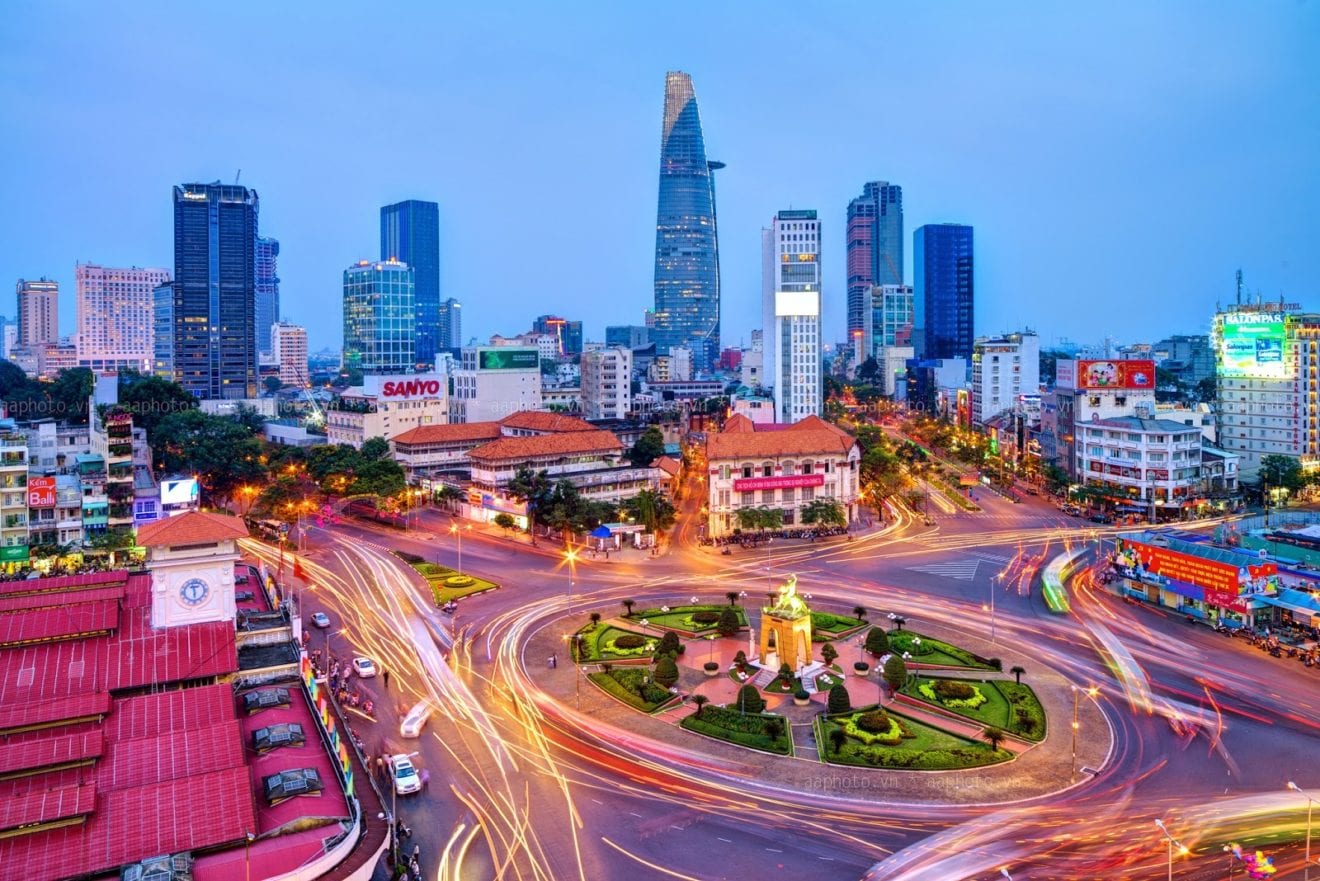
    The “golden age of tourism” in Vietnam presents robust hotel development opportunities in Vietnam’s biggest cities. Troy Griffiths, deputy managing director of real estate consultant Savills, said Ho Chi Minh and Hanoi are “under-hoteled per population, per travel and per airlift capacity”.

    “Hotel is a particularly dynamic sector at the moment as Vietnam is experiencing a golden age of tourism, with international tourism rising 20-30 percent year-on-year and more Vietnamese travelling than any time before,” Griffiths said.

    “There’s a demand for five-star hotels which will be really a strong asset class for the future,” he added.

    As of November, 14.12 million foreigners visited the country, up 21.3 per cent year-on-year and exceeding last year’s 12.9 million, according to the General Statistics Office.

    South Koreans dominated the surge at 46.5 percent, followed by Hong Kong (32.8 percent), Finland (29.6 percent), mainland China (26.9 percent), Taiwan (15.6 percent), and Denmark (15.4 percent).

    In the same period, domestic travelers rose 20.91 percent.

    “Hanoi and HCMC had been pretty quiet in the past as they went through a bit of a bad phase, when international visitors would pass and go straight to Da Nang, Phu Quoc and Nha Trang.

    “Now we see they are actually coming to Hanoi and HCMC because they are both very charming cities for international tourists,” Griffiths said.

    “And their stay is lengthening. That means more five-star demand.”

    Vo Quoc Phuong Trang, head of hotel investment consultancy at real estate service firm Jones Lang LaSalle (JLL), also said that Hanoi and HCMC, with their steady economic and tourism growth, would continue to draw foreign investors in the high-end hotel segment, which Trang said has low risk but offers steady revenue.

    A report released in July this year by global consulting firm Grant Thornton stated that increasing numbers of well-to-do Vietnamese citizens are choosing to stay in five-star hotels and spend lavishly when they travel within the country.

    Vietnamese citizens accounted for 19.2 percent of 4-star and 5-star hotels guests in 2017, according to the report. Although this is a slight decrease from last year’s figure of 20.8 percent, the number of domestic guests staying at upscale hotels had increased for three consecutive years from 2014 to 2016.

    The country has seen a strong influx of international hotel brands and hotel management companies in the last few years. From 30 hotels with international brand names in 2010, the number had increased to 79 at the end of last year, according to Savills.

    There has been a particularly big jump this year with recent announcements by Mandarin Oriental and Movenpick in HCMC and Best Western Premier in the central province of Quang Binh, it said.

    The emergence of Vietnamese hotel operators is also a highlight in the local hospitality landscape.

    “Vietnamese hotel developers are also getting mature. They are acquiring international knowledge and becoming a really strong force in their own right as we have already seen across the resort cities with Vingroup, FLC, BIM and Sun Group,” Griffiths noted.

    Savills’ third-quarter report shows that the 5-star segment in Hanoi continued its strong performance in Q3 though the high travel season for foreign tourists lasts from the beginning of Q4 to April.

    Occupancy rate of five-star hotels in the capital city was highest, at about 80 percent, followed by four-star hotels (65 percent) and three-star hotels (59 percent).

    Average revenue of five-star hotels was $100/room/night, double that of four-star and three times that of three-star properties, the report said.

    Data said, ten out of 19 high-end hotels in the best locations in HCMC have foreign owners. These include Sheraton, Caravelle, InterContinental, Asiana Saigon, and Sofitel.

    In Hanoi, nine of 16 high-end hotels have foreign firms as major owners such as Melia, Sheraton, Sofitel Metropole, Nikko, and Pan Pacific being the major names.

  • Centara listed in Thailand Sustainability Investment (THSI) 2018 for Sustainability Performance Excellence

    Centara listed in Thailand Sustainability Investment (THSI) 2018 for Sustainability Performance Excellence

    Centara Hotels & Resorts (CENTEL), Thailand’s leading hotel operator, was categorised a “Thailand Sustainability Investment (THSI)”, an annual recognition for listed companies that operate with responsibility for Environmental, Social and Governance (ESG) aspects. The THSI list aims to recognise and motivate companies for their efforts towards sustainability, while offering investors an alternative investment in high-performance ESG stocks.

    Centara Hotels & Resorts aims to balance its operations to attain financial goals and practice good governance, while creating positive social impact, reducing its environmental footprint, and encouraging innovation to sustain the organisation’s competitiveness. The company has formally developed environmental, social, and innovation initiatives since 2008, including energy, water, waste and safety management. Centara also engages management, staff, suppliers, guests and communities, for both the long-term growth of its business and vitality of the destinations where it operates. One testament to this commitment is that 15 of Centara’s properties have already achieved Gold and Silver Certifications by EarthCheck, the world’s leading scientific benchmarking and impact assessment body for sustainable travel and tourism.

    “Centara intends to operate ethically and sustainably across our entire portfolio. We are committed to sustainable practices throughout our hotel operations, whilst delivering an exceptional level of Thai hospitality for our guests,” said Thirayuth Chirathivat, Chief Executive Officer. “Companies that respond effectively to the challenges of sustainability can gain a competitive advantage and increase share value. We strive to develop sustainable hospitality strategies and encourage sustainability wherever we operate.”

    Thailand Sustainability Investment (THSI) was first created in 2015 to recognise companies that adopt ESG principles into responsible and sustainable business management to create a positive impact on the Kingdom. This year, the Stock Exchange of Thailand (SET) selected Centara as one of 79 listed companies that incorporate a high level of ESG practices to support sustainability. This effort is in line with SET’s vision “To Make the Capital Market Work for Everyone”, supporting a vision of capitalism that benefits all stakeholders.

  • Airbnb looms as major threat to HCMC hotels

    Airbnb looms as major threat to HCMC hotels

    Hotel and serviced apartment tariffs outside the city center are leveling off and on the brink of declining as a result of competition from apartments leased on Airbnb and others.

    CBRE’s senior director, Duong Thuy Dung, said since 2016 a total of nearly 100,000 apartments have been built and sold in Saigon, and a large proportion of them are on Airbnb.

    So far this year only 43 new properties have hit the HCMC serviced apartment market. This low number was because investors had to consider reducing supply to avoid the competition from short-term lease apartments, Dung explained.

    Nevertheless, grade A serviced apartments in the downtown area saw high occupancy rates thanks to their superior location and inherent differences in brand and utility, she said.

    But grade B and C serviced apartments are under pressure, as are hotels.

    CBRE study, released in September, showed demand for three-star hotels have been gradually falling because of growth of Airbnb in both HCMC and Hanoi.

    Airbnb, launched in 2008, has over five million registered rental properties in 191 countries, while the 10 largest hotel chains in the world only have 6.1 million rooms.

    As of August this year Hanoi and HCMC had 21,994 properties on Airbnb. The average rental is around $36 per room per night in Hanoi and $44 in HCMC, making them very competitive.

    CBRE concluded that with their rapid expansion in the Vietnamese market, short-term room rental services are now a direct competitor to three-star hotels due to the similarity in their prices.

  • Thai hotels booked up ahead of funeral of revered king

    Thai hotels booked up ahead of funeral of revered king

    The funeral will run for five days next week. Hotels in Bangkok’s bustling old town, home to a backpacker enclave favoured by foreign tourists, are booked up as Thailand prepares to host the lavish funeral of its revered King Bhumibol Adulyadej next week, the hotel association said on Monday.

    The funeral of King Bhumibol, who died on Oct. 13 last year after seven decades on the throne, will run for five days next week, with most events centering on the Grand Palace and Sanam Luang, a public square in the historic quarter.

    About 250,000 mourners are expected to attend the funeral, which will feature gold-tipped pavilions built for the occasion, and Oct. 26, the day of the cremation, has been declared a national holiday.

    “Many Thais wishing to attend the cremation feel it would be more convenient having a place to stay nearby, so most hotels have been booked out already,” Supawan Tanomkieatipume, president of the Thai Hotels Association, told Reuters.

    A Reuters survey of three hotels on the Khao San Road, the main artery of the Banglamphu backpacker area, found no rooms were available.

    “We are fully booked during the royal cremation,” said Preechaya Amngeun, 23, a guest services agent at the Ibis Styles Bangkok Khaosan Viengtai, part of French hotel group Accor .

    “Around 80 percent of the guests we have are Thais. The other 20 percent are foreign tourists.”

    Thailand’s tourism industry, which accounts for 12 percent of GDP, has been a rare bright spot for an economy that has struggled since a 2014 coup. It has weathered political turbulence and a major natural disaster over the past decade.

  • Tokidoki Plans to Open 10 to 15 Hotels in China in the Next Five Years

    Tokidoki Plans to Open 10 to 15 Hotels in China in the Next Five Years

    Devotees of Tokidoki, the overly cute character lifestyle brand, will in future be able to book a room in a Tokidoki-adorned hotel. Cofounders Pooneh Mohajer and Simone Legno plan to open 10 to 15 Tokidoki hotels in China in the next five years, with the first one expected to be welcoming guests by the end of next year. Chasing young professionals who favor ultra-clean design with touches of art, the company is laying the groundwork for its own affordable luxury hotels. The Tokidoki branded hotel will feature its own designed decor, including hospitality products that will be available for purchase at the hotel. Legno, creative director, said, “It is a 360-degree experience as a designer. I have a graphic design background so I will apply that to stationery for the Tokidoki hotel, as well as a new logo.” (His fine art will also be sprinkled throughout the hotel.)

    Tokidoki’s interpretation of Kartell “Ghost” chairs will be in the hotel rooms. The company just unveiled the $480 Louis Ghost chair and the $185 Lou Lo one for children, reimagining the iconic seats that Philippe Starck designed for the company. Legno said, “We will promote it for sure. Why not? That’s the wonderful part of a design project.”

    The name Tokidoki means “sometimes” in Japanese, but the Asian-inspired products are made by an Italian artist now living in Los Angeles. The mash-up of cultures has led to collaborations with Karl Lagerfeld, LeSportsac, Marvel and Hello Kitty, among others, and a global following. The new Kartell chairs, for example, will be sold via Tokidoki’s site, Kartell’s New York and Miami stores and its wholesale accounts. With 10 Tokidoki stores, including outposts in Shanghai and a two-month pop-up shop at Galeries Lafayette in Beijing that featured big-screen animation. The 12-year-old company, which has flagship in IAPM Mall in Shanghai, plans to open 20 more before the end of this year.

    In January, the brand teamed with the conglomerate Chow Tai Fook for fine jewelry which is being distributed through more than 1,500 outposts in China, as well as stores in the U.S., Japan, South Korea, Singapore and Malaysia.

    This week alone included stays in Singapore, Los Angeles and New York. Monday they will be off to Vancouver. Next month, trips to New York, London, Milan and Indonesia are slated. “A year feels like it goes by in a month,” Mohajer said. “It’s pretty insane.”

    Reminded of his recent trips to India and Thailand, Legno said, “You have to push as much as possible when it’s a hot moment. We’re trying to focus on a global label and expand the brand as much as possible.”

    Li & Fung, Toki’s master licensing partner for China, Taiwan and South Korea, coordinated the hotel deal, and is scouting new ones for jewelry and cosmetics. A jewelry collaboration is in place and more shoppers are in search of Tokidoki’s vinyl art collectible figurines. Mohajer said of Li & Fung, “They’re constantly generating good flow. It’s been amazing to work with them. They were part of negotiating and procuring a retail partner for us for China.”

  • Hotels told to cough up for playing music on TV by Vietnam’s copyright watchdog

    Hotels told to cough up for playing music on TV by Vietnam’s copyright watchdog

    Collection of the controversial royalty fees will resume after a three-month break following a public backlash.Vietnam’s music copyright watchdog has announced that it will resume charging hotels across the country royalty fees for playing music on TV.

    The Vietnam Center for Protection of Music Copyright (VCPMC) will be charging all hotels VND25,000 ($1.1) per year for each room equipped with a TV.

    The amount is based on similar fees charged in other countries based on information provided by the International Confederation of Societies of Authors and Composers (CISAC) and adjusted to Vietnam’s economy, the center stated.

    At a press conference on Monday, the VCPMC cited Vietnam’s intellectual property law to reaffirm its right to collect royalty fees from hotels that play music.The culture ministry has asked the VCPMC to start collecting fees again after they were put on hold in May following a public backlash, according to Pho Duc Phuong, the center’s director.

    The center also said that 80 percent of the royalties would go to the copyright holders and it would only retain 20 percent to cover its operating costs, Tuoi Tre (Youth) newspaper reported.

    The collection process will be public and transparent, and the royalties will be paid to the copyright holders every three months, said Nguyen Hoang Giang, director of the VCPMC’s northern chapter.

    “The hotels will supply us with lists of songs they frequently play, and after subtracting administrative expenses, we will split the royalties equally among copyright holders,” Giang said.

    However, the VCPMC did not explain how the hotels will be able to compile these lists, or how it will verify them.

    In May, the center’s southern chapter started asking 1, 2 and 3-star hotels in Da Nang to pay music royalty fees and threatened to take legal action against those that refused to cooperate. Many hotel owners were surprised to learn about the new fees and were quick to protest, claiming most visitors don’t use their TVs to play music and not all hotels play music in their lounges.

    However, the VCPMC has been charging 4 and 5-star hotels music licensing fees for the last 10 years, and has been organizing conferences since 2013 to inform all hotel owners of copyright laws and regulations, Tuoi Tre quoted Dinh Trung Can, the VCPMC’s deputy director, as saying.

    Following the public backlash in May, the Copyright Office of Vietnam instructed the VCPMC to temporarily stop collecting music royalty fees until it could devise a more transparent and appropriate roadmap for the collection process.

    The VCPMC is a non-governmental and non-profit collective copyright management organization. It claims to represent nearly 4,000 songwriters and copyright holders of Vietnamese songs, and more than 4 million international writers.

  • Accor Hotels to operate 200 hotels in Indonesia by 2020

    Accor Hotels to operate 200 hotels in Indonesia by 2020

    Global hotel management chain AccorHotels is seeking to operate a total of 200 hotels in Indonesia by 2020 on the back of the country’s rapid development.

    At the end of 2016, the company was managing 106 hotels, an increase of 11 units compared to 2015.
    “We aim to have 200 hotels in Indonesia by 2020,” AccorHotels Malaysia-Indonesia-Singapore chief operating officer Garth Simmons said in Makassar on Saturday after launching its latest addition, Ibis Styles Makassar Sam Ratulangi.

    In 2017 alone, it plans to open between 15 and 20 new hotels, five of which will be located in the eastern part of Indonesia, mostly on Sulawesi.

    The chain is planning to make Sulawesi its eastern hub to help expand operations to the other parts of the country, especially Papua.

    “Frankly, we really want to expand to Papua, but we have to strengthen the distribution network first,” Simmons said.

    In 2016, the group had a 70 percent average occupancy rate, with Bali and Jakarta as its strongest bases, where the rate reached 90 percent.

    The Sumatra region has a 70 percent occupancy rate, while eastern Indonesia had around a 55 percent occupancy rate.

  • Starwood Hotels & Resorts To Debut Four Points Jakarta, Thamrin In The Capital Of Indonesia

    Starwood Hotels & Resorts To Debut Four Points Jakarta, Thamrin In The Capital Of Indonesia

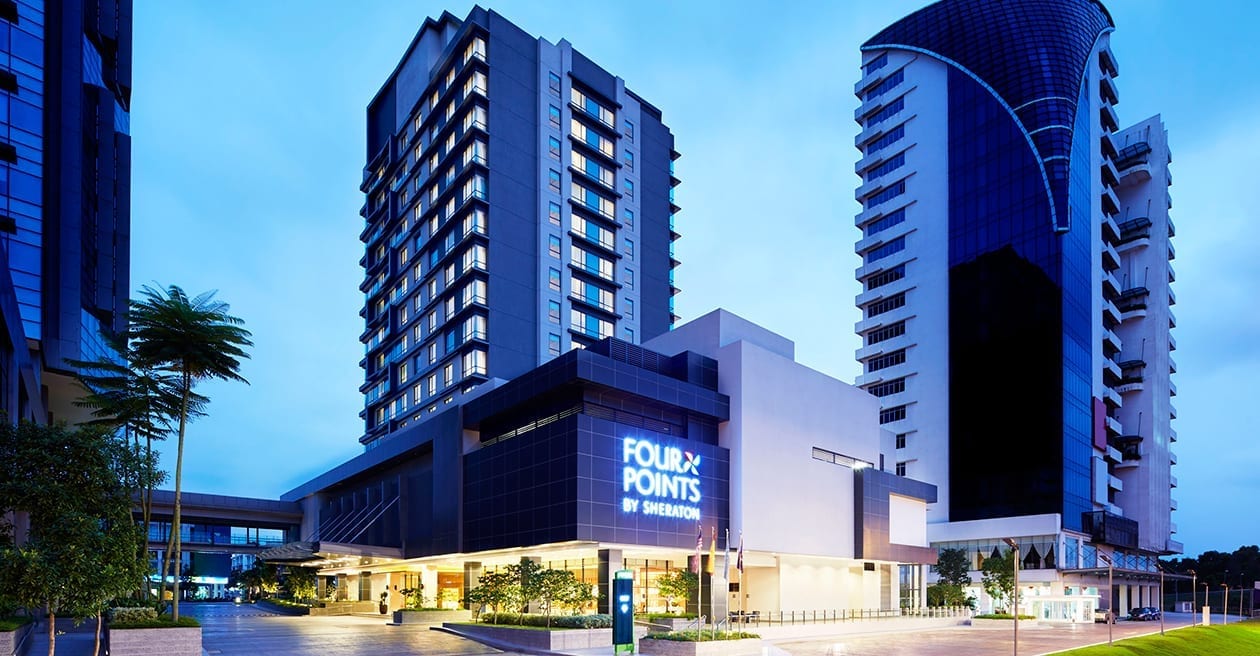
    Starwood Hotels & Resorts Worldwide, along with PT Thamrin Ekspress Indonesia today jointly announced the opening of Four Points Jakarta, Thamrin. The opening marks the first Four Points property in Jakarta, and the sixth in Indonesia. The hotel is part of an approximate 159,000 square foot mixed used development that consists of offices located on the upper floors of the building and the hotel.

    “Built for the smart, independent business traveler, Four Points continues to offer our guests exactly what they need while on the road,” says Vincent Ong, Senior Director, Asia Pacific Brand Management, Four Points. “We are excited to open Four Points in Indonesia’s capital of Jakarta, one of the fastest growing cities in Southeast Asia and continuing the immense growth momentum of the brand in the region and generating a halo-opening effect.”

    Four Points Jakarta, Thamrin features 164 guest rooms with fast and free Wi-Fi throughout the hotel. Guestrooms are fitted with the Four Points brand’s signature bedding, 43” LED flat-screen TVs, and complimentary bottled water. The hotel features an all-day dining venue, which incorporates the brand’s signature Best BrewsTM program, allowing guests to sample a range of local craft and artisan beers. For meetings and events, Four Points Jakarta, Thamrin has three comfortable, stylish meeting spaces totaling 1,615 square feet that overlooks the lively Thamrin business district. The hotel also offers a 24 hour fitness center that is fully equipped with a range of high-endurance and low impact workout equipment.

    Four Points Jakarta, Thamrin is strategically located along Jl M.H. Thamrin at Menara Topas, a major road running through the Central Business District in Jakarta with high visibility for corporate clients. The hotel is located just under one half a mile north of the famous Selamat Datang roundabout near multinational corporate offices, embassies, megamalls, retail shops, restaurants and bars. For guests looking to immerse in the rich history and culture of Jakarta during their stay at the hotel, they can visit Pasar Baru, the oldest shopping center in the city that dates back to the Dutch colonial era, Sunda Kelapa, a 17th century port to see the world’s last wind-powered trading schooners, or take in captivating views from the observation deck at Monas, a National Monument located in the center of Freedom Square. All are located within 7.5 miles of the hotel.

    Starwood Hotels & Resorts is rapidly growing in Indonesia alongside the increasing number of domestic and international travelers. Currently there are 19 properties across Indonesia with 15 hotels under construction. In Jakarta alone, Starwood has five properties representing the Le Méridien, Tribute Portfolio, The Luxury Collection and Sheraton brands, with six more hotels opening by 2020, including the debut of the Westin brand in August, 2016 and the Aloft brand by 2018.

  • Swiss-Belhotel International extends Indonesian footprint with opening of Swiss-Belhotel Jambi

    Swiss-Belhotel International extends Indonesian footprint with opening of Swiss-Belhotel Jambi

    Swiss-Belhotel International continues its growth in all segments of the Indonesian hospitality industry with the opening of the four-star Swiss-Belhotel Jambi, Central Sumatra.

    The hotel is the first international property in Jambi with an impressive grand ballroom with seven-metre high ceilings, capable of hosting over 1,200 guests.

    The opening ceremony was led by the Mayor of Jambi, H. Syarif Fasha, ME who was accompanied by PT Selaras Jaya Indah Hotelindo President Commissioner Bapak Begawan Kamto, Swiss-Belhotel International Chairman and President Mr. Gavin M. Faull and Senior Vice President of Operations and Development Mr. Emmanuel Guillard.

    Swiss-Belhotel International Chairman and President Mr. Gavin Faull said: “Swiss-Belhotel International is delighted to welcome Swiss-Belhotel Jambi to our global portfolio of hotels and further strengthen our business in Sumatra.

    Swiss-Belhotel Jambi offers 136 rooms with a minimum size of 31 square metres.

    The property is ideally located in the business district and caters ideally to the local business community as well as leisure travellers who can now enjoy international standards of hospitality and service in the city.

    As well as offering extensive function space, Swiss-Belhotel Jambi, boasts the largest lobby in town, extensive parking, rooms starting at a minimum size of 31 square metres and exceptional dining experiences highlighted by The View Café and signature rooftop outlet, Resto.

    The 136-room Swiss-Belhotel Jambi offers international standard amenities and facilities including individual air-conditioning units, in-room refrigerators, an IDD/NDD telephone system, laptop size in-room safety deposit box, tea and coffee making facilities, wifi internet access, in-room dining, five meeting rooms and ballroom, swimming pool, gym and business centre.

    Strategically located in the central business district, the hotel provides convenient access to a variety of local attractions, shopping malls and culinary options, making it an ideal choice for business or leisure travellers to Jambi.

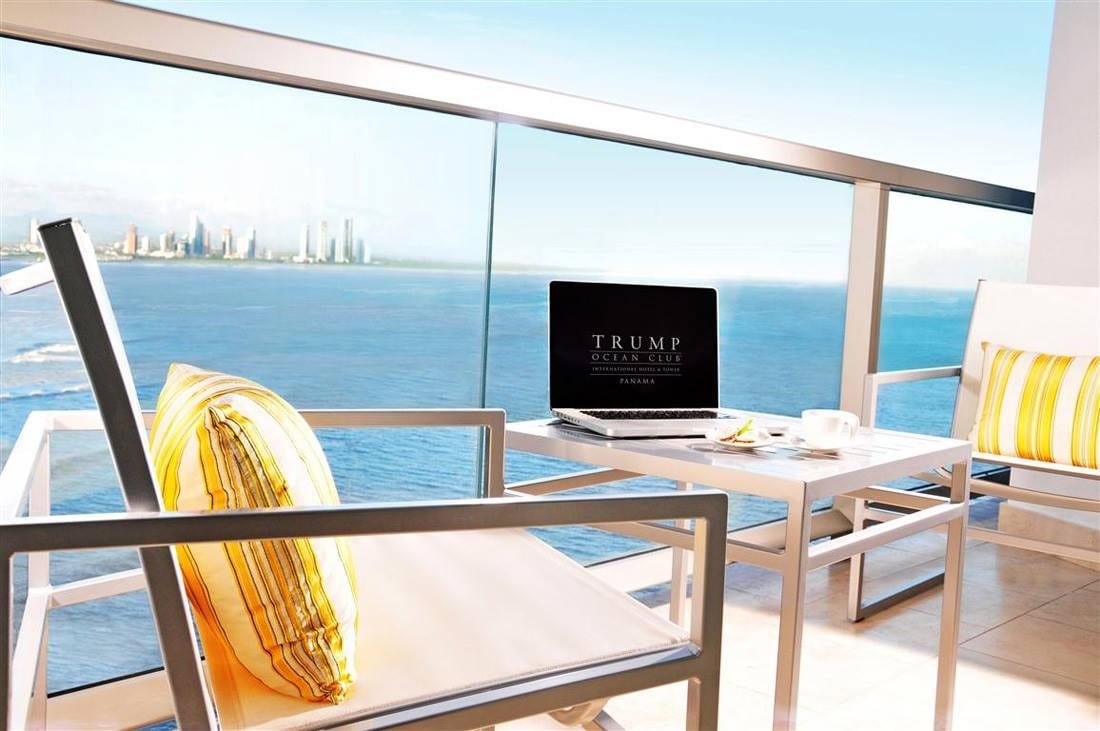
  • Trump’s luxury hotels in Indonesia could face backlash over his anti-Muslim remarks

    Trump’s luxury hotels in Indonesia could face backlash over his anti-Muslim remarks

    Few villagers living near a half-built golf course in Indonesia’s West Java province know the name Donald Trump, and fewer still are aware that one of his firms will be managing a six-star hotel and luxury resort in their backyard.

    But in the capital, Jakarta, a growing number of Indonesians want the U.S. presidential candidate and his businesses banned from the world’s most populous Muslim-majority nation after Trump pledged to temporarily bar Muslims from entering the United States if elected.

    The anger simmering across the Pacific is a likely preview of the strained relations a Trump presidency could expect from the Muslim world.

    Indonesia, whose more than 200 million Muslims largely practice a moderate form of Islam, has close relations with the United States. Many Indonesians think highly of President Barack Obama, who spent part of his childhood in Jakarta.

    “If (Trump) continues his racist position, it will bring danger to American assets,” said Hasanuddin, a parliamentarian who is also a member of the assembly’s commission overseeing foreign policy. “Donald Trump’s arrogance could be harmful for U.S. citizens around the world.”

    Fadli Zon, the deputy speaker of the house, said he would seek restrictions on U.S. trade and investment if Trump became president.

    The United States is Indonesia’s second-largest export market, worth about $16 billion last year, and is a popular study destination with children of the elite.

    An online petition, set up anonymously, is urging Indonesian President Joko Widodo to ban the billionaire and his businesses from the country and has received more than 45,000 signatures.

    “Donald Trump doesn’t want Muslims of the world to enter the United States . . . so we should do the same to him,” signatory Ayu Dyah wrote on the petition website. “Condemn, refuse and boycott every Donald Trump business and his affiliations. . . . We should prove that we have power.”

    Widodo has not responded to the petition.

    Trump’s comments on Muslims have already provoked strong reactions elsewhere, with British politicians in January debating barring the real estate tycoon from entering the country, where he also has business interests.

    The hostility toward Trump could threaten his company’s expansion efforts into Southeast Asia’s largest economy, Indonesian lawmakers and government officials said.

    “It’s just his statement hurts many people in this Muslim-majority country,” said Edy Putra Irawady, Indonesia’s deputy chief economic minister. “Surely it will be a black shadow for his business.”

    Trump Hotels Collection last year announced a partnership with Indonesia’s PT Media Nusanta Citra (MNC) to manage new luxury hotels on Bali and in West Java, the Trump unit’s first foray into Asia.

    In Bali, one of Asia’s most popular holiday destinations, Trump Hotels will operate a six-star hotel atop a cliff overlooking the Indian Ocean and Tanah Lot, a popular sea temple on a small rock formation.

    MNC, which will be building both resorts, declined to comment on Trump’s politics.

    “Business is business. The implication for wider Indonesia, we have to see later,” said Syafriel Nasution, corporate secretary of MNC Group, adding that he had not seen any damage to the company’s brand due to its relationship with Trump.

    MNC Group is controlled by billionaire Hary Tanoesoedibjo, Indonesia’s 28th-richest person, who also owns four national television stations and last year launched a new political party.

    A senior member of Muhammadiyah, Indonesia’s second-largest Muslim organization, said protests are possible if Trump becomes president, though none were yet planned.

    “Indonesian Muslims are very strongly united,” said Abdul Mu’thi, the group’s secretary general. “If he is elected, there will be a strong reaction from Indonesian communities to any business that is run by Donald Trump.”

    In West Java, near where Trump’s golf resort will be built, one villager said he had never heard of Trump and wouldn’t be protesting against him. “If we protest, he will likely close his business,” said Agus, who owns a small mobile phone shop. “And for the time being, earning money is hard.”

  • VP Kalla reviews preparation to build hotels in Mandalika

    VP Kalla reviews preparation to build hotels in Mandalika

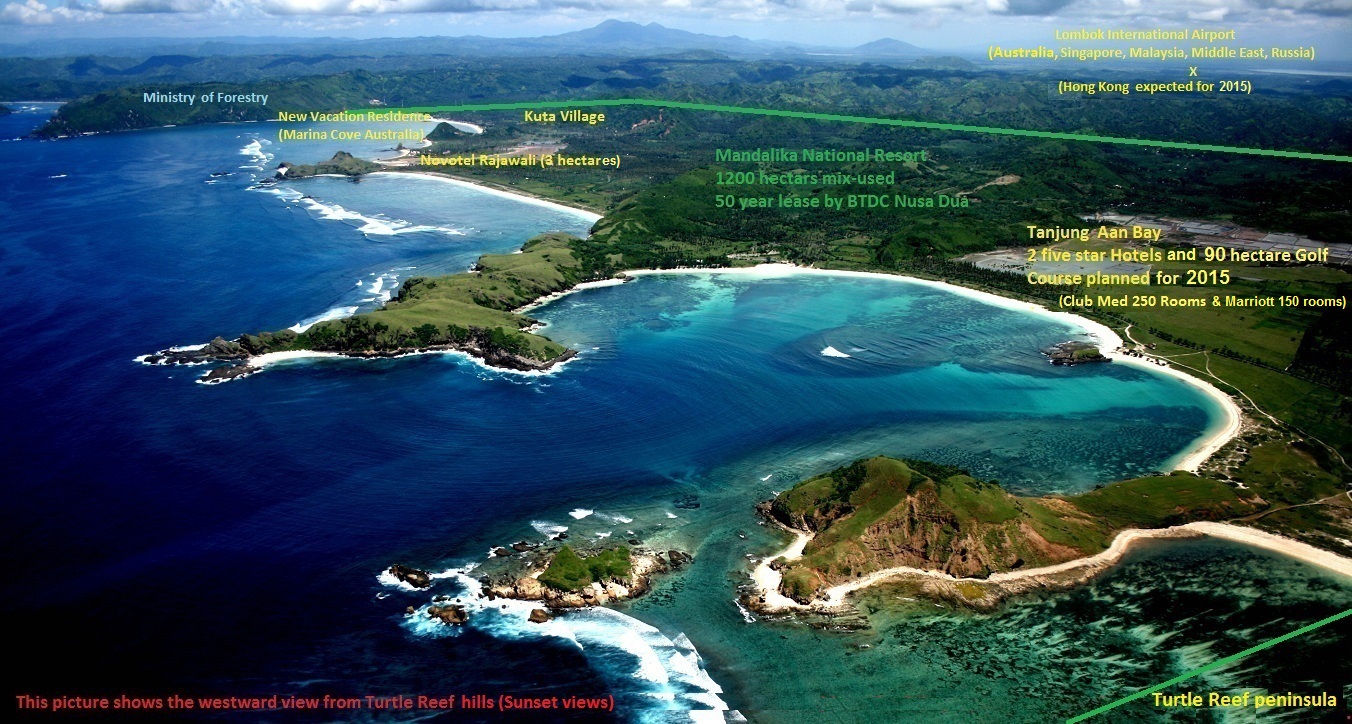
    Vice President M. Jusuf Kalla had the opportunity to review the preparations for the construction of four five-star hotels at Mandalika Special Economic Zones in Central Lombok, West Nusa Tenggara, Saturday.

    The Vice President reviewed the area together with Peoples Consultative Assembly (MPR) Chairman Zulkifli Hasan and Tourism Minister Arif Yahya.

    Arriving on the scene, the Vice President and the group immediately got the exposure of a number of investors who will build the four five-star hotels at the Mandalika Special Economic Zone (SEZ) in Central Lombok.

    Four hotels to begin construction in 2016, are Pullman Hotel of the investment fund PT Indonesia Tourism Development Corporation (ITDC), which is a state-owned enterprise (SOEs) in the field of tourism.

    Other hotels are Intercontinental Hotel, Club Med Hotel and Lees Hotel, and the construction of the entire capacity of the 850-room hotels was targeted to be completed within a period of two and a half years.

    “Everything has been completed, and there no reason not to accelerate the construction of these four hotels,” the vice president noted.

    After hearing the exposure of investors, the vice president then listened to the explanation of President Director of PT ITDC, Abdulbar M. Mansoer, related to the development of Mandalika SEZ within the next 10 years.

    In addition to building hotels, ITDC will also build the basic infrastructure needed by the hotels to support their operation, such as the need for clean water that will utilize seawater through the refining process.

    This work is done by establishing a partnership with EBD Bauer, one of the American companies engaged in the purification of seawater into fresh water.

    Other infrastructure that is in the process of being set up is a solar power plant (SPP) and gas power plants for hotels in Mandalika SEZ, which will not use electrical energy from the State Electricity Company (PLN).

    ITDC is also getting constructed the Tourism College (STP), which will create the human resources needed by the hotels.

    “Thus, some 20 star-rated hotels will be built in the Mandalika Special Economic Zone within 20 years. For the first stage, we will build four five-star hotels, and we have prepared the basic infrastructure,” said Abdulbar.