Retail News CRM

Tag: house

  • Iconic Prince Coffee House in Singapore Bids Farewell After Half a Century of Serving Delightful Chinese Cuisine

    Iconic Prince Coffee House in Singapore Bids Farewell After Half a Century of Serving Delightful Chinese Cuisine

    The iconic Prince Coffee House, a renowned Chinese restaurant in Singapore, has announced its upcoming closure, marking the end of its half-century-long service. According to the proprietor, Jimmy Lim, the decision to cease operations emerges from his decision to retire. At nearly 90 years of age, Lim has been at the helm of the restaurant’s operations for the past fifty years.

    Scheduled to shutter its doors by mid-2026, the closure coincides with the expiration of the establishment’s lease in July of that year. Lim admits his inability to withstand the strenuous twelve-hour work schedule, a factor significantly contributing to his retirement decision. Additionally, the future of Prince Coffee House remains uncertain, with Lim’s children showing no interest in perpetuating the family business.

    A Glimpse into the Past

    The coffee house, which began its journey at Shaw Towers during the mid-1970s, owes its name to the now-extinct Prince Cinema that previously resided within the same complex. The restaurant’s illustrious past is visible through photographs adorning its walls, capturing memories of numerous celebrities who dined there during its peak years.

    After a thirteen-year tenure at Shaw Towers, the establishment relocated to Coronation Plaza located in Bukit Timah. It continued to serve its customers there for a period of 21 years before moving to its present location on Beach Road nearly a decade and a half ago.

    A Tradition of Excellence

    Despite these numerous relocations, the Prince Coffee House has maintained a steady influx of patrons. Over the years, due to rising costs of living, the restaurant has adjusted its prices periodically, evidenced by layers of updated prices, handwritten and taped over previous ones.

    However, the fare offered has remained consistent over the years, with dishes like oxtail stew and beef hor fun continuing to be customer favorites. Adding to the charm of the restaurant, the plates utilized for serving have a history of their own, with some dating back to the 1970s.

    When queried about his post-retirement plans, Lim expressed his intent to continue his passion for cooking but in the comforts of his home and at his wife’s behest.

    Questions & Answers

    What is the reason for the closure of the Prince Coffee House?
    The owner, Jimmy Lim, has decided to retire due to his advancing age and the demanding nature of running the restaurant.

    When is the Prince Coffee House expected to close?
    The restaurant is scheduled to cease operations in the middle of 2026 when its lease expires.

    What will Jimmy Lim do after the restaurant closes?
    Jimmy Lim plans to continue his love for cooking but will do so at home, focusing on his wife’s culinary needs.
  • New Love Trend: Young Vietnamese Couples Investing in Homes Before Rings

    New Love Trend: Young Vietnamese Couples Investing in Homes Before Rings

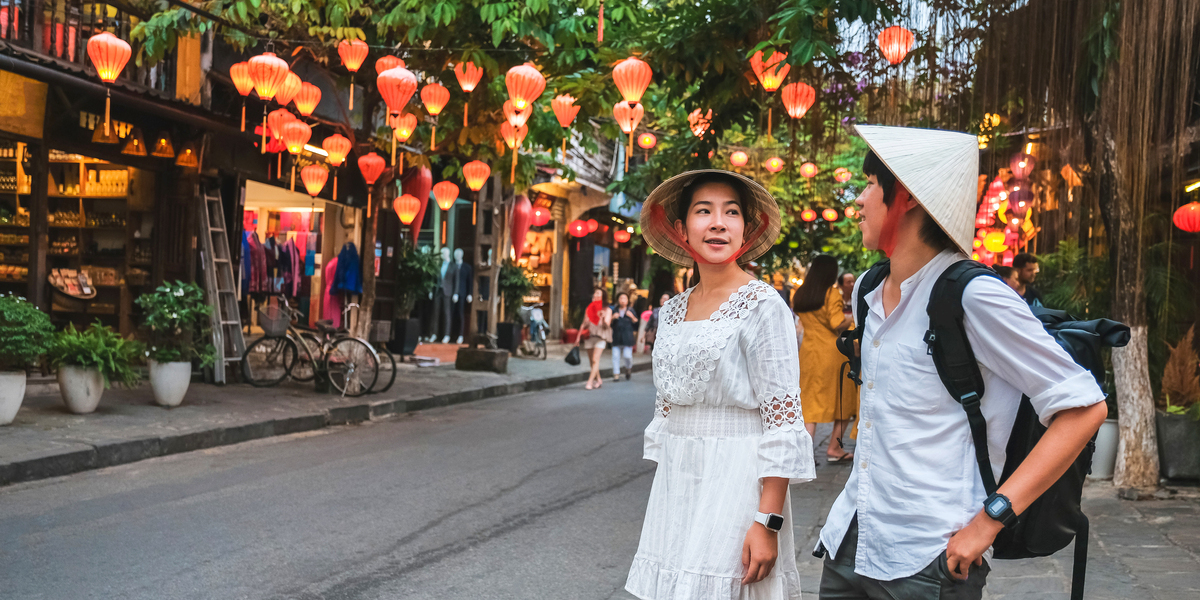
    In a shift of convention, many young couples are prioritizing financial stability and homeownership over marriage. Rather than saving for a wedding, these couples are committing to mortgage contracts together, seeing this as the true foundation for their future.

    After a short dating period of only six months, Ngoc Ly and Huy Hoang, both 30 years old, decided to jointly purchase a 65-square-meter apartment on Tran Phu Street in Hanoi’s Ha Dong District, valued at USD135,000. The couple is not yet married, but they believe that owning a home lays a secure foundation, after which marriage can follow at any time.

    Hoang and Ly are both architecture graduates and began dating shortly before Lunar New Year festival of 2024. They had been working for six years before deciding to make a joint property purchase, both to grow their investments and to secure a place of their own.

    “In our assessment, we realized that no matter how hard we work, keeping pace with housing prices is almost impossible,” Hoang explains. “As people from other provinces, we’ve always dreamed of having our own place in Hanoi.”

    In May 2024, they jointly purchased the apartment in Ha Dong. A bank loan covered 60% of the property’s value. Another couple in Vung Tau, Le Hoai and Thien Nhi, both 26 years old, made a similar decision.

    The couple bought a two-story, 30-square-meter house for VND2 billion. Despite criticism and doubt from those around them, they believed purchasing a home should come before their wedding. To afford the house, they sold a homestay in Da Lat and borrowed more from relatives. In June 2024, they moved into their new house.

    A Shifting Paradigm

    The trend among young people to prioritize homeownership over marriage is growing. According to data from the Vietnam Association of Realtors Institute for Research and Evaluation, buyers aged 25–35 are now involved in over 40% of all transactions, and this figure can rise up to 70% in some housing projects.

    Truong Anh Tuan, head of the legal department at the Vietnam Real Estate Association, notes, “In recent years more young people have been pooling money to buy property together, especially in major cities. This reflects a shift in their perspective on ownership, which has become more flexible, pragmatic, and open to risk-taking.”

    Dr. La Linh Nga, director of the Center for Psychological and Educational Science Research and Application, adds that young people today approach love with practicality and independence. They plan carefully for each stage of their lives, from dating to marriage, from securing housing to starting a family.

    This trend highlights the harsh reality of homeownership dreams in the face of rising property prices and stagnant wages. As a result, the government has initiated programs like the “One Million Social Housing Units” and preferential credit packages to support young buyers.

    Questions & Answers

    What are the factors influencing young couples to prioritize homeownership before marriage?
    Rising property prices and stagnant wages are pushing young couples to prioritize homeownership. They are pooling resources to buy property together as they believe it provides a secure foundation for their future.

    What is the government doing to support young property buyers?
    The government has initiated several programs like the “One Million Social Housing Units” and preferential credit packages to assist young property buyers.

    What does this trend signify about the new generation’s perspective on homeownership?
    This trend reflects a shift in perspective among the new generation who are more pragmatic, flexible, and open to risk-taking. They are considering joint property ownership as a form of investment and a step towards financial stability.

  • Jakarta Set to Welcome Four New Serviced Apartments by 2027: A Boost for Urban Living!

    Jakarta Set to Welcome Four New Serviced Apartments by 2027: A Boost for Urban Living!

    Jakarta’s serviced apartment market is on the cusp of transformation, driven by the recent inauguration of the Swissôtel Living Jakarta Mega Kuningan by Accor, which has unveiled 240 new units. As reported by Colliers, this addition propels the total supply of serviced apartments in the city to about 7,000 units as of the second quarter of 2025.

    Future Growth and New Projects

    Looking ahead, the landscape is set to expand further with four new projects anticipated to be completed by 2027. Two developments by Ascott are slated for rollout in the latter half of 2025, while additional offerings from Ascott and Fraser are currently under construction and expected to come online by 2027. Together, these initiatives promise to introduce approximately 730 fresh units into the competitive market.

    Occupancy Trends and Market Dynamics

    However, the current occupancy rate paints a less rosy picture. As of Q2 2025, occupancy has dipped to 55.6%, a decline attributed largely to the effects of a prolonged Eid holiday and school breaks, which disrupted the traditional leasing cycle typically seen from February to April. While the holidays may have sparked a brief surge in short-term stays, many tenants opted to hold off on long-term leasing decisions, waiting for the return to normal post-holiday routines. Looking forward, experts anticipate a rebound in leasing activity as the second half of 2025 approaches.

    Shifts in Tenant Preferences

    The introduction of new apartment projects is expected to invigorate the market, offering prospective tenants a range of modern and diverse leasing options. Notably, preferences are shifting among tenants, with a growing interest in pet-friendly accommodations emerging as a prominent trend, particularly among young professionals and long-term residents. This evolution in consumer demand is prompting operators to rethink and enhance their offerings, ensuring they align with the shifting expectations of the market.

    Questions & Answers

    What recent development has influenced Jakarta’s serviced apartment market?
    The opening of the Swissôtel Living Jakarta Mega Kuningan by Accor has added 240 new units, raising the total supply to approximately 7,000 units as of Q2 2025.

    How is the occupancy rate in Jakarta’s serviced apartment sector trending?
    As of Q2 2025, the occupancy rate stands at 55.6%, reflecting a downward trend primarily due to the extended Eid holiday and school breaks.

    What key tenant preference is shaping the future of Jakarta’s rental landscape?
    There is a noticeable increase in demand for pet-friendly accommodations, particularly among young professionals and long-term residents, prompting property operators to adjust their offerings accordingly.

  • PM Calls for Housing Market Cooldown as Apartment Prices Surge Past $3,700 per Square Meter

    PM Calls for Housing Market Cooldown as Apartment Prices Surge Past $3,700 per Square Meter

    Prime Minister Pham Minh Chinh is demanding clarity from government agencies on the soaring price of housing, which has now reached a staggering level that few can afford.

    In a recent government meeting, Chinh highlighted the overwhelming dominance of high-end properties in major urban centers, stressing the urgent need for accountability in the housing market

    He questioned whether “the real estate market is being manipulated,” emphasizing the necessity to combat practices such as “hoarding and price gouging.” Chinh’s concerns resonate deeply: with apartment prices soaring to between VND70 million and VND100 million (approximately US$2,650-3,790) per square meter, many people are left grappling with the harsh reality of unaffordable housing.

    The Prime Minister underscored the critical need for increasing supply to ensure a more balanced housing market, particularly by bolstering the availability of social housing targeted at low- and middle-income families. He characterized this initiative as a pivotal policy that “must be carried out,” pointing out that the pursuit of economic growth should not come at the cost of social equity and stability.

    “Developing the low-income housing segment could stimulate growth across other sectors of the economy,” he asserted. The Prime Minister further articulated that boosting housing supply would also indirectly facilitate the nation’s economic aspirations, projecting a growth rate of 8.3-8.5% for this year along with double-digit growth in the subsequent years.

    The urgency of these measures is reflected in the current market data. Deputy Minister of Construction Nguyen Van Sinh revealed that the average apartment price in Hanoi has reached VND80 million per square meter, marking a 5.6% increase this year. Prices for townhouses and villas are even higher, ranging from VND100 million to VND200 million. Meanwhile, in Ho Chi Minh City, apartment prices average VND89 million, with townhouse values soaring to between VND230 million and VND300 million.

    As the Prime Minister calls for action, one can’t help but wonder: will the Vietnamese housing market soon resemble a high-stakes game of Monopoly, where only the privileged few hold the keys to the best properties?

    Questions & Answers

    What specific measures is the Vietnamese government considering to address housing affordability?
    Prime Minister Pham Minh Chinh emphasizes the need to increase supply, particularly focusing on developing social housing for low- and middle-income families, to tackle the crisis of rising housing prices.

    What are the current average apartment prices in major Vietnamese cities?
    As of now, the average apartment price in Hanoi stands at VND80 million per square meter, while in Ho Chi Minh City, it is about VND89 million per square meter.

    How does Prime Minister Chinh link housing policy to economic growth?
    He points out that expanding the low-income housing segment can stimulate growth across other sectors, contributing to an economic growth projection of 8.3-8.5% this year and beyond.

  • South Korea Takes Action: New Restrictions on Foreign Homebuyers Aim to Stabilize Soaring Property Prices

    South Korea Takes Action: New Restrictions on Foreign Homebuyers Aim to Stabilize Soaring Property Prices

    In a bid to temper the escalating housing market, the South Korean government has stepped in, targeting particularly the vibrant skyline of Seoul and surrounding regions. The surge in property purchases by foreign buyers, especially from mainland China and Hong Kong, is significantly inflating the prices of middle and high-end homes, according to a report from the South China Morning Post.

    Data reveals a staggering rise in acquisitions: as of May, 96,955 properties have shifted hands to buyers from these territories, marking a dramatic 78.5% increase since 2020. These transactions encompass residential units, commercial spaces, and land, highlighting a trend that has not gone unnoticed by local officials.

    “We anticipate the ban will contribute to market cooling, price stabilisation, and improved access for local buyers, to some extent, as domestic buyers face strict mortgage caps, whereas foreign buyers often circumvent these through overseas financing,” commented JoAnn Hong, senior director for research and consultancy at Savills Korea.

    This new wave of restrictions, implemented recently, represents the government’s latest effort to tackle rampant speculation in the housing sector, an issue that has become politically charged for President Lee Jae-myung, who promised to alleviate living costs upon assuming office in June.

    Prior to this regulatory shift by the Ministry of Land, Infrastructure and Transport, South Korea had emerged as the ninth most sought-after destination for Chinese property investors, as reported by real estate broker Juwai IQI.

    Data indicates that foreign buyers constituted approximately 20% of residential transactions in the middle and upscale segments, particularly in and around the Seoul metropolitan area, which encompasses Incheon and Gyeonggi province. Notably, there has been a significant uptick in foreign investments in high-end properties since 2022, according to Savills’ findings.

    By the end of last year, foreigners owned just over 100,000 homes in South Korea, with Chinese nationals accounting for more than 56% of this figure. In Seoul, the influence is even more striking, with about 70% of foreign buyers hailing from China.

    This influx of Chinese investors has been a notable driver in the prime districts, frequently purchasing properties with cash or via offshore financing, thereby intensifying pressure on the upper end of the real estate market.

    The newly instituted rules stipulate that foreign buyers must now comply with a residency requirement, mandating that they reside in any property purchased. Specifically, the land ministry’s policy dictates that foreigners obtain prior approval and, once granted, must move into their new home within four months and remain there for at least two years.

    Despite these changes, skepticism lingers among experts regarding the potential effectiveness of the policy in striking a blow against soaring housing prices. Christine Li, head of research for Asia-Pacific at Knight Frank, expressed reservations, noting that foreign investment alone has had minimal impact on overall real estate prices in South Korea, particularly in Seoul.

    “The extraordinary price growth seen over the past five years was overwhelmingly driven by domestic factors,” Li said. “Foreign transactions are too small in scale to meaningfully influence overall pricing trends, though their activity can feel more visible in a handful of high-end districts.”

    Li added that demand will likely remain robust in Seoul despite the constraints, with supply shortages keeping upward pressure on prices. In a striking twist, Seoul has topped global rankings for prime residential price growth among 46 cities, boasting a staggering 25.2% annual increase, as highlighted in a recent Knight Frank study. This suggests that the city’s property prices are set to continue their upward trajectory in the foreseeable future.

    Questions & Answers

    What measures is the South Korean government taking to regulate foreign property purchases?
    The South Korean government has implemented new restrictions that require foreign buyers to obtain prior approval before purchasing property. Additionally, they must live in the property for at least two years after moving in within four months of purchase.

    How significant is the impact of foreign buyers on the South Korean housing market?
    While foreign buyers account for about 20% of residential transactions in upscale segments, experts suggest that the overall impact on housing prices is minimal, as domestic factors are the primary drivers of price fluctuations.

    What recent trends have been observed in Seoul’s real estate market?
    Seoul has witnessed a dramatic increase in property prices, with a 25.2% annual growth rate making it the top city globally for prime residential price increases, largely fueled by domestic demand and ongoing supply shortages.

  • Singapore Emerges as Asia’s Most Accessible Housing Market, New Report Reveals

    Singapore Emerges as Asia’s Most Accessible Housing Market, New Report Reveals

    Last year, the median price of apartments in Singapore stood at a formidable 4.3 times the median annual household income, according to the recently published 2025 Asia Pacific Home Attainability Index from the Urban Land Institute (ULI), a distinguished global non-profit research and education organization. This statistic paints a vivid picture of the ongoing housing challenges faced by residents in urban areas across Asia.

    The report emphasizes that throughout the years of the Home Attainability Index, Housing Development Board (HDB) apartments have emerged as the most feasible pathway to homeownership in major Asian cities. This study evaluated 51 market segments across 41 cities in the Asia-Pacific region, defining “attainable” housing as those with a price-to-income ratio below five.

    While urban housing costs continue to escalate across the region, resale prices for HDB flats in Singapore have remained within reach for median-income earners, a stark contrast to the skyrocketing costs in other major cities such as Hong Kong, Tokyo, and Sydney.

    With a median price of US$439,348 (or $4,609 per square meter), HDB apartments are relatively accessible, especially when considering Singapore’s median annual household income of $101,666—the highest among the cities analyzed. Notably, about 80% of Singapore’s residents live in HDB units, reflecting their pivotal role in the city-state’s housing landscape.

    Apart from Singapore, only Kuala Lumpur in Malaysia and Melbourne in Australia reported segments with a price-to-income ratio of five or lower in 2024. Notably, Perth, Australia, led the pack with the lowest price-to-income ratio at 4.1, revealing intriguing variations in housing affordability across the region.

    In stark contrast, private homes in Singapore top the charts in terms of average price per property, with costs soaring to $1.7 million and a price-to-income ratio of 16.9. However, if one dives deep into price-per-square-meter costs, Hong Kong claims the crown for the most expensive city for private homes, averaging a staggering $16,915 per square meter and sporting a price-to-income ratio of 23.4. It seems that luxury can really add up—who knew living in Hong Kong could cost as much as a small yacht?

    Questions & Answers

    How does Singapore’s housing market compare to other major cities in the Asia-Pacific region?
    Singapore’s housing market, particularly HDB apartments, is more attainable for median-income earners compared to cities like Hong Kong, Tokyo, and Sydney, where housing prices have soared beyond reach.

    What percentage of Singapore’s population lives in HDB units?
    About 80% of Singapore’s population resides in HDB units, highlighting their significance in the city’s housing framework.

    Which city has the highest per-square-meter cost for private homes in the region?
    Hong Kong ranks as the most expensive city for private homes by average cost per square meter, reaching an astonishing $16,915, with a price-to-income ratio of 23.4.

  • Singapore’s Private Home Price Growth Cools in Q2: What It Means for Buyers and Sellers

    Singapore’s Private Home Price Growth Cools in Q2: What It Means for Buyers and Sellers

    In a gradual shift, private home prices in Singapore edged up by a modest 0.5% during the second quarter of 2025, marking a slowdown from the more robust 0.8% growth seen in the previous quarter. According to the Urban Redevelopment Authority (URA) and the Housing and Development Board (HDB), this slower pace reflects a more sustainable trend in the housing market.

    Market Dynamics: Weaker Sales and Cooling Measures

    A recent report by PropNex highlights the impact of weaker sales and a limited number of new launches on private residential property prices, while also noting that the robust supply of new flats and various cooling measures have put pressure on the prices of HDB resale flats. Notably, in Q2 2025, a flat in Queenstown achieved a record-high resale price, contributing to a new quarterly peak for properties sold at over $1 million.

    Landed Homes Lead the Charge

    The growth in home prices was predominantly fueled by the landed private homes segment, where prices increased by 0.7% quarter-over-quarter. Despite this rise, transactions in this segment saw a significant dip of about 17.5%, with only 410 units sold during Q2. Interestingly, the average unit price per land area jumped by 1.2%, thanks largely to the semi-detached and terrace house markets—but who would have thought a slice of land could fetch such a premium?

    Non-Landed Homes and Regional Performance

    For non-landed private homes, prices rose by 0.5% quarter-over-quarter, showing a clear deceleration from the 1.0% growth in the first quarter. The Rest of Central Region (RCR) witnessed its first price decline in six quarters, with a notable drop of 1.1%. Meanwhile, the Core Central Region (CCR) and Outside Central Region (OCR) defied the trend, seeing respective price increases of 2.3% and 0.9% in the same period.

    New Launches: A Mixed Bag

    New launches during this quarter were predominantly centered in the RCR, with projects such as One Marina Gardens and Bloomsbury Residences hitting the market. One Marina Gardens stood out, selling 462 units at an average price of approximately $2,951 per square foot, while Bloomsbury Residences moved 151 units at about $2,477 per square foot.

    On Track for Growth

    PropNex estimates that developers sold at least 1,153 new units (excluding executive condos) in Q2 2025, bringing the total for the first half of the year to an impressive 4,528 units—a significant increase from the 1,889 transactions in the same period last year. As we look to the upcoming quarter, the expectation is clear: new private home sales are likely to gain momentum with a robust assortment of launches on the horizon. Meanwhile, the resale market reflects a strong activity level, with 2,949 transactions recorded in Q2, slightly surpassing the 1H 2024 figures.

    Questions & Answers

    What is the current trend in Singapore’s property market?
    Private home prices are experiencing a modest increase of 0.5% in Q2 2025, indicating a shift towards more sustainable growth.

    How have recent cooling measures affected resale flat prices?
    The introduction of cooling measures and an ample supply of new flats have exerted downward pressure on HDB resale flat prices.

    What impact did new launches have on private home sales this quarter?
    New launches significantly boosted private home sales, with developers recording 1,153 new units sold in Q2 2025, highlighting a compelling demand in the market.

  • Bangkok Sees Surge in Luxury Housing Demand, With 24,790 Units Sold in April!

    Bangkok Sees Surge in Luxury Housing Demand, With 24,790 Units Sold in April!

    The luxury housing market in Bangkok and its outskirts remains a beacon for high-potential buyers, with units priced at 10 million baht and above continuing to draw interest. A recent report by Knight Frank reveals that demand has surged, reaching nearly 24,790 units sold, translating to a noteworthy sales rate of 65.6%. This vibrant market clearly reflects the appetite of affluent individuals and senior executives for spacious, fully functional homes nestled in prime locations.

    Mid-to-Upper Luxury Appeal

    The report highlights that around 75% of total sales fall within the price segment of 10 to 40 million baht. This concentration underscores a clear trend toward mid-to-upper luxury housing, designed to entice High Net Worth Individuals (HNWIs) who are actively seeking upscale residences.

    Challenges Amid Economic Uncertainty

    Despite this robust demand, the outlook for luxury housing sales has encountered a bump in the road. Between 2024 and April 2025, sales are projected to range from only 1,000 to 1,500 units, a drop from the averages seen in prior years. Buyers appear to be exercising caution, taking their time to weigh purchasing decisions in light of ongoing economic uncertainties. Power isn’t the problem—purchasing decisions are just taking a leisurely stroll.

    Geographic Demand Distribution

    Analysis of accumulated luxury housing demand indicates that Eastern Bangkok has captured the lion’s share, accounting for 28% of the market. This area has become increasingly popular due to its connectivity to major expressways, the airport, and burgeoning business hubs, particularly around the Krungthep Kreetha–Rama IX corridor.

    Following closely are Western Bangkok and the Western Suburbs, which command 21% and 16% of the demand, respectively. Factors driving this interest include spacious living environments, competitive pricing, and the expansion of the electric train network. In stark contrast, the Downtown zone has witnessed a mere 4% of demand, largely attributable to limited land availability and exorbitant prices steering buyers towards more budget-friendly suburban options.

    Price Range Trends

    A closer look into price ranges reveals that demand stays robust between 10 and 30 million baht. Notably, homes priced between 10 and 20 million baht achieved remarkable sales, comprising 38% of total transactions in the latter half of the year. This trend illustrates buyers who, despite their financial clout, emphasize value for money. Typical buyers in this range are usually executives, entrepreneurs, or young families on the hunt for exceptional residences.

    Interestingly, while luxury homes exceeding 70 million baht are scarce, they boast an impressive sales rate of 84%, particularly in the 71–99 million baht range. This segment is sought after by ultra-affluent clientele desiring properties that cater to their distinct tastes in location, privacy, and status. These buyers, often disinclined to use mortgages, make choices driven by lifestyle aspirations rather than financial constraints.

    Questions & Answers

    What drives the demand for luxury housing in Bangkok?
    The demand is largely driven by affluent individuals and executives seeking spacious and well-located homes, with a significant portion of sales concentrated in the mid-to-upper luxury segment.

    How does economic uncertainty affect buyer behavior in the luxury market?
    Buyers are currently hesitant, taking longer to make purchasing decisions amid economic uncertainty, despite having strong purchasing power.

    Which areas in Bangkok are most popular among luxury homebuyers?
    Eastern Bangkok tops the demand chart, favored for its connectivity to expressways and emerging business centers, while Western Bangkok also shows strong buyer interest.

  • Co-Working Spaces vs Serviced Offices in Hong Kong: Which is Right for Your Business?

    Co-Working Spaces vs Serviced Offices in Hong Kong: Which is Right for Your Business?

    As the business landscape in Hong Kong continues to evolve, the demand for flexible and cost-effective office solutions has increased, leading to the rise of co-working spaces and serviced offices. While both options offer several benefits, it is important to understand the differences between them to determine which one is best suited for your business needs. In this article, we will compare and contrast co-working spaces and serviced offices in Hong Kong to help you make an informed decision.

    What’s the difference between a co-working space and a serviced office?

    A co-working space is a shared workspace popular among freelancers and entrepreneurs looking for an affordable workspace used by individuals who work independently but in the same space. Co-working spaces feature modern, plug-and-play collaborative amenities, including communal areas, breakout spaces, meeting rooms, internet access and other essential support. Co-working offices are often in central locations, making them ideal for networking and convenient access to transportation services.

    A serviced office is a more traditional, fully furnished, managed space available for short-term rent, yet flexible. It is ideal for businesses that need a dedicated workspace with the convenience of having all their needs taken care of in one place. The provider typically offers various services, including reception, mail handling, cleaning, telephone answering, and other essential administrative services. They are a popular choice for small and medium-sized businesses that need the flexibility to scale up or down as their business changes.

    Discover Bela Offices Flexible Serviced Offices

    Bela Offices is one of the leading providers of serviced offices in prime business locations in Hong Kong. Established in 2021, The Bela portfolio of offices was designed with your efficiency and productivity in mind, with a range of services and features affording you the best possible working environment. The state-of-the-art contemporary offices have various amenities, including administrative support, high-speed internet, meeting rooms and networking facilities. Whether you seek a hot desk or a larger private office, Bela Offices has a solution, with uniquely designed workspaces, a first-class lounge, and a talented, dedicated barista.

    Bela Offices offers tailored workspace, access to meeting rooms, secretarial services and networking facilities. You can customise your office space with your own brand identity. With flexible sizes, you can accommodate a sole entrepreneur or an entire team. The inspiring environments allow your teams to work more productively with no hidden costs, no long-term commitments, and no need to worry about maintenance or repairs.

    Bela Offices proposes flexible contracts, so you have peace of mind that you can scale up or down during the contract period and grow flexibly at your own pace allowing you to manage your overhead costs, maximise your budgets and elevate your productivity. Each office boasts electronic sit-to-stand desks and ergonomic office chairs for comfort.

    Bela Offices offers an excellent solution for businesses seeking flexible, serviced office solutions. You can enjoy a comfortable and professional working environment tailored to your needs with bespoke designs, support services and amenities.

    Contact Bela Offices: https://www.belaoffices.com/contact


    https://www.pexels.com/photo/man-with-headphones-facing-computer-monitor-845451/

  • Expat community flocks to Tay Ho for real estate opportunities

    Expat community flocks to Tay Ho for real estate opportunities

    Tay Ho has become an increasingly popular residential area among foreigners in Hanoi as the infrastructure and social amenities continue to flourish alongside a diverse range of convenient services.

    In Ho Chi Minh City, the areas of Phu My Hung and Thao Dien long ago emerged as cultural melting pots that attract both locals and expats from all over the world. However, in Hanoi, neighborhoods with a foreign presence are generally scattered and divided into separate communities.

    For instance, Keangnam-Me Tri is the hub of the Korean community, while Dao Tan-Kim Ma attracts many Japanese expats. Meanwhile, the Quang Ba area in Tay Ho is a gathering place for Western tourists, workers, experts and diplomats.

    In recent years, foreign residents have gradually gravitated towards the Tay Ho area. This area has received comprehensive investments in infrastructure and transportation. The neighborhood is rapidly developing with the emergence of international schools, hospitals, commercial centers, restaurants, and cafes, transforming it into a bustling hub of convenient amenities.

    In the near future, after the launch of major projects, such as the Samsung R&D office building, the Lotte Mall complex, and the 5-star Shilla Hotel, this neighborhood will become even more vibrant and dynamic.

    The growing appeal of this area among successful foreign residents and young Vietnamese will form an elite community, which will drive the potential for real estate rentals in the future. This will pave the way for developing upscale real estate products tailored to the needs of well-to-do people, such as SOHO Heritage West Lake.

    SOHO Heritage West Lake sits on Lac Long Quan Street, just a few minutes’ walk from the West Lake and the Lotte Mall, offering easy connectivity to the city center and the airport. It only takes 10 minutes to reach the Hanoi Old Quarter in Hoan Kiem District or 20 minutes to get to Noi Bai International Airport.

    The project features 202 SOHO (Small Office, Home Office) units designed for flexible use, with effortless switching between living and working spaces. This work-life blended lifestyle has gained popularity in foreign countries and has only recently made its way to Vietnam, and it is especially suitable for new-generation entrepreneurs who want to integrate their personal and professional lives.

    With modern designs and the availability of top international-branded products, each SOHO Heritage West Lake unit is a luxurious living and working space that meets the needs of both well-heeled Vietnamese and foreign experts.

    SOHO Heritage West Lake also owns 30 top-notch facilities, including a sky gym, a rooftop four-season swimming pool, and a well-designed commercial service area. The developer of SOHO Heritage West Lake has also collaborated with Toong, the leading coworking space chain in Indochina, to create an advanced coworking space spanning over 900m2 on the 5th and 6th floors of the building.

    These facilities not only provide a comfortable and convenient life for all, but also serve as a link connecting an exclusive community of entrepreneurs to expand their relationships.

    This project is backed by CapitaLand Development – a leading real estate developer in Asia. In 2021, CapitaLand Development (Vietnam) received the Outstanding Sustainable Developer Award at the PropertyGuru Vietnam 2021 awards for its innovative residential projects and constructing environmentally sustainable green buildings.

    Find more information about the SOHO Heritage West Lake Tower of the Heritage West Lake project at:

  • Pergola kits are a rising choice in Asian commerce

    Pergola kits are a rising choice in Asian commerce

    When beautifying our homes, we have many options to choose from. Among the most popular choices for home gardening improvements, though, includes the use of pergolas. When fitted and installed correctly, pergolas can add freshness and charm to our outdoor spaces that we did not previously utilize. Today, you can find many places providing pergolas for sale. Across the Asian retail sphere, there has been a growing interest in using pergolas as the ideal outdoor home decoration.

    This has come for various reasons, but the ease of finding pergolas for sale online has become a common reason. Another reason is that pergolas, once seen as expensive and often unaffordable, are now much cheaper to invest in. Online specialists like Sunset Pergola Kits have become a common choice for Asians looking to buy affordable DIY pergola kits.

    A big reason for the popularity of pergolas is their commonality in the Western world. While Asia has its own cultures and customs, the globalized nature of life today means it is common for nations to borrow from other cultures. Across Asia, this has seen a rise in the number of Western-inspired designs. It is more common today to find pergolas in the gardens and landscapes of many Asian homes purely because they are so commonly found across Western culture.

    Add in the functional nature of a pergola, and it is easy to see why so many Asian shoppers see them as the ideal add-on to their garden space. If you are looking for a way to change your outdoor space this year, then you might wish to consider following this trend and investing in some pergolas.

    Pergola ease of setup helps to fuel interest

    Another reason for this growth is that a pergola can be easily set up. Compared to other outdoor fixtures, it would not take many challenges at all to set up a pergola and see how it looks. This is one of the main reasons pergolas are a big part of the current aesthetic trend across the continent; people like to have easy-to-arrange and manage outdoor furnishings.

    Pergolas are one of the easiest-to-assemble add-ons that one can add to their garden. When set up correctly, a pergola can be the perfect way to help add some functional coverage without having to close off the entire outdoor space.

    In a part of the world where so many of us focus heavily on functionality, something like a pergola can be game-changing. It offers a comfortable aesthetic change without being excessive, and it can easily be fitted into place even by non-professionals.

    For those looking for ways to change their garden and landscape, it might be worth keeping an eye on this trend. Asian retail sectors are seeing increased demand for pergola kits with good reason – this might be the new landscaping trend for the future.


  • Ikea Sweden to sell sustainable energy to locals

    Ikea Sweden to sell sustainable energy to locals

    As of September this year, furniture giant Ikea will offer sustainably generated energy to Swedish households in a move to diversify its business and offer a green approach to power supply.

    The STRÖMMA offer will be made in partnership with local energy supplier Svea Solar, and will eventually brand out into other markets.

    “At Ikea, we want to become fully circular and climate positive by 2030, built on renewable energy and resources,” Ingka Group new retail business manager Jan Gardberg said in a statement.

    “We believe the future of energy is renewable and we want to make electricity from sustainable sources more accessible and affordable to all.”

    Through the STRÖMMA offer, customers that have already purchased solar panels from Ikea can connect the panels to an app to track their own generation, and sell back electricity they don’t use themselves, while customers without such panels can still use the app to track their energy usage.

    “We’re a home furnishing company, and we want to make it easier for people to live a more sustainable life at home,” Ikea Sweden sales manager Bojan Stupar said.

    “Today we offer smart and energy-efficient products and services that contribute to prolonging the life of products, reducing waste, saving water, and eating more healthily, as well as reducing electricity usage, [and] providing solar and wind power at a low price to more people feels like the natural next step on our sustainability journey.”

    Ikea started selling solar panels in Australia, and introduced over 30 global initiatives to reduce its carbon footprint and help customers lead more eco-friendly lives, in the past year.

  • New high-end apartment supply up 120 pct

    New high-end apartment supply up 120 pct

    In the first six months, 7,040 new high-end housing units were launched in HCMC, up 123 percent year-on-year, accounting for 59 percent of new supply.

    Mid-range supply rose 295 percent to 4,908 units, accounting for 49 percent of new supply, while no new affordable unit was launched, according to a report by the Ho Chi Minh City Department of Construction.

    This shows an imbalance in the HCMC real estate market where developers focus on the high-profit, high-end and luxury market while ignoring the affordable segment, boasting strong demand.

    The HCMC Real Estate Association (HoREA) predicts the imbalance would cause negative consequences in housing security.

    HCMC plans to increase its residential area per capita to 21.04 square meters by the end of the year, up nearly 2 percent from now. To do this, it needs an additional eight million square meters.

  • Bright prospects seen for Vietnam property market

    Bright prospects seen for Vietnam property market

    Economic stability, positive investor sentiment, strong demand, and a diverse range of products are keeping the property market robust. The assumption that Covid-19 would cause the market to slump has proven baseless, and market research aftermarket research shows property prices increasing across the board.

    Vietnam’s bright economic prospects and strategies adopted by many major property developers also contribute to the market’s strength.

    According to the World Economic Outlook Report, a survey by the International Monetary Fund (IMF), in 2020 Vietnam’s economy grew at 2.4 percent, one of the four highest rates in the world. Its effective anti-epidemic strategy and economic growth are expected to be highlights this year too. Fitch Ratings forecast Vietnam’s GDP to grow at 7.5 percent even of there is a new outbreak.

    “Vietnam has well-controlled the pandemic, so we think the economy will recover when domestic demand bounces back,” Sagarika Chandra, head of Vietnam analysis at Fitch Ratings, said.

    Nguyen Xuan Thanh, a Fulbright University lecturer and member of the prime minister’s Economic Advisory Group, said the positive investor sentiment despite the Covid-19 crisis is driven by the stable economy and sound financial system.

    The belief that everyone would surely get vaccinated this year further strengthens investor sentiment, he said.

    “Stocks and real estate are still good investments.”

    The market has seen a geographic shift from areas such as HCMC. If in the past the most important southern market was Saigon, it is now its satellites such as Binh Duong, Dong Nai and Long An provinces and others with tourism potential such as Binh Thuan, Ba Ria – Vung Tau and Khanh Hoa.

    Bui Nguyen Huyen Trang, senior director for Vietnam at JLL, stressed the importance of property developers in construction and urban planning.

    “They must carefully study urban planning to create sustainable value for their large-scale projects.”

    During Covid-19 times, businesses with strong foundation, offering a wide range of products towards demand for home ownership would have more opportunities to succeed.

    The eastern part of Ho Chi Minh City is forecast to be a property hotspot, when Thu Duc City has been officially established, pushing housing prices in this area to record levels.

    With rapidly improving infrastructure that boosts regional connectivity, satellite towns and tourist cities in Binh Duong, Dong Nai, Ba Ria – Vung Tau, and Binh Thuan are of immense interest to investors.

    Terence Alford, director of capital markets and investment services at Colliers Vietnam, said developers tend to search for alternative locations to HCMC to increase value.

    They also focus on creating living spaces to not only increase choices for customers but also contribute to improving the quality of life, setting new trends and offering new life experiences.

    Novaland, a property developer, has recently released its financial report. In 2020 the company achieved profit after tax of VND3.91 trillion, 7 percent higher than it targeted and up 15.3 percent from 2019.

    Total consolidated revenues from sales of units and projects and services were VND8.6 trillion. As of December 31, 2020, Novaland’s total assets were worth VND144.54 trillion, an increase of 60.6 percent from a year earlier.

    In 2020 Novaland disbursements were allocated for M&A activities and project development. The company continues to raise funding from reputed financial institutions at home and abroad despite Covid-19, showing the trust in which it is held by partners.

    Novaland introduced new products in the last few months of 2020. Despite pandemic impacts, resort real estate projects such as the NovaWorld Phan Thiet and NovaWorld Ho Tram still drew great attraction.

    Experts do not foresee the property market crashing this year despite an increase in price levels, but instead expect it to remain strong due to strong demand, economic growth and stability and businesses’ clever strategies.

    In a recent report titled ‘Ready for a new cycle from 2021,’ VNDirect Securities Company said Vietnam’s property market has a seven-year cycle.

    In 2021 it is getting ready to enter a cycle of high growth amid positive factors such as amendments to the 2020 Construction Law and 2020 Investment Law and a forecast of solid economic growth this year.

    “The development of infrastructure and lower mortgage interest rates will have a direct impact on the real estate market. The upward trend in prices will continue due to the growing demand for housing,” VNDirect added.

  • Most citizens cannot afford ‘affordable housing’

    Most citizens cannot afford ‘affordable housing’

    Affordable housing in Hanoi and HCMC is out of reach for most citizens, mainly because of dwindling supply and rising prices. When he moved to Hanoi 13 years ago, Tran Thanh Ha nursed a common enough dream that he would one day own an apartment in the capital city.

    Today, he realizes this is next to impossible. The 33-year old graphic designer with a monthly income of around VND25 million ($1,080) has been able to save about VND700 million since his early twenties but is still 50 percent away from the cheapest apartment in his favorite project, which is in the eastern district of Long Bien.

    “With one child and another on the way, it is unlikely that my wife and I will be able to acquire the apartment for at least another 10 years. By that time the price will have surged to another absurd level.”

    Ha is one of many people in Vietnam’s major cities who are seeing their dream of homeownership slip away as prices increase every year and the supply of affordable housing has almost disappeared from the market. Affordable apartments are those that are priced under VND20 million per square meter, according to the Ministry of Construction.

    A recent report of the ministry says the demand for houses and apartments in the mid and high range only accounts for 20-30 percent, while the remaining 70-80 percent is for affordable housing.

    The ministry report says residential property prices are “bloated, volatile and out of reach of most people” due to the lack of funding for social housing programs. It also says there is no channel for mobilizing long-term investment for these programs.

    Data from real estate consultancy Savills shows that Hanoi apartment prices rose 10 percent year-on-year to $1,500 per square meter in the third quarter as new apartment supply fell to a five-year low.

    Do Thu Hang, director of advisory services at real estate consultancy firm Savills Hanoi, said that the capital city is witnessing high residential pricing that far exceeds the income of most people, especially the young.

    Data from the Ho Chi Minh City Real Estate Association (HoREA) shows that with a mid-priced apartment in Ho Chi Minh City costing around VND2.5 billion, it would take a family that can save VND100 million a year over two decades to acquire the unit.

    Le Hoang Chau, chairman of the association, said that a sharp decline in supply in the 2018-2020 period has made it more challenging for low-income people to afford a house.

    Other industry insiders say that most small apartments of 45-50 square meters are being sold for VND1.5-1.7 billion, 50-70 percent higher than five years ago.

    This means that an apartment under VND1 billion has now become a thing of the past.

    Nguyen Van Dinh, deputy chairman of VNREA, said that in the last two years, very few new apartment projects have been approved in Ho Chi Minh City, this has meant that the affordable segment barely exists in the market despite large demand.

    Obstacles in acquiring permits have been the main roadblock for real estate developers. From 106 housing projects approved in 2016, the figure fell to 16 last year and 12 in the first six months of this year, according to HoREA.

    There is a lack of transparency in the approval of projects that has left hundreds of projects struggling to acquire permits, it added.
    It also said that only 21.81 percent of new supply between 2016 and H1 2020 was in the affordable segment.

    At an October 30 meeting, Deputy Construction Minister Le Quang Hung said his ministry was working on policies to ensure that the majority of the nation’s workforce, in the middle-income group, have the opportunity to buy an apartment.
    The ministry has already proposed several measures to boost the supply of affordable apartments in Hanoi and HCMC. These include a 50 percent discount on land fees and preferential interest rates of 7-8 percent per annum for social housing projects.

    While apartments are currently required to have a minimum area of 45 square meters, the ministry is considering scrapping this requirement so smaller, cheaper apartments can be built.

    The HoREA, meanwhile, has proposed that the government provides credit support to first-time homebuyers as well as incentive tax policies for the development of affordable housing.

    As authorities try to find solutions to the housing problem, Ha and his wife are looking for another rented apartment in Hanoi to welcome a new baby, the only residential option for them in the increasingly crowded city.

    “Without an inheritance from parents, homeownership in Vietnam is near impossible for people like me.”