Tag: HSBC

  • HSBC and W. Management Secure Prime Causeway Bay Flagships as Rents Soften

    HSBC and W. Management Secure Prime Causeway Bay Flagships as Rents Soften

    HSBC has secured a five-floor flagship branch at Causeway Bay’s Capitol Centre for HK$4 million a month, taking space long dominated by international fashion retailers.

    The 3,900-square-metre lease lets the lender replace two nearby outlets with a single customer hub that exceeds the combined floor area of both prior locations.

    Renovation is now underway across the ground floor and four upper levels. The space previously housed apparel brands including Victoria’s Secret, Forever 21 and Chanel. Land Registry filings confirm HSBC signed a five-year agreement for the site, making it the first long-term non-fashion occupant at the property since 2008, when casualwear chain Giordano paid HK$5.06 million monthly for the basement and five upper floors.

    Shifting from Apparel to Wealth Hubs

    A few streets away on Paterson Street, fast-fashion retailer W. Management took three floors spanning roughly 2,790 square metres in Fashion Walk. The company agreed to pay more than HK$2 million monthly for space vacated by Swedish rival H&M, which previously paid as much as HK$10 million a month for the entire four-floor building.

    Financial institutions across Asia-Pacific are increasingly stepping onto prime retail strips that once priced out non-luxury operators. Where fashion giants previously bid up core retail corridors to unsustainable peaks, wealth managers, private banks and insurance firms now view discounted street-front flagships as essential physical hubs for customer acquisition and private client meetings.

    Prime Street Rents Level Off

    Data from Savills shows Hong Kong retail sales climbed 7.1 per cent year on year in the second quarter, while online sales rose 25.3 per cent. Street-level rents across the four core shopping districts of Central, Causeway Bay, Mong Kok and Tsim Sha Tsui held flat quarter on quarter, while mall rents slipped 1.8 per cent over the same timeframe.

    HSBC will close its Premier centre at Causeway Bay Plaza 2 on Lockhart Road and its branch at Park Lane on Gloucester Road on October 17, with the new Capitol Centre flagship scheduled to open on October 20.
  • HSBC Surpasses Earnings Predictions, Upping Cost-Savings and Resuming $1B Share Buyback Program

    HSBC Surpasses Earnings Predictions, Upping Cost-Savings and Resuming $1B Share Buyback Program

    HSBC has reported a robust 23 percent hike in its first-half profit, surpassing market predictions. The banking major has also upgraded its cost-saving goal and announced the launch of a new share buyback programme worth 1 billion dollars.

    The bank’s pre-tax profit for the first half of the year stands at 19.5 billion dollars, a significant leap from 15.8 billion dollars during the same time frame last year. This outcome surpassed the market consensus prediction of 18.9 billion dollars. The elevating growth in earnings stems from higher net interest income from the bank’s operations, an uptick in fee and other income – particularly from its Wealth and Wholesale Transaction Banking businesses – and a positive net influence from notable items. Revenue also witnessed a year-on-year growth of 16 percent, backed by a 1.3 billion dollar gain from notable items, inclusive of 200 million dollars in restructuring charges.

    Revival of Share Buyback Programme

    HSBC has declared the resumption of its share buyback programme, introducing a fresh tranche of up to 1 billion dollars. This is the bank’s first buyback initiative following the privatization of its Hang Seng Bank subsidiary listed in Hong Kong.

    Earlier in the year, HSBC confirmed the 14 billion dollar purchase of the remaining shares in Hang Seng Bank that were not yet in the bank’s possession. Consequently, the bank had put share buybacks on hold in recent months. However, the bank now deems its capital standing robust enough to recommence the repurchase of its own shares.

    Speeding Up of Restructuring

    HSBC CEO Georges Elhedery now anticipates the group’s annual cost savings to reach 2 billion dollars, marking an increase from the prior goal of 1.5 billion dollars.

    Elhedery initiated a comprehensive restructuring programme after stepping into the CEO role in 2024. The bank has consequently phased out several thousand jobs and has closed or pulled out of several business areas. This includes the sale of its insurance unit in Singapore, the termination of its retail banking operations in Egypt, and the sale of its Australian mortgage portfolio.

    The bank has also elevated its guidance for net interest income, now projecting to generate more than 46 billion dollars, as compared to its earlier forecast of hitting 46 billion dollars.

    Questions & Answers

    What was the first-half pre-tax profit reported by HSBC?
    HSBC reported a pre-tax profit of 19.5 billion dollars for the first half of the year.

    What significant change has been introduced in HSBC’s share buyback programme?
    HSBC has resumed its share buyback programme with a new tranche of up to 1 billion dollars, marking the first buyback since the privatization of its Hang Seng Bank subsidiary.

    What alterations has HSBC’s CEO Georges Elhedery made since his appointment in 2024?
    Since his appointment, Elhedery has initiated a comprehensive restructuring programme, resulting in significant job cuts and the termination or exit from several business lines, including the bank’s insurance unit in Singapore, retail banking operations in Egypt, and Australian mortgage portfolio.

  • AI Investment Cycle Unfazed by Semiconductor Stock Volatility – Insights from HSBC

    AI Investment Cycle Unfazed by Semiconductor Stock Volatility – Insights from HSBC

    The recent downturn in Asian semiconductor stocks is not indicative of a decline in the artificial intelligence (AI) investment cycle, but rather reflects investors re-evaluating high earnings expectations. This is according to Patrick Ho, Chief Investment Officer for North Asia at HSBC Private Bank and Premier Wealth.

    Currently, there is a shift in semiconductor and memory stocks rather than a complete surrender. Despite the sharp profit growth for manufacturers driven by skyrocketing memory prices, investors are growing more skeptical of whether future earnings will continue to substantiate high valuations. South Korean equities, in particular, have seen increased volatility, with domestic retail investors purchasing and foreign investors reducing their exposure. Meanwhile, regulators have toughened leverage rules to control speculative trading.

    Asia: The Future Hub of AI Expansion

    Despite the current market instability, HSBC holds that the long-term investment case for AI remains solid. Predictions from the bank suggest that global AI capital expenditure will rise from under USD 400 billion in 2025 to over USD 1 trillion by 2028, bolstering demand across the entire AI ecosystem.

    Asia is predicted to become the nucleus of the global data centre expansion, with regional capacity expected to more than double by 2030, eventually making up approximately 40 percent of worldwide capacity. This growth is anticipated to positively impact a variety of industries, including semiconductor manufacturers, semiconductor equipment suppliers, server producers, cooling technology providers, power generation companies, energy storage firms, and commodity suppliers. Thus, HSBC continues to favour companies positioned across the broader AI infrastructure value chain.

    China’s Resurgence in AI Competition

    HSBC also spotlighted the rapidly evolving AI landscape in China, positing that the country’s large language model ecosystem could represent a market valued at over USD 150 billion by 2030. Chinese AI developers are becoming increasingly competitive, with foundation models closing the performance gap with top international systems while offering significantly lower costs. In tandem, providers are progressively shifting from subsidised AI services towards commercial business models, such as Model-as-a-Service (MaaS).

    Apart from AI, HSBC also recognizes promising opportunities in China’s advanced manufacturing sector, especially in areas such as electric vehicles, autonomous driving technologies, energy storage, and biotechnology. According to Ho, these sectors showcase China’s scale advantages and endorse the bank’s ongoing preference for the country’s technology and manufacturing leaders.

    Questions & Answers

    What does the recent downturn in Asian semiconductor stocks indicate?
    The recent downturn suggests investors are re-evaluating high earnings expectations, rather than signaling an end to the AI investment cycle.

    What is predicted for the AI investment landscape in the future?
    HSBC predicts that global AI capital expenditure will rise from less than USD 400 billion in 2025 to more than USD 1 trillion by 2028.

    What are some potential growth areas in China’s technology sector?
    HSBC sees potential growth in areas such as AI, electric vehicles, autonomous driving technologies, energy storage, and biotechnology.

  • Unprecedented GDP Growth Spurs HSBC to Boost Hong Kong Economic Forecast

    Unprecedented GDP Growth Spurs HSBC to Boost Hong Kong Economic Forecast

    Hong Kong’s robust economic performance earlier this year has culminated in an improved financial forecast from HSBC, despite minimal influence from the Middle East conflict.

    Bright Economic Outlook and Impacts of Conflict

    HSBC’s Global Investment Research revised its GDP growth predictions for 2026 and 2027 from 2.7% and 2.8% to 3.8% and 3% respectively. This adjustment comes on the heels of Hong Kong recording a first-quarter GDP growth rate of 5.9%, a figure near a five-year high. Essential factors contributing to this positive outlook include the minimal direct effects of the Middle East conflict and evidence of domestic economic stability.

    Hong Kong’s economy is primarily service-based. Although most energy is imported, a significant amount originates from mainland China, while only a minor portion is sourced from the Middle East. To offset the potential impacts, the government has introduced direct support measures such as fuel subsidies and tunnel toll concessions. In the midst of increased uncertainty, Hong Kong’s reputation as a safe haven may draw in capital inflows seeking stability.

    Moreover, the surge in demand stimulated by advancements in AI and an uptick in trade with mainland China are expected to provide a safety net for trade activities this year. However, if the Middle East conflict continues and suppresses global demand, this could lead to potential economic risks.

    Recovery and Growth within Domestic Markets

    As for the domestic landscape, the residential property market’s recovery is creating positive wealth effects, and improvements in the labor market indicate signs of amplified consumption.

    HSBC predicts this year’s consumption to gravitate more towards discretionary goods and services. The swift enactment of major government projects such as the Northern Metropolis, in addition to AI-driven demand, will bolster investment activity. Fiscal support through infrastructure bonds and a relatively favorable monetary setting should also aid in maintaining investment momentum.

    Questions & Answers

    What factors contributed to the increased GDP growth predictions for Hong Kong?
    The first-quarter GDP growth reaching almost a five-year peak and the limited direct impact from the Middle East conflict contributed to the revised GDP growth predictions.

    How has the government aided in mitigating the impact of the Middle East conflict on the Hong Kong economy?
    The government has introduced direct support measures such as fuel subsidies and tunnel toll concessions.

    What is expected to drive consumption in Hong Kong this year?
    The consumption shift is predicted to lean towards discretionary goods and services, driven by the positive wealth effects from the recovering residential property market and improvements in the labor market.

  • HSBC Profit Falters Amid UK Fraud Charge and Rising Middle East Tensions

    HSBC Profit Falters Amid UK Fraud Charge and Rising Middle East Tensions

    HSBC Holdings Plc recently announced financial results that fell short of projections, impacted by unexpected fraud-related charges in the UK and escalating economic uncertainties due to the Middle East conflict.

    Financial Outcome Below Expectations

    In the first quarter, HSBC’s pretax profit plummeted to $9.4 billion, falling short of the anticipated $9.6 billion. Despite the disappointing results, resilience was observed in the bank’s wealth and Hong Kong sectors. The bank’s net interest income outlook also experienced an upswing, which provided some balance to the outcome.

    The London-headquartered bank reported $1.3 billion in anticipated credit losses for the quarter, a major component of which was a $400 million charge associated with a fraudulent securitization exposure involving a UK financial sponsor. Furthermore, HSBC had to manage a $400 million fallout related to the collapsed mortgage lender MFS.

    The bank also noted a $300 million augmentation in allowances due to a worsening global economic forecast triggered by the initiation of strife in the Middle East.

    Revenue and Net Interest Income Experience Growth

    Despite the challenges, HSBC’s revenue observed a 6% increase year-on-year to $18.62 billion, surpassing estimates. This was largely due to robust wealth fees and other income. Simultaneously, net interest income also experienced an 8% growth year-on-year, reaching $8.9 billion. However, operating expenses mirrored this increase, also growing by 8% as a result of inflation, forex, increased planned expenditure, and performance-related pay.

    The bank flagged potential risks associated with the Middle East conflict such as surging oil prices, heightened inflation, and a significant GDP slowdown. Should these factors transpire, the bank warned of a “mid-to-high single digit percentage” negative impact on its pre-tax profit.

    Although HSBC maintained its target return on tangible equity (RoTE) of 17%, it cautioned that the negative repercussions of the Middle East crisis, if realized, could potentially push RoTE, excluding significant items, below this target in 2026. The annualized RoTE for the reported quarter, excluding items, was 18.7%.

    HSBC expressed confidence in its commitment to deliver $1.5 billion in annualized cost reduction by the end of June 2026. The board also approved its first interim dividend for 2026 of 10 cents per share.

    Questions & Answers

    What was the pretax profit for HSBC in the first quarter?
    HSBC’s pretax profit for the first quarter was $9.4 billion.

    What financial impact was caused by the Middle East conflict on HSBC?
    HSBC noted a $300 million increase in allowances related to a worsening global economic forecast due to the conflict in the Middle East.

    What is HSBC’s target return on tangible equity (RoTE)?
    HSBC has maintained its targeted return on tangible equity of 17%.

  • OCBC Bolsters Southeast Asia Presence with Major Acquisition from HSBC Indonesia’s Retail Banking Business

    OCBC Bolsters Southeast Asia Presence with Major Acquisition from HSBC Indonesia’s Retail Banking Business

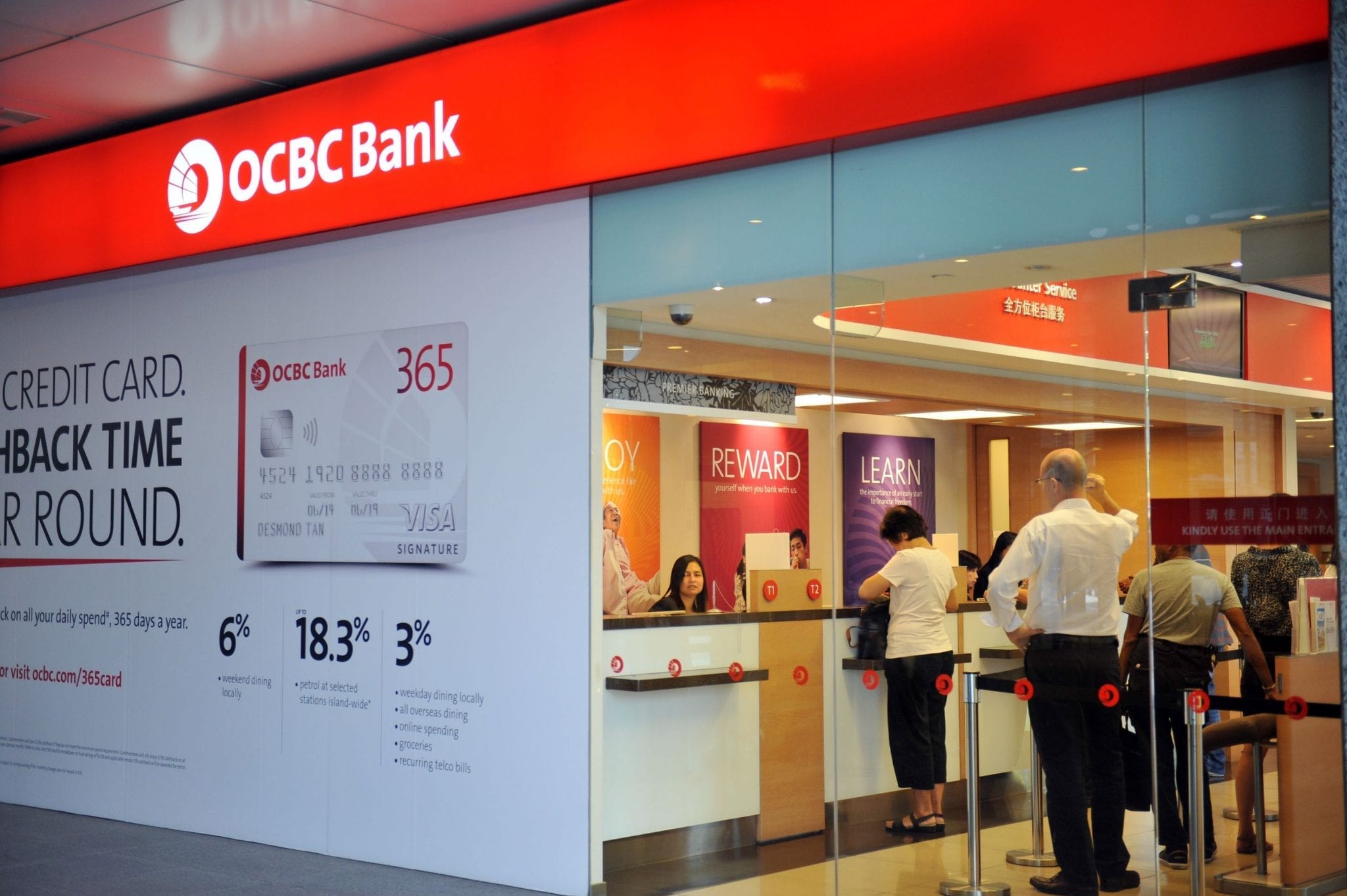
    In a strategic move to bolster its foothold in Southeast Asia’s most significant economy, OCBC has entered into an agreement to procure HSBC’s retail banking and wealth management operations based in Indonesia.

    The Acquisition Details

    OCBC’s Indonesian subsidiary will take over the International Wealth and Premier Banking (IWPB) business of HSBC Indonesia, which includes its assets and liabilities. This acquisition will introduce approximately 336,000 customers to OCBC’s clientele, along with S$6.6 billion (US$4.9 billion) in assets under management (AUM).

    The transaction comprises customer deposits, investment products like mutual funds, bonds, and insurance, in addition to credit cards and retail loans. Furthermore, a small loan book amounting to roughly S$0.3 billion is also set to be transferred.

    OCBC has stated that the ultimate purchase price will be contingent on the net asset value of the business at the time of completion, along with a possible premium of up to S$0.48 billion, subjected to necessary adjustments. The deal is anticipated to be concluded by the second quarter of 2027, with the major bank planning to fund it internally.

    Strategic Expansion in Indonesia

    The purchase plays a significant role in OCBC’s broader scheme to enhance its wealth management prowess and deepen its roots in Indonesia, a critical growth market for the bank.

    OCBC highlighted the significance of IWPB Indonesia, stating it as one of the country’s largest foreign-owned retail banking and wealth platforms. The business currently operates through a network of 261 branches and has garnered widespread recognition in the wealth management sector.

    The completion of the deal is projected to elevate OCBC Indonesia’s AUM by approximately 25% and multiply its credit card balances by over 150%. It will also add an estimated 1,300 employees to its existing workforce.

    In the words of Group CEO Tan Teck Long, the acquisition is in line with the bank’s ‘Next Frontier’ strategy, which emphasizes enlarging its regional franchise and fostering growth in its wealth business.

    Questions & Answers

    What is the projected impact of the acquisition on OCBC Indonesia’s AUM and credit card balances?
    With the completion of the deal, OCBC Indonesia’s AUM is expected to increase by about 25%, and its credit card balances are anticipated to rise by more than 150%.

    What components of HSBC Indonesia are included in the transaction?
    The transaction involves customer deposits, investment products, credit cards, and retail loans from HSBC Indonesia. Additionally, a small loan book worth roughly S$0.3 billion will also be transferred.

    When is the deal expected to be finalized, and how will it be funded?
    The acquisition is planned to be concluded by the second quarter of 2027, with OCBC intending to finance it internally.

  • HSBC Strengthens Asian Market Strategy with Appointment of Desmond Kuang as Chief Investment Officer

    HSBC Strengthens Asian Market Strategy with Appointment of Desmond Kuang as Chief Investment Officer

    HSBC has recently publicized the appointment of Desmond Kuang to the position of Chief Investment Officer for Asia, in its Private Bank and Premier Wealth division. Kuang will officially take over his new role, based in Singapore, on July 6, 2026.

    Regional Appointment

    This appointment is a strategy by HSBC to bolster the delivery of investment insights and strategies to the Private Banking and Premier clients across Asia. HSBC’s choice of Singapore for this role is strategic, as the city-state is one of the essential international wealth hubs for the bank, with robust connectivity across Asia. In this capacity, Kuang will be collaborating extensively with teams and clients across multiple markets in Asia.

    Role and Responsibilities

    In his new role, Kuang will be responsible for crafting regional investment strategies and themes across all asset classes. His target audience will be the private banking and premier clients in the region, excluding Hong Kong.

    Experience and Expertise

    Kuang has a robust 20-year career in the banking industry, during which he held several leadership positions in the asset management and investment research sectors. He is currently serving as the Chief Investment Officer for China and Interim Head of Wealth and Premier Solutions in China.

    Before joining HSBC, Kuang demonstrated his portfolio management skills at Income Partners Asset Management. He later ascended to the role of General Manager and Head of Investment in Mainland China.

    Questions & Answers

    Who has HSBC appointed as the new Chief Investment Officer for Asia?
    Desmond Kuang has been appointed as the Chief Investment Officer for Asia at HSBC.

    What will be the primary responsibility of Desmond Kuang in his new role?
    Desmond Kuang will be responsible for crafting regional investment strategies and themes across all asset classes for the private banking and premier clients in Asia, excluding Hong Kong.

    What is the relevance of Singapore in this appointment?
    Singapore is considered one of the key international wealth hubs for HSBC, with robust connectivity across Asia, making it an appropriate base for this role.

  • HSBC Vietnam Employee Earnings Soar to $35,100, Despite Declining Bank Profits

    HSBC Vietnam Employee Earnings Soar to $35,100, Despite Declining Bank Profits

    Despite a decline in profits, the average earnings of employees at HSBC Vietnam increased by 6.6% to VND925 million (US $35,100) in the previous year. This expenditure on salaries and bonuses for its 1400-strong workforce amounted to around VND1.3 trillion, as revealed in the company’s most recent financial report.

    Comparative Income Analysis

    The increase in HSBC Vietnam’s average salaries brought the monthly income per employee to VND77 million, which is one of the highest in Vietnam. In contrast, the average monthly income at MB bank was VND49 million, Techcombank was VND48 million, and Vietinbank was VND45 million.

    Financial Performance

    However, despite the increased pay, HSBC Vietnam didn’t fare as well financially. The pre-tax profit for the British banking giant’s Vietnamese branch dropped by 7% to VND4.14 trillion, while the operating income remained constant at VND8.74 trillion.

    HSBC in Vietnam

    HSBC, one of the world’s leading financial institutions, established its legal presence in Vietnam in 2009, a full 14 years after it opened its first branch in the country.

    Foreign banks operating in Vietnam, like HSBC, often enjoy capital benefits due to support from their parent companies and primarily cater to corporate foreign clients or concentrate on retail banking.

    Questions & Answers

    What was the average income of employees at HSBC Vietnam last year?
    The average income of employees at HSBC Vietnam increased by 6.6% to VND925 million (US$35,100) last year.

    What is the average monthly income of HSBC Vietnam employees compared to other banks?
    The monthly income per employee at HSBC Vietnam is VND77 million, which is higher compared to MB bank at VND49 million, Techcombank at VND48 million, and Vietinbank at VND45 million.

    How did the pre-tax profit of HSBC Vietnam change last year?
    The pre-tax profit for HSBC Vietnam’s branch dropped by 7% to VND4.14 trillion.

  • HSBC Breaks New Ground with Hong Kong’s First Bank-Issued Stablecoin

    HSBC Breaks New Ground with Hong Kong’s First Bank-Issued Stablecoin

    The Hongkong and Shanghai Banking Corporation Limited, a subsidiary of HSBC, has been granted a license to issue stablecoins by the Hong Kong Monetary Authority (HKMA), marking a significant foray into the regulated digital asset space. The bank intends to introduce a Hong Kong dollar-denominated stablecoin by the latter half of 2026, becoming one of the first major global lenders to issue a regulated digital currency for retail use within the city.

    Fully Backed, Regulated Digital Currency

    HSBC has revealed that each unit of the upcoming stablecoin will be fully backed by high-quality liquid assets stored in segregated accounts. This structure is designed to preserve price stability and guarantee redemption at par value. Notably, the bank has emphasized its commitment to rigorous financial crime compliance standards, in line with regulators’ increased focus on security and transparency in digital assets. This development comes amidst Hong Kong’s efforts to fast-track its position as a premier hub for digital finance. This is apparent in the HKMA’s regulatory framework, geared towards legitimizing stablecoins while simultaneously mitigating systemic risks.

    Integration Into Everyday Banking

    HSBC’s stablecoin will be directly incorporated into two of their most popular platforms: PayMe, the bank’s widely-used peer-to-peer payment application, and the HSBC Hong Kong mobile banking application. This move indicates a strategic push towards integrating digital assets into mainstream financial activities, opposed to treating them as niche investment products. PayMe currently boasts over 3.3 million users, while active users on the HSBC HK App have risen by 20% year-on-year, following a recent redesign.

    Questions & Answers

    What is the purpose of the stablecoin that HSBC plans to issue?
    The objective of the stablecoin is to integrate digital assets into mainstream financial activities. This will be achieved by incorporating the stablecoin into HSBC’s most popular platforms, PayMe and the HSBC Hong Kong mobile banking application.

    How will the HSBC stablecoin maintain its value?
    Each unit of the stablecoin will be fully backed by high-quality liquid assets held in segregated accounts. This structure is designed to maintain price stability and ensure redemption at par value.

    How is HSBC’s move to issue a stablecoin significant?
    HSBC’s move to issue a stablecoin marks a significant step into the regulated digital asset space. It positions the bank as one of the first major global lenders to issue a regulated digital currency for retail use, signifying a strategic shift in the financial industry towards digital finance.

  • BBVA Veteran Alfonso Gómez Takes the Helm as CEO of HSBC Swiss Private Bank

    BBVA Veteran Alfonso Gómez Takes the Helm as CEO of HSBC Swiss Private Bank

    Since October of the previous year, Daniel Calado, the CFO, has been temporarily guiding HSBC Swiss Private Bank. However, as of the 27th of April, Alfonso Gómez will assume the role of CEO. Gómez has spent over three decades with the Spanish banking conglomerate Banco Bilbao Vizcaya Argentaria (BBVA).

    Appointment Announcement

    A press release issued on Wednesday stated that Alfonso Gómez would be stationed in Geneva and would be reporting directly to Ida Liu, the CEO of HSBC Private Bank. Gómez brings to the table more than three decades of experience in Swiss and international wealth management, his most recent role being the CEO of BBVA Switzerland, a position he retained for over a dozen years. The Spanish national has held various high-ranking positions at BBVA in cities including New York, London, Madrid, and Zurich. In total, Gómez dedicated precisely 31 years and half a year to BBVA, Spain’s second-largest bank, where he initiated his career as a risk analyst.

    Since the year 2018, Gómez has also been a member of the board of the Association of Foreign Banks in Switzerland, taking up the role of Vice Chairman in early 2023. He has also spent over three years as a board member for the Swiss Finance Institute (SFI).

    Transition from Temporary to Permanent Leadership

    Alfonso is set to take over from Daniel Calado, who temporarily assumed the role in October of the previous year and will now revert to his initial position as the Chief Financial Officer of HSBC Private Bank Switzerland and EMEA, in addition to resuming his role as a member of the executive committee.

    Ida Liu, the CEO of HSBC Private Bank, praised Gómez saying, “His extensive experience in Switzerland, impressive leadership skills, and unwavering commitment to exceptional client satisfaction make him the ideal person to lead our Swiss private bank.”

    Questions & Answers

    Who will be the new CEO of HSBC Swiss Private Bank?
    Alfonso Gómez, a veteran from Spanish banking group Banco Bilbao Vizcaya Argentaria (BBVA), will be the new CEO.

    Who will Alfonso Gómez be replacing?
    Alfonso Gómez is set to replace Daniel Calado, who has been serving as the interim CEO since October of the previous year.

    What is the significance of Alfonso Gómez’s appointment according to Ida Liu, CEO of HSBC Private Bank?
    According to Ida Liu, Gómez’s extensive experience, leadership skills, and commitment to client satisfaction ideally position him to lead the Swiss private bank.

  • HSBC Bolsters China Wealth Management with Strategic Duo Appointment: Max Xu and Samuel Chen

    HSBC Bolsters China Wealth Management with Strategic Duo Appointment: Max Xu and Samuel Chen

    HSBC, the London-based financial institution, recently announced two significant additions to its Chinese wealth management and private banking sector.

    New Leaders at the Helm

    Max Xu has been appointed the head of international wealth and premier banking (IWPB) at HSBC China, with the appointment effective from April 1. In this pivotal role, he will answer to Mark Wang, the CEO of HSBC China and, on a functional level, to Kai Zhang, the head of IWPB in Asia.

    Xu, who holds the current position of head of premier banking at IWPB China, has been a part of HSBC since 2025. His expansive career spanning more than 20 years is marked by his experiences in institutional and consumer banking, making him an ideal fit for this role.

    Strengthening HSBC’s Private Banking Sector

    Simultaneously, Samuel Chen has been entrusted with the role of head of the private bank at HSBC China, effective from April 1. He will report to Xu and will work closely with Lok Yim, the regional head of HSBC Private Bank in the Asia Pacific region.

    Chen has a rich banking career extending nearly 20 years, including nine years with HSBC Private Bank in crucial client-facing roles. His expertise will be invaluable in expanding the private banking sector of HSBC in China.

    Advancing HSBC’s Agenda in China

    These noteworthy appointments of Xu and Chen are a strategic move by HSBC to enhance its leadership team as it furthers its wealth and private banking operations in mainland China.

    Kai Zhang stated that these appointments solidify their dedication to achieving sustainable growth and delivering a superior client experience across the Premier, Premier Elite, and Private Bank continuum in China.

    Questions & Answers

    Who has been appointed the head of international wealth and premier banking at HSBC China?
    Max Xu, a veteran with over 20 years of banking experience, has been appointed to this role.

    Who will serve as the head of the private bank at HSBC China?
    Samuel Chen, who has almost 20 years of banking experience, including nine years in senior client-facing roles at HSBC Private Bank, will assume this role.

    What do these appointments signify for HSBC’s operations in China?
    These appointments reflect HSBC’s commitment to expanding its wealth and private banking services in mainland China, with a focus on sustainable growth and superior client service.

  • Unprepared for Tomorrow: Majority of Asia’s Wealthiest Lack Legacy Plans, HSBC Life Report Reveals

    Unprepared for Tomorrow: Majority of Asia’s Wealthiest Lack Legacy Plans, HSBC Life Report Reveals

    A report by HSBC Life reveals that a significant percentage of Asian high net worth individuals (HNWIs) do not have legacy plans in place, thereby exposing substantial wealth to potential vulnerabilities. This lack of planning is especially prevalent among those in Greater China.

    Survey Findings

    The HSBC Life report, which surveyed 900 HNWIs across nine markets in Asia and the Middle East, including Taiwan, Hong Kong, mainland China, Singapore, Indonesia, Malaysia, Thailand, India, and the UAE, found that approximately 60% of HNWIs in Asia lack legacy plans. Greater China’s HNWIs were the least prepared. Only 24% of HNWIs in Taiwan, 26% in Hong Kong, and 36% in mainland China had official legacy plans. Southeast Asia performed better, with Thailand leading the pack at 57%.

    Surprisingly, the report found that economic or financial market volatility was the primary motivator for implementing legacy plans for 45% of respondents. This outweighed traditional incentives like age or lifestyle milestones.

    Life Insurance as Legacy Solution

    The survey results indicated that life insurance was the favored legacy solution among participants, with 87% choosing it over other options such as wills (82%) or family trusts (76%).

    Edward Moncreiffe, the CEO of insurance at HSBC Group, commented on the matter, stating that the surveyed HNWIs are not only inadequately protecting their future wealth but are also missing out on potential wealth diversification and growth.

    Questions & Answers

    What percentage of high net worth individuals in Asia have a legacy plan in place?
    Less than 40% of high net worth individuals in Asia have a legacy plan according to the HSBC Life report.

    Which region had the least prepared HNWIs in terms of legacy planning?
    High net worth individuals in Greater China were the least prepared for legacy planning.

    What was the preferred legacy solution among the surveyed HNWIs?
    Life insurance emerged as the preferred legacy solution, surpassing other options like wills and family trusts.

  • HSBC Unveils Premier Elite Space in Singapore: The Largest Wealth Center Yet

    HSBC Unveils Premier Elite Space in Singapore: The Largest Wealth Center Yet

    HSBC has made a significant stride in expanding its footprint in Singapore by opening its fourth and largest wealth center in the city-state. Situated on the 33rd floor of the Singapore Land Tower, the wealth center spans 7,884 square feet and is equipped with 14 meeting rooms. These rooms include both private client advisory rooms and enclosed teller rooms, further enhancing the center’s capacity to serve its clientele.

    Catering to High Net Worth Clients

    The new wealth center is primarily dedicated to serving HSBC’s high net worth segment, specifically the HSBC Premier Elite. This segment, launched in 2024, caters to clients who maintain a minimum relationship balance of S$1.2 million ($1 million).

    Incorporating this wealth center into HSBC’s Singapore operations is a part of a larger plan to transform its business in the city-state. This plan includes a significant investment, with intentions to quintuple the bank’s local physical network.

    Ashmita Acharya, HSBC’s head of international wealth and premier banking in Singapore, spoke about the design and intent of the new wealth center. She noted that the center integrates the wealth and lifestyle aspirations of HSBC’s clients. By bringing together the best of the bank’s advisory, service, and hospitality expertise, the center aims to enhance the wealth journey of its clients in a meaningful way.

    Questions & Answers

    What is the purpose of the new wealth center established by HSBC in Singapore?
    The new wealth center is dedicated to serving HSBC’s high net worth segment, the HSBC Premier Elite. It aims to bring together the best of HSBC’s advisory, service, and hospitality expertise to enhance the wealth journey of its clients.

    Where is the wealth center located and what are its features?
    The wealth center is located on the 33rd floor of the Singapore Land Tower. It covers an area of 7,884 square feet and includes 14 meeting rooms, enclosed teller rooms, and private client advisory rooms.

    What wider plan is the opening of this wealth center a part of?
    The establishment of this wealth center is part of HSBC’s broader efforts to transform its business in Singapore. This includes plans to quintuple its investment towards increasing its local physical network.

  • “HSBC Eyes $1 Billion Windfall from Hang Seng Privatization: A Bold Step in Hong Kong’s Financial Future”

    “HSBC Eyes $1 Billion Windfall from Hang Seng Privatization: A Bold Step in Hong Kong’s Financial Future”

    HSBC, with headquarters in London, has expressed optimism following its decision to take Hang Seng, a Hong Kong bank, private, with projected cumulative benefits nearing $1 billion.

    Anticipated Financial Benefits

    According to the bank’s strategic report, HSBC anticipates that the privatization of Hang Seng Bank will yield a total of $900 million in benefits. This figure includes $500 million in synergy realization and an ambitious $400 million in added revenue and cost-saving opportunities by the year’s end in 2028. The bank also forecasts restructuring expenses amounting to approximately $600 million.

    Leadership’s Outlook

    HSBC’s CEO, Georges Elhedery, spoke positively of the decision to privatize Hang Seng Bank. He noted that the $13.7 billion privatization merges 255 years of history and heritage, uniting global reach with local depth. Elhedery stated that the move allows for the scaling of capabilities across both banks to the benefit of all customers. He went on to say that the decision to privatize Hang Seng Bank demonstrates the company’s confidence in and commitment to Hong Kong’s future growth.

    Prior Ownership and Recent Changes

    Before finalizing the privatization deal on January 26, the British bank already owned a 63% stake in Hang Seng. The privatization was completed following approval from both shareholders and the court.

    Questions & Answers

    What are the financial benefits anticipated by HSBC from the privatization of Hang Seng Bank?
    HSBC projects total benefits of $900 million from the privatization, including $500 million in synergies and an additional $400 million in revenue and cost-saving opportunities by the end of 2028.

    What costs does HSBC expect to incur due to the restructuring?
    The bank estimates that associated restructuring costs will be around $600 million.

    What was HSBC’s stake in Hang Seng Bank prior to privatization?
    Before the privatization, HSBC already held a 63% stake in Hang Seng Bank.

  • HSBC Group COO Suzy White to Amplify Singapore Unit’s Strength as New Board Member

    HSBC Group COO Suzy White to Amplify Singapore Unit’s Strength as New Board Member

    Suzy White, the Global Chief Operating Officer (COO) for London’s HSBC, is set to join the board of HSBC’s Singapore branch. HSBC Singapore made this announcement recently, confirming White’s addition to their executive team.

    White’s professional journey has been marked by remarkable leadership roles and extensive experience in various sectors including global business, risk management, finance, operations, and transformation. With a career spanning 25 years at HSBC, she has held notable roles such as the COO for Global Banking and Markets, Regional COO for Global Markets in the Americas, and Chief Risk Officer for Global Banking and Markets and Commercial Banking in the US. Additionally, White was previously on the board of HSBC Securities and the Commodities Futures Trading Commission Market Risk Advisory Committee.

    HSBC Singapore has expressed optimism about her joining the board, stating their expectation to capitalize on her vast expertise and experience to amplify the bank’s standing in Singapore. They aim to solidify their position as a leading international bank in the domain of global wealth in Singapore.

    Singapore plays a pivotal role in the Group’s strategic positioning. It serves as an international hub for wealth, a regional hub for treasury infrastructure, and a global center for innovation and sustainability. With this appointment, the bank looks forward to reinforcing its strong presence in these areas.

    Questions & Answers

    Who is joining the board of HSBC Singapore?
    Suzy White, the Global Chief Operating Officer of HSBC, is joining the board of HSBC Singapore.

    What roles has Suzy White held in her career at HSBC?
    White has held multiple key roles at HSBC, including the COO for Global Banking and Markets, Regional COO for Global Markets in the Americas, and Chief Risk Officer for Global Banking and Markets and Commercial Banking in the US.

    What is the significance of Singapore for HSBC Group?
    Singapore is a priority market for HSBC Group – it serves as an international wealth hub, a regional hub for treasury centres, and a global center for innovation and sustainability.