Tag: htc

  • Samsung dominates global Android market this month

    Samsung dominates global Android market this month

    Worldwide, most people have an Android phone in their hands. According to Statcounter, Android has a 71.3% global share of the smartphone pie this month compared to 71.1% for the same month a year ago. And while more than one billion Android phones were shipped last year, there are a total of 2.8 billion active Android users. Based on a report from SportsLens.com, 7.4% of those handsets are Samsung Galaxy models.
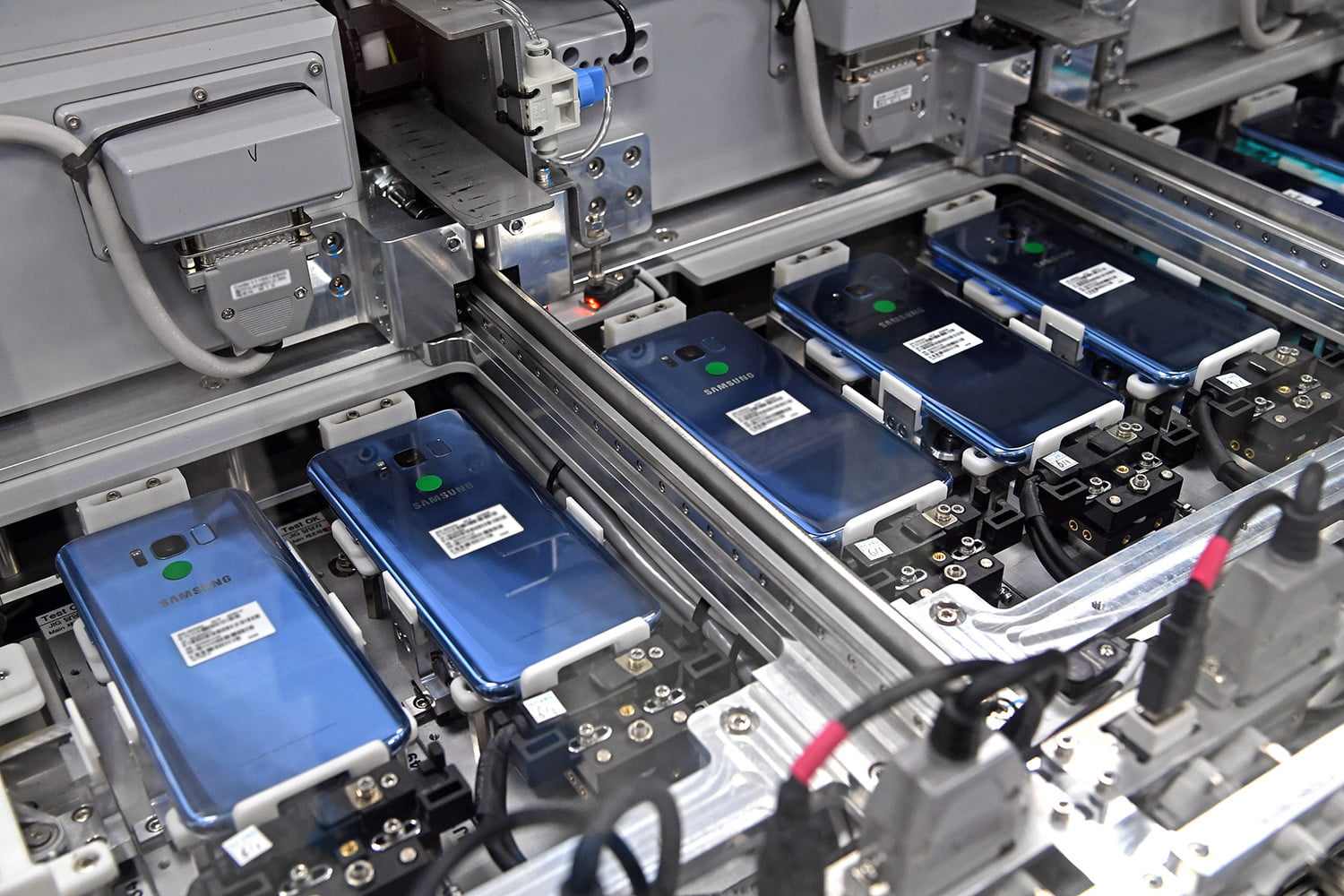
    It probably doesn’t come as a surprise that the Galaxy brand is the world’s most popular line of Android phones. After all, Samsung ships the largest number of smartphones each and every year. Samsung’s Android market dominance was probably one reason why LG dropped out of the business. What about HTC? Let’s say that its problems were from choices that the company made itself along with Samsung’s popularity.
    AppBrain data shows Samsung is responsible for a 34.6% market share of the global Android market this month. Behind the South Korean manufacturer is Xiaomi with a respectable 14.3% followed by Oppo’s 10.3% share. Vivo (9.8%) and Huawei (6.7%) round out the top five. As recently as 2019, Huawei was the second largest smartphone company in the world with a 17.6% share of the global market trailing only Samsung’s 21.8%.

    But in both 2019 and 2020, the U.S. made life difficult for the company by blocking it from obtaining supplies from its U.S. supply chain and preventing the company from obtaining chips produced by foundries using American technology. The company ended up selling off its Honor sub-unit, developing its own HarmonyOS to replace the Google Mobile Services version of Android, and is using Snapdragon 8+ Gen 1 chips designed to work with 4G LTE only.

    So what is the most popular Android device worldwide for the first half of the current month? That would be the mid-range Samsung Galaxy A12 with a 2.1% slice of the Android pie so far this month. The Samsung A21s follow that model with a 1% share, and the Galaxy A10s also with a 1% share. These phones all are part of the mid-range Galaxy A line which includes large screens, viable cameras, and large batteries.
    For example, the Galaxy A12 features a 6.5-inch LCD display with an HD+ resolution of 720 x 1600. It is powered by the 12nm MediaTek Helio P35 and includes 4GB of memory with 64GB of storage (48.2GB available to the user). There is a 1TB capacity microSD slot for additional storage and on the back is a quad-camera setup consisting of a primary 48MP snapper (f/2.0), a 5MP ultra-wide camera, a 2MP Macro camera for close-ups, and a 2MP depth sensor. There is an 8MP front-facing camera for selfies and video chats.
    And it is not surprising, considering it’s a Galaxy A device, that the Galaxy A12 sports a 5000mAh battery that charges up to 15W. Considering that the display is HD+, the battery life on this device should be tremendous.
    Samsung is the leader when it comes to the foldable phone market. Last year, the Galaxy Z Flip 3 was the most popular handset in this category. Earlier this year, the company released the Galaxy Z Fold 4 (which opens to reveal a 7.6-inch tablet-sized display), and the Galaxy Z Flip 4 (a clamshell that flips open to produce a 6.7-inch display).
    It should be noted that while worldwide Android’s market share is about 71%, in countries such as Brazil, India, Indonesia, Turkey, and Vietnam, Android enjoys 85% of the market. As for iOS, its global market share is around 28% leaving it flat on an annual basis. But the longer-term trend seems to favor Apple. Over the last five years, Android’s share of the global market slipped by 1.8 percentage points while iOS has seen an improvement of 8 percentage points over the same time span.
     

  • HTC shares details about first flagship phone in more than 3 years

    HTC shares details about first flagship phone in more than 3 years

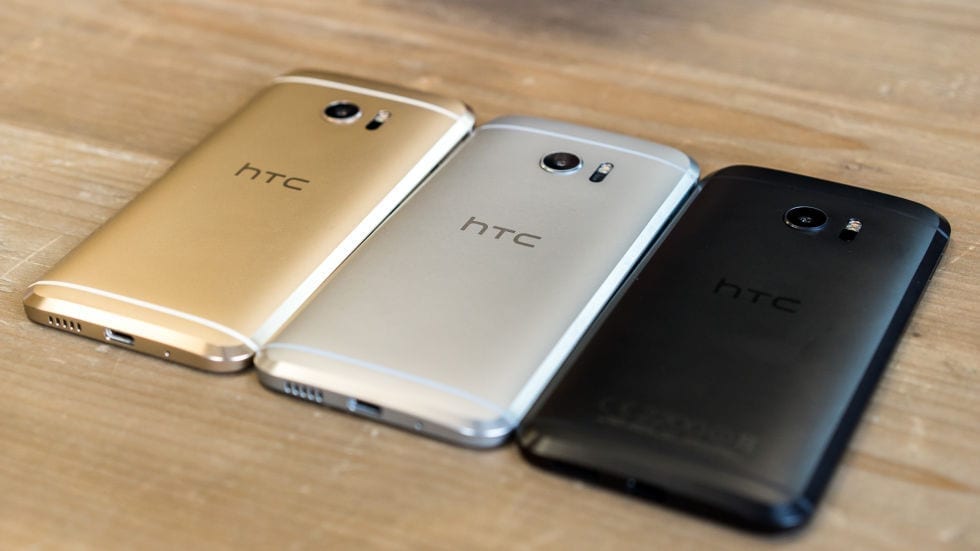
    Around a decade back, HTC was one of the biggest smartphone makers in the world but has almost sunk into oblivion in recent times. The company never announced a retreat from the market, and even though it scaled back operations after selling a chunk of its business to Google in 2018, it still quietly sells affordable phones in select markets. The Taiwanese manufacturer has now revealed plans to release a flagship smartphone in April.

    Vice President of HTC’s Asia-Pacific Region, Charles Huang said during the ongoing Mobile World Congress (MWC) that the company will introduce a high-end smartphone next month.

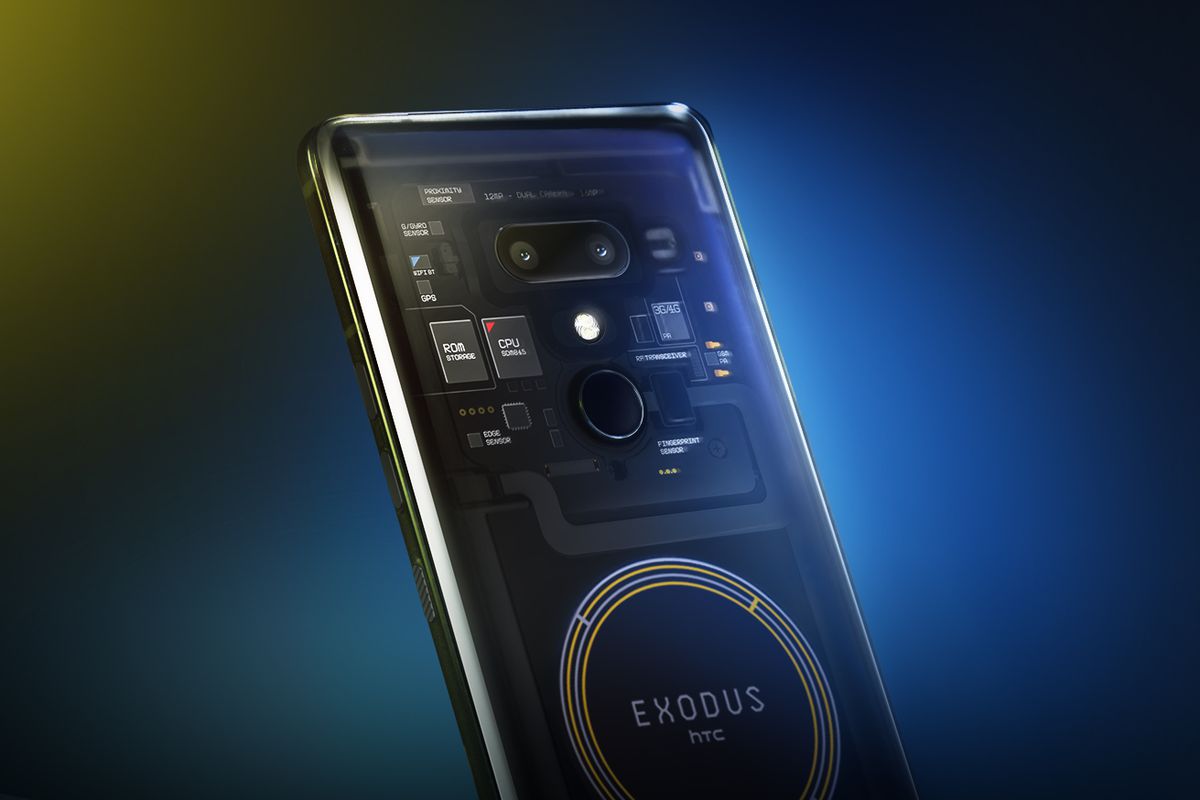
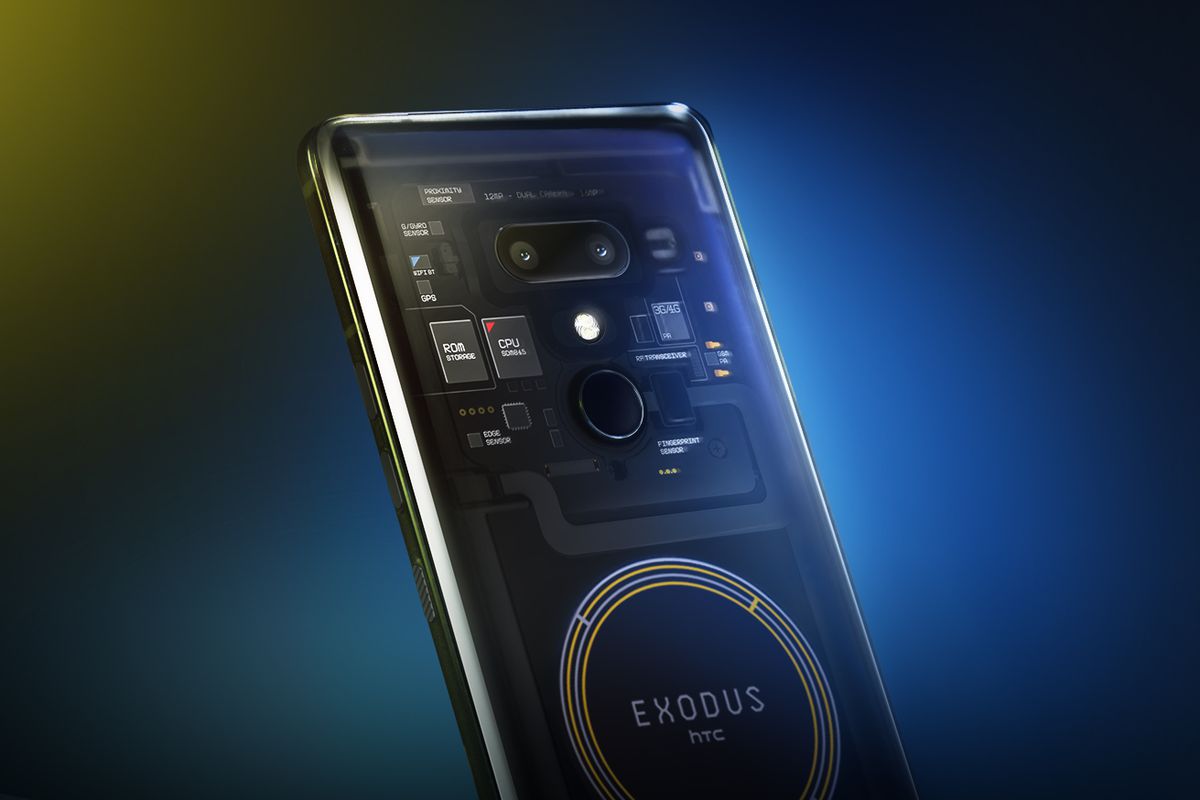
    The company last released a flagship smartphone, the Exodus 1, in 2018. It was a blockchain-focused handset and was powered by Qualcomm’s premium Snapdragon 845 chip. HTC, which was the first to make both an Android device and a Windows Mobile handset, has been in the red since 2015 and has shifted focus to virtual reality headsets and accessories.

    During MWC, the company announced Viverse, which is its version of the metaverse and will make use of the in-house Vive VR headsets. It comes as no surprise that HTC is planning on integrating some metaverse features into the phone. It looks like the company wants to target consumers who would like to use their phone for augmented reality and virtual reality applications.

    Other details are still under wraps, but more information will likely be coming soon. Whether it will help HTC turn things around and give a tough time to the best phones of 2022 remains to be seen.

  • HTC has reported revenue growth for the second consecutive month

    HTC has reported revenue growth for the second consecutive month

    It’s that time of the month when we review HTC’s latest revenue numbers and brace for disappointment. But in an unexpected twist, this time the Taiwan-based brand has positive news to report.

    For the last month of 2020, HTC reported NT$615 million ($21.96 million) in unaudited consolidated revenue. That’s a small increase of 1.02% versus the same period a year earlier, much better than the median decline of 42.03% experienced throughout 2020.

    The impact of the all-important annual holiday season was visible in HTC’s latest numbers too. In comparison to November, the company’s monthly sales numbers climbed a decent 10.68%.

    As a direct result of these results, December has become the second-consecutive month that HTC has posted both month-on-month and, more importantly, year-on-year growth.

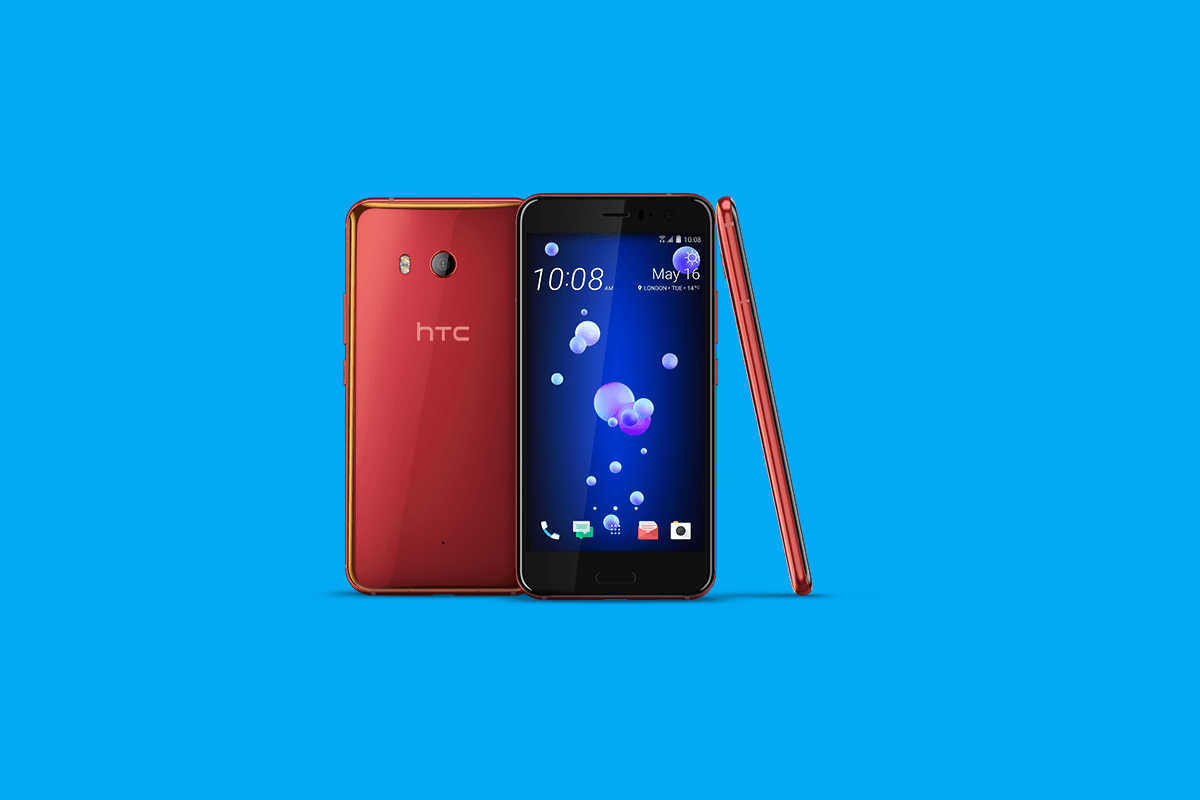
    The last time HTC reported two consecutive months of year-on-year revenue growth was four years ago, specifically February and March 2017 before the launch of the flagship HTC U11.

    Whether or not these positive trends continue into 2021 will remain to be seen. But at the moment, it seems HTC is mostly focused on its lineup of VR products rather than the smartphone segment, despite the occasional launch.

  • HTC’s foldable smartphone is awkward rather than exciting

    HTC’s foldable smartphone is awkward rather than exciting

    Many companies have already jumped on the foldable phone bandwagon, but it may take years for the market to reach maturity. As such, the first companies to have their own foldable smartphones available on the market have a big advantage over those who didn’t have the courage or resources to come out with such products yet.

    Even though these foldable smartphones are still crazy expensive, there seems to be an audience for these. It remains to be seen how large this audience really is and whether or not foldable smartphones will become a thing, unlike 3D phones that disappeared very fast.

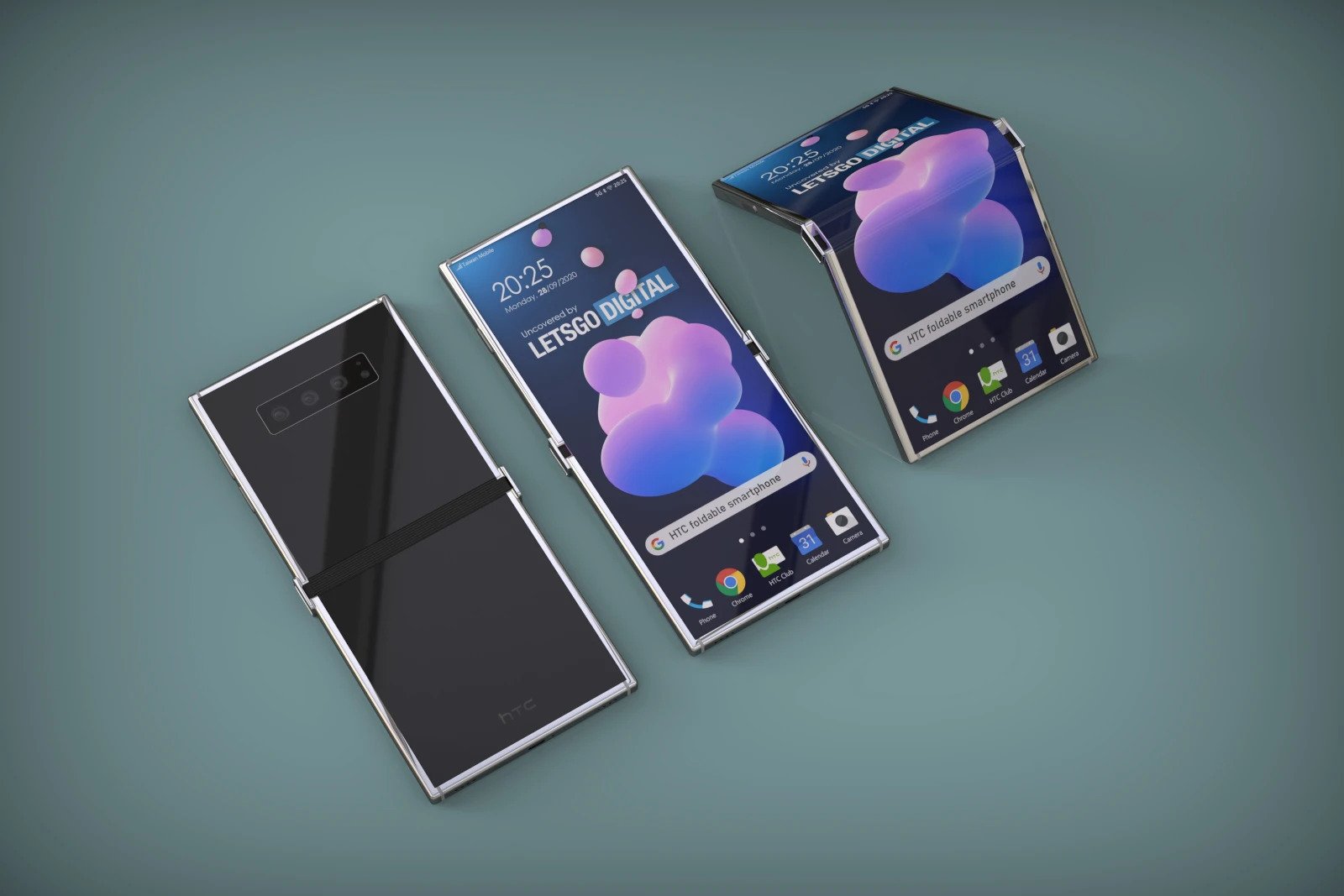
    After Samsung, Motorola, and Huawei, it looks like HTC is readying its own foldable smartphone. Although HTC’s foldable smartphone exists just on paper at the moment, the Taiwanese company seems to be interested in the concept.

    HTC filed a patent for a new foldable smartphone late last year. The patent was published back in August by the WIPO (World Intellectual Property Office) and judging from the sketches, HTC’s device doesn’t look too good. The technology behind it needs to be streamlined, that’s for sure.

    The hinge mechanism is the first weird thing noticeable in the pictures. It protrudes outwards and while it might offer an additional layer of sturdiness to the phone, it’s quite unpleasant for the eyes. But the biggest question mark is that HTC’s device folds outwards, so the display will always be on the outside.

    HTC’s foldable smartphone doesn’t seem to feature a secondary display like Motorola’s new RAZR, but because it folds outwards, it should allow users to operate the phone without having to open it, at least in theory.

    LetsGoDigital made a handful of renders based on the patent drawings filed by HTC, but the final device might not look like what we’re seeing in these images. It’s hard to say if HTC is still determined to launch its own foldable smartphone, but if it does, let’s hope it comes up with a better concept.

  • HTC U Ear true wireless earbuds seen on FCC’s website

    HTC U Ear true wireless earbuds seen on FCC’s website

    HTC is gearing up to join the insanely competitive wireless earbuds market. The company’s debut wireless hearables, the HTC U Ear have been spotted on FCC, implying that they could be here anytime.

    In addition to revealing the name of the wireless earphones, the listing also contains images that give us a good look at them. Design-wise, they bear a lot of resemblance to the Apple AirPods. They have a glossy black finish and come in a cube-shaped box. Although the USB-C charging port can be seen in the images, we don’t know if wireless charging will also be supported. It also looks like they will ship with a USB A-to-C cable.
    The true wireless headsets market is currently dominated by Apple. However, just cloning AirPods wouldn’t necessarily work for HTC. Back in 2010, HTC acquired a major stake in Beats Electronics to help with smartphone sales. However, nothing much came out of the deal, and by 2013, the company had sold back its stake.
    Later on, Apple bought Beats, and the acquisition totally paid off. In fact, it’s believed that the takeover helped Apple gain an insight into the Bluetooth headphones market trends, which ultimately resulted in the birth of the AirPods and the jack-less iPhone.
    The success of AirPods has led rivals to create similar products of their own. Google, Amazon, and Microsoft have all jumped the bandwagon, and OnePlus is also expected to follow suit.
    Microsoft, Apple, and Google also use their software to their advantage. For instance, the Surface Earbuds offer Office 365 integration, and the Pixel Buds 2 provide hands-free activation of Google Assistant and live language translation. Amazon’s Echo buds feature always-on Alexa and are priced aggressively.
    Thus, unless the HTC U Earbuds offer something that makes them stand out and are priced competitively, they will be just another pair of wireless earbuds.
  • Apple AR headset being tested with HTC Vive-like controller

    Apple AR headset being tested with HTC Vive-like controller

    Apple may be one of the most valuable companies in the world but it very rarely enters new product categories. Yet on the odd occasion that it chooses to do so, the company often shakes up the entire industry in the process. Examples of this include the iPhone, iPad, and Apple Watch which transformed the smartphone, tablet, and smartwatch segments respectively. Soon, the growing AR/VR industry could join the list.

    As reported several times in the past, Apple is developing a headset, possibly called Apple Glasses, that combines both AR and VR technologies for release in either 2021 or 2022. The controller in question, which is probably being used solely for internal testing purposes, resembles those shipped with HTC Vive Focus headsets. In fact, it seems to be a modified version of the HTC controller.

    This isn’t that surprising considering Bloomberg reported back in 2017 that Apple engineers were using HTC Vive headsets for internal testing, but the striking resemblance between the two controllers does suggest the two companies could be working closely together on AR & VR technology.

    Regardless of whether Apple and HTC are collaborating, though, it’s safe to say the final controller will probably boast a more polished design that is the better adapter to Apple’s headset software.

    In terms of functionality, the iOS 14 evidence uncovered by MacRumors strongly suggests Apple is using a dedicated augmented reality app codenamed “Gobi” and QR codes to test the extensive range of headset features.

    Apparently, each QR code triggers a different experience for the users. Some of these include experiences related to the Apple Watch, Mac Pro, Apple Store, Starbucks, and even a random movie poster.

    One of the more interesting experiences is QR code that triggers a “crosswalk bowling game.” This presumably allows Apple engineers to roll a virtual bowling ball across the crosswalk to knock down the virtual bowling pins on the other side.

    It likely acts as a pastime while waiting for the pedestrian light to change from stop to go. If ever released to public, users would probably be able to continue the game at different crosswalks and perhaps even play with friends.

    The version Apple is currently testing seems to be limited to one intersection near an Apple office known as “Mathilda 3” at 555 N Mathilda Ave in Sunnyvale, California. That could be where internal testing for the headset is taking place. As revealed in a patent application published today, everything mentioned above could be accompanied by virtual assistants that highlight useful information or offer tips to users during certain events or after a particular trigger.

    In the patent, which is titled “Contextual Computer-Generated Reality (CGR) Digital Assistants,” Apple gives a few examples based on what the user is seeing. One of these includes the possibility of a virtual dog being used to run over to a restaurant and fetch the relevant information for the user in question.

    Other ideas described include a pod of dolphins being used for AR navigation or a cat that guides users to an interesting place. A balloon could be used to show users where an AR-leveraging AirTag is too.

    The possibility of experiencing other virtual assistants through other senses, such as hearing, was also mentioned.

  • HTC experienced a terrible start to the year

    HTC experienced a terrible start to the year

    Declining interest in the brand combined with a lack of new smartphones resulted in 2019 being HTC’s worst year on record. But if new revenue figures are anything to go by, 2020 could be even tougher for the Taiwan-based company.

    HTC’s shrinking smartphone business and newer VR headset division generated just $16 million between them in the month of January. The start of 2020 was, therefore, the company’s second-worst month on record behind only July 2019.

    The results equate to a 21.4% decline from December, which was large to be expected now that the holiday season is over, but more worryingly represents a 52.4% decline from January 2019 when it generated a more impressive $33 million.

    The company has been shrinking virtually non-stop since 2020 and, as you can see, shows no sign of slowing down anytime soon. Despite this, HTC is still feeling pretty positive about its future.

    Back in October the company gained a new CEO who teased an increased focus on VR and a return to the premium smartphone segment in the near future with a 5G-ready device. Whether this can actually turn things around, however, remains to be seen as the company has made similar promises in the past.

  • HTC Exodus is getting native support for Bitcoin Cash

    HTC Exodus is getting native support for Bitcoin Cash

    HTC has just announced it has partnered with Bitcoin to offer Exodus owners native support for Bitcoin Cash. HTC’s blockchain smartphone is the first phone to provide Bitcoin Cash support without having to download a wallet from an app store.

    Those who already own an Exodus 1 smartphone will receive a software update that will give them access to a Bitcoin.com wallet app pre-loaded on their devices. In a statement, HTC’s chief decentralization officer Phil Chen says that this is the first step in a long journey that his company and Bitcoin.com plan to take together.

    HTC and Bitcoin.com have big plans for the future, as the companies want to offer special discounts when paying for phones in BCH, as well a selling the Exodus phones on store.bitcoin.com.

    Last but not least the partnership announced today will enable Bitcoin Cash to be used as peer-to-peer electronics cash for all HTC Exodus users around the world.

  • Telstra to launch HTC 5G Hub next week

    Telstra to launch HTC 5G Hub next week

    Australian operator Telstra has is taking pre-orders for what it is calling the country’s first 5G mobile device. The HTC 5G Hub will be available in Telstra stores from next Tuesday.

    The HTC 5G hub is a 5G and 4GX (LTE-Advanced) media hotspot designed for both enterprise and consumer use.

    The hotspot can support up to 20 Wi-Fi enabled devices as well as a gigabit Ethernet connection and provides an all-day battery life.

    For corporate customers, the device offers corporate VPN authentication and remote wipe capability. For the consumer segment, the device offers a voice-activated remote control for other home smart devices and media hub capabilities.

    Telstra CEO Andy Penn said the launch of the device was an important milestone in the operator’s transition to 5G.

    “Our launch of the HTC 5G Hub is the moment 5G becomes a reality for Australian consumers. Since 2016, we have been working with some of the world’s leading technology brands to ensure Australians are among the first in the world to be able to access 5G,” he said.

    “HTC has been a key partner for Telstra, innovating new technologies and driving greater connectivity for our customers. This launch of Australia’s first 5G mobile device is a testament to that partnership and we are proud to be launching it today”.

    At launch, customers will be able to access 5G in selected areas of Adelaide, Brisbane, Canberra, the Gold Coast, Hobart, Launceston, Melbourne, Perth, Sydney and Towoomba, he said.

    “This is just the start. The roll out of 5G coverage is ongoing and, as 5G develops, there will be more devices and more technologies to come. But this is an important step we take today, as the first Australian network to offer mobile 5G”.

  • HTC experienced massive losses during the First Months

    HTC experienced massive losses during the First Months

    HTC’s revenue numbers continued to drop massively between January and March 2019, and to no surprise today the company has confirmed that it experienced massive financial losses throughout the period.

    Despite seeing an improved gross margin of 14.7% during the quarter – a year earlier HTC’s gross margin was -3.1% – the Taiwan-based company still experienced a worse-than-expected loss of NT$ 2.73 billion ($87.68 million). The primary cause of this huge loss was HTC’s operating expenses, which essentially skyrocketed throughout the first three months of the year. In fact, within the space of 12 months, the company’s operating margin has gone from an awful -58.9% to an absolutely horrendous -92.9%, which means, at the moment, HTC is spending almost double what it earns.

    Overall, the company generated NT$ 2.94 billion ($94.45 million) in revenue throughout the quarter. The strong performance of HTC’s VR headsets appears to have been the primary source of income, although the company’s smartphone sales did also play an important role.

    Looking towards the second quarter of the year, HTC’s newly-announced Exodus 1s blockchain smartphone and the HTC 5G Hub are expected to positively affect the company’s finances. Both the Vive Pro Eye and Vive Focus Plus headsets are set to boost HTC’s sales too, all of which will lead up to the company’s 5G flagship during the second half of the year, as well as a couple of mid-range smartphones.

  • HTC’s First Smartphone this Year Soon to Arrive

    HTC’s First Smartphone this Year Soon to Arrive

    Back in 2014, when the brand was riding high due to the success of the One (M8), HTC released a total of 30 smartphones. As its struggles began to sink in, this figure dropped and by 2016 HTC was launching just 16 devices per year. Throughout 2018, the company scaled back its business even further with just 7 releases and this year it’s nowhere to be seen, but that could soon change.

    A mysterious HTC smartphone was recently benchmarked under the name ‘HTC 2Q741.’ It’s unclear at this point what kind of features the device will offer, but the Geekbench listing does reveal the presence of MediaTek’s Helio P35 on the inside.

    Combined with 6GB of RAM, this chip scored 897 points on the single-core test and a respectable 4385 points on the multi-core assessment. These results put HTC’s offering on par with rival Snapdragon 630-powered devices such as the Xperia 10 or Nokia 6.1 but behind Snapdragon 632-powered models like the Moto G7 and Moto G7 Power.

    HTC is yet to confirm when this unnamed model will be released, but the Taiwan-based brand is reportedly developing two other models at the moment too. These include a 5G flagship for the second half of the year and an upper-midrange device powered by Qualcomm’s Snapdragon 710.

  • HTC’s April Revenue Figures Still Low Despite Efforts

    HTC’s April Revenue Figures Still Low Despite Efforts

    HTC had a pretty rough start to 2019 with record-low revenue numbers in both January and February. Nevertheless, things then started to look more positive in March as HTC’s sales increased dramatically thanks to the popularity of its VR headsets. But as revealed by the company’s latest figures, this resurgence was short-lived.

    Between April 1st and April 30th, HTC generated a total of NT$0.59 billion ($19.07 billion) in revenue. It’s unclear how this figure is split between smartphone and VR sales, but it, unfortunately, represents yet another record-low for the HTC One creators. Comparing the results to previous ones, April’s numbers translate into a big 54.85% month-on-month drop from the NT$1.31 billion ($42.46 billion) it generated in March and also amount to an even bigger 71.77% year-on-year decline.

    Way back in December, HTC stated that its focus for 2019 would be turning a profit and regaining its market share in the smartphone segment. So far, though, the Taiwan-based company has done little to achieve this with zero launches since December and no devices on the horizon. HTC has, however, released the Vive Focus Plus VR headset and launched its Viveport Infinity subscription service.

    Looking to the second half of 2019, HTC is largely expected to announce its first 5G flagship smartphone. Presumably, this will be available to purchase through multiple carriers and will provide a decent boost to the company’s finances. Additionally, rumor has it HTC is negotiating a brand licensing deal in India which could prove beneficial too.

  • The HTC Exodus 1 blockchain phone is getting a second generation

    The HTC Exodus 1 blockchain phone is getting a second generation

    If you don’t remember the HTC Exodus 1 don’t worry, you’re probably not alone. The $699 flagship-level device was announced last October and represents HTC’s first attempt at a so-called blockchain-powered smartphone.

    This unique focus undoubtedly limits the product’s appeal quite heavily. In fact, for the first few months the smartphone could only be purchased using cryptocurrencies. HTC, nevertheless, still seems pretty pleased with how it performed – the smartphone has already met the company’s sales target – and has now confirmed that a second-generation device is indeed on the way.

    According to the person leading HTC’s blockchain efforts, Chief Decentralized Officer Phil Chen, the Exodus 2 will be released before the end of 2019 in the hope of boosting both the brand’s blockchain ecosystem and smartphone sales. Specifics about the design or specs weren’t provided, but it seems likely that it’ll be based on the company’s next-gen flagship.

    Regarding features, the current-gen Exodus 1 focuses primarily on the management of cryptocurrencies and virtualized personal electronics wallets. But with the new phone, blockchain support will be extended to include other areas such as browsing, messaging, and even social media.

  • HTC is doing something with its Play Store apps

    HTC is doing something with its Play Store apps

    While we have yet to see HTC release a new smartphone for 2019, data from AppBrain reveals that 14 apps from the manufacturer have been unpublished from the Google Play Store. This month alone, HTC has removed the Sense Home Launcher and HTC People. The former was a launcher that showed apps that users might want to open depending on their current location. There were three different options available: home, work, or out. The latter was an app that helped users manage their contacts, dialer and call logs.

    In February, apps like HTC Calendar, HTC Mail and HTC Dot View were unpublished. Calendar and Mail are pretty self-explanatory, and the Dot View app worked with the case of the same name. Tap on the front of the case, and a pixelated view (or a dot view) of the time and temperature would appear as well as information about incoming calls.

    Some of the unpublished apps had gone a long time without being updated and probably were no longer supported by HTC. But others, like HTC Calendar, HTC People and HTC Mail were pre-installed on HTC handsets. This doesn’t necessarily mean that HTC has given up on the smartphone industry. In fact, that is a rumor that the company denied late last year. HTC is expected to deliver its first 5G phone in the second half of this year.

    HTC’s decision to unpublish some of its apps would make sense if it decided to make its upcoming handsets run Android One. This is a near stock version of Android that keeps out bloatware from manufacturers.

    The last phone HTC released was its Exodus 1 Blockchain phone designed for cryptocurrency investors. Launched in December, the device comes with a secure wallet and a 6-inch QHD+ display. Powered by the Snapdragon 845 Mobile Platform, the Exodus 1 features 6GB of memory and 128GB of storage. There is a dual-camera setup on back (12MP + 16MP), dual 8MP selfie snappers, and a 3500mAh battery. The price of the Exodus 1 is $699.

  • Sony Mobile insists the end is not near after it closes a smartphone plant

    Sony Mobile insists the end is not near after it closes a smartphone plant

    While Sony’s fall from grace in the global mobile industry hasn’t been as dramatic as those suffered by Nokia, BlackBerry, and even HTC, it’s more than obvious the Japan-based tech and entertainment behemoth needs to do something about its smartphone division. Unfortunately, as the company’s various attempts at revising and transforming the Xperia portfolio over the last few years have failed to turn a profit, the time has come for more drastic austerity measures.

    After laying off 200 employees in Europe to cut costs across a number of mobile business areas, Sony has confirmed long-rumored plans to close an entire factory in China earlier today. The Beijing plant will reportedly cease all smartphone manufacturing activities in “the next few days”, although Sony does intend to “shift production” to a different factory in Thailand in a move expected to greatly contribute to reducing expenses by around 50 percent.

    The ultimate goal is to make the smartphone division profitable again as early as 2020 after years and years of bleeding serious money, but it remains to be seen how much of a mobile business Sony will be left with when that happens. According to the latest official estimates, yearly Xperia shipments are down to as little as 6.5 million units. To put that number into perspective, Samsung’s Galaxy S10 lineup was projected to hit 10 million global unit sales in just its first month of availability.

    Of course, Sony has repeatedly claimed in the past year or so it has no intention to abandon the smartphone market on the eve of a 5G revolution. Once again, the company is highlighting its strategic measures are simply meant to strengthen the business rather than killing it piece by piece. And while it’s definitely not unprecedented to see a major smartphone vendor cut its Chinese costs, it remains unclear exactly how much of Sony’s Bejing operations will “shift” to Thailand.

    Either way, this probably won’t impact the Xperia 1 launch or even the rumored Xperia 2. What comes next, however, is anyone’s guess.