Retail News CRM

Tag: htc

  • 22 5G devices announced to date

    22 5G devices announced to date

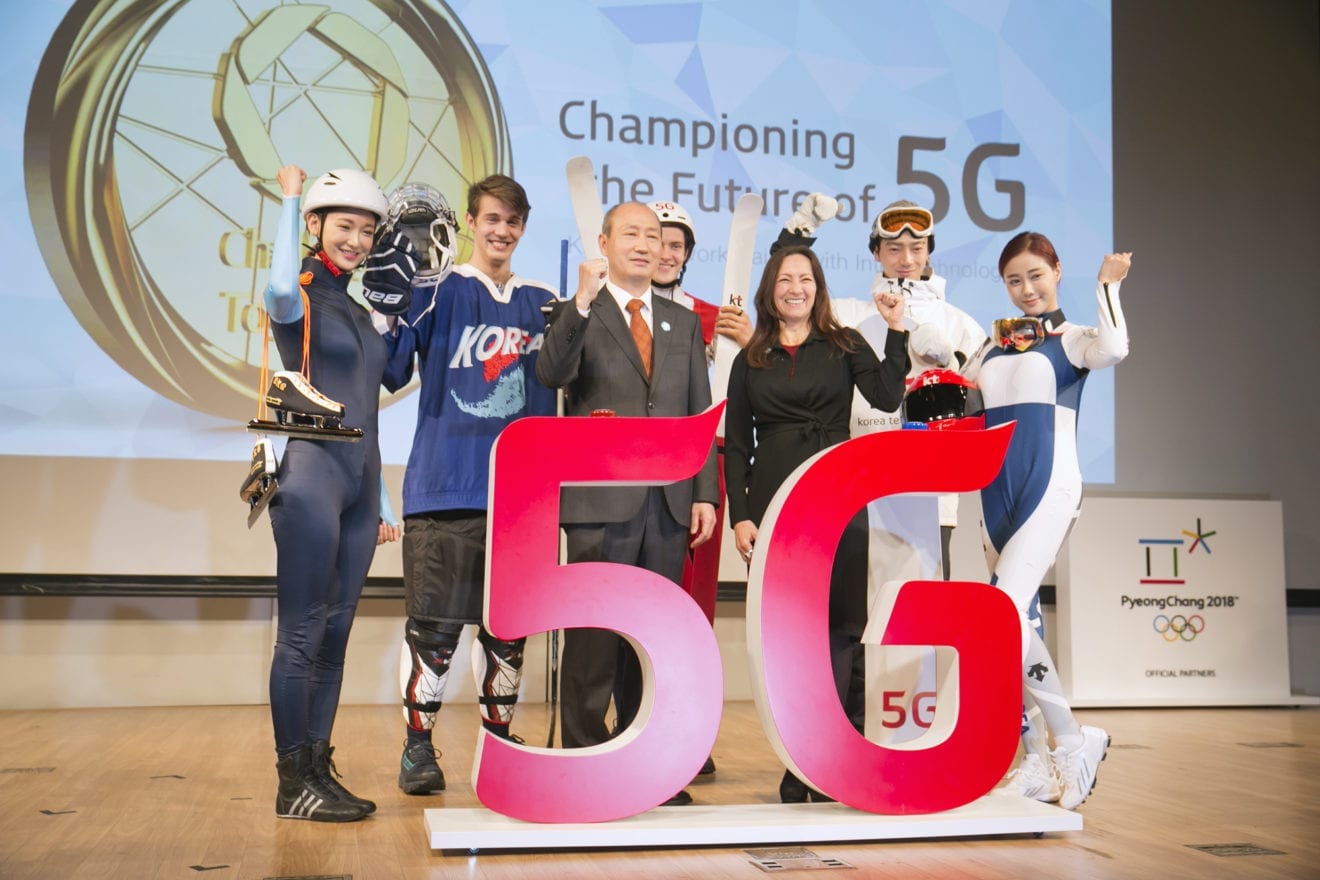
    A total of 22 5G user devices from 14 manufacturers have been announced to date, according to figures from mobile industry consultant Hadden Telecoms.

    The devices span a number of form factors, including smartphones, customer premises equipment, MiFi devices and USB models, and include the new category of foldable phones.

    These devices are expected to launch this year to support early 5G launches, with some announced devices being carrier or market specific.

    According to Hadden Telecoms’ research, as of this month 5G smartphones have been announced from Huawei, LG, Motorola, OnePlus, Oppo, Samsung, TCL, Xiaomi, and ZTE.

    Meanwhile Huawei has announced the largest number of CPE products at four. D-Link, HTC, Inseego, Netgear, Nokia, Samsung, and TCL have also unveiled 5G CPE.

  • HTC Opens Flagship Vive Store in China

    HTC Opens Flagship Vive Store in China

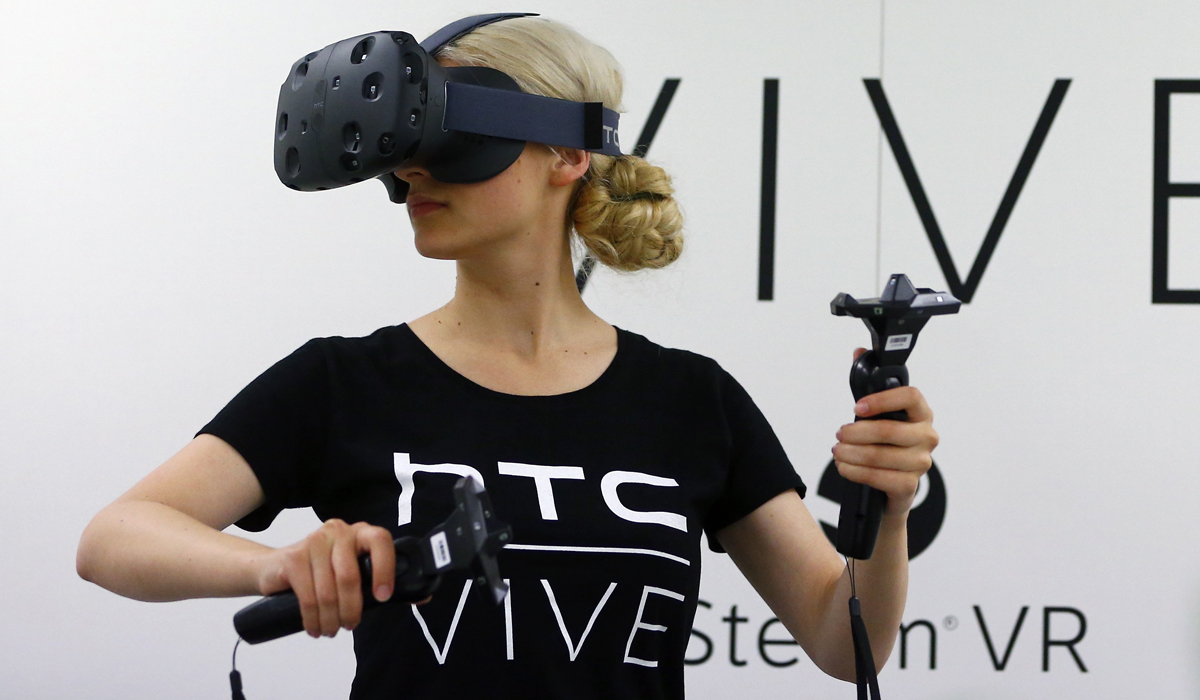
    Taiwanese smartphone maker HTC has opened the doors of its first global flagship store for its Vive VR headset. The Shenzhen store will offer consumers the chance to experience VR technology in a relaxed in-store environment. The brand wants consumers to build a better understanding of how VR works, the content available, and how it can enhance their lives – through entertainment and practical applications.

    HTC launched its first Vive headset three years ago and is now a predominant player in the Chinese VR market, claiming 82 per cent market share at one point last year.

    It is now partnering with video game maker Ubisoft Entertainment, Warner Brothers and the McLaren Formula 1 team to participate in the China Digital Entertainment Expo and Conference, nicknamed ChinaJoy, where it will have a VR gaming carnival.

    HTC has long been running at a loss as sales of its handsets fall in the highly competitive smartphone market and it sees VR technology as an opportunity to return to profitability.

  • HTC and Google form $1.1 billion smartphone partnership

    HTC and Google form $1.1 billion smartphone partnership

    Google has paid US$1.1 billion to Taiwanese smartphone maker HTC to acquire technology and an unspecified number of staff.

    The two companies say the agreement is a testament to the decade-long strategic relationship between HTC and Google around the development of premium smartphones.

    It also supports HTC’s continuing branded smartphone strategy, enabling a more streamlined product portfolio, greater operational efficiency and financial flexibility.

    Despite recognised product quality, HTC has been struggling to make progress in the crowded global handset market. The Google deal will boost its cash reserves and cement the long-standing partnership as Google tries to boost its strength in what some commentators describe as a “fragmented” Android operating system market.

    An unspecified number of HTC employees – many of whom are already working with Google to develop Pixel smartphones – will join Google’s payroll.

    But HTC moved to reassure the market that the company will continue to have “best-in-class engineering talent” currently working on the next flagship phone, following the successful launch of the HTC U11 earlier this year.

    “HTC will also continue to build the virtual reality ecosystem to grow its Vive business, while investing in other next-generation technologies, including the Internet of Things, augmented reality and artificial intelligence,” the company said.

    Google, meanwhile, said the deal “further reinforces our commitment to smartphones and overall investment in its emerging hardware business”.

    “In addition to the talented and experienced team of professionals, Google will continue to have access to HTC’s IP to support the Pixel smartphone family. Additionally, this agreement also represents a significant investment by Google in Taiwan as a key innovation and technology hub.”

    Google will have non-exclusive use rights to HTC’s smartphone IP, the two companies said.

    Deal reflects “Apple threat”

    Commenting on the HTC and Google partnership, John Baptista, an associate professor of information systems with Warwick Business School, and a digital media specialist, said the deal shows Google’s confidence that its has the ideas internally to refine its technology and bridge the divide between IoT, smartphones and other technologies.

    “Despite its larger user base, Google’s future in the smartphone market is being threatened by Apple’s superior ability to integrate hardware and software centred on user experience.

    “The fragmented user experience of Android phones and the increasingly mute voice of Google in this market demands them to raise their stakes and engage more with manufacturers of devices to show more ambition and offer a credible vision for the future,” said Baptista.

    “Google knows it needs to work more tightly with manufacturers to develop a more consistent experience between the phone and other devices such as wearables, home automation, car automation, as well as increasingly work related applications and integration with office systems.”

    Baptista says executing its vision in partnership with HTC will help Google set a reference for other manufacturers that use their platform and explain to its users how and why they should continue to engage with Google’s products.

    “Also, augmented reality and virtual reality look increasingly to be the future for mobile, so it might be that Google needs to work more tightly with chip manufacturers to develop the hardware in conjunction with their software to deliver AR and VR capabilities.”

    “Brilliant step” says CEO

    Cher Wang, chairwoman and CEO of HTC, described the deal with Google as “a brilliant next step” in the company’s longstanding partnership, enabling Google to “supercharge their hardware business” while ensuring continued innovation within HTC’s smartphone and Vive virtual reality businesses.

    “We believe HTC is well positioned to maintain our rich legacy of innovation and realise the potential of a new generation of connected products and services.”

    The transaction, still subject to regulatory approvals and customary closing conditions, is expected to be settled by early 2018.
  • HTC 10 will launch in Malaysia on 14 July with RM 2799 price tag

    HTC 10 will launch in Malaysia on 14 July with RM 2799 price tag

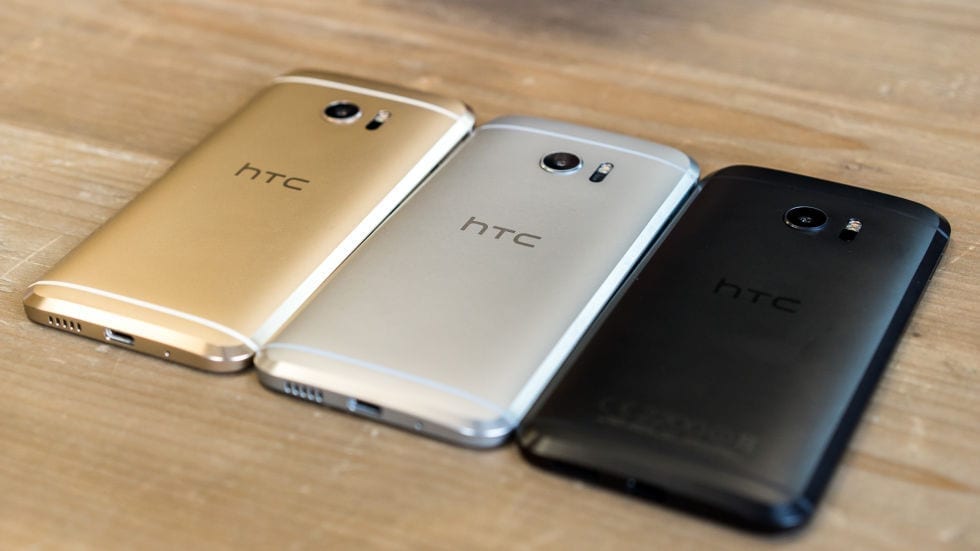
    HTC Malaysia has announced that HTC 10 will be launched in Malaysia on 14 July 2016. The HTC 10 will be sold with the retail price RM 2,799 for the 32GB version.

    HTC 10 had been spotted at the SIRIM database in June featuring specifications such as 5.2 inch QHD screen, powered by Snapdragon 820 and equipped with 4GB of RAM and 32GB of storage.

    htc-10-rear

    HTC 10 has 12MP UltraPixel 2” f/1.8 rear camera with optical image stabilization and laser autofocus support and the front camera is using a 5MP Ultrapixel image sensor.

    The HTC 10 adopts a 3,000 mAh capacity battery that support Quick Charge 3.0 and it also features USB Type-C. The fingerprint sensor is at the front panel and it is running Android 6.0 Marshmallow with HTC Sense UI.

    In 11street , the HTC 10 is available for pre order now with the retail price of RM 2,799 for the 32GB model.


  • HTC wants to boost retail network

    HTC wants to boost retail network

    HTC will boost its retail store network in its home market of Taiwan this year as it expands its handset range.

    The Taiwanese brand has achieved solid success with its topline smartphone models, but is still trading in the red as its product range is skewed towards the top end and is not perceived as meeting the mass market.

    HTC says it will changes that with North Asia president jack Tong promising a full range of products in 2015: from entry-level, mid-level and top end.

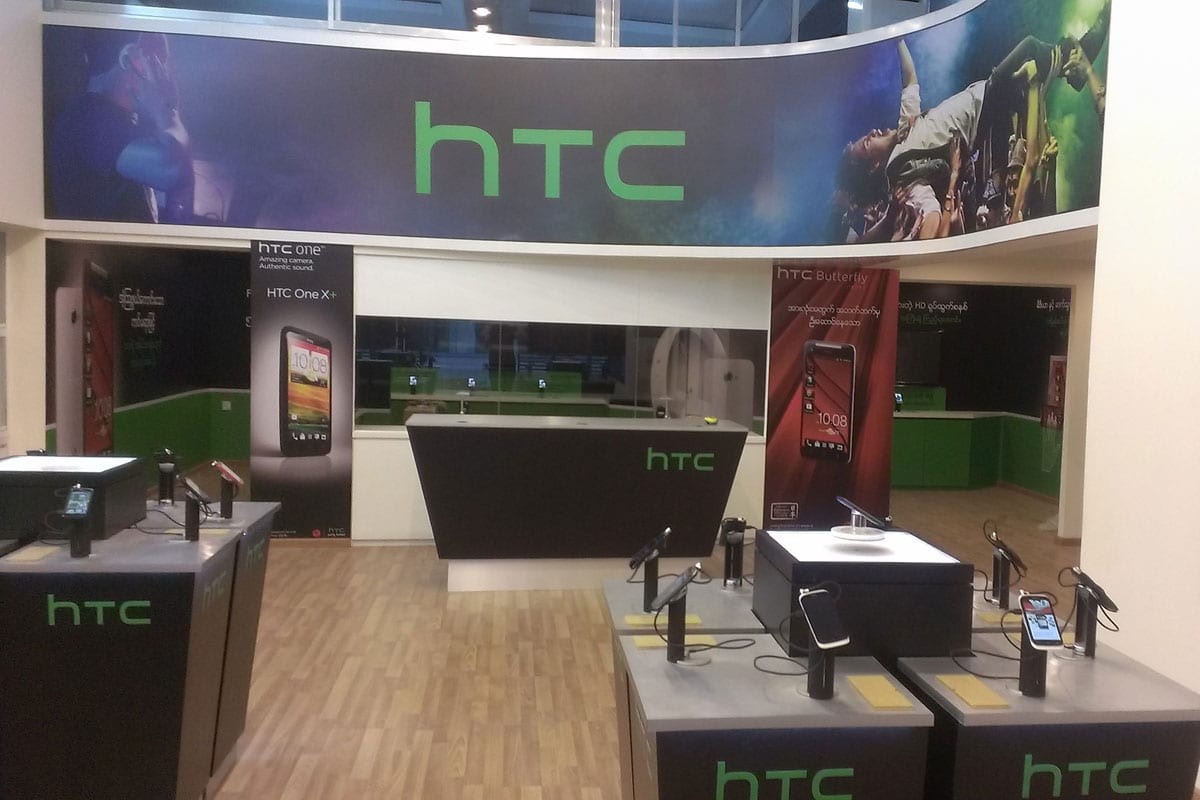
    To support its broader brand positioning the company will boost its solo-brand store network from 72 to more than 100 by Christmas.

    HTC has 19 distribution partners selling only its brand and accessories to match. Tong expects retail sales in Taiwan to double this year due to the expanded range and increased store network.

    Retail stores accounted for just 20 per cent of Taiwan’s mobile phone sales last year, but analysts expect that share to double in 2015 due to shorter product replacement cycles and falling smartphone prices. Consumers in Asia are increasingly preferring to buy their phones from independent retailers rather than phone networks, due to broader choice, sometimes sharper pricing and no commitment to contracts.

    “Our new brand vision is to expand HTC’s reach to everywhere,” Tong told a press conference at an HTC flagship store in Taichung this week.