Retail News CRM

Tag: Hyundai department store

  • Hyundai Department Store to open Pet Park complex

    Hyundai Department Store to open Pet Park complex

    A pet park complex that features daycare centers for pets as well as pet swimming pools is coming soon.

    Retail giant Hyundai Department Store Group announced Tuesday that one of the largest ‘pet parks’ in South Korea will open at the new Hyundai Premium Outlet Space 1 that is scheduled to open on Nov. 6 in Namyangju, Gyeonggi Province.

    The park will be named after the pet park’s signature mascot, Heendy, and will cover an area of 1,322 square meters on top of the outlet store.

    Playgrounds, feeding tables, photo zones, water fountains, and other facilities will become available as well as premium pet facilities including pet schools, swimming pools, spas, hotels and grooming shops.

  • Hyundai Department Store offers higher price rice

    Hyundai Department Store offers higher price rice

    Hyundai Department Store is hoping to cash in on Korea’s growing preference for premium rice with Hyundai Rice House, its new chain rice stores. Hyundai Rice House, which opened inside four existing Hyundai Department Stores on Wednesday, offers around 20 different types of high-quality rice unfamiliar to the average rice eater, such as Youngho Jinmi and Golden Queen No. 3.

    Despite changing tastes in Korea that are seeing a growing preference for Western food and an overall decrease in demand for rice, premium rice is growing in popularity.

    Hyundai Department Store reported a 3.1 percent decrease in its rice sales growth figures through November this year compared to the previous year, but sales of premium rice such as Koshihikari and Hitomebore have increased by 15.7 percent over the same period.

    Hyundai is pulling out all the stops to satisfy Korea’s budding rice connoisseurs, and the new stores will also sell bags of rice that contain different varieties mixed together in combinations chosen by a “rice sommelier.”

    The expert, accredited by the Corporation of Rice-Cooking of Japan, will also visit stores once every month to conduct “rice taste consulting” for customers to help them find rice that best suits their tastes and nutritional needs.

    The department store is also going to stock more small bags of rice to address the increase in one or two-person households in the country.

    Hyundai will continue to increase its rice lineup next year by introducing other Korean regional specialties produced only in small quantities.

    “[We] planned Hyundai Rice House to target customers who want to eat well even for one meal as the convenience food market continues to expand with the increase of one and two-person households,” said a Hyundai Department Store official.

    Customers will have to shell out more cash for the pricey rice as the average cost is 15 to 25 percent higher than the existing rice sold at the department store.

    The specialty store is located at Hyundai Department Store’s branches in Mok-dong, western Seoul; Pangyo, Gyeonggi; Ulsan and Busan.

  • Korean fashion firm Handsome unveils AI-designed clothes

    Korean fashion firm Handsome unveils AI-designed clothes

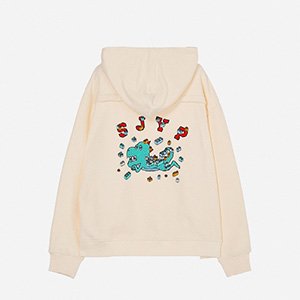
    South Korean fashion label Handsome says it will release the country’s first clothes designed with artificial intelligence technology. Handsome, an affiliate of Hyundai Department Store Group, said it joined forces with Designovel to create new patterns for clothes released under the SJYP brand. Designovel is a startup specialising in AI fashion technology.

    The fashion company said the first product, dubbed Dino Hood Tee, is printed with an image of a dinosaur and toy blocks designed by Designovel’s program, Style AI.

    The graphic was based on 330,000 images, including characters and logos, provided by Handsome.

    Style AI uses a convolutional neural network, which is an image processing technology to modify patterns.

    Handsome said it will review whether the AI technology can be applied in other areas of its fashion business.

  • First duty-free space in Hyundai Department Store

    First duty-free space in Hyundai Department Store

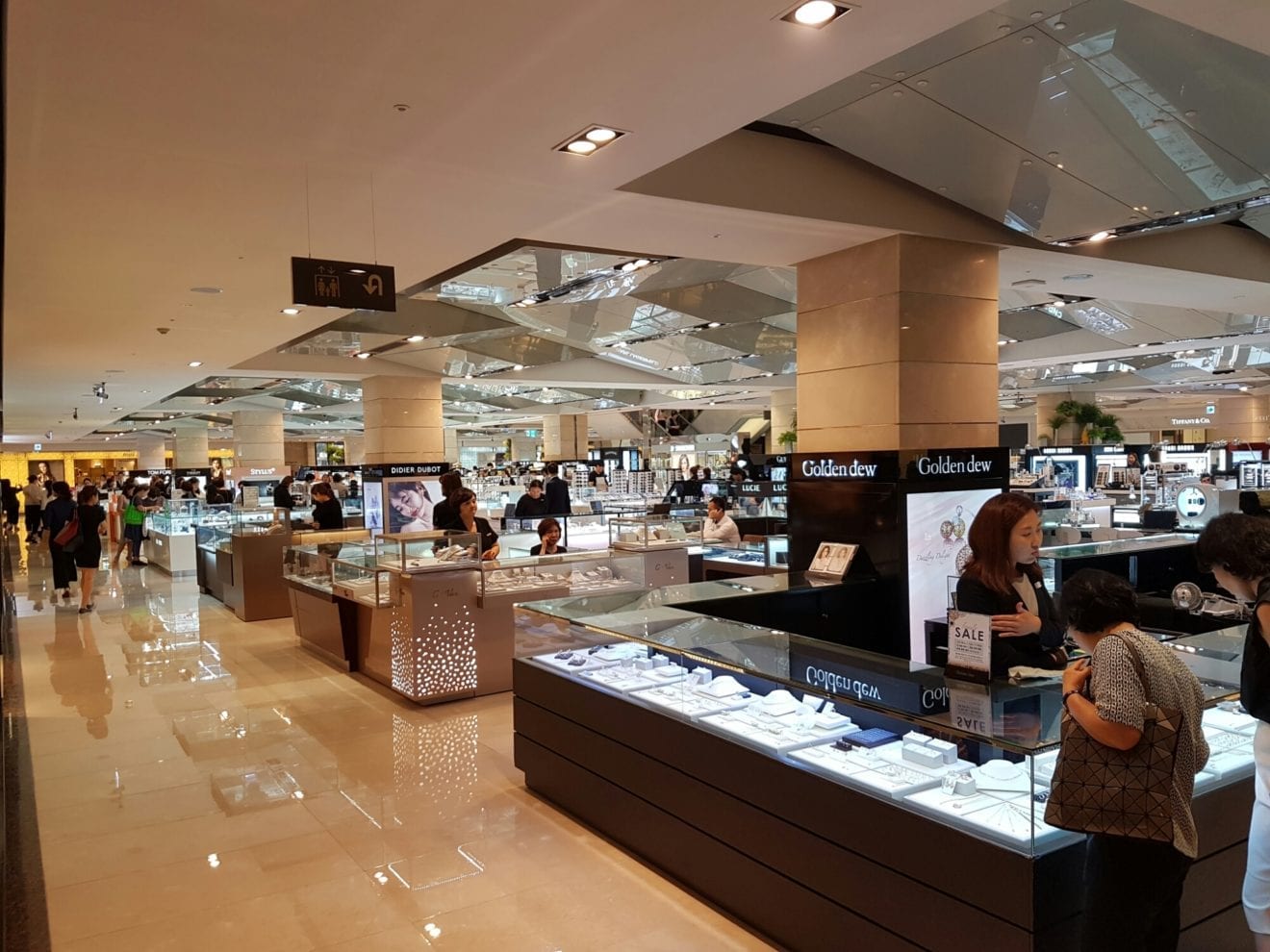
    South Korea’s retail conglomerate Hyundai Department Store Group opens its first duty-free store at its branch in Samseong-dong, southern Seoul, on November 1 as a newcomer into the lucrative duty-free race dominated by two other retail names, Lotte and Shinsegae.

    The new 14,250-square-meter duty-free store will open inside Hyundai Department Store’s Trade Center branch in Samseong-dong, an affluent business district in southern Seoul.

    It will take up three floors at the branch and offer 420 domestic and foreign brands.

    The outlet will be the first to have an official Alexander McQueen store. It will also have a separate foreign fashion zone offering Max Mara and Versace brands.

    Luxury brands will be based on the eight floor, while the ninth floor is reserved for beauty products and fashion stores.

    The 10th floor will have a more various selection of products from character goods to food like red ginseng and dried seaweed that is popular with foreign duty-free shoppers.

    The project is a huge one for Hyundai Department Store, which has been relatively conservative in the last decade regarding business expansions.

    Other department store rivals Lotte and Shinsegae have already established a stable foothold in the duty-free industry.

    In a press conference held at the new store on October 31, Hwang Hae-yeon, president of Hyundai Department Store Duty Free Co., said that it will provide high-quality life-style duty-free store service to consumers by escaping existing business practices and introducing new perspective.

    Hwang said the new store is expected to raise 670 billion won (US$588.2 million) in sales next year and over 1 trillion won in 2020.

    Hyundai Department Store Group will also create a digital-exclusive space to provide differentiated customer experience.

    It will invest 10 billion won to install the country’s largest 37-meter-wide and 36-meter-high light-emitting diode digital signage on the exterior wall of Hyundai Department Store’s Trade Center branch in December.

    The retailer also plans to promote diverse marketing by linking other businesses in retail, fashion, and travel, with its duty-free store to solidify its presence as a comprehensive retailer.

    The new addition will be the fourth duty-free store in the Gangnam area, along with Lotte Duty Free stores in the Lotte World Tower in Songpa District and in COEX and the Shinsegae Duty Free near the Express Bus Terminal.

    Being closer to other duty-free stores has tended to work as an advantage in the past, as tourists, especially those in large groups, can visit all of the different venues in one outing.

    In the past, duty-free stores inside Seoul were mainly clustered the North of the river, but the recent shift toward the Gangnam area suggests that a new duty-free destination could develop in the south of the city.

    Hwang also expressed confidence in the Gangnam location beside COEX as the operation’s “main differentiation point.”

    The venue is located near three high-end hotels, an underground mall, a casino and a convention center that regularly hosts international fairs. SM Town, a well-known destination among K-pop fans that also sells SM Entertainment products, is also nearby.

    The launch of Hyundai’s duty-free store comes at a complicated time: Chinese group tours to Korea – which once accounted for 70 percent of local duty free revenue – haven’t fully recovered after the U.S.-led antimissile system Thaad deployment last year.

    There are mounting concerns that duty-free stores are in fierce competition for commission fees in order to attract Chinese resellers that purchase in bundles.

    “There’s excessive competition in the market now – I want it to normalize and we’re going to try to stay away from [contributing to] it,” said Hwang.

    “There are many challenges, including regulations in China, but things are getting better. Chinese resellers can’t be ignored at the moment but in the long run, our plan is to focus on attracting ordinary tourists.”

  • Hyundai teamed up with Amazon to plan new retail model

    Hyundai teamed up with Amazon to plan new retail model

    Hyundai and Amazon plan to develop a “next-generation” retail model amid South Korean retailers’ push to adopt the latest technology to their online and offline platforms.

    Under the strategic collaboration agreement with Amazon Web Service (AWS) Korea signed on Friday, Hyundai Department Store Group said it will also establish a system to analyse customer activity and expand the partnership between its information technology arm and AWS, the US retail giant’s cloud-computing platform.

    Their joint research will focus on developing the Korean version of Amazon Go – the US e-commerce firm’s checkout-free offline mall – as well as using drones to deliver food and beverages, and applying artificial intelligence technology for automated concierge service, according to Hyundai.

    The Korean retailer’s aim is to implement Amazon’s cutting-edge technologies to its department store set to open in Yeouido, Seoul’s financial district, in 2020.

    “We will partner with Amazon to find a medium- and long-term roadmap to provide a new shopping experience to our customers,” a company official said.

    The deal was made as South Korean retailers are moving to secure competitiveness through the use of new technologies.

    Last Friday, E-Mart Everyday, another major South Korean retailer and Shinsegae’s supermarket-chain operator, opened a “cashier-less” store in Seoul where customers can pay via the firm’s mobile payment service app without going through a checkout counter.

    The 212sqm Gangnam store is expected to increase the company’s competitiveness in the market, allowing customers to use Shinsegae’s SSG Pay mobile payment system to make their purchases. It is the latest in a series of technological advances made by the company, including electronic price labeling and the use of robotic concierges and autonomous shopping carts.

    The new store will include a self-checkout counter as an alternative to using the app, and a cashier for age-verification sales of alcohol and tobacco products.

  • Givenchy Beauty debuts in Korea with Hyundai

    Givenchy Beauty debuts in Korea with Hyundai

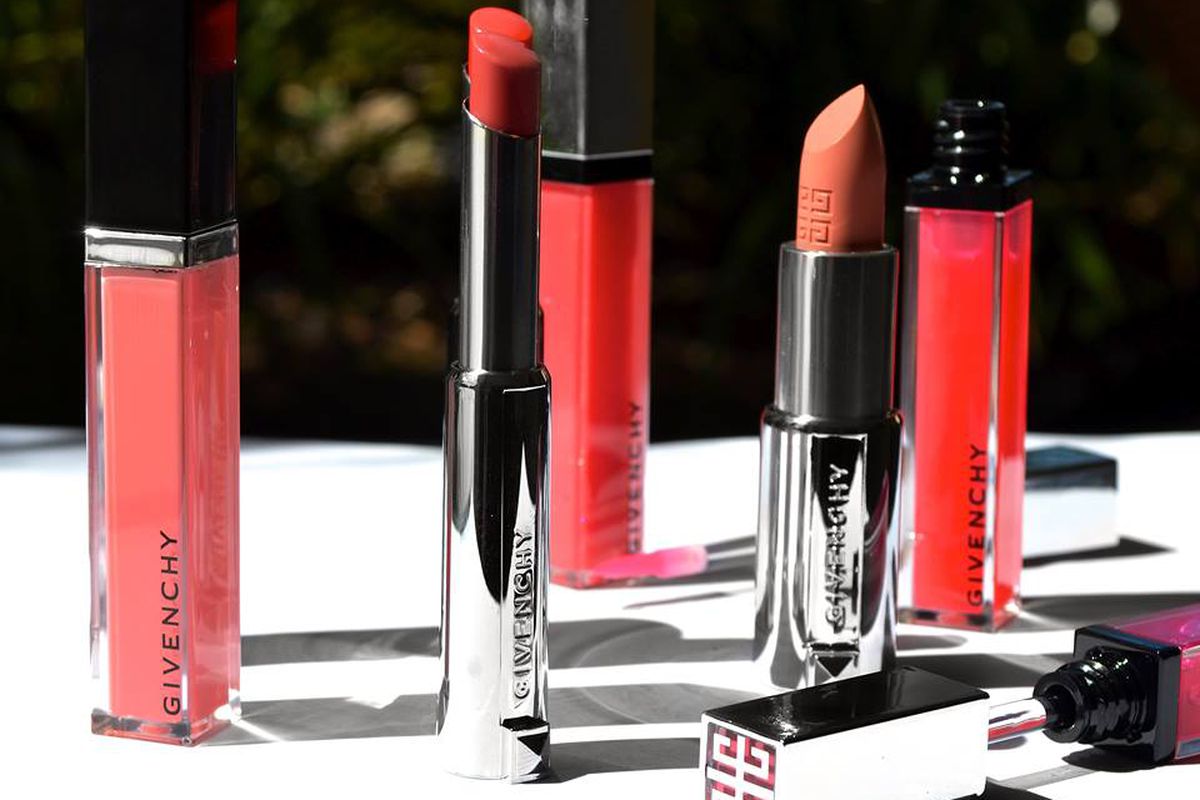
    Givenchy Beauty will open its first South Korean store this month.

    The cosmetics and skin-care line of the French luxury fashion house Givenchy has taken space in the Hyundai Department Store in the trendy southern Seoul district of Apgujeong.

    The first store will open on July 31 and a second, at another Hyundai Department store in Sinchon, northern Seoul, will open next month.

    With the huge growth of the Korean beauty industry over recent years, Givenchy Beauty believes its broad range of makeup, skincare and perfume products will appeal to local women comfortable spending on premium solutions.

    Once the Givenchy Beauty stores are open, Hyundai Department Store will become the first Korean retailer to host stores from five global premium beauty brands, the others being Dior, YSL, Chanel and Tom Ford.

  • Hyundai Department Store slashes workdays for sales staff

    Hyundai Department Store slashes workdays for sales staff

    Hyundai Department Store is introducing last-minute measures to comply with the new 52-hour workweek, which goes into effect next week.

    Korea’s third-largest department store chain is reducing the working hours of its sales staff by one hour, the company said on Thursday.

    “It’s a measure that will catch up with today’s social atmosphere that emphasizes work-life balance,” said the company in a statement.

    Fifteen department stores and four discount outlets nationwide will be affected by the measure. Sales workers who used to come to work at 10 a.m. and left at 8 p.m. will go home at 7 p.m. starting July 1.

    The stores’ operating hours, however, will remain 10:30 a.m. to 8 p.m. The one-hour vacuum left by the change will be filled in by the heads of each sales department and other workers taking turns in groups of 10.

    “We also took into account concerns among our business partners that their revenues will be hit hard when the operating hours shrink, as the economic slowdown is already continuing,” said a Hyundai spokesman.

    The company launched a pilot program that let sales employees leave work 30 minutes early in April, and the experiment was a success.

    Hyundai’s department store rivals – Lotte and Shinsegae – were quicker to slash either their working hours or operating hours, as they started to do so late in May. Hyundai is noted for its conservative work system, but it had to yield to the industry-wide trend, according to an insider.

    Shinsegae Department Store announced earlier this week that it would delay its opening time by one hour to 11 a.m. starting on July 2, with the exception of its main store in central Seoul and branches in Gangnam and South Chungcheong. Its closing hours will be the same as before, at 8 p.m. on weekdays and 8:30 p.m. on weekends. Lotte has yet to adjust the operating hours for its department stores.

    Lotte Confectionary, Lotte Chilsung, Lotte Liquor and Lotte Food also announced on Thursday that they hired 200 more manufacturing workers to cope with the new workweek. The additional workers make up more than 10 percent of the entire existing production work force.

    The four affiliates have also vowed to introduce a flexible working hour system based on a three-month basis, given that seasonal demand in the food business fluctuates heavily.

    Lotte, the fifth-largest conglomerate in Korea, has been particularly proactive about the government’s move to improve the country’s working environment.

    Thirty of its subsidiaries have designated hours that employee computers must be shut off to make sure employees cannot work before 9:30 a.m. or after 6:30 p.m.

  • One and only Limelight Stella watch

    One and only Limelight Stella watch

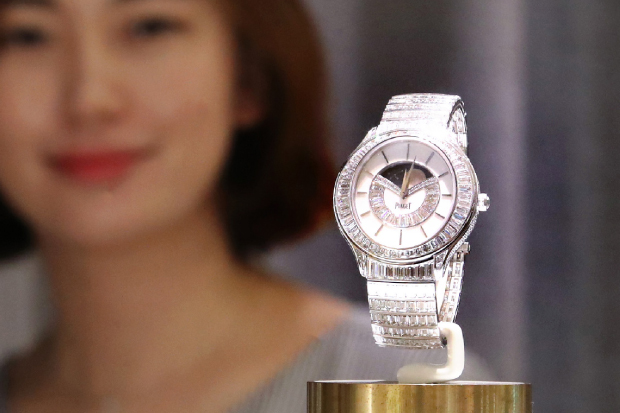
    A staff member at the Piaget boutique in Hyundai Department Store’s World Trade Center location introduces the 1.1 billion won ($985,340) Limelight Stella watch from the brand’s Exceptional Pieces collection. The watch’s dial and bracelet are encrusted with 577 diamonds with a total of 42.17 carats. Only one of this particular model was brought to Korea.

  • Hyundai presents Kelly Park and Démoo together

    Hyundai presents Kelly Park and Démoo together

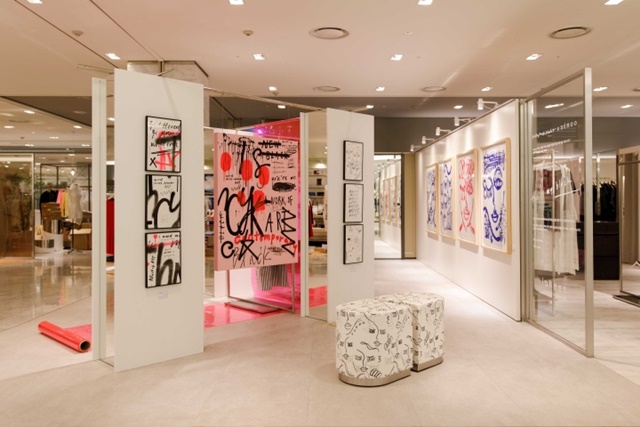
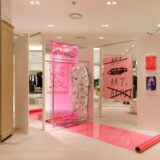
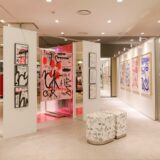
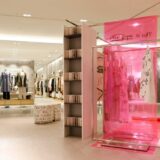
    Hyundai Department Store in Seoul has opened a shop-in-shop that brings together Kelly Park and Démoo in the first use of its new Artspace installation dedicated to brand and artist collaborations.

    Artspace, by multi-disciplinary design studio NBDC, is inspired by the temporary lifespans of pop-up shop formats and has been conceived to enhance the department store’s regular environment with conservatively-balanced experimental displays. Hyundai says the space attempts a convergence of artistic exhibition with the sale of product.

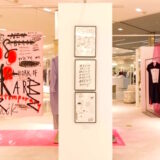
    The current Kelly Park x Démoo, themed “Expanding the Image”, showcases a range of offerings by both brands and is marked by the calligraphic visual styling of the Kelly Park Studio artworks on display, as well as the avant-garde Démoo fashions by designer Demi Choonmoo Park.

    The installation is built to resemble a gallery setting, allowing visitors to view artworks, fashions and patterned furniture pieces as they move through the exhibition.

    Gallery of the event can be viewed below (5 images) :

  • Hyundai Department Store offers high-tech make-up

    Hyundai Department Store offers high-tech make-up

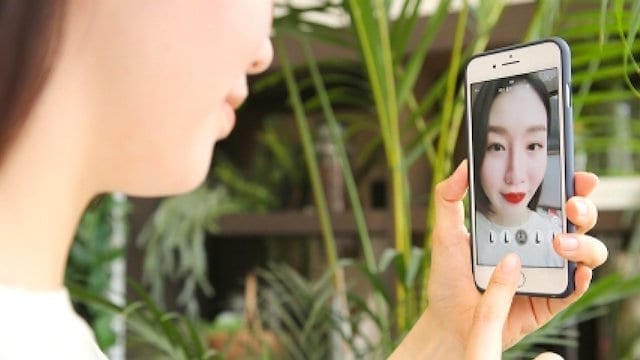
    Hyundai Department Store’s online mall has launched an augmented reality (AR) service so its customers can virtually try on make-up products.

    It covers more than 20 products from eight beauty brands, including Benefit, Estee Lauder and Shu Uemura. Using an AR image of their face, customers can try on different colour variations. Hyundai says it plans to expand the number of brands to 20.

    “With the virtual make-up service, customers can simply choose items through our app,” says the retailer.

    On its website or app, cosmetics products offering the virtual service appear with a camera sticker on the product page. One click leads the user to the Makeup Plus app, which uses a live video feed to enable customers to see how the product would look on their face from different angles.

    The Makeup Plus virtual make-up app has been downloaded more than 200 million times since its launch in 2015. In Korea alone, the app is used by 500,000 people each month. It was developed by Chinese tech company Meitu.

    “Customers of online shopping malls want fun services and products rather than making a purchase 100 to 200 won cheaper,” says Hyundai Department Store’s e-commerce executive Lee Hee-jun. “We plan to use thehyundai.com to create new shopping experiences that combine offline retail and IT.”

  • FTC chief urges conglomerates to improve ownership structure

    FTC chief urges conglomerates to improve ownership structure

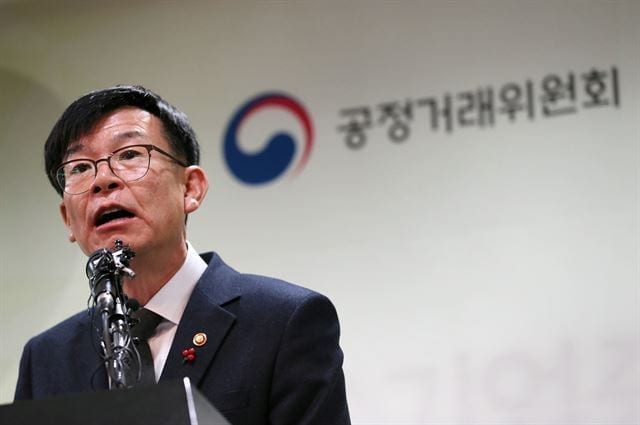
    The head of South Korea’s antitrust watchdog said on Dec. 31 that the country’s large businesses groups should work hard to improve their complicated ownership structures and refrain from wielding their market dominance.

    “Large conglomerates should make efforts to curb their economic power and to improve their ownership structures,” Fair Trade Commission Chairman Kim Sang-jo said in his message for 2018.

    “They should also work hard to stem unfair business practices that hurt smaller firms,” Kim said.

    Kim, a former civic activist, said he will keep monitoring large business groups that abuse their market dominance and exert undue pressure on subcontractors and small-time enterprises.South Korea‘s conglomerates have been under fire for years for largely relying on controversial cross-shareholding arrangements among their affiliated companies to strengthen their owner families’ control over the entire group.

    The FTC chief also vowed to carry out sweeping reforms to root out unfair business practices and strengthen consumer protection.

    “In order to help smaller firms seek innovative growth, a level-playing field is necessary,” Kim said, adding that harsh punitive measures will be taken against unfair contract terms.

    Earlier, the FTC unveiled a plan to impose punitive damages of up to three times the actual losses incurred by illegal business practices, such as unfair payments and returns, as well as cutting back supplied goods, which frequently occur between large shopping mall operators and smaller partners.

    The South Korean distribution industry is currently led by huge retailers, department stores and discount outlets that lease their spaces to small businesses. Big-name retail giants, such as Lotte, Shinsegae and Hyundai Department Store, take up the bulk of the market share and wield great influence over the entire industry.


  • Williams-Sonoma South Korean partner appointed

    Williams-Sonoma South Korean partner appointed

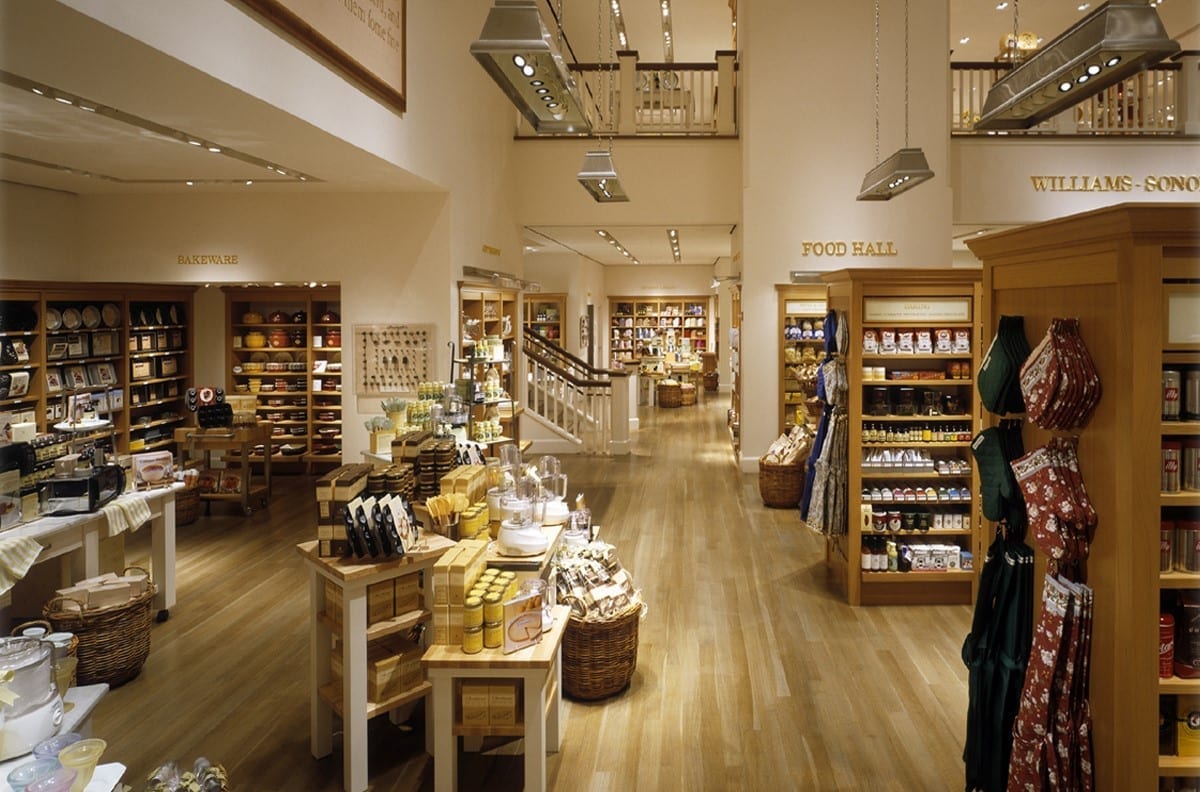
    Williams-Sonoma South Korea will launch in Spring after the US homewares brand appointed a local partner.

    Hyundai Livart Furniture, a leading Korean furniture manufacturer and distributor and an affiliate of Hyundai Department Store Group, will have exclusive rights to operate stores, shop-in-shops, and eCommerce sites for Williams Sonoma and sister brands Pottery Barn, Pottery Barn Kids and West Elm.

    Livart will open more than 30 stores in South Korea over the next decade across the four brands, the first of which are scheduled to open this spring, including a combined 924sqm Pottery Barn and Pottery Barn Kids store and a 700sqm West Elm store at the Hyundai City Mall Garden Five Mall, and a 297sqm Williams Sonoma store at Hyundai Department Store Mokdong.

    “We are pleased to announce our latest strategic global expansion with our new franchise partner, Livart,” said Laura Alber, president and CEO of Williams-Sonoma, Inc. “Livart’s market expertise and extensive retail footprint in South Korea will enable us to deliver the same high quality of service that we provide in the US and around the world. Livart is the best partner to help bring our brands to the Korean market,” she said

    Hwa-Eung Kim, representative director and CEO of Hyundai Livart Furniture, said the franchise agreement will help strengthen the company’s competitive advantage in the domestic premium home furnishings market by complementing existing Livart brands.

    “We plan to leverage our diverse distribution channels to expand strategically through Seoul and other major cities.”

  • South Korea Dec department store sales rebound from Nov, reverse two declining years

    South Korea Dec department store sales rebound from Nov, reverse two declining years

    Sales at South Korea’s department stores in December rebounded from November on year-end gift purchases, trade ministry data showed on Monday, while sales for the whole year ended on a positive note, reversing two years of decline.

    Combined sales last month at department stores run by Hyundai Department Store, Lotte Shopping and Shinsegae Co rose 3.3 percent on-year, the Ministry of Trade, Industry and Energy said, bouncing from a 2.8 percent decline in November.

    Nearly all product categories saw rises in sales, which were led by offshore brand items and food products.

    Retail data has shown consumption has not fallen markedly since an influence-peddling scandal involving President Park Geun-hye engulfed the country late last year, although consumer sentiment is at its worst in nearly eight years.

    The central bank governor, Lee Ju-yeol, said earlier this month private consumption is likely to head down in 2017 due to uncertainties at home and abroad, hampering overall growth.

    Discount store sales, meanwhile, slipped 1.9 percent in December over a year earlier, the same trade ministry data showed, although not as bad as November’s 6.1 percent decline.

    In 2016, department store sales rose 3.3 percent, breaking two years of falls and rebounding from a 1.2 percent fall in 2015. Demand for luxury goods and large household appliances such as televisions and refrigerators bolstered sales, the ministry said.

    Discount store sales fell 1.4 percent in 2016, declining for a fifth straight year, the data said, as more consumers bought food items online from a widening variety of vendors.

    In 2015, discount store sales dropped 2.1 percent.

  • Hyundai buying SK Networks’ fashion sector

    Hyundai buying SK Networks’ fashion sector

    South Korea’s Hyundai Department Store is buying trading company SK Networks’ fashion business for KRW326.1 billion (US$284 million).

    When the purchase is complete, probably by February, SK Networks (SKN) will no longer have interests in the fashion industry.

    The two companies have signed a deal to merge SKN’s 12 fashion brands into Hyundai’s Handsome fashion unit, which has annual sales of KRW750 billion. With SKN’s KRW600 billion added in, the merged group becomes the fourth-largest fashion company in South Korea behind E-Land, Samsung C&T and LF.

    Hyundai says it will retain SKN’s 400 designers, merchandisers, marketers and production staff, guaranteeing their jobs for five years.

    Analysts say the two businesses are a good fit and are unlikely to cannibalise each other’s trade as Handsome is known largely for its local womenswear brands while SKN is a major importer of global labels such as American Eagle, Club Monaco, DKNY and Tommy Hilfiger.

    Its house brands  include Obzee, O’2nd and Rouge & Lounge.

  • Offline stores turning crisis into opportunity

    Offline stores turning crisis into opportunity


    Will offline stores disappear?

    When consumers began online shopping in 1994, most of them could hardly imagine that offline stores might disappear. Online shopping was a mere subsidiary to offline stores, selling only a few items then.

    However, the volume of e-commerce has grown explosively over the past 20 years, blurring boundaries between online and offline.

    A sense of crisis in the retail business is different from the past. Mobile platforms dominate more than 40 percent of e-commerce sales, being the key to online-to-offline (O2O) commerce.

    Amazon, the world’s top e-commerce firm, has twice as many customers than offline No. 1 Walmart which has over 6,000 stores worldwide.

    In Korea, the sales of online markets between January and August this year hit 42 trillion won ($37 billion), rising 21 percent year-on-year, according to Statistic Korea (KOSTAT).

    If the current growth rate continues, its sales this year will reach 65 trillion won, about 5 percent of Korea’s gross domestic product (GDP) for the year. This figure surpasses Korea On-Line Shopping Association’s (KOLSA) early estimate of 60 trillion won. In 2001, the same figure was 3.3 trillion won.

    On the other hand, the growth of offline retail, conducted at department stores and discount chains, has been slow since 2013.

    Although saturating offline stores and governmental regulations on retail giants are some of the causes for the slump, a more important reason is the rapid growth of the online market.

    A virtual reality Nike shop located in Hyundai Department Store, Pangyo.
    /Courtesy of Hyundai Department Store

    Retail giants stepping into online

    To survive this trend, retail giants, the main concern of which are offline stores, began to expand their online platforms, as their offline channels have been left behind by fast growing e-commerce firms, such as Gmarket and Coupang.

    Korea’s largest retailers ― Shinsegae, Hyundai and Lotte ― have been focusing on the O2O business platforms which combine online markets with their existing retail networks. They have adopted the latest technology with their O2O businesses.

    Shinsegae Department Store released a mobile application “SHOP@” in February, promoting it as a “department store to be enjoyed by the eyes.”

    This application offers a panorama of the department store and shows dressed images of models, as well as photos of products which have been commonly offered by online shopping malls, including its own “SSG.com.”

    Unlike other e-commerce applications, SHOP@ customers can feel like they are in the store, because photos of products are taken as they are displayed at the offline store.

    More than 400 brands at Shinsegae Department Store are displayed by the application, as Shinsegae employees have taken pictures of the products and directly uploaded them to the application.

    Hyundai Department Store opened a virtual reality (VR) men’s wear store at the Jungdong store, Gyeonggi Province, Oct. 9.

    Customers can look around the department store and see mannequins dressed in whole outfits by accessing Hyundai’s online shopping mall “thehyundai.com” and following the arrows on the screen.

    If customers want to visit a certain brand shop, they just need to click the door icon and check details of the products at the VR store.

    Hyundai opened VR stores of Nike and Adidas at its Pangyo store, Gyeonggi Province, on a trial basis in July.

    The stores offered a full 360-degree view of the offline stores providing simple information of products. Hyundai Department Store plans to offer a 360-degree view of each product and to open a full VR department store by 2019.

    A Hyundai Department Store official said, “Our department store will provide different experiences, shifting offline stores to online.”

    Lotte Department Store introduced a 3D foot scanner in July. The Swedish-made scanner measures a customer’s foot size and analyzes conditions of the customer’s foot. Shoemakers can recommend and make the most suitable shoes for the customer. More than 1,800 customers had their feet scanned and over 800 ordered shoes as of September.

    Once their feet are scanned, customers can use the data at both online and offline stores.

    “Our department store has a 3D virtual fitting room and foot scanner, as examples of our new omni-channel service which connects online and offline,” a Lotte Department Store official said. “We will develop mobile applications for our customers to buy clothes and shoes with their smart phones.”

    Fighting fire with fire

    Although retail giants are expanding their online platforms, they are also finding ways to attract customers to their offline stores. Those giants are developing offline stores through experience which is hardly achieved in online markets.

    Heads of retail giants have recently stressed the importance of experience, targeting customers who seek to spend their leisure time shopping.

    “Shopping malls with experience are the future of offline stores,” said Hyundai Department Store CEO Kim Young-tae during the press conference at the opening ceremony of Hyundai City Outlet Dongdaemun in March. “Online shopping malls only display the products, but offline stores enable customers to touch and enjoy the products during their shopping.”

    Shinsegae Group Vice Chairman Chung Yong-jin said, “Customers want to gain both products and value, staying longer at a place where they have a reason to visit,” at the opening ceremony of Starfield Hanam in September.

    Lotte Mart CEO Kim Jong-in emphasized last year that discount chains should provide customers with new lifestyle experience. He said Lotte Mart will find an answer from “a space” which online malls lack.

    The latest technologies enable customers to experience offline stores without actually being there.

    Shinsegae Starfield Hanam attracts customers with “VR Fitness” at Sports Monster. Customers can enjoy scientific digitally-based exercises, such as VR fitness and bike-racing, at the recreational space.

    “Sports Monster and Aqua Field are advanced concept entertainment spaces that Starfield Hanam has been preparing for a long time,” a Shinsegae official said. “We expect those spaces to become new attractions, providing our customers with differentiated value through various exercises and experiences which they have never seen.”

    Lotte Department Store introduced the “Smart Shopper” service at its grocery stores at the Bundang store on Oct. 4.

    Customers can go shopping with barcode scanners and they do not have to push their shopping carts. If they scan items with their “Shopper” scanners, products are automatically added to their virtual cart.

    Customers can check added products on “Order Viewer” screens installed at several places in the store and can remove unnecessary items at automatic counters. Purchased items can be delivered to their home.

    Smart Shopper enables customers to check the actual products at offline stores, while resolving inconveniences of carrying them home.

    Duty free shops aim to provide experiences for customers with technology as well.

    HDC Shilla Duty Free plans to make an IT converged duty free shop, if its bid to open a new duty free shop will be successful.

    A state-of-the-art duty free shop with merged reality (MR), artificial intelligence (AI) and machine learning technologies is the company’s goal. The duty free shop plans to show hologram images, installing media walls and digital signage in the lobby.

    Examples in other countries

    Meanwhile, retail giants abroad have already gone through similar changes amid the crisis of offline stores.

    In 2014, British retailer Tesco unveiled its VR store which enables customers to look around the virtual store and purchase goods from there.

    The U.S. retailers Neiman Marcus and Nordstrom introduced smart mirrors for virtual dressing last year.

    The North Face stores in the U.S. have provided extreme VR experiences to attract customers to offline stores. If customers select clothes and wear VR devices, they can virtually wear selected clothes and experience extreme sports, such as jumping off a 128-meter cliff in the Grand Canyon.