Retail News CRM

Tag: Hyundai motor

  • Hyundai Korea’s employees to be more casual at office

    Hyundai Korea’s employees to be more casual at office

    Jeans and T-shirts will be allowed at Hyundai Motor offices from March 4 as the auto group’s heir apparent Chung Eui-sun looks for new ways to give the automaker a younger, trendier feel. On Monday morning, Hyundai Motor employees at its headquarters in southern Seoul were told that they are free to dress however they want from next month. Unlike a no-tie day, Hyundai’s new dress code didn’t include any special rules or guidelines.

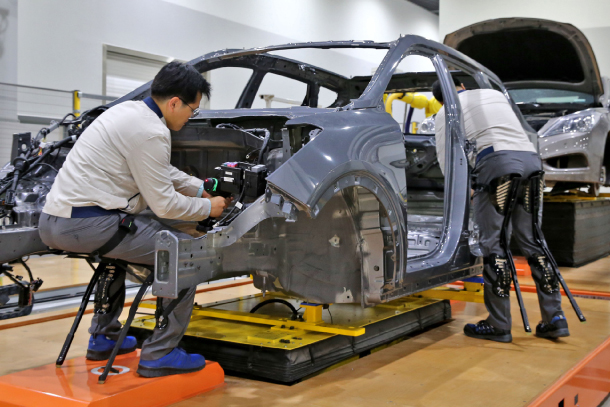
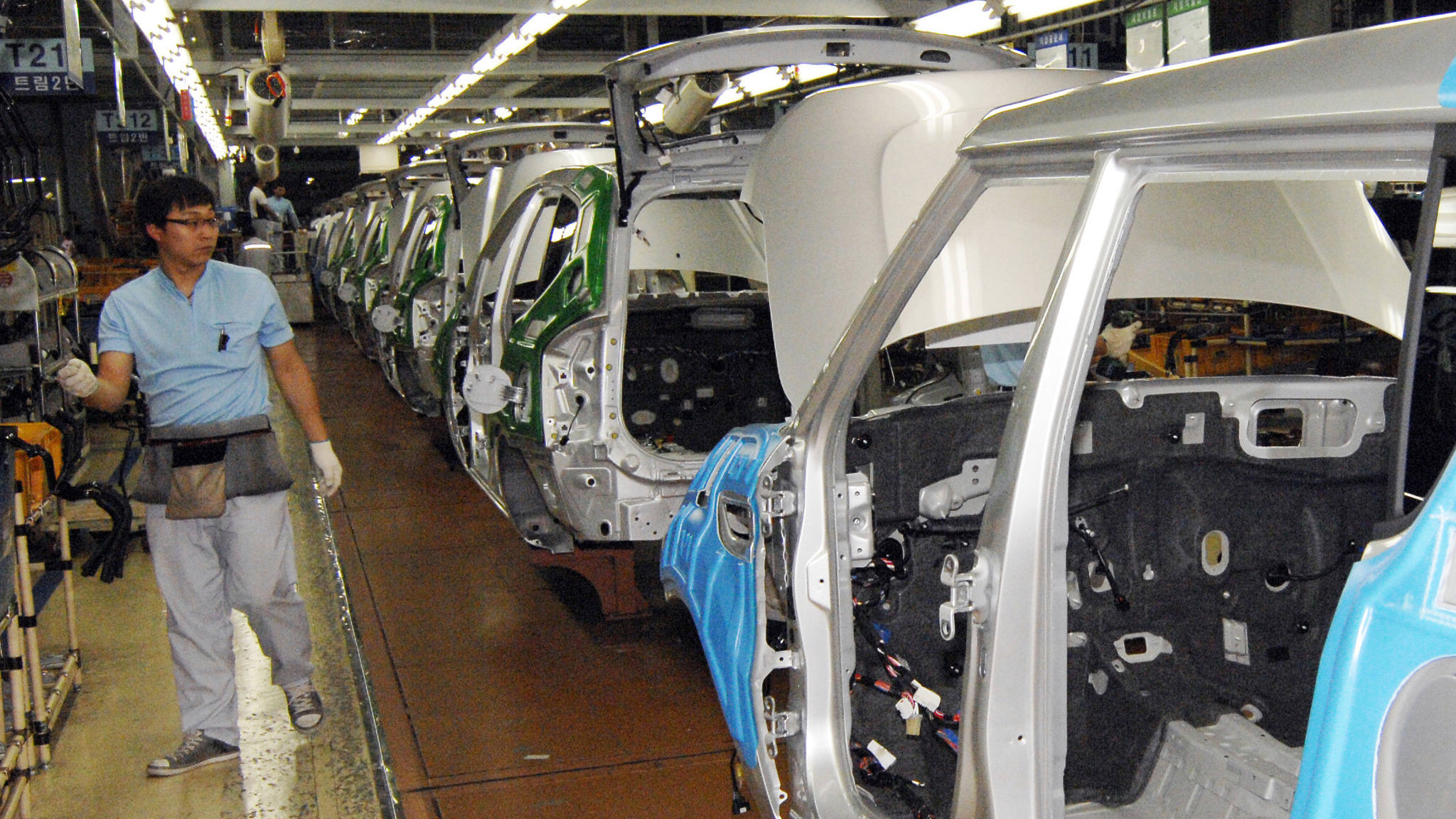
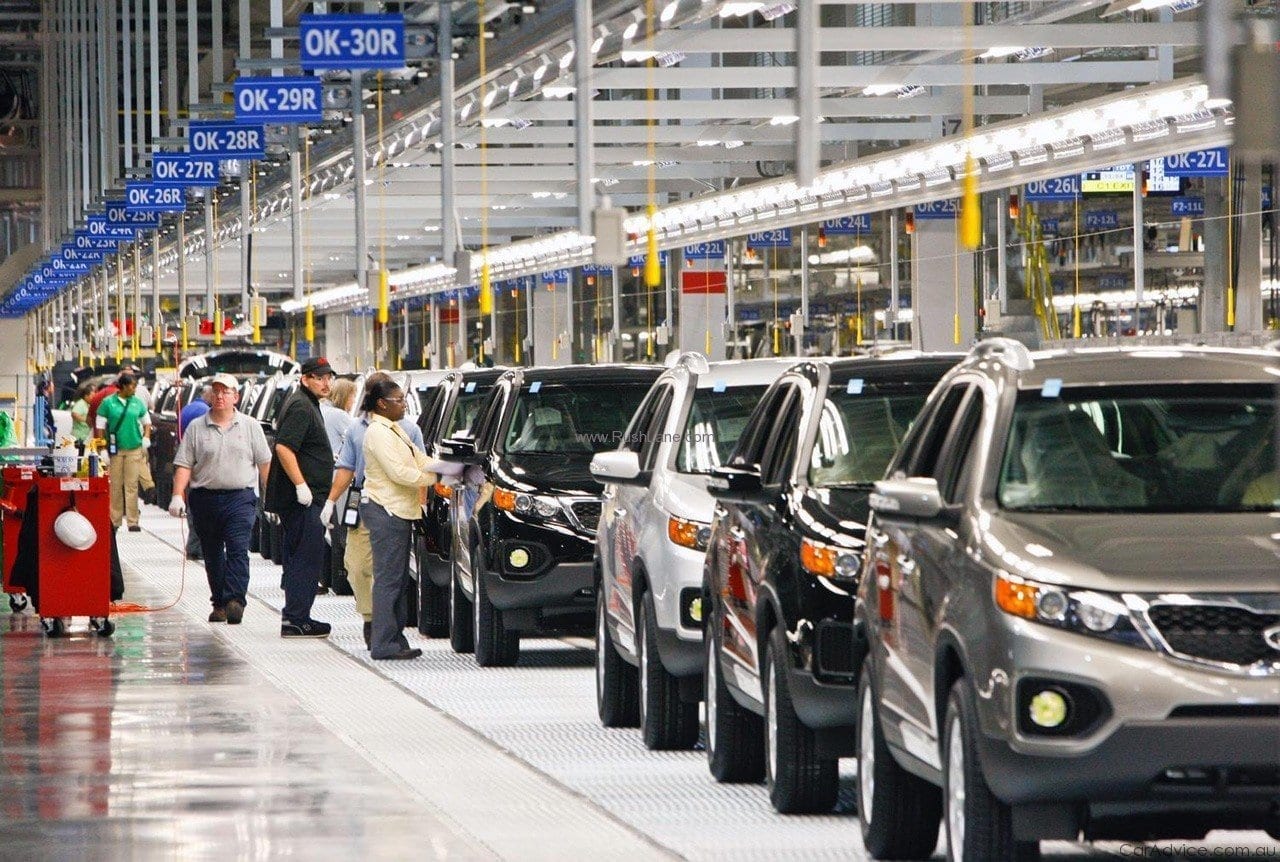
    The free dress code applies to all Hyundai office workers, according to the company spokesperson, but not for workers at production facilities due to safety issues.

    While some time will be needed for Hyundai employees, who are much more familiar with formal suits, to get used to their new fashion freedom, industry sources say the move is likely to spread to Hyundai affiliates soon.

    Hyundai has long been considered one of most conservative Korean companies, as with most other companies in the traditional manufacturing sector like shipbuilding and steel. However, the automaker has been trying to rebrand itself as a mobility technology company given the growing importance of digital technology in the auto industry.

    Hyundai Motor Group Executive Vice Chairman Chung Eui-sun stressed in his New Year’s message that he will ramp up investment in the sharing economy, artificial intelligence and smart mobility to keep up with the radical paradigm shift.

    LG also started to shift its dress culture earlier last year. LG Electronics and LG Corp. adopted free dress codes from September.

  • Hyundai Motor raided as defect cover-up investigated

    Hyundai Motor raided as defect cover-up investigated

    Prosecutors raided the main office of Hyundai Motor and its smaller affiliate Kia Motors on Wednesday as part of a probe into allegations that the company tried to conceal defects in some of its vehicle lineups. The Seoul Central District Prosecutors’ Office sent its investigators to search the quality division at the headquarters of the automaker to collect evidence.

  • Hyundai to focus on customization

    Hyundai to focus on customization

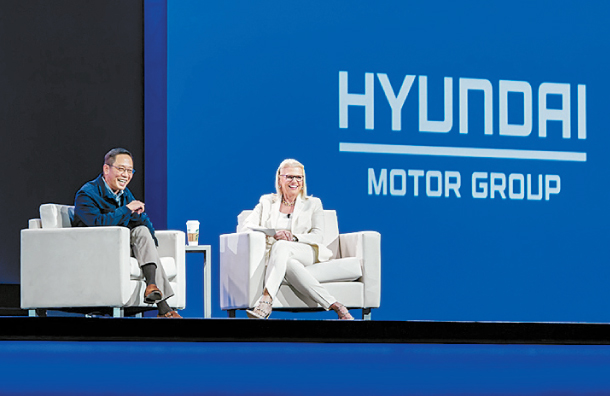
    The chief of Hyundai Motor’s financial affiliates outlined the units’ digital strategy and future vision at IBM’s largest annual conference that ran through Friday in San Francisco. Chung Tae-yong, who heads Hyundai Card, Hyundai Capital and Hyundai Commercial, said that finely-tuning customization will take center stage in Hyundai’s approach to serving financial services’ clients.

    “The existing concept of market customization is irrelevant to the current business environment,” said the CEO, whose English name is Ted Chung, during a session with Ginni Rometty, CEO of IBM.

    “Customization should not be based on widely-held assumptions, like young people might love zombie movies or older people won’t listen to hip-hop music,” Chung said, “If one likes candy, that is just it.”

    He went on to note that Hyundai Card holds a wide range of information that points to clients’ daily lives, preferences and hobbies and that the new services under development will be tailored using that data.

    Chung also cited Buddy, an AI-based chatbot for customer service using machine learning technology from IBM’s Watson.

    “It’s almost impossible to fully understand or memorize the benefits, limits, or conditions of a finance product,” he said.

    “So we introduced IBM Watson and it became a very powerful tool to help our employees and helped us to lower our employee turnover rate to less than 10 percent.”

  • Hyundai develops safer airbag deployment system

    Hyundai develops safer airbag deployment system

    Hyundai Motor Group, Korea’s biggest carmaker by sales, said Monday it has developed a safer airbag deployment system to better protect people from multiple crashes. The advanced airbag system immediately prepares for additional crashes once it recognizes an initial collision, in cases where the collision is not serious enough to warrant a deployment, the conglomerate said in a statement.

    “If the first collision is a minor one, but the vehicle continues on and collides with something else, such as trees or street lamps, the airbag system optimizes itself to prepare for additional crashes,” a company spokesman explained to reporters over the phone.

    It is the first time a Korean carmaker has developed such a multi-crash airbag system, the statement said.

    Existing airbag systems do not inflate once they determine the initial collision is minor, even if subsequent impacts involve greater force and can lead to serious injury, it said.

  • Hyundai, Kia move ahead with recall in U.S.

    Hyundai, Kia move ahead with recall in U.S.

    Despite a government shutdown, Hyundai and Kia are moving ahead with a recall of about 168,000 vehicles to fix a fuel pipe problem that can cause engine fires. The problem stems from improper repairs during previous recalls for engine failures. The affiliated Korean automakers have been dogged by fire and engine failure complaints from across the nation. They’re both under investigation by the U.S. National Highway Traffic Safety Administration, which has been trying to figure out whether initial recalls covered enough vehicles. But the agency is mostly closed due to the shutdown.

    In addition to the recall, each automaker says it will do a “product improvement campaign” covering a total of 3.7 million vehicles to install software that will alert drivers of possible engine failures and send the cars into a reduced-speed “limp” mode if problems are detected.

    Nhtsa employees who do safety investigations and recall notifications are not at work. Under normal circumstances, the agency would review the recalls to make sure they are adequate and post details on the agency website. It would also monitor notices to customers, and ensure customers could check to see if their vehicles are included.

    Kia spokesman James Bell said the company is proceeding with the recall and campaign regardless of government delays.

    “Making our customers comfortable is vastly more important than making sure we’re following additional government processes right now,” he said. Kia sent letters to dealers around Jan. 10 notifying them of the recall, he said.

    But a U.S. auto safety advocate called the recalls inadequate and said the product improvement campaigns should instead be recalls that are overseen by Nhtsa.

    An Nhtsa spokeswoman said she could not comment due to the shutdown.

    Hyundai and Kia started recalling 1.7 million vehicles in 2015 – about 618,000 of which are Kias – because manufacturing debris can restrict oil flow to connecting rod bearings. That can cause bearings in 2-liter and 2.4-liter four-cylinder engines to wear and fail. The problem can also cause fires. The repair in many cases is an expensive engine block replacement.

    Now the companies are acknowledging that the engine replacements may not have been properly done in all cases by dealers. A Kia statement says the high-pressure fuel pipe may have been damaged, misaligned or improperly tightened while the engines were being replaced under recall. That can allow fuel to leak and hit hot engine parts, causing fires.

    Kia says it has six reports of fires among the vehicles being recalled for possible fuel leaks, while Hyundai says it has no fire reports. Neither company had any reports of injuries.

    The fuel injector pipe recall covers some 2011 through 2014 Kia Optima cars, 2012 through 2014 Sorento SUVs, and 2011 through 2013 Sportage SUVs, all with 2-liter and 2.4-liter four-cylinder engines. Also covered are many 2011 to 2014 Hyundai Sonata cars and 2013 and 2014 Santa Fe Sport SUVs.

    More than 2 million 2011 Sonatas from the 2011 through 2018 model years and Santa Fe Sports from 2013 through 2018 are covered by the software and engine-knock sensor updates. About 1.7 million Kias, including the 2011 through 2018 Optima, the 2012 through 2018 Sorento and 2011 through 18 Sportage, are covered.

    The companies say owners of the recalled vehicles will be notified by letter. Dealers will check the fuel pipe for leaks and replace the pipe if needed.

    Kia is only doing the fix on 68,000 of its 618,000 vehicles recalled for the engine problems, while Hyundai is recalling 100,000 of more than 1 million. Hyundai said only vehicles that had engines replaced in the previous recalls are covered by the new recall.

    He also raised concerns about the government shutdown’s impact on Nhtsa, which he said should be open to handle critical safety recalls.

  • Korean SUV sales soar globally

    Korean SUV sales soar globally

    SUVs have recently grabbed the spotlight in Korea, breaking both local and export sales records. According to the Korea Automobile Manufacturers Association (KAMA), the number of exported SUVs by five local automakers reached a new record of 1.38 million units in 2018, a 6.7 percent increase from the previous year. In just 17 years, the figure rose by 700 percent – exports recorded merely 196,111 units in 2000.

    Over the same period, overall exports of passenger vehicles declined 3.1 percent to 2.34 million units. The share of SUVs also reached an all-time high.

    Compact SUVs from Korea were most popular in export markets.

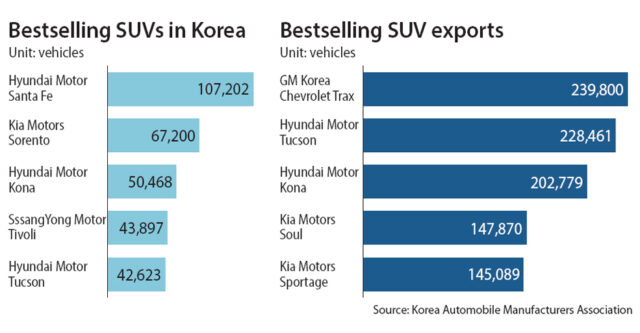
    GM Korea’s Chevrolet Trax was shipped the most, at 239,800 units, followed by Hyundai Motor’s Tucson at 228,461 units.

    Small-sized SUVs also performed well, with 202,779 units of Hyundai Motor’s subcompact SUV Kona shipped abroad, a 437 percent rise from the previous year.

    Kia Motors’ Stonic exported 58,989 units, increasing 75.8 percent from 2017.

    Much of the enthusiasm surrounding SUVs in markets abroad was also present in the local market.

    Last year, 519,883 SUVs were sold in Korea, passing the 500,000 unit mark for the first time.

    With a 12.7 percent rise from 2017 sales figures of 461,385 units, SUVs currently take up a 40.1 percent share in the overall passenger car sales figures.

    Meanwhile, passenger car sales, excluding SUVs, dropped 6.9 percent last year from the previous year.

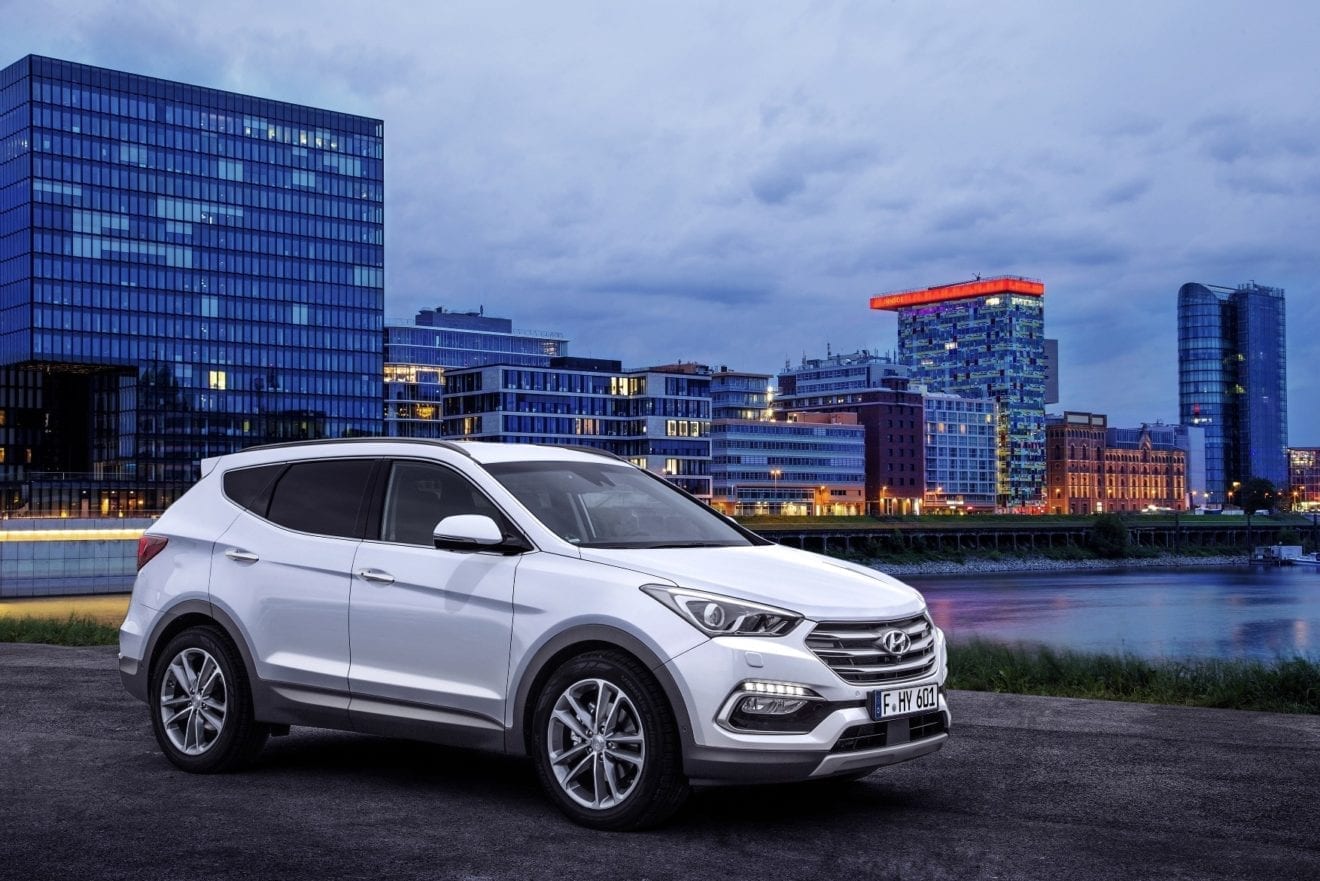
    Hyundai Motor’s mid-sized SUV, the Santa Fe, was the most popular in Korea, selling 107,202 units. This was the first time that an SUV model recorded an annual sales figure over 100,000 units.

    The SUV market is expected to grow this year.

    As compact and small-sized SUVs are poised to lead exports and medium and small-sized SUVs the local market, large-sized SUVs are also being rolled out this year.

    Hyundai Motor’s Palisade, unveiled last November, recorded over 25,000 preorders in just three weeks, hitting 62.5 percent of the automaker’s annual sales target of 40,000 units for the model.

    It will likely take customers around seven months to receive the vehicle if ordered now.

    According to Hyundai Motor, the large-sized SUV is popular among older drivers. Customers in their 40s accounted for 37 percent of orders and those in their 50s made up 26.9 percent.

    “As high-quality amenities and vehicle stability that used to be developed through sedans is now applied to SUVs, there was quite a bit of progress,” said Kim Pil-soo, a professor of automotive engineering at Daelim University.

    “This year’s SUV sales and market share will grow as local and foreign SUVs have adopted the advantages of sedans,” added Kim.

  • Singapore’s Grab begins using Hyundai Motor’s Kona

    Singapore’s Grab begins using Hyundai Motor’s Kona

    Hyundai Motor, Korea’s largest carmaker by sales, said Wednesday that Singapore-based Grab began using its Kona Electric for its ride-hailing service this month. In November, Hyundai Motor and its affiliate Kia Motors jointly invested $250 million in the Southeast Asian company for a business partnership in ride-hailing service markets, the carmaker said in a statement.

    “The company is aiming to enter electric car markets in Southeast Asia through the partnership with Grab and gain a share of those markets,” the statement said.

    Grab has initially purchased 20 Kona electric vehicles (EVs) from Hyundai for its service and plans to increase the number to 200 by the end of this year, Hyundai said.

    The Kona EV can travel up to 400 kilometers (248.5 miles) per charge. The driver can charge the all-electric car to around 80 percent full in about 30 minutes, it said.

    In partnership with Grab, Singapore Power has granted Kona EV drivers a 30 percent discount when powering the emission-free car at charging stations, the statement said.

    This week, the Kona EV grabbed a coveted North American Car, Utility and Truck of the Year award at the Detroit auto show.

  • Hyundai Motor now ready for big races

    Hyundai Motor now ready for big races

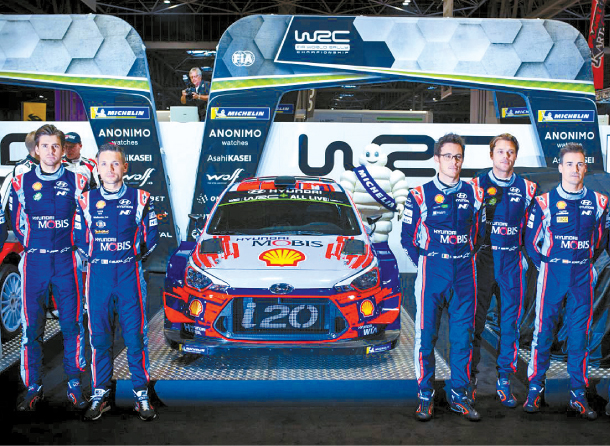
    Hyundai Motor finalized its driver lineup for this year’s major motorsport competitions, the company said Monday.  The automaker said its target this year is to win championship titles at the World Rally Championship (WRC) and the World Touring Car Cup (WTCR). In WRC events, the carmaker participates with its own team. In WTCR events, it supplies its cars to professional racing teams.

    For the WRC, the company said last year’s vice champions Thierry Neuville and Nicolas Gilsoul – a team of driver and co-driver – will be joined by Norwegian crew Andreas Mikkelsen and Anders Jaeger in all events. This year’s WRC has a total of 14 rounds. A composite score in those events will decide the winner.

    Dani Sordo and Carlos del Barrio will take part in eight events starting at Rally Mexico.

    Nine-time WRC champions Sebastien Loeb and co-driver Daniel Elena, who joined the Hyundai team from last month on a two-year contract, will take part in six rounds.

    “I am pleased to be joining such a great lineup of crews,” Loeb said. “It is clear to me that the car was a competitive package in 2018, which enabled the team to fight for the championship titles right to the very end.”

    Hyundai Motor’s team – named Hyundai Shell Mobis – came in second at last year’s WRC using an i20 coupe WRC vehicle.

    The automaker also announced four drivers who will participate at this year’s WTCR event with Hyundai’s i30 N TCR racing car. The carmaker races in the Customer Motorsports category with competitors that include Audi, Volkswagen and Ford.

    Hyundai’s customer team consists of four drivers, each driving on their own. Last year’s champion Gabriele Tarquini and fourth place driver Norbert Michelisz are driving Hyundai cars once again. Augusto Farfus and Nick Catsburg are newcomers.

    Hyundai Motor has been active in motorsport events as it has a positive influence on European sales thanks to a huge popularity of motorsports with European customers. In the long run, the carmaker hopes to upgrade its image from a value-for-money carmaker to a company known for high-performance cars.

  • Hyundai Motor sells more than 10 million cars in China

    Hyundai Motor sells more than 10 million cars in China

    Hyundai Motor, Korea’s largest carmaker, said Sunday that accumulated sales of its vehicles in China surpassed the 10 million unit mark in 2018. The milestone was reached 16 years after the company entered the key neighboring country, which has since become the largest market for new cars in the world.

    Hyundai first sold the midsize Moinca, a localized version of the Sonata, in the first year, which was followed by the Elantra. By 2008, it had increased its lineup to six, with sales exceeding 1 million units. In 2013, the carmaker said it sold 1 million vehicles in the world’s most populous country, with some 5 million cars being sold overall. Up until 2016, annual car sales exceeded the 1 million mark, although this plunged 31.3 percent on year to 785,000 units in 2017, amid a diplomatic dispute over the deployment of a U.S. missile defense system in Korea.

    For 2018, the carmaker said Hyundai sales edged up 0.6 percent from a year earlier to a little over 790,000, with numbers for this year not looking too promising.

  • Hyundai Cars to go online – and have legs

    Hyundai Cars to go online – and have legs

    By 2022, all cars made by Hyundai Motor will be connected to the internet, the automaker announced during a press briefing held Monday in Las Vegas ahead of the 2019 Consumer Electronics Show (CES). “We aim to have 10 million active users of our connected-car services globally and apply connected-car technology to all vehicle segments in the global market by early 2022,” said Suh Jung-sik, senior vice president of Hyundai Motor Group’s ICT division.

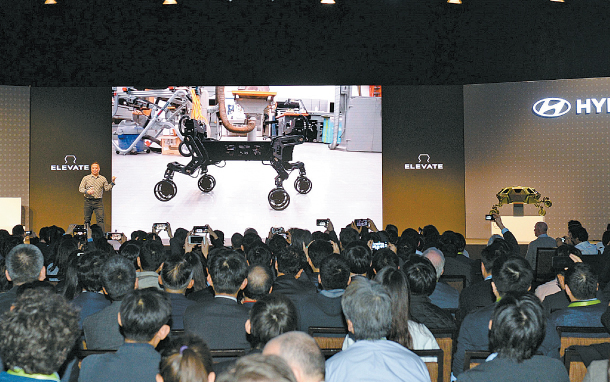
    At the CES, the company also introduced a vehicle in which the wheels are attached to robotic legs with a wide range of motion. Hyundai’s concept of a truly connected car is a car smarter than a computer that can share information not only with other vehicles on the road but also with homes, surrounding infrastructure and cities.

    Using connectivity, the cars can offer real-time traffic and parking lot information to drivers and also alert drivers remotely of theft. Remote adjustments of in-car settings, such as temperature, will also be possible.

    While Hyundai is already offering early versions of its connected cars in Korea, the United States, China, Canada and Europe, the automaker said it will establish additional big-data centers to offer similar services in countries like India, Brazil and Russia.

    To offer better connectivity worldwide, the carmaker is currently developing an operating system, a cloud platform and network technology for connected cars. The company also announced a plan to introduce an open platform on which third parties can develop new technologies using big data shared by Hyundai.

    Hyundai is not the only carmaker that came to CES with grand ambitions to take leadership in the connected car business.

    BMW will introduce the BMW Intelligent Personal Assistant, which can interact with drivers and allow for video meetings, shopping and other digital services inside cars. Audi is introducing a virtual-reality entertainment service for passengers in back seats. VR games or travel content will match the actual movements of the car. In the long run, the carmaker said the videos will reflect real-time traffic conditions so that if a car stops due to red light, the video will show an obstacle.

    Other participants, including Mercedes-Benz, Nissan, Bosch and Continental, all shared their focus on connectivity.

    “In the future, cars will be categorized as cars with hyper-connectivity and those without,” Suh of Hyundai Motor Group added.

    Apart from connectivity, Hyundai said it will develop personalized electric vehicles for everyone by giving customers the freedom to select software and hardware for their vehicles.

    To bolster open innovation, the carmaker has been setting up global open innovation centers to collaborate with foreign start-ups. Already there are three centers, established in Korea, the United States and Israel. Two more centers are set to be established, in Berlin, Germany and Beijing, China this year.

    Hyundai Motor and its innovation center in Silicon Valley, the Hyundai Cradle, introduced the “Elevate” concept vehicle at this year’s CES. It has four robotic legs specifically designed for rescue in challenging environments.

    U.S. design-consulting firm Sundberg-Ferar was involved in the development of Elevate, which Hyundai calls the ultimate mobility vehicle. It can swiftly move around places inaccessible to existing rescue transport.

    Hyundai said the Elevate’s body can be switched depending on the mission and that the robotic-leg architecture has five degrees of freedom. The company added that the vehicles can also aid people with physical impairments.

  • Hyundai Motor starts its monthly car subscriptions

    Hyundai Motor starts its monthly car subscriptions

    Hyundai Motor on Monday introduced a car-subscription program with a monthly fee of 720,000 won ($646).  Under the program, dubbed Hyundai Selection, three models are available for users and subscribers can change models on a limited basis. The vehicles currently being offered are the Sonata sedan, the Tucson SUV and the Veloster hatchback.

    Users can use the Hyundai Selection app to apply and pay for the service. Cars will be delivered. The company is testing the subscription service business model as car sharing and rental are popular with younger customers who tend to avoid ownership and embrace more transactional business relationships.

    Hyundai said it is running the program on a 10-month pilot basis this year. As the program is still in test mode, only 50 drivers will be able to enroll. Car delivery will be limited to Seoul.

    The service was launched in collaboration with domestic rental-car companies and Deal Car, a Hyundai Capital enterprise.

    A Hyundai spokesperson said the subscription program greatly reduces the burden of car maintenance

  • Hyundai sales ups a bit in December

    Hyundai sales ups a bit in December

    Hyundai Motor, Korea’s largest carmaker by sales, said Wednesday its December sales rose 0.4 percent from a year earlier on weak overseas demand. Hyundai sold 410,326 vehicles last month, up from 408,637 units a year earlier, the company said in a statement. Domestic sales jumped 22 percent to 64,835 units last month from 53,361 a year ago. Overseas sales fell 2.8 percent to 345,491 from 355,276 during the same period, the carmaker said.

    The slowing global economy and lower vehicle demand from China and the United States, the world’s two biggest auto markets, restricted monthly sales results, it said.

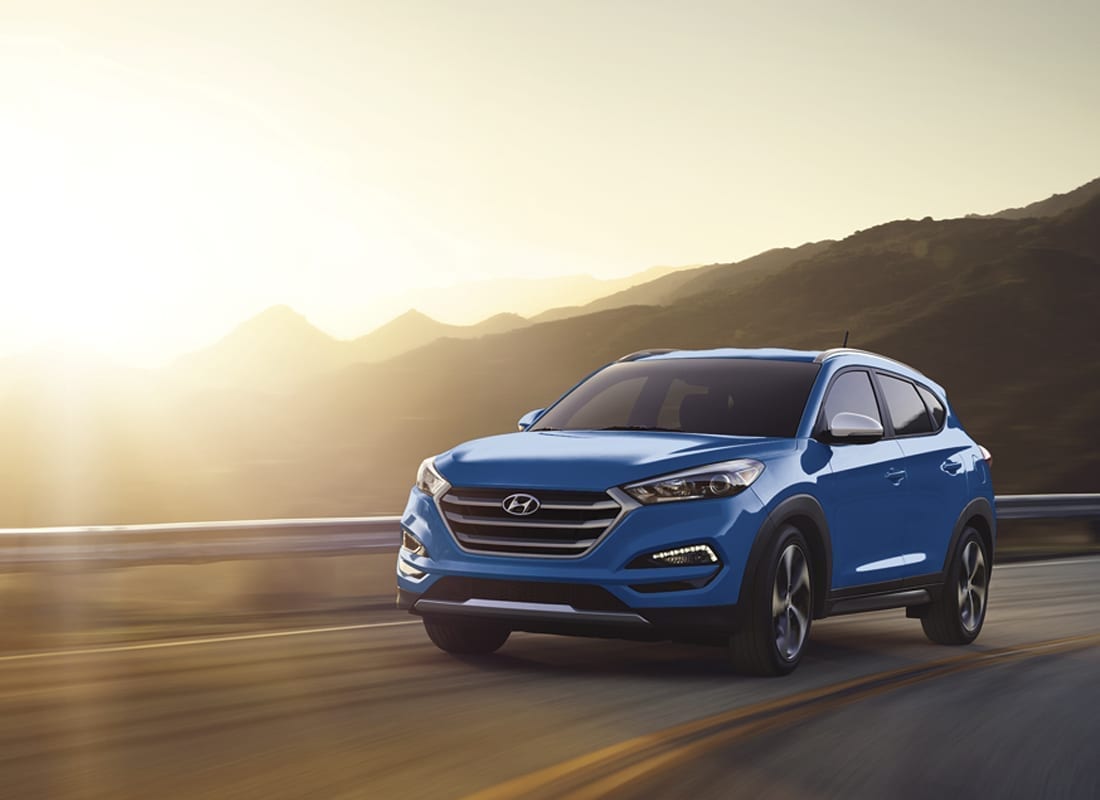
    To boost sales, Hyundai launched the all-new Santa Fe SUV and the face-lifted Tucson SUV in the United States and other markets last year. But the SUV models did not greatly boost overall demand for the carmaker.

    For all of 2018, sales gained 1.8 percent to 4.59 million autos from 4.51 million units a year earlier.

    Kia Motors said its December sales rose 6.3 percent from a year earlier on improved overseas demand for its vehicles.

    Kia sold a total of 241,199 vehicles in December, up from 226,875 units a year ago. Domestic sales fell 13 percent to 42,200 from 46,502 during the same period, while overseas sales rose 10 percent to 198,999 from 180,373, the company said in a statement.

    For all of 2018, sales gained 2.4 percent to 2.81 million units from 2.75 million in the year-ago period, it said.

    GM Korea, the Korean unit of General Motors, said its December sales fell 6.7 percent from a year earlier due to weak demand for its models.

    GM Korea sold 42,424 vehicles in December, down from 45,466 units a year earlier, the company said in a statement.

    Domestic sales declined 12 percent to 10,428 units last month from 11,852 a year ago. Exports were down 4.8 percent to 31,996 from 33,614 during the same period, it said.

    For all of 2018, sales dropped 12 percent to 462,871 autos from 524,547 a year earlier, the statement said.

    To revive sales, the carmaker plans to introduce 15 vehicles into the local market over the next five years. It launched the U.S.-made Equinox SUV and the upgraded Chevy Spark minicar last year.

    The Traverse SUV will be the next model to be added to its lineup.

    Renault Samsung Motors’ December sales plunged 30 percent from a year earlier on weaker overseas demand for its vehicles.

    Renault Samsung sold 18,462 vehicles in December, down from 26,515 units the previous year, the company said in a statement.

    Domestic sales rose 8.6 percent to 10,805 units last month from 9,953 units a year ago. But exports nosedived 54 percent to 7,657 autos from 16,562 during the same period last year, the statement said.

    For the whole of 2018, sales dropped 18 percent on year to 227,577 from 276,808, it said.

    The company’s current lineup includes the SM3 compact, the all-electric SM3 Z.E. sedan, the QM3 small SUV, and the SM5, SM6 and SM7 sedans.

    France’s Renault S.A. has an 80 percent stake in Renault Samsung

    SsangYong Motor sales fell 0.2 percent last month from a year earlier on weak exports.

    SsangYong Motor sold 14,177 vehicles in December, down from 14,208 units a year earlier, due to weak overseas demand for its vehicles, the company said in a statement.

    Domestic sales edged up 0.1 percent to 10,656 units in December from 10,647 a year earlier. But exports backtracked 1.1 percent to 3,521 units from 3,561 during the same period, it said.

    For the whole of 2018, the maker of the flagship G4 Rexton and compact Tivoli SUVs sold a combined 141,995 vehicles, down 1.2 percent from 143,685 a year earlier, the company said.

    Indian carmaker Mahindra & Mahindra owns a 72.85 percent stake in SsangYong Motor.
  • SUVs are selling more in Korea

    SUVs are selling more in Korea

    Korea’s domestic car market moved in two different directions this year. The rising popularity of large sedans and sport utility vehicles (SUVs) stood in sharp contrast to weaker demand for smaller vehicles, industry data showed Sunday. In the January-November period, Hyundai Motor, Kia Motors, GM Korea, Renault Samsung Motors and SsangYong Motor sold a combined 698,326 units, up 0.3 percent from 696,403 cars sold a year earlier, the data showed.

    Demand for medium SUVs, such as Hyundai’s all new Santa Fe, reached 207,269 units, up a sharp 29.5 percent from the same 11 months in 2017.

    The total so far is expected to push medium-sized SUVs to become the country’s top-selling vehicle type on an annual basis in 2018. This will mark the first time such crossovers have taken the top spot in Asia’s fourth-largest economy, where car buyers generally tended to favor mid- to large-size sedans.

    In regard to larger crossovers, the popularity of SsangYong’s G4 Rexton caused sales of such cars to jump 12.9 percent on year to 46,734 units, further pushing up overall SUV numbers.

    Industry watchers said the release of Hyundai’s three-row Palisade and a longer version of SsangYong’s G4 will further fuel sales going into 2019, with numbers likely to get a further boost once Kia releases its own large SUV that is expected to get the Telluride name.

    Besides SUVs, sales of large sedans, centered on Kia’s K9 luxury sedan, caused total numbers to rise a respectable 5.7 percent to 52,945 units up till November despite drop in demand for Hyundai’s luxury Genesis EQ900 falling off compared to the year before.

    On the other hand, sales of midsize and smaller vehicles dipped 0.9 percent on year to 481,542 units, with demand for small city cars dropping 7.5 percent to 115,647 units.

    “Vehicles like the Sante Fe clearly bolstered demand this year, with this trend likely to continue with the release of the Palisade and new versions of the G90 and G80 to further contribute to sales growth for bigger cars going into 2019,” an industry source said.

  • Korea’s car take top safety awards

    Korea’s car take top safety awards

    Vehicles from Hyundai Motor and Kia Motors were awarded three top safety prizes in the Ministry of Land, Infrastructure and Transport’s 2018 Korean New Car Assessment Program (Kncap) on Wednesday in a ceremony held at the InterContinental Seoul Coex in southern Seoul.

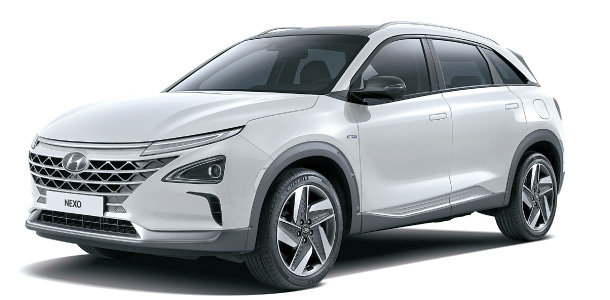
    Hyundai Motor’s hydrogen-powered sport-utility vehicle (SUV) Nexo, mid-sized sedan Genesis G70 and Kia Motors’ large-sized sedan, the K9, were awarded top Kncap prizes in their size segments.

    Vehicles were tested in three key areas – collision, pedestrian and accident prevention safety. The program assessed 11 vehicles this year, including four imported models.

    Hyundai’s eco-friendly vehicle, the Nexo, received perfect scores in front and side collision safety, pedestrian leg protection and advanced driver assistance system to not only win the top safety prize in its segment but also to win two other special awards: the top safety eco-friendly vehicle award and the top children’s safety award.

    Hyundai Motor said that the automaker conducted a variety of tests on the hydrogen-powered Nexo to ensure the safety of its high-pressure hydrogen tank such as shooting it with a bullet along with other fire-safety tests.

    Kia Motors’ flagship large-sized sedan, the K9, also scored top marks to receive a special award in top accident prevention on top of its top award for segment size.

    Meanwhile, the Genesis G70, awarded the top prize in the mid-sized sedan segment, ensures pedestrian safety with an active hood system that automatically lifts the hood of the vehicle if it collides with a pedestrian.

  • Hyundai forms joint venture for Algerian assembly plant

    Hyundai forms joint venture for Algerian assembly plant

    Hyundai Motor and Algerian car maker Global Group signed a deal on Monday to establish a joint venture to produce commercial cars in Algeria. The joint venture will operate a factory that assembles knock down kits in Batna, Algeria. The assembly facility is scheduled to start operations in 2020.

    In the early stage, the factory will assemble 6,500 cars a year and gradually increase production. Medium and large trucks like the Mighty and Xcient, as well as the Hyundai County bus, will be assembled at the facility.

    According to the Korean automaker, the commercial vehicle market in Algeria has been expanding. Last year demand for commercial cars in the country was around 8,000 units, but that has increased to 12,000 units this year. By 2025, the automaker projects demand will reach 22,000.