Retail News CRM

Tag: imports

  • Surge in Durian Imports: Chinas Growing Craving Boosts Trade for Thailand and Malaysia

    Surge in Durian Imports: Chinas Growing Craving Boosts Trade for Thailand and Malaysia

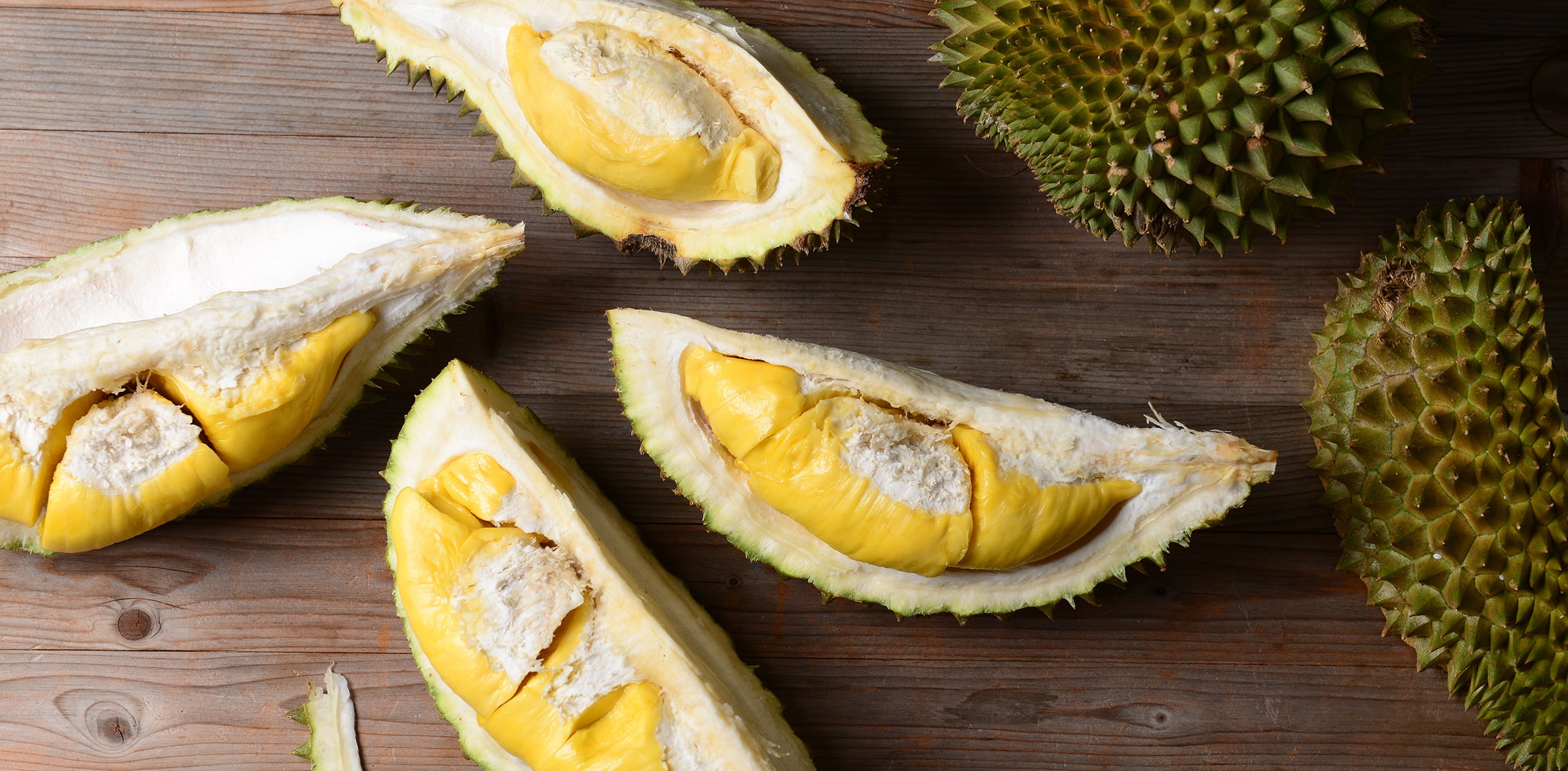
    In the first half of 2026, China’s durian imports saw a significant increase of 47% compared to the previous year. This was largely due to surplus stock from Southeast Asian exporters, such as Thailand and Malaysia, following a decrease in durian prices. According to Chinese customs data, Thailand exported roughly US$3.79 billion worth of durians to China within this period, dominating 81% of the market share.

    The Durian Market

    Vietnam came in second in the durian export market throughout the first half of 2026, with exports reaching an estimated value of $846 million. This makes up 18% of the total durian imports into China. Despite this, Thailand’s durians remain a favorite among Chinese consumers, thanks to a robust logistics and quality-control system that effectively enhances the fruit’s reputation.

    Vietnam has also increased its durian exports to China since it received the green light to export fresh durians in 2022. However, some challenges were faced concerning quality control. Malaysia, a newcomer to China’s fresh durian market, exported roughly $30.26 million worth of the fruit within the first half of 2026, marking a whopping 342% increase compared to the same period the previous year.

    The Changing Durian Landscape

    In total, the volume of durian imports from all countries reached 1.07 million tonnes in the first half of 2026, increasing from 708,000 tonnes in the same period a year earlier. Factors such as improved services on the China-Laos Railway and the growth of Chinese e-commerce platforms have significantly boosted Southeast Asian durian exports to China, which is the world’s largest market and accounts for 90% of global durian consumption.

    Currently, durian producers like Malaysia, Thailand, and Vietnam are experiencing an oversupply due to the peak durian harvest season. This is a result of orchards reaching full production capacity and an output growth that surpasses demand.

    Despite the strong long-term demand from China, an imbalance has been noted where production has not expanded at the same pace as demand. This has resulted in a fall in durian prices during peak season. Officials in Malaysia are seeking permission from China’s General Administration of Customs to open a land-based shipping route in response to the oversupply.

    There has been a notable drop in durian prices in China, between 14% and 20%, due to factors such as increased supply from different origins, high inventories, and cautious consumer spending.

    Questions & Answers

    What caused the significant increase in China’s durian imports?
    There was a surplus of durians from Southeast Asian exporters due to a decrease in prices, leading to an increased supply to China.

    Which country is the largest exporter of durians to China?
    Thailand is the leading exporter, supplying approximately 81% of China’s durian imports in the first half of 2026.

    Why are durian prices falling in China?
    The decrease in durian prices in China can be attributed to increased supply from different countries, high inventories, and more conservative consumer spending.


  • Vietnam’s Auto Market Zooms Ahead: 15% Hike in Sales with Hybrids and Imports in the Lead

    Vietnam’s Auto Market Zooms Ahead: 15% Hike in Sales with Hybrids and Imports in the Lead

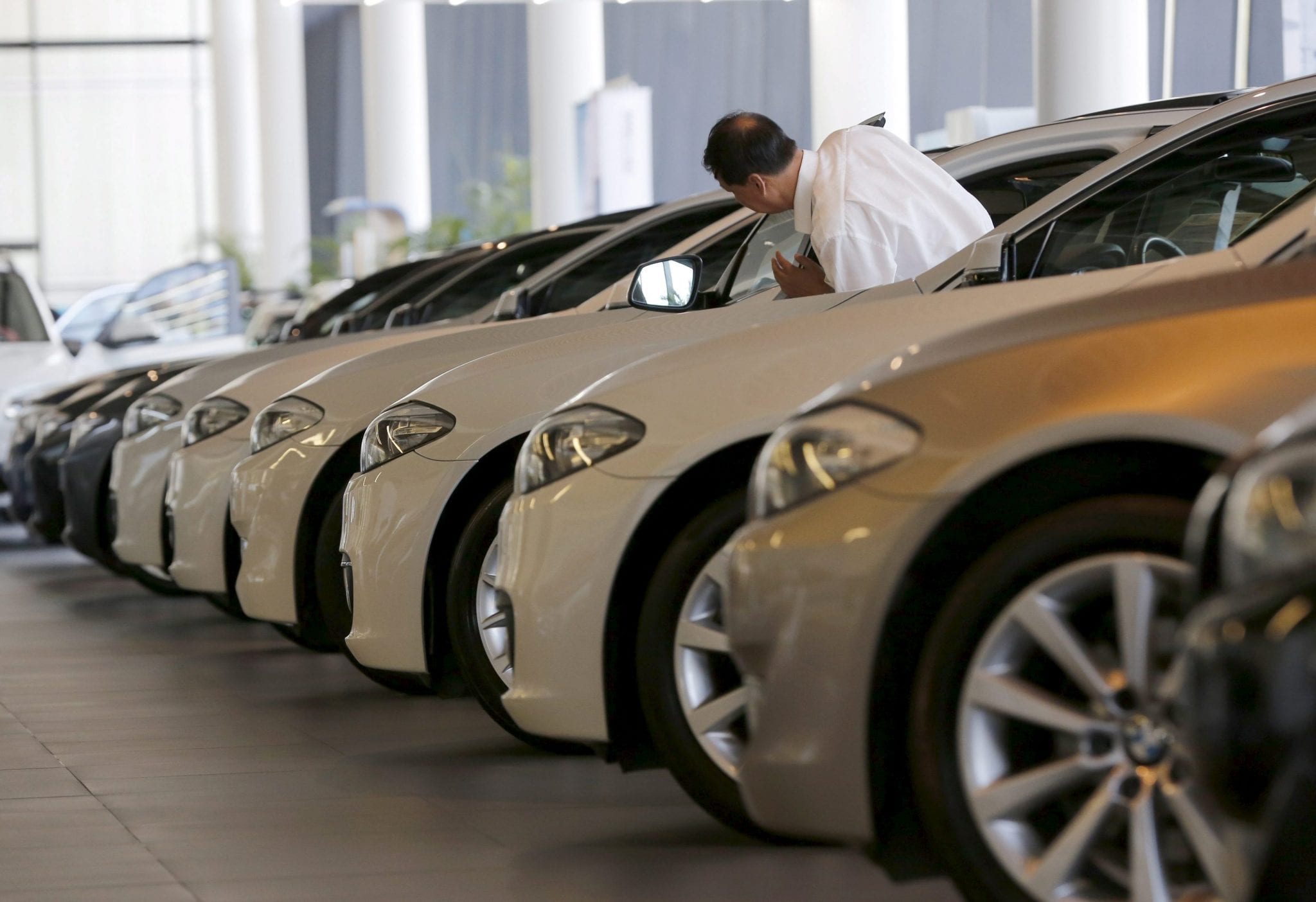
    The Vietnamese auto market has witnessed a significant growth of 15% in sales during the first half of 2026, as compared to the same period last year. A substantial portion of this growth can be attributed to the robust sales of imported and hybrid vehicles. Cumulative sales during this period amounted to 149,761 vehicles, which presents an increase of 4% from the previous month with total sales reaching 31,104 vehicles, as per a report by the Vietnam Automobile Manufacturers’ Association (VAMA).

    The Uneven Recovery of the Auto Market

    Despite the substantial growth, the auto market recovery in Vietnam appears to be inconsistent. When compared to June 2025, the sales for June 2026 reflect a decrease of approximately 2.7%. The first half of the year marked the sales of over 100,000 passenger cars, around 38,000 commercial vehicles, and nearly 10,865 hybrid vehicles, which witnessed a remarkable growth of 83% year-on-year.

    The surge in the sales of hybrid vehicles suggests a growing preference for fuel-efficient and environmentally friendly vehicles. VAMA reported the sale of 2,347 hybrid vehicles in June alone, marking an increase of 41% from the previous month and nearly double the sales in June 2025, making hybrid vehicles the most rapidly growing sector in the auto market.

    Competitive Landscape and Market Growth Prospects

    Among the brands under VAMA, Toyota secured the leading position with the sale of 6,494 vehicles in June, accounting for nearly 27% of the total sales. They were followed by Mitsubishi with 3,158 units sold, and then Ford with 2,741 units. Kia and Mazda, both distributed by THACO, sold 2,675 and 2,361 vehicles respectively, making it to the top five best-selling brands of June.

    The competition has been intensifying in the market, as reflected by the narrowing gap in sales among the leading brands. It spans across various segments including B-segment sedans, urban SUVs, MPVs, and pickup trucks.

    Industry experts anticipate that the positive performance in the first half of 2026 will lay a strong foundation for greater growth in the second half. Several automakers are planning to introduce new models, expand their hybrid and electric vehicle lineups, and implement promotional programs to boost demand.

    Given the competitive auto loan interest rates, stable supply of vehicles, and a diverse product range, Vietnam’s automotive market is likely to sustain its growth momentum for the rest of 2026. SUVs, MPVs, and hybrid vehicles are expected to continue to drive overall market sales.

    Questions & Answers

    What is the growth rate of sales in the Vietnamese auto market in the first half of 2026?
    The Vietnamese auto market recorded a growth rate of 15% in sales in the first half of 2026.

    Which are the top-performing vehicle brands in June 2026?
    Toyota, Mitsubishi, Ford, Kia, and Mazda were the top-performing vehicle brands in June 2026.

    What type of vehicles are expected to drive overall market sales for the rest of 2026?
    SUVs, MPVs, and hybrid vehicles are expected to be the key drivers of overall market sales for the rest of 2026.

  • Vietnam’s Sparkling Affair: $121.5M Diamond Imports in H1 2026, India Emerges as Top Supplier

    Vietnam’s Sparkling Affair: $121.5M Diamond Imports in H1 2026, India Emerges as Top Supplier

    In the first half of 2026, Vietnam saw diamond imports totalling an estimated US$121.5 million. Of this figure, India emerged as the main supplier, accounting for approximately 52% of the total imports, around $63.2 million. This figure is a significant increase compared to the previous year, where diamond imports from India totalled $107.6 million over the year.

    Other Notable Diamond Suppliers

    Belgium, another key player in the diamond market, came in second as a supplier. The country’s diamond exports to Vietnam amounted to $17.9 million, a decrease from the previous year’s total export value of $51.7 million. Israel followed closely as the third largest supplier with $9 million worth of diamond imports. Botswana and Thailand completed the list of top five suppliers, with imports valued at $7.7 million and $5.1 million, respectively.

    Other noteworthy suppliers to Vietnam included the U.S., contributing $3.6 million worth of diamonds, Hong Kong at $2.8 million, Japan at $2.7 million, and finally China at $2.2 million.

    Under current regulations, the Department of Customs stated that rough diamonds can only be imported from markets that participate in the Kimberley Process Certification Scheme (KPCS). The accompanying shipment must have a valid KPCS certificate issued by the appropriate authority of the exporting market, and it must comply with all customs documentation and clearance procedures.

    Customs authorities bear the responsibility of examining documentation, inspecting consignments, issuing certificates for imported rough diamond, and managing imports in line with the law. Customs clearance is executed based on import declarations, KPCS certificates, and other relevant documents submitted by importers.

    Recent Diamond Smuggling Incident

    These import figures have come under public scrutiny following the recent crackdown on a significant cross-border diamond smuggling operation. This operation, dismantled by police in the central province of Thanh Hoa, led to charges against 22 suspects and the seizure of 1,100 diamonds. According to police reports, the network had conducted 141 smuggling operations since 2024, trafficking more than 28,000 diamonds from Hong Kong into Vietnam. The estimated turnover of this operation was VND280 billion (roughly US$10.6 million).

    Questions & Answers

    Who is Vietnam’s largest diamond supplier in the first half of 2026?
    India was Vietnam’s largest diamond supplier in the first half of 2026, accounting for 52% of total imports.

    What is the Kimberley Process Certification Scheme (KPCS)?
    The KPCS is a scheme that regulates the trade of rough diamonds, ensuring the diamonds are legally mined and sold, to prevent the sale of conflict diamonds.

    What were the details of the recent diamond smuggling incident in Vietnam?
    A major cross-border diamond smuggling operation was recently dismantled by police in the central province of Thanh Hoa. The operation had trafficked more than 28,000 diamonds from Hong Kong into Vietnam since 2024, netting an estimated turnover of VND280 billion (roughly US$10.6 million).

  • EU Imposes New €3 Duty on Chinese E-commerce Imports, Shaking up Online Retail Giants

    EU Imposes New €3 Duty on Chinese E-commerce Imports, Shaking up Online Retail Giants

    As part of its agenda to curb perceived unfair competition from online retailers like Shein, Temu, and AliExpress, Europe has initiated a €3 charge on low-value e-commerce imports from China that were previously duty-free. This move constitutes a significant challenge for platforms which leveraged customs exemptions in order to offer goods at extremely competitive rates, driving fast-paced growth. The new charges, effective since Wednesday, apply to each customs classification within a shipment. For instance, the total fee for a shipment with three different item categories would be €9, while a single-category shipment, such as multiple dresses or toys, will cost €3.

    Duty Exemptions and e-Commerce

    Duty exemptions for low-value imports have been a norm for many years, with the current threshold of €150 introduced in 2008. However, the surge in the number of e-commerce parcels entering the European Union under exemption rules has led to a rethink. The number of such parcels increased from 1.4 billion in 2022 to 5.8 billion by 2025. Dirk Gotink, an EU lawmaker spearheading customs reform in the European Parliament, argued that these exemptions were manipulated on an industrial scale to secure a competitive edge at the expense of EU businesses. He stated that the old trading world, which justified these exemptions, has been upended by the rise of e-commerce, particularly from China.

    Impact on Air Cargo and Consumer Prices

    In the aftermath of this decision, experts predict that e-commerce air cargo volumes to the EU could decrease by 10% to 35%. This could have wider repercussions on global air cargo volumes. Online platforms may also pressurize suppliers to offset some of the additional costs to avoid significant price hikes for consumers and maintain profitability.

    The €3 charge is a temporary measure, slated to be replaced by category-specific duties from July 1, 2028, in accordance with the new EU Customs Authority’s operational timeline. Consumer prices are likely to increase as platforms pass on some of the additional costs to buyers. Amazon, after its rival platforms Temu and Shein’s rapid growth, has argued that 97% of its EU shipments last year were delivered from warehouses within the bloc.

    Questions & Answers

    What is the new charge imposed by Europe on low-value e-commerce imports from China?
    A €3 fee has been imposed on each customs classification within a shipment of low-value e-commerce imports from China.

    What was the reason behind the implementation of this new charge?
    The charge is designed to curb what Europe perceives as unfair competition from online retailers who leveraged customs exemptions to offer goods at extremely low prices.

    How might this charge impact consumers?
    With the imposition of this charge, consumer prices are likely to increase as platforms pass on some or all of the additional costs to buyers.

  • Malaysia Rattles Bullion Trade with 10% Duty on Gold Bar Imports

    Malaysia Rattles Bullion Trade with 10% Duty on Gold Bar Imports

    In the latest regulatory development, Malaysia has imposed a 10% import duty on certain inbound shipments of gold bars. This unexpected decision has jolted the nation’s gold trade, with effects felt since early May, as per anonymous reports from traders and dealers. Consequently, some shipments have been detained at customs or rerouted due to the absence of a corresponding rise in local gold prices, which rendered the imports unprofitable.

    The Impact on Customers

    Bank Muamalat Malaysia, a local Islamic bank offering gold investment products, has stated that the imposition of a 10% import tax on bullion will inevitably be transferred to customers. This could lead to a considerable price hike for investors. For instance, purchasing a one-kilogram bar via a Malaysian bank after June 8 could cost approximately MYR45,000 (US$11,300) more than it would have a week before.

    A representative from the Royal Malaysian Customs Department has noted that the Ministry of Finance plans to discuss the issue of “minted gold products” imports with industry leaders.

    Increasing Interest in Gold

    The value of gold surged to a record high earlier this year, stoking investor interest in the precious metal, including in Asia. In response to this trend, several Malaysian banks have debuted gold investment products over the past year. Furthermore, bullion logistics firm, Loomis AB, has established a vault near the nation’s capital to cater to the growing demand.

    According to the country’s Department of Statistics, Malaysia imported around US$2.5 billion worth of non-monetary gold up until April this year.

    This move by the Malaysian government mirrors a similar abrupt shift in import policies in India, the world’s second-largest gold and silver market. This change has yielded a domino effect across its metals and currency markets.

    Questions & Answers

    How has Malaysia’s imposition of a 10% import duty on gold bars affected the bullion trade?
    This move has disrupted the bullion trade, with some shipments being held at customs or diverted due to the increased cost, which, without a corresponding rise in local gold prices, made the imports unprofitable.

    What is the likely impact of this decision on customers?
    Bank Muamalat Malaysia has indicated that the imposition of this import tax will eventually be passed on to the customers, leading to increased prices for investors.

    Has there been a change in the demand for gold?
    Yes, there has been a growing interest in gold, spurred by its record high value earlier this year. In response, several Malaysian banks have launched gold investment products, and bullion logistics company, Loomis AB, has opened a vault near the country’s capital.

  • Vietnam Soars to 2nd Place in European Poultry Imports: A Boom in Southeast Asia’s Poultry Market

    Vietnam Soars to 2nd Place in European Poultry Imports: A Boom in Southeast Asia’s Poultry Market

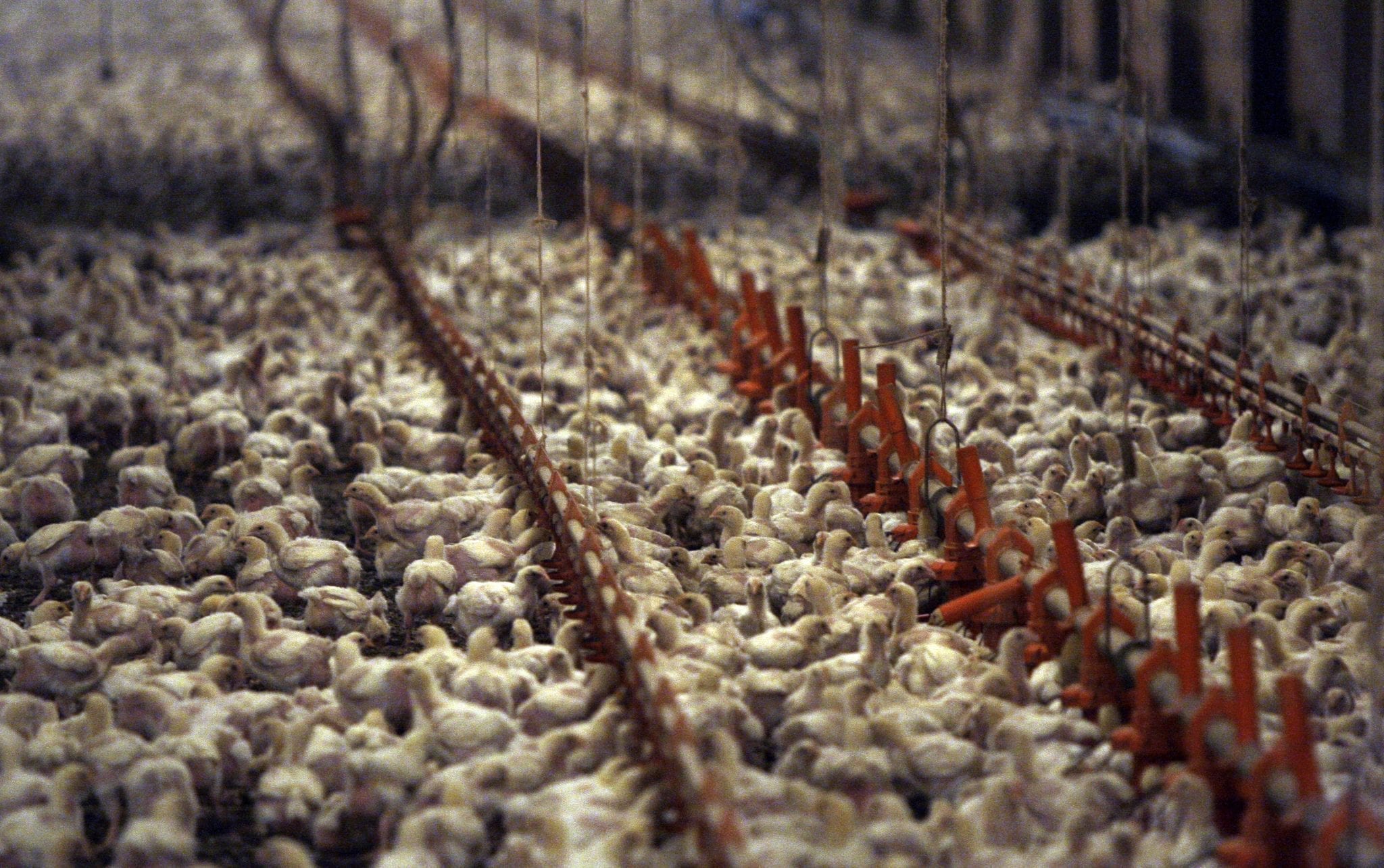
    In 2025, Vietnam witnessed an impressive import of over 56,500 tonnes of poultry from Europe, securing the country’s position as the second-largest consumer in Southeast Asia, with the Philippines leading the pack. This considerable import included various products like duck, chicken, and goose from the European Union (E.U.). These figures, released by the European Commission, show the steadily increasing demand for imported poultry products in the country. By January 2026, Vietnam had clinched the top spot as the largest importer of European poultry in the region, with purchases amounting to over 5,300 tonnes.

    Major European Suppliers

    Poland was the key European country supplying poultry to Vietnam, exporting over 37,300 tonnes in the previous year. France trailed behind with about 4,900 tonnes. Other significant contributors were Hungary, Italy, and the Netherlands, with respective exports of 4,680 tonnes, 2,750 tonnes, and 2,170 tonnes.

    According to Dariusz Goszczynski, a representative of the European poultry sector and President of the National Poultry Council under the Polish Chamber of Commerce, Vietnam is a priority market in the region for the E.U.’s poultry industry. This was highlighted during a promotional event in Ho Chi Minh City, under the campaign “European Poultry – From Farm to Fork.”

    Recovery from Pandemic-induced Disruptions

    Poultry importation in Vietnam experienced a downturn during 2021 to 2022 due to the disruptive effects of the Covid-19 pandemic, averaging around 30,000 tonnes per year. However, the volumes have bounced back almost twofold since 2023 as consumption regained momentum.

    Piotr Harasimowicz, the head of the Polish Investment and Trade Agency (PAIH) office in Vietnam, attributed the upswing in imports to the growing consumer trust in European poultry products, renowned for their strict safety and quality standards.

    Future Projections

    Industry professionals expect the demand to continue on an upward trajectory. The annual exports of Polish poultry to Vietnam alone are projected to hit an estimated 45,000 tonnes in the upcoming years.

    According to Agro Monitor, a market data provider, chicken accounted for 33% of Vietnam’s total meat consumption in 2024, a rise from 29% in 2022. This hints at a shift in dietary preferences towards poultry. The average egg consumption per person per year was about 198 eggs, still trailing behind the global average of 250–300 eggs, signifying further potential for market expansion.

    In line with income growth and urbanization, Vietnam’s evolving food consumption patterns are expected to support both domestic livestock development and the continued growth in poultry imports.

    Questions & Answers

    What is the status of Vietnam’s poultry imports from Europe?
    In 2025, Vietnam imported over 56,500 tonnes of poultry from Europe, becoming the second-largest consumer in Southeast Asia.

    Who are the major European suppliers of poultry to Vietnam?
    Poland, France, Hungary, Italy, and the Netherlands are the major European suppliers of poultry to Vietnam.

    What are the future projections for Vietnam’s poultry market?
    The demand for poultry in Vietnam is expected to continue expanding, with annual exports of Polish poultry alone projected to reach about 45,000 tonnes in the coming years. The country’s shifting food consumption patterns, due to factors such as income growth and urbanization, suggest further potential for market growth.

  • US Fruits and Veggies Flood Vietnam Market: Imports Soar by 67%

    US Fruits and Veggies Flood Vietnam Market: Imports Soar by 67%

    Imports of U.S. fruits and vegetables to Vietnam have surged, showing a nearly 67% increase to US$900 million in 2025. This figure represents a tenfold increase from a decade ago and showcases the robust demand for U.S. produce in Vietnam. Among the top imports are cherries, apples, grapes, and oranges, as reported by Vietnam Customs.

    Disparity in Trade

    Despite the significant increase in imports from the U.S., Vietnamese exports to the U.S. have not shown the same growth. In 2025, the value of Vietnam’s fruit and vegetable exports to the U.S. was $546 million, a mere 1.49% share in a market dominated by suppliers from Mexico, Canada, and South American countries.

    Dang Phuc Nguyen, general secretary of the Vietnam Fruit and Vegetable Association, acknowledged the challenges of the U.S. market, noting its stringent technical standards and the geographical distance between the U.S. and Vietnam.

    Vietnam’s Position in the U.S. Market

    Vietnam currently ranks as the 13th largest fruit and vegetable supplier to the U.S., a position achieved through the concerted efforts of local businesses. There is potential for further growth in the U.S. market with the expanding list of fresh fruits allowed for export, including pomelo, mango, dragon fruit, longan, lychee, star apple, rambutan, and, most recently, coconut.

    Consumer trends in the U.S. are shifting towards exotic fruits, health-oriented products, and more processed items like frozen fruit, dried fruits, and juices. Vietnamese products like coconut, durian, and pomelo are becoming increasingly sought after in the U.S.

    Challenges to Exports

    Despite the potential for growth, Vietnamese exports face several hurdles. Starting from this month, the U.S. has tightened regulations on traceability and food safety, with a specific focus on pesticide residues. Inconsistent Vietnamese oversight of planting area codes and packaging facilities may lead to warnings or even temporary import suspensions by the U.S.

    The long distance between the two countries also incurs high logistics costs, making it challenging for Vietnamese fruits and vegetables to compete with suppliers closer to the U.S., such as those in Mexico, Peru, or Thailand.

    Changes in U.S. policies under the Trump administration have introduced unpredictability to trade defense measures designed to safeguard domestic agriculture. At the same time, green production, carbon emission, and social responsibility requirements in supply chains are gradually becoming mandatory, adding further pressure on exporters.

    Questions & Answers

    What are the top U.S. fruits imported by Vietnam?
    The top fruits imported by Vietnam from the U.S. are cherries, apples, grapes, and oranges.

    What are some of the challenges facing Vietnamese exports to the U.S.?
    Challenges include tightened U.S. regulations on traceability and food safety, high logistics costs due to geographical distance, and the increasing mandatory requirements related to green production, carbon emission, and social responsibility in supply chains.

    What potential does Vietnam have for growth in the U.S. market?
    There is significant potential for growth, especially as the list of fresh fruits permitted for export to the U.S. continues to expand. Moreover, with U.S. consumer trends shifting towards exotic fruits and health-oriented products, Vietnamese products like coconut, durian, and pomelo are gaining popularity.

  • Vietnam’s Soybean Imports From U.s. Surge Amid Aquaculture Sector Growth

    Vietnam’s Soybean Imports From U.s. Surge Amid Aquaculture Sector Growth

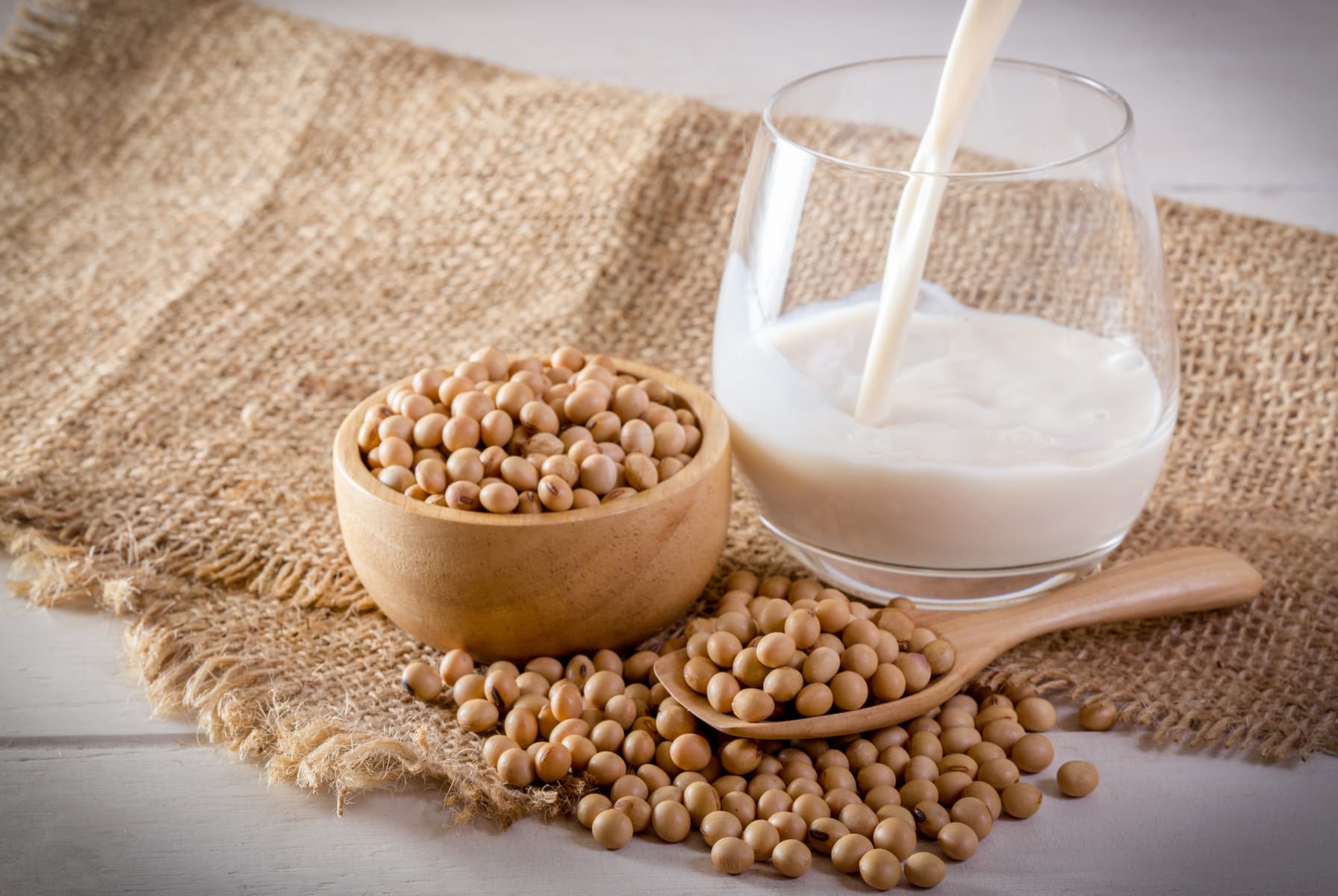
    In the first three quarters of 2025, Vietnam saw a 9% year-on-year increase in its imports of U.S. soybeans, reaching a total value of $300 million. This surge has been attributed to ongoing efforts to incorporate these soybeans into the country’s aquaculture sector.

    U.S. Soybean Imports Rise

    Customs data indicates that the U.S. supplied 670,000 tons of soybeans to Vietnam, marking an almost 30% increase compared to the previous year. These imports accounted for roughly 33-34% of Vietnam’s total soybean imports, which is a slight increase from the previous year.

    Vietnam’s Growing Soybean Market

    According to the U.S. Soybean Export Council, Vietnam ranks as the third largest buyer of U.S. soybeans within Southeast Asia and maintains a strong position in the global market. The country’s rapidly evolving food and animal feed sectors, combined with an increasing consumer preference for plant-based products, are expected to stimulate further demand for soybeans.

    To further bolster the use of U.S. soybeans in Vietnamese aquafeed, the U.S. Soybean Export Council recently entered into a three-year memorandum of cooperation with the Vietnam Fisheries Association.

    Vietnam’s Aquaculture Industry

    Vietnam is among the top five global fisheries producers, with its aquaculture sector contributing 4-5% to the country’s GDP. In June, Do Duc Duy, the Minister of Agriculture and Environment, led a delegation of nearly 50 agricultural businesses and associations on a trip to the U.S. to participate in business dialogues aimed at fostering balanced and sustainable trade. During the visit, approximately 20 memorandums of understanding were signed, amounting to $3 billion in agricultural trade, including soybeans.

    Questions & Answers

    What accounted for the rise in Vietnam’s imports of U.S. soybeans?
    This increase is largely attributed to efforts to incorporate more U.S. soybeans into Vietnam’s aquaculture sector.

    What position does Vietnam hold in the global soybeans market?
    Vietnam is the third largest buyer of U.S. soybeans in Southeast Asia and is considered one of the most robust markets for soybeans globally.

    What measures have been taken to promote the use of U.S. soybeans in Vietnam?
    Recently, the U.S. Soybean Export Council and the Vietnam Fisheries Association entered into a three-year memorandum of cooperation to promote the use of U.S. soybeans in Vietnamese aquafeed.

  • JD Super Boosts Meat Imports with Dynamic New Global Partnerships

    JD Super Boosts Meat Imports with Dynamic New Global Partnerships

    Bringing Premier International Meat Brands to Chinese Consumers

    JD Super, the supermarket arm of JD.com, is stepping up its game by forming strategic alliances with Argentina’s Beef Promotion Institute (IPCVA) and the influential frozen meat importer, Linking Fresh. This initiative aims to broaden the supply of high-quality imported meat throughout China.

    The partnership with IPCVA will enhance the distribution of Argentine grass-fed beef on JD’s platform, capitalizing on its expansive logistics network and a loyal customer base of over 600 million.

    In addition, JD Super’s collaboration with Linking Fresh, which boasts ties to over 300 global meat suppliers and annual imports surpassing RMB15 billion, will usher in a selection of notable international brands, including Brazil’s BRF and Marfrig, Australia’s Kilcoy, Argentina’s Arre Beef, and Chile’s Agrosuper.

    To raise awareness and stimulate sales, JD Super and Linking Fresh will launch vibrant marketing campaigns, featuring special events like “Argentine Beef Week.” After all, who could resist a week dedicated to delectable beef?

    Questions & Answers

    What is JD Super’s recent initiative focused on?
    JD Super’s initiative is aimed at expanding the supply of high-quality imported meat into China through partnerships with the Argentine Beef Promotion Institute and Linking Fresh.

    What international brands will be introduced to the Chinese market?
    The partnership will bring prominent brands such as BRF and Marfrig from Brazil, Kilcoy from Australia, Arre Beef from Argentina, and Agrosuper from Chile.

    How does JD Super plan to promote these products?
    JD Super will employ targeted marketing campaigns, including themed events like “Argentine Beef Week,” to enhance consumer awareness and drive sales.

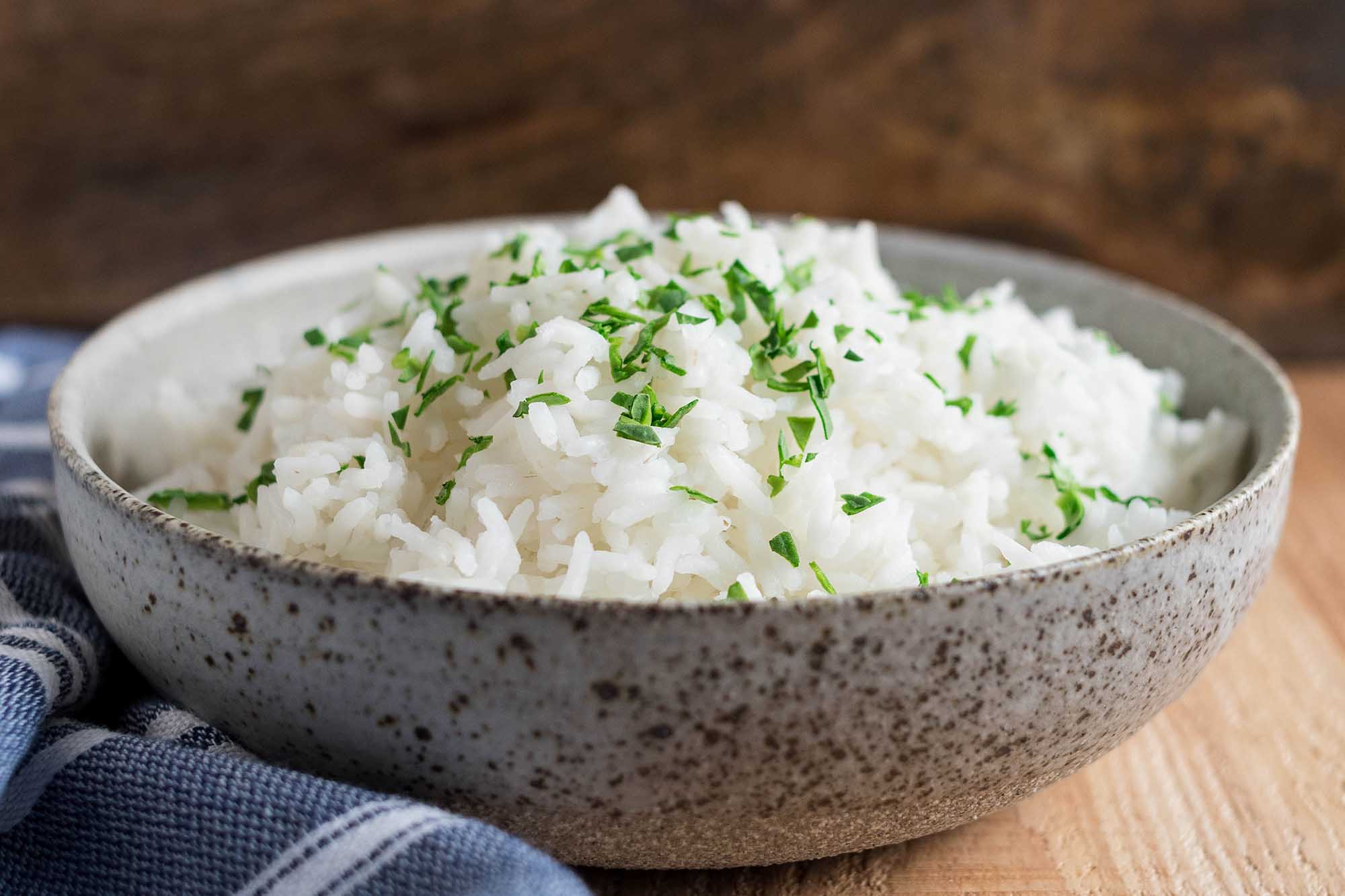
  • Philippines Sees Nearly 21% Decline in Rice Imports: A Shift in Agricultural Landscape

    Philippines Sees Nearly 21% Decline in Rice Imports: A Shift in Agricultural Landscape

    The Philippines is witnessing a notable shift in its rice import landscape, as the archipelago’s imports fell sharply to 1.7 million tons within the first five months of 2025. This represents a significant decline of 20.9% compared to the same period last year.

    Domestic Production on the Rise

    A contributing factor to this decrease is a slight improvement in domestic rice production, which reached 4.69 million tons in the first quarter of 2025. This is a modest increase from the 4.68 million tons produced during the same quarter a year prior. Despite this short-term dip in imports, the United States Department of Agriculture (USDA) forecasts that the Philippines will continue to hold its position as the world’s largest rice importer in 2025. The USDA anticipates imports to climb to 5.4 million tons, with a further increase to 5.5 million tons expected in 2026. The driving forces behind this expected rise include a growing population, increased tourism, and the enduring role of rice as a staple in the Filipino diet.

    Government Initiatives to Stabilize Prices

    In light of these trends, the Philippine government is taking proactive measures to stabilize rice prices and ensure they remain accessible to consumers. An executive order signed in June 2024 reduces the tariff on imported rice to 15%, a rate that will remain in effect until 2028, with periodic assessments every four months.

    Agriculture Secretary Francisco Tiu Laurel Jr. has hinted that the Department of Agriculture may propose a gradual hike in import tariffs during the upcoming harvest season. This initiative aims to bolster support for local farmers while managing the influx of imported rice, showcasing the country’s commitment to balancing domestic agricultural productivity with the need for imports to meet national consumption demands.

    In a twist of fate, while the country may be reducing its rice imports, it certainly isn’t skimping on its love for this beloved staple!

    Questions & Answers

    What are the main reasons for the decrease in rice imports in the Philippines?
    The decrease is primarily due to a slight increase in domestic rice production, which rose to 4.69 million tons in early 2025, providing a modest buffer against imports.

    How much rice does the USDA expect the Philippines to import in the coming years?
    The USDA projects that rice imports will reach 5.4 million tons in 2025 and increase to 5.5 million tons in 2026, positioning the Philippines as the leading rice importer globally.

    What measures is the Philippine government taking to stabilize rice prices?
    The government has reduced the tariff on imported rice to 15% under an executive order, effective until 2028, while considering gradual increases in tariffs to support local farmers amidst rising import needs.

  • Car imports from China increase sixfold

    Car imports from China increase sixfold

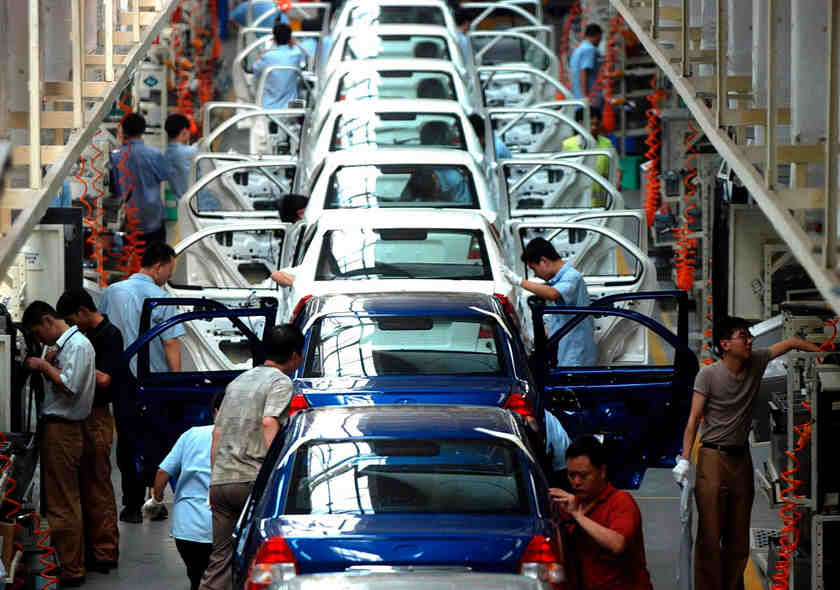
    Vietnam imported 3,945 completely built-up (CBU) cars from China in Q1, six times over the same period last year, according to the General Department of Vietnam Customs.

    Despite the surging number of cars imported from China, the country was the third-largest car supplier of Vietnam, after Thailand and Indonesia.

    Up to 80 percent of the completely built-up (CBU) cars imported to Vietnam in Q1 were from Thailand and Indonesia. The number of imported cars from Thailand was 19,300 units, up 56 percent year-on-year, while those from Indonesia stood at 8,950 units, down 26 percent year-on-year.

    Thailand and Indonesia have always led the list of Vietnam’s car suppliers ever since the ASEAN Trade in Goods Agreement (ATIGA) took effect in 2018, owing to the zero import tariff. Meanwhile, imported Chinese cars are dealt an import tariff of 47-70 percent.

    Vietnam imported around 35,300 CBU cars in Q1, a year-on-year increase of 31.1 percent.

    Auto sales rose by 36 percent year-on-year between January and March to 70,952 units, according to Vietnam Automobile Manufacturers Association (VAMA).

  • Car imports plummet nearly half

    Car imports plummet nearly half

    Vietnam imported 44,973 cars in the first seven months, down 47.5 percent year-on-year amid a slump in auto demand due to Covid-19.

    The value of the cars was around $1 billion, falling by 47 percent year-on-year, according to Vietnam Customs. Over 80 percent of the cars were imported from Thailand and Indonesia, tax-free under the ASEAN Trade in Goods Agreement. Thailand accounted for 19,944 units and Indonesia for 17,723.

    July saw a recovery from the previous month to 4,760 cars worth $107.7 million, up 34 percent and 10 percent. Auto sales in the first seven months fell 28 percent year-on-year to 131,200 units, with the Vietnam Automobile Manufacturers Association (VAMA) blaming it on a fall in demand due to the pandemic.

  • Saudi Arabia to temporarily suspend Vietnamese fish imports

    Saudi Arabia to temporarily suspend Vietnamese fish imports

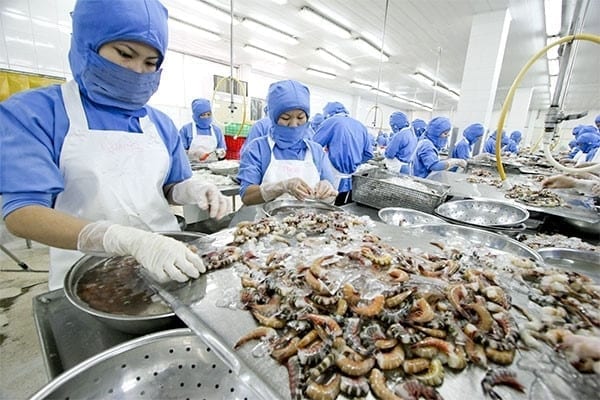
    Saudi Food and Drug Authority (SFDA) has decided to temporarily suspend the import of fish and shrimps from Việt Nam.

    The ban, effective from March 1, is in accordance with the regulatory procedure for fish and other aquaculture export establishments of SFDA, according to a note published on the Saudi Aquaculture Society’s website.

    The decision came after a delegation of several regulators, including SFDA, Ministry of Environment, Water and Agriculture and Saudi Aquaculture Society conducted an inspection tour last month to 24 Vietnamese facilities that exported to Saudi Arabia.

    The delegation found that only nine facilities met the hygiene requirements of Saudia Arabia.

    The suspension will be in place until the facilities complied to Saudi Arabia’s requirements.

    This is one of the most serious actions by Saudi Arabia against Vietnamese exporting firms.

    The Việt Nam Sanitary and Phytosanitary Notification Authority and Enquiry Point under the Ministry of Agriculture and Rural Development on January 30 also announced the SFDA’s notice about the temporary ban.

    The notice said that Saudi Arabia was instituting the emergency measure to prevent the introduction of white sport disease and acute hepatopancreatic necrosis disease into the country.

    The Việt Nam Sanitary and Phytosanitary Notification Authority and Enquiry Point urged relevant agencies to raise appropriate measures to tackle this problem.

    SFDA has also temporarily suspended the import of aquaculture products from Bangladesh and Myanmar and farmed fish from India, according to Saudi Aquaculture Society.


  • China authorises 22 Vietnamese rice exporters

    China authorises 22 Vietnamese rice exporters

    China has authorised 22 Vietnamese businesses to export rice into its market, Việt Nam’s Ministry of Agricultural and Rural Development (MARD) announced.

    China’s General Administration of Quality Supervision, Inspection and Quarantine (AQSIQ) has given only 22 firms permission to start exporting rice and rice products starting January 1, counting from the date of departure from the Vietnamese border.

    Any businesses not listed by AQSIQ will be banned from exporting to the Chinese market from January 1, the ministry’s Plant Protection Department (PPD), which received the related documents from AQSIQ on December 23, said.

    The PPD has notified the Vietnam Food Association, sterilisation companies for exported rice and the 22 listed businesses, and published the list online at www.ppd.gov.vn

    The PPD has ordered the 22 companies to comply strictly with the regulations on food safety and plant quarantine set by both Việt Nam and China. It has also urged sterilisation companies authorised by the AQSIQ to work with rice exporters to maintain the quality of the rice and ensure there are no storage pests.

    The AQSIQ has issued the list after carefully considering numerous Vietnamese businesses that had applied for permission to export. A group of Chinese experts had travelled to Việt Nam to inspect 31 enterprises that had previously applied to the local ministry for export rights to China.

    Among the several countries that import Vietnamese rice, China tops the list with 35.4 per cent of market share in the first three quarters of 2016, according to MARD.

    The total rice export turnover into the Chinese market touched 1.35 million tonnes amounting to $613.4 million, down 23 per cent in terms of quantity and 13.9 per cent in terms of value as compared to the same period in 2015.

  • Government to take firm action against illegal textile imports

    Government to take firm action against illegal textile imports

    The government plans to take firm action against illegal imports of textile and textile products as these have been hindering business and impacting ind ustrial growth in the manufacturing sector.

    “We will take firm action against importers who have so far misused facilities to avoid official levies by the government,” Finance Minister Sri Mulyani said at a press conference here on Thursday.

    She stated that strengthening the textile industry and the textile products sector was very important as this sector has been asked to increase production to boost national exports.

    Smuggling of used clothes into several regions of the country to meet the increasing demand for cheap clothes has been disrupting growth of textile and textile products sector.

    Certain people were illegally importing products. These people held import licenses to transfer goods to other parties. Businessmen dealing in textile and textile products exploited these licensed importers.

    “We will enforce the law. We have invited police officers to a meeting attended by the chief of the crime investigation department to take a stronger and more consistent action against illegal imports,” she assured.

    Sri Mulyani informed that she would also invite other ministries to review regulations relating to textile and textile products imports. Some of these regulations overlap and run against the needs of the public, trade and industry.

    The TPT (textile and textile products) is a labor intensive industry that can absorb a lot of workers and even create new jobs in the distribution and trade sectors, she added.

    In 2016, Indonesias TPT exports contributed 9.61 percent to the total non-oil and gas exports, which is the second highest after palm oil exports, recorded at 10.3 percent.

    Based on national law enforcement data in 2015, 162 cases of smuggling were aborted by the Directorate of Customs and Excise of the Ministry of Finance. Until October this year, 151 cases of TPT smuggling cases had come to light.

    The Directorate of Customs and Excise would tighten coordination and supervision in cooperation with the Corruption Eradication Commission, the Indonesia Police, the Ministry of Trade as well as the Ministry of Industry to solve the TPT import problem.

    With improved TPT import policies and their implementation, the national manufacturing industry is expected to grow while domestic prices of TPT would be more stable and state revenues more optimal.