Retail News CRM

Tag: incheon

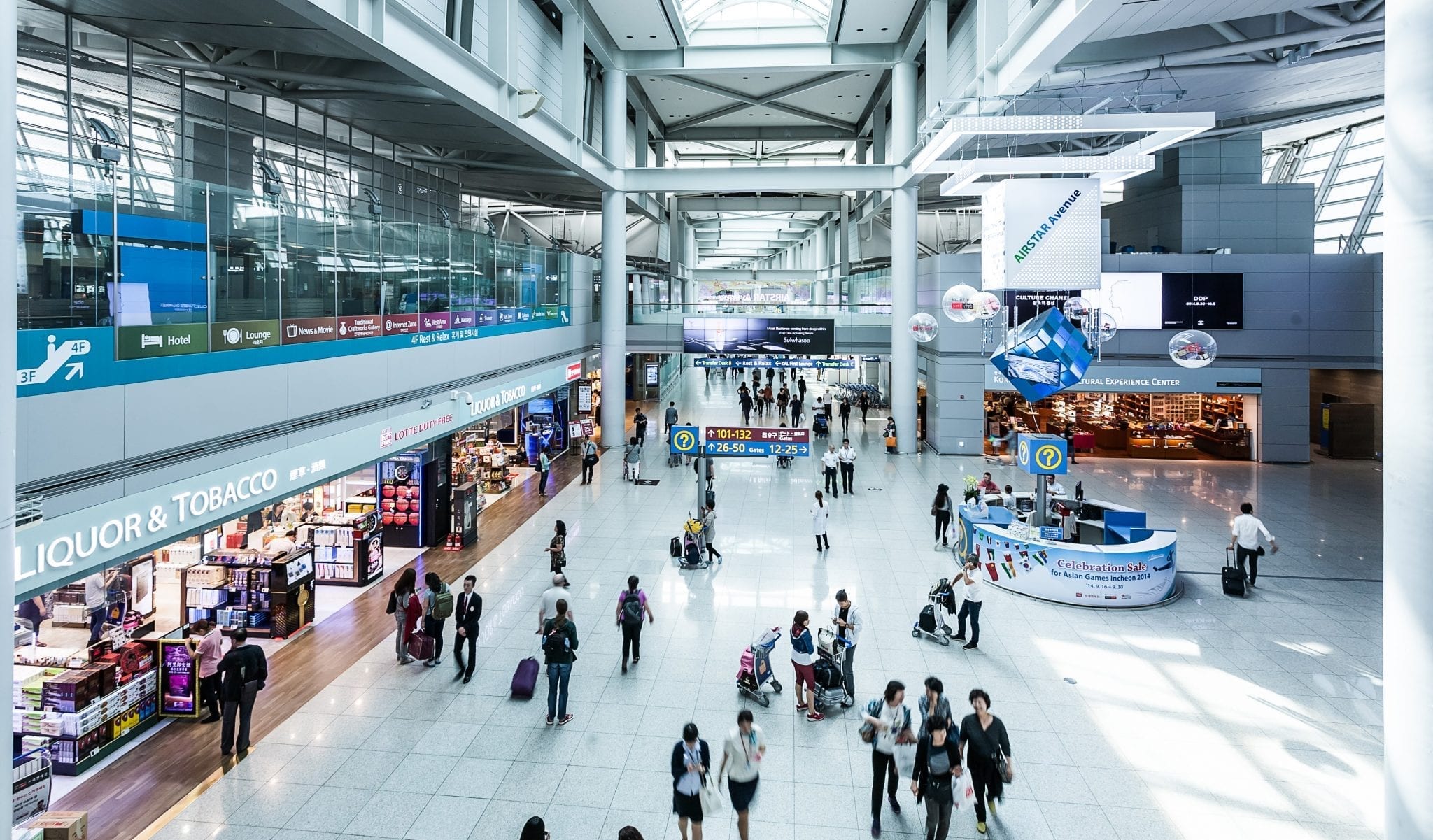
  • Shinsegae Duty Free to Exit Incheon Airport’s DF2 Zone Amid Rising Losses: A Strategic Shift or an Economic Warning?

    Shinsegae Duty Free to Exit Incheon Airport’s DF2 Zone Amid Rising Losses: A Strategic Shift or an Economic Warning?

    Shinsegae Inc, a major retail conglomerate in South Korea, announced on Thursday that it plans to shut down its duty-free business unit in Incheon International Airport’s DF2 zone. This decision has been prompted by growing losses.

    Motivation Behind the Decision

    As South Korea’s second-largest department store chain, Shinsegae has resolved to enhance the operational efficiency of its duty-free business by confronting escalating losses head-on. The company intends to cease operations within the DF2 zone, which houses cosmetics, perfumes, liquor, and tobacco offerings, by April 27, 2026.

    However, Shinsegae DF Inc’s duty-free outlets in the airport’s DF4 zone will continue business as usual.

    Challenging Market Conditions

    A representative from Shinsegae cited a myriad of adverse and unpredictable circumstances plaguing the duty-free market, such as high exchange rates, economic downturn, and diminished spending among primary consumers. The company had previously sought rent modifications from the Incheon International Airport Corp (IIAC), but the airport authority denied these requests.

    Future Business Focus

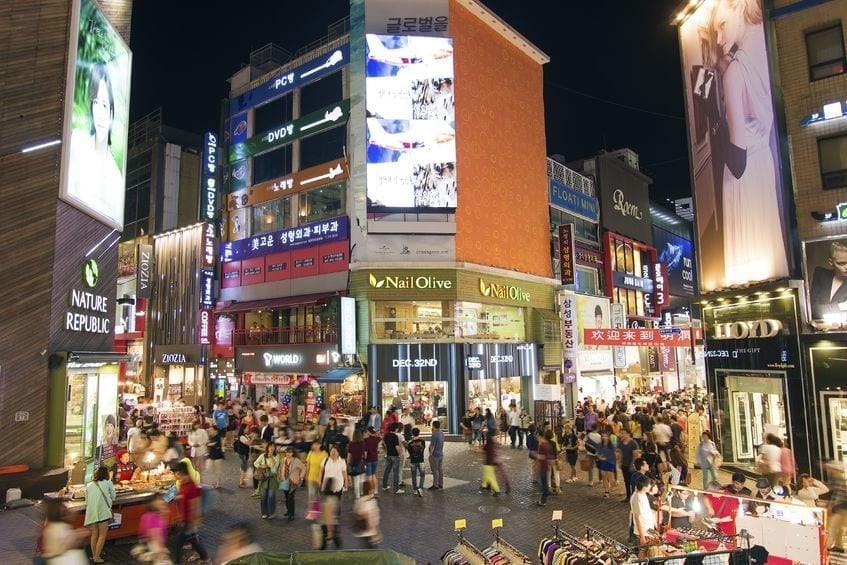
    With the impending shutdown of its DF2 zone outlet, Shinsegae DF plans to concentrate on its continuing operations in the airport’s DF4 zone and its city center store in Myeongdong, central Seoul.

    Just last month, Hotel Shilla Co relinquished its DF1 zone license to the airport due to mounting losses. The IIAC is predicted to initiate a new bidding process for the DF1 zone license previously held by Shilla Duty Free later this year.

    Questions & Answers

    Why is Shinsegae closing its duty-free business in the DF2 zone?
    Shinsegae is closing its duty-free operations in the DF2 zone due to escalating losses and a desire to improve overall operational efficiency.

    What areas does the DF2 zone cover?
    The DF2 zone houses a variety of products, including cosmetics, perfumes, liquor, and tobacco.

    What will be the future focus of Shinsegae DF?
    Following the closure of its DF2 zone outlet, Shinsegae DF will focus on its remaining operations in the airport’s DF4 zone and its downtown store in Myeongdong.
  • Shilla Duty Free To Cease Operations At Incheon Airport Amid Financial Struggles

    Shilla Duty Free To Cease Operations At Incheon Airport Amid Financial Struggles

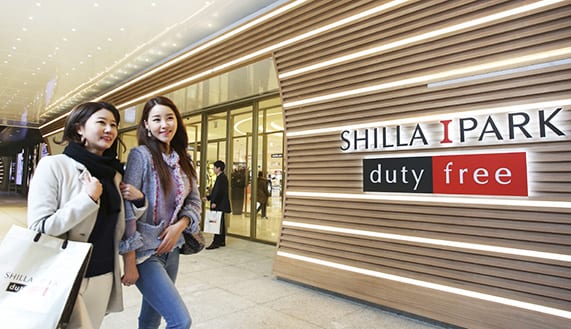
    Shilla Duty Free has declared its intention to halt operations at its DF1 duty-free store at Incheon International Airport in March. This follows the store’s excessive losses and the concession’s business value falling below its liquidation value.

    Financial Impact of the Decision

    The DF1 concession recorded a revenue of KRW$429.2 billion (US$312 million) in the past fiscal year, contributing 10.9 per cent to Shilla’s overall sales.

    The company commented on the changing climate of the duty-free market, since inking the contract for the duty-free store at Incheon International Airport in 2023. It noted the rapid shifts in consumer behavior and diminished buying power. The company has approached the Incheon International Airport Corporation to adjust the rent, but the request was turned down.

    This resolution was approved by the board on September 18 and was revealed in a Korea Exchange filing.

    Company’s Future Outlook

    Shilla anticipates a short-term drop in sales as a consequence of the exit. However, the company maintains an optimistic outlook for a more robust financial performance in the medium to long term.

    The company stated, “We believe it is crucial to enhance our financial structure and increase corporate and shareholder value.” Despite the ongoing challenges in the duty-free industry, the company pledged to maximize efforts to boost profitability.

    Other Changes in the Duty Free Landscape

    In addition to Shilla, Shinsegae Duty Free has also relinquished its business rights at Incheon. Both retailers had sought to reduce their rent by up to 40 per cent on their perfume, cosmetics, liquor, and tobacco concessions at Terminals 1 and 2. However, the Incheon International Airport Corporation (IIAC) declined these requests, asserting that rental terms were established in the original bids and could not be altered beyond the stipulations outlined by law.

    Questions & Answers

    Why is Shilla Duty Free suspending its operations at Incheon International Airport?

    Shilla Duty Free has cited “excessive losses” and a business value now lower than its liquidation value as reasons for its decision to suspend operations.

    What impact will this decision have on Shilla Duty Free’s sales?

    While the company expects a temporary dip in sales due to the closure, it foresees a stronger overall financial performance over the medium to long term.

    Have other duty-free stores at Incheon International Airport made similar moves?

    Yes, aside from Shilla, Shinsegae Duty Free has also given up its business rights at Incheon. Both companies unsuccessfully attempted to negotiate a reduction in rent.

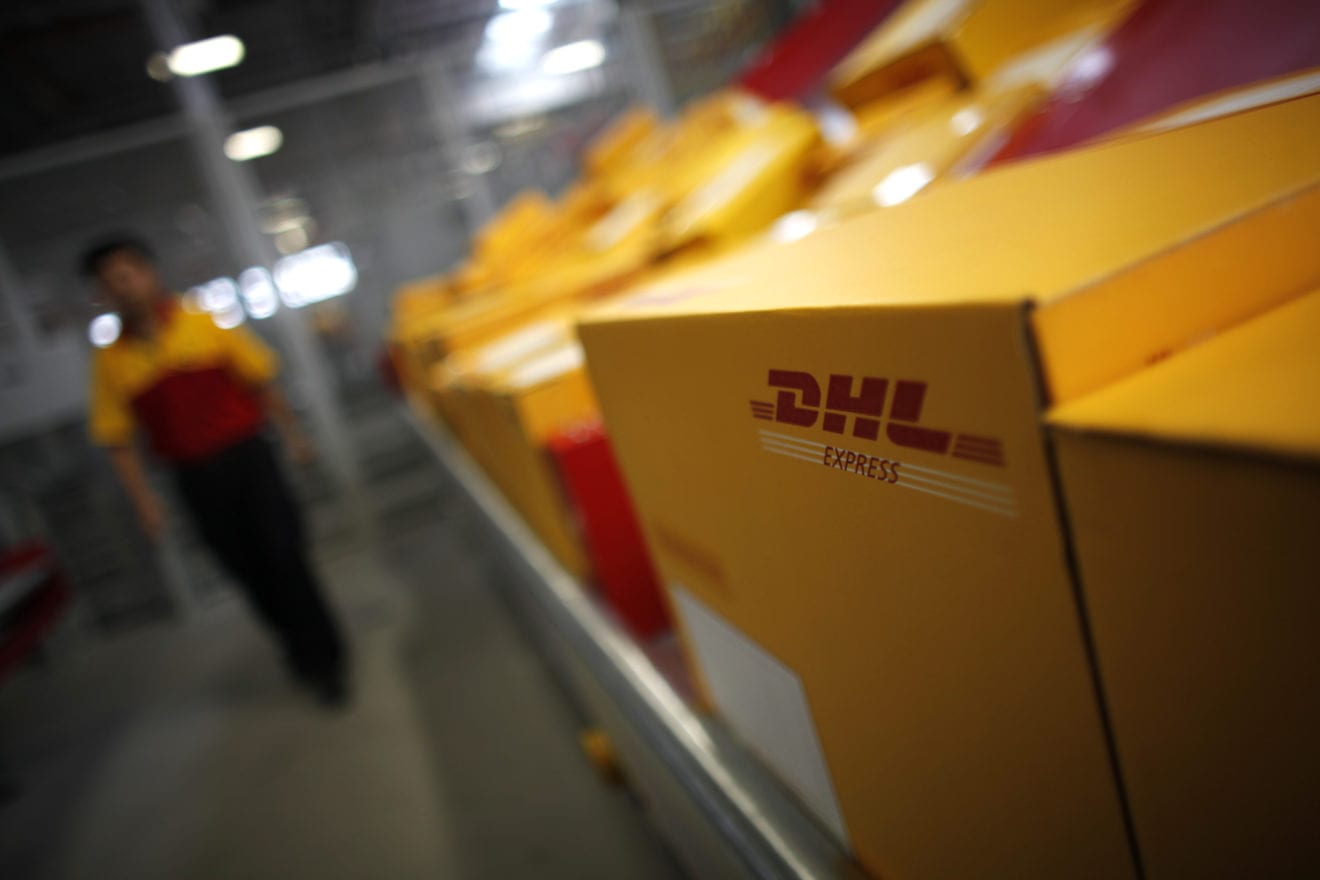
  • DHL Express transforms Incheon gateway facility

    DHL Express transforms Incheon gateway facility

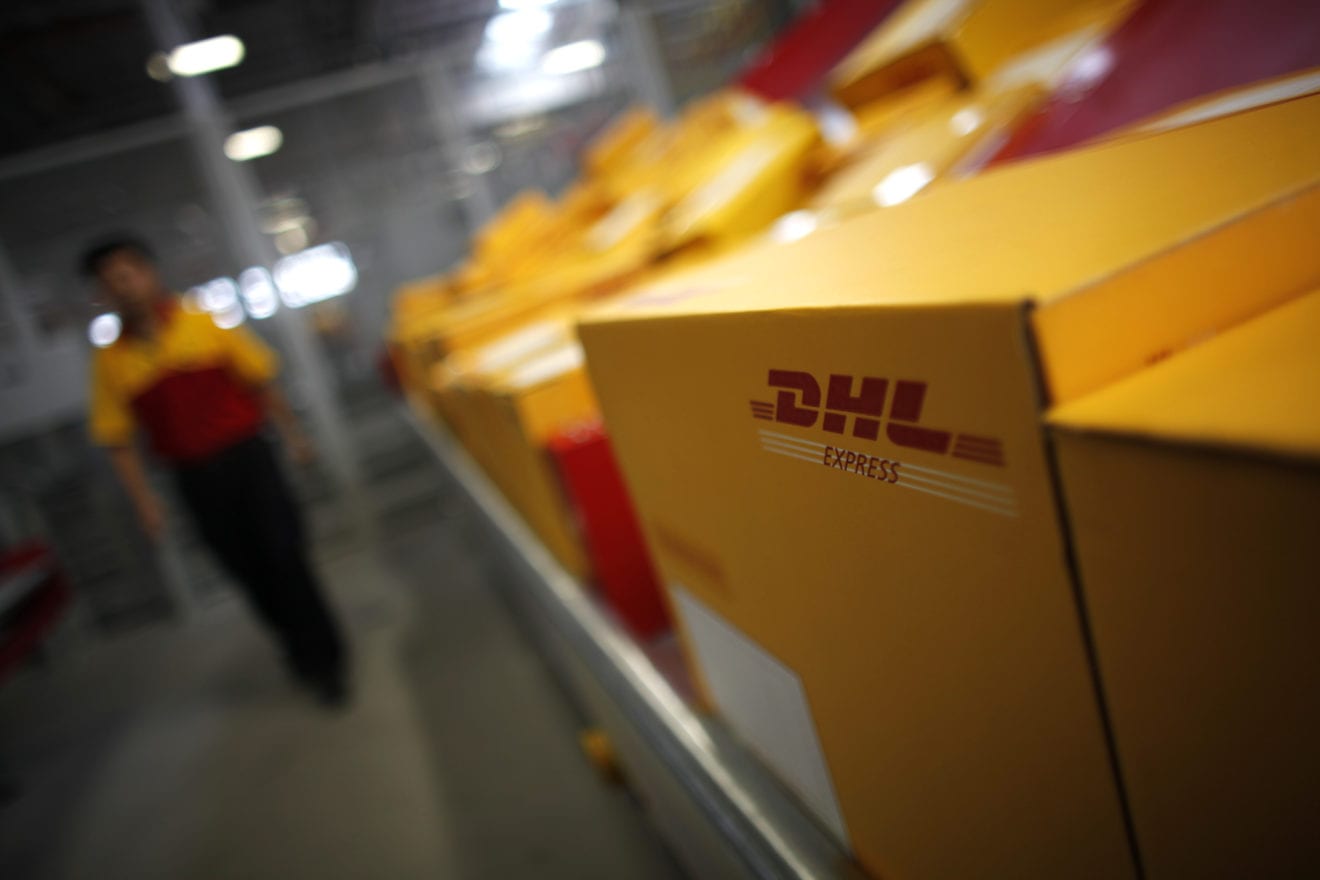
    DHL Express is confident about the upward trajectory of cargo demand in South Korea and has commenced full-fledged operations at the newly expanded Incheon gateway. 

    The enhanced Incheon gateway is now three times the size of its predecessor with 59,248 square metres of floor area. It can also handle 3.5 times as much capacity, complete with a 5.5-kilometer-long conveyor belt and 19 automated X-ray inspection machines to ensure safety and compliance. It pledged €131 million (KRW 175 billion) to expand the cargo gateway in 2019, marking its largest investment in South Korea to date.

    “Between 2011 and now, the transit cargo handling volume we handled in the country grew more than threefold,” Sean Wall, Executive Vice President of Network Operations and Aviation, Asia Pacific, DHL Express. The opening of the expanded Incheon Gateway arrives at a right time as it plays an important role to facilitate regional and intra-Asia trade, particularly for the Northeast Asian region, including Dalian, Qingdao, Wuxi, Ulaanbaatar, and Guam.” 

    DHL cited growing international express imports and exports with Asia-Pacific neighbours like Singapore, Japan, China, Australia, and Taiwan as contributor to the increasing cargo demand seen at Incheon. To move import and export shipments efficiently at the Incheon Gateway, DHL Express will utilise a fully automated sorting and handling system that can process over 10,000 parcels an hour. The company connects other hubs via Incheon with seven dedicated DHL aircraft and 40 aircraft from partner airlines. 

    DHL Express added that the facility is partly powered by solar energy with a 1-mW solar power generator installed on the entire rooftop area (5,700 square meters). The solar generator can produce energy that covers roughly 30 percent of the facility’s consumed energy, reducing around 650 tonnes of carbon emissions annually. This marks the first instance among cargo terminals within Incheon International Airport to use solar energy. 

    ByungKoo Han, Country Manager of DHL Express Korea, said, “The Incheon Gateway serves as a strategic facility that connects South Korea and the Asia Pacific region to the world. Since its initial opening in 2009, the volume of imports and exports at Incheon Gateway has increased by more than 90% in 2022. With this expansion, we are confident that we can adeptly manage the surge in shipment volume and cater to the increasing demand for international express delivery over the coming decade.” 

  • DHL Express to invest €131m in Incheon hub expansion

    DHL Express to invest €131m in Incheon hub expansion

    DHL Express will invest €131m in expanding its hub at Incheon International Airport to meet expected growth in online sales in the Asia Pacific region.

    The investment will see DHL expand its Incheon Gateway facility to a gross floor area of 58,700 sq m from the current 20,000 sq m – an increase of almost 200% – with work expected to be completed in the second quarter of 2022.

    It will also be equipped with the “latest technology for faster, more secure and efficient delivery handling processes”.

    The multi-year investment is expected to support demand growth up to 2032.

    The investment also covers technical upgrades including fully-automated X-ray inspection machines, a 4 km conveyor belt, automated sorters, magnetic speed controllers and full CCTV coverage.

    The new technology will increase the Incheon Gateway’s total handling volume of parcels and documents by over 150%

    Ken Lee, chief executive, DHL Express Asia Pacific, said: “Our Incheon Gateway occupies a vital strategic position along key routes between South Korea and countries like Singapore, Taiwan, Hong Kong and China – all of which are amongst our top ten inbound and outbound markets by express delivery volume.

    “With online retail sales in Asia Pacific expected to reach $2.5trn by 2023, our latest investments in the Incheon Gateway will align our infrastructure to what Asia’s e-commerce generation needs for now and tomorrow.”

    Since the opening of its Gateway in 2008, DHL Express has seen a growth of over 45% in shipment volume, indicative of the growing role which the Gateway plays in global and intra-regional trade.

    John Pearson, chief executive, DHL Express, added: “Our quality and speed are crucial for our customers and the main pillars of our growth around the world.

    “Our new investment, the largest one for South Korea so far, helps to connect the world even more and to further improve transit time of global trade and on the trade lanes to Asia.”

    The expanded facility is also aligned to Deutsche Post DHL Group’s mission of net zero logistics-related carbon emissions by 2050.

    It will incorporate a range of ‘green’ features such as the use of solar power and energy-efficient lighting systems to achieve CO2 reduction of up to 1,500 tons per year.

    When completed in second quarter 2022, the Incheon Gateway will be DHL Express’s largest gateway in Asia Pacific.

  • Incheon Airport duty-free tenders to be Launched soon

    Incheon Airport duty-free tenders to be Launched soon

    Incheon Airport duty-free tenders will be released in the fourth quarter of this year.

    The airport, thought to be the world’s most lucrative for retail, has committed to a fair-tender process for both international and local retailers seeking spots in its Terminal 1 building. Almost all Terminal 1 duty-free concessions are scheduled to expire in August next year.

    The 12 duty-free concessions at the terminal are now run by seven Korean firms, including general duty-free retailers Lotte, The Shilla, and Shinsegae, although the airport’s management is encouraging foreign participation in the upcoming tender.

    “The door is always open,” said Incheon Airport’s director of concessions planning Dong-ik Shin. “There is no discrimination against any foreign duty-free operators. Our bidding process is very fair and transparent; the whole bidding process is done in public.”

    Incheon Airport is offering a new arrangement for the duty-free concessions that doubles the previous contract length to ten years and adopts a concession fee based on passenger growth rather than the current minimum annual guarantee model (MAG).

    According to Shin, the new 10-year contract makes it “a very significant and nice opportunity” considering the lucrative sales revenues available at IIA.

  • Incheon Airport to add AI to security systems

    Incheon Airport to add AI to security systems

    Never mind airport security, artificial intelligence (AI) may also be rooting through your luggage in the near future at Incheon International Airport. Incheon International Airport Corporation said Wednesday it will incorporate AI into its security systems in a bid to improve accuracy in screening passenger luggage for prohibited items.

    The airport has already started working on the project to develop an AI-based X-ray screening system to be tested in the second half of next year.

    Instead of the existing system that relies on X-ray scanning, manual image checking by security officers and a final physical check, artificial intelligence will crosscheck the X-ray scan and the analysis will be available to officers along with the X-ray image.

    The first-stage AI scan is expected to complement and improve the accuracy of the security check as an officer will continue to be responsible for the final call to physically inspect luggage.

    The airport said it will apply deep-learning technology on over 600,000 pieces of footage of around 20 prohibited items and 20,000 commercially sold liquid products to develop an algorithm for imagery interpretation and improve the AI’s screening accuracy.

    The development project is expected to take two years overall, with a proof-of-concept system to take 10 months to develop.

    “By preemptively incorporating AI technology into security, [we] will strengthen airline security and plan to provide a safer and more convenient environment for passengers,” said Chung Il-young, CEO of Incheon International Airport Corporation.

    This will be the country’s first large-scale practical application of the technology, according to the airport.

    It is part of broader efforts to introduce a “Smart Security System” with the Ministry of Land, Infrastructure and Transport.

    The airport is also planning to introduce a tunnel security search system, the first of its kind, which will allow passengers to simply go through security checks by walking through a tunnel.

    The airport screened around 60 million pieces of luggage last year through the conventional X-ray system and found 3 million prohibited items such as firearms and swords.

  • Korea Grand Sale gears up for kick off

    Korea Grand Sale gears up for kick off

    Korean tourism authorities were set on January 14 for the official opening of the Korea Grand Sale, an annual event for foreign shoppers with events, promotions and sales across the country. This year’s event, jointly hosted by the Ministry of Culture, Sports and Tourism and the Visit Korea Committee, will be held from January 17 until February 28.

    The theme of this year is “Travel, Taste, Touch,” and will offer benefits of varying degrees from 51,497 businesses. According to the ministry, around 850 enterprises will hold sales, including discounts of up to 97 percent on flights to Korea from airlines including Air Seoul.

    Up to 25 percent discount will be provided at eateries at the top-notch hotels across the country.

    According to a survey on what foreigners did while visiting Korea conducted by the ministry, 72.5 percent of all foreign visitors in 2017 said shopping, while 58.2 percent said eating and tourism.

    A tourism program featuring restaurants with over 50 years of history — including “Cheongjinok,” “Ureok,” “Hadongkwan,” “Joseonok” and “Yeolchajib” will be held with Korean celebrity chefs as guides. Other packages include Korean food and temple food for foriengers, and ski packages.

    For those who need assistance, a welcome center will be open throughout the festival period at Cheonggye Plaza in Jongno-gu, Seoul from 12 p.m. to 8 p.m. Tour guides will circulate popular tourist areas like Hongdae or Dongdaemun, accompanied by interpretation services.

    A welcome booth for foreigners will operate at Incheon International Airport and Gimpo International Airport from February 1-8, to coincide with the Chinese and Korean Lunar New Year holidays.

    At the welcome center, Korea Tour Card will be given free to the first 50 visitors every day. The 10,000th visitor will receive a coupon for a stay at a local hotel.

  • Incheon Airport breaks record with 2018 sales

    Incheon Airport breaks record with 2018 sales

    Incheon International Airport announced record annual sales of US$2.4 billion for 2018, beating the previous record set in 2017. The performance ranks Incheon as the world’s number one airport for duty free sales in 2018, ahead of Dubai International. The latter’s anchor retailer, Dubai Duty Free, posted 2018 sales of US$2.015 billion. Sales rose 14.8% year-on-year, driven by the successful opening of Terminal 2 in 2018 and increased passenger traffic from the 2018 PyeongChang Winter Olympics. Departing passenger traffic rose 9.9% in the year, Incheon International Airport Corporation told The Moodie Davitt Report. A total of 67.7 million passengers used the airport in 2018, including 33.9 million arriving and 33.8 million departing.

    Cosmetics & perfumes continued as the leading product category with a 40% share of the mix and US$953 million in sales. Liquor and tobacco combined took second place with US$540 million (23%).

    Incheon International Airport Corporation (IIAC) said that the 2019 introduction of arrivals duty free shopping will boost the shopping offer.

    “With the introduction of the first arrival duty free in Korea, Incheon Airport will strengthen its competitiveness as the leading airport of the industry, satisfying customers through an advanced shopping environment,” IAAC commented.

    IIAC noted the retail performance of T2, which opened in January 2018. The terminal boasts outstanding beauty, liquor and tobacco flagship stores that feature exceptional design and digital and experiential components, the corporation said. Luxury boutiques such as Chanel and Valentino also played a role in the record-breaking performance.

    T1 performance was boosted by the addition of new retailers, Shinsegae Duty Free and Grand Duty Free. Both had minimised store closure periods during their respective handovers, IIAC said.

    Despite the collapse in Chinese tourism to South Korea from March 2017 driven by the THAAD row with China, duty free sales have maintained their upward curve throughout the ensuing period. Even in 2017, the nadir of the crisis, Incheon posted a 4.1% rise in duty free sales (admittedly well behind a 7.6% passenger increase).

    While Chinese tourism numbers are still well short of 2016 levels (-41.6% for the first 11 months of 2018), spending by daigou traders spurred the Korean duty free market to new heights last year. Incheon, while having a more balanced passenger spending profile than the overwhelmingly Chinese-dominated downtown stores, still benefited from that trend.

    What happens in 2019 following China’s introduction this month of a new e-commerce designed to crack down on daigou imports? That’s the question on everyone’s lips in Korean (and Asian) travel retail. Incheon International Airport Corporation will hope that a combination of a steady recovery in traditional Chinese tourism, daigou ingenuity in getting around the rules, and strong Japanese and Korean business will maintain the upward trajectory. The imminent introduction of the country’s first arrivals shops will help too.

    Higher sales in 2018 did not, of course, equate to higher profitability for the country’s duty free retailers, hurt by the high costs of attracting daigou shoppers. For Incheon International Airport, however, safely wrapped up in the safe haven of steep minimum annual guarantees, 2018 will go down as a stellar year.

  • Incheon to get on-arrival duty-free store in May

    Incheon to get on-arrival duty-free store in May

    The Incheon International Airport Corporation is planning to open Korea’s first on-arrival duty-free store in May next year. The airport operator announced on Sunday that it has commissioned a study to look into how it can optimize the duty-free service, which will be concluded by the end of the year.

    The study will focus on deciding the location and size of the shops in order to maximize customer experience by reducing congestion.

    Additionally, the research will consider the possibility of setting the rent for the duty-free shops based on revenue instead of unilaterally applying a fixed rate.

    In order to ease the burden on interior costs, Incheon airport will be responsible for basic interior constructions, while duty-free operators will only have to provide the finishing touches.

    This is because only SMEs will be allowed to bid for the slots.

    The Incheon airport said it will start taking bids for the duty-free shops in February and finalize candidates by April. It added that it will have a larger ratio of Korean companies controlling the arrival duty-free shops compared to departure stores. However, as the government earlier announced, the arrival duty-free shops will not sell cigarettes or products that are controlled by customs quarantine regulations such as fruit and meat products.

    The airport said it will work with the government to finalize plans to return some of the profits that it makes from renting the spaces to duty-free operators in March.

    Incheon airport Terminals 1 and 2 have units available for duty-free shops targeting customers arriving in Seoul. On the first floor of Terminal 1 there are two 190 square-meter (2,045 square feet) areas. On the first floor of Terminal 2 there is a 326 square-meter space. Currently these areas are not in use.

    The Ministry of Finance and Economy in late September announced plans to open the country’s first duty-free store available to returning travelers in May next year. The ministry was responding to an order from President Moon Jae-in to review the possibility of an on-arrival duty-free shop during a meeting he had with Blue House senior officials and secretaries in August.

    The purpose was to make travel less inconvenient for Korean tourists who were purchasing goods while departing Incheon and carrying them throughout their trip.

  • Duty-free on arrival set for Incheon next year

    Duty-free on arrival set for Incheon next year

    The country’s first duty-free store available to returning travelers will open at Incheon International Airport as early as next May, the Finance Ministry announced.

    Currently, duty-free purchases are allowed only for passengers departing Korea, either at an international airport or in advance at city locations with the goods available for pick-up at the departure terminal.

    “The number of people traveling abroad has been on the rise and they’ve been grappling with the inconvenience of carrying products purchased duty-free throughout the whole trip,” the Ministry of Economy and Finance said in a statement released.

    “[Duty-free on arrival] is aimed to end that inconvenience and prompt consumers to spend more inside the country instead of shopping duty-free overseas.”

    The statement added that duty-free on arrival is now already available at 149 airports in 73 countries.

    Cigarettes, a duty-free steady seller, will not be allowed for sale at on-arrival stores, the ministry said.

    “The price of cigarettes differs greatly at duty-frees and local retailers,” said a source at the Finance Ministry. “People could buy lots of them at arrival gates and resell them in Korea at a price cheaper than the official retail price.”

    The same abuse could be possible with cigarettes purchased at departure duty-frees, but the source added that “generally speaking, it’s inconvenient [to buy cigarettes there for resale] because they have to be carried throughout the trip and, in such cases, the purpose is mainly personal, either for the consumers themselves to smoke during the trip or as gifts.”

    Fruits and meat products that must be declared for quarantine are also banned from arrival duty-free stores.

    The Finance Ministry also reminded travelers that the purchase limit for duty-free products for Koreans returning home remains unchanged at US$600.

    Larger duty-free brands that operate stores in the city and departure gates argued the need to raise that limit if the government wanted to grant licenses for stores at the airport’s opposite end.

    Bidding for licenses to run duty-free spaces at Incheon International Airport’s arrival gates will be held between March and May of next year.

    Only small and mid-sized companies are allowed to submit business plans, leaving out industry leaders such as Lotte, Shilla and Shinsegae Duty Free.

    Operations at on-arrival duty-free stores are planned to start between late May and June. After a six-month trial run at Incheon, the government will look into expanding duty-free on arrival at other international airports in the country.

    This announcement puts an end to a 15-year debate. Consumers support the idea: 81 percent of respondents to a government survey last month complained about carrying duty-free goods while traveling.

    Since 2003, lawmakers have proposed to begin duty-free on arrival six times, but all the initiatives failed in the face of opposition from current operators and airlines. Current tax law allows duty-free purchases only on departure, so National Assembly action would be required as part of setting up a new system.

    President Moon Jae-in urged quick changes to the current system in August, citing a $13.7 billion tourism deficit last year.

  • Incheon airport’s 2nd terminal ready to open in 2018

    Incheon airport’s 2nd terminal ready to open in 2018

    Incheon International Airport plans to open its new terminal on 18 January 2018, about three weeks before the start of the PyeongChang Winter Olympics, the airport’s operator said.

    The opening date of Terminal 2 was set based on the consideration that the Olympic Village opens on 30 January 2018.

    The airport has been expanding its facilities to accommodate the athletes and officials who will be coming to Korea for the Winter Games.

    Four members of the SkyTeam alliance – Korean Air, Delta, Air France and KLM – will use the new terminal. Other carriers, including Asiana Airlines, will remain in the existing Terminal 1.

    The airport expects about 20 percent of the Games’ 300,000 visitors will go through Terminal 2.

    The new terminal will allow the airport to handle 72 million passengers and 5 million tons of cargo annually, according to data from the airport’s operator.

    The existing terminal had the capacity to handle 54 million passengers and 4.5 million tons of cargo a year.

    “Based on expanded infrastructure, we expect the airport to become the core airport in the Northeast Asian region,” an airport spokesman said, “and also win in the competition to become the world’s leading hub airport.”

    The new terminal will operate independently from Terminal 1 and have its own check-in, security and customs facilities. The airport said it has upgraded the technology to shorten the time from check-in to boarding. Self-check-in counters and guide robots will be installed for passenger convenience.

    “At Terminal 2, overall waiting time can be reduced by roughly 10 minutes compared to Terminal 1,” said Chung Il-young, chief executive of Incheon International Airport.

    The airport also announced a plan to continue expanding Terminal 2 through 2023. The airport has so far spent 5 trillion won on building the terminal and plans to add another 4.2 trillion won to expand its capacity so that it can handle up to 46 million passengers a year.

  • Lotte Duty Free files complaint against airport

    Lotte Duty Free files complaint against airport

    Lotte Duty Free submitted a report to the Fair Trade Commission regarding its rent feud with Incheon International Airport, according to the leading duty-free operator.

    Korea’s largest duty-free operator and airport have gone through four unsuccessful discussions on the matter since mid-September, but this is the first time one of them has called in state officials.

    Lotte’s assertion is that Incheon International Airport violated the Monopoly Regulation and Fair Trade Act by setting up contract conditions that were unfavorable to the duty-free operator. If the request goes through, the FTC will embark on an investigation of its own or set up a definite deadline for the two to reach an agreement.

    In 2015, the two signed a five-year rent contract for Lotte’s operation there worth 4.1 trillion won (US$3.68 billion). The deal ran from September 2015 to August 2020.

    The company pinpointed two terms in the contract that they thought were “unfair.” One is a clause that prohibited any adjustments to the rent or security deposit due to changing management conditions or a drop in sales.

    “In nature, duty free businesses are vulnerable to international affairs and government policy changes,” said Lotte Duty Free in a statement. “The clause ignores the industry’s particular characteristic and rules out any possibility of renegotiation from situations that may be prompted from this.”

    The second disputed term states that the operator cannot pull out of the deal before half of the contract period has passed. Even if Lotte requests a revocation after this halfway point, it has to continue operations for four months from the withdrawal date.

    After the fourth discussion ended fruitlessly, Lotte discussed the possibility of closing down its operation in Incheon International Airport, which takes up about half the space allocated to duty free stores and generates 60 percent of the airport’s entire rent earnings from duty free.

    The number of Chinese tourists in Korea plummeted since March after tensions rose over Korea’s deployment of a U.S.-led antimissile system. Lotte says this left a huge void of customers – the company used to generate 70 percent of its annual sales from Chinese consumers.

    Under the current contract, Lotte Duty Free can pay a designated portion of its operating sales as rent. But there is also a minimum amount that the operator has to pay even if the sales figure falls below that threshold.

    As Lotte’s sales are lower, the sales figure does not reach the minimum amount. Lotte says that it cannot afford to pay the minimum amount due to unfavorable market conditions.

    Its counterpart Incheon International Airport rebutted the claims and remains firm that it will not alter the original contract conditions. The airport said the contract with Lotte was based on a mutual agreement that the market situation may change in the future.

    “The contract was already screened by the FTC so we’re not expecting any problems based on relevant laws,” it said in a statement.

  • Shinsegae Duty Free lands fashion & accessories contract at Incheon Airport T2

    Shinsegae Duty Free lands fashion & accessories contract at Incheon Airport T2

    Shinsegae Duty Free has been awarded the fashion & accessories contract at Incheon International Airport Terminal 2. The DF3 concession covers 14 stores embracing 4,889 square meters of retail space.

    It draws a line under troubled period for the concession, which was retendered multiple times with successively reduced minimum guarantees in an effort to attract interest.

    Bidding was negatively affected by the perceived high cost of entry and the recent collapse in Chinese tourism caused by the THAAD dispute between South Korea and China. Last year the Chinese represented almost 50 percent of total arrivals and generated around 65 percent of duty free spending. Chinese visitor arrivals have fallen dramatically so far in 2017, by -40 percent year-on-year in March, -66.6 percent in April, and -64.1 percent in May.

    In the end, Incheon International Airport Corporation decided to directly negotiate a contract with Shinsegae and requested the Korea Customs Service (KCS) to hold a patent examination committee.

    If the selection of operators is delayed, it is difficult to open 2 terminals until January next year.

    As reported, the other T2 contracts have been awarded as follows: DF1, The Shilla Duty Free; DF2, Lotte Duty Free; DF4 SM; DF5 Entas Duty Free; DF6 CItyPlus.
    The new terminal is due to open in the final quarter of this year.

    Shinsegae will proceed with negotiations with Incheon International Airport Corporation on specific matters related to the duty-shop business contract in the future.

  • Opening of Incheon Airport’s 2nd terminal likely to be delayed

    Opening of Incheon Airport’s 2nd terminal likely to be delayed

    Incheon Airport’s second terminal, which was originally slated to open this year, may push back its opening to after the PyeongChang Winter Olympics next February.

    According to a spokesperson at the airport corporation, the airport is weighing the pros and cons of opening the terminal within the year or after the PyeongChang Games.

    “It is technically possible to operate the second terminal this year, because all of the necessary facilities will complete construction in September,” he said.

    However, this would require the terminal to open while the luxury and fashion duty-free shopping area, considered a “landmark” of the airport, is still under construction.

    “It would not only create inconvenience for airport visitors, such as dust from the construction, but also impact the airport’s image,” the spokesperson said.

    Incheon Airport has gone through six rounds of tenders to find an operator for the area, but has been unsuccessful. Shinsegae DF was the only company to bid in the fifth and sixth rounds, meaning that now Incheon Airport is legally able to directly negotiate a contract with an operator without another open bidding process.

    Even if Incheon Airport is able to negotiate acceptable terms with Shinsegae DF or another operator, it would take time for the Korea Customs Service to grant the final license. Another nine months to finish construction would mean that the shopping area would be able to open around next April.

    Another consideration is that visitors to the airport might still be unfamiliar with the second terminal when the PyeongChang Games are being held. The new terminal will house Korean Air, Delta, KLM and Air France.

    “Unless we are able to open by December, there will still be confusion at the airport regarding the terminals by the time the Games begin,” the spokesperson said, noting that the airport will have no problems handling the influx of travelers during the Olympics with just its first terminal.

    The Transport Ministry said in a statement that the second terminal “will be opened according to plan, with no postponement plans currently under consideration.”

  • Koreans offer hottest properties for sale

    Koreans offer hottest properties for sale

    Region’s property investors get a glimpse of Korea’s hottest properties being displayed at the Global Cityscape 2016, which will conclude today.

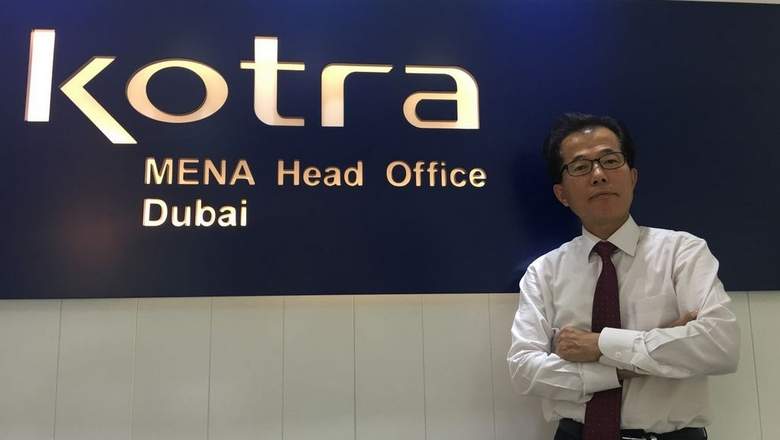
    “The two Korean free zones Incheon and Busan are participating in the three-day exhibition to showcase new property projects in Korea,” said Yong Suk Kwon, regional president Middle East and North Africa of Trade and Investment Promotion Office (Kotra).

    koreaeconomy

    Korea has long been focused on the UAE and GCC to attract investments into the second biggest Asian economy. In recent years, Korean real estate projects have done well in attracting foreign direct investment.

    “South Korea scored a total return rate of 7.1 per cent in 2015. It is a high and competitive return rate compared to other Asian countries. The returns are much higher than China (5.7 per cent) and Singapore (6.2 per cent), said Kwon.

    He said foreign investment companies including the State Oil Fund of Azerbaijan (SOFAZ), Abu Dhabi Investment Authority (ADIA), Kohlberg Kravis Roberts (KKR), ARA Asset Management Limited and Blackstone, have entered South Korea’s office building market.

    Referring to CBRE’s 2016 research, he said Korea secured 39 per cent of investors’ interest in most attractive countries to invest. “The hottest sectors were offices with 39 per cent, multifamily/leased residential units 26 per cent and shopping centres 17 per cent,” Kwon said, adding that investments also went into storages and infrastructure.

    Korea’s retail market is showing solid growth at 2.4 per cent in 2015 at $246 billion. Online shopping market showed the biggest growth with 14.3 per cent fuelled by the expansion of e-commerce and payments from mobile phone or mobile commerce. Complex shopping malls are showing robust growth displacing department stores and consolidating smaller forms of retail stores.

    “South Korea is seeing a record-breaking foreign direct investment influx,” Kwon said. In 2015, Korea received $20.3 billion in FDI, the largest amount till date. And in the first half of 2016, about $10.5 billion worth FDI was invested in Korea, also breaking the previous record so far.

    The government of South Korea designated so called “Korean Free Economic Zones” to improve the business and living environment for foreign-invested firms in Korea, Kwon said.