Tag: incheon

  • Opening of Incheon Airport’s 2nd terminal likely to be delayed

    Opening of Incheon Airport’s 2nd terminal likely to be delayed

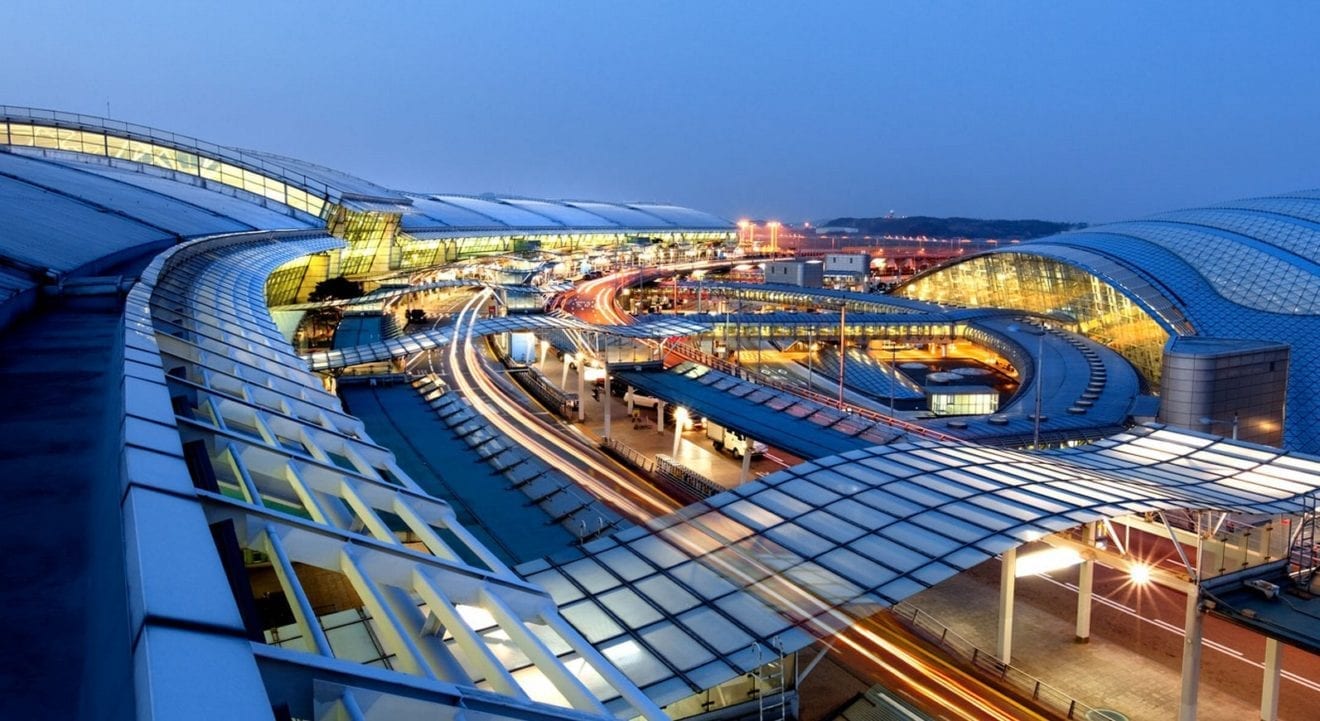
    Incheon Airport’s second terminal, which was originally slated to open this year, may push back its opening to after the PyeongChang Winter Olympics next February.

    According to a spokesperson at the airport corporation, the airport is weighing the pros and cons of opening the terminal within the year or after the PyeongChang Games.

    “It is technically possible to operate the second terminal this year, because all of the necessary facilities will complete construction in September,” he said.

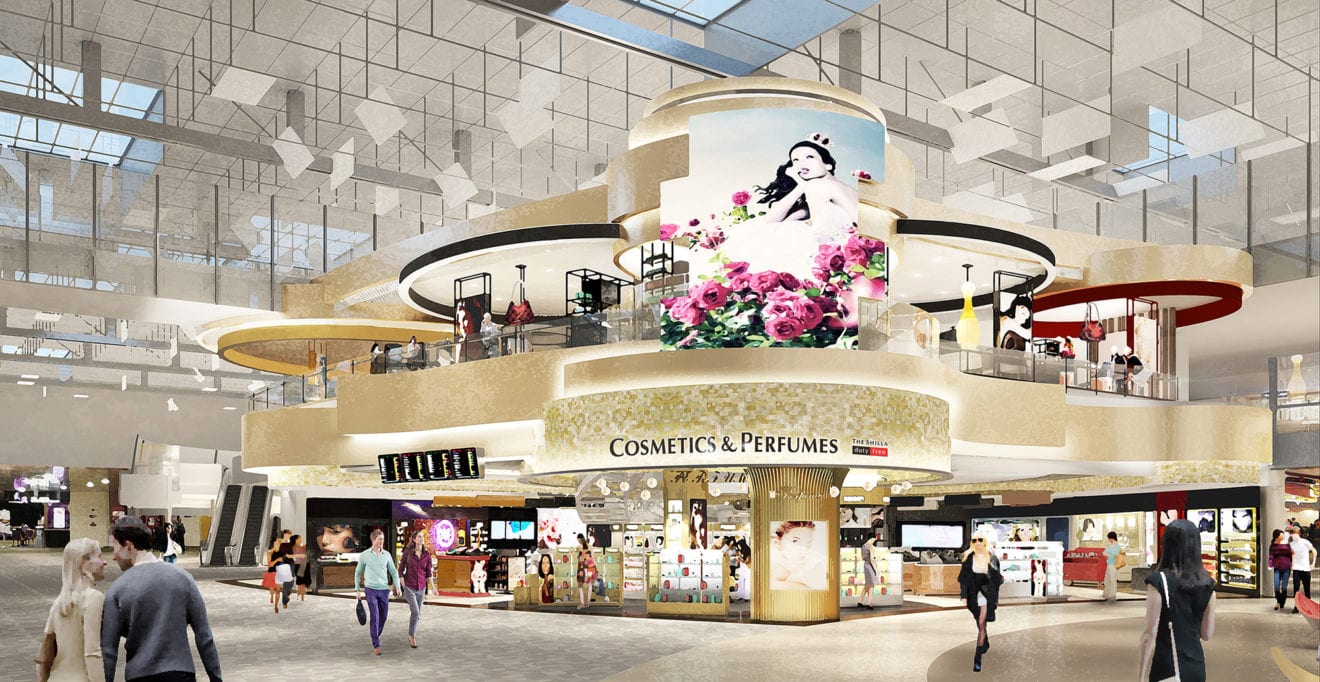
    However, this would require the terminal to open while the luxury and fashion duty-free shopping area, considered a “landmark” of the airport, is still under construction.

    “It would not only create inconvenience for airport visitors, such as dust from the construction, but also impact the airport’s image,” the spokesperson said.

    Incheon Airport has gone through six rounds of tenders to find an operator for the area, but has been unsuccessful. Shinsegae DF was the only company to bid in the fifth and sixth rounds, meaning that now Incheon Airport is legally able to directly negotiate a contract with an operator without another open bidding process.

    Even if Incheon Airport is able to negotiate acceptable terms with Shinsegae DF or another operator, it would take time for the Korea Customs Service to grant the final license. Another nine months to finish construction would mean that the shopping area would be able to open around next April.

    Another consideration is that visitors to the airport might still be unfamiliar with the second terminal when the PyeongChang Games are being held. The new terminal will house Korean Air, Delta, KLM and Air France.

    “Unless we are able to open by December, there will still be confusion at the airport regarding the terminals by the time the Games begin,” the spokesperson said, noting that the airport will have no problems handling the influx of travelers during the Olympics with just its first terminal.

    The Transport Ministry said in a statement that the second terminal “will be opened according to plan, with no postponement plans currently under consideration.”
  • Koreans offer hottest properties for sale

    Koreans offer hottest properties for sale

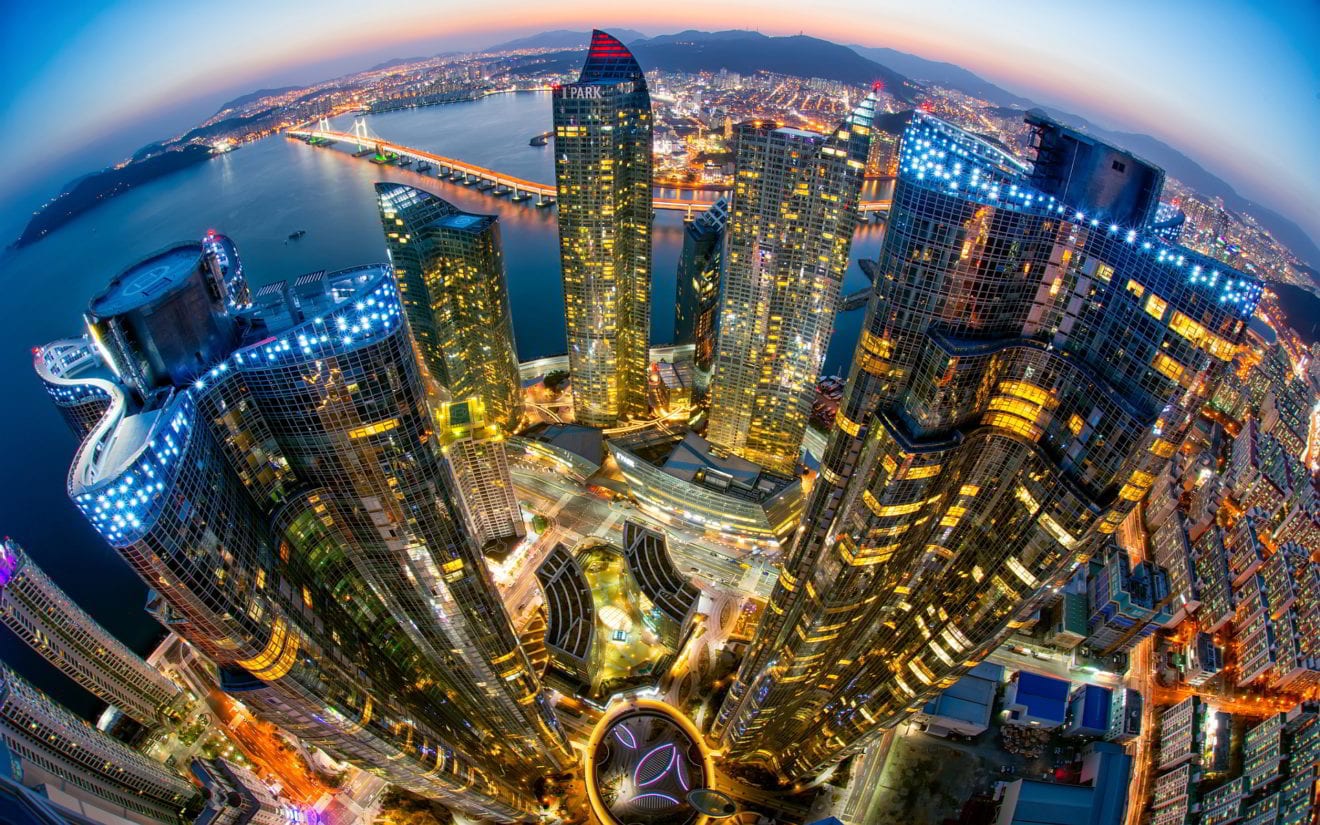
    Region’s property investors get a glimpse of Korea’s hottest properties being displayed at the Global Cityscape 2016, which will conclude today.

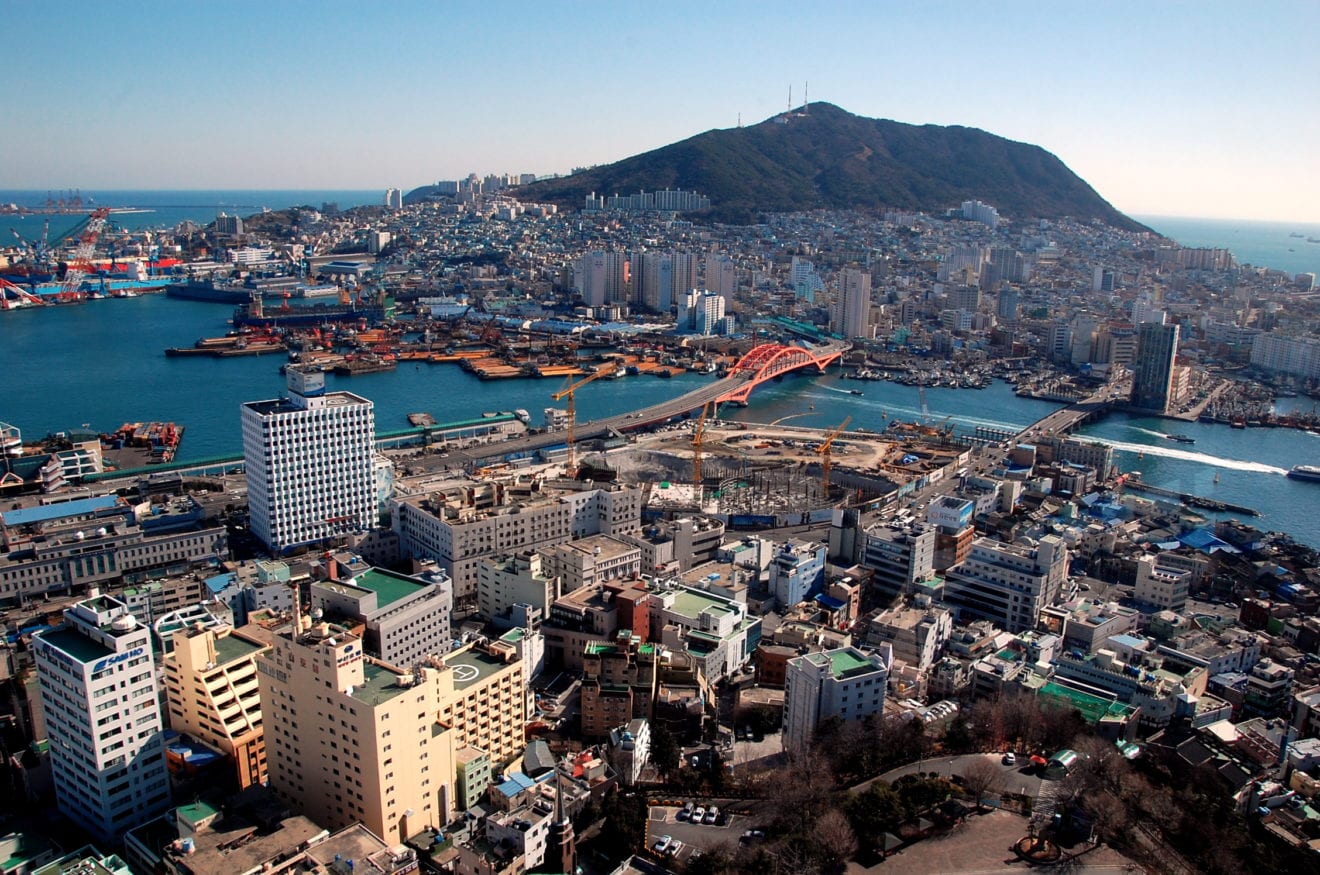
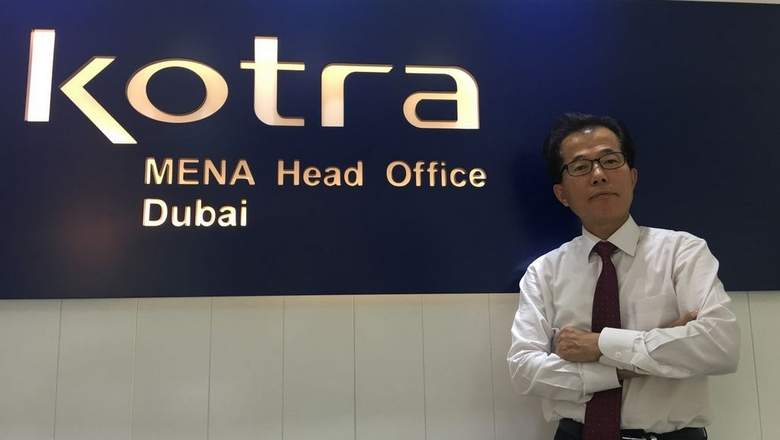
    “The two Korean free zones Incheon and Busan are participating in the three-day exhibition to showcase new property projects in Korea,” said Yong Suk Kwon, regional president Middle East and North Africa of Trade and Investment Promotion Office (Kotra).

    koreaeconomy

    Korea has long been focused on the UAE and GCC to attract investments into the second biggest Asian economy. In recent years, Korean real estate projects have done well in attracting foreign direct investment.

    “South Korea scored a total return rate of 7.1 per cent in 2015. It is a high and competitive return rate compared to other Asian countries. The returns are much higher than China (5.7 per cent) and Singapore (6.2 per cent), said Kwon.

    He said foreign investment companies including the State Oil Fund of Azerbaijan (SOFAZ), Abu Dhabi Investment Authority (ADIA), Kohlberg Kravis Roberts (KKR), ARA Asset Management Limited and Blackstone, have entered South Korea’s office building market.

    Referring to CBRE’s 2016 research, he said Korea secured 39 per cent of investors’ interest in most attractive countries to invest. “The hottest sectors were offices with 39 per cent, multifamily/leased residential units 26 per cent and shopping centres 17 per cent,” Kwon said, adding that investments also went into storages and infrastructure.

    Korea’s retail market is showing solid growth at 2.4 per cent in 2015 at $246 billion. Online shopping market showed the biggest growth with 14.3 per cent fuelled by the expansion of e-commerce and payments from mobile phone or mobile commerce. Complex shopping malls are showing robust growth displacing department stores and consolidating smaller forms of retail stores.

    “South Korea is seeing a record-breaking foreign direct investment influx,” Kwon said. In 2015, Korea received $20.3 billion in FDI, the largest amount till date. And in the first half of 2016, about $10.5 billion worth FDI was invested in Korea, also breaking the previous record so far.

    The government of South Korea designated so called “Korean Free Economic Zones” to improve the business and living environment for foreign-invested firms in Korea, Kwon said.


  • BMW cafe says Hello to Korea

    BMW cafe says Hello to Korea

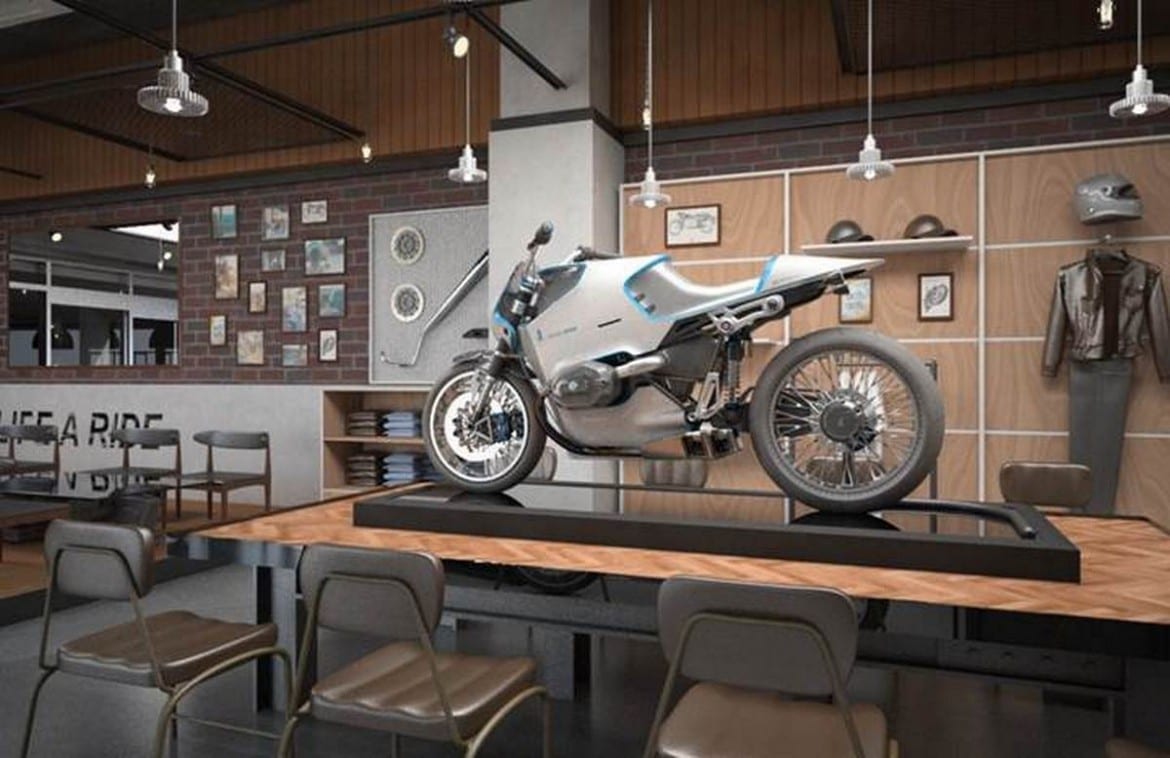
    A BMW cafe in Korea has opened inside a Lotte department store in Incheon.

    Lotte Department Store’s Premium Outlet allows visitors to enjoy the BMW motorcycles and related accessories such as clothing and helmets. The cafe open today, May 27.

    Free consultations about motorbikes and other products are also offered to customers.

    BMW Cafe Korea 1


    “We tried to make a store that targets men who are interested in motorcycles,” said a Lotte spokesman.

    “We’ll try to expand our shopping spaces that cater to male customers.”

    The number of Korean motorcycle fans has increased in recent years, doubling the number of imported high-capacity motorbikes from 10,300 in 2012 to 20,800 in 2015.

  • Changi makes it four as World’s Best Airport

    Changi makes it four as World’s Best Airport

    For the fourth year running Singapore Changi Airport has been voted the World’s Best Airport by air travellers at the Skytrax 2016 World Airport Awards, held at the Passenger Terminal EXPO in Cologne, Germany.

    The Skytrax awards are the most comprehensive on the planet, based on 13.25m ‘customer nominations’ across 106 nationalities of air travellers using 550 airports worldwide. The survey evaluates customer satisfaction across 39 key performance indicators for airport service and product – from check-in, arrivals, transfers, shopping, security and immigration, to departure at the gate.

    Changi Airport was also voted Best Airport in Asia, as well as the Best Airport for Leisure Amenities, with the latter award recognising the airport’s music bar lounges, cinemas, music deck, swimming pool, napping and rest areas – plus its in-terminal Transit Hotel.

    In order, the Skytrax best airport ranking 2016 placed Singapore Changi first, ahead of second placed Incheon, Munich Airport (3); Tokyo Haneda (4); Hong Kong (5); Chūbu Centrair Nagoya (6); Zürich Airport (7); Heathrow (8); Kansai (9); and Hamad International Doha (10).

    Mr Lee Seow Hiang (left), CEO of Changi Airport Group, receiving the World’s Best Airport award from Mr Edward Plaisted (right), CEO of Skytrax. This is the seventh time that Changi Airport has picked up this top title at the World Airport Awards.

    Commenting on the award to Changi, Edward Plaisted, CEO of Skytrax said: “To be voted by customers as the world’s Best Airport four years in succession is a most remarkable achievement for Changi Airport Singapore, and is clear testament to the airport’s popularity amongst air travellers.

    “Changi Airport continues to innovate in both product and service options for its customers and focus on making the customer experience at the airport as enjoyable and relaxing as possible.

    “To be named by global travellers as the world’s favourite airport for the 6th time in ten years is great reward not only to Changi Airport management, but for staff across every section of the airport who contribute in every little way to Changi Airport operations.”

    Adding his comments, Mr Lee Seow Hiang, Changi Airport Group CEO said: “To be named the World’s Best Airport by Skytrax for the fourth year running is a significant achievement for Changi Airport and a clear affirmation that we continue to hit the right notes in our pursuit of service excellence.”

  • M&G makes first retail acquisition in South Korea

    M&G makes first retail acquisition in South Korea

    M&G Real Estate has acquired three retail assets in South Korea at a combined value of US$230 million, representing an average yield of 6.5%. The acquisition was made on behalf of its core Asia real estate strategy, managed by Singapore-based Erle Spratt.

    Under the terms of the deal, M&G Real Estate has acquired two hypermarkets: the first in Daejeon, South Korea’s fifth largest city; the second in Jeju, the capital of the Jeju Province and the nation’s premier tourist destination. The third asset is an outlet mall in Incheon City, the country’s third largest city after Seoul and Busan. All three assets are highly sought after retail outlets in prime locations and are leased to South Korea’s largest retailer, Lotte Shopping.

    Hyesik Ryu, Managing Director, M&G Real Estate Korea, comments: “We were one of the first non-domestic institutional investors to invest in South Korea when we bought into the country’s commercial office sector in 2004. M&G Real Estate has developed a deep understanding of the market, enabling us to make this latest investment in the retail sector, which will strengthen the strategy’s long term income stream.”

    Erle Spratt adds: “We’re seeing strong capital flows, particularly from global pension funds and insurance companies in the UK and Europe. With responsibility for more than US$2 billion in assets, we are well positioned to pursue property investments across the region to further improve our risk adjusted returns and sustain the outperformance of our portfolio.”

    Stefan Cornelissen, M&G’s head of institutional business, Benelux, Nordics and Switzerland, says: “The Asia Pacific real estate market is now the second largest in the world and rivals the US and Europe in terms of its maturity, transparency and liquidity. European investors in search of diversification can now benefit from Asia’s strong economic growth and attractive long term returns without going higher up the risk curve.

    “We have recently had a significant commitment from Dutch investor, Blue Sky Group, which has invested on behalf of its recently launched Core Asia Pacific Fund. We expect further capital to follow from other UK and European investors. Asian real estate has come of age and is earning itself a strategic place in a diversified core real estate portfolio.”