Tag: Indonesia

  • Alfamart Philippines opening 200 new stores this year

    Alfamart Philippines opening 200 new stores this year

    Mini-mart chain Alfamart will open 200 new stores in the Philippines next year, according to a Fitch Ratings report. It said Alfamart Philippines stores already has 400 stores in the country, of which 180 were opened this year in partnership with local operator and majority stakeholder SM Group. The 200 new stores will take its total network to 600 locations in the Philippines by the end of next year.

    “Alfamart’s investment risk for its Philippine expansion is mitigated by the strong presence of SM Group in the country … Fitch expects Alfamart to have access to SM Group’s large business network and tap its widely known brand”.

    SM Retail operates 1729 stores nationwide. Alfamart’s Indonesian parent has a 35 per cent stake in the Alfamart Philippines business.

    According to the report, “Both Indonesia and the Philippines are consumer-driven markets with young populations and expanding middle classes. Both economies have similar income levels of GDP per capita of US$3000-$4000. Consumers in both markets also prefer to buy small amounts of bundled products rather than filling grocery carts”.

    It described the mini-mart sector in the Philippines “as untapped and having limited competition … the existing players mostly operate convenience stores that carry more limited products. Alfamart’s stores offer additional products, such as fresh and frozen food, personal care and small household appliances, giving the company some competitive advantage in grabbing market share.

    “Alfamart chose to expand in the Philippines as it believes it has more potential than other Southeast Asian markets, such as Thailand and Vietnam.”

  • Axiata Digital joins Singtel’s cross-border m-payment alliance

    Axiata Digital joins Singtel’s cross-border m-payment alliance

    Singtel Group and Malaysia’s Axiata Digital have signed an agreement to collaborate in the areas of mobile financial and digital services to promote the growth of the ASEAN digital economy. Under the agreement, Axiata Digital will join Singtel’s cross-border mobile payment alliance VIA, expanding the alliance’s footprint beyond Singapore and Thailand to Malaysia.

    Axiata Digital operates the Boost Malaysia mobile wallet, which as 3.7 million customers and 66,000 merchant points across the nation.

    In addition, the Singtel Group’s Open Platform payment gateway will partner with Axiata Digital’s API platform to enable cross-sharing of product portfolios.

    Both parties have also agreed to jointly promote and drive cross-border payments and to explore collaboration around rewards and loyalty programs.

    VIA was launched in October with Thai partners AIS and Kasikornbank. AIS is one of Singtel’s regional mobile associates. Singtel group plans to expand the VIA initiative to cover other associates Bharti Airtel in India, Globe in the Philippines, and Telkomsel in Indonesia.

    “We are delighted to welcome Boost Malaysia on board the VIA alliance, which gives us presence in an important new market. This shows the tremendous potential for us to grow cross-border mobile payments even beyond the countries where Singtel’s regional associates operate,” Singtel CEO Arthur Lang commented.

    “VIA’s continued expansion will provide consumers with the ease and convenience of using one mobile wallet to pay across multiple regional markets as they travel. We look forward to more partners joining VIA.”

  • AirAsia withdraws flight tickets from Traveloka

    AirAsia withdraws flight tickets from Traveloka

    AirAsia has withdrawn its tickets from Traveloka. The move follows an incident in which the low-cost airline’s flights were unavailable on the sites of several online travel agents, namely Traveloka and Tiket.com.

    “As a group, AirAsia has discontinued the sales of all of our tickets on Traveloka. It’s based on our disappointment with them,” Dendy Kurniawan, president director of AirAsia Indonesia, said in a press conference on March 4 in South Jakarta. In the meantime, AirAsia is still waiting for official clarification from Tiket.com.

    AirAsia flights were missing from Traveloka and Tiket.com from Feb. 14 to 17. At the time, Traveloka told that it was due to the airline’s system upgrades, while Tiket.com had remained silent on the matter. However, Rifai Taberi, AirAsia Indonesia commercial director, wrote on his Facebook account that it was not caused by AirAsia’s system.

    The flights then reappeared on Feb. 18, but have been missing for the second time since March 2 on both sites.

    “We’ve been patient enough waiting for Traveloka’s official explanation – despite rumors that were spread at that time,” said Dendy. “If [they said] it’s because of the system – come on, they should’ve anticipated it. They could’ve contacted us directly.”

    Dendy said he had received reports that Traveloka had not provided a clear explanation about the unavailability to their customers and that the online travel agent had not directed AirAsia customers to the airline’s official website or app to book tickets. “But they suggested that people choose other airlines that were available on their website. We perceive this as something that hurts our good business relations with them,” said Dendy.

    Dendy added that the withdrawal could have a short-term impact on the airlines. “Perhaps [for] less than a month,” he said. “I believe our customers [will] check our website directly.”

    Also present at the press conference, Rifai agreed with Dendy’s statement. “Our sales in February were not affected by it at all,” said Rifai, adding that his side had emailed Traveloka five times since Saturday afternoon but had not received a response.

    Rifai confirmed the statement, but said Traveloka had contacted AirAsia through phone communication. “What we didn’t get was professional communication […] but we already responded to them,” he said.

    In a statement on Monday, Sufinitri Rahayu, public relations director for Traveloka, said the travel site highly prioritized continuous collaboration with all stakeholders and partners. “Since last weekend, we’ve asked for time to talk with AirAsia to come up with the best solutions for both parties,” Sufinitri said.

    Additionally, in February, Rifai once indicated an instruction forcing online travel agents to stop selling AirAsia tickets on his Facebook account, but Dendy said he did not want to make any speculation. “Just let the relevant agencies investigate it. We’re not going to cooperate with parties with the intention of unhealthy competition. That’s none of our business,” Dendy said.

  • Palm oil prices to remain steady in 2019: MPOC

    Palm oil prices to remain steady in 2019: MPOC

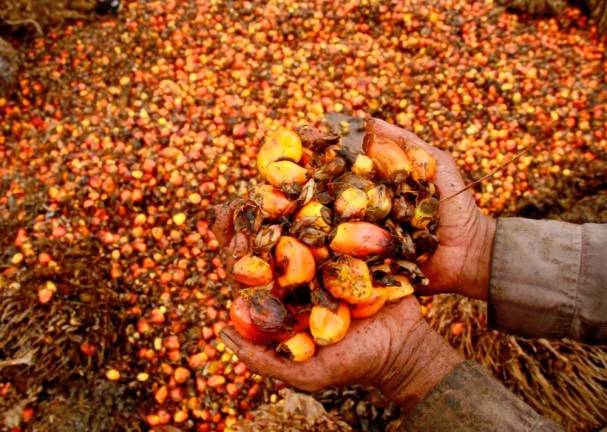
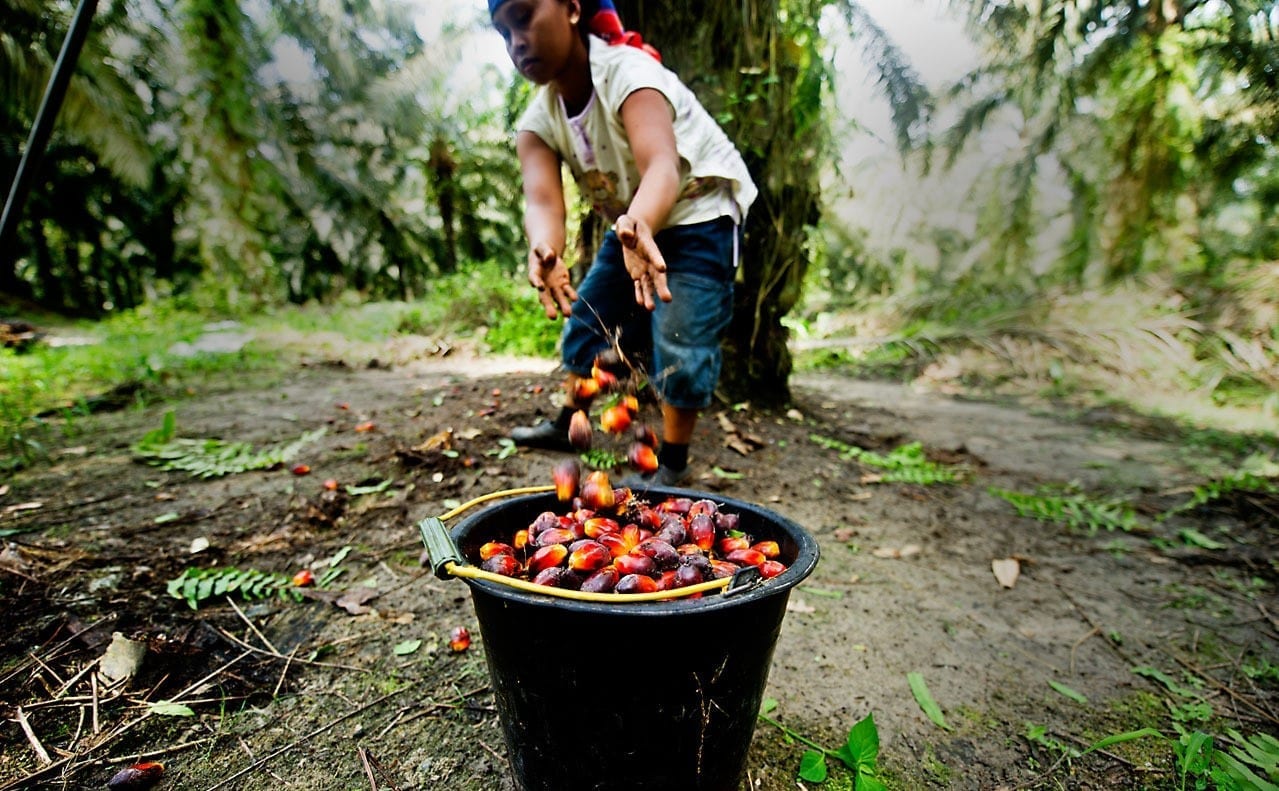
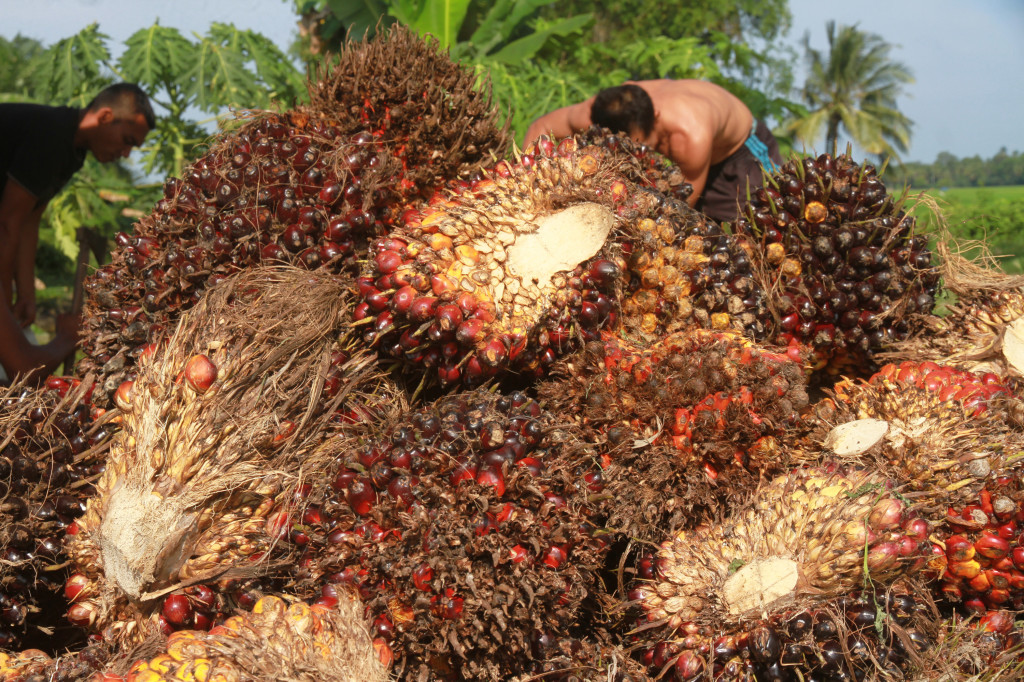
    Malaysian palm oil prices are set to hold steady in 2019 at an average of RM2,303 a tonne, according to estimates by the Malaysian Palm Oil Council (MPOC), while global output of the tropical oil is expected to rise by 3 million tonnes. “Global palm oil production is projected to be 72 million tonnes, with Malaysia and Indonesia as leading producers,“ the MPOC said in an online conference presentation.

    Rising production could cap recent price gains for palm oil, which has been recovering after touching a 3-year low last November at RM1,940 a tonne.

    Benchmark palm oil was trading at RM2,281 a tonne. The tropical oil averaged RM2,308 last year, according to Refinitiv Eikon data.

    MPOC, Malaysia’s key marketing agency for palm oil, also estimated that Malaysian output would rise to 20.2 million tonnes in 2019 and pegged Indonesian production at 42.8 million tonnes.

    Malaysia produced 19.5 million tonnes of palm oil last year, while Indonesia’s 2018 output stood at 42 million tonnes, based on estimates by the Indonesia Palm Oil Association.

    Malaysian palm oil output is expected to rise as newly replanted areas start to mature, but the increase will be marginal due to ageing trees and a possible El Nino in 2019 that will curb production, the MPOC said in its presentation.

    “Indonesian production is forecast to reach a record high of 42.8 million tonnes in 2019 due to improving weather conditions as well as newly maturing areas,“ it added.

    Palm oil exports in 2019 are also expected to increase in 2019, in line with an expected rise in demand from key importer India due to its declining domestic oilseed production.

    “India is expected to increase its (vegetable oil) imports by 500,000 tonnes, reaching 15.15 million tonnes, out of which palm oil will account about 10 million tonnes,“ said the MPOC presentation.

    Industry regulator the Malaysian Palm Oil Board forecast Malaysia’s a slight rise in production to 20.3 million tonnes this year due to favourable weather conditions and an expansion in oil palm matured area, according to an online presentation.

    It estimated Malaysia’s 2019 exports at 17.2 million tonnes, up from 16.5 million tonnes last year, due to “expected stronger palm oil demand from major markets.”

  • Record earnings for Maybank Indonesia

    Record earnings for Maybank Indonesia

    PT Bank Maybank Indonesia Tbk’s (Maybank Indonesia) profit after tax and minority interests (patami) for the financial year ended Dec 31, 2018 surged 21.6% to a new high of Rp2.2 trillion (RM640 million) on the back of higher net interest income (NII) and continued improvement in asset quality.

    The bank’s profit before tax (PBT) jumped 20.5% to a record Rp3 trillion, its highest achievement to date, while NII grew 5.2% to Rp8.1 trillion in December 2018 compared with Rp7.7 trillion in the previous corresponding period, it said in a statement today.

    Additionally, it said continuous implementation of disciplined pricing coupled with improved operational efficiencies enabled the bank to contain pressures on interest margin, resulting in improvement in net interest margin by 7 basis points (bps) to 5.2%.

    The bank’s asset quality also improved significantly as reflected by lower non-performing loan (NPL) levels of 2.6% (gross) and 1.5% (net) as at Dec 31, 2018 compared with 2.8% (gross) and 1.7% (net) respectively in the previous year.

    Following that, Maybank Indonesia was able to reduce its loan loss provisions by 38.6% to Rp1.3 trillion as of December 2018.

    Its loans grew 6.3% to Rp133.3 trillion from Rp125.4 trillion in the previous year.

    It also maintained a strong capital position with total capital reaching Rp26.1 trillion in FY18, while capital adequacy ratio (CAR) improved to 19% from 17.5%.

    Maybank Indonesia president commissioner and Maybank group president and CEO Datuk Abdul Farid Alias said the bank’s outstanding results for FY18 testify to its commitment towards sustainable business growth, as well as its relentless pursuit in ensuring sound asset quality, improved operational efficiency and better overall productivity.

    “Although the operating environment continues to remain challenging, we believe that we are poised for further growth in the coming year,” he added.

  • E-commerce firm Zilingo bags US$226m in funding

    E-commerce firm Zilingo bags US$226m in funding

    Singapore online fashion market Zilingo has achieved capital investment of $226 million in a Series D funding round. The investments were made by the firm’s existing backers, including Sequoia Capital, as well as newcomers Temasek Holdings and EDBI, and will support the business’s expansion into fresh markets in the Philippines, Indonesia and Australia, as well as build new infrastructure and modernise its supply chains.

    A report in DealStreetAsia last January suggested that Zilingo was considering listing an IPO with a view to developing offline retail.

    “Sequoia’s investment in Zilingo dates back to when the company wasn’t even yet incorporated and the name wasn’t finalised,” said Sequoia Capital (India) Singapore MD Shailendra Singh.

    “Ankiti and team have rapidly transformed their original ideas about Zilingo into a platform company that serves fashion consumers, merchants, retailers, brands and manufacturers, collectively representing a multi-hundred billion dollar market size.”

    Zilingo serves more than 20,000 merchants and retailers across Southeast Asia. It is currently valued at an estimated $1 billion.

  • Indonesian retail sales experiences rapid growth

    Indonesian retail sales experiences rapid growth

    Indonesian retail sales posted solid growth in December, according to a central bank survey. According to the data release, December sales grew at 7.7 per cent throughout the territory, a significantly faster rate than shown in figures from the year previous, are more than double November’s growth rate of 3.4 per cent.

    Sales throughout the month were predominantly underpinned by purchases of food, beverages and tobacco, alongside cultural and recreational goods.

    The survey predicts Indonesian retail sales will grow at a year-on-year rate of 4.8 per cent in January.

  • SE Asia Stocks: Most end lower, Vietnam hits near 2-month high

    SE Asia Stocks: Most end lower, Vietnam hits near 2-month high

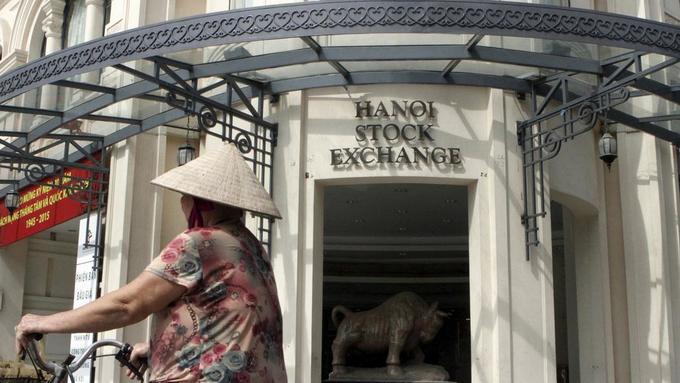
    Most Southeast Asia stock markets closed lower on Tuesday while Vietnam rallied for the second straight session to its highest level in nearly two months. Washington and Beijing will commence high-level trade talks this week to negotiate an end to their bitter trade dispute. Despite positive responses from both sides, the sailing of two U.S. destroyers near the disputed South China Sea, and China’s subsequent anger over the move appeared detrimental to negotiations.

    The Indonesian index fell the most in the region, closing 1.1 percent lower in its worst session this year, weakened by a slump in financial and telecom stocks.

    The country’s biggest bank by market value, Bank Central Asia, shed 0.6 percent, whereas Telekom Indonesia lost 2.8 percent.

    The Philippine benchmark slipped 0.6 percent, dragged by consumer and industrial stocks. Meanwhile, the country’s trade deficit narrowed in December as imports tumbled for the first time in a year.

    The stock index has outperformed other exchanges in the region so far in 2019, gaining about 7.3 percent.

    “We are mildly concerned about the surprise pullback in capital goods and raw materials. If this continues, this could show that recent aggressive tightening by the BSP (Bangko Sentral ng Pilipinas) is starting to bite into investment appetite, hampering the nascent investment-driven growth story that we have witnessed of late,” ING said in a note.

    Meanwhile, Vietnam benchmark rose for the second straight session and ended up 1.2 percent at its highest level since Dec. 17, with real estate and consumer stocks leading the gains.

    Property developer Vingroup JSC scaled 4.9 percent, while Saigon Beer Alcohol Beverage Corp jumped 1.9 percent.

    Vietnam was also chosen to host this month’s summit between U.S. President Donald Trump and his North Korean counterpart KimJong Un.

  • Malaysia to double palm oil used in transport biodiesel to 20%: Minister

    Malaysia to double palm oil used in transport biodiesel to 20%: Minister

    Malaysia aims to double the palm oil content in biodiesel used for the transport sector to 20% next year, as Southeast Asia’s third-largest economy looks to cut record stockpiles and boost prices, a government minister said. The government will also raise the palm oil content in biofuel for the industrial sector to 10% next year from a 7% quota being rolled out this July, Primary Industries Minister Teresa Kok said, speaking at a conference.

    Malaysia’s palm oil inventories fell to 3.001 million tonnes in January on increasing demand and falling production, but that was still near the two-decade high of 3.22 million tonnes recorded a month earlier.

    The increases in the amount of palm oil mandated for biodiesel – known as B20 for transport and B10 for industrial use – should lift use of the vegetable oil in biofuels to 1.3 million tonnes annually, the minister said.

    Kok said her ministry has submitted a proposal to the cabinet to set up a biofuel stabilisation fund to manage the price of biofuels, a similar mechanism to the export levy fund imposed by fellow palm oil producer Indonesia.

    “What if the palm oil price is high and the diesel price has gone up a lot? That would be costly for the public to use biodiesel, so we need to stabilise the price so biofuel will be more attractive to consumers,“ Kok said.

    “I have suggested (a stabilisation fund) in cabinet meeting before but we still need to have deeper discussion with other ministries.”

    Top palm producer and exporter Indonesia began collecting levies from palm exporters in 2015 to help finance the development of its palm-based biodiesel programme, as well as funding other palm oil agenda, such as replanting.

    However, Indonesia’s government temporarily removed the levy in November after a sharp drop in prices hit farmers.

  • Kendall Jenner signed agreement with Penshoppe

    Kendall Jenner signed agreement with Penshoppe

    Global fashion retail brand Penshoppe has unveiled the latest addition to its roster of international ambassadors – 23-year-old world’s highest-paid supermodel and one of the most followed celebrities on social media, Kendall Jenner. The model initially appeared on Penshoppe’s DenimLab campaign in 2015, and is now headlining the brand’s Spring Summer 2019 Campaign with Zayn Malik, Paris Jackson, Nam Joo Hyuk and Sandara Park.

    “As we move from strength to strength, we couldn’t think of a better addition to our growing list of global ambassadors”, said Golden ABC’s VP for brand management Jeff Bascon. “It’s good to have you back, Kendall!”


    Penshoppe has more than 400 locations across Bahrain, Cambodia, Indonesia, Saudi Arabia, Myanmar, Thailand, Vietnam and the Philippines. The brand is available online in Singapore, Malaysia, Hong Kong, Taiwan and Indonesia.

  • Indonesia’s E-commerce Market Larger Than Estimated; Consumer Habits Changing

    Indonesia’s E-commerce Market Larger Than Estimated; Consumer Habits Changing

    E-commerce accounted for 8 percent of total retail sales in Indonesia last year, on course to reach 18 percent by 2023, fueled by changing behavior among tech-savvy customers who are willing to spend more for convenience, according to a recent study by American multinational investment bank Morgan Stanley.

    The study estimates the size of Indonesia’s e-commerce market at $13 billion in 2018, having grown by 50 percent annually over the past two years. It suggests that the e-commerce market in Southeast Asia’s biggest economy may follow a similar growth trajectory to that of China and expand by at least 32 percent annually over the next five years to $52 billion in 2023.

    “This is notably above our previous estimate of $7.3 billion, or 4.4 percent of sales, partially due to better data availability but also due to the rapid growth in the user base… Indonesia is now only five years behind China in terms of penetration,” Morgan Stanley wrote.

    A separate study by global tech giant Google and Singapore’s Temasek, published last December, put the size of Indonesia’s e-commerce market at $12.2 billion in 2018 and $53 billion in 2025.

    The Morgan Stanley study, based on interviews with 1,582 respondents in eight Indonesian cities, suggests that the growth trend is still in an early stage, with many indicating that they only started shopping online in the past year.

    “Interestingly, 65 percent of the respondents in our survey had only started shopping online within the past year, and the majority believed e-commerce would become their main method of shopping over time,” the investment bank wrote in the report published on Tuesday.

    “There are 195 million smartphone users in Indonesia and only about 30 million online shoppers. The growth potential of the user base is still clearly huge,” it wrote.

    Apart from smartphone penetration, low data costs and the growing number of people with bank accounts serve as crucial enablers for continuing e-commerce growth, Morgan Stanley said. Data costs about 50 US cents per gigabyte in Indonesia, compared with $2.1 per gigabyte in China. About 49 percent of the adult population in Indonesia now has a bank account, compared with 20 percent in 2011.

    Apparel 

    Clothing and footwear fuel the sales growth, with 93 percent of respondents indicating that they bought items in this category online in the past 12 months. Half of them buy apparel at least once a month, Morgan Stanley said. In comparison, only 16 percent and 25 percent, reported that they purchased consumer electronics and mobile devices, respectively, which is the most common category in early state e-commerce.

    The study also noted changing customer behavior, which would likely affect their interaction with traditional brick-and-mortar stores. Three in every four customers said they would check for promotions or prices online before buying anything offline, Morgan Stanley reported.

    Seven in every 10 said they would continue shopping online, even if it meant they would have to pay for delivery. Morgan Stanley said this reflects consumers’ “willingness to pay for convenience.”

    “Fast shipping was the primary reason for preferring one website over another,” the bank said.

    Retailers 

    The trend presents challenges to traditional retailers to remain profitable and provides a powerful platform for small brands to challenge established manufacturers.

    “Our analysis reaffirms our medium-term concern for apparel-focused retailers like [Matahari Department Store]. The average transaction size for apparel online, per our survey, is similar to Matahari’s basket size,” Morgan Stanley said.

    “For beauty and personal care companies like Unilever, the combination of e-commerce and digital media is making it easier or cheaper for smaller companies to build brands and offer nationwide distribution,” it wrote.

    Everybody’s Game

    Investment in Indonesian internet companies has steadily risen over the past two years, which saw them attract at least $7.4 billion in capital in 730 deals.

    With all this potential growth, Morgan Stanley has yet to see clear winners in the country’s e-commerce market.

    Four players control most of the formal e-commerce sales: Lazada, Shopee, Tokopedia and Bukalapak, with the top three each controlling between 20 percent and 30 percent of the market. Bukalapak was in the low teens, according to the Morgan Stanley’s estimation.

    Lazada, a pioneer of e-commerce in Southeast Asia, is still the most preferred platform, according to the bank’s survey

    “Lazada had high usage rates across categories and genders. The cash-on-delivery option was one of the key drivers of the preference,” it said.

    Shopee was second overall in terms of usage and preference, being more popular in smaller cities and among people buying baby products, toys, and beauty and personal care products.

    “Tokopedia’s preference and usage were lower beyond Jakarta in our survey. Its usage rate was only 38 percent in second-tier cities like Surabaya, Medan and Bandung, compared to 62 percent in Jakarta,” Morgan Stanley said.

    A surprising find in the survey is that Tokopedia and Bukalapak both enjoy more than 80 percent customer recognition, but less than 50 percent had made purchases on their platforms within the past 12 months.

    “For Southeast Asia, we remain convinced that its e-commerce platform is being undervalued. Our survey not only confirms the popularity of Shopee but also that its users are willing to pay for delivery, which solidifies its path to profitability,” Morgan Stanley said.
  • Top 9 things to know about Starbucks Dewata coffee sanctuary

    Top 9 things to know about Starbucks Dewata coffee sanctuary

    Recently, Starbucks celebrated the journey of coffee from seed-to-cup by opening its largest destination in Southeast Asia – the Starbucks Dewata Coffee Sanctuary.

    1. Original Logo

    Starbucks opens the Dewata Coffee Sanctuary with an original logo, crafted in the Geringsing Double Ikat technique, inspired by the deep traditions of the seed-to-cup story. Double Ikat, found only in Bali, is a weaving technique used to create geringsing fabrics, traditionally taking five years to create, and an essential textile used in ceremonial dress as it is believed to have extraordinary powers. The logo itself is a lotus flower, the symbol of beauty, prosperity and fertility, and highly respected in Bali. The 18 petals represent the Balinese philosophy of Tri Hita Karana – the three causes of prosperity: harmonious relationships between people, the environment and God.

    2. Store Façade

    The store’s façade is created with locally made red bricks in the shape of half circles to create the illusion of the many waves found on Bali’s famous beaches. The exterior appears to move to passersby on Sunset Boulevard as they drive past the storefront, and combines modern building techniques with traditional Balinese architecture for an east-meets-west design. The design is carried into the interior of the store at the core bar where baristas handcraft favorite Starbucks beverages.

    3. Micro-Plot of Arabica Coffee Trees

    Upon entering the space, customers are invited into a micro-plot of Arabica coffee trees. This 1,000 sq. ft. plot will be a working, coffee producing farm cherrying during harvest season in the region, typically in the early springtime, and mirrors the size of 90 percent of all coffee farms in Indoneisa.

    4. Hand-Carved Wooden Mural

    As customers enter the café, their eyes are immediately drawn to the unique artwork filling the store. A 30-foot tall hand-carved wooden mural from Jepara features a depiction of the history of coffee in Indonesia, from the coffee growing regions of Java, Sulawesi, Bali, West Papua, Brastagi and North Sumatra, home to Starbucks Indonesia Farmer Support Center. Over the Reserve bar, customers eyes are drawn up to the bamboo installation inspired by the smoke, steam and vapor that create the familiar aroma of coffee. Both expansive pieces were created by Indonesian art agency, Atrovale, while two Jakarta-based artists, Janet Jane and Jamal M. Aziz, created pieces to highlight the store’s moments of discovery. Janet’s macramé art was inspired by the lush landscapes of Indonesian coffee farms, while Jamal’s two murals illustrate the first-ten-feet of the coffee bean’s journey at origin.

    5. Hand-Carved Stone Tiles

    In the Reserve Bar, hand-carved stone tiles create the ornate floor and wall design. The traditional, local craft found across Bali was reimagined into patterns which reflect a modern interpretation of coffee flowers and coffee beans.

    6. Living Wall

    To the left of the entrance, customers are invited to Starbucks core bar featuring a living wall filled with flora from the region. The botanicals are arranged in the form of Bali’s signature gapura, split gates, a symbol to welcome guests into our stores. This living wall is set back behind the bar where Starbucks partners will enter the café to connect with customers and handcraft their favorite Starbucks beverages.

    7. Clay Pots

    Around the store, customers will be enchanted by the surrounding flora, bringing the unique Indonesian environment inside. Trees throughout the space are planted in beautiful clay pots inspired by a traditional Sumatran pattern and the Starbucks Siren. Motifs of Indonesia’s mountainous terrain and coffee beans remind customers of the unique surroundings found only in Indonesia.

    8. Coffee Seedling Nursery

    On the second floor, customers are invited into the first coffee seedling nursery to be located inside of a Starbucks store. Our partners work with local farmers to take special care of these seedlings and invite customers to help tend to the delicate plants. Inside this greenhouse, customers can touch the first stages of the seed-to-cup journey that brings us our favorite coffee flavors around the world.

    9. Interactive Media Installations

    The experience continues throughout the expansive space where customers can find two interactive media installations to further immerse themselves in the coffee journey. On the first floor, a first-of-its-kind digital wall can be accessed through pressing and twisting various portions of the wall to participate in the planting, processing, roasting, shipping and brewing processed. Above them, customers can hear the stories of Starbucks Farmer Support Center in Indonesia. Two synchronized videos guide visitors through the FSC on walls fashioned from the traditional rattan weavings which inspired the Dewata Bali logo.

  • Indonesia Prepares New Strategy to Meet 2019 Tourist Arrival Target

    Indonesia Prepares New Strategy to Meet 2019 Tourist Arrival Target

    When President Joko “Jokowi” Widodo set out to double Indonesia’s foreign tourist arrivals within the five years of his presidency, many were skeptical. Now, the target seems to be within reach. Combined government efforts that included the massive development of airports and tourist destinations, aggressive digital promotions and a visa-free policy have, along with the weakening rupiah, attracted 16,2 million foreign tourists to Indonesia last year, which is 71 percent more than four years ago.

    Still, some setbacks were unavoidable. A series of volcanic eruptions, earthquakes and tsunamis over the past 12 months, as well as the tragic crash of Lion Air flight JT-610 into the Java Sea near Jakarta, resulted in the government missing its target to woo 17 million foreign tourists last year.

    Industry players worry that the bad image created by these disasters would take long to erase and thus undermine the country’s ability to attract 20 million foreign tourists this year.

    “Indonesia is situated on the Ring of Fire; we could not predict or prevent any disaster. What we need now, is to work extra hard to ensure that the world knows that when disaster strikes here, all tourists and local residents are well cared for,” said Elly Hutabarat, chairwoman of the Indonesian Travel Agent’s Association (Astindo).

    She cited Mexico as an example of a country that had just been hit by an earthquake, but still managed to quickly revive its tourism industry.

    “We see Mexico, which had just experienced an earthquake, is responsive and is able to give up-to-date information to the world. Such efforts are able to quickly revive their tourism industry,” Elly said.

    Border Tourism, Low-Cost Terminals

    The government has not given up, as the tourism industry could potentially generate $20 billion in foreign exchange revenue this year, which is crucial to plugging the country’s persistent current-account deficit.

    Guntur Sakti, head of communications at the Ministry of Tourism, said the government has implemented a strategy to meet this year’s tourist arrival target by developing border tourism, hub tourism and the renovation of airport terminals to cater to low-cost carriers.

    The government’s border tourism plan is aimed at making it easier, faster and cheaper for tourists to visit Indonesia from neighboring countries.

    Malaysia, Singapore and the Philippines also have a similar cultural heritage and history as Indonesia.

    “The potential from border tourism is massive, especially from neighboring countries,” Guntur said.

    Through the hub tourism strategy, the government expects to attract a larger number of foreign tourists that travel to the capitals of neighboring countries, specifically Bangkok, Kuala Lumpur and Singapore.

    The government estimates that more than 11 million foreign travelers – excluding Indonesians – transit at Singapore’s Changi Airport annually before continuing their travels to other countries for business or leisure. Guntur said this represents a massive potential for Indonesia.

    He added that tourists frequently transit in Singapore or other cities in the region because of limited direct flights to Indonesia from Europe, the United States and even parts of East Asia.

    For instance, about half of all Chinese tourists heading to Indonesia must transit in Singapore or Malaysia before reaching the archipelago, while 80 percent of tourists from Thailand and Malaysia are able to reach the country via direct flights.

    The government also plans to renovate several terminals at Soekarno-Hatta International Airport outside Jakarta to exclusively accommodate low-cost carriers.

    Terminal 1 at the airport will soon only cater to passengers of low-cost airlines traveling to domestic destinations, while Terminal 2 will cater to passengers of low-cost airlines on both domestic and international flights.

    Many countries have built terminals or even whole airports to specifically accommodate low-cost airlines. This lowers the airport’s operating budget, which in turn helps to reduce airport taxes and airline ticket prices, which ultimately attract more foreign tourists.

    Guntur said at least 70 percent of foreign tourists use low-cost carriers to travel to Indonesia.

    “To realize our strategy and attract more tourists, we are working with state-owned airport operator Angkasa Pura to renovate Terminal 1 and 2 at Soekarno-Hatta Airport. We’ve noticed many countries operate several terminals that cater to full-service carriers and low-cost carriers separately,” he added.

    The number of passengers traveling to Indonesia on low-cost carriers grows by about 55 percent annually, while the number of passengers arriving on full-service airlines only increases by about 7 percent per year, according to tourism ministry data.

    Ten New Balis

    The government also actively promoted its “10 New Balis” program last year to develop and promote several destinations beyond Bali, Indonesia’s most popular destination.

    The 10 New Balis include Mandalika in Nusa Tenggara, Thousand Islands in Jakarta, Tanjung Lesung in Banten, Tanjung Kelayang in Bangka Belitung, Borobudur Temple in Central Java, the Bromo Tengger Semeru National Park in East Java, Labuan Bajo in East Nusa Tenggara, Wakatobi in Southeast Sulawesi and Morotai in North Maluku.

    The project, spearheaded by the tourism ministry, has also established programs to develop each of the destinations by building 5,000 homestays, improving infrastructure, increasing financing for tourism to around Rp 2.5 trillion ($177 million), implementing sustainable tourism in 16 destinations, developing 10 special economic zones and developing nomadic tourism.

  • Ride-Hailing Firms Enjoy Growth in Indonesia, but Face Fraud Challenge

    Ride-Hailing Firms Enjoy Growth in Indonesia, but Face Fraud Challenge

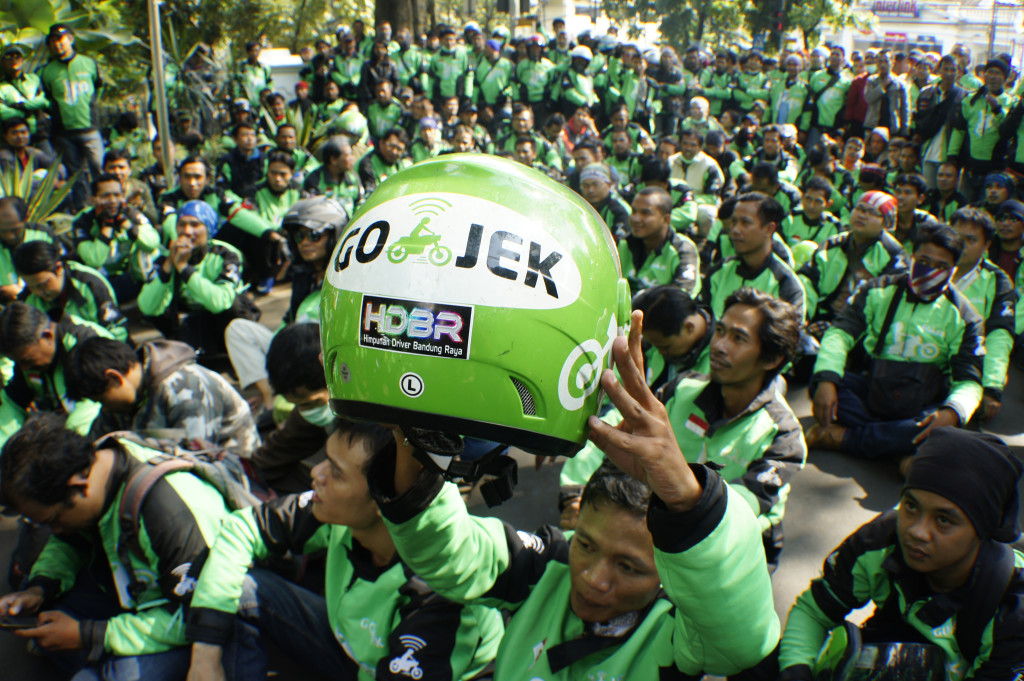
    Grab and Go-Jek, two of Southeast Asia’s biggest technology startups, have successfully grown their food delivery and ride-hailing services, but both must pay special attention to better detection of fraudulent orders, a recent study by Spire Research and Consulting Indonesia showed.

    The local unit of the Tokyo-based research company surveyed driver partners and customers to establish what ride-hailing services they prefer, based on various criteria, including consumer awareness, usage frequency and the use of e-money.

    Grab Leads in Product Usage

    Based on Spire’s consumer awareness survey, 75 percent of respondents said they used Grab’s services over the past six months, while 61 percent indicated that they had done so in the past three months.

    For Go-Jek, it was 62 percent and 58 percent, respectively.

    “Regardless, 50 percent of respondents agree that both Grab and Go-Jek are their favorite brands,” the consultancy said.

    Regarding product usage frequency, customers more often used Grab’s services than those of Go-Jek in the last quarter of 2018.

    The survey also found that 34 percent of GrabCar customers were more likely to use the service three to four times a week on average, while for Go-Car, 25 percent of customers were more likely to use the service once or twice a week on an average.

    Grab Leads in Four-Wheel Segment, Go-Jek Leads in Two-Wheel

    On the other spectrum of the survey, it found that Go-Jek’s Go-Ride was still the customer favorite, with 64 percent saying that they use the service once or twice a day, while for Grab it was 58 percent.

    “When it comes to food delivery, Go-Food is in the lead with 35 percent of respondents saying Go-Food was the brand they most often used, but Grab is catching up quickly with 27 percent saying they used GrabFood the most,” Spire said in a press release on Tuesday.

    E-Money

    As of 2018, both services introduced the use of e-money to facilitate digital payments.

    Grab launched an e-payment service in cooperation with OVO, while Go-Jek established its own, Go-Pay.

    “Based on the survey results, OVO usage exhibits strong O2O [online-to-offline] usage, while Go-Pay’s strength is in Go-Jek’s mobile app ecosystem. For example, OVO is the preferred payment for offline items like phone balance, parking bills and bills for nonfood merchants, while Go-Pay is used to pay food-merchant bills [Go-Food] and electricity bills through the Go-Jek app,” Spire said in the statement.

    Natural Selection

    Indonesia has seen monumental growth in the ride-hailing sector over the past few years, with the mergence of dozens of startup companies. However, natural selection resulted in only two surviving and dominating the market.

    Indonesia is still a magnet for tech companies, including ride-hailing services, thanks to the high consumption rate and mobility of its citizens.

    The two survivors have seen intense competition, with both drastically increasing their product offerings.

    Their services such as food delivery and ride-hailing are similar in nature, but the two companies’ more unique offerings are distinguishing factors.

    Fraud

    Spire said the most interesting finding of its study was the prevalence of fraud.

    “The most interesting finding by Spire is the existence of fraud and how the drivers perceive it,” Jeffrey Bahar, group deputy chief executive of Spire Research and Consulting, said in the statement.

    Spire said fraud in online ride-hailing services is an open secret among drivers and that most who commit it gave similar reasons for doing so, which is to increase their monthly earnings.

    Fraud is seen as a major threat to the industry as it results in economic losses to the companies and highlights vulnerabilities in their systems.

    Spire’s research showed that nearly 30 percent of Go-Jek’s total transportation orders might be fraudulent, compared with 5 percent for Grab.

    “This is based on an estimation of fraudulent orders against total orders. This is a systemic problem for both companies and one that Go-Jek needs to address,” Spire said in the statement.

    According to Spire’s driver survey, “as of 2018, nearly 60 percent of Go-Jek’s drivers say they commit fraud on a daily basis to boost their order numbers, which affect their bonuses and daily income.”

    The drivers who were surveyed said Go-Jek’s system was easier to trick by using applications that modify their location data. On the other hand, less than 10 percent of Grab’s drivers admitted to committing fraud.

    Grab’s drivers said the company’s system was not easy to trick and that the sanctions imposed for such offenses was a deterrent. Drivers also commented that both companies had been improving their systems to better detect fraud.

    “Overall, both companies are growing rapidly in food delivery and ride-hailing but special attention must be paid to the issue of fraud to ensure the healthy development of the technology ecosystem in the country,” Spire said.

  • Palm falls as data shows slower exports

    Palm falls as data shows slower exports

    Malaysian palm oil futures fell last week, after data from a cargo surveyor showed exports grew more slowly than expected in January. The benchmark palm oil contract for April delivery on Bursa Malaysia Derivatives Exchange dropped 0.2% to RM2,299 a tonne. Trading volumes stood at 24,751 lots of 25 tonnes each.

    “The export numbers released are below yesterday’s (Wednesday’s) market rumour. The ringgit’s strength also pushed the market lower,” a Kuala Lumpur-based trader said, adding that the coming long holiday weekend should prompt traders to cover short positions. “That should limit any big sell-offs,” the trader said.

    Cargo surveyor Intertek Testing Services said yesterday exports of Malaysian palm oil products for January rose 14.7%, while independent inspection company AmSpec Agri Malaysia reported a 15.5% increase.

    Palm oil may slide into a range of RM2,256-RM2,274 per tonne, as its correction from the Jan 28 high of RM2,333 looks incomplete, Wang Tao, a Reuters market analyst for commodities and energy technicals said.