Retail News CRM

Tag: Influencer

  • Thailand to tax influencers and online sellers

    Thailand to tax influencers and online sellers

    The Thai Revenue Department has urged social media influencers and online sellers to file their annual income tax by the end of March to avoid fines and penalties.

    Director-General Pinsai Suraswadi expressed concern that many young earners, including e-commerce vendors, influencers, and product reviewers, have never filed income tax returns.

    Thailand’s e-commerce platforms, such as Shopee, Lazada, and TikTok, host around 3 million online sellers, while an estimated 2 million full-time influencers and content creators generate billions in revenue. A recent survey found that many in this group, particularly younger individuals, fail to report their earnings or pay taxes.

    Pinsai warned that the Revenue Department can audit records up to five years back and that failure to file tax documents will lead to penalties. However, he reassured earners that filing errors can be corrected.

    A study by Tellscore, FutureTales LAB, and the Thailand Institute for Mental Health Sustainability (Tims) estimated that Thailand’s content creator industry contributes at least THB45 billion (US$1.25 billion) annually to the economy.

    The country has around 2 million full-time content creators, rising to 9 million when part-time creators and “micro-influencers” are included.

  • South Korean KOLs banned from promoting products without full information

    South Korean KOLs banned from promoting products without full information

    South Korea will ban social-media influencers – KOLs – from pitching a new product or service on their online platforms without disclosing their business ties with corporate sponsors, government officials have announced.

    The move comes amid controversy over some famous social-media influencers’ involvement in the shady practice called “backdoor online advertising.”

    The Fair Trade Commission (FTC), South Korea’s antitrust watchdog, said its revised advertising guidelines for social-media platforms will become effective from September.

    The new rules require KOLs on social media platforms, such as YouTube or Instagram, to state clearly whether their product endorsements are “financially rewarded or intended for promotion”.

    Vague wording like “thanks to” or “reviewer group” will be prohibited on their videos as well.

    The corporate watchdog said it will start to crack down on and punish violators after a certain guidance and grace period.

    Violators — both influencers and corporate sponsors — will be slapped with a fine of up to 2 percent of related sales and revenue or US$422,000.

    Some social media influencers have drawn flak for their backdoor advertising. A popular ‘mukbang influencer’ with 4.7 million viewers recently apologized for being involved in the unfair advertising practice.

    In addition, a renowned YouTuber with an audience of 2.68 million has announced her retirement from mukbang, a portmanteau in Korean of “eating” and “broadcast.”

    Last year, the antitrust watchdog clamped down on companies’ backdoor advertising through influencer reviews for the first time.

  • Vely Vely selects Indonesian YouTube rising star to boost SE Asian brand

    Vely Vely selects Indonesian YouTube rising star to boost SE Asian brand

    South Korean cosmetic brand Vely Vely is banking on Indonesian YouTube star “Sunnydahye” to increase brand awareness as it launches into Southeast Asia.

    Sunnydahye is one of the most popular KoLs in Indonesia with more than 1.8 million subscribers on her YouTube channel. Using Sunnydahye’s influence in Indonesia and across Southeast Asia, Vely Vely hopes to accelerate its overseas market entry.

    The brand recently hosted her at its five-story flagship store in the Seoul district of Sangsu-dong.

    During her time in South Korea, Sunnydahye was introduced to Vely Vely’s latest beauty line including face mists and eye shadows. The Indonesian KoL later reviewed the products online.

    “We are very much pleased to invite Sunnydahye who has a large fan base in Indonesia while the level of interest in K-beauty is increasing in the Southeast Asian region,” said a company spokesperson. “With Sunnydahye, we will be able to introduce Vely Vely and Imvely brands to a greater number of customers in Indonesia.”

    Sunnydahye’s video review has attracted more than 250,000 views and 1000 comments, attesting to the South Korean brand’s growing popularity in Indonesia.

  • Instagram famous Baby Chanco is now a testimonial for Pantene

    Instagram famous Baby Chanco is now a testimonial for Pantene

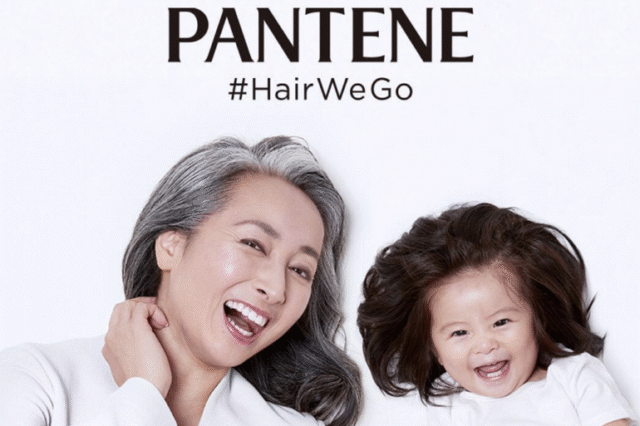
    A one-year-old baby with an incredible mane of hair has been signed by Pantene as one of the faces of the brand in Japan. Instagram starlett Baby Chanco has stunned social media users over the last six months as her mother uploads images of her incredible, thick hair. Baby Chanco, who lives in Japan, was born with a full head of hair in December 2017 and it has continued to sprout as she has grown.

    Chanco’s mother updates her 300,000 followers on the platform with weekly photos of the little girl’s full bouffant. Every photo shared receives around 10,000 likes from her adoring fans.

    In one of the images from the campaign, Baby Chanco, whose Instagram account is managed by her mother, Mani Kano, poses alongside Japanese TV presenter Sato Kondo, known for her grey tresses.

    Fast forward to 2019 and Baby Chanco is following in the footsteps of celebrities such as Selena Gomez as a Pantene spokesperson.

  • Era when eggs taking over Instagram

    Era when eggs taking over Instagram

    Eleven days ago, the anonymous Instagram account world_record_egg posted its first image, what appears to be a simple stock photo of a brown egg. “Let’s set a world record together and get the most liked post on Instagram,” the caption read. The photo has now reached that goal, with over 42 million likes as of Tuesday afternoon. It blew past the previous record holder over the weekend, the first photo Kylie Jenner shared of her daughter Stormi, which garnered only around 18.5 million likes after it was posted last year.

    It is easy to root for the Instagram egg and its other nihilistic siblings, like the halved white onion that only wants more Twitter followers than President Donald Trump.

    These accounts are not inherently interesting or important—many of them post barely any content at all—but they are made so because the internet decides they should win the attention lottery. In an era of rampant spam, thirst traps, and stolen memes, the egg became popular by straightforwardly asking for likes and nothing else. It is absurd. It is delightful. It feels righteous, charitable even, to help these accounts amass larger online followings than those of world leaders or members of the Kardashian family.

    Anything can be mapped onto the canvas of a blank brown egg, and so thousands of remixes have predictably been created that riff on the original. Ellen DeGeneres, for her part, put Kylie Jenner’s face on the egg on Monday, in the hopes that by putting them together, she can attract more engagement than the two most popular Instagram posts combined.

    Why did this egg take off where others have failed, that’s not clear. But the creator is clearly familiar with some of the engines of online fame. They tagged a number of people and publications that regularly cover viral memes like LADBible, Mashable, BuzzFeed, the Daily Mail, and YouTube star PewDiePie in the egg photo itself. Once the account took off, they began to sell “official” merchandise, including T-shirts that say “I LIKED THE EGG,” which go for $19.50. A request for comment sent to the email listed on the egg’s Instagram page went unanswered.

    The account behind the egg, which has nearly 6 million followers, is also an incredibly valuable marketing vehicle. Brands could spend thousands of dollars to advertise with it, according to sources in the influencer marketing industry who spoke with Recode. When the egg goes out of style, its creator could also sell the account or pivot to sharing another type of content with the massive audience they’ve already attracted.

    The egg’s creator may instead simply continue to try to profit off the popular meme, as other viral food sensations have before them. In 2014, after Zack Brown went viral for raising more than $55,000 on Kickstarter to make potato salad, he threw a potato-themed party and two years later released a potato salad cookbook. Carter Wilkerson—the teen who became famous in 2017 after Wendy’s promised a year of free chicken nuggets if he achieved 18 million retweets—went on to sell nugget-themed apparel for charity. Max Miller, the guy behind the half onion, also sells merchandise and claims a portion of sales are donated to charity too.

  • How to be a successful KOL in China?

    How to be a successful KOL in China?

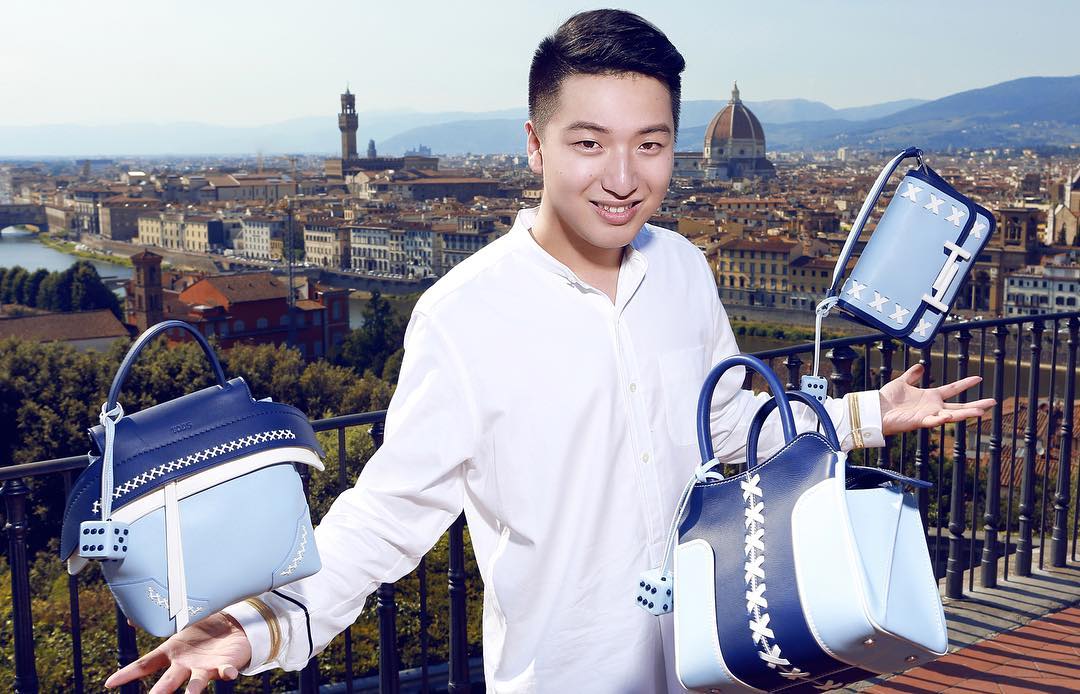
    Why luxury brands willing to expand in China seems to never get enough of  so-called KOLs (key opinion leaders) Tao Liang, nickname “Mr bags”, is a graduate of the University of Southern California and Columbia University. Although he is only 26-year-old, he has already become one of the most successful digital influencers in China, in terms of the ability to drive sales.

    People call him Mr Bags because Liang has an unapologetic love for handbags. So, he has worked on capsule collections with different luxury brands such as Givenchy, Longchamp and Montblanc, boasting a huge following on WeChat and Weibo, which are two of the largest social media networks in China. And he also knows how to sell them to his over 3.5 million readers on China’s biggest social media platform Weibo and more than 850,000 followers on WeChat, a microblogging messaging app.

    In just six minutes, Liang helped Tod’s sell 3.24 million RMB worth of handbags on his new Mini Program shop within WeChat, called “Baoshop.” The second collaboration between the Beijing-based fashion blogger and Tod’s, 500 pieces of the limited-edition “Wave” backpacks were created — double the amount from last year’s capsule collection.

    But how did Liang become a sort of “bag whisperer”? He says that when he was studying in the universities in Los Angeles and New York, he fell in love with luxury bags and loved going on shopping sprees with his friends. It didn’t take long for him to realize that he could turn his passion for handbags into a full-time job but even after he started getting some traction while still in the US, his parents were not entirely happy with his career choice. “Only after I started working with big brands and celebrities like Fan Bingbing they thought that perhaps this was a real business,” he says.

    One issue that often comes up with KOLs is authenticity. When you work with different brands, how do you maintain your integrity without alienating your fans, who trust your opinions to be genuine and unbiased? “This is key for me and I really try our best to maintain that,” says Liang. “One of my advantages is that until not long ago I was based in the US so I wasn’t exposed to all the brand partnerships and advertising that the KOLs were doing in China so my content was 100 per cent pure editorial, but then I started working with brands and get first hand information while also giving my followers the right information and guidance.”

    So how does Mr Bags, a young man with an innate fashion sense and an encyclopedic knowledge of handbags, guide his followers and win their trust? He only works with brands that his fans “naturally love” and turns down offers all the time. Liang’s fan base is mostly female, and he feels that being a man is not a hindrance. On the contrary, by virtue of being a guy, he is able to provide useful and unbiased advice.

    “My name is Mr Bags and lots of people find this name interesting but also confusing because generally bags are for women,” he says. “Normally when girls shop for a bag they don’t think too much and buy it right away, on impulse, so I help them think more rationally. For example, I categorize all the bags and tell them which ones are the classic pieces and the ones that have more staying power and the most iconic ones so I provide some logic behind their purchases. I think that as a guy I’m more objective and I can give them useful tips. I tell them that if you buy a bag that you can use in your life and enjoy it then you feel that your money is well spent and worth it.”

    Liang believes that his editorial work must come first.“Many people think that KOLs just have fancy lives and go everywhere for fun but in China we have so many channels, like WeChat and Weibo, so it’s really a lot,” he says. “I was just updating my channels on the way here. Editorial content is more important for me; 60 per cent of what we do is still editorial.”

    Achieving the right balance between authentic content and remunerative ad-driven projects is the key factor for being a successful KOL, something that is not always as easy as it seems but Liang has already mastered so far.

  • Shilla Duty Free recruits Asia’s top social media influencers to pitch K-beauty

    Shilla Duty Free recruits Asia’s top social media influencers to pitch K-beauty

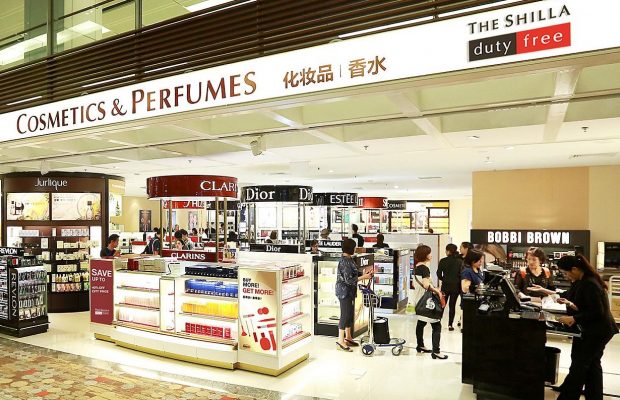
    South Korean Hotel Shilla has recruited five social media influencers across Asian countries to hype K-beauty products through Shilla Duty Free stores. The company said that it will work with top influencers from China, Japan, Vietnam, Malaysia, and Thailand on its “Beauty&You” project to guide customers on how to shop at travel retail online stores via social media platforms.

    Social media influencers with access to a large audience can endorse opinions about products and services, which eventually leads to promote sales.

    Those influencers who have partnered up with Shilla Duty Free reportedly have more than 1.7 million followers worldwide in total. They will work with the travel retailer to guide customers on how to use Shilla Duty Free online store as well as show the latest makeup trends using Korean cosmetics products via their social media channels.

    The company expects its partnership with the top influencers to bolster its brand awareness across the world on top of expanding its share in online travel retail market.

    Currently, its online duty-free shop is available in four languages – Korean, Chinese, Japanese, and English. It also has offline outlets overseas in international airports of Singapore, Hong Kong, and Macao as well as downtown Tokyo and Phuket.

  • LVMH invests into Gabriela Hearst

    LVMH invests into Gabriela Hearst

    LVMH Luxury Ventures, an investment arm of the multinational conglomerate, has taken a minority stake in New York-based luxury label Gabriela Hearst. The terms of the deal were not disclosed, although LVMH Luxury Ventures typically invests between €2 and €15 million.

    Hearst, who ran contemporary-priced label Candela for more than a decade before launching her upscale luxury offering in 2015, has briskly built a ready-to-wear business based on sharply tailored silhouettes rendered in ultra-expensive fabrics, with a focus on sustainably sourced materials. In 2018, just three years after she launched her label, the collection — which also includes a robust handbag business, mostly sold direct-to-consumer — generated between $15 and $20 million, according to sources familiar with the business.

    Launched in 2017, LVMH Luxury Ventures is an investment vehicle within the LVMH group that aims to invest in emerging labels that have already shown an ability to scale.

    Investments have included French apothecary brand Officine Universelle Buly and sneaker resale shop Stadium Goods, which was subsequently acquired by Farfetch for $250 million in December 2018.

  • DJI Introduces A Smart Remote Controller With Built-In Display at CES 2019

    DJI Introduces A Smart Remote Controller With Built-In Display at CES 2019

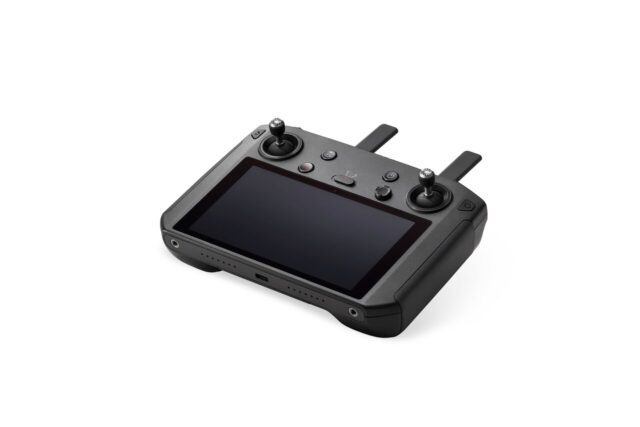
    DJI, the world’s leader in civilian drones and aerial imaging technology, continues its tradition of making aerial technology accessible to everyone by introducing a powerful new remote controller for its drones at CES 2019. The Smart Controller features an ultra-bright display screen and controls optimized for DJI drones, allowing pilots to fly the newest drones without using a smartphone or tablet. DJI will also be exhibiting its full lineup of consumer drones and handheld imaging products at its booth at CES 2019, including the new Osmo Pocket stabilized camera, and will host exciting workshops, hands-on product demonstrations and more. Attendees can find DJI in the South Hall of the Las Vegas Convention Center.


    Smart Controller Expands Pilot Options The DJI Smart Controller expands the ecosystem of accessories built around DJI’s industry leading drone technology. Using a crisp 5.5” screen built into the controller itself, the Smart Controller allows pilots to quickly get their drone in the air without the need to connect a mobile device. It can be paired with DJI’s newest drones including Mavic 2 Zoom and Mavic 2 Pro1 which use DJI’s OcuSync 2.0 video transmission system, displaying vivid images in Full HD resolution. Drone pilots can take advantage of its compact, highly portable design that has been optimized for use in direct sunlight. It features an ultra-bright display with an output of 1000 cd/m2, twice the brightness of standard smart phones. A customizable Android dashboard supports DJI GO 4, DJI Pilot2, along with various third-party apps such as editing programs. The DJI GO 4 app also touts several new features including SkyTalk, that allows pilots to livestream the drone’s camera feed to social channels including Facebook, Instagram and WeChat so that anyone can experience the thrill of flying a drone. Another new feature is DJI GO-Share which easily transfers imagery from the Controller to your mobile device. The DJI Smart Controller brings a new level of reliability when flying, with 2.5 hours of battery life and the ability to operate in adverse temperatures as cold as -4° Fahrenheit and as hot as 104° Fahrenheit.

  • Heron Preston makes debut in Hong Kong

    Heron Preston makes debut in Hong Kong

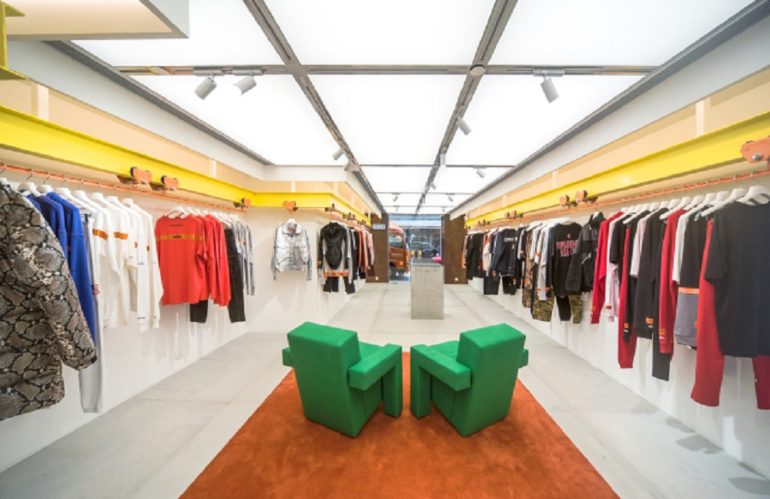
    U.S. brand Heron Preston which, as Vogue defines it, finds the interface of luxury and streetwear has arrived in Hong Kong. The New York-based designer announced on Instagram that his Hong Kong debut also served as Heron Preston’s first-ever storefront anywhere.

    “I can’t believe I started hand printing t-shirts in San Francisco and now I’m here. I want to thank my amazing team for the love and support!” he said.

    Located on Paterson Street, Fashion Walk, in the city’s Causeway Bay area, the new Heron Preston store was designed by the contemporary designer too.

    Inside, Hong Kong shoppers are greeted by industrial interior fixtures such as steel shelving, painted wooden crates and licks of safety orange throughout.

    An emerald green chair is set up in the centre of the shop next to the concrete sales counter. The light is bright and remainder of the store minimal in design, allowing the Heron Preston collections to speak.

    Offering a full selection of the designer’s wares, clothes are displayed hanging from the racks, with accessories kept under the glass shelf of a table and hosted on shelves.

    Marking the store opening, Heron Preston has teamed up with fellow American and sportswear heavyweight Nike for a limited edition eyewear collection.

    Dubbed “Nike Tailwind HP Sunglasses”, the glasses are lightweight and wrap-around style, the frames mimicking the brand’s innovative rubber ventilation. The collection comes with interchangeable lenses too.

    A standout piece is the Nike MAX Optics glass, which comes with an anti-fog Flying Lens setting.

    The collection dropped worldwide November 29 and is available at Nike store and Heron Preston sales points.

  • Chanel to stop using exotic skin in its collection

    Chanel to stop using exotic skin in its collection

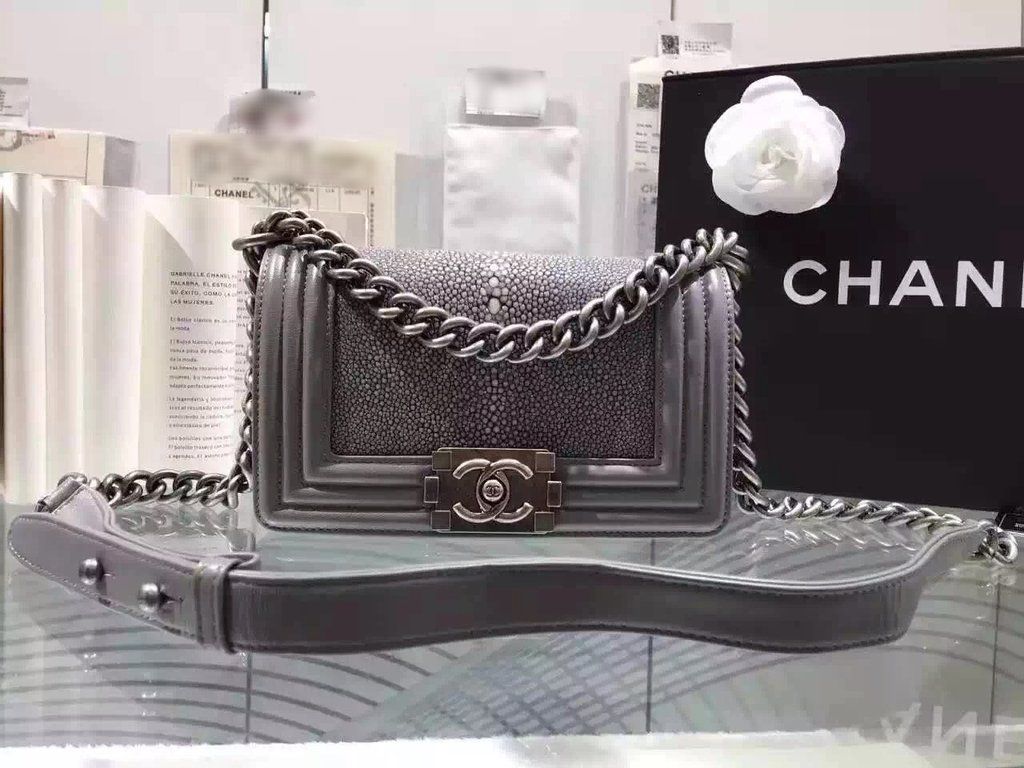
    Ahead of its pre-fall 2019 Métiers d’Art show in New York’s Metropolitan Museum of Art, Chanel has said it will “no longer use exotic skins in [its] future creations”. The exotic skins in question include crocodile, lizard, snake, stingray and fur, of which Chanel uses very little.

    The decision is down to the fact it is becoming increasingly difficult to source skins that meet the house’s quality and ethical standards. “There is a problem of supply and that was not Chanel’s business anyway,” Bruno Pavlovsky, president of Chanel fashion and president of Chanel SAS, commented. “We did it because it’s in the air, but it’s not an air people imposed to us. It’s a free choice.”

    The brand’s attention will shift to the research and development of materials and leathers generated by “agri-food” industries.

    “The future of high-end products will come from the know-how of what our atelier is able to do,” Pavlovsky continued. It will, however, take time for existing goods containing exotic skins to leave Chanel’s distribution network entirely.

    Chanel is the first luxury brand to join labels, including Asos, Nike, H&M, Puma, Arcadia Group and L Brands, which have already banned exotic skins from their product offering.

    The likes of Armani, Coach, Versace, Michael Kors, Gucci, Burberry and John Galliano have pledged to halt the use of fur, however, they have not made the leap to include skins in their entirety.

  • India Ancestry opens first store in Kolkata

    India Ancestry opens first store in Kolkata

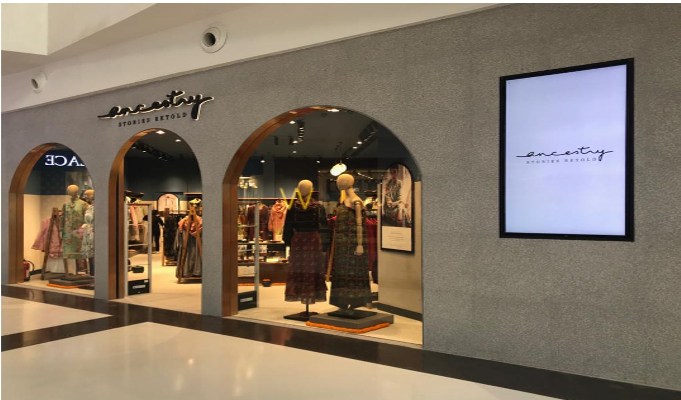
    The newest brand from Future Style Lab, Ancestry, which launched its maiden store in the capital city in May, has recently opened its first store in Kolkata, South City Mall. The brand, which presents a contemporary take on traditional Indian fashion and lifestyle, has earned many accolades in India’s fashion circles already and seems all geared up to woo Kolkatites too.

    Ancestry is inspired by the evolving face of the new age Indian who is self-assured, professionally competent and curious to discover new paths. The brand’s offering, encompassing women’s apparel & accessories, home furnishings, and other lifestyle products, is constantly evolving and is in line with international trends, and yet interestingly rooted in Indian heritage and crafts.

    With pricing that is perfectly suited to any urban Indian’s pockets, Ancestry’s unique collection of dresses, tops, and tunics are created completely using natural fabrics, thereby offering an unmatched quality and fashion sensibilities in that price range. This is one of the key reasons why the brand’s products have nearly flown off the shelves at its current stores in Delhi and Mumbai.

    For the new store launch, Manjula Tiwari, CEO at Future Style Lab, the parent company of Ancestry, said, “Ancestry provides an unparalleled, modern-day experience of old-style Indian artistries, and we’re sure that the brand’s offering will find much love and appreciation with our consumers in Kolkata. We’re truly excited about launching this store, and are thankful to South City Mall for providing us with an impeccable space and opportunity, right in the heart of Kolkata.”

    Ancestry’s tagline #StoriesRetold, perfectly sums up its ethos, for every line of products the brand comes up with tells the story of a particular craft or tradition, but in a way that is suited to the new-age lifestyle.

  • Cover Story to launch accessories line soon

    Cover Story to launch accessories line soon

    Kishore Biyani-led Future Retail launched fast fashion brand Cover Story almost two-and-half years back with an aim to take international brands like Zara and H&M head on. The company then proceeded to set up a design house based out of London to develop cutting edge fast fashion. This design house was dubbed Future Style Lab, a wholly-owned subsidiary of Future Group, which developed and procured styles for Cover Story. And since then there has been no looking back.

    According to Manjula Tiwari, CEO, Future Style Lab, a fantastic growth has been seen for the brand, in terms of its popularity with customers and retailers alike. “Being just a 2.5 year old brand, Cover Story has established itself as a formidable competitor in the fast fashion space to international players. The brand is among one of the very few Indian brands to be present on ground floor locations across the leading malls in India, a great indication of the journey so far.”

    “We place customers in the centre of all that we do. Our product is a blend of latest trends and suitability in the Indian context and that has struck the right chord with our customers,” she adds.

    Target Audience

    The target audience of the fast-fashion brand is the 23 to 40 year old, financially independent woman with a rising disposable income which she loves to splurge on frequent shopping trips.

    “She thrives on social media, is a traveller in spirit and embraces new experiences. She frequently seeks to refresh her wardrobe. Feminine and eclectic, she switches effortlessly between Indian and western wear. Dressing up for her is a form of self-expression. She is modern but rooted,” says Tiwari.

    Store Design

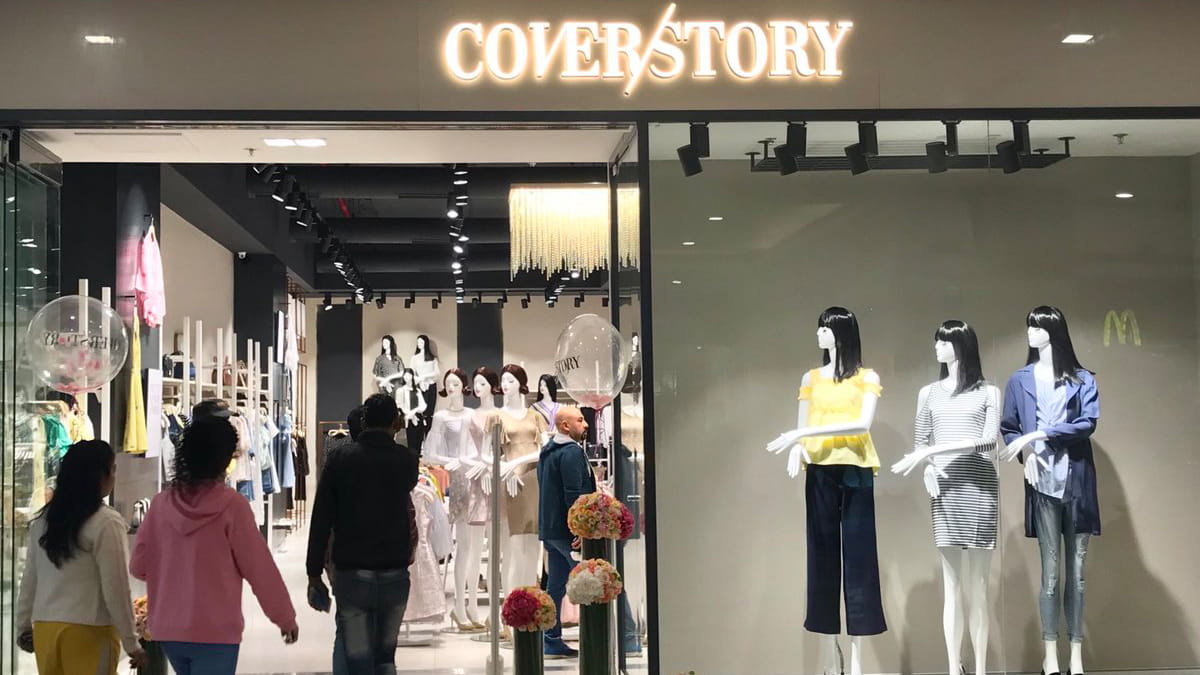
    All Cover Story outlets are designed to recreate the intimate boutique and provide a comfortable shopping experience. The layout is layers of transparency with opacity, which encourages a sense of discovery while shopping.

    “A warm and neutral palette has been chosen for the store as well as all the equipment in it. Colours such as Rose Gold have been opted for, to give the place a feminine touch, to help women identify with the store,” states Tiwari.

    The display panels in the store are designed to look like magazine editorials. Exclusive fashion clusters display merchandise as if they were stories, luring women into reading them.

    Visual merchandising is done by and premium in-store windows are designed by London stylists on the lines of international luxury brands. The cash counter mimics a woman’s vanity bag, while changing rooms have seating for the comfort of waiting friends and family.

    “Customers can browse tablets with fashion content and styling tips. Cover Story’s in-store ‘selfie booths’ are bound to create brand excitement. Consumers can browse through stores and merchandise, share their personal information, and then have their shopping home delivered,” asserts Tiwari.

    Shoppers can even make a request for sizes not currently available at the store. A personal shopper then locates the size from other outlets and delivers it to consumer.

    Product Category

    The brand offers around 450 SKUs per season under the categories like dresses, tops, tees, trousers, skirts, shorts, jackets and sweaters.

    “We also do footwear and bags and are planning to launch a jewellery and accessories line,” reveals Tiwari.

    “Dresses and tops are our fastest moving categories because we provide a wide variety in both categories for all occasions. Also these categories are generally the most sought after categories by women in general,” she adds.

    Marketing Strategy

    The marketing strategy of the brand is a healthy mix of generating brand awareness and driving traffic to the stores to convert to sales.

    According to Tiwari, “We ensure our campaign imagery is of high quality and for that we shoot internationally to bring forth the true image of the brand, being designed in London. Locally, we rely on heavy mall activations and branding to steer the customer to our stores. We also turn to Instagram as a great tool to highlight our fashion authority in the market along with a lot of support from celebs and influencers.”

    “We believe the future of consumer engagement is to get personal – create a connect with the consumer through great experiences. We intend to bring our customers a connect to our London designers with regular events and interaction, and to create constant content around international fashion and style to establish Cover Story as a go to fashion authority for the Indian consumer,” she adds.

    Future Plans

    The brand, which has 23 EBOs, 61 SIS across the country and presence on 5 online channels, will cross 100 doors by the end of this year.

    “We have been more than doubling the turnover every year and same store sales growth has been in the health double digits. Currently online contributes 5 percent to the overall revenue and we see it growing significantly in the times to come,” concludes Tiwari.

  • Uniqlo online Hong Kong launches soon

    Uniqlo online Hong Kong launches soon

    Uniqlo Hong Kong will launch its online store on December 4. A spokesperson for the company said the online platform for Hong Kong and Macau is a fitting solution considering rising rentals and limited space for retailers in Hong Kong, along with the strengthening popularity of e-commerce in the region.

    The brand has operated an online flagship on Alibaba’s Tmall for nine years and has had its own online shop since October.

    According to Uniqlo’s CEO for Greater China Ning Pan, the two existing e-commerce platforms take 15 per cent of sales in China, the majority of that figure from Tmall.

    He explained that while TMall remains an important strategic partner, the new platform will allow the firm to leverage analytics and AI to evaluate buyer preferences.

    The Hong Kong site is now under testing, and will be fully operational come launch day in December.

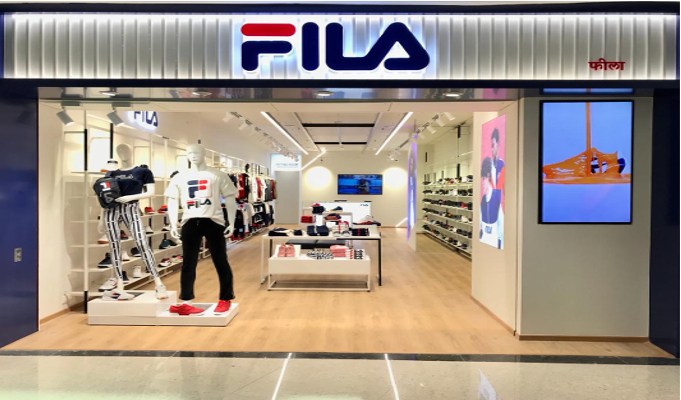
  • FILA India collaborates with Streetwear Label Norblack Norwhite

    FILA India collaborates with Streetwear Label Norblack Norwhite

    The Italian sports-fashion brand Fila has announced its first ever Heritage collaboration with indie streetwear brand Norblack Norwhite which are now available in its stores. FILA India’s partnership with Norblack Norwhite pays homage to a heritage of textiles from Italy and to the age-old traditions of Indian textile makers, debuting with this India-only exclusive collaboration.

    Fila India’s Creative Director, Abdon Lepcha worked closely with NBNW for almost a year to design a limited edition collection that fuses iconic FILA silhouettes with their signature prints and patterns. The collaboration is a fusion of Indian streetwear with sports fashion. The collection was created applying the NBNW love for pattern and color, keeping it breathable within the sporty space. The styles focus on comfort, playing off some of Norblack Norwhite’s textile styles applied in a new way to work with Fila fabrics.

    Speaking on the collection, Mriga Kapadiya & Amrit Kumar said, “NBNW celebrates textiles and colors and patterns so creating within the FILA form and brand has taken us out of our comfort zone and pushed the boundaries on our design capacity. Fila is a brand we grew up on and we were super excited when Fila India approached us to collaborate on this capsule collection. We’ve never got to design athletic wear and it’s been super fun and also challenging to apply our style and aesthetic in this form! It’s important for our process to stay true to things we feel comfortable and empowered in while balancing the visual story of our favorite elements of India combined with our guiding feelings of classic streetwear.”

    Rohan Batra, the MD of Cravatex Brands, the Licensee for Fila in India, says, “This collaboration is one that is very special for us. It is the first time a global brand has collaborated on an entire collection with an Indian streetwear label. The limited India-only drop for the collaboration is part of our commitment to building and nurturing the streetwear fashion culture in India.”

    The collection comprises of baseball jerseys, tracksuits, fanny packs, tees and a special edition Disruptor. The price points for apparel, footwear and accessories start from Rs 1,999 and go up to Rs 8,999.