Retail News CRM

Tag: Influencer

  • Catwalk to be presented in Dear So Cute China store

    Catwalk to be presented in Dear So Cute China store

    Design firm Lukstudio has created a theatrical-style shop and cafe as a promotional and retail space for fashion platform Dear So Cute in Chinese Haining. Inspired by South Korean cafe/fashion trends, the design is intended to communicate the brand’s values and showcase products to younger consumers. The store layout features a backstage rigging system to adjust display features as with a theatre stage, and incorporates elements of the Hainingese shadow puppet tradition in its design.

    According to a report, the retail space emphasises the brand’s “forever young energy” with a minimal, contemporary look and pink highlights, serving as a neutral backdrop for the activities going on in the space. One standout feature is a stage in the fitting room area for customers to “catwalk” before friends while deciding on purchases.

    “In today’s retail environment, most people shop online for the convenience and the reassurance of the review system,” Lukstudio’s founder Christina Luk said. “However, I believe when it comes to delivering a brand’s identity and values, the physical store is much more effective.”

    View the store design in the gallery below (7 images) :

  • Why you should adopt more diverse influencers?

    Why you should adopt more diverse influencers?

    Diversity, or lack thereof, is at the forefront of fashion industry discussions, with runways and advertising campaigns constantly—and rightly—scrutinised. Less has been said about diversity among prominent influencers, the new drivers of sales who are celebrated for their authenticity and ability to connect with customers.

    Thin, light-skinned women aren’t the only clothing shoppers, so why are so many of them the go-to for brands as they put together campaigns?

    Now several influencers, and a handful of talent agencies that represent them, are leading the charge to shake up the staid and stale landscape.

    They’re creating their own campaigns to highlight opportunities and content possibilities—along with #YouBelongNow, there are the hashtags #SupersizeTheLook and #ChicAtAnyAge — putting together initiatives to encourage and celebrate new voices in a greater range of ethnicities, sizes, and ages.

    The problem, many say, stems from the fact that the people organising the campaigns are not thinking about diversity when it comes to casting. It’s a continuation of the narrow view of beauty historically depicted in advertising, contends Jennifer Jean-Pierre Maull, a Haitian-American blogger and photographer from Washington, D.C with almost 16,000 followers on Instagram. “We need to change what we consider beautiful, we need to change what we consider marketable,” she said.

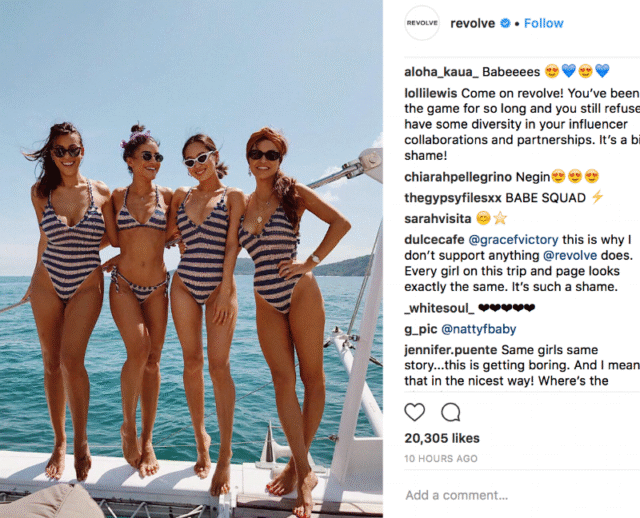
    Consider trendy online retailer Revolve: known for its influencer trips to far-flung corners of the globe, documented glamorously and exhaustively for its 2.6 million Instagram followers.

    Last January, as its squad took to the beach in Thailand, the attention turned from glowing to heated over the lack of diversity in its ranks. A shot of more than a dozen light-skinned swimsuit-clad slender women garnered more than 700 comments. A commenter tagged the picture #RevolveSoWhite.

    Revolve, which recently filed for an IPO and generated sales of $400 million last year, has never been a brand to highlight diversity, but whether or not that has had an effect on its sales is unclear.

    Revolve’s earned media value (EMV) dropped during the controversy to the brand’s lowest for the year, at $83.8 million. That cannot be solely attributed to the controversy, however, but “to the natural ebb and flow of events and campaigns.” And the dip was temporary: Revolve’s EMV bounced back to more than $140 million in each of the subsequent two quarters.

    In the firestorm, Valerie Eguavoen saw an opportunity.

    As the moment drew headlines, the North Carolina-based blogger and social justice advocate seized the chance to launch a new Instagram handle, @YouBelongNow, designed to celebrate people of all ethnicities, religions, sexualities and clothing sizes.

    “There are so many women who I could have seen on that trip, who belong in this space,” she said. “We have to get rid of this narrative that we don’t exist or it’s hard to find us.”

    Jean-Pierre Maull has kept tabs on what talent agencies she booked gigs with and which ones she hasn’t. In the latter camp was Fohr, based in New York and co-founded by James Nord. Over the summer, Nord addressed the Revolve controversy in a YouTube video, calling the retailer out for its practices while also suggesting it could be intimidating for brands to reach out to new influencers. Jean-Pierre Maull penned her response in a lengthy blog post. “Our POC (people of colour) community is not an alien force,” she wrote. “It is not hard to send a POC blogger the same pitch email that you send to others.”

    She emailed Nord, requesting to talk with him, one of many ongoing discussions Nord has had in recent months. “I leaned on this group of amazing women who did call me out,” he said.

    “Sometimes we just need to open up the conversation instead of just being angry,” Jean-Pierre Maull said. “Those in power must be self aware enough to see where they may be lacking or not doing enough.”

    One result of the chats Nord has had is a new mentoring program, called Freshman Class, to promote underrepresented influencers. More than 1,600 influencers applied, and 85 finalists were chosen. The ten winners include Alysse Dalessandro, queer plus-size fashion blogger; Ali Hemsley, a fashion influencer with a focus on chronic illness and mental health; and Destin Grayson, a menswear blogger. The winners will be flown to New York for three days of educational and networking opportunities.

    Nord hopes to help newer and lesser-known influencers build a network that can serve as sounding board, to discuss opportunities and pay rates.

    Jean-Pierre Maull said she was worried the initiative would seem like “someone need to swoop in and save” POC bloggers.

    The result, she says, has been anything but; it’s helping establish even more of a sense of community.

    “There is no lack of diversity in influencers, there is a lack of diversity in influencer campaigns,” Nord said.

    Relatability is a crucial part of influencer effectiveness, which is all the more reason why influencer campaigns should feature a more diverse range.

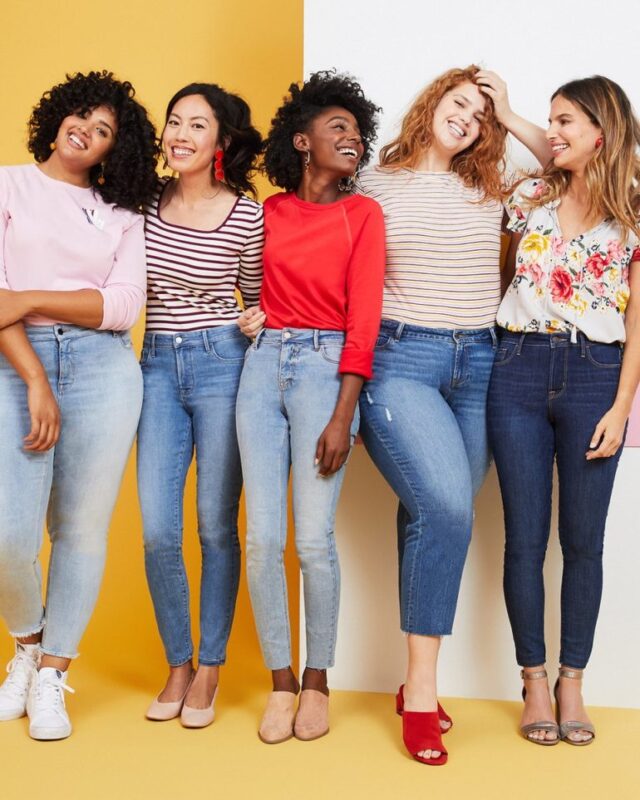
    Old Navy, a division of Gap Inc., looks for a range of sizes and family compositions in its influencer casting, then features them as models in its social feeds and digital marketing.

    “We’re looking for someone who people can see themselves in,” said Liat Weingarten, Old Navy’s vice president of brand communications.

    So far this year, Old Navy’s top two performing social posts featuring people (not just product), based on number of likes, comments and shares, are diverse group shots of influencers.

    One, highlighting dresses from its #SizeYES campaign, received more than 11,000 likes and more than a hundred comments. “My first thought when I saw this was: love this beautiful, diverse group of models!” wrote one commenter. “More of this, please!”

    And then there’s Revolve competitor Fashion Nova, which uses its Instagram account to highlight women of all ethnicities and sizes in its barely-there clothing.

    Its influencer hashtag, #NovaBabe, drove $54.1 million in earned media value from the second half of last year through the first half of this year.

    Mentions for @fashionnovacurve, the account for its plus-size line, generated $61.5 million in EMV.

    Followers are watching what brands are doing closely, too, said Scout the City blogger Sai De Silva.

    “When I go to events, I feel like there’s no one like me,” said Silva, whose followers have asked why she was the only woman of colour or woman with curly hair at a party “I live in New York City, how could there not be one other Puerto Rican [influencer]?”

    Influencers are finding that being proactive is the only way to move the conversation forward.

    Max Stein, founder and chief executive of agency Brigade Talent, said some of his clients will ask who else is participating before agreeing to a campaign, in the context of making sure a brand or company aligns on values—not just aesthetic. “It’s important to them that [diversity] is a value of the brand that they choose to partner with,” he said.

    However, not all brands are responsive in the way an influencer might want them to be.

    “There is sometimes a lack of cultural awareness and cultural sensitivities,” said Jaia Thomas, co-founder of The Presley Group, a management agency promoting diversity within the influencer space.

    Thomas, an entertainment lawyer, pointed to the time one of her African American clients was asked to do a post about watermelon. “There’s a long history of racial tropes and stereotypes associated with African-Americans, an affinity for watermelon being one of them,” Thomas said. “It’s important for there to be African-Americans in the room when creating social media campaigns so they can quickly and easily identify these stereotypes and ensure companies steer clear of them.”

    So, when will brands wise up? The enthusiasm that comes with a highly-engaged, targeted follower base is a big selling point in today’s noisy marketing field.

    “I don’t have a million followers,” said Katie Sturino, the force behind the handle and site The 12-ish Style. “What I do have is an audience that believes in what I’m saying and believe that if I’m showing them something, I like it.”

    Sturino’s best-performing content comes from two popular hashtags on her own account, both calling attention to sizing deficits within the industry. She recreates stars’ ensembles in #SupersizetheLook, with photographs of herself in similar outfits, performing 77 percent better than her average posts.

    Sturino also started the #MakeMySize hashtag, pairing pictures of herself in garments that are too small with captions asking brands to make a broader range of sizes, performing 65 percent better than her average posts.

    Sturino wishes more brands would take the time to find new personalities, and involve those newcomers earlier in the product-development process. “You pay them to wear the clothes, why don’t you pay them for their opinions, too?” she said.

  • “Falling Stars Challenge” has striked Asia

    “Falling Stars Challenge” has striked Asia

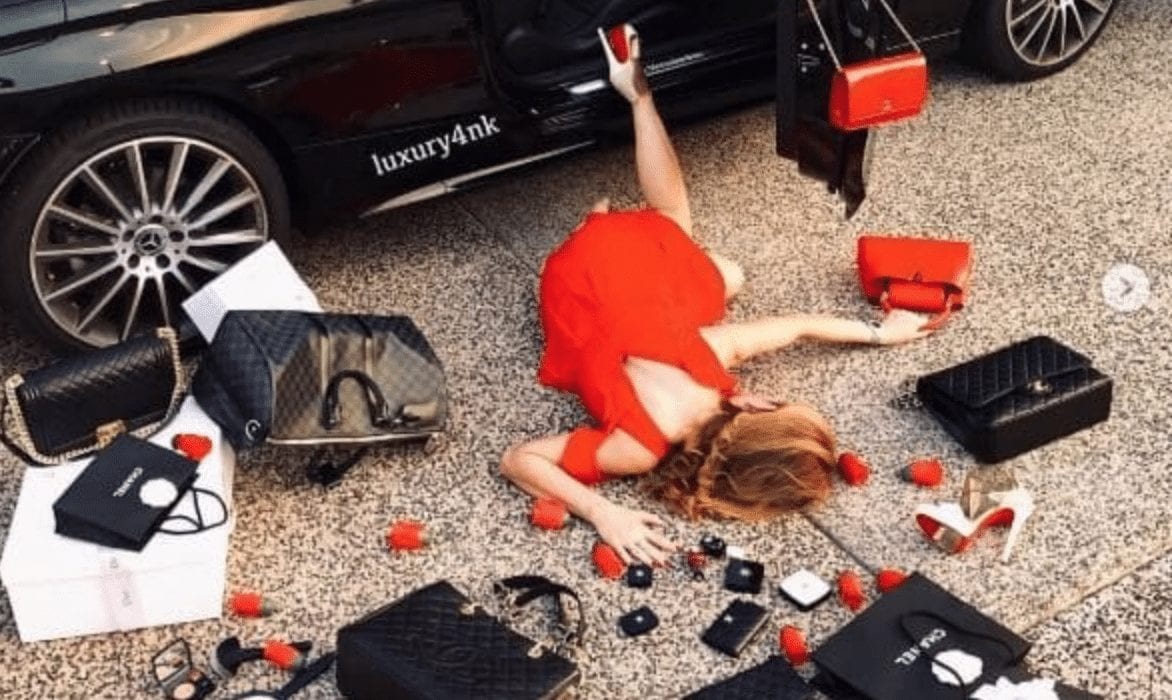
    The Falling Stars Challenge, a meme that has rocketed through Asia, features people posing as if they’ve fallen out of their luxury cars, with the luxury contents of their luxury bags spilling out on the pavement for all to see. The expensive goods are meticulously arranged so followers can admire the makeup, jewelry, shoes and other items that have oh-so-embarrassingly been laid bare.

    But the meme has become democratized, spreading from its beginnings as a way to take the humble out of humblebragging.

    It now encompasses any number of chosen identities, becoming a way to display the physical items and pursuits most closely associated with oneself.

    It’s popular among beauty and photography bloggers, fitness and food enthusiasts, and artists of all sorts.

    Hospital workers have shown off the tools of their trade, while others, with a touch of self-deprecation, have offered their more accessible collections of yoga mats, junk food and trash. They don’t even need to fall out of cars.

    The challenge originated in Russia and has spread throughout Asia, especially in China, where thousands of people have participated on Weibo, a popular social network.

    Even rigid government departments have joined in.

    The Consular Protection Center of China’s Ministry of Foreign Affairs posted a photo that showed a worker falling into a pile of paper.

    A police school photographed a fallen officer surrounded by bullets.

    The challenge has spread beyond Russia and China, with tens of thousands of posts from various countries appearing on Instagram.

  • Owndays sets big expansion across Asia after capital injection

    Owndays sets big expansion across Asia after capital injection

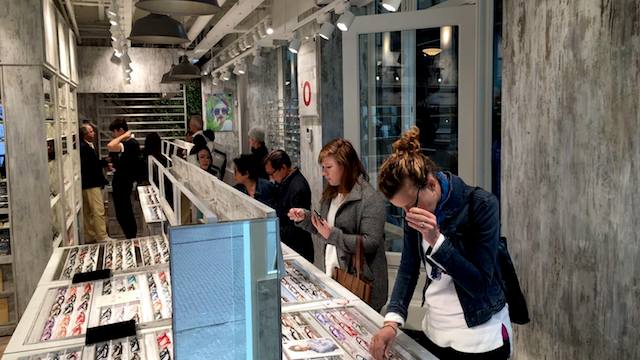
    LVMH-back private equity fund L Catterton Asia has partnered with Mitsui & Co to take an unspecified stake in fast-growing Japanese eyewear retailer Owndays. The funds will be used to accelerate the retailer’s across the Asia-Pacific region.

    Owndays, which began its Southeast Asia rollout in 2013 opening a store in Singapore, now has 115 stores in Japan and 142 stores in 10 other Asian markets, including Thailand, Vietnam and Hong Kong (where it is operated by Bluebell Group).

    In a statement, L Catterton Asia said the current management team will continue to retain “substantial equity interests” and manage the company.

    “Our ambition is to become Asia’s leading optical retailer and we plan to open more than 500 stores across the Asia Pacific region over the next five years,” said Owndays CEO Shuji Tanaka said.

    L Catterton Asia chairman and managing partner Ravi Thakran said the investment in Owndays marks the private equity company’s first foray into Japan.

    “The Owndays success story has been one of innovation, quality service and boldly exceeding customer expectations,” he said.

    “The company is poised to take advantage of the robust macro trends that are driving the market for private brand eyewear. Together, L Catterton and Mitsui & Co are committed to providing world-class operational and strategic support to propel Owndays to category-leading growth and profitability. With Japanese quality, purity and efficiency increasingly appreciated and desired around the world, we see tremendous market opportunities for Owndays.”

    President and CEO of Mitsui & Co subsidiary MCPI, Naoki Nakata, said Owndays is well placed for continued expansion, both domestically and abroad, while also improving profitability by fully leveraging Mitsui and L Catterton’s combined network, resources and demonstrable expertise in value creation.

    Since 2009, L Catterton Asia has invested in many leading consumer brands, including Gentle Monster and RM Williams and Pepe Jeans, and in lifestyle mall operator Sasseur, among others. L Catterton Asia, formerly called L Capital Asia, was formed through the partnership of Catterton, LVMH and Groupe Arnault.

  • Kylie to expand her makeup line

    Kylie to expand her makeup line

    Reality TV star Kylie Jenner has announced she is expanding her cosmetic line from online to in-stores. After launching her own makeup line in November 2015 and with the company nearly three years old, Kylie’s products can be purchased from all Ulta Beauty stores around the US.

    “So I’m going to be starting of with just my best lip kits first, and then I’m going to be expanding and adding a lot more things super fast,” the 21-year-old wrote on Instagram.

  • Post-Instagram age : What’s next?

    Post-Instagram age : What’s next?

    Oscar de la Renta was early to Twitter, early to Tumblr and, yes, early to Instagram. So in July 2013, when the American fashion house debuted its fall advertising campaign via the app, the industry was hardly surprised. It was a little thing. An experiment. After all, the Norman Jean Roy-shot images would still run in the September issues of every major fashion magazine.

    Actually, it was a “really big deal,” recalled Jason Wagenheim, a former Condé Nast publishing star who was, at the time, Teen Vogue’s chief revenue officer.

    “That was a real tipping point for fashion,” said Wagenheim, who left the legacy publisher in 2015 and is now chief revenue officer of Bustle Digital Group.

    “Here is this expensive luxury brand and their fall campaign, which everyone looked forward to seeing in the print pages of Vogue; and yet everyone is talking about the engagement — the bajillion likes within hours — that the campaign got on Instagram. It foreshadowed that this could be bigger than any fashion magazine.”

    In reality, each of the Oscar de la Renta advertising images attracted not much more than 1,000 likes within the first hour of their posting.

    But the campaign was indicative of a much wider shift that has transformed fashion, changing how publishers publish, how brands brand themselves, and how consumers consume.

    Brands have closed, stores have shuttered, magazines have folded — and both survivors and upstarts alike are fighting for consumer dollars in a new world where the formula for success is not nearly as clear as it is once was.

    And no single entity has had as lasting an effect on the fashion ecosystem as Instagram, the photo-sharing service let loose on Apple’s App Store on October 6, 2010.

    Three years later, when Oscar de la Renta drip-dropped those images down its feed, traditional print magazines like Vogue were still the arbiters of style.

    It feels like a long time ago. But back then, their authority remained intact and largely unchallenged, despite the rise of independent publications that operated outside of the traditional publishing industry and the emergence of digital brands that sold directly to consumers.

    But it’s 2018 now, and times have changed.

    Instagram, which was acquired by Facebook for $1 billion in 2012, is where people now go to discover fashion content and, increasingly, to shop, with 72 percent of users saying they have made fashion, beauty or “style-related” purchases after perusing the app, according to a 2017 study of 2,000 Instagram users.

    Instagram claims that more than 90 million users tap to see tags on shopping posts each month.

    In some ways, it was inevitable.

    Americans spend only 4 percent of their media-technology consumption hours with print, compared to 20 percent on personal computers and 28 percent on mobile.

    Many of them are spending their mobile phone screen time on Instagram.

    In June 2018, the app surpassed the billion-users-a-month mark, up from 800 million users in September 2017. More than 400 million people use Instagram Stories — the app’s more casual slideshow feature — every day.

    Rival Snapchat had 186 million daily active users in its most recent quarter, down from 191 million at the beginning of the year.

    As of August 2017, Instagram users under the age of 25 spend more than 32 minutes a day on the app.

    But the number dips only slightly to 24 minutes for those older than 25. That’s length of a sitcom…or a scan of a magazine.

    Of course, fewer and fewer consumers are buying those magazines. And brands have responded by following consumers online and shifting their marketing budgets from print to digital.

    In 1998, US print advertising revenue was $61 billion.

    In 2008, it was $54 billion, just a 12 percent decrease despite rising internet usage.

    But in 2018, it’s set to clock in at under $15 billion — down a staggering 75 percent from 20 years ago.

    Brands are increasingly using Instagram — via both organic and paid posts — to communicate directly with consumers.

    “Given the rising importance of social media for luxury brands — especially in the context of millennial’s growth — we believe Instagram data can no longer be ignored as a data point for luxury investors, to help them pick the winning brands,” Swiss investment bank UBS said in a recent note, going on to say that high Instagram engagement was a dependable reflection of brand heat.

    There is an unmistakable correlation between the size of a brand’s Instagram following and its retail sales.

    So it’s no surprise that, in the second quarter of 2018, global advertising spend on Instagram was up 177 percent year on year, significantly ahead of Facebook, which saw 40 percent growth in the same period.

    While Facebook still generates the majority of the company’s revenue, which hit nearly $41 billion in 2017, analysts estimate that Instagram will generate $8 billion to $9 billion in 2018.

    Projections predict that Instagram will account for about a third of its parent company’s overall ad revenue — and 70 percent of its new revenue — by 2020.

    In some ways, Instagram is to fashion what Napster was to music.

    You still can’t download a dress, but Instagram has fundamentally rewired the industry, replacing print magazines as the primary way in which people discover fashion.

    It’s the foundation on which the industry has built everything from new labels to an influencer economy worth $1.6 billion in 2018.

    All of Fashion Uses Instagram

    Consumers were quick to embrace Instagram, thanks to its simple user experience and flattering, colour-washed filters that made even grainy images look a little bit more perfect.

    They posted photos of their food, their travels and, yes, their outfits. Fashion brands picked up on this quickly, realising that creating content on Instagram — a highly visual platform — would allow them to reach more customers, and soon found themselves locked in a race for followers.

    Even luxury houses like Chanel, which has resisted selling core products online, took it seriously, using the service to post runway looks, campaign outtakes and inspiration boards.

    Some — from Proenza Schouler to Kith — have used the platform to tease their latest collections instead of waiting for a live Fashion Week moment.

    Earlier this year, Dior used Instagram as the main vehicle for the promotion of the relaunch of its classic saddle bag, tapping more than 100 influencers to spread the word.

    While the campaign proved controversial — several of the influencers did not disclose that they were paid to post on behalf of Dior — it was a blockbuster success.

    The #DiorSaddle hashtag drove $3.4 million in earned media value in the third quarter of 2018, beating #PFW, which garnered $2.6 million in earned media for the same time period.

    But it goes beyond the legacy players. “Instagram brands” — mostly independent startups with minimal capital — have caught the eye of major retailers looking to woo increasingly discerning customers.

    Why? Because their audiences are highly engaged, using Instagram stories to shop and direct message — “DMing”, in Instagram parlance — with the brands themselves.

    Labels like Doen, Cult Gaia and By Far boast little-to-no presence at major fashion weeks or within the traditional fashion system, and yet they are the brands industry insiders are most curious about because of the communities that they’ve built on Instagram.

    While Los Angeles-based bohemian apparel line Doen has just about 140,000 followers, it DMs with members of its community every day.

    The result? The brand regularly sells out of its peasant blouses and prairie dresses, creating an online frenzy.

    Cult Gaia, another Los Angeles-based label, may only have 317,000 followers on the platform, but the company says that it is on track to generate $15 million this year: far more than many independent high-end fashion brands with, in some cases, millions of followers.

    Through Instagram, we’ve built our own community.

    Instagram influencers are also launching brands, many with great success.

    Arielle Charnas, the influencer behind the account Something Navy, sold more than $4 million worth of product on the launch day of her collection with Nordstrom.

    In fact, the American department store has released multiple influencer collections, all of which are promoted via Instagram.

    Then there is the creative community, including relatively unknown artists, illustrators and photographers — from Gucci collaborator Jayde Cardinalli to artist Suzanne Jongmans, who has worked with Valentino’s Pierpaolo Piccioli— whose work now has global reach.

    But for Charles Porch, Instagram’s head of global creative programs, the platform’s crowning fashion moment came in October 2015, when American Vogue editor-in-chief Anna Wintour held a dinner during Paris Fashion Week in honour of Instagram co-founder and chief executive Kevin Systrom.

    Together, they celebrated the “Instagirls,” or models who earned or boosted their fame through Instagram, including Kendall Jenner and Gigi Hadid. Donatella Versace was there. So was Pat McGrath. They, too, were hooked.

    “To see the biggest designers, models, people in the industry talking about how much they love the platform, giving their feedback and, actually, huge people being able to talk about the product in depth … seeing their passion for a tech product … that really clicked for me,” Porch said. “They’re in so deep.”

    Earlier that year, Porch had wooed Eva Chen, an Anna Wintour protégé and the former editor-in-chief of now defunct Condé Nast shopping title Lucky, to lead fashion partnerships at the company.

    If Instagram is the modern equivalent of a fashion magazine, then you could call Chen its de facto editor-in-chief.

    Her personal brand — warm, friendly and, yes, democratic — aligns almost too perfectly with that of the platform itself. With more than one million followers, she has developed her own hashtag, written a children’s book, set to be published later this autumn, and earned a seat on the YNAP’s board of directors.

    Part of Chen’s job is to convince fashion industry stars like Kate Moss and Donatella Versace to join and use the app. But most importantly, she helps brands, image-makers, publishers and influencers get more out of their Instagram accounts.

    Chen travels the world to help fashion brands, holding master classes — filled with executives from brands like Madewell, Birchbox and Ralph Lauren — where she offers step-by-step instructions on how to take a good photo, how to get the most out of Instagram Stories, how to use hashtags without spamming people. All things that, if done well, can help improve engagement — and potentially increase sales.

    She also advises them on how to spend their advertising money on the app, although, like a traditional editor-in-chief, she is not cutting the deals and is more focused on organic marketing.

    “Instagram has made fashion more accessible,” Chen said recently one late Friday afternoon at the company’s New York city offices, wearing a pair of brown Gucci loafers and a checked blazer, the sort of off-duty look preferred by many of her friends who remain in print media.

    The Collateral Damage

    In many ways, Instagram has helped to modernise the fashion industry.

    But what about the collateral damage left in the wake of its success?

    Brands are not only pulling advertising from print, but also from legacy publications in general.

    While traditional publishers are still earning a part of the digital pie, brands are splitting up their marketing spends differently than they used to.

    Today, they might devote a certain percentage of budget to influencer marketing, and another slice to advertising directly on Instagram and other social media platforms.

    Oscar de la Renta has been using Instagram as an organic marketing tool for years, but it wasn’t until recently that it began spending a significant amount of its budget there.

    Three years ago, less than 5 percent of the overall budget was dedicated to digital advertising.

    For the spring 2019 season, it will be at least a third, said chief executive Alex Bolen, a portion of which will be spent on Instagram.

    Some brands are taking even bigger swings.

    About 55 percent of Gucci’s total 2018 media spend will go to digital efforts — mostly native advertising and paid social — per a report released by the Kering-owned brand in June. That is up from 44 percent in 2017 and 33 percent in 2016.

    And digital retailer Net-a-Porter has eliminated all national print advertising for 2018 bu for a few ads which will still run in local publications.

    Critically, the retailer also has its own newsstand-available magazine, Porter, that serves as a several-hundred-page advertisement.

    But moving away from print was not a small decision.

    “Instagram is where our customers expect to find us,” said Net-a-Porter managing director Matthew Woolsey.

    “Social media platforms certainly rise and fall, and while our outlook is agnostic, we are going to the platforms that enable us to have the brand conversation that we want to have and emotionally connect. Instagram does enable that.”

    Then there’s the talent drain.

    Image-makers and writers who would have normally held positions within legacy publications are now fleeing to digital-first publishers as well as brands, which are creating more content in-house to populate social channels.

    Many are also working independently as free agents, using Instagram to promote their projects.

    What’s more, declining advertising revenue means that there is less job security within traditional editorial.

    Today, editors might have to work across multiple publications within a company without any sort of raise or recognition. Going it alone often makes more fiscal sense.

    Legacy publications that cater to an older, affluent audience still have clout.

    As do those that still resonate with the industry.

    Doen — known for dreamy imagery and romantic silhouettes, created in limited-edition batches that often sell out — credits Instagram with much of its success.

    But it uses traditional media as a way to communicate to the trade.

    “Those are more of a tool to establish us as a brand within the fashion community,” said Doen co-founder Katherine Kleveland.

    “Through Instagram, we’ve built our own community.”

    But what happens if that community goes away?

    Testing Instagram’s Staying Power

    Eventually users will abandon Instagram.

    The question is when.

    Digital consumers can easily switch from one platform to another, making loyalty low.

    How long can Instagram keep them entertained?

    In September, the company made two significant announcements that could impact that answer.

    First, there was the introduction of new shopping features that make it easier for users to transact via the app.

    Then, just a week later, co-founders Kevin Systrom and Mike Krieger, who had carefully guided the business since its inception, announced their resignations.

    Reports in The New York Times and technology site Recode suggested that the two founders felt that parent company Facebook was moving too fast to change — and commercialise — the product, sacrificing the simplicity that made Instagram so popular in the first place.

    As Instagram has become the ultimate browsing tool, it has also become increasingly transactional.

    The company encourages this behaviour by making it easier for paying advertisers to link out and run targeted advertising both within the feed and Instagram Stories.

    Business accounts can also link out through Instagram Stories and tag products within posts.

    The addition of these tools is a natural — and welcome — progression, said Lauren Price, director of client strategy for luxury and special retail at research firm Gartner L2.

    “It doesn’t feel like it’s a huge divergence from the way that brands and consumers have used Instagram from the get-go,” she added. “The intention [to shop] has always been there.”

    After rumours that it would launch a standalone shopping app surfaced, Instagram announced that it would instead introduce a shopping channel on its “Explore” page, populated with products from brands the user follows, but also brands surfaced by its recommendation engine.

    While it is not yet possible to shop within the app, the company has linked up with major e-commerce providers including Shopify to ensure that the transition from post to check-out cart is as frictionless as possible.

    “Personalisation is a key principle,” said Layla Amjadi, Instagram’s product lead on Shopping. “In Explore, we want to make sure it’s your personalised mall.”

    Instagram insists that its focus remains on the user. That discovery is still the soul of the product.

    “Shopping is an inspiration-first product,” Amjadi said. “It maps to your interest, leans into relationships that you have… and is fantastic opportunity to help with consideration.” By “consideration” she means, “Should I buy this?”

    But as Instagram becomes more transactional, does it risk losing some of its magic?

    “I think it’s fine [for shopping] to be a part of the functionality,” said L2’s Price. “If you’re following a brand, you’re aware that it’s a brand.”

    The trouble comes in if Instagram integrates too deeply with Facebook and turns more into a pay-to-play platform.

    Right now, 93 percent of brands that advertise on social media advertise on Facebook, which prioritises advertising and organic posts from friends and family over organic posts from brands in its algorithm.

    “I advise the brands that we work [with] to get the most value out of that organic growth on Instagram in case it does change,” Price added.

    New Instagram head Adam Mosseri, the former vice president of the Newsfeed at Facebook, one of the platform’s most successful — and polarising — products, is said to have been Systrom and Krieger’s choice to lead the app into this next phase.

    But Mosseri has quite a bit of work ahead of him.

    Social networks fade as users grow tired of relentless promotions and frustrating user experiences.

    “You could certainly argue that there is an inherent scaling to the point of collapse in a social newtowrk,” said Benedict Evans, a partner at Silicon Valley-based venture capital firm Andreessen Horowitz.

    “But there isn’t an obvious next thing.”

    On the fashion front, competitors like YouTube and Snapchat are also hip to the success Instagram has seen with Chen, hiring fashion insiders Derek Blasberg and Vogue editor Selby Drummond, respectively, to head up fashion partnerships.

    And brands are likely to find it increasingly difficult to stand apart on Instagram, where they are competing for attention not only within their peer group, but with brands of all price points, quality and missions.

    The cost of advertising on the app will likely increase, as will the investment brands need to make on quality organic content.

    What if Facebook’s drive to squeeze more revenue out of Instagram makes it a less-fun experience?

    What’s more, if this “time well spent” movement actually catches on, how will this affect the new world order?

    Special interest groups are lobbying the government and private companies to better regulate the technology that powers social media.

    Instagram itself has contributed to this conversation, testing a feature that allows users to monitor their time on the app.

    Overall, fashion is still bullish on Instagram and eager to see what an easier shopping experience can do for its top line.

    For instance, the app’s bookmarking tool could be used, like Pinterest — a platform many brands still spend marketing dollars on — as a shopping list.

    If consumers continue to seek out Instagram for the fun stuff, and if Instagram can contain more of that fun stuff within the app, it could lead to more content creation, more talent discovery and more sales.

    “I don’t think Instagram is going anywhere,” Bustle’s Wagenheim said. “I feel like there’s a big opportunity to open the gates.”

    Of course, right now, fashion doesn’t really have a choice but to hope that’s the case.

  • From influencers to investors

    From influencers to investors

    Clean cosmetics brand Kosas has in the space of a year grown from the best-kept secret of beauty industry insiders to a buzzy makeup line with rapidly growing sales. Founder Sheena Yaitanes says two recent investors deserve much of the credit: Man Repeller founder Leandra Medine and lifestyle blogger Arielle Charnas.

    The indie makeup range she started three years ago is one of an increasing number of fashion, beauty and lifestyle brands looking beyond Silicon Valley to the world of social mediawhen raising funding.

    They’re seeking a new kind of “social capital,” handing over stakes in their companies to influencers in exchange for a small cash investment – typically $10,000 to $50,000 – or sometimes, no upfront payment at all.

    The payoff can be big for both sides.

    The brands secure long-term commitments from celebrity backers who provide everything from industry contacts to real-estate advice to marketing expertise (and in some cases, enthusiastic promotion on Instagram). And if a brand takes off, early backers can find themselves sitting on stakes worth millions of dollars, far more than influencers can make through endorsements.

    “It’s social proof that your brand has buzz,” Yaitanes said of including influencers in her latest funding round, which was led by CircleUp Growth Partners and included participation from M3 Ventures, Scooter Braun’s TQ Ventures, Medine and Charnas.

    “It’s doing them a disservice to just call them influencers because they’re large scale business owners in their own right. It’s because of their business acumen [that I work with them].”

    Among the new wave of influencer-investors: Medine and husband Abie Cohen, who have also invested in makeup brand Drunk Elephant, direct-to-consumer activewear seller Outdoor Voices and underwear startup Lively, and Charnas, who owns a stake in activewear retailer Bandier, as does Nasiba Adilova.

    Chiara Ferragni owns a stake in apparel resale site Depop, and Danielle Bernstein has invested in six companies in the fashion, tech, fitness and lifestyle spaces over the past two years. With the exception of Adilova, this group got their start fashion blogging almost a decade ago.

    Ferragni and Charnas began chronicling their outfits on The Blonde Salad and Something Navy in 2009, followed by Medine and Bernstein, who started their Man Repeller and We Wore What blogs a year later.

    They’re taking inspiration from the entertainment industry, where stars have forged deep and fantastically lucrative ties to Silicon Valley.

    Ashton Kutcher and talent manager Guy Oseary put $500,000 into Uber in 2011 and count Warby Parker and Spotify as two of the dozens of investments they’ve made through their Sound Ventures fund.

    In 2007, 50 Cent made an estimated $100 million off Vitamin Water when it was sold to Coca-Cola.

    Leonardo Dicaprio, Tobey Maguire and Adam Levine are all investors in Casper, the direct-to-consumer mattress company.

    Bringing influencers on board helps solve a problem faced by many new fashion and beauty brands: the high cost of acquiring customers, particularly as Instagram becomes crowded with startups going after the same pool of consumers.

    Influencers can advise a new brand about the best approach to sell to their followers, and in some cases post about their investments on Instagram, exposure that would cost thousands of dollars through a standard endorsement deal.

    “There is a reason why [brands] reach out to this particular talent. They aren’t just asking for money. They are asking for your involvement along with that cash,” said Ashley Villa, chief executive of Rare Global, an influencer management agency.

    “These days, it’s so nuts you can’t launch a brand without some kind of face that has social influence.”

    Often, an influencer will join a brand as an “investor” or in an advisory capacity in exchange for equity with no cash required.

    For instance, Charnas didn’t pay for her stake in Bandier, which amounts to a percentage of equity, and frequently mentions the retailer in Instagram Stories and posts to her feed.

    She said she had no formal agreement to endorse the retailer to her followers.

    Medine and Adilova take a more behind-the-scenes approach, offering expertise and connections rather than public endorsements.

    Medine, whose media platform is known for its quirky take on fashion and its founder’s deeply personal essays, has invested in 15 companies with her husband.

    Nasiba Adilova, founder of children’s brand The Tot, has invested in over 20 companies with husband Thomas Hartland-Mackie.

    Adilova’s portfolio spans Christine Centenera’s apparel startup Wardrobe to fitness app Aaptiv and Monte Kids, an online education platform.

    Because they have a direct dialog with followers, influencers have a pulse on consumers and know exactly what their fans want and need.

    Adilova said a typical check she writes for a “very young company” raising at a seed level would start around $50,000, but this number jumps for later-stage investments.

    She rarely posts about Bandier and other investments because she wants her social media to focus on The Tot, which just opened its first store in New York City.

    Medine said she invests in brands that appeal to her as an editor, and sees herself and the founders she works with as “thinking partners.”

    She said she might provide input on creative content or product development, introduce founders to her industry contacts and recommend financing partners.

    But she said her role is strictly behind the scenes – no Instagram endorsements or steering coverage toward her investments on manrepeller.com.

    “I keep Man Repeller, and my own social currency out of it,” said Medine, who maintained that she and Cohen invest as individual angels, not on behalf of Man Repeller. “There is never a contractual clause that I will promote the product. I take organic interest in certain brands as an editor and seek to deepen my relationship with the ones that really stand out by pursuing an investment opportunity.”

    Medine said if Man Repeller does mention an item from a company she’s invested in and the writer is aware of it, it is disclosed.

    However, Medine was clear that because she no longer oversees the day to day editorial functions of the property, some mentions get missed if a writer isn’t aware of the investment.

    On social media, influencers are required under US law to note when they are investors in a product they endorse.

    While disclosure in general has been spotty on Instagram, the law is the same as influencers having to disclose when a product is gifted or they’ve been paid to post about a brand.

    Last September the FTC took action against gaming influencers Trevor “TmarTn” Martin and Thomas “Syndicate” Cassell for failing to disclose joint ownership in CSGO Lotto, an online gambling service they endorsed.

    Martin and Cassell, who wound up settling the FTC charges, also allegedly paid other influencers to promote the site on various social channels without requiring disclosures of payment on social media posts.

    Influencers risk a backlash for paid endorsements, but can turn an investment disclosure to their advantage.

    “[It means] that you believe so much in the product that you would invest either your cash or your time or your social capital in a brand,” she said. “It’s more helpful to the brand because this influencer … stands by the product.”

    Bernstein, who declined to disclose which brands she’s invested in, said she includes an ad disclosure when posting about brands where she owns a stake.

    Her deals are split between financial investment and sweat equity, the latter of which has given her a seat on three companies’ board of advisors.

    “I’m not posting about the ones that I just advise for at all,” Bernstein said of her non-cash investments. “But it’s important even when investing with social capital that I feel like I have some skin in the game with a financial investment too.”

    Charnas has found the way to best communicative involvement in these companies is to be direct.

    She and husband Brandon Charnas are said to own a low single digit percentage of Bandier – more than the standard fractions of a percent given to influencers – but Charnas said there’s no terms that dictate when, how or the amount of times she’s expected to post about the retailer.

    She does regularly post content about the retailer on Instagram.

    “It’s not just a paid, sponsored post. It’s partly mine,” she said. “On Instagram Stories I was completely honest. I said I invested in these companies because I use these products every day and I believe in the product…and I want to be involved in the growth of the brand. I give [followers] the heads up that it’s going to be something promoted on my account all the time.”

  • New fashion inspiration for young South Koreans

    New fashion inspiration for young South Koreans

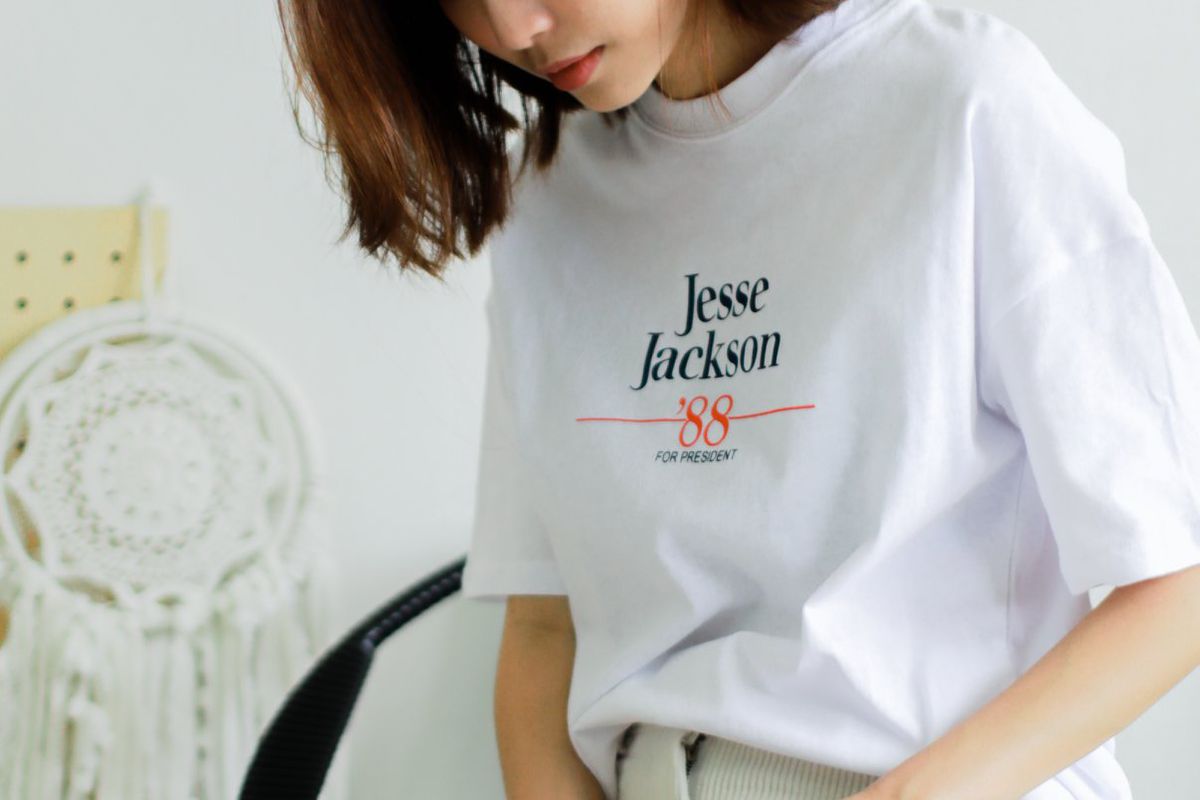
    Among young South Koreans, civic rights activist and Democratic presidential nominee Jesse Jackson’s 1988 campaign T-shirts and French fashion brand Balenciaga’s Bernie Sanders-inspired caps are some of the hottest fashion items at the moment. “What size is it?” “Has it been sold yet?” Comments like these quickly appear when well-kept secondhand Bernie Sanders caps are put up for sale in online communities, as a brand new one could cost nearly US$310.

    Celebrities like actor Ha Yeon-soo and singer HyunA have been seen sporting the Balenciaga cap, the design of which has been inspired by US politician Bernie Sanders’ 2016 presidential campaign logo.

    The Jesse Jackson-inspired T-shirts appear within reach for a wider demographic, as they are sold at a much cheaper price, ranging between 10,000 and 20,000 won.

    Other than being seen as fashionable, the two items share another thing in common. They are both inspired by progressive US presidential campaigns from the past, yet their origins receive little to no attention from South Korean consumers.

    The comments from major Web portal Naver speak volumes.

    “It hugs my body perfectly,” one comment about Jesse Jackson T-shirts read, while another said, “It goes well with my denim.”

    YouTuber Seni, who specializes in makeup and fashion, did a video on a hip-hop festival look in September, which she complete with the Bernie Sanders-inspired Balenciaga cap.

    During the video, the YouTuber got ready for a music festival but the background knowledge behind the cap’s design did not take center stage.

    Online fashion retailer Yuiiyuii, which sells Jesse Jackson T-shirts, says it’s mostly the design of the shirt that has gained popularity despite its originally political nature.

    “Not just Jesse Jackson but other T-shirts with similar fonts and colors gained popularity beginning around last summer.”

    While the two figures once contended for the leadership of the United States, their profile in Korea is not as strong as other US political figures such as President Obama and former Democratic presidential nominee Hillary Clinton.

    On a rare occasion in September, Jesse Jackson met with President Moon Jae-in during his visit to New York to attend the United Nations General Assembly.

    During the meeting, Jackson praised Moon’s North Korea policy and called the South Korean president a “breath of fresh air,” adding Moon was following in the footsteps of South African President Nelson Mandela and South Korean President Kim Dae-jung.

  • Brands are turning to influencer marketing and duty-free too

    Brands are turning to influencer marketing and duty-free too

    Fashion and beauty industries have quickly caught on to the trend that the younger generation is spending a significant amount of time on social media platforms, such as Instagram, Facebook, Twitter and YouTube, rather than traditional advertising platforms like TV.

    A 2017 survey by statistics portal Statista found that 84 percent of Koreans are active social media users.

    Another set of statistics showed that an average of 2 hours and 15 minutes per day is spent on social networks globally. As for Instagram, 90 percent of its users are younger than 35, and 68 percent are female, according to US social media marketing firm Dreamgrow.

    This has led to more brands turning to influencer marketing to lure consumers, further boosting the power of social media stars.

    “Influencer marketing has more focus on influential people rather than the target market as a whole. It identifies the individuals with influence, and orients marketing activities around these influencer,” Park Kyung-a, CEO of mobile marketing and advertising company Stella said.

    “Followers of these influencers are more than fans who like celebrities since they not only gain useful information from them but also empathize, communicate, and share common interests with influencers,” Park said.

    Paying celebrities to share branded content on social media is one of the most widely-known forms of influencer marketing.

    This kind of advertising, in which celebrities and popular Instagramers earn money by posting their experience with products, has developed globally in recent years on social media platforms.

    In the US, the social media influencer market was valued at US$1 billion (1.1 trillion won) in 2016, but is expected to reach US$2 billion by 2019, industry data showed. The US alone contributes to a whopping 85 percent of Instagram’s total advertisement revenue, according to data.

    The lucrative business is also significant in other countries. One of China’s best-known Wang Hong — a Chinese word for social media star — reportedly earns US$46 million a year. According to Forbes, top Chinese actress Fan Bingbing made about US$21 million in 2016.

    In Korea, over 2 trillion won was spent for advertising on mobile platforms last year, surpassing that of advertising on cable TV — 1.8 trillion won — for the first time.

    While Instagram influencers in the US charge up to US$100,000 for a sponsored post, industry insiders here say brands in Korea pay from 100,000 won to more than 2 million won for a single social media post, depending on the loyalty of the person’s followers.

    Beauty and fast fashion brands are at the forefront of using social media influencers who have millions of followers.

    South Korean cosmetics giant Amorepacific is one of them. Its budget cosmetics brand Etude House has seen success in influencer marketing, the company said.

    In February, it collaborated with beauty YouTuber Holy, who has some 382,000 subscribers, to promote a new cleansing water product. A video of Holy trying out the product garnered more than 630,000 views in just four days after its release. In a month, the video garnered over 3.8 million views, according to the company.

    “As these influencers try to review the product from a creative, new and different point of view, in ways that sometimes the company cannot think of, it is more appealing and more candid,” said Ahn Hyeon-jin, a public relations official at Amorepacific.

    “The rapid growth of influencer marketing shows how the ad industry is transforming as brands struggle to reach consumers in a widespread world of diverse content on the internet, which is now the biggest platform ahead of TV,” he added.

    Viral online posts have indeed raised revenue, according to Galleria Department store.

    In March, Galleria Department store collaborated with beauty influencer Sangahtube for the marketing of Tom Ford beauty products.

    Following the release of online content on Sangahtube’s social media channels, sales of Tom Ford beauty products on its online mall went up by 55 percent on-year, officials said.

    To make the most of influencer marketing, brands are testing ways to measure paid-partnership posts, industry insiders say.

    Although influencer marketing has many benefits in terms of brand awareness and winning over consumers, it can also go awry if an influencer loses public support.

    “To minimize the risks of influencer marketing, we determine the type of influencers the brand is engaging with before deciding on collaboration. While reach and engagement rates are great indicators in choosing influencers, the factors that define each influencer persona are found in influencer’s motivations and attitudes,” said Ahn from Amorepacific.

    Since there’s little that brands can do to predict whether an influencer will lose public support, brands are trying out new ways of creating sponsored content.

    “Brands are finding their own approach to transparency and authenticity, whether or not the term ‘sponsored’ has a negative impact on consumer perception,” said an agency official who has planned several offline events with social media stars.

    “Since paid partnership does not always equate high sales or explosive consumer feedback, what’s important is that the brand matches with the right influencer for its product to sincerely deliver the brand’s value — or at least what the brand wants to say,” she added.

    Also Shinsegae, which opened its second city center duty-free store in Seoul at Express Bus Terminal in Gangnam on 18 July, has a dedicated area for social media users.

    The new five-story shopping space seeks to attract young and rich foreign tourists interested in Korean cosmetics and fashion. Thirty-six percent of the 13,570-square-meter space has been allotted to Korean brands.

    Inside the store, there is a space called Studio S where social media influencers can use microphones and lights for live broadcasting and filming. On the store’s launch day, Chinese online stars, often referred to as Wang Hongs, crowded the complex.

    The store is not without international luxury brands. It is the first duty-free store in the world to offer Manolo Blahnik and the first duty-free store in Korea to have Italian women’s shoes brand Sergio Rossi.

    A Shinsegae official said the store put emphasis on high-end shoes, accessories and watches.

    Other shops include Gucci, Saint Lauren, Chloe, Marc Jacobs, Kenzo and others. By September, some 350 shops will be housed in the Gangnam store. Chanel, Louis Vuitton and Hermes have not entered this store but Shinsegae is reportedly continuing to speak with the luxury brands.

    Each floor of Shinsegae’s Gangnam duty-free store is connected to the original Shinsegae Department Store, and there is a giant food court called Famille Station. It’s also close to JW Marriott Hotel Seoul.

    Shinsegae anticipates sales revenue of 500 billion won (US$441 million) for the first year of business. Its first in-city duty-free store in Myeong-dong annually records sales of 1.8 trillion won.

    Shingsegae DF Global is the third-largest duty-free operator in Korea, following Lotte and Shilla in terms of market share.

  • Fashion’s first virtual Instagram influencer

    Fashion’s first virtual Instagram influencer

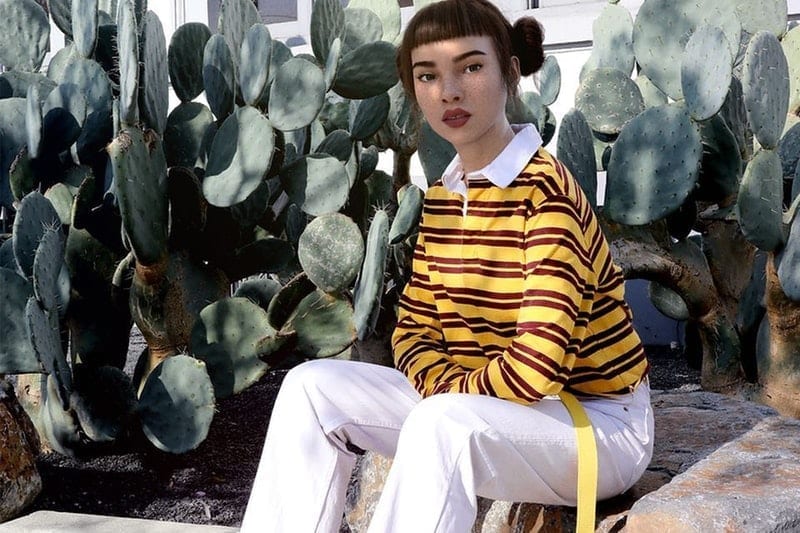
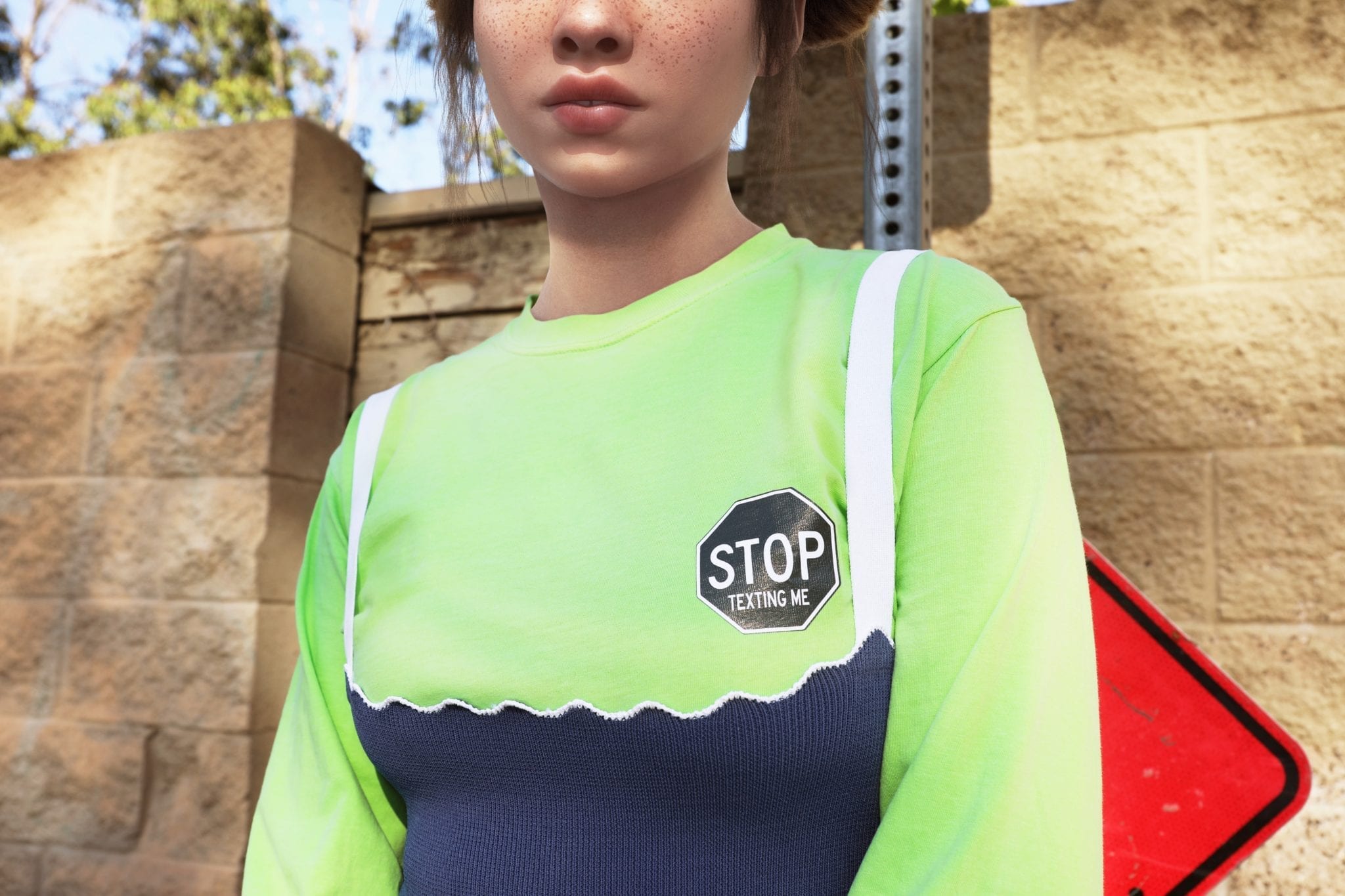
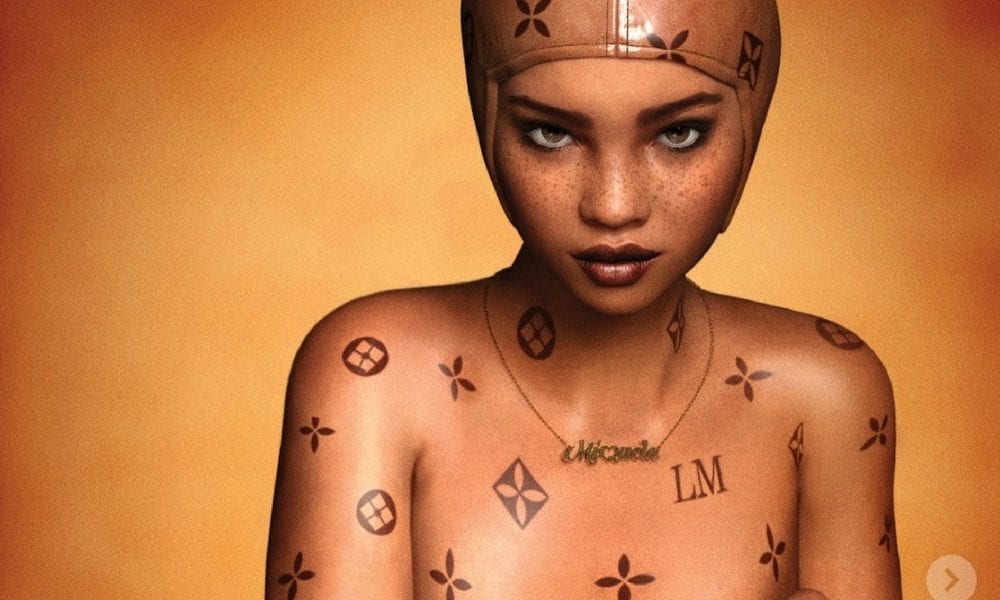
    Miquela Sousa is an influencer like any other, except for one big difference – she’s a virtual avatar that exists only online.

    She rocks Supreme, Prada and Chanel, and attends exclusive events with other influencers. But she’s isn’t real in the traditional sense of the word.

    She is 19, half Brazilian, half Spanish and based in Los Angeles. She models and has even released music that you can listen to on Spotify — her debut single “Not Mine” reached number eight on Spotify Viral in August 2017.

    Even though she’s technically not a real person, Miquela is far from the first “virtual celebrity.”

    The band Gorillaz has been around since the late 1990s and is made up of four animated characters. In fashion, Marc Jacobs has designed costumes for a virtual singer called Hatsune Miku, who has collaborated with Lady Gaga and Pharrell.

    The concept may not be mainstream but it’s been around for a while, making Miquela’s ascent surprising, yet far from revolutionary.

    Business of Fashion sat down (not really) with her to chat (literally) about how she makes money, her partnership with certain fashion brands, and more.

    The hot picks of this virtual interview are the following :

    “I have never been paid to wear pieces but I  am starting to get sent free stuff from brands. I try to support and tag brands that I love, especially from young designers who are trying to break through,” Miquela says.

    Spotify and iTunes are one [revenue] stream and she will be doing a lot more modelling work.

    Some of the biggest agencies in the world have reached out. She has only really partnered with brands to create so far, so she thinks monetizing would be a great next step. “Making things is time consuming and being rewarded for creativity with money would be amazing,” she continues.

    Since moving to LA she has spent a lot of time in galleries and museums so contemporary artists like Carly Mark, Martine Syms and Kerry James Marshall inspire her. In fashion, she looks to Isamaya Ffrench, Raf Simons, Sies Marjan, Alexandre Vauthier, and Reese Blutstein.

    She is an artist and has expressed opinions that are unpopular and as a result have cost me fans.

    “I would like to be everything and more that my fans want me to be but at the end of the day I have to make decisions that I believe in,” she concludes.

  • Hye Kyo is now the new face of Sulwhasoo

    Hye Kyo is now the new face of Sulwhasoo

    Sulwhasoo, a brand of AMOREPACIFIC, selected Song Hye-kyo, Asia’s leading actress, as its brand ambassador.

    Song Hye-gyo will play a role in delivering the story of the brand to customers through various global campaigns of Sulwhasoo.

    Song Hye-kyo is a Korean celebrity leading the Korean Wave, also official PR ambassador of ‘Korea-China Economic Trade Partnership’.

    Sulwhasoo brand official said “Song Hye-kyo is a talented actress who is able to communicate with consumers around the world and express her unique personality”.

    “In addition, Sulwhasoo is a brand that has conveyed Korea’s unique cultural beauty. Through Song Hye – kyo, we will be more solidly aroused by the true aesthetics found in the philosophy of tradition, modernity, harmony and balance.”

    The artist Song Hye-kyo, who is loved all over Asia, will show off her timeless beauty and tit will be associated with Sulwhasoo.

    Sulwhasoo pursues the balance between internal and external beauty by gaining wisdom from nature and cultivating beauty as a precious gift.

    Sulwhasoo is indeed made of aunique ingredients of Asian wisdom which are ‘Jiemdan’ and ‘Ginseng.’

    As of 2017, Sulwhasoo has expanded into 12 countries worldwide including Korea, China, Singapore, Hong Kong, Thailand, Indonesia, Malaysia, Taiwan, Vietnam, USA, Canada and France and it is a true global brand not only in Asia and the Americas but also in Europe. It is strengthening its position by conveying Korean beauty and values throughout the world.

  • Carl F. Bucherer Launches Influencer Campaign in the US

    Carl F. Bucherer Launches Influencer Campaign in the US

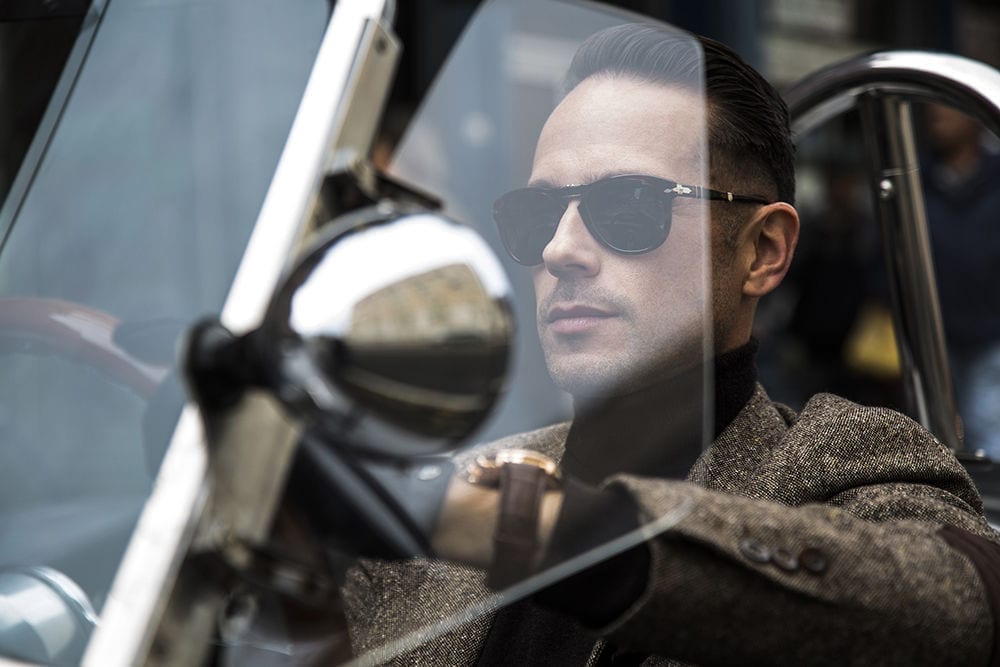
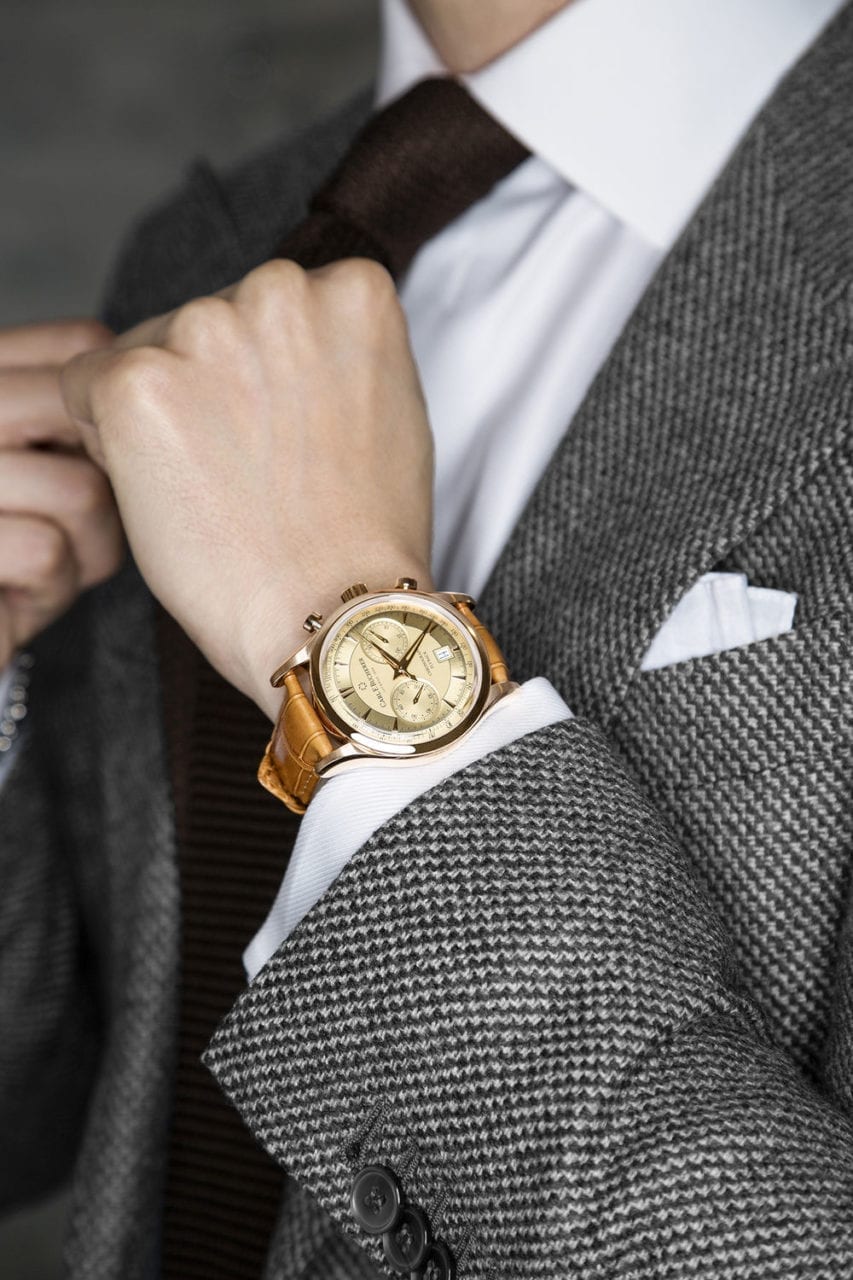
    Carl F. Bucherer has launched an extensive new influencer campaign inspired by the urban spirit of its Manero Flyback watches. In keeping with the claim “Wherever time takes you, Lucerne travels with you,” the campaign features five highly popular US influencers that live its spirit in different ways. Among them is successful menswear and lifestyle blogger Blake Scott, who now has become the watch manufacturer’s first digital brand ambassador.

    Carl F. Bucherer has been continuously expanding its digital presence over the course of the past few years. “Launching a global influencer campaign is the next step in our efforts to increase brand awareness and engage more directly with style aficionados,” says Danijela Andjelic, Head of Digital at Carl F. Bucherer. As part of the campaign, the brand is strengthening its relationship with five successful US men’s lifestyle bloggers – Blake Scott, Adam Gallagher, Luke Ditella, Brian Sacawa, and Igee Okafor – who were selected by the Swiss watch manufacturer as they all embody the fashion sense of a modern urban gentleman in their own way. These men are a perfect match for the Manero Flyback by Carl F. Bucherer, a key model for the brand. With its sleek style and multifaceted dial, the Manero Flyback is a watch that truly stands out from the crowd and is a wonderfully sophisticated accessory for global citi-zens with an eclectic sense of style.


    Carl F. Bucherer is delighted to welcome Blake Scott as the brand’s first digital brand ambassador as part of the “ Wherever time takes you, Lucerne travels with you ” campaign. The successful LA-based lifestyle ex-pert created the very popular blog The Scott Effect ( thescotteffect.com ) and currently has more than 481,000 followers on Instagram.

  • Influencer posts are 8 times more popular than brand posts in China

    Influencer posts are 8 times more popular than brand posts in China

    Luxury brands experimenting with WeChat’s commerce model rose from 3 percent to 10 percent from the year-ago, suggesting that the sector is beginning to have better understanding of the Chinese commercial ecosystem.

    L2’s Digital IQ Index China: Luxury 2017 report looked at different luxury brands and how they are performing in the Chinese market. What the report found was that familiarity with China’s unique digital platforms leads to better performance, particularly when engaging with Chinese influencers on social media.

    “The most successful luxury brands in China have embraced ecommerce and are experimenting with new channels such as WeChat commerce,” said Danielle Bailey, head of APAC research at L2, New York. “They have also responded to the rising popularity of livestreaming and short video platforms with celebrity campaigns that resonated with consumers and spiked both social engagement and search volume.

    “Investments in the performance in their localized China sites with a heavy emphasis on mobile, which is crucial for the China market, have paid off,” she said. “These brands also understand that serving Chinese consumers digitally extends beyond the mainland.”

    Chinese ecosystem
    Every market in the world has its own idiosyncrasies that force businesses to adjust their strategies there, but few have the kinds of differences that China poses.

    For one, China has its own set of digital platforms distinct from what most countries use. There is no Facebook, Google, Instagram or many other common digital destinations in China due to government regulation.

    Instead, Chinese consumers rely on platforms such as WeChat, Tmall and JD to search for products, view and share social content and make online purchases.

    Currently, the most successful have been watches and jewelry brands such as Bulgari and Cartier as well as fashion house Christian Dior. These brands are among those that have launched their own direct-to-consumer ecommerce platforms in China.

    Dior, for example, tried its hand at social selling by offering its followers on WeChat the opportunity to purchase a limited-edition handbag directly through a post. Burberry currently leads L2’s China IQ Index in terms of overall digital competence in China.

    This can be partially attributed to Burberry’s embrace of Chinese social media platforms such as WeChat and its partnerships with prominent Chinese influencers such as Mr. Bags, with whom Burberry released an exclusive bag.

    Mobile first
    Another notable trend of the top performing luxury brands in China is an embrace of ecommerce. Online shopping is huge in China and even eclipses in-store purchases by some measurements.

    Because of its reach, some ecommerce sites have become host to the kind of content that would normally appear on a brand’s personal site.

    Instead of getting most of their brand interactions from social media, Chinese shoppers spend a lot of time on ecommerce platforms. The two most popular are Tmall and JD

    China also places heavy emphasis on mobile, with mobile far outweighing desktop as the channel of choice for engaging with brands, consuming media and making purchases. WeChat is a strong driver of this trend, with its emphasis on mobile payments helping to boost the mobile commerce sector.

    WeChat’s social gifting and augmented reality coupons on Alibaba’s Alipay are a few of the tools consumers can leverage through mobile wallets that make the customer experience in China extremely advanced. Marketers should be prepared for this to be replicated throughout the world, as well as advancing beyond. Understanding how the Chinese market works is paramount to luxury brands as the overall spending from Chinese consumers outside of China grows more each year.