Retail News CRM

Tag: Innisfree

  • Innisfree Vietnam pop-up boosts brand

    Innisfree Vietnam pop-up boosts brand

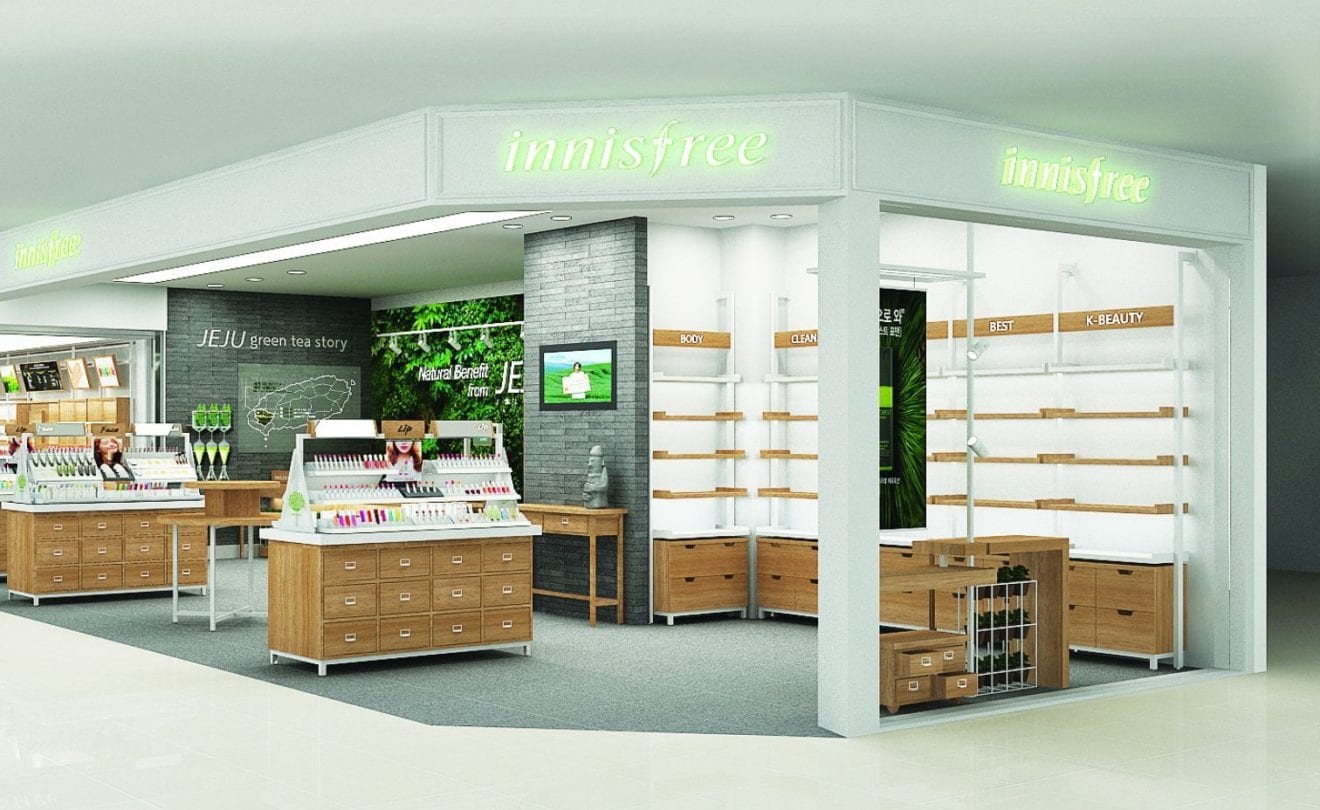
    Korean cosmetics brand Innisfree has opened its first pop-up store, inside Saigon Center in Ho Chi Minh City, from now until Sunday.

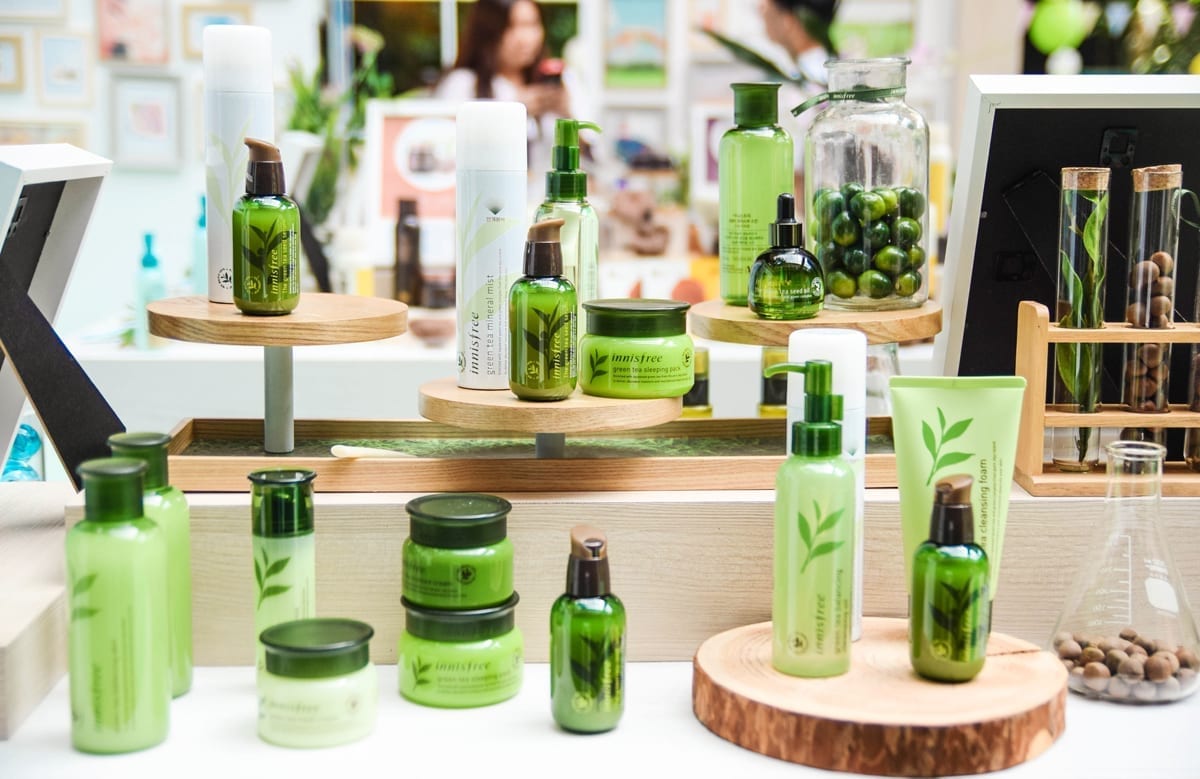
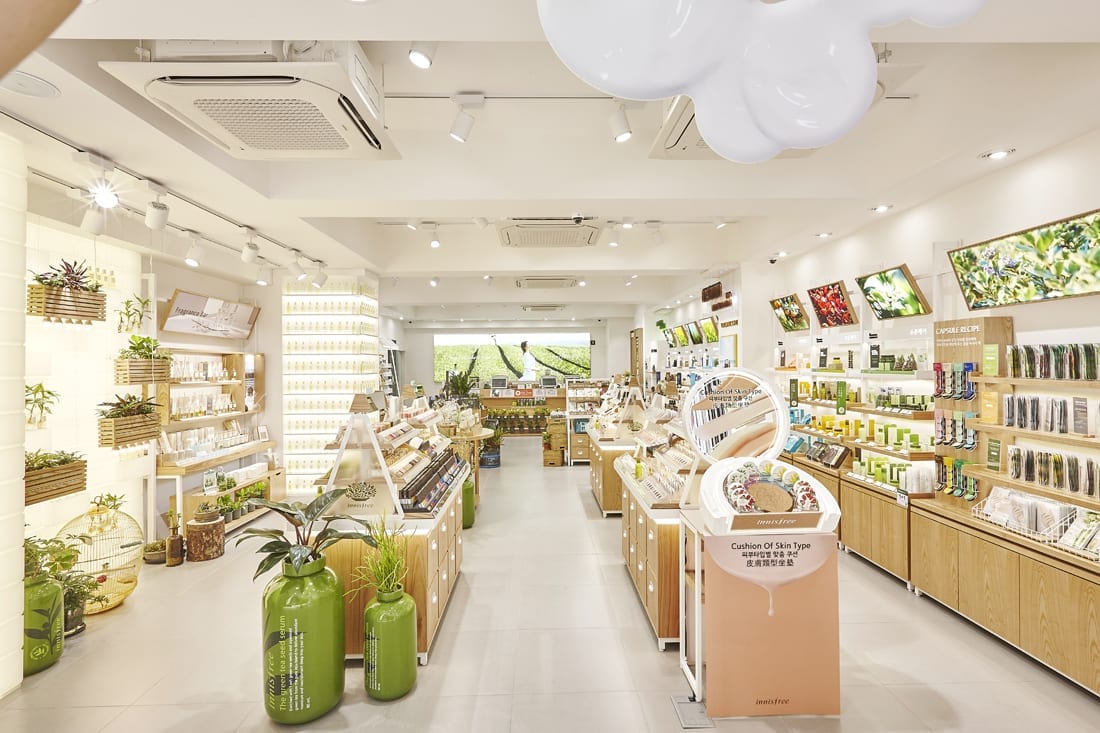
    Called New Hydration Station, the Innisfree Vietnam pop-up introduces the brand’s new green tea range through different sections such as Hydration Station, Hydration Wash Zone, Beauty Wash, Green Tea Store, Green Tea Zone.


    After the pop-up, the brand will open new store at Crescent Mall in District 7, in the hub of the city’s Korean community.

    During the first two days, customers will get the chance to receive Innisfree tumblers, eco bags, and masks with bills over VND300,000.

    After arriving in Vietnam in 2016, Innisfree has opened four stores, all in Ho Chi Minh City.

  • Innisfree Vietnam to set footprint in online presence

    Innisfree Vietnam to set footprint in online presence

    Innisfree Vietnam today launches its first official online store, on Lazada.

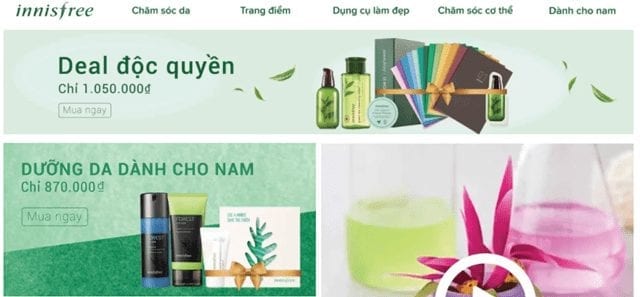
    The South Korean cosmetics brand is offering its full range of products on the site, including bodycare, make-up tools, skincare and men’s categories.

    Online customers will be offered frequent promotions as well as gifts for bulk orders, says Innisfree.

    In its two years, Innisfree Vietnam has opened three stores in Vietnam, all in Ho Chi Minh City.

  • Innisfree Launches Snoopy-Inspired K-Beauty Makeup Collection

    Innisfree Launches Snoopy-Inspired K-Beauty Makeup Collection

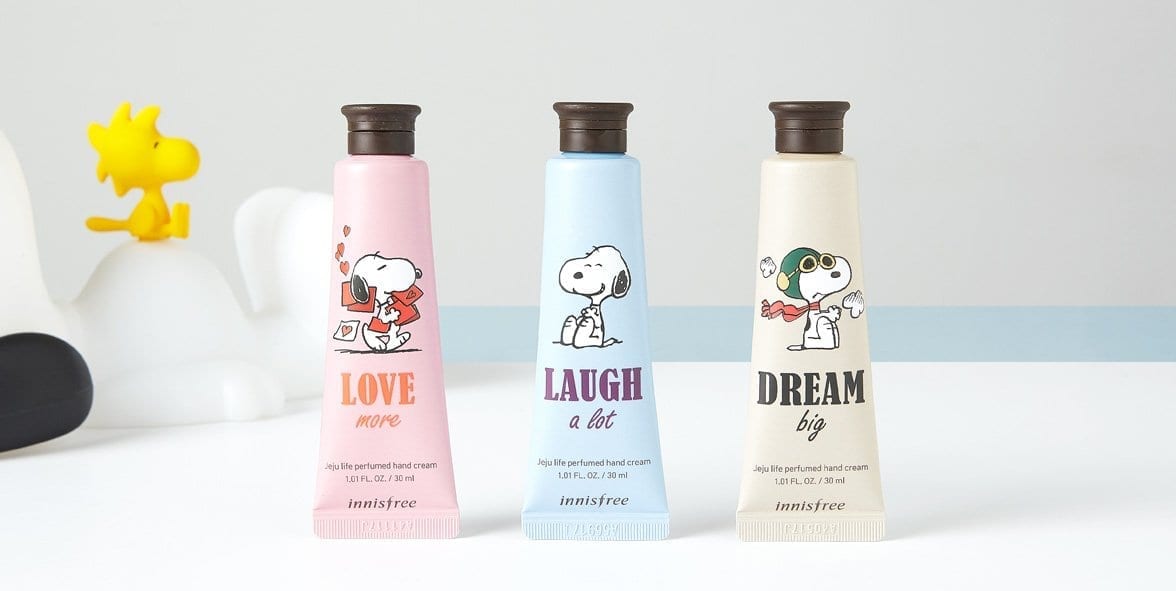
    Korean eco-cosmetics brand Innisfree has partnered with Snoopy to release a limited-edition collection for the Year Of The Dog.

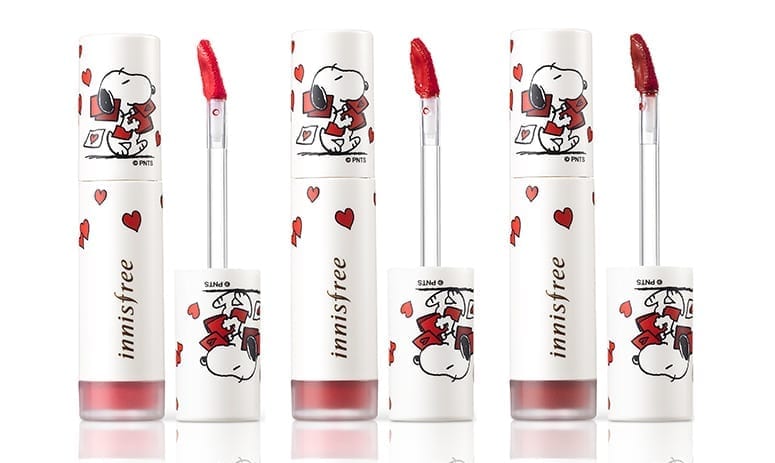
    Called Innisfree x Snoopy, the collection includes five-pastel-shade nail polish, creamy tint, cushion and palette cases, with images of a smiling Snoopy front and centre of the packaging.

    The whole collection is available on Innisfree’s website, selling from US$4 to $12 each until February 28.

    Customers can change the shades of the products as they please.

    Sibling Amorepacific brand Etude House recently released its Lucky Puppy Collection to celebrate the coming Lunar New Year.

  • Hong Kong retailers may benefit from missile row

    Hong Kong retailers may benefit from missile row

    China’s ban on group tours to South Korea in retaliation against a planned deployment of a missile defence system there could see a revival of tourism to Hong Kong, where retailers have been struggling.

    “South Korea, Southeast Asia and Hong Kong are all short-haul attractions favoured by mainlanders, and if one market faces headwinds there can often be a knock-on effect on the others,” says investment firm CLSA head of Hong Kong consumer research Mariana Kou.

    Beijing last week ordered domestic travel agents to stop offering group tours to South Korea, as well as hotel and flight booking services for individual travellers.

    Although designed to protect against attacks from North Korea, South Korea’s installation of THAAD radar is considered by Beijing as a threat.

    Mainland Chinese visitors to South Korea rose to 8 million last year, almost quadruple the level of 2012. The Korea Tourism Organisation estimates that a 50 per cent drop in mainland tourism would hit the tourism sector to the tune of US$9.6 billion.

    People speaking Chinese were noticeably absent from the shopping district of Myeong-dong in Seoul yesterday, just as the Chinese government’s ban went into effect, reports The Korea Times.

    “I think the number of Chinese tourists has declined almost 70 to 80 per cent,” says an information officer helping foreigners. “There are obviously fewer Chinese tourists here than Japanese visitors these days.”
    Previously, Chinese tourists were crowding shops to buy cosmetics and luxury goods. Now the owners of so-called “road shop brands”, such as Innisfree, Nature Republic and The Face Shop, are struggling to attract custom. Now their workers are speaking Japanese and distributing leaflets and maps in the language.

    Meanwhile, some tourist buses have been taking Chinese groups to the main Lotte Department Store, but tourism officials expect this mark to dry up by the weekend. “Those who came to Korea before the measure have yet to leave,” says one official.

    Experts say the situation could see middle-class shoppers from China’s less affluent cities flock to Hong Kong as an affordable alternative, reports The South China Morning Post.

    Hong Kong Tourism Board data shows that spending by individual travellers has been trending downward. The average overnight visitor to the city spent HK$6602 (US$850) last year, down from HK$7234 in 2015. The board predicts a further 5.2 per cent drop to HK$6256 this year.

  • Mamonde launches Singapore site on Lazada

    Mamonde launches Singapore site on Lazada

    Korean beauty products brand Mamonde has launched an e-commerce site on Lazada to introduce its skincare and makeup products into Singapore.

    Mamonde’s USP is using flower extracts in its products. Camellia, hibiscus, honeysuckle, lotus and magnolia blooms are hand-picked and frozen or heat dried, with the active ingredients then being extracted.

    Mamonde Lazada SG

    There are plans to also open a physical store in Singapore eventually, says Amorepacific, which also owns the brands Etude House, Innisfree, Laneige and Sulwhasoo.

    “Launching digitally first in Singapore was a deliberate move that allows us to observe consumer purchasing habits before scaling up operations in the market,” says Amorepacific Asean regional head Robin Na.

    “While the beauty industry in Singapore is mature, we believe that consumers there are still hungry for new brands.”

  • Innisfree to launch in Indonesia

    Innisfree to launch in Indonesia

    Beauty products brand Innisfree is launching in Indonesia with brand curator Time International.

    Part of Korean global beauty company AmorePacific Group, Innisfree offers products made with natural ingredients from Jeju, a volcanic island off the southern coast of the Korean Peninsula.

    Innisfree’s first store will open at Central Park Mall Jakarta on March 24, following its introduction in such markets as China, Hong Kong, India, Malaysia, Singapore, Taiwan, Thailand and Vietnam.

    As well as skincare, Innisfree will offer colour cosmetics in Indonesia, says international business VP Chul Kim.

    Innisfree was launched by AmorePacific Group in 2000, joining its brands Laneige and Sulwhasoo.

    Founded in the 1960s, Time International manages multi-brand retail stores as well as mono-brand boutiques for such brands as Cartier, Chanel, Chopard, Diesel, Fendi, Fossil, Project X, Rolex, Sweet Monster and Tag Heuer.

  • Tax changes lower Mainland cosmetics prices

    Tax changes lower Mainland cosmetics prices

    China’s new import tax regime has enabled cosmetics giants AmorePacific and Estee Lauder to lower their prices in China by up to 30 per cent.

    AmorePacific’s China division says it will reduce Mainland cosmetics prices for 327 lines under the brands of Etude House, Innisfree, Laneige and Sulwhasoo by 3 to 30 per cent from January 15.

    US rival Estee Lauder has confirmed immediate price cuts for more than 300 lines in China, including its namesake label, Bobby Brown, Clinique, Jo Malone, and Mac by as much as 18 per cent.

    This follows Beijing’s move last year to slash its hefty duties on imported cosmetics in an effort to boost domestic consumption, according to AmorePacific, which has its headquarters in Seoul.

    “These global cosmetics names are now narrowing the price gap between China and overseas, and we believe more are probably about to follow suit,” says China Market Research Group director Ben Cavender, noting that with western brands becoming cheaper in the mainland, people may be discouraged from travelling to Hong Kong to make purchases.

    Imported cosmetics previously faced tariffs of 84 per cent, reflecting both import and point-of-sales taxes. The tariffs have now gone down to 29 per cent for most beauty products.
    Before the tariff reduction, many mainland consumers shopped via cross-border online marketplaces or while travelling abroad.

  • Innisfree Vietnam marks maiden store

    Innisfree Vietnam marks maiden store

    The Korean eco-cosmetics brand Innisfree has officially launched in the Vietnam market.

    The first Innisfree Vietnam store will open at 257 Hai Ba Trung St in District 3, on the edge of Ho Chi Minh City’s CBD on October 29.

    Vietnam is the ninth overseas market that Innisfree has chosen for international expansion.

    Innisfree Vietnam store

    The brand will join a booming Korean cosmetics market in Vietnam along with TheFaceShop, Etude House and Skinfood. For a long while, Vietnamese eco-cosmetics lovers have been buying Innisfree items online and having them brought in by travellers, hand-carried from Korean cosmetics shops.

    Innisfree is founded in 2000, under management of Amore Pacific, the parent company of other brands such as Laneige, Sulwhasoo and Etude House.

    With its mission to bring the most authentic beauty ingredients extracted from Jeju island green tea and volcanic rocks, Innisfree appeals to women who prefer natural beauty methods.

  • High street brands replace luxury stores that exit HK prime space

    High street brands replace luxury stores that exit HK prime space

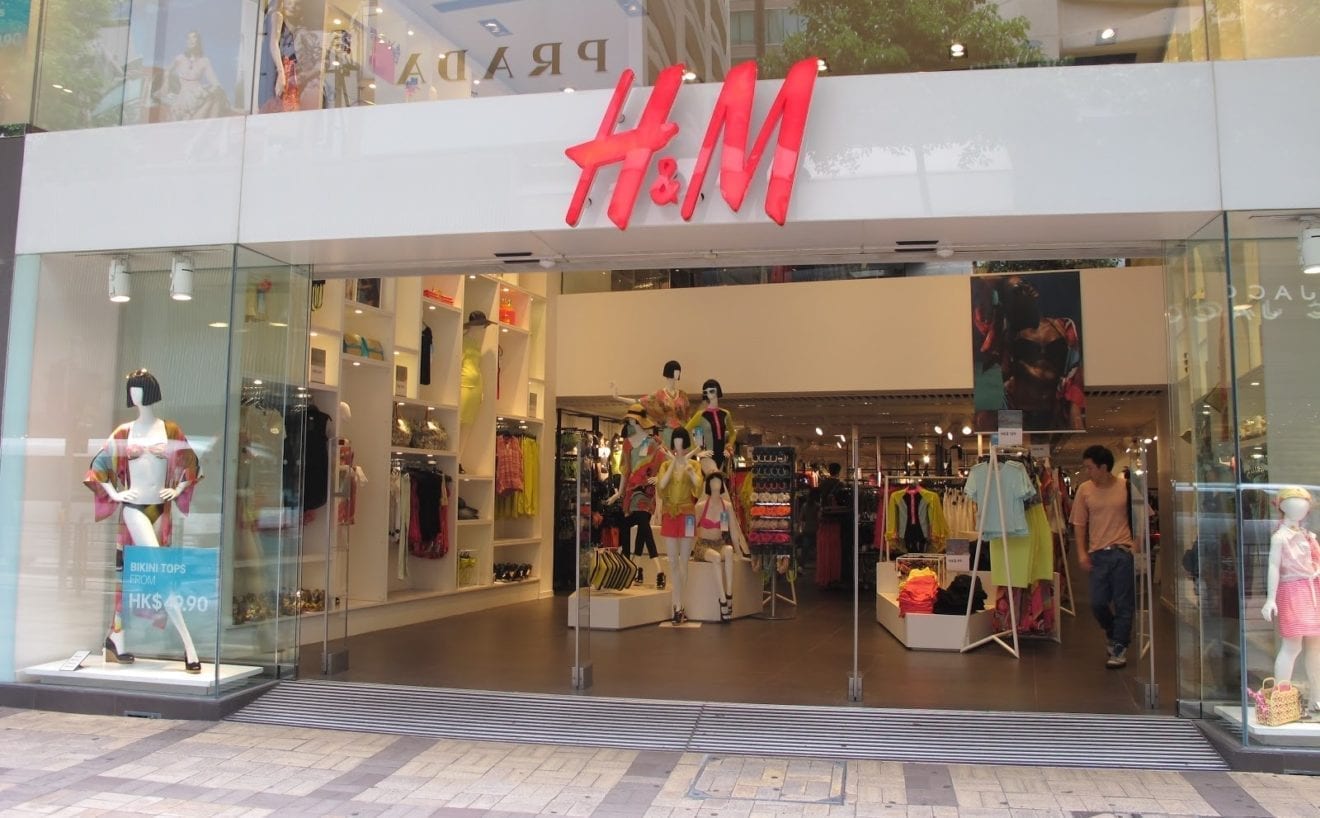
    From fast-fashion chain H&M to lifestyle brand Maison Kitsune and cosmetics firm Innisfree, mass-market retailers are setting up shop in premises previously occupied by luxury brands in Hong Kong’s prime shopping districts.

    Aided by falling rents in top locations, accessory, sport and lifestyle retailers are emerging as a new driving force of Hong Kong’s US$60-billion (S$80.4-billion) retail industry, part of a major makeover the city is going through amid a slump in retail sales.

    “This trend will continue,” said Mr Joe Lin, executive director at property consultant CBRE. “We are going to see more mass-market brands reappear in prime locations.”

    Weak sales of luxury goods drove Hong Kong to report a 16th straight monthly drop in retail sales on Tuesday.

    Sales of jewellery, watches and valuable gifts tumbled 21 per cent in January to May, driving a 10.8 per cent fall in overall retail sales, while cosmetics and medicines posted a 2.7 per cent sales decline and furniture and fixtures reported a 5.3 per cent drop, government data showed.

    Luxury retail in Hong Kong exploded over the past decade as increasingly wealthy Chinese flocked to the city to buy high-end Western brands, pushing out local jewellers and other shops that once dominated the high street.

    “Back in the day, we used to see only (jewellers) Chow Tai Fook, Luk Fook and pharmacies,” said Ms Cynthia Ng, director of retail services of Colliers International.

    “They (new retailers) are not necessarily local brands, but tend to be cheaper in pricing and younger… Not only does the adjusted rental fit their budget, but at the same time the craze and demand for fitness and sports are also helping them.”

    Still, mass-market brands might struggle to achieve the margins and profitability needed to justify prime rents in a weak retail environment, said Mr Kevin Lai, an economist at Daiwa Capital Markets in Hong Kong.

    “The luxury sector usually has much more value added,” Mr Lai added. “So these guys may not be able to do exactly the same.”

    Retail rents in Hong Kong’s core shopping districts, still among the world’s highest, are likely to fall another 5 to 8 per cent in the second half of this year, bringing the full-year correction to 10 to 15 per cent, said CBRE.

    Those declines are attracting new tenants to shops large and small.

    On Russell Street in the prime Causeway Bay shopping district, the 400 sq ft space that jewellery group Follie Follie occupied has been replaced by footwear outlet Joy & Mario, while Swatch Group’s Jaquet Droz luxury watch shop has gone to South Korean cosmetics brand Innisfree.

    Nearby, H&M opened a flagship store last year.

    “For us, best location is always key, and when opportunities arise, we look at the possibilities for opening new stores,” a spokesman for H&M in Stockholm said.

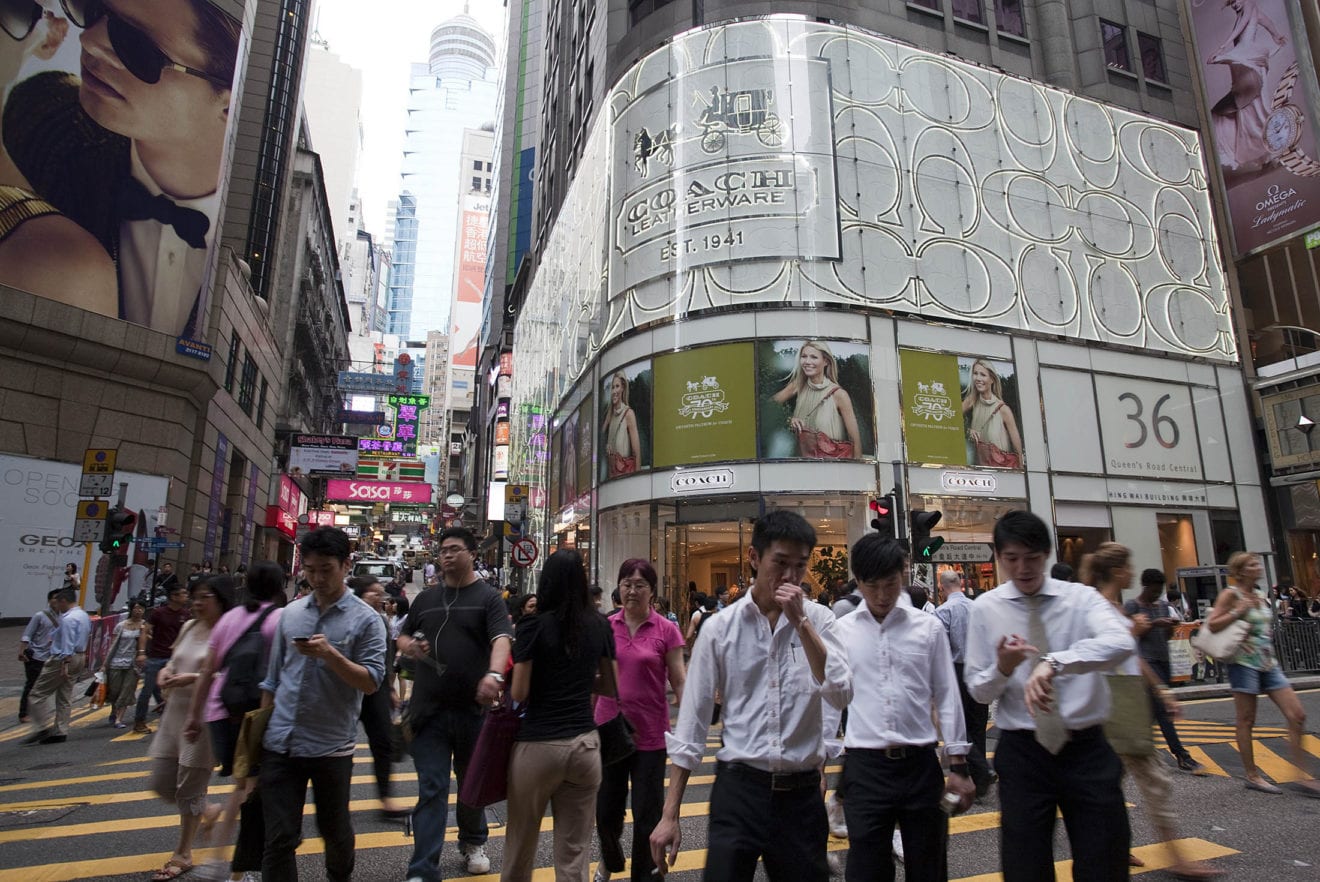
    Sports brand Adidas last year leased a 13,000 sq ft shop in the city for 22 per cent less than its former occupier, Coach, as the premier American brand closed its fourstorey flagship store in Central amid weak retail sentiment and a drop in tourist arrivals from China.

    Big shopping malls are renovating and offering attractive terms as vacancies grow, and stores on street level have also become more affordable.

    Swire Properties’ Pacific Place, where British fashion house Burberry will halve the size of its store by next year, is reshuffling its tenant mix, bringing in more food and beverage stores.

    Lifestyle store Homeless recently opened a store in CityPlaza shopping mall, after years of effort to secure a place in a prime shopping district, and is planning to relocate its shop in Tsim Sha Tsui this year to a location with much better traffic.

    Retail and property experts see the trend continuing as sales of luxury goods remain weak, despite steep discounts.

    “In the second half of May, many brands kicked off their summer sales much earlier than before, offering much higher discounts than they normally did,” Mr Thomson Cheng, chairman of Hong Kong Retail Management Association. “It failed to significantly boost sales. The situation is worrying.”

    In early June, French fashion house Chanel slashed prices by as much as 70 per cent on selected items, while Coach cut some prices by half, in line with moves by Burberry and French luxury group Kering’s Gucci.

    “The spending pattern of mainland tourists has changed and their consumption power is weakening,” Mr Cheng said.


  • Multi-brand Korean cosmetic shops thrive

    Multi-brand Korean cosmetic shops thrive

    Korean cosmetic shops that sell various brands under one roof have steadily expanded their presence across the country, giving sophisticated customers more options, according to industry sources.

    AmorePacific, South Korea’s No. 1 cosmetic company, operates about 1350 multi-brand stores, called Aritaum nationwide, which offer a wide selection of its products, including such mass brands as Laneige and IOPE. The company also operates single brand shops such as Innisfree and Etude House in the lower-end and Sulhwasoo and Hera in the higher-end segment as part of a two-track strategy.

    Also showcasing multi-brands are beauty and health care stores, such as CJ’s Olive Young and its smaller rival Watsons, which have expanded and enjoyed growing popularity among urban youngsters.

    To catch up with the latest trend, local cosmetic companies have launched multi-brand cosmetic shops in major retail strips.

    LG Household & Health Care Ltd., the nation’s second-largest cosmetic maker, launched a multi-brand shop called Nature Collection, in February, operating 11 stores in major retail strips in Seoul. The store features brands that focus on a natural look, including The Face Shop and Beyond.

    “Nature Collection is promoted through word-of-mouth, with various products and promotional events,” a company spokesman told Yonhap news service.

    Able C&C, which created the boom for the single brand shop with Missha, has recently opened a multi-brand shop called Beauty Net on a popular street in Seoul to display a wide range of select products.

    Beauty Net Korea store

    Industry officials say multi-brand shops are effective in improving customer convenience and brand management and promotion, providing easier access to new brands.

    “Expansion of these multi-brands provide the other brands with more chances to be introduced to customers,” said an Able C&C spokesman.

  • China ripe for AmorePacific

    China ripe for AmorePacific

    AmorePacific, South Korea’s largest cosmetic company, has reaffirmed its commitment to China, seeing further room for growth in the rising middle-class consumers there, the firm said Thursday.

    AmorePacific has shown stellar performance in China with a range of luxury and low-end brands, thanks to the rising popularity of Korean drama and pop. It logged 5.66 trillion won (US$4.93 billion) in sales last year, up 20.1 per cent year-on-year.

    The Korean multinational owns the cosmetics and retail brands Etude House, Laneige, innisfree, and sulwhasoo, among others.

    “By 2020, the middle class population is expected to reach 500 million, and its size and influence will greatly expand in the next decade,” AmorePacific CEO Suh Kyung-bae said during a monthly meeting with senior officials earlier this month.

    While Beijing has applied non-tariff barriers, such as those on ingredients and the approval of foreign brands, Suh expects the focus of regulations will move to distribution to curb counterfeit items and the grey market.

    “However, the tightened retail regulations will have a limited impact on companies that have already established distribution channels in the Chinese market,” Suh said.

    While fledgling cosmetics producers have bloomed over the past years, Suh expects it will take time for them to match the level of its technology and brand power.

    “We will have to keep an eye on the growth of emerging local companies, but brand power is not something they can get in a short period of time,” he said.

  • Tmall driving more than sales for top beauty brands

    Tmall driving more than sales for top beauty brands

    Scores of high-end cosmetics companies are setting up shop on Alibaba Group’s Tmall.com online marketplace as eCommerce continues to gain ground as a critical marketing and sales channel for reaching China’s increasingly sophisticated consumers.

    At the recent Tmall Beauty Awards ceremony in Shanghai, which celebrated the top cosmetics brands operating on the eCommerce platform, Alibaba announced that 29 well-known Western brands and 37 from Japan and Korea had storefronts on Tmall at the end of 2015, including more than 10 joining the platform last year alone such as Lancôme, Bobbi Brown, La Mer, Anessa and Avene. Another 20 cosmetics companies are planning to launch their own presence on Tmall this year.

    Alibaba also announced a cooperation agreement with Korean cosmetics maker AmorePacific Group to expand the latter’s Tmall presence. AmorePacific will add two more storefronts exclusively on Tmall for the Sulwhasoo and IOPE beauty brands in the following months. AmorePacific already operates the Laneige, Innisfree, Mamonde and Etude House e-shops on Tmall, and about 800,000 Chinese consumers have purchased goods from Laneige’s shop over the past three years, according to Alibaba. The brand also sold about 45,000 BB creams, or blemish balms, during Alibaba’s 11.11 Shopping Festival, bringing in US$1.4 million from that product alone.

    Alibaba has similar cooperation agreements with Procter & Gamble, Estée Lauder, L’Oréal and domestic retailer Shanghai Jahwa Corp.

    The eCommerce push by cosmetics companies comes amid strong growth in high-end cosmetics purchases by Chinese consumers. A report from Chinese research firm CBNData, released in conjunction with the awards, noted that total sales of cosmetics products in China climbed nearly 20 per cent to $74.1 billion last year from 2014. Citing independent researchers, CBNData’s report also said that online channels accounted for 36 per cent of that, or $27 billion, with Tmall controlling about a 70 per cent share of the B2C market. Alibaba Group is an investor in CBNData parent China Business Network.

    Tmall Cosmetics GM Mike Hu said total sales generated on all business-to-consumer retail websites in China currently account for 12 to 15 per cent of the entire cosmetics market, and he predicts those channels will grow by another 30 per cent to 50 per cent over the next two to three years.

    Hu stressed that Tmall offers more than just another sales channel to brands. It’s also a platform to promote new products, build a connection with customers and increase business both online and off. According to Hu, over 20 brands have introduced about 160 versions of products that were exclusive to Tmall shoppers, and the brands have launched more than 100 new products via the website in 2015.

    “Two or three years ago, eCommerce played as a sales channel since its significance grew and it helped enhance business,” said Gary Chu, online general manager at Estée Lauder China, said at the awards ceremony. “Now what we are thinking about is how to integrate brand property, content and products into our presence in Alibaba’s ecosystem to meet the needs and demands of the brand.”

    To that end, Estée Lauder has been engaging customers via its so-called Fans communities within the Tmall mobile app. One brand, Bobbi Brown, opened its Fans page last November and now has more than 640,000 followers. It offers make-up tips and sample trials, among other initiatives, to tackle customers’ most common inquiries in order to educate and interact with shoppers, while serving as a bridge to the Bobbi Brown storefront. In addition to the Fans page, the company also used Instagram-like photo sharing on Tmall to generate buzz about Bobbi Brown lipstick ahead of Chinese New Year earlier this month, and Estée Lauder regularly uses the Tmall mobile app to help launch new products.

    Alibaba Group CEO Daniel Zhang said Estée Lauder’s efforts are prime examples of ways brands can engage shoppers with content and convert interactions into business opportunities.

    “All the brands and merchants are the best content producers, and merchants should incorporate products into content that consumers are willing to read and eager to buy,” he said.

    Brands are also using their Tmall storefronts to boost their online-to-offline (O2O) business. So far 54 of them, including Estée Lauder, La Mer and Laneige, have integrated their online and offline membership programs and now allow users to make appointments for skin care treatments in brick-and-mortar stores online.

    Tmall will continue to promote O2O retail to “achieve the goal of same product, same service and same membership” online and offline, Hu said.

    Here are the winners from some of the biggest award categories from last Friday’s ceremony. The winners were chosen based on search popularity, interaction with shoppers, customer reviews, trial reports, sales and services among millions of customers and thousands of brands on Tmall in 2015.

    Most popular brands online: Laneige, Lancôme, Innisfree, Maybelline

    Hot search brands: Bobbi Brown, Avene, Sulwhasoo (which launched on March 1)

    Favorite brands among customers born in the 1990s:Sekkisei, The Face Shop, Hanhoo (Chinese domestic brand)

    Favorite brands among customers holding Alibaba Passport (shoppers spending more than RMB 100,000 ($15,270) annually on Alibaba’s platforms): Shiseido, Whoo, L’Oréal, Clarins, Innisfree

    Favorite brands among male shoppers: JVR (Chinese domestic brand), L’Oréal, NIVEA

    Best-selling brand: Pechoin (Chinese domestic brand)

    Outstanding and popular group: Estée Lauder Group
  • CapitaLand China growth outpaces economy

    CapitaLand China growth outpaces economy

    Singapore-based shopping mall investment company CapitaLand Retail China Trust (CRCT) grew its income last year by 10.3 per cent to S$89.2 million ($63 million) from S$80.9 million.

    With China’s economy growing 6.9 per cent last year, the company’s retail sales drew 10.7 per cent of RMB30.1 trillion ($4.58 trillion), reports CRCTML chairman Victor Liew (CRCTML manages CRCT).

    “China’s slower growth is reflective of an economy undergoing transition, but it is expanding from a much larger base now and its growth is still considerably faster than those of most other economies,” says Liew. “CRCT’s family-oriented shopping malls are well-placed to benefit from China’s growing urban population and rising retail sales as domestic consumption becomes the country’s new growth engine.”

    It was the first time CapitaLand China’s gross revenue had crossed the RMB1-billion mark, says CRCTML CEO Tony Tan. “Portfolio occupancy remained high at 95.1 per cent  as at December 31, while rental reversion for the full year was 8.1 per cent.

    “Annual tenants’ sales increased 11.6 per cent and shopper traffic rose 1.8 per cent year-on-year.

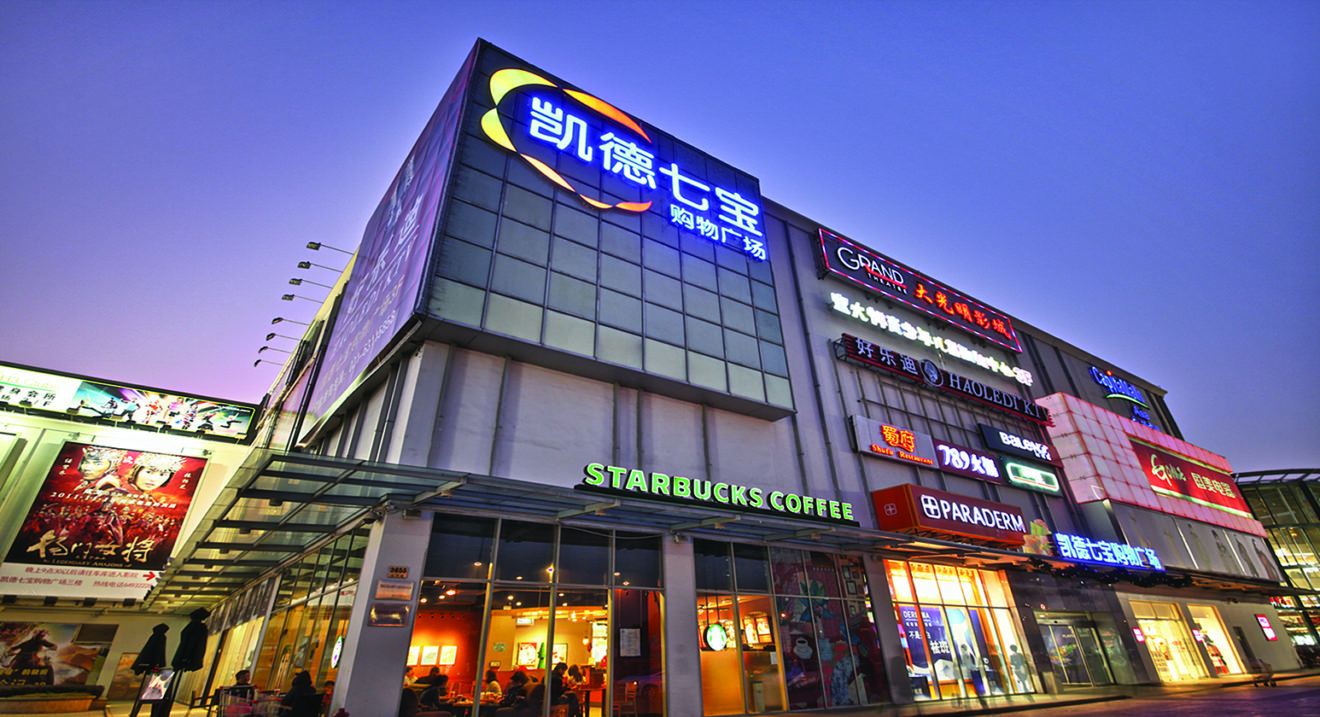
    “We continually refresh our mall offerings to stay relevant to our shoppers’ evolving preferences and needs. For example, CapitaMall Xizhimen (pictured) brought in the popular Jing Ge Steamboat to increase the variety of its F&B offerings, while CapitaMall Qibao introduced a water park.

    “To improve sustainability and the shopping experience, CapitaMall Grand Canyon installed energy-saving LED lights in common areas and upgraded its car park with new flooring.

    “CapitaMall Wangjing is carrying out renovation work to rejuvenate its façade, and is on track to unveil its new look by June.

    “We will continue to strengthen our malls’ tenant mix and uplift the shopping experience through continual asset enhancement initiatives.”

    Gross revenue for the year increased RMB17.5 million, or 1.8 per cent, over the previous year. This was attributed mainly to rental growth from the multi-tenanted malls, partially offset by lower revenue fromCapitaMall Minzhongleyuan, which was impacted by road closure for the building of a subway line, and from CapitaMall Wuhu, where tenancy adjustments are being introduced to achieve stronger positioning and better trade mix.

    CRCT is the first China shopping mall real estate investment trust (REIT) in Singapore, with a portfolio of 10 malls. Listed in Singapore in 2006, its objective is to establish long-term investments in a diversified portfolio of real estate used primarily for retail in China, Hong Kong and Macau.

    A significant portion of CapitaLand China’s properties’ tenancies comprises major international and domestic retailers such as the Beijing Hualian Group, Carrefour and Wal-Mart. The anchor tenants are complemented by specialty brands such as BreadTalk, Innisfree, KFC, Nanjing Impressions, Nike,Sephora, Starbucks, Uniqlo, Watsons and Zara.

  • Massive Innisfree China store planned

    Massive Innisfree China store planned

    Innisfree, the Korean natural cosmetics brand owned by Amore Pacific, is to open its largest store yet, in China.

    Amore Pacific announced Innisfree China will open an 827 sqm flagship store in Shanghai.

    This is the largest store among all of Innisfree’s retail locations, and reportedly the largest cosmetics store in China.

    Since Amore Pacific launched an online store in April 2012, it has been operating 200 offline stores all over China, including in Shanghai, Beijing and Shenyang. Innisfree’s ‘Green Tea Seed Serum’ and ‘Volcanic Ash Pore Mask’ are its highest-selling products.

    Management of Amore Pacific said Innisfree is popular among picky Chinese consumers in their 20s and 30s.

    “We think that the concept of our products made from natural ingredients found on Jeju Island, and the trust in Amore Pacific is an attraction to Chinese consumers.”