Retail News CRM

Tag: Intel

  • ZTE, Intel developing vEPC application

    ZTE, Intel developing vEPC application

    ZTE and Intel have released a white paper covering an NFV reference design for a containerized vEPC application as part of the two companies’ joint research into virtualization of telecoms networks.

    The two companies are jointly researching cloud native and NFV technologies. Intel is helping ZTE develop virtual evolved packet core applications based on cloud native architecture.

    The white paper highlights that such vEPC applications are compatible with and open to cloud platforms based on open source container technology. The vEPC application uses s microservice design to achieve network function atomization to speed delivery of new services.

    Each microservice is also run, upgraded and deployed separately to improve flexibility, the companies said.

    A vEPC microservice adopts a stateless design to achieve 99.999% carrier-grade reliability in commercial off the shelf hardware.

    The vEPC solution is expected to be fully compatible with 5G, with guaranteed upper layer service continuity for future wireless network evolution and upgrades.

  • Levi’s exec says eCommerce forcing focus on inventories

    Levi’s exec says eCommerce forcing focus on inventories

    Retailers can no longer accept a lack of shelf level inventory in-stocks and inaccurate inventories, according to Carrie Ask, executive VP and president of global retail at Levi Strauss & Co.

    Speaking at this month’s NRF Big Show in New York, Ask said that after travelling the world and observing consumers purchasing intent and behaviour in-store, the 164 year old brand’s executive team had an ‘a-ha’ moment.

    “Now while store traffic is declining, we discovered something else, something that we think is fundamentally different about store traffic today,” she said.

    “We discovered the purchase intent of consumers visiting stores, is rising. Makes sense, they don’t have to go to a store anymore, so when they do, their intention is higher.

    “In addition, we found that ‘out of stock’ and ‘couldn’t find my item’ are the top barriers to purchase for consumers that plan to make a purchase, as well as consumers who purchase but didn’t get everything they wanted.”

    Ask said the opportunity and stakes are now higher than ever for physical retailers. On the opportunity side, Ask said Levi’s were underestimating the potential within its store traffic to drive sales and conversion. And on the stakes side, the clothing brand also realised that when out of stock, the opportunity to drive a planned or impulse purchase is removed, resulting in frustrated and disappointed consumers that may decide their next trip, time and energy wasn’t worth it – potentially jeopardising future traffic.

    “In-store inventory insights, specifically shelf level instocks and accurate inventories are an age old problem for retail,” said Ask.

    “While we’ve had inventory management and planning systems for some time but typically limited to telling us whether an item is in the store but not whether it’s on the sales floor in its designated location on the sales floor.”

    In addition, Ask said instore inventory is often inaccurate, with sales associates in-store stock checks using radio or POS often culminating in coming back empty handed, not able to find products ‘even though the system said there was one.’

    “The truth is, full stop, this happens all the time and as a retailer and an industry, we can no longer accept this lack of shelf level inventory instocks and inaccurate inventories, which are an Achilles heel for us.

    “In the bad old days the consumer didn’t have very many choices and they could either keep looking and keep shopping, maybe go to a competitor or they had to settle for a substitute item, waiting for it to come back in-stock or to go without but consumers don’t have to settle anymore.”

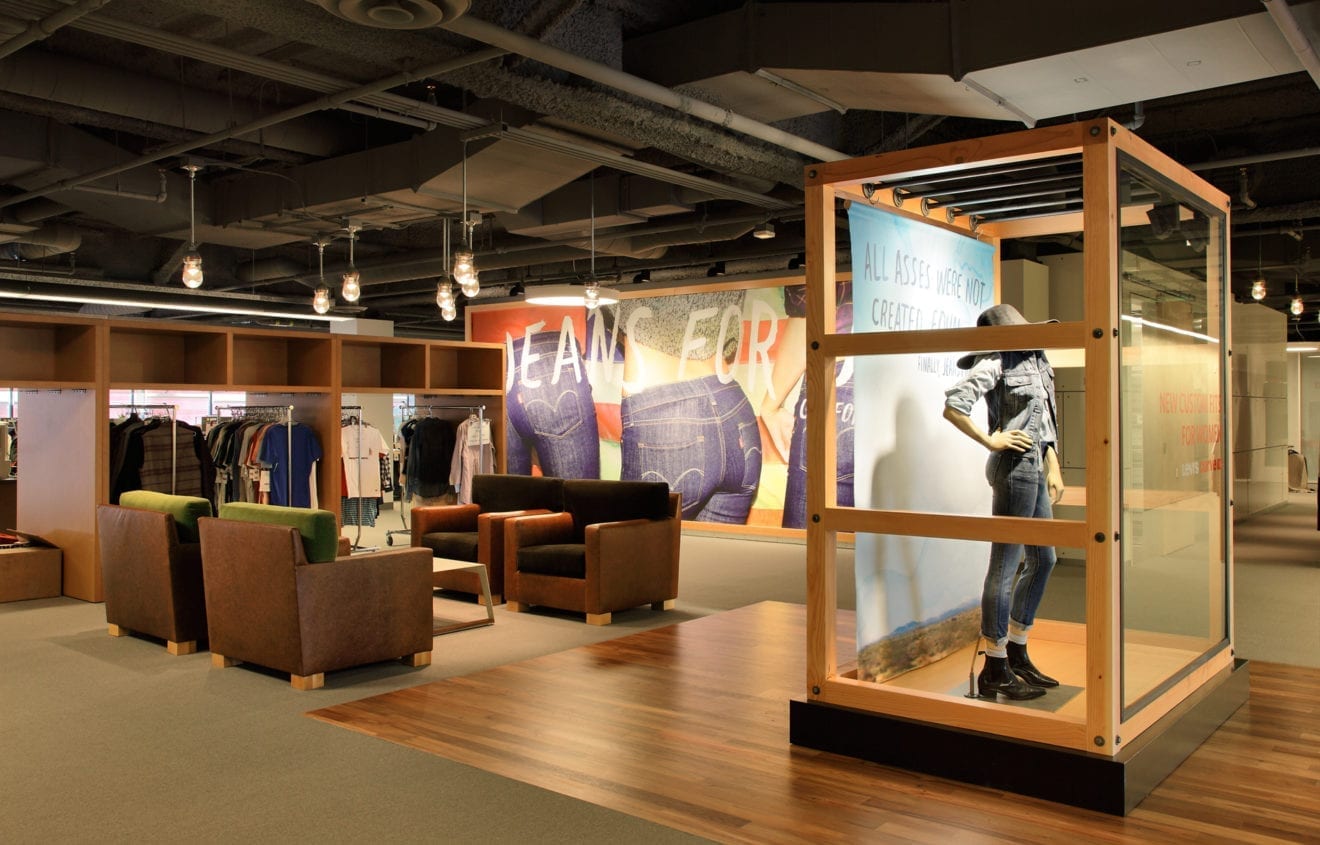
    Levi’s is trialling technology from Intel in its stores, including the RFID tagging of all products and ceiling mounted sensors, trigger replenishment actions and get staff away from focusing on inventory management and back onto its consumers.

    “The goal is real-time, all the time, inventory insights, which brings several benefits,” said Ask. “It also gives our planning and allocation teams more accurate information to guide inventory decisions.”
  • Delphi, Mobileye to use Intel chip for self-driving car system

    Delphi, Mobileye to use Intel chip for self-driving car system

    Auto parts maker Delphi Automotive and Israeli technology firm Mobileye NV will put an Intel Corp chip at the heart of their joint effort to produce self-driving vehicles by 2019, the companies said on Tuesday.

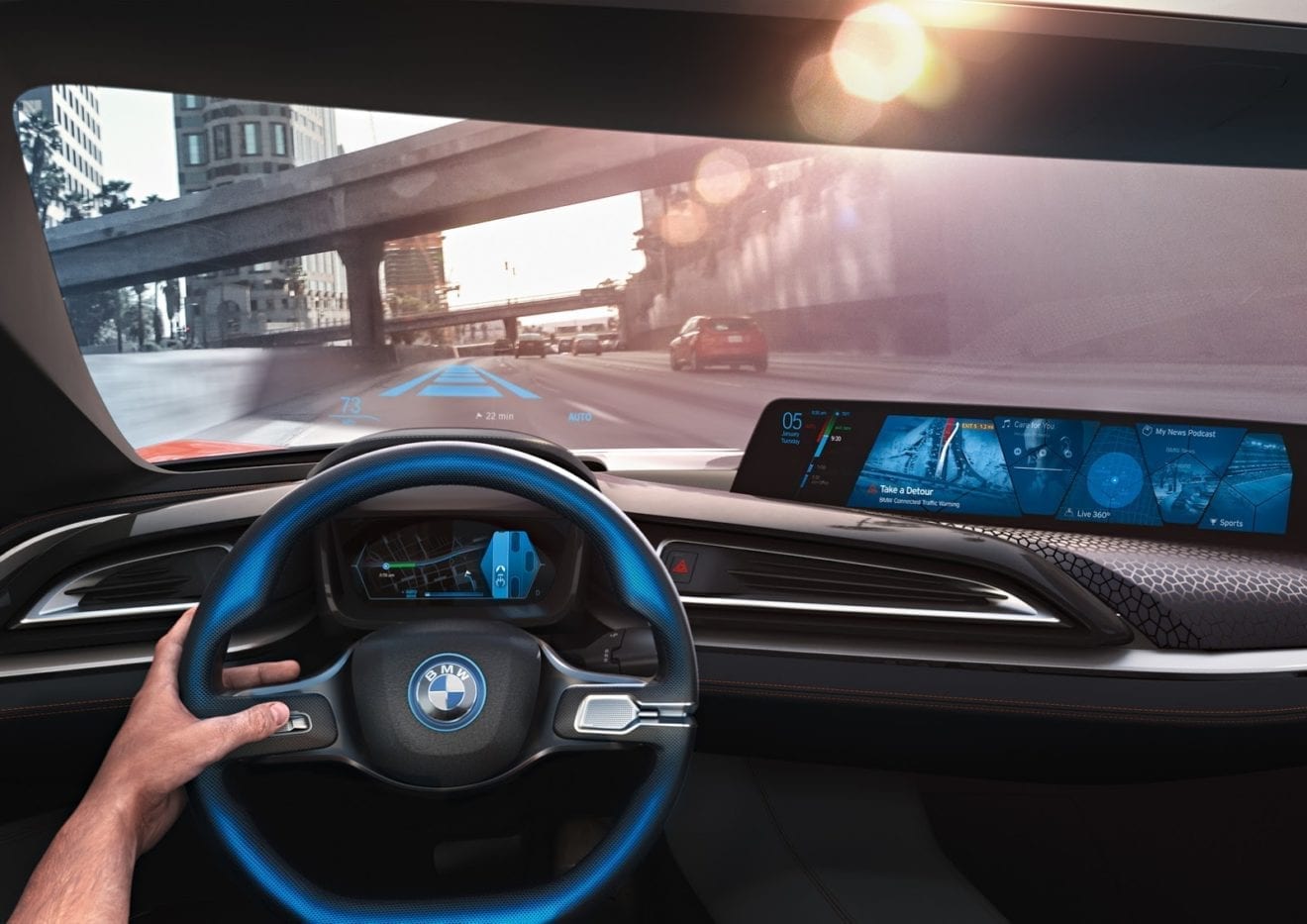
    The move is a boost for the world’s largest semiconductor maker, which is also working with German luxury car maker BMW AG and Mobileye on self-driving technology, but has not been able to extend its broader chip dominance into the fast-emerging autonomous vehicle market.

    Companies from Alphabet Inc’s Google to Uber Technologies and Tesla Motors are vying to put autonomous vehicles on U.S. roads, which could radically reshape transportation across the country.

    Intel will provide a “system on chip” for autonomous vehicle systems that Delphi and Mobileye are developing together, Glen De Vos, Delphi’s vice president of engineering, told Reuters.

    UK-based Delphi is talking with established automakers and new or niche vehicle companies, such as manufacturers of commercial vehicles, interested in automating vehicles, De Vos said.

    The system Delphi and Mobileye are developing would likely come to market first in a commercial vehicle operating in a limited area, such as an airport shuttle or a ride-hailing service, DeVos said.

    Delphi is testing autonomous driving technology in vehicles in Singapore. By the end of this year, Delphi hopes to choose a city in the United States to launch a test fleet of self-driving cars during 2017, De Vos said. The company is also looking for test site in a European city.

    “We are looking at Pittsburgh and Boston and a couple of others,” De Vos said. Pittsburgh is where ride services company Uber is testing its own self-driving vehicles.

    Delphi and Mobileye will stage a demonstration of their self-driving vehicle system at the Consumer Electronics Show in Las Vegas in January, De Vos said. That system will use current, electromechanical laser imaging technology, or LIDAR, that is too expensive for use in consumer vehicles, he said.

    Delphi is also working with Quanergy Systems, a maker of solid-state LIDAR systems, De Vos said.

  • Digital edge for Retail Asia Expo

    Digital edge for Retail Asia Expo

    Trending technology and the fast-changing tastes and behaviours of consumers and the market will all be in the spotlight at the eighth Retail Asia Expo (RAE), the award-winning flagship industry event in Asia for retailers.

    Organised by Diversified Communications Hong Kong and at Hong Kong Convention & Exhibition Centre (HKCEC) from June 14 to 16, the event will explore such topics as B2C sales to China, mobile wallets, cloud-based retail technologies, cross-border eCommerce and ePayments, the digitisation of retail, re-platforming, proximity marketing, online retail strategy with global standards, and innovative technologies from Israel.

    Products, ideas, software and strategies will also feature in exhibits and seminars.

    For internet retailing, exhibitors will showcase advanced internet retailing technologies, back-end support software, supply-chain management technology, electronic payments, and online sales and marketing software. Providers that have confirmed their participation include Apsis, CCDI, Cegid, Intel, iSappos and Million Tech.

    Augment Paris HQ will showcase its innovative augmented reality technology, which is being developed into apps to provide a new shopping experience, while China’s online commerce giant Alibaba Group will host three seminars in the show’s new Internet Retailing Theatre.

    Rex Cheuk, head of Tmall Global – Hong Kong/Macau, Alibaba Group, will host a keynote session covering such topics as online merchant recruitment and store promotion; Thomas Chan, associate director of AliCloud International Hong Kong/Macau, Alibaba Group, will talk about integration of eCommerce and mobile shopping via the cloud platform; and Alipay senior business development manager Simon Leung will present case studies and insights into mobile wallet use.

  • Intel India debuts three digital literacy projects

    Intel India debuts three digital literacy projects

    In a bid to bridge the digital divide in India, Intel has launched three projects to accelerate digital literacy at the grassroots level.

    Intel India aims to reach out to the population in rural areas, upskill citizens in tier two cities and beyond and encourage innovation at the local level.

    The chip manufacturing company will partner with state governments and the central government to set up 100 digital learning centers at Common Service Centres (CSCs) in rural areas. The company will work with state governments that are active on the Digital India program.

    “We are thrilled to see the progress made through our collaboration with the government of India on various initiatives like ‘Digital India’ that are bringing technology and innovation mainstream in India,” Robby Swinnen, General Manager, Intel Corporation (Asia-Pacific & Japan) said in a statement.

    Building on the momentum of its “Ek Kadam Unnati Ki Aur” initiative to accelerate access to technology in non-urban India, Intel India e-launched its latest “Unnati Kendra at Common Service Centre” (UK at CSC) in Karnal, the first in Haryana. The ‘UK at CSC’ will serve as the common access digital learning centers for people of the state.

    Intel India is working with the government to open a network of up to 100 ‘UK at CSC’ facilities across 10 states this year, with 10 such facilities already set up in the state of Telangana. The “Digital Unnati” website, set up in collaboration with the CSC e-Governance Services India Ltd, will enable Village Level Entrepreneurs (VLEs) to learn how to assemble a PC online and upskill their technology know-how.

    In addition, the Intel and Government of India’s Department of Science & Technology (DST) Innovate for Digital India Challenge will be launched later on in the year. The challenge supports local innovation and entrepreneurship and is a nationwide competition inviting technology solutions to solve real problems faced by citizens.

    “Intel India is fully committed to achieving the realization of a truly Digital India and has been supporting this vision by fostering innovation and upskilling of the non-urban population,” sums up Debjani Ghosh, vice president, sales and marketing and director, Intel South Asia.

  • Lenovo Indonesia flagship opens

    Lenovo Indonesia flagship opens

    Lenovo Indonesia has opened its first flagship store in Jakarta.

    It is the first time the Chinese technology giant has showcased products from all the categories it competes in under the one roof in Indonesia.

    The new store is located in Ratu Plaza Jakarta, providing customers with an integrated one-stop service.

    Lenovo store Jakarta


    Lenovo Indonesia GM Rajesh Thadani said the company’s existing stores in Indonesia tended to focus on specific categories.

    “With this flagship store concept, we can provide our customers with all Lenovo products from servers, PCs, smartphones and tablets through end-to-end [sales],” he said.

    Another 11 flagship stores are planned for Indonesia over the next three years, three of them within six months.

    Intel and IT Gallery are partnering in the stores’ development.

    Lenovo is actively building its brand awareness across Asia with a goal to become a major vendor of smartphones as well as building upon its market leadership in laptops.

  • Intel announces availability of 6th Gen Intel Core processor in Singapore

    Intel announces availability of 6th Gen Intel Core processor in Singapore

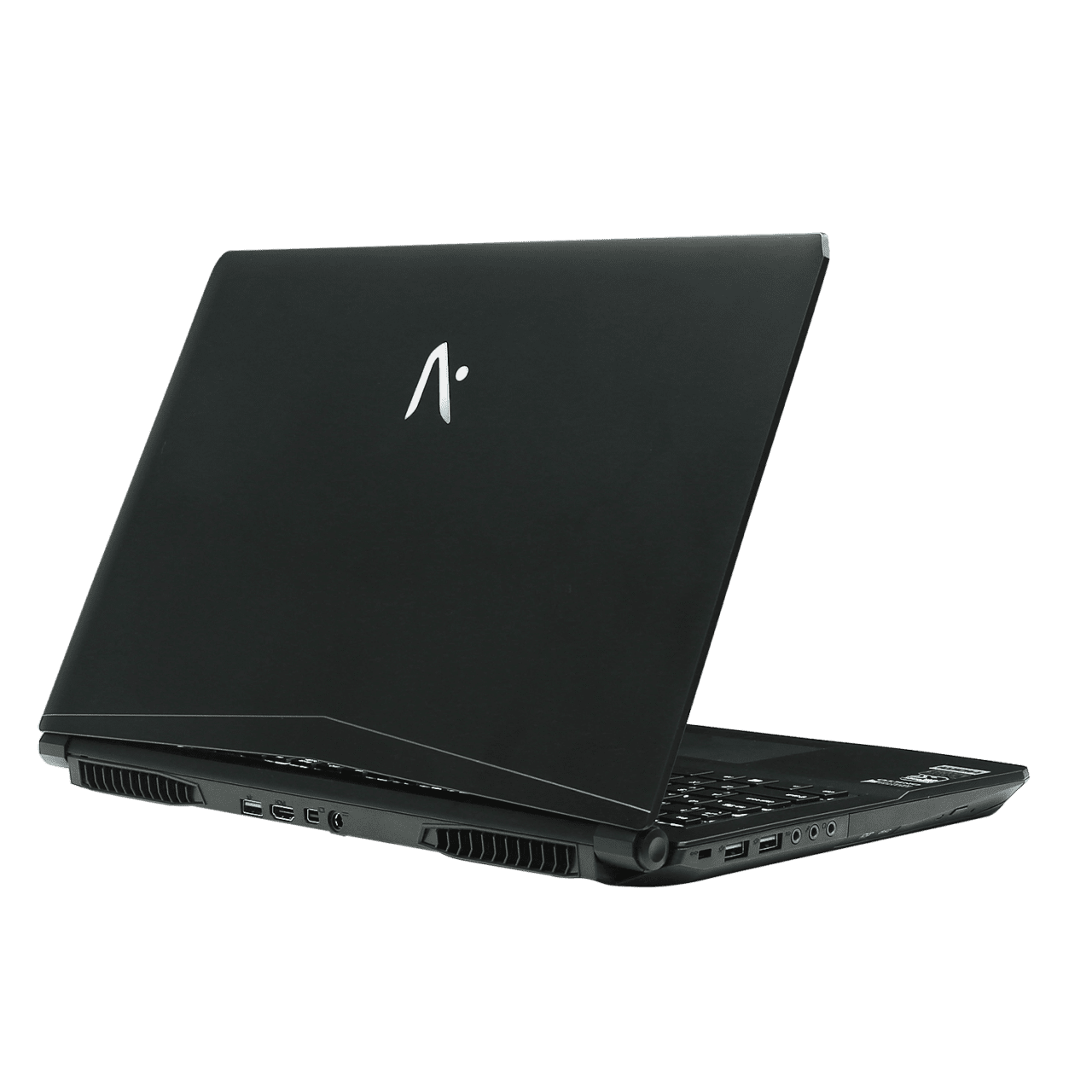
    Intel Singapore has announced the local retail availability of its new 6th Gen Intel Core processor brought to market in partnership with PC manufacturers, including Singapore-based Aftershock PC.

    Co-founded in 2012 by two Singaporean brothers, Aftershock PC is one of the fastest growing gaming PC makers in Asia, and will be introducing new devices powered by the 6th generation Intel Core processors. Customers will immediately be able to experience and purchase Aftershock PC’s latest line-up of desktop and laptop gaming PCs at the IT fair COMEX this weekend, taking place between September 3 and September 6, 2015.

    In gaming, even a split second of lag may mean the difference between winning and losing a match. The 6th Gen Intel Core processor feature capabilities that smoothen gameplay and help gamers sharpen their competitive edge.

    Compared to a 5 year old PC1, the 6th generation Intel Core processor offers up to 2.5x faster performance; up to 30x graphics improvement; up to 3x longer battery life; and is optimized for Windows 10.

    The new Aftershock PC range of gaming powerhouses kicks the gears up a notch by combining the unbridled power of the 6th generation Intel Core processors with other high-end components, including NVIDIA’s latest discrete graphics cards with support for G-SYNC display technology, speedy solid state drives (SSDs), premium full HD displays, and blazing fast Intel Dual Band Wireless-AC 7265.

    “The new 6th generation Intel Core CPUs will enable our machines to not only run fast and cool, but with great battery performance. We are very excited to see the consumer response to our new line-up,” said Marcus Wee, Managing Director, Aftershock PC.

    Sumner Lemon, Country Manager, Intel Malaysia and Singapore, said, “Intel’s collaborations and deep engagement with local PC makers, such as Aftershock PC, help us to bring exciting products to market. We look forward to working more closely with Aftershock PC to empower them for further growth and success with our best-in-class processors.”