Tag: Intel

  • Intel To Invest $600 Million To Expand Chip, Mobileye R&D In Israel

    Intel To Invest $600 Million To Expand Chip, Mobileye R&D In Israel

    Intel Corp said on Sunday it will invest another $600 million in Israel to expand its research and development (R&D) and confirmed it was spending $10 billion on a new chip plant. The announcement was made during a one-day visit to Israel by Intel Chief Executive Pat Gelsinger as part of a European tour that included Germany and Belgium last week. Intel is investing $400 million to turn its Mobileye unit headquartered in Jerusalem into an R&D campus for developing self-driving car technologies. Another $200 million will be invested in building an R&D centre, called IDC12, in the northern port city of Haifa next to its current development centre.

    Intel said the “mega chip design” facility will have a capacity of 6,000 employees. Gelsinger, on his first European tour since taking charge of the company in February, in a statement issued on Sunday predicted: “a vibrant future for Intel and Israel for decades to come”.

    In recent years, Intel has bought three Israeli tech companies – Mobileye in 2017 for more than $15 billion, artificial intelligence chipmaker Habana in 2019 for $2 billion, and Moovit a year ago for $1 billion. During his brief visit, Gelsinger met with Intel and Mobileye management and Israeli Prime Minister Benjamin Netanyahu. Israel’s Finance Ministry in early 2019 said Intel would get a $1 billion grant to build an $11 billion chip plant, although at the time Intel would not confirm the amount.

    On Sunday, Intel said the investment would be $10 billion and the first phase of construction has begun. Its current Fab 28 plant at the company’s Kiryat Gat site produces 10 nanometres (nm) chips. Intel has not disclosed whether the new plant will produce smaller chips, which can increase efficiency, but in March it said it was building two 7 nm chip plants in Arizona for some $20 billion.

    Intel Israel’s exports grew to a record $8 billion in 2020 from $6.6 billion in 2019, accounting for 14% of total high-tech exports and 2% of Israel’s GDP. Intel is the largest employer of Israel’s high-tech industry with nearly 14,000 workers.


  • Intel pumps additional $475 mln into Vietnam facility

    Intel pumps additional $475 mln into Vietnam facility

    Intel Corporation has invested $475 million in its Ho Chi Minh City facility to develop more complex technologies and tap new market opportunities.

    The latest investment takes its total in Vietnam to $1.5 billion, the U.S. chipmaker said in a statement.

    “As of the end of 2020, Intel Products Vietnam has shipped more than two billion units to customers worldwide,” Kim Huat Ooi, its general manager, said.

    “We are very proud of this milestone, which shows both how important IPV is to helping Intel meet the needs of its customers all around the world, and why we continue to invest in our facilities and team here in Vietnam.”

    The money will go into manufacturing 5G products and the 10th-generation Intel Core processors.

    One of Intel’s 10 manufacturing sites globally, IPV is the company’s largest assembly and test manufacturing facility with more than 2,700 employees.

    Nguyen Anh Thi, president of the Saigon Hi-Tech Park, where the plant is located, said Intel’s decision to increase its investment indicates its confidence in the workforce and Vietnam’s reliable investment environment.

    The new investment comes amid the expansion by a number of electronics giants in Vietnam as they seek to diversify their supply chains.

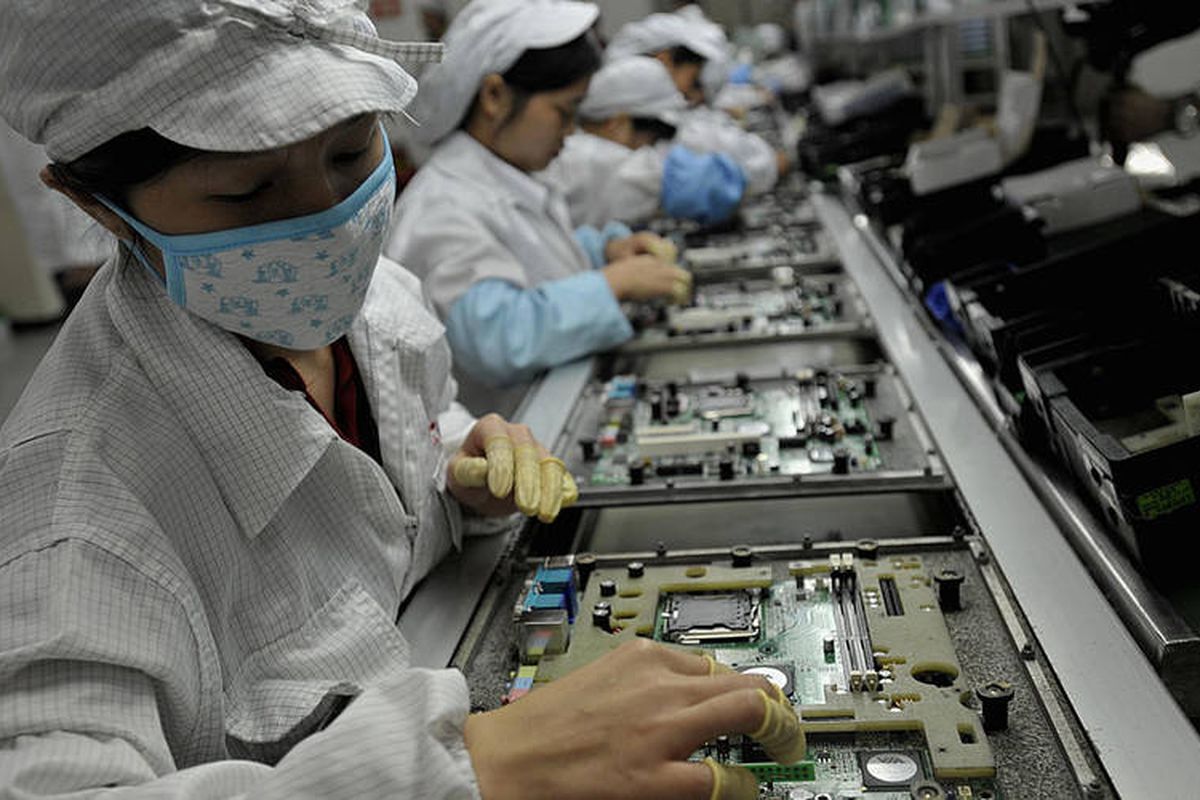
    Foxconn this month got the license to build a $270-million plant in the north capable of producing eight million laptops and tablets annually. It has so far invested $1.5 billion in Vietnam.

    Japan’s Panasonic decided to end the production of washing machines and refrigerators in Thailand and move it to a consolidated appliance assembly facility in Vietnam.

  • Apple is a “lifestyle company” says incoming Intel CEO in bid to motivate employees

    Apple is a “lifestyle company” says incoming Intel CEO in bid to motivate employees

    There was a time before the Apple iPhone and other smartphones roamed the earth when people relied on their PCs to access the internet. Back then, Intel was said to be the Gold Standard of chip makers. But that was then and these days Intel no longer has the same reputation. Intel also has had problems with its 10nm process node and delayed until 2022 the release of its 7nm manufacturing process.

    There has been talk about Intel turning to contract manufacturer TSMC or Samsung Foundry to produce some of Intel’s chip designs. In fact, recently Intel decided to outsource the production of its second-generation discrete graphics chip to TSMC. That is the company responsible for the manufacturing of Apple’s 5nm A14 Bionic chipset and the powerful 5nm M1 chip that is replacing Intel components on some Macs

    Last week, Intel CEO Bob Swan flew away from the company effective on February 15th. His replacement, Pat Gelsinger, is returning to the flock; an Intel veteran with over 30 years experience at Intel, Gelsinger recently spent his days as CEO of VMare. While Gelsinger doesn’t take over until the middle of next month, he apparently is feeling the heat from Apple’s M1 chip. The latter is equipped with 16 billion transistors. Compare that to the 11.8 billion transistors that are sardined into the A14 Bionic (which was a 38% hike from the 8.5 billion transistors found in the A13 Bionic).

    The incoming Intel CEO met with company employees during the week and dropped what some might consider an insult on Apple. While addressing the troops, Gelsinger reportedly said, “We have to deliver better products to the PC ecosystem than any possible thing that a lifestyle company in Cupertino” makes (italics added). Perhaps Mr. Gelsinger hasn’t checked out the performance of the chips designed by that “lifestyle company in Cupertino.” The M1 is delivering improved performance and battery life and the addition of the Apple-designed component put a jolt into the demand for Macs.

    Perhaps Intel’s next CEO was just trying to motivate the firm’s employees. The point of the comment is that Intel is a company that produces chips, chips, and chips. As a result, the chips it produces should be better than the ones designed by Apple which makes different products to improve consumers’ lives. In other words, Gelsinger is looking at the M1 and is saying that how could we let ourselves be outdone by a company that really doesn’t focus on chips and is into consumer electronics instead.

  • Apple spends $1 billion to buy most of Intel’s smartphone modem chip business

    Apple spends $1 billion to buy most of Intel’s smartphone modem chip business

    Apple announced that it has agreed to purchase the majority of Intel’s smartphone modem chip business in a transaction that is being valued at $1 billion. Besides the patents, equipment, and leases that will move from the chipmaker to Apple, 2,200 Intel employees will now work for the iPhone manufacturer. The deal is expected to close in the fourth quarter and goes a long way toward helping Apple design and manufacture its own modem chips. Intel will still have the right to produce modem chips for PCs, IoT and self-driving cars.

    The 2018 iPhones all exclusively use Intel’s 4G LTE modem chips and Intel was originally slated to deliver a 5G modem chip to Apple in time for use with the 2020 iPhones. But a settlement between Apple and Qualcomm announced last April allowed both companies to bury the hatchet and end a feud that had kept Apple from sourcing Qualcomm’s 5G modem chips. Apple paid an undisclosed amount of money to Qualcomm, rumored to be $4.5 billion, in exchange for a six-year licensing pact (with an option for two additional years) and a multi-year chip supply agreement. So starting next year we should see a Qualcomm 5G modem chip inside the iPhone models that support the next generation of wireless connectivity. Based on the early rumors, that would be the 5.4-inch iPhone 12 and 6.7-inch iPhone 12 Max.

    Even though Intel said that it would ship its 5G modem chip in time for use inside the 2020 iPhones, it appeared that Apple didn’t fully trust Intel’s design. In February, there was talk about Apple designing its own 5G modem chip and it shifted around personnel in an effort to get the ball rolling on this project. All that Apple seemingly needed was a reliable supplier to get it from 2020 to 2022 or 2023 when the first Apple-designed 5G modem chip could start rolling off the assembly lines. That might have been the impetus behind Apple’s settlement with Qualcomm.
    But with the purchase of the majority of Intel’s smartphone modem chip business, Apple will soon be able to control its own destiny in terms of obtaining this key component. The 2019 iPhones will continue to use Intel’s 4G LTE modem chips; these units will ship before Apple and Intel close on the transaction.
    The bottom line is that even with this purchase, there is still a good chance that Apple relies on Qualcomm to supply it with 5G modem chips for the next few years. But this deal has to make the brass in Cupertino feel relieved. Things were looking desperate at times for Apple. Back in January, during the FTC v. Qualcomm trial, Apple supply chain executive Tony Blevins admitted that the company had talks with Samsung and MediaTek about working out a supply agreement for 5G modem chips.
    The $1 billion price paid by Apple makes this deal one of the most expensive purchases in Apple’s history. The most amount of money that Apple has paid to buy a company is the $3 billion it shelled out for Beats Audio back in 2014.
  • Apple reportedly is close to buying Intel’s modem chip business

    Apple reportedly is close to buying Intel’s modem chip business

    By April of this year, Apple was desperate. It was embroiled in a fight with Qualcomm that was playing out in numerous lawsuits including one that was taking place in San Diego with billions of dollars at stake. With Qualcomm apparently unwilling to sell it 5G modem chips, Apple was relying on Intel, the company that supplied it with the 4G LTE modem chips used on the 2018 iPhones. But there were questions about whether Intel could deliver a 5G modem chip in time for Apple to release a 5G iPhone by 2020.

    On April 7th, Intel said that it would be able to supply Apple with its 5G modem chip in time for the first 5G iPhone to be launched next year. But just nine days later, while closing arguments were taking place during the trial in San Diego, a blockbuster announcement was made; Apple agreed to pay Qualcomm an undisclosed amount (believed to be $4.5 billion) and in return Qualcomm gave Apple a six-year license (with an option for two additional years) and a multi-year chip supply agreement. All lawsuits were dropped. Intel could see which way the wind was blowing and later that same day, the chipmaker announced that it was quitting the 5G smartphone modem business. And last month, the rumors started about Apple buying Intel’s smartphone modem business. Such an acquisition, if completed, would help Apple achieve its goal of producing its own modem chips.

    The talks between Apple and Intel have heated up to the point where they are now classified as “advanced.” The deal, said to be valued at $1 billion or more, could be announced as soon as next week. This would be a big transaction for Apple as the company usually makes small purchases. For example, in 2012 Apple bought biometrics firm AuthenTec for $356 million and Touch ID debuted a year later on the iPhone 5s. In 2015, Apple paid a reported $20 million for imaging firm LinX. The acquisition helped Apple immediately step up its camera game.  The most money that Apple has ever shelled out to buy another company was the $3 billion it spent to buy Beats Audio in 2014. While most of these deals had almost immediate payoffs for Apple, even with Intel’s smartphone modem chip business, it might not be until 2022 or 2023 before Apple is able to be self-sufficient in this area.

    Apple has been hiring engineers, including some from Intel, and plans on opening an office in San Diego with 1,200 employees. If a deal is reached, Intel will be getting rid of a business that has been losing $1 billion a year. And while it will no longer be producing chips for smartphones, it will still work on 5G based components for other devices. Meanwhile, Apple is looking to move in-house as much of the iPhone’s supply chain as possible. Last year it spent $600 million to purchase facilities and engineers from Dialog Semiconductors so that it could start producing internally the battery-management chips that it had been buying from Dialog in the past.

    While Apple appears to have this deal locked up, when Intel first announced that it was exiting the business, it received indications of interest from other companies. Should Apple and Intel fail to come to an agreement, another buyer could step in to take Apple’s place. Meanwhile, investors rightly regard this as potentially bad news for Qualcomm. When the story broke after the 4 pm EDT close of the NYSE, Qualcomm’s shares dropped 1.8% to $74.55.

    If Apple ends up buying Intel’s smartphone modem chip business, it can easily afford it. After accounting for debt, Apple had $113 billion of cash available as of March 30th when its fiscal second-quarter came to an end.

  • Apple decision forces Intel to auction its smartphone modem patents

    Apple decision forces Intel to auction its smartphone modem patents

    Intel confirmed plans to exit the smartphone business a few months ago, but news about the auction of its smartphone modem assets emerged only today. The announcement follows Apple’s decision to buy 5G smartphone modems from Qualcomm rather than Intel.

    Although the US company said it will continue to produce 4G smartphone modems and honor all orders, it will no longer invest in 5G modem product line following the announcement. Instead, Intel will shift focus on its 5G network business, which is expected to grow in the coming years

    According to a new report from IAM, Intel has decided to auction all its IP relating to cellular wireless connectivity. There are no less than 8,500 patents that Intel is now looking to sell in order to recover some of the resources it invested. The report also mentions that Intel is launching this auction separate to its efforts to sell the smartphone modem division, hoping that a potential buyer for both will appear.

    Intel’s inability to meet Apple’s deadlines proved to be fatal for the business in the end, as the Cupertino-based company decided to make sure it’s got enough 5G modems in 2020. Left without the main client for its smartphone modem division, Intel is forced to cut its losses and refocus on those businesses that apparently bring much more money.

  • Qualcomm and Intel comply with the White House ban

    Qualcomm and Intel comply with the White House ban

    As if the maker of the world’s most popular mobile operating system cutting you off wasn’t unpleasant enough for Huawei, US chip makers will also be forced to do so, or risk the wrath of the current White House administration.

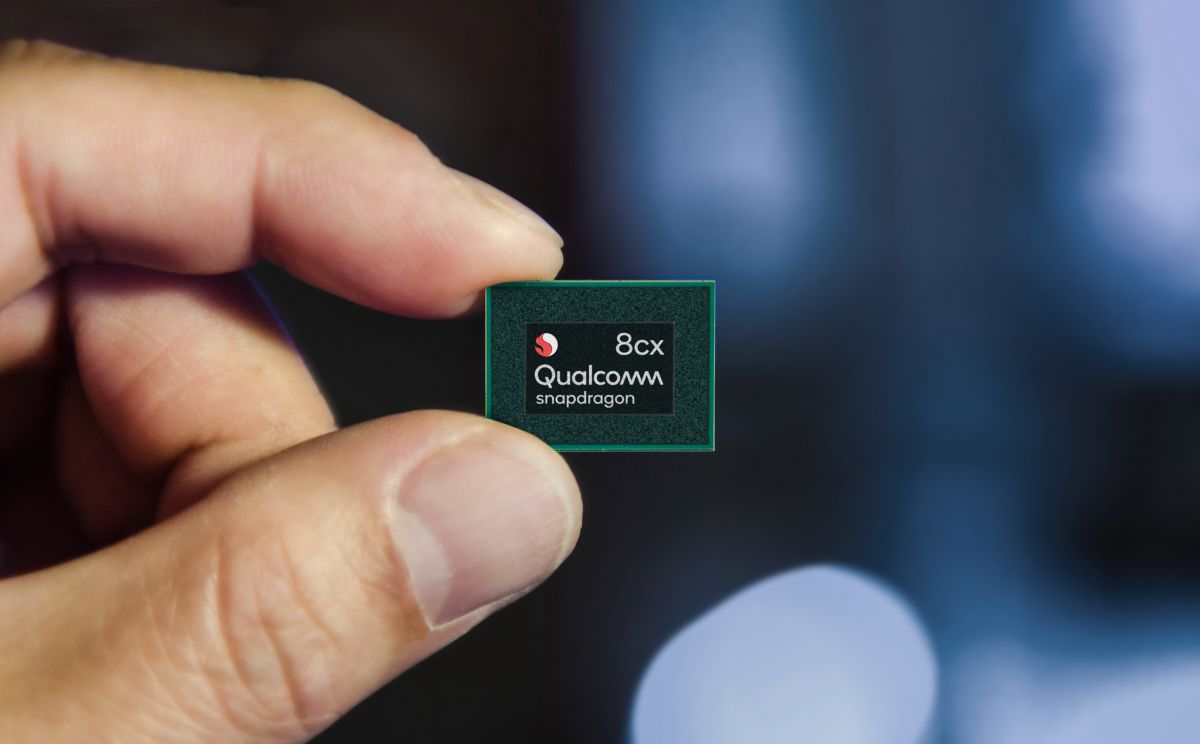
    Qualcomm, the maker of all things Snapdragon and 4G/5G modems, as well as Broadcom, a supplier of Wi-fi and other connectivity chips, will also have to deal with the administration’s thinly veiled restrictions for doing business with precisely Huawei.

    Intel is in the mix, too, just when Huawei laptops started getting glowing tech reviews for their design, battery longevity, and value-for-money configurations. Infineon, the German modem maker that Intel bought in 2011, has also received marching orders to cut supply to Huawei effective immediately.

    Needless to say, Huawei makes its own mobile processors and has a 5G connectivity modem already in retail devices, so it wouldn’t be as worried about US chip makers shunning its business. Moreover, it has apparently anticipated the chip ban and stockpiled a three-month supply, but Google’s move is potentially much more devastating as it will be hard to find a replacement.

    Not of the Android system per se, as Huawei has been working on an alternative for a while now, but for the apps it launches. On the plus side, excellent phones like the P30 Pro may become much cheaper now. Morbid humor, but Google isn’t cutting Huawei off completely until Android Q rolls in. That is a few short months from now, though, so it will be interesting to follow China’s reaction to this hostile US attitude and Huawei’s ban as collateral damage in the larger trade war between the two nations.

  • Intel pulls out of 5G smartphone modem market

    Intel pulls out of 5G smartphone modem market

    Intel has announced plans to exit the 5G smartphone modem business hours after Apple announced it was settling its legal battles with Qualcomm over modem patent licensing.

    Apple and Qualcomm announced they have reached an agreement whereby Apple will sign a six year patent licensing deal and agree to buy Qualcomm chipsets, in return for ceasing all litigation.

    Apple had ceased using Qualcomm chips for its smartphones and replaced them with Intel chipsets after accusing Qualcomm of using its patents to maintain a monopoly on the modem chip market, and Qualcomm countered by accusing Apple of violating its patents.

    But with Apple seemingly throwing in the towel, Intel announced it no longer expects to launch 5G modem products for smartphones.

    The company pledged to continue to meet current customer commitments for its existing 4G smartphone modem product line, and said it still intends to invest in its 5G network infrastructure business and assess opportunities for 4G and 5G modems for PCs, IoT devices and other data-centric devices.

    “We are very excited about the opportunity in 5G and the ‘cloudification’ of the network, but in the smartphone modem business it has become apparent that there is no clear path to profitability and positive returns,” Intel CEO Bob Swan said.

    “5G continues to be a strategic priority across Intel, and our team has developed a valuable portfolio of wireless products and intellectual property. We are assessing our options to realize the value we have created, including the opportunities in a wide variety of data-centric platforms and devices in a 5G world.”

  • The Apple-Qualcomm deal instantly kills 5G competitor

    The Apple-Qualcomm deal instantly kills 5G competitor

    As we heard earlier today, the Apple-Qualcomm battle has ended. With those two companies making up, there were likely to be repercussions around the mobile world, but we didn’t really expect the fallout to come so quickly. With Apple and Qualcomm striking a deal, Intel has announced that it will be quitting the mobile game.

    Or at least, Intel said it will be exiting the smartphone 5G modem business. Intel put out a press release saying that it would continue to support its 4G modems, but it was cancelling its plans for 5G modems for smartphones, which were originally scheduled to be ready in 2020. Intel said it would still be investing in 5G infrastructure and making 5G modems for laptops and Internet of Things devices.

    Intel didn’t mention Apple or Qualcomm in the press release, but the timing of the announcement is almost certainly no coincidence. Part of Apple’s settlement with Qualcomm was to sign a new exclusive six-year deal for iOS devices to use Qualcomm modems. Intel might have been able to keep going with Android devices, but losing the Apple money seems to have been too much.

    While the Apple-Qualcomm deal wouldn’t have impacted Intel’s efforts in mobile processors, we can’t say we weren’t hoping a bit that Intel would give up on that business too. Intel’s mobile processors in smartphones have been pretty bad, but to be fair their tablet efforts have gotten (somewhat) better. Still Intel has a long way to go before it’s considered a major player in mobile.

  • Apple could end up buying 5G modem chips from unlikely sources

    Apple could end up buying 5G modem chips from unlikely sources

    You might know that Huawei manufacturers handsets and networking equipment. At the end of last year, it was the third largest smartphone company in the world and the top provider of networking gear. What you might not know is that Huawei designs its own chips. Its Hi-Silicon unit created the Kirin 980 SoC which is currently found powering up the Huawei Mate 20 Pro and the Huawei P30 series. It also will be used to drive the foldable Huawei Mate X. While Huawei designs the chips, they are actually manufactured by TSMC.

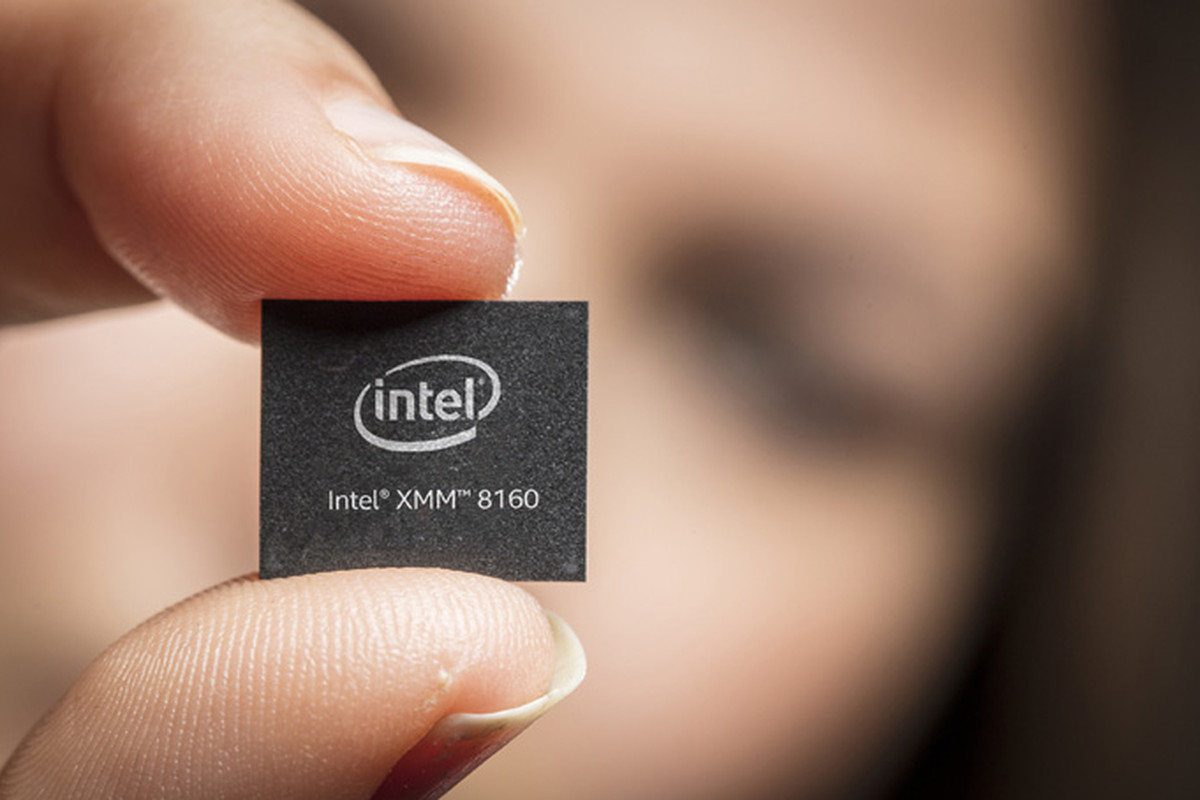
    Now as we discussed yesterday, Apple is relying on Intel to have its XMM 8160 5G modem chip ready in time for its 2020 iPhone models. There are conflicting reports about whether Intel will deliver the component in time, and as a result, we have seen rumors that a 5G iPhone might not surface until 2021. Intel says that it will be shipping the chip later this year, but just in case there is a problem, Apple has found an unlikely friend in Huawei.

    Huawei would consider selling its 5G Balong 5000 modem chips to Apple. The report cites a source who has “knowledge of the situation.” This is an unusual thing for Huawei to do considering that an executive said earlier this year that “Balong is mainly for supporting Huawei’s smart products, such as phones and IoT products, and is currently for Huawei’s internal use only.” It also seems strange considering that Huawei is looking to leapfrog over both Apple and Samsung to become the global leader in smartphones by 2020.

    Apple could turn to Qualcomm, but that is unlikely to happen since both firms have been squaring off in court over patent infringements, antitrust claims, and royalty payments, In fact, a week from today a courtroom in San Diego will host a multi-billion dollar trial between Apple, its contract manufacturers like Foxconn and Wistron, and Qualcomm. At stake are unpaid royalties amounting to billions of dollars. Qualcomm CEO Steve Mollenkopf said back in November that his company was “on the doorstep” of resolving its differences with Apple; we now know that this was not the case.

    While it seems that Huawei would be “open” to selling Apple its 5G modem chips, the other side of the equation is whether the gang in Cupertino would be willing to buy them. During the FTC v. Qualcomm case, Apple supply chain executive Tony Blevins testified that Apple was considering the use of 5G modem chips from Samsung or MediaTekfor the iPhone. Even though Apple currently uses only Intel modem chips for its handsets, Blevins talked on the stand about “Project Antique.” This was Apple’s attempt to find a second supplier to provide it with modem chips. As Blevins noted, “No offense to (Intel) but we don’t want to be single supplier with them. We wanted both Qualcomm and (Intel) in the mix.”

    Huawei’s Balong 5000 modem chip supports both mmWave and sub-6GHz 5G networks. It also is compatible with 4G LTE, 3G, and 2G networks. The important thing about using Huawei’s modem chip is that Apple could get its hands on it earlier than Intel’s chip and have more time to test a 5G iPhone. The Balong 5000 5G modem chip will debut on Huawei’s first phone to support the next generation of wireless connectivity. That device happens to be the foldable Mate X.

    Apple wouldn’t be the only one in such a partnership to benefit. Huawei would get to widen the use of its chips beyond its own devices, and you can just imagine how much revenue would flow into the company’s coffers. It also might play well in China after U.S. government attacks on Huawei have led some Chinese consumers to unofficially boycott Apple products.

    There is a huge unknown here, and that is how the Trump administration might react. Huawei is considered a threat to U.S. national security and allies have been warned not to use Huawei’s networking gear to build out 5G networks. That’s because the law in China requires a company like Huawei to gather intelligence if requested to do so. Considering that we are talking about the modem chip, a major component in communicating voice and data, there are bound to be concerns about the use of Huawei’s component inside the iPhone.

  • Mass-production of a key component for 5G Apple iPhone about to Start

    Mass-production of a key component for 5G Apple iPhone about to Start

    Since Apple is expected to use Intel’s modem chips for its first batch of 5G compatible phones, we know not to expect 5G iPhones to be unveiled until 2020. That’s because Intel won’t have its modem chip for the next generation of wireless connectivity ready until next year. The chip maker will start work next quarter on the engineering projects it needs to finish in order to begin volume production of its 5G modem.

    Once Intel starts producing its 5G modem chip in 2020, it will compete with Qualcomm’s recently introduced Snapdragon X55 5G modem, the sequel to the Snapdragon X50 5G modem. The latter will be used on most 5G Android phones this year. It also will go up against the 5G modem chip designed by MediaTek. All three firms could still be in play to become the source of Apple’s 5G modem chips, although previous reports state that Intel has already won this battle. Sources cited in yesterday’s report say that Intel will also continue to generate revenue from selling its 4G modem chips to Apple for older iPhone 7 and iPhone 8 models.

    Apple currently has a contentious relationship with Qualcomm; over the last few months both sides have squared off in court on issues ranging from patent infringement to royalty payments. Just yesterday, one judge ruled that Qualcomm owed Apple close to a billion dollars in royalty payments it promised to rebate to the company (the actual figure is much. much higher says FOSS Patents). Meanwhile, a jury in San Diego yesterday ordered Apple to pay Qualcomm $31 million after it found Apple liable of infringing on a trio of patents. On March 26th, the International Trade Commission will rule on Qualcomm’s request for an exclusion order to be imposed on the iPhone in the U.S. Such an order would result in a sales and import ban of certain iPhone models in the states.

    Intel is now the exclusive source of modem chips for the iPhone

    During yet another trial held earlier this year (FTC v. Qualcomm), the plaintiffs called Apple supply chain executive Tony Blevins to the stand. Blevins testified that Apple had looked at sourcing 5G modems from Samsung and MediaTek. There is also speculation that Apple will design its own 5G modem chip, like it does for the A-series chipset that powers the iPhone and iPad. But Apple isn’t expected to deliver an in-house 5G modem design until 2021 at the earliest.

    From 2011 to 2015, Qualcomm was the exclusive provider of modem chips for the iPhone. That changed in 2016 when both Qualcomm and Intel were responsible for the modems used on the iPhone. That continued in 2017, and last year Apple sourced all of the modem chips used on the latest iPhone models from Intel.

    Apple is expected to be among the last major phone manufacturers to produce a 5G phone. Samsung has already unveiled its first 5G phone, which will debut on Verizon this summer. Huawei, LG and Oppo should also release 5G phones this year, and the 5G Moto Mod will allow the Motorola Z3 to support the faster data speeds as soon as Verizon flips the switch to turn on its new service. Once 5G service becomes more mainstream and less a curiosity, the faster data speeds will allow new services and businesses to be created. With 5G, a television series that takes 10 minutes to 15 minutes to download over 4G, will take only seconds to complete the task.

    When the industry transitioned from 3G to 4G LTE, Apple was one of the last major manufacturers to deliver a phone that supported the then-new technology. While a number of Android phones were launched with support for 4G LTE in 2011, Apple didn’t release a 4G LTE enabled handset until 2012’s iPhone 5.

  • JD.com and Intel launch new research lab for smart retail

    JD.com and Intel launch new research lab for smart retail

    Chinese online retail platform JD has launched a joint lab with Intel that will explore the use of IoT in smart retail solutions. The Digitised Retail Joint Lab will develop next-generation vending machines, media and advertising solutions, and technologies to be used in the stores of the future, based on Intel architecture.

    Scientists at the new lab have so far integrated Intel’s technologies with JD’s computer vision algorithms to analyse customer traffic and in-store purchasing habits, working on solutions designed to help store owners provide a more personalised and convenient experience to their customers.

    Zhi Weng, VP of JD and head of JD Big Data Platform said: “This lab will combine our collective strengths to develop cutting-edge solutions to bring the precision of online shopping to offline players. We look forward to expanding our cooperation with Intel to deliver a best-in-class, personalised shopping experience wherever consumers shop.”

    Wei Chen, VP of Intel & GM of Intel IOTG China added: “As China’s most influential retailer and a leader in data-driven offline retail innovation, JD is an important partner for us to continue to develop a wide range of use cases for our latest technology developments. We are happy to take our partnership to the next level.”

    The new lab adds to JD’s “Retail as a Service” conceptual framework in a bid to share its technology and infrastructure with other retailers and industries. Other efforts include a suite of technology upgrades for brick-and-mortar store owners, including smart shelving, smart price tags, checkout solutions, and more.

  • Telstra, Ericsson, Intel claim another 5G first

    Telstra, Ericsson, Intel claim another 5G first

    Australian operator Telstra, Ericsson and Intel announced they have jointly completed the first end-to-end 3GPP non-standalone 5G data call on a commercial network in a multi-vendor setup.

    The trial at Telstra’s 5G Innovation Centre on the Gold Coast used licensed 3.5-GHz spectrum, and Ericsson 5G new radio, baseband and packet core solution, a Telstra SIM and the Intel 5G Mobile Trial Platform.

    The trial involved a network connection to an Ericsson virtualized 5G packet core running on Ericsson’s network functions virtualization infrastructure. The 5G slice was then connected into the existing Telstra mobile network.

    Ericsson and Intel jointly completed the first lab-based end-to-end non-standalone 5G data call earlier this month, and the live demonstration builds on this milestone.

    Demonstrating this 5G data call end-to-end using my own personal SIM card on Telstra’s mobile network is the closest any provider has come to making a ’true’ 5G call in the real world-environment, and marks another 5G first for Telstra,” Telstra group managing director for networks Mike Wright said.

    Previous 5G firsts have included the first 5G data call over 26-GHz spectrum, Australia’s first 5G connected vehicle trial and its first 5G mobile gaming demonstration.

    “We continue to work with global technology companies Ericsson and Intel as well as global standards bodies to advance the deployment of commercial 5G capability in Australia,” Wright concluded.

  • Magna joins BMW-Intel self-driving car project

    Magna joins BMW-Intel self-driving car project

    Canadian auto parts producer Magna International Inc said on Tuesday it had joined a consortium including BMW and Intel Corp to develop a self-driving vehicle platform for the use of auto makers by 2020.

    The move comes as automakers are increasingly seeking alliances to share the high costs of developing self-driving vehicle technology, which requires extensive research and development and software expertise outside the traditional domain of carmakers.

    Magna is the latest addition to the BMW-Intel alliance, which aims to develop new technology that could put self-driving cars on the road by around 2021. (reut.rs/2y9llha)

    The consortium also includes Mobileye, Fiat Chrysler and auto suppliers Delphi Automotive and Continental AG.

    Earlier this year, Intel bought Mobileye, the world’s largest supplier of systems used in automotive collision detection systems, for $15 billion.

    Magna will also help automakers industrialize the platform designed by the consortium, the Canadian company in a statement.

  • Ericsson, Intel complete 5G interop test in China

    Ericsson, Intel complete 5G interop test in China

    Ericsson and Intel have jointly completed a multi-vendor end-to-end 5G interoperability test using 3.5-GHz bandwidth as part of China’s pre-5G trials.

    The trial in Beijing involved Ericsson’s 5G 3.5-GHz radio prototype testbed and Intel’s 5G client test platform.

    Ericsson’s 5G 3.5-GHz radio prototype uses 5G candidate technologies including massive and multi-user MIMO (multiple input multiple output), as well as beamforming technologies allowing beam tracking to accurately track the location and movement of client devices in real time.

    Intel’s mobile trial platform is meanwhile powered by the latest Intel field-programmable gate arrays and Intel Core processors.

    The trial marked the completion of the first over-the-air interface interoperability verification as part of the Ministry of Industry and Information Technology’s 5G trials.

    Major vendors are meanwhile involved in China’s IMT-2020 (5G) Promotion Group’s pre-5G trials, with Huawei recently reporting it achieved a peak cell throughput of 20Gbps over 4.9-GHz C-Band spectrum. Operators including China Mobile are meanwhile planning to launch large-scale pre-commercial 5G trials in 2019.