Retail News CRM

Tag: internet

  • LS Cable & System Spearheads Submarine Power Grid Expansion in Malaysia: Aims for Dominance in Booming Asia-Pacific Subsea Cable Market

    LS Cable & System Spearheads Submarine Power Grid Expansion in Malaysia: Aims for Dominance in Booming Asia-Pacific Subsea Cable Market

    The initiative’s main objective is to guarantee a reliable power supply by enlarging a 132kV-grade underwater power grid between the Malaysian peninsula and Langkawi Island, a well-known tourist hotspot.

    LS Cable & System prevailed over several international corporations to secure this second Langkawi venture, following an earlier project. The firm emphasized its capacity to manage intricate turn-key projects, supervising everything from design and material provision to installation and construction. This was over and above the basic cable supply, thus demonstrating its superior engineering proficiency.

    It is predicted that the worldwide underwater cable market will increase to KRW 34 trillion by 2030. The Asia-Pacific region, renowned for its abundant islands, is likely to be at the forefront of this surge with KRW 20 trillion. At present, Southeast Asia is diligently working on large-scale underwater power grid projects in an effort to set up the ASEAN Power Grid (APG). The primary goal of the APG is to interconnect national power infrastructures.

    LS Cable & System is poised to use this project as a stepping stone to boost its international order references and quicken its growth in the local market. The company plans to join forces with LS Marine Solution and other associates on large national projects. One example of such a project is the West Coast energy highway, for which a bidding notice is expected to be released in the first half of this year.

    LS Cable & System stated, “We are establishing credibility in the global market, built upon previous project implementation experience and our technical prowess. We are determined to strengthen our leadership in the underwater cable market by successfully executing domestic and international backbone network construction projects, leveraging our proven turn-key competencies.”

    Questions & Answers

    What is the primary goal of the project?
    The project’s main goal is to ensure a reliable power supply by expanding a 132kV-grade underwater power grid between the Malaysian peninsula and Langkawi Island.

    What is LS Cable & System’s role in the project?
    LS Cable & System is responsible for managing complex turn-key projects, including design, material supply, laying, and construction.

    What future plans does LS Cable & System have?
    LS Cable & System plans to use this project to enhance its international order references and accelerate its expansion into the domestic market. It also intends to collaborate with LS Marine Solution and other partners on large-scale national projects.

  • Google Simplifies Safari-to-Chrome Switch on iOS: Seamless Browser Transition in Your Pocket

    Google Simplifies Safari-to-Chrome Switch on iOS: Seamless Browser Transition in Your Pocket

    Google has reportedly developed a new feature to simplify the process of switching from Safari to Chrome on iOS devices. This innovation should help to streamline what is often considered a complex and inconvenient task due to Apple’s stringent data protection measures.

    A New Tool for iOS Users

    Google is said to be in the process of creating a feature that allows individuals to transition from Safari to Chrome directly on their iPhone, negating the need for a desktop computer. This feature, referred to as the “Safari import” tool, utilizes the Export Browsing Data functionality of iOS.

    To use the new tool, individuals must first create a ZIP file containing their Safari data. Google Chrome provides a clear guide to assist users in this process:

    • Access Safari’s application settings
    • Select ‘Export Browsing Data’
    • Choose the specific data you wish to export
    • Save the created ZIP file to ‘Downloads’

    Once these steps are complete, Google provides an import feature that allows users to decide what data they wish to transfer. This includes passwords, bookmarks, browsing history, and credit card information, with all of the chosen data then stored in the user’s Google account.

    Improved User Experience

    A notable aspect of this new feature is that, once the import process is complete, Chrome issues a warning that the exported Safari file contains private data and presents the user with a swift option to erase it. The feature is currently part of Chrome’s latest beta for iOS, suggesting that it may be incorporated into the forthcoming public version of the browser.

    This development is expected to be well-received by users as the process of switching from Safari on mobile has traditionally been a daunting task, usually necessitating starting afresh with a new browser or resorting to the use of a computer.

    Questions & Answers

    What is Google’s new feature for iOS users?
    Google is reportedly developing a ‘Safari import’ tool that will simplify the process of switching from Safari to Chrome on iOS devices.

    How can users utilize the new tool?
    Users can utilize the new tool by creating a ZIP file of their Safari data, then using Google’s import feature to choose what data they want to transfer to Chrome.

    What happens after the import process is completed?
    Once the import process is completed, Chrome issues a warning that the exported Safari file contains private data and offers a quick option to delete it.

  • Unlocking Vietnam’s Digital Economy: The Transformative Impact of 5G Expansion

    Unlocking Vietnam’s Digital Economy: The Transformative Impact of 5G Expansion

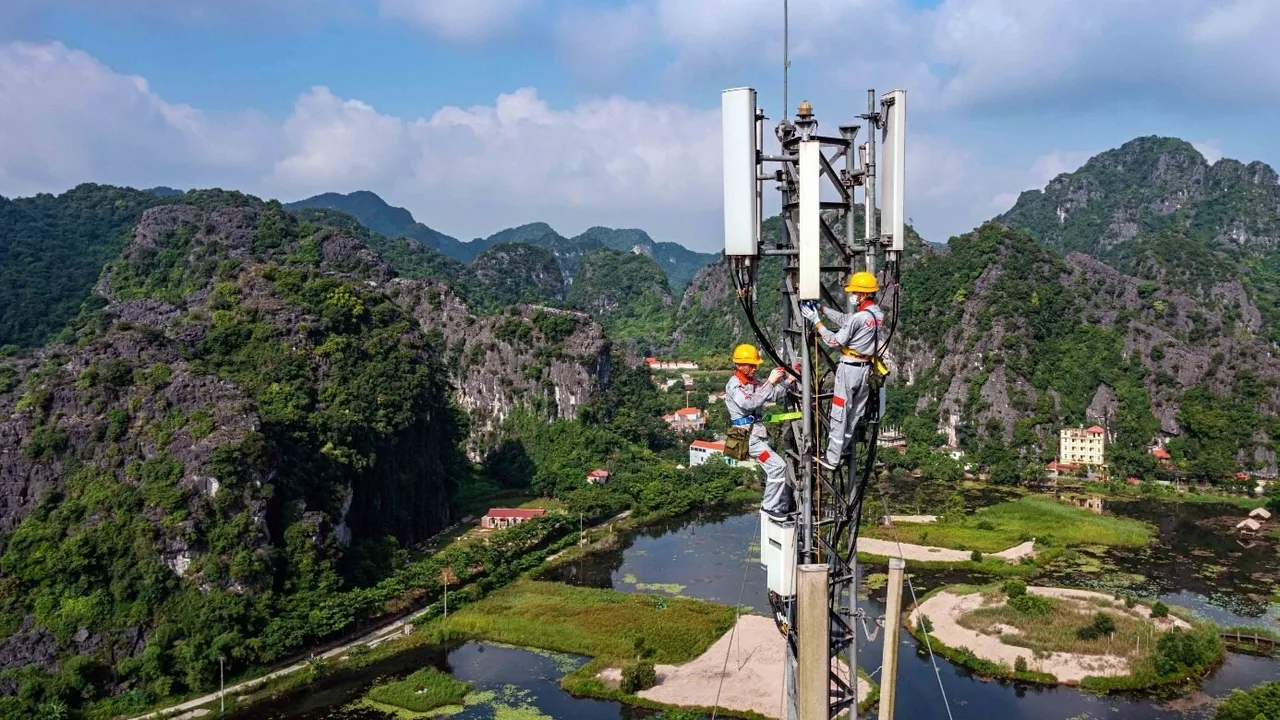
    Vietnam’s burgeoning 5G network is forecasted to bolster the forthcoming wave of the nation’s digital economy. This expectation comes as local telecommunications companies hasten infrastructure development and commence the expansion of commercial and public sector applications.

    5G Infrastructure Expansion

    Viettel, Vietnam’s premier operator, has established around 30,000 5G base stations, achieving approximately 90% outdoor coverage and 70% indoor coverage. This surpasses the commitments the company made to the government. As predicted by Vietnam’s Ministry of Science and Technology, by 2025, 5G services were widely commercialized throughout the nation, reaching over 90% of the population.

    Practical Economic Benefits

    Telecommunications providers affirm that the extended availability of 5G is already producing tangible economic advantages, particularly within rural commerce and agriculture. Since August 2025, Viettel Post has facilitated numerous livestream sales sessions in several provinces such as Thai Nguyen, Vinh Long, Bac Ninh, and Lai Chau, to assist farmers in reaching consumers across the nation.

    In Sin Ho commune, located in Lai Chau province, three livestream sessions led to more than 300 tons of yacon root being sold by local Mong farmers. According to Dinh Thanh Son, Deputy General Director of Viettel Post, the marriage of 5G connectivity and integrated logistics systems is aiding farmers in reducing their reliance on traditional intermediaries and managing price fluctuations. The existence of stable, high-speed connections allows farmers to livestream directly from production sites, while 5G-enabled Internet of Things applications are being trialed to monitor conditions such as temperature, humidity, and weather in agricultural production.

    5G Rollout and Development

    Nguyen Duy Lam, a Senior Telecommunications Solutions Expert at Huawei Vietnam, shared that the rollout of 5G in Vietnam has made rapid strides in areas like e-commerce. However, the establishment of smart city and smart factory applications will necessitate continued enterprise investment and supportive government policies.

    Nguyen Ha Thanh, Deputy General Director of Viettel Telecom, considers 5G as strategic national digital infrastructure, aligning with a specific national resolution. She believes the impact of 5G investments should be evaluated from a national viewpoint, taking into account improvements in governance efficiency, quality of life, and the development of novel digital business models.

    Network Coverage and Focus Shift

    With network coverage largely in place, operators are now shifting their attention towards applications and platforms. Viettel Telecom intends to launch three virtual assistant platforms for individuals, households, and enterprises over its 5G network. Concurrently, MobiFone is executing 5G-based smart city solutions in Hanoi, inclusive of AI-powered camera systems, emergency response drones, and comprehensive urban monitoring platforms that address issues like traffic congestion, flooding, environmental pollution, and food safety.

    Questions & Answers

    What is the current state of Vietnam’s 5G network?
    Vietnam’s 5G network has been extensively developed, with the country’s largest operator, Viettel, establishing approximately 30,000 base stations. This has resulted in around 90% outdoor coverage and 70% indoor coverage.

    How is 5G aiding Vietnam’s rural sectors?
    5G is proving particularly beneficial to rural commerce and agriculture, where high-speed connections allow for activities such as livestream sales sessions. This is helping farmers reach consumers nationwide without the need for traditional intermediaries.

    What future applications are being planned for Vietnam’s 5G network?
    Looking ahead, operators are shifting their focus towards applications and platforms. Viettel Telecom plans to introduce three virtual assistant platforms, while MobiFone is implementing smart city solutions in Hanoi. These advancements will further integrate 5G connectivity into everyday life and enterprise operations.

  • Arirang 6 Satellite: South Korea’s High-Tech Hope Battles New Launch Setbacks

    Arirang 6 Satellite: South Korea’s High-Tech Hope Battles New Launch Setbacks

    South Korea’s multipurpose practical satellite, Arirang 6, has experienced another postponement in its launch schedule, further emphasizing the nation’s dependence on foreign launch services and the consequential lack of control over scheduling. The Korean AeroSpace Administration (KASA) has been informed of the delay by the European launch service provider Arianespace. Initially set for launch in early 2025, the launch of Arirang 6 is now slated for the third quarter of 2026 or later.

    Arirang 6: A High-Resolution Satellite

    Arirang 6, also known as KOMPSAT-6, is a high-resolution synthetic aperture radar (SAR) Earth observation satellite that can operate irrespective of weather conditions or time of day. The satellite boasts the capability to identify objects as small as 50 centimeters in both horizontal and vertical dimensions. This has led the South Korean government to invest around KRW 370 billion in the program, acknowledging its significance in national security, disaster response, and environmental monitoring.

    Despite the completion of its development several years ago, the satellite has not yet entered orbit owing to recurring delays associated with foreign launch vehicles. The latest delay is due to problems affecting Platino-1, Italy’s high-resolution SAR satellite, slated to share the launch on Arianespace’s Vega C rocket.

    European Payloads Take Priority

    As the Vega C is a European-developed launch vehicle spearheaded by the Italian Space Agency, European payloads are given priority. This means that the launch timeline of Arirang 6 remains dependent on the progress of Platino-1’s development. In the previous year, issues related to Platino-1 resulted in an earlier delay of the Korean satellite’s launch.

    Arirang 6 finished the final assembly and space environment testing in August 2022, marking the culmination of a development effort that commenced in 2012. Since then, the satellite has been stored at the Korea Aerospace Research Institute’s satellite development facility in Daejeon, awaiting a confirmed launch window.

    Multiple Disruptions

    The mission has encountered several disruptions over the past few years. Initially, South Korea planned to launch Arirang 6 from Russia in 2020, but development delays moved the schedule to the latter half of 2022. The Russia-Ukraine conflict subsequently made Russian launch options impossible, compelling Seoul to look for an alternative provider.

    In 2023, South Korea chose Arianespace’s Vega C rocket for the launch. However, another setback occurred when Vega C had a mission failure in December 2022, leading to a suspension of flights and a thorough safety review. These concerns resulted in further postponements: first to December 2024, then to the latter half of 2025, before the most recent delay pushed the timeline to 2026.

    Industry experts caution that countries without independent launch capabilities are extremely susceptible to schedule disruptions in the international launch market. Major providers like SpaceX and Arianespace prioritize domestic or strategic payloads, often leaving foreign customers vulnerable to delays beyond their control.

    Although South Korea has improved its domestic launch capabilities through the Nuri (KSLV-II) rocket program, analysts observe that the country has not yet fully incorporated its indigenous launch systems with high-value, operational satellites like Arirang 6.

    Questions & Answers

    What is Arirang 6?
    Arirang 6, also known as KOMPSAT-6, is a high-resolution synthetic aperture radar (SAR) Earth observation satellite that can operate irrespective of weather conditions or time of day.

    Why has the launch of Arirang 6 been delayed?
    The launch of Arirang 6 has been postponed due to recurring delays related to foreign launch vehicles. The most recent delay is due to problems with Italy’s high-resolution SAR satellite, Platino-1.

    What challenges is South Korea facing in its satellite launch capabilities?
    Although South Korea has improved its domestic launch capabilities, the country has not yet fully integrated its indigenous launch systems with high-value, operational satellites. This has left it vulnerable to schedule disruptions in the international launch market, as seen with the repeated delays in the Arirang 6 launch.

  • SpaceX’s Starlink Satellites to Descend in 2026: A Proactive Move to Minimize Cosmic Collisions

    SpaceX’s Starlink Satellites to Descend in 2026: A Proactive Move to Minimize Cosmic Collisions

    SpaceX, the prominent aerospace manufacturer and space transport services company, has announced plans to reposition about 4,400 of its satellites from their current altitude of 550 kilometers to approximately 480 kilometers above Earth over the course of the year. The decision was communicated by Michael Nicholls, SpaceX’s Vice President of Engineering. The strategic move to a lower orbital altitude is anticipated to drastically reduce the decay time of satellites at the end of their operational life.

    Reducing Satellite Decay Time

    Nicholls explained that the strategic change in altitude would mean a significant reduction in satellite decay time by over 80%. This allows obsolete satellites to withdraw from orbit more efficiently. Nicholls further pointed out that the lower orbit is relatively less congested as fewer satellites operate below the 500-kilometer mark. This, therefore, reduces the chances of collisions in an already congested orbital band.

    Mitigating Risks

    Furthermore, operating at a lower orbital altitude will assist in mitigating risks associated with “uncoordinated maneuvers and launches by other satellite operators,” according to Nicholls. The need for these strategic changes has grown as the number of satellites in space continues to increase.

    This significant move comes following an isolated incident reported by SpaceX in December. In the incident, one of the company’s satellites generated a minor amount of debris and interrupted communications momentarily with another satellite in orbit at 418 kilometers. SpaceX has stated that it is currently investigating the cause of the incident.

    Current Orbit Traffic

    Current estimates from the European Space Agency (ESA) suggest that around 40,000 objects are in Low Earth Orbit (LEO) at altitudes below 2,000 kilometers. In addition, the ESA also estimates that over 1.2 million pieces of debris larger than one centimeter are in orbit. Such objects are large enough to cause catastrophic damage if they collide with active spacecraft.

    To avoid such collisions, satellites routinely perform automated orbit adjustments using tracking data from national systems like the United States Space Command. As the number of satellites in orbit has grown, these maneuvers have significantly increased.

    SpaceX has been proactive in risk mitigation maneuvers. Hugh Lewis, Professor of Aeronautics at the University of Birmingham, noted that SpaceX conducted 144,404 conjunction risk mitigation maneuvers between December 2024 and May 2025, a 200% increase compared to the previous six months. Lewis attributed the rise to the growing Starlink fleet and the general increase in objects orbiting Earth.

    Questions & Answers

    Why is SpaceX planning to move its satellites to a lower orbit?
    To reduce the decay time of satellites at the end of their operational life and to mitigate the risk of collisions in an already crowded orbital band.

    What was the incident that prompted this decision by SpaceX?
    In December, a minor amount of debris was generated by one of SpaceX’s satellites which temporarily disrupted communications with another satellite. This incident highlighted potential risks and prompted the decision for repositioning.

    How often do satellites perform orbit adjustments to avoid collisions?
    Satellites routinely perform automated orbit adjustments using tracking data from national systems like the United States Space Command. As the number of satellites grows, these maneuvers have increased sharply.

  • Taiwan Boosts Communications Security with Five New Undersea Cables: A Step Towards Network Resilience

    Taiwan Boosts Communications Security with Five New Undersea Cables: A Step Towards Network Resilience

    Taiwan is set to elevate its national communications infrastructure’s robustness by building five new undersea communications cables. This ambitious step is part of a comprehensive strategy aimed at reinforcing the resilience and reliability of the nation’s communications systems.

    Strengthening Communications Infrastructure

    The Minister of Digital Affairs, Lin Yi-jing, revealed the plans at the sixth meeting of the Presidential Office’s Whole-of-Society Defense Resilience Committee. Two of the proposed cables will be international, while the remaining three will facilitate domestic communication.

    The planned cables will incorporate an armor-like protective layer designed to minimize potential damage arising from natural disasters or external interferences. Lin emphasized the necessity of maintaining smooth connectivity, particularly during emergencies such as typhoons and earthquakes, when uninterrupted communication is of paramount importance. However, the minister has not yet revealed a construction timeline for these new undersea cables.

    Addressing Challenges

    In recent years, Taiwan has experienced several instances of damages to its undersea communications cables, with suspicion falling on interference from foreign civilian vessels. To counter this, the legislature passed amendments earlier this month, introducing stronger penalties for acts of cable sabotage. These penalties include prison sentences and the seizure of vessels and equipment involved in such acts.

    Three-Dimensional Defensive Communications Network

    The proposed undersea cables expansion aligns with the ministry’s vision of a “three-dimensional defensive communications network,” an initiative designed to strengthen connectivity via land, sea, and air.

    In addition to the undersea cables, the nation plans to incorporate low-Earth-orbit (LEO) satellite capacity through Amazon’s satellite constellation and initiate a high-orbit geosynchronous satellite built by US manufacturer Astranis. These satellite systems are set to offer backup connectivity in case of disruptions to terrestrial or subsea networks.

    On land, the ministry plans to build disaster-resilient base stations, increase its fleet of vehicles equipped with satellite communication capabilities, and procure numerous mobile diesel generators. Lin identified that during recent typhoons, power outages at base stations, rather than network failures, were the primary cause of most mobile service disruptions. Mobile generators, he added, have served as an effective solution to this issue.

    Moving Forward

    Through strategic investments in subsea cables, satellite systems, and terrestrial infrastructure, Taiwan aims to significantly bolster its communications network’s resilience against both natural and man-made disruptions.

    Questions & Answers

    What is the purpose of the proposed undersea cables?
    The proposed undersea cables aim to strengthen the resilience of Taiwan’s national communications infrastructure, particularly during emergencies such as typhoons and earthquakes.

    What will the new cables feature to enhance their durability?
    The new cables will incorporate an armor-like protective layer designed to minimize potential damage from natural disasters or external interference.

    What other measures are included in Taiwan’s strategy to strengthen its communications infrastructure?
    In addition to the undersea cables, Taiwan plans to incorporate low-Earth-orbit (LEO) satellite capacity, initiate a high-orbit geosynchronous satellite, build disaster-resilient base stations, increase its fleet of vehicles equipped with satellite communications, and procure numerous mobile diesel generators.

  • Google Teams Up with Australia to Boost Papua New Guinea’s Digital Infrastructure with $120M Subsea Cables Project

    Google Teams Up with Australia to Boost Papua New Guinea’s Digital Infrastructure with $120M Subsea Cables Project

    Google is set to construct three subsea cables in Papua New Guinea, in a project funded by Australia as part of a mutual defense treaty. The initiative aims to boost the digital infrastructure of Papua New Guinea, which is the largest Pacific Island nation, and holds strategic significance for Australian and US military strategists due to its location north of Australia. This becomes particularly important in the context of China’s increasing influence in the region.

    Enhancing Connectivity

    The project, valued at USD 120 million, is set to link the northern and southern parts of Papua New Guinea, as well as the Bougainville autonomous region, with high-capacity cables. The plans were unveiled by Peter Tsiamalili, the country’s Acting Minister for Information and Communications Technology.

    According to Tsiamalili, the entire investment is being funded through Australia’s commitments under the Pukpuk Treaty, a mutual defense pact signed just last October. Australia and Papua New Guinea are demonstrating their joint commitment to enhancing digital security, regional stability, and national development through this project.

    Google is assigned to build the subsea cables, and discussions about the project have taken place between Tsiamalili, Australian diplomats, and US diplomats at Google’s Australian office.

    Boosting Economic and Educational Opportunities

    Australia’s foreign affairs department has indicated that the new cables will help to reduce internet costs for consumers, while also supporting economic growth and improving educational opportunities. Tsiamalili, who also serves as the Police Minister, highlighted the fact that these cables will place Papua New Guinea in an appealing position for investment from hyperscalers and global digital enterprises.

    The Pukpuk Treaty permits Australian defense personnel to access Papua New Guinea’s communication systems, including satellite stations and cables. Meanwhile, the United States is also strengthening its military ties with Papua New Guinea, having signed a defense cooperation pact in 2023.

    Australia and the United States have been funding various subsea cables across the Pacific Islands in recent years, in order to counteract China’s efforts to construct crucial communication links, which they perceive as a security risk.

    Australia’s Commitment

    Australia has pledged over AUD 450 million (USD 300 million) to support undersea cable connectivity throughout the Pacific and Timor-Leste. This includes the Coral Sea Cable, which connects Papua New Guinea, Solomon Islands and Australia.

    In a separate development, Google announced plans last November to build a data hub on Australia’s Indian Ocean outpost of Christmas Island, which is another strategic defense location. New cables are set to link the island with Australian cities that host key defense bases also used by the U.S. military. Two more cable systems are planned to extend westwards to Africa and Asia, thus reinforcing the resilience of Indian Ocean internet infrastructure.

    Questions & Answers

    What is the purpose of the new subsea cables in Papua New Guinea?
    These cables aim to enhance the country’s digital infrastructure, support economic growth, and improve educational opportunities.

    Who is funding the construction of the new subsea cables?
    The project is being funded by Australia as part of their commitments under the Pukpuk Treaty, a mutual defense pact.

    Why is Papua New Guinea’s digital infrastructure important to the US and Australia?
    Papua New Guinea is strategically significant due to its location north of Australia. Enhancing its digital infrastructure can also help to counteract China’s increasing influence in the region.

  • Thailand’s Digital Leap: The Quest for Universal Internet Access & its Economic Impact

    Thailand’s Digital Leap: The Quest for Universal Internet Access & its Economic Impact

    Thailand’s mission is to provide universal access to affordable and dependable internet services, a goal reflective of a broader international accord. Over the past ten years, the nation has shifted from planning to action, spearheading campaigns such as the Village Broadband Internet (Net Pracharat) program and the Universal Service Obligation (USO) plan. These strategies harness the power of fiber, mobile, and satellite technologies, embodying the nation’s ultimate objective of digital inclusion to boost economic growth, strengthen social services and education, and enhance national competitiveness.

    The Current State of Universal Access in Thailand

    Thailand’s strategy for universal access comprises several critical elements:

    Primarily, the focus is on connecting rural villages and public institutions. The Net Pracharat project, overseen by the Ministry of Digital Economy and Society (MDES), has established fiber and Wi-Fi networks in numerous villages and public locations such as schools and health clinics. This project utilizes an open-access network (OAN) model, which permits licensed operators to share infrastructure for last-mile services. This approach reduces costs, prevents infrastructure duplication, and allows commercial providers to offer services via the government’s network.

    Thailand’s strategy is technology-agnostic, incorporating fiber, mobile, and satellite. Fiber is preferred for speed and reliability, but accessing remote islands, mountainous regions, and thinly populated agricultural areas necessitates a blend of mobile broadband and satellite or low-Earth-orbit (LEO) services. Thailand has already undertaken commercial trials with LEO satellite providers, and there are further plans for satellite coverage in Phase 3.

    Progress Thus Far

    Rapid, noticeable results have been achieved through Net Pracharat and other public initiatives. By December 2017, the MDES and the Telephone of Thailand Public Company Limited (TOT) had completed the deployment of fiber-optic cables to 24,700 rural villages as part of the Net Pracharat initiative. Complementing the fiber rollout, the government installed free public Wi-Fi hotspots in these villages, offering speeds up to 30/10 Mbps (download/upload). In November 2018, approximately 4.5 million users had registered to access Net Pracharat Wi-Fi.

    These enhancements have elevated national internet and mobile data coverage substantially compared to a decade ago. Even though some gaps persist, fixed-line providers are investing in fiber and 5G network upgrades, often in tandem with government initiatives to connect backbone routes and aggregation points. The National Broadcasting and Telecommunications Commission’s (NBTC) spectrum planning, including auctions aimed at 5G-Advanced bands, further exemplifies the policy environment that views broadband as both essential social infrastructure and an economic growth catalyst.

    New Tools in The Toolbox

    A significant development is the emergence of satellite broadband, both geostationary and increasingly LEO constellations, as a supplement to terrestrial infrastructure. Thai commercial agreements and trials with satellite vendors indicate that operators, such as True Corporation, are exploring direct-to-cell (D2C) and consumer LEO services for remote coverage. If these solutions are validated, they could expedite reach to islands and highlands where terrestrial backhaul is expensive or environmentally sensitive.

    Allowing licensed operators to utilize publicly funded backhaul without unjust fees helps Thailand avoid duplicating infrastructure and reduce the cost of acquiring new customers.

    Economic and Social Implications

    International institutions emphasize that digital connectivity is an economic multiplier, affecting productivity, digital services, foreign investment, and SME digitization.

    Thailand’s infrastructure planning aligns with the Thailand 4.0 transformation and its larger goal to attract data center and AI investment. Universal access supports education, health, financial inclusion, and civic participation. However, ongoing digital gaps exacerbate inequality as regions without reliable internet access experience slower growth and fewer opportunities to join the digital economy.

    Projected Near-Term Outcomes

    Thailand’s drive for universal internet access is among the most advanced in Southeast Asia. Armed with backbone fiber, open-access network principles, a growing USO fund, and receptiveness to satellite and mobile tech, the country is poised to bridge the rural-urban digital divide in the future.

    Despite the risks revolving around affordability, transparent procurement, and ensuring quality beyond basic coverage, the existing policies and robust participation from both local and foreign companies provide the necessary tools. If Phase 3 delivers significant infrastructure and the government combines investments with efforts to make the internet affordable and build digital skills, Thailand could transform near-universal access into genuine digital inclusion.

    Questions & Answers

    What is Thailand’s approach to achieving universal access to the internet?
    Thailand’s strategy involves connecting rural villages and public institutions, using an open-access network model, and leveraging fiber, mobile, and satellite technologies.

    How is Thailand utilizing satellite technology in its drive for universal internet access?
    Thailand is testing direct-to-cell and consumer Low-Earth-Orbit services for remote coverage. If validated, these solutions can expedite reach to isolated areas where terrestrial backhaul is expensive or environmentally sensitive.

    What are the potential outcomes of Thailand’s push for universal internet access?
    If successful, Thailand’s universal internet access initiative could result in improved education, health, financial inclusion, and civic participation. It could also bridge the rural-urban digital divide and lead to genuine digital inclusion.


  • Taiwan Launches Ambitious $838M 6G Satellite Alliance, Positions as Indo-Pacific Tech Hub

    Taiwan Launches Ambitious $838M 6G Satellite Alliance, Positions as Indo-Pacific Tech Hub

    Taiwan has initiated a significant endeavour to advance next-generation communication technology through the establishment of the Taiwan NextGen Communications Alliance (TNGCA). This alliance comprises over 50 companies and is backed by a six-year national plan involving NTD 27 billion (USD 838 million).

    The Purpose of the Alliance

    The TNGCA is a newly-formed body aiming to bring together a variety of industry players, including telecom operators, satellite developers, chipmakers, system integrators, and AI technology providers. Over 30 technical experts have also become part of this initiative, according to the Taipei Computer Association (TCA).

    The alliance will be led by Chunghwa Telecom Chairman, Chien Chih-cheng. The collective’s primary focus will be to hasten the development of domestically manufactured satellite equipment and user terminals, with the objective of reducing Taiwan’s reliance on foreign suppliers. Currently, the majority of Taiwan’s satellite-related hardware is imported from the United States and South Korea.

    Structuring for Success

    To ensure coordinated advancement, the TNGCA has implemented four committees that will concentrate on policy alignment, technology development, and collaboration across sectors involving government, academia, and industry. This strategic approach is intended to unify resources across Taiwan’s entirety of the communications ecosystem, from upstream to downstream.

    According to Chien, this initiative will position Taiwan to seize significant global market opportunities. The alliance anticipates that the next-generation communications sector will generate an impressive NTD 1 trillion in production value between 2029 and 2030. This growth is expected to come as more domestically produced components achieve international standards and integrate into global supply chains.

    Initial Actions and Future Goals

    Immediately after its inception, the TNGCA embarked on its first international outreach effort. The alliance arranged one-on-one meetings between the Philippine Space Agency (PhilSA) and 10 Taiwanese companies specializing in satellite and communications technologies, with the aim of establishing potential future partnerships.

    The formation of the TNGCA signifies one of Taiwan’s most comprehensive national efforts to date to influence the evolving 6G and satellite communications industry. This move fortifies the island’s ambition to become a strategic technology hub in the Indo-Pacific region.

    Questions & Answers

    What is the Taiwan NextGen Communications Alliance (TNGCA)?
    The TNGCA is a coalition of over 50 companies established to advance next-generation communication technologies in Taiwan. The alliance includes telecom operators, satellite developers, chipmakers, system integrators, and AI technology providers.

    What are the main goals of the TNGCA?
    The TNGCA aims to reduce Taiwan’s dependence on foreign suppliers for satellite-related hardware, accelerate the development of locally made satellite equipment and user terminals, and capture global market opportunities in the next-generation communications sector.

    What are the initial actions of the TNGCA following its establishment?
    The TNGCA immediately initiated an international outreach effort after its launch. It arranged for one-on-one meetings between the Philippine Space Agency and 10 Taiwanese companies specializing in satellite and communications technologies to discuss potential future cooperation.

  • Starlink Soars into South Korea: A Game-Changer for Maritime, Aviation, and Emergency Connectivity

    Starlink Soars into South Korea: A Game-Changer for Maritime, Aviation, and Emergency Connectivity

    SpaceX’s Starlink has officially extended its services to South Korea, building upon its global Low Earth Orbit (LEO) satellite system. This expansion has positioned it as a crucial facilitator of consistent connectivity for South Korea’s maritime, aviation, and emergency-response sectors.

    Starlink Korea’s Offerings

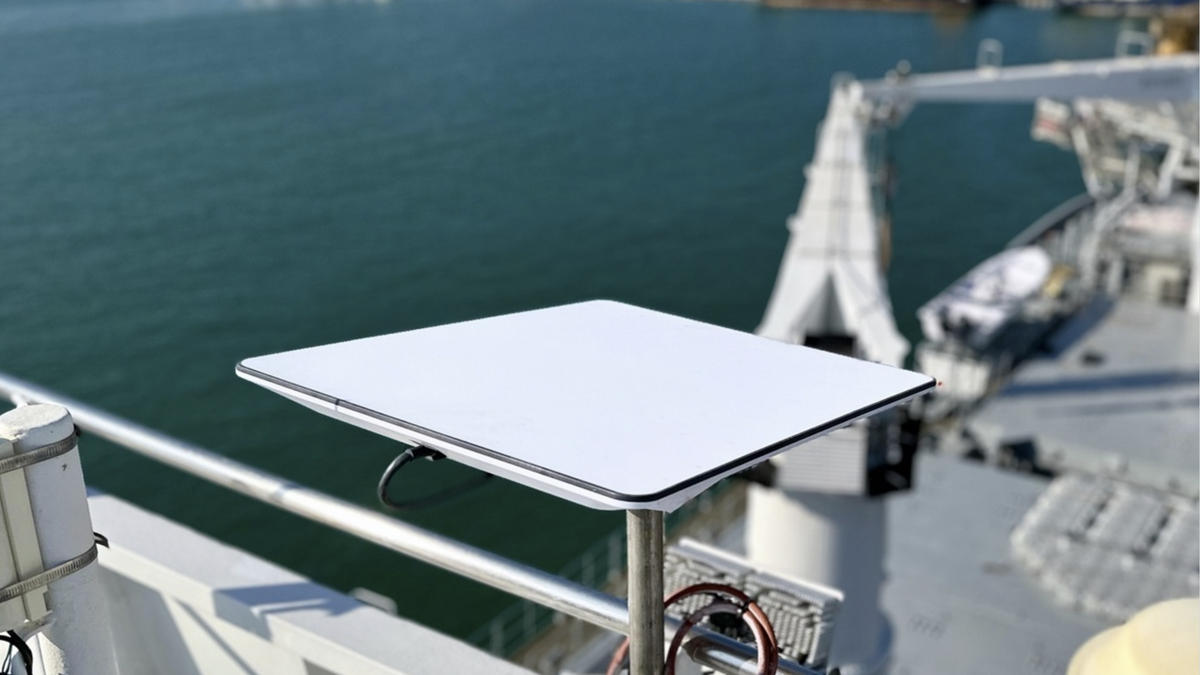
    Starlink Korea has initiated nationwide subscriptions through its official platform, providing services to both residential and enterprise customers. The residential package costs KRW 87,000 (USD 59) per month and offers unlimited data with projected download speeds of 135 Mbps and upload speeds of 40 Mbps. The pricing for customer hardware is set at KRW 550,000.

    Experts believe that Starlink’s most significant market potential in Korea is beyond residential use. Given that Korea already operates one of the world’s fastest terrestrial networks, with an LTE speed averaging 179 Mbps, LEO satellite broadband is likely to function as an additional layer in areas with limited ground-based coverage.

    The demand is anticipated to increase in the maritime, aviation, and emergency-response sectors, where traditional satellite services are expensive and provide slower performance. Despite Korea’s global rank of fifth in commercial shipping capacity, numerous vessels still encounter difficulties maintaining real-time connectivity at sea. LEO constellations, which orbit the Earth significantly closer than geostationary satellites, offer lower latency and more stable connections for ships and aircraft, thereby bolstering digital operations and mission-critical communication.

    Enterprise Services

    Starlink’s enterprise offerings aim at land-based mobile and fixed commercial users. The plans begin at KRW 90,000 per month for 50 GB and go up to KRW 755,000 for 2 TB. Data caps result in throttling to 1 Mbps download speeds and 0.5 Mbps upload speeds, although users have the option to purchase more data. These business packages incorporate prioritized bandwidth and service-level guarantees.

    Sales and technical support will be managed by local operators SK Telink and KT Sat. They will also create bespoke offerings for commercial vessels, low-cost airlines, and government agencies.

    Korea’s Strategic Direction

    The launch of Starlink also aligns well with Korea’s strategic intent to enhance disaster-resilient networks. LEO connectivity, which remains operational even when terrestrial base stations are compromised, offers a crucial backup layer for remote or mountainous areas or places with challenging infrastructure, as stated by the Electronics and Telecommunications Research Institute (ETRI).

    “This is the inception of a multi-layered communications architecture that integrates terrestrial and satellite networks,” said Song Young-geun, Head of Future Strategy at ETRI.

    Globally, Starlink operates over 7,600 satellites and caters to more than 8 million users across 115 countries, highlighting its increasing role in next-generation connectivity ecosystems.

    Questions & Answers

    What is the cost of Starlink’s residential package in Korea?

    The cost of the residential package is KRW 87,000 (USD 59) per month, which includes unlimited data with expected download speeds of up to 135 Mbps and upload speeds of up to 40 Mbps.

    Which industries are projected to benefit from increased demand for Starlink’s services in Korea?

    The maritime, aviation, and emergency-response sectors in Korea are projected to see increased demand for Starlink’s services due to their need for high-availability connectivity.

    What is the role of local operators SK Telink and KT Sat in Starlink’s operations in Korea?

    SK Telink and KT Sat will manage sales and technical support for Starlink in Korea. They will also develop tailored offerings for commercial vessels, low-cost airlines, and government agencies.

  • Festive Travel Gets An Upgrade: Vietjet Provides Free eSIM to International Passengers Flying to Vietnam

    Festive Travel Gets An Upgrade: Vietjet Provides Free eSIM to International Passengers Flying to Vietnam

    Festive travel gets an upgrade: Vietjet provides Free eSIM to international passengers flying to Vietnam

    This festive season, Vietjet is enhancing the holiday experience for international travellers by offering a complimentary SkyFi eSIM on all flights to Vietnam. Passengers departing from Singapore can enjoy seamless connectivity as they travel directly to Hanoi, Ho Chi Minh City, Da Nang and Phu Quoc, making it easier to stay connected while exploring vibrant cities or relaxing on Vietnam’s scenic beaches.

    From now until 31 December 2025 (while supplies last), travellers who book any international flight to Vietnam via www.vietjetair.com or the Vietjet Air mobile app will receive a free SkyFi eSIM loaded with 500MB of high-speed data. The eSIM is valid for 31 days from arrival in Vietnam (terms and conditions apply). Travellers simply need to select the complimentary eSIM during the add-on service step, after which the eSIM will be emailed directly for instant activation with a quick scan.

    The festive season is an ideal time to discover Vietnam’s diverse attractions, whether it is the lively energy of Ho Chi Minh City, the gentle year-end cool in Hanoi or the coastal tranquillity of Phu Quoc. The SkyFi eSIM allows travellers to stay in touch with loved ones and share their holiday moments with ease.

    Whether travellers are reuniting with family, journeying with friends or enjoying a well-deserved personal escape, Vietjet invites them to “Thank Yourself with Festive Flights”. The campaign offers passengers a chance to unwind, reconnect and celebrate the close of a hardworking year. Onboard, they can look forward to Vietjet’s modern, fuel-efficient fleet, professional crews and a selection of Vietnamese and international dishes such as pho, banh mi and other inflight services.

    Enjoy flying with Vietjet!


  • Google Cloud Boosts Asia Pacific Connectivity with TalayLink Subsea Cable and New Hubs in Australia and Thailand

    Google Cloud Boosts Asia Pacific Connectivity with TalayLink Subsea Cable and New Hubs in Australia and Thailand

    Google Cloud has unveiled TalayLink, an innovative subsea cable system that connects Australia and Thailand. This system represents a significant move towards bolstering digital infrastructure and network resilience throughout the Asia Pacific region.

    Strengthening Regional Network Resilience

    TalayLink is as an extension of the interlink cable previously introduced under the Australia Connect initiative last year. The cable system is designed to follow a diverse route through the Indian Ocean, positioned west of the heavily trafficked Sunda Strait. This strategic routing will not only provide Thailand with a new, resilient international gateway but will also enhance the integration of Google’s global network.

    Bikash Koley, Vice President of Google Global Infrastructure at Google Cloud, explains that TalayLink is named after the Thai word for sea or ocean, ‘talay’. The new subsea cable path will establish a more diverse linkage to Thailand through the Indian Ocean, west of the Sunda Strait. This route will contribute to further integrating future data centers and cloud regions in Thailand into Google’s global network.

    Future-Proof Connectivity Hubs

    Google has also declared plans to establish new connectivity hubs in Mandurah, Western Australia, and South Thailand, in its recent announcement. These hubs aim to secure future regional connectivity and support advanced digital and AI services by facilitating cable switching, content caching, and colocation capabilities. The Mandurah hub will diversify Western Australia’s landing points beyond Perth, while the South Thailand hub will take advantage of existing infrastructure in an essential subsea crossroads.

    Pratthana Leelapanang, Chief Executive Officer of AIS, commends the strategic partnership with Google in supporting the connectivity hub in Southern Thailand. The collaboration of Google’s diverse submarine cable path and AIS’s high-reliability colocation capabilities will enhance the region’s digital infrastructure and support the country’s AI strategy.

    Preeyaporn Tangpaosak, President of ALT Telecom, also expressed enthusiasm about the International Gateway Company (IGC), a subsidiary of ALT Telecom PLC, being a crucial Google partner in landing a new submarine cable in Thailand. This new piece of digital infrastructure is pivotal in accelerating Thailand’s ambitious digital economy development strategy.

    National Importance of Deployments

    The significance of these implementations for the nation’s long-term competitiveness is underscored by Thailand’s Board of Investment (BOI). Narit Therdsteerasukdi, Secretary General of the Thailand Board of Investment (BOI), highlights the role of the TalayLink cable as a key piece of digital infrastructure. It enhances Thailand’s connectivity and resilience and, in conjunction with Google’s upcoming Google Cloud region and data center in Thailand, will significantly expand regional network and computing capacity. These forward-looking investments position Thailand as a critical digital gateway for next-generation cloud and AI innovation in Southeast Asia.

    Upon completion, the TalayLink and new connectivity hubs will boost network resilience across Australia, Africa, and Southeast Asia. Coupled with previously announced hubs in the Maldives and Christmas Island, the new system will enhance onward connectivity across the Indian Ocean and the Middle East.

    Questions & Answers

    What is the TalayLink subsea cable system?
    TalayLink is an innovative subsea cable system developed by Google Cloud that connects Australia and Thailand, strengthening digital infrastructure and network resilience in the Asia Pacific region.

    How will the new connectivity hubs in Mandurah and South Thailand function?
    These hubs aim to enhance regional connectivity and support advanced digital and AI services. They will facilitate functions such as cable switching, content caching, and colocation capabilities.

    What is the significance of the TalayLink cable to Thailand?
    The TalayLink cable serves as a pivotal piece of digital infrastructure, enhancing Thailand’s connectivity and resilience. It will significantly expand regional network and computing capacity while positioning Thailand as a critical digital gateway for next-generation cloud and AI innovation in Southeast Asia.

  • Elon Musk’s Starlink Takes Flight in Maharashtra: A Game-changing Leap for Rural Connectivity in India

    Elon Musk’s Starlink Takes Flight in Maharashtra: A Game-changing Leap for Rural Connectivity in India

    In an unprecedented move to combat the digital divide in India, the state of Maharashtra has pioneered a partnership with Elon Musk’s Starlink, a satellite-based internet service. The state government formalized this collaboration by signing a Letter of Intent (LoI) with Starlink Satellite Communications Private Limited. This is the illustrious debut of the SpaceX-affiliated venture in India.

    Expanding Internet Access

    The plan is to install Starlink’s satellite broadband across rural and remote sections of Maharashtra, thus offering high-speed, low-latency internet access to government bodies, public facilities, and neglected districts. This includes locations such as Gadchiroli, Nandurbar, Dharashiv, and Washim. This initiative is in line with the state’s Digital Maharashtra Mission, which seeks to ensure digital inclusivity across the state and enhance various sectors such as e-governance, education, healthcare, and intelligent agriculture.

    Devendra Fadnavis, the Chief Minister of Maharashtra, expressed his excitement about Starlink, stating it is a leading company in the ICT sector. He expressed his honor at welcoming the company to India and its partnership with Maharashtra.

    Improving Connectivity

    The collaboration between Maharashtra and Starlink is anticipated to dramatically improve connectivity in regions with challenging landscapes and inadequate telecommunication infrastructure. By utilizing low-Earth orbit (LEO) satellites, Starlink is capable of providing stable internet in areas where installing fiber or setting up mobile towers is not economically or logistically feasible. Officials have stated that the service will also heighten disaster response and emergency communication networks, especially in areas prone to floods or forested regions.

    As Starlink prepares to fully launch in India by the beginning of 2026, it plans to construct nine satellite gateway stations across India, including in Mumbai, Noida, Kolkata, Chandigarh, and Lucknow, to ensure uninterrupted national coverage. Starlink operates the world’s largest communications satellite network, boasting over 6,000 LEO satellites in orbit and providing broadband access in more than 70 countries.

    Competing in the Broadband Market

    Starlink is set to directly challenge Jio Satellite Communications and Eutelsat OneWeb, who are both undertaking comparable rural and enterprise broadband projects in India. Industry experts view the partnership between Maharashtra and Starlink as a significant development in India’s digital inclusion efforts, especially as the government is expediting the BharatNet project and advocating for universal high-speed internet access. If Maharashtra’s strategy proves successful, it could serve as a model for other Indian states and could potentially widen Starlink’s reach across the country’s most secluded regions.

    Questions & Answers

    What is the aim of Maharashtra’s partnership with Starlink?
    The goal of the partnership is to provide high-speed, low-latency internet access to rural and neglected areas in Maharashtra, aiding in the digital inclusion efforts of the state.

    How will Starlink improve connectivity in remote areas?
    Starlink aims to improve connectivity by using low-Earth orbit satellites to provide stable internet in areas where it is not feasible to install fiber or establish mobile towers.

    What are the broader implications of this partnership for India?
    If successful, the partnership could serve as a model for other states in India, expanding high-speed internet access and digital inclusivity efforts across the country.

  • Undersea Superhighways: The Future of Digital Connectivity in Asia

    Undersea Superhighways: The Future of Digital Connectivity in Asia

    The majority of today’s internet traffic is transmitted via undersea fiber-optic cables, rather than through satellites or overland networks. The National Bureau of Asian Research reports that over 97% of transoceanic telecommunications—including financial, voice, and internet data—are facilitated by these underwater cable systems. This is especially true in Asia, where many countries are separated by bodies of water, making these cables crucial for digital connectivity.

    The Evolution of Submarine Cables

    Undersea cables have come a long way from their origins as colonial-era telegraph lines. They have developed into high-capacity systems capable of transmitting terabits of data per second. Modern technologies, such as optical amplification and dense wavelength division multiplexing (DWDM), allow these cables to stretch thousands of kilometers across oceans.

    Asia’s Digital “Bridges”

    These undersea cables, often referred to as digital “bridges,” are now jointly funded and operated by consortia of telecom firms, governments, and major tech companies. In managing these cables, these entities must balance commercial interests, abide by various regulations, and mitigate geopolitical risks.

    Asia’s most significant subsea cables include the Asia-Africa-Europe 1 (AAE-1), Asia-America Gateway (AAG), Asia Pacific Gateway (APG), Asia Submarine-Cable Express (ASE), South-East Asia-Japan Cable 2 (SJC2), SEA-ME-WE 6, and the PEACE Cable. These cables link various Asian countries with each other and the rest of the world, providing high-capacity connectivity across continents.

    The Importance of Undersea Cables in Asia

    Undersea cables are particularly crucial in Asia. Island nations, such as the Philippines and Indonesia, depend on these cables to connect to continental networks. Conversely, landlocked or peninsular states like Laos and Myanmar rely on terrestrial links that connect to undersea systems.

    The expansion of undersea cable capacity and routes promotes digital inclusion, reduces latency, and improves connectivity for remote and rural communities. Research indicates that doubling the capacity of these cables can decrease internet prices in a country by 30-50%, enabling wider online access.

    Fostering Connectivity and Cultural Exchange

    Submarine cables serve as the backbone of Asia’s digital regionalism. They facilitate the exchange of culture and knowledge across borders, enabling various professionals and creators to connect, learn, and collaborate with ease.

    Moreover, these undersea cables highlight Asia’s growing digital interdependence. No country can thrive alone; data, trade, and communication freely cross borders, uniting societies. Much like physical bridges, submarine cables connect Asia beneath the ocean, enabling the free flow of ideas and opportunities.

    Challenges and Considerations

    While undersea cables significantly enhance connectivity, they also come with their own set of challenges. If landing stations are monopolized or interconnection is gated, it may lead to the exclusion of certain actors such as small businesses or rural communities. Additionally, like physical bridges, submarine cables are vulnerable to sabotage, which could lead to significant disruptions in connectivity. Therefore, it is crucial to establish protective measures and governance to manage these risks.

    Questions & Answers

    What is the role of submarine cables in digital connectivity?
    Submarine cables facilitate the majority of transoceanic telecommunications, including financial transactions, voice calls, and internet data. They play a crucial role in connecting different countries and enabling the exchange of information across continents.

    How do submarine cables impact internet accessibility and costs?
    Expanding undersea cable capacity can significantly reduce internet prices in a country, thereby enabling wider online access. However, monopolization can undermine these benefits.

    What are the potential risks associated with submarine cables?
    Potential risks include monopolization of landing stations, sabotage of cables, and the possibility of cables being used as political tools in disputed sea regions. Therefore, protective measures and governance are vital to manage these risks.

  • Indonesia’s Telkom Initiates Phased Transfer Of Fiber Assets To Boost Digital Transformation

    Indonesia’s Telkom Initiates Phased Transfer Of Fiber Assets To Boost Digital Transformation

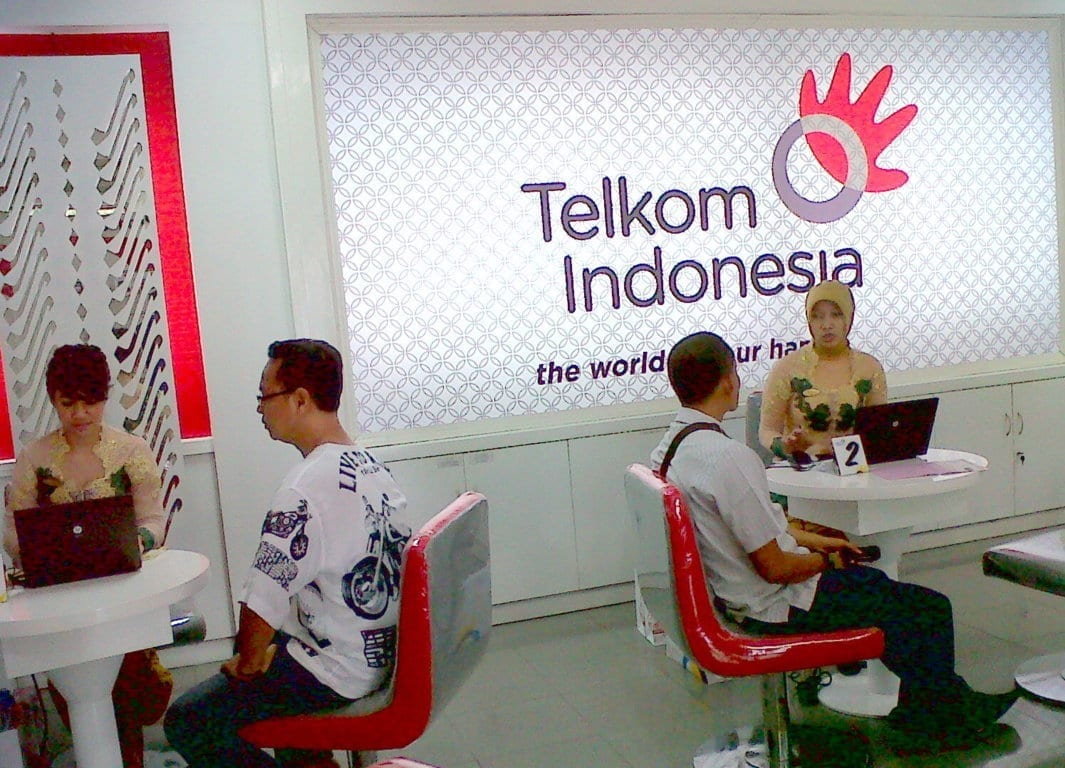
    Indonesia’s Telkom has confirmed that it will undertake a phased transfer of its fiber assets. The transaction, viewed as a significant and affiliated party transaction under Indonesian regulations, is expected to have a minimal impact on Telkom’s financial condition, the company announced.

    Phased Transfer of Assets

    The asset transfer process will take place incrementally. The initial phase is expected to handle more than half of the fiber assets. Telkom’s disclosure to the Indonesia Stock Exchange (IDX) outlined that this move qualifies as a material and affiliated party transaction as per the country’s Financial Services Authority (OJK) regulations.

    Restructuring and Approval

    The restructuring process will include backbone fiber, aggregation access, and infrastructure assets. Before the deal can be finalized, it requires approval from shareholders and regulators. The completion of the deal is anticipated to take place between the end of 2025 and the beginning of 2026.

    Benefits and Aims

    Telkom has stated that the partial spin-off has several aims. These include refining operational focus, attracting new investment, quickening network expansion, and unlocking new revenue streams. The new setup will enable TIF to specialize in fiber deployment and maintenance. This specialization will simplify the process for infrastructure funds and strategic partners to assess and invest in the business.

    By forming a dedicated entity, Telkom plans to streamline network upgrades and manage its growing fiber footprint more efficiently. This move will also empower the company to monetize its wholesale leasing and dark-fiber products more assertively.

    Future Plans and Commitment

    As part of its future plans, Telkom is committed to addressing the escalating demand for rapid connectivity across Indonesian households, startups, and enterprises. The company aims to position itself at the forefront of the nation’s digital transformation as the digital economy continues to grow.

    Ketut Budi Utama, President Director of PT Telkom Infrastruktur Indonesia, indicated that the split would provide TIF with the momentum to operate more efficiently and maintain network infrastructure more effectively.

    Questions & Answers

    What is the expected impact of this transaction on Telkom’s financial condition?
    The transaction is expected to have a minimal effect on Telkom’s financial condition.

    What are some of the aims of the partial spin-off?
    Telkom aims to refine operational focus, attract new investment, accelerate network expansion, and unlock new revenue streams through the partial spin-off.

    What is Telkom’s commitment amid the growing digital economy in Indonesia?
    Telkom is committed to supporting the escalating demand for high-speed connectivity across households, startups, and enterprises in Indonesia. The company aims to place itself at the forefront of the nation’s digital transformation.