Tag: internet

  • Undersea Superhighways: The Future of Digital Connectivity in Asia

    Undersea Superhighways: The Future of Digital Connectivity in Asia

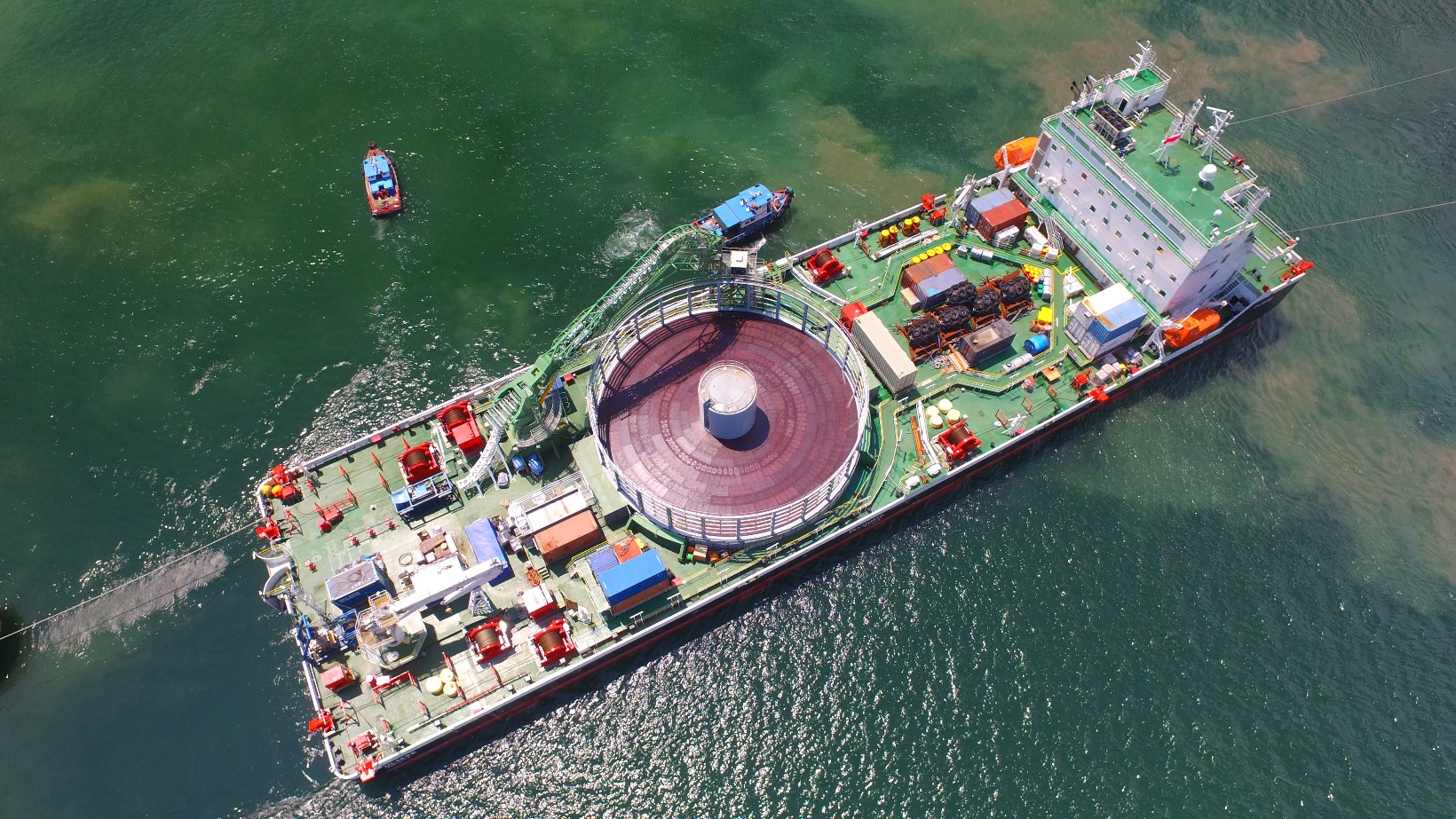
    The majority of today’s internet traffic is transmitted via undersea fiber-optic cables, rather than through satellites or overland networks. The National Bureau of Asian Research reports that over 97% of transoceanic telecommunications—including financial, voice, and internet data—are facilitated by these underwater cable systems. This is especially true in Asia, where many countries are separated by bodies of water, making these cables crucial for digital connectivity.

    The Evolution of Submarine Cables

    Undersea cables have come a long way from their origins as colonial-era telegraph lines. They have developed into high-capacity systems capable of transmitting terabits of data per second. Modern technologies, such as optical amplification and dense wavelength division multiplexing (DWDM), allow these cables to stretch thousands of kilometers across oceans.

    Asia’s Digital “Bridges”

    These undersea cables, often referred to as digital “bridges,” are now jointly funded and operated by consortia of telecom firms, governments, and major tech companies. In managing these cables, these entities must balance commercial interests, abide by various regulations, and mitigate geopolitical risks.

    Asia’s most significant subsea cables include the Asia-Africa-Europe 1 (AAE-1), Asia-America Gateway (AAG), Asia Pacific Gateway (APG), Asia Submarine-Cable Express (ASE), South-East Asia-Japan Cable 2 (SJC2), SEA-ME-WE 6, and the PEACE Cable. These cables link various Asian countries with each other and the rest of the world, providing high-capacity connectivity across continents.

    The Importance of Undersea Cables in Asia

    Undersea cables are particularly crucial in Asia. Island nations, such as the Philippines and Indonesia, depend on these cables to connect to continental networks. Conversely, landlocked or peninsular states like Laos and Myanmar rely on terrestrial links that connect to undersea systems.

    The expansion of undersea cable capacity and routes promotes digital inclusion, reduces latency, and improves connectivity for remote and rural communities. Research indicates that doubling the capacity of these cables can decrease internet prices in a country by 30-50%, enabling wider online access.

    Fostering Connectivity and Cultural Exchange

    Submarine cables serve as the backbone of Asia’s digital regionalism. They facilitate the exchange of culture and knowledge across borders, enabling various professionals and creators to connect, learn, and collaborate with ease.

    Moreover, these undersea cables highlight Asia’s growing digital interdependence. No country can thrive alone; data, trade, and communication freely cross borders, uniting societies. Much like physical bridges, submarine cables connect Asia beneath the ocean, enabling the free flow of ideas and opportunities.

    Challenges and Considerations

    While undersea cables significantly enhance connectivity, they also come with their own set of challenges. If landing stations are monopolized or interconnection is gated, it may lead to the exclusion of certain actors such as small businesses or rural communities. Additionally, like physical bridges, submarine cables are vulnerable to sabotage, which could lead to significant disruptions in connectivity. Therefore, it is crucial to establish protective measures and governance to manage these risks.

    Questions & Answers

    What is the role of submarine cables in digital connectivity?
    Submarine cables facilitate the majority of transoceanic telecommunications, including financial transactions, voice calls, and internet data. They play a crucial role in connecting different countries and enabling the exchange of information across continents.

    How do submarine cables impact internet accessibility and costs?
    Expanding undersea cable capacity can significantly reduce internet prices in a country, thereby enabling wider online access. However, monopolization can undermine these benefits.

    What are the potential risks associated with submarine cables?
    Potential risks include monopolization of landing stations, sabotage of cables, and the possibility of cables being used as political tools in disputed sea regions. Therefore, protective measures and governance are vital to manage these risks.
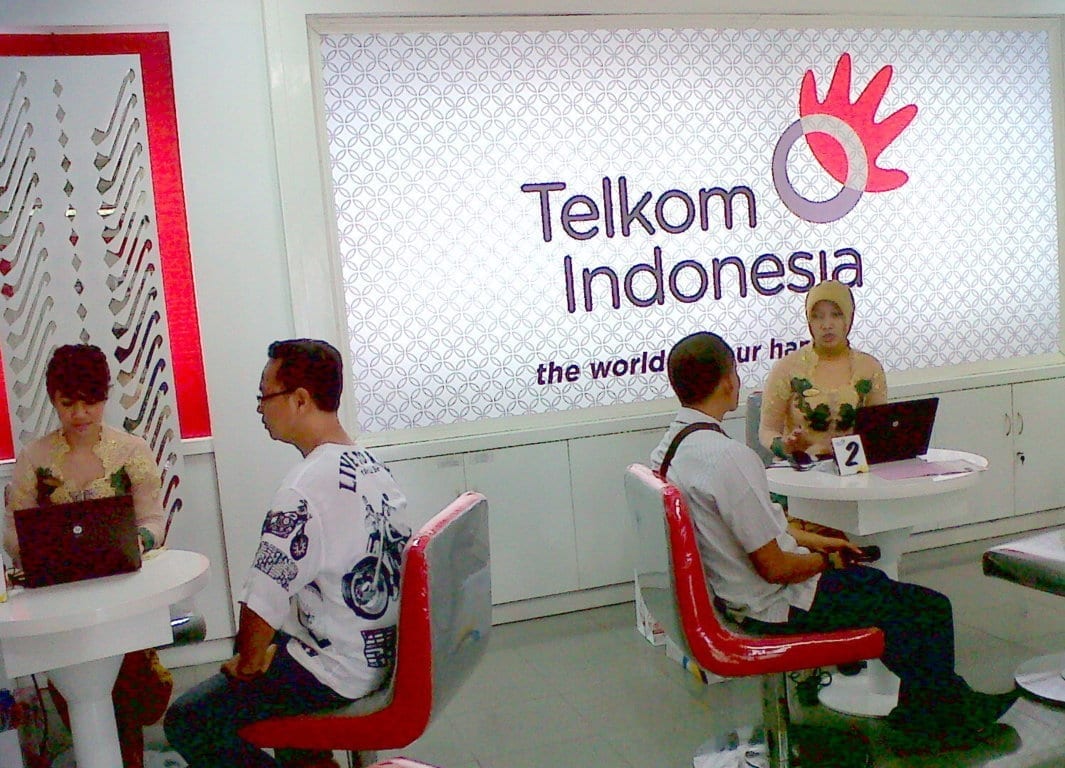

  • Indonesia’s Telkom Initiates Phased Transfer Of Fiber Assets To Boost Digital Transformation

    Indonesia’s Telkom Initiates Phased Transfer Of Fiber Assets To Boost Digital Transformation

    Indonesia’s Telkom has confirmed that it will undertake a phased transfer of its fiber assets. The transaction, viewed as a significant and affiliated party transaction under Indonesian regulations, is expected to have a minimal impact on Telkom’s financial condition, the company announced.

    Phased Transfer of Assets

    The asset transfer process will take place incrementally. The initial phase is expected to handle more than half of the fiber assets. Telkom’s disclosure to the Indonesia Stock Exchange (IDX) outlined that this move qualifies as a material and affiliated party transaction as per the country’s Financial Services Authority (OJK) regulations.

    Restructuring and Approval

    The restructuring process will include backbone fiber, aggregation access, and infrastructure assets. Before the deal can be finalized, it requires approval from shareholders and regulators. The completion of the deal is anticipated to take place between the end of 2025 and the beginning of 2026.

    Benefits and Aims

    Telkom has stated that the partial spin-off has several aims. These include refining operational focus, attracting new investment, quickening network expansion, and unlocking new revenue streams. The new setup will enable TIF to specialize in fiber deployment and maintenance. This specialization will simplify the process for infrastructure funds and strategic partners to assess and invest in the business.

    By forming a dedicated entity, Telkom plans to streamline network upgrades and manage its growing fiber footprint more efficiently. This move will also empower the company to monetize its wholesale leasing and dark-fiber products more assertively.

    Future Plans and Commitment

    As part of its future plans, Telkom is committed to addressing the escalating demand for rapid connectivity across Indonesian households, startups, and enterprises. The company aims to position itself at the forefront of the nation’s digital transformation as the digital economy continues to grow.

    Ketut Budi Utama, President Director of PT Telkom Infrastruktur Indonesia, indicated that the split would provide TIF with the momentum to operate more efficiently and maintain network infrastructure more effectively.

    Questions & Answers

    What is the expected impact of this transaction on Telkom’s financial condition?
    The transaction is expected to have a minimal effect on Telkom’s financial condition.

    What are some of the aims of the partial spin-off?
    Telkom aims to refine operational focus, attract new investment, accelerate network expansion, and unlock new revenue streams through the partial spin-off.

    What is Telkom’s commitment amid the growing digital economy in Indonesia?
    Telkom is committed to supporting the escalating demand for high-speed connectivity across households, startups, and enterprises in Indonesia. The company aims to place itself at the forefront of the nation’s digital transformation.

  • Starlink Devices Seized In Myanmar’s Crackdown On Booming Cyber Fraud Hubs

    Starlink Devices Seized In Myanmar’s Crackdown On Booming Cyber Fraud Hubs

    In a targeted action against one of Myanmar’s most infamous cyber fraud hubs, the country’s ruling military junta reportedly confiscated several Starlink satellite internet devices. This operation follows an investigation, which exposed the significant increase in the use of these devices in the burgeoning illicit trade.

    The Thriving Cyber Fraud Industry

    Since the onset of the Covid-19 pandemic, cyber crime centers that primarily target unsuspecting foreigners have proliferated in Myanmar’s war-torn border regions. These cyber dens run various fraudulent schemes ranging from business scams to romantic deceptions. The ongoing pandemic and the resultant closure of casinos in these regions have further fueled this burgeoning industry.

    A joint operation by Thai, Chinese, and Myanmar authorities, which commenced in February, led to the deportation of thousands of suspected scammers. While some willingly engage in these fraudulent activities, others are coerced into it by organized crime syndicates.

    A recent examination detected swift construction progression at fraud hub locations and installation of Starlink devices, a satellite internet service owned by Elon Musk, on their rooftops.

    A Fraction of the Whole

    Myanmar’s state media revealed that the military had recently executed operations near the Myanmar-Thai border at KK Park, confiscating 30 sets of Starlink receivers and associated equipment. However, this number represents just a fraction of the Starlink devices identified via satellite imagery and drone photography. One building at KK Park was found to have approximately 80 internet dishes installed on its roof.

    Despite not being authorized in Myanmar, Starlink dominated the country’s internet providers’ ranking from July 3rd to October 1st. The surge in Starlink traffic came after an extensive crackdown in February.

    Increasing Scrutiny

    The US Congress Joint Economic Committee has initiated an investigation into Starlink’s potential involvement with these fraud centers. While it has the authority to summon Musk for a hearing, it cannot compel him to testify. Starlink’s parent company SpaceX, has yet to comment on this matter.

    Vast Network of Scams

    The military junta reportedly commandeered around 200 buildings and located nearly 2,200 workers at the scam site. Furthermore, 15 individuals of Chinese descent were arrested on charges of online fraud, online gambling, and other unlawful activities.

    According to a report by the UN Office on Drugs and Crime, Southeast Asian scam operations swindled victims out of $37 billion in 2023. Myanmar has emerged as a major hub for these scam centers, prompting increased scrutiny and action from local and international authorities.

    Questions & Answers

    What is the Starlink?
    Starlink is a satellite internet service owned by Elon Musk.

    What has been the impact of the Covid-19 pandemic on the cyber fraud industry in Myanmar?
    The pandemic has led to a significant increase in cyber fraud activities in Myanmar, particularly in the country’s war-torn border regions.

    What is the extent of the scam network in Southeast Asia?
    According to a report by the UN Office on Drugs and Crime, Southeast Asian scam operations defrauded people of $37 billion in 2023, with Myanmar emerging as a major hub for these activities.

  • Sydney’s Data Centre Vacancy Rate Plummets to 5.2% in First Half of 2025!

    Sydney’s Data Centre Vacancy Rate Plummets to 5.2% in First Half of 2025!

    In a remarkable shift, Sydney’s data centre market is on the rise, evidenced by a drop in the vacancy rate from 9% to a striking 5.2%. This shift emphasizes the city’s growing stature as a regional hub for data centres, as highlighted in a recent report by Cushman and Wakefield. Even without significant increases in operational capacity during the first half of 2025, robust fundamentals are sustaining the market’s upward trajectory.

    Demand Surge Driven by Cloud Services and AI

    The report notes that sustained demand for cloud services and artificial intelligence (AI) workloads has been a key driver of this decline in vacancy rates. The development pipeline remains vibrant, with new players entering the data centre landscape. Notably, ISPT, a major real estate investment firm, has submitted plans for a 170MW data centre in North Ryde, reinforcing Sydney’s appeal as a strategic centre for data management.

    Major Investments Are Reshaping the Landscape

    Adding to the momentum, Macquarie Data Centres has initiated a deal to acquire a land parcel in Sydney valued at US$157 million, slated for a potential 150MW data centre campus. Meanwhile, Stack Infrastructure, with an eye on the future, is planning a substantial 450MW campus at Erskine Park, backed by an investment of US$405.3 million—one of the largest single-site developments in Sydney’s history. This isn’t just a case of numbers; it’s a multifaceted strategy where the data centre sector is becoming as enticing as a new flavor of bubble tea in downtown Sydney.

    Acquisitions Fuel Growth in Connectivity

    In a notable move, Partners Group has expanded its footprint by not only acquiring Digital Halo in Singapore but also GreenSquareDC in Australia for a hefty US$759 million. This investment signifies a commitment to establishing GreenSquareDC as a forward-thinking data centre platform, tailored to meet the burgeoning demands of hyperscalers and AI.

    Moreover, in the connectivity sector, Vocus Group is set to acquire TPG Telecom’s fibre infrastructure assets, alongside its Enterprise, Government, and Wholesale (EG&W) business. The Australian government has approved this US$3.42 billion acquisition, expected to finalize by year-end, marking a significant consolidation in the telecom landscape.

    Accelerating Cloud Adoption

    Cloud adoption continues to accelerate across industries in Australia. The Commonwealth Bank of Australia recently completed its migration to Amazon Web Services (AWS), heralding a new era of digital capabilities. Similarly, the Department of Defence has signed a five-year, US$324.71 million contract with Microsoft for cloud services, further solidifying partnerships within the tech ecosystem. CareSuper, a leading superannuation fund, is also transitioning its applications and data to Microsoft Azure.

    In conclusion, Sydney’s data centre market not only remains resilient but is also dynamically evolving, driven by strong demand, strategic investments, and an ongoing digital transformation across various sectors.

    Questions & Answers

    What has caused the decline in Sydney’s data centre vacancy rate?
    The sharp decline from 9% to 5.2% in vacancy rates is primarily driven by sustained demand for cloud services and AI workloads, reflecting a robust interest in data management solutions.

    What major developments are expected in Sydney’s data centre sector?
    Key developments include ISPT’s proposed 170MW data centre in North Ryde and Stack Infrastructure’s ambitious 450MW campus at Erskine Park, signaling significant investments in the region.

    How is cloud adoption changing in the Australian market?
    Cloud adoption is accelerating, as seen with the Commonwealth Bank’s migration to AWS and the Department of Defence’s substantial agreement with Microsoft, underscoring a broader trend of digital transformation in various sectors.

  • Why Subsea Cables Are Essential to the Future of the Digital Economy

    Why Subsea Cables Are Essential to the Future of the Digital Economy

    “In this digital age, data has become the world’s most valuable resource, and subsea cables are the arteries through which it flows,” said Najib Khan, Chief Business Services Officer at Ooredoo Group. This vivid characterization underscores the escalating significance of subsea connectivity in today’s fast-paced, data-dependent world.

    In a revealing interview with Telecom Review, Khan articulated the shift of subsea cables from obscure utilities to critical assets for national security and economic growth. He elaborated on how Ooredoo’s substantial investments are reconfiguring the Gulf’s digital landscape and its ambitions to establish the Middle East as a prominent global digital hub.

    Why Are Subsea Cables More Essential Than Ever?

    Subsea cables, which already carry over 95% of the world’s internet traffic, are no longer the unsung heroes of the digital economy; their importance is soaring alongside an unprecedented surge in data generation. Whether it’s artificial intelligence, cloud computing, fintech, or the Internet of Things, the deluge of traffic is pushing subsea systems to the forefront.

    Simultaneously, governments and businesses are racing towards digital transformation, necessitating low-latency, resilient, and secure connections linking data centers, hyperscalers, and end-users. Hyperscalers alone now represent over 60% of global investments in subsea infrastructure, highlighting the strategic shift towards these underwater lines not just as conduits of connectivity, but as vital components of innovation and sovereignty.

    Tackling Geopolitical Challenges with Ooredoo’s Fibre in the Gulf

    The world’s digital fabric currently leans heavily on the Red Sea-Suez route, with about 95% of Europe-Asia data traffic routed through Egypt. This dependency exposes vulnerabilities, as disruptions can ripple through global operations.

    Enter Ooredoo’s Fibre in the Gulf (FIG) system, designed to revolutionize this landscape. Working with Alcatel Submarine Networks, Ooredoo is building a comprehensive, high-capacity subsea network that will interconnect all seven Gulf Cooperation Council (GCC) countries—including Qatar, Oman, the UAE, Bahrain, Saudi Arabia, Kuwait, and Iraq. When realized, FIG will boast an astonishing capacity of 720 terabits per second across 24 fiber pairs—far surpassing the capabilities of existing and planned Gulf cables.

    Positioned to deliver low-latency and secure service, FIG promises to unlock new digital avenues for hyperscalers, businesses, and governments, while enhancing the region’s access to European markets.

    The Symbiotic Relationship Between Subsea Cables and Data Centers

    It’s difficult to envision one without the other; subsea cables act as the highways for digital traffic, while data centers serve as its repository and processing unit. For businesses and hyperscalers, proximity to landing stations is crucial, as it impacts efficiency and competitiveness.

    With this understanding, Ooredoo is strategically investing not only in the FIG subsea system but also in expanding its AI-ready data center capabilities. Together, these elements create a cohesive ecosystem where connectivity, cloud solutions, and edge computing converge, ultimately providing clients with seamless, low-latency services essential for driving innovations—and perhaps even the next viral video.

    Ooredoo’s Strategy to Become the Partner of Choice

    Ooredoo’s strategy centers on two pillars: trust and scale. The company’s extensive regional presence aligns perfectly with the needs of global players, allowing Ooredoo to leverage key partnerships that infuse the latest technology into local operations.

    This dual focus empowers Ooredoo to ensure that advanced technological capabilities not only meet international standards but also conform to local regulations, solidifying its position as a trusted partner in the industry.

    The Middle East’s Digital Renaissance

    Strategically located at the confluence of Asia, Europe, and Africa, the Middle East now stands before a unique opportunity—to transform from a technology consumer to a regional hub of innovation.

    The FIG project lies at the center of this vision. Paired with emerging data center infrastructures and cloud ecosystems, it lays the groundwork for economic diversification. The region’s increasing reliance on artificial intelligence and the processing of large data sets necessitates such robust infrastructural enhancements.

    While these cables may be hidden beneath the ocean waves, their impact is unmistakable—fostering job creation, economic diversification, and digital empowerment.

    Looking Ahead: The Future of Subsea Connectivity

    The trajectory for subsea connectivity is clear: the demand for data and digital infrastructure will only intensify. Future subsea systems are expected to accommodate unimaginable data loads while incorporating intelligence and sustainability at their core.

    However, the true essence lies not merely in the technology but in what it enables—whether it’s a start-up in Doha reaching a global audience, a hospital sharing medical expertise across borders, or an energy firm harnessing AI to anticipate operational failures. At Ooredoo, the goal is not only to ensure the Middle East is connected to this exciting future but actively shapes it. With innovative digital infrastructure, the region has the potential to turn connectivity into empowerment.

    Questions & Answers

    Why are subsea cables becoming critical now?
    With a growing demand for data from AI, cloud technology, and more, these cables are now seen as essential to national security and economic growth.

    What advantage does Ooredoo’s Fibre in the Gulf offer?
    It creates a robust interconnection among GCC countries with a high-capacity system, enhancing digital access and reducing vulnerabilities associated with existing routes.

    How does Ooredoo ensure it meets both global standards and local needs?
    By forging partnerships that integrate advanced technology while maintaining compliance with regional regulations, Ooredoo establishes itself as a dependable local partner for global players.

  • PLDT Home Achieves Strong Fiber Growth in First Half of 2023

    PLDT Home Achieves Strong Fiber Growth in First Half of 2023

    PLDT Home has reported impressive growth in the first half of 2025, driven primarily by its fiber services, which saw revenues increase by 7% year-on-year, reaching PHP 29.5 billion. As fiber now accounts for a staggering 97% of home revenues, the company’s strategic pivot away from legacy technologies is evident. Overall, revenues for PLDT Home climbed 4% compared to the previous year, totaling PHP 30.4 billion, bolstered by a robust fiber rollout, appealing bundled services, and heightened customer interaction.

    Reflecting Growing Demand for Connectivity

    John Y. Palanca, Senior Vice President and Head of PLDT Home Business, emphasized that the growth reflects a surging demand for high-speed connectivity and richly integrated digital experiences. “We’re expanding our fiber footprint while delivering bundled services that meet evolving customer needs,” he remarked, underscoring the importance of adaptability in a fast-changing market.

    Subscriber Milestones Achieved

    In H1 2025, PLDT Home not only maintained its premium Average Revenue Per User (ARPU) but also reported a significant influx of new subscribers. The company welcomed 169,000 additional fiber subscribers—three times the net additions from the same period last year—bringing the total number of connections to an impressive 3.53 million. This surge showcases the brand’s reputation for reliability and value in a competitive landscape.

    Balance of Innovation and Service

    This growth is underpinned by both expanding their network and providing enticing bundled lifestyle services. Popular offerings such as Fiber Unli All and Fiber Plus Netflix bring together broadband, mobile, and content in packages that resonate with consumers. In Q2, over 80% of new subscribers opted for higher-value plans priced at PHP 1,299 and above, lifting PLDT Home’s industry-leading ARPU to PHP 1,485.

    Enhancements in customer service play a crucial role in this success. Improvements including faster installations, AI-powered support, and expedited repair times have significantly bolstered customer retention, resulting in a remarkably low churn rate of 1.93%. In a world where customers crave immediate gratification, it’s evident that PLDT Home is becoming the fast-food drive-thru of internet service.

    Capturing New Markets with Fiber Prepaid

    Furthermore, PLDT Home is tapping into new household segments through its Fiber Prepaid offerings, catering to families who prefer the flexibility of prepaid plans. Early reports indicate that this strategy is paying off, as ARPU levels remain consistent, signaling that growth is additive rather than detracting from postpaid subscribers.

    Connecting Communities Across the Philippines

    Beyond simply providing connectivity, PLDT Home positions itself as a vital enabler of digital inclusion. Its expanding fiber footprint improves access to high-speed internet across more regions of the Philippines. Currently, the PLDT Group boasts the nation’s most extensive fiber infrastructure, measuring around 1.2 million cable kilometers. The company has passed 19.01 million homes, effectively covering 74% of towns and 91% of provinces, making significant strides in bridging the digital divide.

    Questions & Answers

    How much did PLDT Home’s fiber revenues increase in Q1 2025?
    PLDT Home’s fiber revenues climbed 7% year-on-year, reaching PHP 29.5 billion in the first half of 2025.

    What is the churn rate reported by PLDT Home?
    The company boasts a remarkably low churn rate of 1.93%, indicating strong customer retention.

    How many new fiber subscribers did PLDT Home gain in H1 2025?
    PLDT Home gained 169,000 new fiber subscribers in the first half of 2025, marking three times the net additions from the previous year.

  • APTelecom Revolutionizes Global Connectivity with Resilient Submarine Solutions

    APTelecom Revolutionizes Global Connectivity with Resilient Submarine Solutions

    Submarine cables have become essential arteries for connectivity in the Asia Pacific, managing the surge in data traffic that accompanies the region’s digital revolution. With over half of the globe’s internet users calling this area home, the demand is fuelled by a variety of factors including cloud adoption, e-commerce growth, streaming services, and gaming, along with swift industry digitization.

    The Asia Pacific’s Digital Growth Catalyst

    Navigating this dynamic and complex landscape is no simple task, but APTelecom is leading the charge by executing critical submarine cable projects that focus on resilience and sustainability. In an exclusive interview with Telecom Review Asia, APTelecom President and Co-Founder Sean Bergin offered insights into the challenges and opportunities that are shaping connectivity across the Asia Pacific region.

    The Future of Submarine Cables

    As the epicenter of global data growth, the Asia Pacific region is witnessing an unprecedented demand for new submarine cable systems. “More than half of the world’s internet users live here,” Bergin noted, emphasizing that the appetite for new cables is being driven not just by raw data needs, but by a quest for security and resilience in data infrastructure. Both large-scale regional systems and specialized builds aimed at enhancing redundancy are currently in the pipeline.

    What’s intriguing is that as digital traffic rises, so does the focus on trusted supply chains and dependable routes, both of which have become just as important as sheer capacity. APTelecom is at the crossroads of commercial demand and practical execution, guiding clients through the design and financing of new systems, while addressing local regulatory needs and establishing sustainable partnerships.

    Strategies for Local Success

    APTelecom’s vast experience across diverse markets reveals a critical lesson: the “one size fits all” mentality simply doesn’t apply to digital infrastructure. Each market boasts its unique regulatory landscape and investment climate. Bergin explained that the company merges global best practices with thorough local engagement, fostering trust and understanding with regulators, investors, and customers alike.

    This approach is particularly effective in bridging cultural gaps — whether it’s translating a hyperscaler’s needs to a regional operator or helping a Southeast Asian carrier negotiate with a global buyer. In developed markets, the dialogue often revolves around sustainability and ESG compliance, while emerging markets prioritize bankability and basic infrastructure diversity.

    Powerful Partnerships for Connectivity

    At the heart of APTelecom’s strategy lies collaboration. No single player—be it a carrier, government, or hyperscaler—can realize these complex systems alone. A prime example of this is APTelecom’s recent collaboration with a consortium of regional operators to enhance connectivity linking Vietnam to vital hubs in Thailand, Singapore, and Malaysia. This project not only strengthens Vietnam’s integration into the regional network but also boosts resilience and diversification in critical data routes.

    Involvement with partners in Africa and the Middle East is also on the rise, as Asia’s systems increasingly serve as key connections to Europe and beyond. Such partnerships are more than just ambitious ventures; they generate real benefits, translating into increased capacity, improved reliability, and enhanced service offerings for stakeholders that rely on robust, scalable infrastructure.

    Preparing for Tomorrow’s Connectivity Needs

    Looking ahead, APTelecom’s immediate priorities include supporting projects that balance commercial viability with strategic resilience. For clients, futureproofing involves diversification — ensuring multiple cable routes and a mix of terrestrial and subsea connections. This flexibility extends to contract structures that accommodate scaling capacity, integrating new technologies, and bringing on additional partners.

    Another facet of APTelecom’s mission is addressing workforce development. In many of the markets they serve, talent is in short supply, so equipping local engineers and operators with the necessary skills is a fundamental part of sustaining infrastructure longevity.

    In a fast-evolving sector, embracing technological advancements while mitigating risks is crucial. By helping clients establish dependable partnerships and build infrastructure that earns the trust of carriers and hyperscalers, APTelecom is not just adapting; they are setting the stage for the future of connectivity in Asia. Because let’s face it, in this high-stakes game of digital chess, every move counts.

    Questions & Answers

    How is APTelecom responding to the growing demand for submarine cables?
    APTelecom is actively spearheading new submarine cable projects and enhancing existing ones to address the significant demand driven by factors such as cloud adoption, e-commerce, and digitalization across industries.

    What role does local engagement play in APTelecom’s strategies?
    Local engagement is crucial; APTelecom tailors its approaches to each market’s regulatory and investment climate, building trust with key stakeholders, which ultimately helps in successful project execution.

    Why are partnerships important for APTelecom?
    Partnerships are essential because they combine resources and expertise from various entities to tackle complex connectivity challenges, ensuring that projects deliver real value and enhance regional resilience effectively.

  • Revamping IP Strategies Amid IPv4 Limitations: Navigating Today’s Telecom Challenges

    Revamping IP Strategies Amid IPv4 Limitations: Navigating Today’s Telecom Challenges

    As demand for high-performance connectivity surges across the Asia Pacific, telecom operators are feeling the heat. The increasing appetite for data, coupled with expanding subscriber bases, has resulted in a pressing need for enhanced network infrastructures. However, the looming specter of global IPv4 exhaustion has many operators leaning heavily on carrier-grade network address translation (CGNAT) as a temporary solution. While CGNAT has allowed for immediate growth without necessitating a shift to IPv6, it is beginning to expose its limitations—and they are not pretty.

    CGNAT: What’s Working and What’s Not

    CGNAT effectively enables numerous users to share a single public IPv4 address, allowing operators to delay the costly transition to IPv6. It has proven particularly beneficial for low-usage subscribers in mobile and residential broadband sectors. However, this strategy brings several critical challenges that can no longer be overlooked.

    Firstly, performance issues arise due to NAT translation overhead, which increases latency and diminishes throughput, especially during peak usage times. Secondly, the compatibility of applications takes a hit; services like Voice over Internet Protocol (VoIP), online gaming, virtual private networks (VPNs), and smart home devices often stumble under shared IP scenarios. Lastly, compliance becomes a maze, with the need for detailed record-keeping to meet regulations in markets such as India and Singapore.

    For some operators, these complexities are proving to be cost-prohibitive. Maintaining CGNAT compliance often means logging every user’s port and timestamp activity for months, accumulating terabytes of data daily for large subscriber bases. One study estimated that 10,000 users could produce almost 4.7 TB of logs each year—an astonishing amount that complicates regulatory compliance and erodes any initial cost savings.

    IPv4 Leasing: A Clever Pivot

    As an innovative response, telecoms are beginning to pivot towards IPv4 leasing as a more flexible and scalable alternative. “Leasing offers operators access to clean, reputation-safe IPs on demand, restoring end-to-end connectivity for essential services and customers without locking them in for the long haul,” explains Ramutė Varnelytė, CEO of IPXO.

    IPXO, a global marketplace for IPv4 lease and management, enables internet service providers (ISPs) to efficiently lease address space from various regional internet registries (RIRs). Equipped with tools for resource public key infrastructure (RPKI), geolocation updates, and reputation monitoring, this approach not only simplifies address management but also accelerates deployment timelines, enhances customer experience (CX), and meets compliance requirements.

    A Real-World Success Story

    The APNIC’s 2024 survey highlights a shift across the Asia-Pacific, where organizations are adopting alternative strategies to combat the scarcity of IPv4 addresses. While 45% are deploying NAT and 40% are turning to IPv6, an impressive 15% are opting for IPv4 leasing. Notably, organizations in East Asia, at 27%, are the most inclined to lease addresses.

    In one striking case, a regional ISP in Southeast Asia, with over a million users, was overwhelmed with complaints related to CGNAT—from latency to failed peer-to-peer services. Rather than investing heavily in new CGNAT infrastructure or costly IP acquisitions, the ISP chose to lease 50,000 IPv4 addresses. This strategic decision liberated them from many complications associated with shared IPs, providing allocated IPs for business clients, remote workers, and high-usage residential subscribers. Within just six months, the ISP noted a remarkable 35% drop in CGNAT-related support tickets and an uptick in performance metrics.

    The Case for a Balanced Hybrid Approach

    While CGNAT still serves its purpose for light usage—think messaging, browsing, and occasional video watching—it can’t cope with latency-sensitive applications and real-time services that demand reliability. A hybrid model allows operators to employ CGNAT for everyday traffic while leveraging leased IPv4 addresses for business-to-business (B2B) clients, gamers, and others who depend on stable connectivity.

    This approach not only optimizes network performance but also sidesteps potential service quality issues, making it a savvy solution amid growing demands.

    Operational Efficiency without Commitment

    The economic and operational benefits of leasing are especially appealing. Operators can mitigate capital expenditures (CapEx) while enjoying the flexibility to expand their address space in line with market needs—without the burden of long-term asset ownership. Many leasing platforms seamlessly include adherence to compliance measures such as RPKI signing and reputation management, allowing operators to focus on growth rather than paperwork.

    Leased IPs can also smoothly integrate into cloud environments like AWS, Azure, or Google Cloud, enhancing consistency for cloud-native applications. For telecoms venturing into 5G or edge deployments, flexible access to IP resources is crucial, ensuring that essential IoT workloads and low-latency services operate smoothly, free from IPv4 limitations.

    Is It Time to Rethink the IP Strategy?

    With skyrocketing demand, the limitations of CGNAT, and the slow march toward IPv6 adoption, telecom operators across Asia are at a crossroads. IPv4 leasing emerges as a viable method to alleviate network strain, foster new services, and uphold customer satisfaction. Far from being merely a temporary solution, IPv4 leasing can be integral to a broader, more adaptable IP strategy that bridges the gap as the industry transitions.

    Questions & Answers

    How does CGNAT impact network performance?
    CGNAT can cause latency issues and reduce throughput due to the overhead involved in Network Address Translation, especially during peak usage times.

    Why are telecom operators moving towards IPv4 leasing?
    Leasing provides operators with immediate access to clean IP addresses without the hefty investments required for IPv4 acquisitions, allowing for scalability and improved customer connectivity.

    What are the benefits of a hybrid model in IP management?
    A hybrid model allows operators to use CGNAT for general traffic while allocating leased IPv4 addresses to users with higher demands, ensuring efficient network operation without compromising service quality.

  • Meta Unveils Ambitious Plan for Multi-Gigawatt Data Centers to Boost AI Innovation

    Meta Unveils Ambitious Plan for Multi-Gigawatt Data Centers to Boost AI Innovation

    Meta is gearing up for a groundbreaking leap in its artificial intelligence (AI) capabilities, announcing an ambitious investment of USD 72 billion to establish a series of formidable data centers across the globe. This extensive initiative is set to bolster the company’s efforts in developing super-intelligence and artificial general intelligence (AGI), with the first data center projected to come online next year.

    Revolutionary Data Centers on the Horizon

    The flagship of this initiative is Prometheus, a multi-gigawatt data center anticipated to begin operations in 2026. Meanwhile, another powerhouse center, Hyperion, is designed to scale up to an impressive 5 gigawatts in the subsequent years. Remarkably, these centers will be developed as “clusters,” featuring a colossal capacity that positions them among the largest data centers globally.

    Zuckerberg’s Vision for the Future

    Mark Zuckerberg, CEO of Meta Platforms, elaborated on the company’s grand vision, asserting that these sprawling titan clusters will encompass a footprint that rivals significant urban landscapes, such as a substantial portion of Manhattan. With this staggering scale, Meta aims to set a new standard in the data center landscape.

    R&D Powered by Cutting-Edge Infrastructure

    This major investment comes on the heels of Meta’s commitment to advancing research and development in AI. As the tech giant endeavors to push the boundaries of intelligence through AGI, these data centers will become critical to facilitating groundbreaking advancements and innovative solutions in the realm of AI.

    The landscape of artificial intelligence is set to get a major upgrade, and who knows — these futuristic hubs could soon be the breeding ground for the next big thing in tech, perhaps even an AI that finally understands why cats seem to rule the internet. Stay tuned!

    Questions & Answers

    What is the total investment Meta is making in its new data centers?
    Meta plans to invest USD 72 billion in the development of several massive data centers to enhance its artificial intelligence efforts.

    When is the first of Meta’s new data centers expected to be operational?
    The first data center, named Prometheus, is expected to come online in 2026.

    How is Meta transforming its approach to data centers?
    Meta is constructing its data centers as “clusters,” which will feature a significant capacity, some even capable of rivaling large areas like parts of Manhattan.

  • Rakuten and Amazon Join Forces to Take on Starlink in Japan’s Satellite Market

    Rakuten and Amazon Join Forces to Take on Starlink in Japan’s Satellite Market

    Japan’s satellite communications landscape is on the brink of transformation as Rakuten Group and Amazon gear up to launch their own services, challenging the long-standing dominance of SpaceX’s Starlink. With operations expected to begin as early as next year, this competition promises to reshape the market and improve connectivity for consumers across the country.

    Starlink, spearheaded by Elon Musk’s SpaceX, has established itself as the go-to satellite service in Japan, especially through partnerships like KDDI, which allows for direct smartphone-to-satellite connections. This capability has proven invaluable in rural locations and areas prone to natural disasters, where traditional infrastructure is often lacking.

    In a significant move to diversify the market, Japan’s Ministry of Internal Affairs and Communications (MIC) has initiated work on new spectrum regulations that are set to pave the way for increased competition by 2025. This regulatory shift will create opportunities for Rakuten and Amazon to enter and thrive in the satellite communications arena.

    Rakuten’s Bold Ambitions

    Rakuten Mobile is wasting no time in making its mark, with plans to roll out its satellite service between October and December 2025. Collaborating with U.S. startup AST SpaceMobile, Rakuten’s initial offering will focus on text messaging. But that’s just the beginning—plans are afoot to expand services to include money transfers and video streaming. The company emphasizes that this initiative aims to enhance connectivity in underserved areas while providing a reliable backup during emergencies—a win-win for users reliant on stable communication.

    Amazon’s Satellite Strategy

    Not to be outdone, Amazon is preparing to launch its Project Kuiper satellite network in Japan, which aims to deploy over 3,200 satellites by 2029. This ambitious project aligns with the MIC’s plans to amend regulations after April 2025, ensuring that Amazon can compete in this burgeoning market. The retail behemoth’s foray into satellite communications underscores a broader trend of tech giants expanding their reach beyond traditional digital services.

    As Japan stands on the threshold of this new era in satellite communications, the impending rivalry between these giants has all the makings of an exciting battle for connectivity supremacy—let’s just hope consumers don’t have to wait on hold for years while they hash it out!

    Questions & Answers

    What changes can consumers expect in Japan’s satellite communications market?
    Consumers can anticipate increased competition, primarily from Rakuten and Amazon, which will enhance connectivity options, especially in rural areas and during emergencies.

    When are Rakuten and Amazon expected to launch their services?
    Rakuten plans to debut its satellite services between October and December 2025, while Amazon’s Project Kuiper is set for a rollout, targeting more than 3,200 satellites by 2029.

    How might these new services impact existing providers like Starlink?
    The entry of Rakuten and Amazon is likely to intensify competition, potentially leading to improved services and pricing options for consumers who currently rely on Starlink.

  • Starlink Wins Final Approval to Launch Exciting Satellite Services Across South Korea!

    Starlink Wins Final Approval to Launch Exciting Satellite Services Across South Korea!

    Starlink has navigated the final regulatory waters needed for its satellite communication services to make a significant entry into South Korea. The Ministry of Science and ICT, along with the National Radio Research Agency (RRA), confirmed that the suitability assessment for SpaceX’s low-Earth orbit (LEO) satellite communication ground station radio equipment—specifically the UTA-252 model—was finalized on August 11. This approval allows Starlink Korea to provide user antennas and related equipment domestically, successfully eliminating the last remaining regulatory hurdle.

    Local Presence, Global Ambitions

    To comply with South Korean regulations that restrict foreign companies from directly offering telecommunications services, SpaceX established Starlink Korea as a local subsidiary. This entity has been officially recognized as a telecommunications business operator after securing approval in May under a cross-border supply agreement for low-orbit satellite services, which enables collaboration with its U.S. parent company.

    Eyes on the September Launch

    Industry analysts had originally predicted that Starlink would initiate its services in July following its May approval. Now, with the RRA’s device assessment concluded, the market is buzzing with anticipation for a commercial launch that could happen as soon as September.

    Targeting Businesses and Governments

    In its initial phase, Starlink Korea is poised to focus on the business-to-business (B2B) and business-to-government (B2G) segments, eyeing sectors where non-terrestrial networks (NTN) hold distinct advantages, including maritime, aviation, industrial plants, public services, and disaster response. SK Telink, the official reseller for Starlink Korea, plans to offer tailored packages that cater to specific industries, such as maritime and aviation connectivity bundles, as well as hybrid solutions for public institutions.

    Expanding the Satellite Universe

    Starlink’s ambitious constellation comprises roughly 7,000 satellites, making it a leader in LEO infrastructure on a global scale. Since its first satellite deployment in May 2019, the company has maintained a brisk launch schedule of about three satellites per day, with a goal to provide connectivity speeds that could soar up to 2 Gbps. If that isn’t the pace of a space race, we don’t know what is!

    Questions & Answers

    What recent regulatory approvals has Starlink achieved in South Korea?
    Starlink has completed the suitability assessment for its ground station radio equipment, which has allowed the company to provide user antennas and related equipment domestically.

    What approach will Starlink Korea take in its initial phase?
    The company will primarily target business-to-business (B2B) and business-to-government (B2G) segments, focusing on industries where non-terrestrial networks offer competitive advantages.

    When is the expected launch date for Starlink’s services in South Korea?
    Following the completion of the regulatory assessments, a commercial launch is anticipated around September.

  • Sceye’s Solar Drones Set to Revolutionize Connectivity with Promising 6G Internet Innovation

    Sceye’s Solar Drones Set to Revolutionize Connectivity with Promising 6G Internet Innovation

    In a bold leap towards the future of telecommunications, U.S.-based startup Sceye is pioneering solar-powered, helium-filled drones that will soon take to the skies at an altitude of approximately 60,000 feet, or about 18 kilometers. These high-altitude platform systems (HAPS) are designed to float serenely above weather patterns and commercial air traffic, harnessing the power of advanced solar arrays and cutting-edge lithium-sulfur batteries to maintain consistent operations, even throughout the night.

    Revolutionizing Connectivity and Monitoring

    With the ability to stay in position amid strong winds and carry substantial payloads, these innovative drones are positioned to provide stable, long-range internet services, environmental monitoring, and robust wildfire detection capabilities. What’s remarkable? Their actual design enables them to remain airborne for months, even extending up to a year! Sceye’s prototypes have already demonstrated this potential through over 20 successful test flights.

    SoftBank’s Vision for 6G Networks

    In an exciting development for the telecommunications landscape in Asia, SoftBank has secured a pre-commercial HAPS mission set for 2026 in Japan. This initiative is part of SoftBank’s broader strategy to propel the advent of next-generation 6G networks. The vision of integrating these airborne platforms with satellites and terrestrial networks aims to deliver rapid, low-latency broadband, especially in remote regions or areas struck by disaster where traditional infrastructure is severely compromised.

    A Glimpse into the Future of Technology

    Equipped with durable, UV- and ozone-resistant envelopes that are 1,500 times more gas-tight than previous models, these drones are not just technological marvels; they are harbingers of a more connected world. Through the collaboration between Sceye and SoftBank, the stage is being set for the deployment of 6G technology, promising to revolutionize how we connect and communicate, paving the way for advancements we are only beginning to imagine.

    Questions & Answers

    What are Sceye’s drones designed to do?
    Sceye’s drones are developed to provide high-altitude solutions for long-range internet connectivity, environmental monitoring, and wildfire detection.

    What is SoftBank’s role in this initiative?
    SoftBank has secured a pre-commercial HAPS mission in Japan for 2026, aligning with its goal to develop next-generation 6G networks that integrate these drones with other communication infrastructures.

    How long can Sceye’s drones potentially stay in the air?
    The drones can remain airborne for months, with the potential to stay aloft for up to a year, thanks to their innovative, gas-tight envelope design.

  • Vietnam Sets the Stage for 4G and 5G Growth with 700 MHz Spectrum Re-Auction

    Vietnam Sets the Stage for 4G and 5G Growth with 700 MHz Spectrum Re-Auction

    Vietnam is gearing up for a pivotal moment in its telecommunications landscape, re-launching the auction of two crucial frequency bands in the 700 MHz spectrum. This re-auction follows an earlier attempt that did not meet expectations, indicating a renewed urgency to boost 4G and 5G mobile services in the nation. The Ministry of Science and Technology has announced that the B1-B1’ (703–713 MHz/758–768 MHz) and B3-B3’ (723–733 MHz/778–788 MHz) bands are now available for bidding, starting at over VND 1.95 trillion (approximately USD 75 million). Licenses will grant operators rights for a period of 15 years.

    A Crucial Step for Connectivity

    This auction is more than just numbers on a spreadsheet; it serves as a crucial step in enhancing mobile network coverage, particularly in rural and underserved regions of Vietnam. The 700 MHz spectrum is internationally recognized for its long-range and high-penetration capabilities, making it an ideal candidate for improving service quality, not just in bustling urban centers but also in remote areas where connectivity can feel like a pipe dream.

    Notable Absence in the Bidding

    Interestingly, state-run Viettel Group, which snagged the B2-B2’ band in May 2025 in a spirited two-round bidding session, will sit this one out. That prior victory, which also spans 15 years, forms part of Viettel’s strategy to bolster nationwide 4G and 5G connectivity, essential for pioneering initiatives like smart cities and intelligent agricultural systems that could make even farmers do a double-take.

    Ready or Not, Here Come the Bidders

    Operators interested in tapping into this new wave of opportunity have 30 days from the official auction notice to validate their eligibility. This strategic reallocation of the 700 MHz band comes on the heels of Vietnam’s switch from analog to digital TV broadcasting, unlocking valuable spectrum for the mobile telecommunications sector.

    Racing Ahead with 5G

    As of January 2025, Viettel reported hitting a remarkable milestone of 4 million 5G subscribers in a mere few months after launching its service in October 2024. The telecommunications giant’s 5G network, supported by around 6,500 base stations, boasts impressive speeds of up to 1 Gbps and near-zero latency. With ambitious plans to install over 20,000 additional 5G stations by the close of 2025, Viettel aims to provide comprehensive coverage to 99% of the population by 2030.

    Innovation in the Lab

    In tandem with its ambitious rollout, Viettel has established two dedicated 5G labs in Hanoi and Ho Chi Minh City. These innovation hubs allow developers to experiment with new 5G and Internet of Things (IoT) technologies tailored for local applications. The telco’s infrastructure supports both standalone (SA) and non-standalone (NSA) architectures, covering a stunning array of over 130 use cases across various sectors, including logistics, healthcare, and energy.

    Competition Heats Up

    Viettel isn’t alone in this race; competitors such as VNPT and MobiFone have also stepped into the 5G arena. VNPT launched its 5G services in December 2024, followed by MobiFone in March 2025, utilizing the 3.8–3.9 GHz frequency band. Both operators are deploying a mix of NSA and SA 5G models, ensuring that the competition remains fierce and consumers stand to benefit.

    Looking Ahead to the Auction

    As Vietnam prepares for the renewed 700 MHz auction, industry insiders anticipate a wave of interest from operators eager to broaden their mobile reach and upgrade the nation’s digital infrastructure. The stakes are high, but so are the rewards — a vibrant, connected future awaits just around the corner.

    Questions & Answers

    What significance does the 700 MHz spectrum hold for Vietnam’s mobile services?
    The 700 MHz spectrum is essential for enhancing mobile network coverage, particularly in rural areas, as it offers long-range and high-penetration capabilities that improve service quality.

    Why is Viettel Group not participating in the upcoming auction?
    Viettel Group, which previously secured the B2-B2’ band, is ineligible to bid in this auction, allowing other operators a chance to expand their networks.

    How is Viettel planning to expand its 5G infrastructure?
    Viettel aims to install over 20,000 additional 5G base stations by the end of 2025, with an ambitious goal of covering 99% of the population by 2030 following rapid subscriber growth.

  • TRAI Takes Action Against Spam and Cyber Fraud: What Retailers Need to Know!

    TRAI Takes Action Against Spam and Cyber Fraud: What Retailers Need to Know!

    In a bid to address the growing menace of spam, cyber fraud, and the misuse of telecom infrastructure, the Telecom Regulatory Authority of India (TRAI) gathered the Joint Committee of Regulators (JCoR) on Tuesday. This pivotal meeting took place at TRAI’s headquarters, bringing together influential figures from various sectors.

    Representatives from top regulatory bodies, including the Reserve Bank of India (RBI), the Securities and Exchange Board of India (SEBI), the Insurance Regulatory and Development Authority of India (IRDAI), and the Pension Fund Regulatory and Development Authority (PFRDA), joined their counterparts from the Ministry of Electronics and Information Technology (MeitY). Also present were officials from the Department of Telecommunications (DoT), the Ministry of Home Affairs (MHA), and the National Payments Corporation of India (NPCI).

    A united front against digital threats

    During the meeting, TRAI Chairman Anil Kumar Lahoti emphasized the necessity of collaboration among different regulatory bodies in an increasingly digital marketplace. He said, “In a digital-first economy, collaboration among financial sector regulators, digital communication regulators, and security agencies becomes paramount. TRAI appreciates the swift collaboration being facilitated through JCoR in building a reliable and safer communication environment.”

    The agenda took a concentrated approach at combating digital payment fraud while enhancing consumer protection measures. One significant proposal discussed was the phased adoption of a dedicated 1600-series number range for service and transactional calls in banking and finance, aimed at reducing confusion and potential scams.

    Innovating security with digital consent

    Additionally, the meeting reviewed advancements in the Digital Consent Acquisition (DCA) pilot. This innovative initiative replaces traditional paper-based consent methods with a secure digital system, making the process streamlined and efficient. The pilot, a joint effort between TRAI and RBI, involves participation from major telecom companies and banks, including SBI, PNB, ICICI, HDFC, Axis Bank, Canara Bank, and Kotak Mahindra Bank.

    Speeding up fraud prevention

    To further combat fraud, the regulators discussed methods for facilitating automatic data sharing between the Indian Cyber Crime Coordination Centre (I4C), the DoT’s Digital Intelligence Platform, and the telecom industry’s Distributed Ledger Technology (DLT) systems. This collaboration is intended to expedite responses to fraudulent activities involving illicit phone numbers and telecom resources.

    Concerns about the misuse of SIP and PRI lines for bulk spam calls were also raised, leading participants to explore remedies such as assigning these lines from controlled number ranges and implementing additional security measures. This meeting followed a workshop co-hosted by TRAI and RBI, where banks and telecom providers delved into DCA’s development and pledged to enhance collaboration.

    Questions & Answers

    What key topics did the TRAI meeting focus on?
    The meeting centered on tackling spam, cyber fraud, and enhancing consumer protection, particularly in the context of digital payments.

    Which organizations participated in the JCoR meeting?
    Representatives from the TRAI, RBI, SEBI, IRDAI, PFRDA, MeitY, DoT, MHA, and NPCI were present, highlighting a robust collaboration across various sectors.

    What is the significance of the Digital Consent Acquisition pilot?
    The DCA pilot aims to streamline communication consent by replacing paper-based approvals with a secure digital system, involving major telecom operators and banks.

  • India’s Ambitious Draft Telecom Policy Aims for 90% 5G Coverage by 2030

    India’s Ambitious Draft Telecom Policy Aims for 90% 5G Coverage by 2030

    In a bold move aimed at establishing India as a global telecom leader by 2030, the Indian government has unveiled its National Telecom Policy 2025 (NTP-25). This ambitious draft is not just a roadmap; it’s a vision that outlines major objectives, including the creation of 1 million jobs, extending 5G coverage to 90% of the population, and connecting 100 million households to fixed broadband.

    Strategic Goals to Transform Telecom

    Currently open for public consultation, the NTP-25 elaborates a five-year framework with ten strategic objectives. Among these goals is a significant uptick in telecom investment, targeting INR 1 lakh crore (approximately USD 12 billion) annually. The policy also aims to double telecom exports, reskill an additional million workers, and ensure universal access to 4G services. This is not just a plan; it’s a clarion call for a digitally empowered nation.

    Key Innovations on the Horizon

    The heart of this policy lies in its innovative strategies to strengthen India’s digital infrastructure. One of the standout initiatives is the introduction of the Digital Bharat Nidhi (DBN), designed to expand mobile networks in rural and underserved urban areas. This ambitious initiative is all about bridging the connectivity gap — because who wouldn’t want to send a WhatsApp message while trekking through a remote village?

    Pioneering National Security Measures

    On the front of national security and privacy, the NTP-25 proposes the establishment of a National Telecom SafeNet, alongside a biometric-based identification system for telecom users. To monitor both domestic and foreign satellites, a Satcom Monitoring Facility (SMF) will be launched to detect unauthorized access, aiming to bolster the country’s defenses in its ever-evolving digital landscape.

    Fostering a Resilient Tech Ecosystem

    But that’s not all — the policy also emphasizes the importance of design-led manufacturing, allocating spectrum for private 5G networks and captive non-public networks (CNPNs). Moreover, it aims to establish robust cybersecurity standards that will protect users amid an increasingly interconnected world.

    Questions & Answers

    What are the main goals of the National Telecom Policy 2025?
    NTP-25 aims to create 1 million jobs, ensure 90% of the population has access to 5G, and connect 100 million households with fixed broadband, all by 2030.

    How does the policy propose to enhance digital infrastructure?
    Through initiatives like the Digital Bharat Nidhi, which will expand mobile networks into rural and underserved urban regions, and by fostering support for small internet providers to improve last-mile connectivity.

    What measures are being taken to ensure cybersecurity?
    The policy includes the establishment of a National Telecom SafeNet, a biometric identification system for users, and the creation of robust cybersecurity standards to combat threats in a connected environment.