Retail News CRM

Tag: ipo

  • Fast-Fashion Leader Shein Secures Approval for High-Profile Hong Kong IPO after Setbacks

    Fast-Fashion Leader Shein Secures Approval for High-Profile Hong Kong IPO after Setbacks

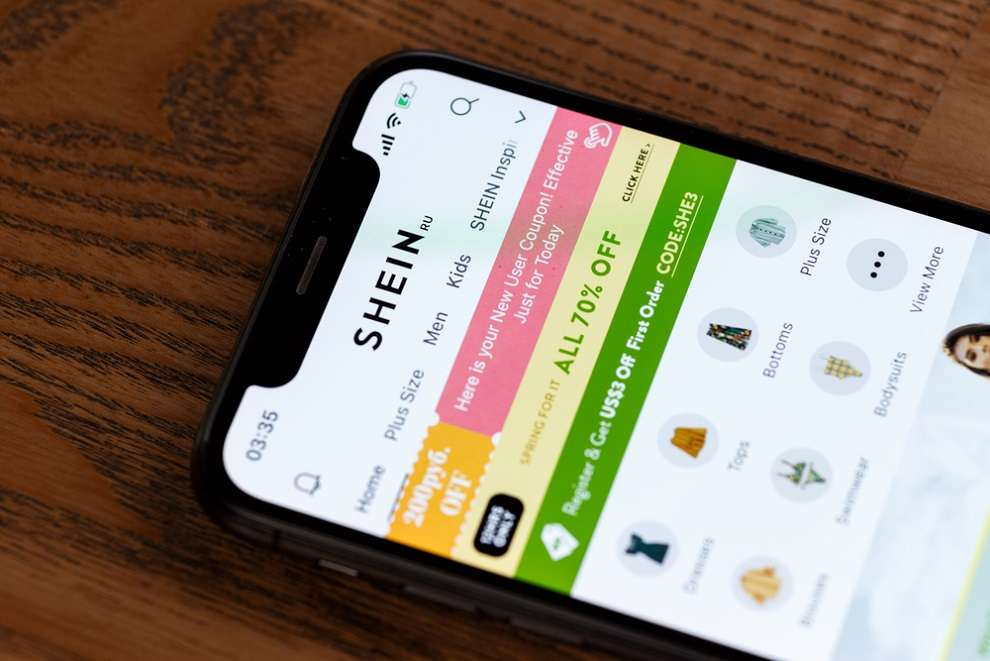
    Fast-fashion retail giant Shein has received authorization for its much-anticipated Initial Public Offering (IPO) process in Hong Kong, bringing it one step closer to a listing after unsuccessful runs in both New York and London. This news came from the China Securities Regulatory Commission (CSRC) on Friday, offering Shein the endorsement it has been seeking for over a year.

    Shein’s journey to the IPO stage has been hindered by a variety of factors, including weak investor sentiment and conservative spending habits among lower to middle-income consumers. The retailer’s journey to the stock market is therefore noteworthy, with many other consumer brands opting to postpone their IPOs in the current financial climate.

    Shein’s Journey to the IPO

    Shein was established by Sky Xu, a Chinese-born entrepreneur, in 2012. The IPO approval was contingent upon approval from the highest echelons of the ruling Communist Party in China, due to various controversies surrounding the brand. The controversies included a scandal involving a sex doll in France and allegations of poor labor standards in its supplier factories in China.

    Despite these scandals, Shein has shown resilience. The IPO’s confidential nature and the company’s decision not to make the filing documents public suggests that the retail giant is embracing its Chinese origins, rather than distancing itself. This is contrary to the strategies of many Western fashion companies, which have sought to reduce their Chinese exposure.

    Shein’s Current Financial Status

    Shein was valued at a staggering US$100 billion in 2022. However, as the online shopping boom brought on by the pandemic began to wane and a customs duty loophole for e-commerce parcels in the US was closed, the brand’s value decreased. In the latest fundraising round in May 2023, Shein was valued at just $66 billion.

    Shein’s IPO goal is speculated to be between $40 billion to $50 billion. The company plans to sell up to 8 percent of its shares, but the final stake sold is expected to be lower, thus generating low single-digit billions of dollars.

    Shein’s unsuccessful attempts to list in New York and London indicate the challenges faced by Chinese-linked companies due to geopolitical tensions. Despite moving its headquarters to Singapore in 2022, Shein is still subject to Chinese IPO rules as its products are largely manufactured by third-party suppliers in China.

    Questions & Answers

    What controversies has Shein faced?
    Shein has been involved in several controversies, including a scandal involving a sex doll in France and allegations of substandard labor practices in its supplier factories in China.

    What is the projected worth of Shein’s IPO?
    Shein is targeting an IPO valuation of between $40 billion and $50 billion.

    Why has Shein’s valuation decreased since 2022?
    Shein’s valuation has decreased due to the diminishing online shopping boom brought on by the pandemic and the closure of a customs duty loophole for e-commerce parcels in the US.

  • Big Caring Group’s Bold Move: Malaysia’s Biggest Pharmacy Retail Chain Gears Up for High-Stakes IPO

    Big Caring Group’s Bold Move: Malaysia’s Biggest Pharmacy Retail Chain Gears Up for High-Stakes IPO

    Big Caring Group, Malaysia’s premier pharmacy retail chain, is gearing up for an initial public offering (IPO) as part of its strategic plan to strengthen its standing in the country’s burgeoning retail health sector.

    A Promising IPO

    Based in Kuala Lumpur and backed by private equity firm Creador, Big Caring Group aims to sell up to 25.5 per cent of its shares, amounting to approximately 1.88 billion ordinary shares. This information was found in a preliminary prospectus lodged with the Securities Commission Malaysia. Currently, the company has about 1.29 billion shares in existence; the remainder of the IPO will comprise new shares intended to fund future expansion and decrease existing debt.

    Expanding Retail Presence

    With a strong network of 626 stores across the nation, Big Caring Group continues to display its ambitious growth strategy. The company has plans to open an additional 50 stores within the next three to five years.

    Institutional and Retail Investors

    The structure of the IPO is designed to cater to institutional and selected investors; around 1.61 billion shares will be made available for them. Meanwhile, retail investors, which include company employees, contributors, and the general public, will have the opportunity to subscribe to approximately 268 million shares.

    Leading the Offering

    Maybank Investment Bank and RHB Investment Bank will spearhead the IPO as joint principal advisors, global coordinators, bookrunners, managing underwriters, and underwriters. Additionally, AmInvestment Bank and UBS will play essential roles in coordinating and underwriting the tranche for institutional investors.

    The IPO price and timeline have not yet been disclosed. The listing is pending approval from Bursa Malaysia and the Securities Commission.

    Questions & Answers

    What is Big Caring Group planning?
    Big Caring Group, the largest pharmacy retail chain in Malaysia, is preparing for an initial public offering (IPO) to strengthen its position in the country’s growing retail health sector.

    How many shares is Big Caring Group considering selling in its IPO?
    The company plans to sell up to 25.5 per cent of its shares, or around 1.88 billion ordinary shares, according to their preliminary prospectus.

    What is the company’s expansion plan?
    Big Caring Group intends to open 50 more stores across the nation within the next three to five years. Currently, they operate 626 stores nationwide.

  • Lenskart to launch IPO this week, seeking US$7.9b in valuation

    Lenskart to launch IPO this week, seeking US$7.9b in valuation

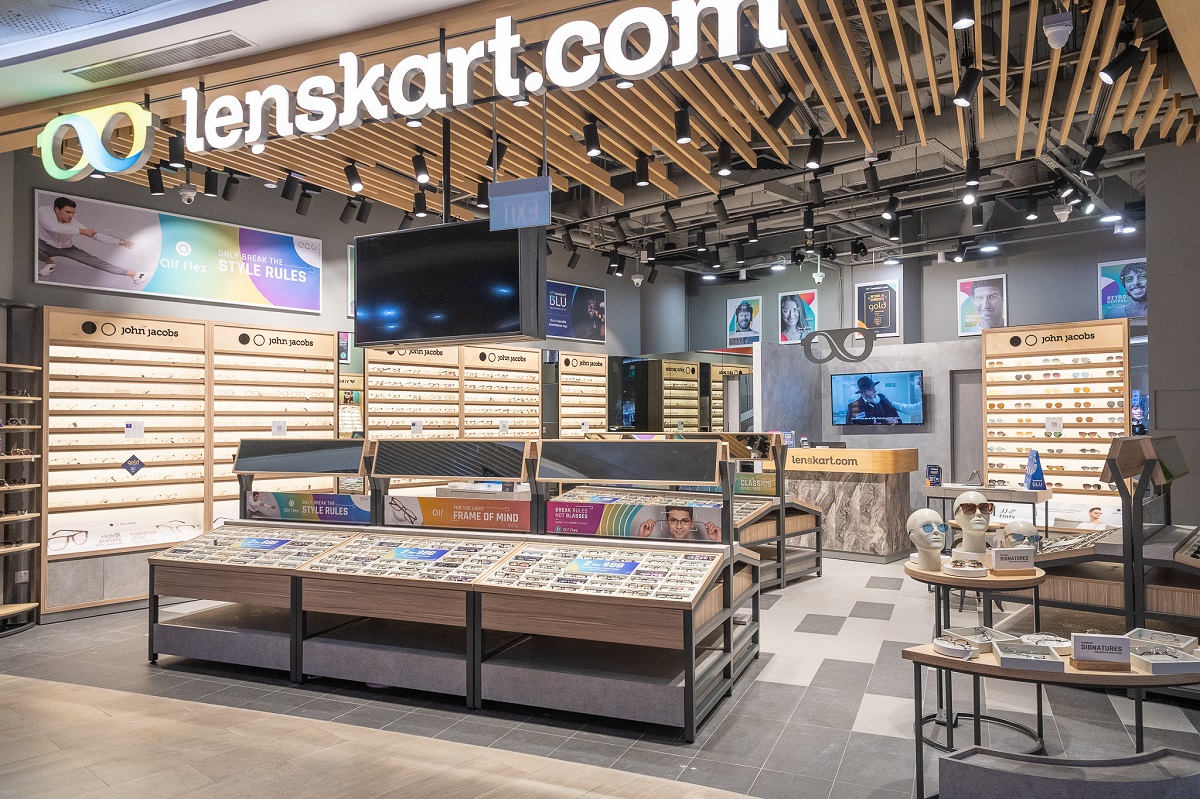
    Lenskart Solutions, a leading Indian eyewear retailer, is preparing to unveil its Initial Public Offering (IPO) this week. The company is targeting a valuation of approximately 695 billion rupees, which equates to around $7.91 billion.

    Details of the IPO

    Lenskart Solutions has established a price range of 382-402 rupees per share, which translates to around $4.35 to $4.57. As part of the IPO, Lenskart will issue fresh shares amounting to 21.5 billion rupees. Current investors, inclusive of the company’s founders, are also set to sell approximately 128 million shares, as indicated in an updated prospectus.

    The IPO will commence on October 31 and continue until November 4, with anchor investors beginning to submit their bids on October 30.

    Lenskart’s Success Story

    Lenskart Solutions was established in 2010 and has its headquarters in Gurgaon. As of September 10, the company was valued at $6.1 billion. It operates more than 2060 stores throughout India and has more than 650 outlets internationally.

    The main shareholders, often referred to as ‘promoters’, encompass a Mumbai-based private equity firm named Kedaara Capital, Temasek, a state-owned investment company from Singapore, and SoftBank from Japan.

    Future Plans

    In a statement released in July to the Securities and Exchange Board of India (SEBI), Lenskart Solutions announced that the funds procured from the IPO will be utilized to invest in the establishment of new company-owned, company-operated stores nationwide.

    Questions & Answers

    What is the targeted valuation for Lenskart Solutions’ IPO?
    The company is aiming for a valuation of approximately 695 billion rupees or around $7.91 billion.

    Who are the main shareholders of Lenskart Solutions?
    The primary shareholders include a Mumbai-based private equity firm named Kedaara Capital, Singapore’s state investment company, Temasek, and Japan’s SoftBank.

    What will the funds procured from the IPO be used for?
    Lenskart Solutions has stated that the funds will be utilized to invest in the establishment of new company-owned, company-operated stores across India.

  • Klarna Revives IPO Plans: What to Expect from the Leading Buy Now, Pay Later Giant

    Klarna Revives IPO Plans: What to Expect from the Leading Buy Now, Pay Later Giant

    In a bold resurgence after a period of uncertainty, Swedish fintech giant Klarna is poised to make a fresh bid for a U.S. stock market listing, with plans reportedly set for September. This follows an earlier withdrawal of its IPO ambitions, prompted by turbulent U.S. tariffs that unsettled the financial landscape earlier this year.

    According to sources familiar with the matter, Klarna aims for a valuation between $13 billion and $14 billion as it attempts to capitalize on a more robust IPO environment. The initial pricing of shares is projected to fall between $34 and $36, with the company hoping to raise nearly $1 billion in the process.

    Klarna, famed for its “buy now, pay later” services, had initially aimed for an IPO back in 2021, when its valuation soared to almost $50 billion. The fintech’s ambition was sidelined by market turmoil at that time, but as they say, what goes down must come up — and Klarna seems ready for takeoff.

    Positive Shift in IPO Landscape

    The uptick in market sentiment in recent months has created a more favorable atmosphere for IPOs, especially in the U.S. Following a series of successful launches, companies like design software provider Figma and stablecoin powerhouse Circle have seen their shares skyrocket, with increases of 333 percent and an astonishing 864 percent, respectively, from their issue prices.

    Recent calculations from Reuters indicate that the largest U.S. IPOs this year have averaged a remarkable 36 percent rise on their first trading day, signaling a renewed investor appetite for new ventures.

    Growth Trajectory Amid Financial Struggles

    Despite its ambitious market maneuvers, Klarna’s financials reveal a complex picture. In the second quarter, the company reported a 20 percent year-on-year revenue increase, totaling $823 million, with an adjusted operating profit of $29 million—a modest $1 million increase from the previous year. Customer growth, on the other hand, was impressive, with active users climbing by 31 percent to reach 111 million. However, the clouds remain dark with a reported net loss of $53 million, nearly triple the losses seen in the same quarter of 2024.

    As Klarna sets its sights on the U.S. IPO, the coming months will be crucial in determining if this fintech darling can transform its aspirations into market success.

    Questions & Answers

    What is Klarna’s projected valuation for its upcoming IPO?
    Klarna is targeting a valuation between $13 billion and $14 billion for its upcoming IPO.

    What challenges did Klarna face that led to the postponement of its IPO?
    Klarna’s IPO plans were initially on hold due to sweeping U.S. tariffs that unsettled the global markets.

    How has Klarna’s financial performance changed recently?
    Klarna reported a 20 percent increase in revenue and a significant rise in active customers, but also faced a net loss of $53 million in the second quarter, nearly three times the loss from a year earlier.

  • Maison Francis Kurkdjian Expands Hong Kong Presence With New Flagship Store In Harbour City

    Maison Francis Kurkdjian Expands Hong Kong Presence With New Flagship Store In Harbour City

    Luxury perfume brand Maison Francis Kurkdjian, a part of the LVMH group, has recently expanded its retail presence in Hong Kong by inaugurating a new boutique in Harbour City. This store stands as a regional flagship for the brand, supplementing its existing retail outlet located at K11 Musea.

    Boutique Design Inspired by Paris Flagship

    The design of the new Hong Kong outlet echoes the aesthetic of the brand’s principal store at 24, Rue Francois 1er in Paris. A key feature of the Parisian boutique – a private room dedicated to providing premium client experiences – has been incorporated into the design. Furthermore, the Hong Kong store includes unique aspects tailored for the local market, including a hand experience that is exclusive to this location.

    The interior of the store showcases a balanced blend of materials, incorporating Lutetian limestone, marble, patterned concrete, and warm wood tones. In keeping with the brand’s identity, the design includes subtle details like recurring K-shaped motifs and a stone engraving that marks the brand’s establishment in 2009.

    Full Product Range and Customisation

    The Harbour City boutique stocks the complete range of Maison Francis Kurkdjian’s fragrance and body care products. A unique feature of the store is its provision of an engraving service, allowing customers to customise their purchases.

    To celebrate the boutique’s opening, the brand has reintroduced four previously discontinued fragrances under the ‘My Very Intimate Perfumes’ collection. These exclusive scents are available only at the Harbour City store and through the brand’s online platform.

    Increasing Global Presence

    This latest opening, managed directly by the brand, takes the total number of Maison Francis Kurkdjian boutiques around the world to 22. The move is part of a wider strategy to bolster the brand’s international footprint.

    Questions & Answers

    What unique features does the new Maison Francis Kurkdjian store in Hong Kong offer?
    The store offers a unique hand experience and an engraving service for product customisation. These features are specific to the brand’s new Harbour City location.

    What design elements does the Hong Kong store share with the Paris flagship?
    The design of the Hong Kong store is inspired by the brand’s Paris flagship, incorporating a blend of materials such as Lutetian limestone, marble, patterned concrete, and warm wood tones. Recurring K-shaped motifs and a stone engraving marking the brand’s founding in 2009 are also part of the design.

    What products are available in the new store?
    The Harbour City boutique houses the complete range of Maison Francis Kurkdjian’s fragrance and body care products and has reintroduced four previously discontinued fragrances from the ‘My Very Intimate Perfumes’ collection.

  • Shein Group Considers China Relocation For Favorable IPO Conditions In Hong Kong

    Shein Group Considers China Relocation For Favorable IPO Conditions In Hong Kong

    Fast-fashion retailer Shein Group is reportedly mulling over the idea of relocating its headquarters to China. This move is supposedly aimed at gaining approval from Beijing authorities for its proposed Initial Public Offering (IPO) in Hong Kong.

    Relocation for IPO Approval

    Shein Group, which currently has its headquarters in Singapore, is said to be in preliminary discussions with legal advisors about the possibility of setting up a parent company in mainland China. This information, however, has not been confirmed, as the discussions are still in the early stages. There is also no certainty as to whether Shein will proceed with this move.

    Previous Attempts at Listing

    Originally founded in China, Shein Group has spent a considerable amount of time trying to list, first in New York, then in London. The company, however, has met with resistance from politicians in both the US and the UK. These difficulties have been compounded by the inability to secure approval from China’s securities regulator for an offshore IPO, amidst rising tensions between China and the US.

    At present, Shein Group is focusing on getting listed on the Hong Kong stock exchange.

    Questions & Answers

    Where is Shein Group’s current headquarters?
    Shein Group’s headquarters is currently located in Singapore.

    Where is Shein Group planning to list its IPO?
    Shein Group is planning to list its IPO in Hong Kong.

    What challenges has Shein Group faced in its previous attempts at listing?
    Shein Group has faced criticism from politicians in the US and UK during its previous attempts at listing in New York and London, respectively. The company has also struggled to get approval from China’s securities regulator for an offshore IPO.

  • Reliance Jio Surpasses 213 Million 5G Users: A Milestone in Connectivity!

    Reliance Jio Surpasses 213 Million 5G Users: A Milestone in Connectivity!

    Reliance Jio Infocomm has made impressive strides in the 5G landscape, wrapping up June 2025 with a staggering 213 million 5G subscribers, a sharp rise from 170 million at the close of 2024. This growth surge, detailed in its latest quarterly report released by parent company Reliance Industries, underscores the effectiveness of Jio’s innovative in-house 5G technology stack, which has now positioned itself for expansion into international markets. Notably, 5G accounted for an impressive 40% of Jio’s wireless traffic by the end of last year.

    A Noteworthy Expansion in Fixed Services

    In parallel, Reliance Jio has made considerable advancements in the fixed services segment, achieving over 20 million connected premises through its broadband network. The firm’s JioAirFiber service has emerged as the world’s largest fixed wireless access (FWA) platform, currently catering to nearly 7.4 million users — a feat that would surely make tech aficionados raise an eyebrow in surprise.

    Leadership’s Vision: Embracing Next-Gen Technologies

    Akash Ambani, Chairman of Reliance Jio, expressed his enthusiasm about the company hitting significant milestones. “We have delivered a milestone quarter at Jio with our 5G and home subscriber base crossing the 200 million and 20 million marks, respectively,” he stated. Ambani further emphasized Jio’s commitment to rolling out next-generation services, including the recently launched JioGames Cloud and the JioPC bundle, aimed at accelerating digital service adoption across India. He noted the company’s role in developing unparalleled technology infrastructure, crucial for driving the country’s artificial intelligence (AI) adoption.

    IPO Delay: A Strategic Move for Growth

    Despite these accolades, Jio Platforms has opted to postpone its initial public offering (IPO) beyond 2025. The aim is to bolster revenue growth and expand its user base further. Analysts estimate the company’s valuation at over USD 100 billion, with a significant 80% of its USD 17.6-billion annual revenue generated by its telecommunications unit.

    Bumps on the Road: Navigating 5G Challenges

    Last year, Jio faced challenges in its 5G rollout, which was slowed down by low capacity utilization and delays in monetization. Currently, reported 5G usage hovers around 15%, although insiders claim actual figures are likely much higher. The network operates using equipment from established providers like Nokia and Ericsson.

    Looking ahead, future investments in 5G will hinge on market demand, as analysts and industry watchers anticipate the next phase of expansion to unfold in response to intensified competition from rivals such as Bharti Airtel.

    Questions & Answers

    What factors contributed to Reliance Jio’s significant subscriber growth in 2025?
    The surge to 213 million 5G subscribers is attributed to Jio’s innovative in-house technology stack and the strategic positioning of its cloud-native core network, which is eyeing international markets.

    How has Reliance Jio performed in the fixed services segment?
    Reliance Jio surpassed 20 million connected premises through its broadband network, with its JioAirFiber service emerging as the largest fixed wireless access platform globally, catering to approximately 7.4 million users.

    What is the rationale behind the delay of Jio Platforms’ IPO?
    Jio Platforms has decided to postpone its IPO to 2025 to concentrate on enhancing revenue and expanding its user base, despite the firm’s high valuation estimated over USD 100 billion.

  • Shein files for Hong Kong IPO to pressure London’s listing regulators

    Shein files for Hong Kong IPO to pressure London’s listing regulators

    Fast-fashion retailer, Shein, founded in China, has reportedly submitted an application for an initial public offering (IPO) in Hong Kong. This move has been interpreted as a strategic effort to expedite their listing process and to put pressure on the UK’s regulatory bodies to greenlight their proposed debut on the London Stock Exchange.

    Striving for Regulatory Approval

    Shein allegedly filed a preliminary prospectus privately with the Hong Kong exchange last week. It was also reported that they sought approval from the China Securities Regulatory Commission (CSRC). However, these reports have not been independently confirmed.

    The company’s attempts to list in Hong Kong are seen as a strategy to coax the UK regulator into relaxing its risk disclosure regulations. This is crucial for Shein as it keeps the possibility of what could be London’s most significant IPO in years, alive.

    Previous Attempts for Listing

    In June, it was reported that Shein had plans to file a draft prospectus confidentially for its Hong Kong listing. This followed reports from May suggesting that the retailer was moving towards a Hong Kong listing after failing to secure approval from Chinese regulators for a proposed London IPO.

    According to reports, the UK’s Financial Conduct Authority might still be Shein’s preferred exchange if it is willing to accept a CSRC-approved prospectus. However, the possibility of this happening appears to be slim due to a significant discrepancy in the requirements of the respective regulators.

    Questions & Answers

    Why is Shein filing an IPO in Hong Kong?
    Shein has filed for an IPO in Hong Kong as part of a strategic move to expedite their listing process and to pressure the UK’s regulatory bodies into approving its planned debut on the London Stock Exchange.

    What is the significance of the UK’s Financial Conduct Authority in Shein’s IPO?
    The UK’s Financial Conduct Authority could still be Shein’s preferred exchange if it accepts a CSRC-approved prospectus. However, it has been reported that the likelihood of this happening is low due to differing regulatory requirements.

    What were Shein’s previous attempts for listing?
    Previously, Shein had planned to file a draft prospectus confidentially for its Hong Kong listing. This was after its proposed London IPO failed to secure approval from Chinese regulators.

  • Circle Co-Founder Jeremy Allaire Joins Billionaire Ranks Following Impressive Crypto Firm Stock Debut

    Circle Co-Founder Jeremy Allaire Joins Billionaire Ranks Following Impressive Crypto Firm Stock Debut

    Jeremy Allaire, the co-founder of cryptocurrency powerhouse Circle Internet Group Inc., experienced a remarkable surge in wealth on Thursday, surpassing the $1.7 billion mark as the company’s stock soared nearly threefold on its first trading day.

    Circle’s Spectacular IPO Debut

    The stablecoin issuer strategically priced its shares at $31 each during an expanded initial public offering (IPO), successfully raising close to $1.1 billion. In a thrilling market debut, the shares skyrocketed by 168%, closing at $83.23 in New York trading, despite facing several volatility halts, as reported by Bloomberg.

    Allaire, 54, who sold approximately 1.6 million shares during the IPO, still retains about 18 million shares, along with additional options and restricted stock units. With a rich history of steering technology firms, Allaire co-founded Circle in 2013 and currently serves as its CEO.

    His entrepreneurial journey began in 1995 when he co-founded Allaire Corp. with his brother, a company focused on internet-centered technology. Allaire Corp. went public in 1999 and was later acquired by Macromedia Inc. for a staggering $360 million just two years later. In 2004, he launched Brightcove, a video platform, where he remained CEO until 2013.

    Based in New York, Circle issues USDC, an asset-backed stablecoin that had a market circulation of approximately $61 billion as of May 29, according to its website. These stablecoins are digital tokens pegged to the value of a currency and underpinned by reserves.

    Circle competes primarily with Tether, which currently boasts a circulation of nearly $154 billion. Meanwhile, the financial landscape is also seeing new players like World Liberty Financial, owned by Donald Trump, which recently rolled out its own stablecoin, USD1, with a circulation exceeding $2 billion.

    It’s a fascinating time in the cryptocurrency world—who knew that launching a financial product could lead to such dramatic wealth changes faster than you can say “blockchain”?

    Questions & Answers

    What was the opening price of Circle’s stock during its IPO?
    Circle’s shares opened at $31 each during their initial public offering.

    How much funding did Circle raise through its IPO?
    The company raised approximately $1.1 billion through its expanded IPO.

    Who is Circle’s primary competitor in the stablecoin market?
    Tether is Circle’s main competitor, with a current circulation nearing $154 billion.

  • Crypto Leader Sets Sights on Seizing US IPO Opportunity for Major Growth

    Crypto Leader Sets Sights on Seizing US IPO Opportunity for Major Growth

    Coinshares, one of the oldest and largest players in the digital asset management ecosystem, is inching closer to its ambitious goal of listing on a U.S. stock exchange, driven by a wave of more crypto-friendly regulations. The company revealed this exciting prospect as it presented its quarterly results on Tuesday.

    The Numbers That Speak Volumes

    The first quarter of 2025 saw Coinshares reporting a net profit of $23.8 million, a drop from $41.5 million in the same period last year. Nevertheless, the company noted a “robust performance across all platforms.” Coinshares Physical, the company’s flagship product, continues to dominate the European market for crypto exchange-traded products (ETPs), attracting net inflows of $268 million—three times more than its closest competitor, despite challenging market conditions where Bitcoin fell by 12.1% and Ethereum plummeted by 45.2%.

    A Market in Flux

    While Coinshares demonstrated resilience, other platforms have shown a “mixed picture” with notable net outflows. The Capital Markets division of Coinshares achieved moderate results this quarter, with profits and other income reaching $11.9 million, indicating a return to normalcy following the extraordinary post-election rally in the previous quarter.

    The Ethereum Effect

    However, the sharp depreciation of Ethereum took a toll on staking revenues, which dipped 26% quarter-on-quarter to $5.6 million.

    Eyes on the U.S. Market

    Having made its debut on the Stockholm exchange in 2021, Coinshares is keen to expand its footprint in the U.S., the world’s largest market for digital assets. The company sees the current favorable regulatory climate in the U.S. as a turning point in making this goal more attainable.

    Analyst Coverage and Investor Engagement

    In a bid to enhance liquidity for its shares, Coinshares is ramping up analyst coverage and conducting roadshows to engage institutional investors. The company also made headlines recently by distributing its first quarterly dividend for 2024 on May 6, signaling its commitment to shareholder value.

    Changing the Financial Game

    Effective January 1, 2025, Coinshares switched its accounting currency from British pounds to U.S. dollars to better align with its operational landscape. This strategic move could very well be a precursor to the much-anticipated U.S. IPO.

    Leading from the Front

    CEO Jean-Marie Mognetti reflected on the company’s performance, stating, “Our proactive approach to market volatility has allowed us not only to remain resilient but also to continue growing, particularly through our Coinshares Physical platform, which is surpassing its peers at an unprecedented pace.” Regarding the prospective U.S. IPO, he added, “As the U.S. regulatory landscape evolves positively, our goal is becoming increasingly realistic and aligns with our strategy to strengthen Coinshares’ presence in the world’s largest capital market for digital assets.”

    Global Footprint with Local Impact

    Coinshares offers an array of financial services, including asset management and trading for digital assets. With its roots in the crypto sector stretching back to 2013, the company has its headquarters in Jersey and maintains a robust presence with offices in France, Sweden, Switzerland, the United Kingdom, and the USA. Coinshares has also made investments in the Geneva-based digital bank Flowbank, which faced a closure ordered by Finma in 2024.

    Who knew that a company deeply entrenched in digital assets could make market moves so impactful? Watch out, Wall Street; Coinshares is gearing up for some serious disruption!

    Questions & Answers

    What is Coinshares’ net profit for the first quarter of 2025?
    Coinshares reported a net profit of $23.8 million for the first quarter of 2025.

    What factors contributed to the drop in staking revenues?
    The steep decline in Ethereum’s value negatively impacted staking revenues, leading to a quarter-on-quarter decrease of 26% to $5.6 million.

    When did Coinshares change its accounting currency?
    Coinshares switched its accounting currency from British pounds to U.S. dollars, effective January 1, 2025, to better reflect the economic environment in which it operates.

  • Indonesian coffee chain Fore Coffee’s IPO oversubscribed by 200 times

    Indonesian coffee chain Fore Coffee’s IPO oversubscribed by 200 times

    Indonesian coffee chain Fore Coffee made its trading debut on the Indonesia Stock Exchange (IDX), following a heavily oversubscribed initial public offering that attracted more than 114,000 investors.

    The East Ventures-incubated company priced its IPO at US$0.012 (RP188) per share, issuing 1.88 billion new shares to raise approximately $22.3 million (RP353.44 billion) in fresh capital.

    Fore Coffee plans to allocate around 75 percent of the funds to its domestic expansion, with a target of 140 new outlets over the next two years.

    An estimated $3.8 million (RP60 billion) will be invested in launching a new doughnut concept, while the remaining $1.1 million (RP18 billion) will go towards working capital.

    Wilson Cuaca, president and chairman of Fore Coffee, and co-founder and managing partner at East Ventures, said the strong response to the IPO demonstrates the appeal of homegrown startups to public investors.

    “The counter-intuitive decision to proceed with the IPO during the lowest IDX Composite index since the pandemic paid off,” Cuaca said.

    Mandiri Sekuritas and Henan Putihrai Sekuritas acted as joint lead underwriters and intermediaries for the offering.

  • Vietnamese internet startup VNG files for IPO in the US

    Vietnamese internet startup VNG files for IPO in the US

    Vietnamese internet company VNG Corp has filed for an initial public offering (IPO) in the United States via VNG Ltd, a U.S. Securities and Exchange Commission filing showed.

    The listing will make VNG the first technology firm from Vietnam to list in the U.S.

    VNG said in the filing that it planned to offer some 21.7 million shares, with the proposed price range yet to be set.

    IPO proceeds will be used to pay original foreign investors who were direct shareholders of the company and repay outstanding loans, among others, the filing showed.

    The company counts the likes of Chinese social media and gaming giant Tencent and Singapore state investor Temasek as shareholders.

    Founded in 2004, VNG was Vietnam’s first unicorn, or startup valued at $1 billion or more, and it inked a preliminary agreement in 2017 with U.S. bourse operator Nasdaq Inc to explore an IPO.

    The Ho Chi Minh City-headquartered company’s businesses include online games, payments, cloud services and Vietnam’s most popular messaging app, Zalo.

    Citigroup, Morgan Stanley, UBS, and Bank of America are underwriters of the IPO, according to the filing.

    VNG’s IPO follows the recent U.S listing debut by VinFast and could help to add momentum for other Southeast Asian companies seeking IPO in the U.S.

    Philippine real estate company DoubleDragon Corp earlier in August announced that it was considering listing its Singapore-registered unit Hotel101 Global on the Nasdaq via a merger with a special purpose acquisition company (SPAC).

    Southeast Asian used car marketplace Carsome Group was also weighing a listing in the U.S.

    “While the future outcomes of these startups’ IPO plans cannot be guaranteed, the growing interest in international listings and the presence of notable players in the region indicate a promising landscape for Southeast Asian startups seeking to expand their reach and access global capital markets,” said Seth Farbman, chairman and co-founder of New York-based stock transfer agency VStock Transfer.

  • Vietnam’s EV maker Vinfast files for US IPO to fuel global expansio

    Vietnam’s EV maker Vinfast files for US IPO to fuel global expansio

    Vietnam’s electric-vehicle maker VinFast said on Tuesday it has filed for an initial public offering (IPO) in the United States to list on the Nasdaq under ticker symbol “VFS” to fund its expansion with a planned plant in North Carolina.

    VinFast, which began operations in 2019, is gearing up to expand in the U.S. market, where it hopes to compete with legacy automakers and startups with its two all-electric SUVs, the VF8 and VF9, including battery leasing to reduce the purchase price.

    For the IPO, the company said it will convert to a Singapore public limited company and will be known as VinFast Auto Ltd, while the number of shares to be offered and the price range for the proposed offering have not yet been determined.

    Tuesday’s filing follows VinFast’s confidential submission to the U.S. Securities and Exchange Commission (SEC) in April, a month after it said it would build a production plant in North Carolina with an initial projected capacity of 150,000 EVs a year.

    A unit of Vietnam’s biggest conglomerate Vingroup, VinFast first flagged its U.S. IPO in April last year, eyeing to raise $2 billion with valuation of about $60 billion.

    The market valuation for EV startups has drastically cooled for the past year after some companies with sky-high valuation face scrutiny, together with the current gloomy global economy.

    “Valuation or the size of our IPO will be subject, in part, to market conditions,” VinFast Chief Executive Le Thi Thu Thuy said in a separate statement released on Wednesday.

    “VinFast will continue to monitor opportunities for future fundraises, as the market becomes more familiar with the VinFast brand and story,” she said.

    The company had said IPO was just one of the options to raise fund. In July it tapped banks to raise at least $4 billion to fuel its aggressive expansion.

    No time frame was specified for the offering on Tuesday although the company had said it aimed for an IPO in the fourth quarter of this year.

    But in May, its parent company Vingroup warned the IPO may be delayed to 2023 due to market uncertainty.

    “VinFast intends to conduct an IPO after the SEC declares the registration statement effective, market conditions permitting,” Thuy said on Wednesday, noting the company’s primary objective was to successfully list VinFast on a U.S. stock exchange.

    The EV maker in late November shipped its first batch of 999 vehicles to the United States, capping a five-year bid to develop an auto production hub in Vietnam for markets in North America and Europe.

    VinFast has said it has almost 65,000 orders globally in total and expects to sell 750,000 EVs annually by 2026.

  • Citigroup Preparing for a Dealmaking Upswing

    Citigroup Preparing for a Dealmaking Upswing

    The second half of next year could see an increase in M&A and leveraged finance deals as market makers move closer together in their earnings expectations, and pent-up deals come to fruition.

    Macro-economic uncertainty, triggered by the Ukraine war, inflation, and supply chain disruptions, have left many European and US deals up in the air, Citigroup’s head of mergers & acquisitions for German-speaking countries in Europe, Holger Knittel, said at a media roundtable Wednesday.

    Although the slowdown in deal flow is expected to continue over the next few quarters, it could pick up next year if the situation stabilizes. Citigroup’s co-head of equity capital markets for EMEA, Valery Barrier, said that.

    Initial public offerings (IPOs), which dropped by 70 percent in EMEA so far this year compared to last year, could even surge in the second half of 2023 with pent-up deals potentially materializing, he said.

    At the same time, the trend for companies to delay or hold off from going public is likely to remain as the investor base for minority private placements of equity investments has become more structured with more defined processes, Barrier said.

    Compared to 2021, which was one the best for equity markets, companies’ earnings expectations for next year have already come down, because investors are grappling with not knowing how inflation, the macro-outlook as well as energy prices will affect companies’ business models, Knittel said, adding that there is still scope for further earnings estimate downgrades.

    In this uncertain climate there is a gap between what the sell-side says companies are worth and what the buy-side is willing to pay, halting dealmakers in their tracks. Exacerbating the situation within leveraged finance is the limited number of buyers able to finance such deals, resulting in the absence of a fully functioning leveraged finance market.

    The sheer velocity at which this year’s investment environment has changed, is partly responsible for this deficiency within leveraged finance, according to Barrier. Some companies have seen their stock prices plummet 50 percent since the beginning of the year, he said while drawing attention to the rate at which central banks are pushing ahead with interest rate increases.

    Citigroup seems to be preparing for when markets have more clarity by bolstering its investment banking leadership with recent new hires Patrick Frowein from Deutsche Bank and Jens Welter from Credit Suisse.

  • South Korean grocery-delivery startup Kurly wins IPO nod

    South Korean grocery-delivery startup Kurly wins IPO nod

    Kurly Corp., the operator of South Korean e-grocery platform Market Kurly, received preliminary approval for its push for an initial public offering (IPO) Monday.

    The approval by the Korea Exchange (KRX) came about five months after Kurly filed for a preliminary review of its IPO plan in late March.

    Kurly earlier sought to complete its stock listing in the first half, but the review process has been delayed apparently due to worries over its “unstable” ownership structure in which its founder has a small stake, along with continuing losses from its business.

    Kurly reportedly included in its IPO plan with the KRX the promises from its financial investors to maintain their holdings in the company for a certain period.

    Launched in December 2014, Kurly has appealed to customers by providing early morning deliveries of fresh foods through its e-grocery platform, Market Kurly.

    Last year, Kurly posted sales of 1.56 trillion won (US$1.16 billion) and an operating loss of 213.9 billion won. But it reported a net loss of around 1.28 trillion won.

    Concerns are high over its IPO process, as the stock market conditions remain unfavorable. Some experts say Kurly could have trouble in the process of setting the IPO price it sees as satisfactory.