Tag: islamabad

  • Pakistan Orders 9 Tyre Manufacturers to Install Digital Monitoring by Nov 30

    Pakistan Orders 9 Tyre Manufacturers to Install Digital Monitoring by Nov 30

    Pakistan’s Federal Board of Revenue ordered registered tyre manufacturers on Friday to install electronic production monitoring systems by Nov 30, linking factory machinery directly to state revenue servers to track output in real time.

    The mandate aims to help bridge a national sales tax gap estimated at Rs3.7 trillion between current collections and actual revenue potential.

    Under Sales Tax General Order No. 32 of 2026, initial compliance targets nine companies: Ghandhara Tyre and Rubber Company Ltd, Service Long March Tyres Ltd, Service Tyres (Private) Ltd, Panther Tyres Ltd, Diamond Tyres Ltd, Service Industries Ltd, Ghauri Tyre and Tube (Pvt) Ltd, Crown Tyres Ltd, and United Rubber (Pvt) Ltd. Tyre makers must fit approved tracking hardware and software across every curing press, takeaway conveyor, and finishing line. The equipment counts cured tyres, screens out uncured units, and separates genuine production runs from maintenance, warm-ups, and dry runs. It records each product by diameter, width, tread design, and weight using certified stock keeping unit data.

    Single Vendor System and Factory Rules

    The Federal Board of Revenue selected ISSM Labelling Solutions (Pvt) Ltd as the sole authorised provider to install and run the tracking platform across plants. The system streams production events directly into the central tax control room, automatically flagging unexpected stoppages, machinery breakdowns, interruptions, and any physical or software tampering.

    Manufacturers cannot transport finished tyres off factory grounds unless the output passes through the electronic inspection network. Companies must supply the underlying information technology infrastructure, reliable power, and network connectivity at their own cost, while also paying service fees to the authorised vendor.

    Initial Hit List for Industrial Compliance

    Regulators singled out nine major tyre producers for the initial rollout: Ghandhara Tyre and Rubber Company Ltd, Service Long March Tyres Ltd, Service Tyres (Private) Ltd, Panther Tyres Ltd, Diamond Tyres Ltd, Service Industries Ltd, Ghauri Tyre and Tube (Pvt) Ltd, Crown Tyres Ltd, and United Rubber (Pvt) Ltd. Tax officials noted the list is not final and will expand to every licensed producer in the country.

    For supply chain operators and vehicle assembly partners across South Asia, the measure removes unrecorded factory off-takes that frequently leak into local wholesale distribution. Tyre suppliers operating in Pakistan face immediate capital outlays for hardware integration, alongside tighter inventory audits that leave zero room for off-the-books stock.

    The policy tilts the operating balance toward fully documented parts suppliers while forcing mid-tier producers to absorb compliance costs. Distributors and replacement retailers buying from these plants will see tighter paper trails on all commercial invoices, shrinking informal discounting across aftermarket supply routes.

    Expanding Digital Tax Control

    The tyre sector is the latest consumer goods segment brought under automated plant surveillance. Tax authorities previously placed packaged tea, household electronics, paper and paperboard, edible oils, leather, textile spinning, tiles, packaged milk, fruit juices, bottled water, and carbonated beverages under similar digital recording orders.

    Inland Revenue chief commissioners are now appointing dedicated regional focal persons to inspect factory lines and monitor vendor installations alongside company managers. Regional field formations hold orders to add unlisted tyre factories to the registry and submit formal compliance reports to headquarters.

  • Pakistan Accelerates Alibaba Projects Under $1 Billion AI Strategy

    Pakistan Accelerates Alibaba Projects Under $1 Billion AI Strategy

    Prime Minister Shehbaz Sharif on Wednesday directed federal ministries to accelerate joint projects with Alibaba Group to drive agricultural exports and digital trade, tying the initiative to the country’s plan to invest $1 billion in artificial intelligence by 2030.

    Chairing a progress review in Islamabad, Sharif instructed relevant ministries to complete all necessary measures by November following a memorandum of understanding signed at Alibaba’s Hangzhou headquarters in May.

    Under the trade measures, the Small and Medium Enterprises Development Authority is rolling out a two-year programme with Alibaba to grant local businesses access to international buyers and training. Trade documentation is now handled through the operational Pakistan Single Window digital verification system, alongside a dedicated Pakistan pavilion established on Alibaba’s platform to market domestic products internationally.

    Automating Fresh Produce Shipments

    For fresh produce exporters, the collaboration introduces artificial intelligence tools designed to monitor crop quality and streamline clearance. State bodies are rolling out digital export platforms specifically for citrus fruits and olives. The system uses automated track-and-trace technology alongside crop modeling, aiming to cut border clearance delays that frequently spoil perishable shipments.

    Automation is also extending into domestic commodity oversight. The Oil and Gas Regulatory Authority received Alibaba analytics tools to monitor the movement of petroleum products, while tobacco supply chains are adopting similar tracking systems to curb undocumented trade.

    Alibaba’s Frontier Market Play

    Alibaba’s deepening presence in South Asia demonstrates how the Chinese marketplace operator uses sovereign agreements to secure wholesale merchant bases. Rather than competing directly in localized consumer app delivery, the Hangzhou company is anchoring its cloud and trade rails directly into national export architecture. This mirrors business-to-business models Alibaba deployed across Southeast Asia, locking regional manufacturing and farming cohorts onto its international marketplaces.

    For local exporters and suppliers, the state-backed setup reduces the costs of entering overseas marketplaces. The real vulnerability rests on compliance and infrastructure readiness inside Pakistan. Previous government e-commerce portals struggled with shipment delays, clearing snags, and fragmented digital banking channels that deter foreign wholesale purchasers.

    Hangzhou Pacts Take Concrete Shape

    The operational review follows a memorandum of understanding signed during Prime Minister Shehbaz Sharif’s four-day visit to China in May. That agreement pledged closer cooperation across artificial intelligence, enterprise software, and international commerce, coinciding with Pakistan’s backing of the World Artificial Intelligence Cooperation Organisation. Deputy Prime Minister Ishaq Dar signed the formal charter establishing that multilateral body in Shanghai in July.

    Ministries face a November deadline to submit verifiable progress reports to the Prime Minister’s Office detailing SME enrolments, pipeline analytics deployments, and farm export shipments moving through the new trade corridor.

  • Pakistan Takes 20 Tech Startups to TechCrunch Disrupt in Silicon Valley

    Pakistan Takes 20 Tech Startups to TechCrunch Disrupt in Silicon Valley

    Pakistan brought 20 technology companies to TechCrunch Disrupt 2026 in San Francisco, pitching American venture funds and commercial clients across three days at Moscone West.

    The delegation set up a national pavilion at the annual startup conference from October 13 to 15, seeking direct commercial contracts and cross-border investment.

    Silicon Valley delegation

    Participating firms exhibited enterprise software, digital consumer tools, and custom IT services to early-stage founders and venture capital firms. Pakistan’s Ambassador to the United States, Rizwan Saeed Sheikh, visited the pavilion on October 15 to review commercial pitches and meet founders.

    Sheikh told company delegates that diplomatic missions across the US will provide direct operational support to help Pakistani tech founders establish client networks and corporate partnerships in North America.

    Commercial push in North America

    For South Asian software houses and startup founders, breaking into the US enterprise pipeline remains essential for dollar-denominated revenue. Indian IT exporters established this corridor decades ago, and Pakistani founders are now attempting to replicate that access by presenting engineering teams directly to Silicon Valley buyers.

    The structural challenge lies in conversion rates. Trade delegations and pavilion booths deliver visibility, but landing enterprise software contracts requires local corporate entities, US-based sales leads, and strict compliance structures that early-stage teams often lack.

    Regional export ambitions

    Islamabad has stepped up state-backed trade missions over the past year to lift software and IT services exports. Similar trade delegations pitched digital services in Riyadh earlier in the cycle, following domestic infrastructure drives including new tech parks backed by Prime Minister Shehbaz Sharif.

    Diplomatic missions in Washington and San Francisco will now track follow-up commercial contracts signed by the 20 participating firms as Pakistan prepares its next bilateral investment delegations ahead of the November minerals and industry forums in Islamabad.

  • Pakistan Textile Exporters Seek 6% to 8% Support Amid Export Slump

    Pakistan Textile Exporters Seek 6% to 8% Support Amid Export Slump

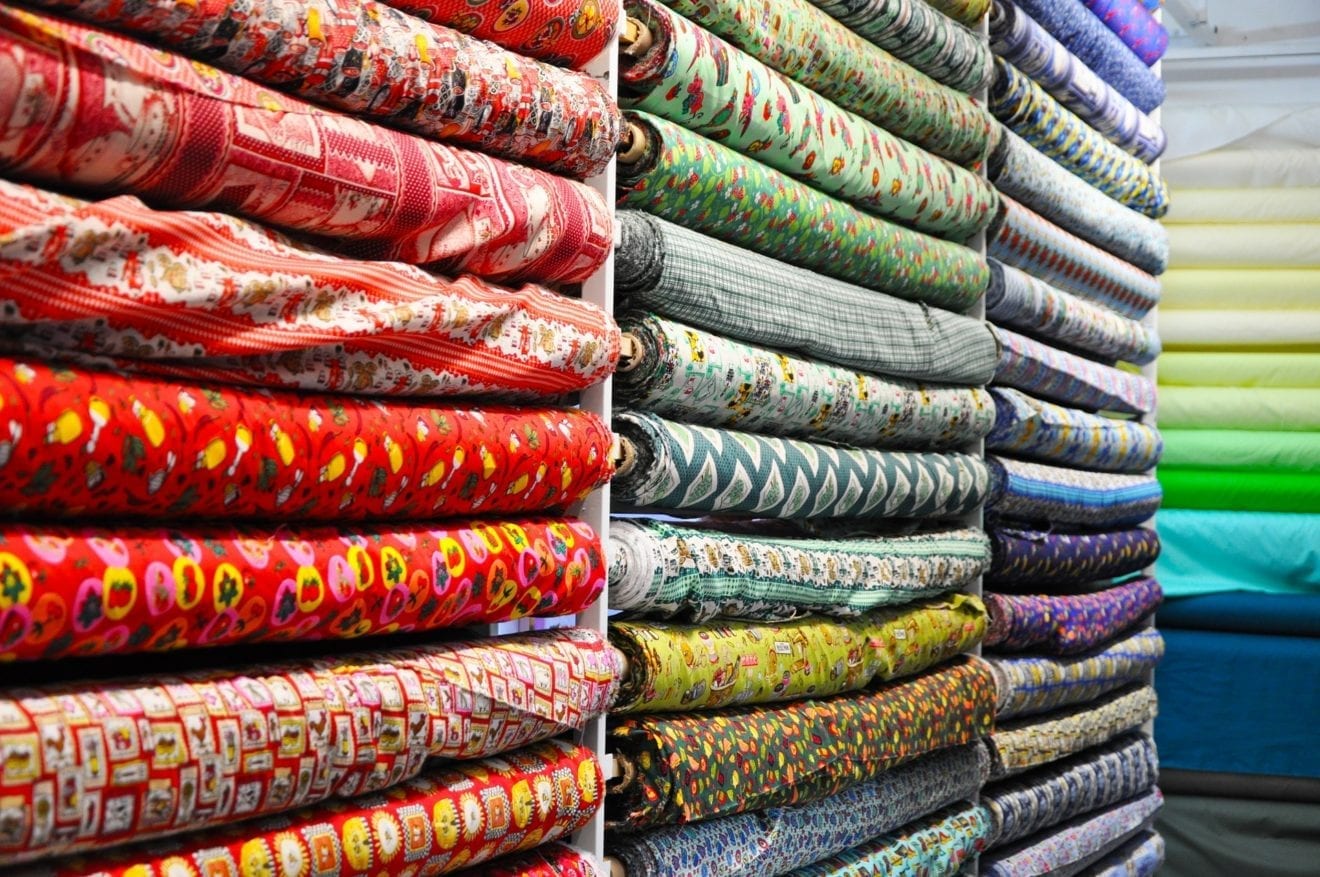
    Pakistani textile makers face a steep decline in goods exports during the second quarter from October to December, driven by weakening Western demand, surging shipping costs, and escalating production expenses.

    According to Pakistan Textile Exporters Association (PTEA) Patron-in-Chief Khurram Mukhtar, ocean freight charges have climbed by 1.5 to 2.5 times, severely squeezing profit margins.

    The downturn is affecting the country’s entire textile value chain, from ginning and spinning to weaving, knitting, and processing, compounded by weak domestic demand amid high inflation.

    Squeezed margins and export rebate demands

    PTEA Patron-in-Chief Khurram Mukhtar said inflation in major Western consumer markets has depressed wholesale orders from international retail brands. Rising input costs and higher transport expenses have also hurt competitiveness. Pakistani apparel and textile goods now struggle against goods from regional manufacturing hubs across South and Southeast Asia.

    To stop factory shutdowns and protect export volumes, the association wants an immediate temporary Duty Drawback of Local Taxes and Levies rebate of 6 per cent to 8 per cent. Exporters are also demanding the quick release of delayed tax refunds across government heads to resolve working capital shortages.

    Mill operators also want authorities to eliminate cross-subsidies embedded in industrial electricity and gas tariffs. They say these surcharges push local production costs above regional rivals.

    Financing bottlenecks hit textile supply chain

    Credit access remains another friction point for garment suppliers. The federal government set a fixed 4.5 per cent financing rate under the Export Finance Scheme in the FY27 Finance Bill. Commercial lenders have not implemented the concessionary rate.

    Banks continue to charge exporters borrowing costs ranging from 5.5 per cent to as high as 8.5 per cent. Mukhtar said approximately Rs200 billion in concessionary financing went to yarn exporters, even though yarn is on the scheme’s negative list. Sugar exporters also received allocations despite operating in a regulated sector.

    Value-added garment producers that beat State Bank of Pakistan mandatory export volume targets by five to six times have been denied loans under the facility.

    Allocations miss export volume reality

    State planners increased credit allocations for small and medium enterprises by Rs300 billion, but industry groups say the qualification rules make the money unusable. Accessing that pool requires incremental export performance of Rs600 billion. Under current global demand patterns, that hurdle is unachievable.

    A previous SME export allocation of Rs100 billion lapsed unused during the prior fiscal year for the same reason. Mukhtar urged the central bank to rebalance credit distribution to match actual trade performance. The country’s top 100 exporters account for up to 60 per cent of total export volume.

    The decline in export trade volume is unprecedented,

    Mukhtar warned that only the most resilient operators will survive current conditions. Lost international retail accounts will prove difficult to recover once global apparel sourcing desks shift contracts elsewhere.

    Modernisation funding and ten-year strategy

    Seeking to prevent broader factory closures, the association proposed a targeted modernisation financing package of Rs140 billion for technological upgrades across four production segments. The plan allocates Rs20 billion each for cotton ginning and sizing, alongside Rs50 billion each for weaving and fabric processing.

    The funds would pay to balance, modernise, and replace aged machinery, deploy automation, and meet international buyers’ sustainability and resource-efficiency standards. Mill groups want the State Bank of Pakistan and the federal government to build this lending framework directly with trade bodies.

    Beyond emergency relief, the association called for a 10-year strategic export blueprint focused on industrial surplus capacity and structural competitiveness reforms. The immediate test is whether the central bank enforces the 4.5 per cent lending cap before second-quarter export data registers the projected downturn.

  • Pakistan Raises Import Duties on Tyres and Motorbike Parts to Protect Local Industry

    Pakistan Raises Import Duties on Tyres and Motorbike Parts to Protect Local Industry

    Pakistan raised additional customs duty on imported tyres and motorcycle components on Thursday. The tariff on certain bike parts climbs to 31 per cent to shelter domestic manufacturers.

    Cabinet members on the Economic Coordination Committee lifted the additional customs duty on locally manufactured radial tyres and motorcycle components from 4 per cent to 11 per cent. Rates on motorbike parts imported by local assemblers surged from 11 per cent to 31 per cent.

    Finance Minister Muhammad Aurangzeb presided over the Islamabad meeting. The committee altered statutory regulatory order SRO 693(I)/2006 on the recommendation of the Revenue Division. These tariff hikes follow the first quarter of the fiscal year and coincide with a staff-level agreement with the International Monetary Fund.

    Higher tariffs on tyres and motorcycle components

    Imported parts that compete with local suppliers face direct penalties under the new structure. Components brought in by vehicle assemblers take the steepest hit, jumping 20 percentage points to 31 per cent. Finished radial tyres and replacement parts now carry an 11 per cent levy.

    Revenue Division documents confirm the amendment to SRO 693(I)/2006 targets imports where domestic manufacturing capacity already exists. Officials structured the differential to push assemblers toward local supply contracts over foreign procurement.

    Vehicle assemblers across the country have long relied on imported knock-down kits from China, Japan and Southeast Asia. The wider tariff gap raises landed costs on foreign parts. Assemblers must now absorb the higher expenses or negotiate domestic purchasing contracts.

    Protectionist shelter for domestic assemblers

    Component vendors gain a protected customer base in a volatile retail market. Two-wheelers dominate urban transport in Karachi, Lahore and Rawalpindi. Consequently, motorbike parts rank among the largest consumer replacement categories in Pakistan.

    Motorcycle manufacturers must now speed up vendor localisation programmes. Assemblers that failed to build local supply networks over the past decade face immediate cost disadvantages. Competitors with higher domestic parts content will hold an edge.

    Retail buyers will feel the impact quickly at motorcycle repair shops and tyre dealerships. Importers of Japanese and Chinese radial tyres must raise wholesale prices or lose ground to domestic tyre makers in Punjab and Sindh.

    Credit guarantees and small business funding

    Credit guarantee measures accompanied the tariff decisions. The State Bank of Pakistan designed a structure to expand lending to small suppliers and the agricultural sector. The scheme provides 20 per cent first-loss coverage on loans to small enterprises, alongside 10 per cent coverage for medium industries and small farmers.

    Risk-sharing under the programme will flow through Agency Financial Institutions, connecting non-banking lenders and microfinance firms to state guarantees. The committee also amended the Second Supplemental Trust Deed of the Credit Guarantee Trust Fund. That step expands a housing finance facility created for the Prime Minister’s Mera Pakistan Mera Ghar initiative.

    Total supplementary grants cleared during the session reached Rs57.85 billion across 11 allocations. Within that sum, the Small and Medium Enterprises Development Authority secured Rs2 billion to execute its corporate plan.

    Restructuring state retail and infrastructure

    Industries and Production Division officials secured Rs11.329 billion to shut down the state-owned Utility Stores Corporation. The state retail chain operated thousands of discount grocery outlets nationwide. The closure forms part of a wider push to rationalise state enterprises.

    Infrastructure spending took up the rest of the major allocations. The Public Private Partnership Authority received Rs8 billion for project delivery. Meanwhile, the Ministry of Railways received Rs10 billion for the Thar Coal Rail Connectivity Project, linking domestic coal reserves to power stations and industrial buyers.

    Export Development Fund balances will also be invested in government securities to earn sovereign yields on idle trade funds. Revised customs tariff schedules take effect immediately across all major customs ports.

  • Pakistan FBR Drafts Rules for AI Scrutiny of Tax Returns

    Pakistan FBR Drafts Rules for AI Scrutiny of Tax Returns

    Pakistan’s Federal Board of Revenue (FBR) moved in October 2026 to extend the use of artificial intelligence to scrutinise individual tax returns, drafting rules to detect factual and legal errors before initiating penal action.

    Designated as Rule 38-B under proposed amendments to the Income Tax Rules 2002, the draft framework gives stakeholders three days to submit feedback before officials finalise the regulation.

    How Automated Cross-Matching Works

    The automated system compares information declared in income tax returns with other available records held by tax authorities, flagging potential discrepancies directly to taxpayers through the IRIS portal.

    Algorithmic detection does not trigger immediate penalties or legal cases. Filers instead receive an initial window of at least seven days to rectify errors, upload missing records, or clarify mismatched numbers online.

    Taxpayers who miss that initial deadline receive an automated reminder. That notice grants an additional response period of at least seven days.

    Officer Oversight and Final Assessment

    Inland Revenue officers retain jurisdiction over every flagged file. A designated officer reviews the system findings alongside any explanation uploaded by the taxpayer. The officer then decides whether to launch formal assessment proceedings under the Income Tax Ordinance.

    This structure inserts an automated filter between return submission and audit selection. It cuts processing time and reduces direct contact between taxpayers and tax collectors during initial screenings.

    Implications for Retailers and Small Businesses

    Retail operators and sole proprietors across Pakistan face tighter scrutiny as the revenue board cross-references sales data, bank transactions, and import filings with declared revenues. Unreported point-of-sale turnover or mismatched supply-chain invoices will trigger automatic flags under the architecture.

    Businesses must now maintain digital accounting ledgers that match IRIS portal records in real time. Failure to answer the two successive seven-day notices leaves Inland Revenue officers free to proceed with ex-parte legal actions and tax assessments.

    Next Steps for Tax Filers

    Recent revenue drives saw tax authorities deploy lifestyle monitoring units to track undeclared assets and high-value spending across major cities. Automated scrutiny standardises that process across the broader filing base.

    Public consultation closes in three days. Officials will then formally notify Rule 38-B in the official gazette for nationwide deployment.

  • Pakistan Lowers Petrol and Diesel Pump Prices for September 29

    Pakistan Lowers Petrol and Diesel Pump Prices for September 29

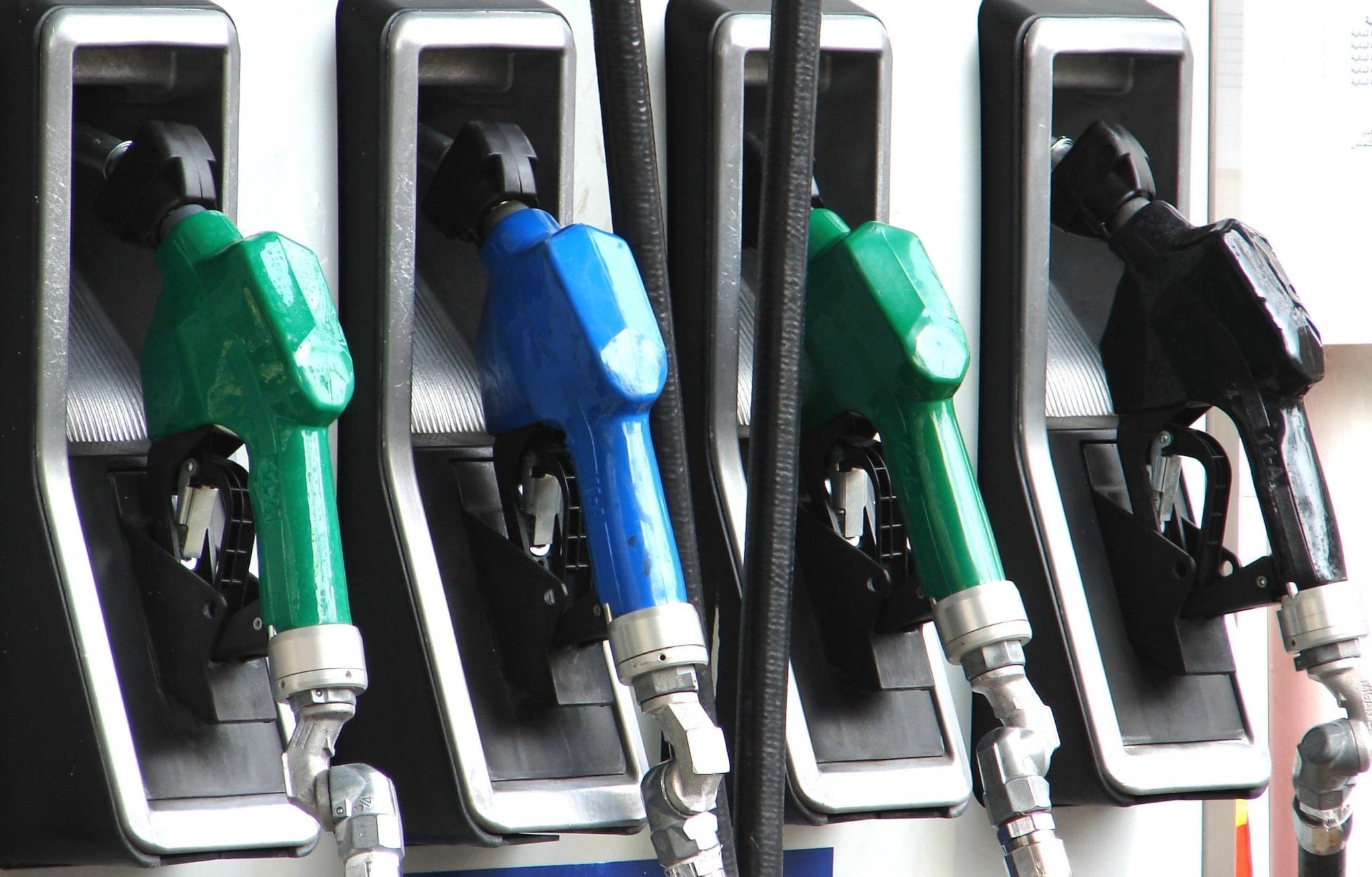
    Pakistan cut petrol prices by Rs2.27 per litre and high-speed diesel by Rs3.56 per litre on September 28, adjusting retail fuel rates for nationwide transport and retail supply chains.

    The revision sets the ex-depot price of petrol at Rs389.03 per litre and high-speed diesel at Rs404.97 per litre, with the updated rates taking effect on September 29.

    Tax burdens and daily pricing

    Official levies remain unchanged despite the downward revision. The federal government maintains Rs114 per litre in duties and taxes on petrol and Rs100 per litre on high-speed diesel, according to the Petroleum Division notification.

    Daily price adjustments now govern the pump rate under an arrangement handed to the Oil and Gas Regulatory Authority in July. Petroleum Minister Ali Pervaiz Malik introduced daily revisions to track swings in imported cargo costs directly, replacing the previous weekly adjustment framework established in March.

    Operating hours and transport pressure

    For commercial store operators and logistics fleets, fuel costs remain a heavy overhead. Petrol and high-speed diesel drive nationwide freight and personal transit, with monthly consumption running between 700,000 and 800,000 tonnes each, compared with roughly 10,000 tonnes for kerosene.

    Physical retailers face operational curbs alongside pump price volatility. The government has enforced early market shutdowns at 9pm to conserve energy, while cutting fuel quotas for official vehicles by 50 per cent over a three-month window.

    Trajectory from April peaks

    Pump rates remain below the record highs set earlier in the year. High-speed diesel traded at a peak of Rs520.35 per litre on April 3, climbing from Rs281 per litre before international market disruptions escalated in late February.

    Petrol followed an identical track, starting from Rs266 in early March to reach a record Rs458.41 per litre in April. Targeted subsidies introduced by Prime Minister Shehbaz Sharif on September 13 attempt to shield two-wheelers, auto rickshaws and passenger vehicles up to 800cc from high base rates.

    Supply monitor

    Commercial transport operators continue to watch the daily regulatory adjustments from the Oil and Gas Regulatory Authority. Further price notifications depend on international crude benchmarks and the duration of the current retail operating curbs.

  • Pakistan Opens Sovereign Debt Trading to Retail Investors Under IMF Reform Plan

    Pakistan Opens Sovereign Debt Trading to Retail Investors Under IMF Reform Plan

    Pakistan opened public trading of government securities through the national stock exchange on Tuesday. The step advances financial market overhauls tied to a 1.2 billion dollar International Monetary Fund review.

    Commercial lenders hold 78 per cent of all government securities in Pakistan. Sovereign debt accounts for 62 per cent of total banking system assets. That concentration crowds out credit access for corporate borrowers, retailers, and private businesses across the country.

    Opening Debt Markets to Retail Capital

    Under the strategic plan for the Local Currency Bond Market, retail bank customers will trade exchange-listed treasury bills and bonds through their commercial banks. Four institutions will oversee trading: the State Bank of Pakistan, the Securities and Exchange Commission of Pakistan, the Pakistan Stock Exchange, and the Central Depository Company.

    The Ministry of Finance and the central bank will overhaul the primary dealer framework for fiscal year 2027-28. Dealers will face mandatory performance metrics based on executable secondary-market quotations drawn directly from the electronic trading platform. They will also gain access to a new securities-lending facility to support liquidity.

    Addressing the Banking Sector Bottleneck

    These reforms tackle structural distortions that have starved Pakistani enterprise of long-term local capital. Shallow domestic debt markets keep commercial borrowing costs high across South Asia. That forces retail networks, logistics operators, and consumer manufacturers to rely on short-term bank loans with volatile floating rates.

    Broadening the buyer base beyond commercial banks to retail, institutional, and foreign accounts aims to establish a transparent benchmark yield curve. Without one, domestic corporate debt issuance has stayed dormant.

    Origins of the Strategic Roadmap

    A joint diagnostic study by the IMF and the World Bank served as the foundation for the blueprint. The review found that Pakistan maintains basic money market mechanics. Secondary market liquidity and investor diversification, however, trail peer emerging economies across the Asia-Pacific region.

    Publishing the bond market development roadmap before September 30 was a binding benchmark under Pakistan’s IMF Extended Fund Facility and Resilience and Sustainability Facility. Finance Minister Muhammad Aurangzeb presented the measures directly to an IMF mission led by Iva Petrova during review meetings in Islamabad.

    Talks Advance Toward November Disbursement Target

    Discussions between Islamabad and the visiting mission also spanned revenue shortfalls from regional trade friction, state enterprise privatisations, power-sector reforms, and the medium-term automotive development plan. Successful completion of the review clears the path for the IMF executive board to approve a 1.2 billion dollar disbursement by early November.

  • Islamabad Police Deploys 50 BYD Atto 2 Electric SUVs for Capital Patrol

    Islamabad Police Deploys 50 BYD Atto 2 Electric SUVs for Capital Patrol

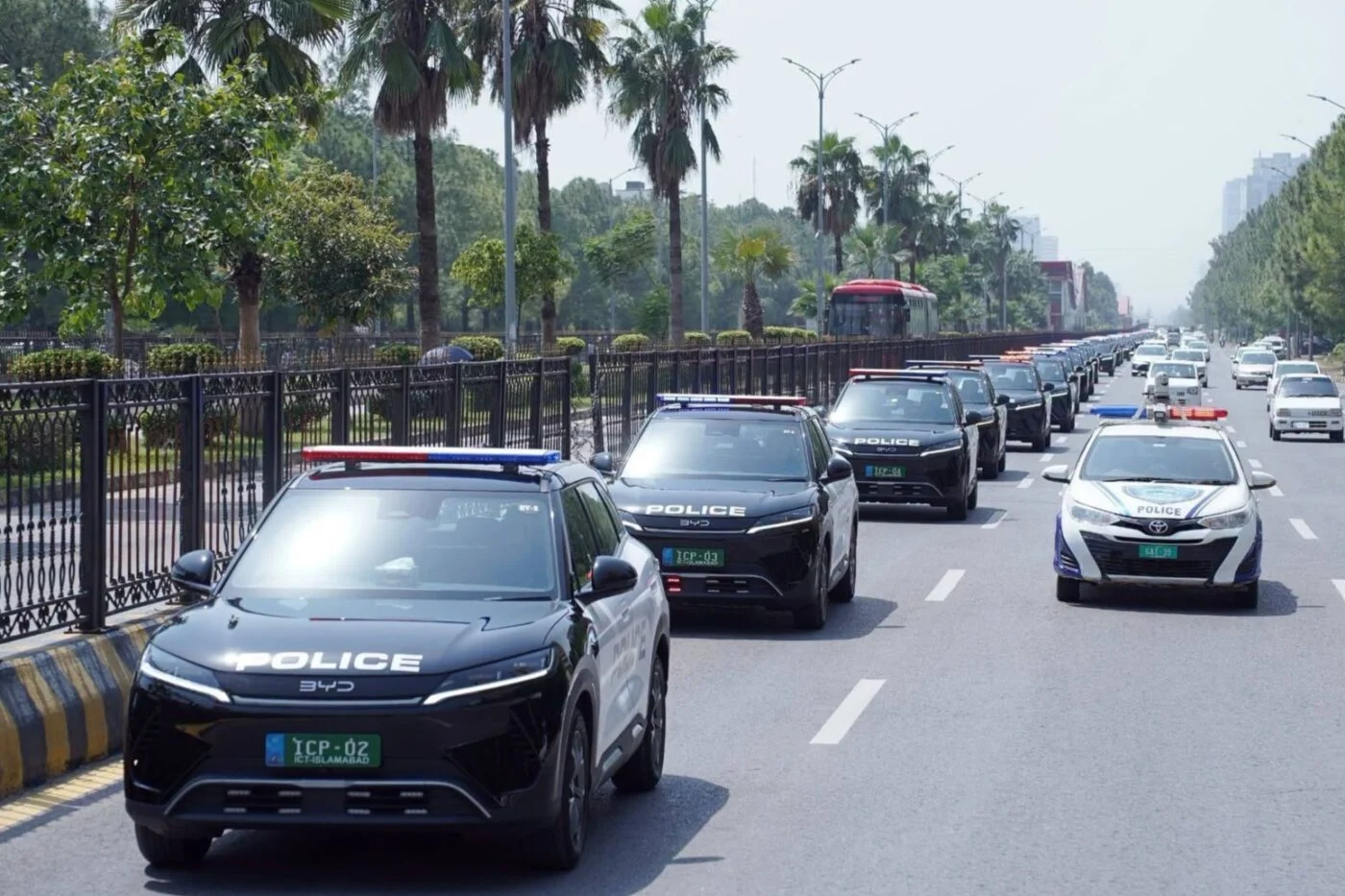
    Islamabad police deployed 50 BYD Atto 2 electric sport utility vehicles across the Pakistani capital, establishing a dedicated 200-officer patrol unit. The fleet cost 7.29 million Pakistani rupees per vehicle and will cut monthly municipal fuel spending by roughly 34 million rupees.

    Pakistani Prime Minister Shehbaz Sharif transferred the vehicle keys on 8 September to Federal Minister for Interior Mohsin Naqvi and Inspector General of Islamabad Police Syed Ali Nasir Rizvi. The rollout equips the newly formed Capital Patrol force to handle urban surveillance and emergency calls.

    Fleet deployment and financial return

    Municipal calculations indicate the monthly fuel savings will recover the capital outlay for each vehicle in ten and a half months. Lower operational expenses allow the department to reallocate budget lines from fuel procurement to frontline equipment and maintenance.

    Police leadership expects the electric fleet to improve urban response times across Islamabad. Rapid torque delivery from electric powertrains and reduced maintenance downtime give city patrols higher daily availability than aging internal combustion units.

    Powertrain and battery specifications

    The deployed Atto 2 models run on a single powertrain configuration. A front-mounted permanent magnet synchronous motor generates 130 kW of power and 290 Nm of torque, allowing acceleration from zero to 100 kilometres per hour in 7.9 seconds.

    Energy storage relies on a 45.12 kWh lithium iron phosphate battery pack. The system delivers an operating range of up to 380 kilometres under NEDC testing standards, and fast charging restores battery capacity from 30 per cent to 80 per cent in 30 minutes.

    Local assembly plans in Sindh

    The municipal procurement aligns with BYD’s manufacturing roadmap in Pakistan through its local partner, Mega Motor Company. Mega Motor, an associate of power producer Hub Power Company, is building a vehicle assembly plant in Gharo, Sindh.

    Establishing domestic production enables the Chinese automaker to lower import tariffs and compete aggressively against traditional Japanese vehicle assemblers that dominate Pakistan’s passenger market. Fleet deals with government agencies provide stable initial volumes while retail distribution develops.

    Commercial network expansion

    Mega Motor plans to complete construction of the Gharo assembly facility by the end of 2026. The Atto 2 serves as the primary candidate for initial local assembly lines once production begins.

    Watch the rollout of charging infrastructure along capital patrol routes and the completion timeline for the Sindh factory ahead of the late 2026 manufacturing target.

  • Pakistan Power Regulator Reviews Rs1.73 Electricity Tariff Hike for August

    Pakistan Power Regulator Reviews Rs1.73 Electricity Tariff Hike for August

    Pakistan’s power regulator is considering an electricity tariff increase of Rs1.73 per unit. The hike covers higher generation expenses incurred in August.

    The Central Power Purchasing Agency submitted the adjustment petition to the National Electric Power Regulatory Authority. It seeks to recover fuel expenses across state distribution companies and Karachi-based utility K-Electric.

    A public hearing is scheduled for September 29 to review the submission. If approved, the surcharge will apply to all standard consumer categories nationwide on upcoming billing cycles.

    Generation mix and fuel cost breakdown

    Data filed with the authority shows power producers supplied 14.464 billion units of electricity to distribution companies during August. Generation costs averaged Rs8.82 per unit across all energy sources.

    Hydropower remained the primary source, generating 37.84 per cent of total electricity. Coal also carried a heavy load. Imported coal accounted for 15.59 per cent of total output, while domestic coal delivered 10.88 per cent.

    Costly thermal generation pushed up the overall fuel basket despite low volumes. Imported liquefied natural gas supplied 8.48 per cent of power at Rs45.92 per unit. Furnace oil accounted for 2.15 per cent of supply at Rs45.25 per unit. Domestic natural gas provided 7.04 per cent of output.

    Operating margin pressures on commercial operators

    Continuous fuel cost adjustments push up utility overheads for store operators, cold-chain logistics providers, and shopping centre managers. Power is one of the largest non-payroll operating costs for commercial occupiers in urban retail hubs.

    Commercial tenants cannot absorb recurring adjustments without passing increases along supply chains or cutting floor energy use. Higher baseline tariffs squeeze margins. The pressure falls hardest on grocers running continuous refrigeration networks and department stores maintaining heavy air conditioning loads.

    Consumer purchasing power faces fresh headwinds

    Household budgets contract as higher utility bills reduce discretionary retail spending across major metropolitan centres. Rising power bills immediately drain middle-income disposable wages.

    Shoppers respond by delaying purchases of discretionary goods, apparel, and major home appliances. For mass-market brands in Pakistan, this pull-back reduces foot traffic and shrinks basket sizes during off-peak periods.

    Previous regulatory adjustments

    This petition follows a separate adjustment approved last month, which added Rs0.7503 per unit to August consumer bills for power consumed in June. That adjustment carried an aggregate financial impact of Rs9.8 billion nationwide.

    Regulators applied the June charges to K-Electric consumers and all distribution companies under the former Water and Power Development Authority framework. Lifeline customers, electric vehicle charging stations, and pre-paid meter accounts were excluded.

    Final surcharge rates for upcoming commercial and residential bills will be decided at the September 29 determination hearing.

  • Pakistan Launches 400MW Wheeling Auction to Open Power Market

    Pakistan Launches 400MW Wheeling Auction to Open Power Market

    Pakistan opened bidding for a 400-megawatt electricity wheeling auction in Islamabad. It begins the country’s exit from direct state power procurement for large industrial buyers.

    This auction is the first phase of an 800-megawatt allocation plan spread across five years. The program runs under the Competitive Trading Bilateral Contracts Market model.

    The Independent System and Market Operator, a state-owned unit under the Power Division, issued the Request for Proposals on Sunday. Commercial and industrial users consuming over one megawatt can now contract power directly with independent generation companies. They will no longer buy exclusively from regional state distributors.

    Rules and Capacity Ceilings for Bidders

    New auction rules prevent individual participants from dominating the deregulated capacity. Regulators placed a 20 per cent ceiling on single entities. That caps any participant at a cumulative 160 megawatts over the five-year auction schedule.

    Bidders can meet their quota through a single generation plant of up to 160 megawatts. Alternatively, they can combine multiple smaller plants across successive annual bidding rounds. Every generation asset must still satisfy grid capacity obligations and operational benchmarks set by grid authorities.

    Power Minister Awais Ahmad Khan Leghari confirmed the state plans to halt centralized capacity purchases entirely. The government will stop fixing power rates through single-buyer contracts. It will also step back from acting as the middleman between generators and industrial off-takers.

    Impact on Manufacturing and Exporters

    Manufacturers have long blamed centralized tariffs and fixed capacity payments for hurting regional export competitiveness. Under direct power purchase agreements, factory operators can negotiate long-term supply deals straight with private generators.

    Regional manufacturing hubs such as Vietnam and India saw similar deregulations push industrial parks toward bilateral renewable contracts. In Pakistan, textile mills, chemical producers, and large logistics hubs will be first to secure market-clearing wholesale rates.

    Credit risk shifts from sovereign payment guarantees to direct bilateral contracts between buyers and sellers. Generators must now evaluate corporate balance sheets directly instead of relying on state circular debt payouts.

    Ten-Year Grid Expansion Figures

    Regulators recently cleared Pakistan’s Indicative Generation Capacity Expansion Plan for 2025 through 2035. That roadmap targets 26,045 megawatts in new capacity alongside 2,577 megawatts of plant retirements. Total national capacity will rise to 62,657 megawatts.

    Generation additions will require 47.08 billion dollars in capital spending, according to the power regulator. This total includes 8,120 megawatts of rooftop net metering. Grid reliability will need another 10.65 billion dollars in transmission investments, divided into 4.6 billion dollars for committed projects and 6.05 billion dollars for proposed network expansions.

    Next, the Independent System and Market Operator will review initial bids before releasing the remaining 400 megawatts in subsequent annual tranches.

  • Hormuz Closure Threatens 99 Percent of Pakistan’s LNG Supply

    Hormuz Closure Threatens 99 Percent of Pakistan’s LNG Supply

    Pakistan is among the worst-hit nations by liquefied natural gas disruptions following the closure of the Strait of Hormuz, with the fuel accounting for about 30 percent of the country’s total gas supply.

    Qatar and the UAE supply about 99 percent of Pakistan’s LNG, primarily for power generation, fertiliser production, and industrial use, according to a report released by Gastech Conferences at its 54th annual event.

    Severe Exposure to Middle East Chokepoints

    The supply shock, triggered by Middle East conflict involving Israel, the United States, and Iran that began in February, has led Universal Gas Distribution Company Chief Executive Officer Ghiyas Abdullah Paracha to pursue gas storage and supply talks with international firms.

    To plug the immediate deficit, policymakers are reviewing plans to accelerate utility-scale solar installations, wind projects, and commercial rooftop panels paired with battery storage. Islamabad is also weighing domestic coal, hydropower, and nuclear facilities to keep base-load electricity running.

    Industrial Disruption and Grid Agility

    Higher fuel import costs mean immediate surges in operating overheads for factory operators and supply chains across South Asia. Power tariffs will climb as utilities scramble to buy alternative liquid fuels or burn costlier feedstocks. That pressure falls directly on industrial users, textile mills, and fertiliser producers that depend on stable pipeline pressure to maintain export schedules.

    Regional planners are now assessing measures to expand strategic fuel reserves for power plants and road transport networks. The crisis has also accelerated talks on regional power-sharing frameworks and cross-border electricity trading to cushion against sudden transit halts.

    “We have got understanding with some companies that have shown interest in building gas storage facilities in Pakistan. Some companies have shown keen interest in long-term LNG contracts with UGDC,” Paracha said.

    Private Sector Storage and Market Reforms

    Universal Gas Distribution Company Chief Executive Officer Ghiyas Abdullah Paracha met global infrastructure developers at the Bangkok summit to negotiate foreign-backed storage terminals. Pakistan lacks commercial gas storage capacity. That absence leaves the network vulnerable to day-to-day shipping schedules and vessel arrival delays.

    This push coincides with Islamabad’s broader deregulation, which opened the state-dominated transmission network to private gas distributors and direct terminal access. Private participation unbundles procurement from sovereign balance-sheet constraints. It allows industrial consortiums to contract their own import quotas directly.

    Shifting the Long-Term Generation Mix

    Military tensions involving Israel, the United States, and Iran disrupted Persian Gulf transit lanes starting in February. Pakistan had previously restructured sovereign purchase deals with Gulf suppliers to lower payment defaults. Physical route closures bypassed those commercial contracts entirely.

    Attention turns to whether Islamabad can secure formal financing commitments for planned LNG storage terminals and finalize supply arrangements before the winter peak-demand window opens.

  • Pakistan Rolls Out Fuel Subsidies for Delivery Riders as Crude Tops 100 Dollars

    Pakistan Rolls Out Fuel Subsidies for Delivery Riders as Crude Tops 100 Dollars

    Pakistan rolled out a nationwide fuel relief scheme on Wednesday offering a 100-rupee discount per litre to cushion delivery riders and small-vehicle operators against surging crude oil prices.

    International oil prices climbed past 100 dollars per barrel following maritime disruptions in the Strait of Hormuz and Bab El-Mandeb, pushing Islamabad to subsidise local transport.

    How the Fuel Relief Scheme Works

    Deputy Prime Minister Ishaq Dar led the National Steering Committee on Fuel Subsidy to finalize operational details ahead of the midnight rollout. Under the mandate, commercial fuel stations must receive reimbursement payments within 24 hours of dispensing discounted fuel to registered motorists.

    The system allocates five litres of subsidised petrol weekly to motorcyclists, while owners of passenger cars with engine capacities up to 800cc can draw ten litres every ten days. Climate Change Minister Musadik Malik noted that the 100-rupee per litre concession offsets a combined 85 rupees in state taxes, comprising an 80-rupee petroleum levy and a five-rupee carbon levy.

    Malik cited food couriers and transport operators as primary targets for the measure. A rider covering standard delivery routes gains roughly 2,000 rupees in monthly operating margin under the quota, offsetting fuel bills that surged after recent statutory price hikes.

    Last-Mile Pressure and Supply Chain Margins

    Last-mile logistics networks and quick-commerce platforms across South Asia operate on razor-thin margins where transport fuel constitutes up to 40 per cent of route expenses. While the state cap shields gig couriers from immediate distress, the five-litre weekly quota covers only a fraction of full-time commercial driving schedules. Fleets must still absorb market rates for extra distance.

    Retail suppliers face compounded pressure through secondary freight routes. Transport contractors moving packaged goods between regional hubs and urban distribution centres do not qualify for the small-vehicle subsidy, forcing freight carriers to either push transport surcharges onto FMCG distributors or trim delivery frequencies outside tier-one cities.

    Power Generation and Grid Stability

    Power costs present a parallel risk to brick-and-mortar retail and refrigerated storage networks. Energy Minister Sardar Awais Ahmad Khan Leghari reported that spot prices for imported liquefied natural gas climbed to 23.25 dollars per million British thermal units during the shipping bottlenecks.

    Domestic power generation relied on local energy sources for 72 per cent of total output during August 2026, led by hydroelectric output at 38 per cent, domestic coal at 11 per cent, nuclear at 10 per cent, and domestic gas at seven per cent. Leghari confirmed that diverting local gas into power generation prevented an extra hour of daily load shedding across commercial grids.

    The steering committee directed provincial administrations to complete district-level station verification, with daily sales volume monitoring set to begin across all four provinces from midnight on Thursday.

  • Pakistan Approves 200,000 Tonnes of Sugar Exports Alongside Maritime and Energy Reforms

    Pakistan Approves 200,000 Tonnes of Sugar Exports Alongside Maritime and Energy Reforms

    Pakistan’s Economic Coordination Committee approved the export of 200,000 tonnes of sugar on Monday. The decision followed a submission by the Ministry of National Food Security.

    Safeguards built into the quota aim to prevent supply shortages and retail price spikes in the domestic market. Finance Minister Muhammad Aurangzeb chaired the cabinet committee session in Islamabad. Officials cleared agricultural trade proposals alongside industrial and security funding measures.

    Domestic Price Safeguards For Food Processors

    Local mills can now offload surplus inventory into overseas markets to generate foreign exchange. Shipments, however, will face strict monitoring. The committee designed these checks to protect local consumers and commercial food processors from wholesale price inflation.

    The release adds short-term supply for regional commodity traders and food manufacturers across Asia. South Asian sugar millers balance export earnings against domestic price stability. Sudden export bans often follow retail price surges. Under this mechanism, operational risk falls on millers, who must prove domestic market stability before volumes clear customs.

    Logistics Restructuring And Refinery Upgrades

    Beyond agriculture, the committee cleared a restructuring framework for the state-owned Pakistan National Shipping Corporation. The Maritime Affairs Division presented the plan. It changes ownership and management control based on recommendations from the Privatisation Ministry.

    Energy supply chains also secured regulatory clearance under the Petroleum Division’s Draft Upgrade Agreement. Built on the Pakistan Oil Refining Policy for Upgradation of Existing Brownfield Refineries 2023, the framework gives local refineries five years to modernize with state incentives. Separately, oil marketing companies secured an interim settlement mechanism through the Inland Freight Equalisation Margin to resolve unadjusted input sales tax claims for FY26.

    Vehicle Import Rules Put On Hold

    Ministers deferred an immediate decision on commercial vehicle imports. The Science and Technology Division had proposed new inspection regimes for used vehicles. Officials directed the division to incorporate findings from an Engineering Development Board review committee before resubmitting the standards.

    A 3 billion rupee technical supplementary grant was cleared to buy 15 bulletproof sedans. The vehicles will transport visiting heads of state during the Shanghai Cooperation Organisation Council Summit in Islamabad later this month.

  • EU Warns Pakistan That GSP Plus Benefits Cannot Be Taken for Granted

    EU Warns Pakistan That GSP Plus Benefits Cannot Be Taken for Granted

    The European Union has warned Pakistan that trade preferences under the Generalised Scheme of Preferences Plus cannot be taken for granted as the current framework expires at the end of this year.

    EU Ambassador Raimundas Karoblis told Dawn that Islamabad must address compliance issues under 27 international conventions before reapplying for the successor regime ahead of the Dec 31, 2028 transition deadline.

    Tariff Exposure for Apparel Suppliers

    European buyers take roughly 28 per cent of Pakistan’s total exports. Nearly 90 per cent of those shipments qualify for duty relief under the Generalised Scheme of Preferences Plus framework, known as GSP Plus.

    Textile and apparel factories generate between 70 per cent and 76 per cent of sales to the European market. Leather goods, processed foods, and beverages also rely on zero-tariff access. Without it, local producers struggle against rivals in South and Southeast Asia.

    Pakistan has held GSP Plus status since 2014. The current regulation expires at the end of this year, but existing beneficiaries receive a transition window running until December 31, 2028. European officials stress that the transition does not guarantee automatic inclusion in the next cycle.

    The situation is not certain. And, of course, GSP+ preferences cannot be taken for granted.

    New Benchmarks and Regional Competition

    For European fashion brands and sourcing heads, losing preferential tariffs on Pakistani cotton and knitwear would shift costs overnight. Standard tariffs would add immediate import duties on garments. That would wipe out margins against competitors in Bangladesh, India, and Vietnam.

    Brussels has stripped trade perks before. Sri Lanka lost its GSP Plus standing in 2010 over human rights issues, forcing clothing exporters there to renegotiate pricing across European retail accounts. Pakistan faces partial or full suspension during the transition window if regulators find compliance failures.

    Stricter Conditions for Islamabad

    A European Commission review covering the 2023 to 2025 period cited compliance problems in Pakistan, noting regression on forced labour, judicial independence, and civil rights. Outgoing Foreign Office spokesperson Tahir Andrabi stated that the report understates the country’s reform progress across international treaties.

    The successor framework expands qualifying criteria from 27 international conventions to 32. Islamabad has ratified the five additional treaties. Still, European monitors require a detailed action plan with verified metrics before granting approval under the new system.

    Formal European Commission monitoring reviews will run ahead of the December 31, 2028 transition deadline. Those findings will determine whether Pakistani garment manufacturers retain zero-tariff access to European ports.