Tag: islamabad

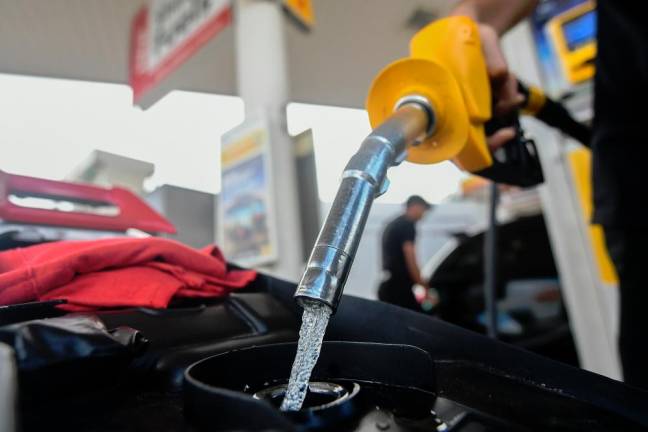
  • Pakistan Raises Petrol to Rs349 and Diesel to Rs374 per Litre

    Pakistan Raises Petrol to Rs349 and Diesel to Rs374 per Litre

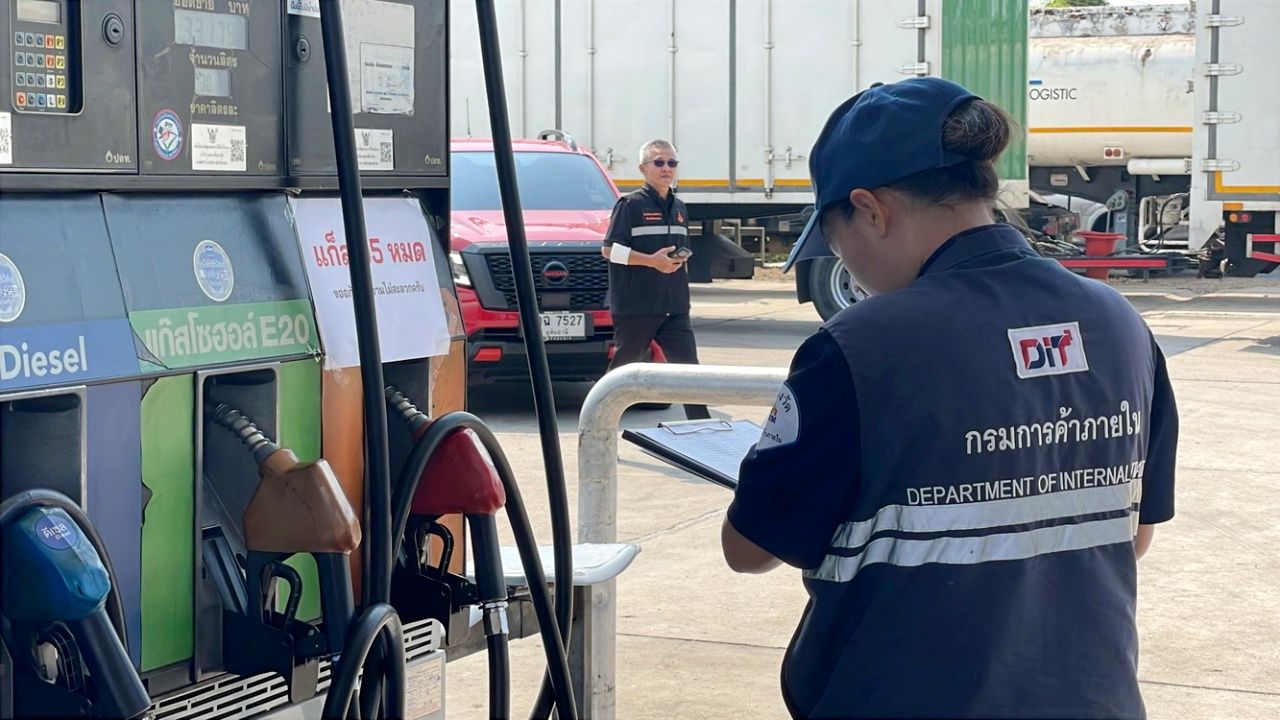
    Pakistan raised the retail price of petrol by Rs2.84 per litre and high-speed diesel by Rs2.28 per litre, effective September 4.

    Petrol now costs Rs349 per litre. High-speed diesel stands at Rs374.31 per litre. State fuel taxes add Rs114 per litre in duties on petrol and Rs100 per litre on diesel.

    Daily Pricing and Middle East Volatility

    Fuel rates now change daily under a system the government introduced on July 17. Petroleum Minister Ali Pervaiz Malik instructed the Oil and Gas Regulatory Authority to adjust prices every day based on international crude fluctuations.

    Both fuels remain well below their spring records. High-speed diesel peaked at Rs520.35 per litre on April 3, up from Rs281 before hostilities between the United States and Iran escalated in late February. Petrol reached Rs458.41 per litre on that same April date after opening March at Rs266.

    Impact on Freight and Retail Transport

    Transport costs feed directly into retail operations across Pakistani cities. High-speed diesel fuels long-haul freight trucks, intercity logistics fleets, agriculture machinery, and backup commercial generators. Petrol runs commuter motorbikes and urban delivery networks.

    Monthly consumption of petrol and high-speed diesel combined runs between 700,000 and 800,000 tonnes, compared to 10,000 tonnes for kerosene. Fleet operators and logistics providers are watching the next daily OGRA notices as global oil benchmarks shift.

  • Pakistan Corporate Registry Passes 311,000 as Tech Leads New Filings

    Pakistan Corporate Registry Passes 311,000 as Tech Leads New Filings

    Pakistan registered 4,761 new companies in August, pushing the total number of corporate entities in the country to 311,765.

    Online registrations accounted for 99.9 per cent of all filings during the month, driven by integrated federal and provincial digital portals.

    Where the new businesses set up shop

    Punjab remained the primary hub for new ventures, taking 2,547 incorporations or 53 per cent of the August total. Islamabad Capital Territory registered 843 companies, outpacing Sindh, which recorded 702 new corporate entities.

    Khyber Pakhtunkhwa accounted for 407 registrations, while Gilgit-Baltistan recorded 151 and Balochistan logged 111. The Information Technology sector led sector-specific formation across the country with 872 new incorporations during the month, followed by trading firms.

    Private limited entities made up the largest structure category at 2,762 companies, representing 58.01 per cent of the total. Single-member firms followed with 1,846 registrations, alongside 113 limited liability partnerships, 28 non-profit organizations, and 12 public and foreign entities.

    Digital shift drives formalisation

    Across emerging South Asian markets, bringing trading and tech enterprises out of cash-based operations into registered corporate frameworks has been slow. Pakistan’s shift to digital-only incorporation channels has streamlined the process for startups and small trading outfits that previously operated informally.

    The regulator’s next monthly filing report will show whether September maintains this pace above 4,500 new monthly incorporations as commercial sectors prepare for seasonal fourth-quarter trading.

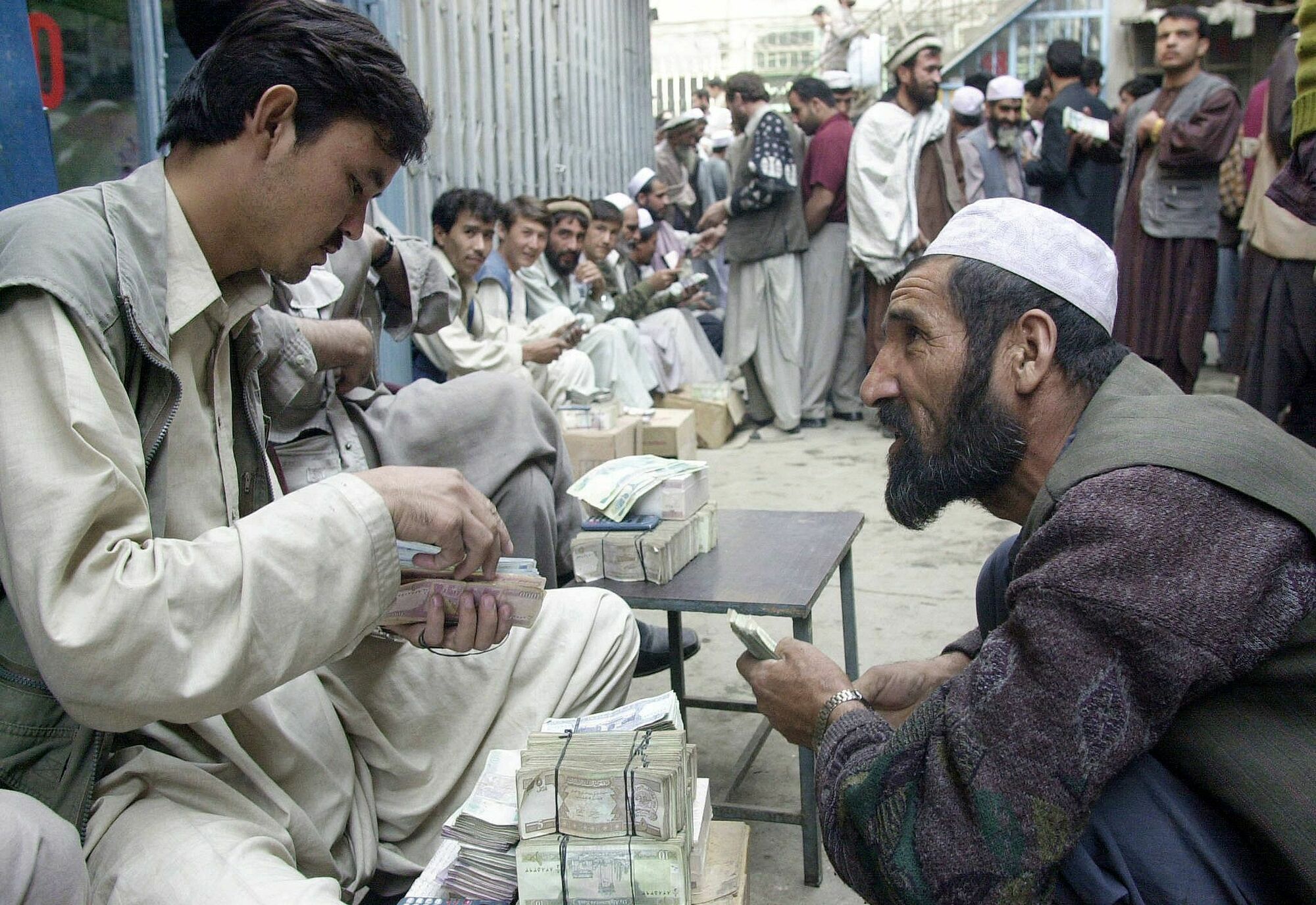
  • Hawala Networks Tap Asian Fintech Platforms and Crypto to Move Funds

    Hawala Networks Tap Asian Fintech Platforms and Crypto to Move Funds

    Underground hawala networks are tapping instant payment rails, digital wallets and crypto assets to launder funds across Asia, a joint FATF and OECD study shows. More than 80 per cent of surveyed jurisdictions identified these unlicensed services as primary conduits for professional money laundering, with single operations clearing upwards of €500 million within months.

    The study, compiled with data from 45 jurisdictions including India and Pakistan, details how informal value transfer systems have shifted into commercial, scalable operations. Operators increasingly rely on encrypted messaging apps, digital banking logins and stablecoins to settle balances across borders without physical cash.

    Digital Wallets and Cross-Border Corridors

    Nearly 70 per cent of responding jurisdictions reported a sharp transition toward digital hawala. Hawaladars advertise currency exchange and transfer services in private groups on WhatsApp, Telegram and Signal, offering lower transaction fees than regulated money transfer operators.

    In one case cited by the Central Bank of Oman, an unlicensed ring moved money to Pakistan by having expatriates transfer funds via cash or mobile services. The operators then used payment apps and domestic instant payment systems such as Raast in Pakistan to settle the recipient side, capturing profits through currency differentials while running $72,293 in tracked flows over 12 months.

    Operators also deploy purpose-built mobile applications, virtual international bank account numbers (IBANs) and artificial intelligence tools to coordinate complex payment flows across multiple countries.

    Gambling Rings and Shadow Rails

    In India, investigators identified an illegal online wagering ring that used an extensive network of panel operators to process player deposits and withdrawals. The scheme routed transactions through the Unified Payments Interface (UPI), online bank accounts and digital wallets opened with stolen identities or run by money mules.

    Organisers converted portions of the proceeds into cash and routed them through underground hawala channels to the United Arab Emirates. The money was subsequently funneled back into India disguised as legitimate foreign investment.

    For legitimate fintech operators and digital banks across Asia, the findings signal heightened regulatory pressure to monitor micro-transactions and peer-to-peer flows on retail payment rails. National regulators and standard-setters are preparing stricter registration requirements and oversight rules for digital wallet providers and payment service intermediaries.

  • Pakistan Launches Dual-Tranche Eurobond Offering Across 5 and 10-Year Tenors

    Pakistan Launches Dual-Tranche Eurobond Offering Across 5 and 10-Year Tenors

    Pakistan launched a US dollar-denominated benchmark dual-tranche Eurobond offering on Tuesday, seeking buyers for five-year and 10-year notes under its Global Medium-Term Note Programme.

    The debt sale extends the government’s borrowing timeline following an upsized $750 million three-year bond issued in April.

    Final issue size, pricing spreads and yields remain unannounced and depend on market conditions. Khurram Schehzad, adviser to the finance minister, stated on X that the proposed transaction reflects recent sovereign rating upgrades and improving macroeconomic data.

    Ratings and Tenors

    S&P assigned a ‘B’ rating to the proposed benchmark notes and the underlying medium-term note programme, in line with its sovereign rating. Fitch Ratings assigned the programme a ‘B-‘ rating alongside a recovery rating of ‘RR4’.

    The new five-year and 10-year tranches stretch maturities well past the three-year tenor used five months ago. In April, Pakistan ended a four-year absence from offshore bond markets by raising an initial $500 million at a 6.975 per cent coupon. Stronger bids pushed the government to exercise a $250 million green-shoe option, taking the total to $750 million due in April 2029. The finance ministry also cleared a maturing $1.4 billion Eurobond that same month to rebuild market standing.

    Market Access and Fiscal Pressures

    For frontier borrowers across South Asia, placing debt past five years marks a shift away from short-term bilateral rollovers back toward commercial pricing discipline. The transaction tests whether international funds view Pakistan’s recent fiscal adjustments as durable enough to lock in capital for a full decade.

    Bookrunners will fix pricing guidance and tranche sizes as investor orders come in over the coming days.

  • Pakistan Plans Uniform Gas Tariff to End Cross Subsidies

    Pakistan Plans Uniform Gas Tariff to End Cross Subsidies

    Pakistan is replacing its tiered gas pricing system with a single uniform tariff across all consumer categories. Petroleum Minister Ali Pervaiz Malik outlined the plan to utility executives in Islamabad.

    The Oil and Gas Regulatory Authority sets the benchmark prescribed price near Rs1,700 per million British thermal units. Even so, end-users currently pay anywhere between Rs500 and Rs4,300 per mmBtu depending on consumption brackets.

    Aligning Rates with IMF Targets

    International lenders and domestic regulators have pressed Islamabad to dismantle cross-subsidies and recover actual distribution costs. Under the new model, vulnerable households will receive targeted welfare payouts instead of discounted bills. Businesses and heavy users will pay a standardized rate.

    Malik directed state-run distributor Sui Southern Gas Company to redesign its operational model around the single-rate baseline. The utility cut unaccounted-for gas losses by roughly 57 per cent in volumetric terms over the past year. Islamabad also held headline tariffs flat, trimming roughly Rs55 billion from the sector’s circular debt balance.

    Reforming Industrial Utility Models

    For commercial operators and factories across Pakistan, ending tiered subsidies removes pricing distortions that pushed manufacturers toward alternative fuels. The shift mirrors utility overhauls in Bangladesh and India. Both nations curtailed industrial discounts to secure multilateral loan tranches and stabilize sovereign balances.

    Technical advisers from the World Bank are helping Islamabad prepare the broader restructuring plan. The cabinet must review the pricing mechanism next, clearing the regulatory authority to calculate baseline consumer rates for the upcoming fiscal cycle.

  • Pakistan Raises Petrol and Diesel Prices Under Daily Mechanism

    Pakistan Raises Petrol and Diesel Prices Under Daily Mechanism

    Pakistan raised the ex-depot price of petrol by Rs 1.12 and high-speed diesel by Rs 1.11 per litre, effective August 26, 2026.

    The adjustments lift petrol to Rs 343.10 per litre and diesel to Rs 371.80 per litre, according to notifications issued by the Oil and Gas Regulatory Authority and the Petroleum Division of the Ministry of Energy.

    Daily Pricing Adjustments

    Official pricing records show the revision extends the daily pricing mechanism introduced on July 21, when petrol stood at Rs 315.80 and diesel at Rs 367.58 per litre. Rates had held steady at Rs 341.59 for petrol and Rs 368.29 for diesel between August 22 and August 24 before rising slightly on August 25 to Rs 341.98 and Rs 370.69 respectively.

    Fuel rates remain substantially below their record peaks set on April 3, 2026, when petrol hit Rs 458.41 and diesel reached Rs 520.35 during the Strait of Hormuz supply disruption. Current rates, however, stay well above the pre-crisis baseline of Rs 266.17 for petrol and Rs 280.86 for diesel recorded on February 28.

    Transport and Retail Supply Chains

    For fleet operators and retail distribution networks across South Asia, frequent pump revisions complicate freight budgeting and last-mile consumer delivery margins. The shift from fortnightly reviews to daily pricing transfers global crude volatility directly to local commercial transport, forcing fast-moving consumer goods distributors to update their delivery surcharge formulas in real time.

    Market participants are now tracking whether daily adjustments will hold prices around current levels or push transport diesel closer to the Rs 400 threshold as regional energy markets stabilize.

  • Pakistan Hires Wood Mackenzie to Study Strategic Fuel Reserves

    Pakistan Hires Wood Mackenzie to Study Strategic Fuel Reserves

    Pakistan launched a feasibility study with energy consultancy Wood Mackenzie in Islamabad on August 25 to develop the country’s first strategic petroleum reserves. The UK-based advisory firm won the mandate against three competing bids to evaluate options for crude and refined product storage across the country.

    Petroleum Minister Ali Pervaiz Malik chaired the kick-off meeting with Wood Mackenzie executives, including Vice President Christopher Darry and Senior Vice President Aamir Malik. Representatives from Attock Refinery Limited, Pakistan LNG Limited, Government Holdings (Private) Limited, the Ministry of Maritime Affairs, and the Pakistan Institute of Development Economics also joined the session.

    Scope of the storage plan

    Wood Mackenzie will assess existing industrial infrastructure, logistics networks, and potential sites for dedicated storage facilities. The assignment covers technical integrity, safety standards, regional benchmarks, and capital expenditure estimates for a phased rollout.

    Consultants will also map legal, financial, and regulatory frameworks, evaluating public-private partnership models to fund construction. The advisory team noted that shifting global energy dynamics make this the right moment for Islamabad to secure long-term physical fuel buffers.

    Supply risks and bonded terminals

    Pakistan currently holds no strategic crude reserves, leaving domestic transport networks and industrial supply chains vulnerable to tanker traffic disruptions through the Strait of Hormuz. Prime Minister Shehbaz Sharif instructed petroleum authorities in July to expedite reserve capacity alongside updates to the national oil refining policy.

    For consumer goods distributors, freight fleets, and retailers across South Asia, fuel availability dictates baseline operating margins. Unhedged supply bottlenecks in emerging markets quickly translate into freight surcharges and shelf-price inflation when international shipping lanes face sudden friction.

    The government recently approved rules allowing international fuel traders to construct bonded storage facilities at their own expense for domestic distribution and re-export. Malik directed state bodies to share operational data with Wood Mackenzie, while a newly formed steering committee will monitor study milestones ahead of final policy submissions.

  • Pakistan Plans AI Trade Data Network Linking 55 Overseas Missions

    Pakistan Plans AI Trade Data Network Linking 55 Overseas Missions

    Pakistan’s Ministry of Commerce reviewed plans in Islamabad to build a sovereign cloud and artificial intelligence platform connecting commercial trade data across more than 55 overseas trade missions.

    Commerce Minister Jam Kamal Khan met with representatives from the Pakistan Digital Authority and data-centre operator Sky47 to draft the framework. The plan targets disparate datasets covering thousands of tariff codes, exporter registries, chambers of commerce, and the Trade Development Authority of Pakistan.

    Centralising Export Data And Sovereign Cloud

    The ministry aims to consolidate fragmented departmental databases into a unified national system. Officials reviewed data governance protocols that classify trade information into open, shared, restricted, and personally identifiable tiers while keeping data ownership within respective public agencies.

    Discussions centered on shifting trade analysis away from static reports toward predictive computing models. Khan directed departments to build direct digital feeds between domestic commercial bodies and trade attachés stationed abroad.

    Expanding Data Centre Capacity With Sky47

    Sky47 presented plans to expand its local data-centre footprint to support sovereign hosting, cybersecurity, disaster recovery, and the higher computing loads required by machine learning models. The company outlined facilities featuring energy-efficient cooling, intelligent data storage, and metadata management designed to replace small, departmental server setups.

    Government trade digitisation across South Asia has often stalled at the portal stage, leaving exporters reliant on manual clearance and disconnected trade attachés. Consolidating tariff analytics and real-time overseas market intelligence onto sovereign servers represents an effort to modernise export logistics that regional peers like India and Vietnam completed years earlier.

    The ministry and the Pakistan Digital Authority will next draft sector-specific roadmaps under a broader national digital master plan before opening integration to provincial agencies and private trade groups.